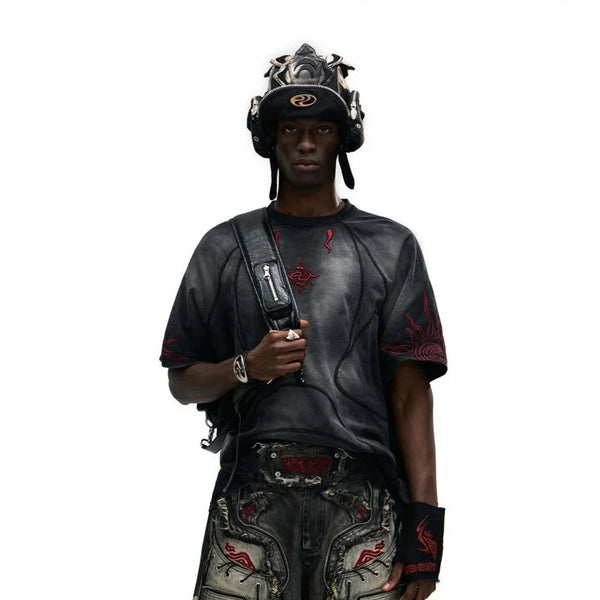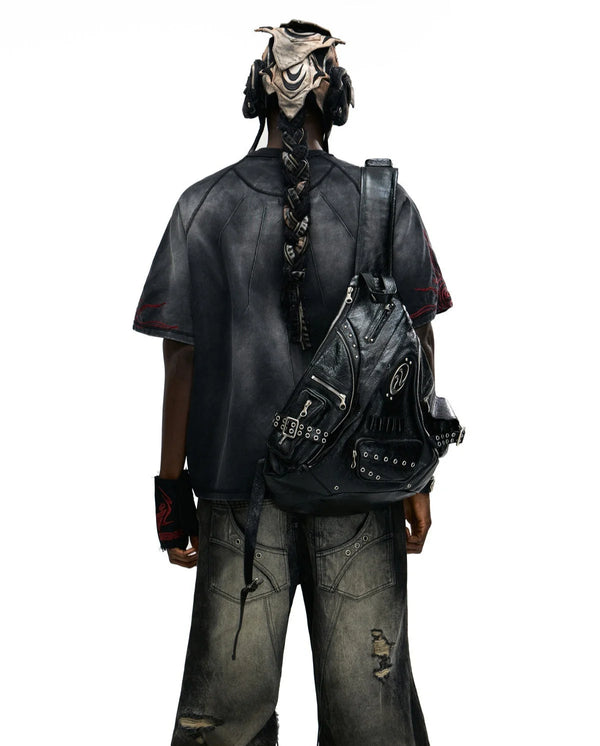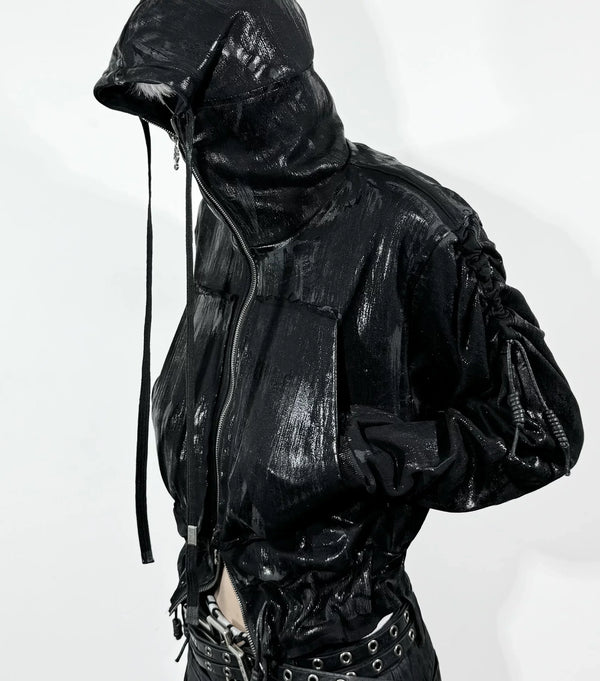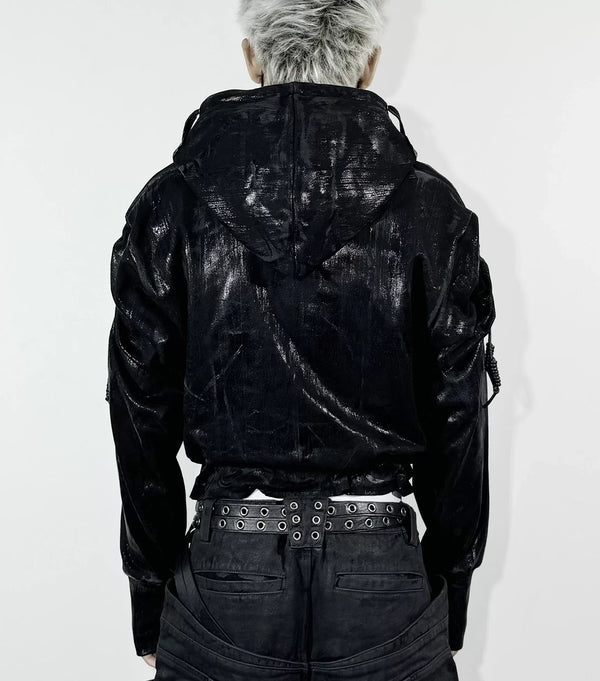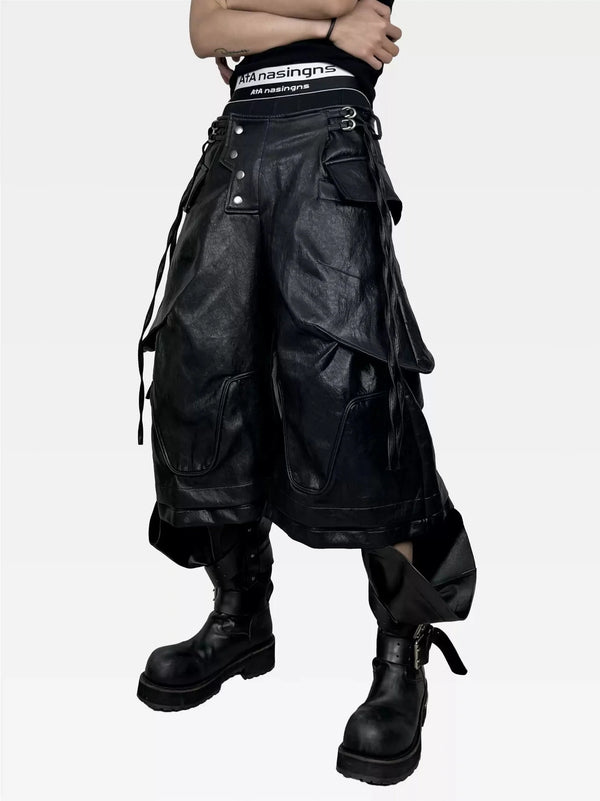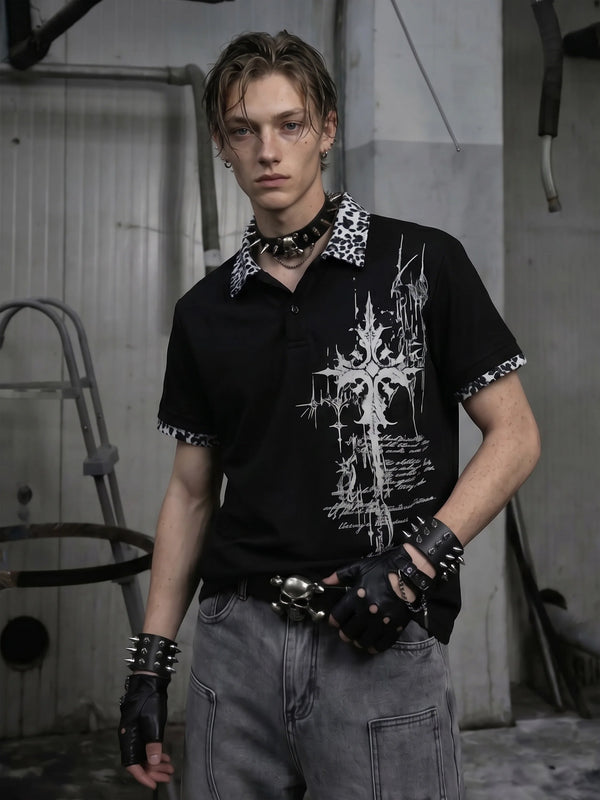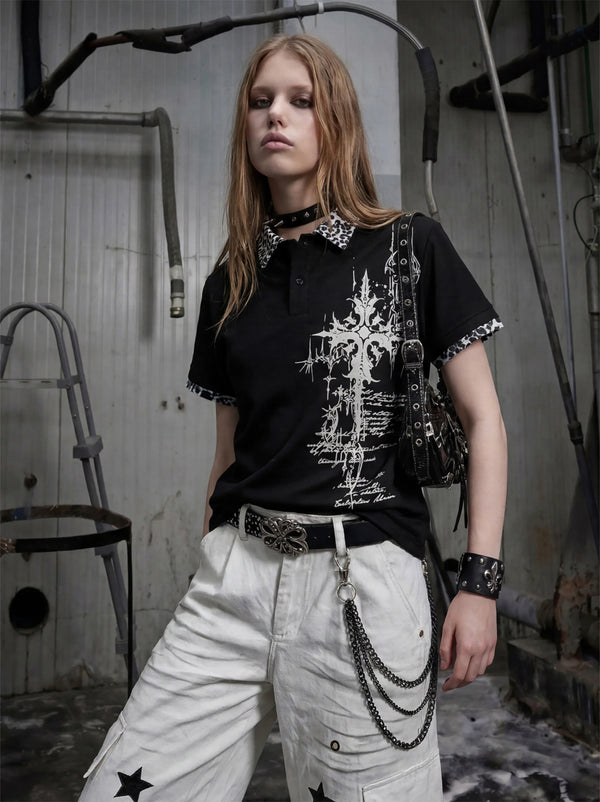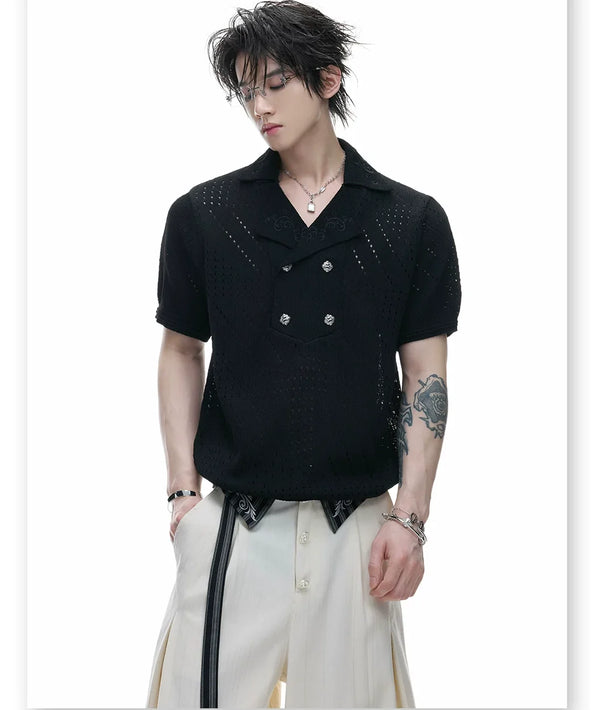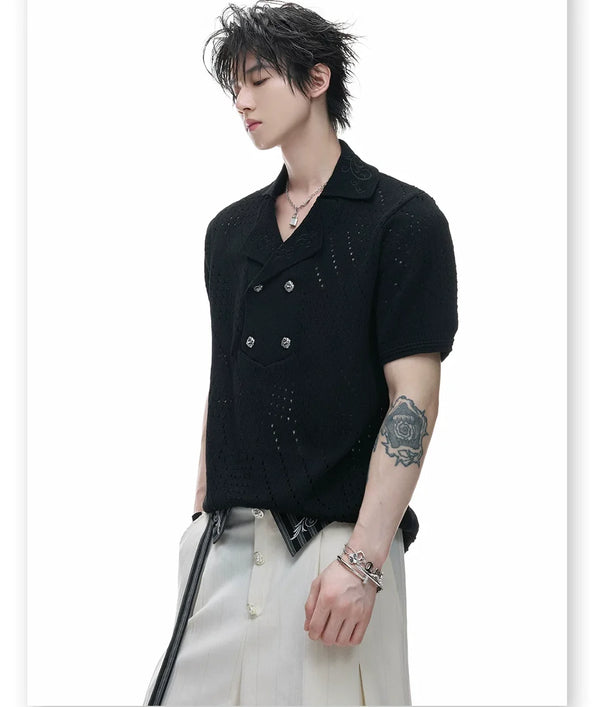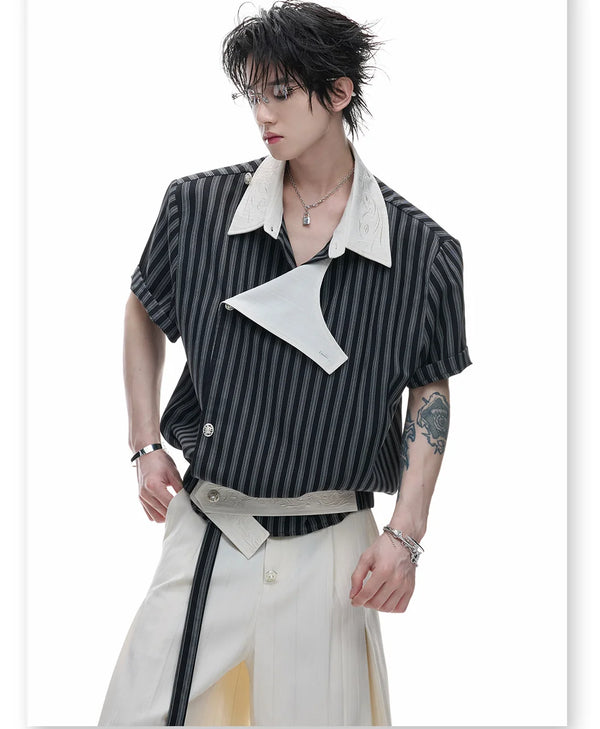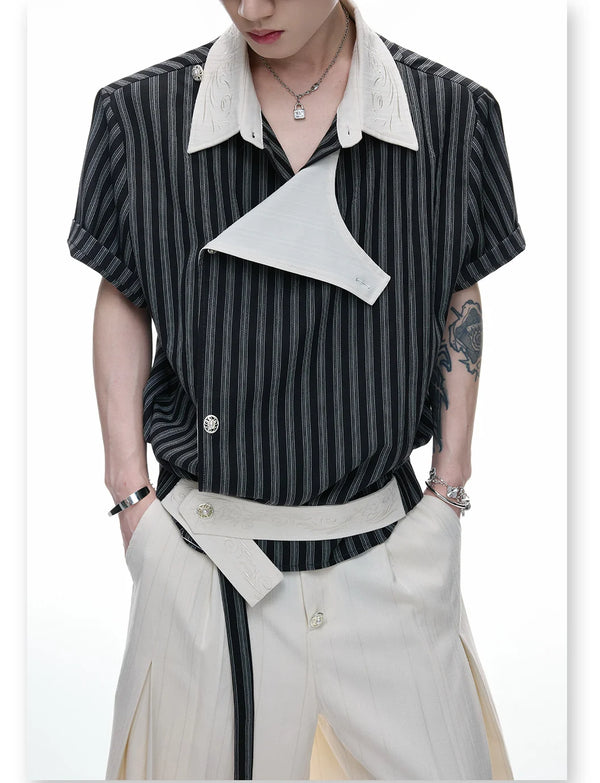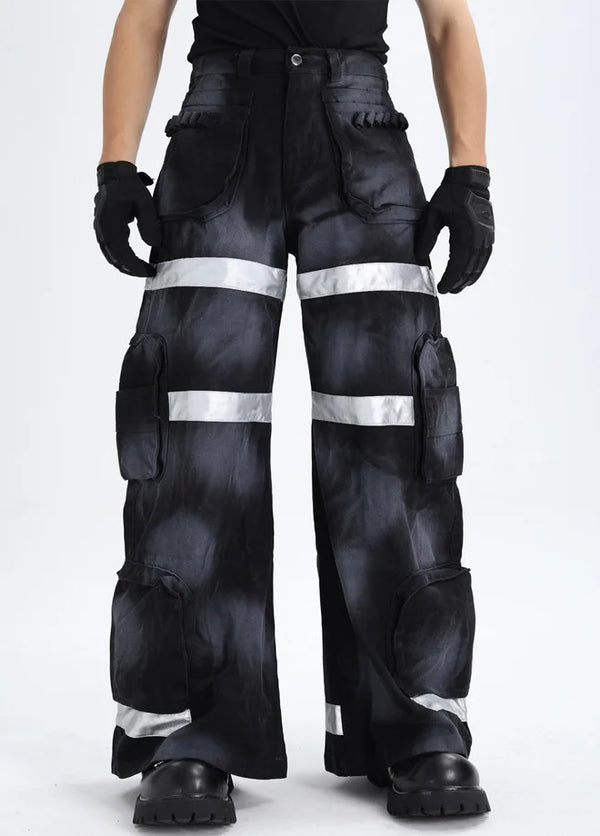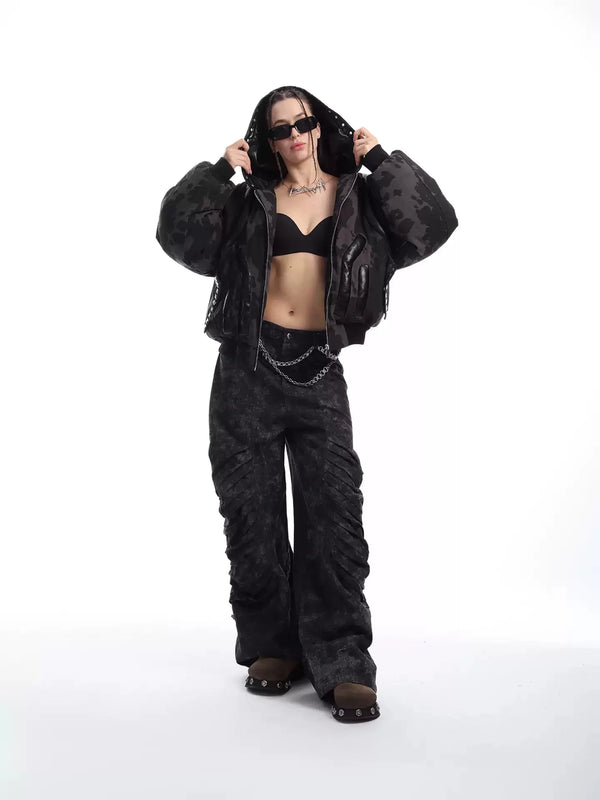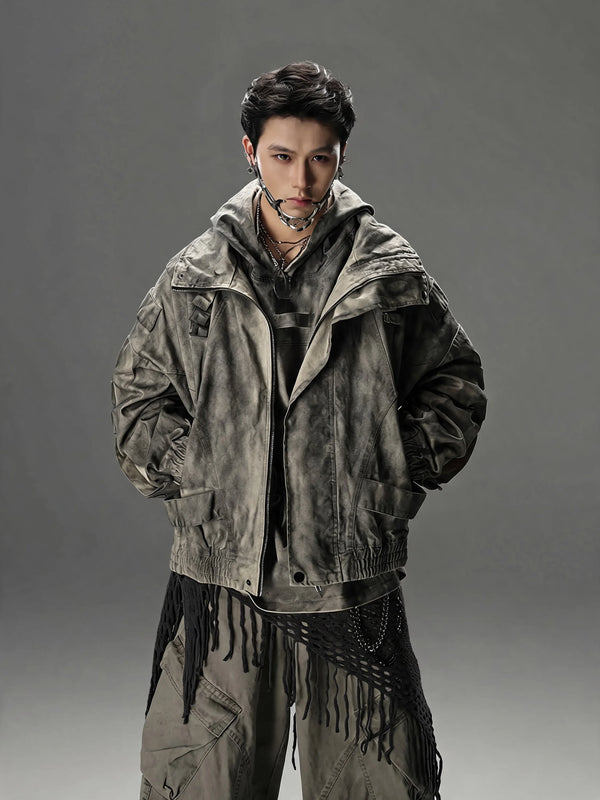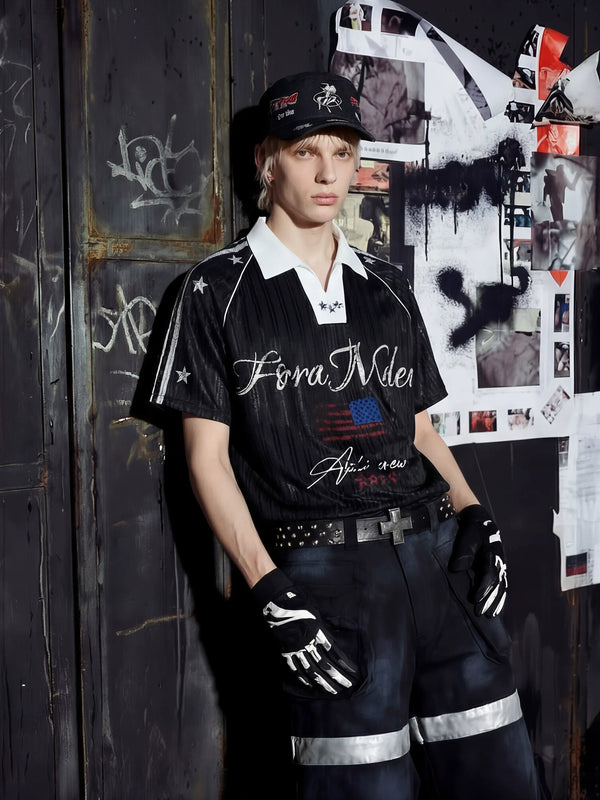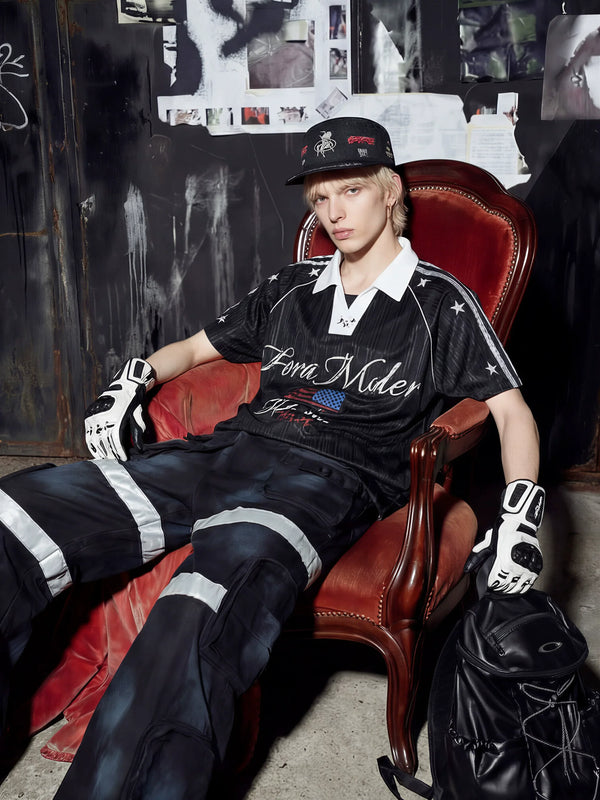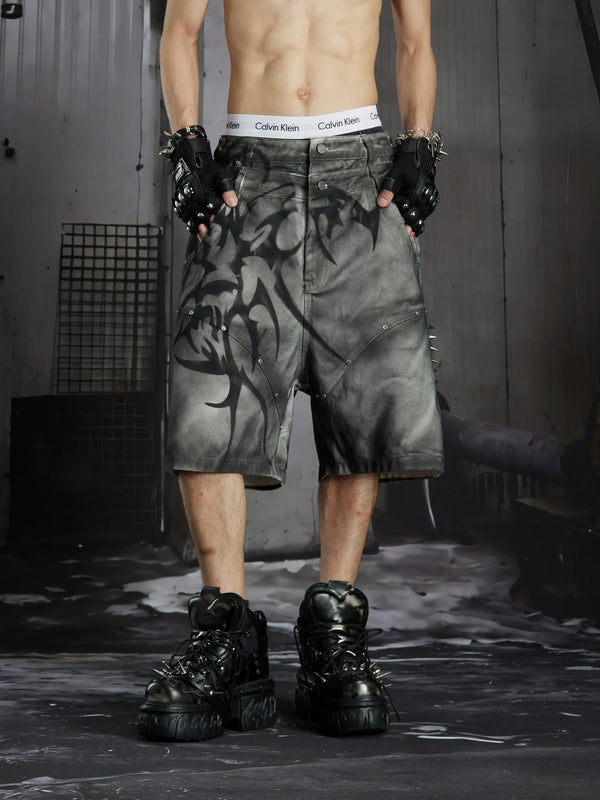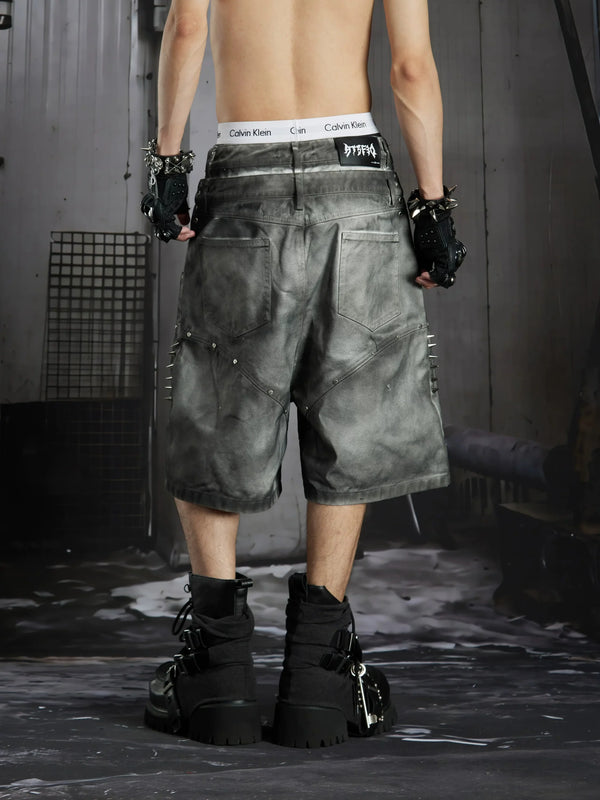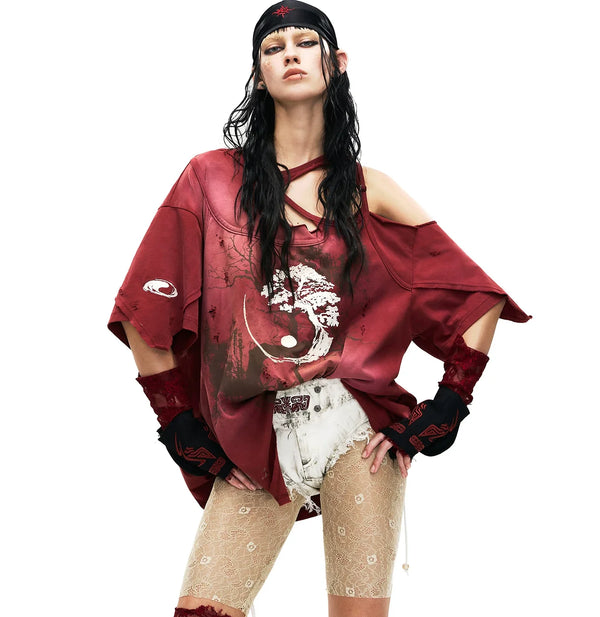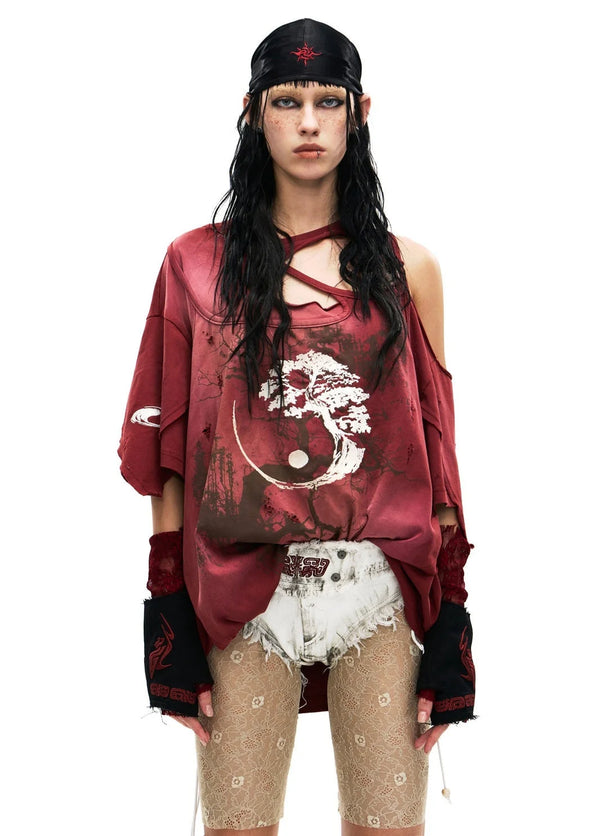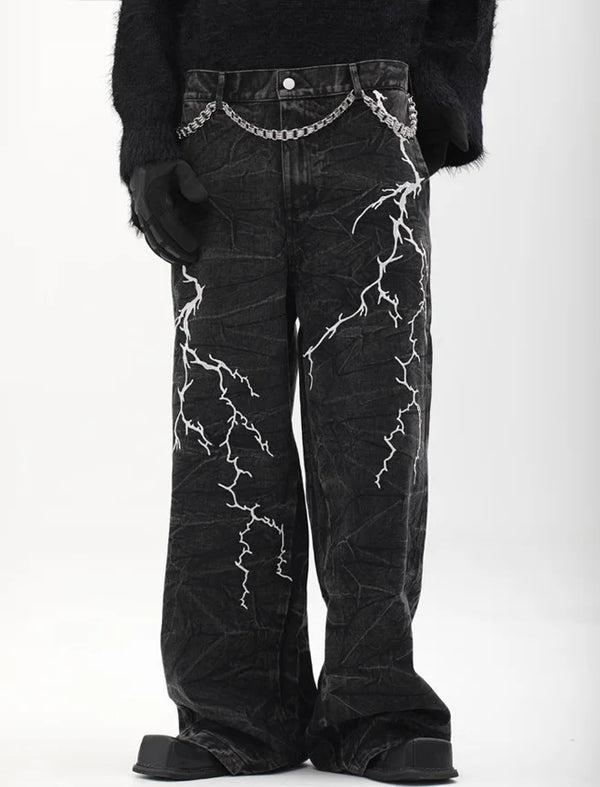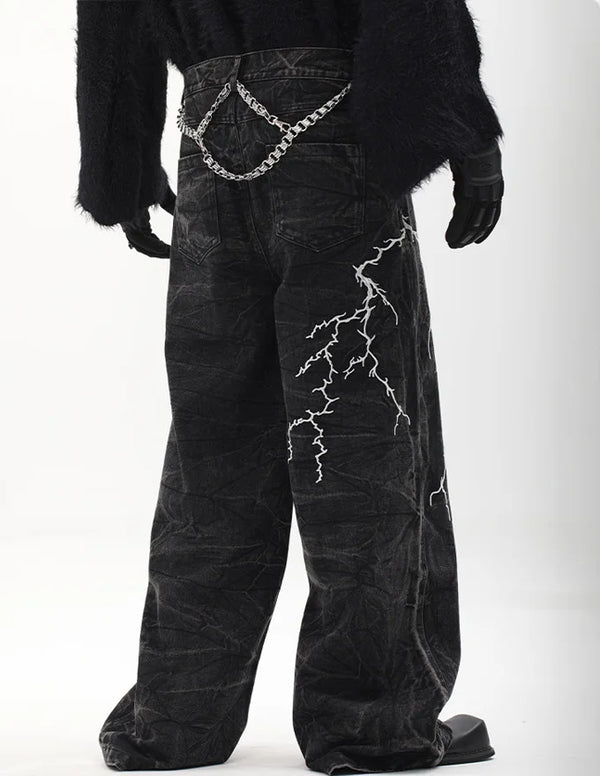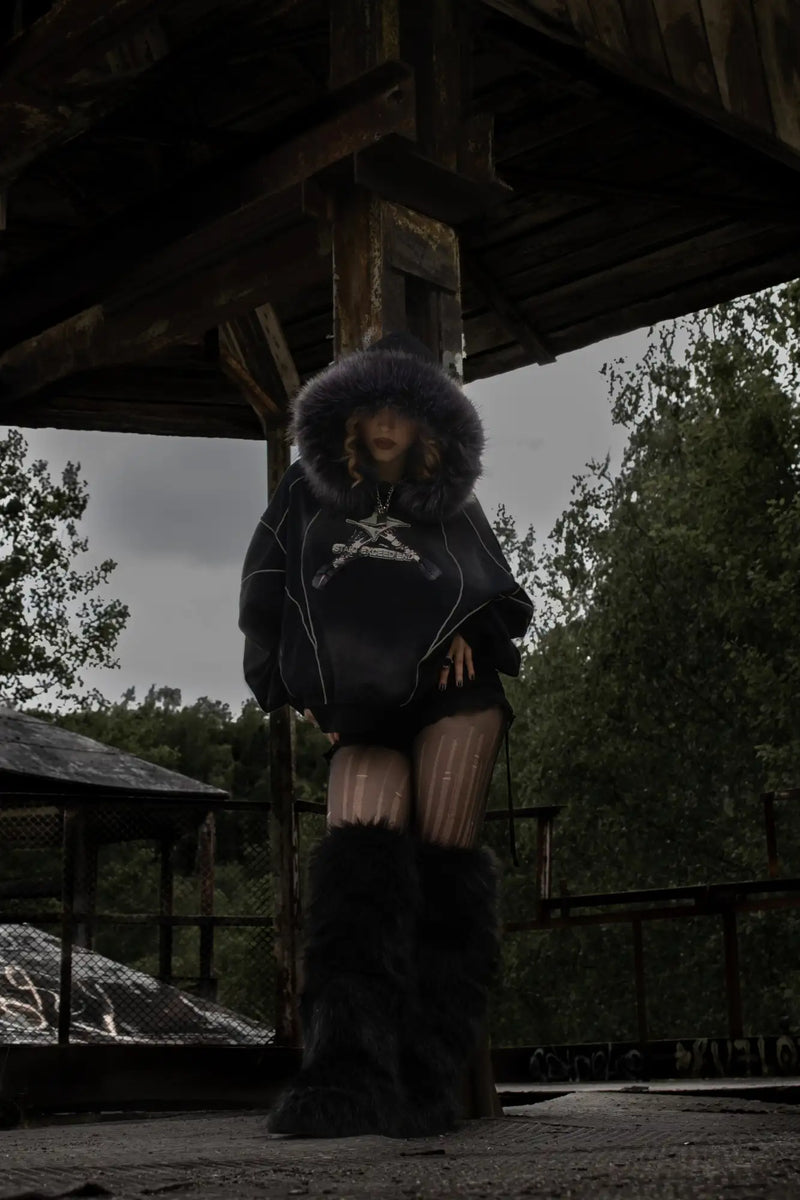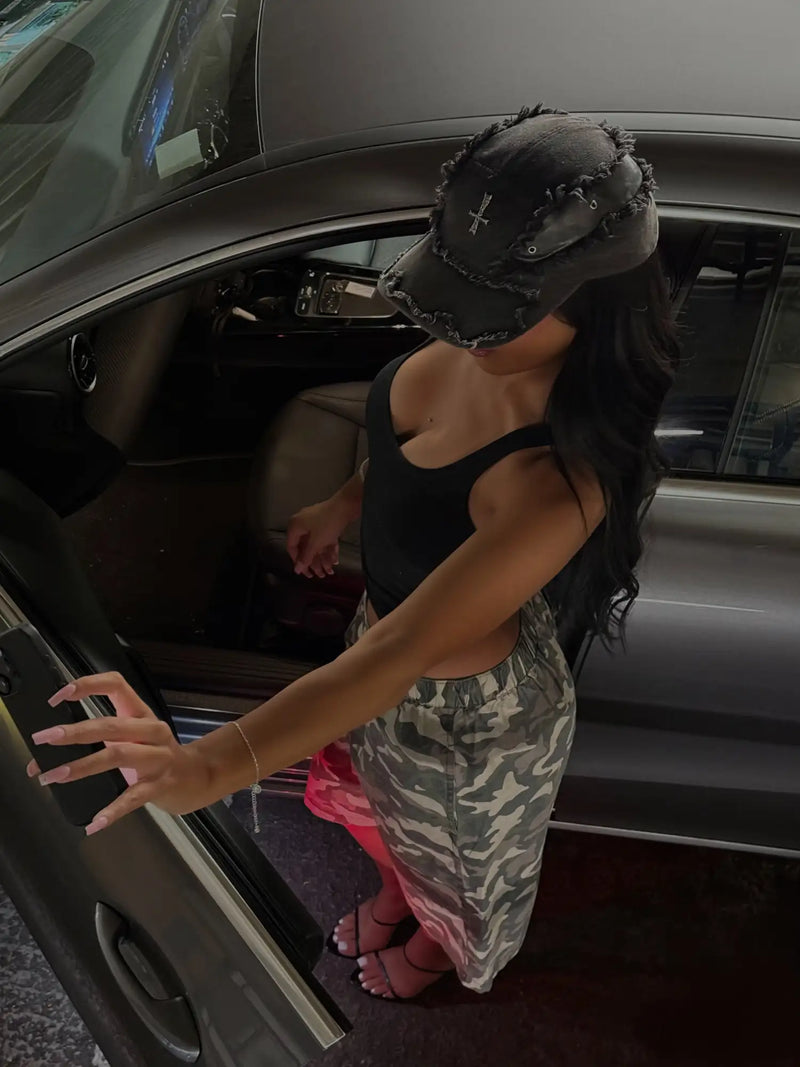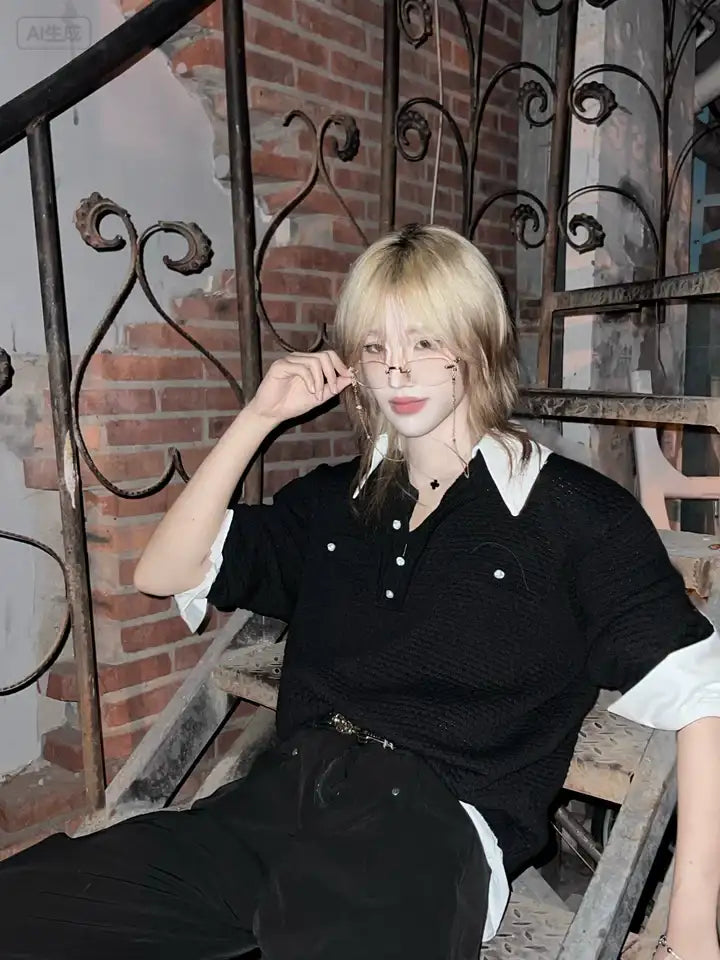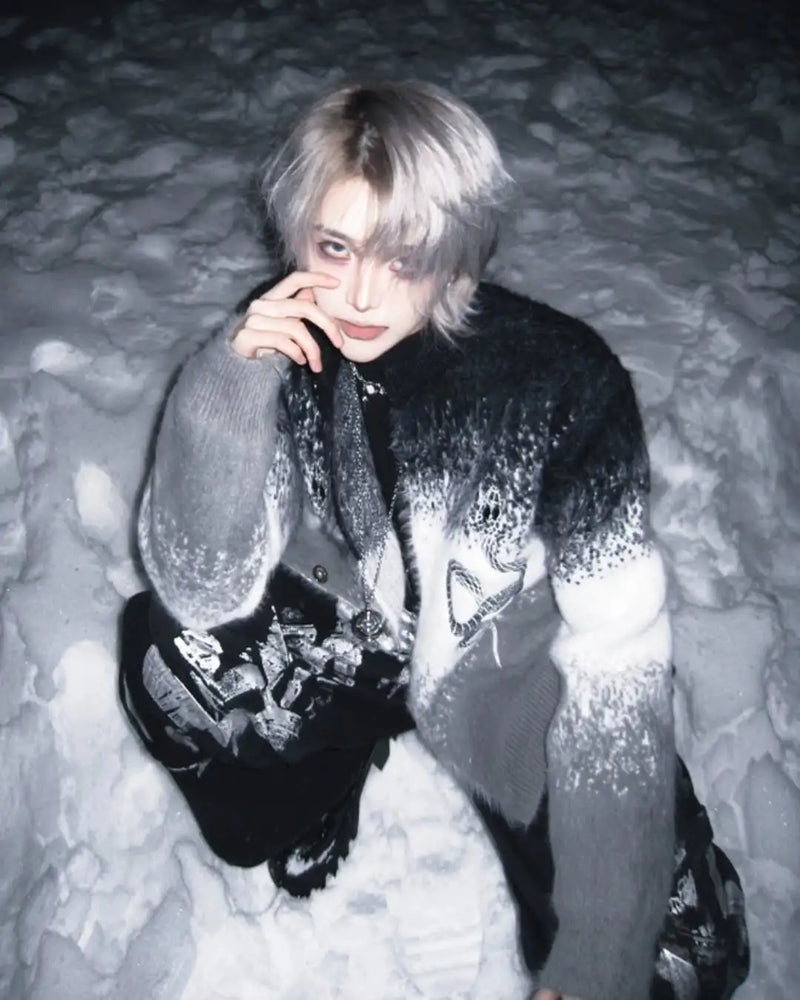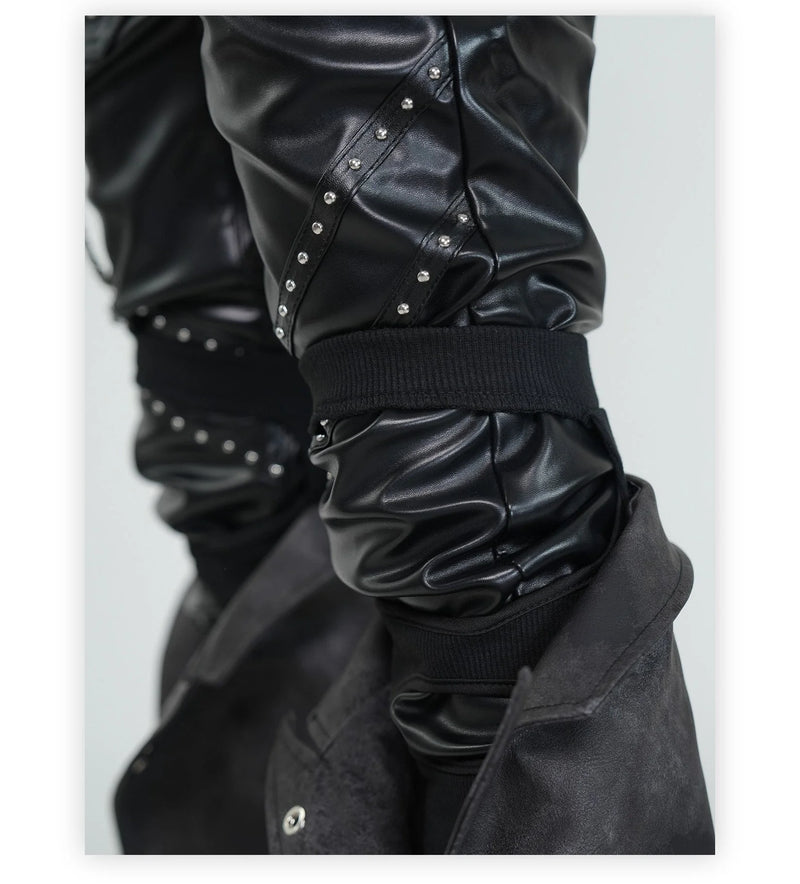
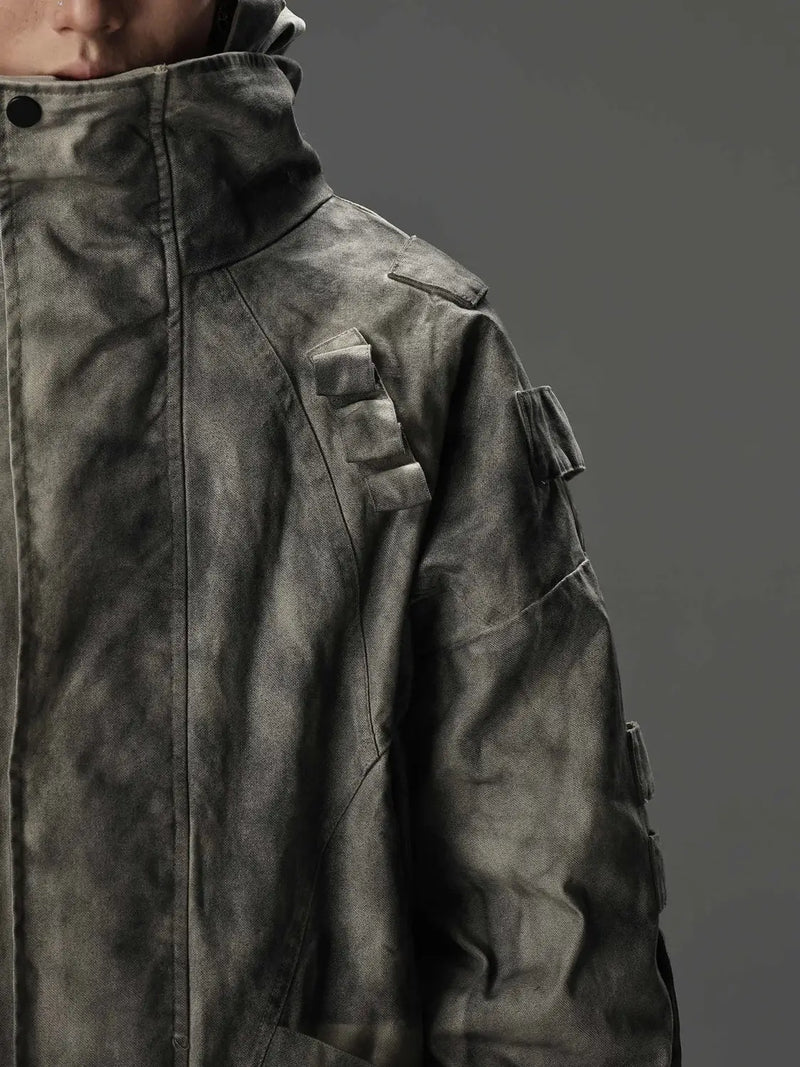
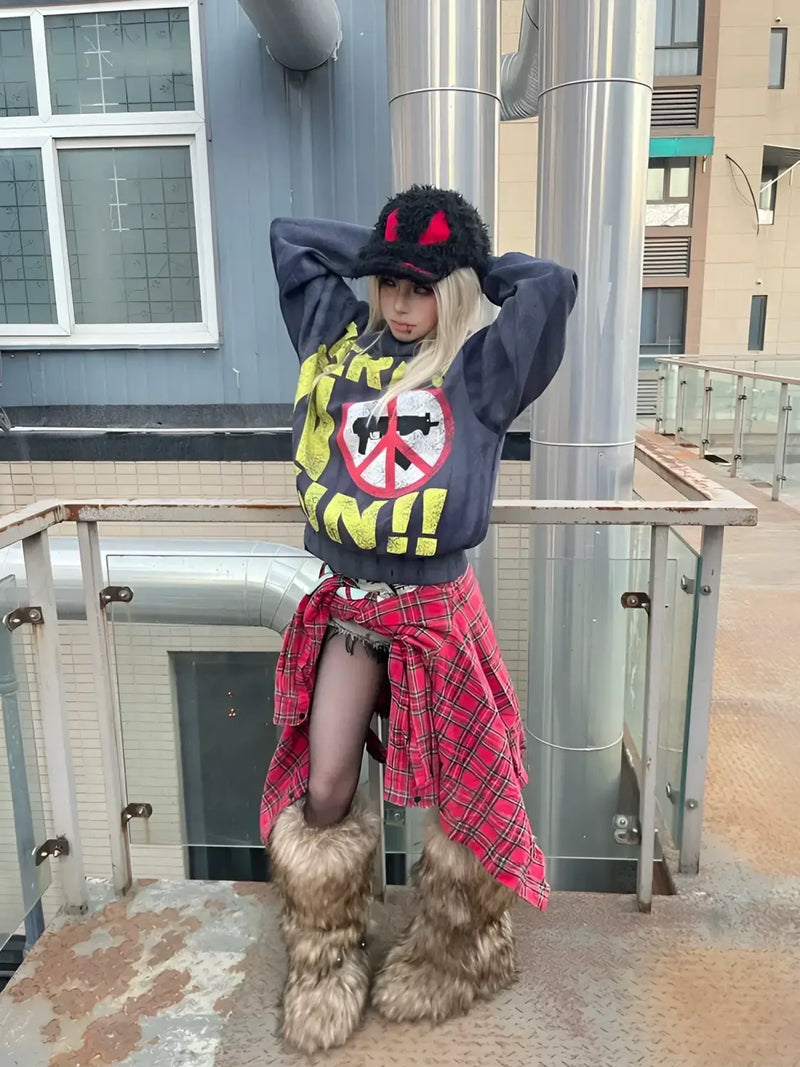
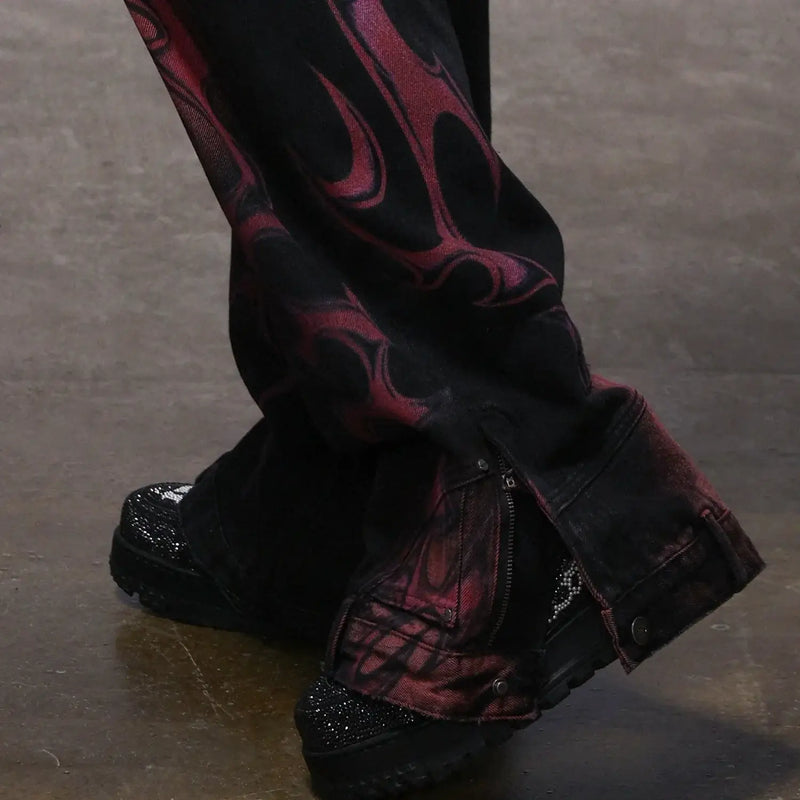
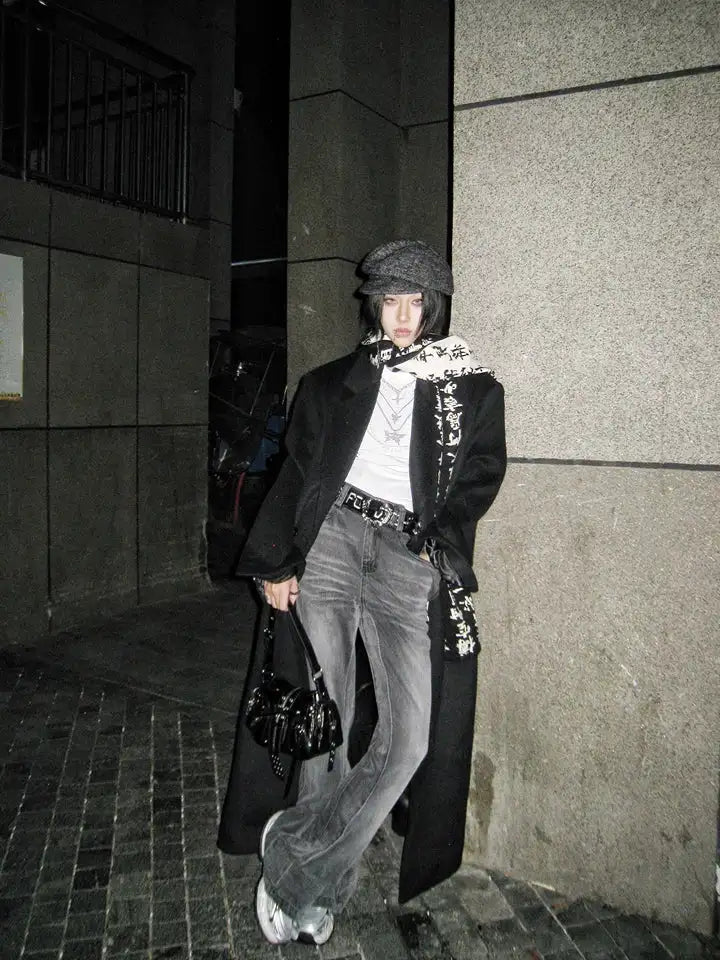

Everyone says Korean Streetwear is “minimalist and clean”. They haven’t seen Seoul in August. 1,200 millimetres of rainfall a year, most of it between June and September, coming down in sheets that make a Berlin shower look like drizzle. That changes the clothing. Not later, not in a separate outdoor line — but on every Streetwear piece headed for a Korean market.
That is why Rainproof Korean Streetwear is not a sub-category like “Streetwear plus function”. It is the default setting. What sells in Berlin as a “Techwear detail” — sealed seams, two fabric layers, removable hoods — has been standard in Korean SPA brands for ten years. A Spao shell for 79 euros has specs you would pay three times as much for in Europe.
This guide shows how it actually works: where the code comes from, what counts and what does not, which five archetypes exist, which brands write the shell (Korean and global), how you stack jackets, trousers and mid-layers, and which six mistakes reliably tip your outfit over — no matter how waterproof the fabric is.
What that looks like in a real outfit — compact, in 12 seconds:
Context
Why Korean Streetwear is built for rain — 1,200mm a year changes everything
Seoul gets around 70 percent of its annual rainfall between June and September — in a good monsoon week that is more litres per square metre than London sees across a whole March. Anyone heading out in Itaewon, Hongdae or Seongsu in summer has no choice between “functional” and “stylish”. Either the outfit works wet, or it does not work.
That one condition has shaped two decades of Korean Streetwear. The SPA brands (Spao, 8seconds, Topten, Mixxo) build shell jackets for the mass market — with DWR coating and sealed zippers — that in Europe would only be listed as “premium technical outerwear”. Designers like Andersson Bell, Beyond Closet and thisisneverthat keep rain capsules not as seasonals but as permanent lines. And the heritage outdoor makers (Kolon Sport, Black Yak, K2) supply the fabric technology that gets re-imported into Europe as “Korean Performance”.
What comes out of it is a city uniform that does not hide function but shows it as a style element. Hood with a pull-out brim. Taped seam visible as a design detail. Cargo pocket with a sealed zipper. In Tokyo that would be avant-techwear, in Berlin Gorpcore — in Seoul it is what 22-year-old architecture students wear to the subway. No debate, no trend label.
Definition
What counts as Rainproof Korean Streetwear — the 4 building blocks
Rainproof Korean Streetwear is an outfit system of four fixed building blocks. When all four are in place, the outfit holds rain — and still reads as Streetwear, not as a hike. When one is missing, it tips into one of the two cheap versions: dry but like hiking gear, or cool but soaked after a 20-minute shower.
3
Layers (shell, mid, skin)
2000+
mm water column, shell minimum
1
welded seam line
0
exposed cotton on the outside
The four numbers are the test. A shell under 2,000mm water column is not a shell in the Korean sense but a windbreaker with a DWR guarantee for the first twelve minutes. A seam that is not welded lets water through after the tenth wear. And cotton on the outside is the most direct self-sabotage — soaks up, gets heavy, does not dry for three hours.
Concretely, Rainproof Korean Streetwear counts as:
- Water-repellent outer shell — nylon, polyester or polyamide with DWR coating. Shine is allowed but not required. A matte finish reads more grown-up.
- Welded or taped seams — visible as a fine line on the inside. If the inner seam looks like a normal tee, the shell is not rainproof.
- High-closing collar plus hood with a brim — sealed zipper up to the chin, hood with a peak detail at the front. Without these two elements water runs down your neck, no matter how waterproof the fabric is.
- Breathable mid-layer — thin hoodie, long-sleeve, mesh tank. Cotton here only close to the body, never as an outer layer.
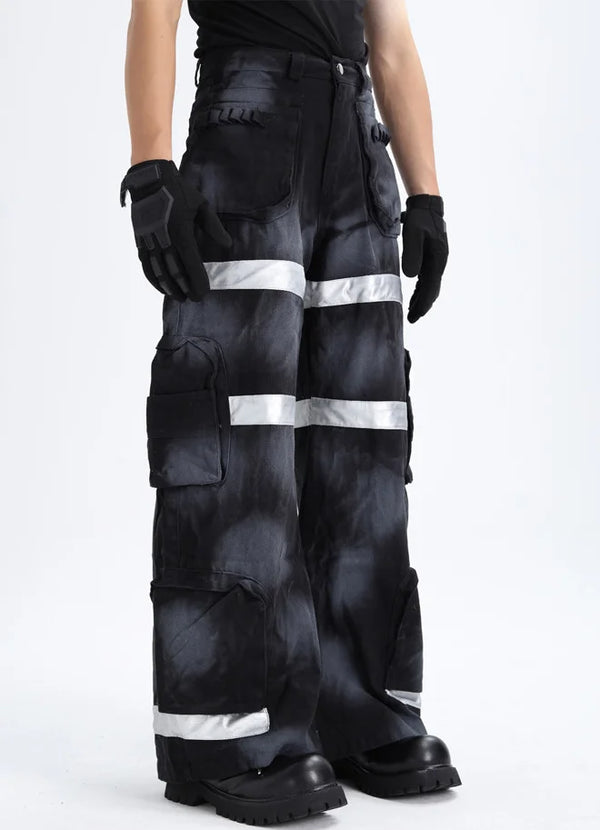
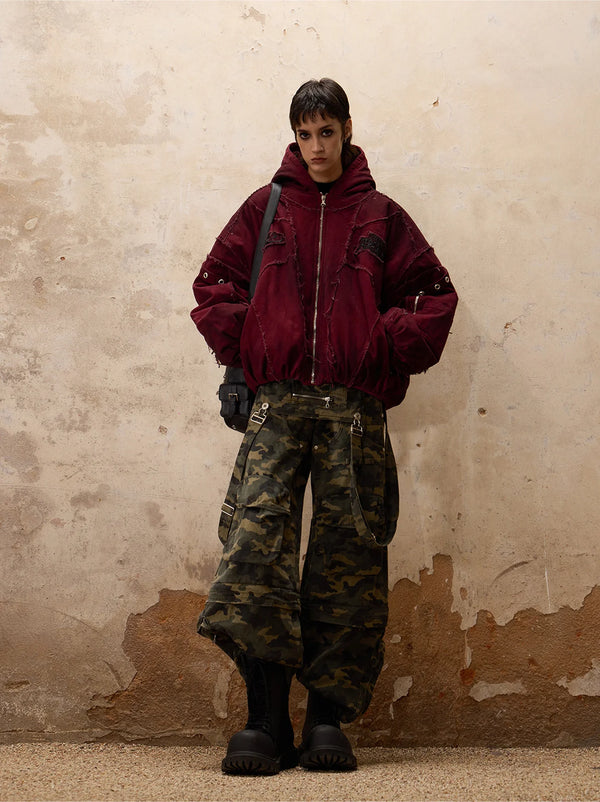
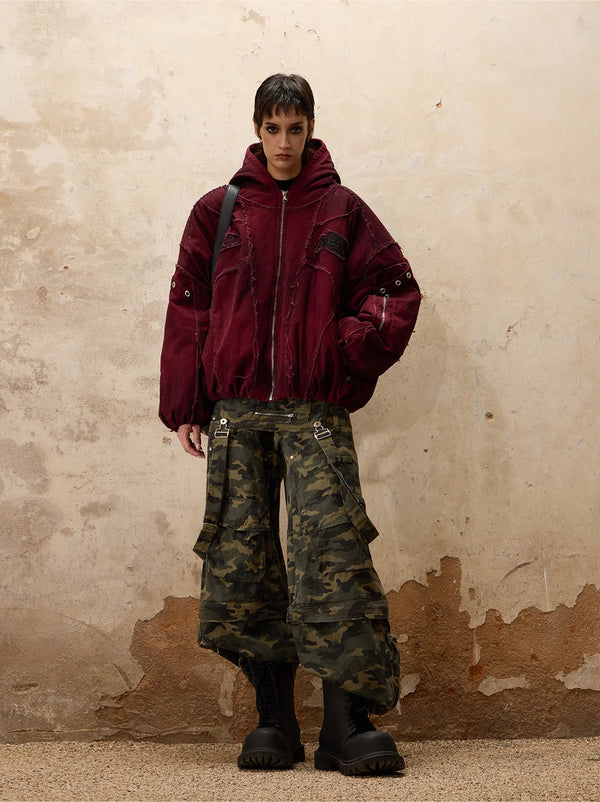
- Trousers with DWR or quick-dry — cargo, wide-leg nylon, track pant in coated fabric. Jeans only work in drizzle — in a real shower they are lead after three minutes.
- Boot with a rubber sole and mid-height shaft — combat, Chelsea with tread, Boston-style with a sock. Low-top sneakers are the most common bad decision in this whole category.
If three of these six points are missing, it is not rainproof — it is hope. And there is one rule that holds the whole system together:
5 types
The 5 rainproof archetypes — from SPA-Shell to Designer-Trench
Rainproof Korean Streetwear is not one look — it is five, with clear boundaries. Sit in a café in Hongdae on a Saturday doing the window-watching and you can see all five of these archetypes in ten minutes. Each with its own shell logic, its own price bracket, its own audience.
Which of the five suits you depends less on taste than on your budget, your city and how visible you want to be in the outfit. Stealth-Black reads in Berlin and Tokyo, SPA-Shell in every city, K-Drill-Rain mainly in Seoul, London and Atlanta. Which Korean brands supply the template comes next.
Brands
Korean rain brands — which labels write the shell code
Google Rainproof Korean Streetwear and you quickly hit two universes: the outdoor-heritage brands (Kolon Sport, Black Yak, K2), which have built jackets for mountaineering culture since the 70s, and the younger Streetwear labels (Andersson Bell, thisisneverthat, Beyond Closet), which translate the same vocabulary into a city cut. In between sit the SPA brands (Spao, 8seconds, Topten, Mixxo), which make all of it accessible for the mass market — comparable to Uniqlo in Japan, but with a stronger focus on rain wear.
The brands that write the Korean rainproof vocabulary:
- Kolon Sport — in Seoul since 1973. Korean outdoor original. Defined the 3-layer shell code for the Korean market long before the Streetwear wave picked it up.
- Black Yak — mountaineering heritage since 1973, a technically close twin to Kolon. Known for high-performance shells that land in a Streetwear cut.
- K2 Korea — the third pillar of outdoor heritage. A touch softer than Black Yak, more cross-over into lifestyle. Standard in Korean department stores.
- Spao — the SPA bridge. What costs 300 euros at Kolon, Spao brings in a Streetwear cut for 70-100 euros. The answer to “what is the Korean version of Uniqlo”.
- 8seconds — Samsung’s own brand, a comparable level to Spao. Strong in color-block shells and reflective detail.
- Andersson Bell — designer Streetwear since 2014. Scandinavian-Korean cross-over, keeps rain capsules in the range permanently.
- thisisneverthat — Seoul DTC since 2010. Subculture-minded, many heritage-outdoor collaborations (Kolon, Gramicci).
- Beyond Closet — preppy-meets-technical. Trenches and long-shells in a designer cut.
- Wooyoungmi and Juun.J — Paris-show level, come in when the budget goes over 500 euros a piece. Drape silhouettes, often with rain function hidden.
Anyone who has understood these labels’ vocabulary can build rainproof looks entirely without a Korean label — DTC brands like Fūga Studios translate the same code without the designer markup or the eight-week lead time from Seoul.
Category · Outerwear
Rainproof jackets — shell, anorak, hooded bomber
The shell carries the whole outfit. It is the largest visible surface, the primary water shield, and the cut that decides whether the outfit reads as Streetwear or as a hike. This is where you can make the most mistakes — and have the biggest impact.
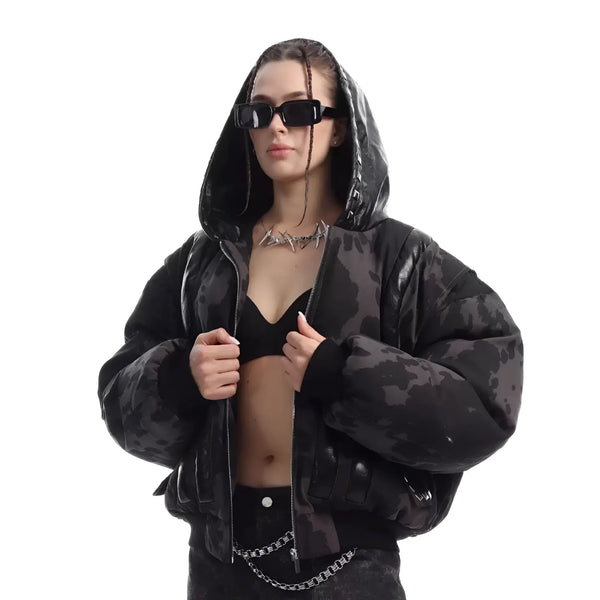
Three jacket types work in Rainproof Korean Streetwear: hooded anorak with a half front zip (SPA default, the easiest entry), long-shell or trench with drape (designer iteration), and hooded bomber with DWR coating (hybrid between outdoor and Streetwear). Classic hardshells from mountain sport work too, but they have to sit in a city cut — body length, not hip.
If you do not own a technical shell yet, that is your first move. Everything else in the outfit depends on it — and a cheap shell tips the whole setup over, no matter how expensive the rest was.
Category · Mid-layer
Mid-layer + hoodies — what goes under the shell
The mid-layer is the invisible hero of the whole logic. Wrong layer here and you are sitting sweaty in a sealed shell after three hours in the café. Right layer, and you can open or take off the shell during the day without the look breaking.
Mid-layers that work in Korean logic: thin hoodie (cotton-polyester mix, not pure cotton fleece — that soaks up when you leave the shell open for a moment), long-sleeve or henley in performance yarn, or mesh tank for high-summer monsoon. The rule: whatever you wear under the shell has to dry in 30 minutes — if it gets wet, it should not stay wet all day.
If you want to simplify the whole layer logic, take a medium-thin zip hoodie in a polyester mix. It goes under the shell, runs on its own without the shell, and can replace the coat entirely on a quiet day — without you freezing or pulling water.
Category · Bottoms
Rainproof trousers — the water-fall rule
If the shell is the biggest surface, the trousers are the second most important piece — and at the same time the one most people fail on. An expensive shell over normal jeans is the most common look break in the whole category. Jeans soak up after three minutes, go stiff, hang heavy on the leg, and take hours to dry.
Rainproof trousers that work are nylon, polyester or DWR-treated polyamide blends. Cargo cut with a sealed pocket, wide-leg track pant in performance yarn, or carpenter cut with a coated outer side. Wide-leg has the clear advantage — water runs down the leg instead of collecting in the fabric. Skinny in this category is what Air Force 1 is for Opium: whatever the brand, always wrong.
If you only want one pair of rainproof trousers in the closet, take wide-leg cargo in matte nylon. It works with each of the five archetypes, stays dry all day when DWR-treated, and does not read as hiking trousers in the city.
Layer logic
How you actually style it — the layer logic in detail
A rainproof outfit works on exactly one rule: every layer has a job, none doubles up. Shell stops water. Mid-layer holds warmth and moves moisture outward. Skin-layer sits close, dry, breathable. When two layers do the same job, you sweat yourself wet from the inside — and the shell does not stop the sweat water.
In Seoul you learn it in your first summer: it is not the rain that gets you wet, it is the wrong layer underneath. A 200-euro shell over a cotton hoodie is wetter after an hour than an 80-euro anorak over a polyester mesh.
Concretely that means: shell on the outside (nylon, DWR-treated, ventilated via armpit zips or a mesh back), mid-layer in the middle (thin hoodie or zip pullover, breathes, dries fast), skin-layer close to the body (mesh tank, performance tee, long-sleeve with wicking). We have put the full breakdown with photo examples in a separate article:
Rainproof Korean Streetwear also does not stand alone — it overlaps at several edges with neighbouring codes. Korean Winter Fashion shares the layer discipline, Modern Korean Fashion shares the silhouette rule, and Korean Brand Clothing shares the material logic. Anyone who has rainproof down can read these neighbours without falling out of the code logic.
Here are the five most important neighbours — each with its own guide, in case you want to go deeper:
Seasonal
Monsoon summer vs shower winter — the season rule
Korean rainproof works all year — but the layers shift more seasonally than in any other Streetwear code. In the summer monsoon (June to September) 28 degrees at 95 percent humidity is normal. A closed hardshell is suicide there — you need an ultralight shell with maximum ventilation, or an anorak you take off again after the shower. Mid-layer drops entirely: mesh tank straight under the shell, done.
In autumn-and-winter mode (October to March) the logic flips. Showers are shorter and colder, but the layering demand grows. Skin-layer becomes long-sleeve in merino or performance fleece. Mid-layer is a zip hoodie or a thin down vest. Shell stays the same piece — DWR nylon holds just as tight in plus-two-degree drizzle as in a 28-degree downpour.
The all-year solution also comes as hardware: convertible pieces that adjust their own layer density. Hooded puffer with removable sleeves, for example — winter as a full jacket, spring as a vest, summer monsoon as a pure shell with a mesh layer underneath.
Here's what that looks like in motion:
What does not work
The 6 most common rainproof mistakes — when your outfit tips over
Rainproof Korean Streetwear has six places where it reliably tips over — no matter how many thousand euros shell and boot cost together. If you avoid only one thing, make it mistake number one.
Action
How to start — the first 4 pieces
You do not need ten shells and three pairs of boots to wear Rainproof Korean Streetwear. You need four that will be there in 80 percent of showers. Everything else builds around them — and can be added gradually once the base is set.
In order: a DWR-treated Hooded Shell (your biggest investment — lasts 5-7 years if you do not buy cheap). A wide-leg cargo in nylon or polyamide with DWR coating. A zip hoodie in a polyester mix that breathes and dries fast. Combat boots with a rubber tread, matte black, mid-height shaft. A water-repellent bag as an optional fifth — but only once the four are set.
Outfits for real
Rainproof Korean Streetwear for real — how it looks in Seoul, Berlin and Tokyo
Before you build your own setup, look at how others wear it. The five archetypes from above look different in the feed than in lookbook photos: dirtier, wetter, less staged — and that is exactly why they work. In the studio every shell looks clean. In a real shower, function separates from marketing.
This is the fastest way to check whether an archetype sits on your body type and your city at all — before you spend money.
To close
Rainproof is a system — not a single piece
If you remember one thing from this guide, make it this: Rainproof Korean Streetwear does not work through expensive single pieces but through the logic between them. Anyone who has the three-layer principle down builds seventy outfits from fifteen pieces. Anyone who only buys one expensive shell has an expensive shell — and still a wet outfit underneath.
The whole logic of this guide reduces to one sentence:
The logic has been stable in Seoul for two decades and will stay that way — as long as there is rain. But you do not have to wait until you know all the specs by heart. Start with the archetype that best fits your city and your budget. What you do not know, you learn in the first real shower.
And that is the point: Rainproof Korean Streetwear reads in theory like an outdoor manual but feels in practice like normal Streetwear. Once you have the code down, every further outfit is a variation on the same four or five building blocks — not a new outdoor investment.
FAQ
Frequently asked questions about Rainproof Korean Streetwear
The questions we often get by DM and email — short, clear, no detours.
What is the Korean version of Uniqlo?
Is Rains a Danish brand?
What is Korean street style called in Korean?
Which Korean outdoor brands are the most important?
What was the UNIQLO boycott in Korea?
What is the 3-3-3 rule for clothes?
Can I build Rainproof Korean Streetwear without Korean brands?
What do you think?
Tell us on @fuga_studios
About the author
Philipp Fuge — Founder · Berlin
Founder of Fūga Studios. Writes the journal himself. Berlin · Shanghai · Tokyo · Poznań — four cities, one logic.