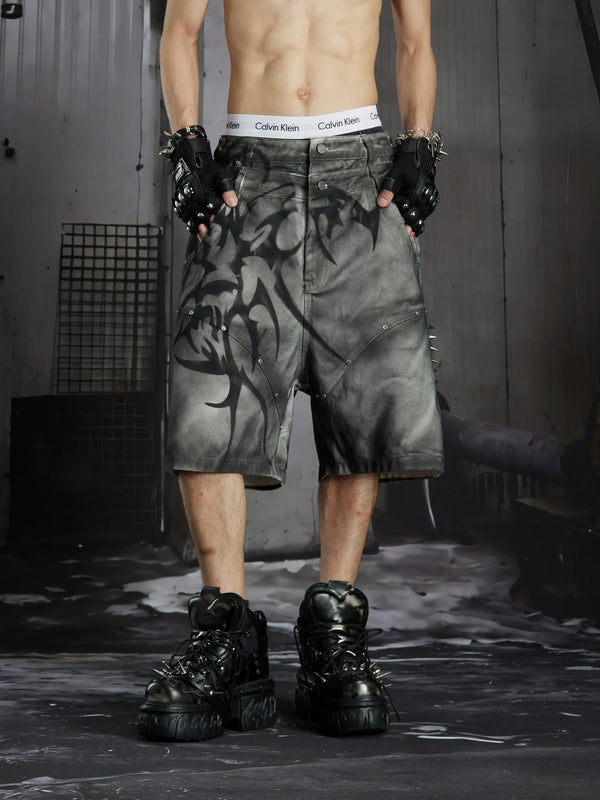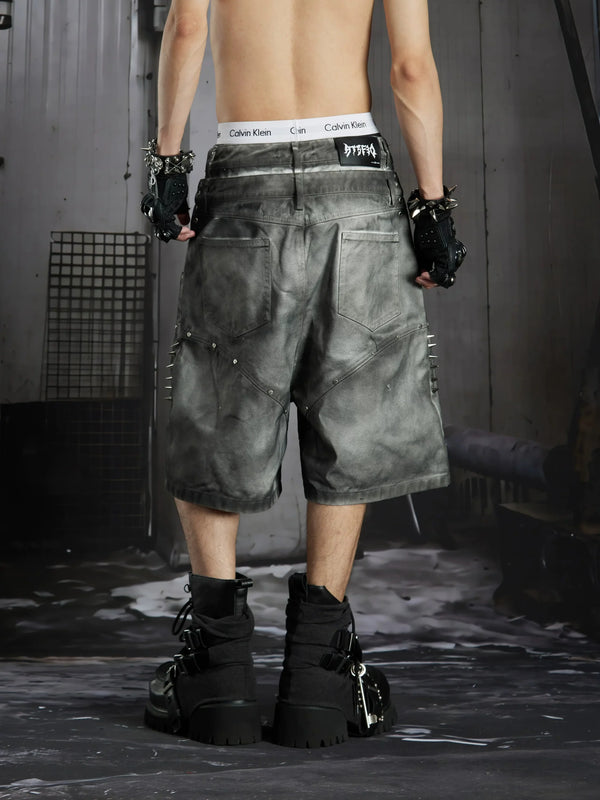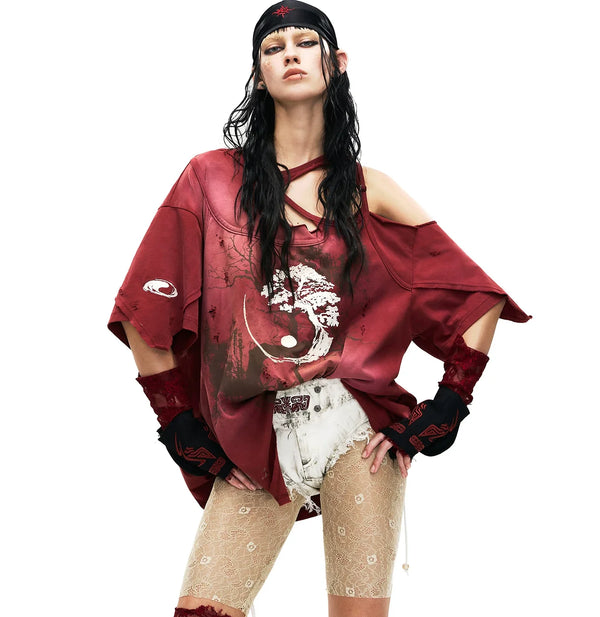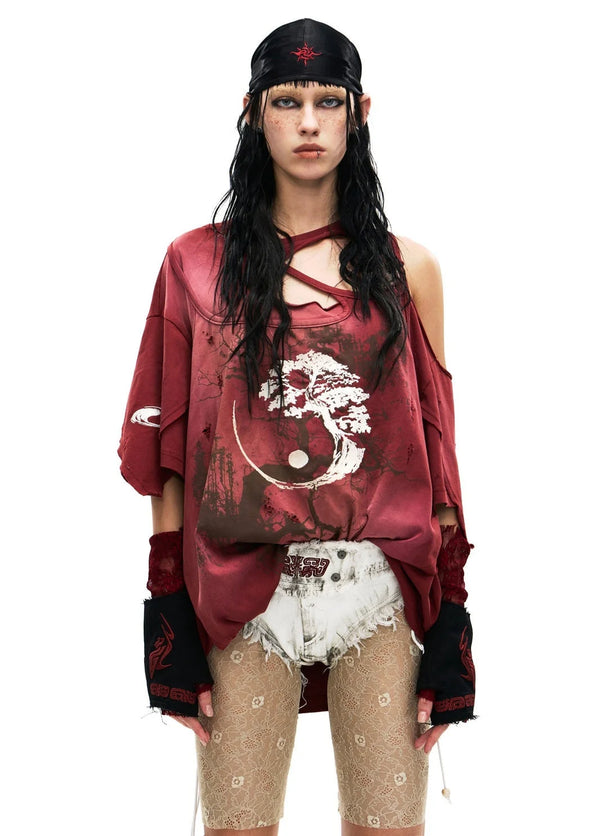

Ask ten people about “Japanese fashion” and you get ten different pictures: kimonos, a Uniqlo basic tee, a 400-euro Comme des Garçons blazer with holes in places where none belong, and a Harajuku girl in five colours at once. All of them are right. Japan is not an aesthetic but a whole continent of labels that share almost nothing except their country of origin.
Japanese fashion brands range from cheap everyday basics like Uniqlo and GU through the avant-garde of Comme des Garçons, Yohji Yamamoto and Issey Miyake to streetwear icons like BAPE and the indie labels out of Harajuku. This overview sorts the key names by what they stand for, explains what makes Japanese design special, and shows how to wear the look without paying designer prices. For the bigger picture, our guide to Japanese fashion is worth a read afterwards.
The map
Which fashion brands come from Japan?
The short answer: more than fit in a list. The longer answer is more interesting, because Japan’s labels don’t line up by price bracket the way they do in Europe, but by philosophies. A cheap Uniqlo shirt and a Comme des Garçons piece can hang side by side in the same wardrobe without contradicting each other – both follow the same idea that a garment should first work and then stand out.
Anyone searching for Japanese fashion brands usually means one of four things: basics that fit better than their price suggests, avant-garde you could exhibit in a museum, streetwear with cult status, or the colourful Harajuku scene that exports its own rules from Tokyo. Each of these levels has its leading figures, and almost every one now has a foot in Germany.
1949
Founding year of the first Uniqlo predecessor
4
Levels from basics to Harajuku indie
2.500+
Uniqlo stores worldwide
The four levels
The Japanese fashion landscape in four levels
Before we tick off names, a map helps. These four levels explain why a single search for “Japanese fashion brands” returns such different results – and which level a label belongs to the next time you read about it somewhere.
Level 1 · Basics
Uniqlo and GU: Japan’s everyday basics
Uniqlo is probably the only Japanese fashion name that even people who aren’t into fashion know. The label belongs to the Fast Retailing group and builds its whole identity around one word: LifeWear. No trend, no seasonal drama, just clothing that works – thin down jackets that fit into a bag, Heattech underwear that warms without bulking up, T-shirts in a colour palette that stays the same for years.
What makes Uniqlo special is exactly this leaving-out. Where other brands buy attention through logos and prints, Uniqlo buys it through fit and material. GU is the younger, cheaper sister brand in the same group: faster, trendier, with more appetite for fashion risk and an audience closer to 20 than 40. And MUJI, strictly speaking not a pure fashion label, sells the same idea as “no-brand”: quality without a label.
- Uniqlo – functional basics, LifeWear philosophy, collaborations with designers like Jil Sander (+J) and JW Anderson.
- GU – Uniqlo’s trendier, cheaper sister for a younger audience and faster cycles.
- MUJI – minimalist “no-brand” clothing and lifestyle products, available in Germany through its own stores and online.
Level 2 · Avant-garde
Comme des Garçons, Yohji Yamamoto and Issey Miyake
If Uniqlo is the base, these three are the cathedral. Comme des Garçons was founded in 1969 by Rei Kawakubo and, in the eighties in Paris, posed the question that still defines the brand today: does clothing have to flatter? Kawakubo’s answer was black, holes, asymmetric cuts and the infamous “Lumps and Bumps” collection that deliberately deformed the body. The affordable entry line CDG PLAY with the heart logo is, for many, the first contact with the label.
Yohji Yamamoto shares the colour – black as a stance, not a trend – but not the aggression. His silhouettes fall, drape, conceal; the Y-3 collaboration with adidas brought this idea into sport. Issey Miyake, in turn, is the technician of the three: Pleats Please made permanent pleats a signature, the Bao Bao bag of geometric triangles became a classic, and A-POC thought of clothing as a single piece of fabric. Add Undercover by Jun Takahashi with punk DNA, Sacai by Chitose Abe with her hybrid cuts, and Kenzo, now under new leadership.
Level 3 · Streetwear
BAPE, Neighborhood and WTAPS: Japanese streetwear
The Japanese streetwear canon begins in the nineties in a Tokyo district called Ura-Harajuku. BAPE – A Bathing Ape, founded in 1993 by Nigo – turned the camo pattern, the shark hoodie and the Baby Milo figure into collector’s items and laid the blueprint for hype as a business model: small runs, high demand, queues outside the store. Neighborhood by Shinsuke Takizawa brought biker and military codes into it; WTAPS by Tetsu Nishiyama refined the military utility look.
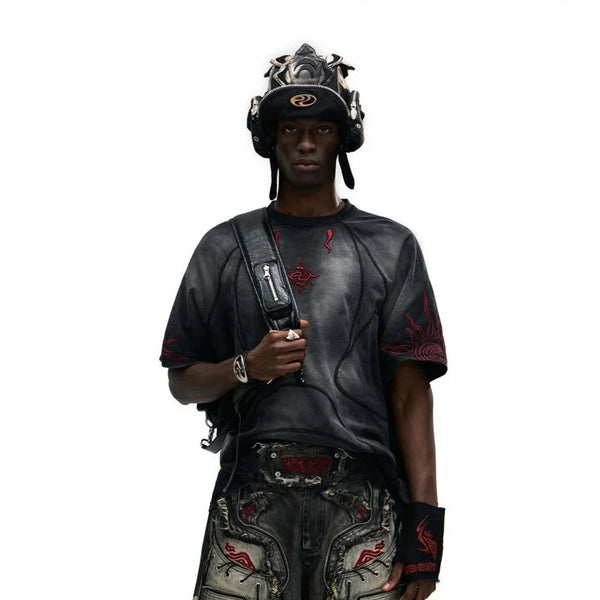
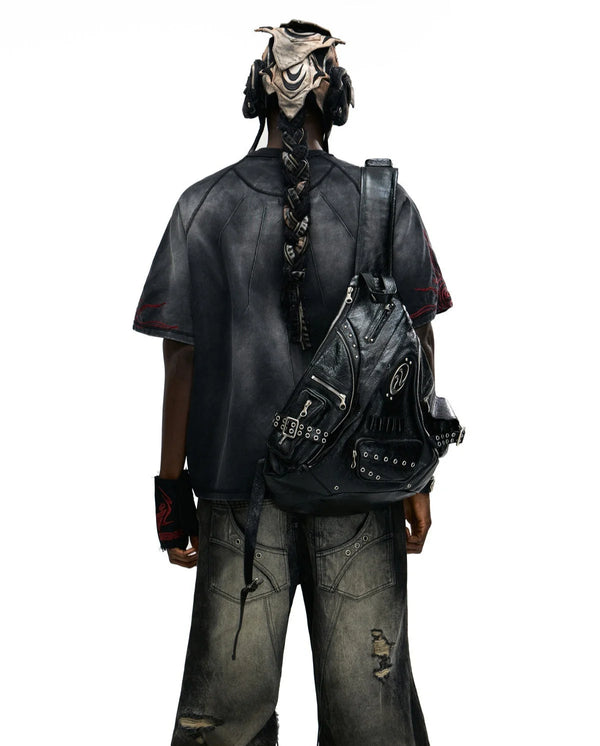
Add Visvim with its obsessive love of craft, Human Made as Nigo’s newer project, and a whole generation of smaller labels speaking the same language. The common thread: streetwear from Japan is rarely loud for loudness’s sake. Even the hype is curated. It is exactly this code – oversized, graphic, with edges – that is the part of Japanese fashion you can most easily translate into an everyday look.
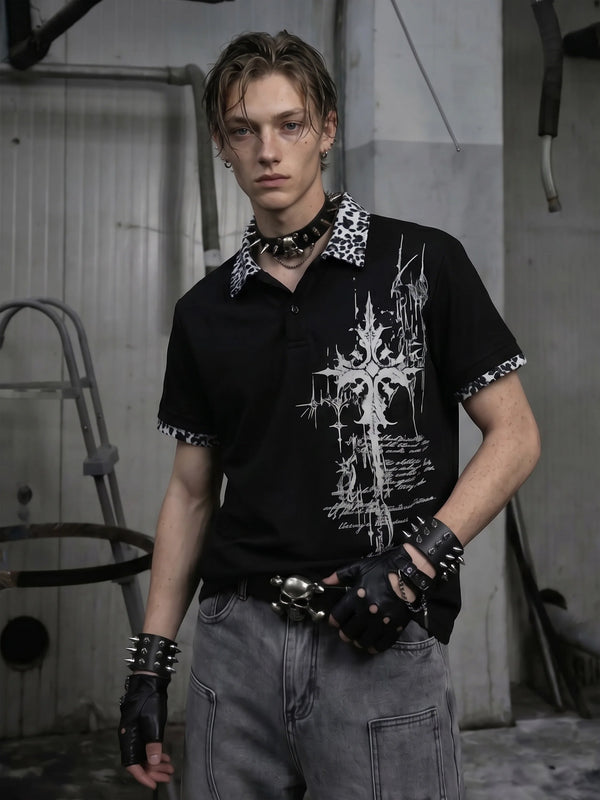
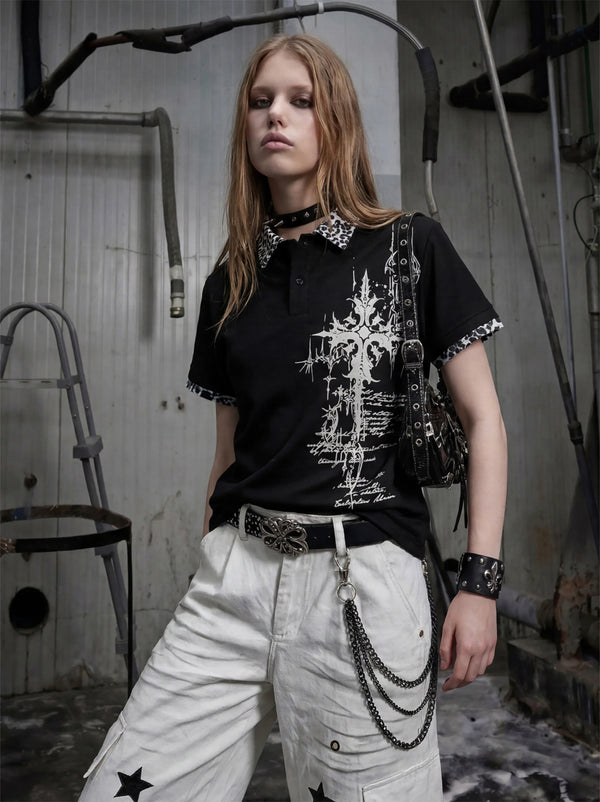
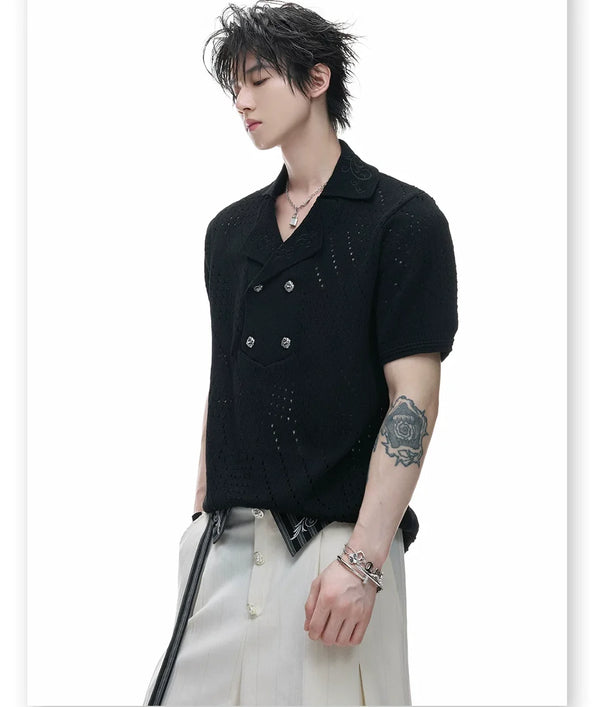
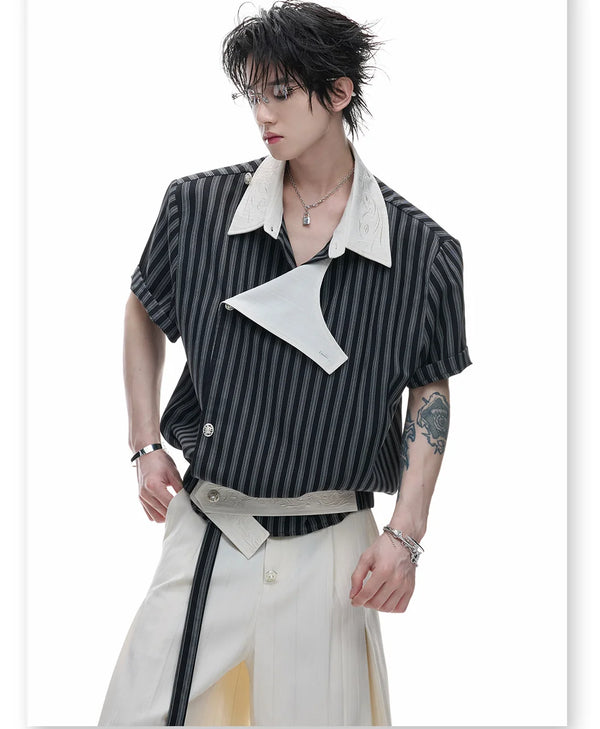
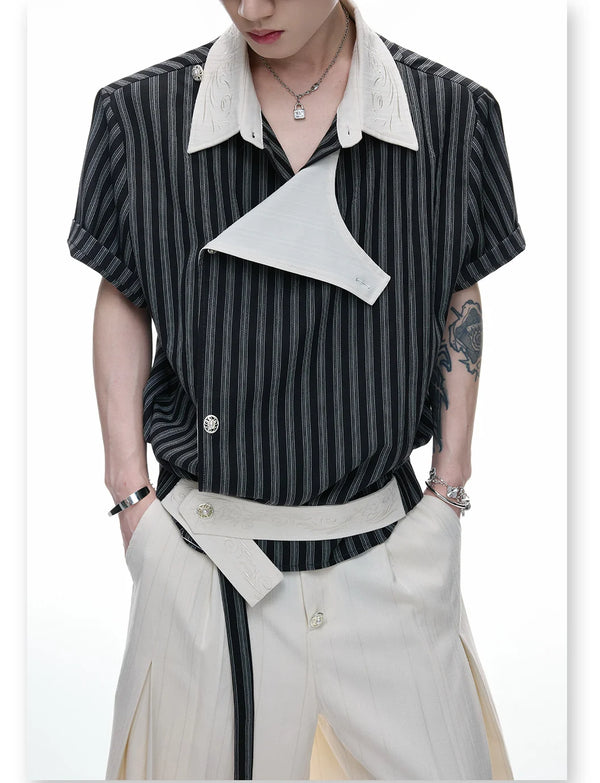
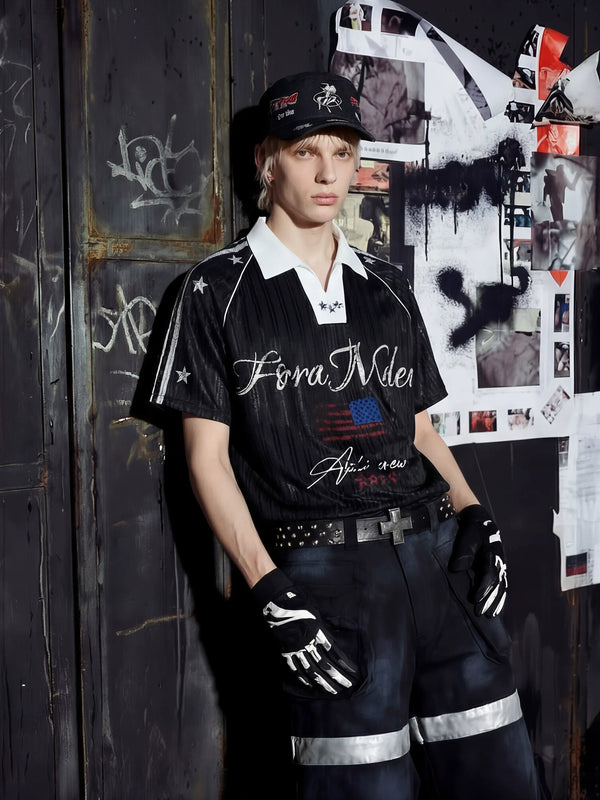
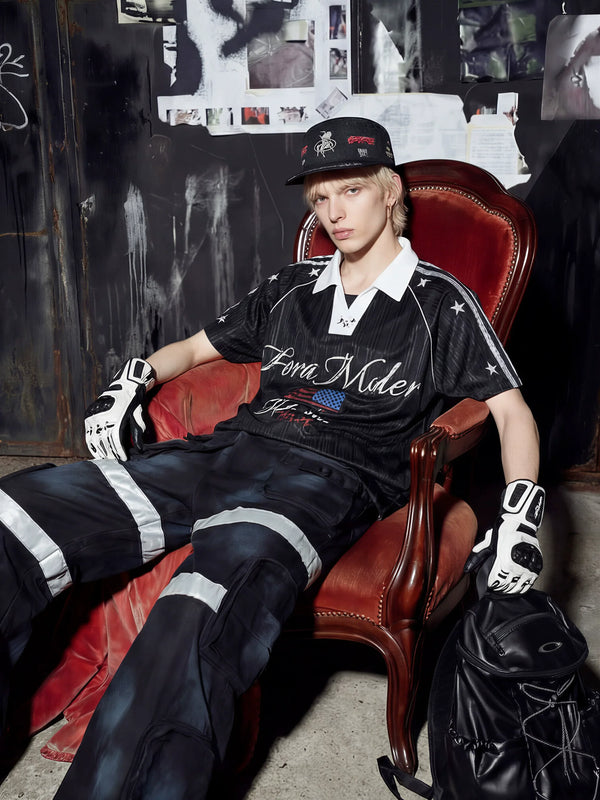
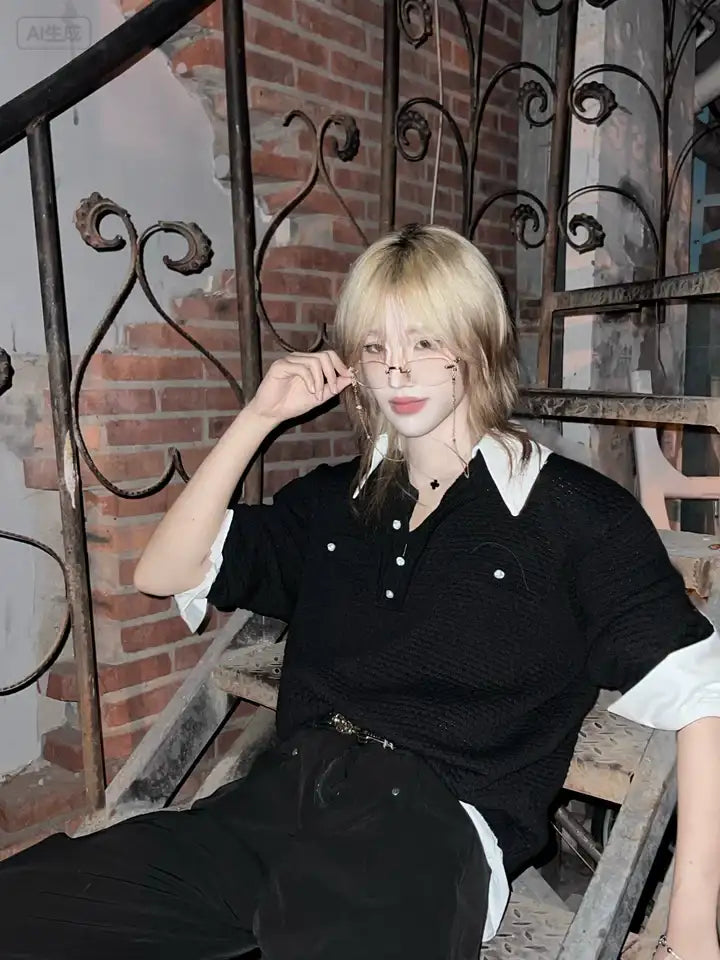
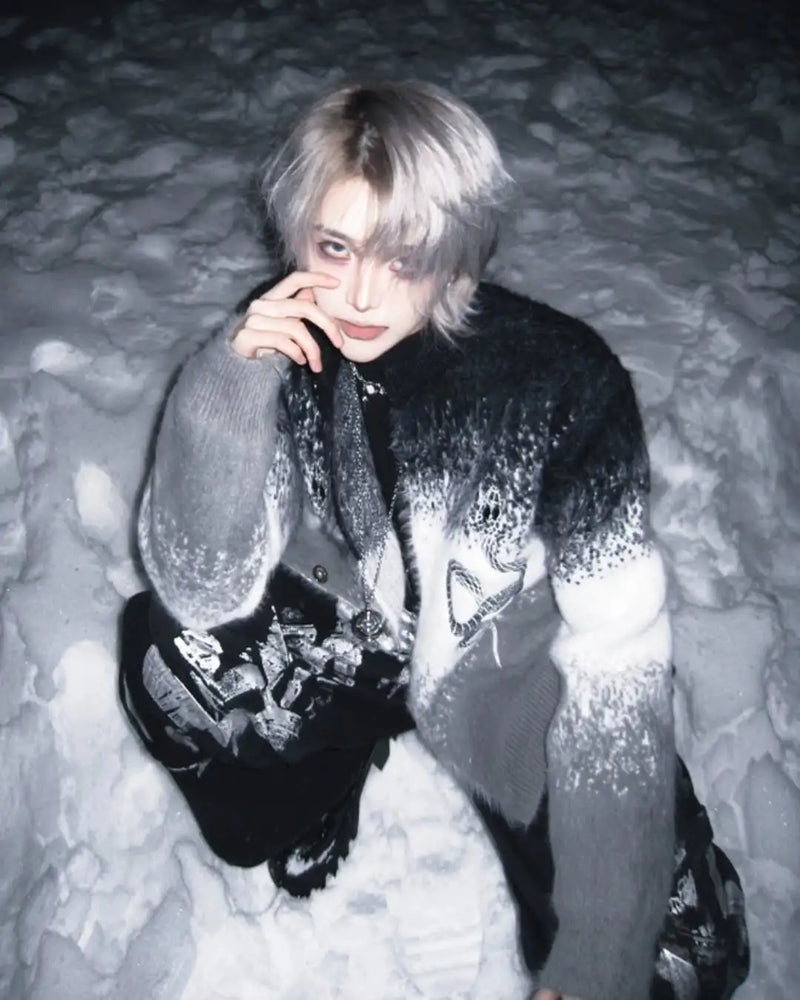
Two polos, one principle: graphic and cut carry the look, not a printed-on logo. That’s how the Japan street code works outside limited drops too – as something you can put on tomorrow instead of keeping it in a box.
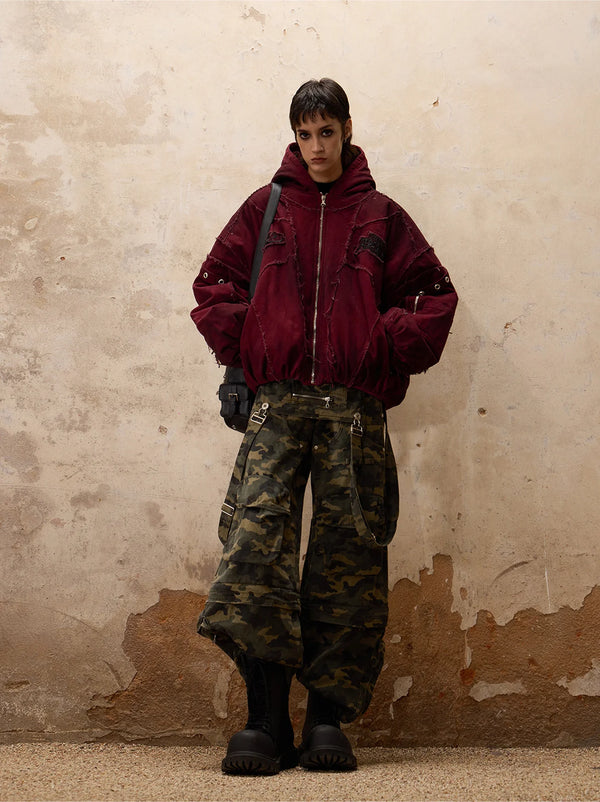
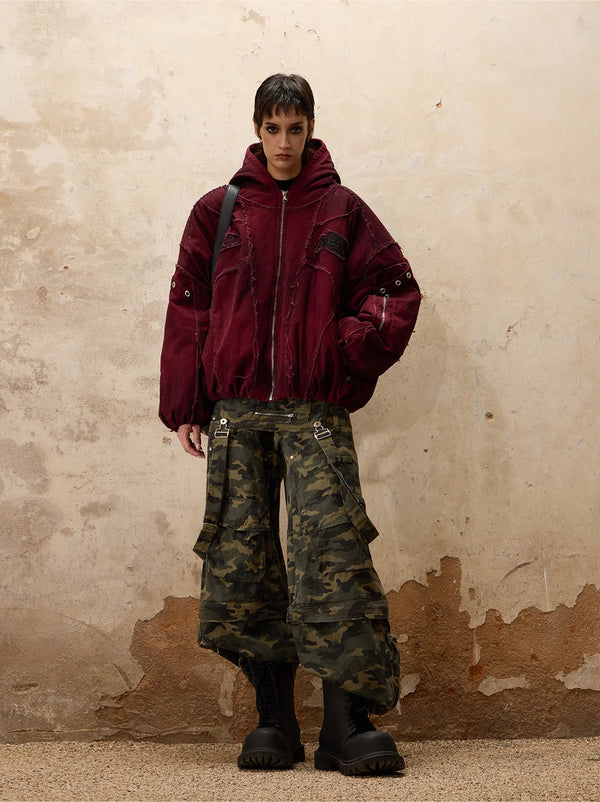
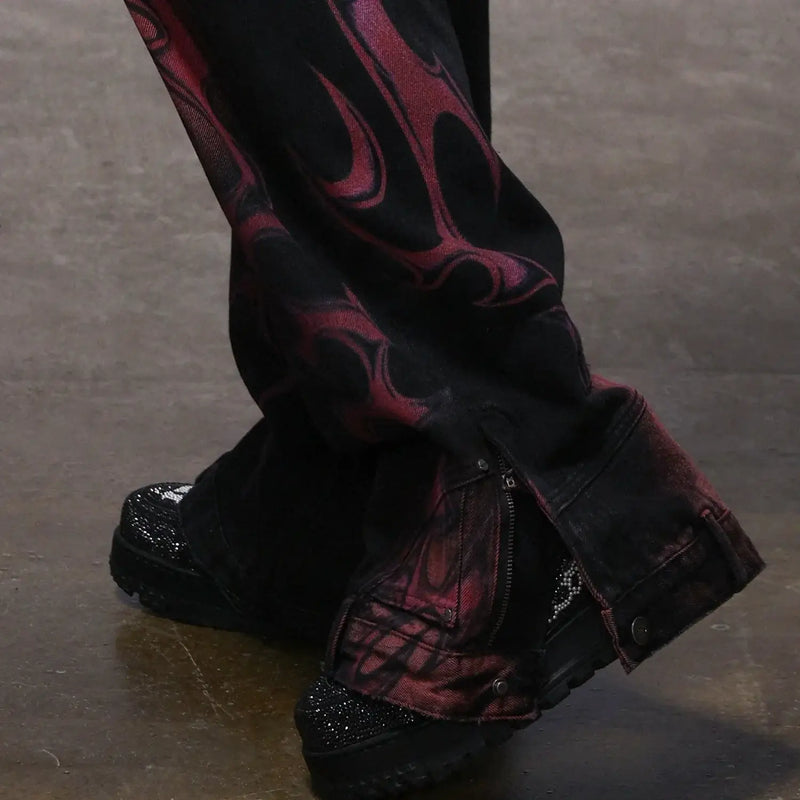
That’s exactly the point a still image never shows: the Japanese street look lives on volume and drape. A wide cut that moves as you walk does more than any pattern. Anyone who wants to understand the look watches silhouette first, details later.
Level 4 · Harajuku
Harajuku labels: 6%DokiDoki and the indie scene
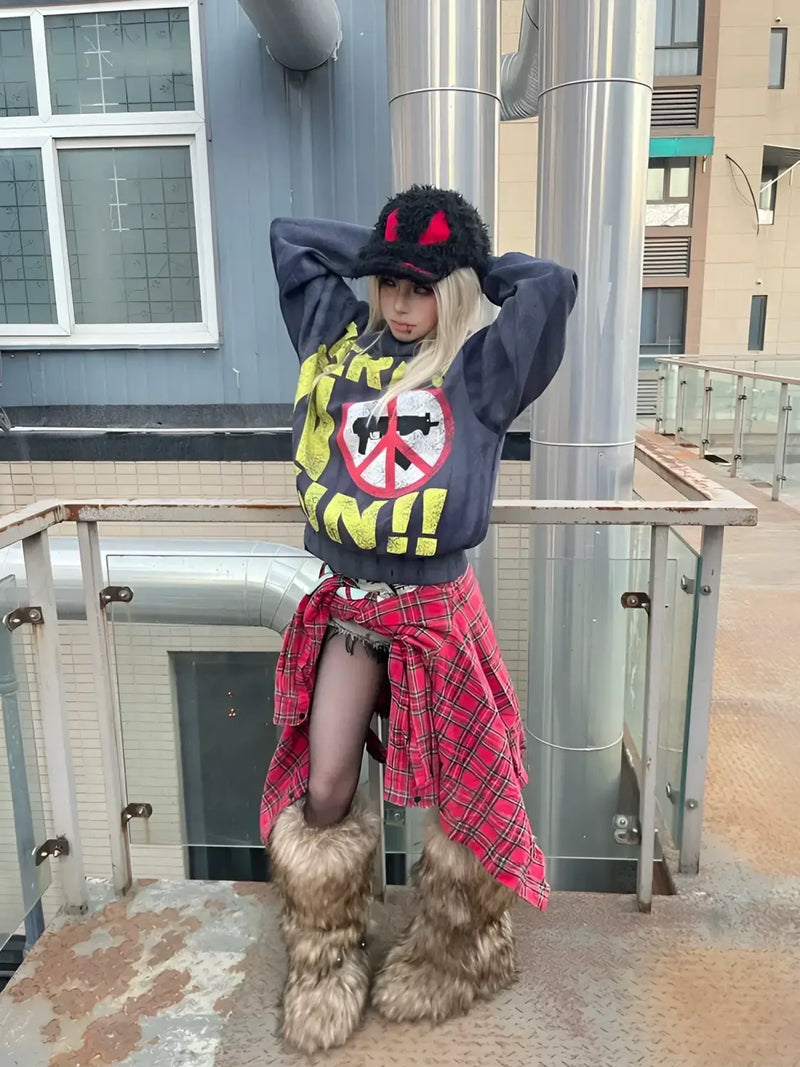
Harajuku isn’t a label but a district – and an attitude. Around Takeshita Street in Tokyo grew the scene that first made Japanese fashion tangible for many people: Decora with dozens of colourful hair clips, kawaii punk, Fairy Kei, Lolita. 6%DokiDoki, founded by Sebastian Masuda, is the commercial peak of this idea – clothing as maximum self-staging, where more is always more.
This level is the counterpoint to Uniqlo’s restraint, and both belong to Japan. What the Harajuku labels share is permission to break rules: colours that don’t harmonise, layering without regard, accessories that are really too much. For Fūga, exactly this freedom is the interesting part – not the costume, but the idea that an outfit is allowed to show you.
On your feet
Japanese sneakers: ASICS, Onitsuka Tiger and Mizuno
No overview of Japanese fashion brands is complete without the shoes. ASICS is the best-known worldwide, originally started as a running brand and now firmly arrived in streetwear with models like the Gel-Kayano or the GT-2160. Onitsuka Tiger, the predecessor brand to ASICS, lives on as a retro label – the Mexico 66 with its stripes is the classic. Mizuno has found the same path from the sports field to the street and is now celebrated for its Wave silhouettes.
The reason these three land so well in fashion circles is the same as with Uniqlo: they were functional first. A Japanese running shoe carries decades of engineering, and that honesty reads on the foot. For a Japan look they’re often the easiest choice – a clean sneaker with history that suits basics just as well as a louder top.
The idea behind it
What makes Japanese fashion special
Across all four levels there’s a shared grammar. Japanese design thinks in cut and space, not logo and season. The term “ma” describes empty space as a design element in its own right – with Yohji Yamamoto, the fabric that doesn’t sit on the body is as important as the fabric that does. Craft counts: dyeing methods, weaves, seams you don’t see at once but feel for years.
Add layering as a basic stance. Where Western fashion often wants one hero piece per outfit, Japanese fashion builds layers – long under short, wide over narrow, matte next to shiny. Typical Japanese clothing in everyday life is therefore rarely a single striking piece but a thought-through system of several. That’s the idea you can take away even if not a single piece in your wardrobe comes from Japan.
Buying in Germany
Buying Japanese fashion brands in Germany
The good news: much is within reach. Uniqlo, MUJI and GU have stores in German cities and ship online. CDG PLAY, Kenzo and the sneaker labels can be found at larger retailers and online platforms. For pure avant-garde – real Comme des Garçons mainline, Yohji, Visvim – specialised boutiques, resale platforms and import from Japan via proxy services remain the realistic routes, with prices to match.
The less obvious news: for the look you don’t need the labels. Anyone after the Japanese street and Harajuku code without spending three-figure sums per piece will find the silhouettes – oversized, layered, graphic – at labels that deliberately make this DNA accessible. Fūga exists for exactly this: the way to wear the Japan code instead of collecting it.
If you want to go deeper on the build, our overview of Japanese streetwear brands covers the level-3 names in detail.
Without designer prices
Wearing the Japan look without paying designer prices
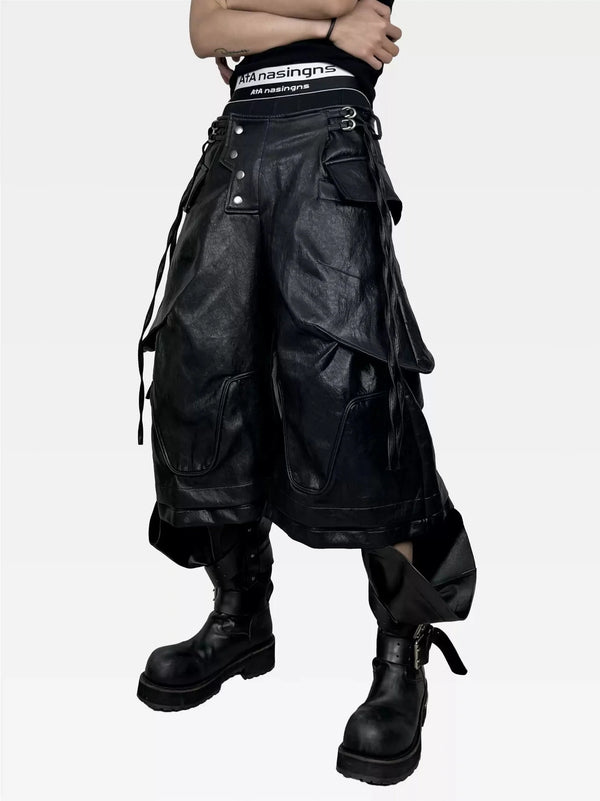
The trick is to buy the principles instead of the names. The Japanese look stands on three legs: volume, layering and a quiet graphic. A wide cut gives the silhouette, several layers give the depth, a single graphic element gives the accent. Once these three are right, an outfit reads as “thought-through”, no matter what’s on the label.
In practice that means: a wide trouser as the base, a top with an edge over it, a jacket that holds the layers together. Exactly these building blocks – not the logos – make the difference between “I’m wearing something Japanese” and “I bought something Japanese”.
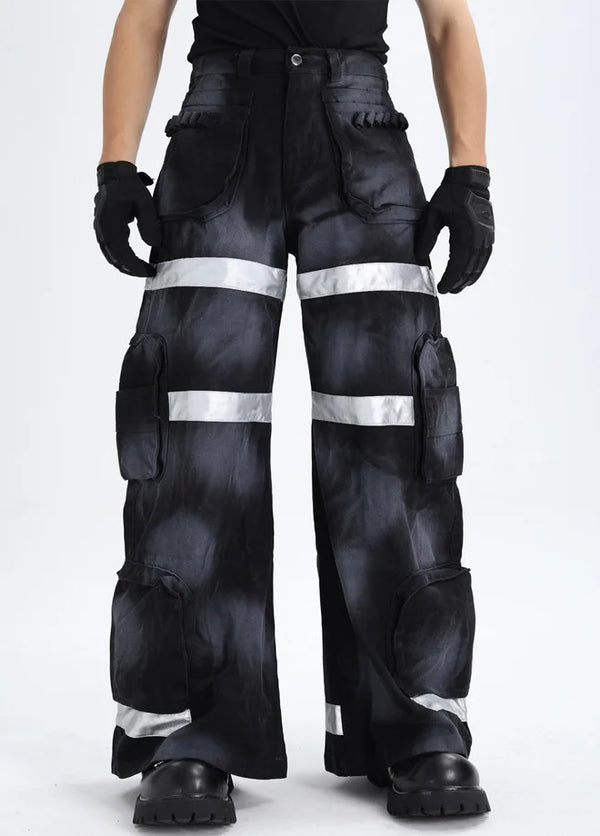
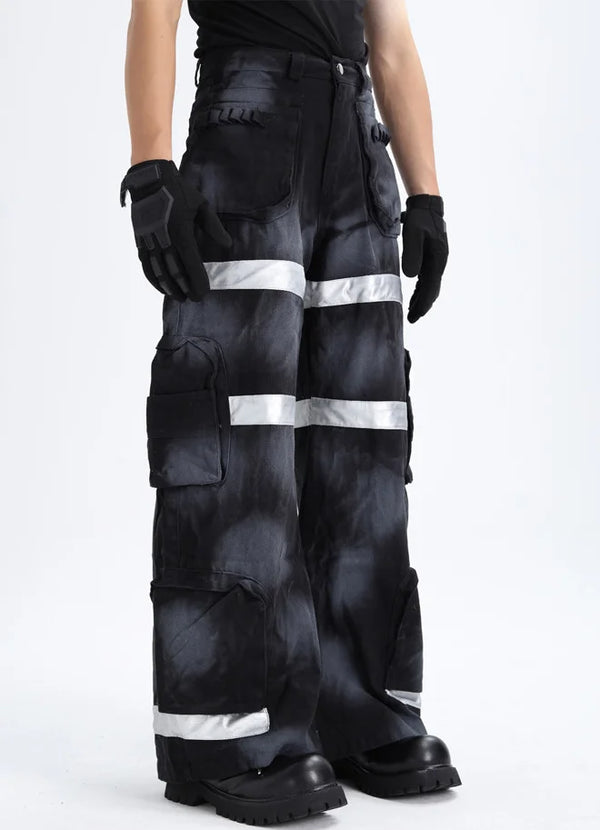
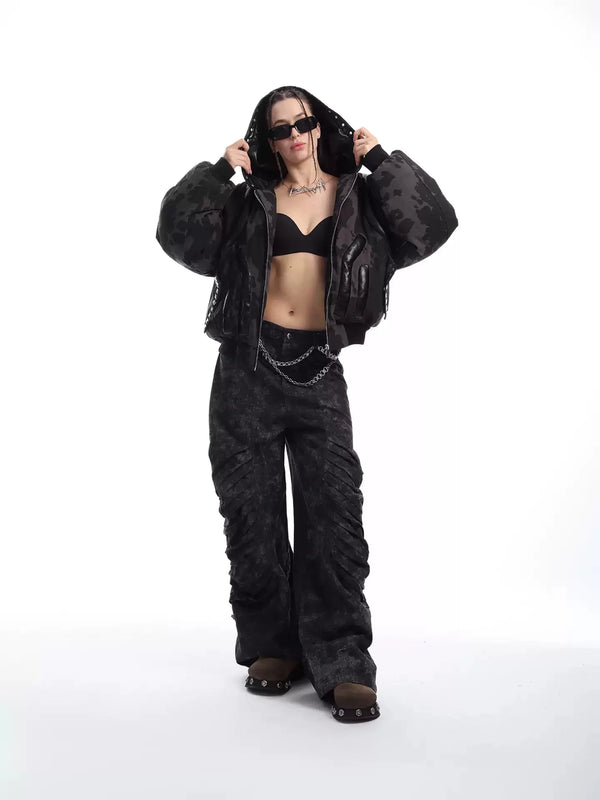
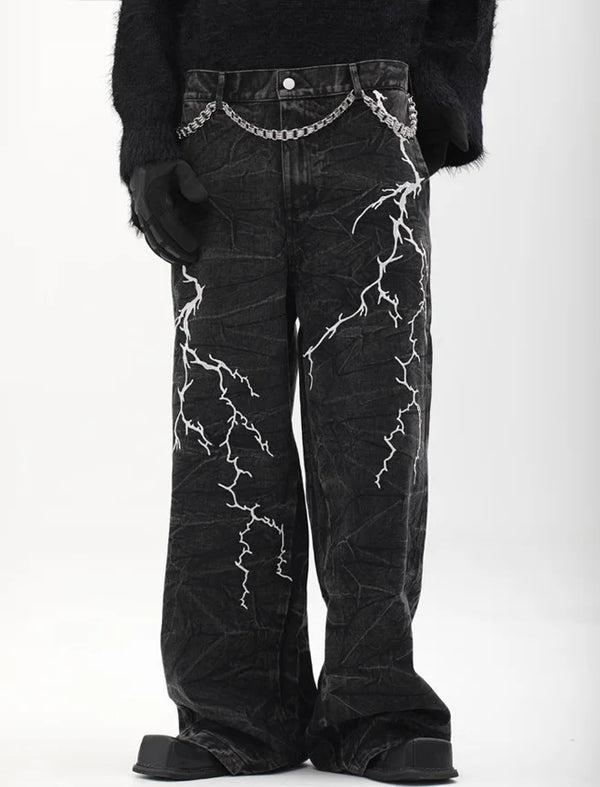
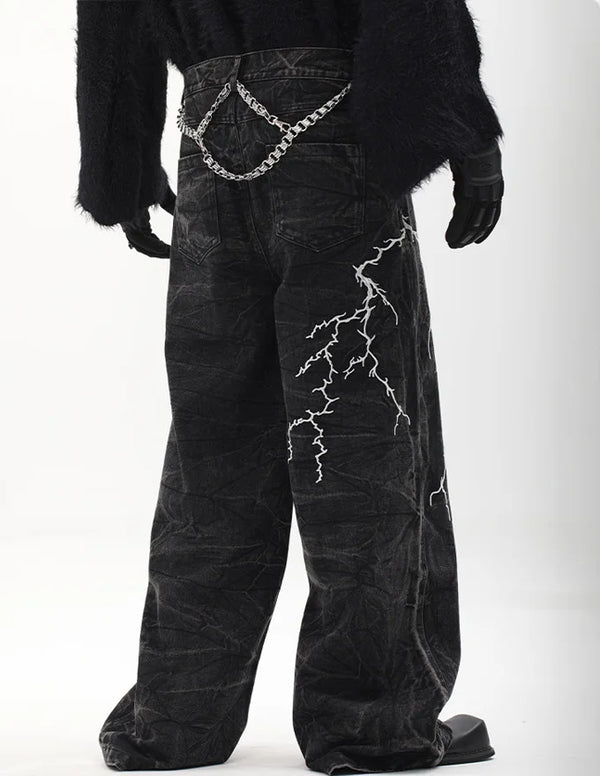
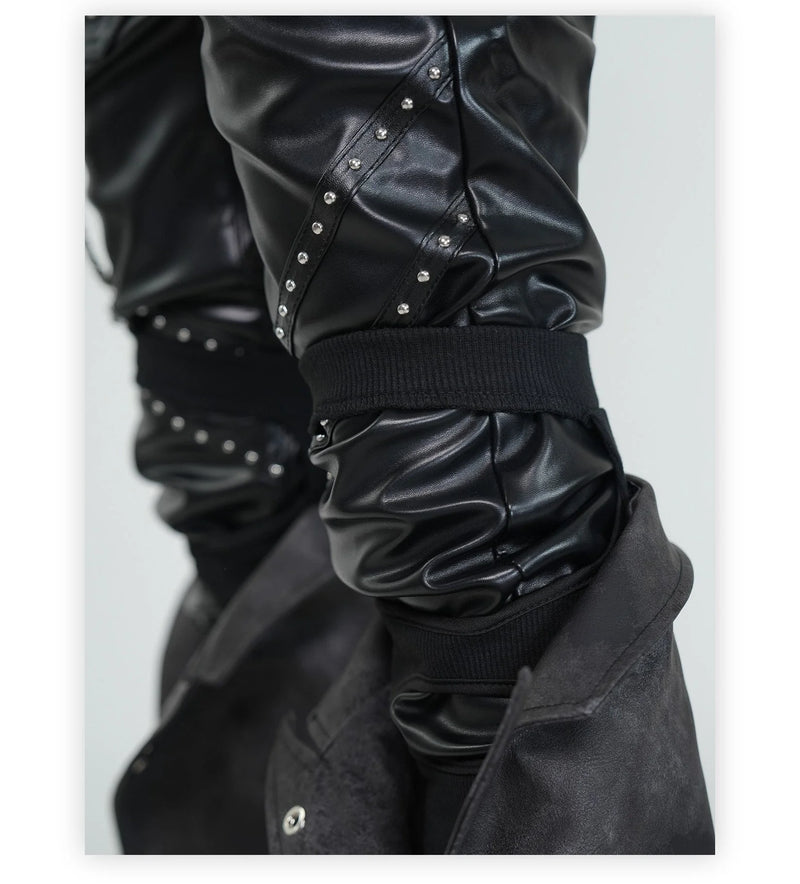
Wide legs, clear drape: that’s the silhouette the rest of the look grows from. From here you build upward – first the layer, then the accent.
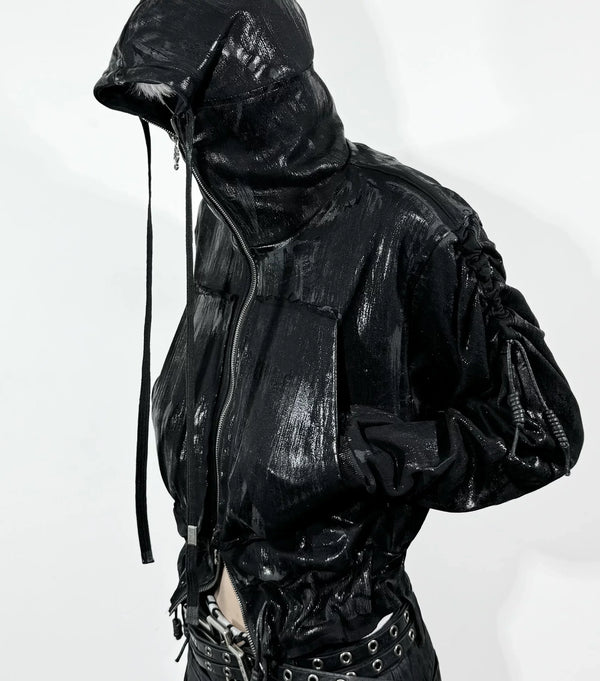
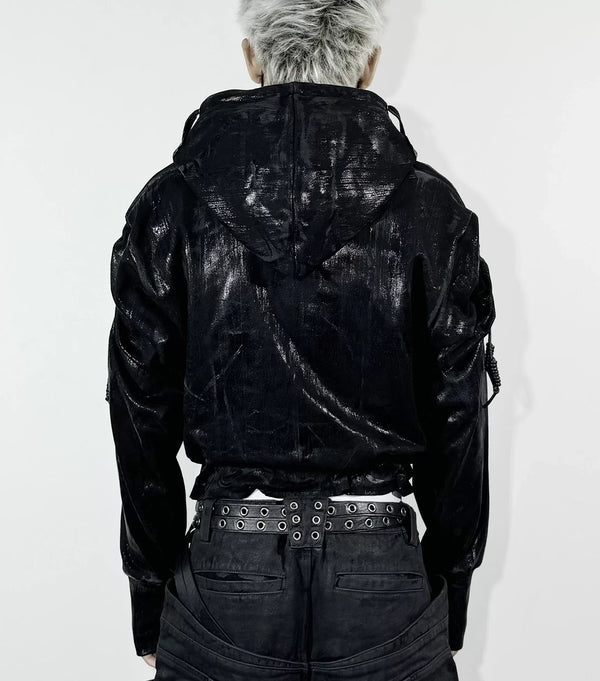
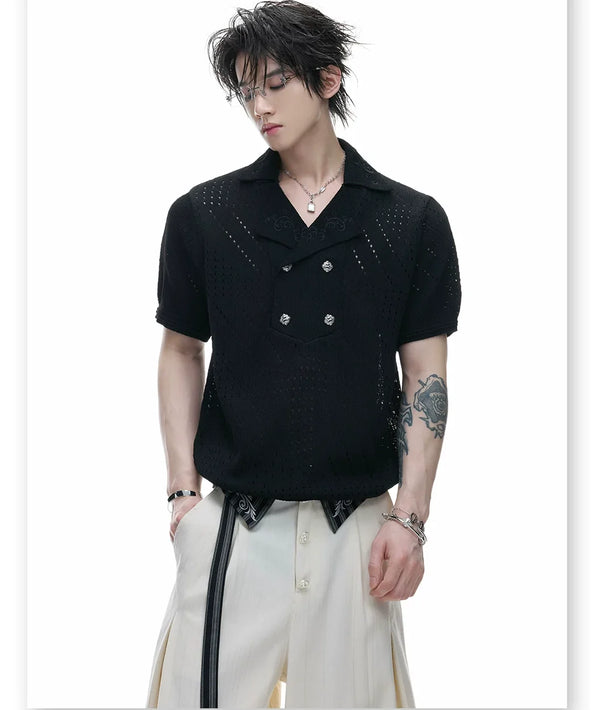
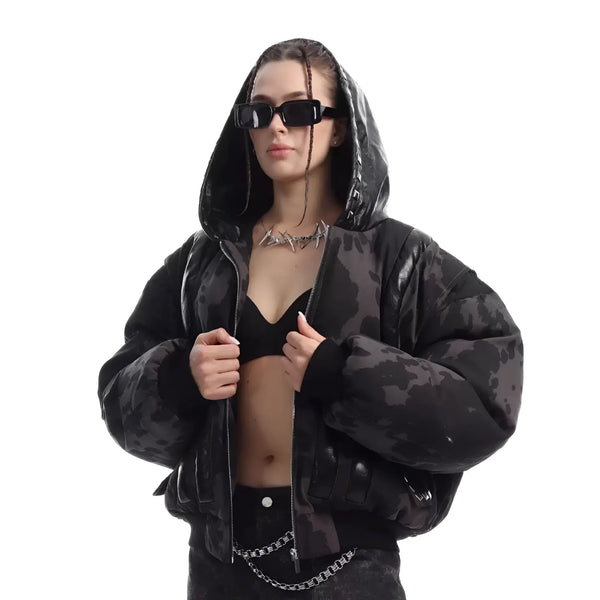
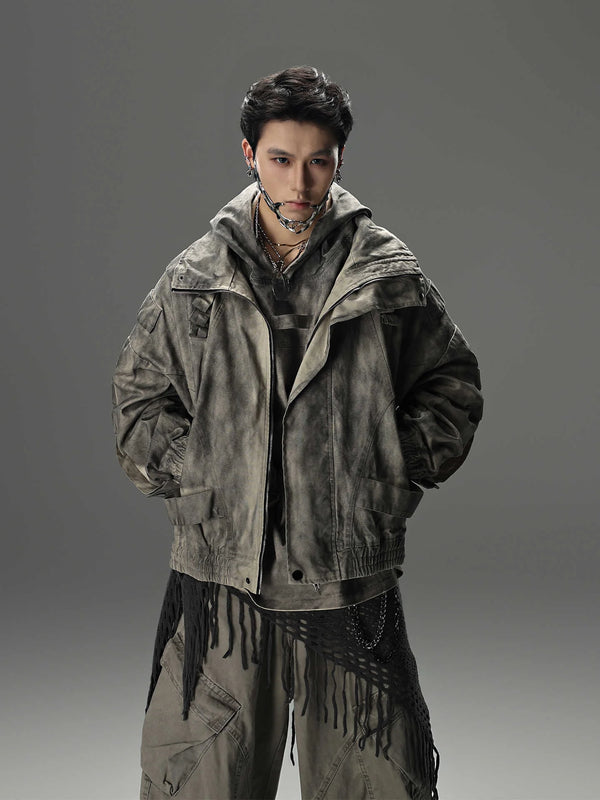
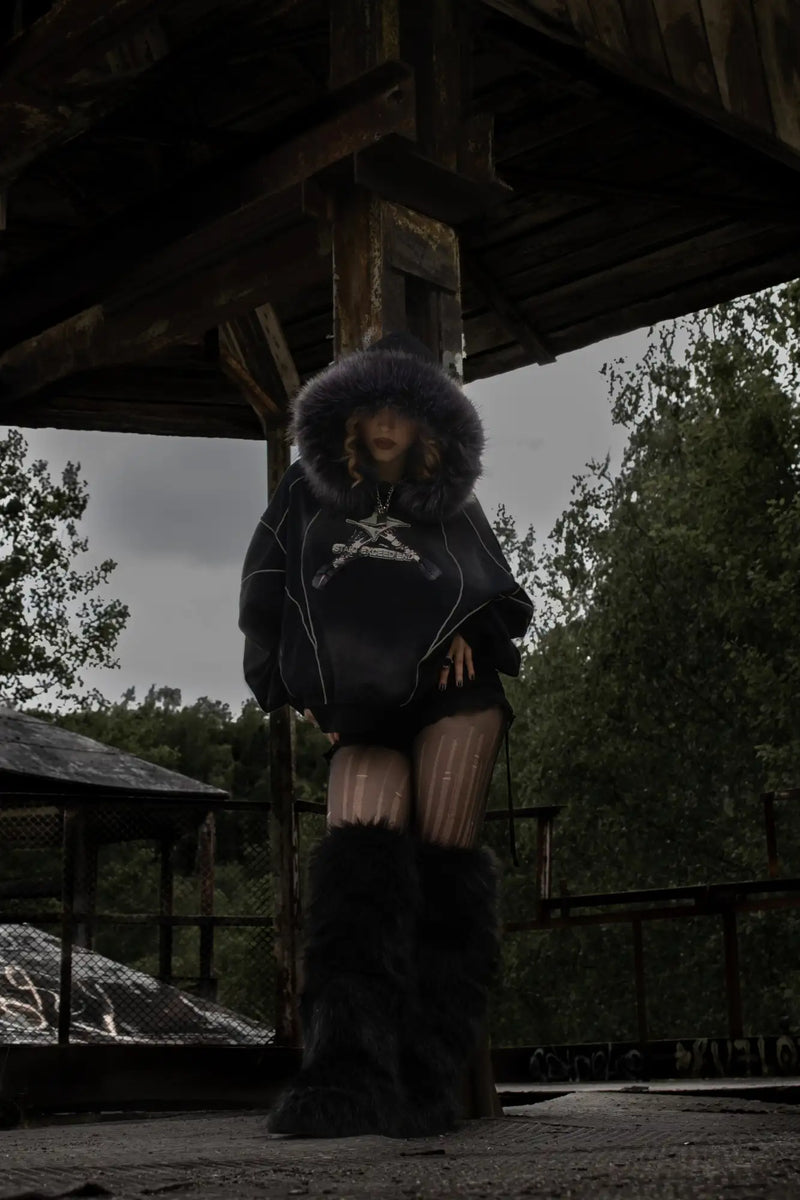
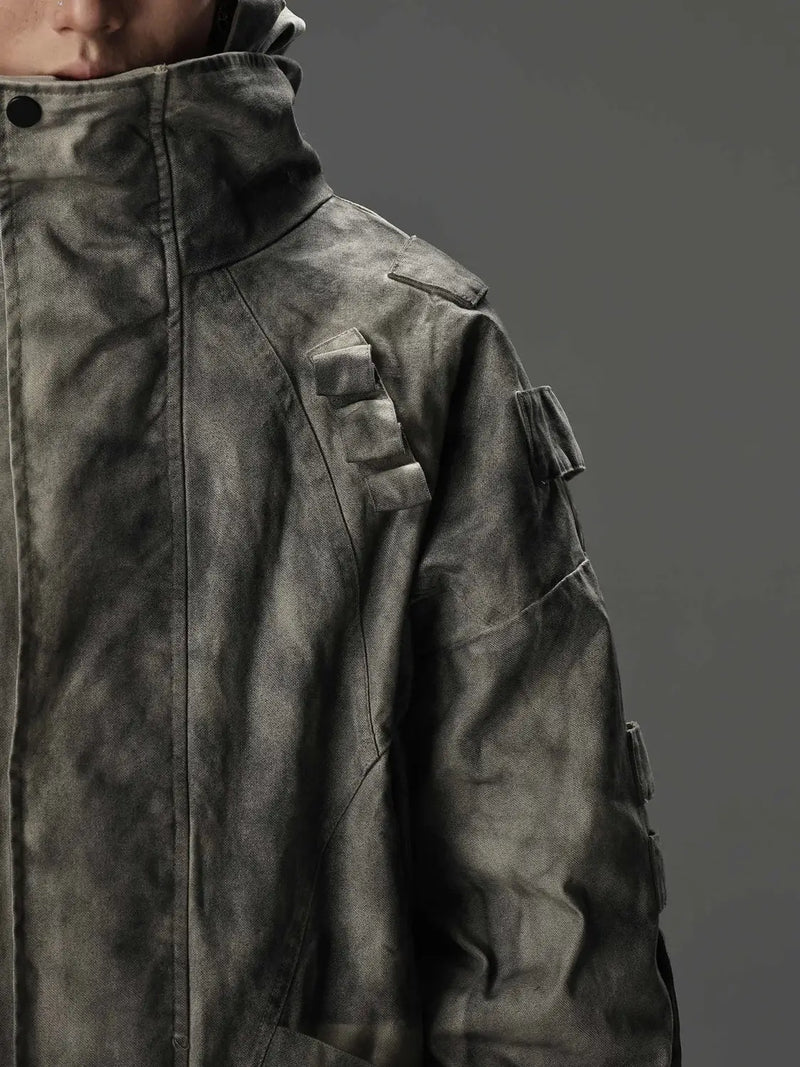
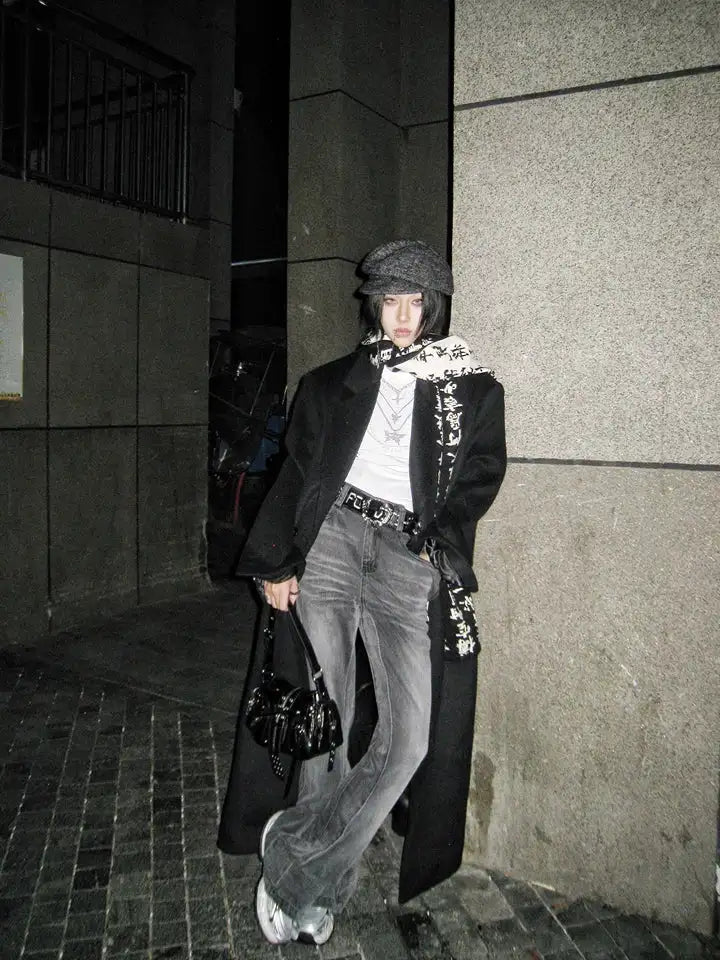
In the Japan look a jacket isn’t weather protection but the link between the layers. Whether puffer or leather – it gives the outfit its outer line and turns single pieces into a system.
For women
Japanese fashion for women
“Women’s Japanese fashion” is one of the most common searches on the topic, and the answer is pleasantly open: almost none of the brands mentioned think strictly in men’s and women’s. Uniqlo carries both, Comme des Garçons has played with gender lines from the start, and the Harajuku scene is fluid anyway. For women that means more room, not less – from clean basics through avant-garde cuts to the full Harajuku colour rush.
Anyone who wants to read the look as feminine plays with the same three principles but shifts the proportions: the wide trouser against a narrow upper body, the oversized top over a tighter base, layering that deliberately shows waist or leg. The Japanese look is no uniform requirement but a construction kit – and it works on every body.
Don’t fall for it
Common mistakes when buying Japanese fashion
The path to Japanese fashion is full of small traps that cost you either money or the look. Most of them are avoidable if you know what to watch for. These five come up most often.
In short: buy the idea, not the label, check source and size, and keep one direction per outfit. That way you sidestep almost everything that can go wrong when getting into Japanese fashion.
Frequently asked questions
Frequently asked questions about Japanese fashion brands
A few questions come up again and again with Japanese fashion – from the best-known brand to the price structure. Here are the short answers.
Which Japanese fashion brand is the best known?
What’s the difference between Uniqlo and GU?
What Japanese luxury brands are there?
Where can I buy Japanese fashion in Germany?
Is Japanese fashion expensive?
Which clothing is typical for Japanese fashion?
Japanese fashion brands aren’t a single look you buy but a map you read. Anyone who knows the four levels knows what to look for – and what a price really means.
What do you think?
Tell us on @fuga_studios
About the author
Philipp Fuge — Founder · Berlin
Founder of Fūga Studios. Writes the journal himself. Berlin · Shanghai · Tokyo · Poznań — four cities, one logic.