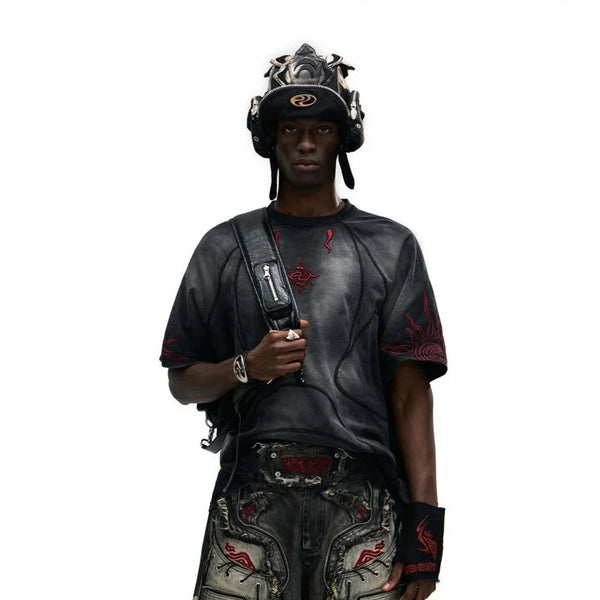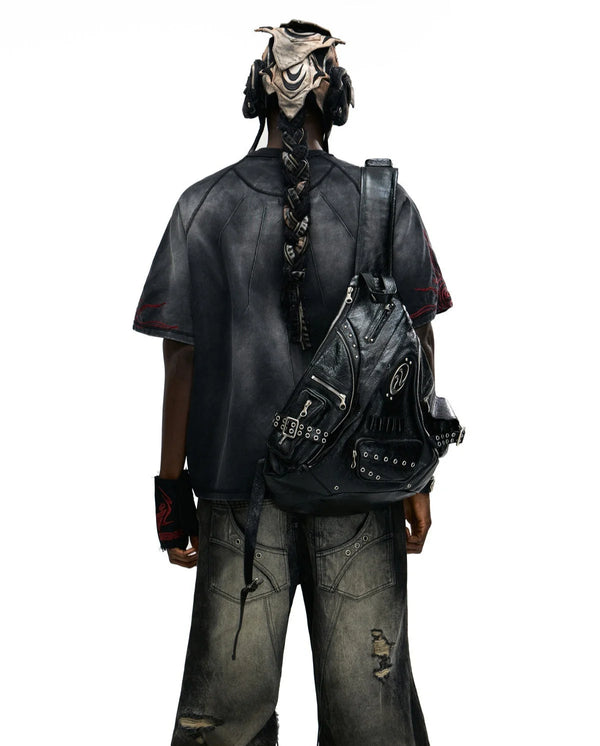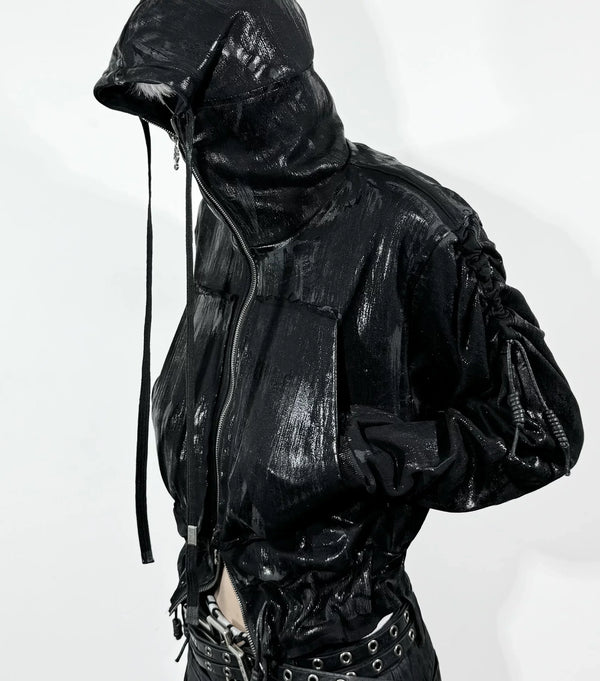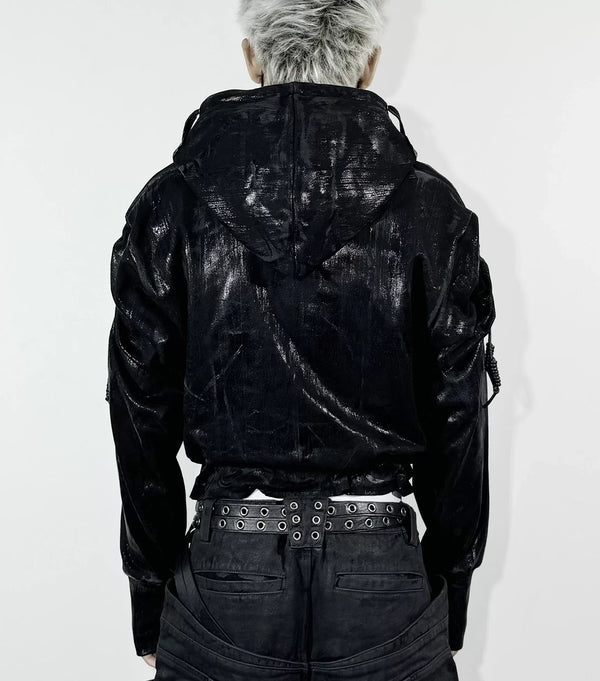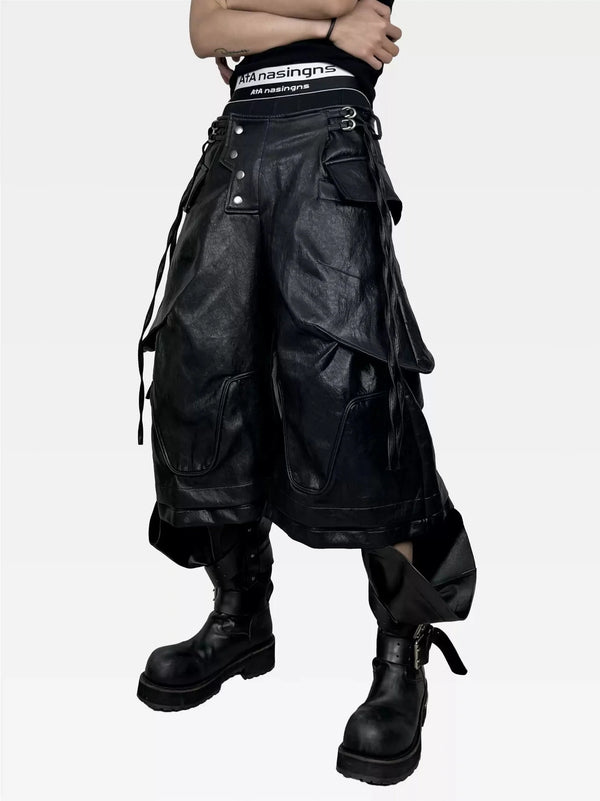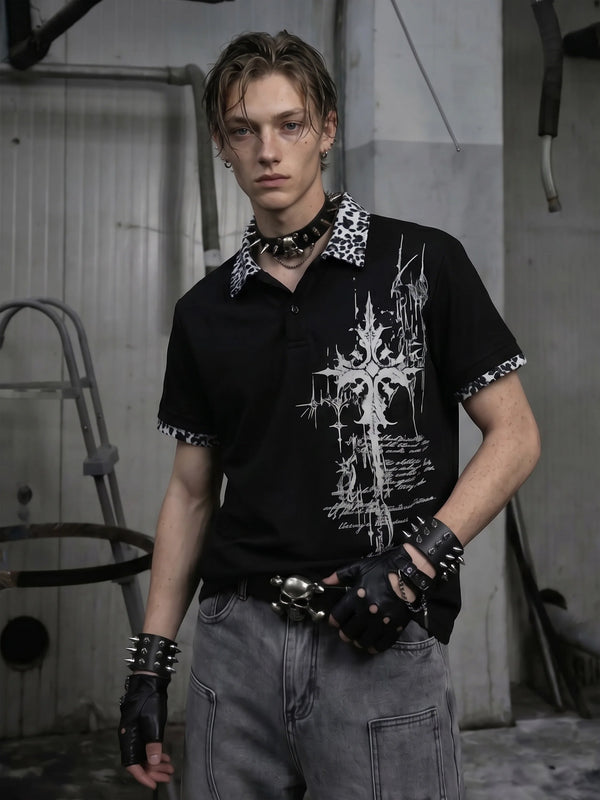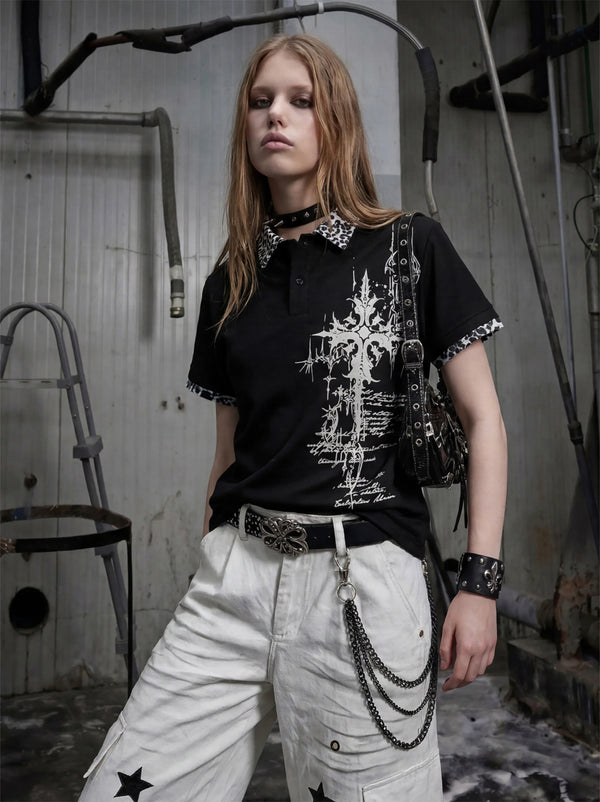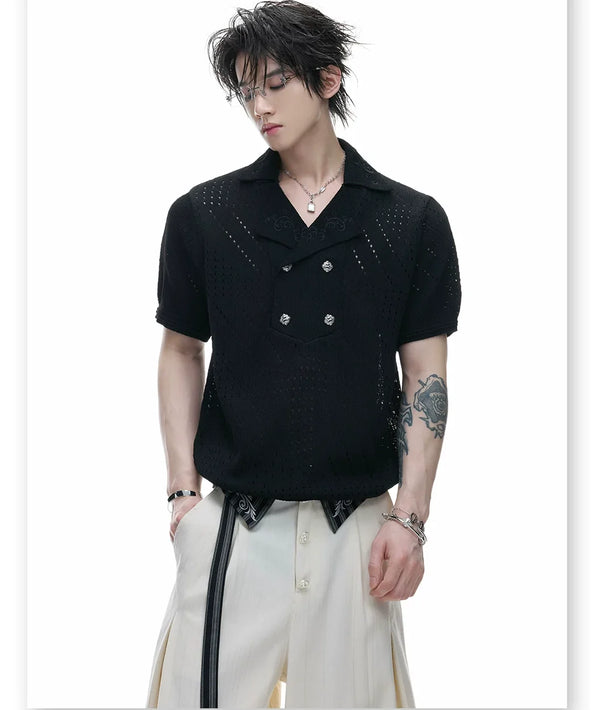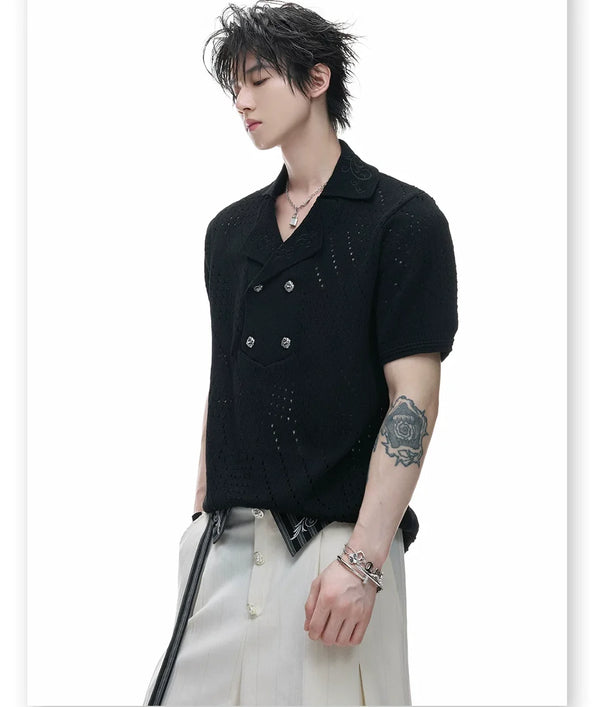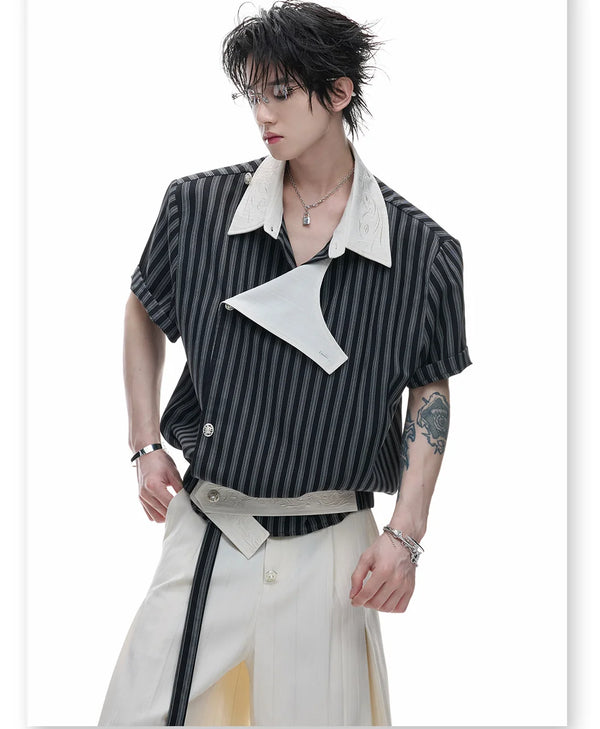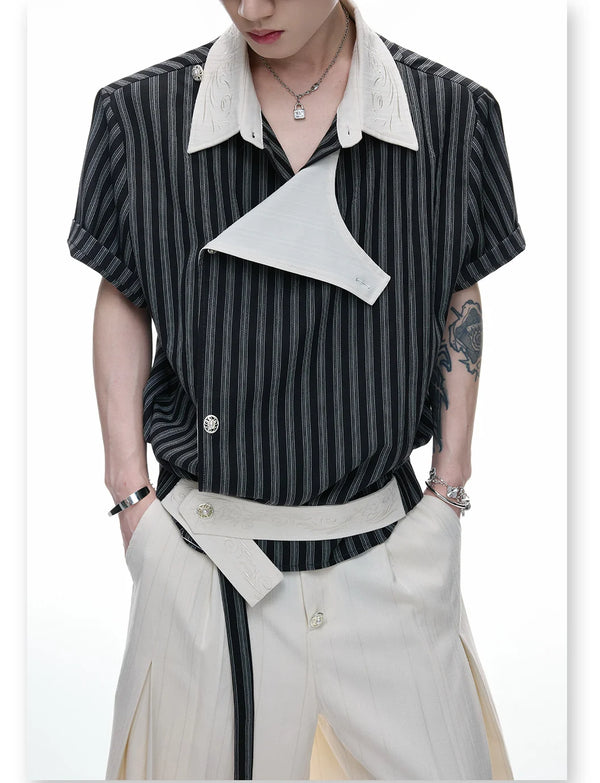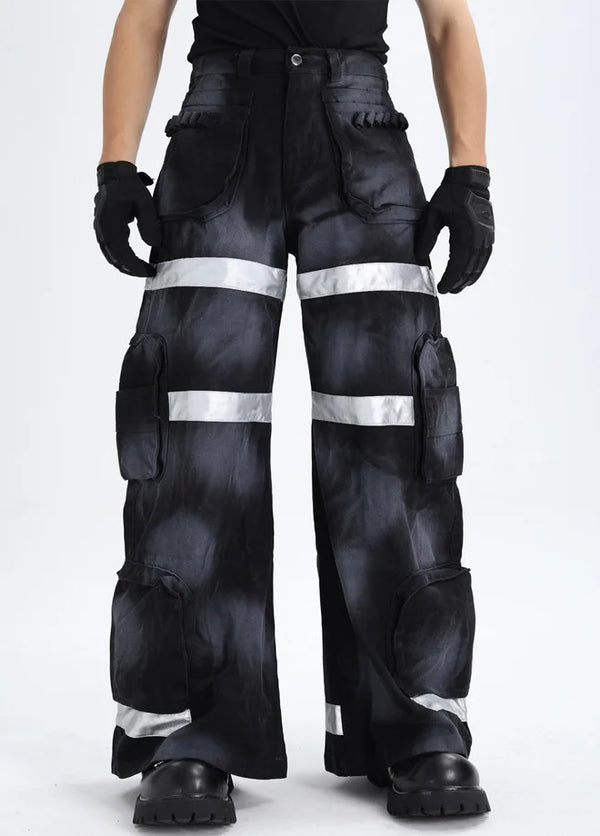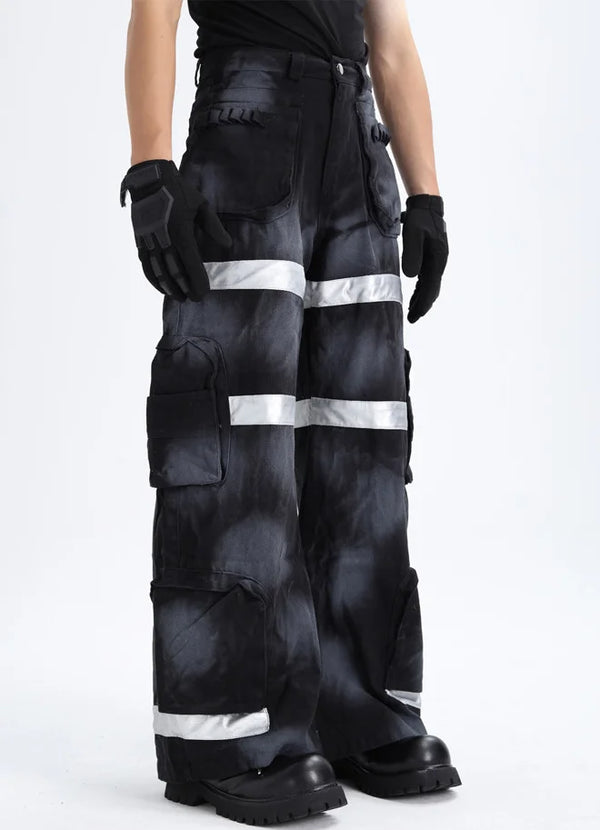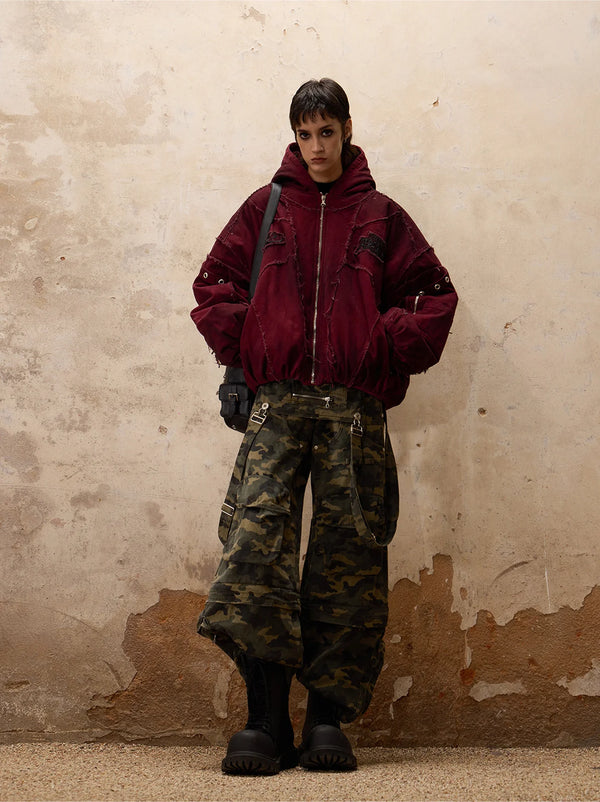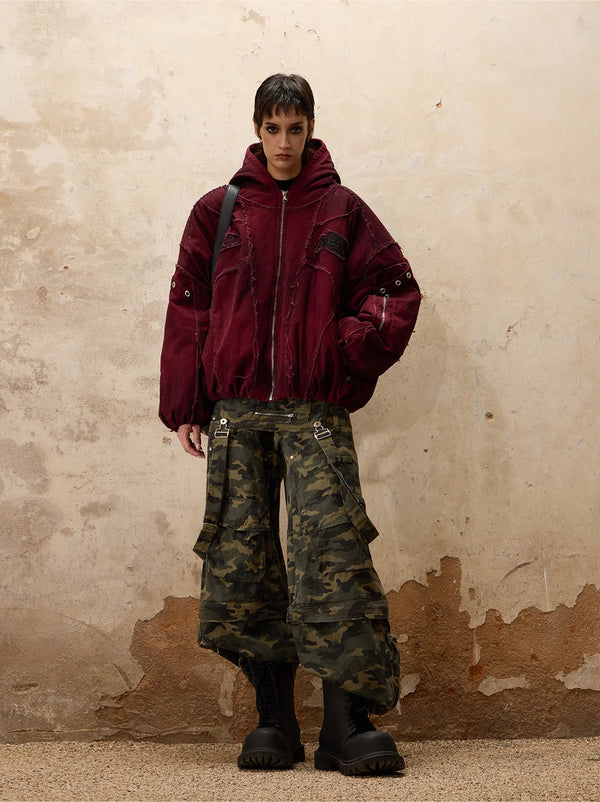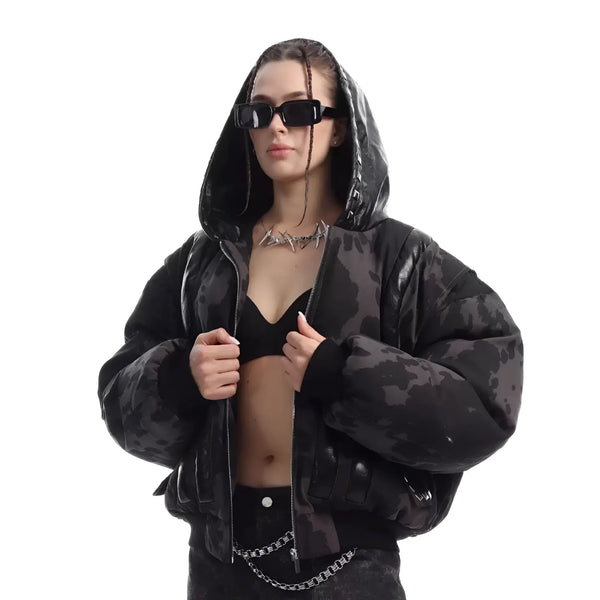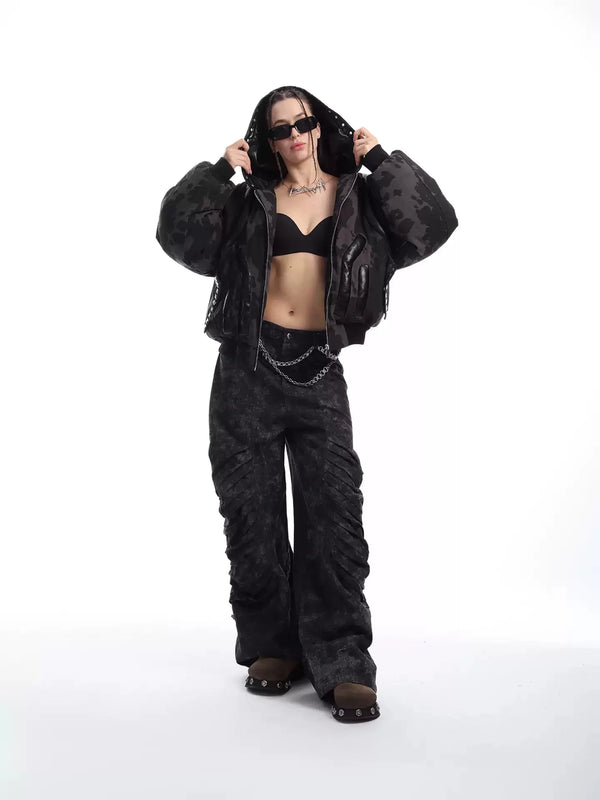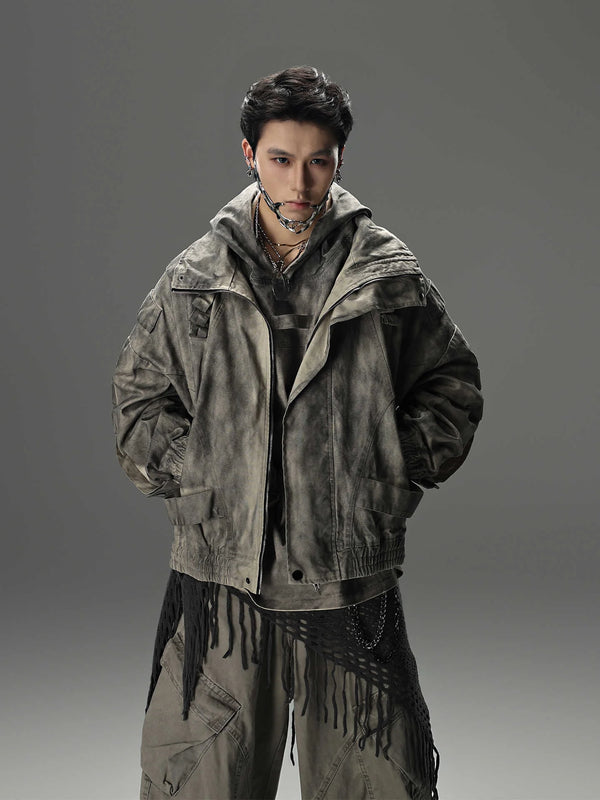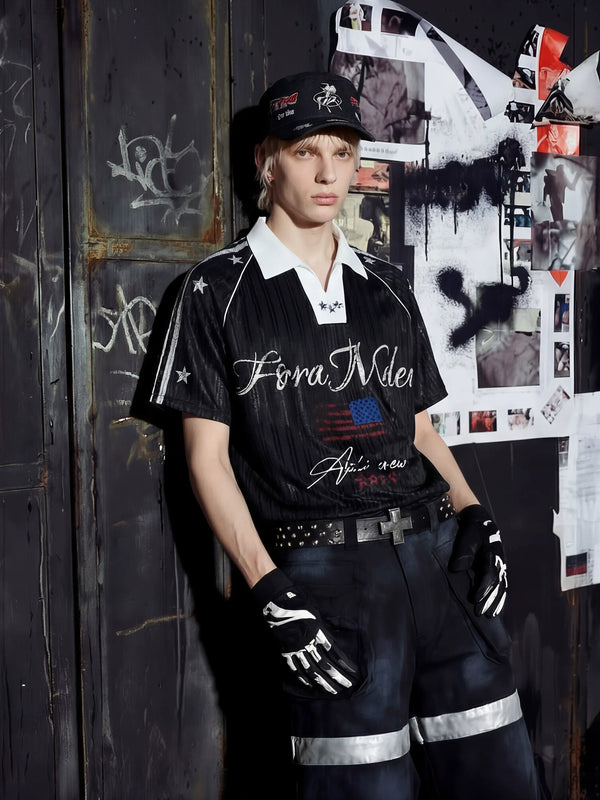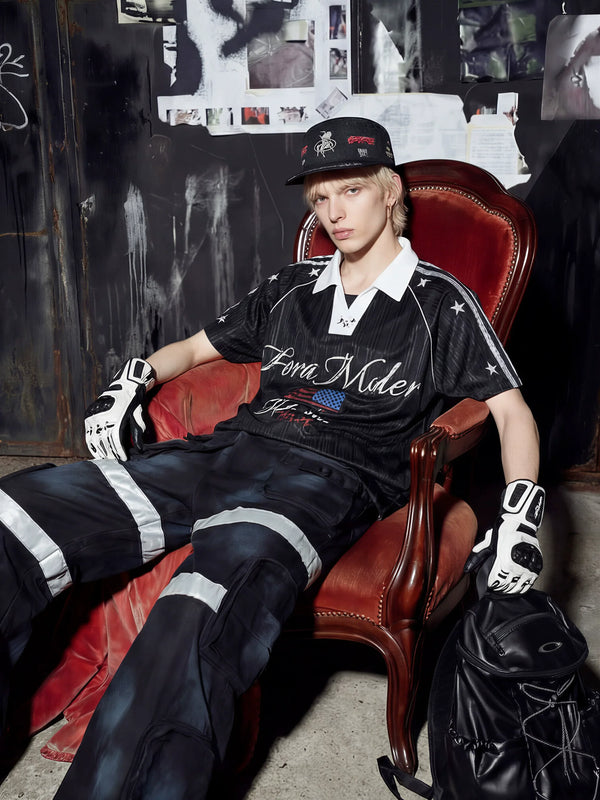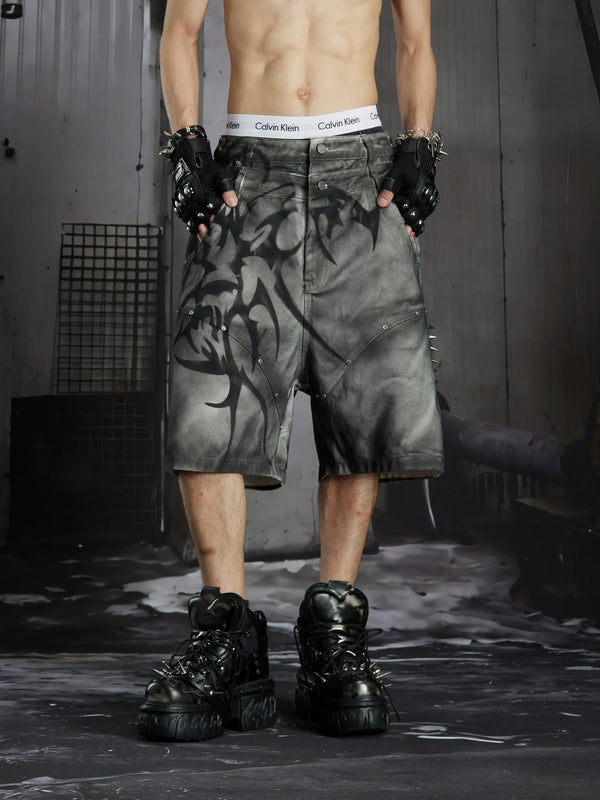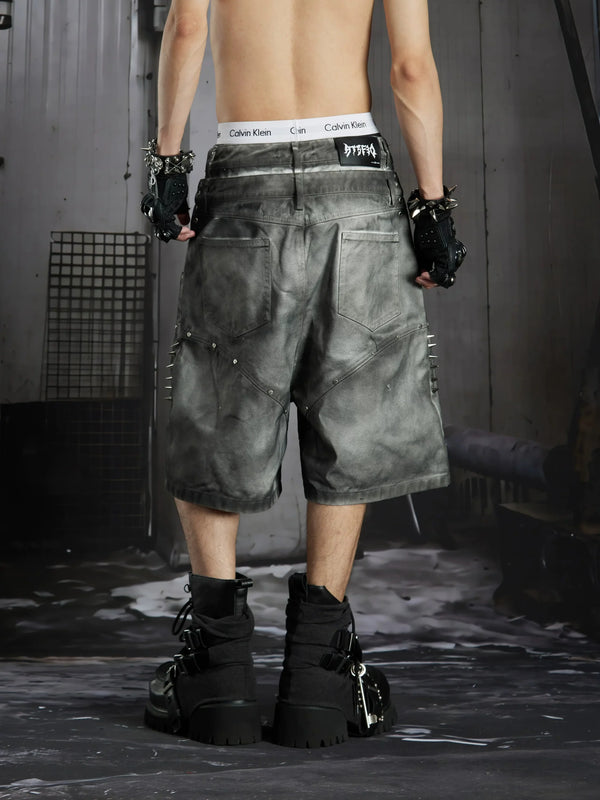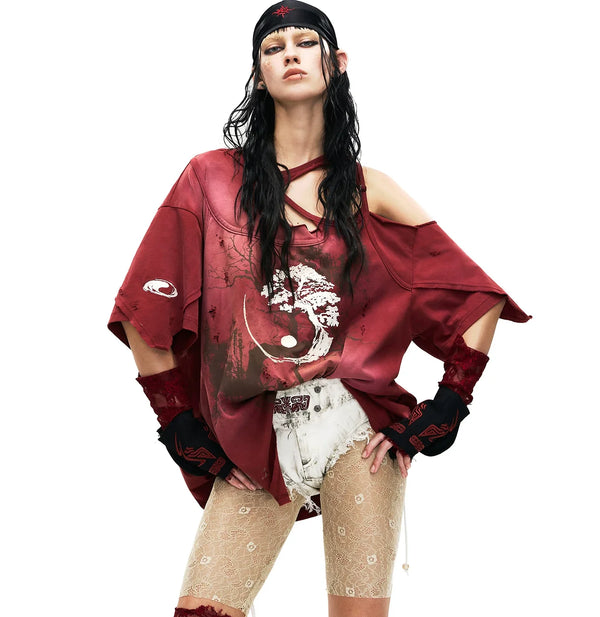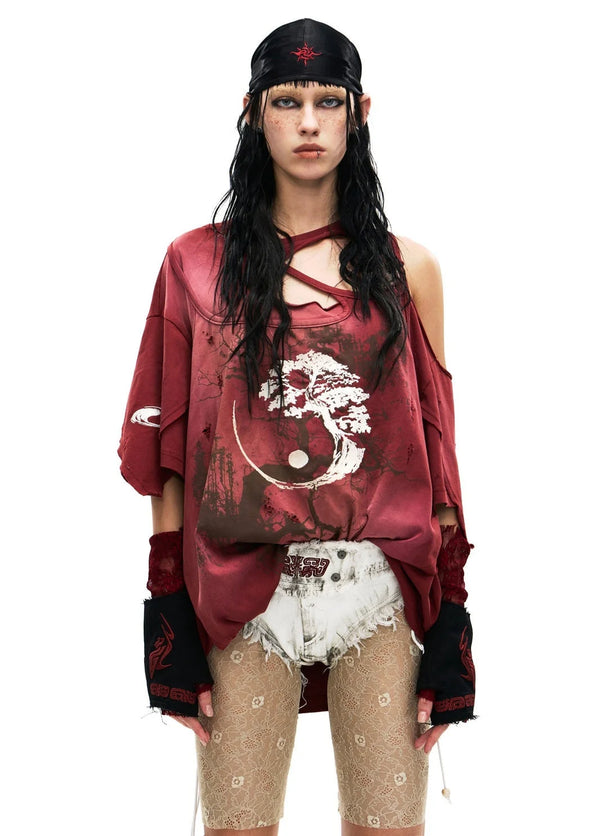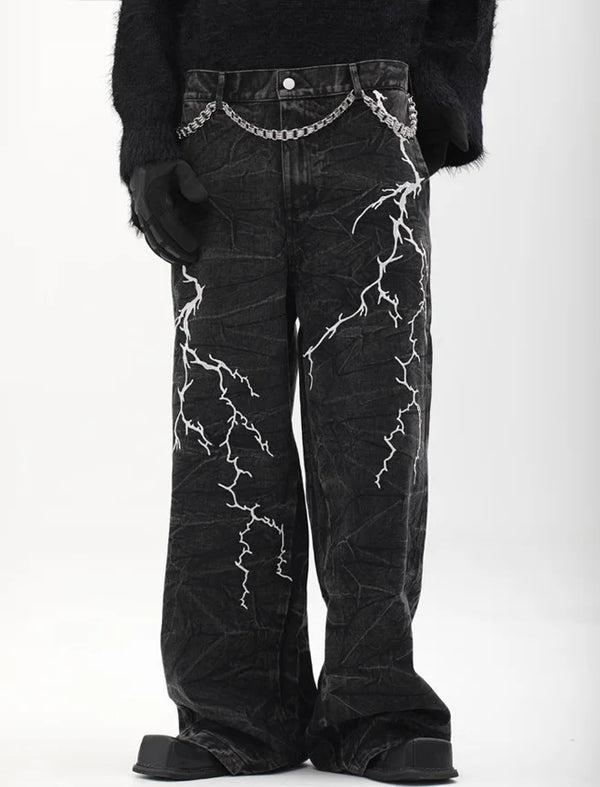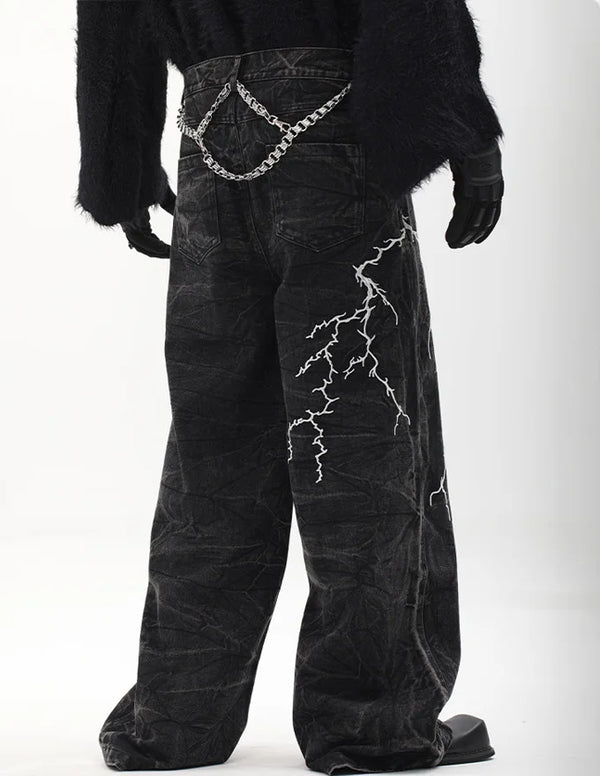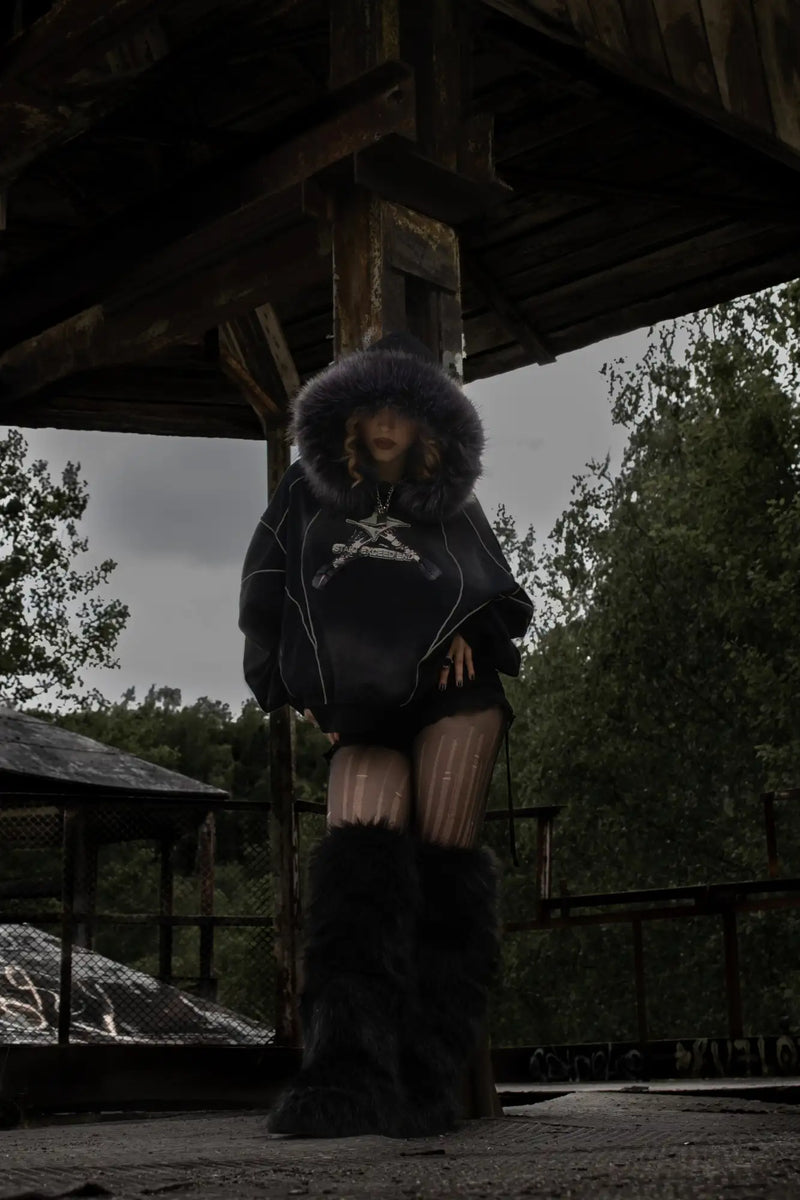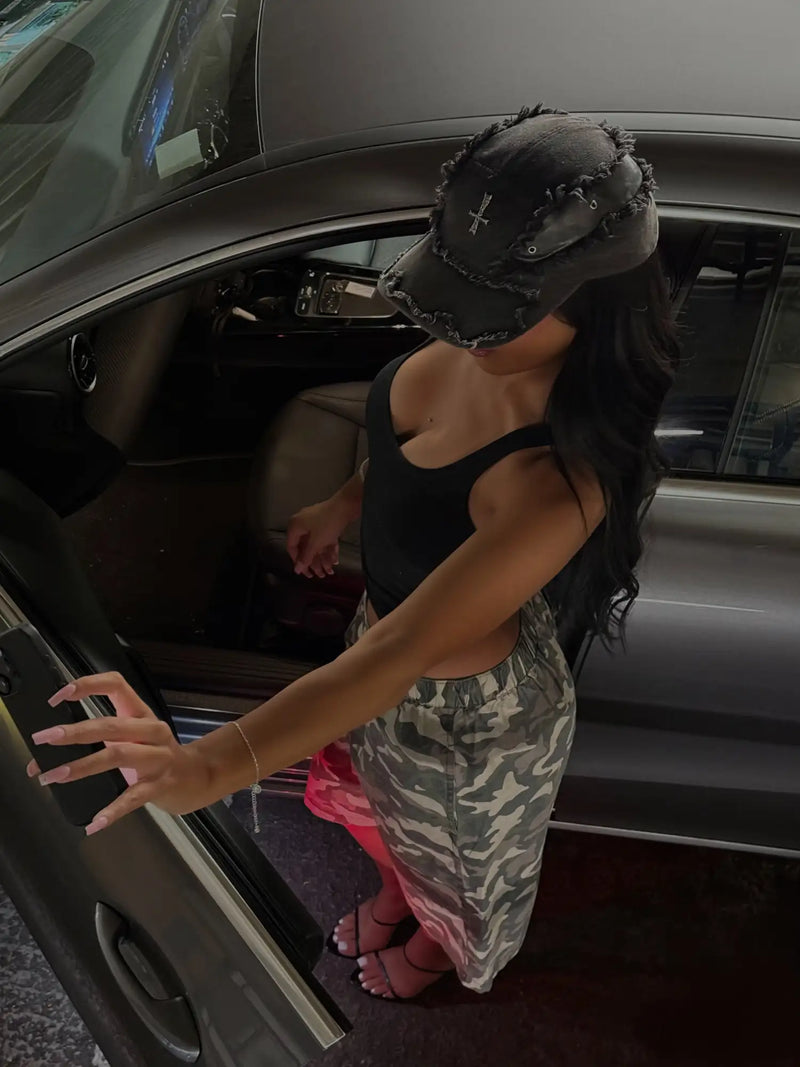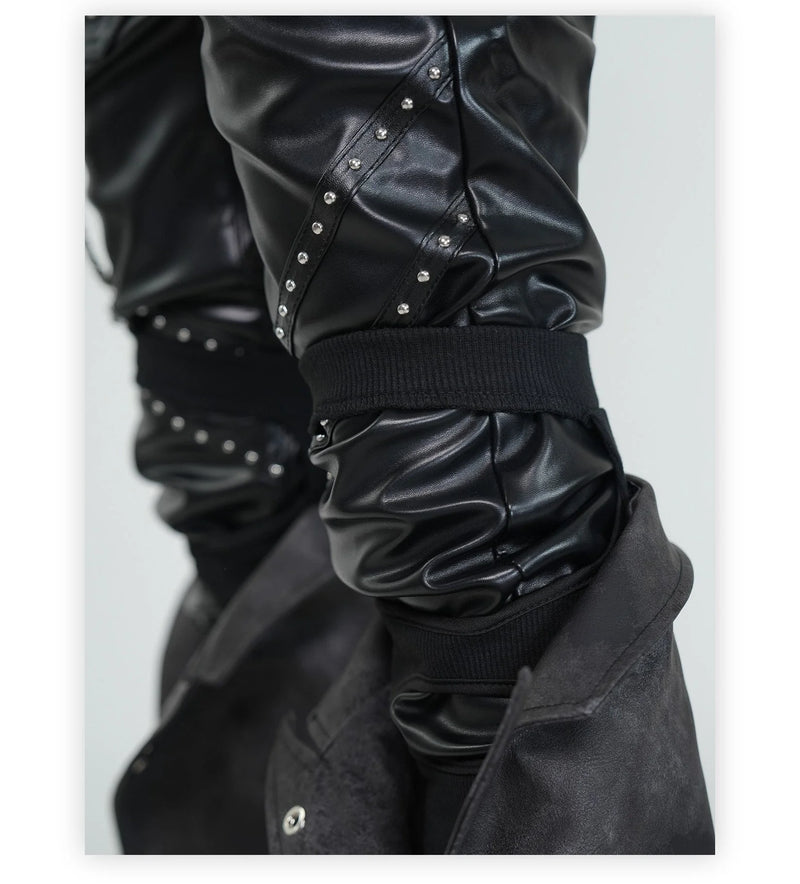
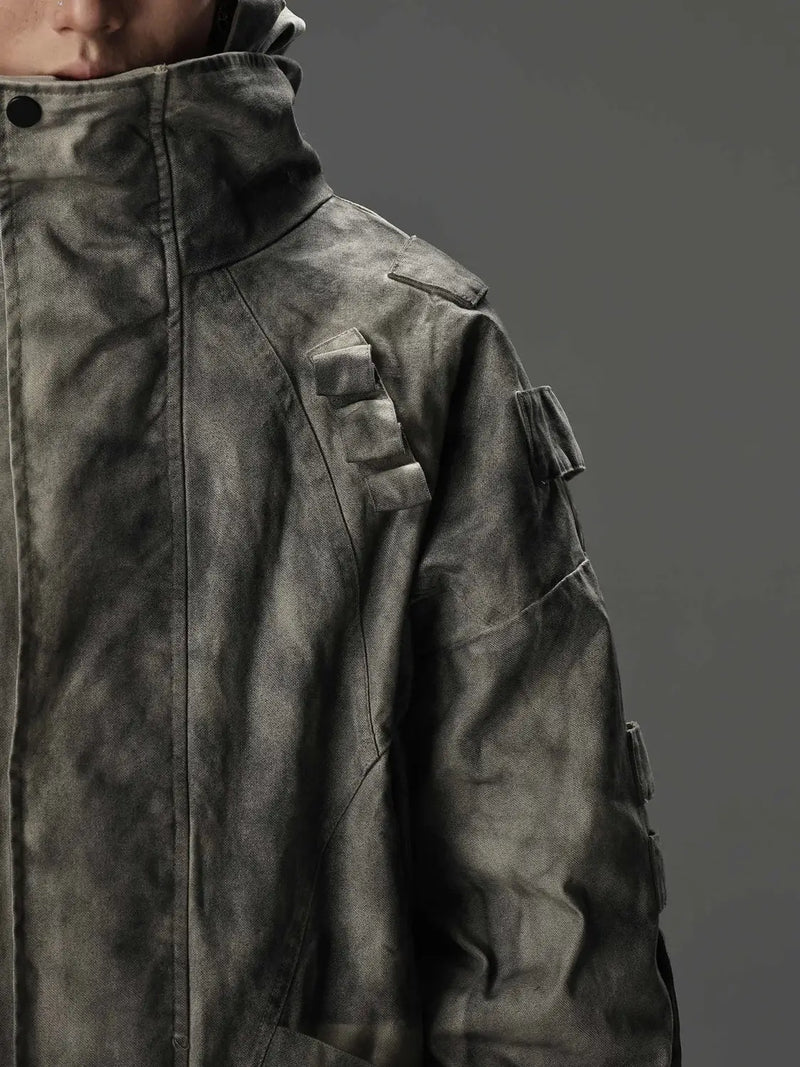
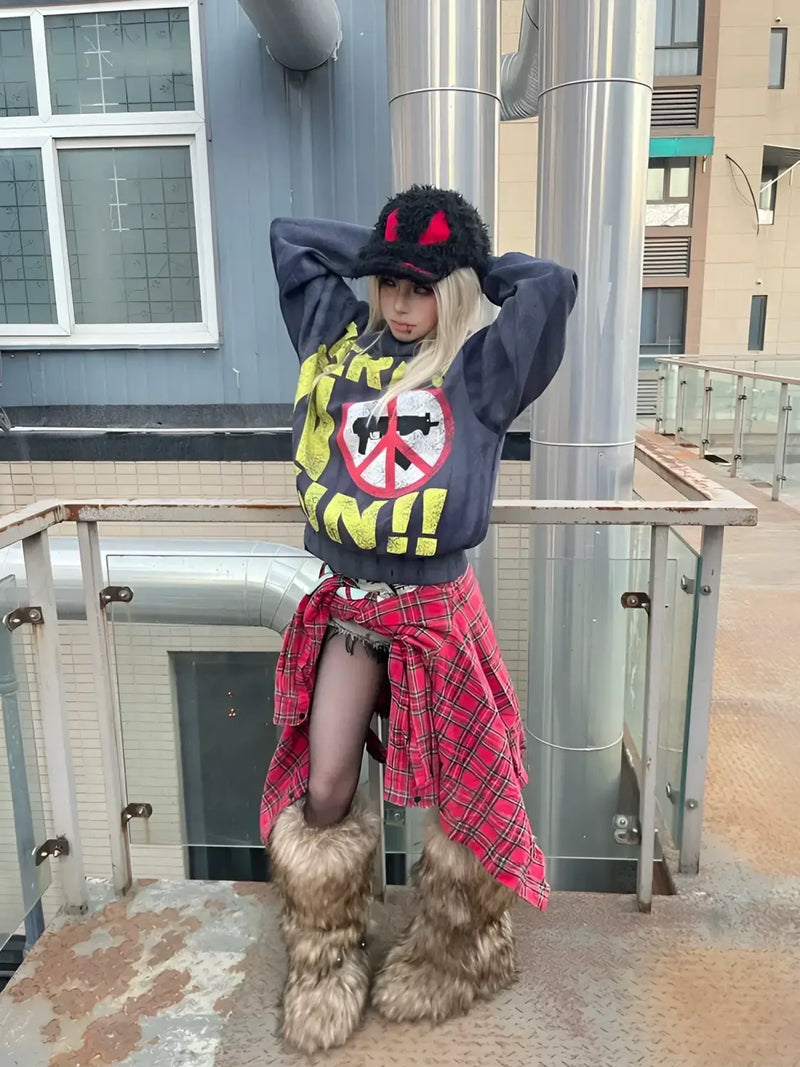
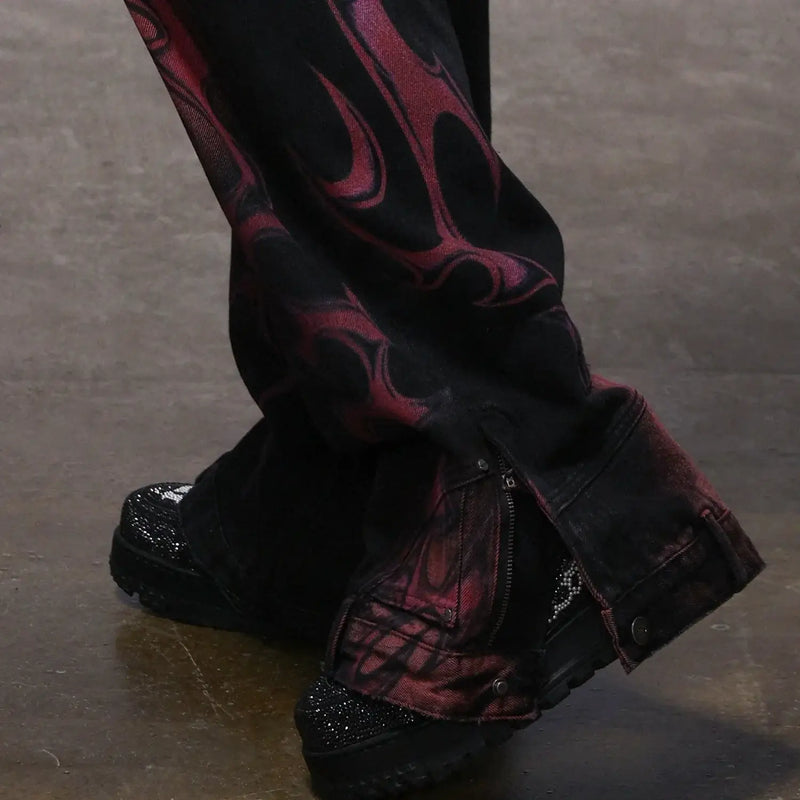
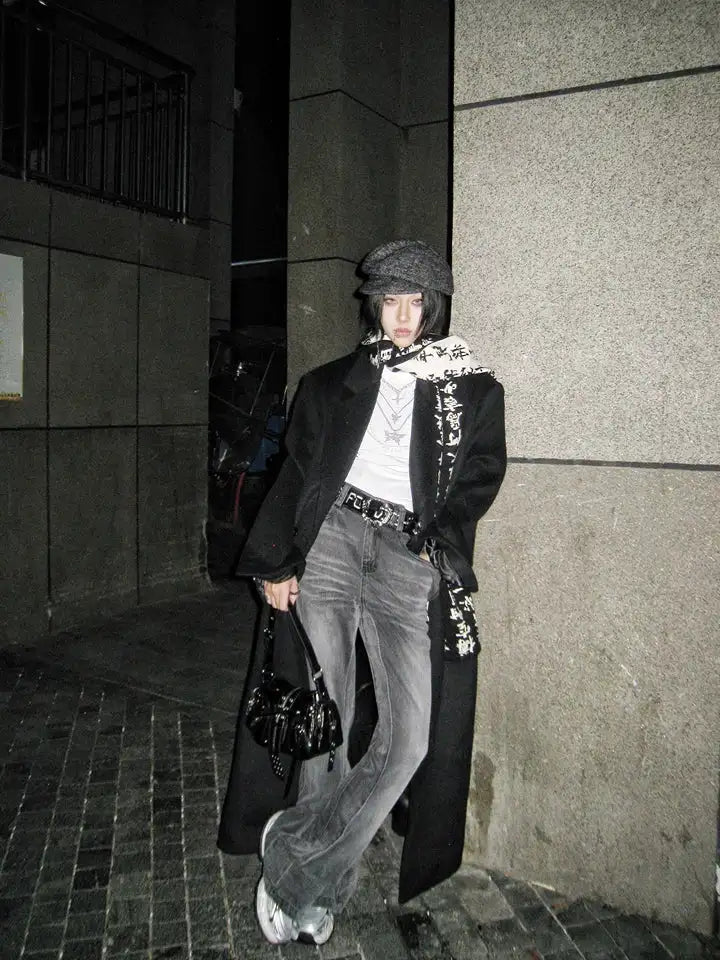

Google “Japanese streetwear” and you get BAPE and sacai thrown at you first, and you think that's the whole story. It isn't. Japan has been building streetwear since the late '80s on four completely different levels — Parisian avant-garde out of Tokyo, Ura-Hara pop, workwear heritage and dystopian techwear — and none of them reads like the American original.
The difference isn't style, it's construction. Where US streetwear runs on graphics and logos, Japanese streetwear runs on cut, fabric quality and the detail you only see once you've got the piece in your hands. COMME des GARÇONS and sacai take silhouettes apart. KAPITAL and visvim bow to indigo workwear. WTAPS and NEIGHBORHOOD translate the military into city clothing. Cav Empt paints cyber subculture onto hoodies. All from the same country, barely a shared look.
This guide sorts the 10 most important brands by price tier, explains why the vocabulary splits into four waves, how that translates into jackets / pants / tops, where to buy it online in Germany, and which 6 mistakes will wreck your wardrobe — before you accidentally buy an expensive lesson of a leather jacket.
What that looks like in motion — 12 seconds of Tokyo techwear DNA:
Origin
How Japan got to streetwear — Ura-Hara, Harajuku, and the Tokyo look
The style has a name almost no one outside Japan knows: Ura-Hara. Literally “the back side of Harajuku.” It means a few square kilometres in Shibuya, east of Omotesando street, where in the early '90s a dozen small stores opened — A Bathing Ape, UNDERCOVER, NEIGHBORHOOD, GOODENOUGH — and invented the Japanese streetwear we know today, all at once.
Ura-Hara worked differently from New York or LA. Limited runs were the default, not the marketing gimmick. Fabrics came from Kojima or from the weaving mills in the Kasuri tradition, not from wholesale. The brand founders knew each other personally, stole each other's ideas, started sub-labels together. Nigo of BAPE and Jun Takahashi of UNDERCOVER ran a store together. Today that sounds like a joke; back then it was obvious.
Before Ura-Hara, Japanese fashion existed mainly as a Parisian export — COMME des GARÇONS (since 1969) and Yohji Yamamoto (since 1981) had already deconstructed fashion week in the eighties, but that was avant-garde in the couture sense, not a city look. Only Ura-Hara brought the vocabulary onto the street — while keeping the claim that a T-shirt is a construction object, not an advertising surface.
Definition
What defines Japanese streetwear — four things you won't find in any US brand
When you put Japanese streetwear next to US streetwear, four things jump out immediately. Not the style — that's completely different depending on the brand. It's the build logic behind it. These four points are the common substrate that counts an UNDERCOVER hoodie and a visvim sneaker as the same language.
4
Waves / sub-styles
2×
Fabric effort vs US streetwear
30+
Years of Ura-Hara heritage
0
Need for visible logos
The four numbers aren't marketing, they're a checklist. Whoever buys a “Japanese” hoodie that was produced in China for 9 euros with a lettering print on it hasn't bought Japanese streetwear — they've bought an imitation that uses the word.
Concretely, what counts as real Japanese streetwear:
- Fabric quality as default — selvedge denim from Kojima, Japanese cotton, high-grade Cordura, pre-washed twills. No thin jersey that gives out after three washes.
- Asymmetric and deconstructed cuts — diagonal zip, offset seam, hem a different length left and right. Avant-garde inheritance from COMME des GARÇONS and Yohji.
- Wide-leg and volume at the bottom — cargo, hakama pant, workwear wide-leg. Skinny barely exists, slim is the exception. The material carries the silhouette, not the body.
- Layering as a construction principle — three to five layers is standard, not a style break. Inner layer, mid layer, outer layer plus accessories. Every layer functional, not decorative.
- Limited drops instead of a season calendar — brands release 50 to 500 of a piece, then never again. There's no reorder. Anyone who knows that understands why resale prices are often double.
- Heritage reference instead of trend reference — boro patchwork, indigo dyeing, sashiko embroidery, Kasuri weaving — Japanese streetwear cites its own history more often than it copies a US subculture.
If you meet three of these six points, you're buying real Japanese streetwear. Meet all six and you're buying tier-1 prices. There's one rule that connects all six:
sub-styles
The 4 waves of Japanese streetwear — cleanly separated
“Japanese streetwear” isn't a single look but four — they overlap at the edges but are clearly separate at the core. Anyone who can't tell them apart accidentally buys a KAPITAL boro piece and thinks it goes with a BAPE camo hoodie. It rarely does.
Which of the four waves suits you depends less on taste than on your surroundings and your budget. Avant-garde starts at three-figure prices per piece. Ura-Hara sits in the mid tier. Workwear heritage and techwear both run high, but have more DTC alternatives. We'll go through the 10 essential brands now — sorted by price tier.
Brands
The 10 brands: sorted by price tier
These aren't “the 10 coolest brands” or “10 brands you have to know” — these are the 10 that wrote the Japanese streetwear vocabulary between 1969 and today. Know these and you can place every other Japanese brand. Sorted by price tier, because that's the only thing that's really purchase-relevant.
Tier 1 — avant-garde / luxury (pieces from €400-600):
- COMME des GARÇONS (Rei Kawakubo, 1969) — Tokyo. The mother of Japanese avant-garde. Deconstruction as a system: holes, asymmetric hems, black voluminousness. Tore apart Paris fashion week in 1981 and never looked back.
- Yohji Yamamoto (Yohji Yamamoto, 1981) — Tokyo. Drape master. Black voluminousness, oversize tailoring, samurai-inspired silhouettes. The man brought black as a colour into high fashion.
- sacai (Chitose Abe, 1999) — Tokyo. Hybrid construction: two pieces cut into one (MA-1 bomber front half + hoodie back). Carried the hybrid logic into the streetwear mainstream.
Tier 2 — streetwear heritage / premium (pieces from €200-400):
- UNDERCOVER (Jun Takahashi, 1990) — Tokyo. Punk-meets-couture. Ura-Hara pioneer with an anti-consumer message, lyric prints, vintage sample reference. Cult status since the mid-'90s.
- NEIGHBORHOOD (Shinsuke Takizawa, 1994) — Tokyo. Biker-goth meets workwear. Mil-spec fabrics, bandana prints, skull motifs — but construction-driven, not symbolic.
- BAPE / A Bathing Ape (Nigo, 1993) — Tokyo. Camo, shark hoodie, ape-head logo. The brand that invented pop streetwear in Japan — and exploded in the US via Pharrell, Kanye and Lil Wayne.
- visvim (Hiroki Nakamura, 2001) — Tokyo. Heritage-crafted. Indigo, folk reference, hand-sewn shoes, Native American inspiration. Tier-1 prices with tier-2 visibility — if you know, you know.
Tier 3 — workwear / functional (pieces from €150-300):
- KAPITAL (Toshikiyo Hirata, 1985) — Kojima. Boro patchwork master. Indigo denim from the home base of the Japanese denim industry. Maximum heritage, maximum print, maximum mix.
- WTAPS (Tetsu Nishiyama, 1996) — Tokyo. Military-inspired workwear cut. M65, BDU pants, cargo silhouettes — all in Japanese build quality. Tactical without cosplay.
Tier 4 — cult / avant-niche (pieces from €100-250):
- Cav Empt (Sk8thing & Toby Feltwell, 2011) — Tokyo. Cyber graphic, subculture print, dystopian slogans. The youngest brand on this list, but already cult status in Tokyo, London and Seoul.
The 10 aren't interchangeable — each covers a different vocabulary. If you're getting in as a beginner, start at tier 2 or tier 3. Tier 1 only pays off once you read the vocabulary and invest deliberately.
Gender split
Japanese streetwear women vs men — where the cut sits differently
The brands are the same — none of the 10 above has a pure men's or pure women's line. What differs is the cut of individual pieces and which brands serve which gender more strongly.
Men's version: stronger on workwear heritage and Ura-Hara streetwear. KAPITAL, visvim, NEIGHBORHOOD, WTAPS and BAPE have the bigger men's selection per season. Cut logic is mostly oversized or regular, pants wide-leg or cargo, shoes boot-oriented. Hoodie and coach jacket are the default outer layers.
Women's version: stronger on avant-garde and sacai. COMME des GARÇONS has produced for both in parallel for decades, Yohji likewise, sacai even more in the women's tier. Cut logic is mostly body-conscious with drape volume, asymmetric cuts are used more offensively, layer play with mesh and lace is more frequent than in the men's line.
What both share: the wide-leg DNA in pants, the volume up top through layering, the limited-drops logic, the construction detail fidelity. Whoever buys a brand from the list above gets Japanese streetwear regardless of gender — the difference is in the cut, not the vocabulary.
Category · Outerwear
Japanese streetwear jackets — bomber, coach, long coat
The jacket is the most expensive investment in Japanese streetwear and at the same time the one with the longest return. A BAPE shark hoodie you lose in two years; a KAPITAL boro jacket you wear until it falls apart — and that takes a while.
Three outerwear types work in the Japanese streetwear vocabulary: the MA-1 bomber (sacai reinvented it, BAPE made it mass-compatible), the coach jacket with snap closure (UNDERCOVER and NEIGHBORHOOD standard), and the long coat in drape silhouette (COMME des GARÇONS and Yohji vocabulary, later taken up by sacai).
If you make only one outerwear investment, take an MA-1 bomber in matte black or olive green. That's the bridge between streetwear, workwear and avant-garde — you wear it with everything.
Category · Bottoms
Japanese streetwear pants — wide-leg DNA and the workwear heritage
Skinny never really arrived in Japanese streetwear. Even in the tier-1 avant-garde brands, pants are mostly regular or wide — Yohji has propagated the wide pant cut since the '80s, KAPITAL and WTAPS keep building out the workwear vocabulary.
Three pant types carry the look: the workwear cargo (WTAPS default, NEIGHBORHOOD mil-spec cut), the wide-leg pant in selvedge denim or heavy cotton (KAPITAL and visvim vocabulary), and the drape pant with asymmetric cut (COMME des GARÇONS inheritance, sacai iteration). All three sit higher than US streetwear and carry volume at the leg.
If you're looking for a pant that works with each of the four sub-styles, take a wide-leg selvedge denim in indigo or black. That's the common denominator between tier-2 streetwear and tier-3 workwear — and it sits with a Yohji top or a sacai hybrid too.
Category · Tops
Japanese streetwear tops & hoodies — the layer logic
Tops are rarely a solo statement in Japanese streetwear. They're part of a layer system — inner layer in thin cotton, mid layer as long-sleeve or henley, outer layer as hoodie or crewneck. Three to five layers is default, not a style break.
Four tops types work: the print hoodie as a pop statement (BAPE, Cav Empt — print concrete, not abstract), the plain hoodie as a mid layer (NEIGHBORHOOD, WTAPS), the long-sleeve in heavy cotton (UNDERCOVER and visvim standard), and the asymmetrically cut T-shirt from the avant-garde tier (COMME des GARÇONS, sacai). All in selvedge or heavy cotton quality.
If you want to test the layer look, start with a plain black long-sleeve in heavy cotton, plus a print hoodie or crewneck over it. That's the easiest entry into the Japanese vocabulary — no risk if the brand language is still unfamiliar.
Where to buy
Where to buy Japanese streetwear online in Germany
The honest picture: Japanese original brands rarely have stand-alone stores in Germany, and EU shipping isn't always smooth. But there are three clean routes without having to fly to Tokyo.
Anyone buying Japanese streetwear in Germany sits between three market options: DTC brands like Fūga Studios for the vocabulary at DTC price, resale platforms for used Tier-1 Pieces, and direct brand stores with EU shipping for the original. Which mix makes sense depends on the budget and on patience.
First, DTC: brands like Fūga Studios translate the Japanese vocabulary competently into the DTC price level. Wide-leg cargo, heavy-cotton hoodie, long coat, print tee — the pieces that run over 200 euros in the list above cost between 60 and 150 euros at DTC. No customs duty, German-language support, EU shipping standard.
Second, resale: Grailed, Vestiaire Collective, eBay vintage. Anyone who wants tier-1 pieces (Yohji, sacai, visvim) original buys here used, often 60-80 percent under original price. Watch out for authenticity verification — Grailed and Vestiaire both have verification services, eBay doesn't.
Third, direct import: BAPE EU store, sacai boutiques in Paris/London, KAPITAL online store with worldwide shipping. Full price, but guaranteed original. Delivery times between 5 and 14 days depending on the brand; factor in customs on orders over 150 euros outside the EU.
Japanese streetwear doesn't stand alone — it overlaps at several edges with other Tokyo-shaped looks and with the Korean wave. Whoever has the Japanese vocabulary down reads the neighbouring codes more easily too, without slipping into cosplay.
Here are the four most important neighbour guides — if you want to go deeper:
Seasonal
Japanese streetwear in summer vs winter
In winter, Japanese streetwear is comfortable. MA-1 bomber, heavy-cotton hoodie, long-sleeve, wide-leg selvedge, combat boots. Three to five layers, all combinable from the four waves above, all of it works. Even in a Berlin January at 0 °C — the fabric quality catches the cold better than a US streetwear hoodie in thin jersey.
Summer streetwear works through a heavy-cotton T-shirt plus wide-leg pant, plus coach jacket as sun protection or layering element. The Japanese vocabulary has an advantage over US streetwear in summer: the wide-leg DNA suits high temperatures better than skinny — more air, less heat trapped at the body.
The year-round solution is in the pieces that adjust their layer thickness themselves. Convertible puffer with removable sleeves for example, coach jackets with an inner liner system, MA-1 bomber with two fabric tiers. Here's what that looks like in motion:
What does not work
The 6 most common mistakes when buying brands — what NOT to do
There are six spots where the purchase typically goes wrong — whatever the budget. Avoid one of them and you've already saved most of the lesson-money buys.
Action
Where to start — the first 4 pieces
You don't need 20 pieces at once. You need four that will be in 80 percent of your outfits. Everything else builds around them — one per quarter is enough if the wardrobe is meant to grow.
In order: an MA-1 bomber or a coach jacket in matte black or olive green (your biggest investment — lasts 10 years with good care). A wide-leg pant in selvedge denim or heavy-cotton cargo. A heavy-cotton hoodie, plain or with a reduced print. Combat boots or workwear boots with a black sole. A silver chain as an optional fifth — but only once the four sit.
Outfits for real
Japanese streetwear for real — what it looks like on the street
Before you buy the first piece, look at how it works in real outfits. The four waves from above look different in the feed than on lookbook photos: looser, less perfect, with more context from everyday life — and that's exactly why the looks wear.
This is the fastest way to check whether the Japanese vocabulary even sits on your body type — before you put money into a tier-2 investment.
To close
Japan builds differently — construction before logo
If you remember one thing from this guide, let it be this: Japanese streetwear works through construction logic, not through brands. Whoever has the logic down builds a wardrobe with tier-2 and tier-3 pieces that sits better than a random mix of three tier-1 brands. Whoever only collects logos has a full wardrobe without a single outfit that sits.
The whole logic of this guide reduces to one sentence:
The four waves have been stable since the '90s and will stay that way — avant-garde, Ura-Hara, workwear heritage and techwear aren't fashion trends but separate vocabularies. But you don't have to learn it all at once. Start with one wave, learn the brands, lock in the construction principles. What you don't know you learn by wearing.
And that's the point: Japanese streetwear reads in theory like a market for insiders — but it doesn't feel that way in practice, once the logic sits. Every further piece is a variation from the same vocabulary, not a new discovery.
FAQ
Frequently asked questions about Japanese streetwear
The questions we often get by DM and email — short, clear, no detours.
Which fashion brands come from Japan?
Which well-known clothing brands from Japan are there?
What is the Japanese streetwear style called?
Which Japanese streetwear brands are popular right now?
What are the best streetwear brands overall — Japanese or international?
Is there Japanese streetwear for women and for men in the same brand?
Where do you buy Japanese streetwear online in Germany — without customs trouble?
What do you think?
Tell us on @fuga_studios
About the author
Philipp Fuge — Founder · Berlin
Founder of Fūga Studios. Writes the journal himself. Berlin · Shanghai · Tokyo · Poznań — four cities, one logic.