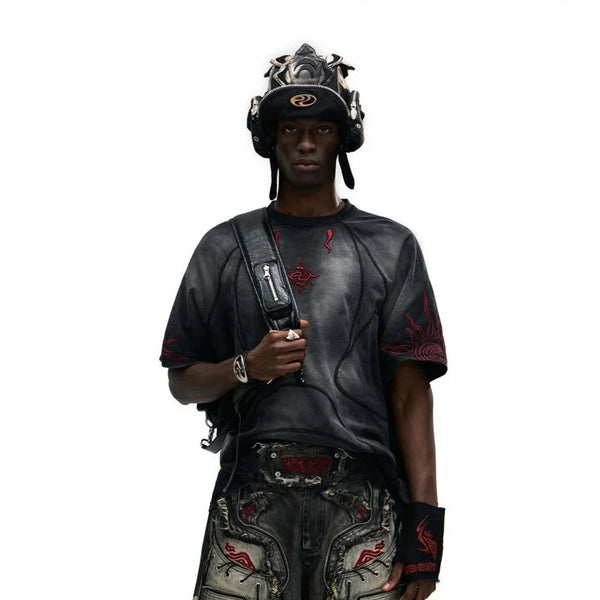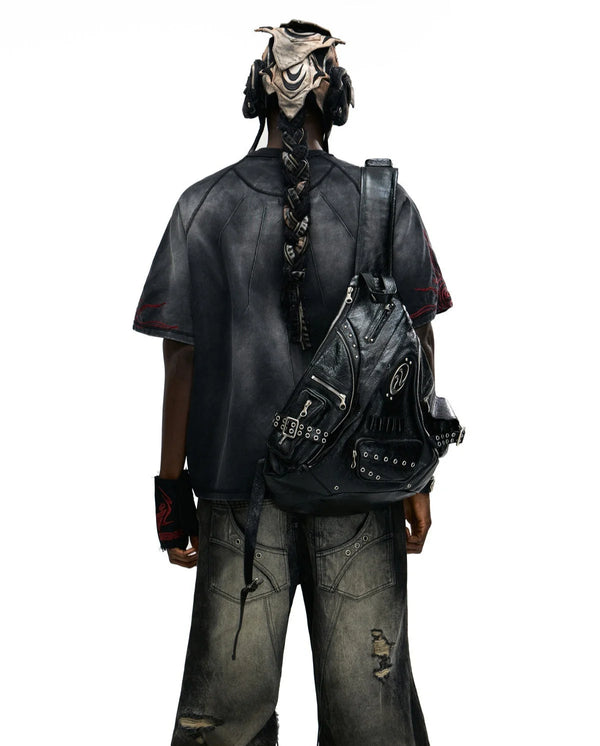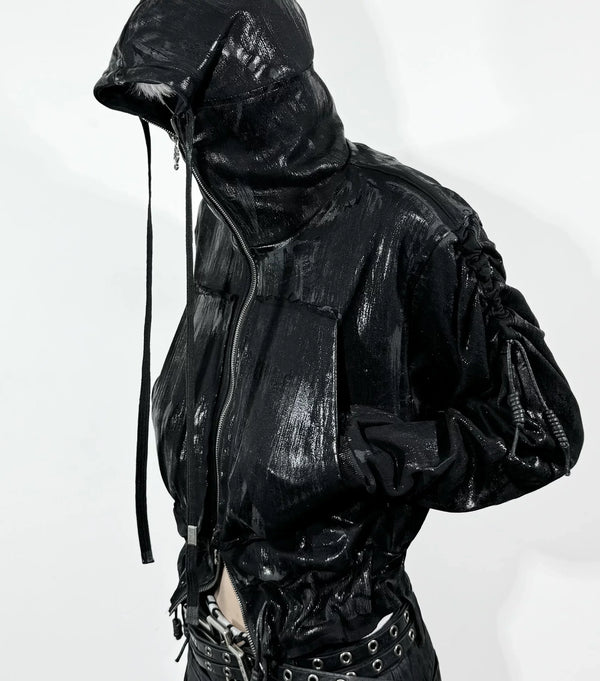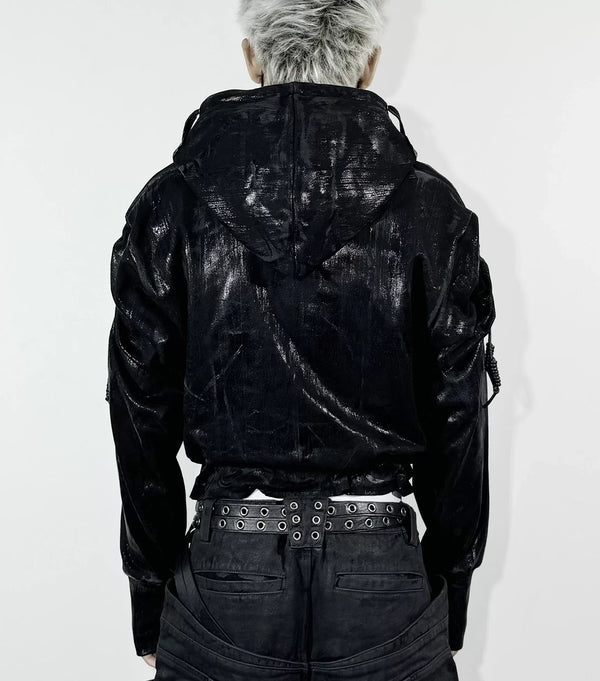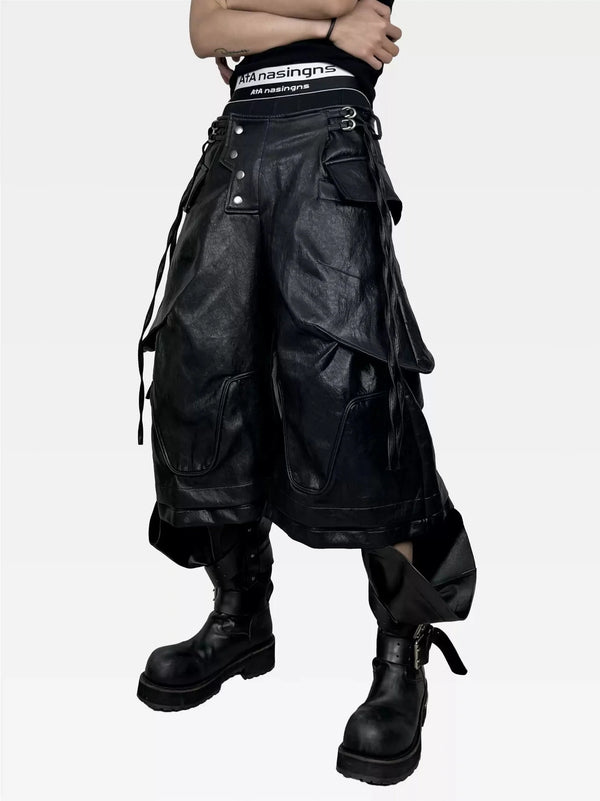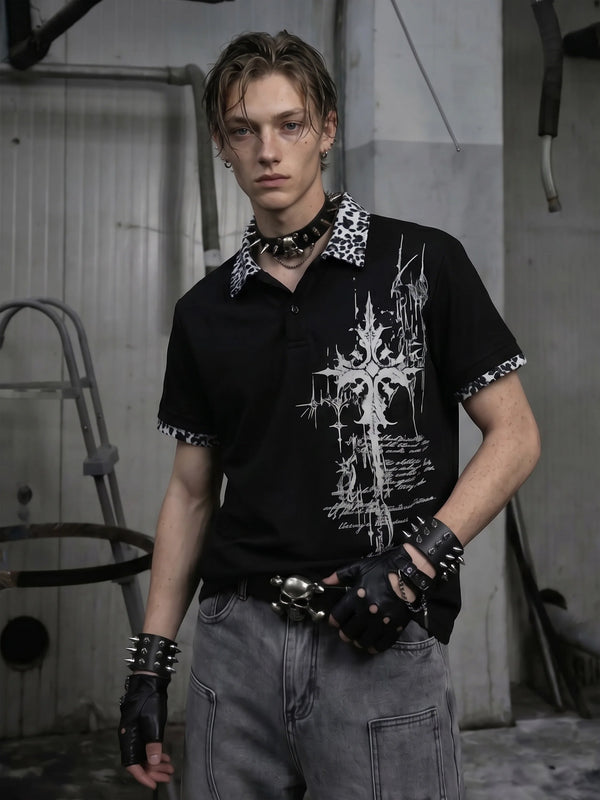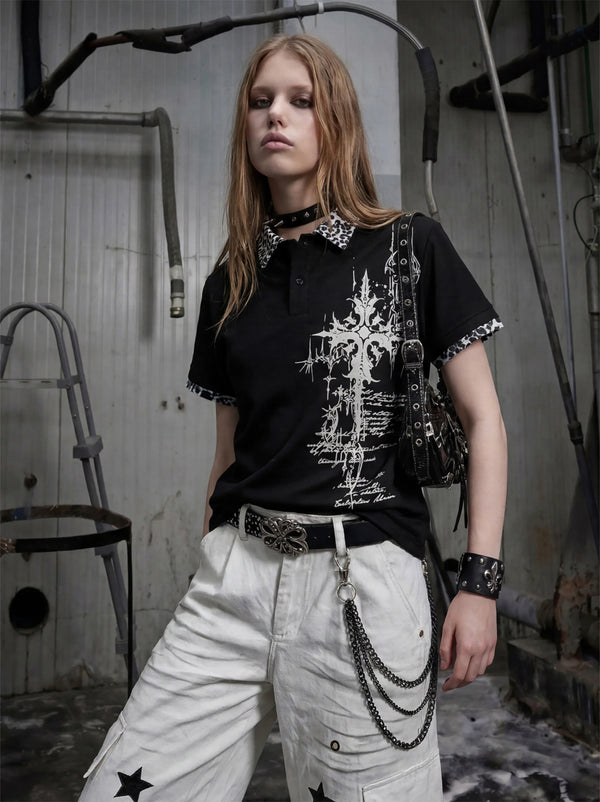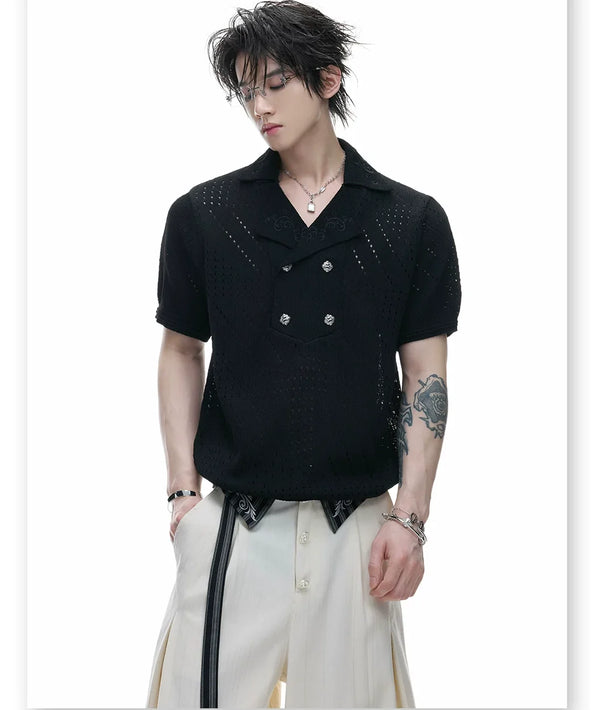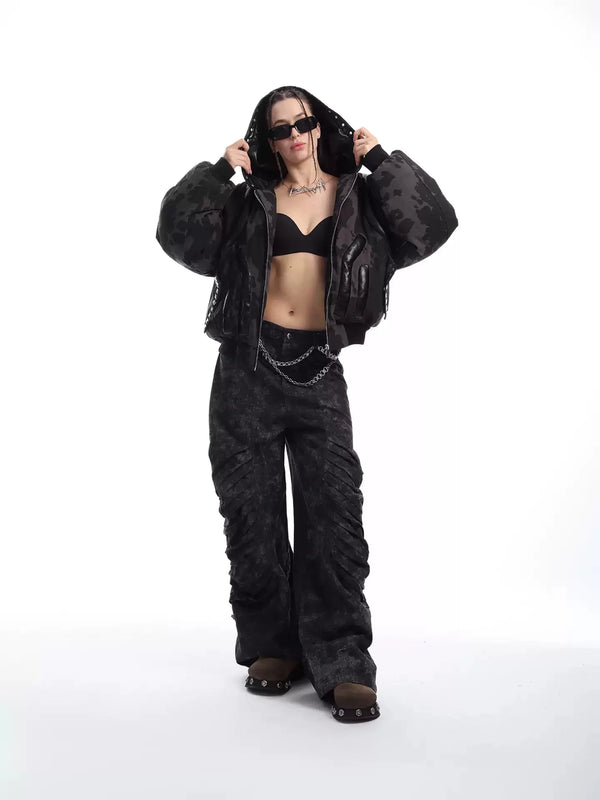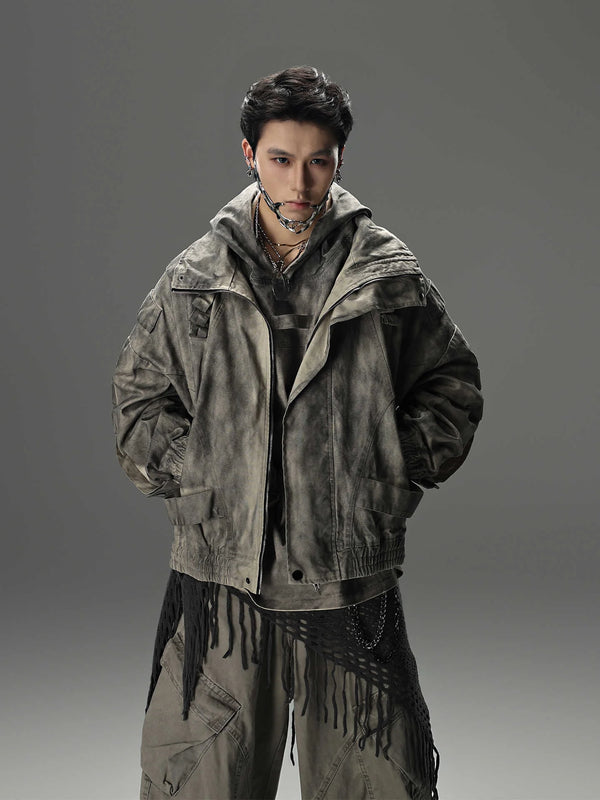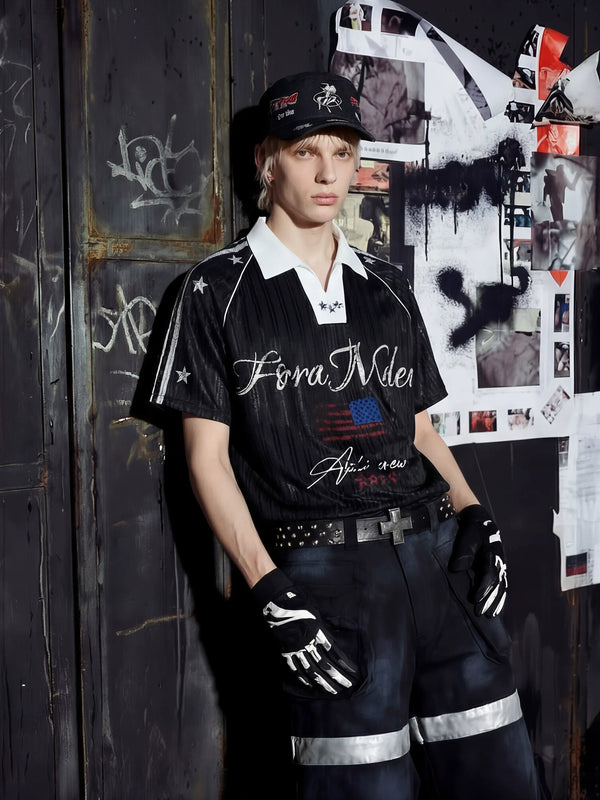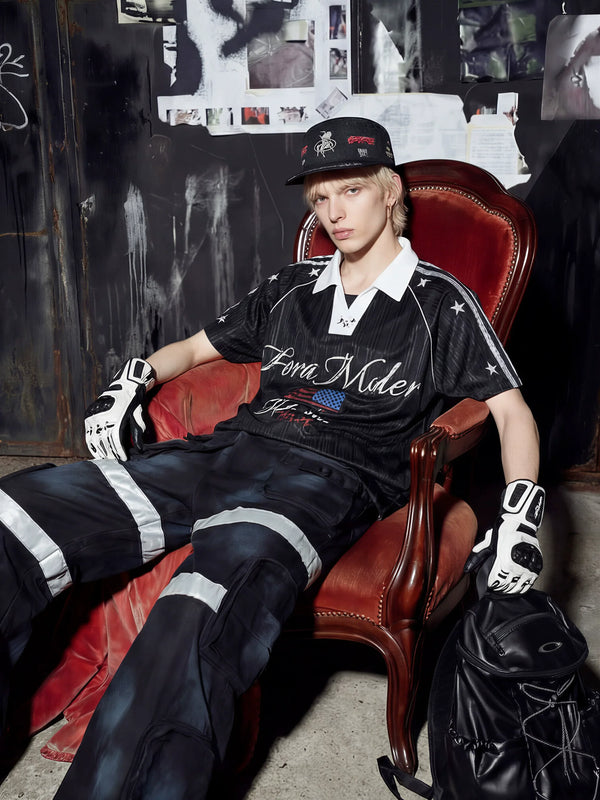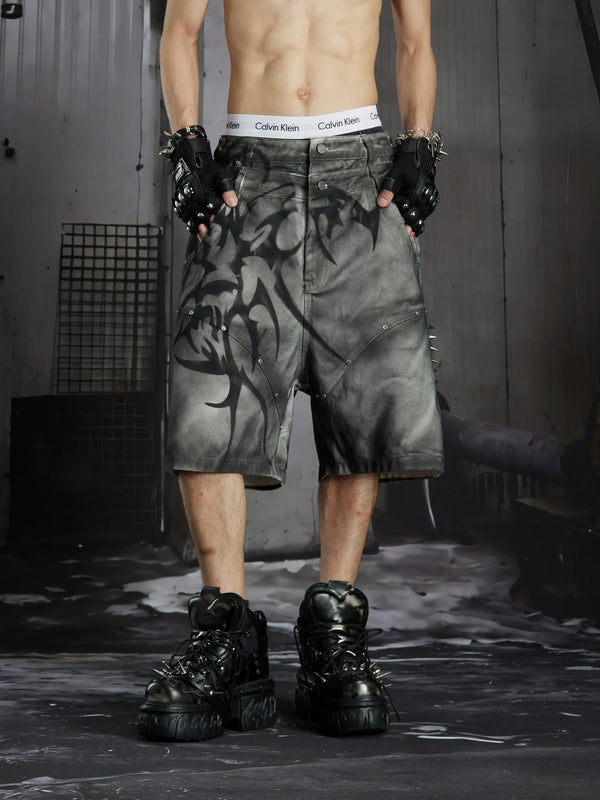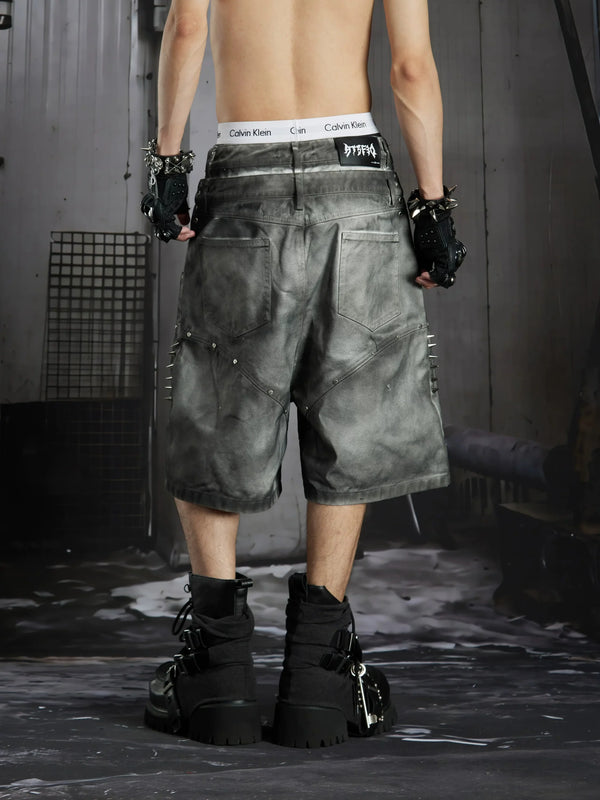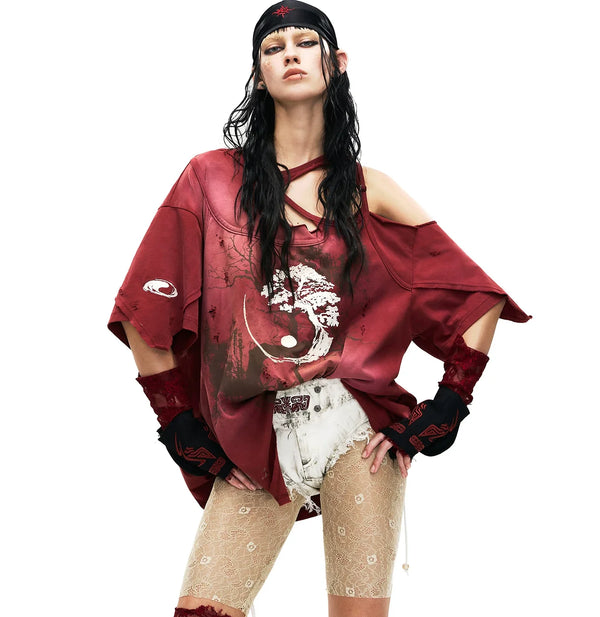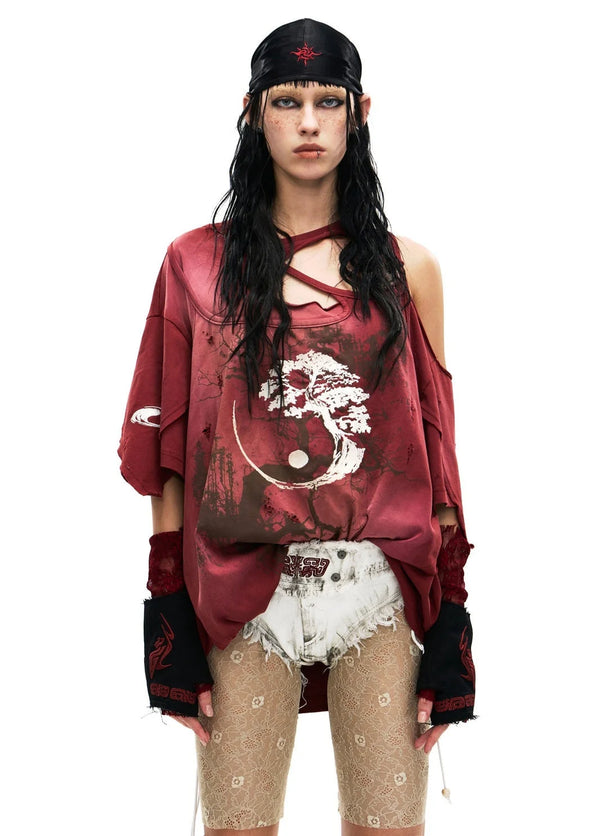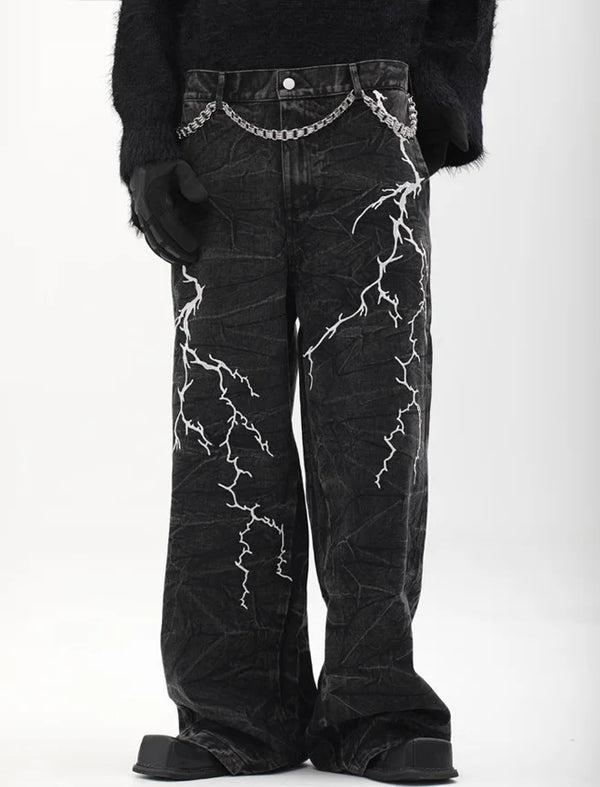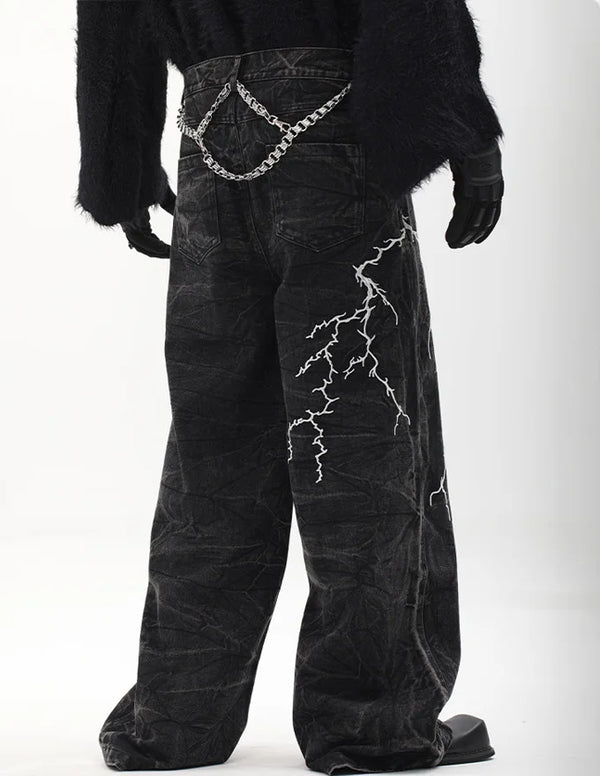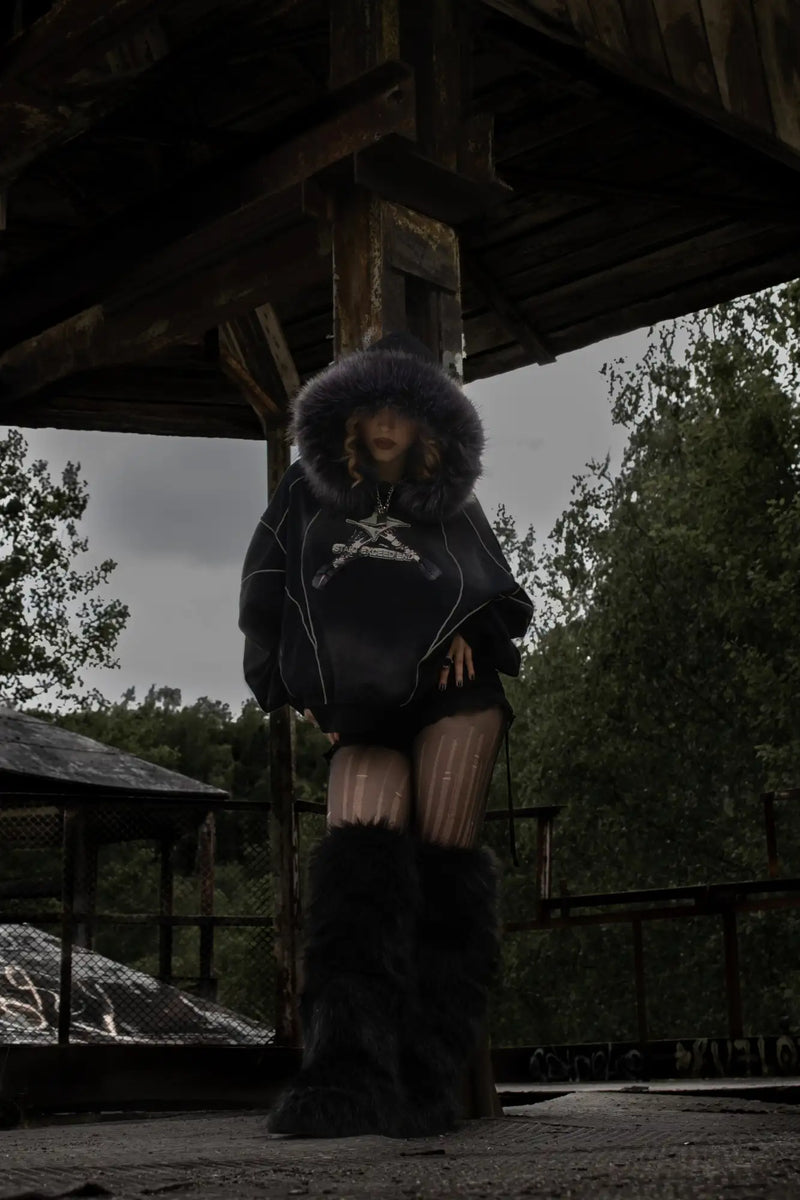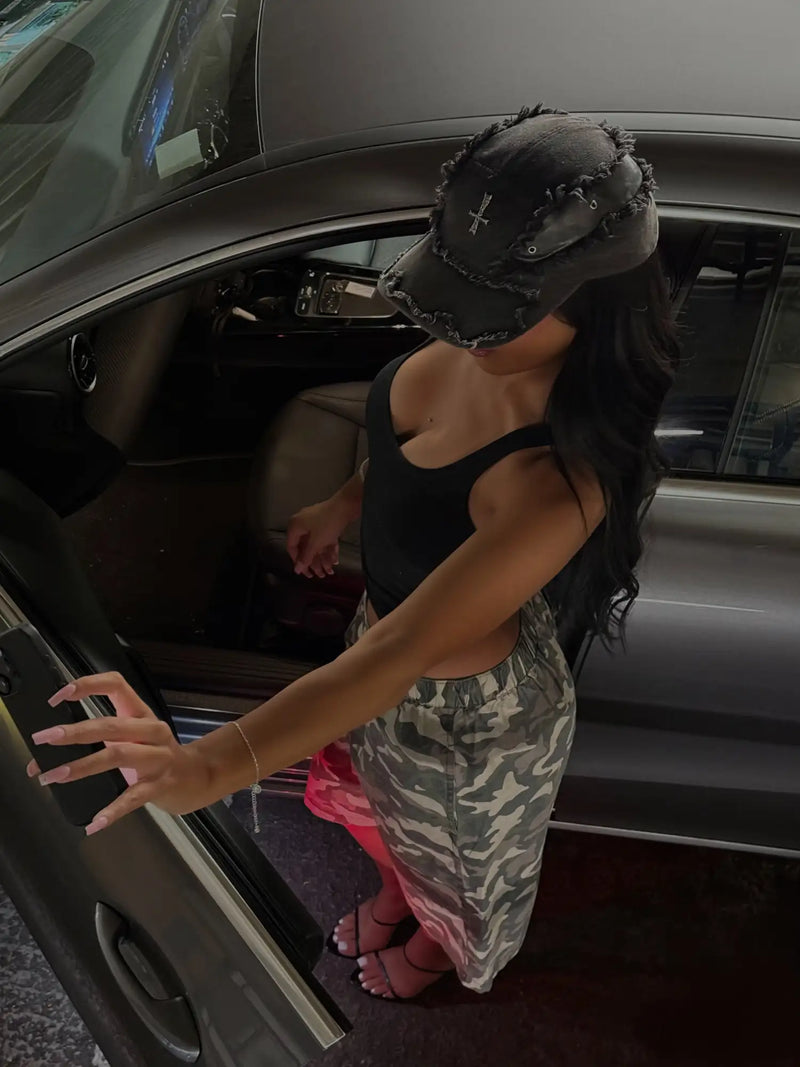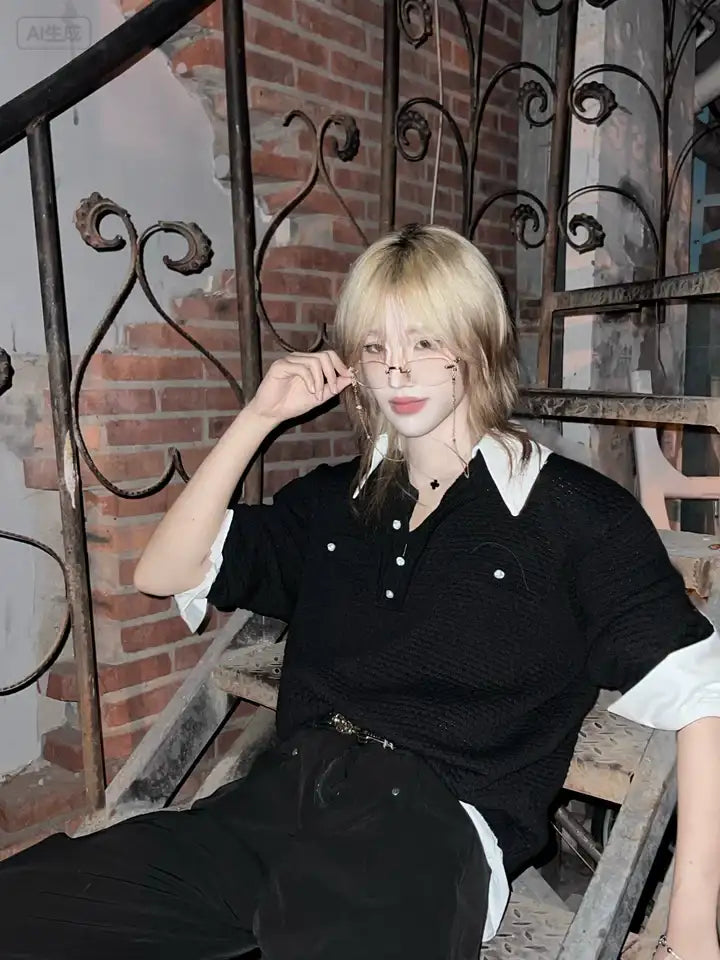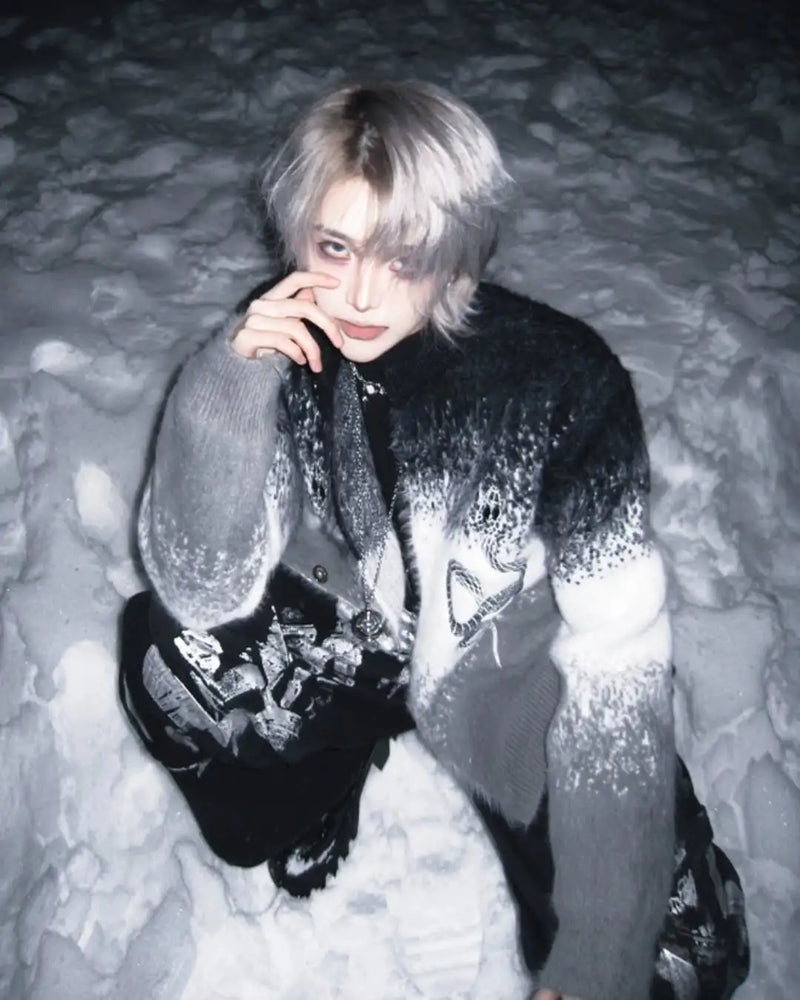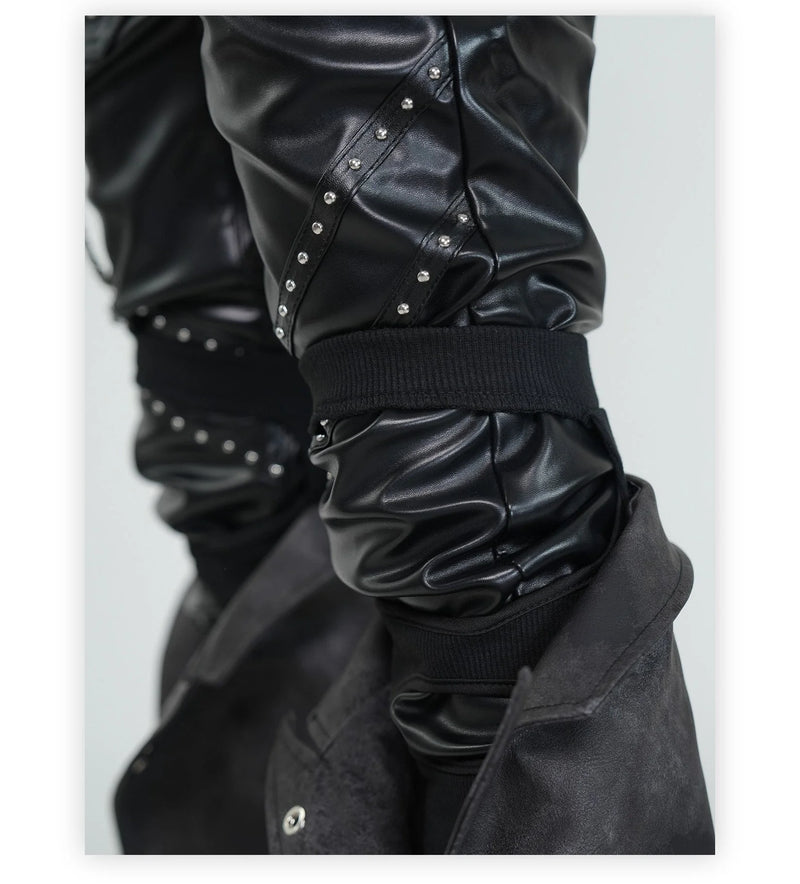
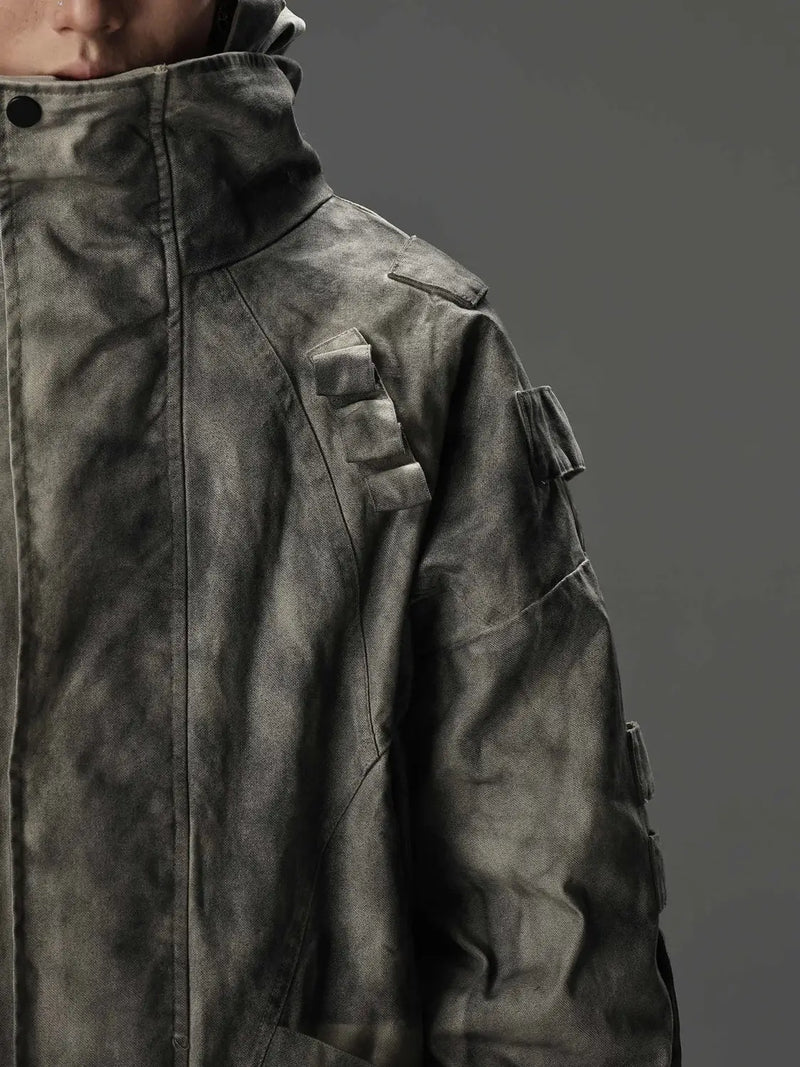
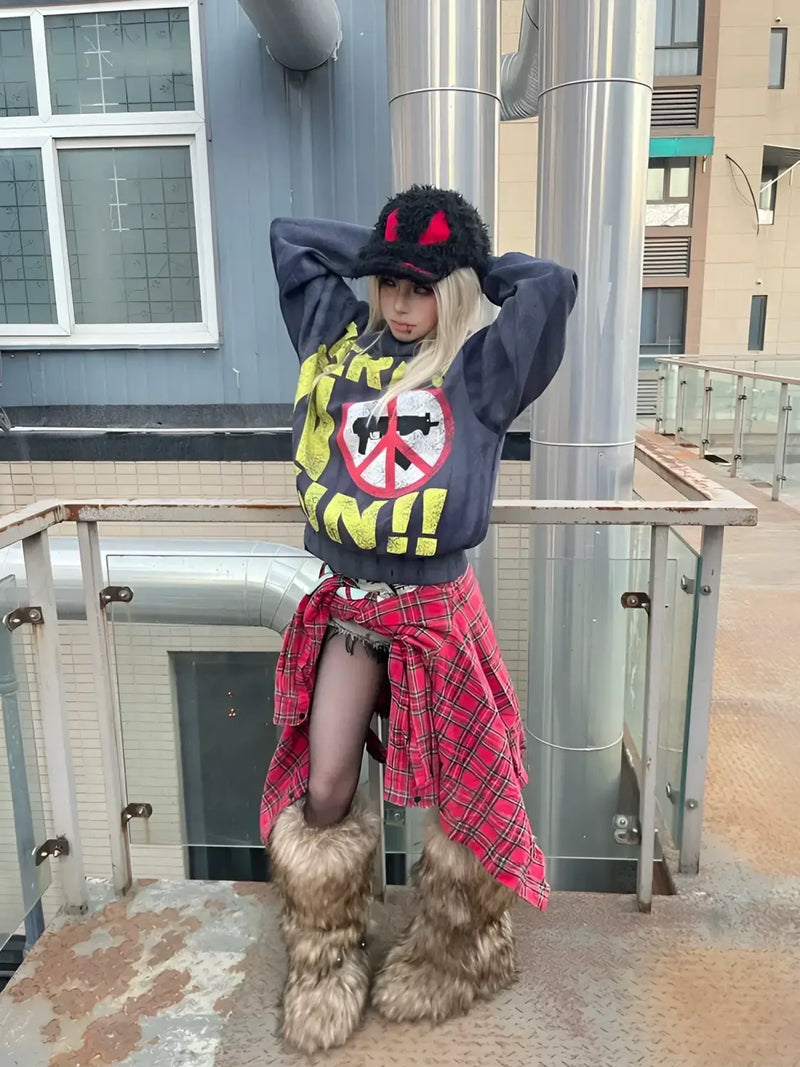
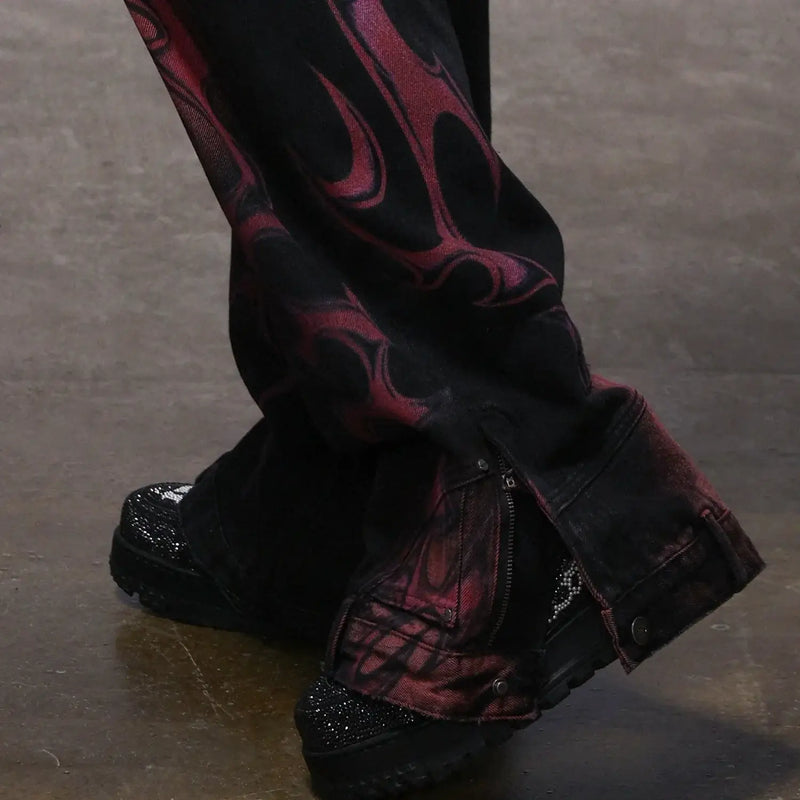
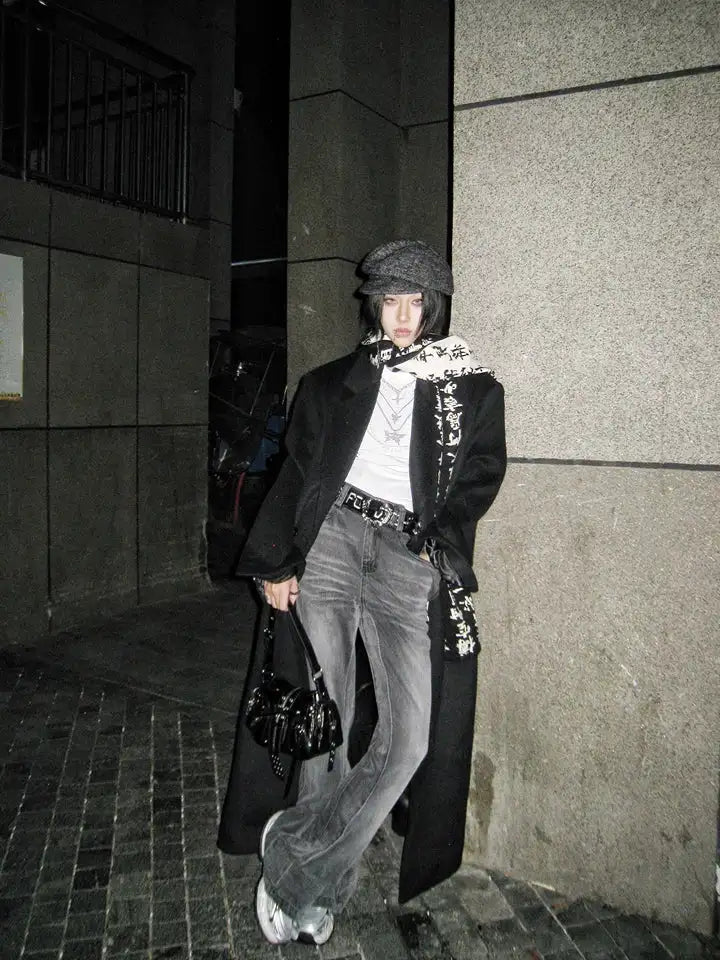

Google “Korean Streetwear Brands” and you get three kinds of answer: a listicle that runs too short, the three labels everyone knows (thisisneverthat, ADER Error, Ambush). An over-long roll-call of 30 brands with no order, no price tier, no reasoning. And a TikTok slide selling Lewkin as “Korean Streetwear”, even though that is a mass-market platform for K-Fashion and not a streetwear brand in the narrower sense.
Korean Streetwear is not a list of labels. It is a code with its own logic — born in Seoul between 2010 and 2015, shaped by a very specific mix of Japanese workwear heritage, US hip-hop silhouettes and a buttoned-up, precise fit that Tokyo never had. Know the brands without understanding the code and your wardrobe is full while not a single outfit reads as Seoul.
This guide shows which twelve labels really write the Korean Streetwear code — from the designer pillars (ADER Error, Andersson Bell, Ambush, We11done) through the streetwear default brands (thisisneverthat, mahagrid, IISE) to the Acubi/Y2K iterations (Matin Kim, Mardi Mercredi). Plus: what separates the men’s and women’s versions, which pieces are really must-buy in Korea, and why “Lewkin = Korean Streetwear” is the wrong reflex.
How a Korean Streetwear silhouette sits in motion — a 12-second example:
Origin
Seoul, 2010 — how Hongdae became a streetwear hub
Streetwear in South Korea was not invented — it was imported and translated. What lands on Pinterest today as “Korean Streetwear” has two sources: on one side the Japanese workwear and visual-style school (Visvim, WTAPS, Neighborhood) from the 90s, on the other the US hip-hop streetwear boom of the early 2000s (Supreme, Stüssy, BAPE). Both met a Korean generation in the late 2000s that had studied in Tokyo or learned fashion in LA — and came back between 2010 and 2015 as a code of its own.
Geographically it ran through three districts in Seoul. Hongdae was the underground anchor — punk, Y2K and indie currents, small boutiques, vintage shops. Itaewon was the more global pole — designer gatherings, showroom pop-ups, international inflow. Gangnam joined later as the luxury layer with the high prices and the glossy variant. ADER Error opened in 2014 as an online-first brand with a minimal, conceptual line that looked raw in Hongdae and landed at showrooms in Itaewon. thisisneverthat began in 2010 with tees and workwear references and became the default brand for a whole generation of Seoul students.
The question Is streetwear popular in South Korea? answers itself once you walk through Seongsu or Hongdae: streetwear there is no longer a subculture but mainstream fashion. There is a flip side, though — many labels sold in Germany as “Korean Streetwear” are, in Korea, long since commercialised mass taste. The original vocabulary of the first generation (ADER, thisisneverthat, IISE) holds because it wrote the vocabulary.
Definition
What makes Korean Streetwear — the 4 markers
Korean Streetwear differs from US and JP streetwear not through logos or brands but through four structural markers. When all four land, the outfit reads as Seoul. When one is missing, it tips into “streetwear with an Asian touch” — and that is not the same thing.
4
structural markers
1
Statement detail per outfit
3
Layers (skin + mid + outer)
2010
Birth year of the code in Seoul
These numbers are not marketing. They are the test of whether an outfit is Korean-Streetwear-coded or only Asian-streetwear-inspired. In concrete terms:
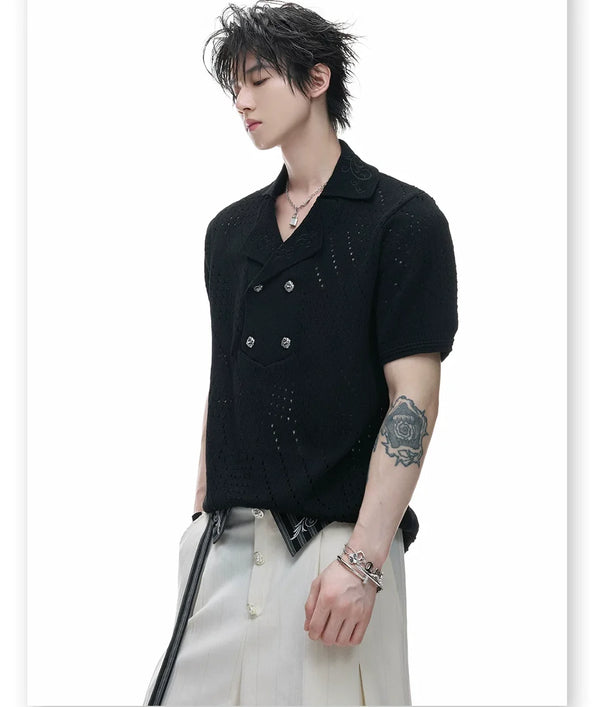
- Tailored cut even in the casual piece — the trousers have a real fit, the hoodie does not sit like a sack, the coat has a defined shoulder. Korean Streetwear hates slop.
- Neutral palette with one break — beige, black, navy, off-white, grey. Plus exactly one accent (red, cobalt, olive) or one wash. Loud print walls are more Harajuku than Seoul.
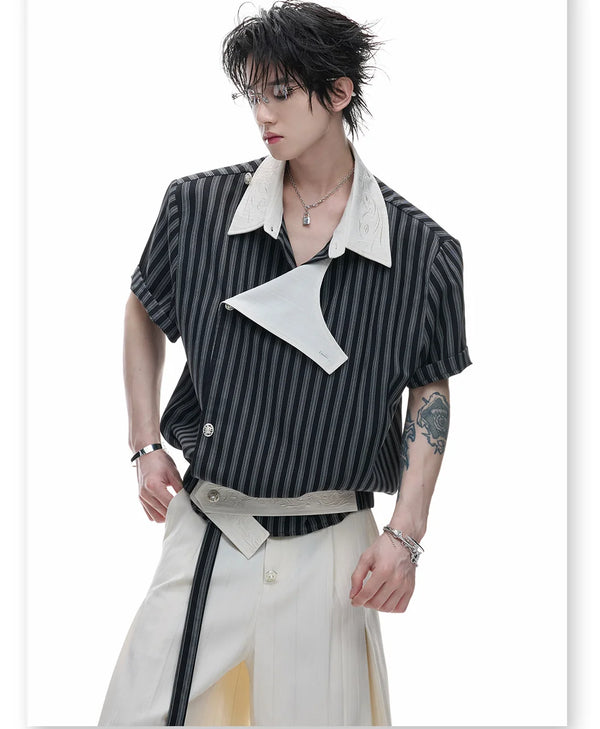
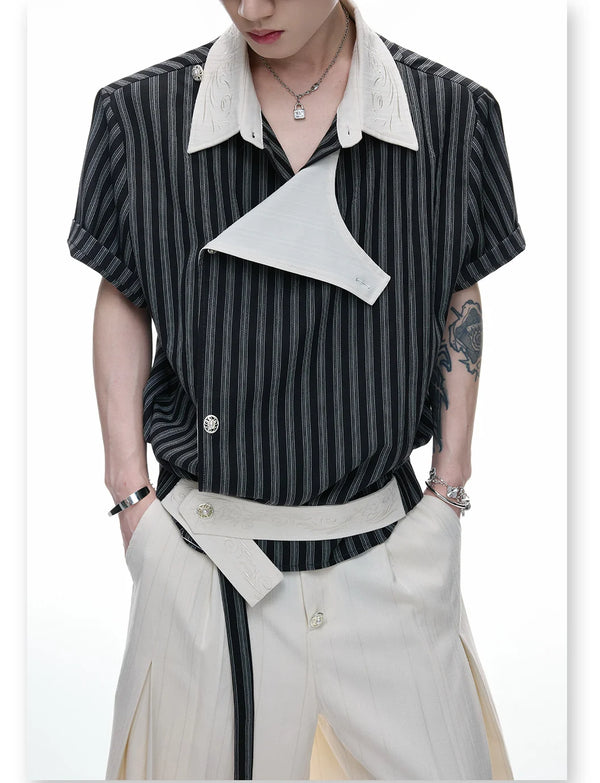
- One statement detail per outfit — a workwear pocket, an asymmetric cut, a visible zip, a logo patch. Several statements at once are US hypebeast, not Korean.
- Visible construction without visible logos — seam, stitching, buckle, zip. Logo branding small, often monogrammatic (ADER stitch mark, thisisneverthat patch). The brand-wordmark T-shirt reads in Seoul as a tourist souvenir.
- Three-layer logic — a thin skin layer (tee, long-sleeve), a mid layer (hoodie, cardigan, knit), an outer layer (workwear jacket, trench, bomber). Even in summer the mid layer is factored in.
- Shoe is statement, not default — Asics, New Balance, Salomon. Rarely Air Force 1 (too US-coded), never Yeezy (too loud). Pick the shoe wrong and the outfit tips into “K-pop fan”, not streetwear.
If three of these six points are missing, it is not Korean Streetwear — it is an Asian-inspired streetwear iteration. And there is one rule that holds all six together:
5 sub-genres
The 5 sub-genres of Korean Streetwear — what belongs to whom
Korean Streetwear is not one look — it is five sub-genres that overlap at the edges. Lay Seoul street-style photos from 2018 to 2024 side by side and you see these five lines cleanly separated. Each with its own brand list, its own fit, its own accent.
Which sub-genre fits you depends more on your daily logic than on taste. If you commute and sit, Seoul Minimal serves you best. If you go out at night, you tip toward Itaewon Avant or Hongdae Y2K. K-pop Stadium is a show outfit — on the street in daily life it reads like fan merch, not like code.
Brands
The 12 Korean Streetwear brands you really need to know
The brand list everyone googles has, in truth, three tier levels: designer pillars (traded internationally, prices from €200), streetwear default (alive in resale, tees from €60), and the new Acubi/Y2K wave (younger, read as more feminine, prices variable). Here are the twelve you cannot get past — sorted chronologically by founding year so you see who belongs to which generation.
- thisisneverthat (founded 2010) — the default brand. Workwear references, logo patch in block type, hoodies and anorak jackets as hits. The brand on which a whole generation of Seoul students built their streetwear look.
- IISE (founded 2010) — Korean-American with a Seoul studio. Strong in the workwear and outdoor crossover, often with hanji-paper reference and Hangul patches. More conceptual than thisisneverthat, but just as wearable.
- ADER Error (founded 2014) — the designer pillar. Online-first, a minimal conceptual line, its own Pantone cobalt as signature, asymmetric stitch marks. Internationally the first Korean Streetwear name to run at SSENSE and MR PORTER.
- mahagrid (founded 2015) — Y2K edge, a bit louder, with mesh tank tops, cargo pants and a green logo patch. The younger sister of thisisneverthat.
- Andersson Bell (founded 2015) — knit specialist, patchwork, knitwear with vintage references, workwear cuts. The most dangerous reader of fit in Korean Streetwear.
- We11done (founded 2016) — Itaewon Avant. Leather jackets, asymmetric tailoring, sometimes with French lettering. Designer tier, worn by G-Dragon and K-pop acts.
- Ambush (founded 2008 in Tokyo, Korean-Japanese duo) — jewellery first, then apparel. Cross-brand with Nike (Air Adjust Force), hardware as statement detail. Strictly Japan-coded, but counted into the code in Korea.
- Matin Kim (founded 2015) — Acubi tier. Tailored pants, knit polos, tennis socks, Mary Janes. Read as feminine, but just as usable for men’s tailored looks.
- Mardi Mercredi (founded 2018) — soft-girl iteration. Daisy-flower logo hoodies, knitwear, beanie. The youngest wave, very explicitly built on soft/Acubi energy.
- LMC / Lost Management Cities (founded 2014) — logo streetwear with a workwear reference. Plain hoodies, simple tees, cargo pants. The Reddit default when someone googles “affordable Korean Streetwear”.
- ADLV (founded 2018) — big-logo-tee brand. Tees with large print statements, hyped, commercial. In Seoul now read as “too mainstream”, but usable as an entry point.
- LE 17 SEPTEMBRE (founded 2018) — quiet-luxury iteration. Tailored coats, muted colours, no visible logo. For the more grown-up variant of the Korean Streetwear code.
Search Reddit for Korean Streetwear brands and you almost always get the top-7 list recommended with thisisneverthat, mahagrid, Matin Kim, Mardi Mercredi, Marithe, ADLV and IISE. That is not wrong — but incomplete. ADER Error, Andersson Bell, We11done belong in it as soon as you really want to wear the code instead of just sampling it.
Price tier
Affordable vs designer — where your money really goes
The most common search after “Korean Streetwear Brands” is not “best” — it is “affordable”. The reason is obvious: an ADER Error hoodie costs €280, a We11done coat costs €800. To build the look without a designer budget, you need to know where affordable really delivers and where it becomes money-burning.
Three price tiers work differently in Korean Streetwear:
- Tier 1 · Designer (€200-1000) — ADER Error, We11done, LE 17 SEPTEMBRE, Andersson Bell. Worth it for outerwear (trench, coat, workwear jacket), where fit and fabric have to hold for ten years. Not worth it for tees and basic hoodies.
- Tier 2 · Default streetwear (€60-200) — thisisneverthat, IISE, mahagrid, LMC. The sweet spot for tees, hoodies, cargo trousers, anorak jackets. This will be enough for most people.
- Tier 3 · Affordable / DTC translations (€30-100) — Korean-coded streetwear without designer markup. Works for statement pieces, Y2K pieces, distressed denim. Careful with outerwear — at too low a price the fit collapses.
Reddit consensus on r/streetwear and r/koreatravel: designer pieces only pay off once you already wear the vocabulary and expand it deliberately. Start with ADER Error and you often have the best piece in the wardrobe and no matching rest. Start with thisisneverthat or DTC translations and you build the whole code piece by piece.
Gender split
Men vs women — where the line really runs differently
The four markers are the same — tailored cut, neutral palette, one statement, visible construction. What differs is the distribution. Where men’s looks in Seoul fall looser and workwear-coded, the women’s line sits tighter and Acubi-coded.
Men’s version: workwear anorak, wide-leg cargo, plain hoodie, Asics or New Balance. Brand default is thisisneverthat, IISE, mahagrid, LMC. The look is more skater plus office boy mixed — neither too casual nor too dressed-up. Statement detail is usually a pocket or patch.
Women’s version: tailored pants or wide-leg skirt, knit polo or cardigan, Mary Jane or loafer, plus a small shoulder bag. Brand default is Matin Kim, Mardi Mercredi, ADER Error in the slimmer fit, We11done for statement outerwear. The look is Acubi-coded — precise, feminine, without exaggeration.
Both lines share the 3-layer logic and the neutral palette. What varies is silhouette volume (men wide, women slim) and footwear category (men sporty, women tailored).
Category · Outerwear
Korean Streetwear jackets — workwear, bomber, cropped denim
The jacket carries the Korean Streetwear outfit. It is the largest surface, the primary carrier of the fit, the most visible statement. This is where it is decided whether the outfit reads as Seoul or as generic streetwear.
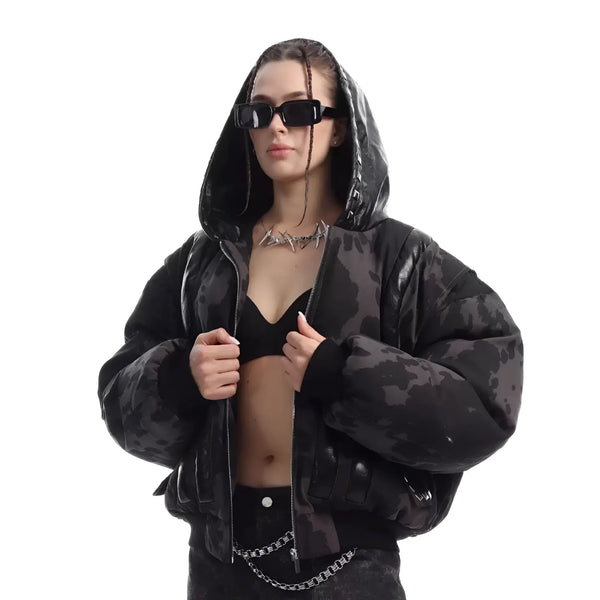
Four jacket types work in Korean Streetwear: workwear anorak (thisisneverthat default), bomber with sherpa collar (Businesscore crossover), cropped denim jacket (Acubi iteration for women, Hongdae Y2K iteration for men), and trench or long coat (designer tier, LE 17 SEPTEMBRE direction). The sneaker hoodie as outer is out — the mid layer is enough in summer.
If you do not yet own Korean Streetwear outerwear, start with the workwear anorak in beige or navy. It is the most universal layer in the Seoul Minimal sub-genre.
Category · Bottoms
Korean Streetwear trousers — wide-leg, cargo, tailored
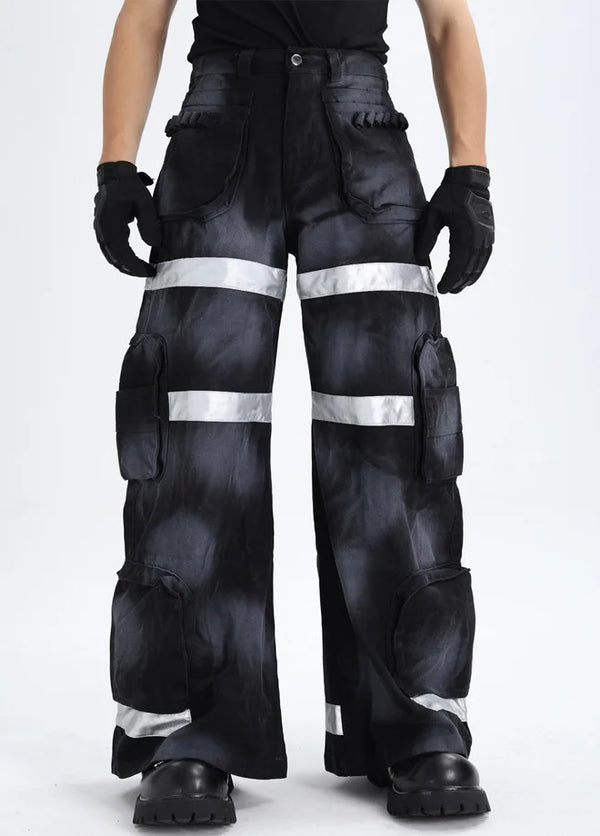
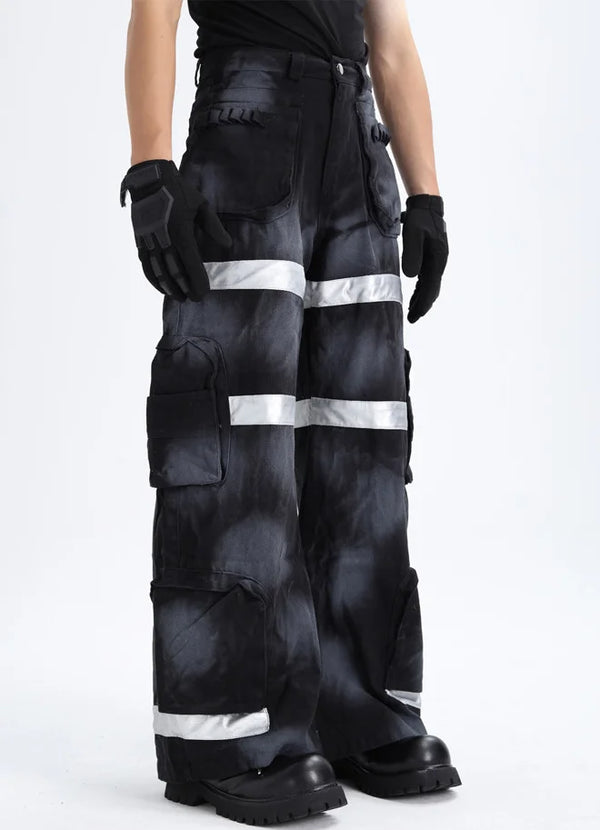
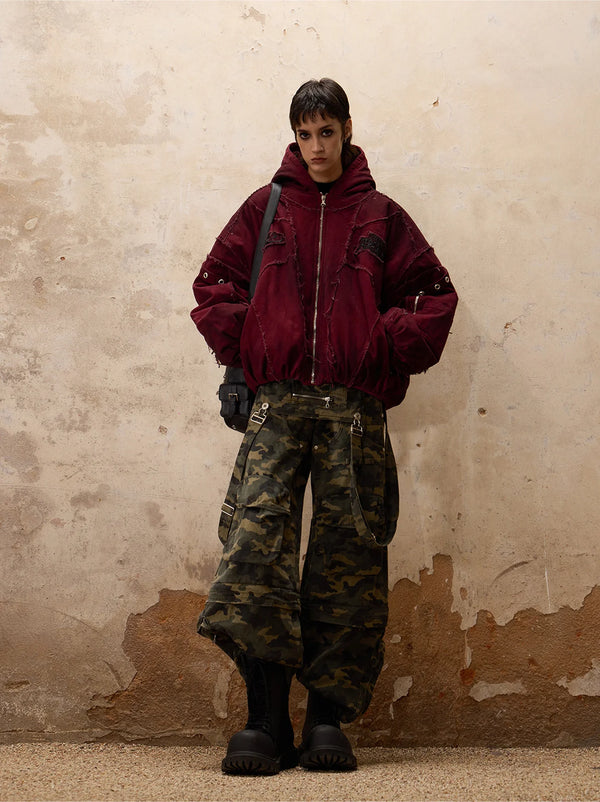
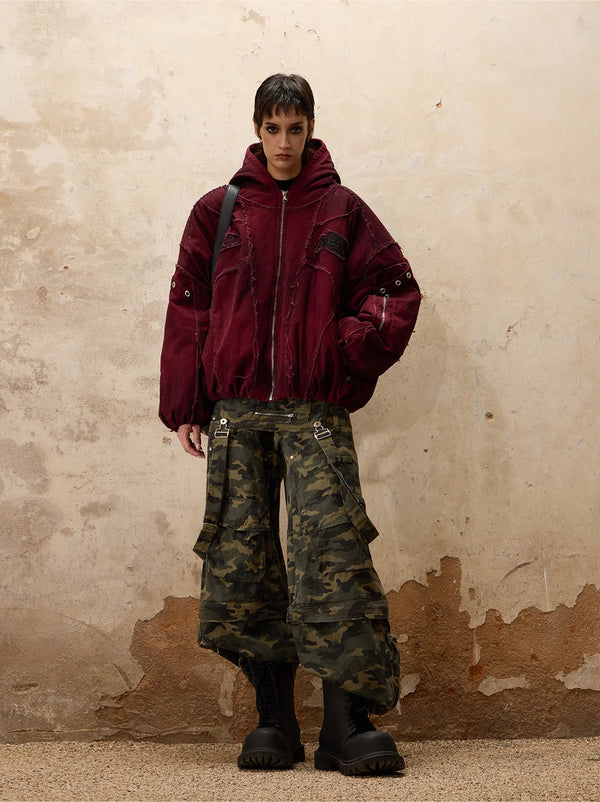
Skinny has been out of Korean Streetwear since 2018. What Seoul students still wore in 2015 (slim jeans plus Stan Smith) got systematically replaced by volume — wide-leg cargo, distressed denim, tailored wide pants. The new fit rule: fit on the hip, wide legs, a clean hem on the shoe.
Working Korean Streetwear bottoms sit on the hip and end a thumb’s width above the sole. Avoid anything that slips (trousers too loose without a belt backup read as skater) and anything that sits too high (a mom-jean cut tips into Y2K cosplay instead of streetwear).
If you want to build one pair of trousers that fits all five sub-genres, take wide-leg distressed denim in a medium wash. It is the common denominator between Seoul Minimal, Hongdae Y2K and Itaewon Avant.
Category · Mid-layer
Korean Streetwear Shirts & Hoodies — the mid-layer logic
The mid layer is the piece where streetwear beginners do the most damage. A too-big hoodie with a giant logo tips the whole outfit into “tourist with BTS merch”. A too-tight hoodie tips into “gym outfit”. Korean Streetwear sits tight-to-medium in the mid layer, with the logo small and mostly patch-based rather than printed.
The rule: hoodie and knit cardigan may have a statement, but not both at once. A thisisneverthat patch hoodie goes with a plain cargo. An ADLV big-logo tee goes with an unbranded workwear trouser. Put a logo on top AND bottom and you have lost the outfit.
To test the Acubi look, take a knit polo or crew-neck cardigan in beige or off-white. It is the easiest entry into the slimmer, more feminine-read line — but works on any body.
Sourcing
Where you really buy Korean Streetwear — direct vs re-import
Four sourcing routes work — and each has its trade-off between authenticity, price and availability. Buy without a plan and you either pay designer-tier prices on re-import or get Lewkin mass goods instead of a real brand.
The first route is direct from Korea — via platforms like SSENSE, Musinsa Global, or straight through the brand websites. Best authenticity, best selection, but shipping between 1-3 weeks and the occasional customs issue. Worth it for designer pieces and limited drops.
The second route is EU/DE stockists — Lodenfrey, Voo Store Berlin, individual multi-brand boutiques. Curated, fast, but pricier and with less selection than direct. Worth it for the one or two pieces a year you want to try on before buying.
The third route is resale — Grailed, Vinted, Vestiaire. Works well for ADER Error, We11done, Andersson Bell — that is, designer tier. Works moderately for thisisneverthat and mahagrid, because the default prices are already low enough. The fourth route is DTC translations like Fūga Studios, which translate the Korean Streetwear vocabulary competently into the European range, without direct-from-Korea shipping. More on that in our layering guide:
Korean Streetwear does not stand alone, though — it overlaps at several edges with other streetwear codes. Japanese Harajuku streetwear shares the workwear heritage, Y2K shares the cargo and mesh vocabulary, Businesscore shares the tailored fit. Get Korean down and you can read these neighbouring codes and mix them deliberately.
Here are the four most important neighbours — each with its own guide, if you want to go deeper:
What does not work
The 6 most common Korean Streetwear mistakes — what you must NOT do
Korean Streetwear has six spots where it reliably tips — no matter how expensive the outfit. If you avoid only one thing, make it mistake number one.
Action
How you get into Korean Streetwear — the first 4 pieces
You do not need 30 Korean Streetwear pieces to wear the code. You need four that will be in 80% of your outfits. Everything else builds around them.
In order: a workwear anorak in beige or navy (your biggest investment — most worth designer tier, lasts ten years). A wide-leg cargo in medium-dark olive or black. A patch-logo hoodie from thisisneverthat or mahagrid (not a big-print tee). Asics Gel-Kayano or New Balance 530 in a neutral colour. A plain cap as an optional fifth — but only once the four land.
Outfits for real
Korean Streetwear for real — Seoul streets vs Instagram
Before you build your own outfit, look at how others wear it. The five sub-genres from above look different in Seoul street style than in lookbook photos: tighter, more everyday, less perfect — and that is exactly why they work.
This is the fastest way to check whether Korean Streetwear even sits on your body type — before you spend money.
To close
Korean Streetwear is discipline, not a trend
If you take one thing from this guide, take this: Korean Streetwear does not work through brand stacks but through four markers and three layers. Get the markers down and you build a hundred outfits with fifteen pieces. Collect only brand lists and you have a full wardrobe without a single outfit that sits like Seoul.
The whole logic of this guide reduces to one sentence:
The markers have been stable since 2015 and will stay that way — even as the brands rotate. But you do not have to wait until you know all twelve labels by heart. Start with the one sub-genre that best fits your daily logic. What you do not know, you learn by wearing.
And that is the point: Korean Streetwear reads in theory like a rulebook, but in practice does not feel like one. Once you have the code down, every further outfit is a variation on the same three layers — not a new invention.
FAQ
Frequently asked questions about Korean Streetwear brands
The questions we often get by DM and email — short, clear, no detours.
What are the most popular Korean streetwear brands?
What are the top 5 streetwear brands from Korea?
Which brands are really famous in Korea?
Is streetwear really popular in South Korea?
What should you definitely buy in Korea?
What is Lewkin, and is it Korean Streetwear?
Who owns Glowny?
How does Korean Streetwear differ from Japanese Harajuku Streetwear?
What do you think?
Tell us on @fuga_studios
About the author
Philipp Fuge — Founder · Berlin
Founder of Fūga Studios. Writes the journal himself. Berlin · Shanghai · Tokyo · Poznań — four cities, one logic.