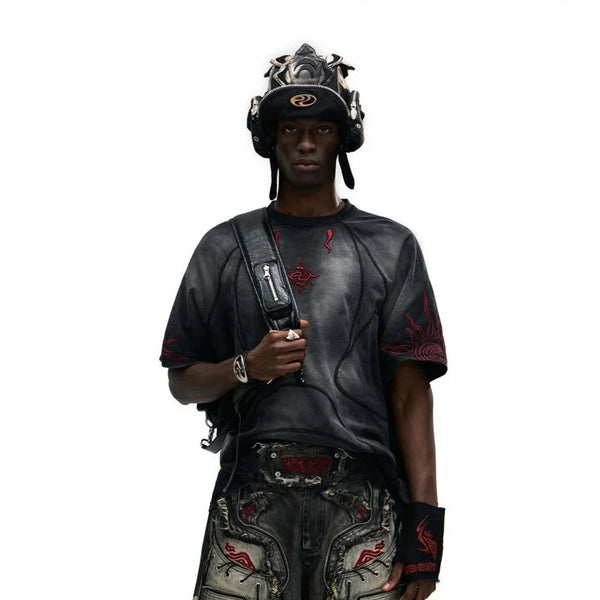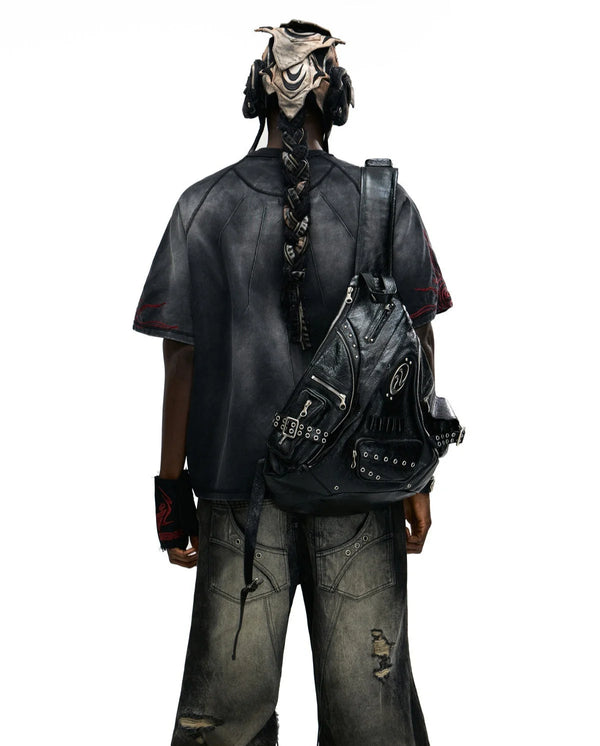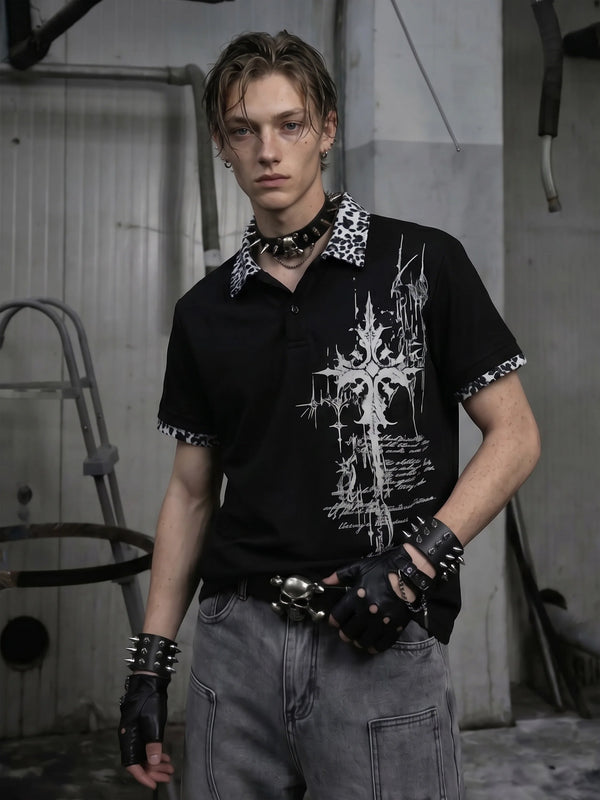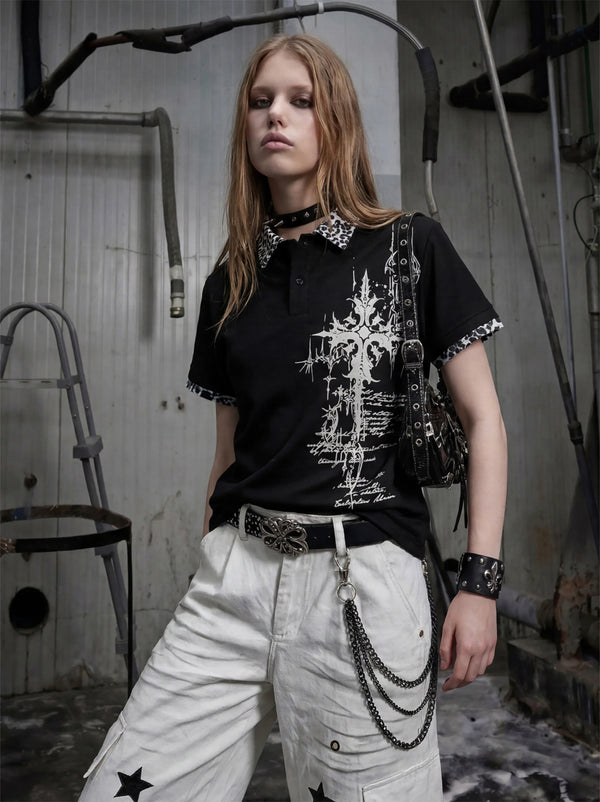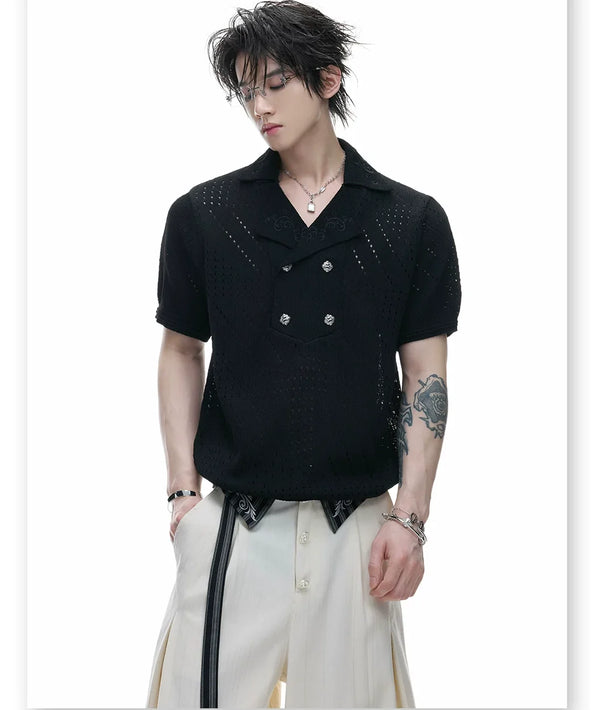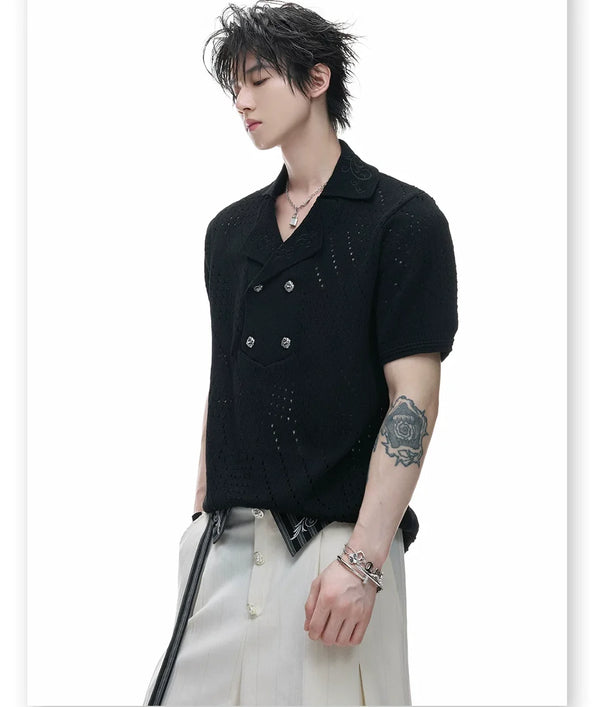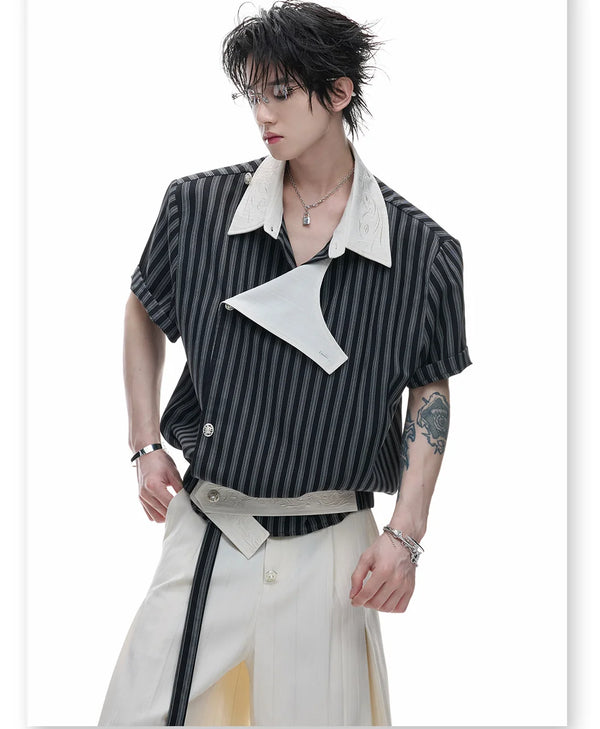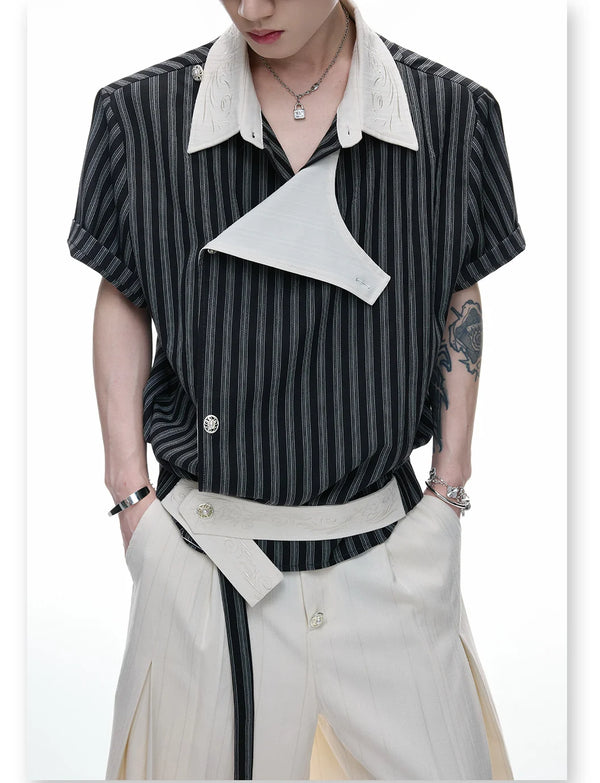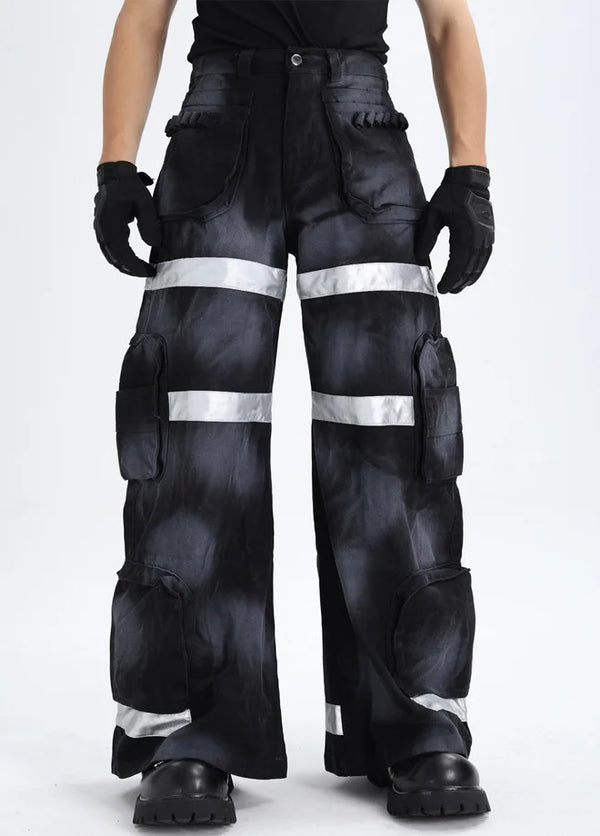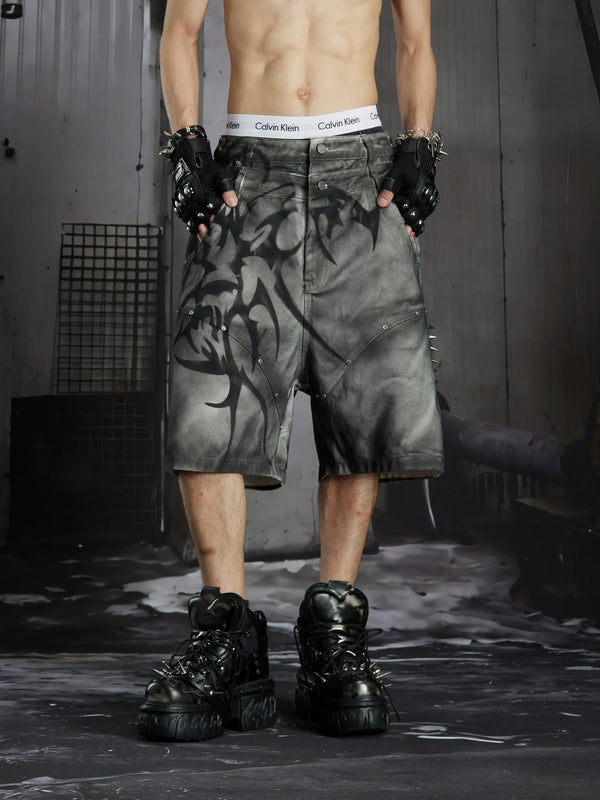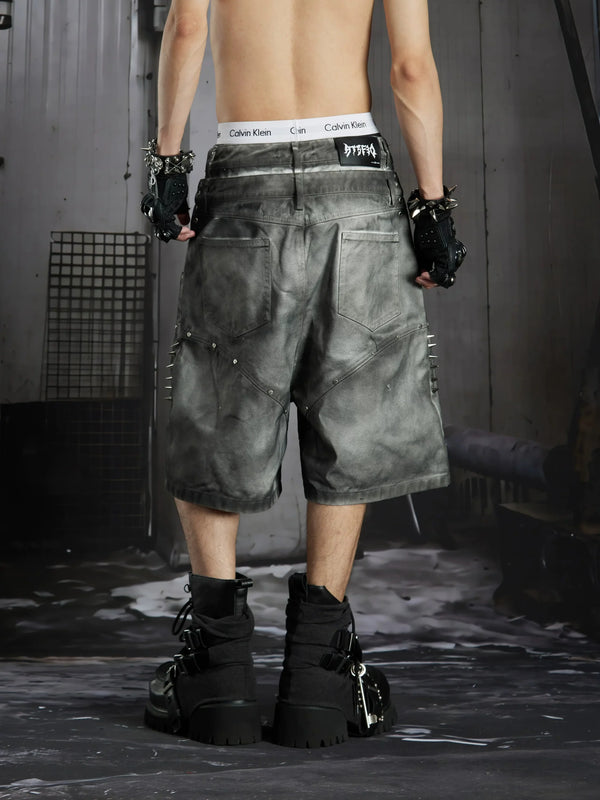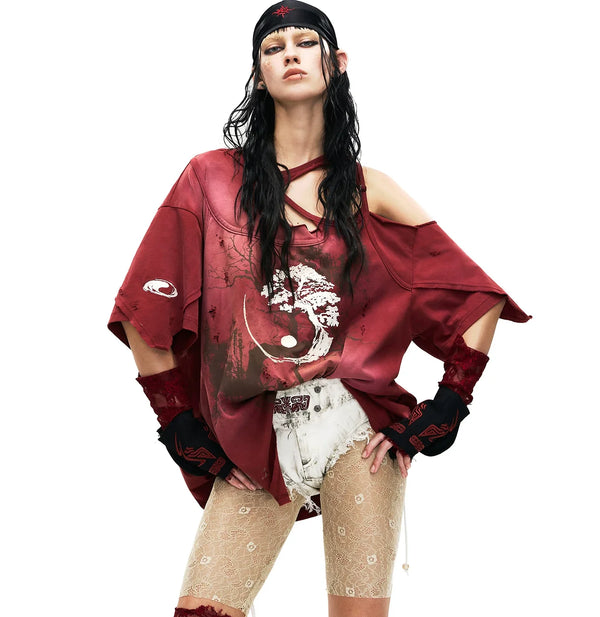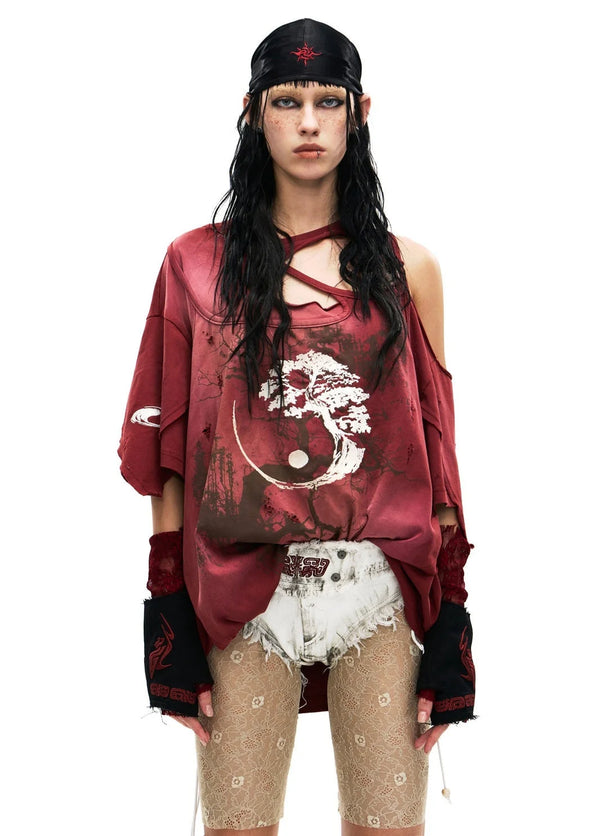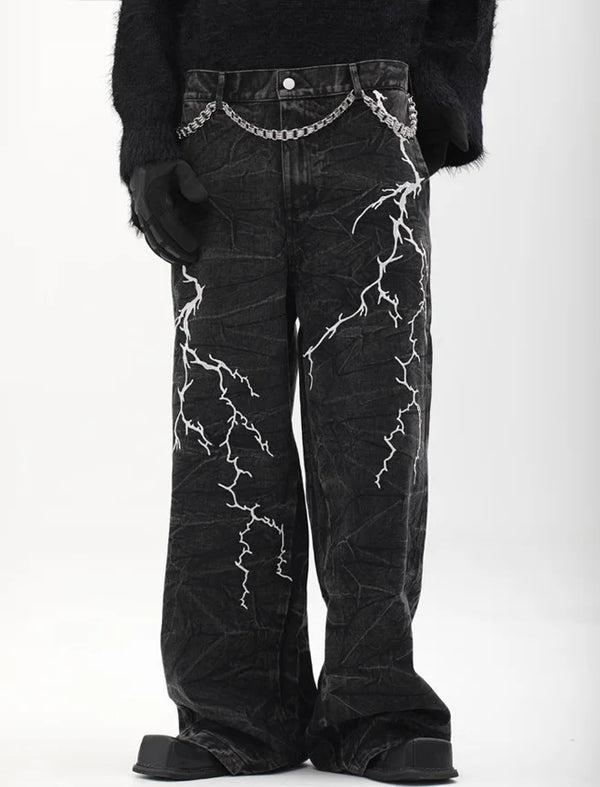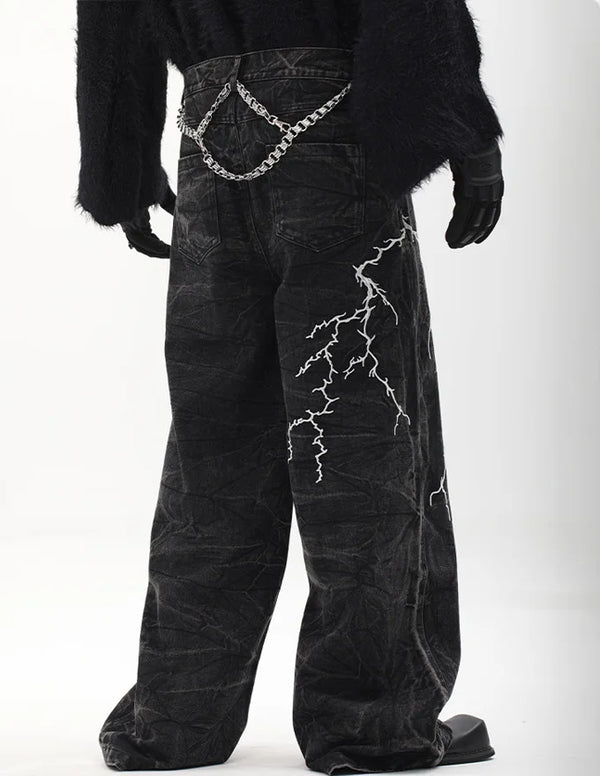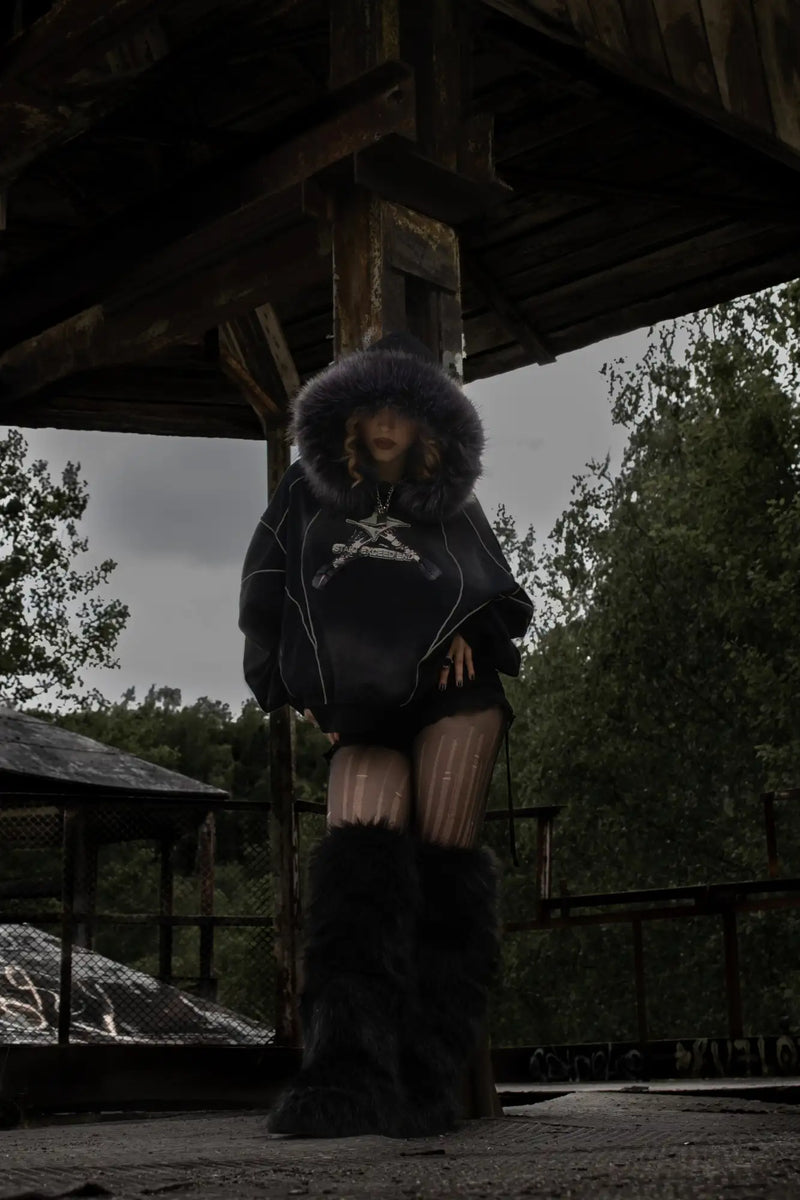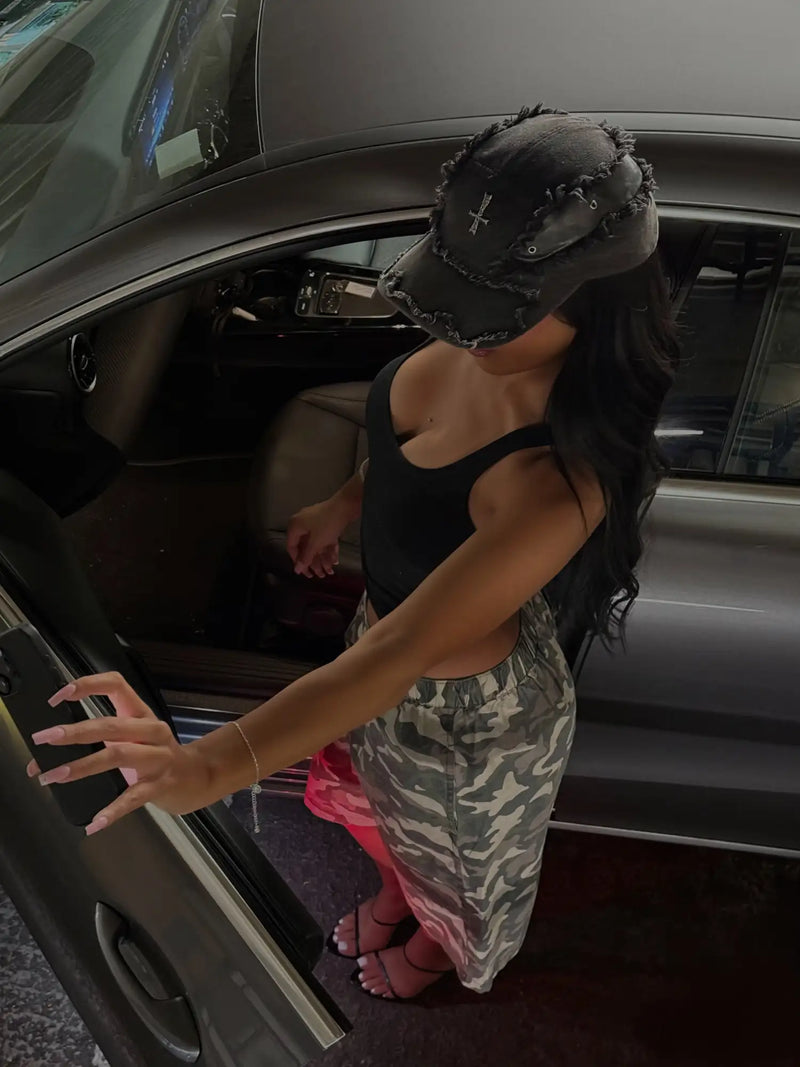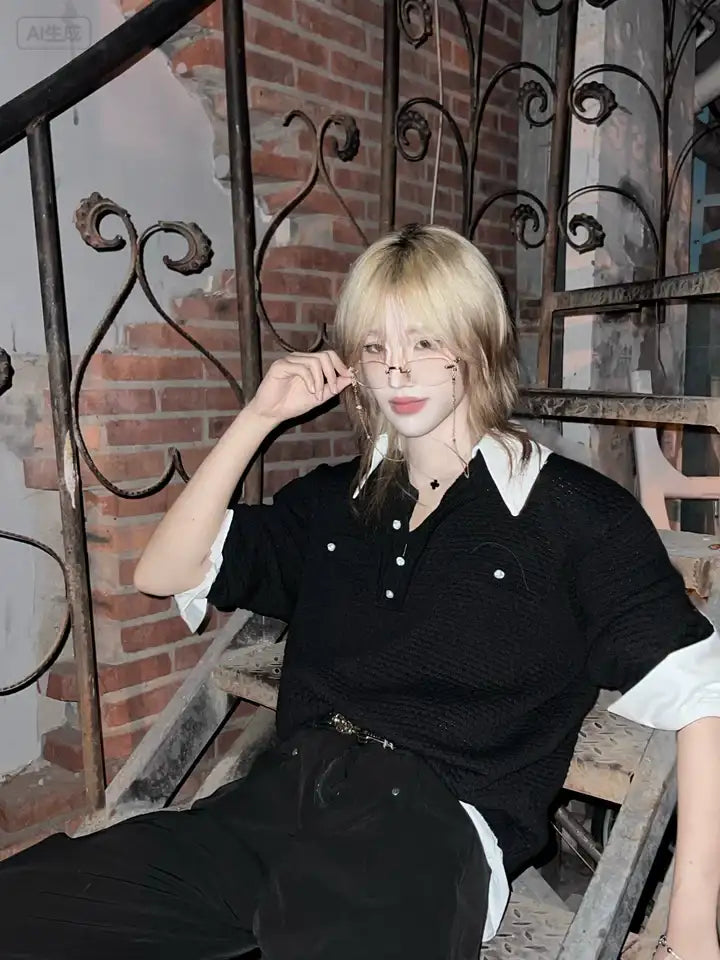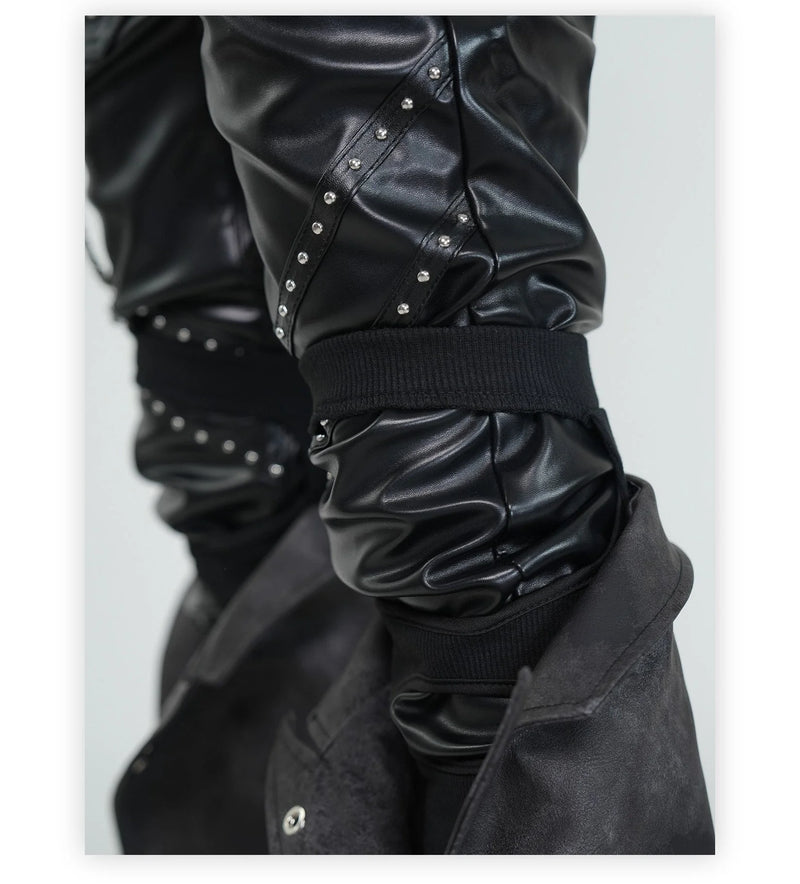
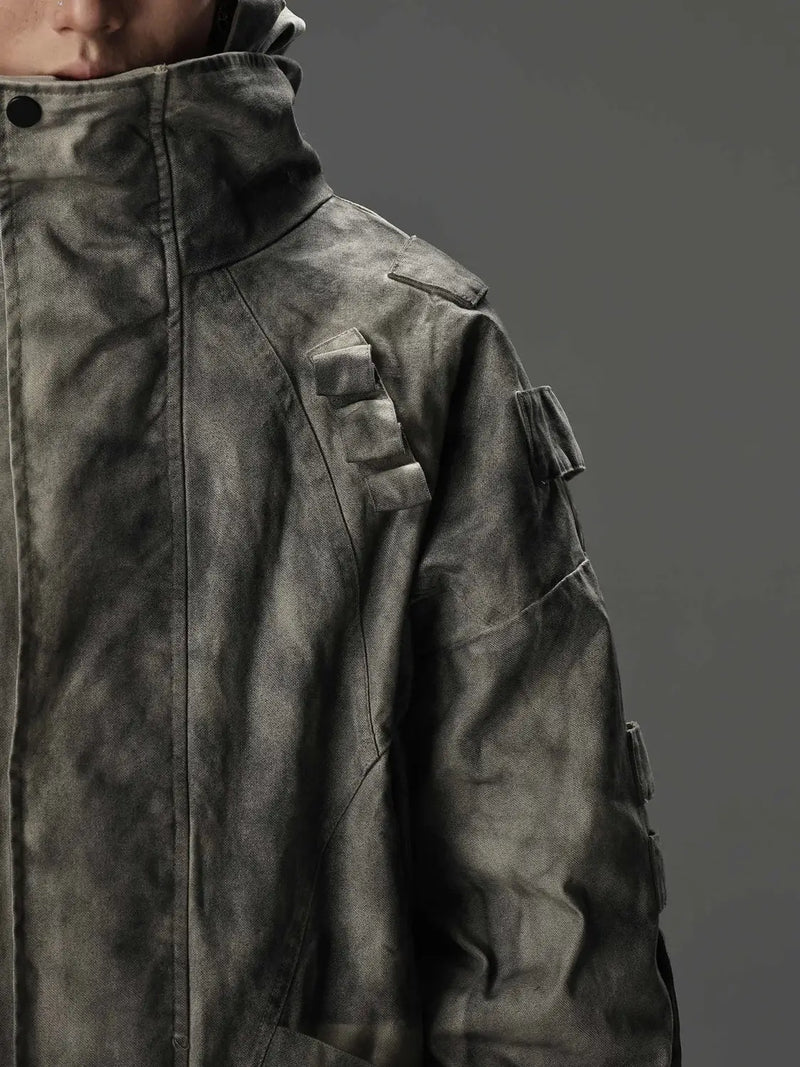
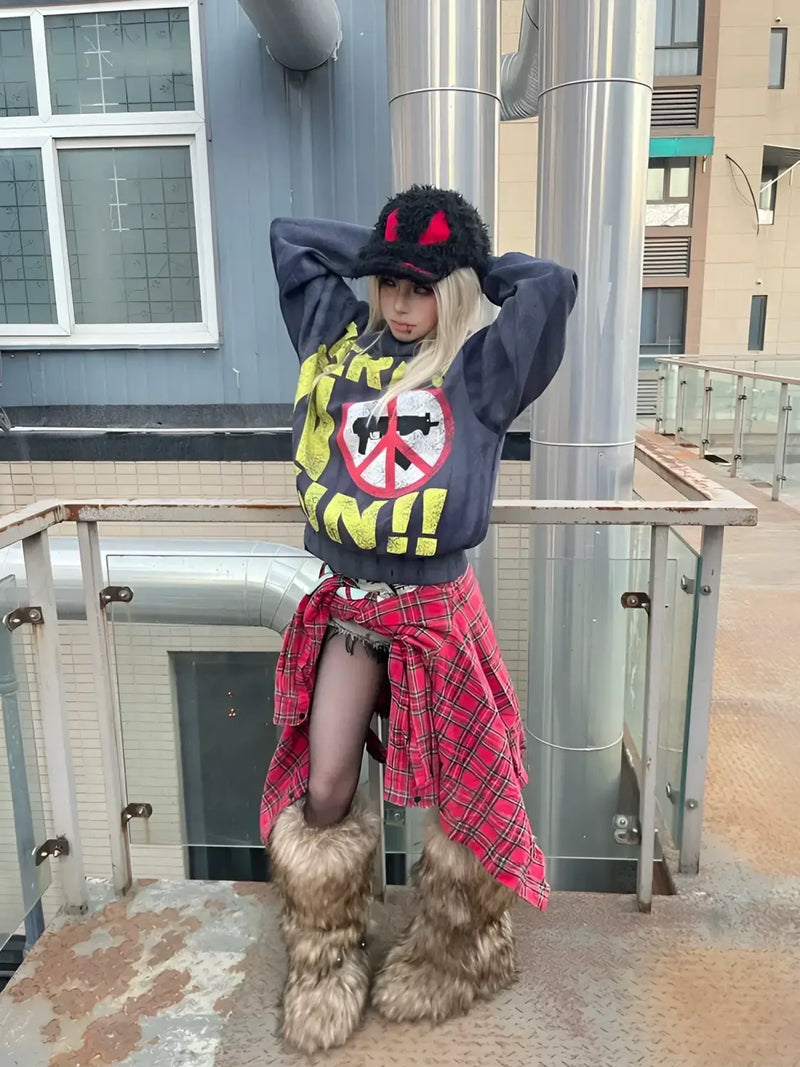
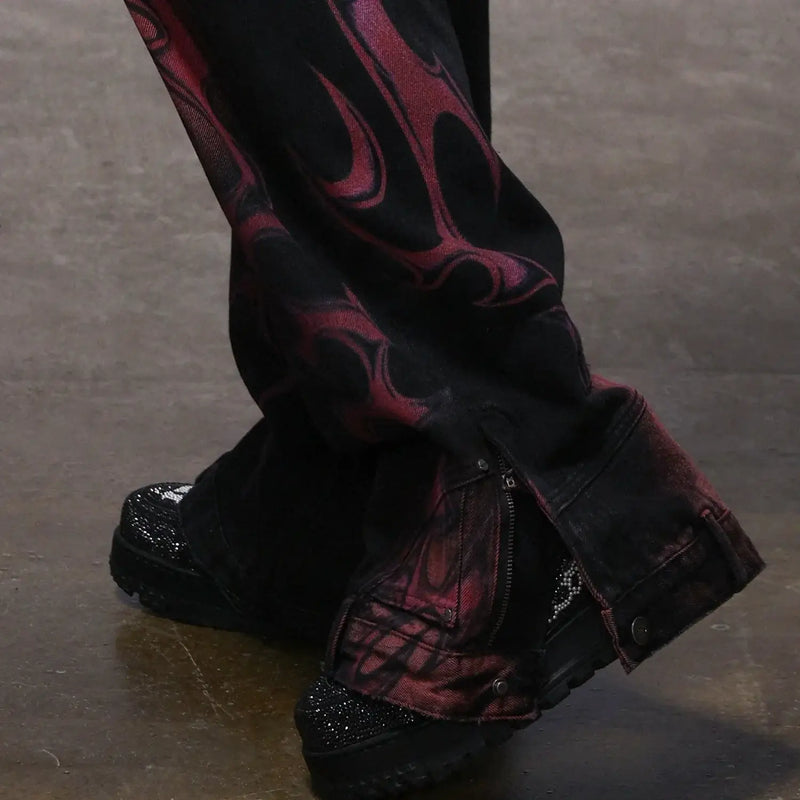
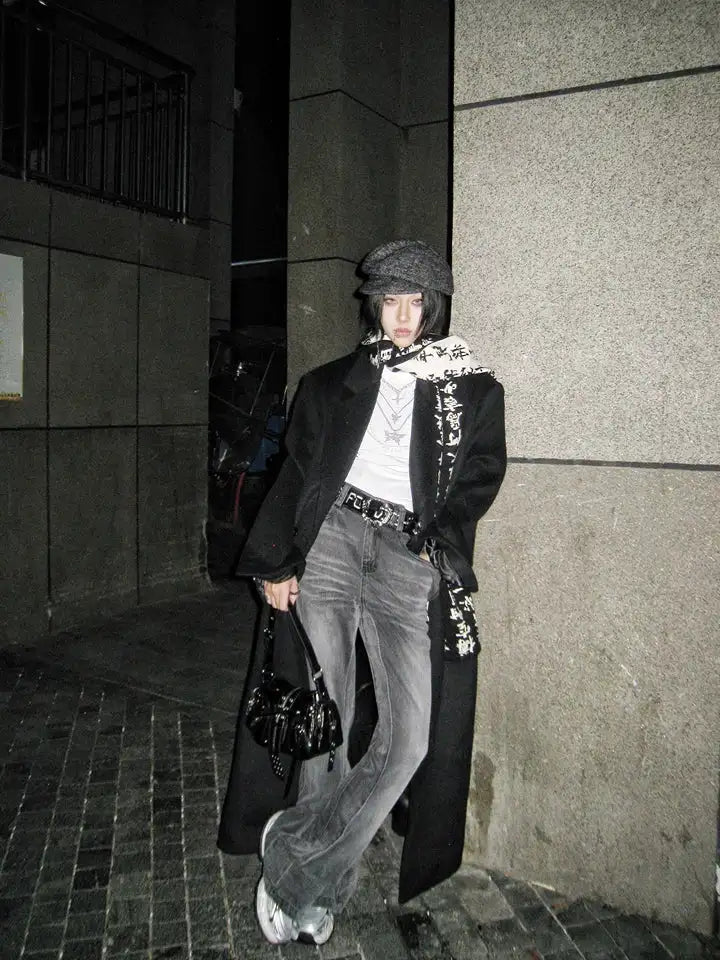

Affordable Korean Fashion isn’t “Korean style with a discount code.” It’s a different price system — built on direct online distribution out of Seoul, fast drop cycles and a mid-range category between €25 and €80 that barely exists in Germany. Whoever gets in here rarely buys at Zara prices and still gets what runs on TikTok as “K-Fashion.”
The reality is more mixed than the Pinterest boards claim. Some brands ship from Seoul to Berlin in 10 days, others take three weeks and €12 in customs. Some pieces sit exactly like the lookbook shots, others run a full size smaller. In this guide we separate what works from what only works on Instagram.
You get: the three price tiers, the shipping brands including Lewkin, Stylenanda, Nain, Wonderplace, TopTen, Naning9, the German shipping reality, a districts map for Seoul, the jacket / pants / top categories with concrete pieces, a styling logic without the cosplay trap, and the six mistakes almost everyone makes on their first order.
How that looks on the street in twelve seconds:
Definition
What counts as affordable Korean Fashion — and what doesn’t?
“Affordable” means something different in Korea than in Germany. A shirt for 35,000 KRW (around €24) counts as mid-range in Seoul, as cheap in Berlin. A knit for €70 in Hongdae stands next to a €130 Cos sweater in Mitte in terms of quality. The price scale shifts because there are one or two fewer steps sitting between factory and buyer.
€15–€120
real price band
3
price tiers
6–15
days shipping to DE
+1
size to order (default)
These four numbers aren’t marketing. They’re the grid you run every order through. A knit for €18 out of Seoul can be good — or thin. A coat for €90 can fit — or be shoulder-tight. The hit rate isn’t in the price, it’s in the brand origin and the size chart.
What concretely counts as affordable Korean Fashion:
- Direct DTC out of Seoul — brands that produce themselves and ship to Europe without middlemen. Lewkin, Nain, Wonderplace, ABLY. Price reflects the fabric, not a boutique margin.
- Mass-market Korean chains — TopTen, SPAO, 8seconds. The Korean equivalent of H&M / Uniqlo, often cut better than European fast-fashion mainstream.
- Multi-brand aggregators — YesStyle, Stylenanda, Kooding. Curated K-Fashion platforms that bundle many smaller Seoul labels.
- K-streetwear brands with European distribution — selective labels that already have warehouses in the EU or UK. No customs, and there in 4–7 days.
- Resale + vintage from Seoul — Dongdaemun night-market aesthetic, via platforms like Bunjang or Karrot. More demanding, but under €30 per piece.
What does NOT count as affordable Korean Fashion, even if TikTok suggests it does: SHEIN “Korean Style” tags, AliExpress copies of Korean looks, and unlisted wholesale marketplaces with no brand origin. That’s generic Asian mass-market, often aesthetically styled to look like K-Fashion, but outside the pipeline Korean Fashion actually runs through.
Pricing logic
Why Korean Fashion can be cheaper than Zara — and when it isn’t
Three structural factors make Korean Fashion cheaper per piece without automatically being lower quality. First: direct online distribution. Korean labels have sold primarily through Naver Smart Store, their own brand sites and multi-brand platforms since the 2010s — not through department stores. That saves 30 to 40 percent of the margin that goes to the boutique in Europe.
Second: high drop frequency. An average Seoul brand drops 8 to 12 new pieces per week, not per season. Stock stays small, leftovers are rare, sale pressure spreads differently. Third: standardized mid-range production. Daegu and Busan have cluster factories that serve thousands of smaller brands at once — economies of scale without a mass brand.
When it isn’t cheaper: Korean premium streetwear (ADER Error, IISE, thisisneverthat) often costs more in Europe than comparable pieces from France or Japan because of customs, VAT and boutique markup. Affordable stays the segment under €120. Anything above that falls into normal designer math.
price tiers
The three price tiers: SHEIN tier to mid-brand
Affordable isn’t a zone, it’s a staircase with three clear steps. Whoever knows all three mixes sensibly — a coat from the middle tier, a top from the lower, a knit from the upper. Whoever only knows the cheapest tier buys the same thing three times and thinks K-Fashion is thin.
Anything sold under €10 is statistically SHEIN — whatever the label says. Anything over €120 is premium-K and no longer belongs in this guide. In between lies the playing field where affordable Korean Fashion actually happens.
Brands
The affordable Korean Fashion brands that really deliver
Which brand is “the best” depends on the category. The list below is sorted by market position and actual shipping reliability to Germany — not by Instagram followers. Eight names are enough to cover 90 percent of orders.
- Lewkin — Seoul-based, K-pop-adjacent trend streetwear, free worldwide shipping from a low minimum order value. Strongest all-rounder for Y2K and Acubi aesthetics, price range €15–€70.
- Stylenanda (3CE / KKXX) — the oldest international K-Fashion label. Clean mid-brand look, boutique ambition, prices go up to €110. The 3CE beauty line is well known, the fashion often underrated.
- Nain (나인) — minimalist women’s fashion, slightly romantic. Knits, blouses, wool coats in the mid tier. One of the go-to labels for the “Korean girl aesthetic.”
- Wonderplace (웨더플레이스) — multi-brand platform with its own house brands. Wide selection, often the first stop for beginners.
- TopTen (탁텍) — the Korean mass-market player, comparable to Uniqlo. Basics, knits, outerwear under €50. Shipping to DE usually via YesStyle or Lazy.com.
- LAP (Los Angeles Project) — premium-affordable, clean cut, a slightly American twist. A good address for coats and pants under €100.
- Naning9 — mid-tier brand with a steady drop rhythm. Solid women’s and unisex collection, prices between €25 and €75.
- ABLY — Korean online mall with thousands of smaller labels. Lowest tier, high volume, quality swings a lot. Good for basics and layers.
These eight cover the market from entry tier into the mid-brand segment. For harder streetwear cuts with Hongdae indie ambition, you look more in the small boutiques around Hongik University — the price league is then usually over €120 and falls outside this guide.
Mass-market
Korean version of H&M — the mass-market players
If the question is “what is the Korean version of H&M,” the precise answer is: three brands share the role. SPAO is the most direct H&M equivalent — basics in every city, wide size range, brand collaborations with anime and K-pop. TopTen sits slightly above it in quality, closer to Uniqlo. 8seconds is the younger, trendier sister, run by Samsung’s fashion arm Cheil Industries.
- SPAO — H&M equivalent for volume basics. T-shirts from €9, hoodies from €19. Weak on outerwear, strong on layering pieces and pop-culture collabs.
- TopTen — Uniqlo equivalent with mid-tier fabric. More knits, more coat competence, fewer trend drops. Reliable for winter fashion under €60.
- 8seconds — trend-driven, younger target group, strongest marketing. Prices comparable to Zara, often with ZUKE or K-pop campaigns.
- Lewkin and ABLY — not a direct H&M comparison, but the faster answer for trend pieces. Online-first, no store network.
Zalando carries the occasional SPAO and TopTen, but the range and size selection stay small. Whoever wants to buy Korean mass-market seriously goes directly through the brand sites or through YesStyle / Lazy.com. Shipping costs a flat €12 to €18, often free above a certain order total.
Seoul map
Where to shop cheap in Seoul — the 4 districts
If you’re actually standing in Seoul, the shopping logic is sharply sorted by district. Four neighborhoods cover most of the affordable spectrum. Each has its own price range and its own crowd.
Dongdaemun is the wholesale world — Doota Mall, APM Place, Migliore. Night markets between 10 p.m. and 5 a.m., prices negotiable, boutiques by the hour. Whoever invests four hours here walks out with five tops for €60. Whoever shows up in tourist mode pays double.
Hongdae is the indie boutique zone around Hongik University. Vintage stores, small streetwear labels, K-pop-adjacent cuts. Price range €20 to €80, many pieces are one-offs or runs under ten. Local students shop here, the look is closer to YouTube K-Fashion than to mass-market.
Myeongdong is the tourist boulevard — international brands, higher prices, plenty of SPAO and 8seconds on one corner. Handy if you have an hour and don’t want to try anything outside the mainstream.
Ewha, around Ewha Womans University, is women’s-fashion-focused, mid-priced, plenty of mid-tier brands like Naning9, Nain, ABLY pop-ups. Lower tourist density than Myeongdong, higher range of styles.
Shipping reality
Ordering online from Germany — shipping, customs, returns
The most common frustration with K-Fashion in Germany doesn’t happen when ordering, but afterwards. Three factors decide whether the experience is good or painful: shipping time, customs handling and return logistics. Whoever knows these three buys relaxed.
6–15
days shipping
€150
EU customs threshold
19 %
VAT from €1
€15–€40
return cost to Seoul
First reality: shipping. Direct from Seoul takes between 6 and 15 days by K-Packet or EMS. Brands with an EU warehouse (Lewkin EU, some YesStyle pieces) deliver in 3 to 7 days. Second reality: customs. Since July 2021, German VAT (19%) applies from every euro on shipments from third countries into the EU. Below an order value of €150 it’s often already settled at checkout (IOSS procedure); above that a customs fee is added — usually 12% on clothing.
Third reality: returns are the weakest point. Returns to Korea cost between €15 and €40 and must be registered through your customer account. Many brands offer store credit instead of a cash refund. Whoever doesn’t know the system sits on pieces that don’t fit.
Category · Outerwear
Korean jackets & outerwear under €120
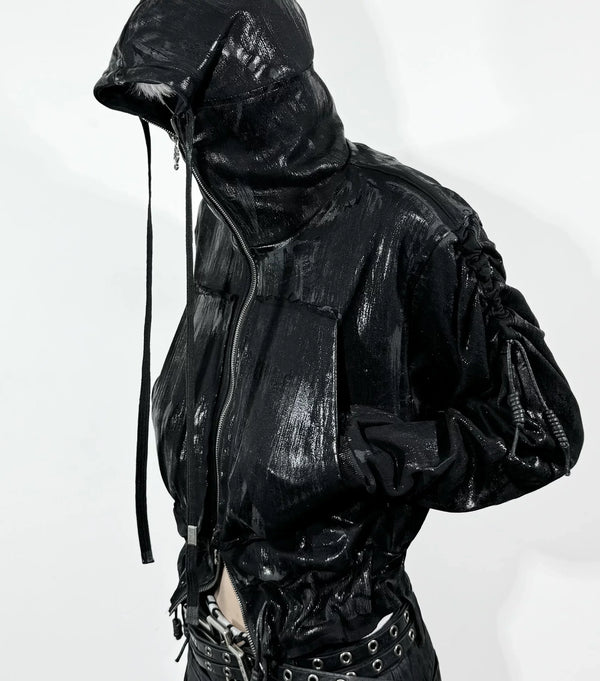
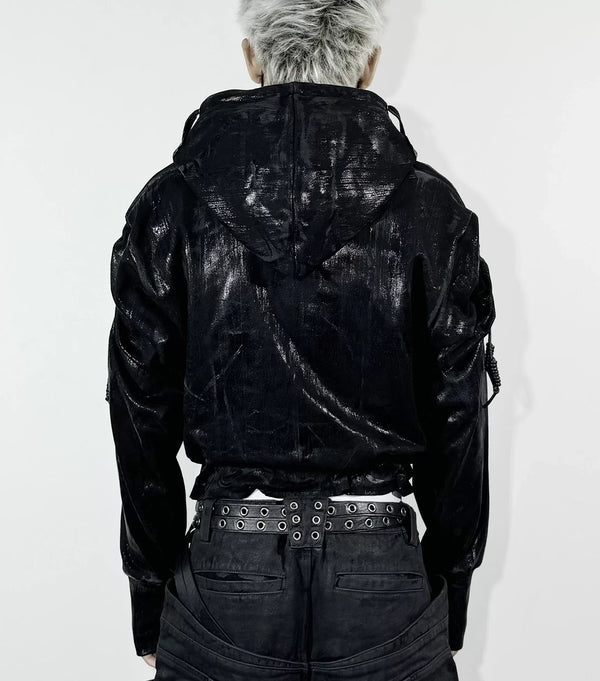
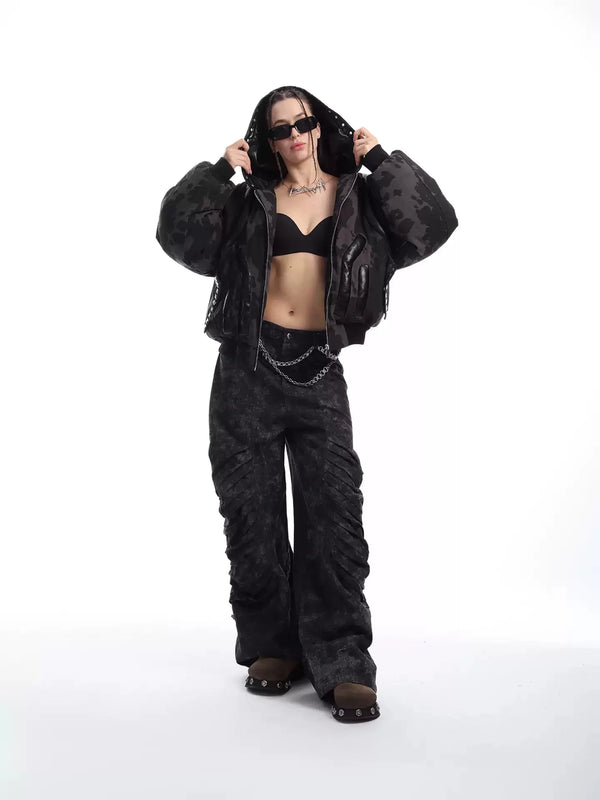
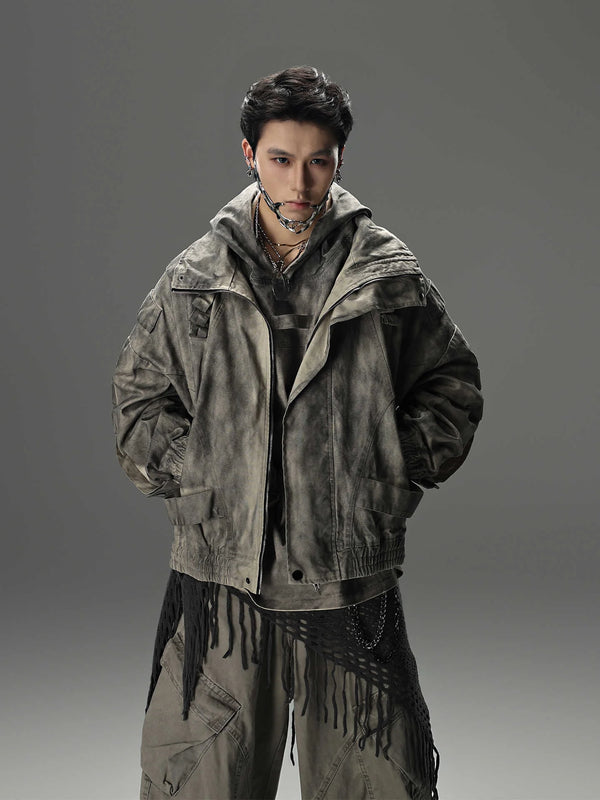
Outerwear is the category where affordable K-Fashion makes its strongest appearance. Cropped bomber, hooded denim, soft-tailored blazer — everything sits a touch tighter and shorter in Korea than in European mass fashion. When you buy a jacket, buy it one size up from your German norm.
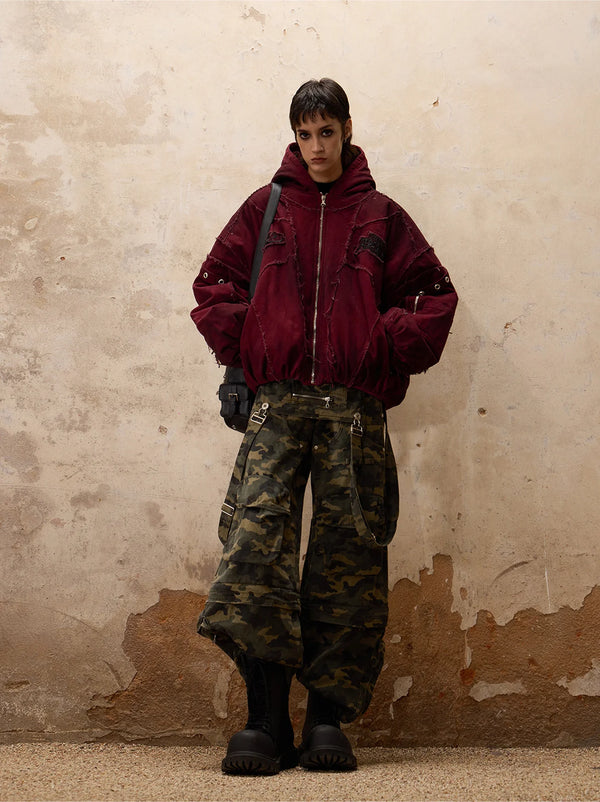
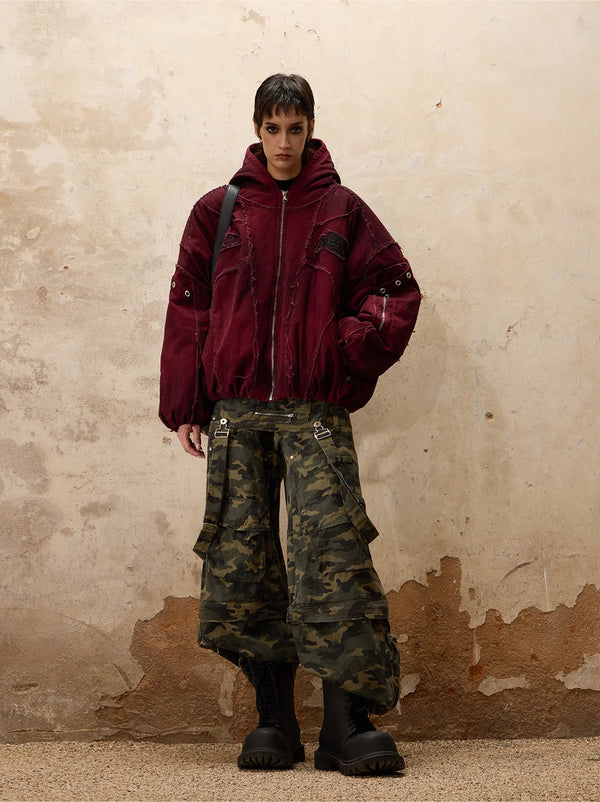
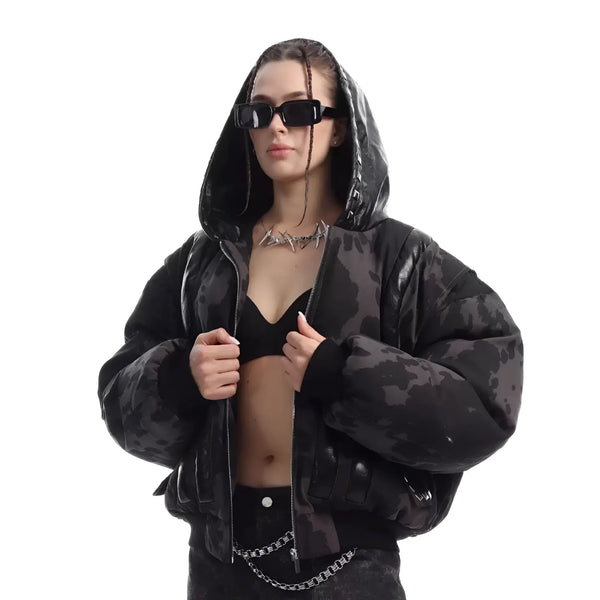
Three outerwear types work consistently in the mid tier: hooded denim with a boxy fit (Hongdae standard), cropped leather bomber (Lewkin / Nain), and long wool coat (TopTen / LAP). All three stay under €120 and pair with wide-leg pants.
Whoever doesn’t own a boxy-cropped jacket yet is at the right entry point here. It sits over almost any knit and instantly defines the Korean line code.
Category · Bottoms
Korean pants & bottoms — the silhouette logic
Korean bottoms follow a single rule: wide line, high waist, cuffed at the ankle or falling straight. Skinny has been extinct in Seoul since 2019 — what remains is wide-leg, loose-tapered and the Y2K flares revived since 2023.
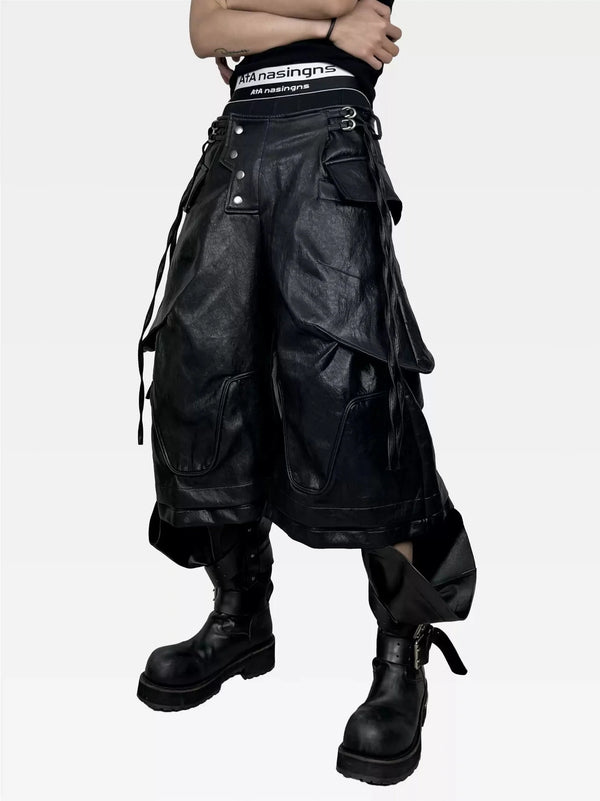
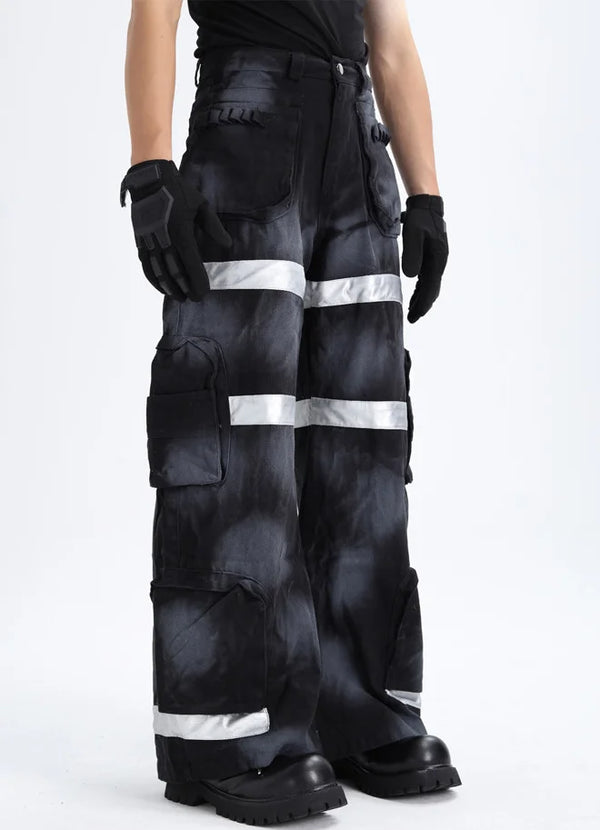
Three pant cuts cover 90 percent of affordable Korean Fashion: wide-leg denim with acid wash (Lewkin / Stylenanda), tailored wide pants (LAP / Nain), and cargo wide with a multi-pocket layout (Naning9 / ABLY). Material stays mid-weight, drape starts from the knee.
Avoid anything that gets tight below the knee — it reads as slim-fit workwear, not as K-Fashion. Wide-leg pants over sneakers or loafers is the common denominator across all three tiers.
Category · Tops
Korean tops & knits — the layer codes
Tops are the playing field where most affordable K-Fashion orders happen. Low unit price, high drop frequency, more variation per look. Three top families dominate the mid tier: cropped knit (Lewkin / Naning9), layering longsleeve (ABLY / SPAO), and striped polo / cardigan (LAP / businesscore-adjacent).
The Korean knit standard sits tight to the body, usually ends at the hip bone, and gets layered over a simple tank or tee. Size-wise it runs small — a German M is often a Korean L. The measurements on the product page are more binding than the label.
Whoever orders three tops in the mid tier has the base for two weeks of K-Fashion outfits. Layering is the lever — a tank under a cardigan under a cropped jacket makes three visible layers without any one being expensive.
Styling
How to style like a Korean girl/guy — without 1:1 cosplay
Korean styling copies badly. Whoever rebuilds a TikTok outfit mostly looks costumed in Berlin — because the original outfit was built for a different body height, a different weather context and a different city logic. What does transfer is three principles.
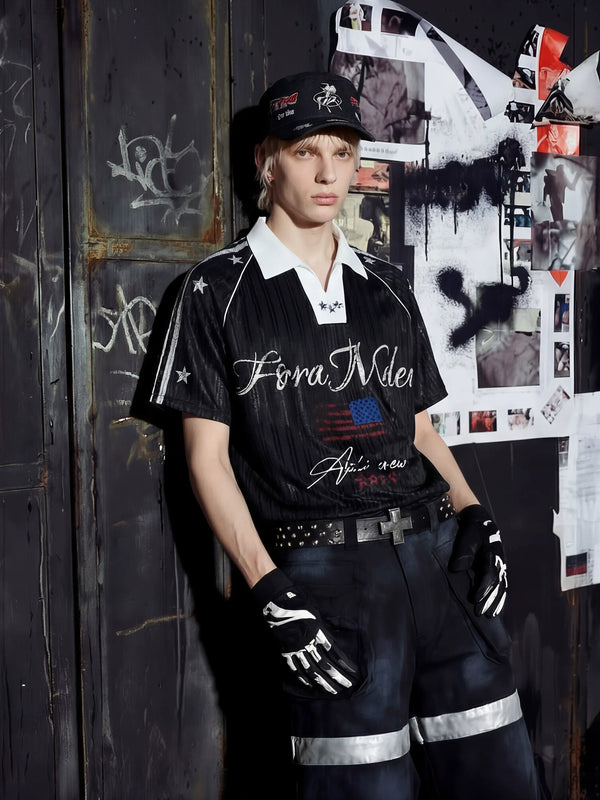
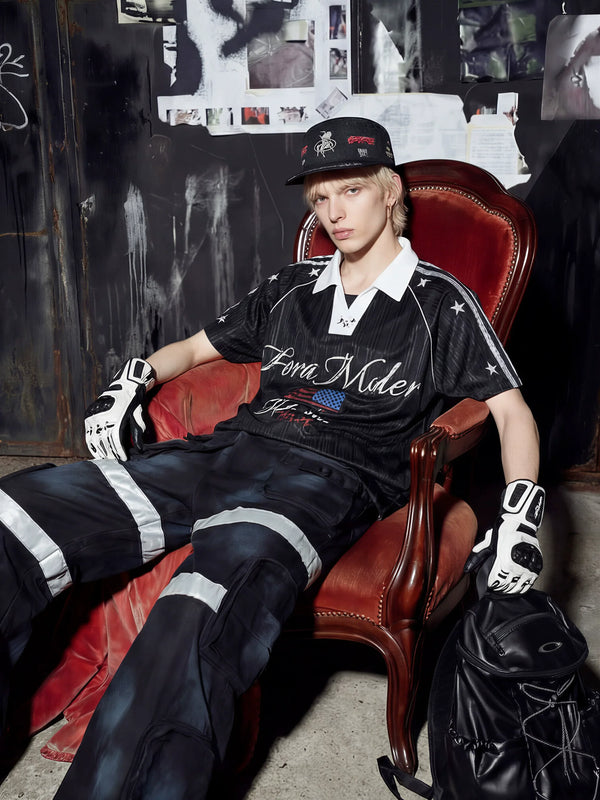
First: oversize top to slim pants, or tight top to wide-leg — one of the two directions, not both at once. Korean looks almost always have a clear weight distribution. Second: one statement piece per outfit. A printed shirt, a colored coat, a crochet cardigan — the rest stays neutral. Third: accessories small and consistent. One chain, one pair of glasses, one shoulder bag — no layering to the point of visibility.
The women’s line tends toward more layering on the upper body (cardigan over tank over body), the men’s line toward more material in the pants (wide-leg cargo, loose jean). Both stay in the same proportion logic — they just distribute the volume differently.
Whoever wants to go deeper into K-Fashion finds the specific sub-topics — layering, color trends, seasonal looks — in the in-depth spoke articles.
Seasonal
Korean fashion summer vs winter — the season rule
Seoul is climatically more European than Tokyo — cold winters with days below minus 10 degrees, hot summers with high humidity above 30 degrees. K-Fashion addresses both extremes harder than European mid fashion. The result is two distinct seasonal layers.
Summer: thin layers, a high share of open-weave fabric (mesh, crochet, loose linen). Cropped tank plus wide cargo plus bucket hat is the Hongdae summer default. Whoever flies from Germany into June Seoul drops almost every usual layer.
Winter: layer stack instead of coat-alone. Long-sleeve plus knit plus padded coat plus optional scarf. Padded coats in Korea are thicker than European down jackets — one is more heating than accent.
How a transitional outfit looks in 12 seconds:
Avoid mistakes
The 6 most common mistakes when buying affordable K-Fashion
Six mistakes keep coming up — with German first-time buyers especially. Whoever knows them saves the first two frustration orders.
Getting started
First 4 pieces: getting into K-Fashion under €100
Whoever orders affordable Korean Fashion for the first time builds up most sensibly with four pieces — one per category, all four together just under €100. From that come three to four different outfits, without a second order being needed.
Combined, these four make wide-leg plus knit as the default look, long-sleeve under knit for cooler days, denim jacket over long-sleeve as a change signal. Whoever notices after three weeks what works builds on from here.
Real outfits
Korean Fashion for real — how Berlin and Seoul wear it
One thing works on Instagram, another on the street. These pieces have been landing on Reels and tags for weeks — mixed from Seoul posts and Berlin streetstyle. The line between the two cities has grown thinner in 2026 than it was in 2020.
Whoever tags their own photos in K-Fashion pieces very likely lands here. Tag @fuga_studios — we repost looks from the Korean categories regularly.
Closing
Affordable Korean Fashion isn’t a discount — it’s a different system
FAQ
Frequently asked questions about affordable Korean Fashion
Which brands count as affordable Korean Fashion?
Eight brands cover most of it: Lewkin (all-rounder), Stylenanda (mid-brand), Nain (women’s knits), Wonderplace (multi-brand), TopTen (mass-market), LAP (premium-affordable), Naning9 (mid-tier) and ABLY (entry-tier). Base always in Seoul, Seongnam or Busan — a Korean address is the easiest authenticity check.
Which Korean fashion brand is the best?
There is no single “best” — the answer depends on the category. For an all-rounder: Lewkin. For knits and women’s mid-tier: Nain. For mass-market basics: TopTen. For mid-brand with boutique ambition: Stylenanda or LAP. Whoever spreads their first orders across two or three of these brands sees the range faster than buying everything from one.
Is there cheap shopping in Seoul?
Yes, above all in Dongdaemun (night market, wholesale) and Hongdae (indie boutiques). Dongdaemun runs between 10 p.m. and 5 a.m., prices are negotiable. Hongdae has vintage stores and streetwear labels between €20 and €80. Myeongdong is tourist mainstream, Ewha women’s mid-tier — both less cheap but more thematically focused.
How do I style like a Korean girl?
Three principles: a clear weight distribution per outfit (tight on top/wide below or the reverse), one statement piece per look, small consistent accessories. The women’s line tends toward more layering on the upper body (cardigan over tank over body). Don’t rebuild the TikTok outfit 1:1 — that looks costumed. The proportion transfers, the individual piece doesn’t.
What is the Korean version of H&M?
Three brands share the role: SPAO (most direct H&M equivalent, volume basics from €9), TopTen (closer to Uniqlo, mid-tier fabric) and 8seconds (younger, trend-driven, Samsung Cheil fashion arm). Whoever wants to buy in Germany goes directly through the brand sites or through YesStyle / Lazy.com — Zalando carries only a small part.
Where can I shop for cheap clothes in Seoul?
Dongdaemun for wholesale and night markets (Doota, APM Place, Migliore), Hongdae for indie boutiques and streetwear labels, Ewha for women’s mid-tier (Naning9, Nain, ABLY pop-ups), Myeongdong for international mainstream. Whoever covers all four in one trip sees the entire affordable spectrum.
Do Korean brands ship to Germany — and is customs added?
Yes, almost all bigger brands ship directly. Shipping takes 6 to 15 days. Orders under €150 are duty-free — only German VAT (19%) is usually settled at checkout (IOSS). From €150 a customs fee is added (usually 12% on clothing). Two orders of €120 are often cheaper than one of €240.
What do you think?
Tell us on @fuga_studios
About the author
Philipp Fuge — Founder · Berlin
Founder of Fūga Studios. Writes the journal himself. Berlin · Shanghai · Tokyo · Poznań — four cities, one logic.