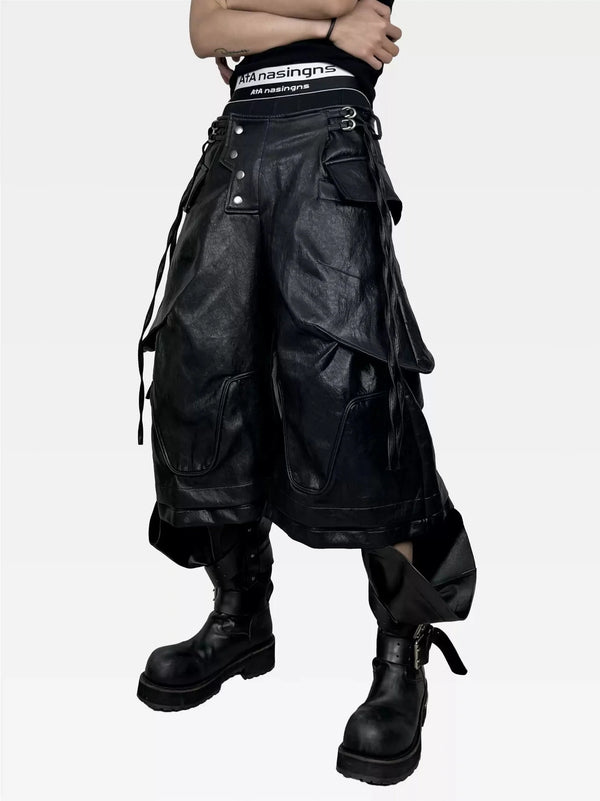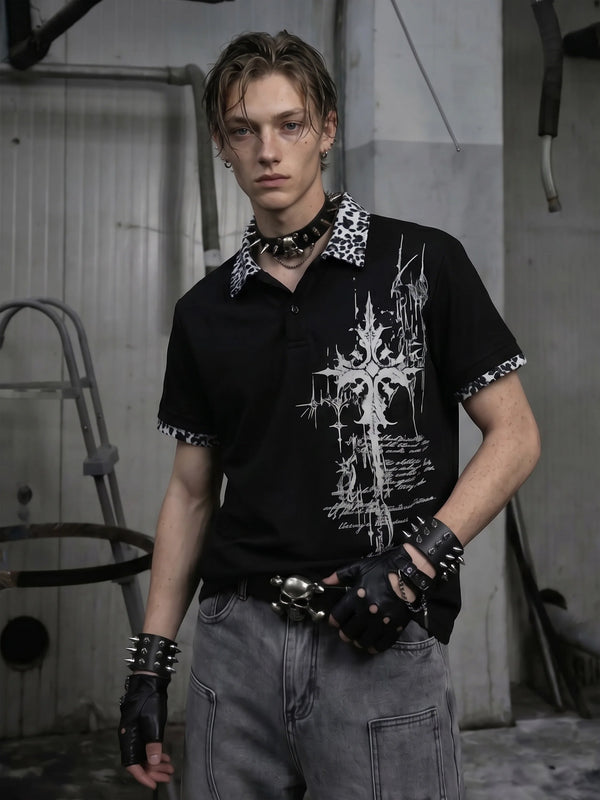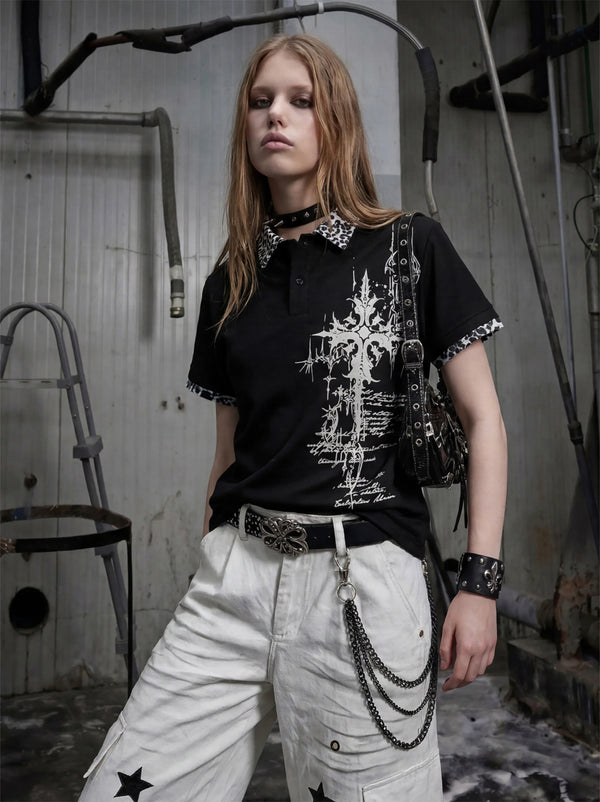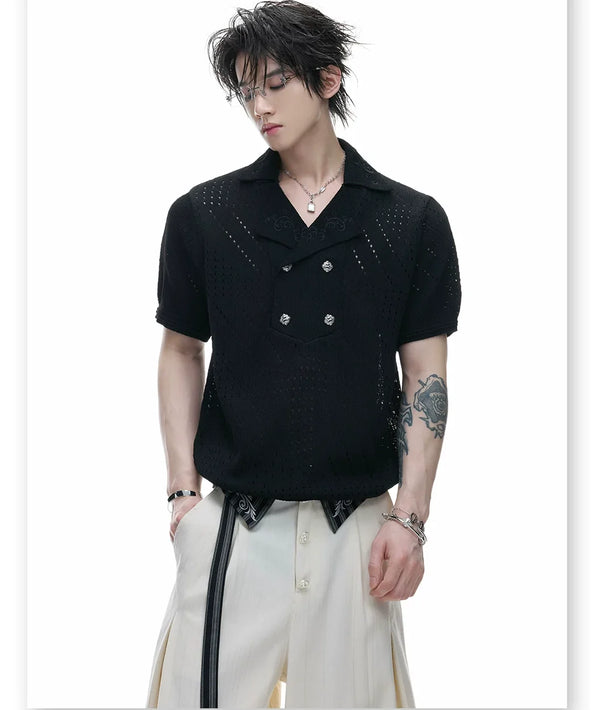

Contents 11 sections
- 01 What Korean girls really wear – beyond K-drama and Pinterest
- 02 Korean Fashion trends for girls – what Seoul is showing on the street right now
- 03 Cute Korean Fashion Teens – why the look works differently under 20
- 04 Casual Korean Girl Outfits – the Monday-to-Friday code
- 05 Korean Girl Outfit with jeans – wide-leg, flare and why skinny is dead
- 06 Cute Korean outfits for school – without dress-code stress
- 07 Korean Fashion jackets for girls – bomber, varsity, crop
- 08 Korean Fashion accessories for girls – cap, bag, ring
- 09 Where to get Korean Fashion for Girls – without the customs trap
- 10 5 Korean Girl Outfit mistakes you spot instantly
- 11 Frequently asked questions about Korean Fashion for Girls
Seoul, Dongdaemun, Friday afternoon. Three girls walk past you: oversized polo, wide-leg jeans, a single ring on the index finger. No K-drama dress, no cosplay, no pink. Korean Fashion for Girls looks completely different on the street than on your Pinterest board. And that is exactly what makes the style so relevant: it does not work through costumes, but through silhouettes, proportions and a handful of rules you learn in 15 minutes.
📖 This article is part of the big Korean Fashion Guide – there you will find the complete overview of all K-Fashion sub-genres, brands and the styling physics behind the Seoul look.
Korean Fashion for Girls combines oversized silhouettes, neutral colours and precise layering into outfits that read casual and considered at the same time. The look runs on one contrast: wide trousers with narrow tops, or a voluminous top with a straight trouser. One statement accessory is enough. No maximalism, no minimalism – controlled balance.
THE ESSENTIALS
- Korean Girl Outfits are built on the silhouette rule: narrow on top, wide at the bottom (or the other way round) – never both the same
- The 3-3-3 rule (3 colours, 3 textures, 3 proportion zones) is the invisible frame behind every Seoul look
- Cute Korean Fashion Teens rely on clean basics with exactly one accent piece – cap, ring or bag
- Casual and Aesthetic are not opposites, they are two sides of the same design logic
REALITY VS. PINTEREST
What Korean girls really wear – beyond K-drama and Pinterest
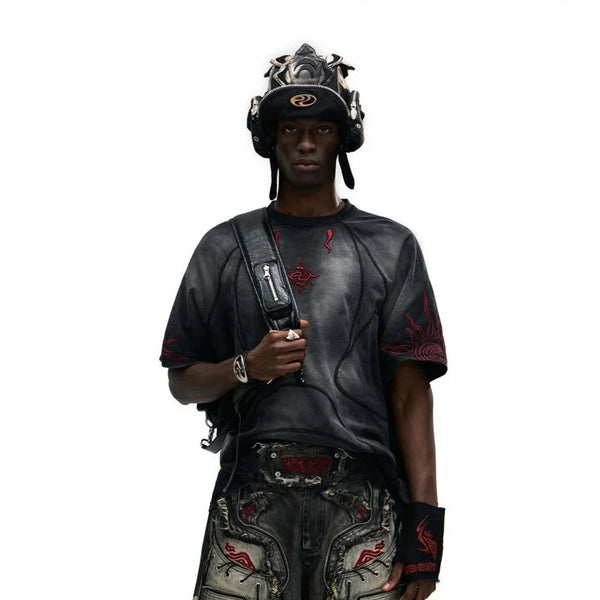
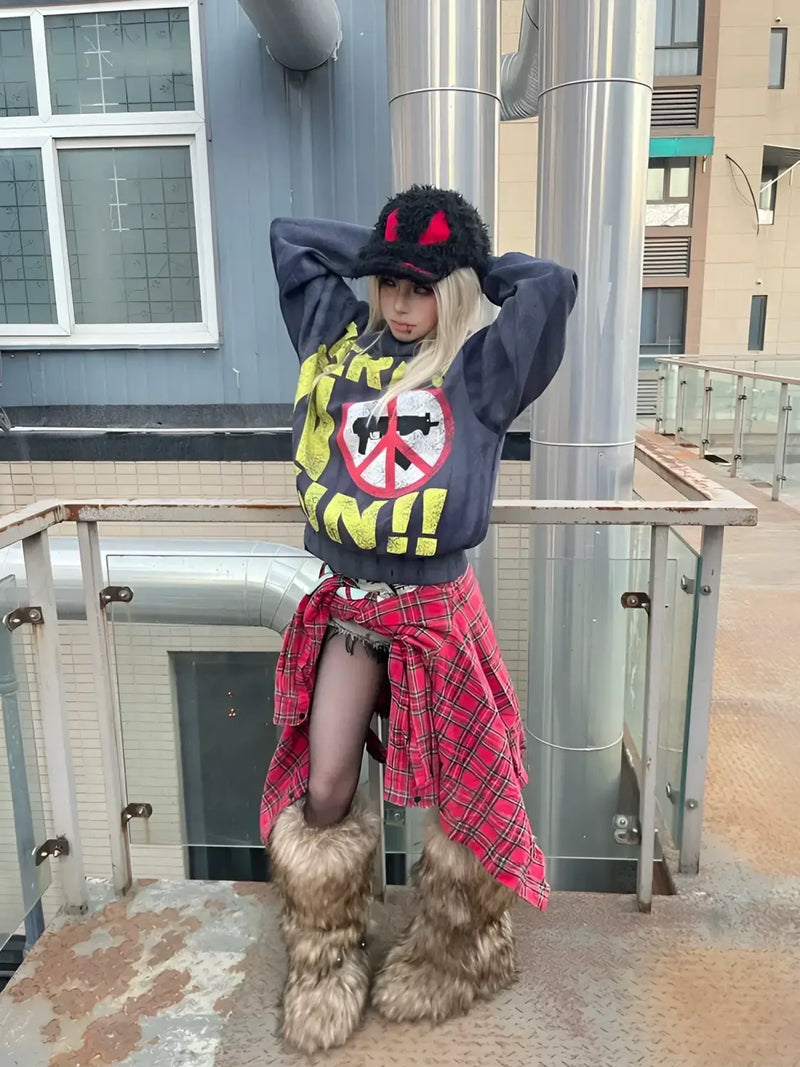
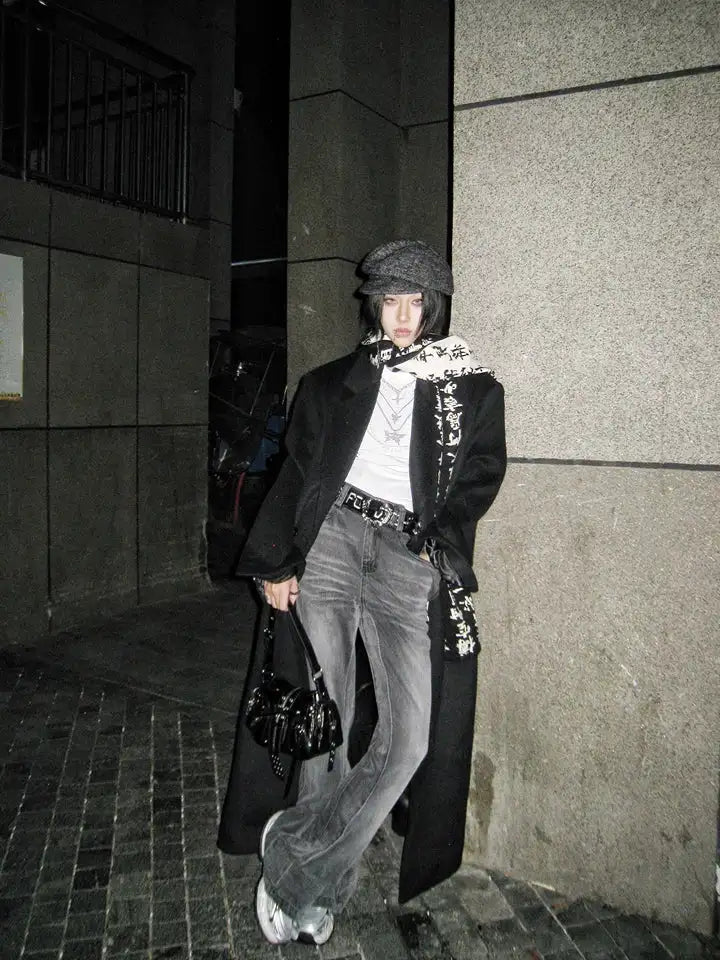
The question “What clothes do Korean girls wear?” returns a distorted picture on social media. What you see on Pinterest: pleated skirts, bows, pastel cardigans. What you actually see in Hongdae, Gangnam or Sinsa-dong: oversized tees in black or cream, wide-leg jeans with a raw hem, bomber jackets and exactly one accessory that holds the whole look together. Streetwear reality in Seoul has little to do with what K-drama stylists build for the camera.
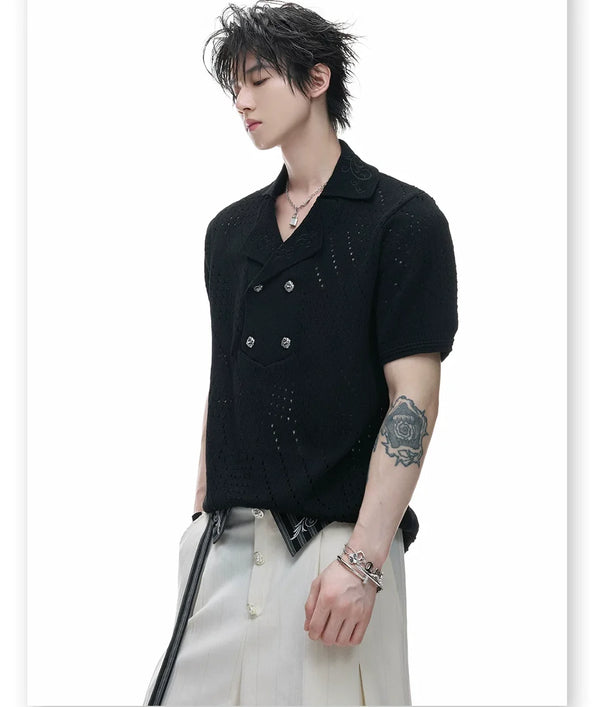
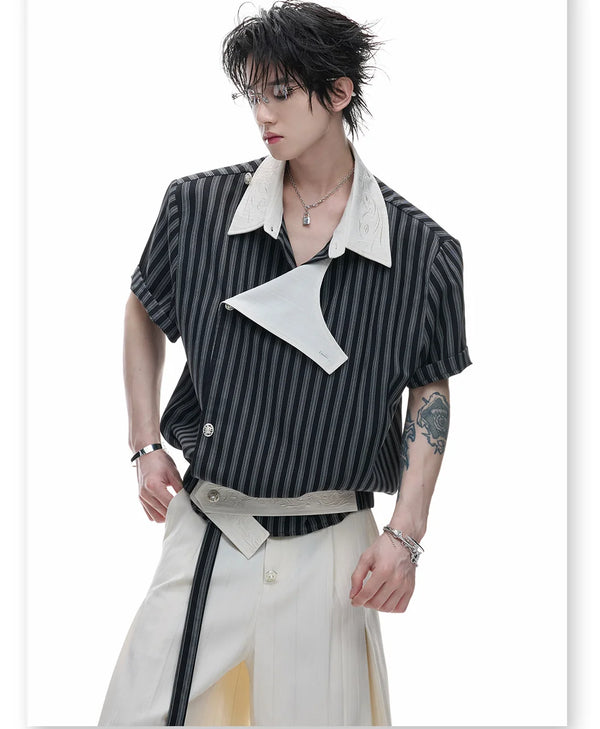
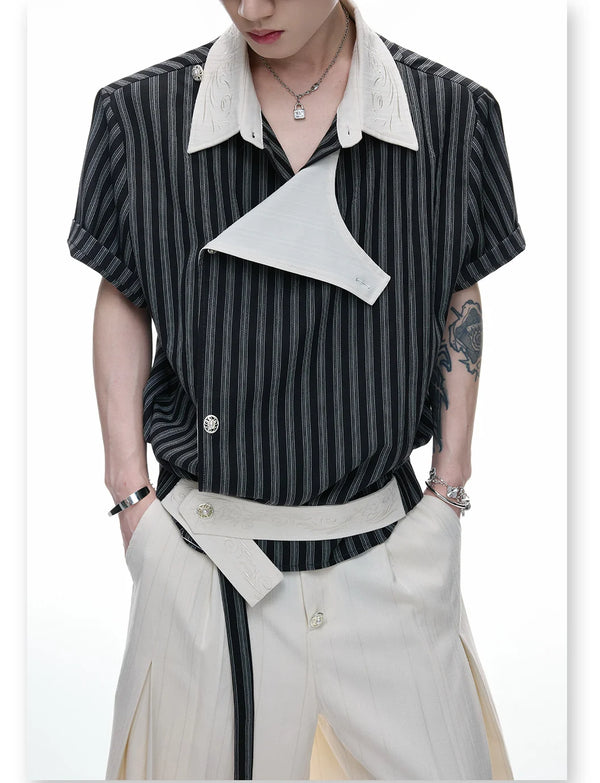
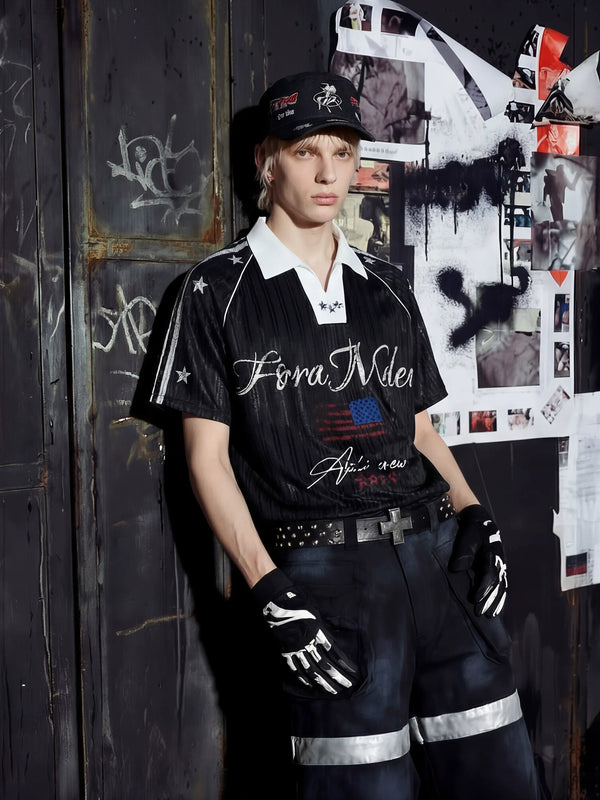
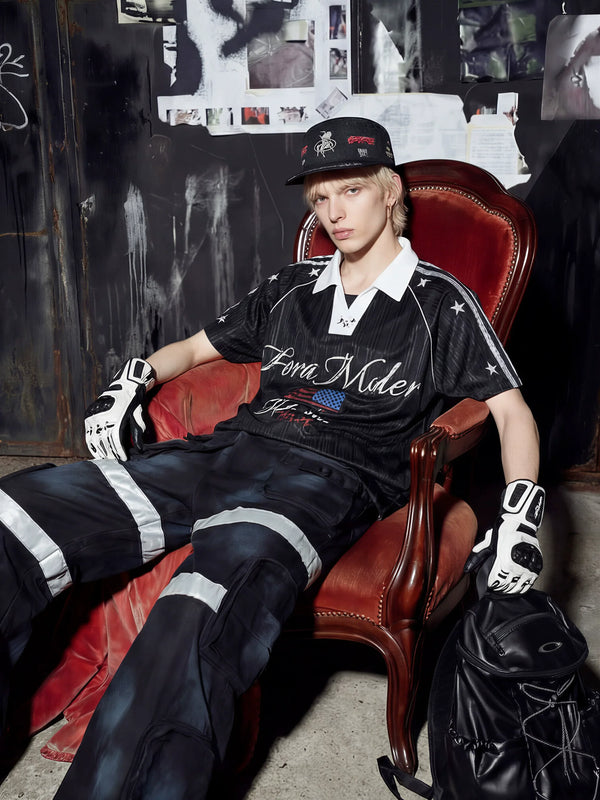
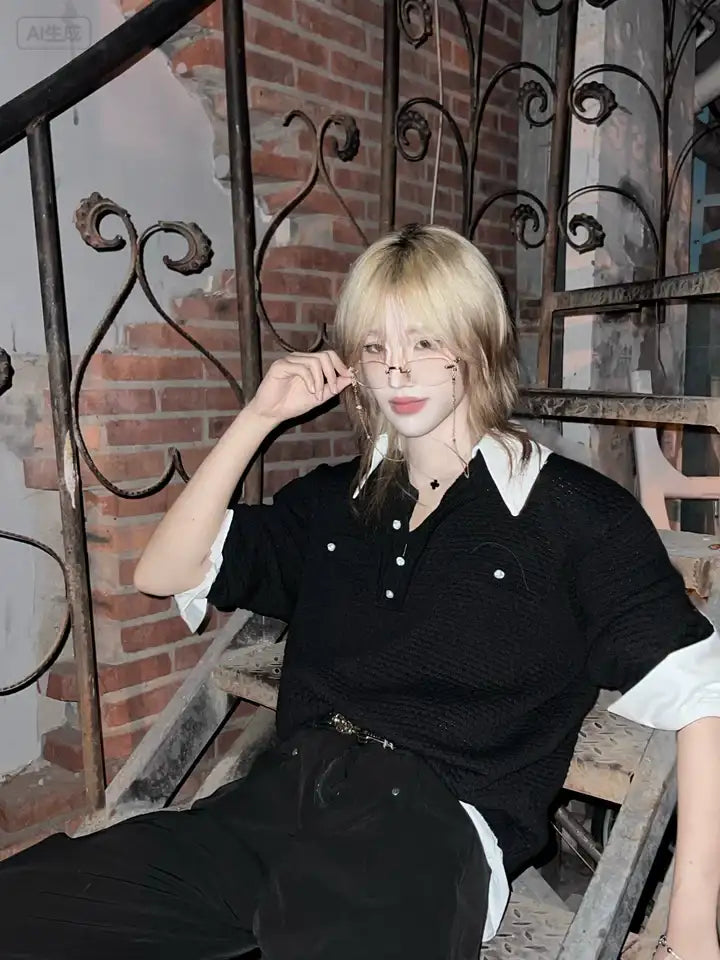
The core of the Korean Girl Outfit is a set of basics that works through proportion. Polo shirts have been a constant since 2024 – not your parents' Lacoste polo, but oversized cuts with a drop shoulder that read more Seoul than golf course. Wide trousers are mandatory. Jackets define the silhouette. The colours almost always move within a triad of black, white and one warm neutral – beige, stone, khaki. The Seoul rule of thumb: if you count more than three colours in your outfit, take something off. Once you get that, you do not need 200-euro hauls, you need three considered pieces.
The three archetypes you see most often in Seoul can be told apart at a glance. They share the same proportion logic but separate on colour, texture and attitude. Every archetype works with the same base pieces – the difference is in the combination.
SEOUL TREND UPDATE
Korean Fashion trends for girls – what Seoul is showing on the street right now
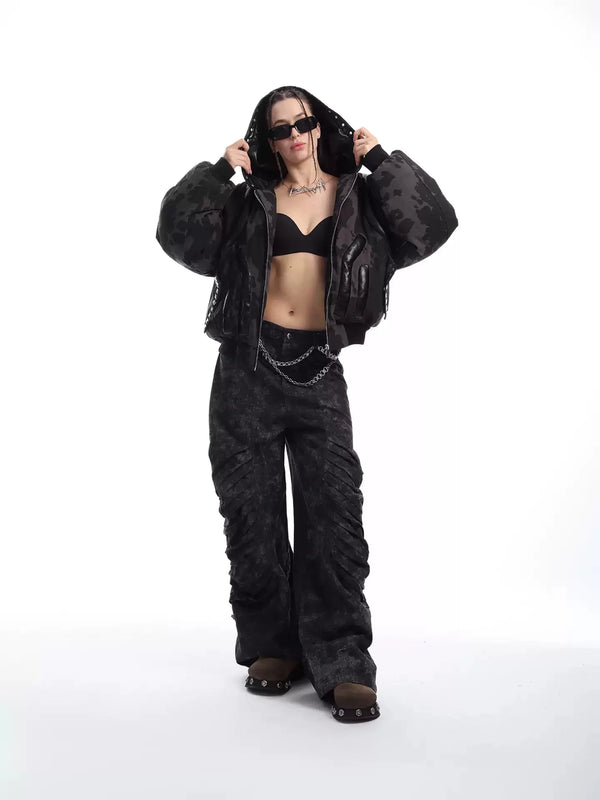
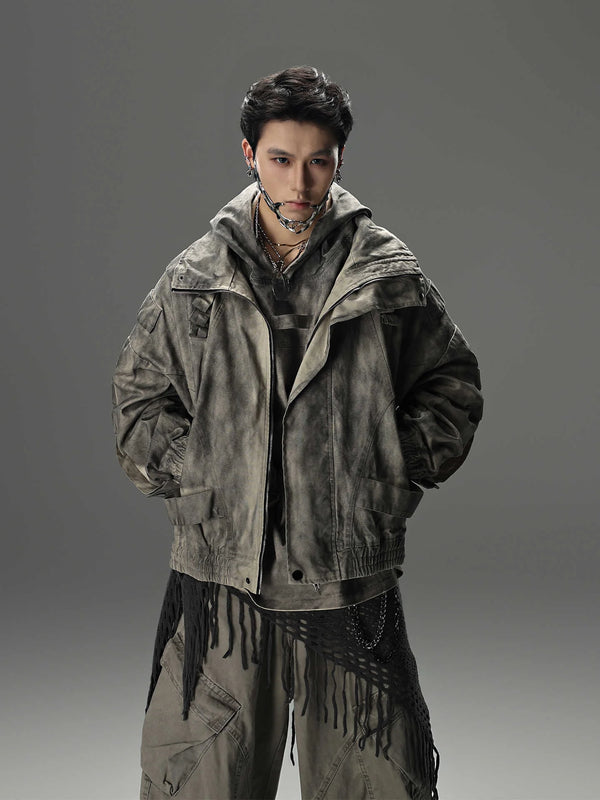
The current Korean Fashion trends for girls revolve around five elements that have settled over the last two seasons. Oversized polo shirts have replaced the classic T-shirt as the standard top. Cargo silhouettes have stayed, but the proportions have shifted: less military, more volume play. Mesh layers appear as a second layer under jackets. Distressed denim is back, not in the western grunge sense but as a controlled accent on edges and pockets. And statement outerwear – above all short bombers and structured varsity jackets – defines the whole look from the top down.
What stands out: the trends do not run in a line. They stack. A Korean Girl Outfit often combines two or three of these elements at once. Polo under bomber, with cargo jeans and a mesh undershirt peeking out at the collar. The craft is not in trend picking, it is in layering. And that separates Korean fashion fundamentally from western streetwear, where trends are worn in isolation. In Seoul you do not wear the trend – you build it into a system.
TEEN STYLE DECODED
Cute Korean Fashion Teens – why the look works differently under 20
Teens in Korea style differently than women in their mid-twenties. The main difference: budget and context. Cute Korean Fashion Teens runs on mix-and-match between fast-fashion basics and a single investment piece that upgrades the look. In practice that means: a plain oversized tee for 15 euros, a wide-leg jean from last year and a jacket that carries the whole character.
Another difference is the role of TikTok. What happens on the street in Hongdae lands on Korean fashion accounts within hours and gets taken apart there in 30-second clips: which top, which trouser, which shoe, which accessory. That speeds the cycle up, but it also flattens it. Many teens buy what looks good in the clip without understanding the proportion logic behind it – and then wonder why the same piece reads differently on them.
The best Cute Korean Fashion outfits for teens are the ones that work beyond a single clip – pieces you can wear in five different combinations. A good test: can you wear the piece with three different trousers and have it look different every time? Then it is a keeper. If it only works in one combination, it is a TikTok buy, not a wardrobe piece.
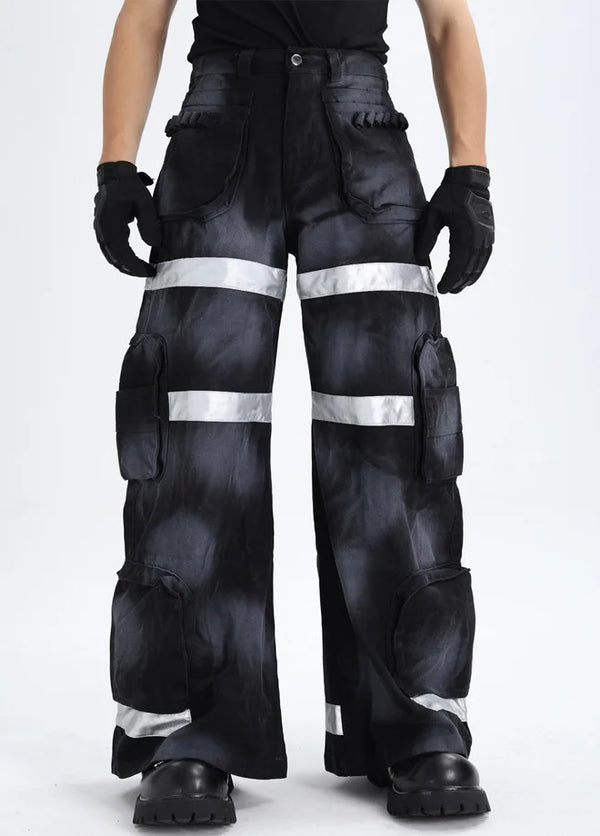
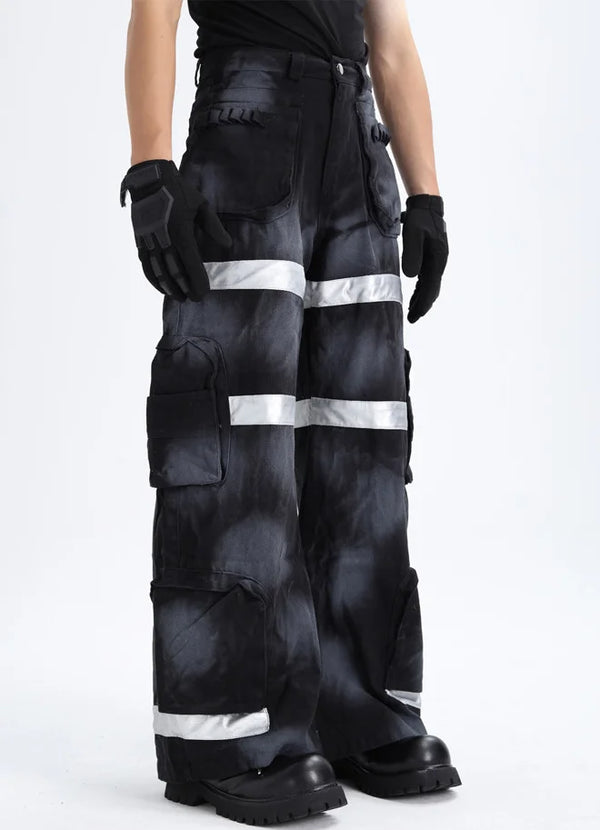
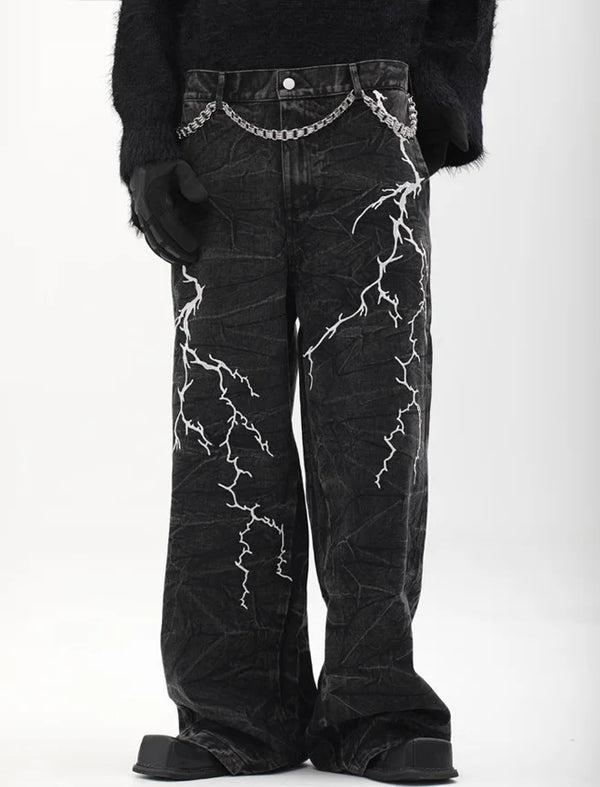
🎥 Wide-Leg Denim – Korean Girl Style in motion
@fugastudios These pants ate and left no crumbs 🖤 walking chaos in denim form #fugastudios #darkfashion #widelegpants #fyp #distresseddenim ♬ Originalton - Fuga Studios
Follow @fugastudios on TikTok for more style inspiration 📱
EVERYDAY-READY
Casual Korean Girl Outfits – the Monday-to-Friday code
Casual Korean Girl Outfits follow a formula Seoul stylists call the rotation system: three trousers, five tops, two jackets. That covers a full week without repeating an outfit. You anchor the palette in black and cream – everything else is accent. The Korean streetwear trousers form the foundation: a black wide-leg, a light grey cargo, a denim in vintage wash.
On top you rotate tops in three categories: fitted (rib tank, cropped tee), relaxed (oversized polo, box tee), statement (longsleeve with print, one-shoulder). You pick the jacket by weather and proportion: a voluminous bomber over a tight top, a structured short jacket over an oversized top. The result: 30 combinations out of 10 pieces. No thinking in the morning, no outfit repeat during the week.
The easiest way into casual Korean Streetwear is a monochrome base look broken by a single texture. Black tee, black wide-leg, with a mesh or corduroy element on the jacket. That sounds simple, but this exact reduction is the core.
PRO TIP
Keep a photo archive of your best combinations. Not on Pinterest, on your phone. 10 photos of outfits that worked on you are worth more than 500 saves of looks that read differently on a Korean model.
DENIM LOGIC
Korean Girl Outfit with jeans – wide-leg, flare and why skinny is dead
When you build a Korean Girl Outfit with jeans, one rule holds without exception: the leg has to carry volume. Skinny jeans have been clinically dead in Korean streetwear since 2022. What works instead: wide-leg as the standard silhouette, flare as the statement alternative, and straight-leg as the compromise for days when you want less fabric. The Korean trouser silhouettes define the look from the hip down.
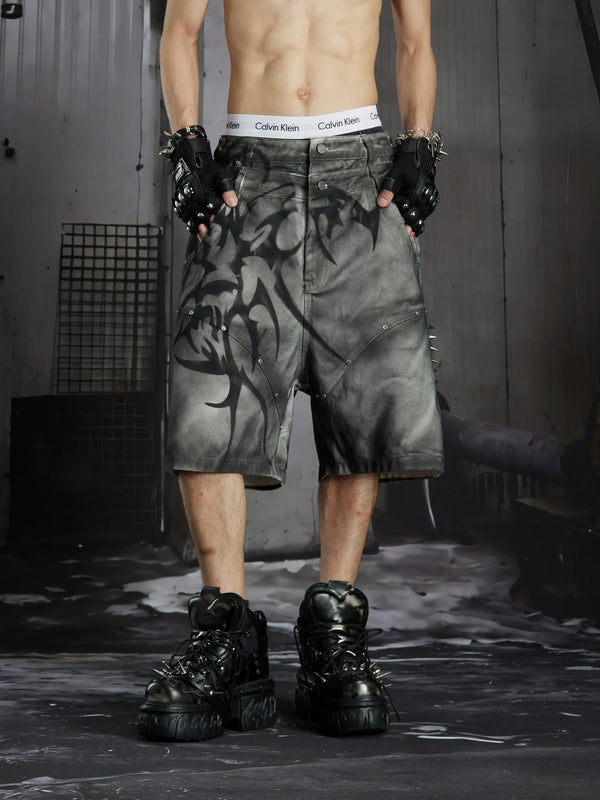
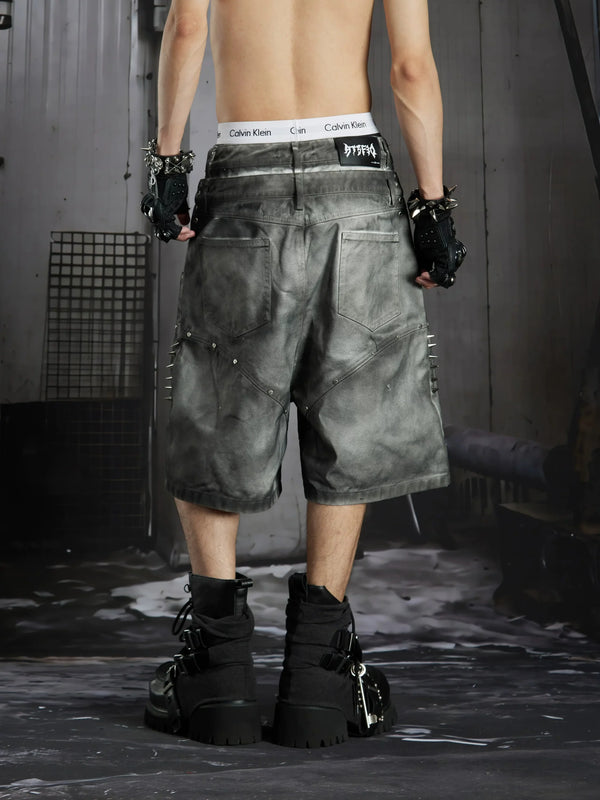
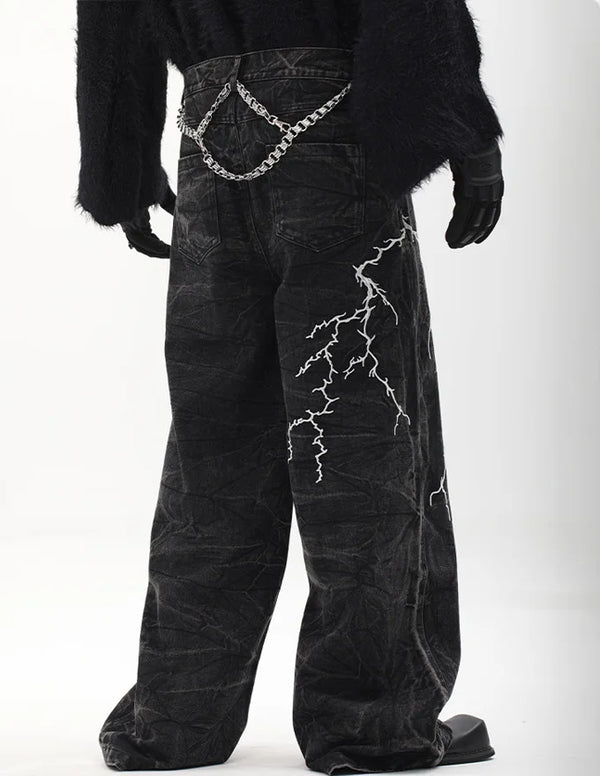
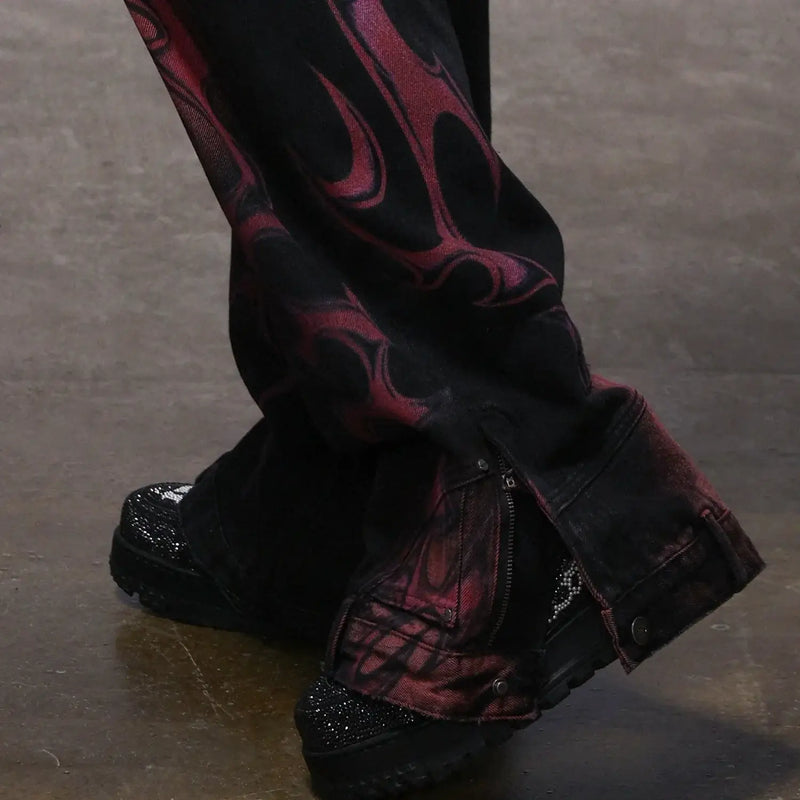
Denim with details – embroidery, prints, distressing – works in K-Fashion as a statement piece, not as decoration. You wear it as the loudest element in the outfit, everything else stays quiet. Embroidered wide-leg with a plain black top and clean sneakers. Or graffiti-print jeans with a monochrome top. The rule: a maximum of one loud piece per outfit.
The good thing about Korean denim logic: it frees you from the skinny-jeans proportion trap. Wide legs balance broad hips and narrow ones alike. The point is not to emphasise the body but to build a silhouette that stands on its own – independent of the body underneath. And that is exactly why Korean Fashion for Girls works universally: the proportion rule is body-neutral. Whether you are 1.55 m or 1.80 m – the balance between upper and lower body stays the same.
What runs on Pinterest under “Aesthetic Korean Girl Outfits” follows a predictable formula: 70 % neutral base, 20 % texture contrast, 10 % pop element. The base is always monochrome or tonal. The texture contrast comes from material mixing: denim next to jersey, mesh under knit, leather next to cotton. And the pop is the one element that stands out – a bold bag, a contrasting cap, a single ring.
The best Aesthetic Korean Girl Outfits need exactly one element that catches the eye immediately in the photo. Not two, not three. One. If you have more than one focal piece, they compete with each other and the look loses its calm. That is the difference between “aesthetic” and “overdressed” – and exactly what most Pinterest rebuilds get wrong.
SCHOOL-APPROVED
Cute Korean outfits for school – without dress-code stress
Korean outfits for school have a side condition that Seoul streetwear does not: they have to be dress-code compatible. In most cases that means no obvious logos, no extreme proportions, no sheer fabrics. What remains is the core repertoire of the Korean Girl look, just pulled back a little. Polo shirts are the perfect base – they read formal enough for school but still carry the K-Fashion code.
With it a relaxed-fit trouser or straight-cut jeans in a dark wash. The Korean jackets define the look on the way to school: a track set is the simplest option because it works as a unit and still carries the Seoul vibe. Bomber jackets are the second choice – structured enough for the classroom, relaxed enough for the schoolyard. Accessories that do not stand out but give the style away: a discreet ring, an unobtrusive cap in your bag for after school.
OUTERWEAR RULES
Korean Fashion jackets for girls – bomber, varsity, crop
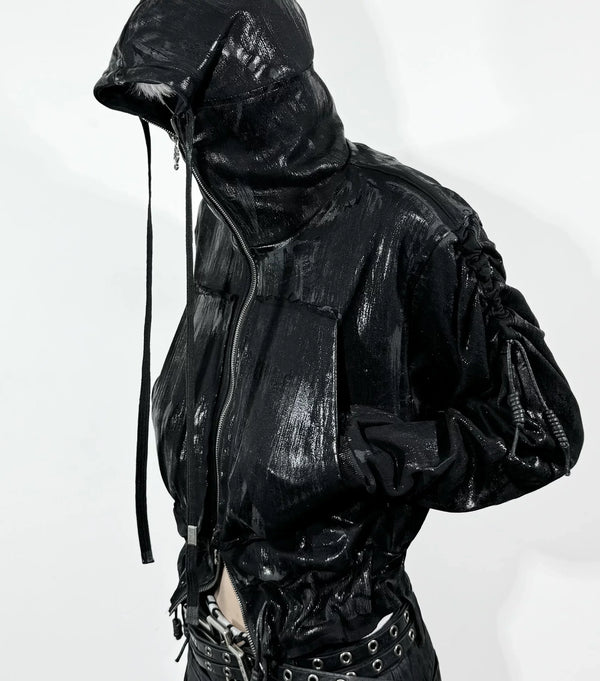
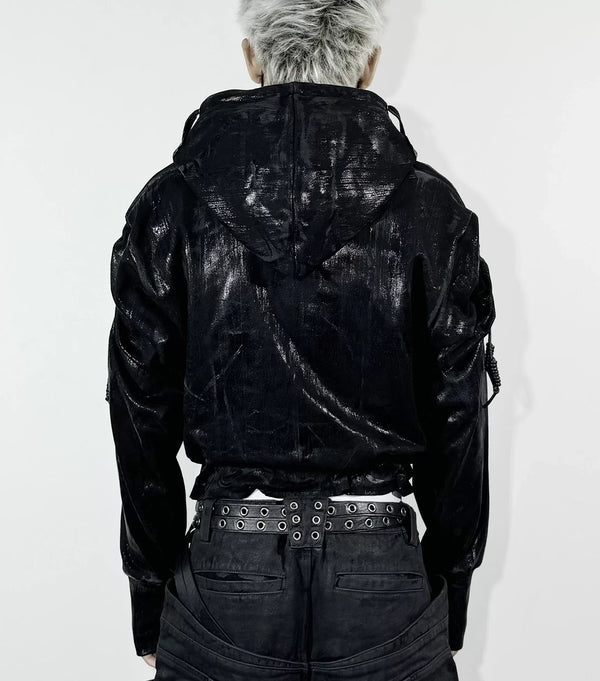
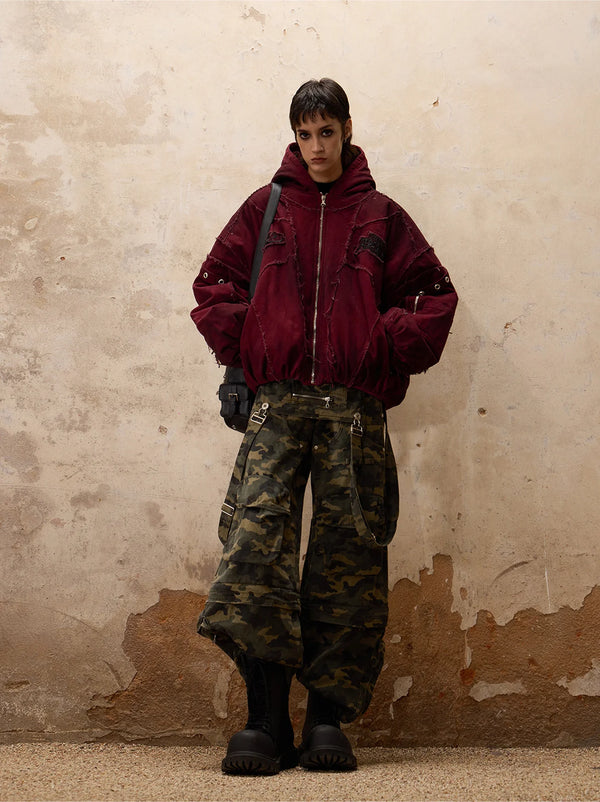
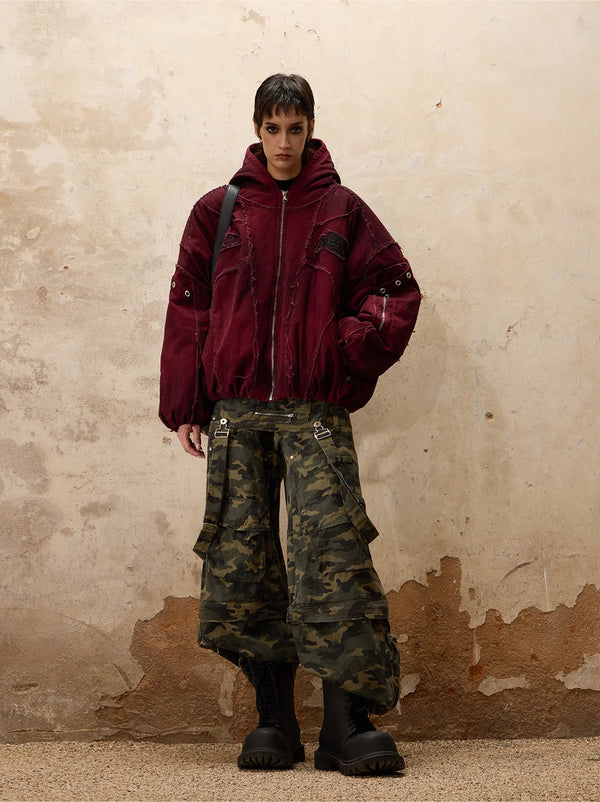
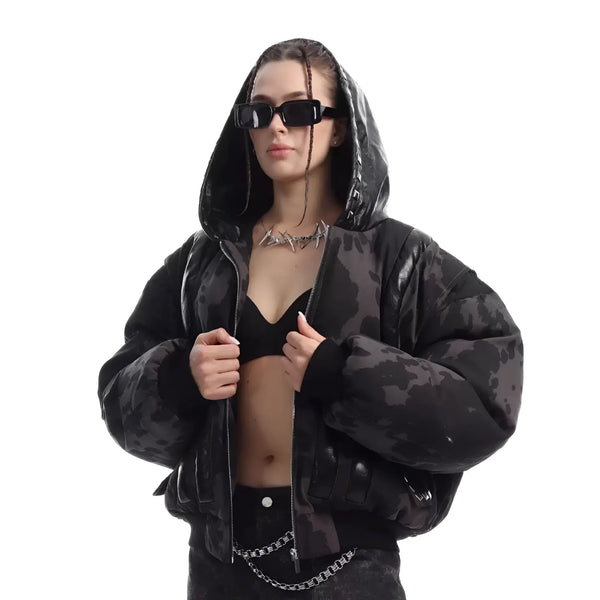
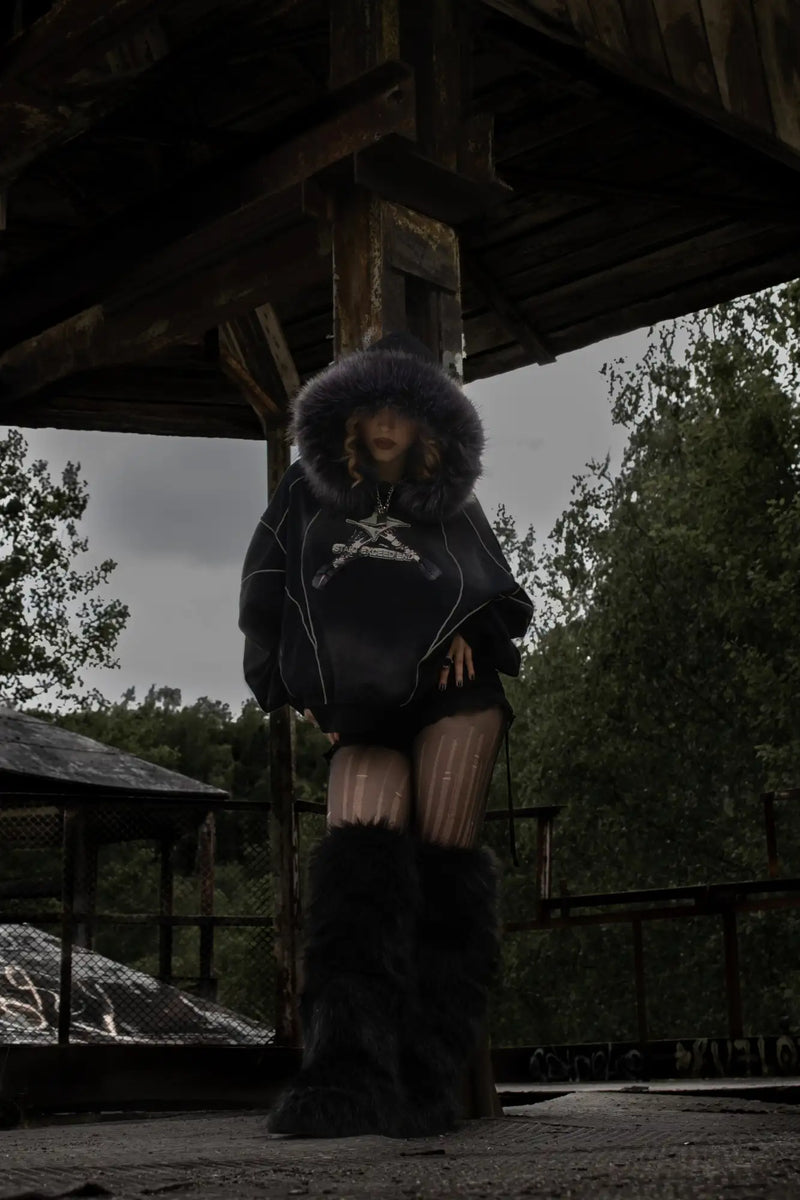
In Korean streetwear the jacket is not the last element you pull on. It is the first element that defines the whole look. Bomber jackets are the all-rounder: short cut, round shoulders, neutral fabric. They work over cargo pants just as well as over wide-leg jeans. Varsity jackets carry the school-cool vibe and read as Korean-coded immediately. And cropped jackets play with proportion – short upper body, long lower body, the classic K-Fashion silhouette.
What matters: the jacket has to show the waist, or at least suggest it. That is the fundamental difference to western streetwear, where jackets often hide the body on purpose. Korean Fashion for Girls works with the proportion, not against it. A bomber jacket that ends at the hip changes the whole look – suddenly the wide-leg underneath reads proportional instead of hiding the body in a block of fabric. The Korean tops and shirts do the rest.
Layer logic is the heart of every Korean Girl Outfit. Once you understand how Seoul girls build their looks, you do not need outfit inspo any more – you build your own.
The layer logic has a built-in self-test: take one piece off. If the look still works afterwards, the piece was redundant. If it falls apart, the piece was load-bearing. Every element in a good Korean Girl Outfit is either load-bearing or not there. There is no middle ground, no “nice extra”. That sounds strict, but it simplifies the wardrobe radically. You need fewer pieces because every single one works.
In practice: put on the base layer. Mid layer over it. Go to the mirror. Does the proportion work? Narrow on top, wide at the bottom? Or voluminous on top, narrow at the bottom? Good. Jacket over it. Does it change the silhouette? It should. If not, different jacket. Accessory last: a cap changes the head proportion, a ring pulls the eye to the hands, a bag sets a colour accent.
ACCESSORY CODE
Korean Fashion accessories for girls – cap, bag, ring
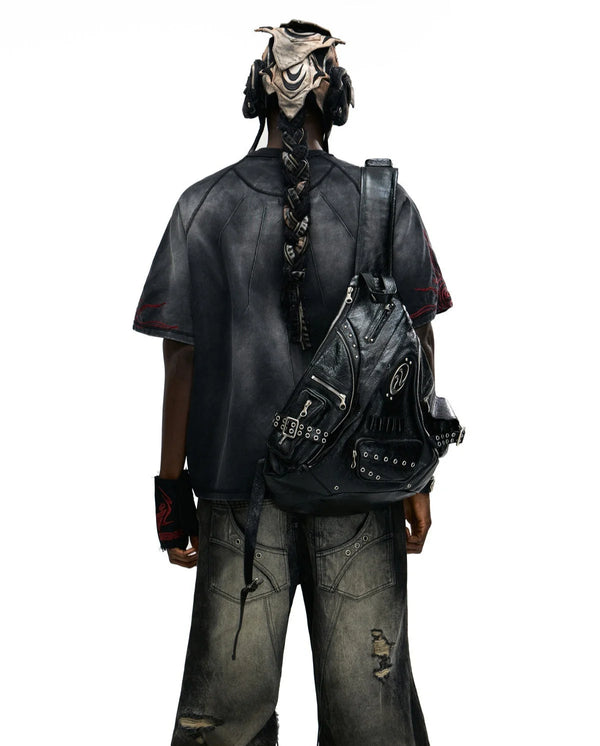
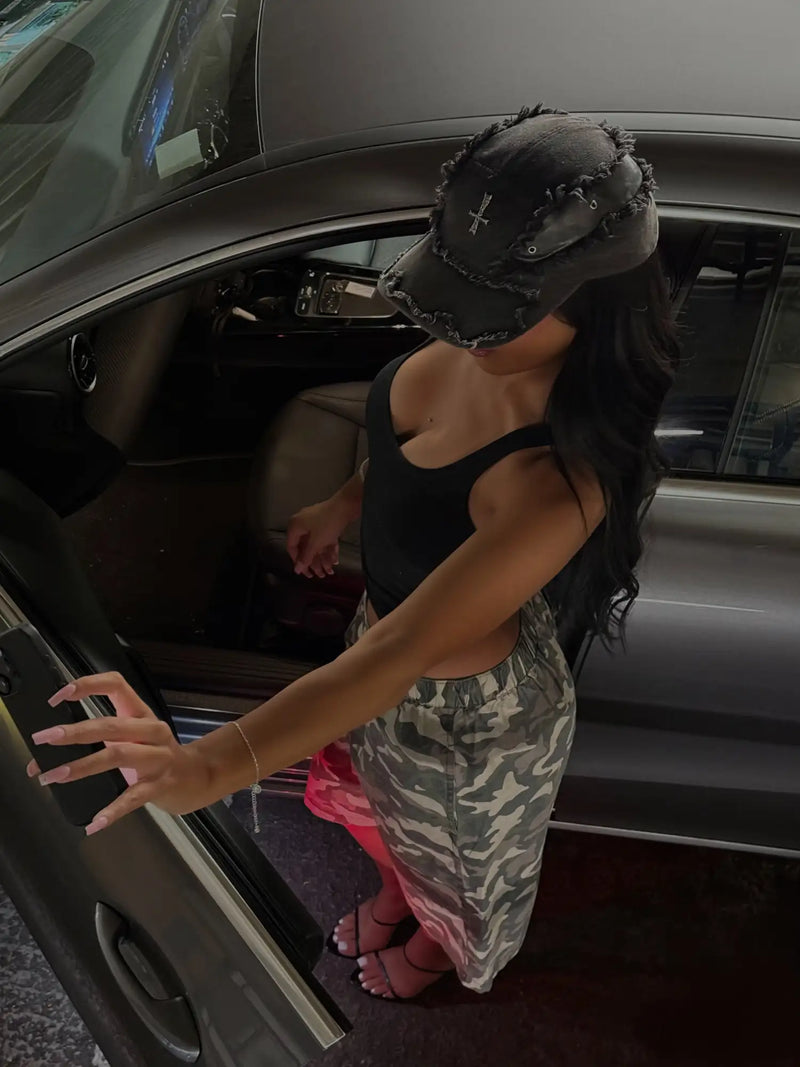
Korean Fashion Accessories follow a clear hierarchy: one loud piece per outfit, everything else quiet. The cap is the most common statement accessory because it changes the head proportion and reads immediately in photos. Distressed denim caps and fuzzy caps are the two poles – raw vs. soft, street vs. cute. Bags come structured and small: cross-body or mini bag, never shopper or tote. And rings are the most subtle code – a single statement ring on the index finger signals that the look is no accident.
What you leave off matters as much as what you wear. No statement chains with statement caps. No bold earrings with bold rings. Korean accessory logic is subtractive: you add pieces until one is too many, then take that one back off.
What sets the accessory choice in Korean Fashion for Girls apart from other streetwear styles: there is no bling factor. No glitter, no rhinestones, no gold overload. The most valuable accessories in K-Fashion are the ones you notice on second glance – not on the first.
SHOPPING STRATEGY
Where to get Korean Fashion for Girls – without the customs trap
The question “Where do Korean girls buy their clothes?” has two answers: in Seoul directly (Dongdaemun, Goto Mall, online platforms like Musinsa and W Concept) and outside Korea through curated shops that bring the Seoul look to Europe. If you are sitting in Germany, you have a customs problem: orders above 150 euros from non-EU countries cost import VAT plus customs fees. That makes direct-from-Korea shopping uneconomical for bigger hauls.
The more practical route: EU-based shops that carry Korean streetwear silhouettes without you having to deal with customs paperwork. Fūga Studios curates Korean Fashion with a focus on silhouettes and materials that hit the Seoul street standard – wide-leg cuts, oversized proportions, statement jackets, accessories with character. Shipping within the EU, no customs stress, and the sizes are already calibrated to European measurements.
One tip on sizing: Korean sizes generally run smaller than European ones. What counts as L in Korea often matches a German M. If you order directly from Korea, go one size up. With affordable Korean Streetwear through European shops this problem disappears, because the sizing charts are already adjusted.
ERROR RADAR
5 Korean Girl Outfit mistakes you spot instantly
Experienced Korean-fashion people spot these five mistakes at first glance. Not because they are snobbish, but because the mistakes break the proportion logic the whole look is built on.
TYPICAL MISTAKES
- Skinny jeans with an oversized top: breaks the proportion rule. A wide top needs a wide trouser, or you lose the silhouette completely.
- Too many accessories at once: statement cap plus statement chain plus statement ring. Korean Fashion works subtractively. One loud piece, the rest quiet.
- Colours without an anchor: five different colours in one outfit. K-Fashion works with three tones at most. Anything beyond that destroys the visual calm.
- Jacket too long: if the jacket reaches past the hip, the waist disappears. K-Fashion jackets end at or just below the waist. That is not negotiable.
- Pinterest copy without body adjustment: the look works on the model because the model is 170 cm and a size 34. You are something else. Copy the principle, adapt the details to you.
The good news: all five mistakes are proportion mistakes, not style mistakes. You do not need different clothes – you need different combinations. The same pieces, stacked differently, solve every single point.
FREQUENT QUESTIONS
Frequently asked questions about Korean Fashion for Girls
The questions that keep coming up about Korean Girl Outfits – answered compactly.
What is the 3-3-3 rule in Korean Fashion?
The 3-3-3 rule is an informal styling principle from Korean streetwear: a maximum of 3 colours, 3 different textures and 3 proportion zones (head/upper body/lower body) in one outfit. It works as a self-check before you leave the house. If one of the three categories has more than three elements, the look is too loud.
What is the Korean outfit style officially called?
There is no single official term. The style is most often called “K-Fashion” or “Korean Streetwear”. Sub-genres like Acubi, Korean Minimalism or Seoul Street Style describe more specific variants. In the international fashion press “K-Fashion” has become the umbrella term.
Which Korean brands are popular with teenage girls?
On the Korean market labels like Musinsa Standard, Kirsh, Nerdy, Mahagrid and Sculptor dominate. Internationally accessible are above all Ader Error and Gentle Monster (accessories). In Europe curated shops like Fūga Studios offer Korean-Fashion silhouettes without direct Korea import, which avoids customs problems.
Can you wear Korean Fashion for Girls in summer too?
Yes. In summer the layering logic shifts: instead of three layers you wear two, and the silhouette is carried by wide shorts, oversized tees and light shirts. The proportion rules apply identically. Mesh tops as a base layer, cargo jorts and a light overshirt are the typical Seoul summer look.
Do you need expensive designer clothes for Korean Fashion for Girls?
No. Korean Fashion works through proportions and colour logic, not through labels. A 15-euro polo shirt in the right fit beats a 150-euro designer tee in the wrong silhouette. Invest in fit and a limited colour palette, not in brands. One investment piece per season is enough if the basics are right.
Korean Fashion for Girls is not a Pinterest mood you recreate once and then forget. It is a system of proportions, colour logic and layering that you understand once and then apply to every piece in your wardrobe. Three colours, one silhouette, one accent.
CONCLUSION
Korean Girl Outfit is not a trend. It is a proportion logic.
The Seoul look for girls does not work through brands, not through budget and not through trends that are gone again next month. It works through a set of rules: narrow on top, wide at the bottom. Three colours at most. One loud piece. The rest stays quiet. Once you have understood that, you do not need outfit inspiration any more. You build it yourself.
What do you think?
Tell us on @fuga_studios
About the author
Philipp Fuge — Founder · Berlin
Founder of Fūga Studios. Writes the journal himself. Berlin · Shanghai · Tokyo · Poznań — four cities, one logic.