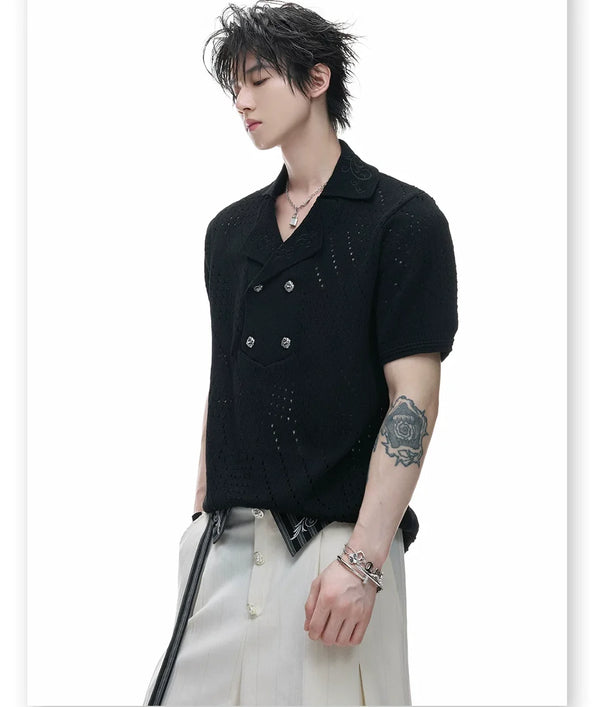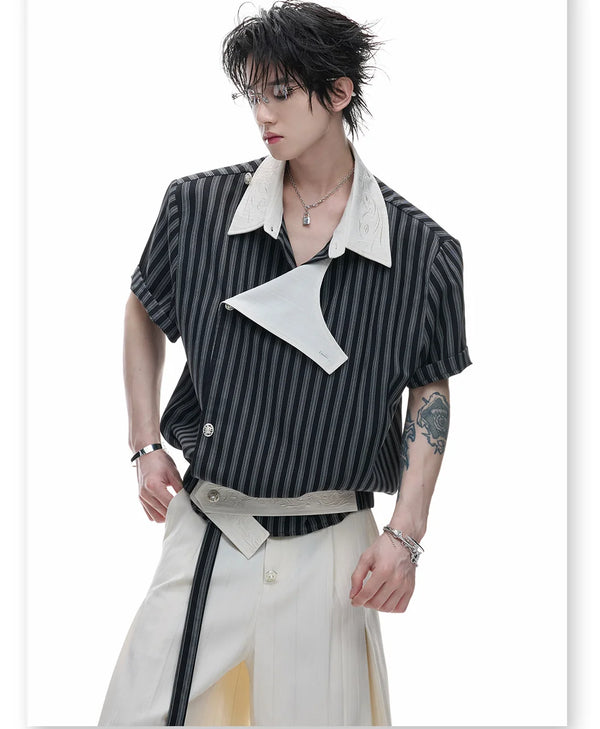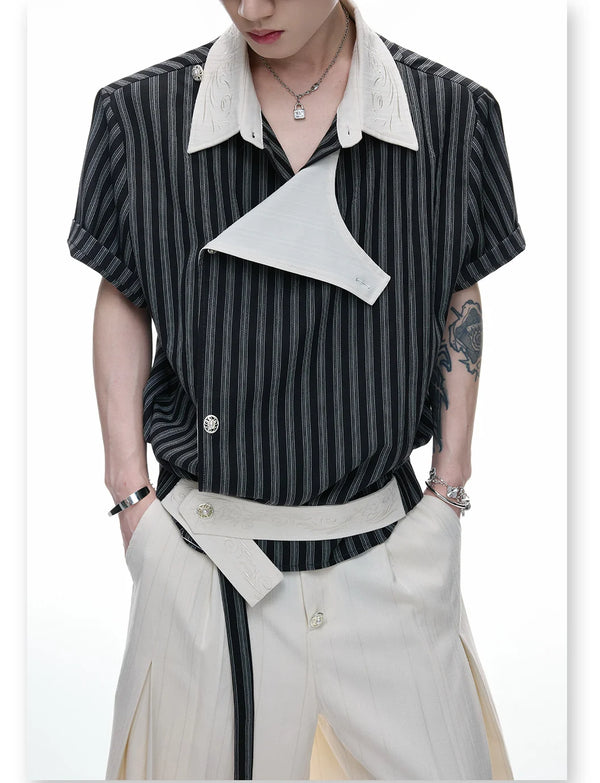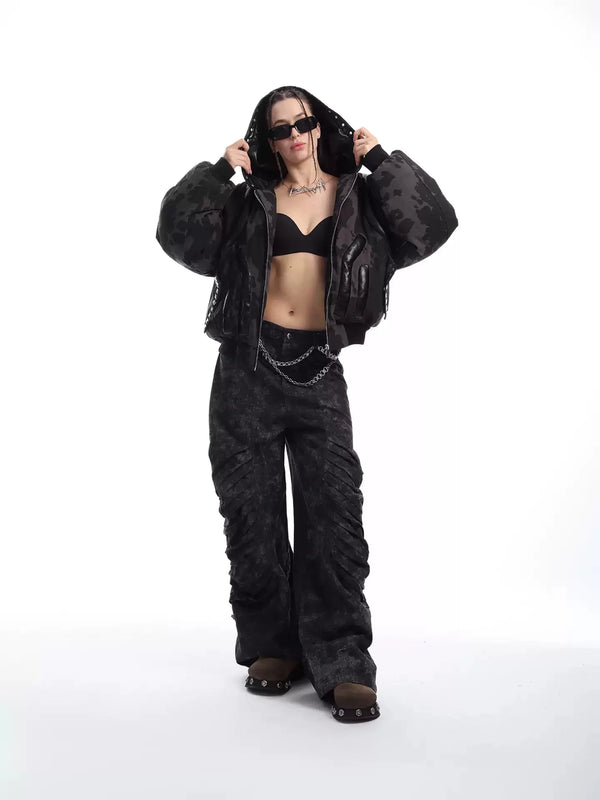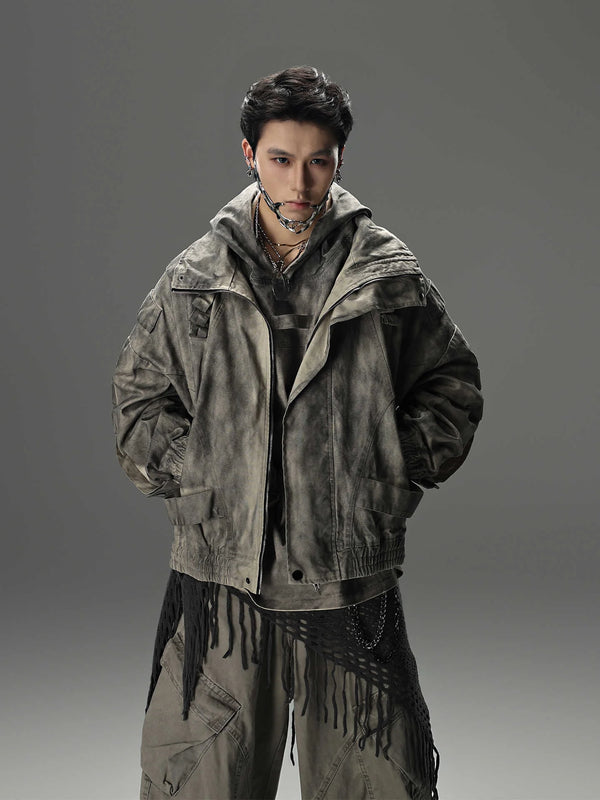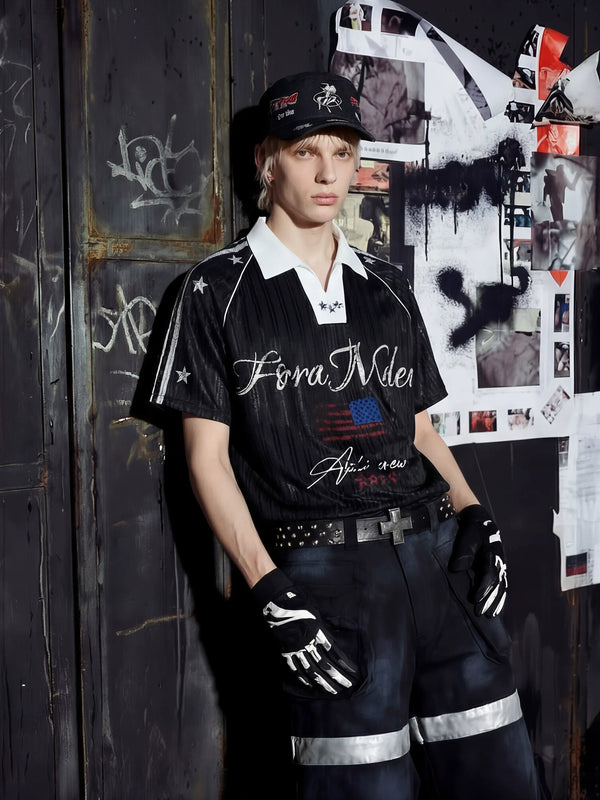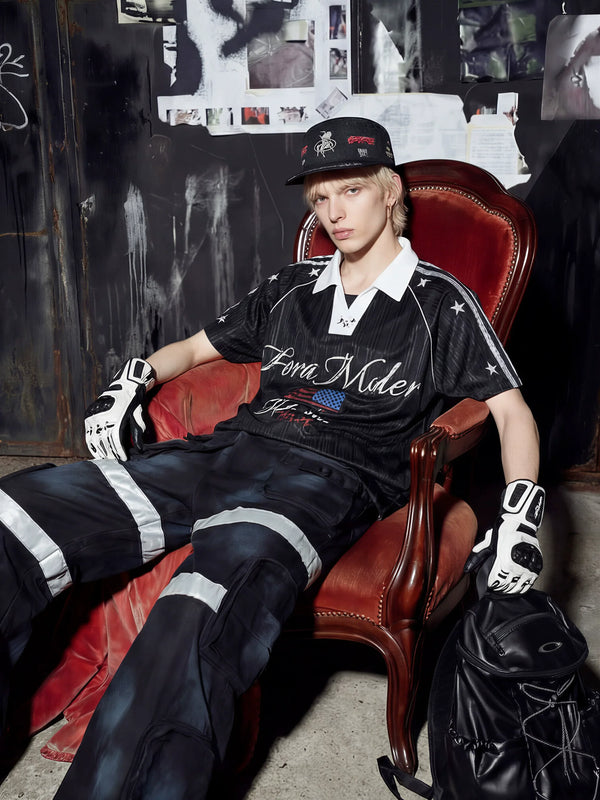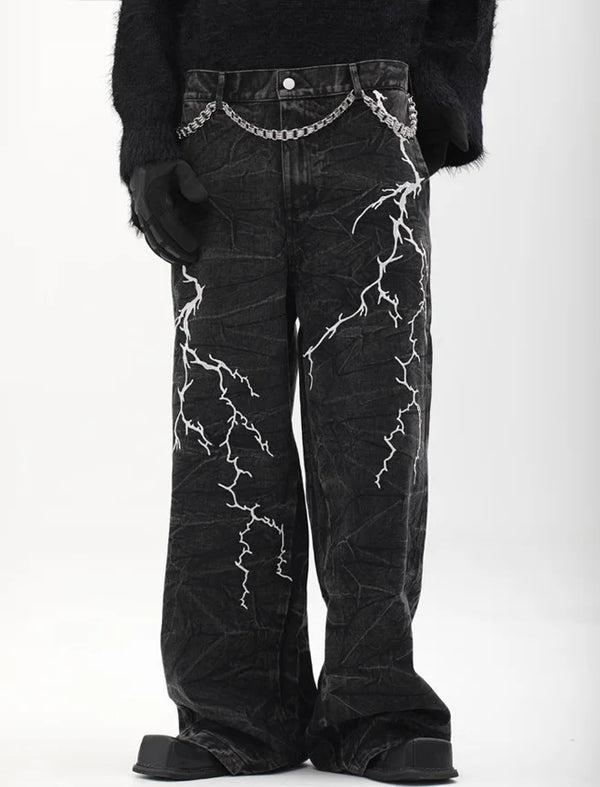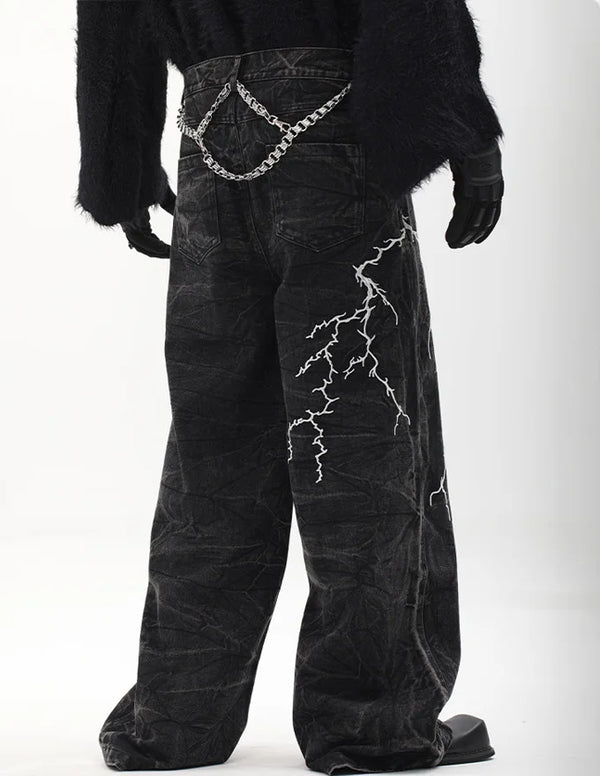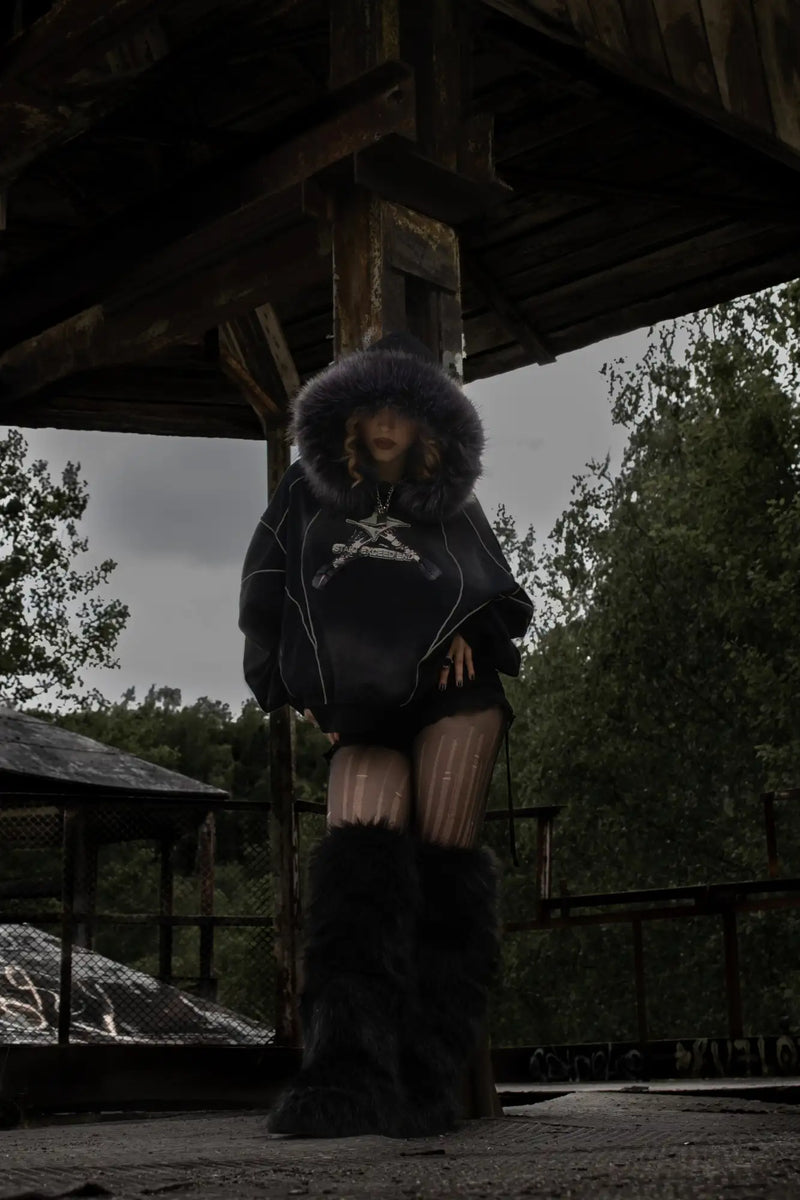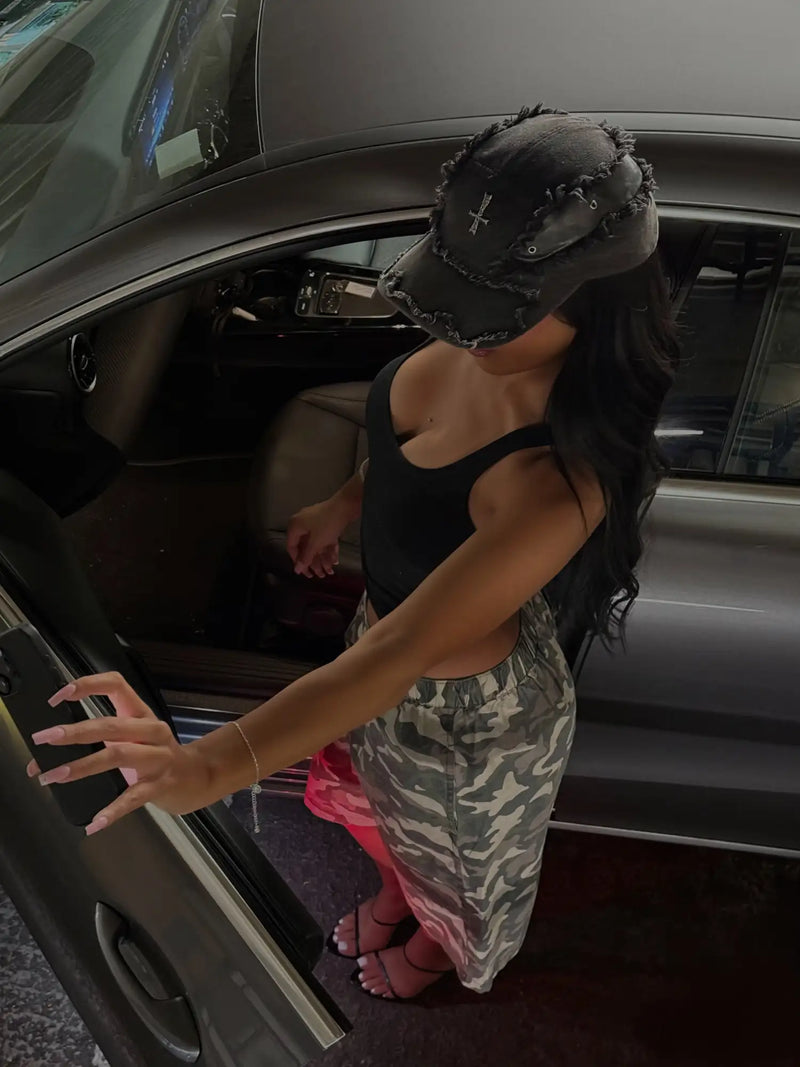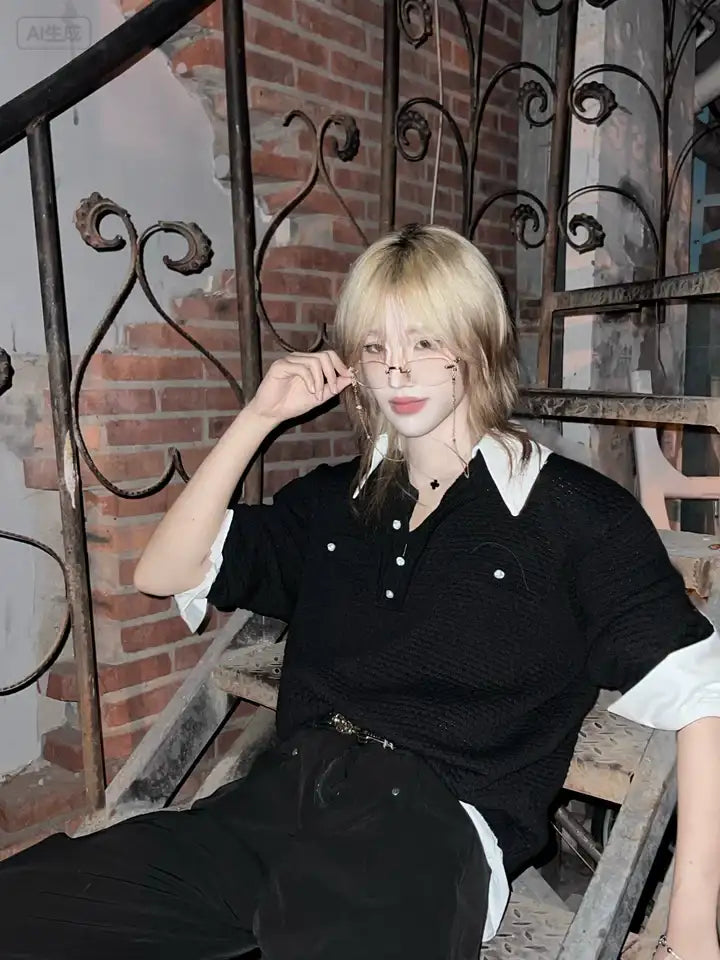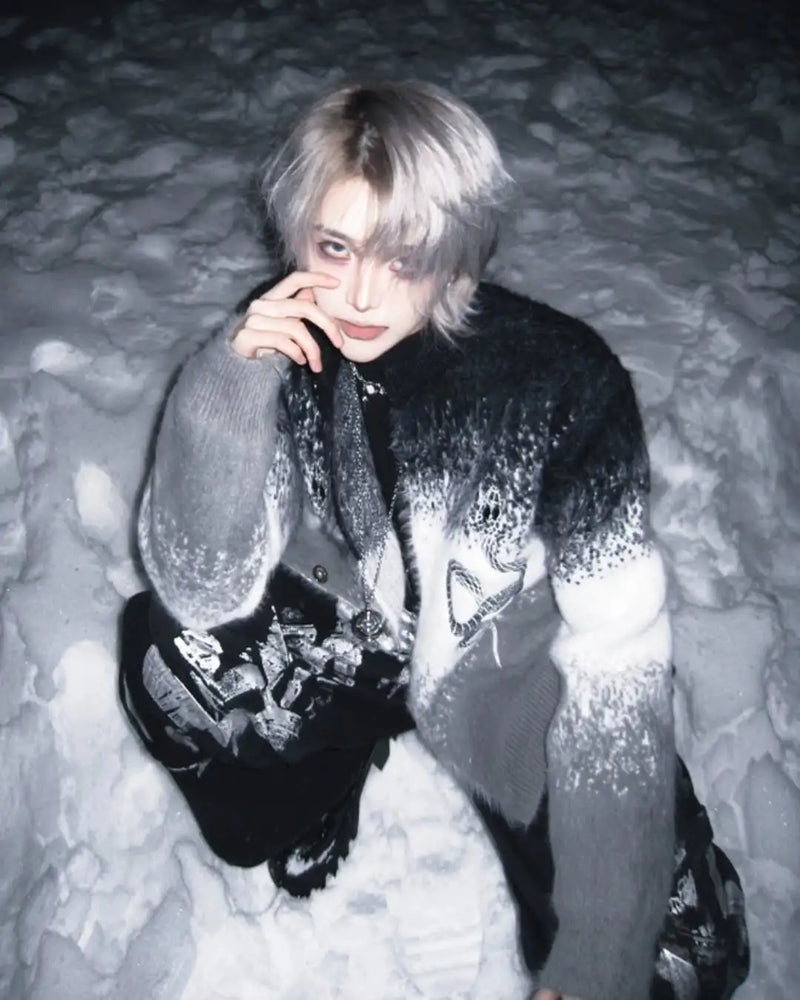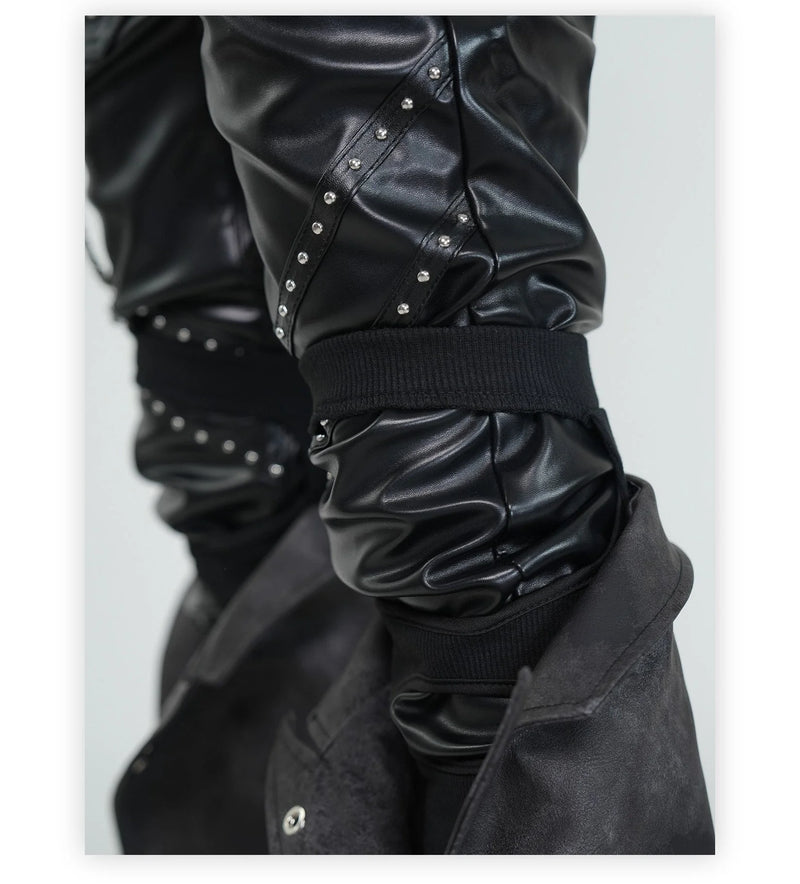
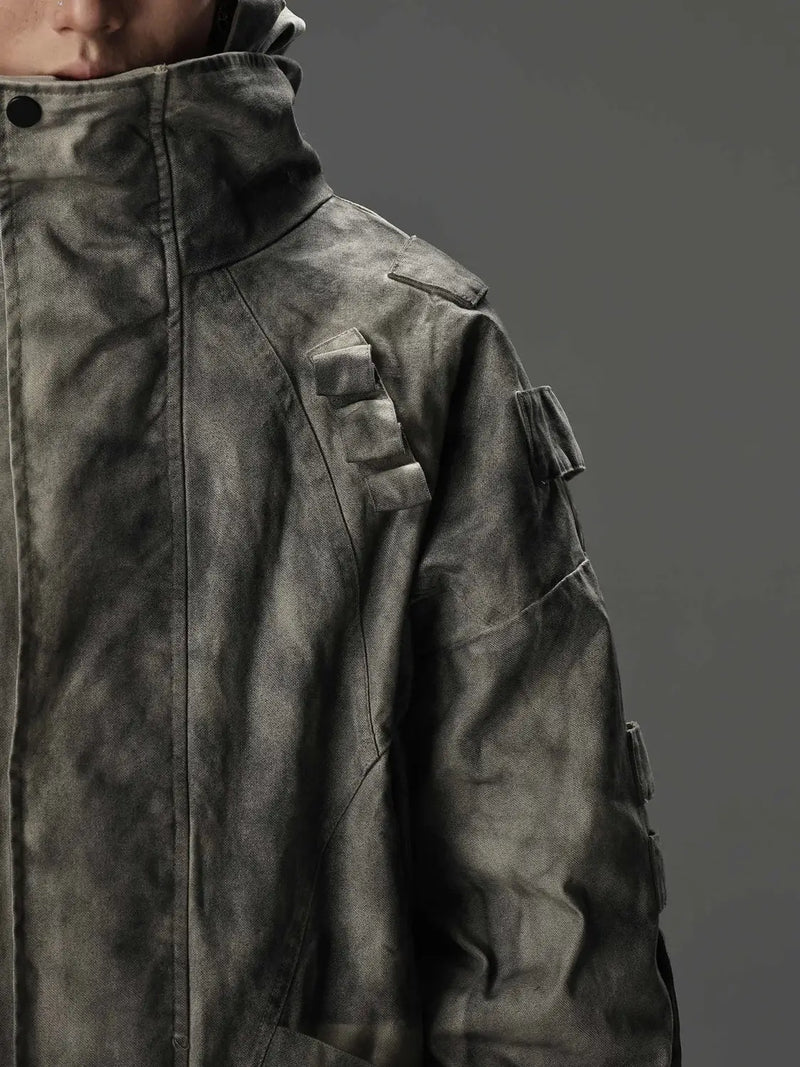
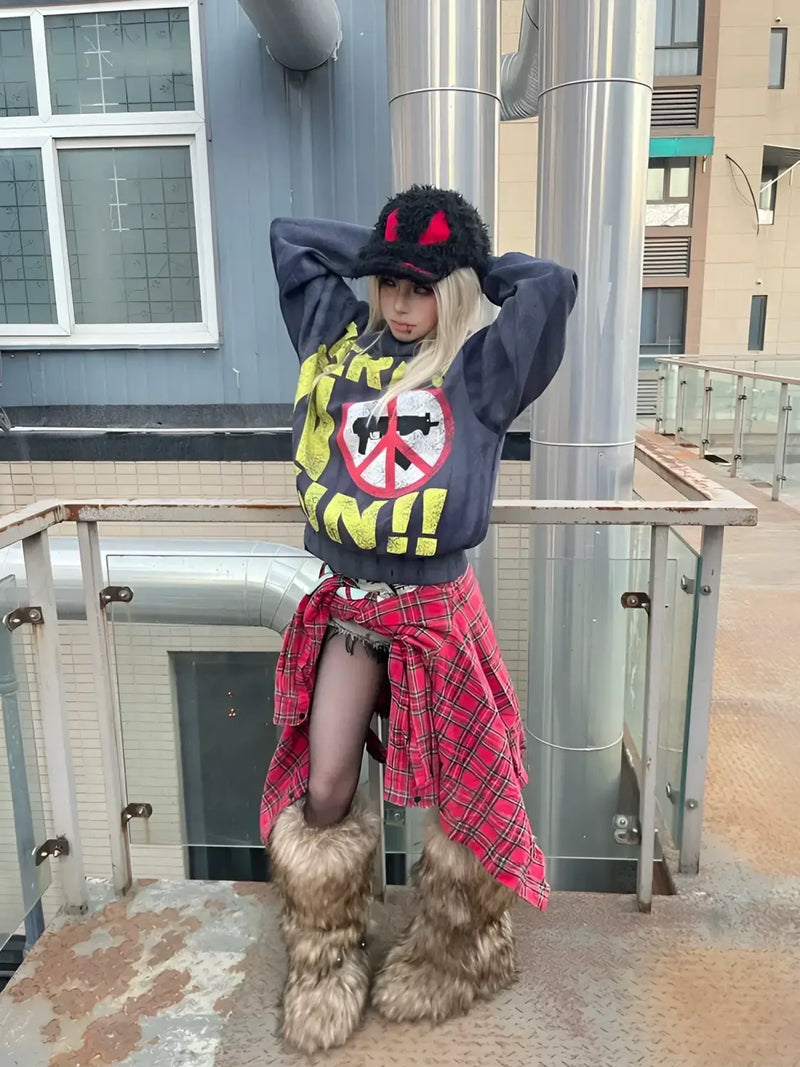

Everyone says Ulzzang is “that cute Korean look”. They're wrong. A cardigan plus baggy jeans makes about as much Ulzzang as a suit makes a banker — which is to say, none at all.
Since the early 2000s, Ulzzang has been a Korean cyber-beauty movement that turned into a fashion language. “얼짱” literally means “best face”. It was never just an outfit system, but a complete code: clean skin, soft lines, oversized layers in Seoul-specific proportions. Anyone selling the code as “Korean school girl cosplay” has mistaken the origin for a Pinterest mood board.
This guide clears it up: what the word “Ulzzang” really means, how the look separates from K-Pop and K-Fashion, why Seoul outfits need different proportions than Western ones, which brands actually write the code — and which six mistakes tip your outfit over.
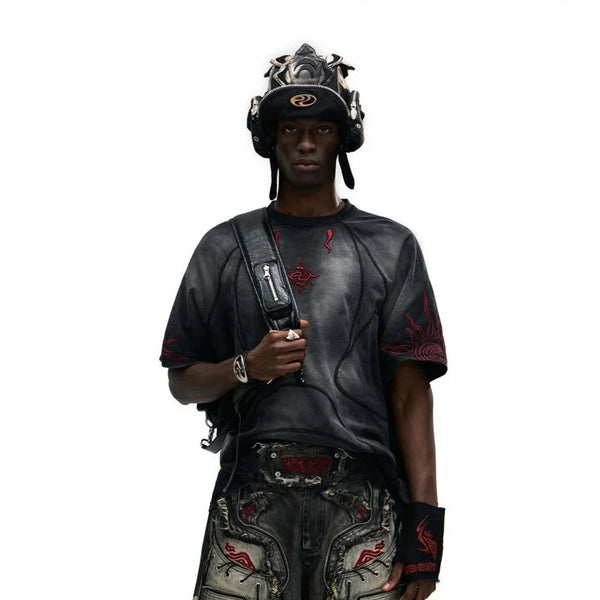
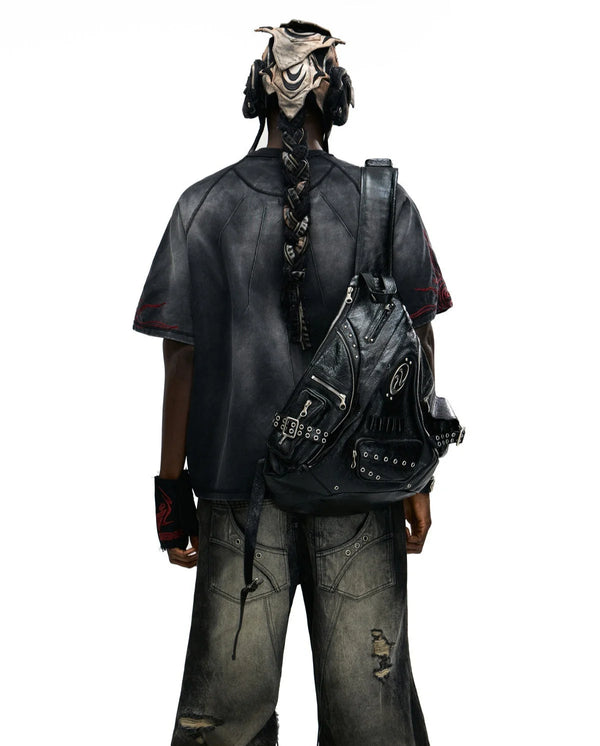
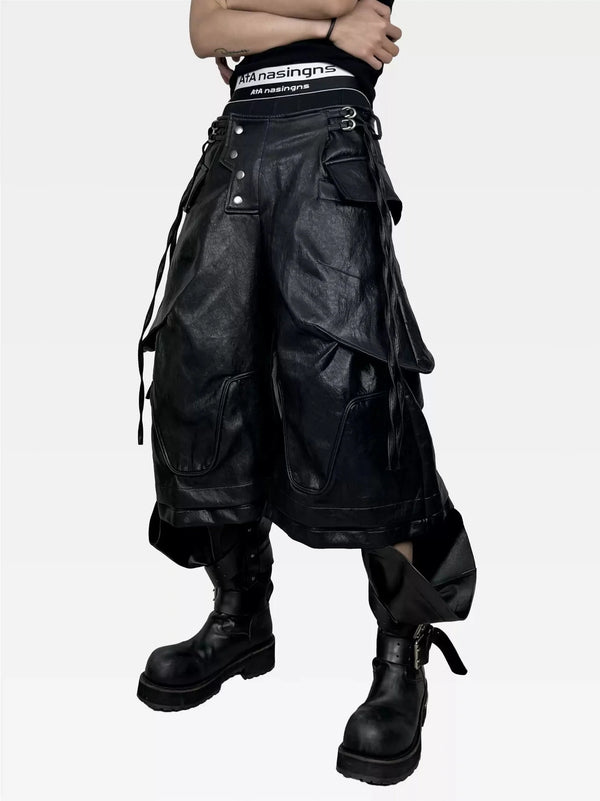
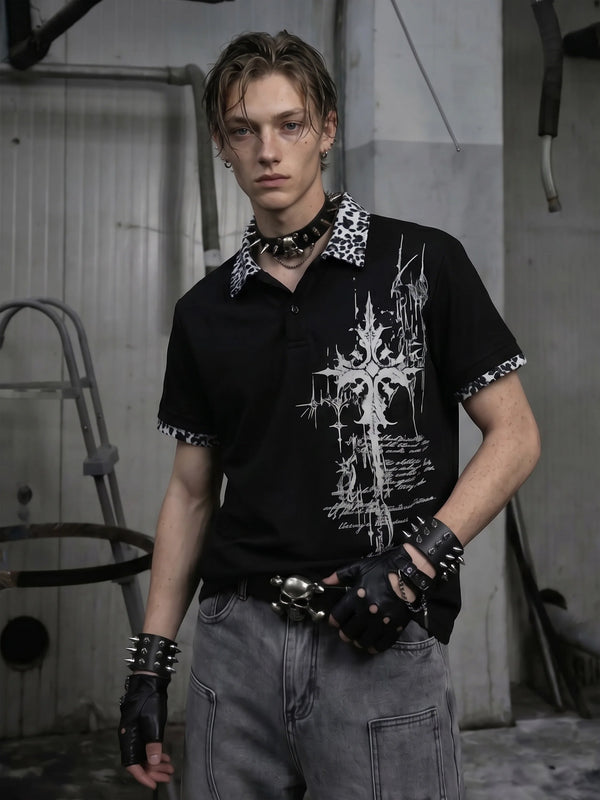
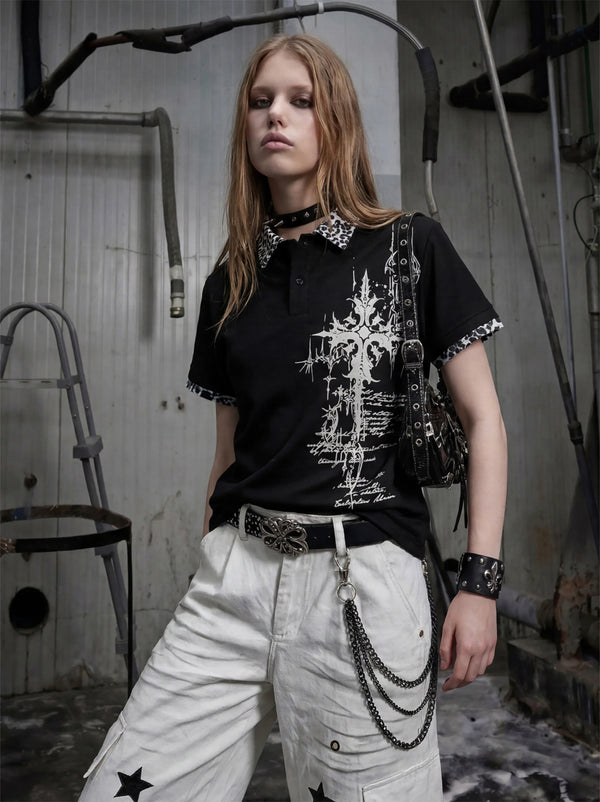
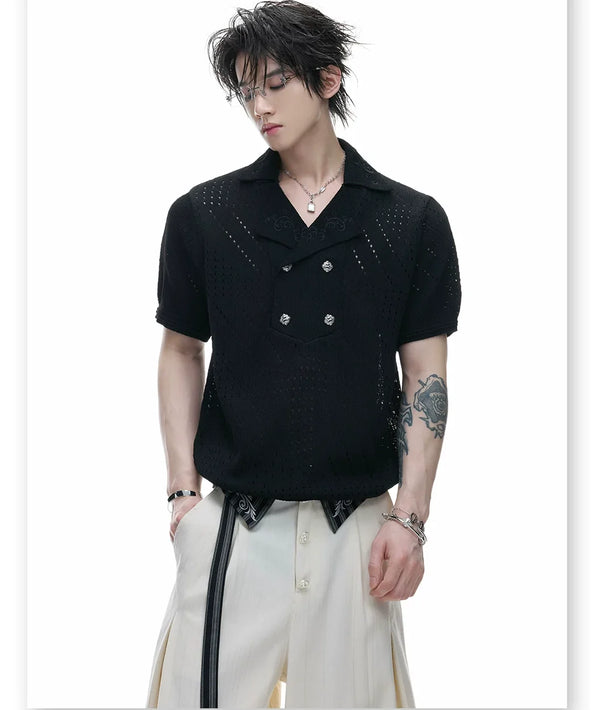
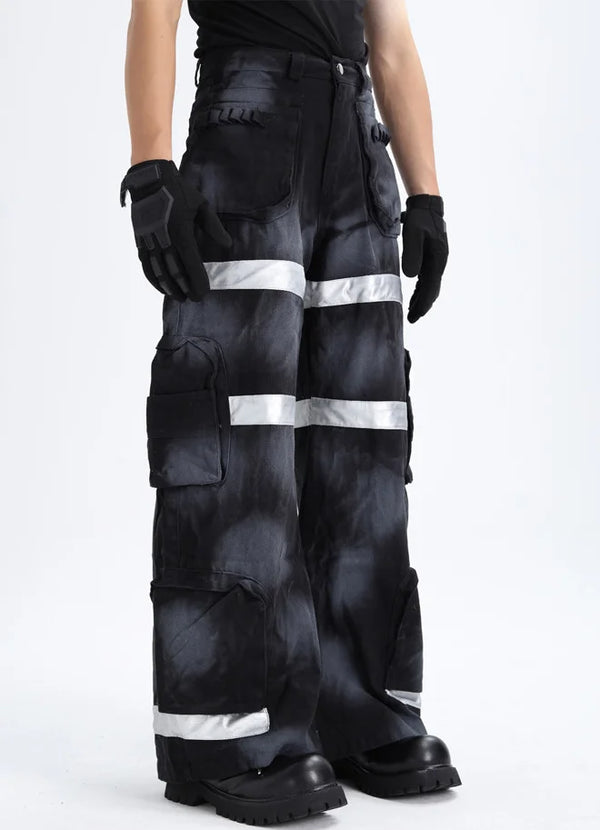
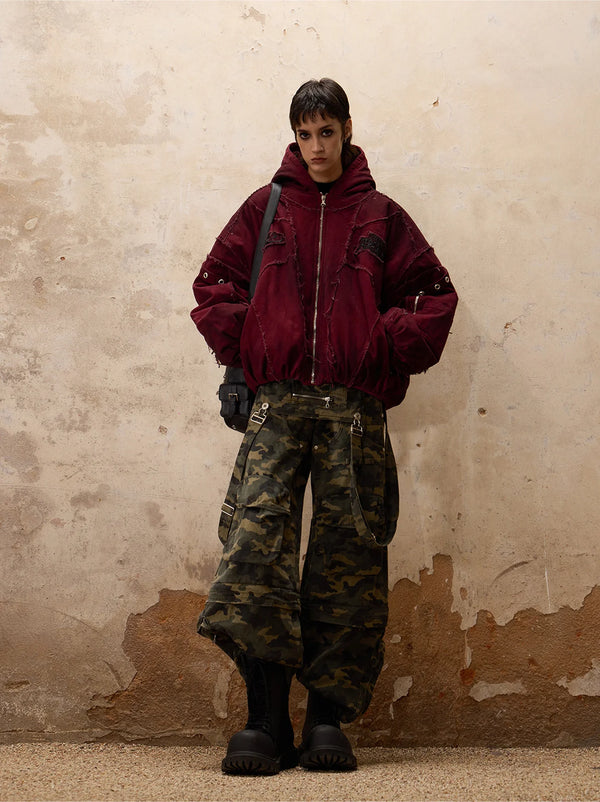
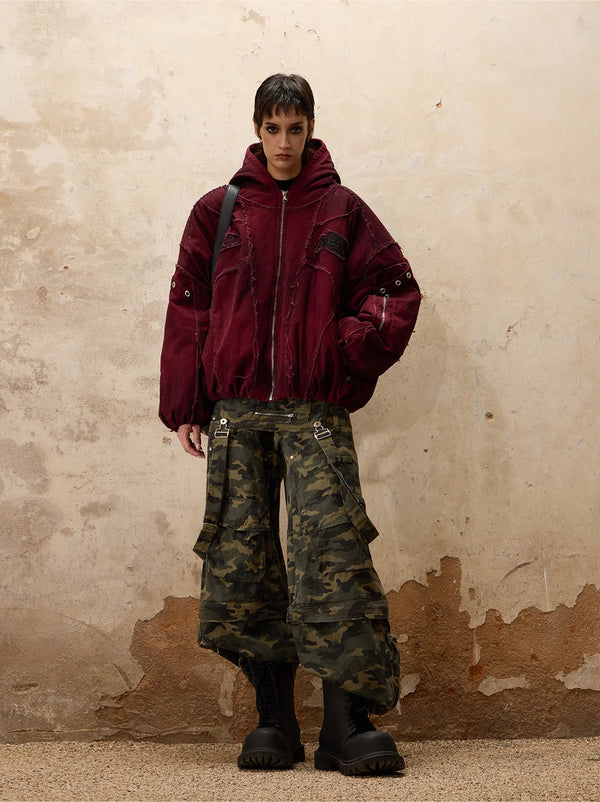
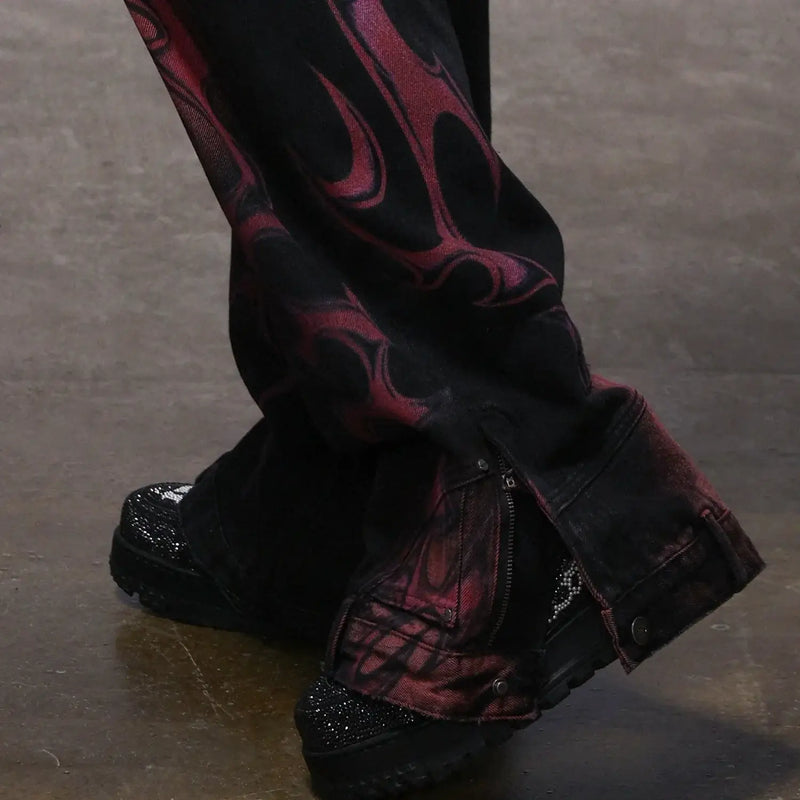
This is what the proportion looks like in motion — the cut that separates Ulzzang from Western Streetwear:
Origin
What does Ulzzang mean — and why is it more than just fashion?
“Ulzzang” (얼짱) is the short form of “eolgul-jjang” — literally “best face”. The term emerged between 2001 and 2003 in Korean Cyworld forums and Daum communities, where young users uploaded self-portraits and were ranked in beauty rankings. Whoever made the top tier was an Ulzzang. Fashion was just a by-catch at first.
Around 2007 the beauty movement turned into a style code. The first Ulzzang stars — Park Hye Min, Lee Chae Eun, Hong Young Gi — became models and designers. Their brands (StyleNanda, Chuu, Mixxmix) sold the vocabulary abroad. From 2013 Ulzzang was known in Japan, Taiwan and the Western K-wave as “Korean Casual” — mostly misunderstood as pure fashion, without the beauty part.
What really defines the code: face and skin are half the outfit. A perfect layered outfit with wrecked skin and unkempt hair doesn't read as Ulzzang on the streets of Seoul — it reads as tourist cosplay. Anyone who wants to build the look has to understand that at its origin it's about the composition of face, hair and clothing. Your headshot is just as much part of the outfit as your trousers.
Definition
What belongs to the Ulzzang style — the four layers
Ulzzang isn't an outfit system of pieces, but a four-layer system: Skin, Hair, Silhouette, Layer. When three of the four sit right, the look reads as Ulzzang. Miss one — usually Skin or Silhouette — and the outfit tips into Streetwear, into Y2K revival or worse: into “Western interpreting Asian”.
4
Layers (Skin / Hair / Silhouette / Layer)
70 / 30
Volume below / Narrow on top
5
Neutral colours (cream, black, charcoal, beige, off-white)
1
One pastel accent at most per outfit
The four numbers aren't decoration. They're the test. An outfit that breaks one ratio — three pastel accents, or 50/50 volume instead of 70/30, or a neon colour instead of neutral — isn't Ulzzang anymore. It's “Ulzzang inspiration”. Which in plain terms means: Western Streetwear with an Asian filter.
Concretely, the Ulzzang style includes:
- Clean skin as part of the outfit — minimal glow makeup, no heavy contouring. A cardigan over bad skin doesn't read as Ulzzang.
- Soft hair in a matte colour — dark brown, soft black, honey, ash. Black with shine is wrong. Bleached platinum is K-Pop stage, not everyday Ulzzang.
- An oversized layer in the middle — cardigan, knit sweater, cropped bomber. Sits one to two sizes above standard, but falls clean.
- Wide trousers or a midi skirt — wide-leg, pleated skirt, baggy jean. Skinny has been dead in Seoul since 2018, still in the closet in Berlin and LA.
- White or cream sneakers — Adidas Samba, Onitsuka Tiger, New Balance 530 in cream tones. No Air Force 1 bicolour, no chunky dad sneakers with logos.
- One accessory point — baseball cap, tote bag, understated jewellery. Not all three.
If you're missing three of the six points, it's no longer Ulzzang — it's inspiration. And there's one rule that holds all six together:
Silhouette logic
Why Seoul proportions differently — the silhouette logic
If you put a classic Carhartt WIP outfit (baggy on top plus baggy below) on a Seoul body, it looks like a sack on two columns. If you put the same outfit on a 1.90-metre Berliner, it looks proportional. That's the central difference — and that's why Ulzzang works differently as a fashion system than Western Streetwear.
Average height in South Korea is around 173 cm for men and around 161 cm for women. In Germany it's around 180 / 167. Six to seven centimetres sound like little — but in silhouette effect they're the difference between “worn” and “swallowed”. Seoul designers responded to it: an oversized layer in the middle, volume below, a slim line on top.
Concretely that means: a cropped bomber + wide-leg jean makes a smaller figure taller, because the crop pulls the waist up and the volume below pushes the floor visually further away. A long coat + skinny pants does the opposite — it compresses the figure. In Berlin or London it doesn't matter, in Seoul it's an outfit killer.
Western buyers often import the pieces, not the logic. They buy the wide-leg but pair it with an oversize tee — and wonder why it doesn't look like Instagram. The pieces are only half. The other half is the distribution.
Gender split
Ulzzang girl vs Ulzzang boy — where the look splits
The four layers apply to everyone. What differs is the composition — what sits where, which layer carries the outfit, which accent sets the line. Ulzzang is never a single look, but four sub-iterations, depending on gender and mood. If you look at old-school Ulzzang feeds (2012–2016) and new ones (2023–2026), you'll see these four cleanly separated.
Which of the four suits you depends less on gender than on your energy and on how much attention you wanted. Soft Girl isn't more feminine than Bookstore Boy — both work cross-gender. Anyone telling men “you can't wear a cardigan” wasn't watching Seoul in 2012.
Differentiation
Ulzzang style vs K-Pop vs K-Fashion — what belongs to what
Anyone googling “Korean style” gets three terms that look like synonyms and aren't. Clearing it up before we go on:
K-Fashion is the umbrella term for everything fashion that comes out of South Korea — high fashion (Wooyoungmi, Juun.J), Streetwear (LMC, thisisneverthat), beauty-driven casual (Stylenanda), Hanbok modernisations. K-Fashion is an industry category, not a look.
K-Pop style is the stage look of the pop stars — colourful, glittery, choreography-ready, often custom-made. NCT, BTS, NewJeans, Le Sserafim. Nobody wears it that way on the street. K-Pop stage outfits are costumes in the literal sense — produced for TV and stage, not for everyday life.
Ulzzang style is everyday fashion from the cyber-beauty tradition — clean, layered, soft, four layers plus the 70/30 rule. Ulzzang is what a Seoul student puts on in the morning before heading to SNU. K-Pop is what an idol wears at the MAMA Awards.
The confusion: Western magazines lump all three under “Korean fashion”. The consequence: TikTok tutorials explain “K-style” but show K-Pop stage looks and call the outfit inspiration. Anyone copying that builds a stage outfit for a corner-store run — and wonders why it doesn't sit.
Brands
The brands Seoul actually wears
Ulzzang has no single brand. It's a composition from the Korean Streetwear spectrum — what a Seoul student wears comes from the same seven or eight labels, again and again. Anyone who understands the vocabulary can build Ulzzang even completely without a Korea reference.
The brands that write the Ulzzang vocabulary — sorted by entry price and mainstream availability:
- thisisneverthat — in Seoul since 2010. The plain hoodies, cargo pants and vintage tees in a clean palette. The standard for the Bookstore-Boy and Street-K iteration.
- ADER error — colour-block knit, oversized knit, pastel pop. The Soft-Girl iteration's favourite brand. Strongly available internationally.
- Andersson Bell — Korean-Scandinavian. Knit cardigans, pleated skirts, soft wool. Anyone building Soft Girl seriously buys here.
- Beyond Closet — preppy-Korean. Polo, cable knit, pleated pants. Bookstore Boy without the wink.
- MISCHIEF — Berlin-Seoul bridge. Neutral palette, oversized cuts, minimalist branding. Underrated among German buyers.
- LMC (Lost Management Cities) — graphic Streetwear, logo drops, college crossover. The standard source for the Y2K hybrid.
- 87MM — daily-Korean. Sweaters, knit, polo. Functional, little statement, perfect for the layer system.
- Stylenanda (3CE) — beauty first, fashion second. Anyone wanting to understand Ulzzang historically looks at the 2012–2016 lookbooks here. Today more beauty.
Anyone wanting Ulzzang without designer prices searches resale (Grailed, Vinted KR) for these brands or DTC labels that translate the vocabulary competently. The cut logic matters more than the label.
Category · Outerwear
Ulzzang jackets — bomber, coat, knit cardigan
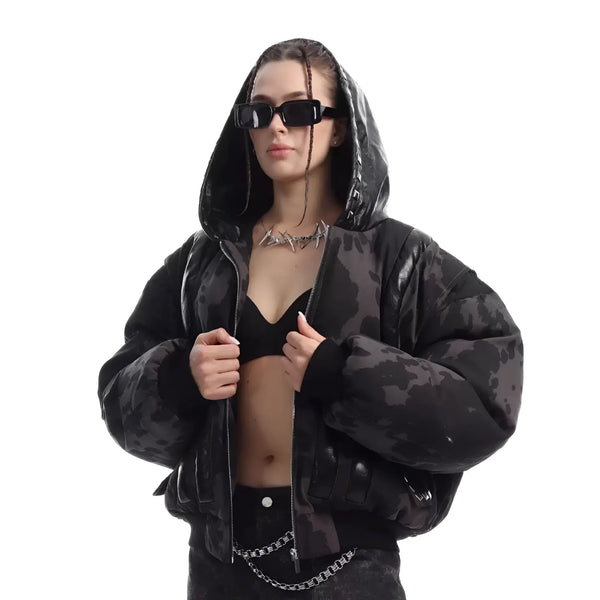
In Ulzzang the jacket is the middle layer — not the largest surface like in Opium, but the statement layer. This is where it's decided which of the four iterations the outfit tips into. A cropped bomber says Street-K. A cardigan says Soft Girl. A trench says Bookstore Boy. A denim jacket says Y2K hybrid.
Three outerwear types work in Ulzzang standard: cropped bomber (leather, sherpa, nylon), knit cardigan (cable, waffle, colour-block), and long coat or trench (wool, camel tones). The skinny leather jacket has been out since around 2017 — it reads as European today, not as Seoul.
If you don't own a cropped bomber yet, that's your first move. The middle layer carries more outfits than the trouser ever will.
Category · Bottoms
Ulzzang trousers — wide-leg, baggy, midi skirt
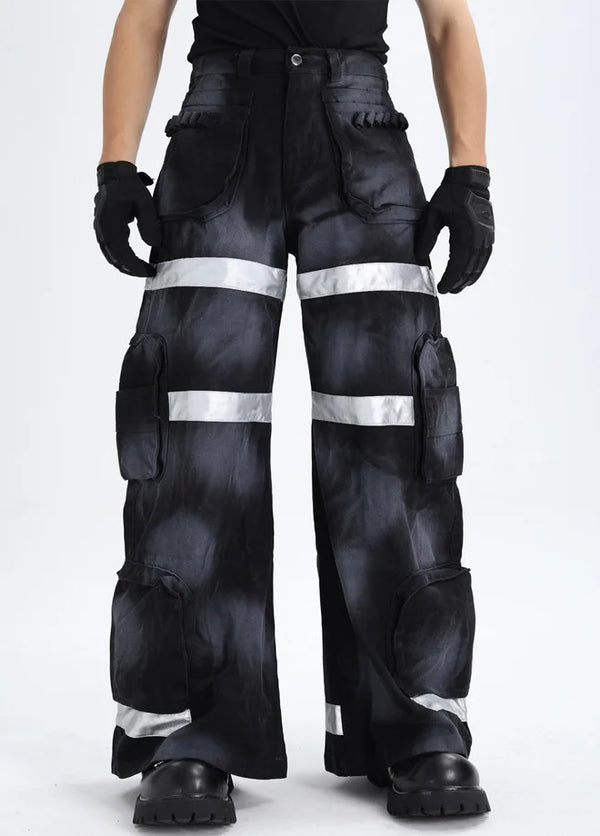
In Ulzzang the trouser is where the 70/30 rule sits. If there's no volume below, the whole outfit tips. If the wrong volume sits below (cargo instead of wide-leg trouser, or wide-to-the-floor instead of slim-falling), it tips too — just less visibly.
Working Ulzzang bottoms are worn high (on the waist, not below the hip), fall slim-to-medium-wide at the leg, and end before or at the floor — never bunched on the sneaker. Avoid anything tailored (skinny is dead) and anything too wide (baggy-sagging style is US hip-hop, not Ulzzang).
If you want to build a trouser that fits each of the four Ulzzang iterations, take a slim-falling wide-leg in charcoal or cream. That's the common denominator — Soft Girl wears it just like Bookstore Boy.
Category · Tops
Ulzzang tops — the layer on the body
Tops are the most inconspicuous of the four layers — and exactly for that reason they stand out when they sit wrong. A Seoul student almost never wears a printed graphic tee under her cardigan. It's cable knit, waffle polo, or a white long-sleeve with minimal branding. Tight-to-medium-wide, single-colour or with a subtle stripe.
The rule: clean on top, single-colour, body-close. Printed tees (brand logo, graphic print, Y2K slogan) are only allowed in the Y2K hybrid — and even there, understated. A plain white long-sleeve under a knit polo says more “Ulzzang” than any graphic print.
Anyone taking cable knit seriously tests it first in transition — mid-September to October in Berlin, around 14–18 degrees. That's when the layer sits perfectly solo, without a jacket over it. That's the most honest test of whether the piece sits.
Styling physics
How you really style Ulzzang — the proportion physics
An Ulzzang outfit works on exactly one detail: where the volume sits. 70 % below, 30 % on top — it sits. The other way around — it doesn't. Park Hye Min never spelled out this rule, but every one of her outfits between 2010 and 2016 keeps to it. Today's Seoul students know it intuitively.
“Korean fashion is proportion, not piece. Whoever understands the line builds 50 outfits with 15 pieces. Whoever only buys pieces has a full closet without a single outfit that sits.”
— Park Hye Min, in a 2017 interview with Vogue Korea
In practice that means: a tight cable-knit polo plus wide-leg pinstripe. Or a cropped bomber plus baggy jean. Never an oversize hoodie plus skinny jean — that's 2014 Western Streetwear, not 2026 Seoul. Reverse the ratio and the whole outfit tips. We've put the full breakdown with examples in a separate article:
But Ulzzang doesn't stand alone — it overlaps at several edges with other Korean and East Asian aesthetics. Korean Minimalism shares the palette, Harajuku shares the layering playing field, K-Pop shares the colour pops. Anyone who has Ulzzang down can read these neighbouring codes and mix them deliberately, without sliding into cosplay.
Here are four important neighbours — each with its own guide, if you want to go deeper:
Seasonal
Ulzzang style in summer vs winter
Seoul has a harsher climate than Berlin or Munich — winter drops to minus 15 degrees, summer hits plus 33 with 80 % humidity. Ulzzang as a style system responds to it: in summer the layer on the body carries the outfit, in winter the middle layer carries it. Season-stupid adoptions don't work — anyone wearing cable knit in a Berlin July hasn't understood the climate.
Summer Ulzzang works through what lies directly on the body: linen long-sleeve, cotton polo, white cropped tee. The wide-leg trouser is replaced by lighter pleated trousers or a midi skirt. The sneakers stay cream or white — sandals only in the Soft-Girl iteration, and even there rarely.
In winter the logic is different. The middle layer (cardigan, cropped bomber, long coat) now carries the outfit. What sits underneath is only a warmth layer — henley, long-sleeve, thermal. Cable knit under a coat plus wide-leg wool plus boots gives the classic Bookstore-Boy winter iteration.
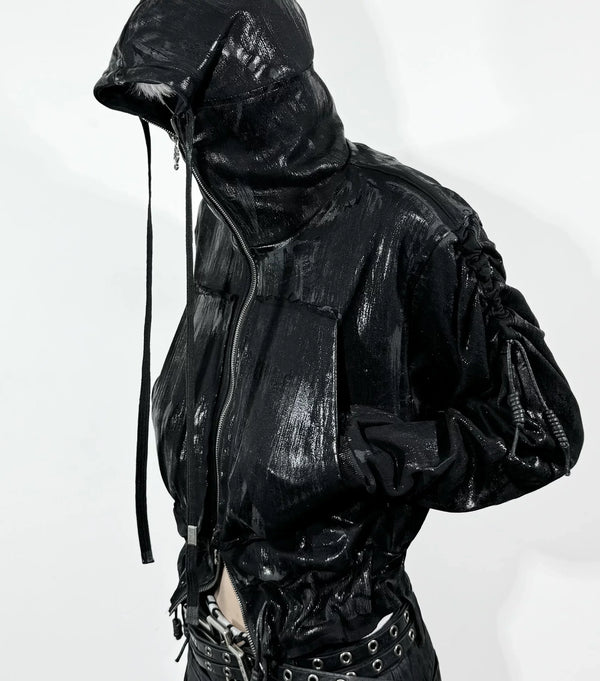
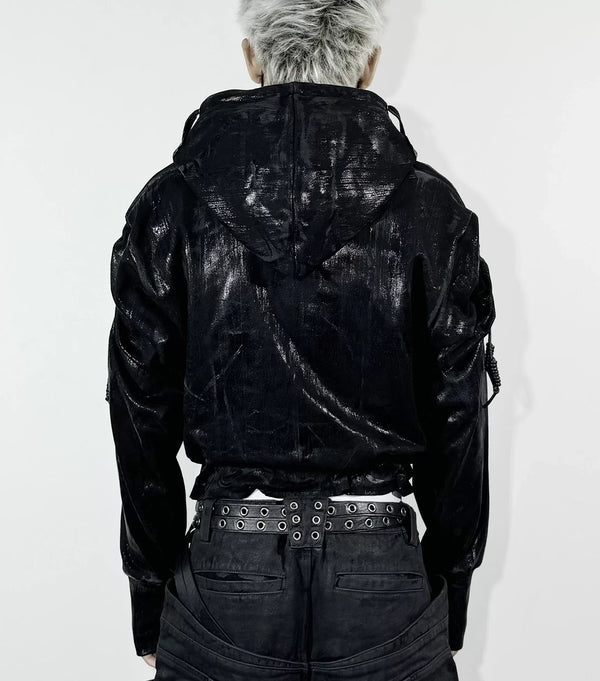
This is what it looks like in motion — the middle layer as the statement, the trouser as the volume:
What doesn't work
The 6 most common Ulzzang mistakes — what you must NOT do
Ulzzang has six spots where it reliably tips — no matter how expensive the individual pieces are. If you avoid only one thing, make it mistake number one.
Action
How to start in Ulzzang — the first 4 pieces
You don't need 25 Korean-brand pieces to wear Ulzzang. You need four that will be in 80 % of your outfits. Everything else builds around them.
In order: a cable-knit cardigan or waffle-knit polo in cream or charcoal (your first investment — sits for 5 years in every iteration). A wide-leg trouser in charcoal or cream. A plain white cropped tee or long-sleeve. Adidas Samba or Onitsuka Tiger in cream tones. A plain baseball cap as the optional fifth — but only once the four sit.
Outfits for real
Ulzzang outfits for real — what it looks like on the street
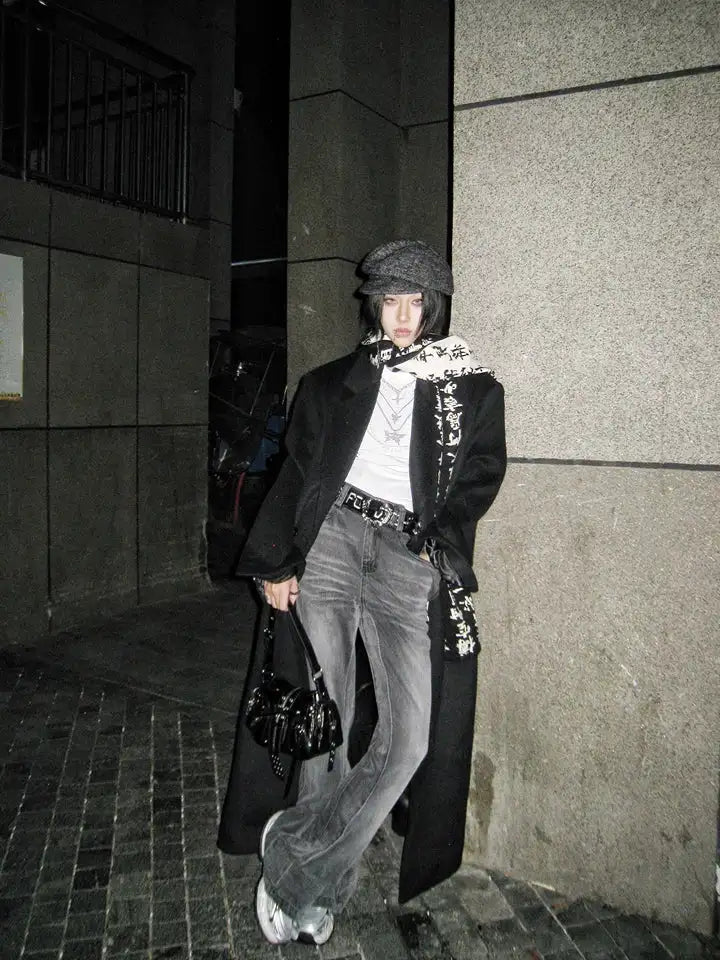
Before you build your own, look at how others wear it. The four iterations from above look different in the feed than on lookbook photos: layered denser, quieter, less perfect — and exactly for that reason they work.
This is the fastest way to check whether the 70/30 proportion sits on your body type at all — before you spend money. Korea influencers on Instagram (@parkhyemin_, @holyhoneyy_, @hwa_min, @leesomi) are the best sources for it.
In closing
Ulzzang is discipline, not look — the head part is half the battle
If you remember one thing from this guide, make it this: Ulzzang doesn't work through pieces, but through four layers and a proportion. Whoever pays attention to skin, hair, silhouette and layer builds a hundred outfits with twenty pieces. Whoever only buys pieces and ignores skin has a full closet without a single outfit that sits.
The whole logic of this guide reduces to one sentence:
The rules have been stable since 2010 — Park Hye Min visualised them back then, NewJeans brought them back into the mainstream vocabulary in 2022. But you don't have to wait until you know all the iterations by heart. Start with the one that suits you most. What you don't know, you learn by wearing.
And that's the point too: Ulzzang reads in theory like a four-layer corset, but in practice it doesn't feel like one. Once you've got the code down, every further outfit is a variation of the same four or five building blocks — not a new invention.
FAQ
Frequently asked questions about the Ulzzang style
The questions we often get by DM and email — short, clear, no detours.
What does Ulzzang mean?
What is Korean style anyway?
What is K-Pop style and how does it differ from Ulzzang?
What is K-Fashion as distinct from Ulzzang?
What does the 3-3-3 rule for clothing say?
What does the 3-date rule in Korea say?
Does Ulzzang work for Western body sizes too?
What does Ulzzang makeup mean and does it belong to the look?
Which shoes go with Ulzzang besides Adidas Samba?
What do you think?
Tell us on @fuga_studios
About the author
Philipp Fuge — Founder · Berlin
Founder of Fūga Studios. Writes the journal himself. Berlin · Shanghai · Tokyo · Poznań — four cities, one logic.