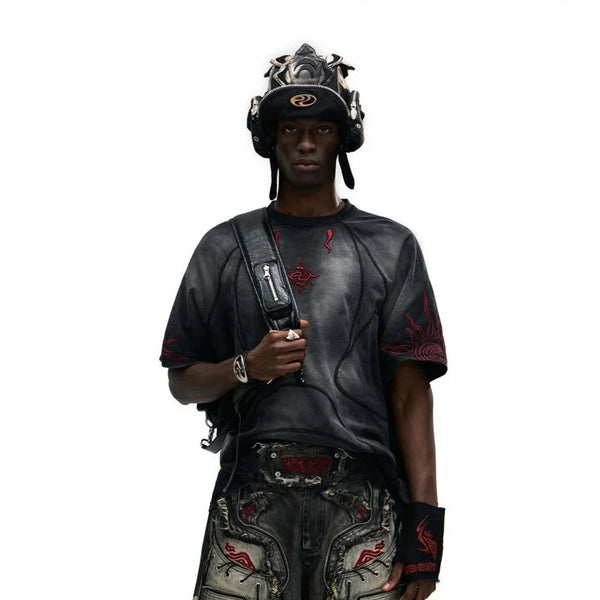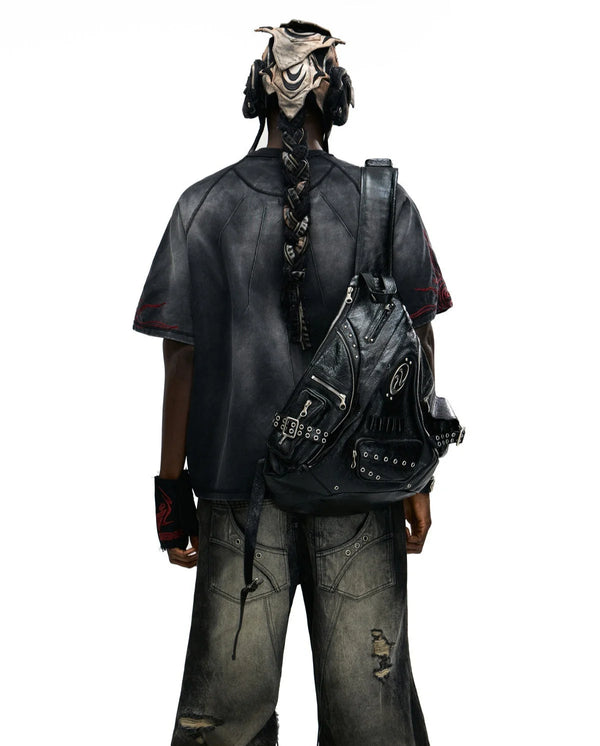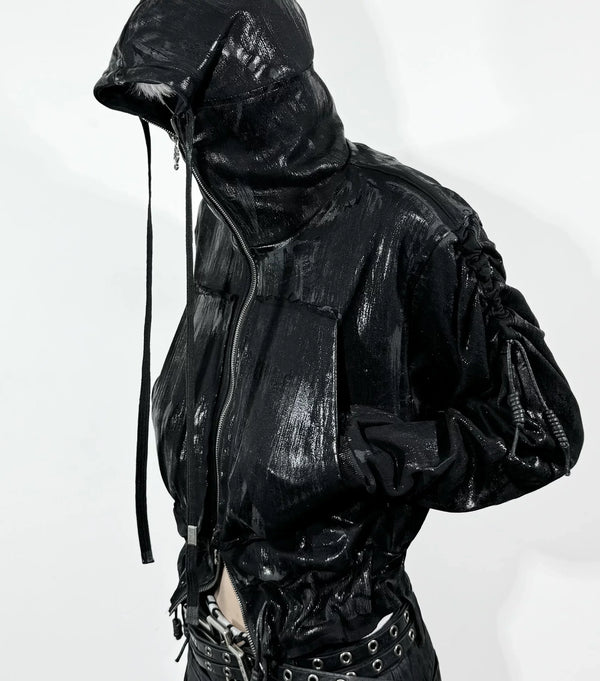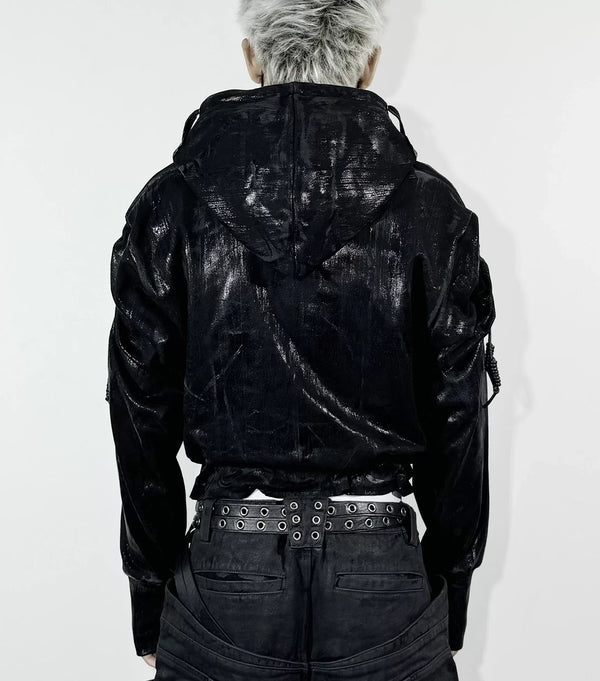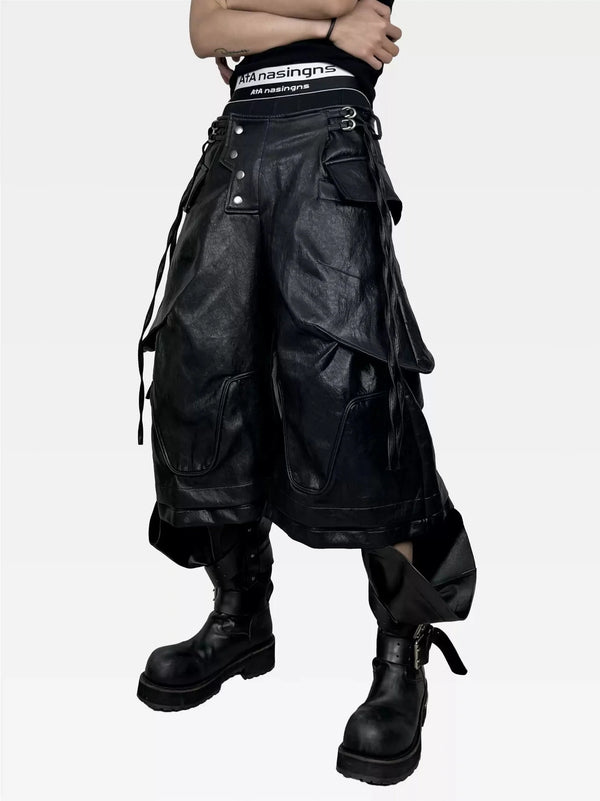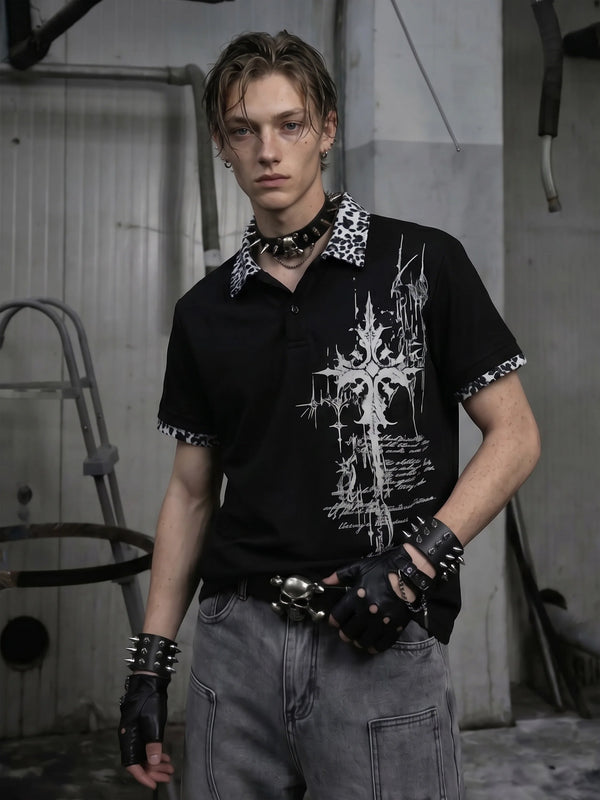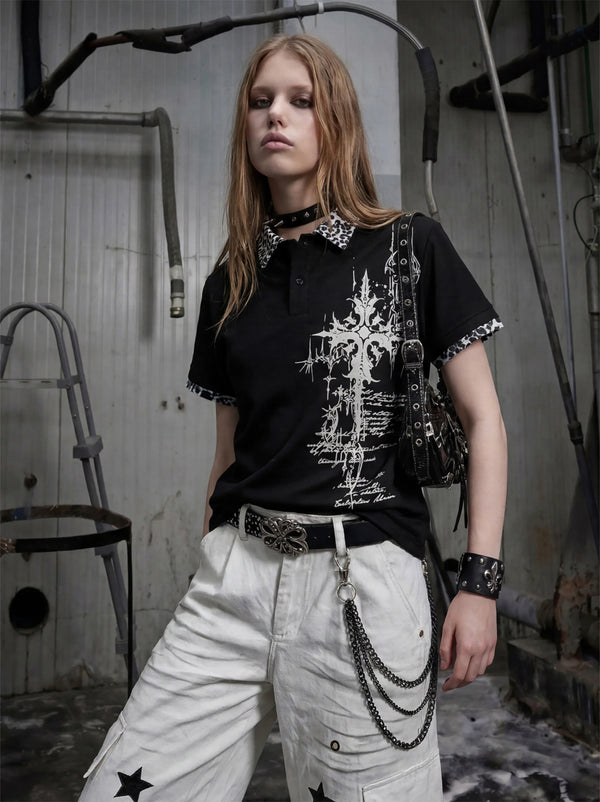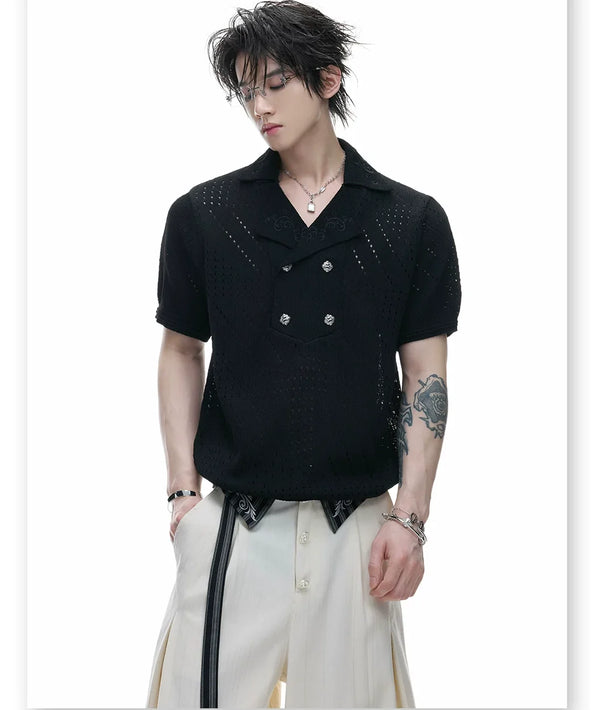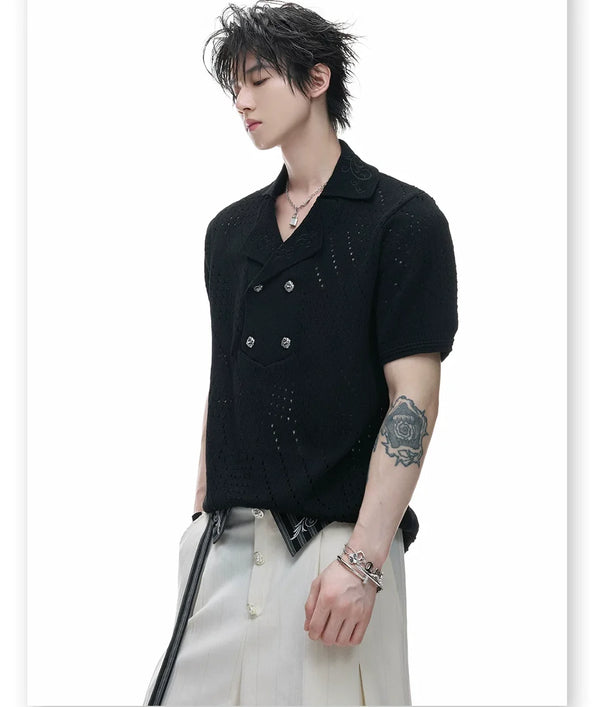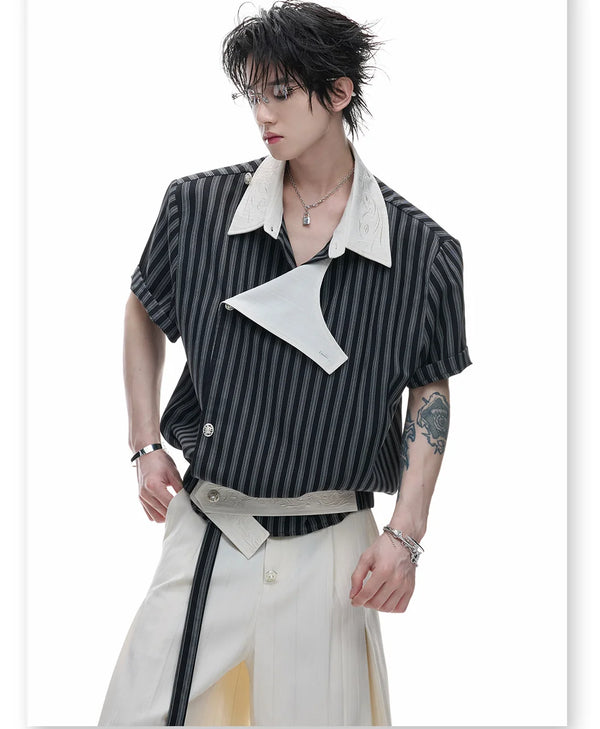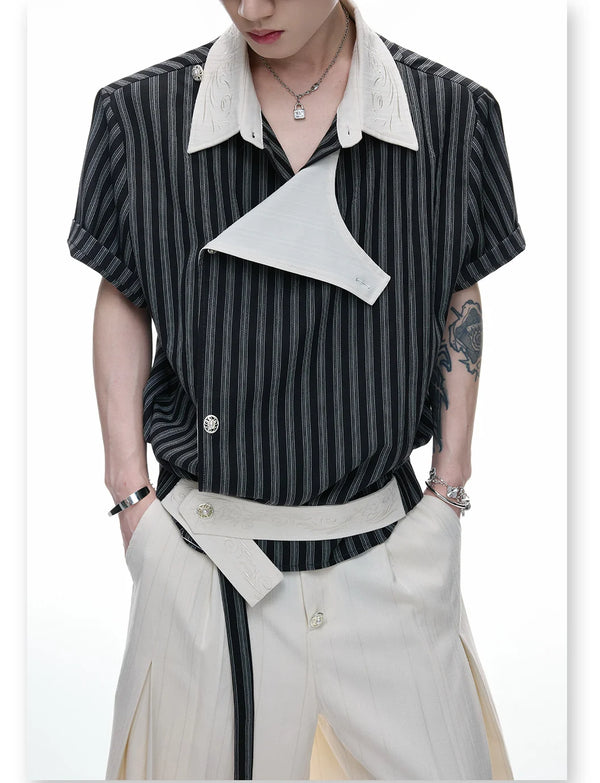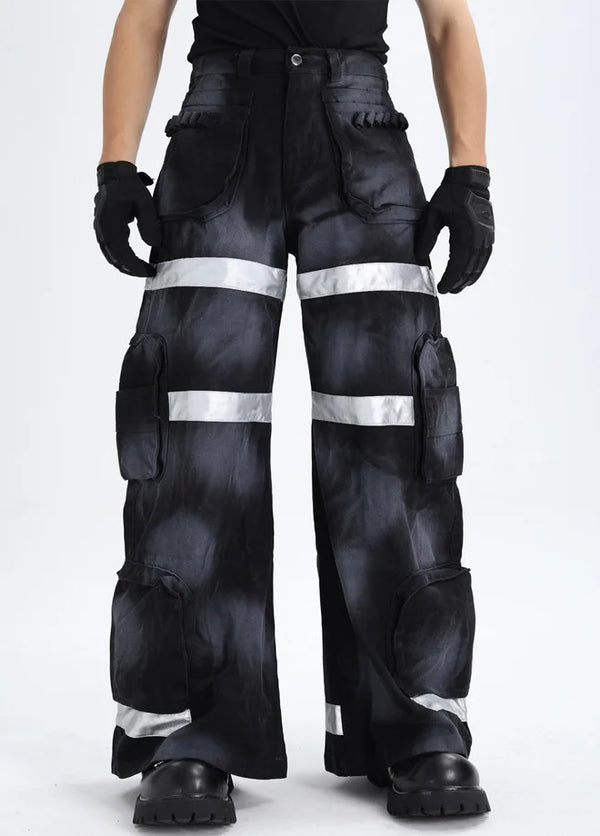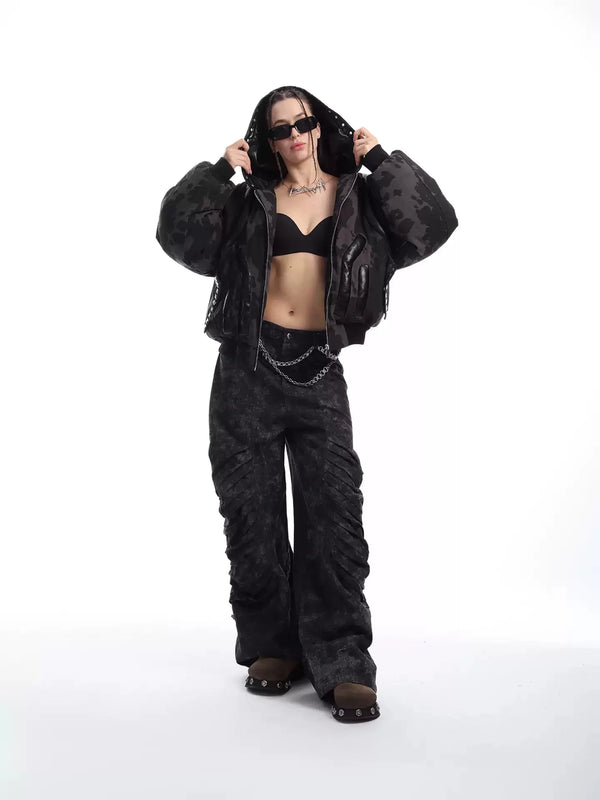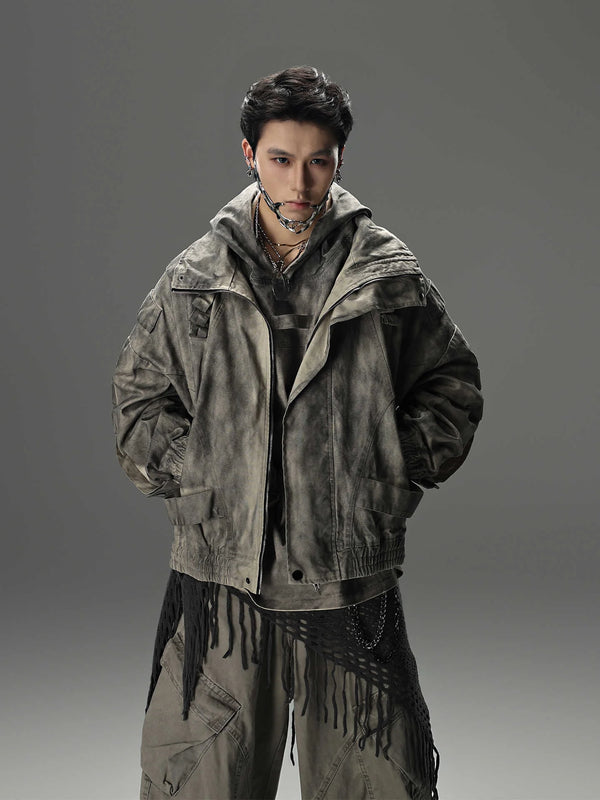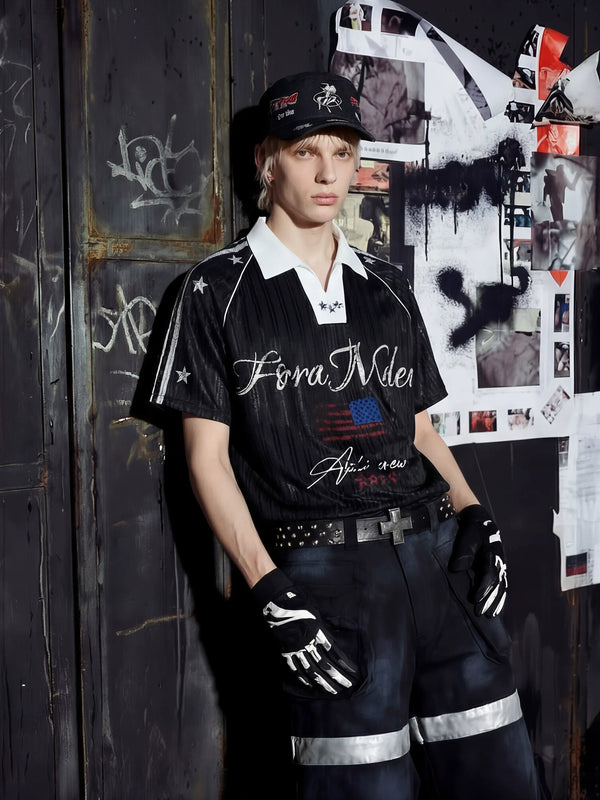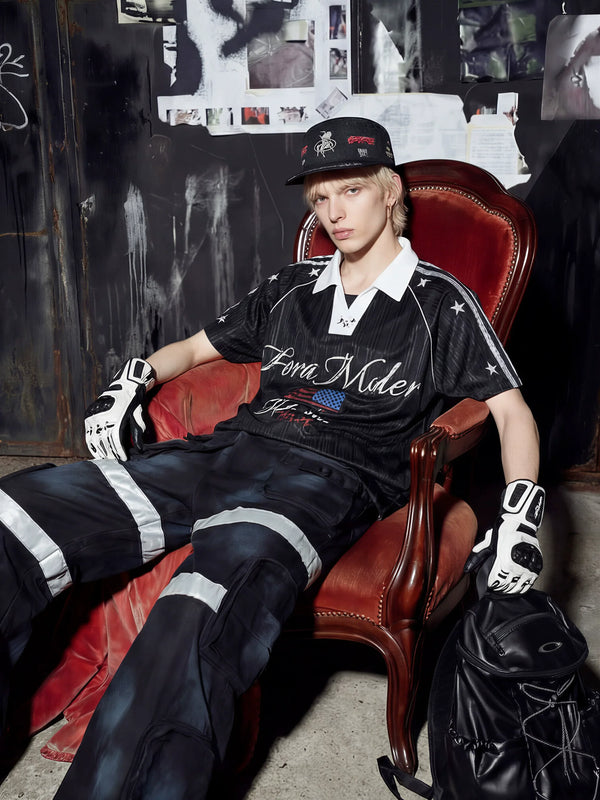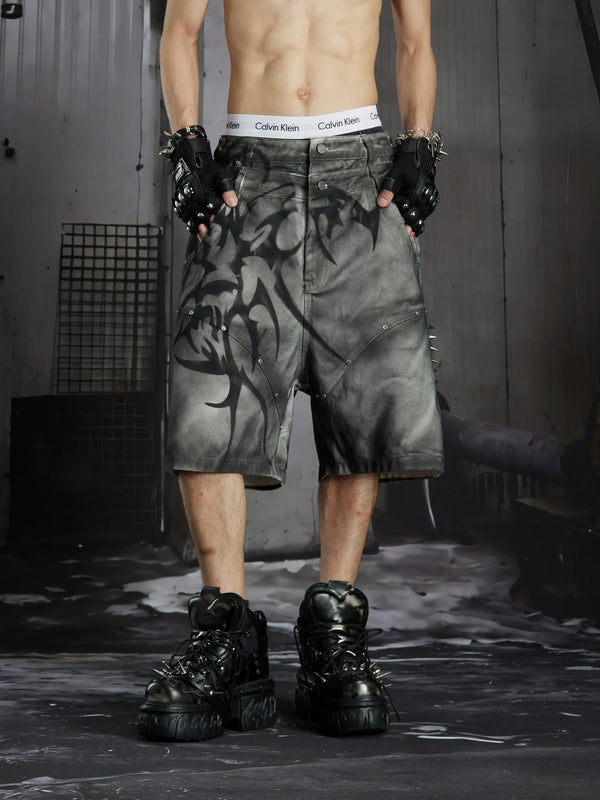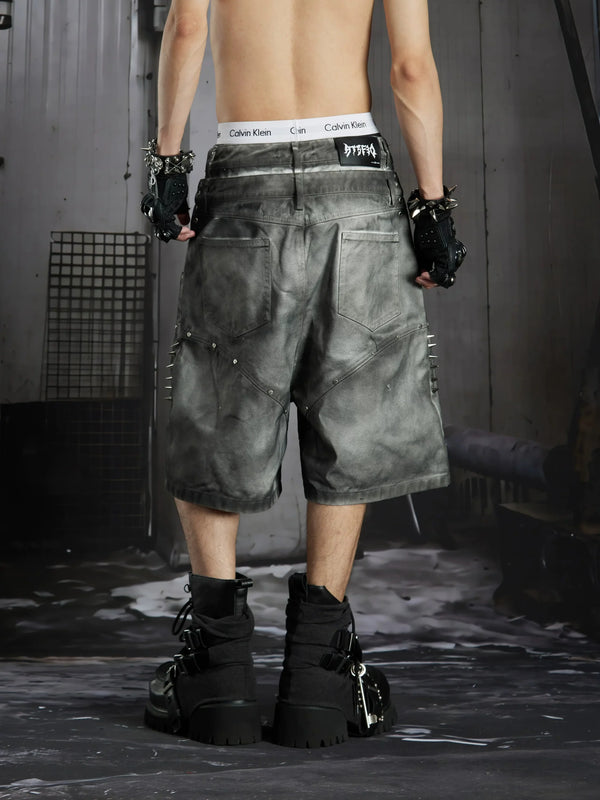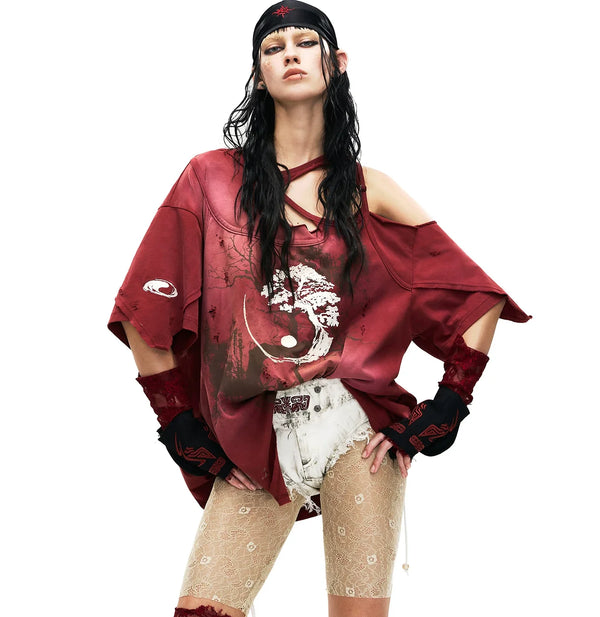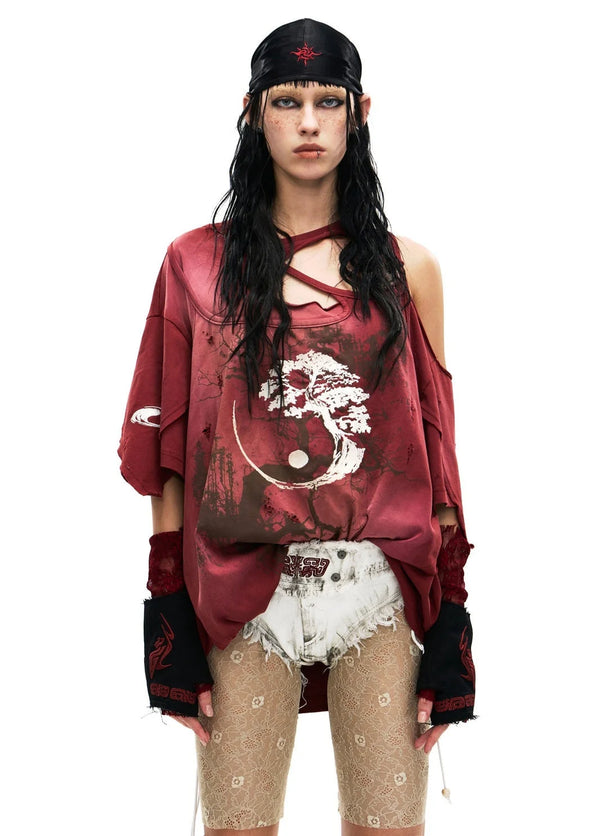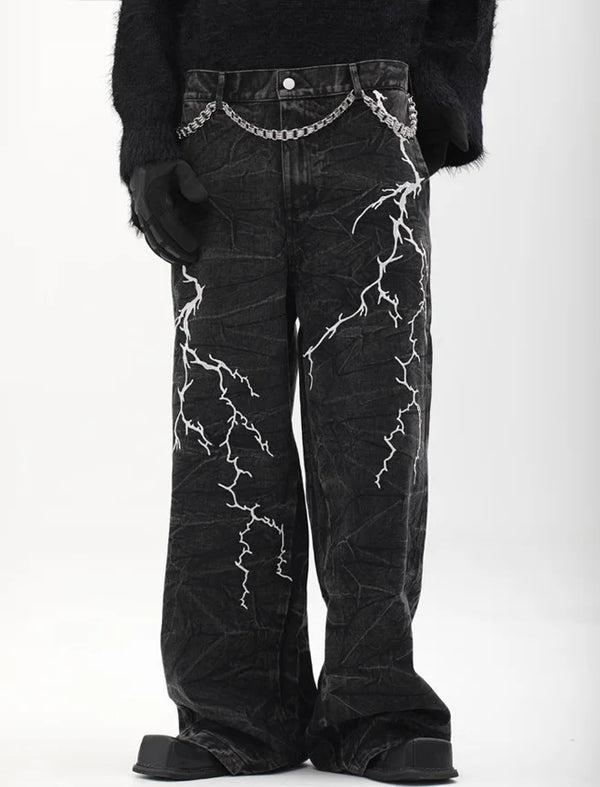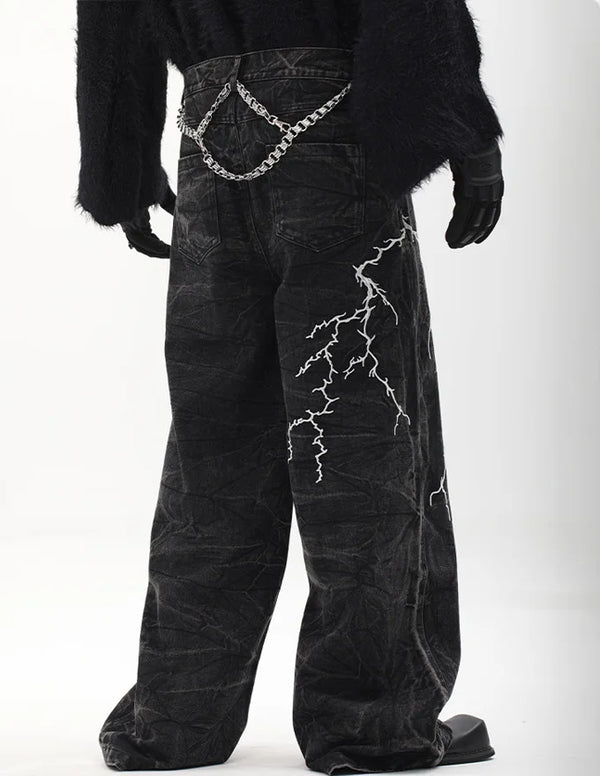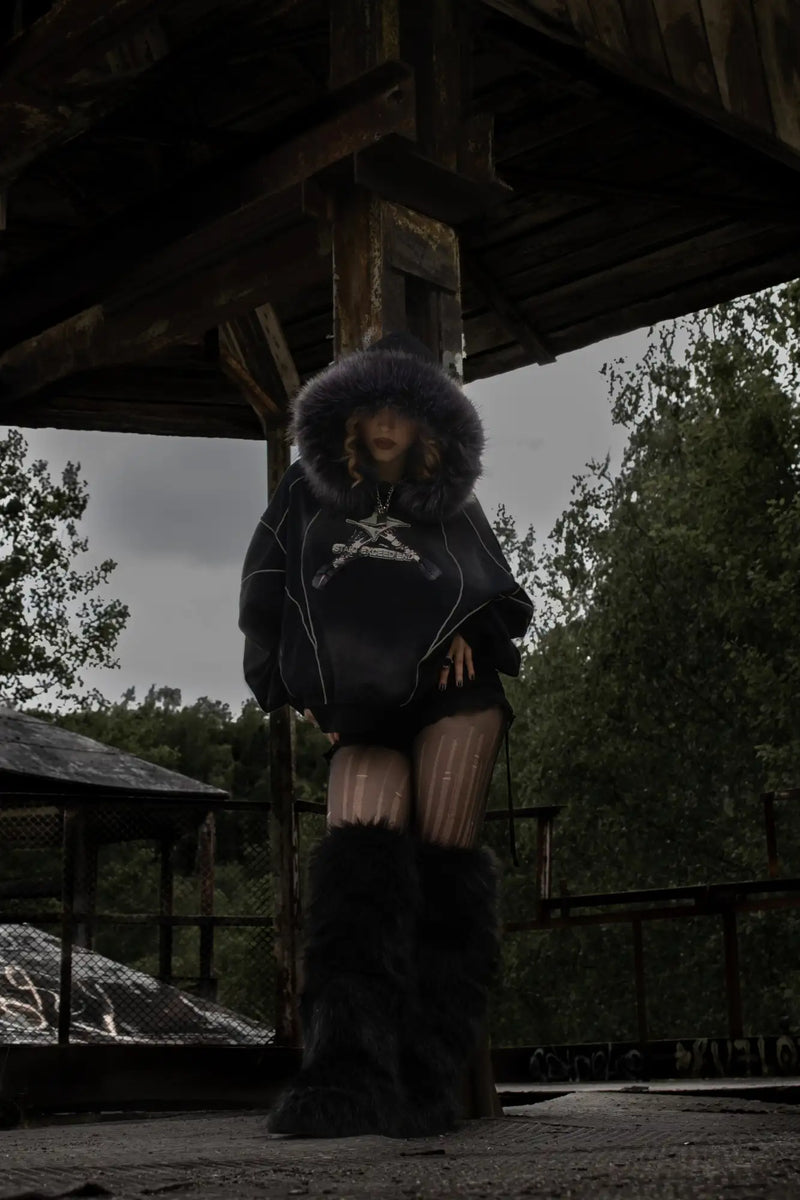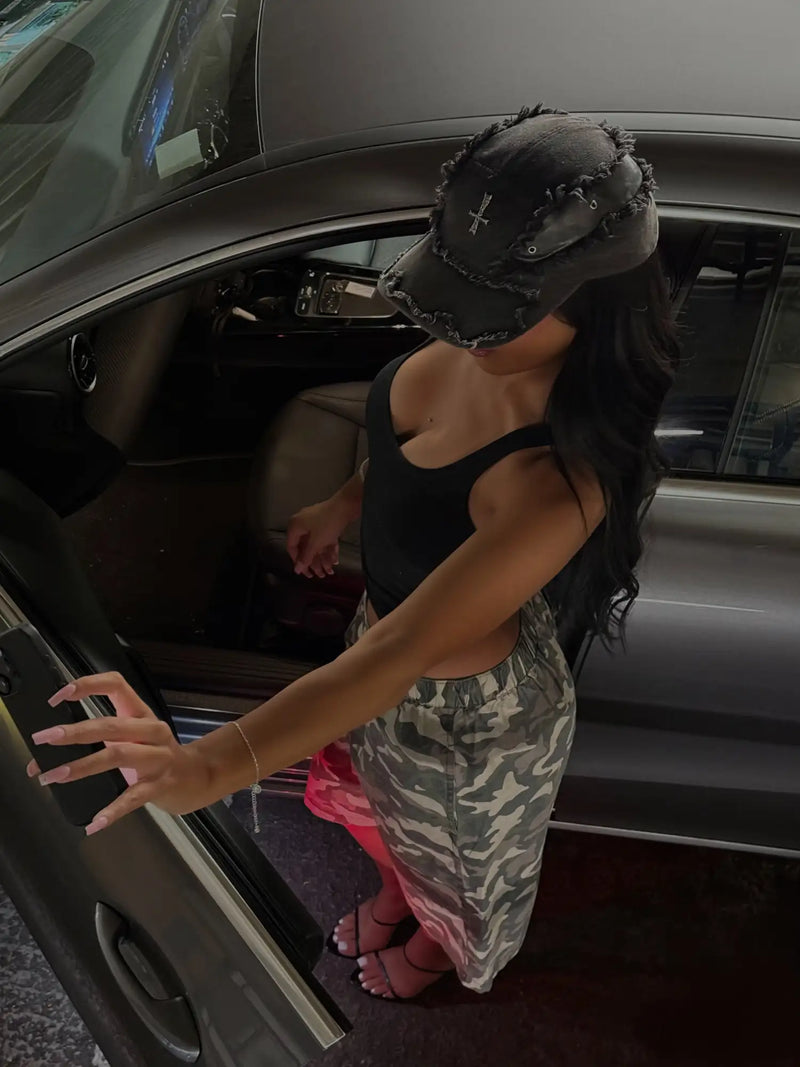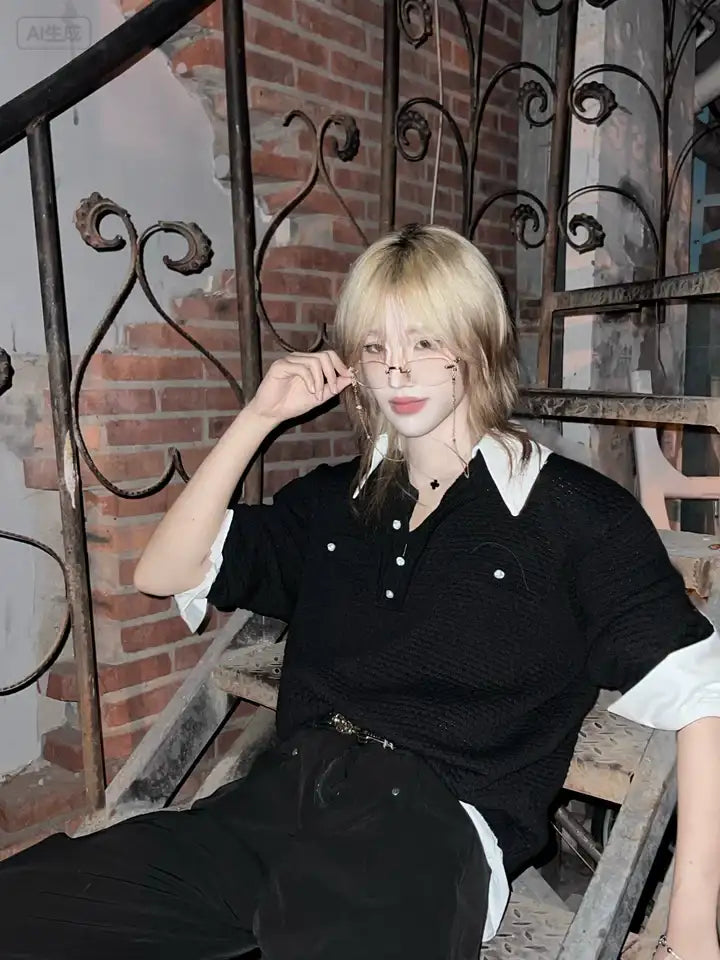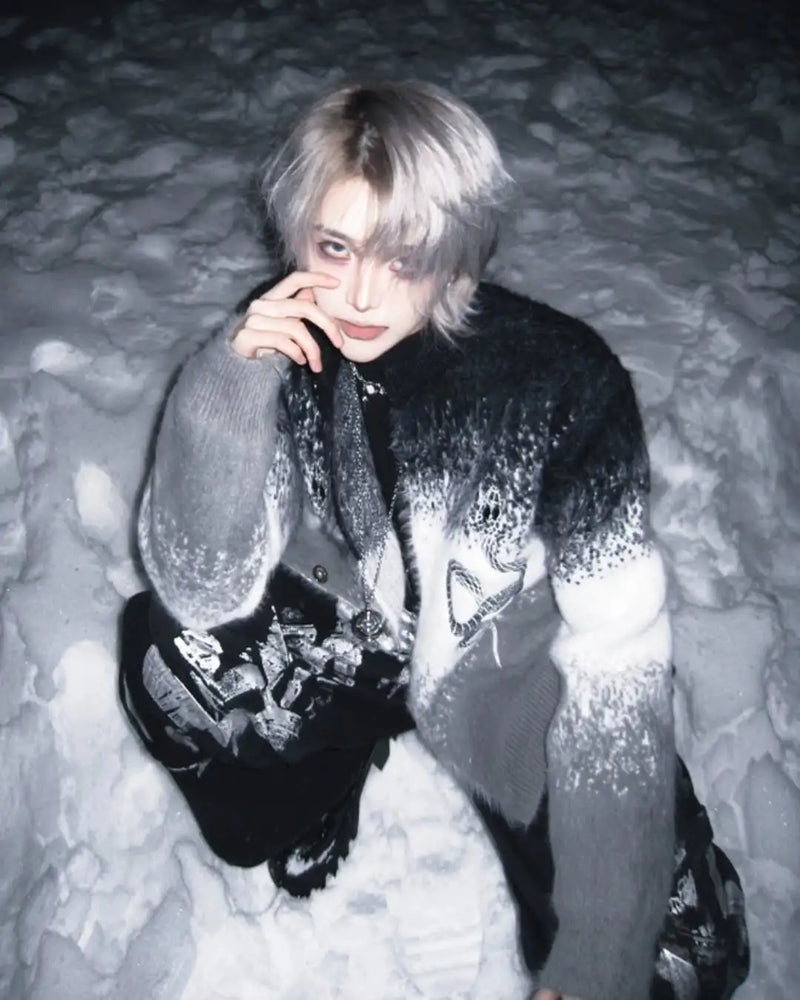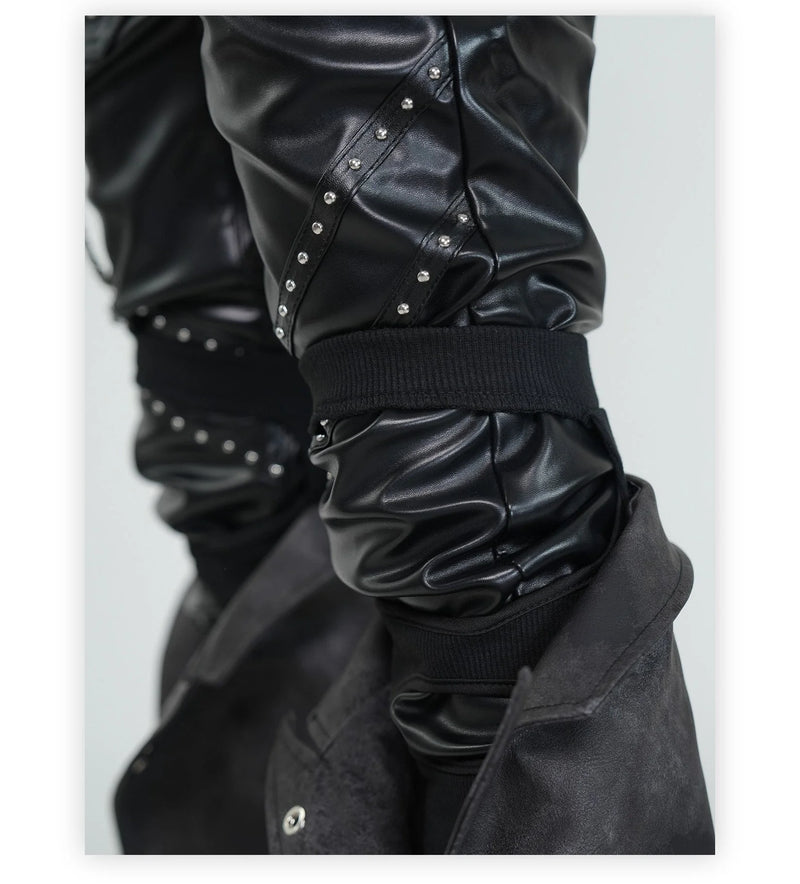
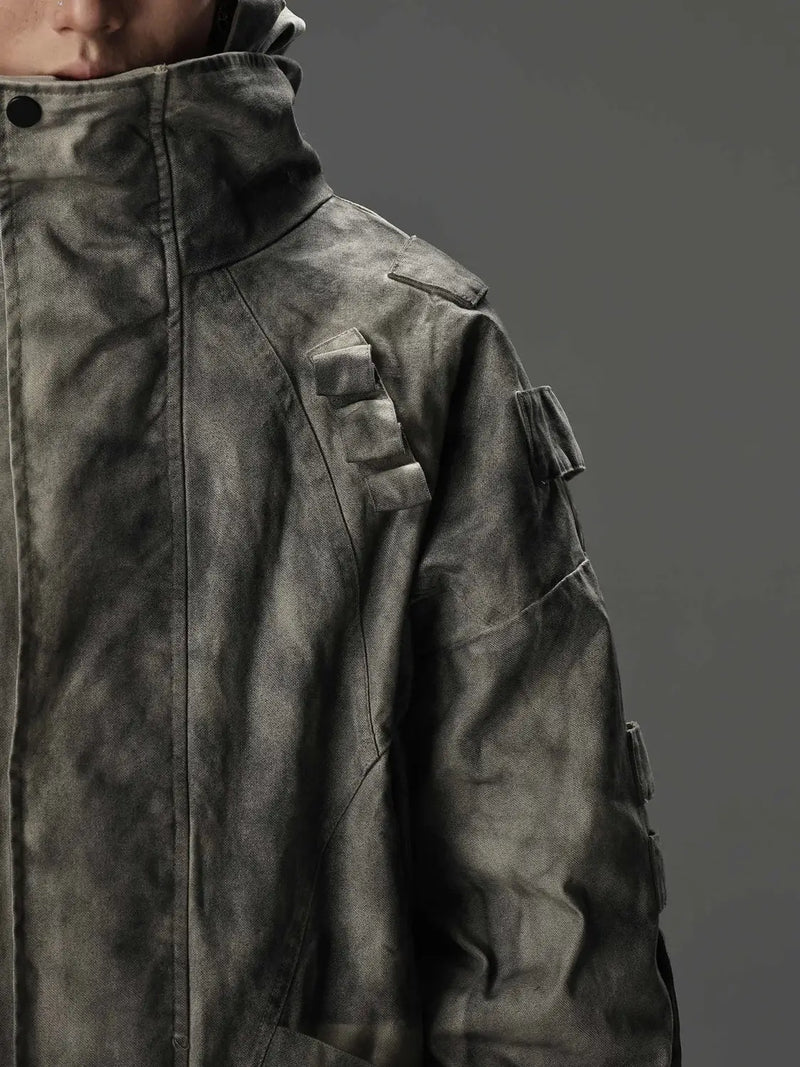
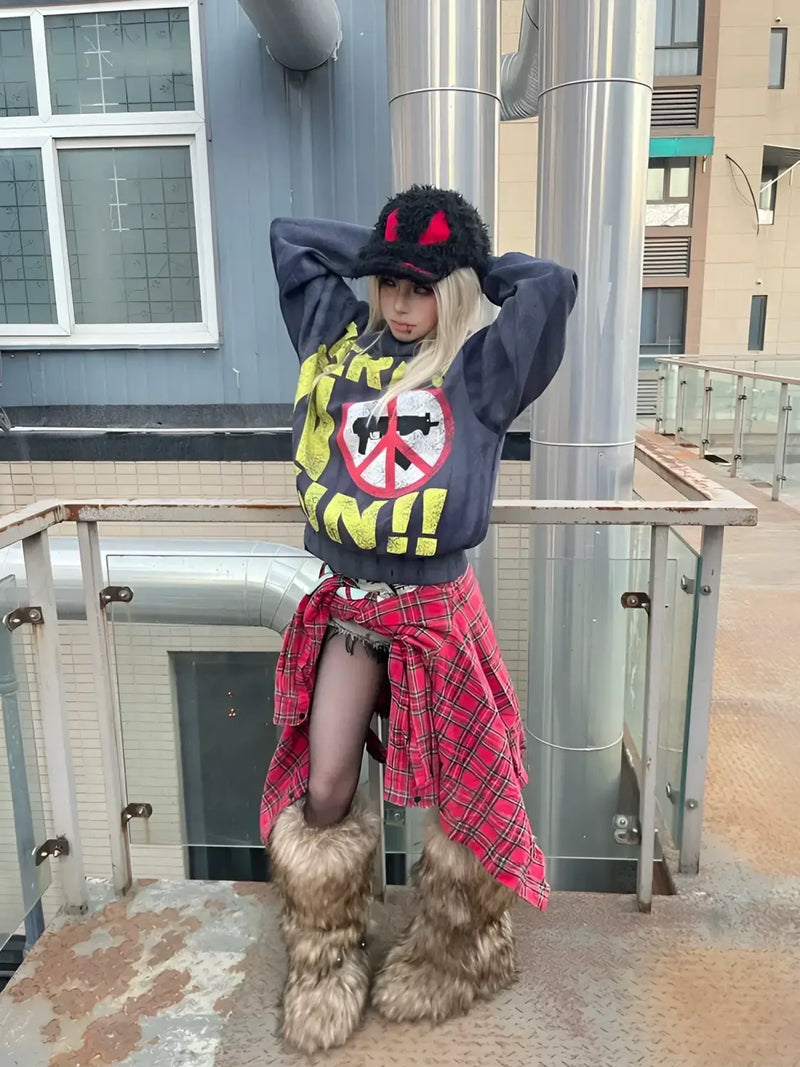
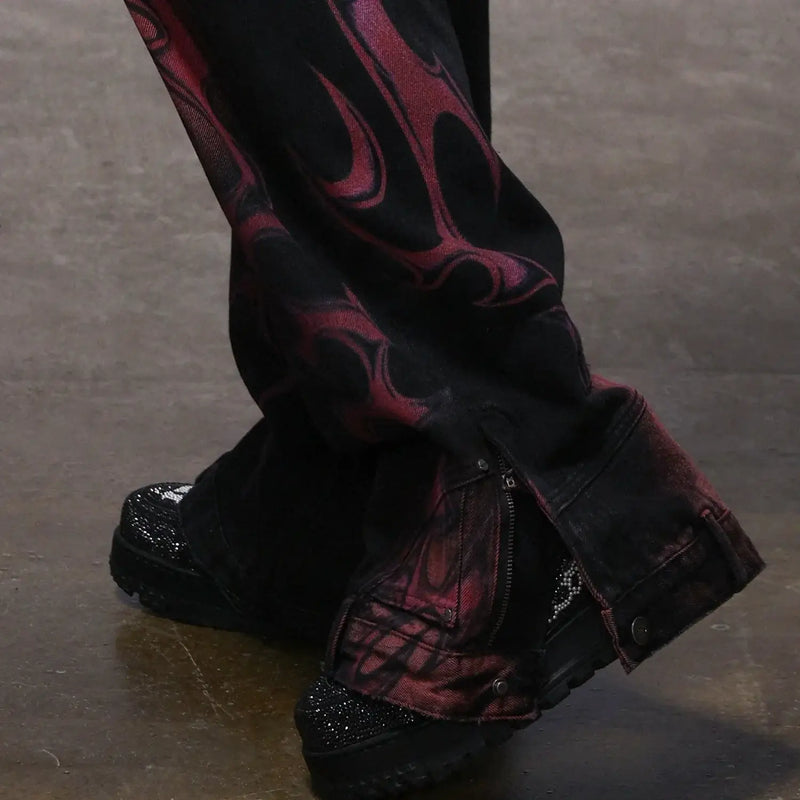
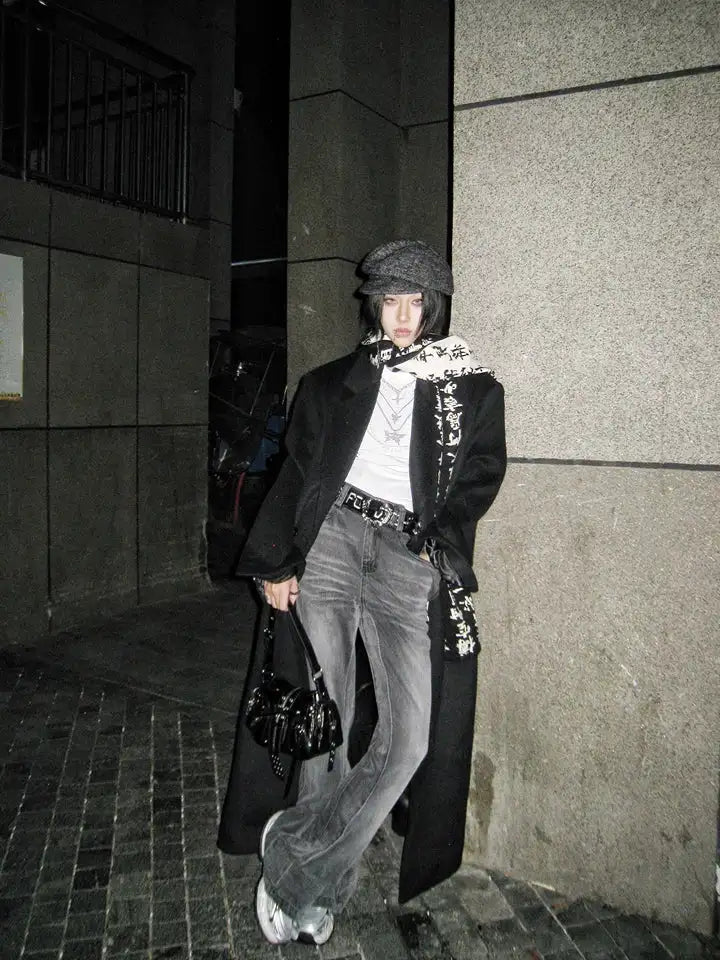

Korean Streetwear is not “a K-pop outfit with a logo”. Think that and you see the style on Pinterest and wonder why the outfits never look like that in real life.
Korean Streetwear is a code that has grown in Seoul since roughly 2015 — a mix of minimal silhouette, technical fabrics, a neutral palette and a very specific idea of how much an outfit is allowed to say. Little. Clean. Through the cut, not the print. The opposite of American streetwear, which talks loud and shows logos.
Anyone selling Korean Streetwear as “hoodie plus cargo plus white sneakers” has only seen the surface. This guide shows what is really behind it: where the code comes from, which five looks separate Seoul from the rest, which brands wrote the vocabulary, how men and women wear it differently, and which six mistakes tip the look over.
Here is what that looks like in twelve seconds when the code sits:
Definition
What is Korean Streetwear Style — and what do Koreans call it themselves?
Korean Streetwear is the street version of what Korea has exported to the West as K-Fashion since the late 2010s. In Korean it runs under 스트릿 패션 (street pattern) or simply K-Style. Both terms mean the same thing: everyday-wearable fashion born on the streets of Seoul, not on the runway in Paris.
The code is built from four fixed blocks. When all four sit, the outfit reads as Korean Streetwear. Miss one and it tips into American streetwear, into techwear, or into K-pop idol cosplay.
80 %
neutral palette
1
point of colour per outfit
5
Archetypes
0
visible mega logos
These four numbers are the test. An outfit with three strong colours at once is no longer Korean Streetwear — it is Y2K or a K-pop stage look. An outfit with five brand logos visible is American streetwear, not Seoul. Concretely, the code counts:
- Oversize top with a shoulder drop — hoodie, sweatshirt or crewneck that sits one to one-and-a-half sizes too big. The shoulder slips down, the hem hits the hip or lower.
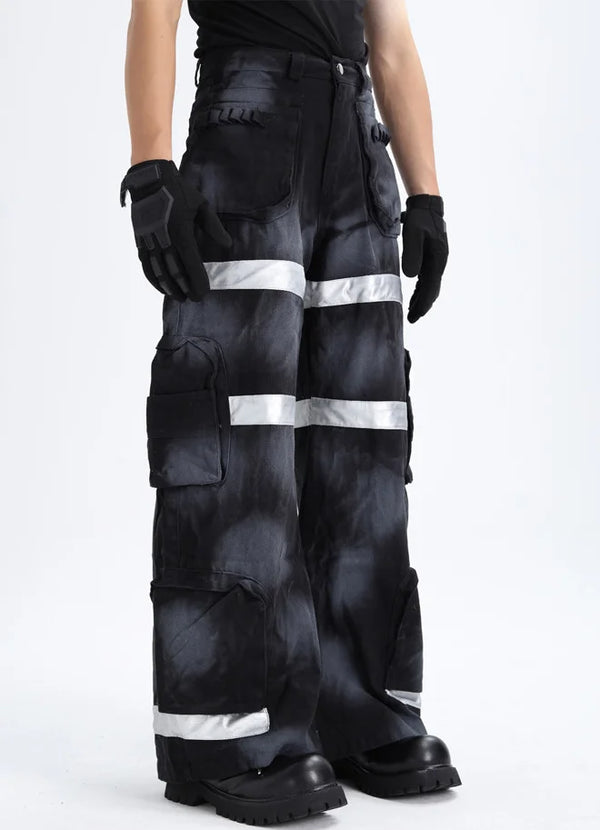
- Structured trousers instead of skinny — wide-leg, pleated trouser, pleat cargo or track pant. Skinny jeans have counted as dated in Seoul since roughly 2019.
- Neutral palette with one accent — black, beige, off-white, grey, maybe a burgundy or olive. Plus one point of colour: a red scarf, a blue cap, a bag in mustard yellow.
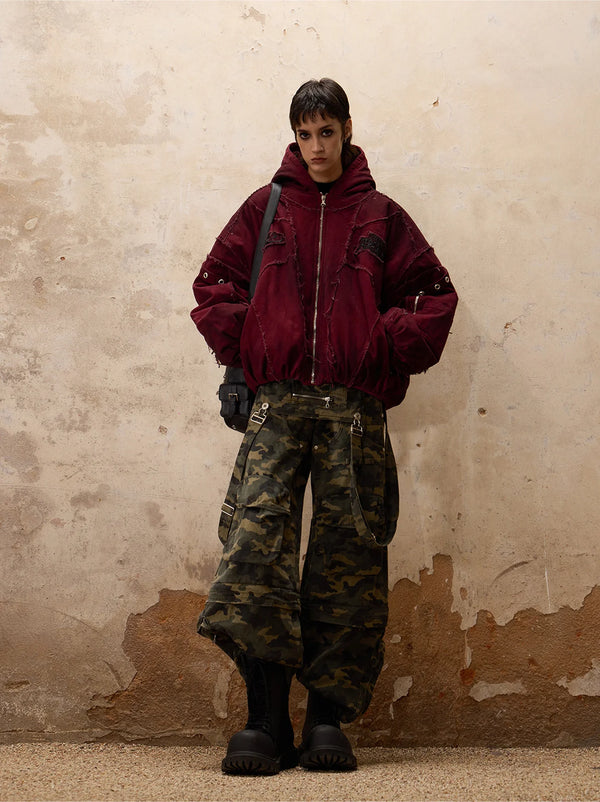
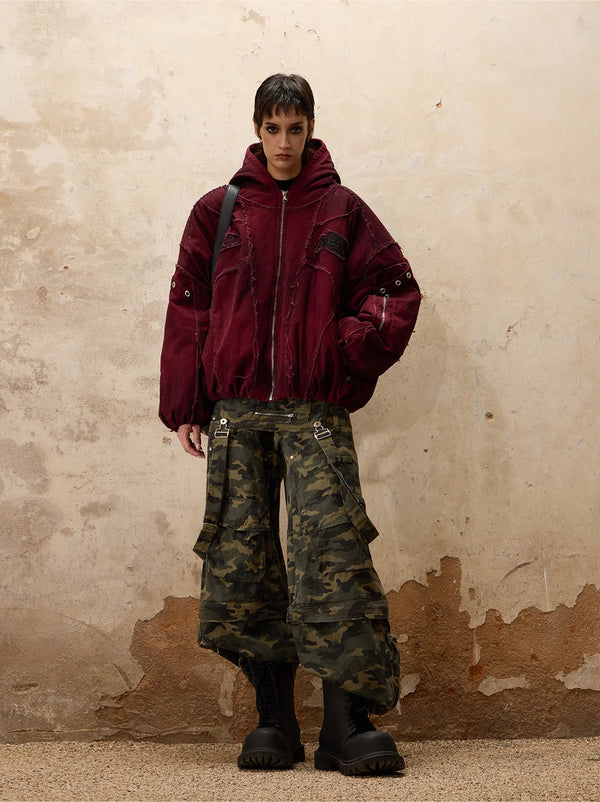
- Layering over volume — T-shirt under shirt under knit vest under an open bomber. Three to four layers even in mild weather, because layer depth matters more than a fabric statement.
- Clean, understated shoes — white lo-pro sneakers (New Balance 530, Adidas Samba, Onitsuka Tiger), loafers, Mary Janes or a trail shoe. Never hype sneakers with loud branding.
- One pair of glasses, one bag, one ring — accessories stay minimal. One black crossbody, one slim pair of glasses, one silver ring. Not three.
Tick these six points and you have 80 % of the code. What makes the last 20 % is the discipline in layering — and that does not come from the wardrobe, it comes from practice.
Origin
Where it comes from — the 5 districts of Seoul that wrote K-Streetwear
Korean Streetwear did not come from a marketing brief but from five concrete districts in Seoul. Know the five and you understand why the style looks so heterogeneous — it is heterogeneous, because it looks different in Hongdae than in Gangnam and different again in Seongsu.
Hongdae (홍대) is the student district. Indie bands, skaters and art students have run here since the early 2010s — and with them the most experimental, loudest K-Streetwear vocabulary. Acmé de la Vie and Mardi Mercredi found their early clientele here. Gangnam (강남) across town is old-money K-Style: more minimal, more expensive, closer to Quiet Luxury. Ader Error and Wooyoungmi are worn here.
Seongsu (성수) has grown into the lifestyle district since 2018 — former factories, concept stores, cafés with designer sneakers displayed as décor. The Genderless-Drape vocabulary (long flowing coats, neutral palette) is Seongsu DNA. Itaewon (이태원) is the international-mix district: Western streetwear, Y2K revival and sport athleisure all run there. Ewha (이대) is the women’s-university district and drives the Cute-Tech share — Mardi Mercredi, Maison Kitsuné Korea, many small K-indie labels.
What gets exported to the outside as one “Korean Streetwear” is really a composition of five vocabularies that grew in parallel in five districts. That is why the five archetypes work (below) — they are not an invention but cartography.
Archetypes
The 5 looks that separate Seoul from the rest
K-Streetwear is not one look — it is five that run side by side in Seoul and overlap at the edges. Lay Instagram posts from Hongdae, Gangnam and Seongsu next to each other and you see these five types cleanly separated. Each with its own palette, its own silhouette, its own shoe.
Which of the five suits you depends less on taste than on your silhouette, on how much colour you want to wear, and on the city context the look lands in. How that splits between women and men comes next.
Gender split
Korean Streetwear women vs men — where it really runs differently
The rules are the same. Oversize on top, structure on the bottom, neutral palette plus one accent, clean shoes — that holds for every body. What differs is the line and which of the five archetypes gets picked most often.
Women’s version: in Seoul, Cute-Tech and Minimal-Soft dominate. Concretely that means a Mardi Mercredi knit over a white tee, plus a pleated midi trouser or a dark-blue high-waist jeans cut. Mary Jane instead of sneaker. A small crossbody bag, often in red or burgundy — the one point of colour in the outfit. Make-up stays restrained, hair rather straight or a mid-length bob. What runs on the street in Seoul every day would read instantly as “K-Style” in Berlin.
Men’s version: Athleisure-Track and Genderless-Drape dominate. Track jacket plus track pants in the same colour is the Hongdae student default — Adidas Originals plus a white lo-pro sneaker. In Gangnam it becomes a long coat over wide-leg pleated trousers plus loafers, glasses with a thin gold frame. The silver-hardware discipline from the West does not apply here — Korean Style mixes gold and silver with no trouble, but sparingly.
What links both versions: the outfit talks quiet. One visible brand, one visible colour, one visible texture — not all three at once. If your outfit looks loud in a photo, it is too loud for Seoul.
Brands
Korean Streetwear brands — who really writes the code
Korean Streetwear has no single dominant brand like Supreme in the West or Bape in Japan. It is a spectrum of eight to ten labels that quote each other and wrote the vocabulary together. If you want to read the code, know the brands — even if you never buy one of their pieces.
The brands that defined K-Streetwear — sorted by their role in the code:
- Ader Error — in Seoul since 2014. Anti-brand branding, deformed logos, a neutral palette. The brand that defined Minimal-Soft. If an outfit looks grown-up K-Style, it is Ader-adjacent.
- We11done — founded 2014 as a concept-store brand. Distressed denim, asymmetry, Genderless-Drape. International breakthrough via Bella Hadid and Dua Lipa.
- Acmé de la Vie (ADLV) — since 2015. Print T-shirts, patches, playful graphics. The Cute-Tech brand for students in Hongdae and Ewha.
- Mardi Mercredi — from 2018. Cardigans and knitwear with the daisy logo. K-pop idols wear Mardi at airports — which turned it into a global K-Style brand.
- Andersson Bell — founded 2014 as a Korea-Sweden hybrid. Clean cuts, technical fabrics, a neutral palette. The Scandinavian-Korean vocabulary.
- Juun.J — since 2007 the couture end of K-Streetwear. Deconstruction, long lines, a black palette. The grown-up father of the Genderless-Drape look.
- Wooyoungmi — a Paris-Seoul brand since 2002, the oldest K-designer with Paris Fashion Week status. Defines Gangnam Quiet Luxury.
- IISE — brothers from LA and Seoul. Workwear codes plus Hanbok cuts. Heritage meets streetwear.
- Pushbutton — genderless, a bold colour mix, theatrical cuts. The Cute-Tech pole with couture ambition.
You do not have to buy any of these names directly to wear Korean Streetwear. The vocabulary is available through DTC brands in Germany that translate the same cut code — without you paying We11done’s 600-euro pricing.
Category · Outerwear
Korean Streetwear jackets — bomber, trench, track jacket
In K-Streetwear the jacket is not the biggest surface — unlike in Opium or American streetwear. It is the outer layer in a three-layer system: T-shirt, shirt or knit underneath, jacket on top. So it does not decide alone but in combination with what sits below.
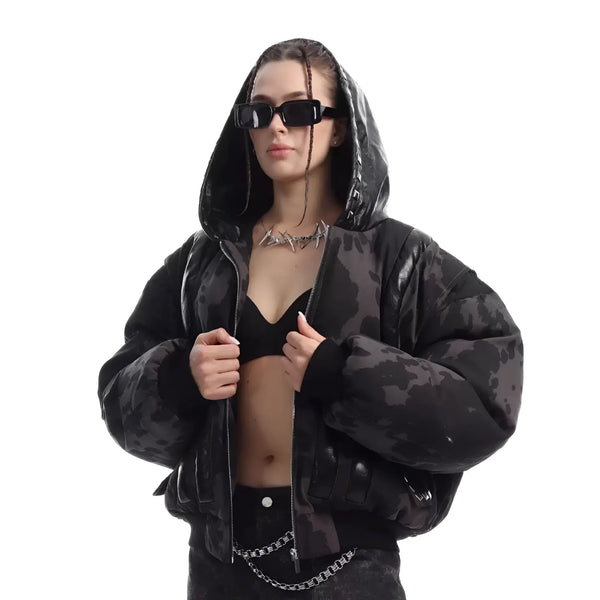
Three jacket types work cleanly in K-Streetwear: the cropped bomber (for Minimal-Soft and Cute-Tech), the long trench coat or drape coat (for Genderless-Drape and Gangnam Quiet Luxury), and the track jacket in a 70s Adidas cut (for Athleisure and Hongdae students). Leather jackets run much less in Seoul than in the West — they are Y2K revival, not default K-Streetwear.
If you do not yet own a cropped outer jacket, that is your first move. It sits over every one of the five archetypes — from Track-Athleisure to Genderless-Drape — and makes an outfit read instantly as K-Style instead of American streetwear.
Category · Bottoms
Korean Streetwear trousers — wide-leg, pleated, track pant
In K-Streetwear the trouser is the counterpart to the oversize top. When there is volume on top, there is structure on the bottom — either wide-leg with a clear pleat break, a pleated trouser, a track pant with a soft side stripe, or a cargo in a wide cut. Skinny has been dead in Seoul since roughly 2019, and fast — wear skinny jeans in 2024 and you read instantly as “international” in Korea.
Working K-Streetwear bottoms sit on the natural waist, fall to the instep, and have a visible pleat or seam. Distressed is rare and only in the Cute-Tech iteration. In Gangnam, distressed denim would read instantly as “Western”.
If you want to build one trouser that suits all five archetypes, take a black wide-leg pleated trouser. It works with a track jacket just as well as with a coat or a knit — and it is the common denominator that all K-Streetwear looks share.
Category · Tops
Korean Streetwear tops — oversize tee, knit vest, striped shirt
The top carries the code. If an outfit is readable as Korean Streetwear at first glance, it is almost always down to the top — the cut of the tee, the shape of the cardigan, the stripe look of the shirt.
Three options always work: an oversize tee with a shoulder drop (plain or with a small embroidered detail), a knit cardigan or knit vest in a neutral colour (the Mardi Mercredi line), or a striped shirt or polo with a retro cut. Print T-shirts with a big mid-chest logo belong in the Cute-Tech iteration and are to be used sparingly there — one per outfit, never two.
If you want to test the Mardi knit look, take a cardigan in beige or burgundy over a white tee, plus a black wide-leg trouser. That is the fastest entry into Minimal-Soft — with no risk if the look does not suit your silhouette.
Category · Footwear
Shoes in Korean Streetwear — loafer, Mary Jane, lo-pro sneaker
This is the point where most Western K-Streetwear attempts tip over. Sneakers are chosen differently in Seoul than in Berlin or New York. Air Force 1, Air Jordan 1, Yeezy — all of them read in Korea as American streetwear, not as K-Style. Hype sneakers are worn in the West, admired in Korea but not worked into everyday wear.
What really runs in Seoul: white lo-pro sneakers (New Balance 530, Adidas Samba, Onitsuka Tiger Mexico 66, Asics GT-2160), loafers (for Gangnam looks), Mary Janes (for Cute-Tech women), trail shoes (Salomon XT-6, Hoka Bondi — for the Gorpcore iteration). The sole stays low, the palette neutral, the branding small.
If you buy only one shoe that suits all five K-archetypes, take a white Adidas Samba or New Balance 530. Both have sat as the default in Seoul since roughly 2022 and will stay that way for a while.
Styling logic
How to really style Korean Streetwear — the layering logic
A K-Streetwear outfit works on exactly one principle: three layers visible, one colour as accent. Top layer, middle layer, base — all three with their own fabric, their own length, their own hem. Watch the street in Seoul long enough and you see the pattern everywhere.
Wear three layers in Seoul and you look dressed. Wear one layer and you look like you forgot to leave the flat.
Fūga Studios · aus dem Seoul-Lookbook 2024
In practice that means: a T-shirt (base), an open shirt or cardigan (middle layer), a jacket or coat (top layer). All three in the same neutral palette, one layer with one point of colour. Flip the ratio — one layer loud, two quiet — and the outfit tips. You will find a concrete guide with photo examples per season in our layering spoke:
But K-Streetwear does not stand alone — it overlaps at several edges with other East Asian codes. Japanese streetwear shares the drape silhouette, techwear shares the technical fabrics, Harajuku shares the playful Cute-Tech iteration. Get the K-code down and you can read these neighbouring codes and mix them deliberately.
Here are the most important neighbouring spokes — each with its own guide, if you want to go deeper:
Seasonal
K-Streetwear by season — Seoul winter vs summer
Seoul has four real seasons — and the K-Streetwear logic adapts to them without breaking the code. Winter means -10 °C plus wind, summer means 32 °C plus monsoon rain. Wear the same outfit all year round and you have not understood the code.
Winter version: three thick layers, all in a neutral palette. A long down puffer on top (the Korean winter default since the early 2010s), a knit cardigan in the middle layer, a thermal tee underneath. Trail shoes or lined loafers. The trouser stays wide-leg pleated — you do not freeze in thin skinny trousers in a Seoul winter, you keep layering.
Summer version: linen instead of wool, mesh knit instead of cardigan, short trousers only for Athleisure-Track. The layering logic stays — three layers — but each layer gets lighter. Plus an umbrella against the monsoon, plus white lo-pro sneakers instead of loafers. What is a “summer look” in Berlin is often three layers of thin linen in Seoul.
One technical outer layer solves both seasons at once: a light shell coat with taped seams runs as rain protection in summer and as an extra layer over the puffer in winter. Convertible pieces are far more common in K-Streetwear than in the Western market — Seoul winter and Seoul summer are six months apart, but the wardrobe is not.
Here is what convertible outerwear looks like in motion:
What does not work
The 6 most common Korean Streetwear mistakes — what you must NOT do
K-Streetwear has six spots where it reliably tips over — no matter how expensive the individual pieces are. If you avoid just one thing, make it mistake number one.
Action
How to start in K-Streetwear — the first 4 pieces
You do not need 30 pieces from Seoul to wear Korean Streetwear. You need four that will be in 80 % of your outfits. Everything else builds around them.
In order: a black wide-leg pleated trouser (the universal base, running with all five archetypes). An oversize knit cardigan in beige or burgundy (the Mardi Mercredi line, your first Cute-Tech piece). A cropped bomber or track jacket in black or off-white (your top layer for three of the five looks). Plus a pair of white lo-pro sneakers (Adidas Samba or New Balance 530) as the default shoe.
Outfits for real
Korean Streetwear outfits in real life — how it looks on the street
Before you build your own outfit, look at how others wear it. The five archetypes look different in the feed than on lookbook photos: layered tighter, less perfectly arranged, and working precisely because of that.
This is the fastest way to check whether a particular K-Streetwear archetype suits your silhouette — before you spend money.
To close
Korean Streetwear is a cut code — not a trend, not cosplay
If you remember one thing from this guide, make it this: Korean Streetwear does not work through individual pieces but through rules. Get the rules down and you build a hundred outfits from twenty pieces. Only buy pieces from Seoul and you have a full wardrobe without a single outfit that sits.
The whole logic of this guide reduces to one sentence:
The rules have been stable since roughly 2018 and will stay that way — as long as Seoul sets the tone. But you do not have to wait until you know them all by heart. Start with the one look that is most likely to suit your silhouette. What you do not know, you learn by wearing.
And that is the point: K-Streetwear reads in theory like a rulebook but does not feel like one in practice. Once you have the code down, every further outfit is a variation on the same four or five blocks — not a new invention. That is exactly why the style is so durable in Seoul: the cut code outlives every micro-trend that runs over it.
FAQ
Frequently asked questions about Korean Streetwear Style
The questions we often get by DM and email — short, clear, no detour.
What exactly is Korean Streetwear — and what is Korean Street Fashion Style?
What do Koreans call their own style?
What do Koreans really wear day to day?
Where can you buy Korean Streetwear in Germany?
What is the difference from American streetwear or Japanese streetwear?
Does Korean Streetwear work without a thin Korean-idol body?
Which shoes suit Korean Streetwear if I do not want to wear sneakers?
What do you think?
Tell us on @fuga_studios
About the author
Philipp Fuge — Founder · Berlin
Founder of Fūga Studios. Writes the journal himself. Berlin · Shanghai · Tokyo · Poznań — four cities, one logic.