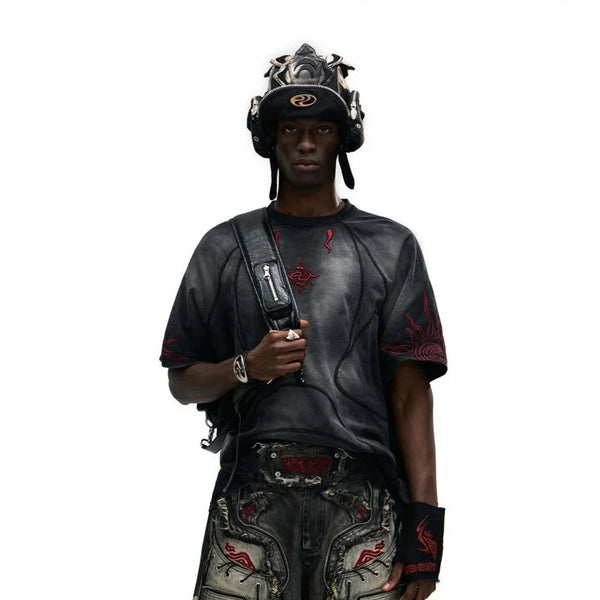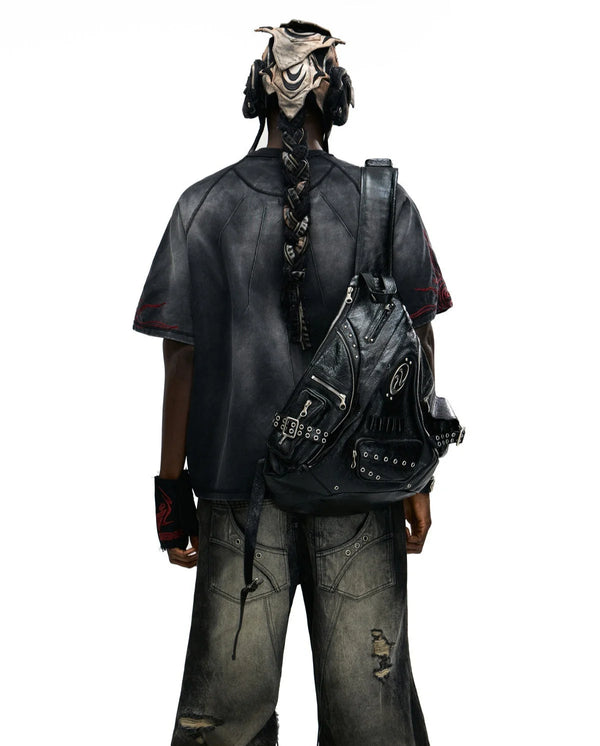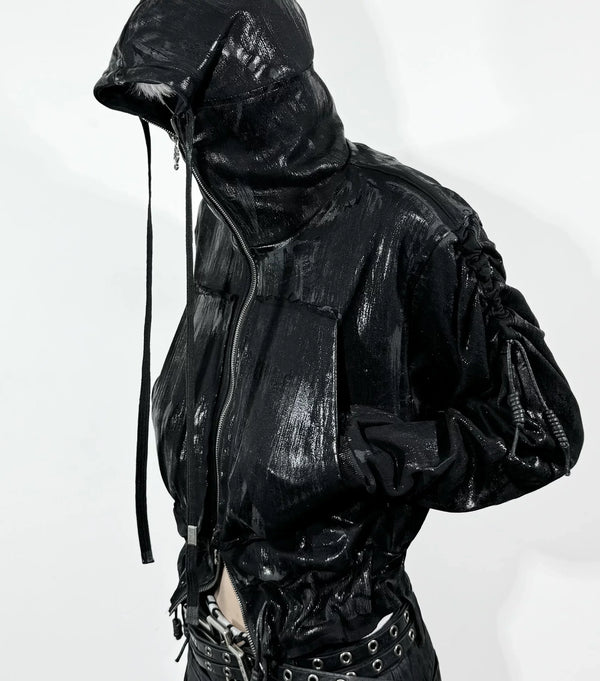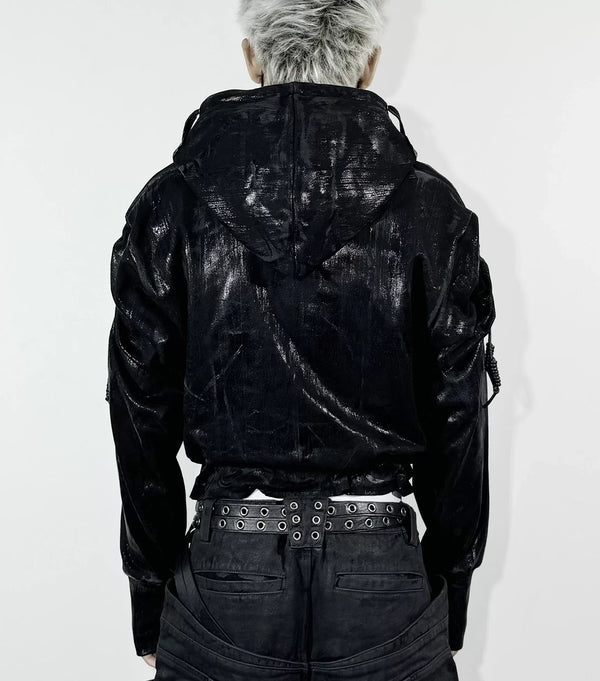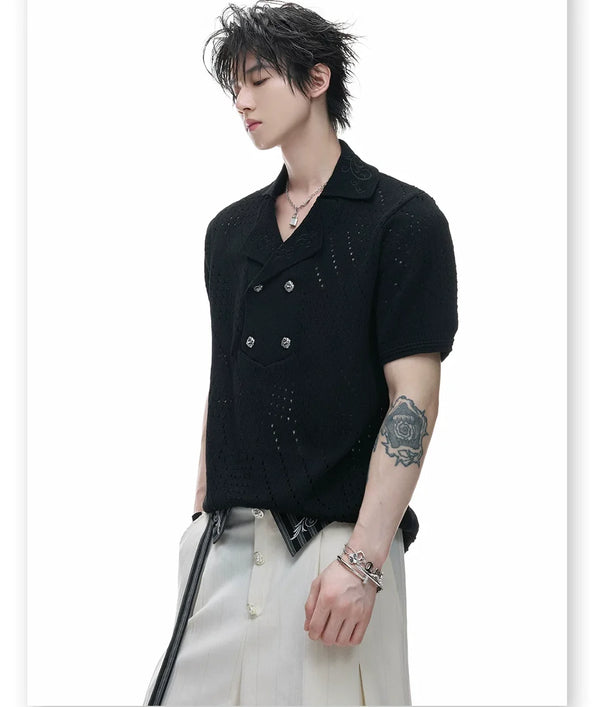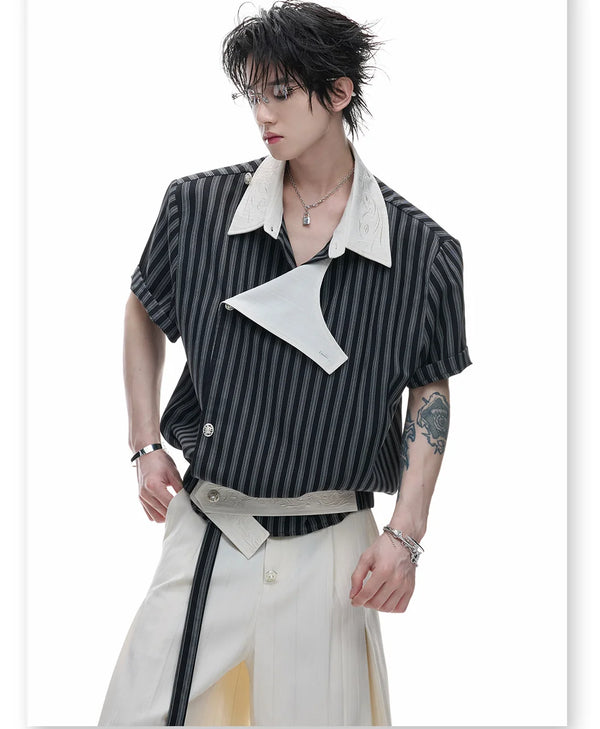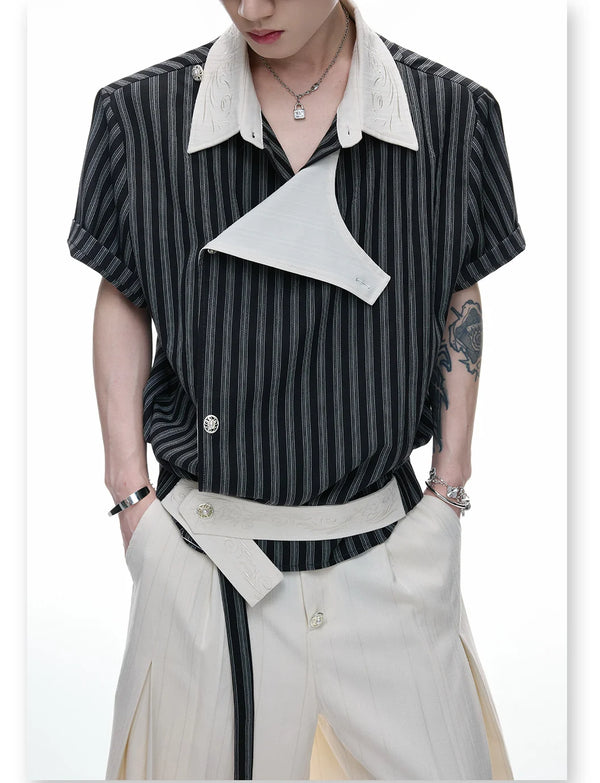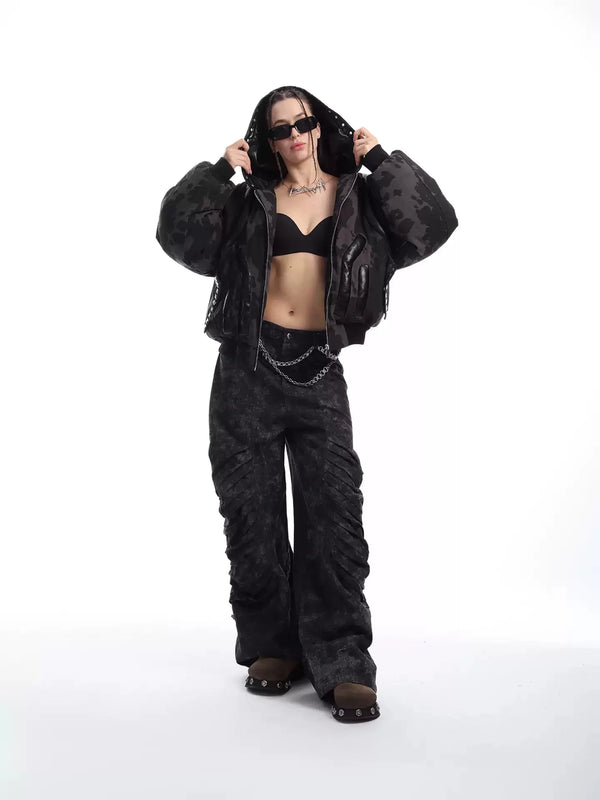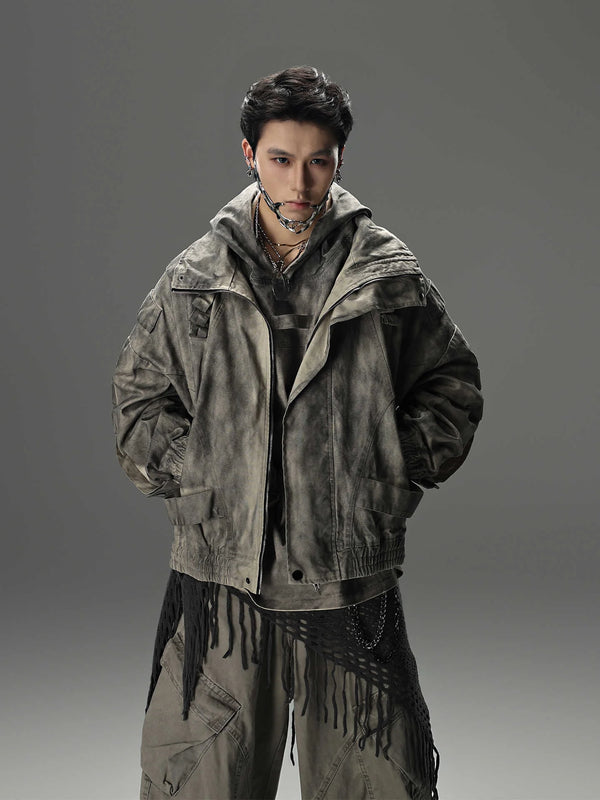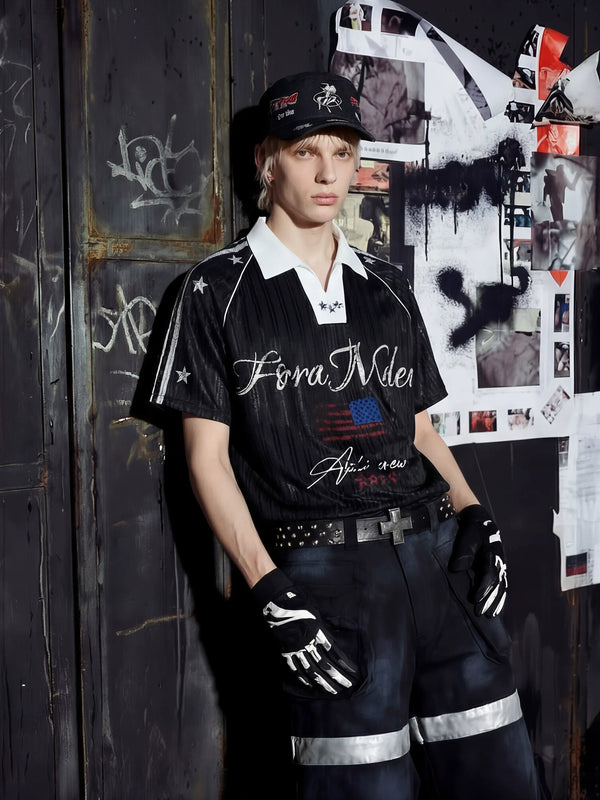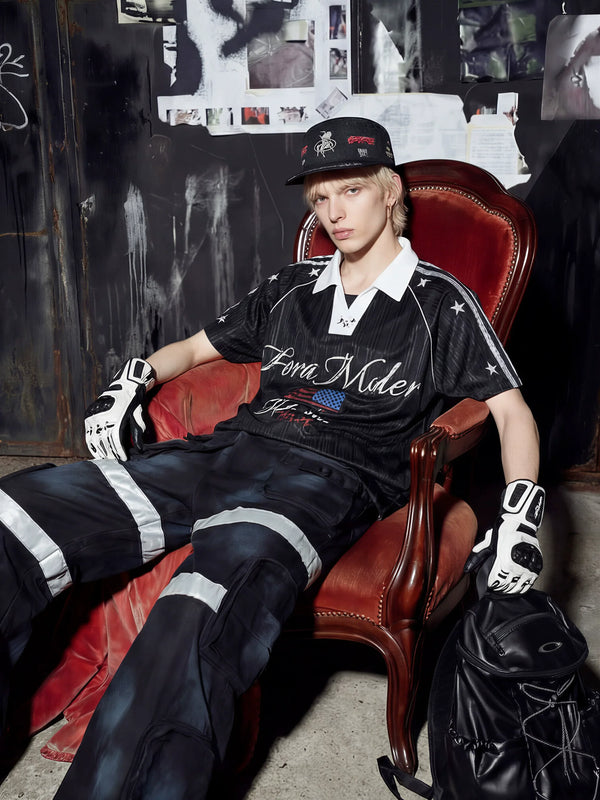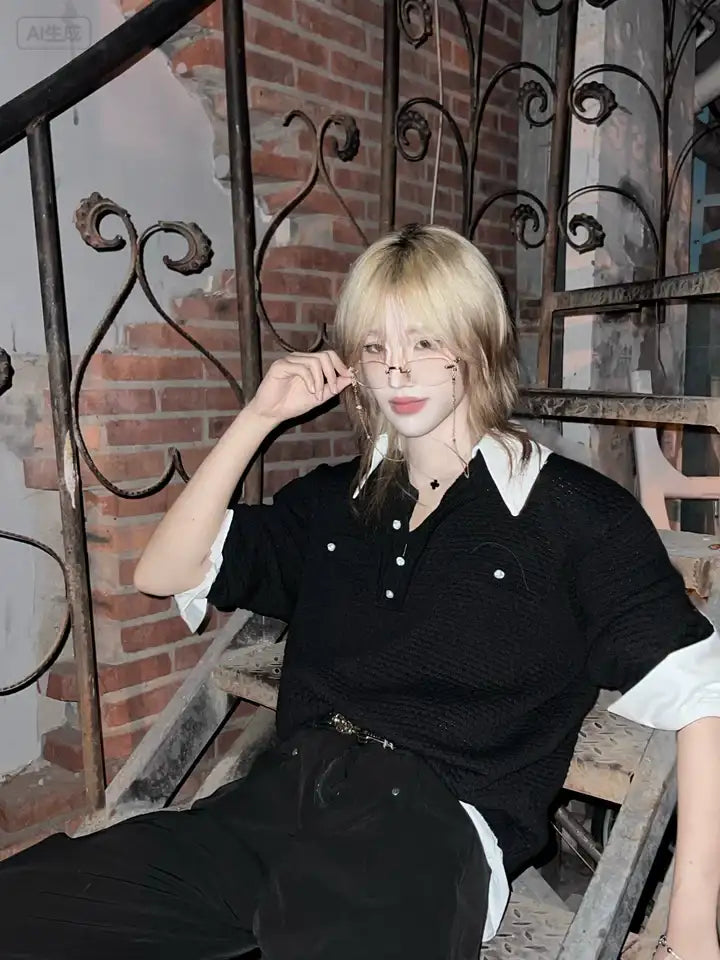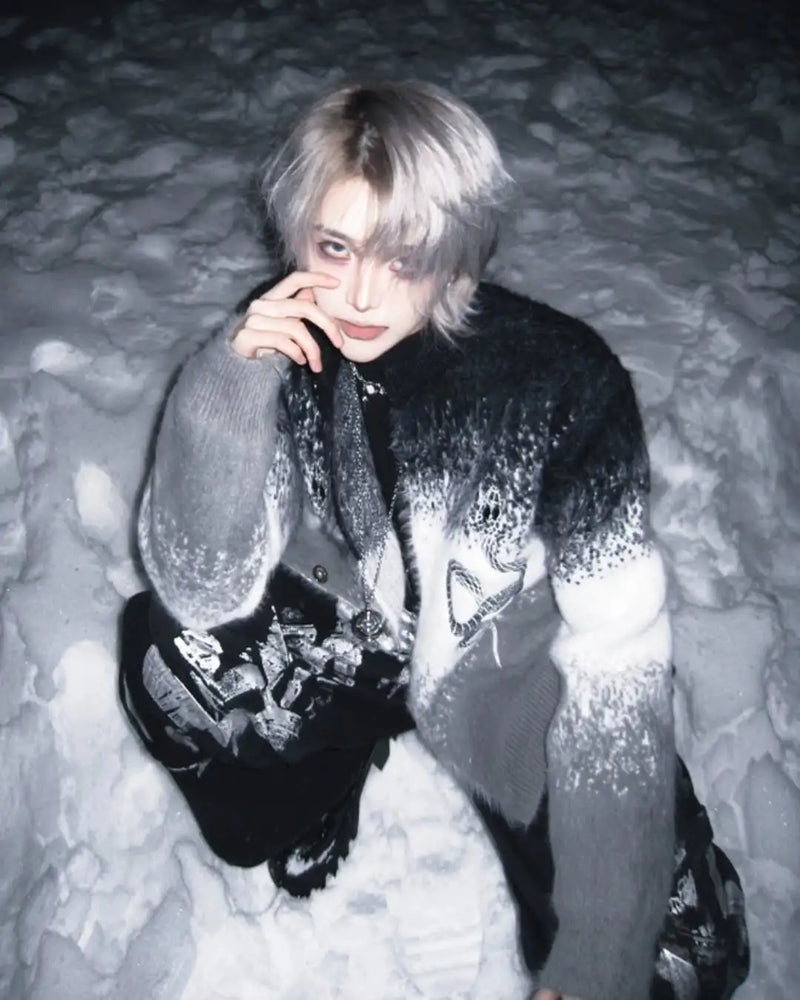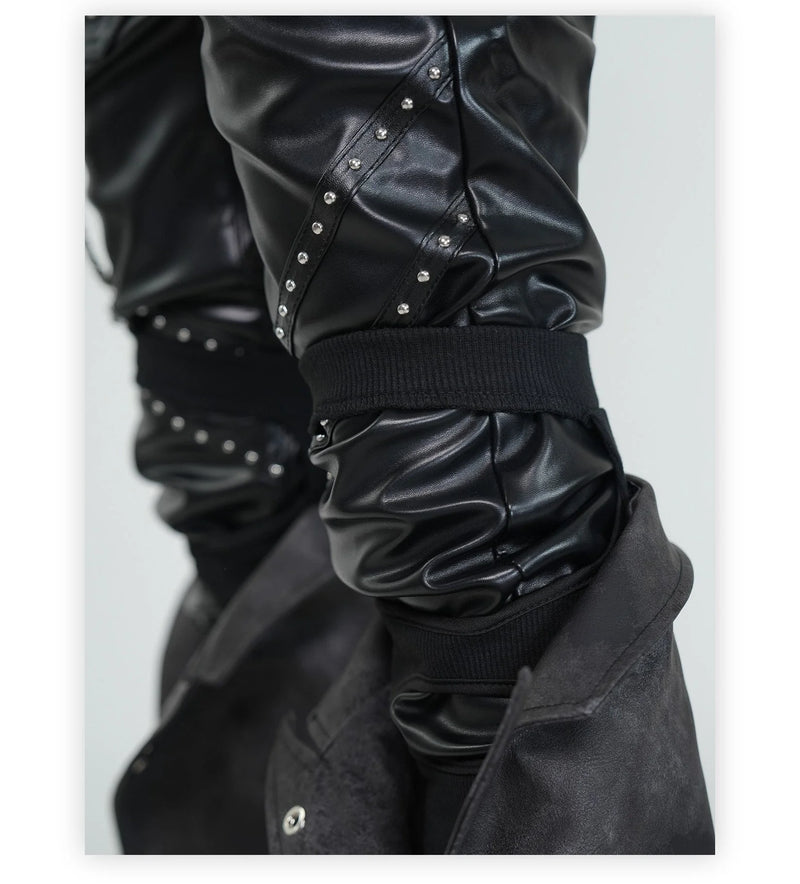
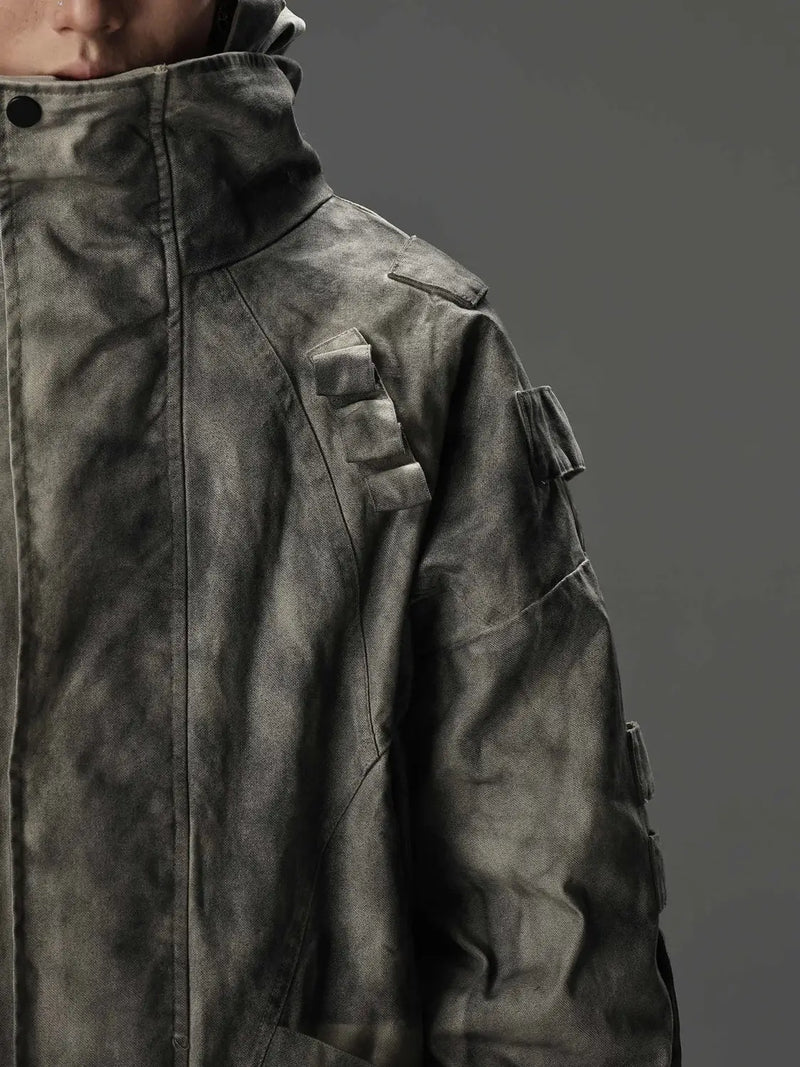
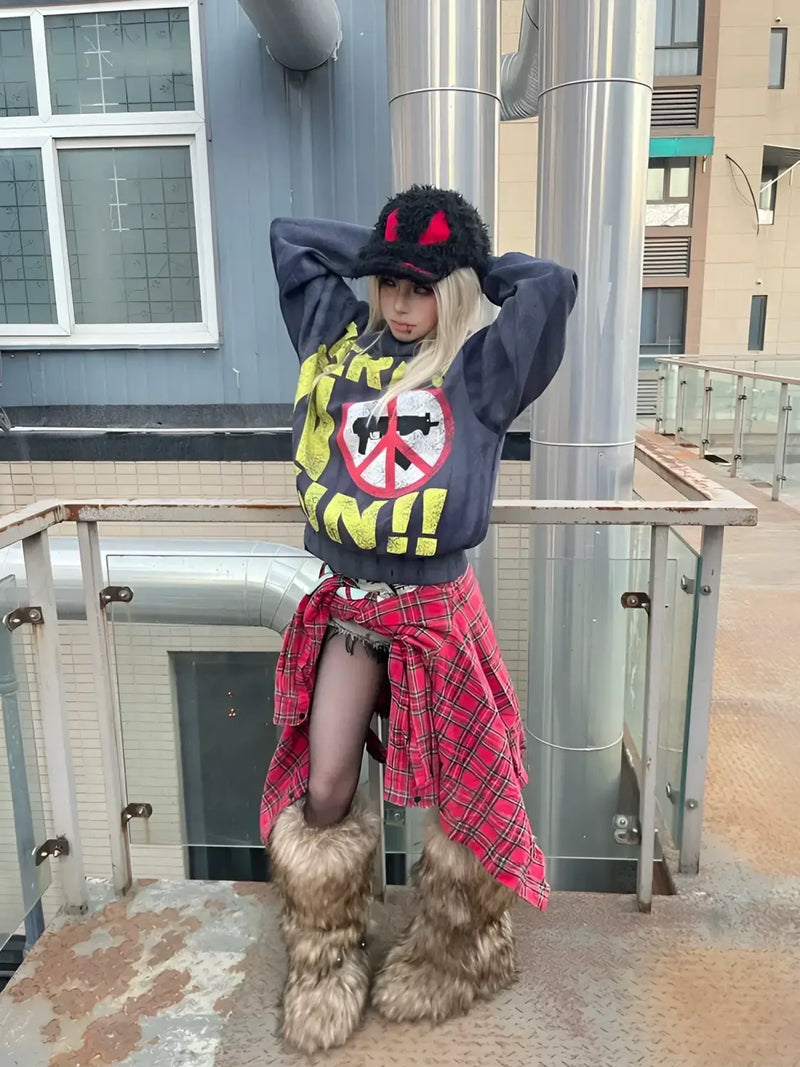
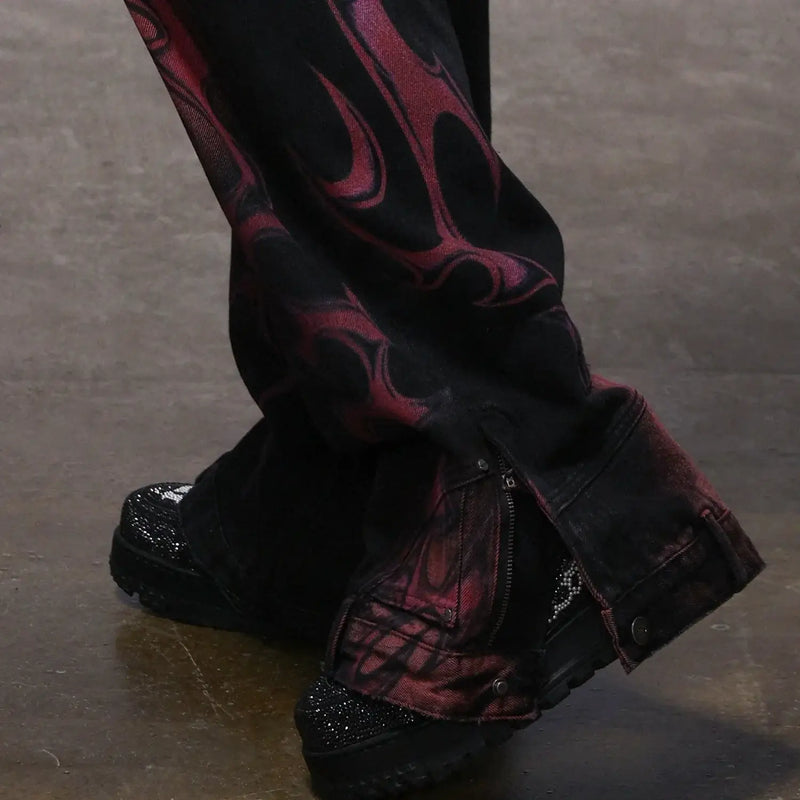
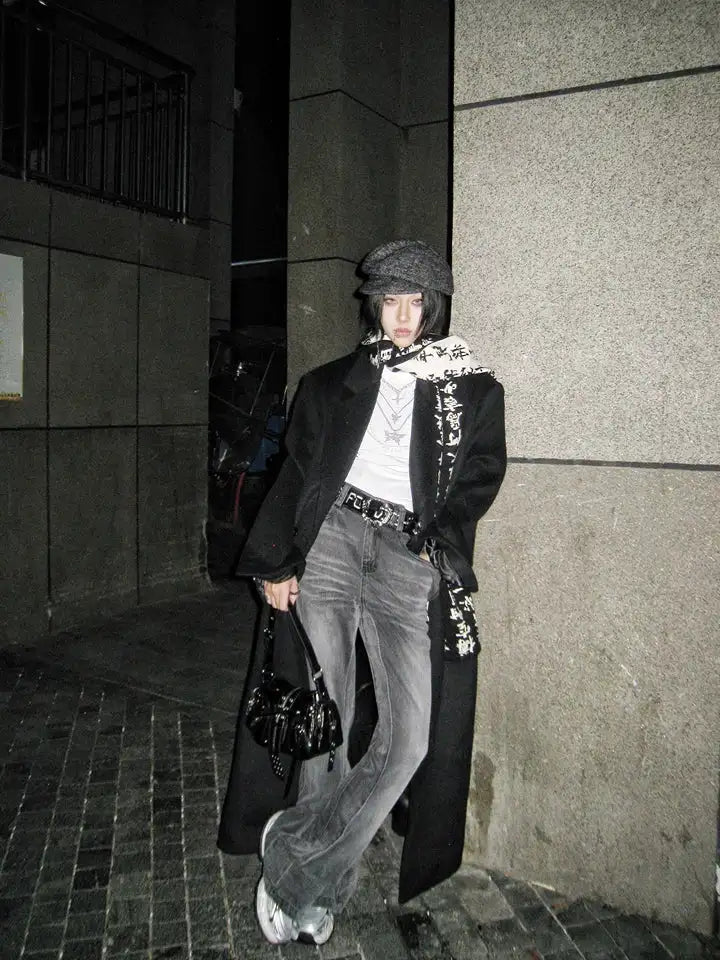

Korean Fashion is not a single style. It's a language with six dialects — Streetwear, Minimalist Chic, Y2K-Newjeans, Soft Romantic, Korean Grunge and Sporty Athletic. If you don't separate them, you buy one hoodie too many and still understand nothing. If you do separate them, you suddenly see what Seoul decided ten years ago, what Berlin and Tokyo took from it — and which of these six codes really fits you. We build this guide around the question you type into Google: what the Korean fashion style is called, which types exist, where women's and men's logic split, which brands are writing it right now, and how you start without dumping the first 200 € into a cosplay look.
We don't do this through trend-lifestyle phrases. We do it through the question Google asks you when you type "Korean Fashion Styles": which styles really count, where they come from, and what of it you can actually wear without feeling like you're in a Newjeans music video when all you're doing is walking to the corner shop.
01 · Definition
What is the Korean fashion style actually called?
The most common Google question is the most direct: "What is the Korean fashion style called?" — and the honest answer is, there is no singular. In the West the umbrella term is K-Fashion. Alongside it circulate Korean Streetwear, Seoul Fashion, Ulzzang (for the soft selca look of the 2010s) and, since 2023 above all, Newjeans-Aesthetic or NJ-Aesthetic as a proper name for the Y2K wave the K-Pop group set off. Whoever says Korean Style usually means either the minimalist Seoul office look or the oversized streetwear that went international through Squid Game — but those are only two of the six fields.
6
distinguishable K-Fashion archetypes
2010
Start of the global Hallyu fashion wave
€80–140
realistic entry-level AOV per piece
What sets K-Fashion apart from the rest isn't a fabric or a colour — it's the construction of the outfit. Three things that come back in almost every one of the six dialects:
- Layering before statement. Three layers are the norm, not the exception. A Korean outfit is rarely a hoodie and trousers — usually there's a longsleeve underneath, a cardigan layer or a cropped blazer on top.
- Proportion before volume. Where American streetwear stacks big on big, K-Fashion almost always balances: oversized on top, fitted below — or the other way round. Never both.
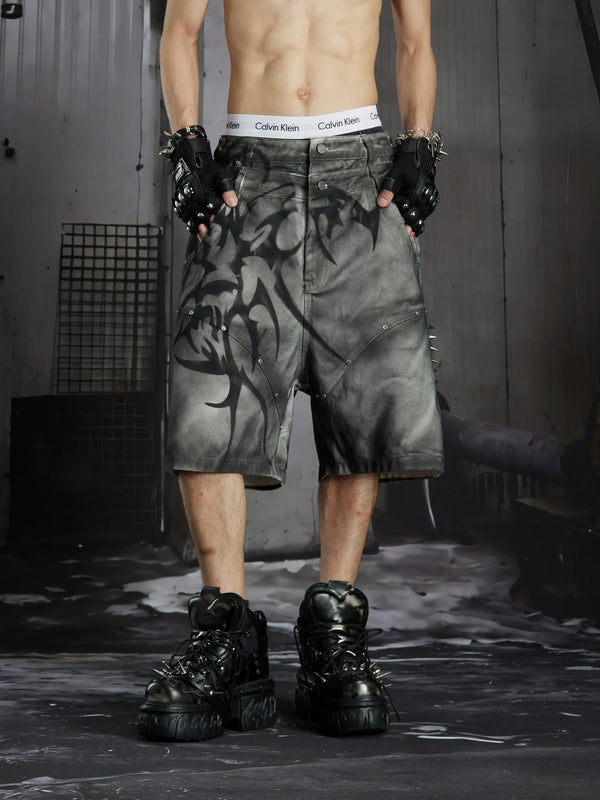
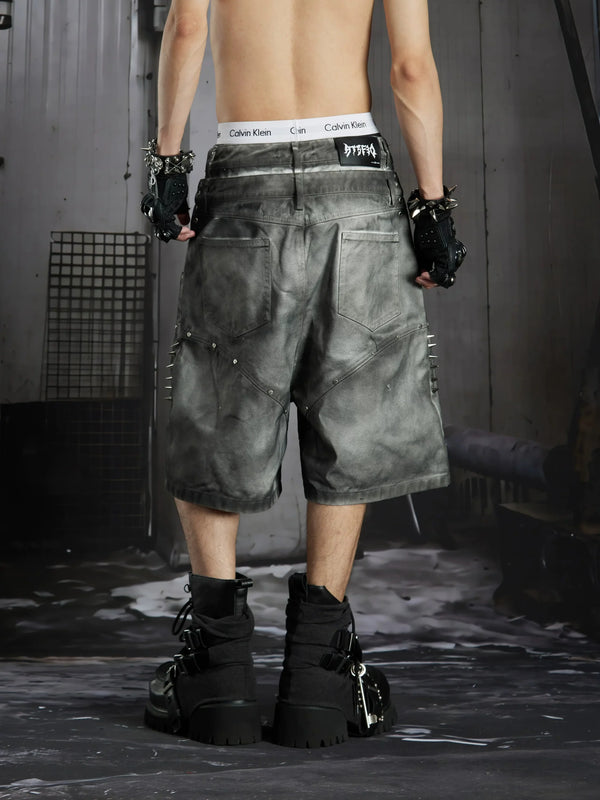
- Cleanness before distressing. Even the grungy K-look keeps cut edges clean. Rips are placed, not random. That's the point where K-Grunge splits from US-Y2K.
02 · Origin
Seoul, Hallyu, and how K-Fashion came to Berlin
K-Fashion didn't originate in Seoul — it was condensed there. What we read today as the Korean fashion style is the second generation of the Hallyu wave: first K-Drama (around 2002) exported the image of the urban Seoul office look — clean trenchcoats, white sneakers, office shirts never quite buttoned correctly. Then K-Pop (from 2010, with Big Bang as the key moment) opened up the streetwear code: oversized, gender-neutral, with US hip-hop DNA, but rebuilt in Seoul proportions.
The second leap was European and came later. Squid Game (2021) made the oversized-baggy look mainstream, and Newjeans (debut 2022) recalibrated the Y2K revival. What gets passed around on TikTok in Berlin, Hamburg, Munich as "Korean Style" is usually one of those two versions — and almost never the older Ulzzang selca look, which Westerners often still associate with "Korean Style" but which has been winding down in Seoul itself for years.
Important to understand: K-Fashion is not Japanese fashion with less volume. Both countries share the Asian streetwear DNA, but the logic is different. Japanese fashion (Harajuku, CDG DNA, Issey Miyake school) builds on fracture points — visual conflicts as a statement. Korean fashion builds on polish — the look should read as coherent at first glance, even when it layers three trends. That's the one sentence that clears up most of the confusion.
03 · The archetypes
The 6 archetypes of Korean fashion — and what really sets them apart
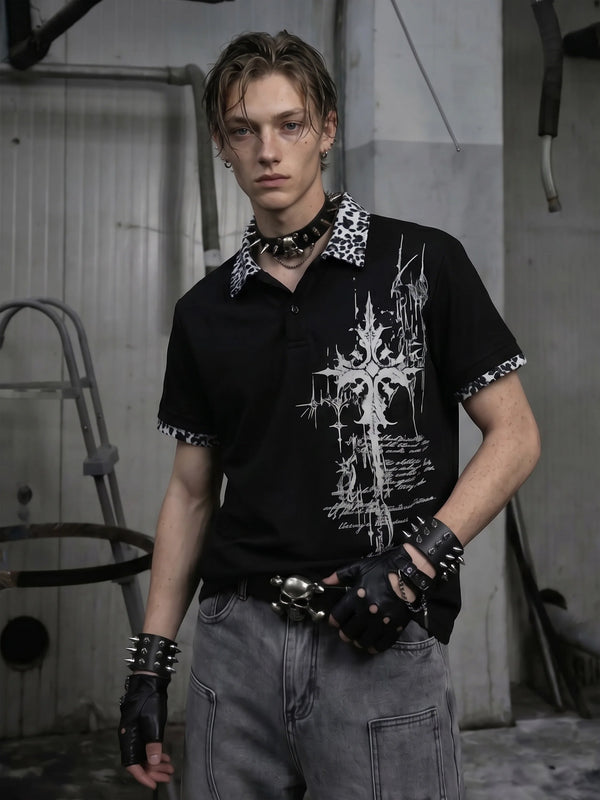
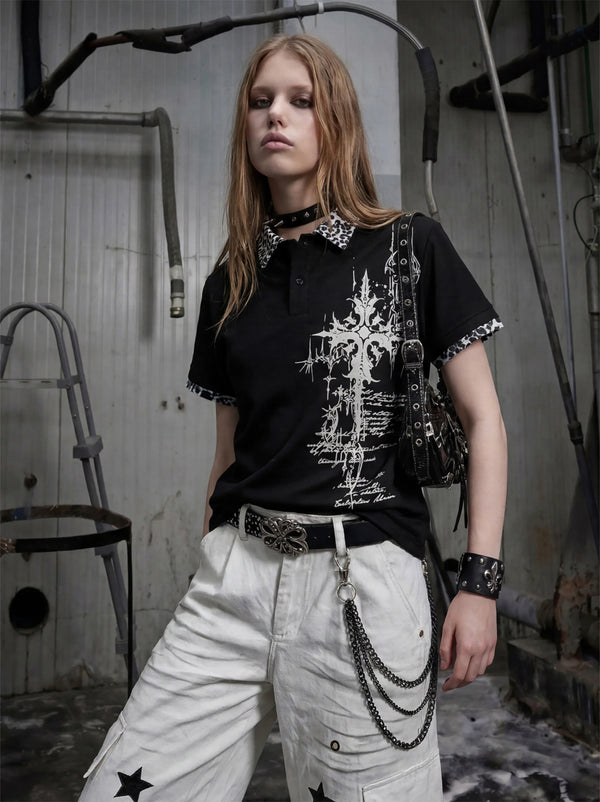
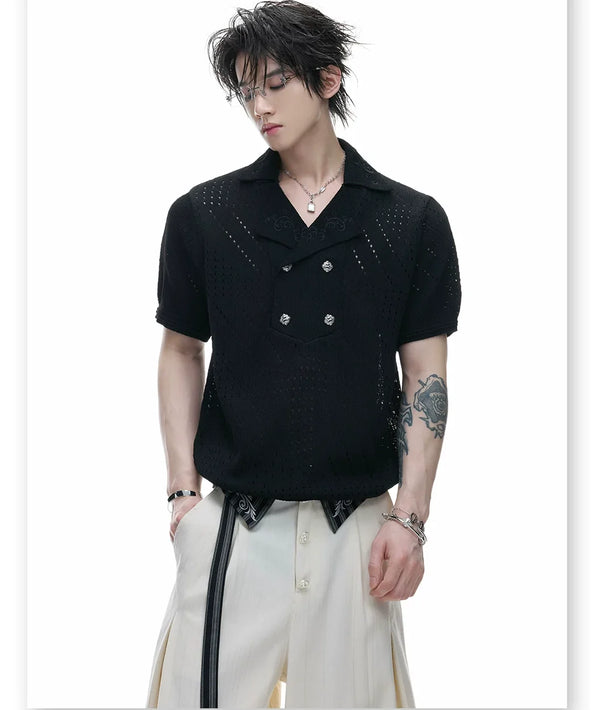
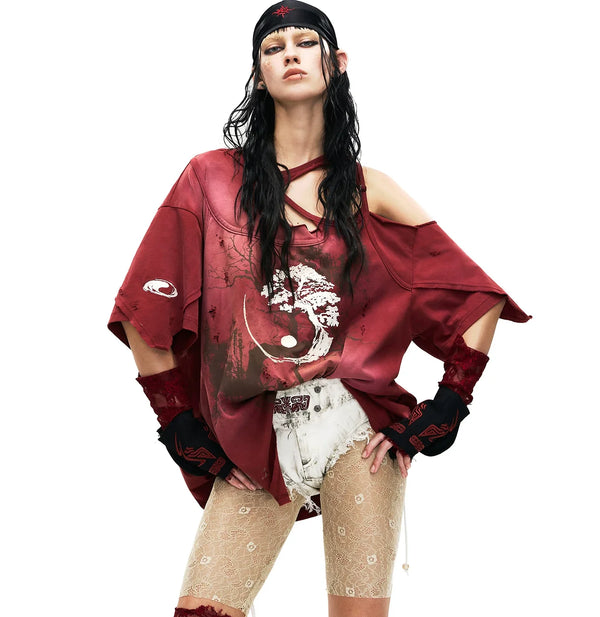
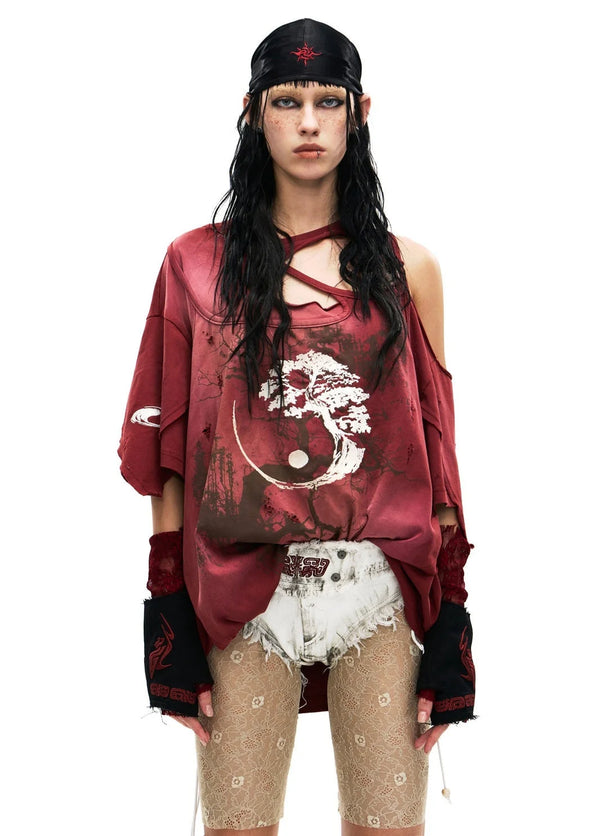
If you take only one thing from this guide, let it be these six fields. Each has its own silhouette, its own colour palette, its own brand list. Most of the outfits you see in Seoul street posts or K-Pop airport shots are a clean variation from one of these six fields — rarely hybrids, almost never everything at once.
The order isn't arbitrary. Korean Streetwear is the entry point, because it combines most easily with everyday German cuts. Minimalist Chic is the office variant you can also wear to work. Y2K is the loudest — and the one that tips over fastest if you overstretch the age. Soft Romantic needs pastel material that doesn't look like polyester. Korean Grunge needs real leather, not PU. Sporty Athletic is the underrated lane — the look BTS members wear at the airport and which over here still gets read as "a tracksuit".
04 · Gender split
Korean Fashion women vs men — where the logic really splits
Korean Fashion is officially gender-neutral — and in practice it has three fault lines you need to see. Women's looks carry the Y2K and Soft Romantic fields more strongly, men's looks stay tighter in the Streetwear and Minimalist Chic corridor. But that's statistics, not a rule. The real split runs at three points.
Cut: Women often wear Korean Streetwear with cropped tops — bare midriff, high waist, layers underneath. Men keep the top cut long and build the silhouette through the trousers: wide, pleated, ankle-length. Swap that and you look unplanned — men in cropped tops read as Y2K cosplay, women in fully long tops tip into boxy.
Colour: The women's palette has more pastel and more accent (lavender, butter yellow, sage). The men's palette runs tighter in earth tones, off-white, charcoal, black. Korean Grunge and Minimalist Chic share the colour codes — Soft Romantic and Y2K-Newjeans run clearly more feminine.
Material weight: Women's K-Fashion works with lighter materials — knit, chiffon, mesh, flowing trousers. Men's K-Fashion goes for heavier denim, dense knit, structured outerwear. That's the point where the looks get visually sorted, even when the silhouette is similar.
05 · Brands
Korean Fashion Brands — the labels that write the look
Brand lists go out of date fast. This one holds because it sticks to labels that have been constant for at least three years — no TikTok one-day wonders. Seven names are enough to cover the six archetypes. Each of them can be had through Seoul's own channels or through European stockists (Browns, Mytheresa, Selfridges, individual concept stores in Berlin and Paris).
- ADER Error — minimalist statement tees with the diagonally set logo. The label that put Korean Streetwear on the global map ten years ago. Beck and Yejin as style codes.
- We11done — gender-neutral oversized streetwear. Jessica Jung's brother Dami Jung co-runs it. Strong in the Korean Grunge lane, heavy leather jackets, distressed knits.
- Andersson Bell — Soft Romantic with bite. Knits with embroidery, romantic cuts, but with unexpected textures. The transition between Mardi Mercredi and Soft Goth.
- Mardi Mercredi — the flower-tee brand that went global through the roof in 2023. Soft Romantic in its clean-feminine form. High resale rate on Vinted.
- Gentle Monster — sunglasses as architecture. No outfit needs more than one statement piece — Gentle Monster is usually that piece when the rest stays minimal.
- IISE — minimalist Korean menswear. If you want men's K-Fashion without the streetwear reflex, you land here. Clean cuts, Hanbok references in the detail.
- Charm's — Y2K revival brand that supplies Newjeans and other K-Pop groups. If you want the Newjeans look, you build on this.
Fūga is not ADER Error and not Mardi Mercredi — and it isn't meant to be. We deliver the cuts and proportions that let you enter the six archetypes without paying the Seoul price point. Whoever later adds the brand originals has the right base. Whoever starts with the originals without a base never builds the look cleanly.
06 · Outerwear
Korean jackets — Trench, Cropped Puffer, Bomber
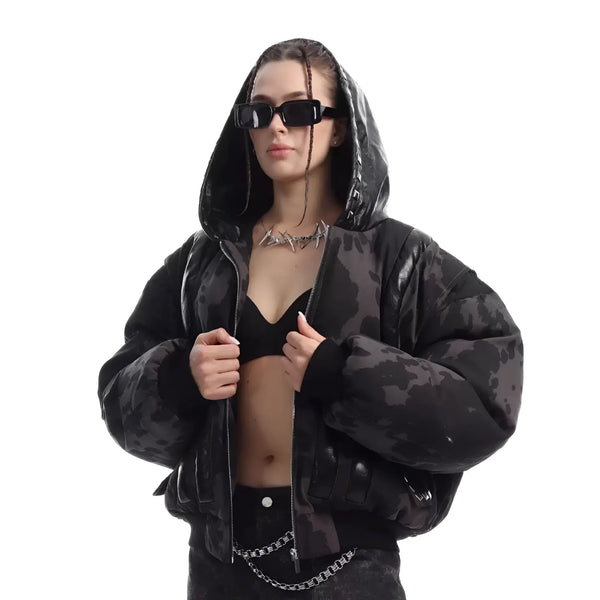
Outerwear is the piece that makes K-Fashion instantly legible. Three cuts carry the code. The trenchcoat — standard in Minimalist Chic, in spring and late autumn. The cropped puffer — the Korean Streetwear answer to North America's oversized down jacket, cut hip-high, almost always matte black or off-white. The bomber — the transition between Streetwear and Sporty Athletic, in Korea often with an embroidered detail on the back or sleeve.
07 · Trousers
Korean trousers — Wide, Pleated, and the cargo reflex
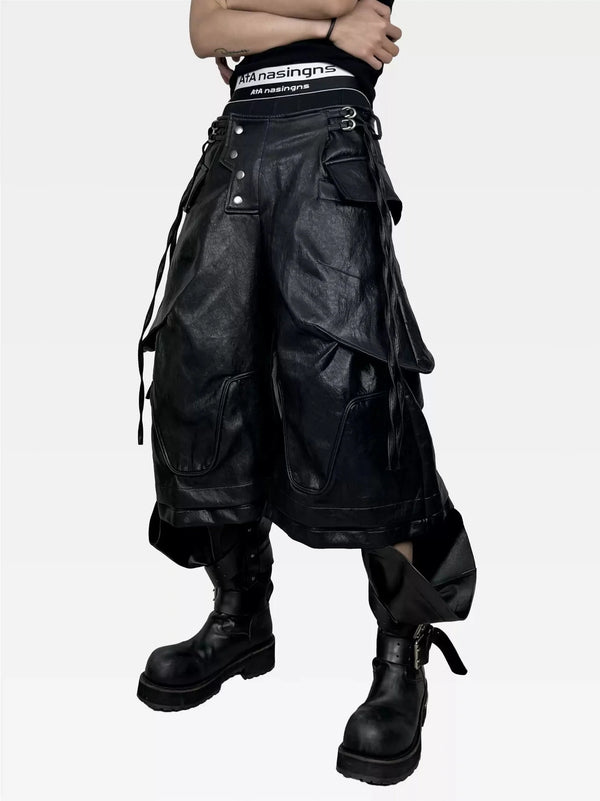
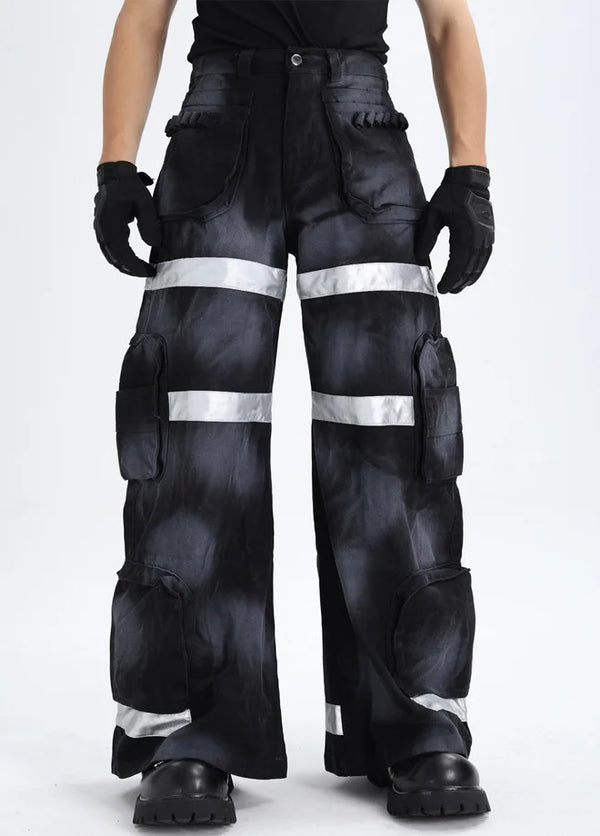
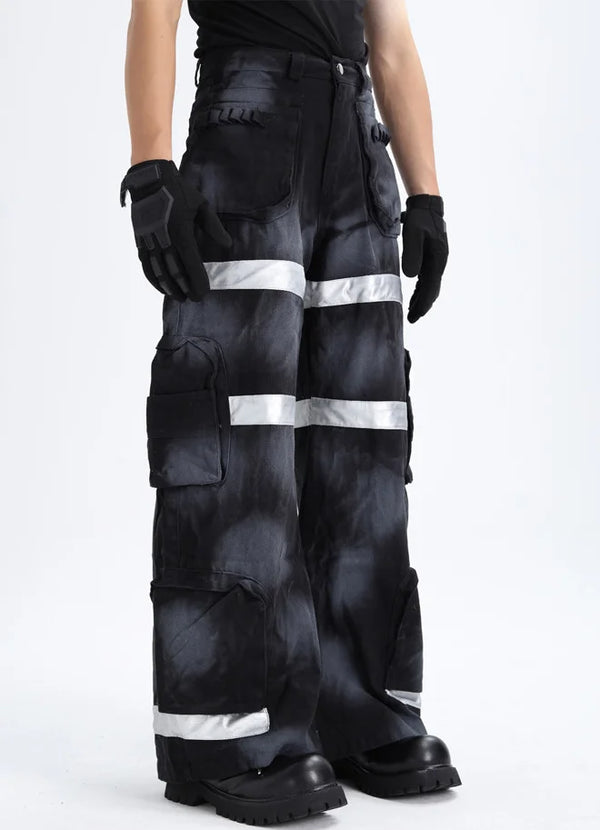
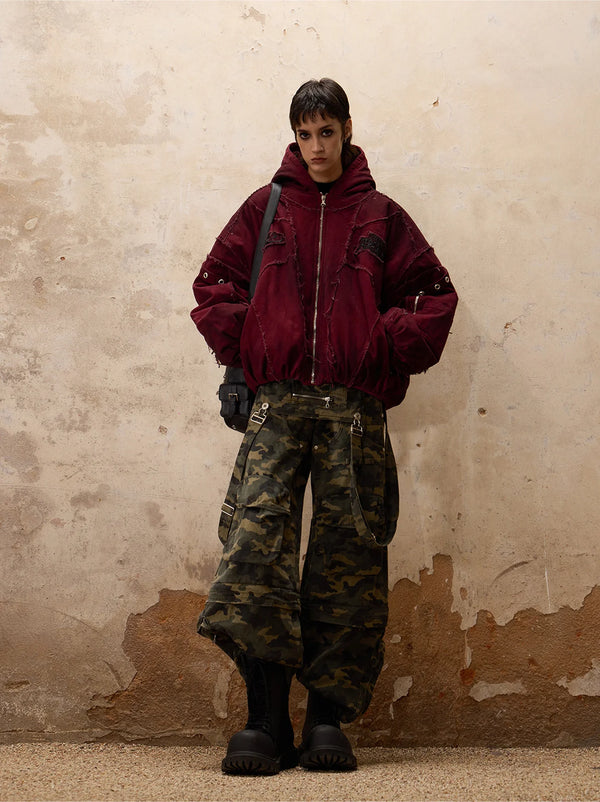
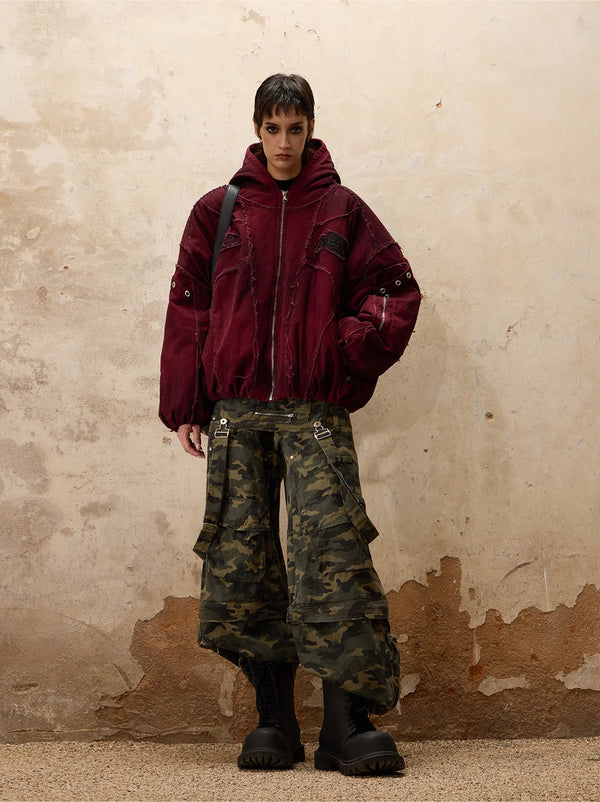
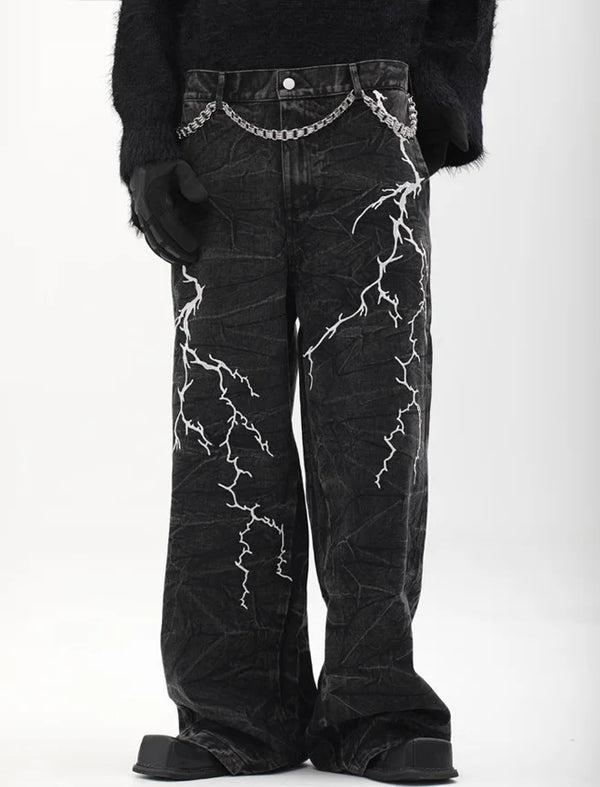
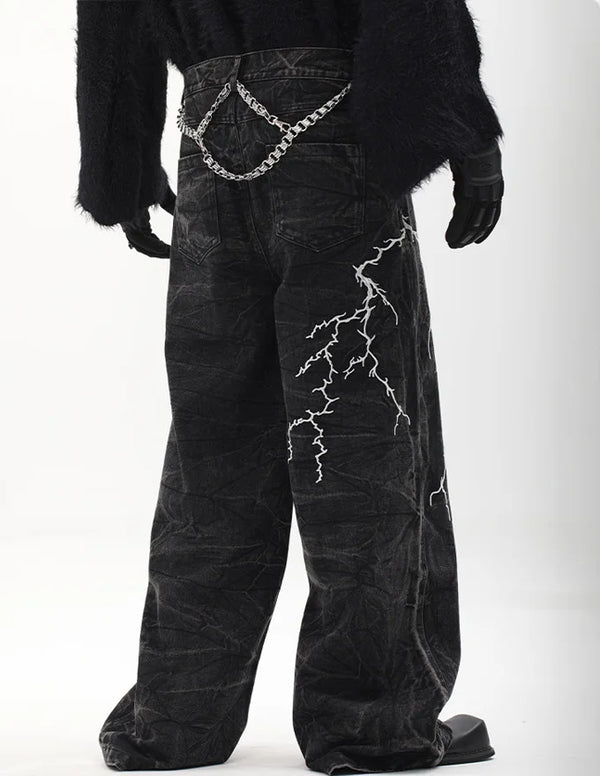
Trousers are the most important architecture decision. Korean Streetwear almost always runs to wide-leg, sitting just on the ankle or slightly stacked. Minimalist Chic uses pleated trousers — a crease running narrow to the bottom. Y2K-Newjeans flips it: low-rise, flared, often with a visible waistband. Soft Romantic stays with midi skirts or full skirts; trousers are second choice here.
Cargo trousers are a bit of a reflex buy in Korean Fashion — they look right at first glance but are only so in two of the six archetypes (Korean Streetwear, Sporty Athletic). In Minimalist Chic or Soft Romantic they tip the look instantly. If you're at the start, buy a wide-leg jean and a pleated trouser before you reach for cargo.
08 · Tops
Korean tops & knits — layering is the method
The most K-Fashion magic happens up top. The rule is always the same: two or three layers, visibly staggered. In Korean Streetwear a longsleeve sits under an oversized T-shirt. In Minimalist Chic a thin shirt under a cardigan. In Y2K-Newjeans a mesh top under a mini tank. In Soft Romantic a camisole under a knit cardigan. In Korean Grunge a ripped tee under a leather vest. In Sporty Athletic a technical tee under a quarter-zip.
09 · Shoes
Sneakers, loafers, Mary Janes — what happens at the feet
Korean footwear is the underrated axis. Four categories cover the six archetypes. White sneakers — Adidas Samba, New Balance 530, Asics Gel-NYC — are the default for Streetwear, Minimalist Chic, Sporty Athletic. Black loafers with a platform sole run in Minimalist Chic and Korean Grunge. Mary Janes are worn by Soft Romantic and Y2K-Newjeans. Boots — chunky, with a platform — are pure Korean Grunge and also take over the Streetwear look in winter.
The brand Nike shows up in many Korean-style searches — and that's no accident. Nike Cortez, Dunk Low, Air Force 1 are as present in Seoul streetwear as Adidas Samba. But the sneakers are only the vehicle — the look comes from the cut of the trousers above, not from the shoe itself.
10 · Styling
How to really style Korean Fashion — proportion, layering, colour
The styling principle is simpler than it looks — three rules that apply in every archetype. One: Keep only one proportion axis oversized per outfit. If the top is wide, the trousers sit waist-sharp — or the other way round. Both oversized works only in Korean Streetwear, and even there only if the material weight is right. Two: At least three visible layers, but never four. Tank top + T-shirt + cardigan + coat tips over — drop one of them. Three: One accent colour per look, never two. If the bag is lavender, the sneakers are white. If the sneakers are red, all tops are neutral.
In Seoul a look is finished when it looks calm, not when it looks full. Three visible layers, one colour, one statement shape. More is cosplay, less is lounge.
Fūga · Editor's Note
The most common source of error for Westerners trying K-Fashion isn't the choice of pieces — it's the accumulation. Too many trends in one outfit. Whoever breaks that has the look almost right from the start.
11 · Seasonal
Korean Style in summer vs winter
Seoul has extreme seasons — hot, humid summers and deep, dry winters — and Korean Fashion is therefore more strongly seasonally split than Western streetwear. In summer light fabrics dominate, ribbed tank tops, midi skirts, wide linen trousers, white sneakers. The layer logic stays, but each piece is thinner. In winter the architecture comes back: cropped puffer over knit, long trenchcoats over pleated trousers, beanie and scarf as accent layers.
12 · Mistakes
The 6 most common mistakes with the Korean look
13 · Getting started
How to start with Korean Fashion — the first 4 pieces
If you want to start now, you don't need a whole wardrobe. Four pieces are enough to build a clean Korean Streetwear look — and at the same time lay the base for Minimalist Chic. We recommend the order: trousers first, then the top, then the jacket, then the shoes. That way the look builds from the bottom up, with the most important architecture decision first.
With these four pieces you land at an investment between 250 and 400 €. That's the honest entry threshold. Whoever stays below it buys polyester and keeps the look two seasons at most. Whoever goes above it without having the base builds gaps into the wardrobe.
14 · Real looks
Korean Style on the street — what it looks like for real
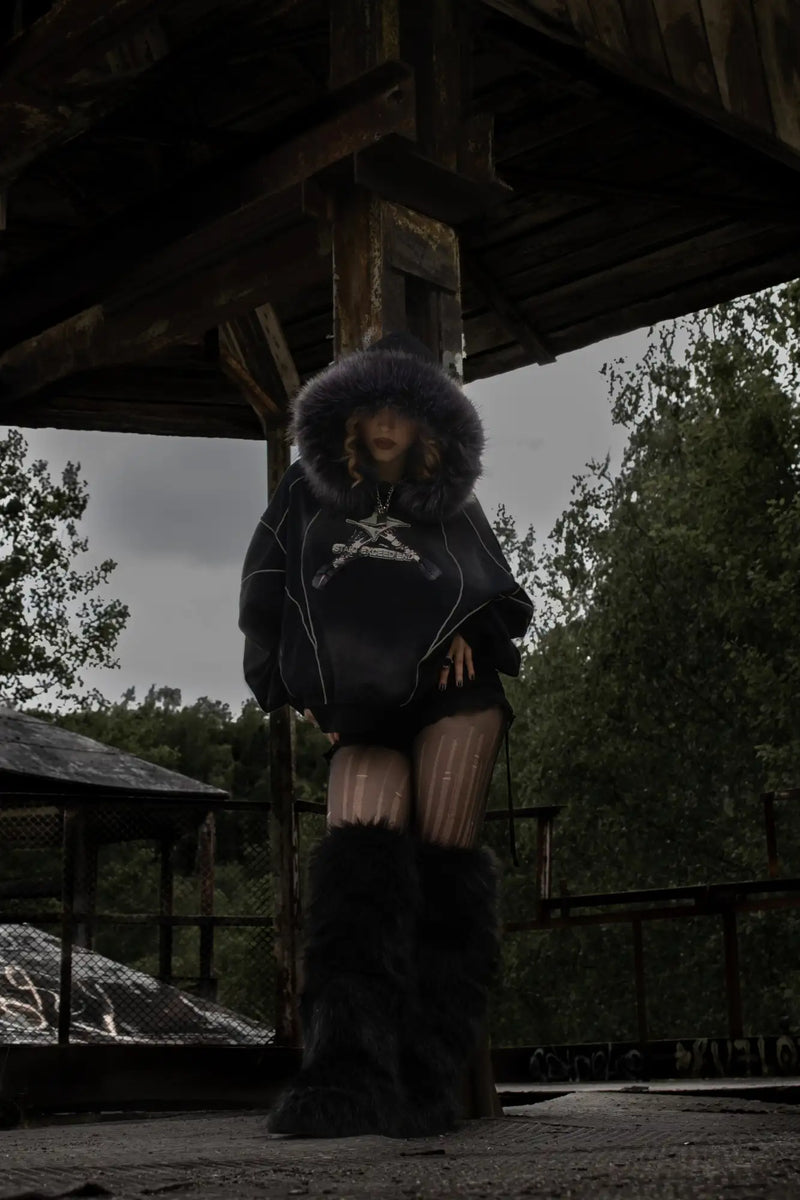
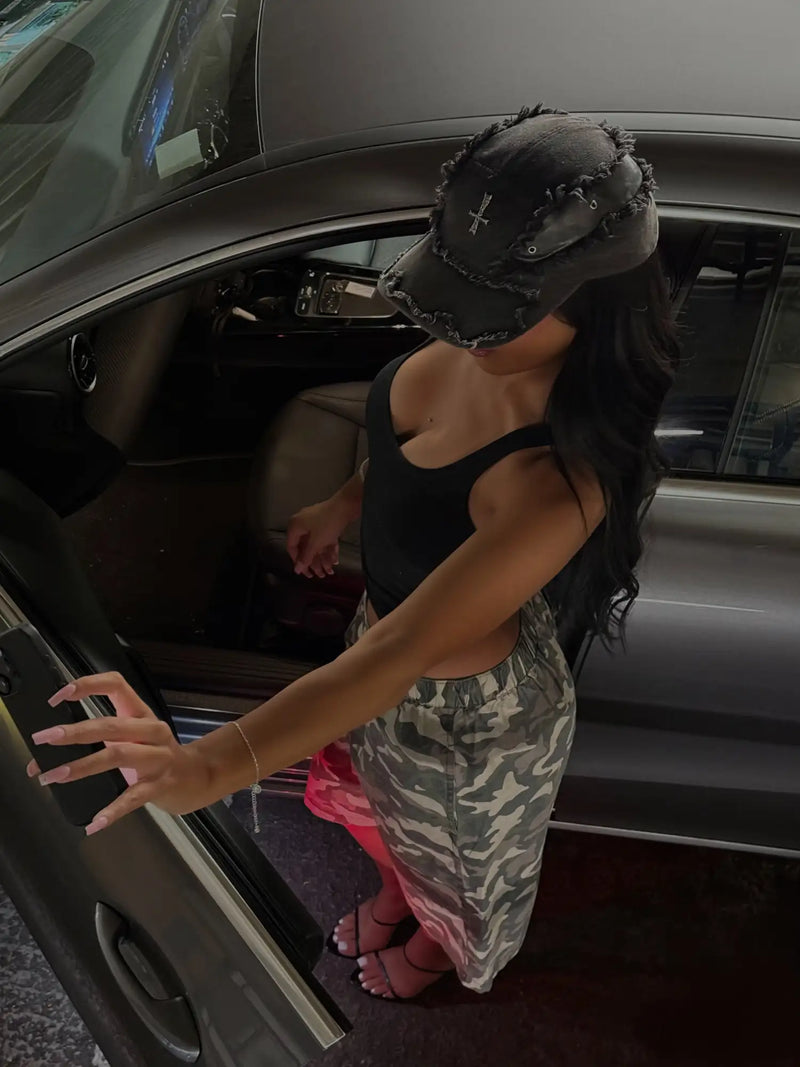
Theory is theory. What we see in Berlin, Hamburg, Cologne, Vienna in real outfits rarely runs 1:1 like the Seoul template. That isn't the goal either — the look has to adapt to the German season, the German city and the German fabric availability. What stays is the logic: layer, proportion, one accent colour, one statement shape.
15 · Conclusion
Korean Fashion is a language — not a costume
16 · FAQ
Frequently asked questions about Korean Fashion Styles
What is the Korean fashion style called?
What typical Korean clothing styles are there?
What is the 3-3-3 rule for clothing?
What are the 7 fashion styles?
How does Korean Fashion differ for men and women?
Which Korean brands should you know?
How do I start with Korean Fashion?
What do you think?
Tell us on @fuga_studios
About the author
Philipp Fuge — Founder · Berlin
Founder of Fūga Studios. Writes the journal himself. Berlin · Shanghai · Tokyo · Poznań — four cities, one logic.