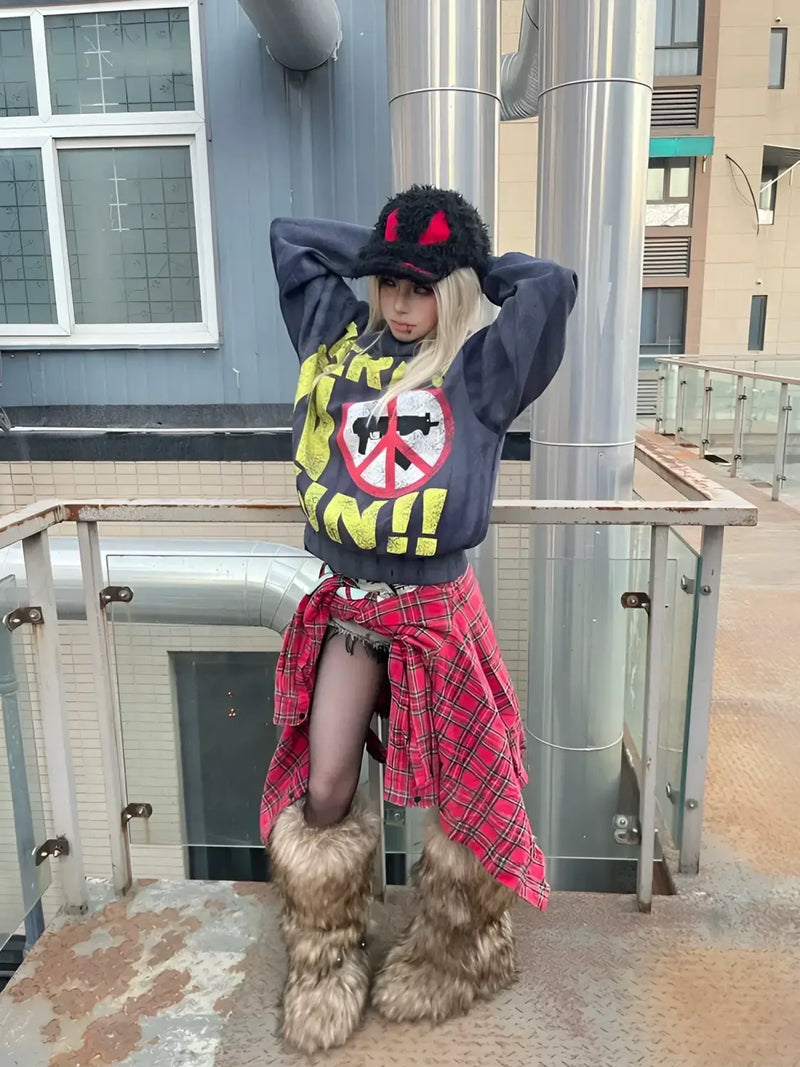
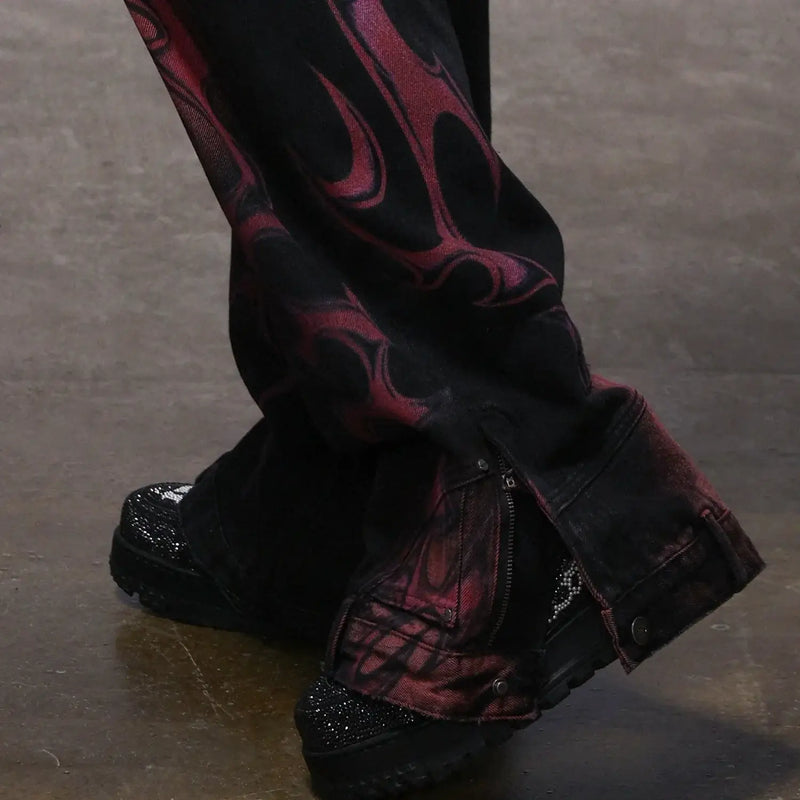
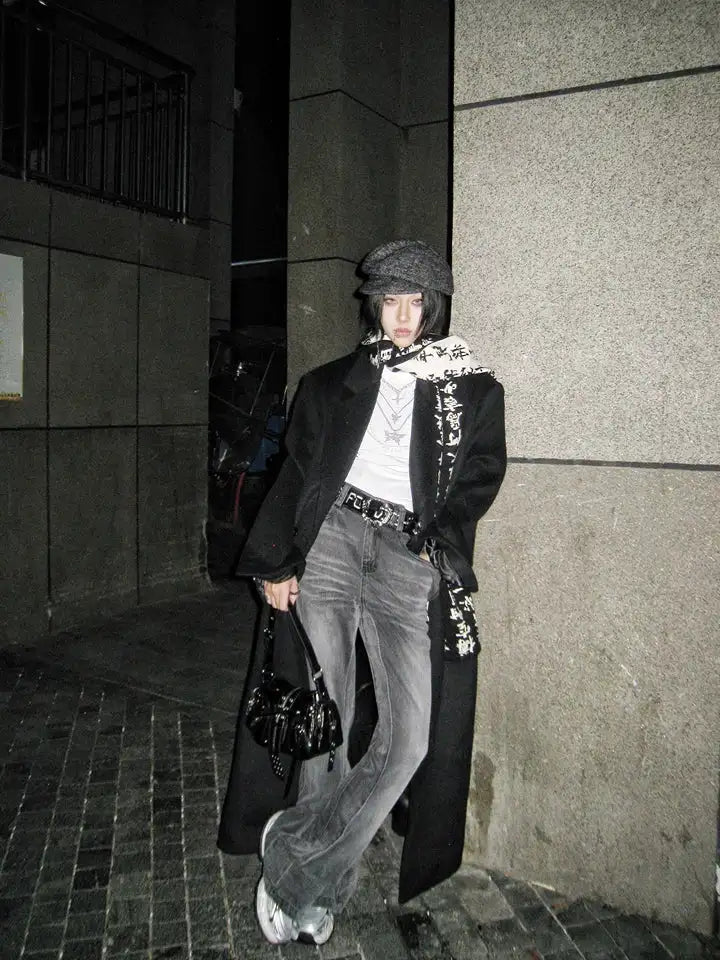

Google “Medieval Korean Clothing” and you land on two kinds of page: Wikipedia history from 57 BC, or Halloween shops selling plastic Hanbok for €29. Both miss the point. What Koreans wore between the Three Kingdoms and the end of the Joseon dynasty didn’t vanish into a museum — it’s the construction vocabulary that every K-drama costume designer and every modern Hanbok brand still uses today.
The logic behind it is 1,500 years old and still brutally consistent: a short wrappable top layer (Jeogori), a voluminous bottom (Chima for women, Baji for men), a longer outer layer (Po, Durumagi), and a colour rulebook (Obangsaek — five cardinal colours) that made every social rank instantly visible. Once you understand the system, you see the same vocabulary show through in every BLACKPINK press shoot, in every “Kingdom” episode on Netflix, and in every Leesle lookbook.
Dismiss Hanbok as a “Korean costume” and you mistake 1,500 years of cut evolution for a cosplay idea. This guide sorts it out: who wore what when, what separates Jeogori from Hanbok from Cheoson-ot, which four dynasties wrote the vocabulary, which modern brands carry it forward today, and why “can I wear Hanbok as a non-Korean” is a serious question with a serious answer.
What a modern Hanbok silhouette looks like in 14 seconds — the DNA in motion:
Origin
What did Koreans wear in the Middle Ages — and since when, exactly?
The earliest Hanbok precursor is documented in Goguryeo wall paintings from the 4th and 5th centuries. Tomb murals in Anak and Deokheungri show riders, dancers and soldiers in exactly the three-part system you still see on the streets of Seoul during the Chuseok festival today: short wrapped jacket on top, wide bottom below, an extra outer layer for occasion or weather. The vocabulary was already complete back then.
What changed over the next 1,300 years was the proportion. During the Three Kingdoms (Goguryeo, Baekje, Silla — until 668 AD) the Jeogori sat longer, was body-close and movement-friendly — riding culture, warrior classes, lots of horse. In the Goryeo kingdom (918–1392) Mongol influence joined in: courtly robes, heavy fabrics, wide cuffs, a markedly elaborate hierarchy through fabric quality. Only in the Joseon era (1392–1897) does the Jeogori get cut radically shorter and higher — the famous “bustline” silhouette you see on every stock photo today.
“Medieval” in the Western sense (5th–15th c.) therefore covers three very different fashion phases for Korea. Anyone with “medieval Korean clothing” as a single image in their head is usually thinking of late Goryeo or early Joseon — the moment when the system had already matured into high culture, but hadn’t yet tipped into the mini-Jeogori phase of the 18th century.
Definition
The Hanbok system — what all belongs to it
Medieval Korean clothing isn’t a single piece, it’s a kit. Know the building blocks and you can take any Hanbok look apart — historical or modern — and reassemble it. The four numbers that carry the whole system:
3
Core layers (Jeogori, bottom, Po)
5
Cardinal colours (Obangsaek)
4
Dynastic cuts
0
Buttons (everything wrapped)
These four values are the actual rulebook. Classic Hanbok has no buttons — everything is held by the goreum (chest band) and the otgoreum (bow knot). Wear the system without the knot and you’re no longer wearing Hanbok, but a Hanbok-shaped blouse.
Concretely, the medieval Hanbok wardrobe includes:
- Jeogori — the short wrapped top jacket. Closes at the front over the goreum band. The women’s version reaches just below the bust, the men’s to the waist.
- Chima — the wide pleated skirt worn by women, tied high above the bust. Volume comes from the pleats, not from a hoop.
- Baji — the wide trousers worn by men, laced at the top with bands, tied at the ankle below. Volume up top, tapering below — the silhouette every “Korean wide-leg” designer quotes today.
- Po / Durumagi — the long coat as outer layer. Reaches the calves or ankles, wide cut, falls open.
- Beoseon — the white fabric socks with a curved toe. Worn with straw sandals (jipsin) or leather shoes (hyei).
- Norigae — the ornamental pendant on the Jeogori band. Status marker and occasion code in one.
When three of the first four components are missing, it’s no longer Hanbok — it’s Hanbok inspiration. And there’s a single rule that holds the whole system together:
4 dynasties
The 4 dynastic archetypes — how Hanbok changed over 1,500 years
Say “medieval Korean outfit” and, depending on the century, you mean four very different looks. Lay historical murals, courtly portraits and Joseon genre painting side by side and the four phases look cleanly separated — different proportion, different colour density, different social function.
Which of the four archetypes shows up in a K-drama today depends on the century of the plot. “Six Flying Dragons” (early Joseon, 1392) and “Mr. Queen” (late Joseon, 1849) show the same cut code but radically different colour densities — that’s not a costume error, that’s historical accuracy.
Gender split
Hanbok men vs Hanbok women — where it really differs
The system is the same for both sexes — Jeogori on top, bottom below, Po as outer layer. What differs is the proportion and the movement logic. Where the women’s version distributes volume downward (gathered Chima, tied high), the men’s version pulls volume sideways (wide Baji trousers, trouser-centred silhouette).
Women’s Hanbok: short Jeogori (in the Joseon phase often just 25 cm long), plus a floor-length Chima whose pleats create a classic A-line volume. The bustline is kept smooth by the heoritti (chest band under the Jeogori). Norigae on the chest band as a status and occasion marker. Jewellery minimal — usually just a hairpin (binyeo).
Men’s Hanbok: longer Jeogori (to the waist or hip), wide Baji with ankle binding, often with a jokki (vest) or magoja (short outer jacket) for higher status. The Po as a long coat is more often mandatory for men — against the open house climate and for formal occasions. A black gat of horsehair as a hat marks the Yangban (nobility).
Both need the same cut logic and the same fabric hierarchy. What varies is the volume axis — vertical vs horizontal — not the vocabulary.
Terminology
Jeogori vs Hanbok vs Cheoson-ot — the terminology, clean
The three terms keep turning up jumbled — in Wikipedia articles, in K-drama subtitles, in the comment under every Hanbok Pinterest photo. But they refer to three different things on three different levels: a garment, a clothing system, and a geographic name for that very same system.
- Jeogori — the wrapped top. A single component of the Hanbok system. If someone wears “a jeogori”, they wear only the jacket, not the full outfit.
- Hanbok — the umbrella term for the entire layer system (Jeogori + Chima/Baji + Po + accessories). Literally: “Korean clothing”. The term officially used in South Korea today.
- Cheoson-ot / Joseon-ot (조선옷) — the same umbrella term, but from a North Korean linguistic perspective and referring to the Joseon dynasty. Literally: “Joseon clothing”. Still preferred today in North Korea and in some diaspora communities.
- Hanfu (汉服) — the Chinese counterpart. Often confused with Hanbok, but a completely different cut system (cross-wrap front, wide hanging sleeves, volume distributed quite differently on the body).
- Kimono (着物) — the Japanese counterpart. Shares the three-layer logic, but straight-falling instead of A-line, with an Obi instead of a goreum band.
Anyone who can’t tell Hanbok from Hanfu while watching a K-drama sees “Mr. Queen” and “The Untamed” as the same costume style — but they’re as different as a suit jacket and a sherwani. The clearest test: look at the bustline. The Hanbok Jeogori closes with a knot (otgoreum) slightly right of centre. Hanfu closes crossed over the whole chest. Kimono wraps straight and is fixed with the Obi belt.
Brands
Modern Hanbok Brands — who carries the vocabulary forward today
Over the last 15 years Hanbok has gone from “only for weddings and Chuseok” to a fashion category of its own. A generation of Korean designers didn’t museumify the system but brought it back into everyday life — with modern fabrics, shorter cuts and a logic that works with sneakers, glasses and bubble tea.
The brands writing the vocabulary today:
- Leesle (리슬) — since 2007. Coined the “Modern Hanbok” term in Korea. Shorter Jeogoris, thinner fabrics, colour palettes beyond Obangsaek. The default for young Korean women who want to wear Hanbok as streetwear.
- Tchai Kim — Kim Young-jin. Couture Hanbok for stages, films, K-pop cover shoots. BLACKPINK wore Tchai Kim for “How You Like That” (2020) — the moment Modern Hanbok went viral internationally.
- Damyeon (담연) — minimalist, single-colour, heavy natural fabrics. The “quiet” line among the modern Hanbok brands.
- Sansigi — men-focused. Magoja vests and Durumagi coats that work with trousers and a T-shirt.
- Lee Young-hee — the grande dame. Since the ’80s. Brought Hanbok to the Paris fashion shows long before “Modern Hanbok” was a marketing term.
- Gucci x Hanbok (2022) — Alessandro Michele collaborated with the Cultural Heritage Administration Korea for a capsule collection at Gyeongbokgung. A litmus test for whether Hanbok DNA works in European luxury — answer: yes.
- K-drama costume designers — Cho Sang-kyung (“Mr. Queen”), Kim Jung-mi (“Kingdom”). Not brands, but more style-defining than most designers. What they show, Pinterest buys the next morning.
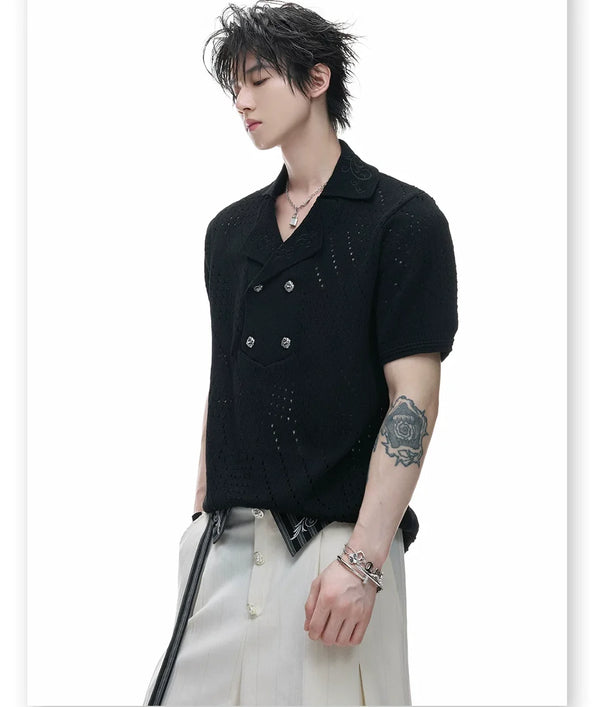
Outside Hanbok specialists the vocabulary shows up indirectly — in Korean streetwear brands like Andersson Bell, Ader Error or Pushbutton. Wide-leg pants with ankle binding are Baji DNA. Wrap tops with a knot closure are Jeogori DNA. Long open coats with a wide line are Po DNA. Once you’ve read the system, you see it everywhere in K-fashion.
Category · Outerwear
Korean Streetwear Jackets — where the Po DNA shows through
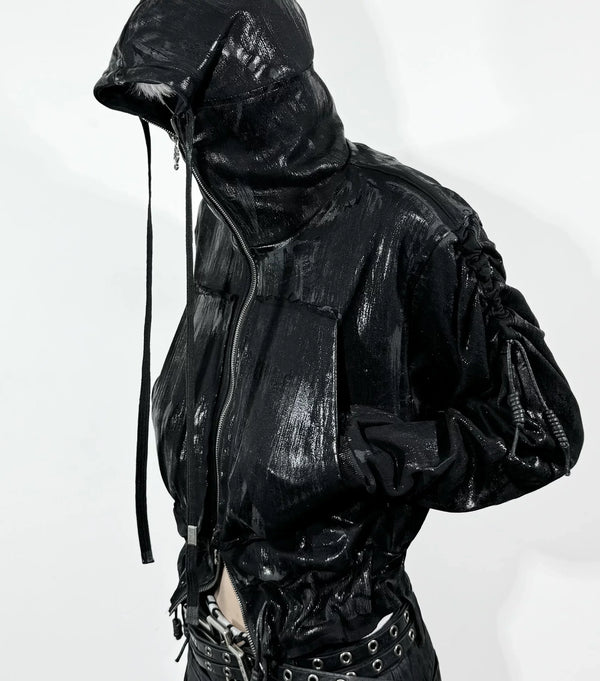
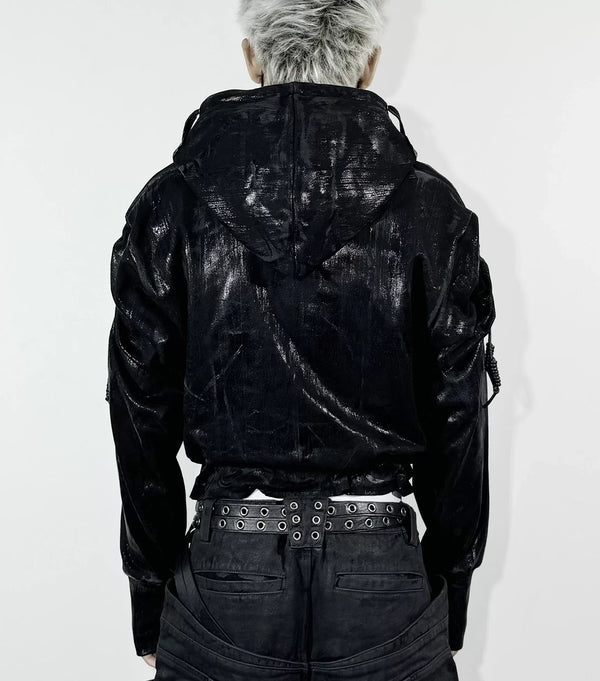
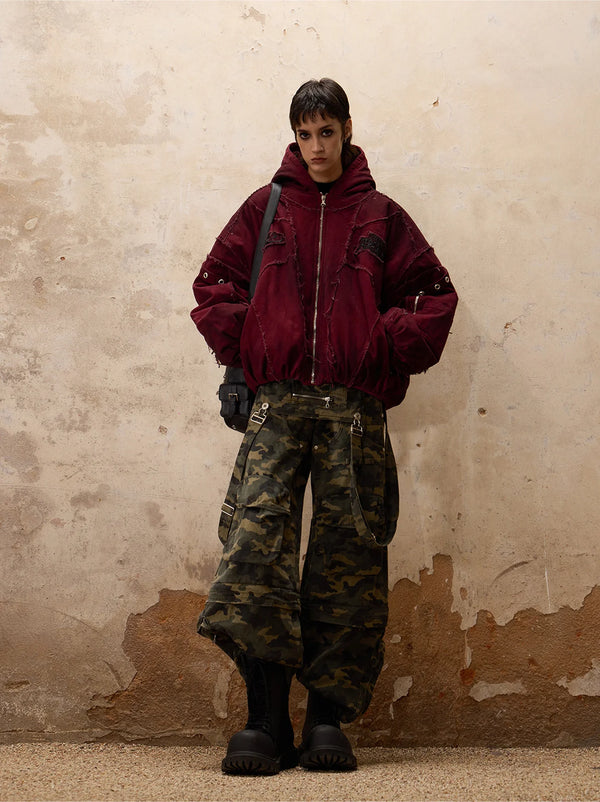
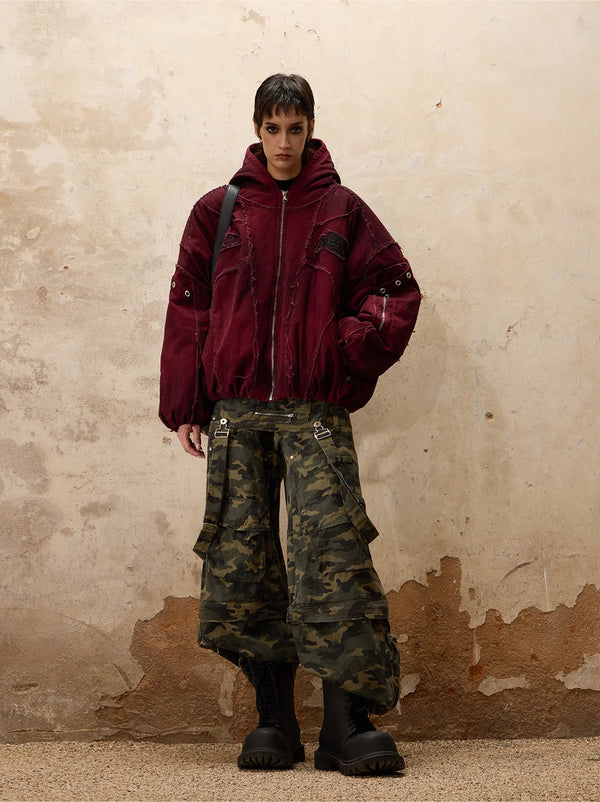
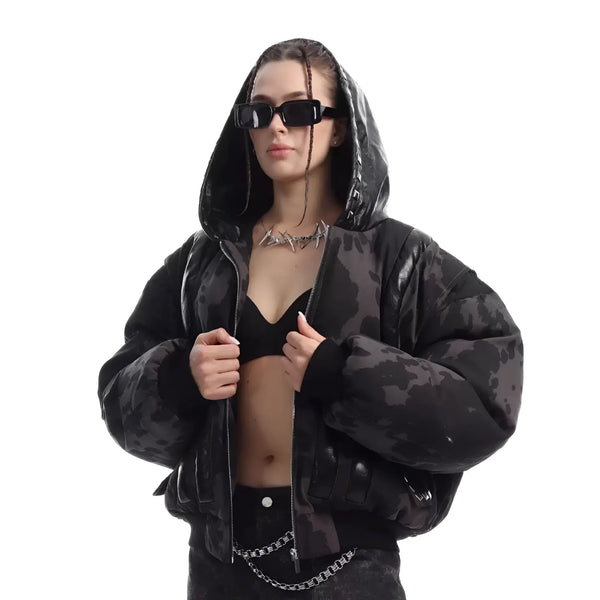
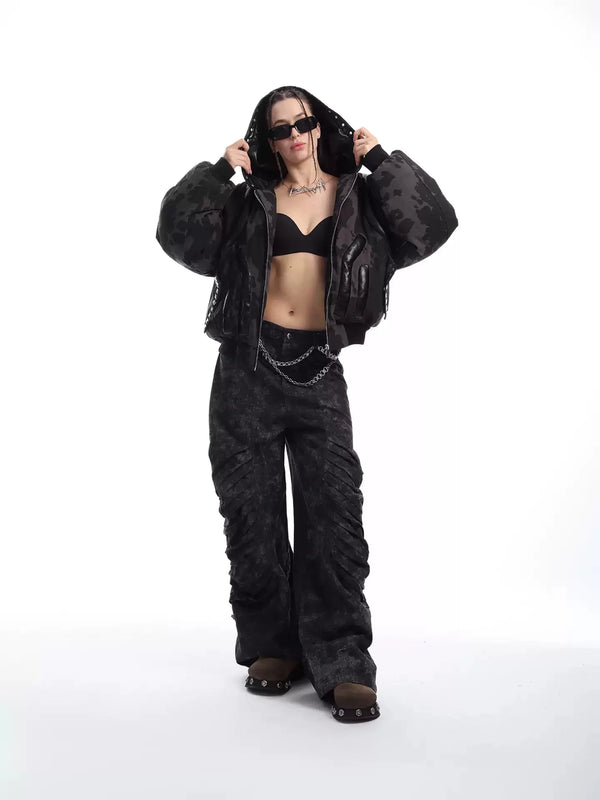
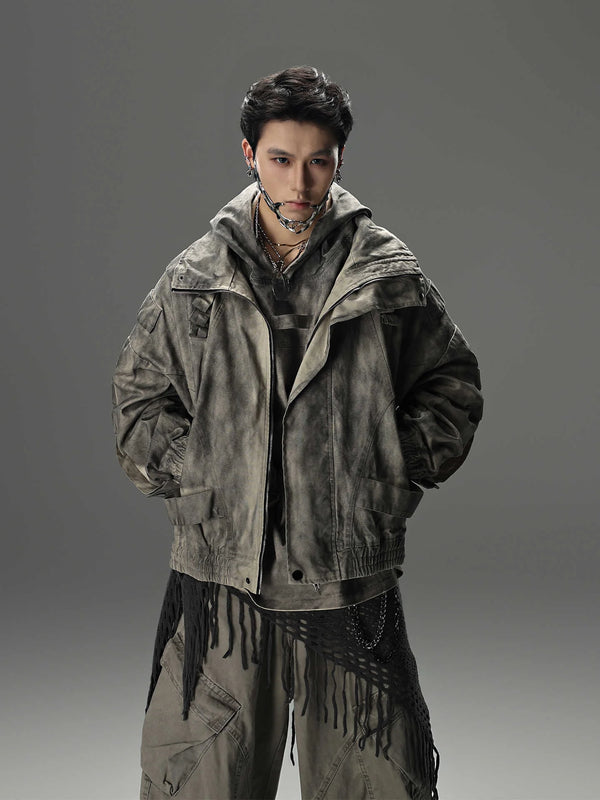
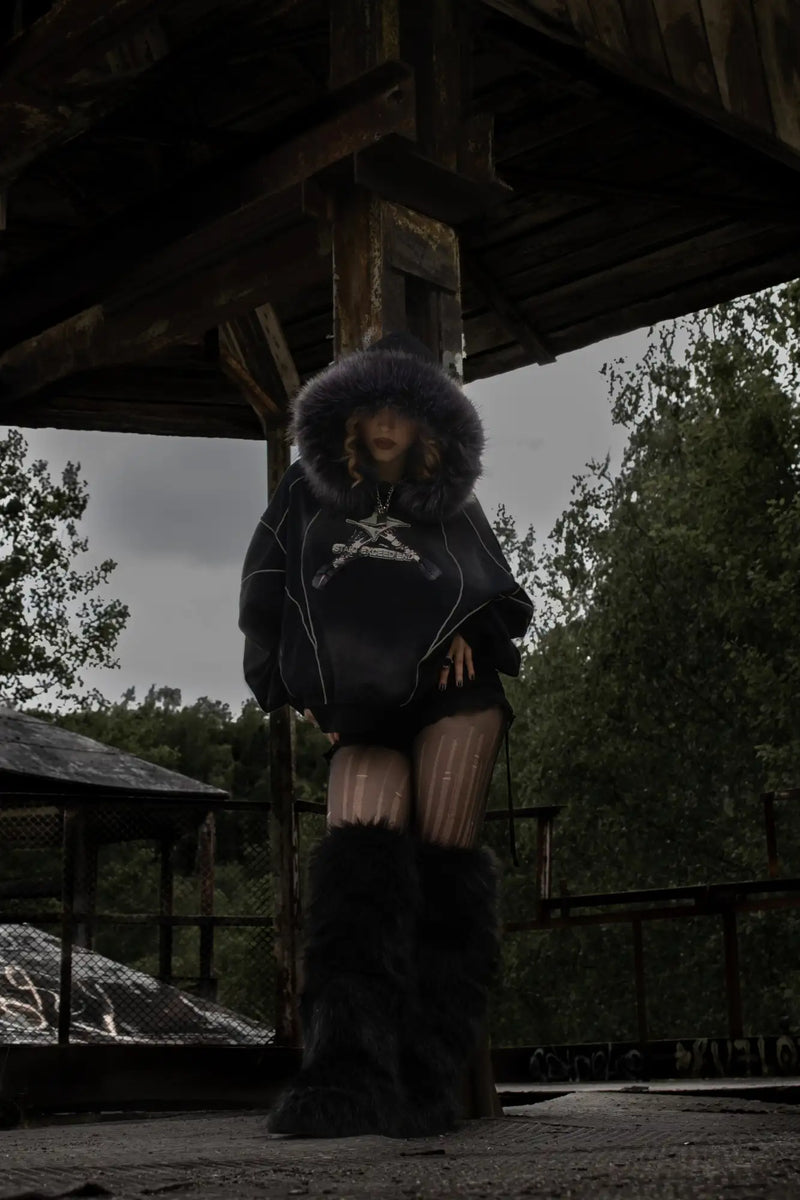
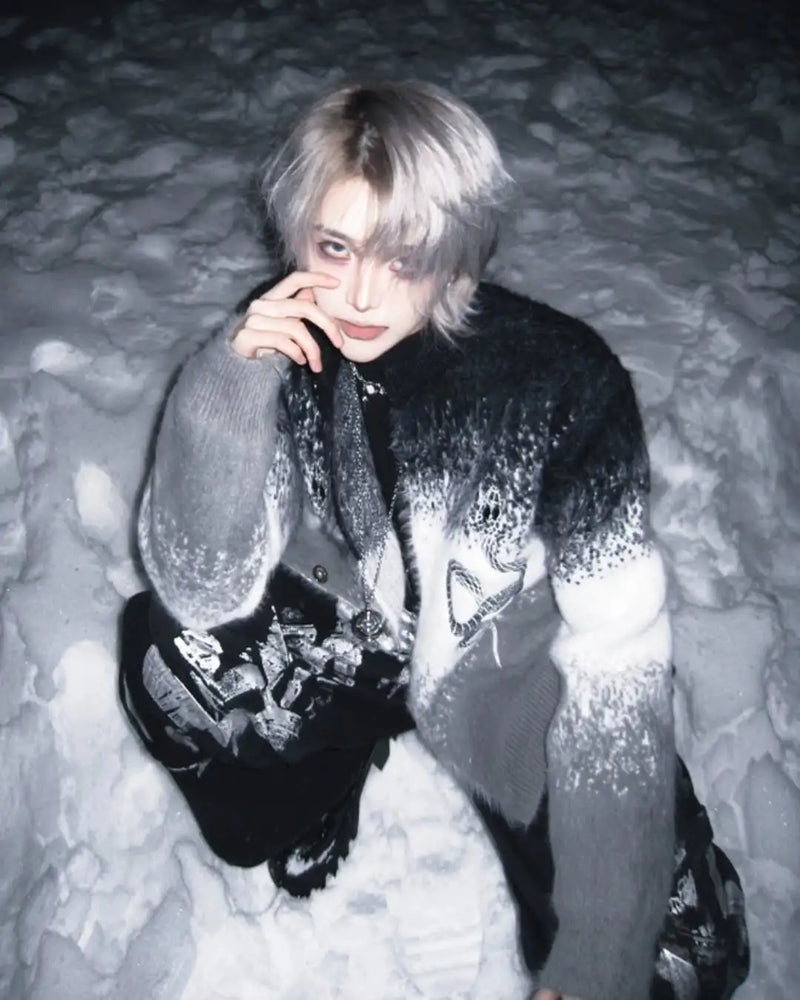
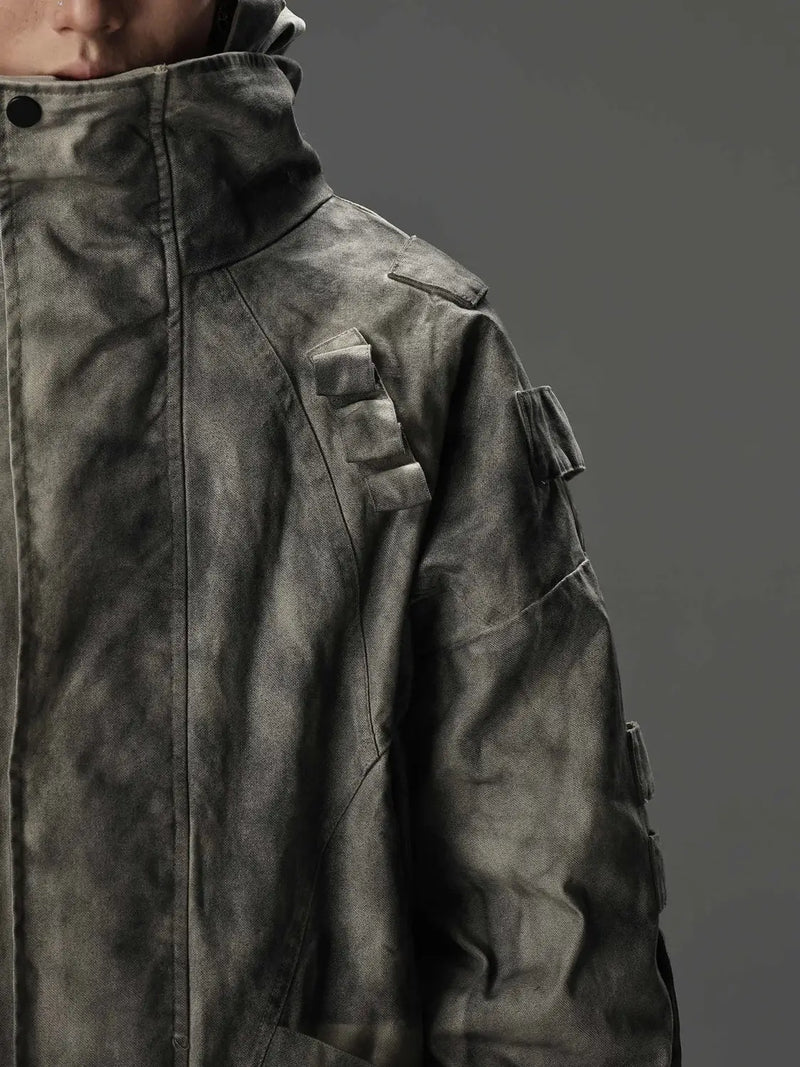
The open, long, falling outer layer is the most direct Hanbok inheritance in modern K-fashion. Where the historical Po reached the calves and fell open over the Jeogori, modern Korean streetwear brands translate the same into oversized long coats, loose bombers and open cardigan layers. The function stays: an outer layer that holds the outfit together visually and places volume on the outside.
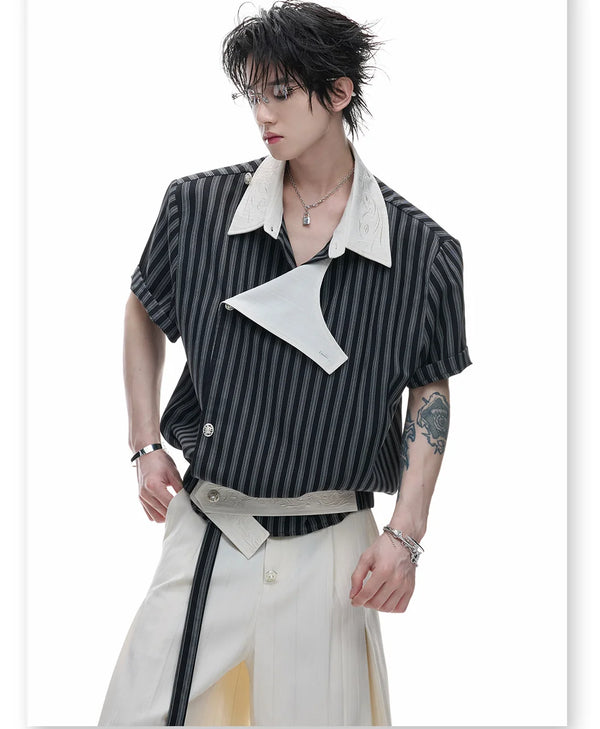
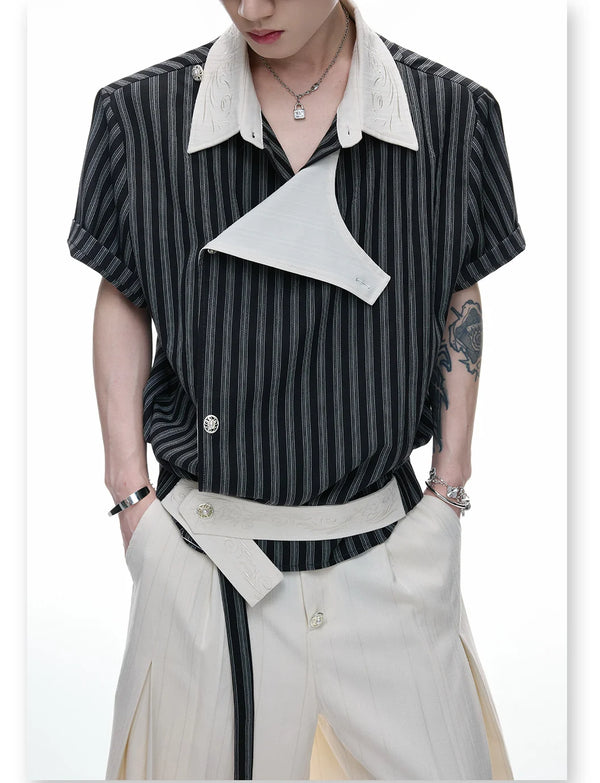
Three jacket types work in the modern Hanbok DNA logic: the long coat (a direct Po quote), the open shirt jacket with wrap closure (a Magoja-adjacent translation), and the oversized bomber with a wide hem (volume outside, not waisted). What doesn’t work: a waisted suit jacket, a slim coat, a tapered down jacket — anything that presses volume against the body instead of placing it outside.
If you don’t yet have a genuinely wide outer layer in the wardrobe, that’s the first move. Everything else in the Hanbok DNA outfit depends on volume sitting on the outside.
Category · Bottoms
Korean Streetwear Pants — the Baji line read modern
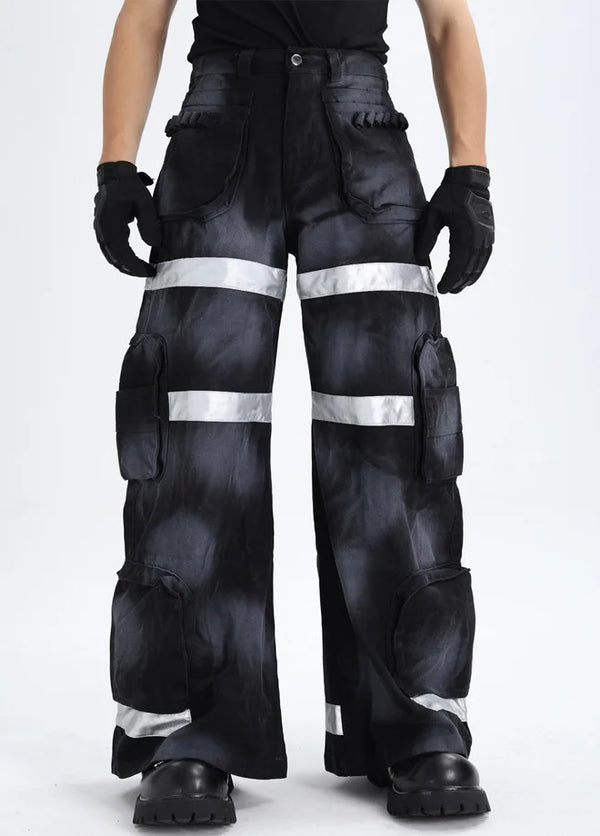
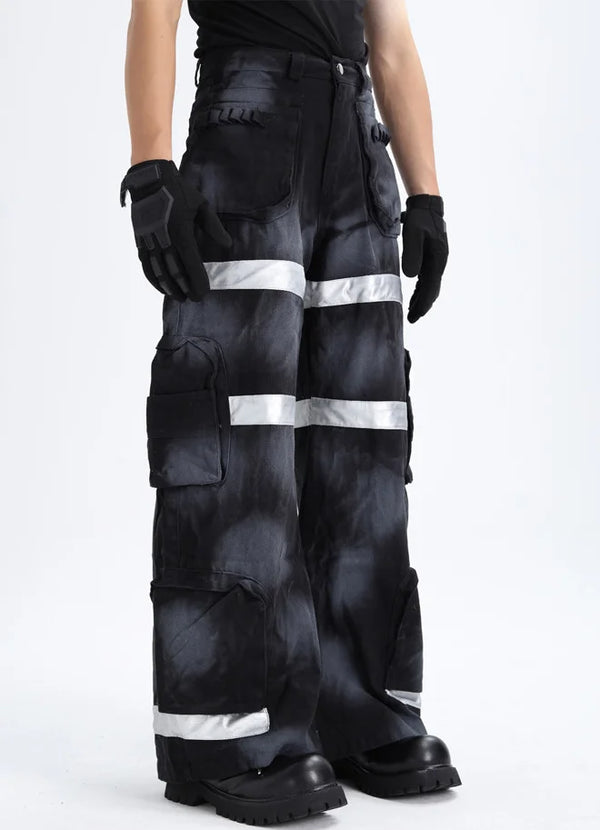
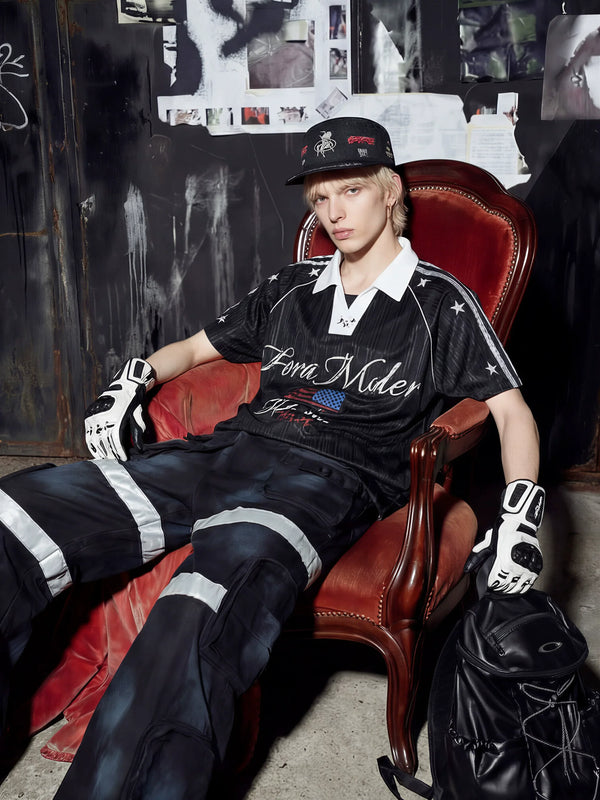
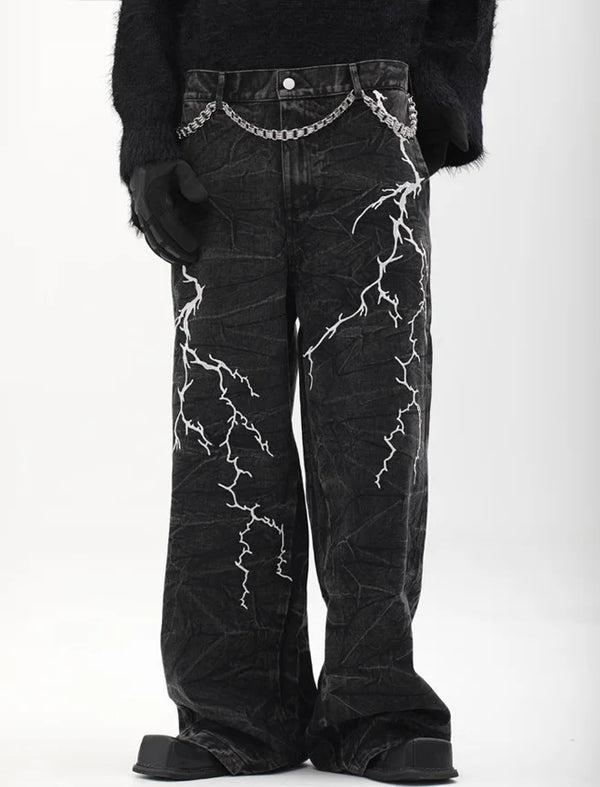
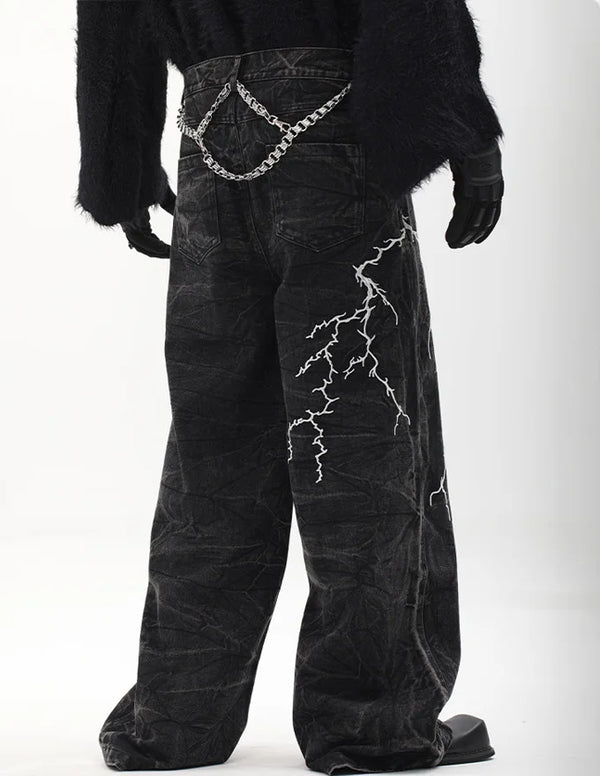
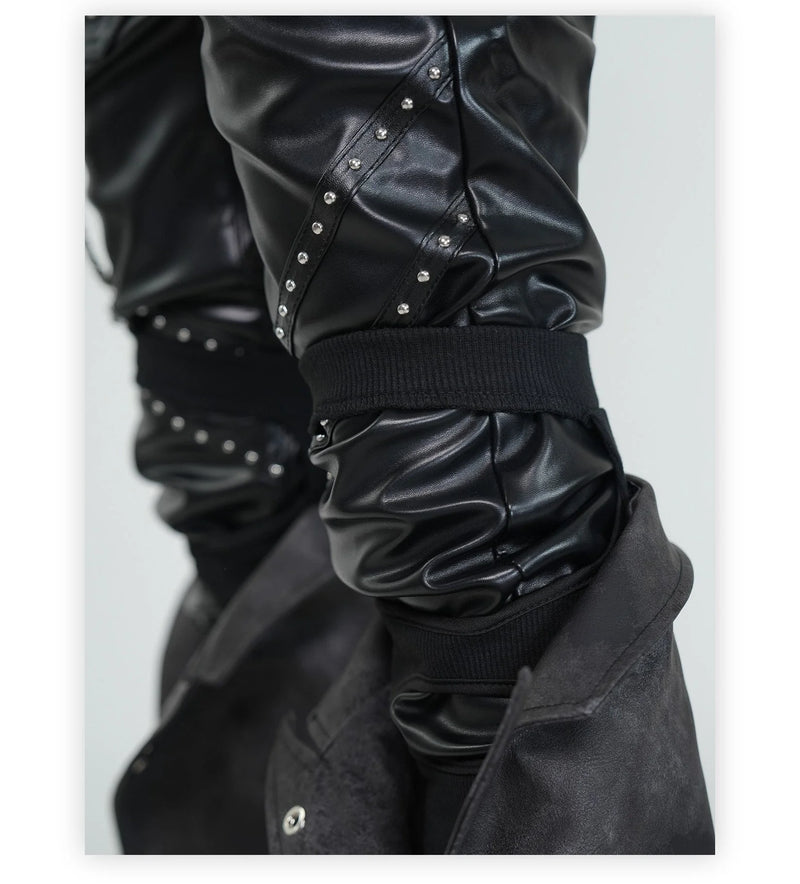
The Baji is the most direct DNA transfer into modern K-fashion. Wide up top, tapered below, with binding at the ankle — exactly what runs today as “Korean wide-leg”, “tapered pant” or “carrot cut” on every Pushbutton and Andersson Bell line. The joggers category has the same volume logic, just in jersey instead of ramie.
What translates from the Baji DNA: wide rise up top, conicity at the shin, optional binding or cuff at the ankle. What tips over: skinny cut over the full length, bootcut with a wide bell below, anything with hard mid-rise cuts at the hip. Hanbok Baji sits either at the hip (men) or high under the bust (women, in the Chima phase) — mid-rise is a Western import.
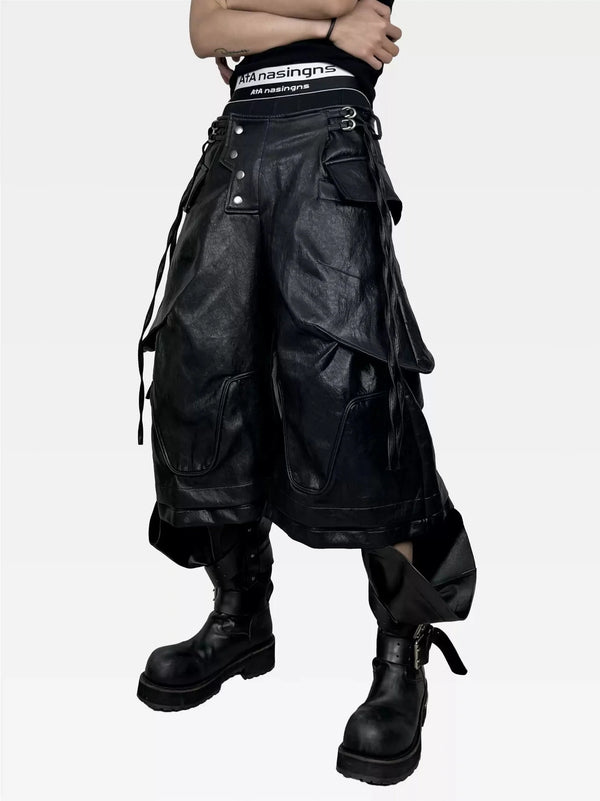
The pinstripe wide-leg is the most honest Baji update — wide, high-cut, with a clear vertical line. The leather flare pulls the DNA in another direction (bell below instead of taper), but stays in the volume family.
Category · Jeogori layer
Korean Streetwear Tops — the Jeogori layer, modern
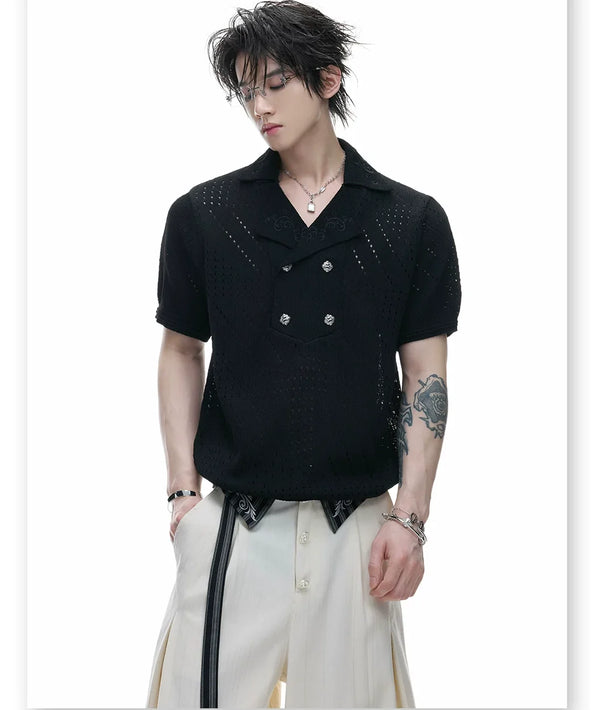
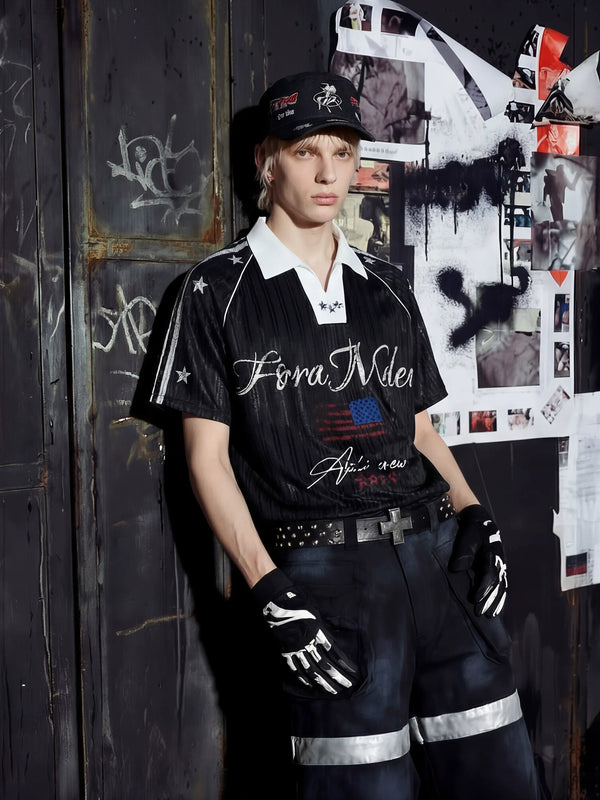
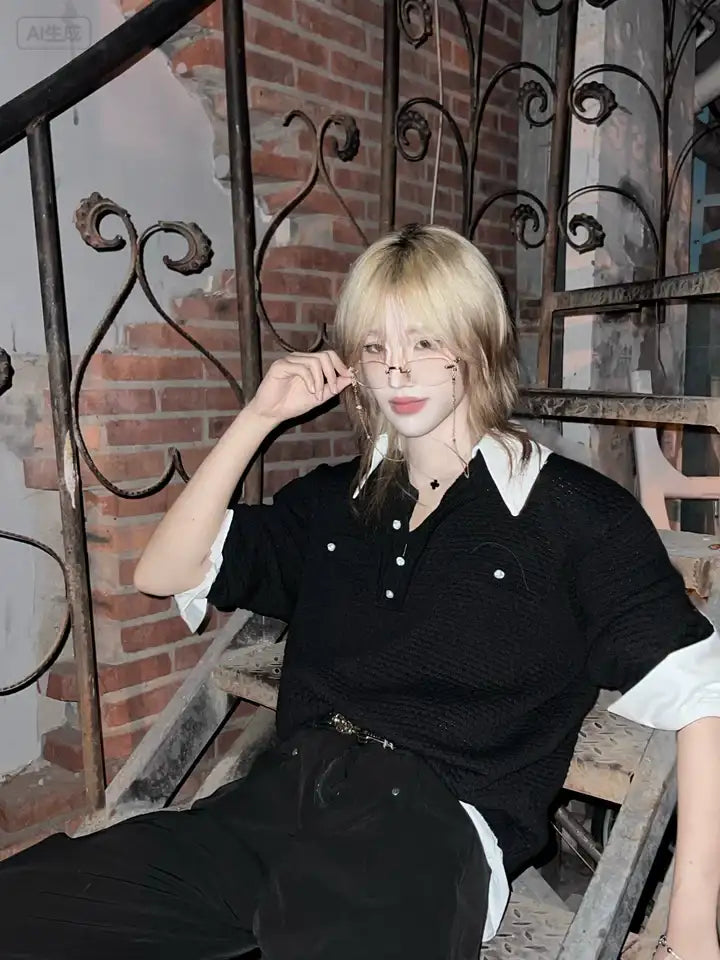
The Jeogori sits tight, is short, closes at the front over a knot. Translated into modern Korean streetwear vocabulary: shorter crop cardigans, polo knits with a wrap detail, shirt jackets with a chest strap. The logic stays — one layer that defines the upper body without taking away the volume of the outer layer.
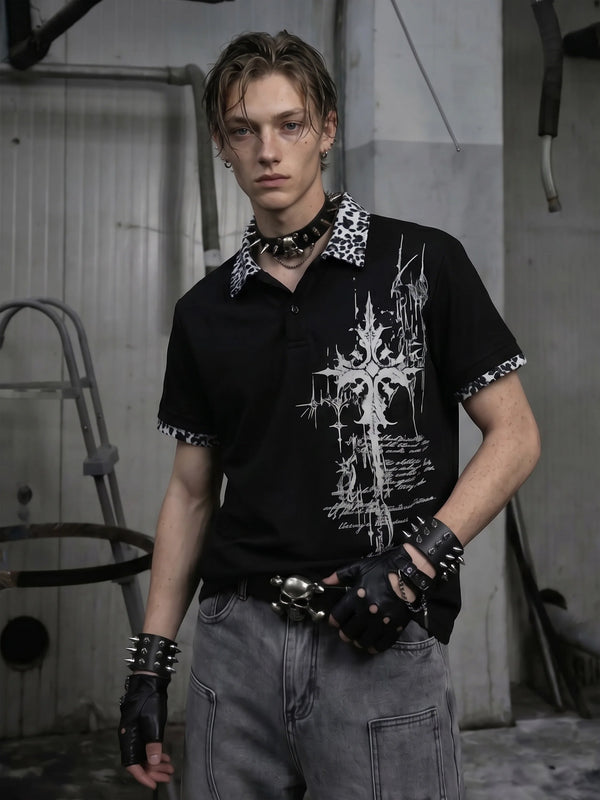
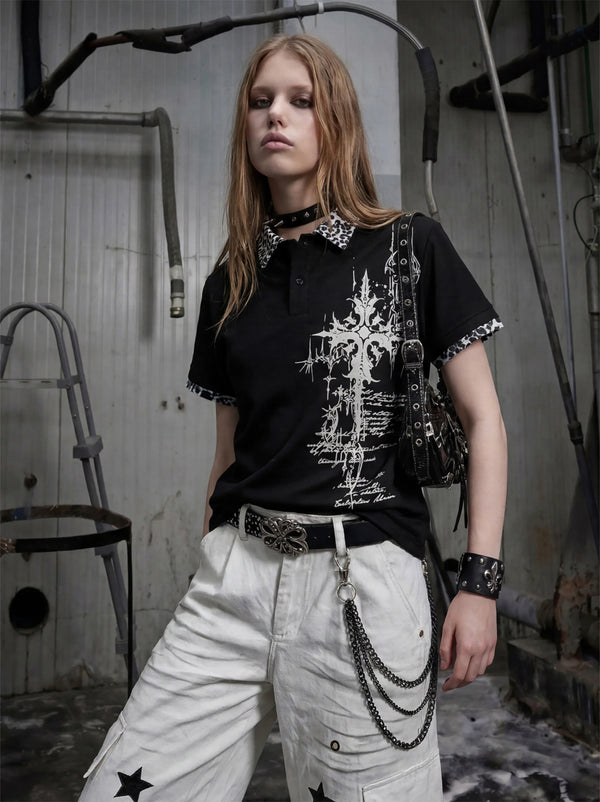
What works: a knit cardigan with zip or knot closure (a direct translation), a polo with a high bustline (Jeogori height), fine sweaters with a clear shoulder line (no oversized slouch). What doesn’t work: a T-shirt with a big front print (clashes with the quiet Jeogori logic), an oversize hoodie without definition at the upper body (swallows the layer separation).
Want to test the Jeogori layer, start with a zip cardigan over a plain polo. That’s the wrap code in a modern cut translation — without cosplay risk.
Styling logic
How to style Hanbok DNA modern — the three-line rule
An outfit with real Hanbok DNA works through a single proportion: three clearly separable horizontal lines on the body. Line 1 ends where the Jeogori (or its modern equivalent) ends — usually just below the bust or at the waist. Line 2 is the hip transition into the bottom. Line 3 ends at the ankle or bottom hem. If all three stay visible, the outfit sits.
“Modern Hanbok doesn’t work through embroidery and knots — but through proportion. If the three lines are clear, the DNA is there, even without a single traditional piece.”
— Leesle-Lookbook 2024, Interview-Beilage
To translate that onto Korean streetwear: short cardigan over a polo (line 1), high-rise wide-leg pant begins right beneath it (line 2), pant ends visibly at the ankle with a loafer or leather shoe (line 3). The same principle in every Hanbok costume since Goguryeo — only now Mongol boots have become white tabi socks in Mary Janes.
But Hanbok DNA doesn’t stand alone — it overlaps with several K-fashion codes at the edges. Korean streetwear shares the wide-leg logic. Korean modest fashion shares the layer discipline. Japanese streetwear shares the wrap closure. If you’ve got Hanbok DNA down, you can read these neighbouring codes and mix them deliberately without slipping into cosplay.
Four spokes, if you want to go deeper:
Etiquette
Can a non-Korean wear Hanbok?
Short answer: yes. In an official 2014 statement, the South Korean Cultural Heritage Administration made clear that Hanbok is accessible to everyone as “shared cultural heritage” — as long as the context is respected. Book a Hanbok rental at Gyeongbokgung Palace and you even get free admission, whatever country is in your passport. That’s state-supported, not merely tolerated.
Where it gets touchy: with “costume use” — that is, when Hanbok is worn as a Halloween costume, carnival or ironic statement. There the cultural gesture tips into cultural appropriation, and that’s seen critically in Korea itself too. The test: would you also wear the outfit to a Korean wedding or a Chuseok family dinner? If yes, it’s respectful. If no (because it’s a €29 polyester set from the carnival shop), it’s no longer Hanbok — it’s caricature.
What doesn't work
The 6 most common Hanbok mistakes — what tips the look into costume
Hanbok has six spots where it reliably flips into carnival — no matter how expensive the individual pieces were. If you avoid only one thing, make it mistake number one.
Action
How to start in Hanbok DNA fashion — the first 4 pieces
You don’t need a full traditional set right away to wear the DNA. You need four pieces that make the three-line system visible — and everything else builds around them. In order: a high-waisted wide-leg pant (a Baji translation), a short cardigan or polo (the Jeogori layer), an open long coat (a Po translation), and fine leather shoes or loafers (clarifying the bottom line).
Outfits for real
Hanbok for real — how K-drama and K-pop wear it
Before you build your own Hanbok DNA outfit, look at how the pros wear it. BLACKPINK 2020 in Tchai Kim, “Kingdom” Season 2 with Kim Jung-mi’s cut fidelity, Stray Kids in Modern Hanbok looks for the 2022 Asian Games opening, IU on the Lee Young-hee magazine cover. These are the five reference points every Korean recognises instantly — and the yardstick by which modern Hanbok understanding has been measured for five years.
This is the fastest way to check how the DNA sits on real bodies and in real looks — before you buy the first piece.
In closing
Medieval Korean clothing isn’t a costume — it’s the DNA manuscript of modern fashion
If you remember one thing from this guide, make it this: Hanbok isn’t a historical piece that lives in a museum. It’s a cut system with 1,500 years of stress-testing that surfaces again in every new K-fashion generation — sometimes directly, often indirectly, always as line and volume logic.
The whole logic of this guide reduces to one sentence:
The rules have been stable since Goguryeo and will stay so — as long as Korea exists as a fashion country. But you don’t need to know 1,500 years of history by heart to wear the DNA. Start with the piece that changes the biggest line — a wide-leg pant that sits high and tapers below. What you don’t know, you learn by wearing.
And that’s the actual point: Hanbok DNA reads in theory like a corset of convention — but doesn’t feel that way in practice. Once you’ve got the three-line system down, every further outfit is a variation on the same three or four building blocks, not a new invention.
FAQ
Frequently asked questions about medieval Korean clothing
The questions that reach us most often on Hanbok and K-fashion DNA — short, clear, no detour.
What exactly is a Choson-ot (조선옷)?
Is “Bon Appétit, Your Majesty” based on a true story?
Why is the number 4 a taboo in Korea?
What is the difference between Jeogori and Hanbok?
Can I wear Hanbok as a non-Korean?
How does Hanbok differ from Hanfu and Kimono?
Where can I buy Modern Hanbok today without flying to Seoul?
What do you think?
Tell us on @fuga_studios
About the author
Philipp Fuge — Founder · Berlin
Founder of Fūga Studios. Writes the journal himself. Berlin · Shanghai · Tokyo · Poznań — four cities, one logic.