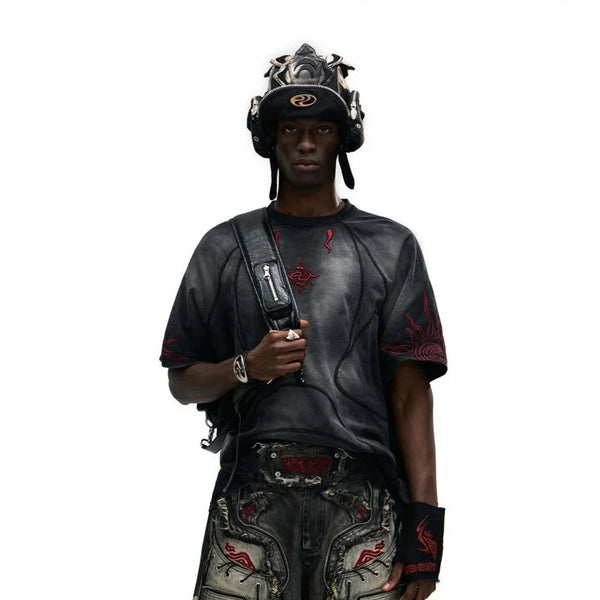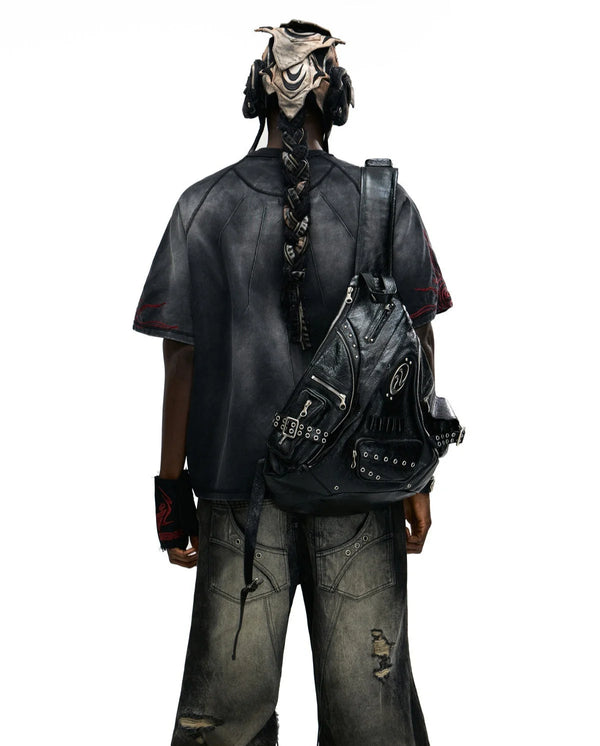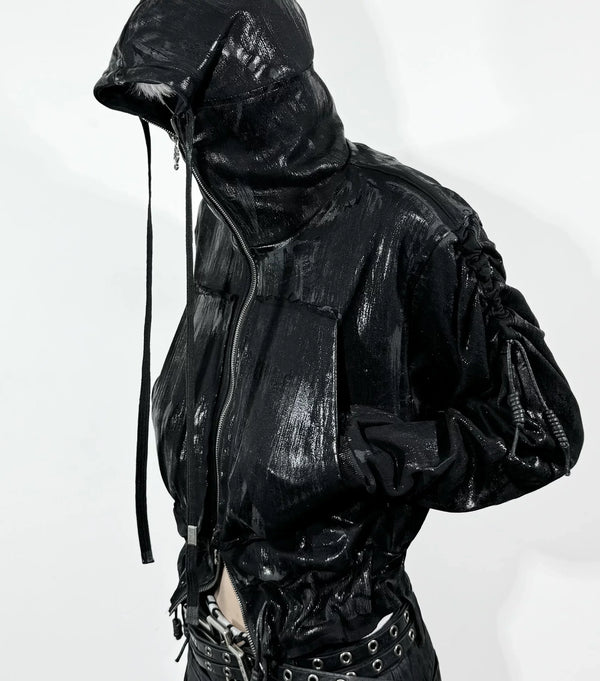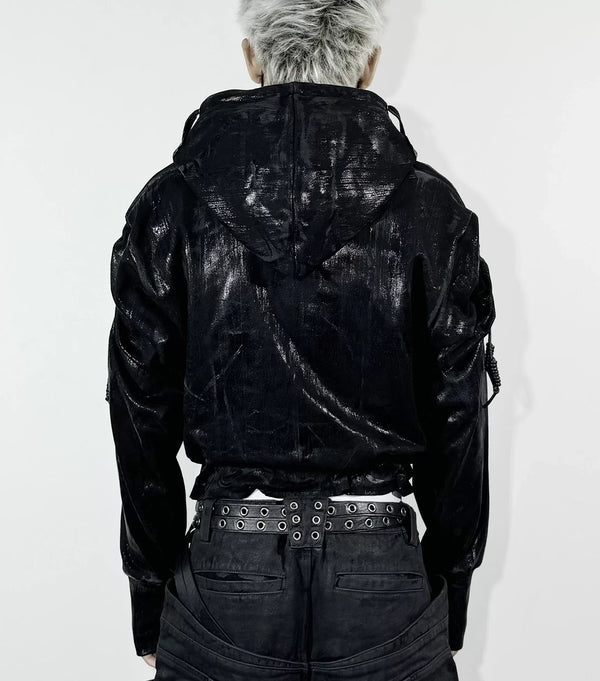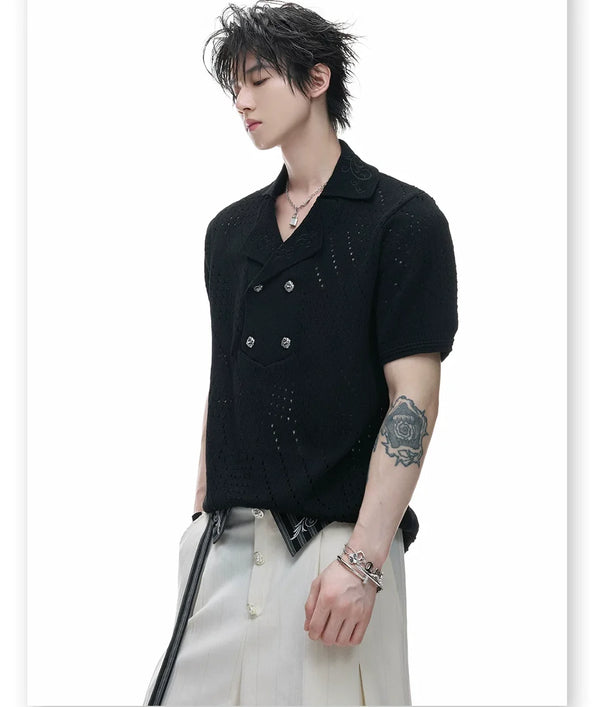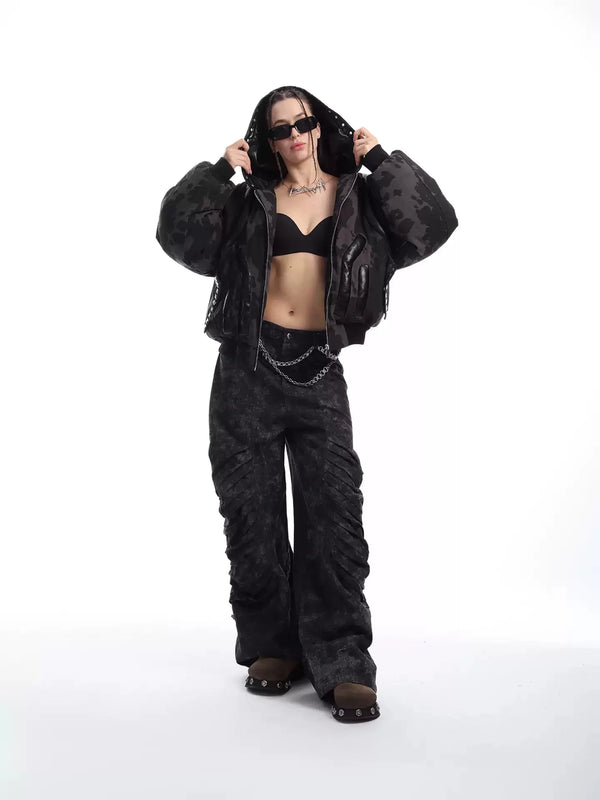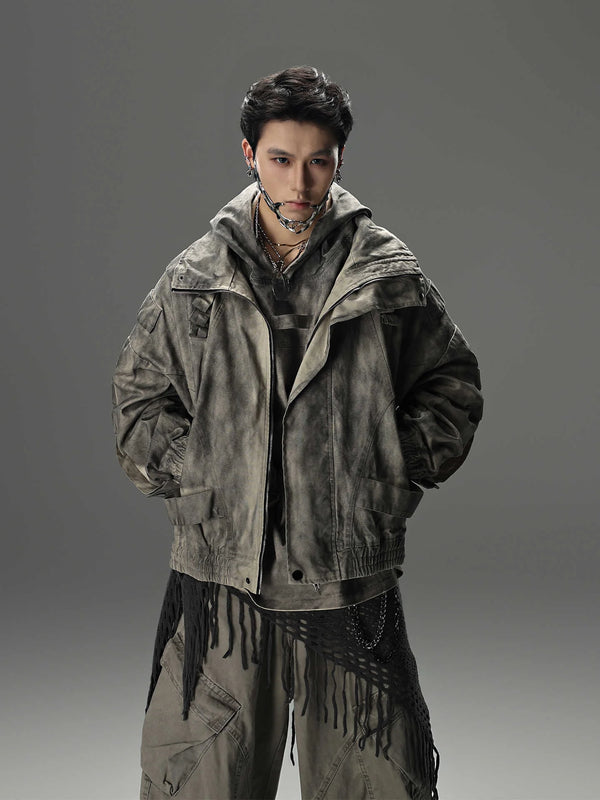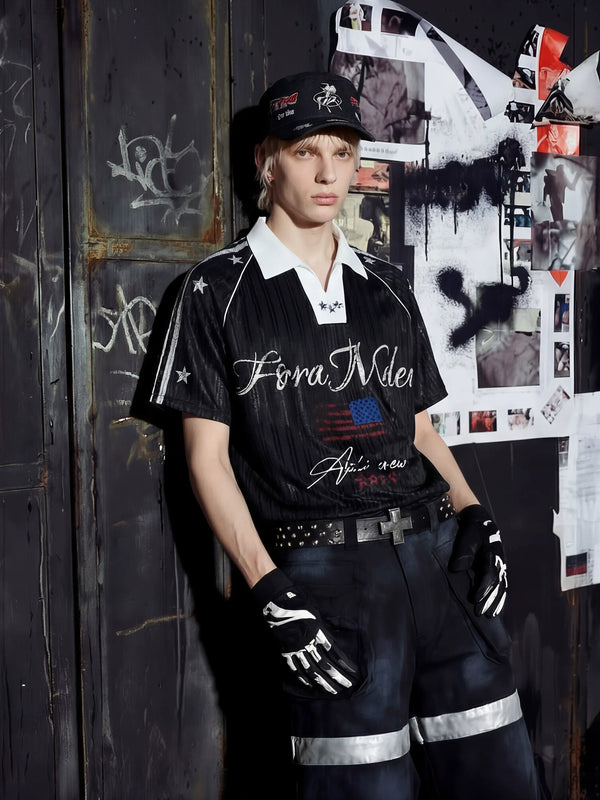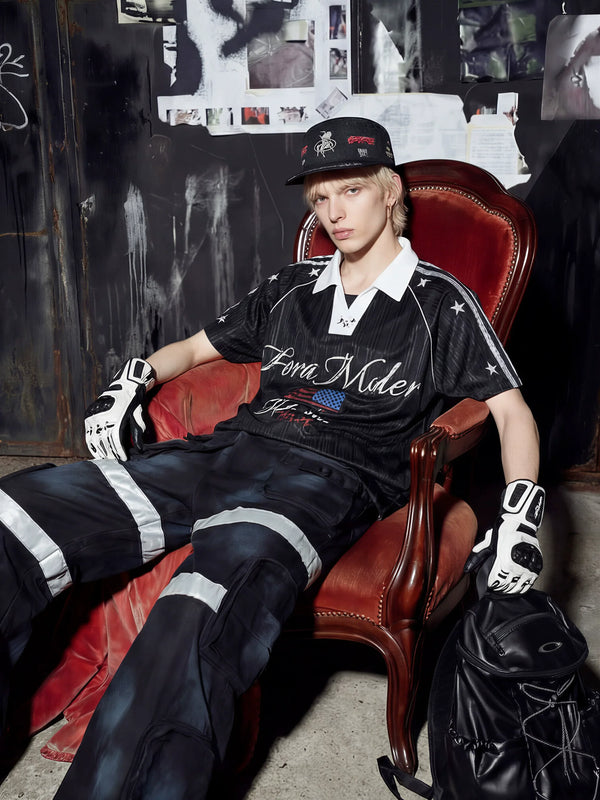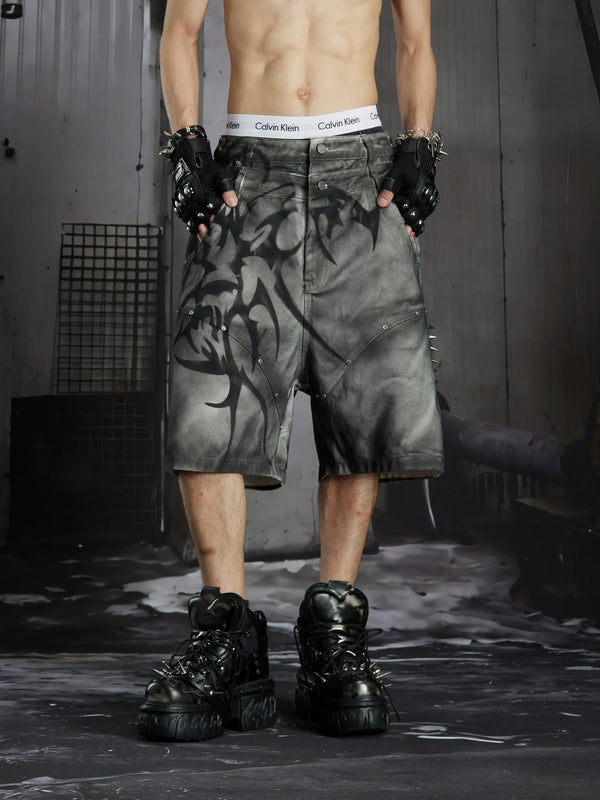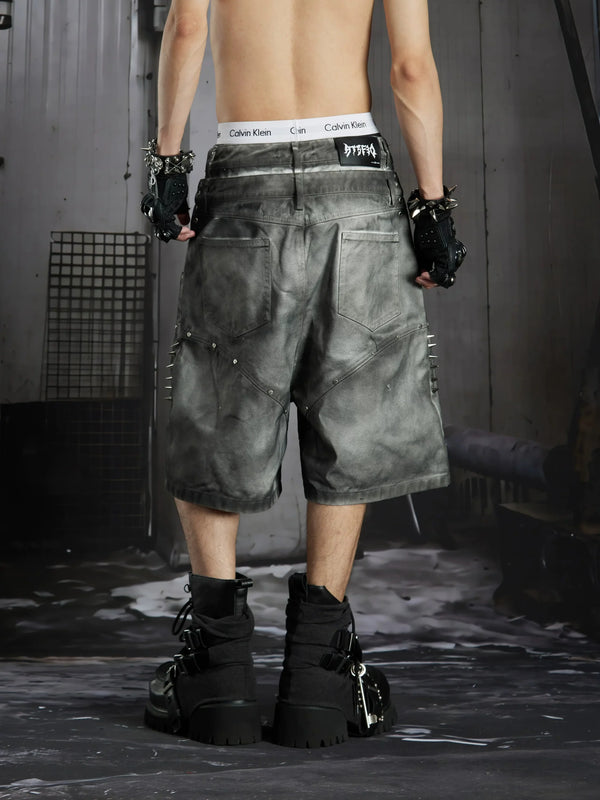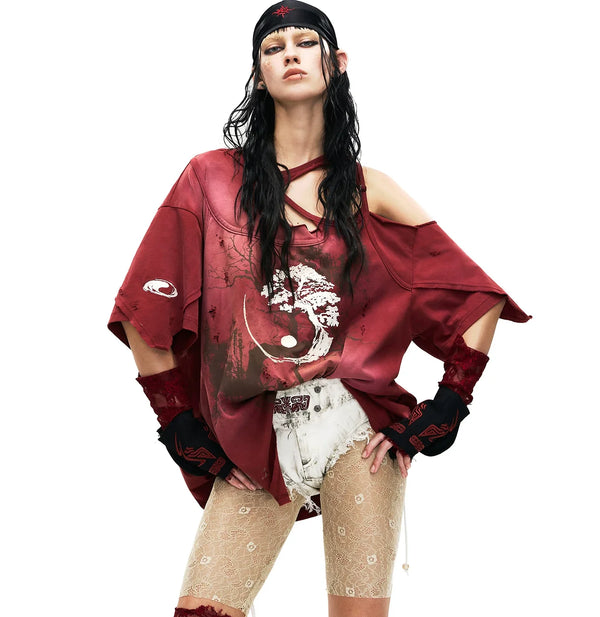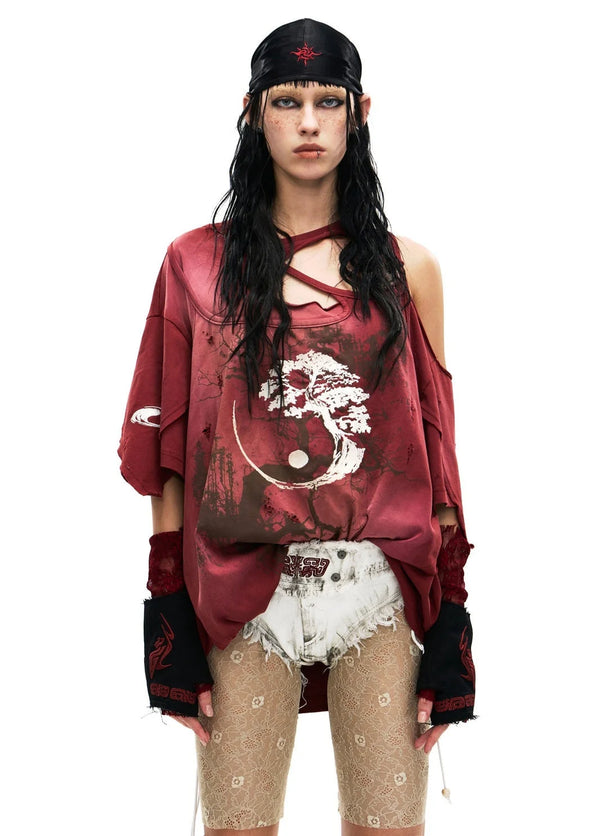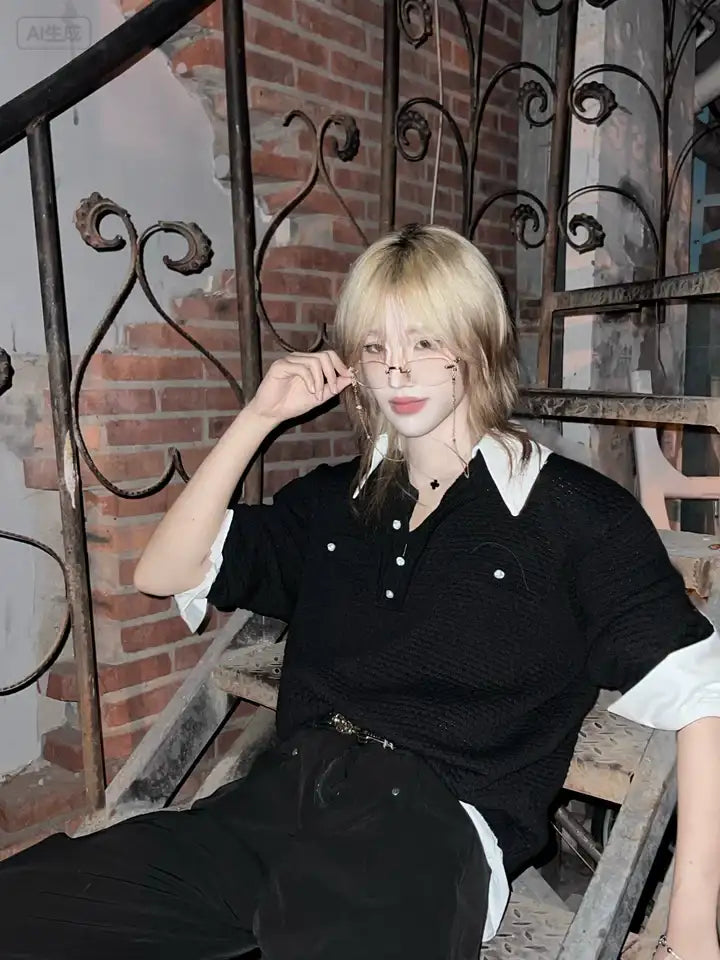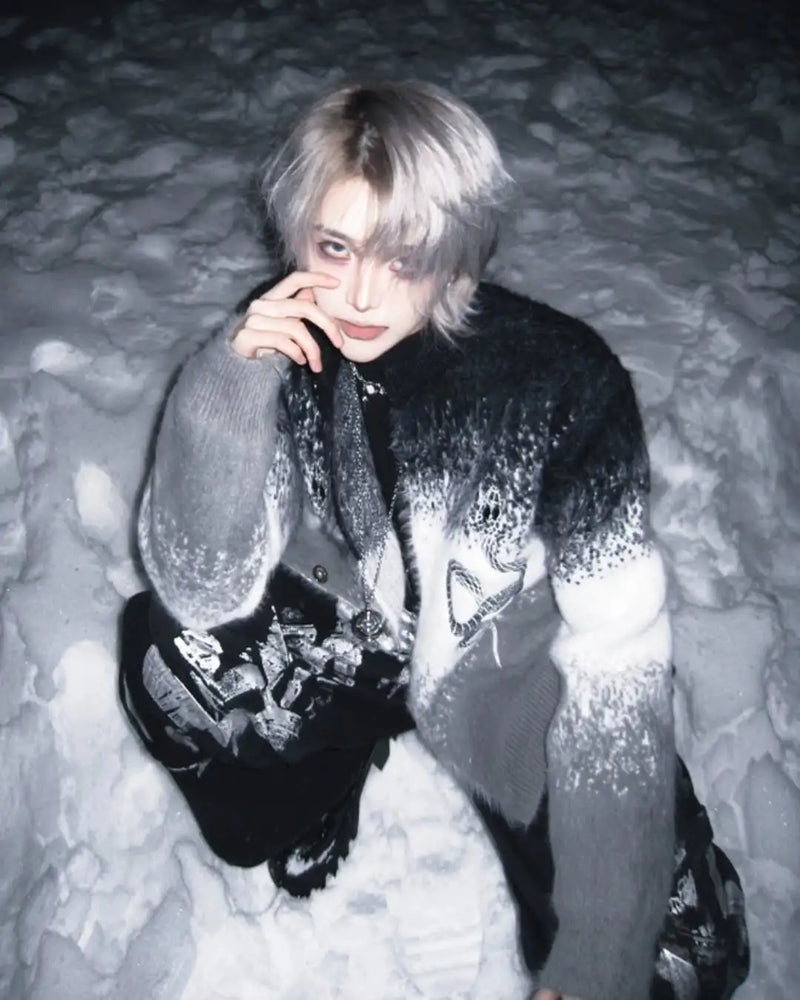

Korean Fashion is not "the BTS look at H&M". Anyone who believes that has confused the system with a look — and ends up buying the shell without the logic behind it.
K-Fashion didn't come out of a fashion week, but off the street in Hongdae, Seongsu and Gangnam — over two decades, from the late 90s on, driven by the Hallyu export (K-Pop, K-Drama, Webtoon). It isn't a single style but a system of five sub-genres, one hard layering rule and a very concrete idea of what an outfit must not be.
Anyone who starts Korean Fashion as "recreating a K-Pop outfit" ends up in cosplay. Anyone who learns the system builds a wardrobe that spits out a clean outfit every morning — whether Acubi, Genderless or K-Streetcore. This guide sorts it out: what K-Fashion is, which five sub-genres carry it, how women's and men's iterations differ, which brands wrote the vocabulary, how layering really works, and where you can buy in Germany without playing YesStyle customs roulette.
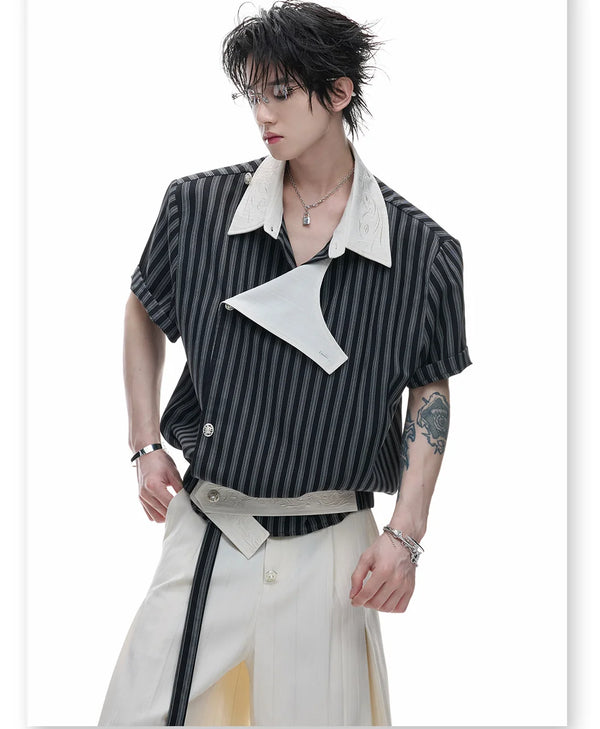
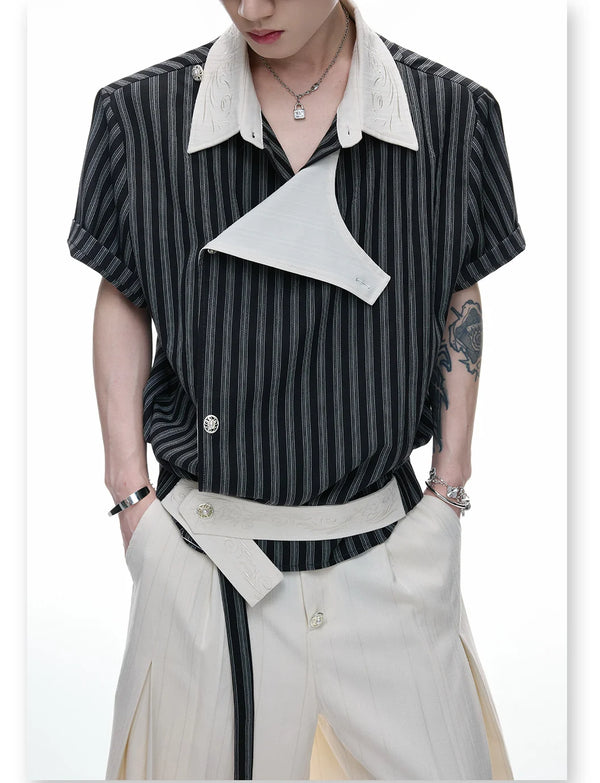
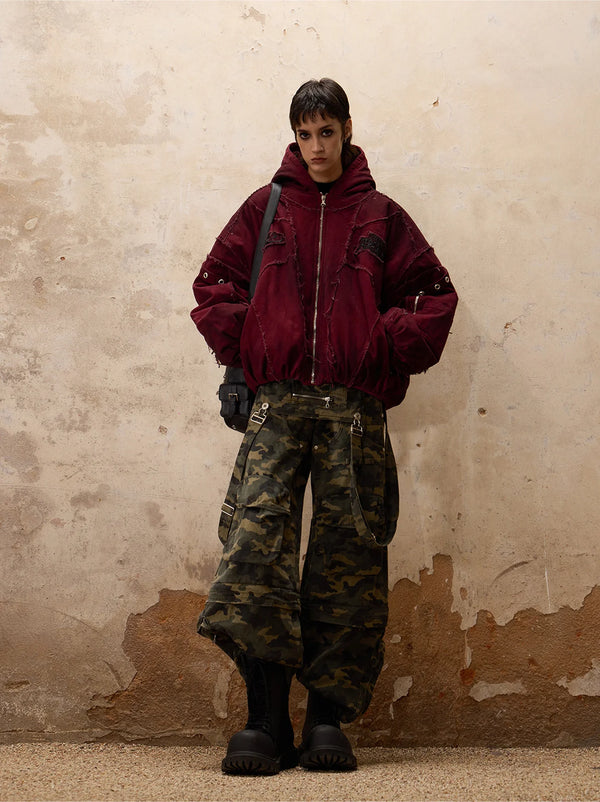
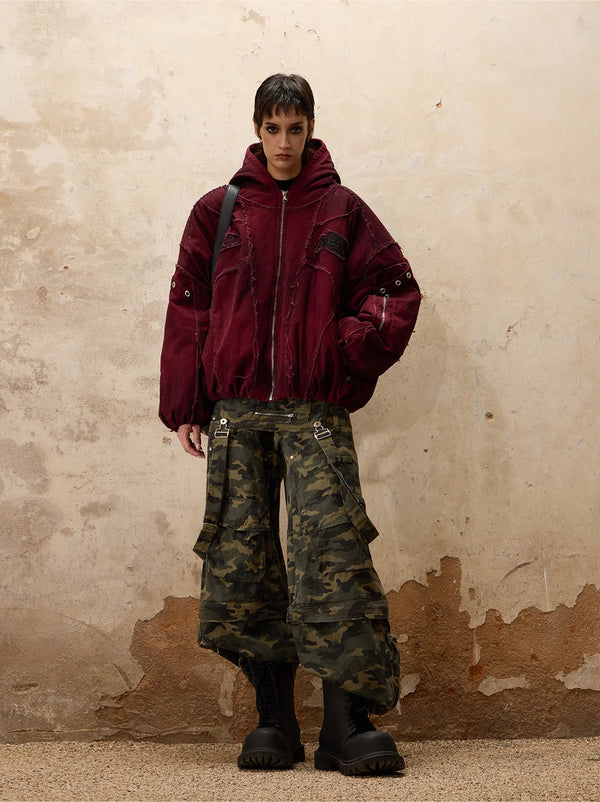
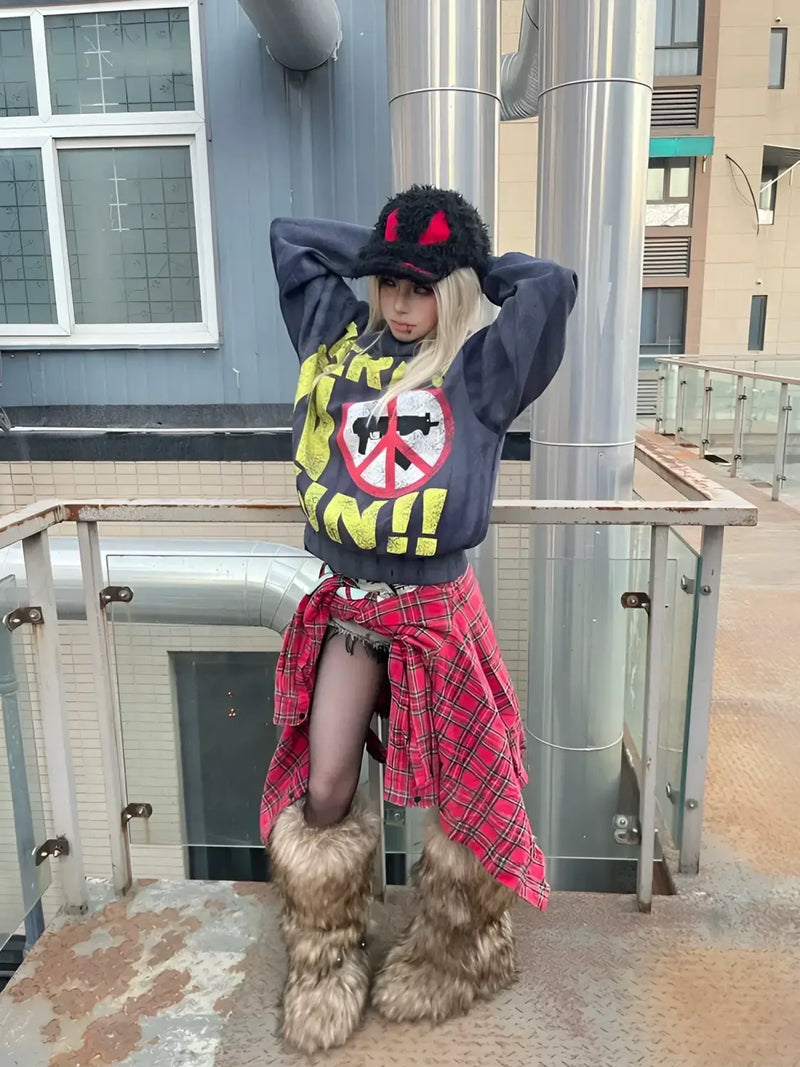
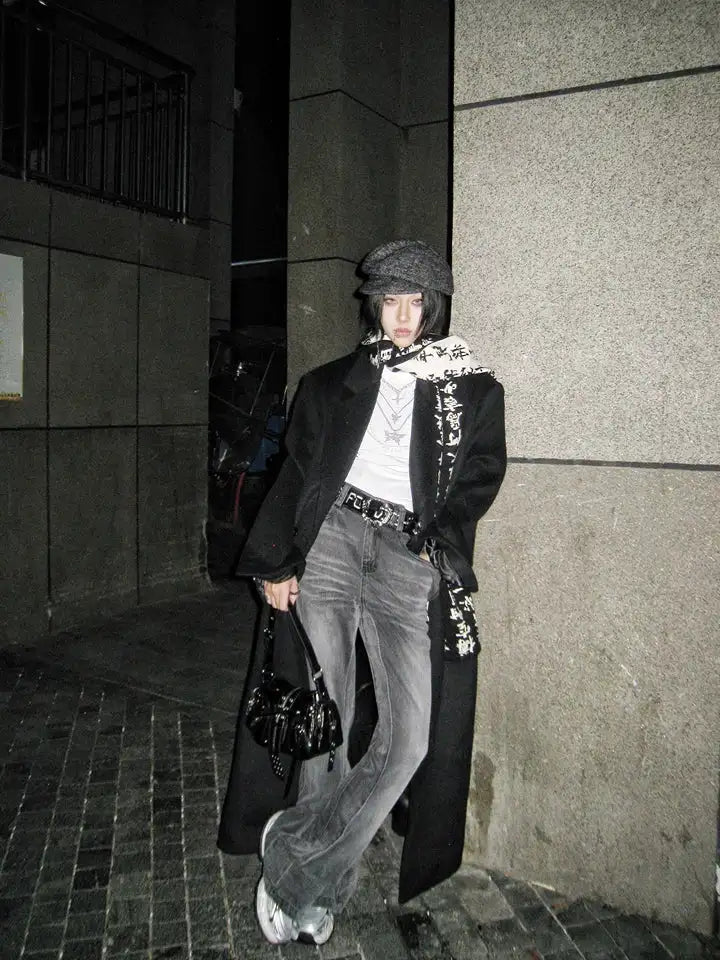
Here's how the layered principle looks in motion — three layers up top, wide trousers below:
Origin
Who does Korean Fashion — and why does it come from Seoul?
Korean Fashion as a global style code emerged between 1997 and 2010 in two districts of Seoul: Hongdae and Apgujeong. Hongdae was (and is) the art and indie district around Hongik University — cheap, young, subculture-driven. Apgujeong and the adjacent Gangnam were the opposite: money, clinic mile, designer plaza. K-Fashion has lived off this tension since day one — indie creativity meets luxury-adjacent.
The export began with the Hallyu, the "Korean wave". In 1997, with the Asian financial crisis, drama and pop production became a state project — Korea wanted out of its industrial image and into cultural export. K-Drama (Winter Sonata, later Crash Landing on You, Squid Game) and K-Pop (H.O.T., later BIGBANG, BTS, Blackpink) carried the look across Asia, Latin America, Europe. What the bands wore was bought back in Manila, São Paulo and Berlin — mostly without the buyers knowing there was a system.
Today K-Fashion comes from three sources at once. From the designer brands that show at Seoul Fashion Week (Ader Error, We11done, Andersson Bell, Push Button). From the street-style districts (Seongsu, Itaewon, Mangwon) with their vintage shops, concept stores and resale platforms. And from K-Pop stylists who stage every new single as an outfit drop. These three layers talk to each other — what's on stage is on the street three months later, at YesStyle six months later, at H&M a year later.
Definition
What is K-Fashion — the 5 building blocks every outfit reads by
K-Fashion is an outfit system of five building blocks. When all five fit, the outfit reads as K-Fashion. When one is missing, it tips instantly into something else — generic streetwear, US mall Y2K, or worse: K-Pop cosplay with bought idol merch.
3
visible layers up top
5
Sub-genres
70 %
neutral palette
0
idol merch visible
These four numbers aren't decoration. They're the test. An outfit that breaks one quota — only one layer up top instead of three, or a loud band shirt, or a bright-coloured trouser — is no longer K-Fashion. It's "K-Pop style copied". Which in plain terms means: cosplay with bargain-bin fabric.
Concretely, Korean Fashion includes:
- Layering up top in three visible layers — tee or knit, then shirt or cardigan, then jacket or vest. A single layer is almost always a mistake in K-Fashion.
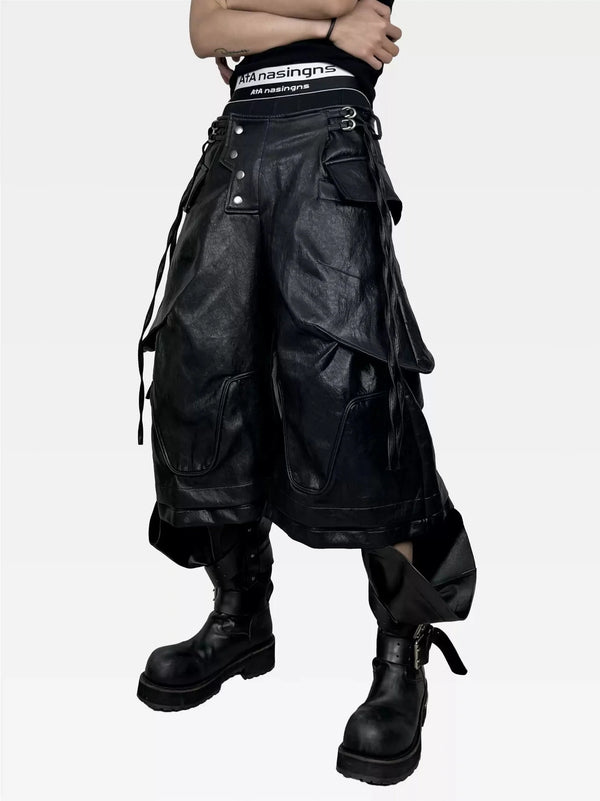
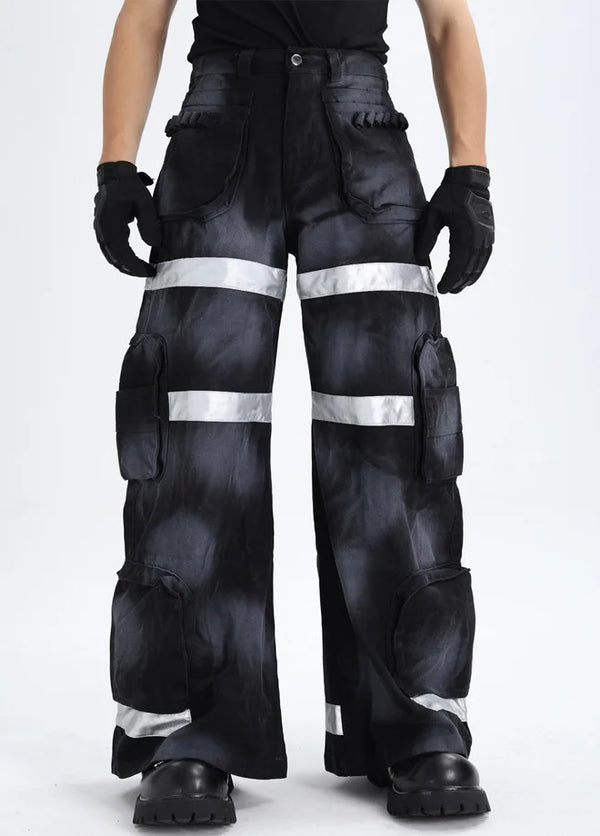
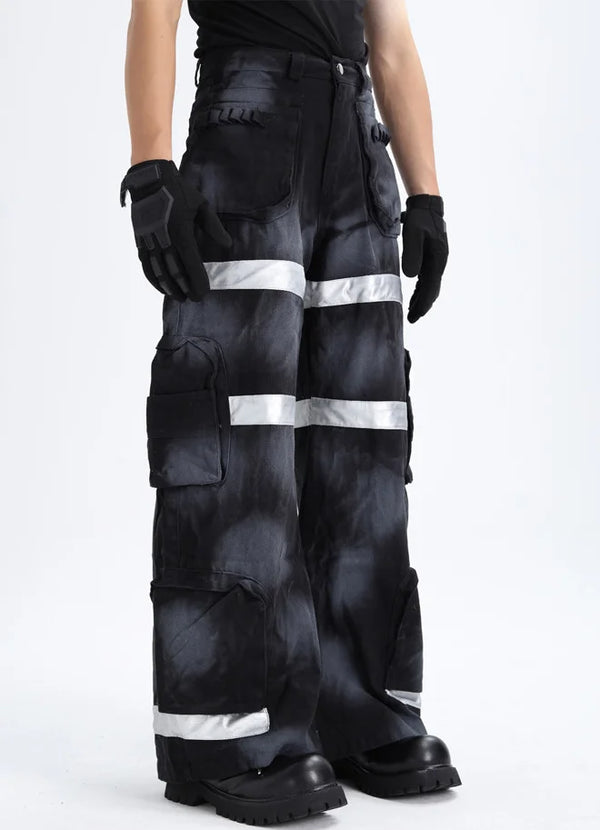
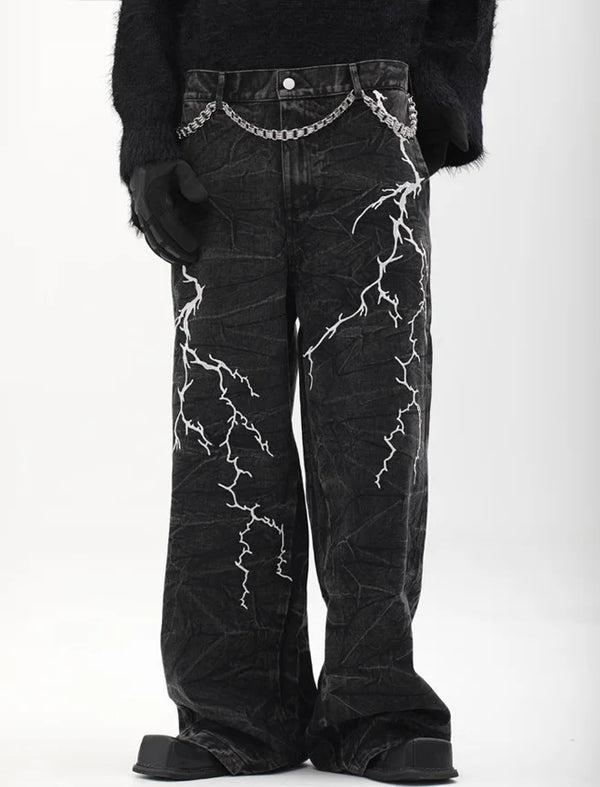
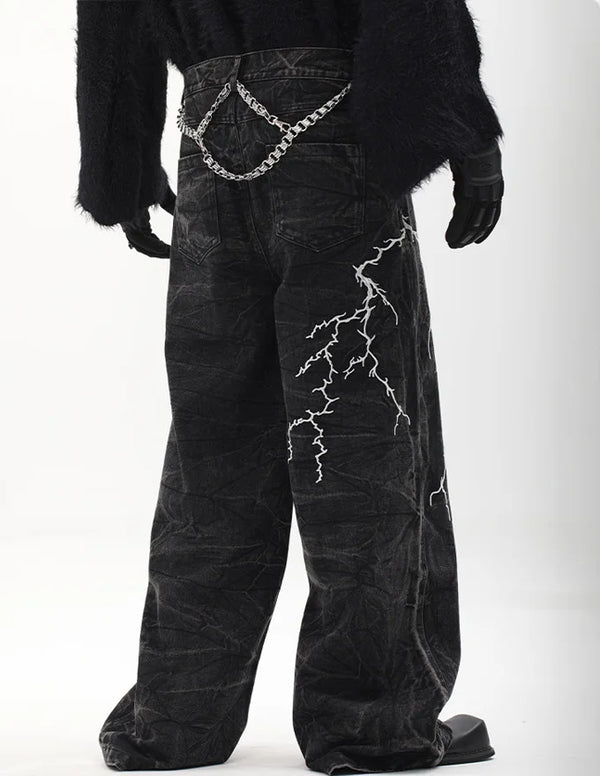
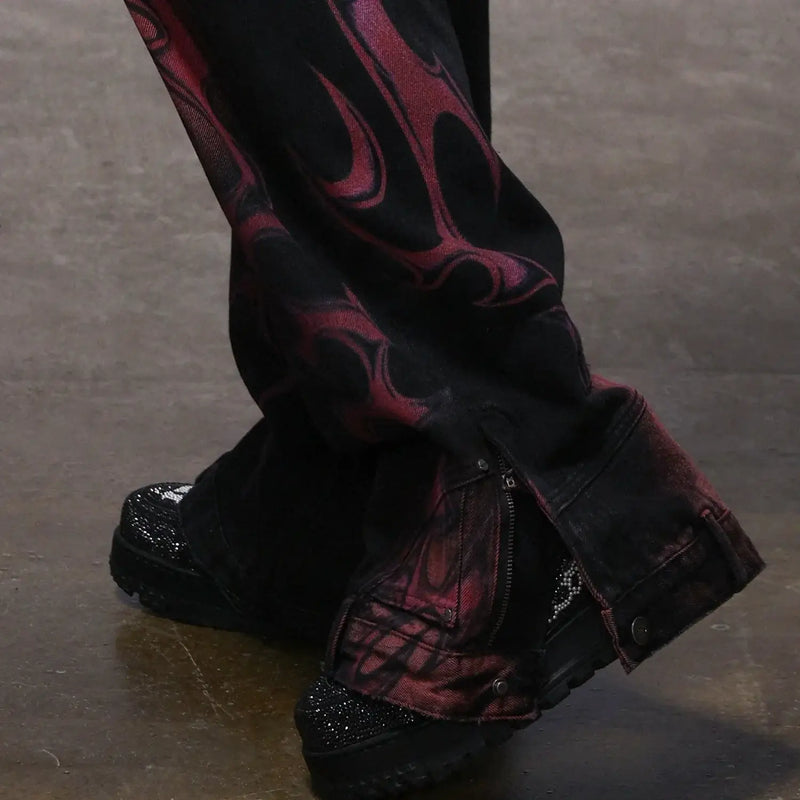
- Wide trousers with drape — wide-leg, carpenter, pleated trouser. Skinny has been out since around 2018. Cargo works if the volume sits right.
- Neutral palette with one accent — beige, cream, off-white, grey, black, navy. Plus exactly one coloured point (bag, scarf, shoe).
- Accessories as a statement, not decoration — bucket hat, beanie, small handbag, chunky ring. Accessories decide whether the outfit becomes Acubi, Y2K or Genderless.
- The shoe as a statement — loafer, Mary Jane, chunky sneaker (Salomon, New Balance 530, Adidas Samba). The shoe sorts the outfit into one of the five sub-genres.
- No visible idol merch — no band shirt with a logo, no lightstick, no obvious "I'm a fan" layer. K-Fashion is the logic BEHIND the outfits, not the merch in front of them.
If you're missing three of these six points, it's no longer K-Fashion — it's inspiration. And there's one rule that holds all six together:
Sub-genres
The 5 K-Fashion sub-genres — from Acubi to Genderless
K-Fashion isn't one look — it's five that overlap at the edges. Put Seoul Fashion Week street style, a weekday in Hongdae and a NewJeans music video side by side and you'll see these five sub-genres cleanly separated. Each with its own colour quota, its own layer density, its own shoe.
Which of the five suits you depends less on taste than on body type, city and the mood in the morning. How that splits between women and men comes next.
Gender split
Korean Fashion women vs men — where it really differs
The rules are the same. Three visible layers, wide trousers, neutral palette plus accent, accessories as statement, shoe as statement — applies to every body. What differs is the distribution. Where the man in Hongdae wears the oversize tee as the bottom layer, the woman in Apgujeong often has a tank or crop underneath. Same logic, different line.
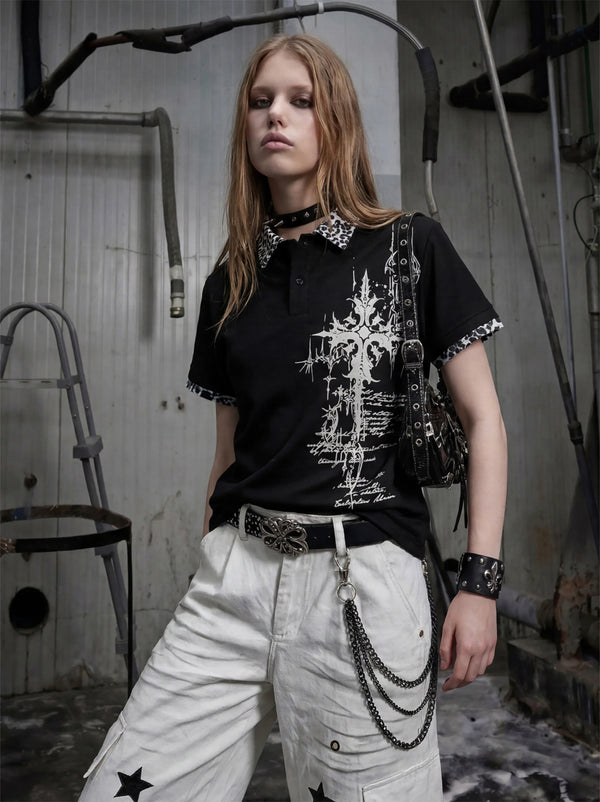
Women's K-Fashion: softer, more detailed, more texture play. Knit next to mesh next to satin. Accessories smaller and more of them — small shoulder bag, hair clip, charm pendant. Shoe often flat: Mary Jane, ballerinas, Salomon XT-6 in pastel. The Acubi wave (since 2023) is almost entirely women-driven — Hongdae café aesthetic with cardigan, skort, knee-high socks.
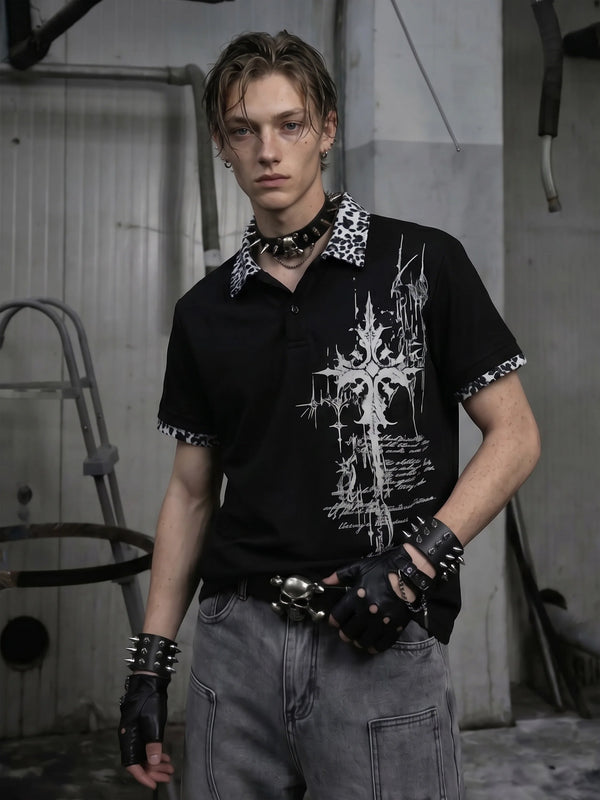
Men's K-Fashion: straighter, quieter, more volume below. Carpenter and wide-leg dominate, accessories reduced to one (cap, beanie OR small cross-body), shoe bigger and sportier. Trail sneakers and chunky loafers rule. Streetcore Seoul is the default men's iteration — tee, workshirt open, cap, carpenter, ASICS or Salomon.
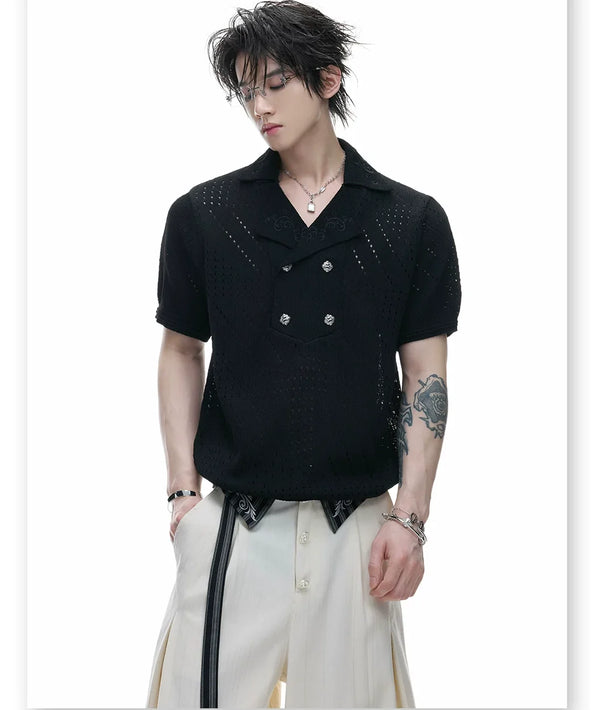
Both need the same three visible layers and the same neutral quota. What varies is the distribution — not the vocabulary. Genderless K-Fashion dissolves this split on purpose: oversize everything, no waist, no line. Works for every body and is the growing sub-trend for the Gen-Z iteration out of Korea.
Brands
Korean Fashion brands — which labels wrote the style
K-Fashion has no single brand like "Supreme for streetwear" or "Stüssy for surf". It has a set of eight to ten labels that wrote the vocabulary together over the last 15 years. Know one of these brands and you know part of the code. Know all of them and you can build K-Fashion without a single idol outfit photo.
The brands that defined K-Fashion in the global sense — sorted by entry level:
- Ader Error — founded 2014, Seoul. Oversized silhouettes, faulty logos as a deliberate design element, the famous "a" as a brand marker. The brand most Westerners enter K-Fashion through.
- Andersson Bell — founded 2014. Nordic knit meets Seoul streetwear. Sweaters and knit cardigans that show up in every Acubi outfit. Price league: 150-350 € per piece.
- We11done — sister brand of Disis. Rock-and-roll K-Fashion: leather, distressed, genderless cuts. Worn by every second K-Pop idol in tour outfits.
- Push Button — founded 2003, designer Park Seunggun. Y2K-Newtro authority, lots of print, lots of detail, an ironic take on fashion clichés.
- Juun.J — designer Jung Wook-jun. Oversized tailoring, military vocabulary, Paris Fashion Week appearances. When K-Fashion tips into "grown-up", it's often Juun.J.
- Wooyoungmi — founded 2002. Korean menswear in Paris. Clean cut, wool and cashmere, genderless-adjacent. The quiet sister brand to Juun.J.
- Gentle Monster — glasses and sunglasses. The global statement-eyewear label since 2011. A Gentle Monster frame turns any outfit into a K-Fashion outfit.
- IISE — founded 2013 in Seoul by two Korean-American brothers. Hanbok references translated into the modern — happi coats, wrap trousers, traditional cuts in contemporary language.
- Open YY — designer Yoon-young Bae. Y2K-Newtro with a femme focus. Mini skirts, small knit tops, lots of pastel and charm detail.
Anyone who wants to wear K-Fashion without designer prices either hunts the resale market for these brands (Grailed, Vestiaire, Closet) or turns to DTC brands that translate the vocabulary competently — Hongdae vintage spirit without the Seoul-Fashion-Week markup.
Category · Outerwear
K-Fashion jackets — trench, bomber, padded coat
The jacket carries the K-Fashion outfit only half the year — and can break it as fast as it can carry it. Seoul winter is harsh (down to -15 °C in January), Seoul summer is tropical-humid (35 °C, 80 % humidity). The outerwear is therefore more extremely differentiated than in almost any Western style.
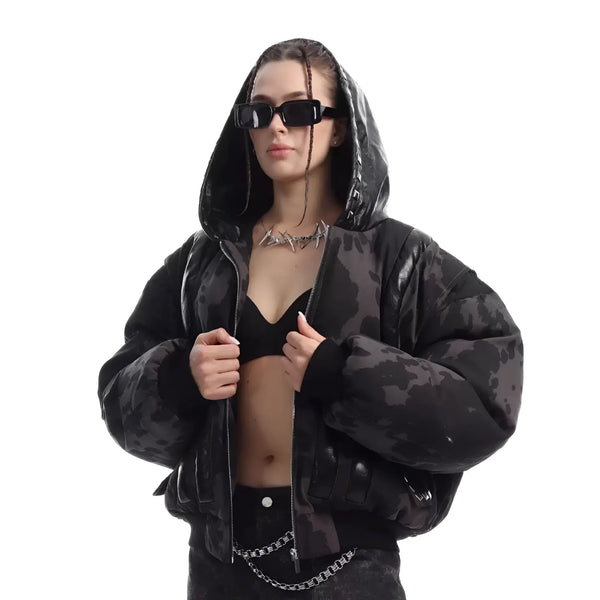
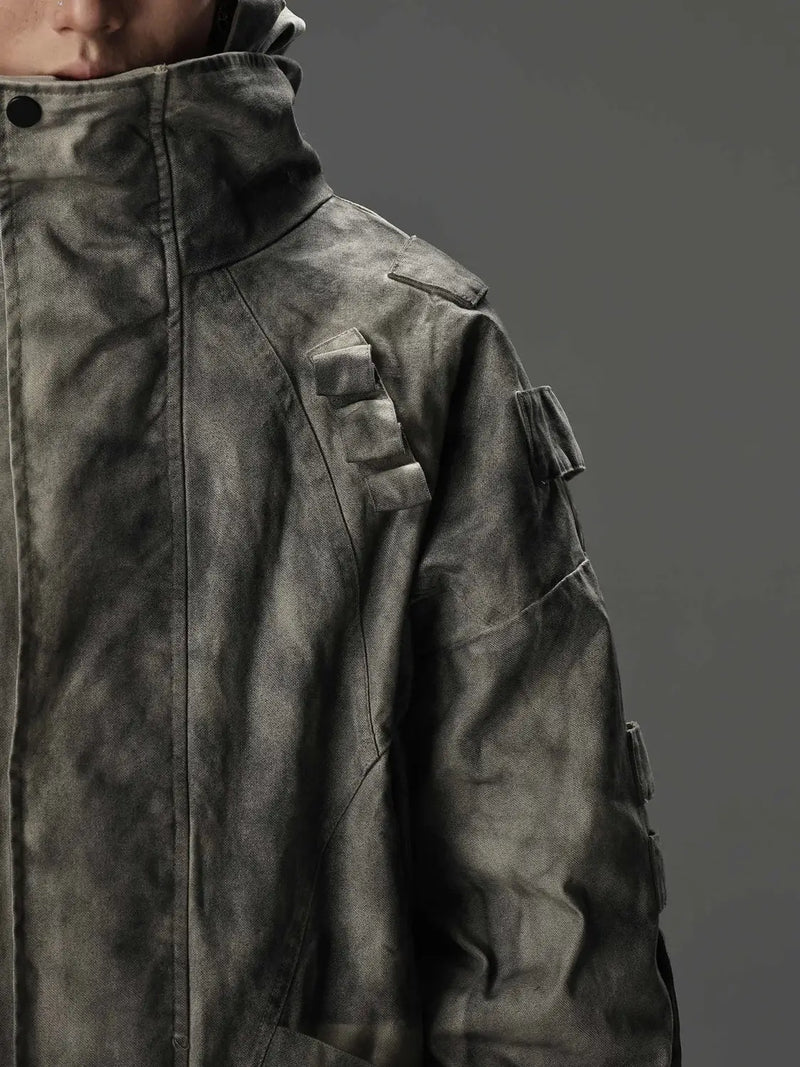
Three jacket types carry K-Fashion year-round: the trench (transitional, oversize, beige or black — the Acubi default jacket), the bomber (for Streetcore Seoul and K-Athleisure — nylon, MA-1 cut, often with embroidery), and the padded coat or puffer (winter, knee-length, straight line, monochrome colour). The leather jacket comes in the We11done iteration — mostly oversize, black, no logo.
If you don't have oversize outerwear yet, the beige trench is your first move for three of the five sub-genres — Acubi, Genderless, K-Athleisure all benefit from it. Streetcore and Y2K need other jackets.
Category · Bottoms
K-Fashion trousers — the wide-leg rule
Skinny has been out in K-Fashion since around 2018. What Seoul idols wore in 2012 (tight black jeans, B-boy style) is today almost exclusively a Y2K-Newtro iteration — and even there mostly as a mini skirt rather than trousers. The new default rule: layered up top, wide below.
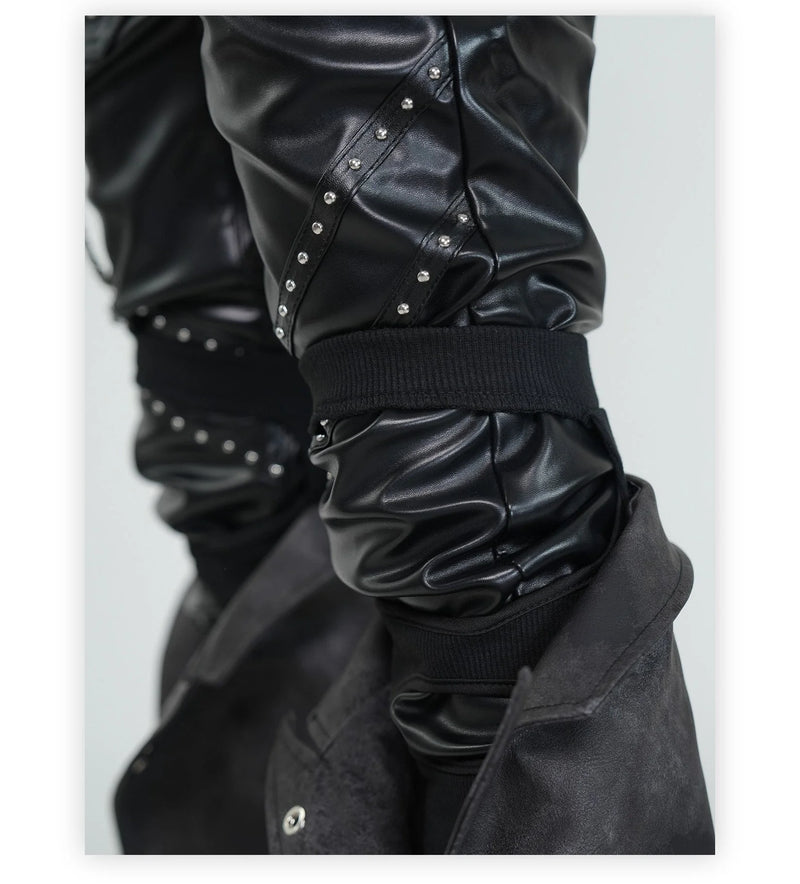
Four trouser types work in K-Fashion: wide-leg trouser (often with a crease, Acubi default), carpenter pants (workwear detail, Streetcore Seoul), cargo pants (wide-leg cargo, not tactical) and pleated trouser (Genderless, often wool or twill). The leather trouser comes in the We11done iteration for tour outfits. Mini skirt only in the Y2K-Newtro iteration — no other sub-genre takes it seriously.
If you want to build one trouser that fits four of the five sub-genres, go for a wide-leg trouser in beige or black. That's the common denominator — Acubi, Genderless, K-Athleisure and Streetcore Seoul can all go with it.
Category · Skin layer
K-Fashion tops & shirts — layer on layer
This is where the mechanism happens. The trouser is the base, the jacket is the outer layer — but the three tops in between decide whether an outfit reads as K-Fashion or as "normal streetwear plus cardigan". Layering isn't decoration, it's the grammar.
The rule: three visible layers, each with a different function. Layer 1 = skin layer (tank, tee, body, crop). Layer 2 = mid layer (shirt, polo, knit, cardigan open). Layer 3 = outer layer (vest, workshirt open, light jacket). Three fabrics, three functions, one outfit. If you only wear a tee under a jacket, that's not K-Fashion. That's anorak-and-tee. Hannover, not Hongdae.
If you want to test the layering look, start with the simplest combo: white tee, open workshirt over it, cardigan or vest on top. Three fabrics, three tones from the neutral palette, one trouser below. That's the Streetcore Seoul default — and it sits for every body.
Styling physics
How to really style K-Fashion — the layering physics
A K-Fashion outfit works through exactly one detail: how the three layers up top stagger in length. Short inside, medium in the middle, long outside — it sits. The other way round — it doesn't. K-Pop stylists rarely spell it out, but every idol tour since 2019 sticks to it.
"Layering in K-Fashion isn't: I put on three things because it's cold. Layering is: each layer has its own length, its own colour, its own texture. If the three were interchangeable, it isn't layering, just heavily dressed."
— Streetstyle guide from Seoul, freely translated
In practice that means: short white tee, ankle-length shirt open, laid over a vest. Or tank, narrow knit, oversize cardigan to the hip. Never three equal-length layers — that becomes a tangle instead of a sculpture. We've done the full breakdown with photo examples in a separate article:
But K-Fashion doesn't stand alone — it overlaps at several edges with other Asian streetwear codes. Harajuku shares the layering logic, Y2K shares the Newtro palette, Techwear shares the outer vests. Once you've got K-Fashion down, you can read these neighbouring codes and mix on purpose without sliding into cosplay.
Here are the most important neighbors — each with its own guide, if you want to go deeper:
Seasonal
Korean Fashion in summer vs winter — the two extremes
In winter K-Fashion is easy — almost too easy. Padded coat, knit, long-sleeve, wide-leg wool, chunky boots. Four layers are the norm, all in the neutral palette, almost every outfit works. The challenge comes in summer, when the central K-Fashion tool — layering — becomes impossible in the heat.
Summer K-Fashion (Seoul: 30+ °C, 80 % humidity) solves the layering problem through thin fabrics and shorter outer layers. Crop tee plus open shirt plus mesh vest — all thin, all breathing. Wide-leg wool is replaced by wide-leg linen or thin twill trousers. Shoe switches from boots to flat Mary Janes (Acubi) or trail sneakers with a mesh panel.
The year-round solution also exists as outerwear: pieces that adjust their own layer thickness. A convertible puffer with removable sleeves, for example — a full jacket in winter, a vest in spring, a pure statement piece over a thin tee in summer.
Here's what that looks like in motion:
What does not work
The 6 most common K-Fashion mistakes from a German perspective
K-Fashion has six spots where it reliably tips — no matter how much YesStyle direct import sits in the wardrobe. If you avoid just one thing, make it mistake number one.
Action
How to start in K-Fashion — the first 4 pieces
You don't need 30 pieces from Seoul vintage shops to wear K-Fashion. You need four that will be in 80 % of the outfits. Everything else builds around them.
In order: an oversize wide-leg trouser in beige or black (your base — compatible with four of the five sub-genres). An open workshirt or cardigan as a mid layer (the piece that turns two layers into three). A white tee or tank for the skin layer (base, interchangeable, always there). A shoe that picks a sub-genre — loafer for Genderless, Mary Jane for Acubi, trail sneaker for K-Athleisure. A mini bag or bucket hat as an optional fifth piece, but only once the four sit right.
Germany
Korean Fashion in Germany — where to buy it
Buying Korean Fashion in Germany has gotten considerably easier since around 2022. There are three realistic routes — each with its own pros and cons, depending on how much patience and customs tolerance you have.
First route: YesStyle direct import from Hong Kong or Seoul. Cheap, huge selection, but a delivery time of 2-4 weeks plus customs risk (almost guaranteed on orders over 150 €). Size charts are Asian — for men's tops choose at least one size up, for women mostly true to size. Returns are expensive and slow.
Second route: designer brands via EU stockists. Ader Error is at mytheresa, Andersson Bell at Ssense and matchesfashion (before closure — now partly distributed), We11done at Farfetch. Price league 200-600 € per piece, but EU delivery without customs problems. For statement pieces, not for whole wardrobes.
Third route: DTC brands with K-Fashion vocabulary and EU shipping. This is where Fūga Studios fits in — we interpret Hongdae street style for German customers, with 6-11 day delivery from the EU warehouse, no customs, with a German size chart (so no YesStyle roulette). Free shipping from 169 €, 14-day returns, German support by email.
To close
K-Fashion is layering — not a trend, not cosplay
If you remember one thing from this guide, make it this: K-Fashion doesn't work through pieces but through distribution. Get the layering rule down and you build a hundred outfits from twenty pieces. Only buy pieces and you have a full wardrobe without a single outfit that looks like Seoul.
The whole logic of this guide reduces to one sentence:
The rules have been stable since around 2020 and will stay that way — as long as Seoul is the global trend incubator for streetwear. But you don't have to wait until you know all the sub-genres by heart. Start with the one look that fits your body and your city best. What you don't know, you learn by wearing.
And that's the actual point: K-Fashion reads in theory like a corset of rules, but in practice it doesn't feel that way. Once you've got the layering code down, every further outfit is a variation on the same four or five building blocks — not a new invention.
FAQ
Frequently asked questions about Korean Fashion
The questions we often get by DM and email — short, clear, no detours.
What is the difference between Korean Fashion and K-Pop style?
Where can you buy Korean Fashion in Germany without customs problems?
Does Korean Fashion work for non-Asian bodies too?
What is Acubi and why has it been everywhere since 2023?
Which shoes go with Korean Fashion besides Mary Janes?
Is Korean Fashion the same as Japanese streetwear or Harajuku?
What separates Modern Korean Fashion from 2000s Korean Fashion?
What do you think?
Tell us on @fuga_studios
About the author
Philipp Fuge — Founder · Berlin
Founder of Fūga Studios. Writes the journal himself. Berlin · Shanghai · Tokyo · Poznań — four cities, one logic.