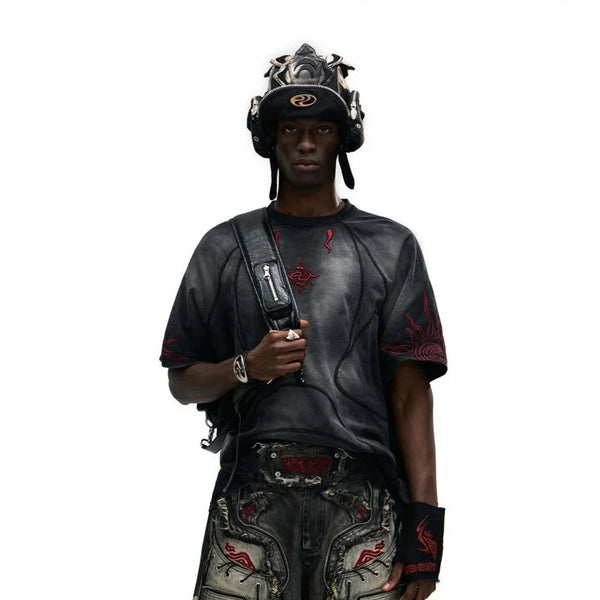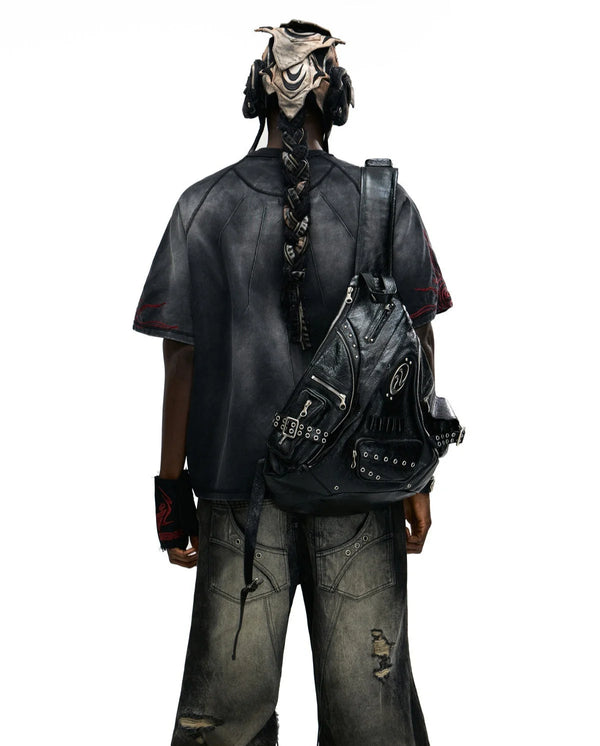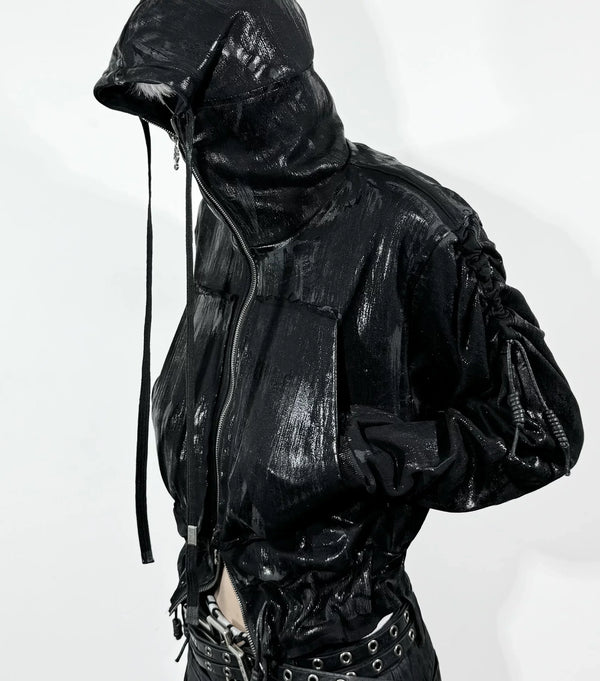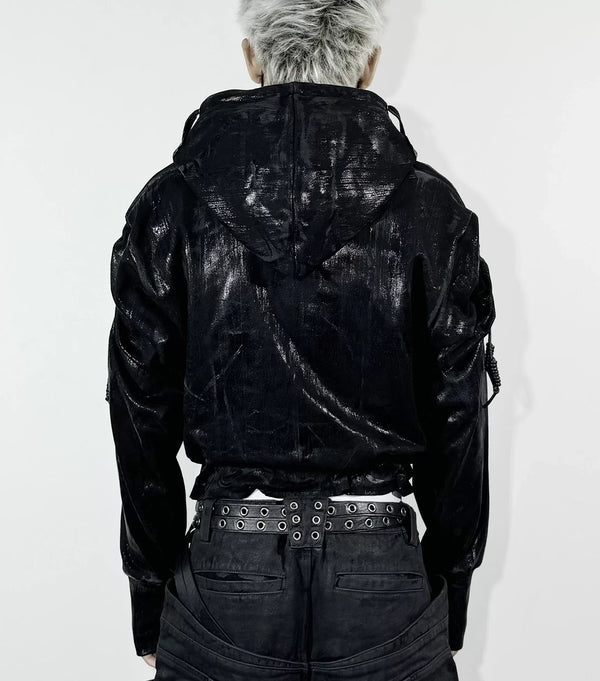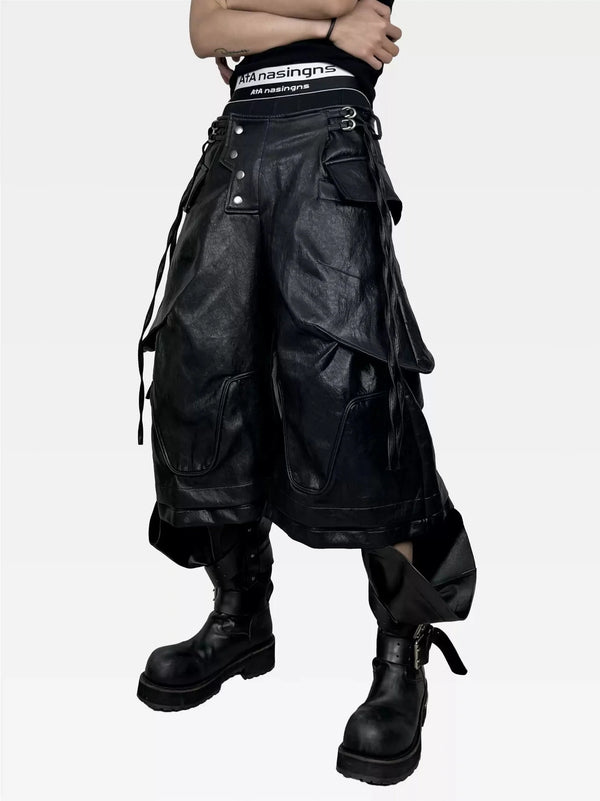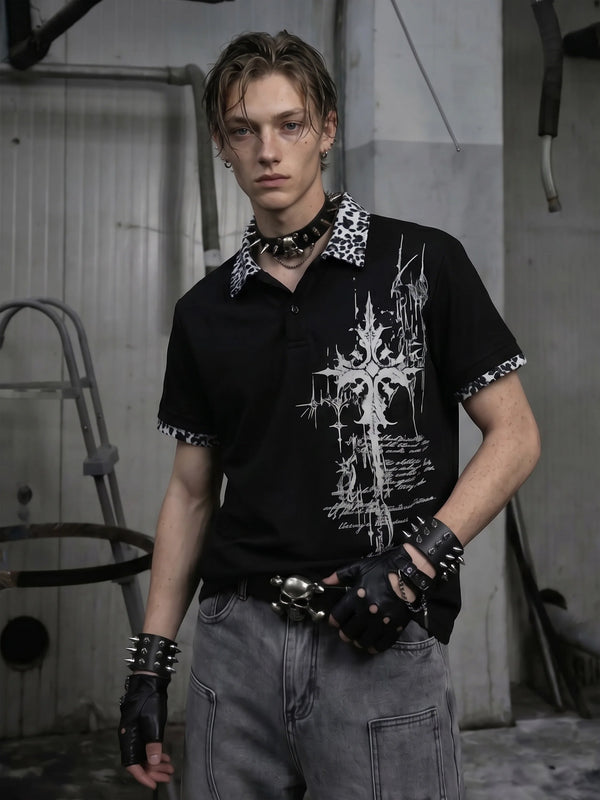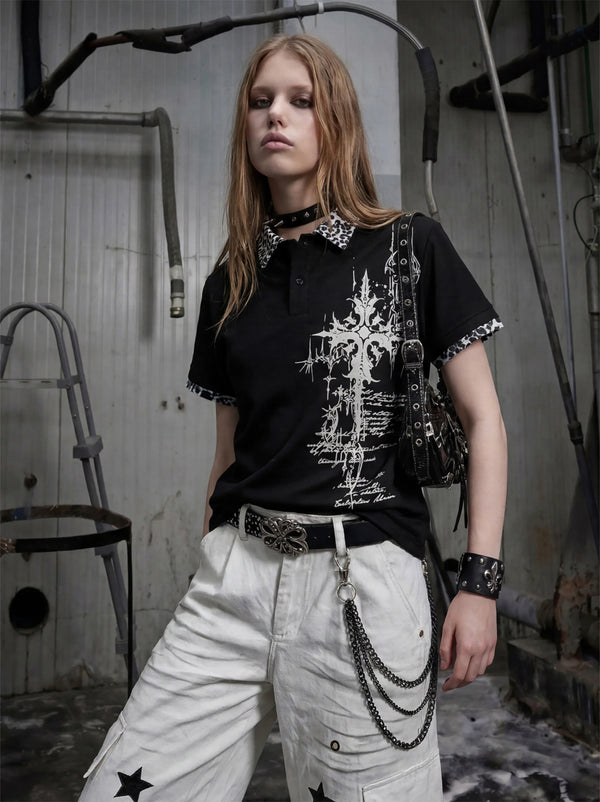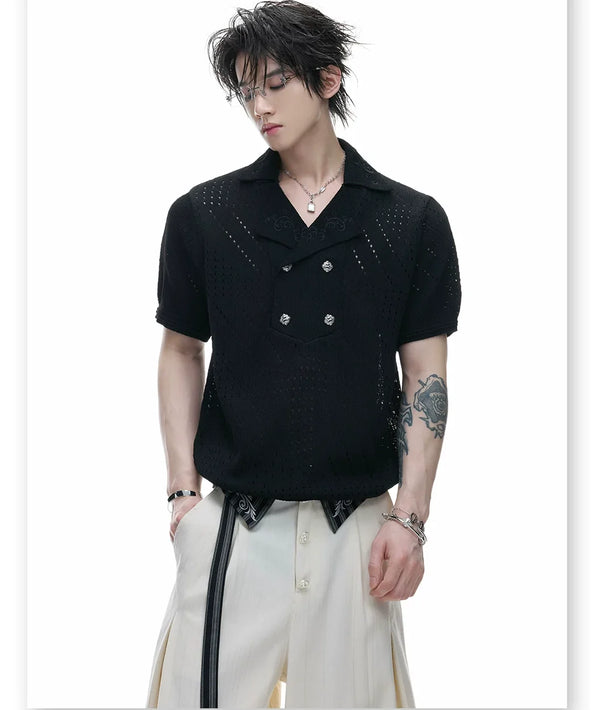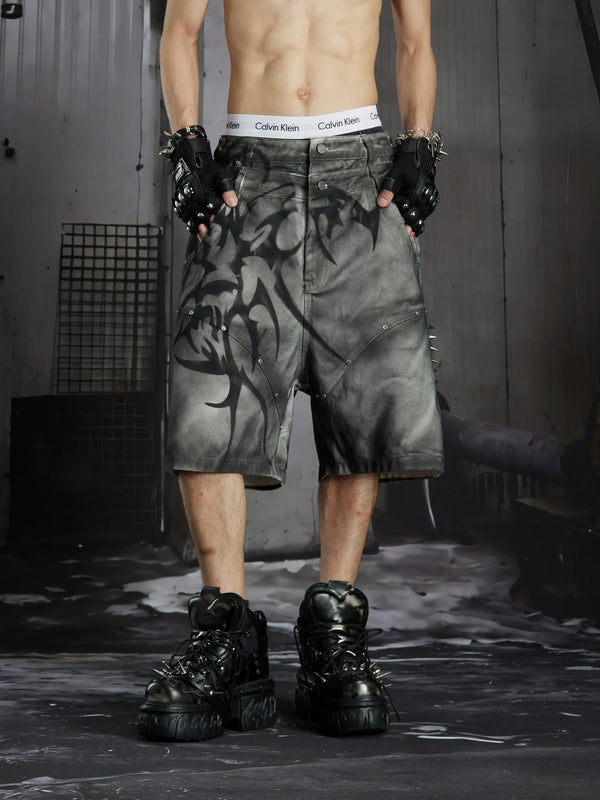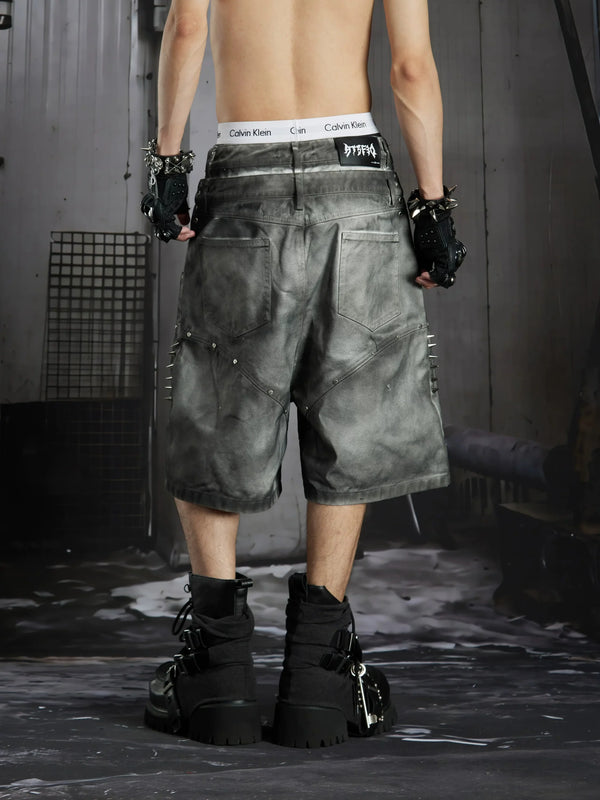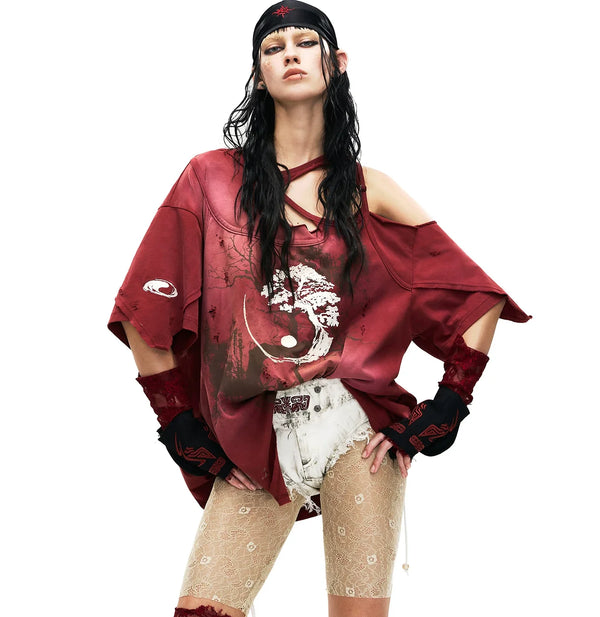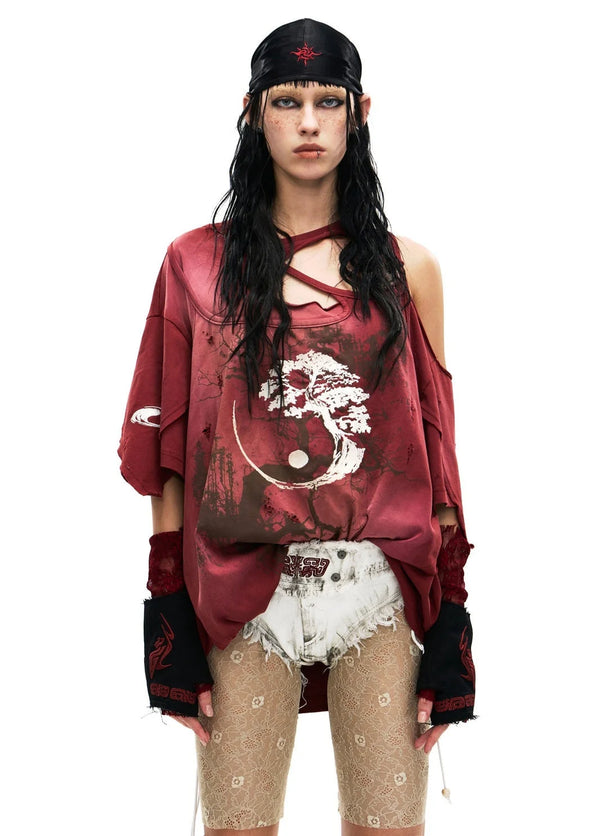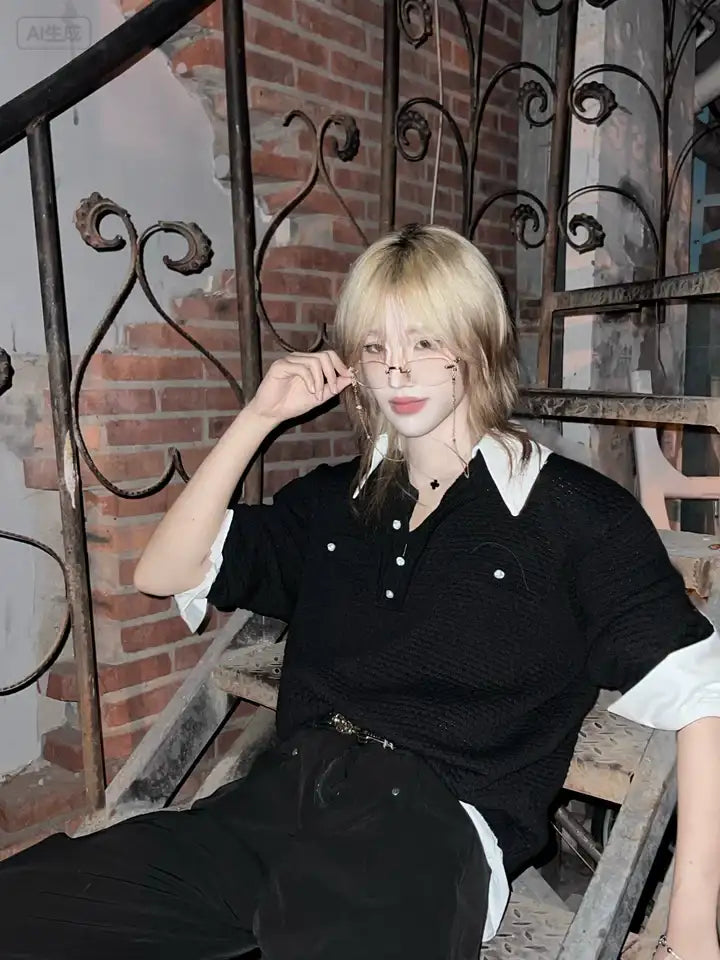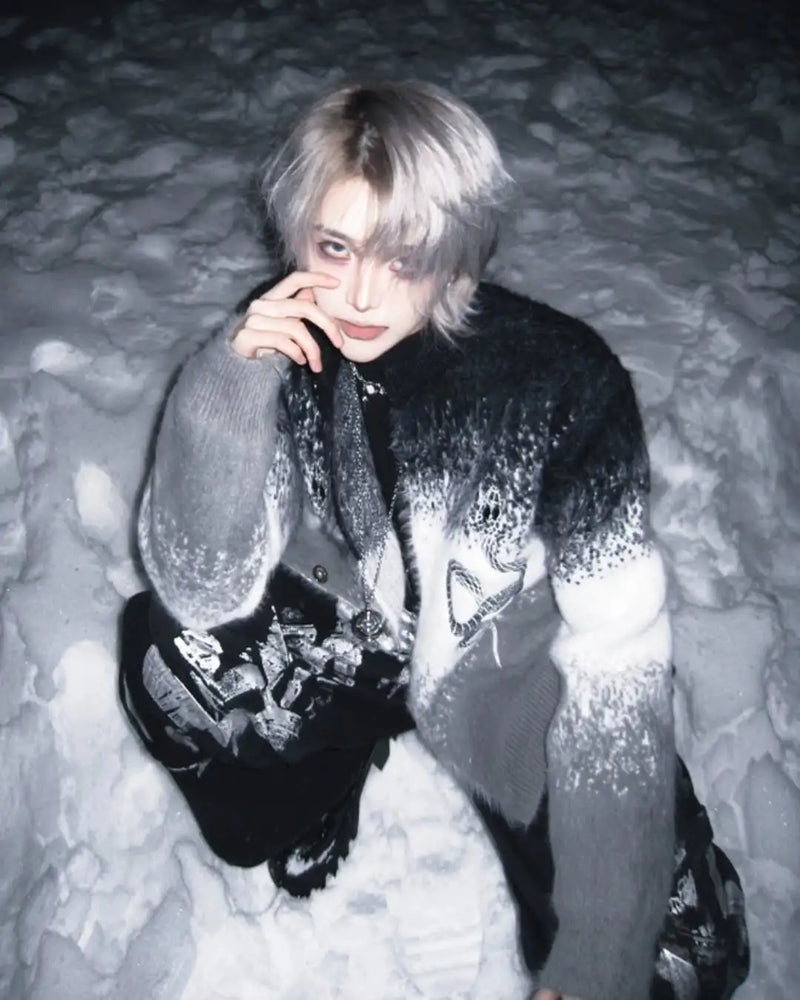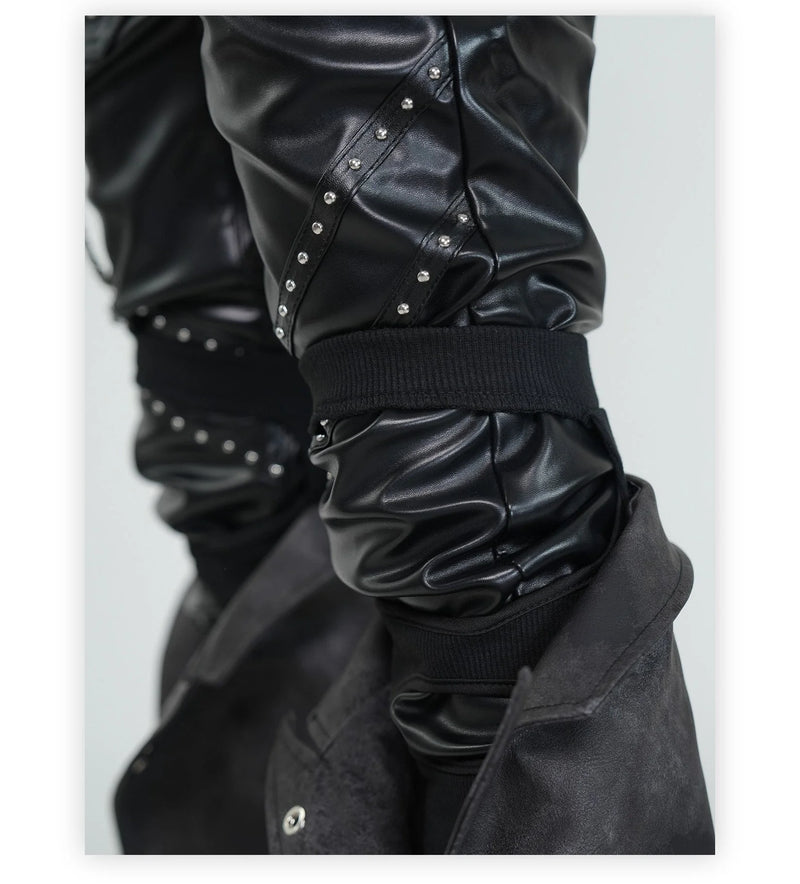
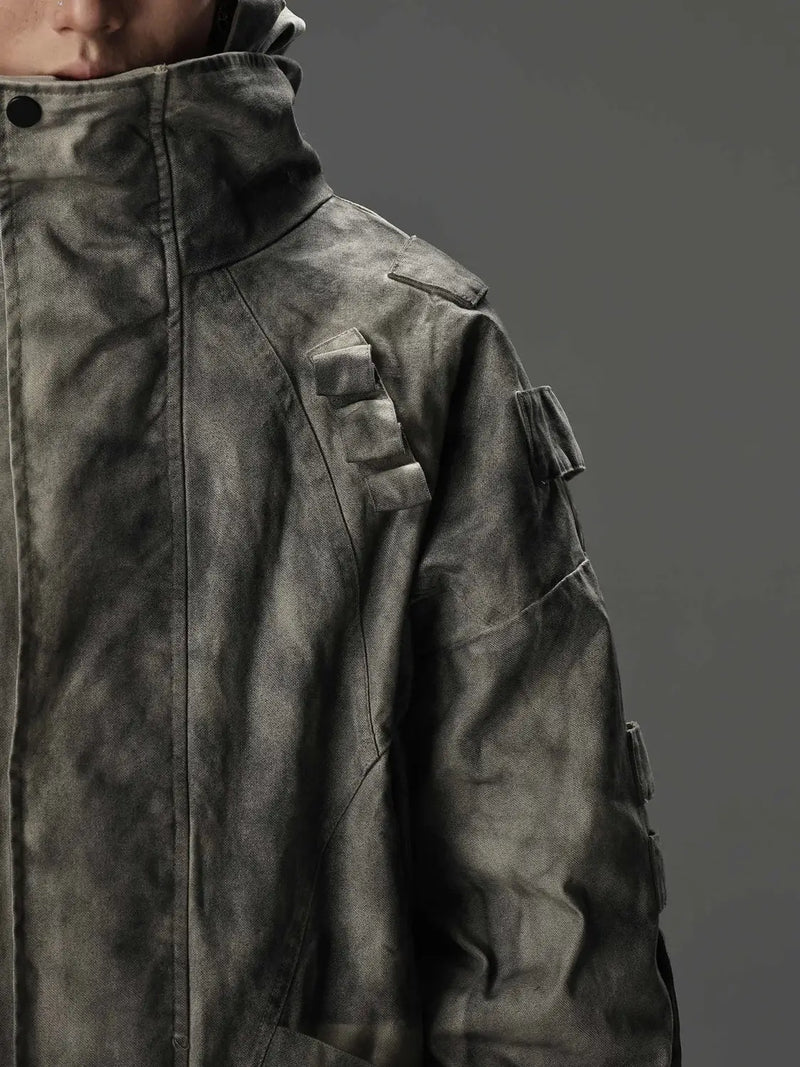
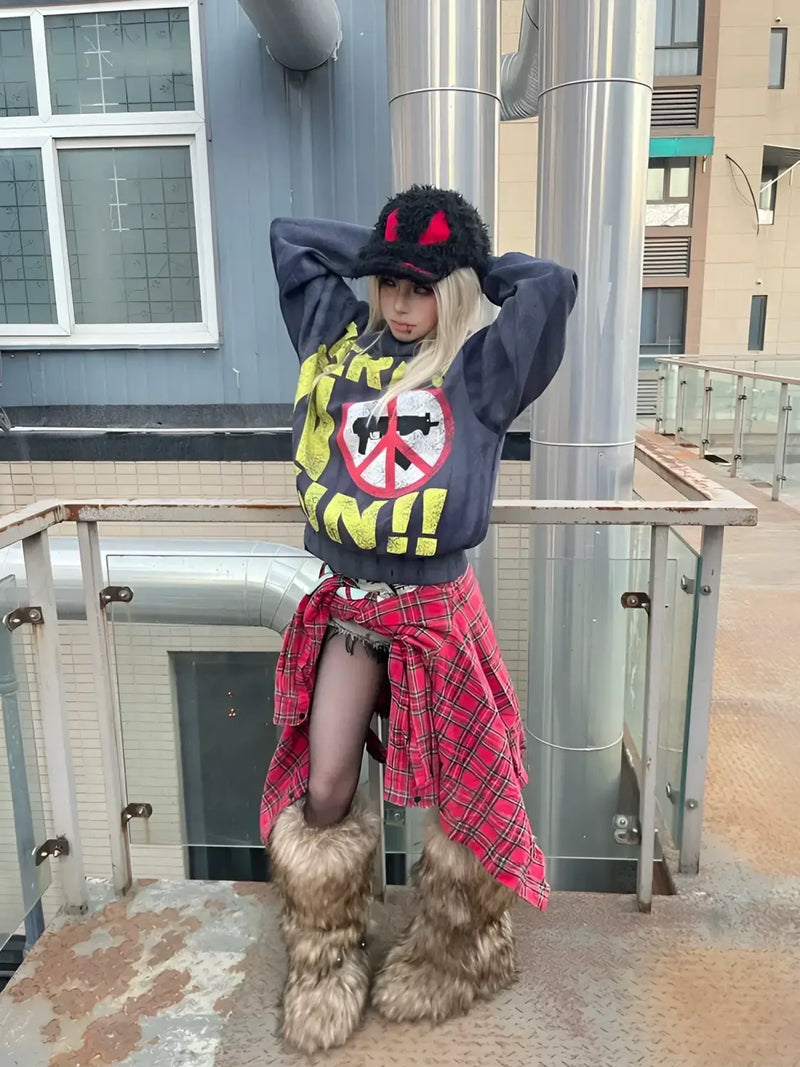
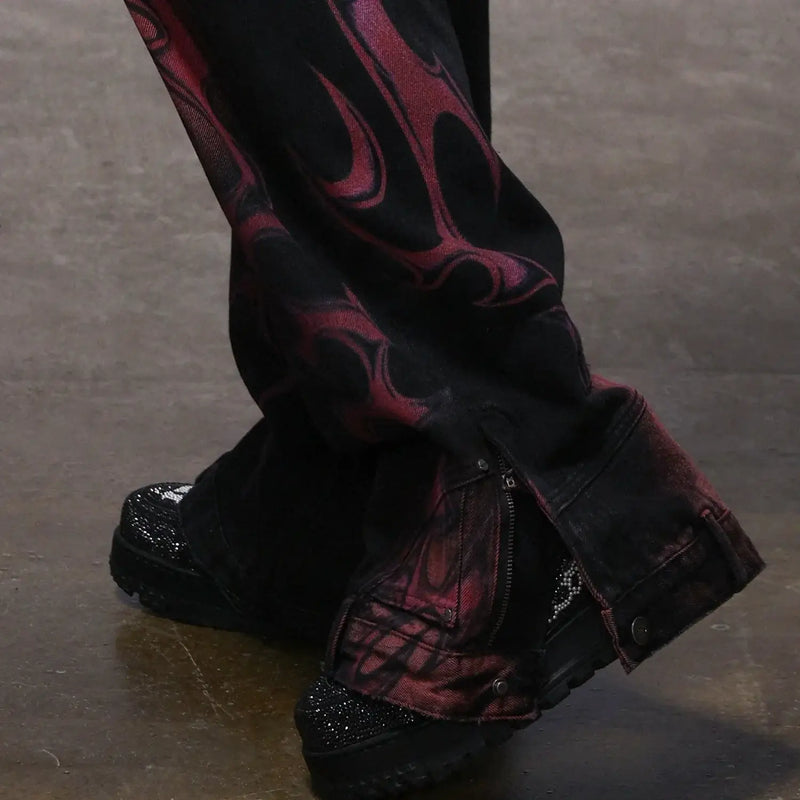
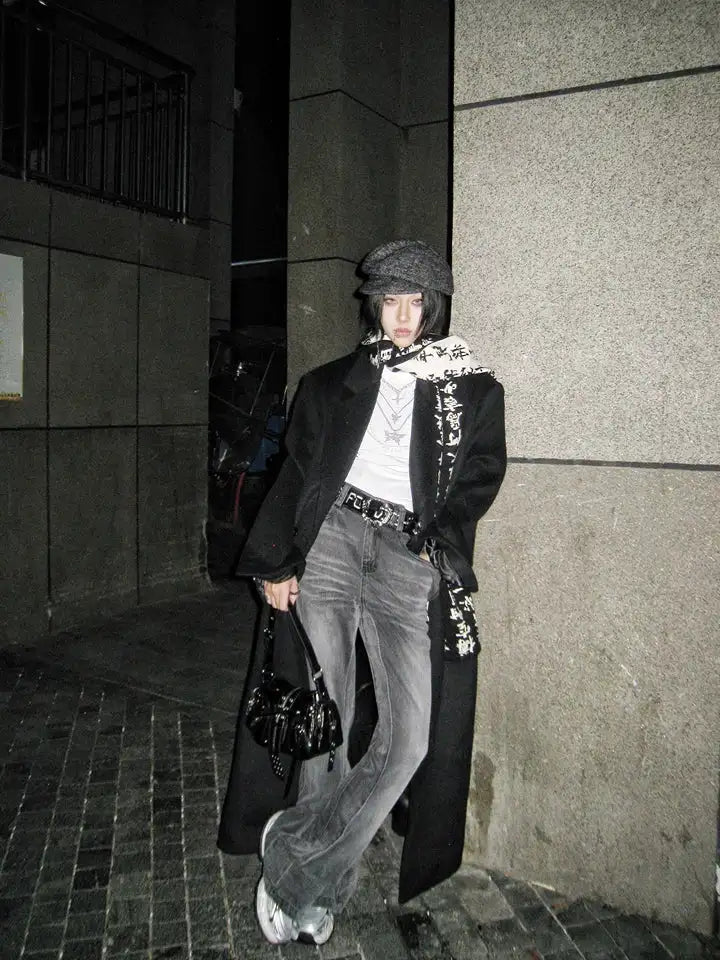

Everyone says 2000s Korean Fashion is “K-pop outfits plus low-rise jeans”. That’s the cartoon version. The real story starts two years earlier — 1997, with a financial crisis that forced Korea to reinvent itself, and ended in 2010 with a fashion the rest of Asia copied.
2000s Korean Fashion isn’t one look. It’s six parallel currents — K-Drama Preppy, Hip-Hop Oversize, Idol-Pop-Stage, modernized Hanbok, Y2K tech optimism, Tomboy-Punk — lived side by side in Seoul, Hongdae and Apgujeong, often in the same week, often in the same person. Anyone who reduces it to “school uniform plus K-drama haircut” hasn’t understood the decade.
This guide clarifies what 2000s Korean Fashion really was: who wrote the vocabulary, which six types separate cleanly, how the code splits between women and men, what counts on jackets, pants, tops and accessories, and where Seoul 2005 differs cleanly from Tokyo 2005 and L.A. 2005. Plus: the five mistakes that tip your “2000s Korea” outfit straight into cosplay.
What a 2000s K look looks like in motion — condensed into 12 seconds:
Origin
Who invented 2000s Korean Fashion — Hallyu, post-IMF, broadband Korea
2000s Korean Fashion has no single inventor. It’s the result of three conditions that took hold in Korea between 1998 and 2002 at the same time — and existed in this combination nowhere else in the world.
Condition one: post-IMF. The 1997 Asian crisis had knocked Korea to the floor economically. What came after wasn’t a consumer reset but an identity reset. The state invested in cultural export (films, music, fashion) and won the contest against Japan across Asia. This cultural rise is called Hallyu, the Korean Wave — and it began in 2000 with drama exports to China, Taiwan and Southeast Asia.
Condition two: broadband. In 2002 Korea had the highest broadband density in the world. A 15-year-old in Seoul saw Tokyo street style, MTV hip-hop, and Paris couture in the same weekend — at the same resolution as a 25-year-old designer in New York. The mixing speed that resulted was new. 2000s K-Fashion is the first decade in which a local style developed globally in parallel with Tokyo and L.A., instead of three years behind.
Condition three: K-Pop and K-Drama. The first idol generation (H.O.T., S.E.S., Fin.K.L., g.o.d.) had already established the choreography-plus-concept-outfit logic in the late 90s. The second generation from 2003 (BoA, TVXQ, SS501, Super Junior) turned it into an international vocabulary. In parallel, dramas like My Sassy Girl (2001), Full House (2004) and Princess Hours (2006) set the preppy K-drama line that still fills every “K-style” Pinterest board today.
Definition
What is 2000s Korean Fashion — and what all counts as part of it?
2000s Korean Fashion is an outfit system of five building blocks. When four of them land, the look reads clearly as “Seoul 2000-2009”. When only one or two land, it tips into “generic Y2K” or “K-drama cosplay” — both far from the real code.
6
Sub-currents
3
Accessory points
2
Silhouette axes
10
Years span
These four numbers aren’t marketing — they’re the test grid. Anyone building a 2000s K outfit should anchor it in exactly one of the six currents, set at least three accessory points, and decide on one of the two silhouette axes (preppy-tight or hip-hop-wide). Mixing two currents at once doesn’t build authenticity — it builds a Halloween party.
Concretely, 2000s Korean Fashion includes:
- Printed statement top — baby tee with Korean print lettering, anime patch, or idol tour print. Plain white doesn’t work — everything wanted to say something in 2003.
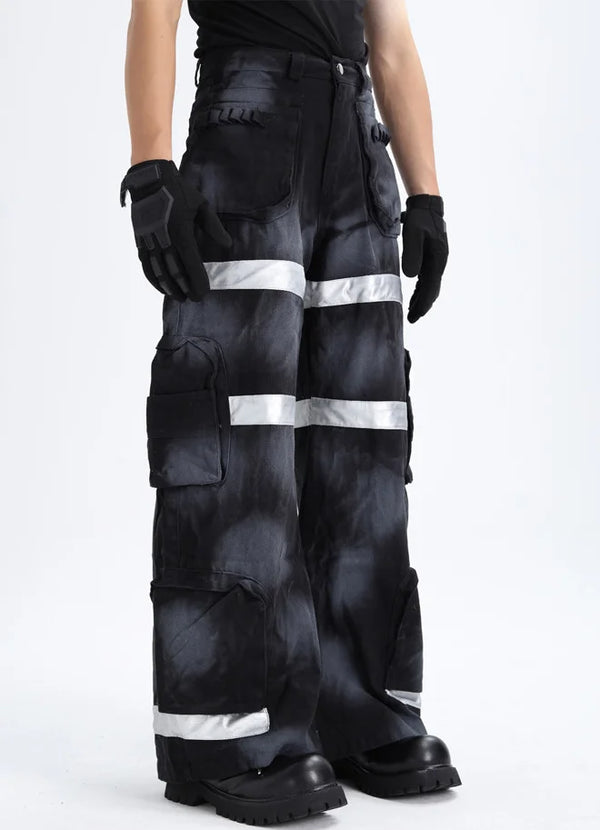
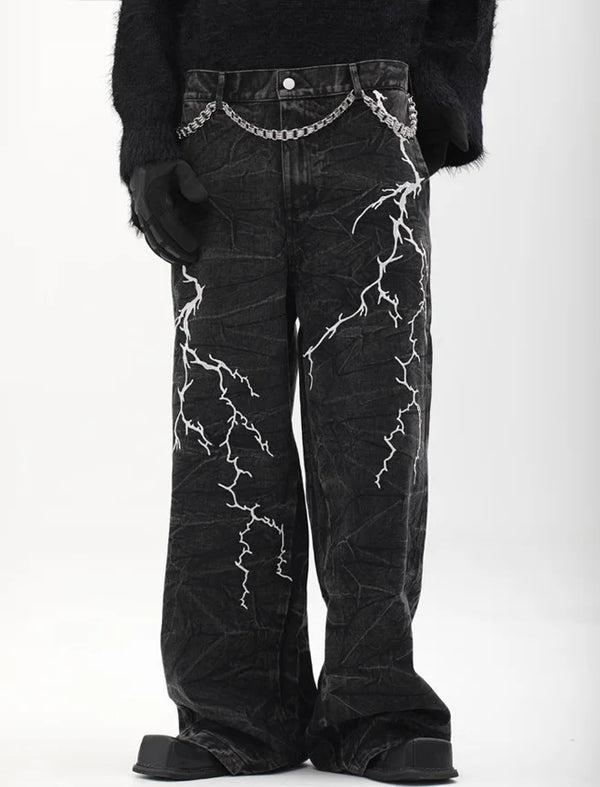
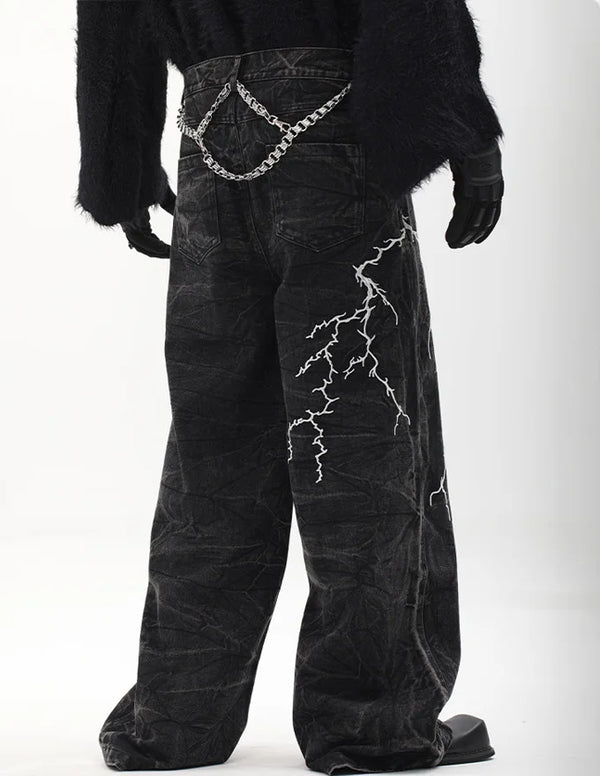
- Low-rise or wide-leg on the bottom — cargo, flare, or distressed denim. The waistline sits below the navel, not on it. Mid-rise is 2012, not 2003.
- Layering over the shoulder — cardigan over T-shirt, bolero over tank, hoodie under leather jacket. 2000s Korea was layered fashion, not single-layer minimalism.
- Accessories with a brand name — Samsung Anycall on a lanyard, Hello Kitty or Pucca wallet, Adidas three-stripe bag. Visible brand names were proud, not embarrassing.
- Hair statement — layered cut with long bangs, side bun with butterfly clip, or straightened hair with a Hello Kitty clip. Hair carried the outfit as much as the pants.
- Platform shoe or sneaker — platform sneaker, Mary Janes with a thick sole, or Adidas Superstar in pastel. Combat boots are 2010s, not 2003.
If you’re missing three of these six points, it’s no longer 2000s Korea — it’s 2010s K-drama reenactment or Y2K USA. One central rule holds the six together:
6 types
The six most iconic 2000s K looks — the sub-style atlas
2000s Korean Fashion isn’t one look — it’s six that overlap at the edges. Lay K-drama stills, idol stage photos, Hongdae street snaps and Hanbok runways from 2003 side by side and you see the six types cleanly separated. Each with its own fabrics, its own silhouette, its own city.
Which of the six suits you depends less on taste than on body silhouette, hair length, and how much accessory statement you can carry. How that splits between women and men comes next.
Gender split
2000s Korean Fashion women vs men — where it really runs differently
The six sub-styles are accessible on both sides — women and men wore Hip-Hop Oversize equally, preppy just the same. What differs is the silhouette line and the accessory density. Where Lee Hyori walked in the same cargo pants in 2003 as a Hongdae skater, the midriff cut stayed different — shorter on top for her, longer on top for him.
Women’s version: cropped line on top (baby tee, tube top, bolero), low-rise below (hip-bone line). More accessories — butterfly clip plus Hello Kitty bag plus chunky belt was standard, not maximal. Hair styling carried 50 percent of the outfit. Platform shoes instead of combat. Pink was neutral, not a statement.
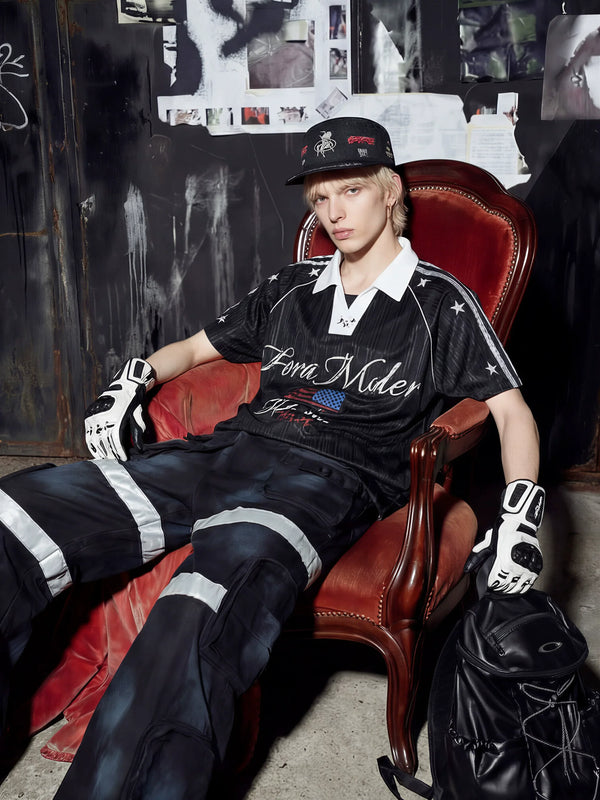
Men’s version: longer line on top (tee to the hip, tour hoodie to mid-thigh), wide pants from the hip. Fewer accessories visible — wallet chain, Adidas bag, snapback. Hair styling was a layered cut or K-drama bangs, both labor-intensive. Skater sneakers instead of platform. Black and gray dominated, with the occasional pink accent (Samsung phone, Hello Kitty as a statement).
Both needed the same three accessory points and the same silhouette axis (preppy-tight or hip-hop-wide). What varied was distribution and crop height — not vocabulary.
Brands
2000s Korean Fashion Brands & Designers — who wrote the vocabulary
2000s Korea didn’t import the outfit vocabulary from Tokyo or Paris — it wrote it itself. Six design houses, three idol stylists and two Hongdae indie labels set the code for the decade. Anyone who wants to wear 2000s K competently knows these names.
The houses and stylists who wrote the vocabulary — chronologically:
- Andre Kim — until his death in 2010, Korea’s couture godfather. His white suit, his drape detail and his show choreography influenced every designer of the 2000s — even those who later positioned themselves against him.
- Lie Sang-Bong — at Paris Fashion Week since 2002. Hangul lettering as print on couture pieces. Brought Korean identity back into European discourse, not as folklore but as a graphic element.
- Lee Young-hee — modernized Hanbok in New York from 2003. Knot closure as a detail, long drape instead of traditional volume. The proof that Hanbok DNA works in streetwear comes from her studio.
- Hyung-Joon Yang (Wooyoungmi) — men’s label since 2002, Paris shows from 2005. A clean tailoring code that shapes every “quiet luxury” K look today. The DNA for modern K men’s fashion lies here.
- Jin Teok & Doho Choi — the old guard of Seoul Fashion Week. Set standards for volume and fabric quality that worked as a counterpoint to hip-hop cosplay in the 2000s.
- Drunken Tiger & MFBTY substrate — Tiger JK and Yoonmirae weren’t designers but style-setters. Baggy jeans, tour tee, gold chain as a trio entered the Korean mainstream via their album covers and MTV Asia performances.
- 2nd-generation idol stylists — the anonymous hands behind BoA’s “Atlantis Princess”, TVXQ’s “Tri-Angle” and SS501’s early appearances. Concept-outfit logic (each era its own code) is their legacy — standard in K-pop today.
- Hongdae indie substrate — anonymous boutiques around Hongik University, where skater pants, wallet chains and eyeliner sets were sold. G-Dragon’s early outfits came from here, not from YG-internal styling.
Anyone who wants to wear 2000s K without paying couture prices searches resale (eBay Korea, Bunjang) for these labels, or turns to current DTC brands that cite the vocabulary competently without tipping into cosplay.
Category · Outerwear
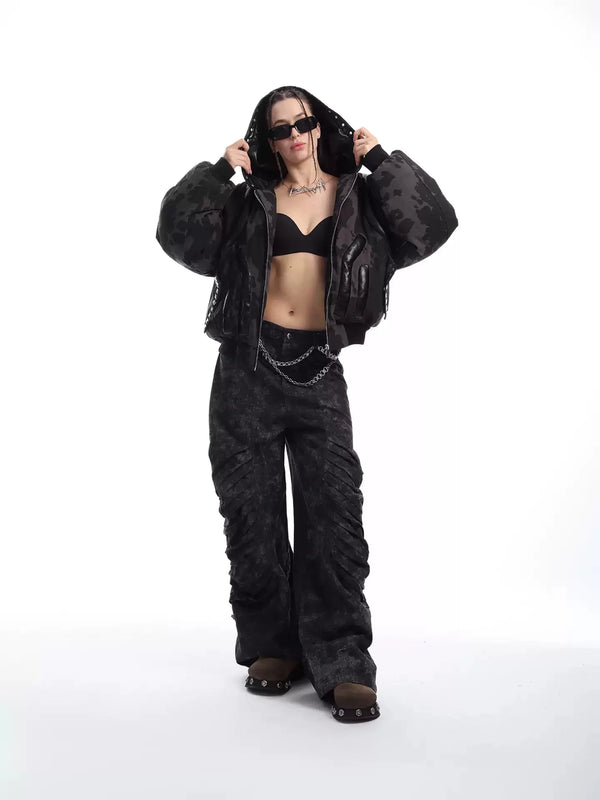
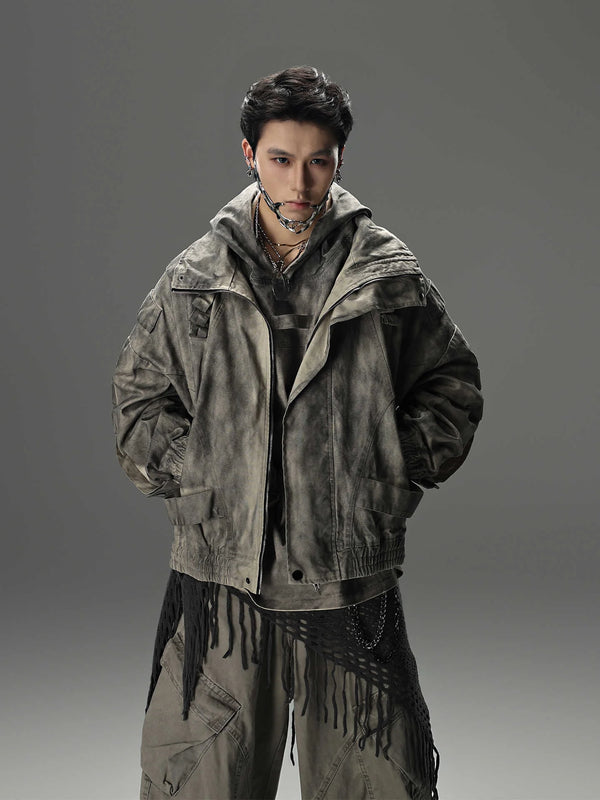
2000s Korean Fashion jackets — cropped denim, bomber, hooded layer
The jacket carries the 2000s K outfit differently than an Opium outfit. It isn’t the dominant surface — it’s one layer of three. What counts isn’t the statement but the cut line: cropped, clearly separated from the pants, with a visible midriff or waistband detail.
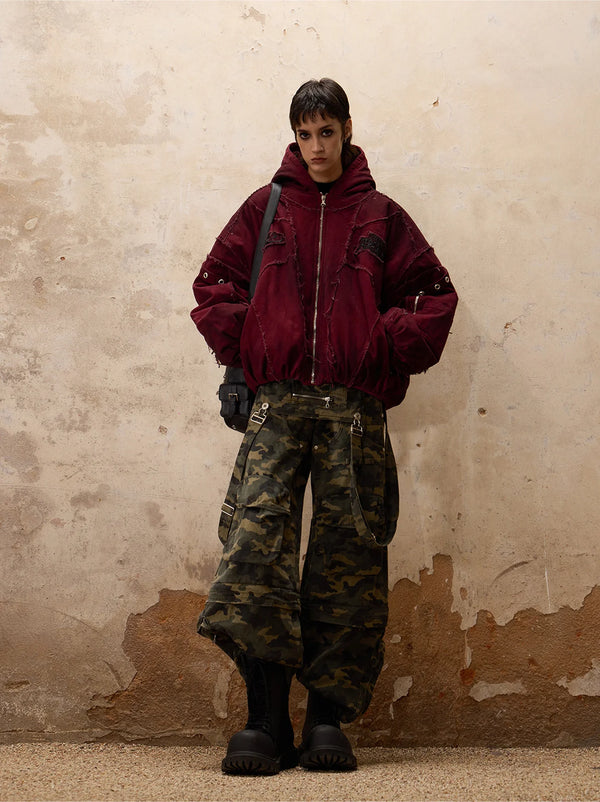
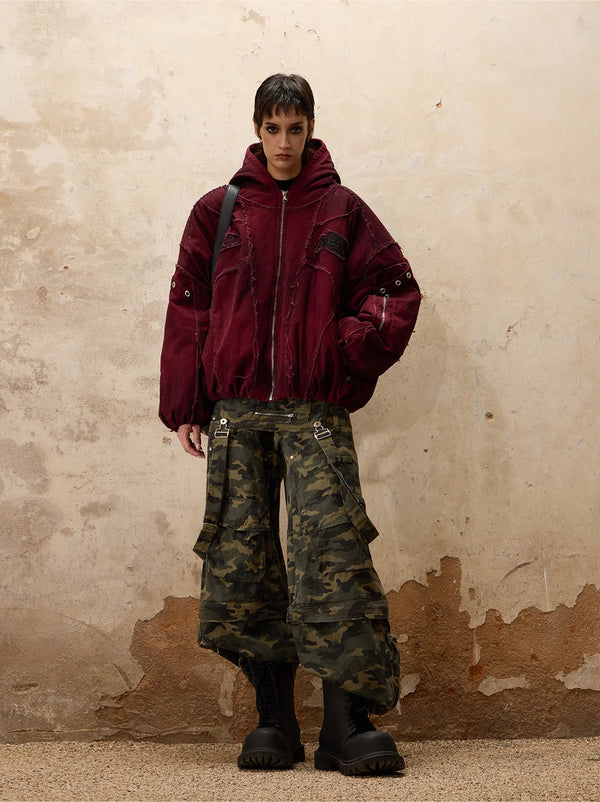
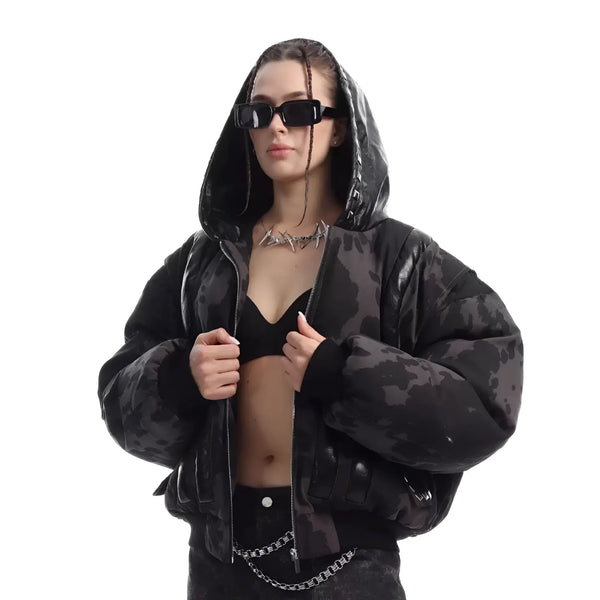
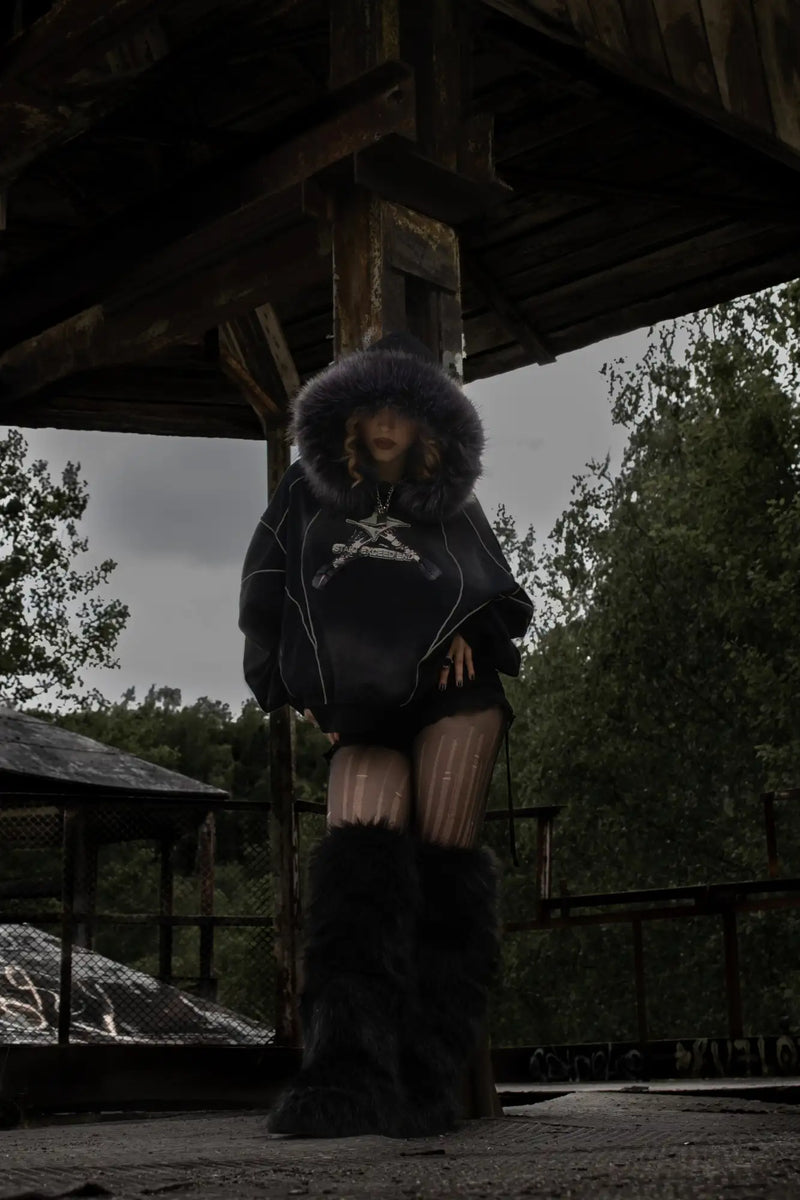
Three jacket types work in 2000s Korea: cropped denim jacket (preppy and idol-stage default), bomber with patch detail (hip-hop and Tomboy-Punk iteration), and hooded long layer as an outer shell over tee plus cardigan. Trench and long coat only really come through from 2010 on — in the 2000s, short line was king.
If you don’t own a cropped denim jacket yet, that’s your first move. Everything else in the outfit depends on whether your upper line is short and clearly separated or runs down to the middle of your pants.
Category · Bottoms
2000s Korean Fashion pants — low-rise, wide-leg, flare
Mid-rise is 2012, not 2003. The 2000s K pant sits on the hip bone, not on the waist. The line below the navel is visible — either as bare skin between tee and pants, or as a visible waistband with brand lettering (Adidas, Calvin Klein, Pucca).
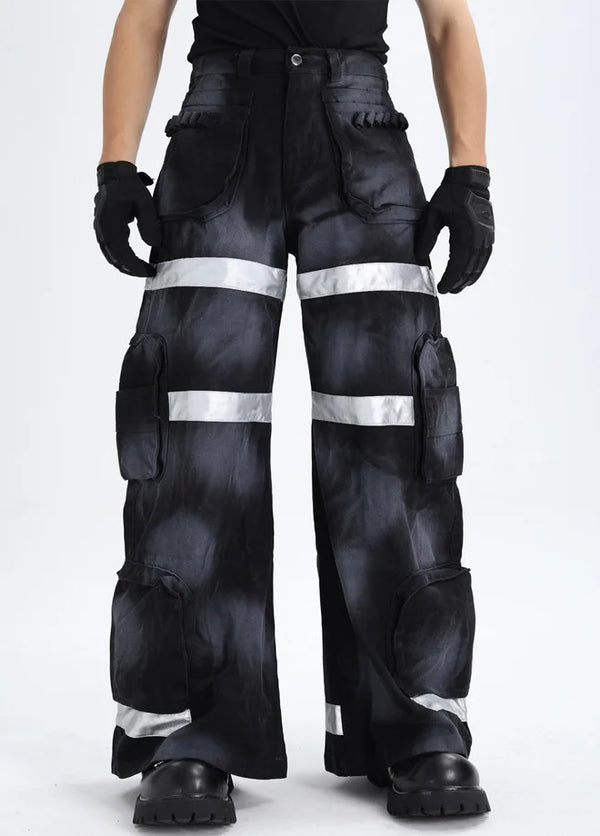
Three pant types carry the decade: low-rise cargo (hip-hop and idol-stage), wide-leg denim with distressed detail (Tomboy-Punk and Y2K-Tech), and flare or bootcut (K-drama preppy and modern-Hanbok-adjacent). Skinny exists too — but only from 2008, when the code already tips into the next decade. Avoid anything too fitted (that’s 2014+).
If you want to build a pant that fits four of the six sub-currents, take wide-leg denim with a low waist and distressed detail. That’s the common denominator between hip-hop, Y2K-Tech, idol-stage and Tomboy-Punk.
Category · Skin layer
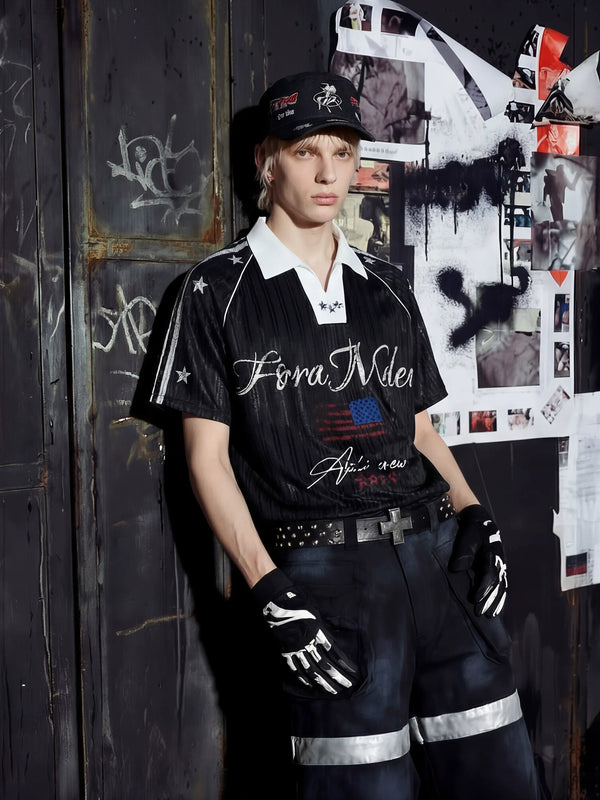
2000s Korean Fashion tops — baby tee, graphic print, layer
The top layer wasn’t quiet in 2003. On the contrary — every tee, every tank, every cardigan carried a statement. Print lettering in Hangul or an anime patch or an idol tour date was standard. A plain white tee existed, but as a layer under something, never as the main surface.
The rule: cropped on top (preppy and idol-stage iteration) or layered on top (hip-hop and Tomboy-Punk iteration). Long sleeve under tank, cardigan over blouse, bolero over spaghetti strap — layers weren’t a winter move but a summer default. Layering is the answer to Korean climate plus the wish to show several brands at once.
Anyone who wants to test the layer look takes a long sleeve with a Hangul or anime print, and over it a cropped tank or cardigan. That’s the simplest entry into the layer vocabulary — three pieces, one statement.
Category · Accessories
2000s Korean Fashion accessories — the three statement points
What separates 2000s Korea most strongly from 2000s Japan and 2000s USA isn’t the clothes — it’s the accessories. Three visible statement points are mandatory, not a recommendation. Going out with just one accessory means you haven’t understood the decade.
The canonical three: a phone or lanyard with a visible charm (Samsung Anycall with a Hello Kitty strap), a bag or wallet with a brand name (Pucca wallet, Adidas side bag, Hello Kitty crossbody), and a hair detail (butterfly clip, side bun, layered cut with long bangs). Adding wallet chain plus chunky belt plus sweat wristband on top is overdoing it — three is exactly right.
If you wear just three accessories — phone, bag, hair — you’ve already won half the look. More is 2007 Tomboy-Punk iteration, but as a default three is enough.
Styling logic
How to really read 2000s Korean Fashion — the layer logic
A 2000s K outfit works through exactly one question: how many layers are visible? Three layers on top (tank + long sleeve + cardigan) plus two accessory layers (bag + phone lanyard) is the default line between 2002 and 2007. One layer on top plus zero accessories — that’s 2014, not 2003.
In practice that means: no single piece carries the outfit alone. Leave out the cardigan and only the long sleeve plus tank remain, and the outfit reads as “normal tee plus top”. Leave out the bag and wear only a phone lanyard, and the second statement point drops away, and the outfit tips into “K-drama cosplay 2024”. We’ve put the full layer breakdown in a separate guide:
But 2000s Korea doesn’t stand alone — it overlaps at several edges with other Y2K aesthetics. Tokyo-Harajuku shares the layer density, Hongdae indie shares the accessory logic, K-drama preppy shares the school-uniform silhouette. Anyone who has 2000s K down can read these neighbor codes and mix deliberately without slipping into cosplay.
Here are the most important neighbors — each with its own guide, if you want to go deeper:
Regional split
2000s Korea vs Japan vs USA — where Seoul, Tokyo and L.A. split
All three markets wore Y2K. All three wore low-rise, cargo, platform and glossy fabrics. What differs is the logic behind it — and you read that off three constants: accessory density, school reference, and brand-name visibility.
Seoul 2003: three visible accessories, school reference as a stylistic device (even outside a school context), brand name worn proudly — Adidas three-stripe bag plus Samsung Anycall plus Hello Kitty wallet. Layering density: three layers on top. Color: pink, light blue, metallic silver dominate alongside black.
Tokyo 2003: one to two accessories, school reference only in Gyaru and Harajuku sub-currents (otherwise more designer streetwear), brand name via print and patch instead of bag. Layering density: two to four layers on top (more than Seoul). Color: black dominates, then pastel, then neon.
L.A. 2003: one accessory (usually a bag or sunglasses), no school reference, brand name as a big print up front (Juicy Couture, Von Dutch). Layering density: one layer on top (no layer vocabulary). Color: velour pink, distressed denim blue, lots of glitter.
Seasonal
2000s Korean Fashion in summer vs winter
Seoul has stark climate contrasts — hot humid summer, sharp dry winter. 2000s K-Fashion adapted that through fabric and layer density, not through complete outfit changes. The sub-current stays, the material switches.
Summer version (June to September): spaghetti-strap tank or cropped tee as the main layer. Bolero or cardigan thrown over the shoulder, not put on. Low-rise bermuda instead of cargo. Platform sandal instead of sneaker. Accessories stay three — phone, bag, hair. Sunglasses count as a fourth accessory and are allowed in summer.
Winter version (December to February): long sleeve plus cardigan plus cropped bomber as three layers on top. Wide-leg cargo with a thermal layer underneath. Platform sneaker instead of sandal. Beanie or ear warmer as a fourth accessory. Hello Kitty stays — on the beanie, on the bag, on the phone strap.
The layer logic carries the decade through all four seasons. What adapts is fabric weight and shoe type — not the vocabulary.
Here's what that looks like in motion:
What does not work
The 6 most common 2000s K mistakes — what you must NOT do
2000s Korean Fashion has six spots where it reliably tips — no matter how accurate the individual pieces from the decade are. If you avoid only one thing, make it mistake number one.
Action
How to start in 2000s Korean Fashion — the first 4 pieces
You don’t need 30 pieces to wear 2000s K. You need four that will be in 80 percent of the outfits. Everything else builds around them.
In order: a cropped denim jacket (or bomber with patch). A wide-leg or flare pant with a low waist and distressed detail. A printed long sleeve or baby tee with Hangul lettering, anime patch or tour print. Platform sneakers (Buffalo style or pastel Superstar) or platform sandals. Plus three accessories as the mandatory trio — phone lanyard, bag with a brand, hair clip.
Outfits for real
2000s K outfits for real — how it looks in Berlin and Seoul
Before you build your own, look at how others wear it — today, not in 2003. The six sub-currents look different in the feed than on Hongdae street snaps from 2005: cleaner, less logo, but the same layer logic and the same three accessory points.
This is the fastest way to check whether 2000s K sits on your body type at all — before you spend money.
To close
2000s Korean Fashion is a system — not cosplay, not a trend
If you remember one thing from this guide, make it this: 2000s K doesn’t work through pieces but through layers plus accessories. Anyone who has the layer logic plus the three statement points down builds a hundred outfits with twenty pieces. Anyone who collects individual vintage 2003 pieces without a system has a full closet without a single outfit that lands.
The whole logic of this guide reduces to one sentence:
The rules have been stable since 2002 and will stay that way — as long as Seoul manages the Hallyu heritage. You don’t have to wait until you know all six sub-currents by heart. Start with the look that fits your body best. What you don’t know, you learn by wearing.
That’s also the point: 2000s K reads in theory like a corset of rules, but in practice it doesn’t feel that way. Once you have the layer code down, every further outfit is a variation on the same three or four building blocks — not a new invention.
FAQ
Frequently asked questions about 2000s Korean Fashion
The questions we often get by DM and email — short, clear, no detours.
Which clothing style was popular in the 2000s?
What is the 3-3-3 rule in fashion?
What is the difference between Jeogori and Hanbok?
What is the Korean clothing style called?
How do I dress like a 2000s girl from Korea?
What is the difference between 2000s Korean Fashion and 2000s Japanese Fashion?
Where can you buy 2000s Korean Fashion clothes without paying vintage prices?
What do you think?
Tell us on @fuga_studios
About the author
Philipp Fuge — Founder · Berlin
Founder of Fūga Studios. Writes the journal himself. Berlin · Shanghai · Tokyo · Poznań — four cities, one logic.