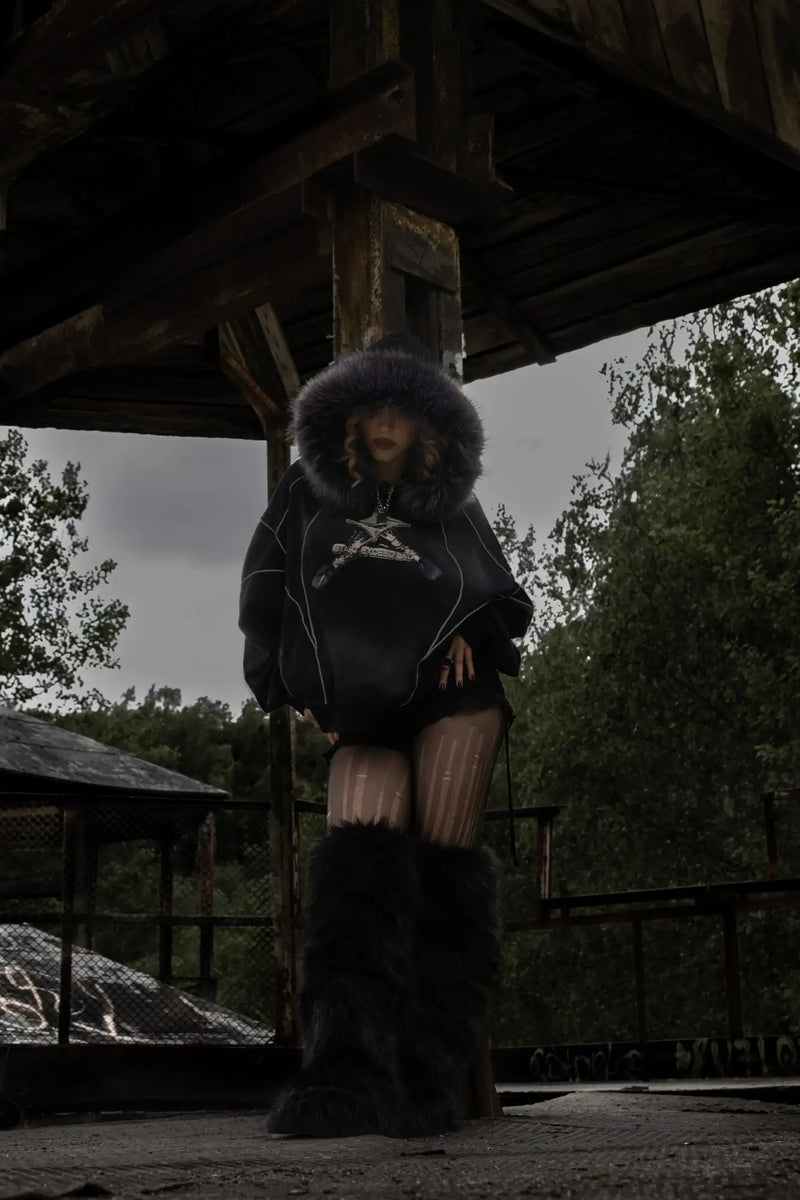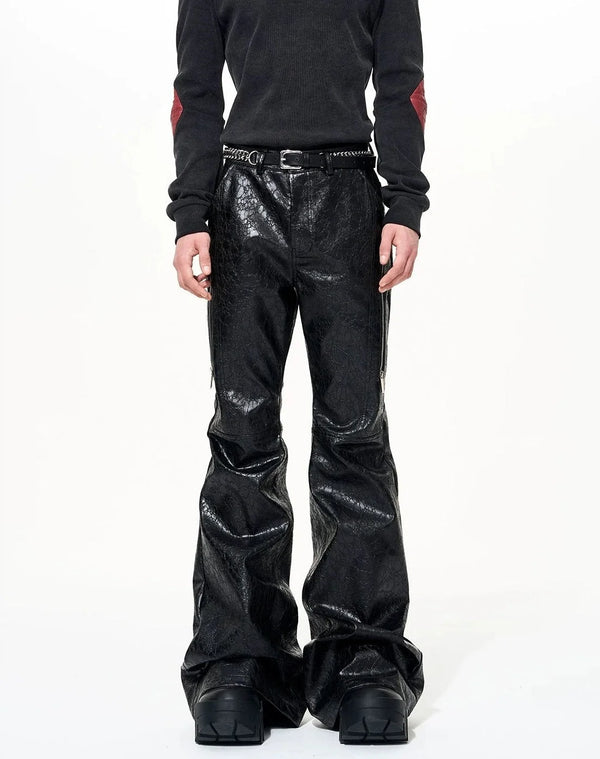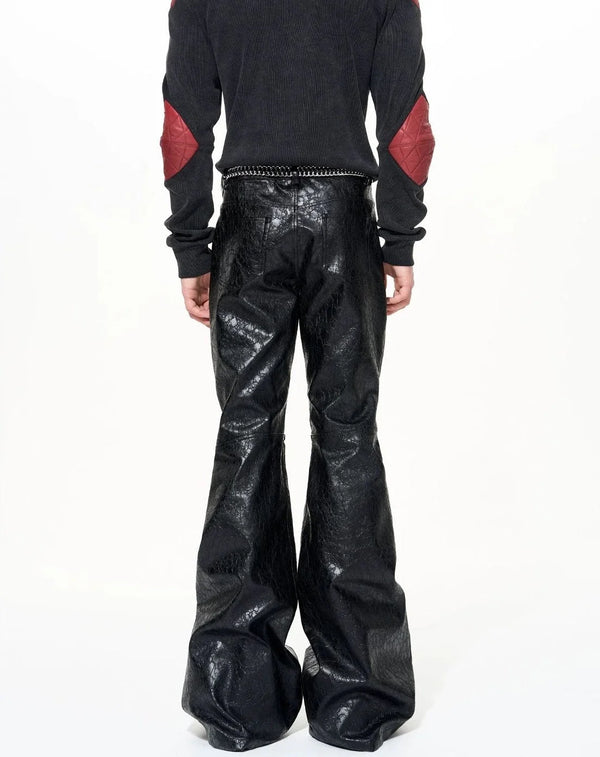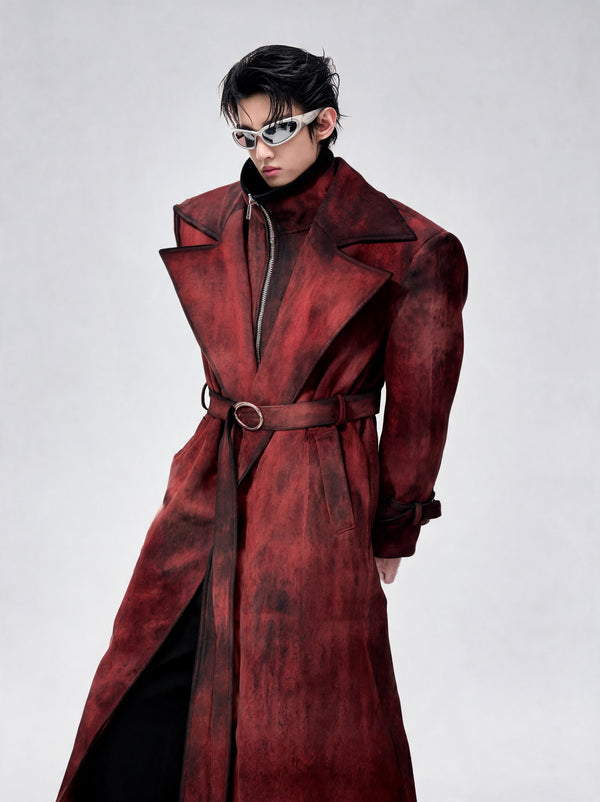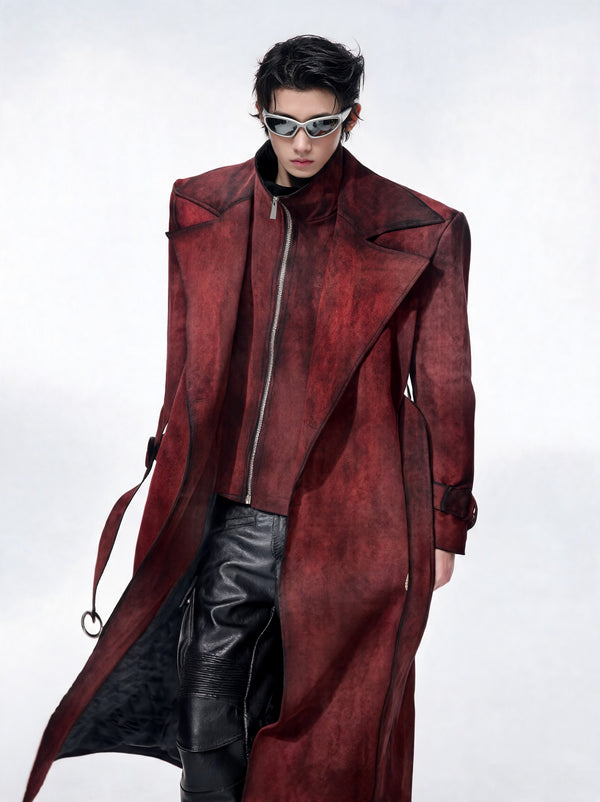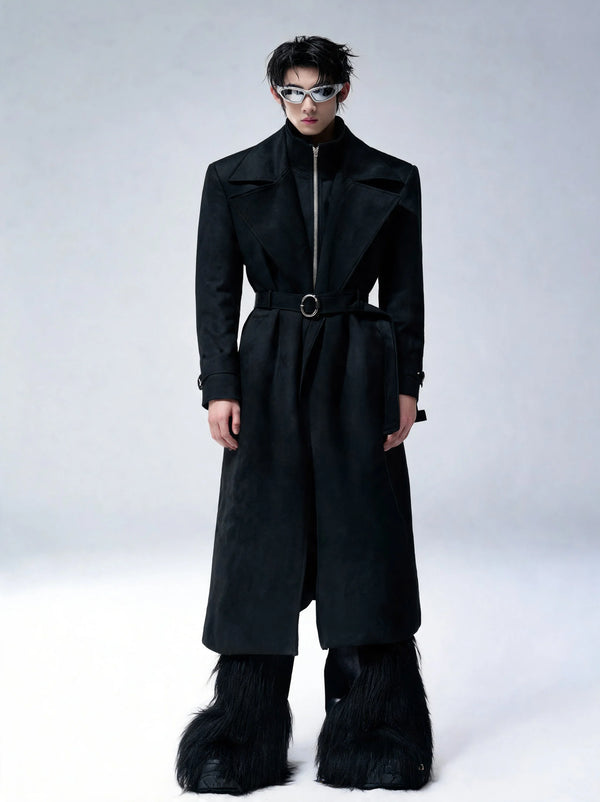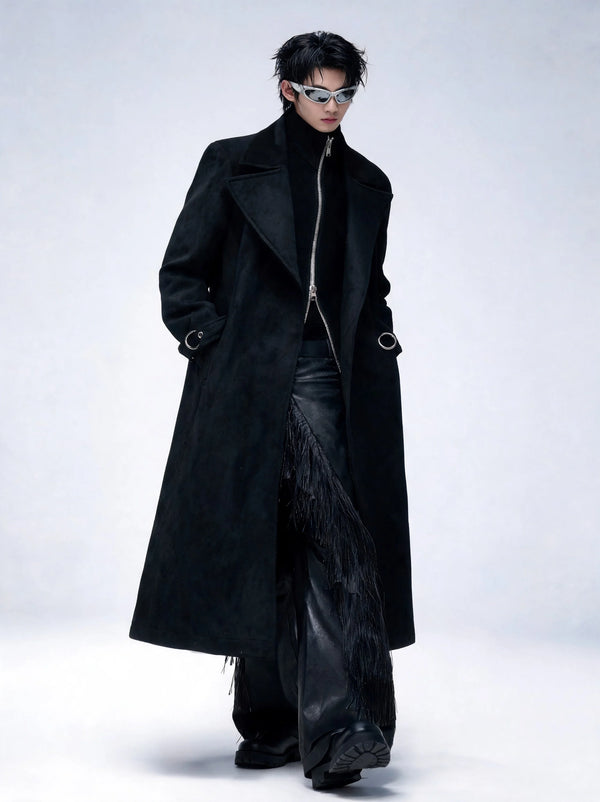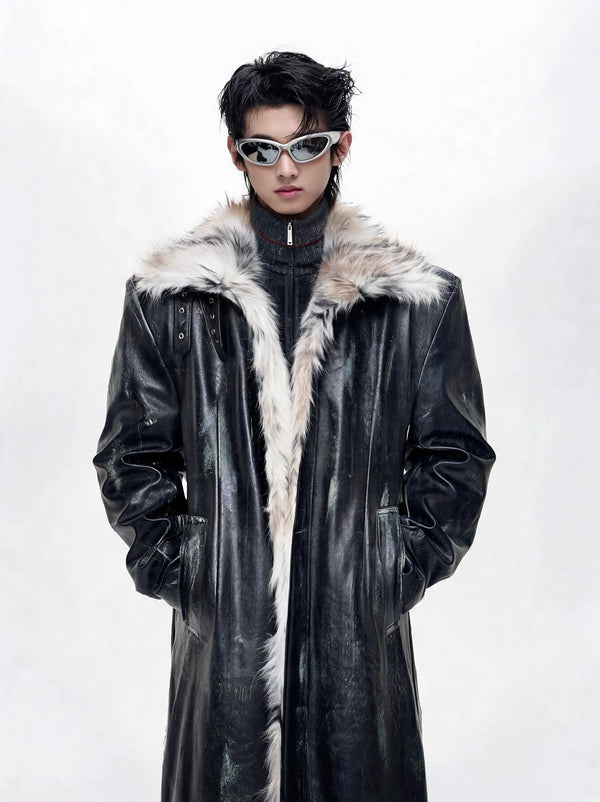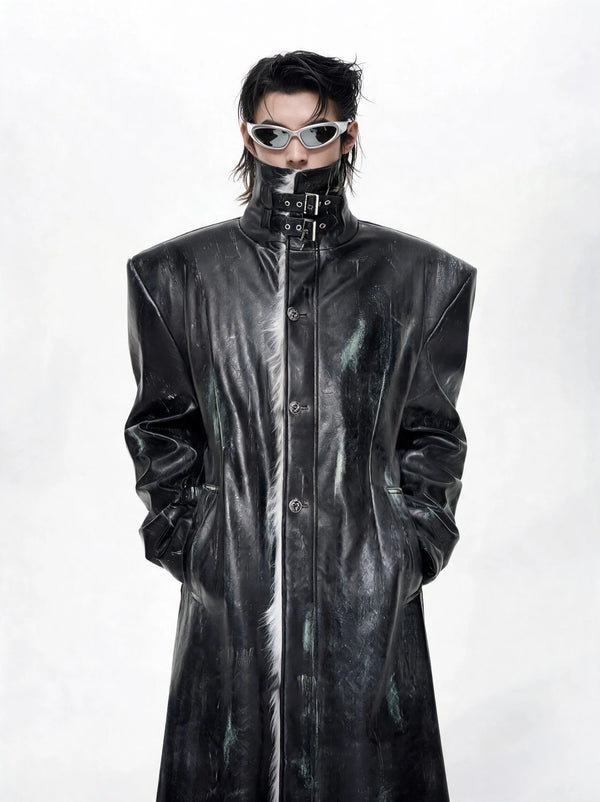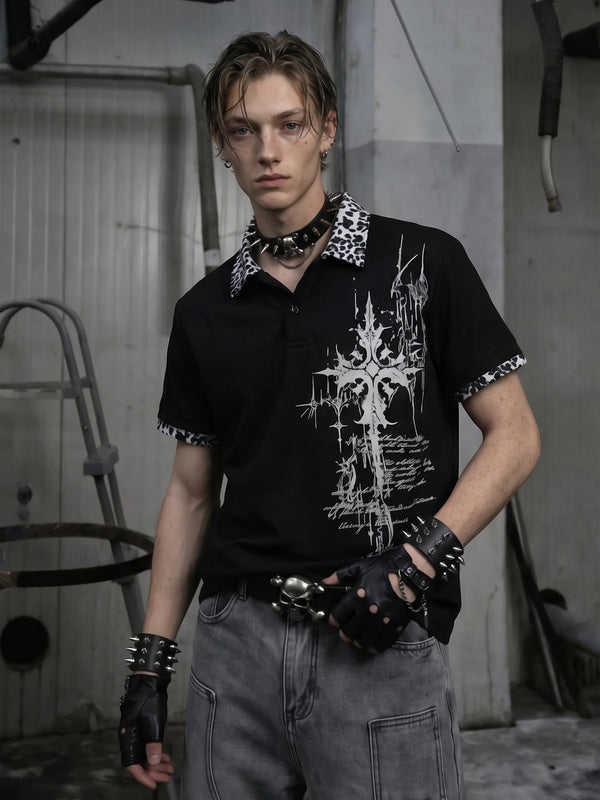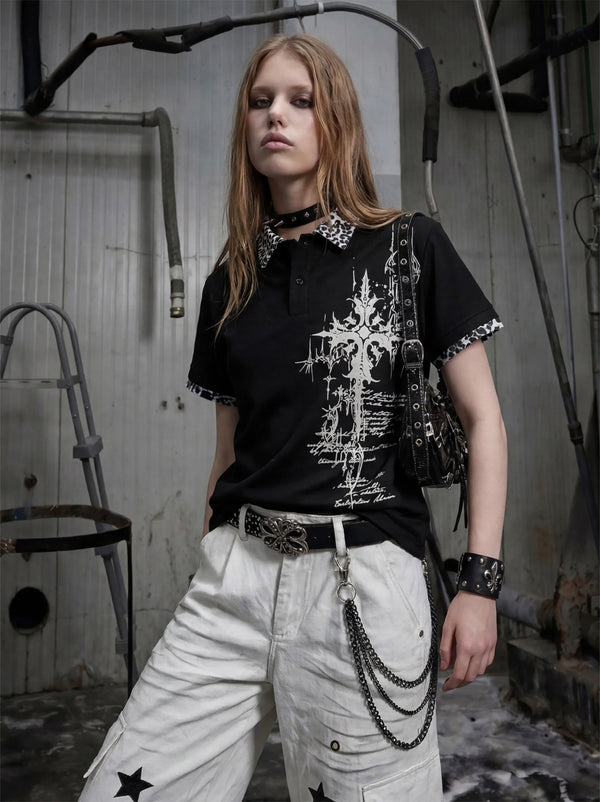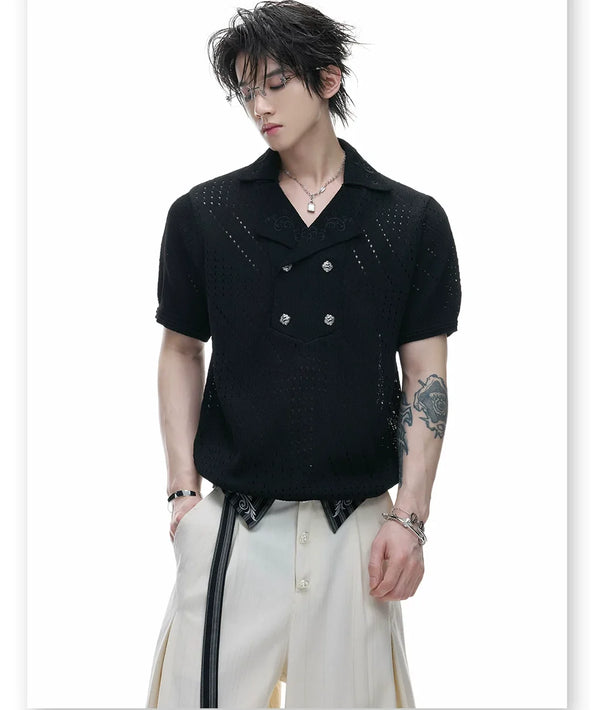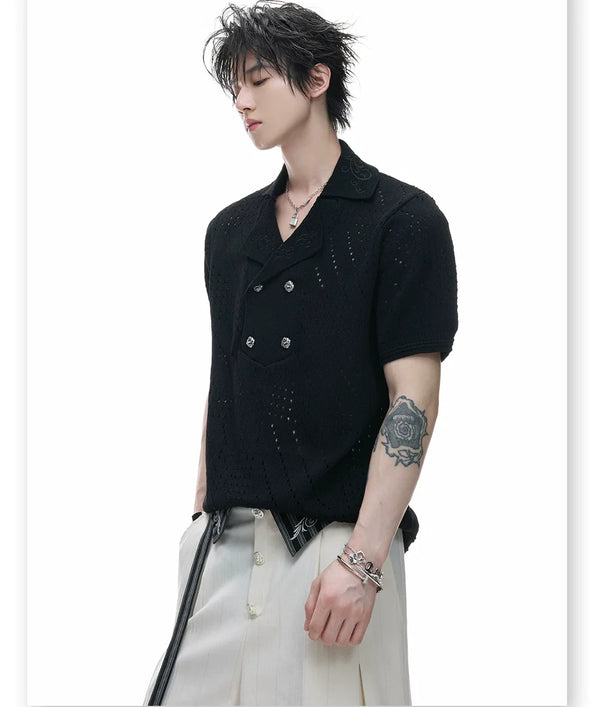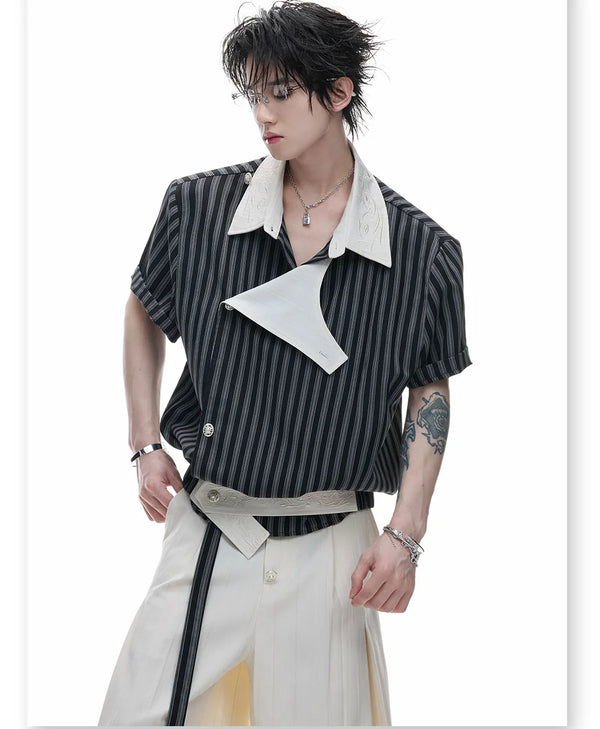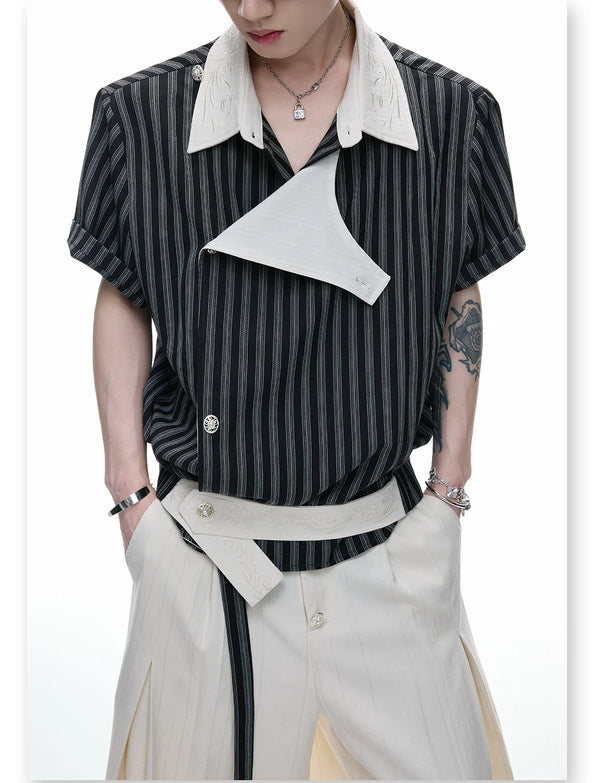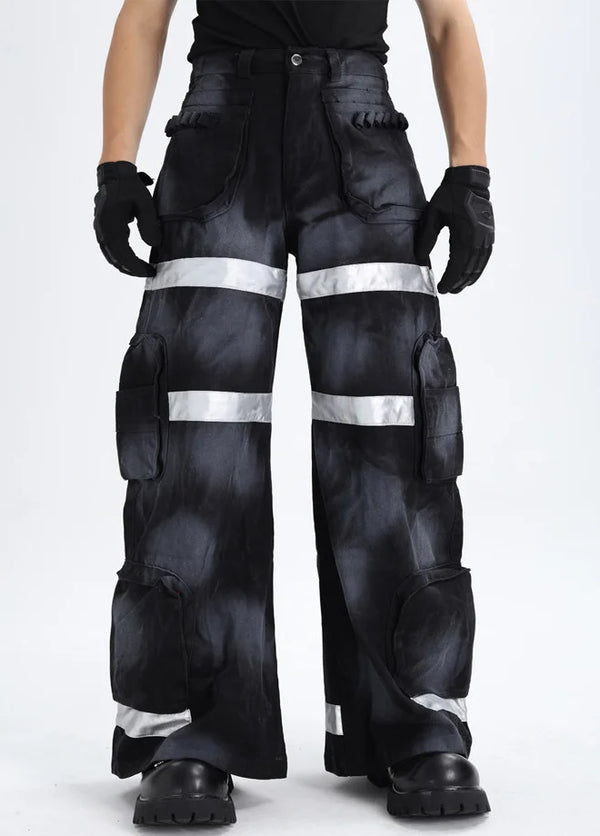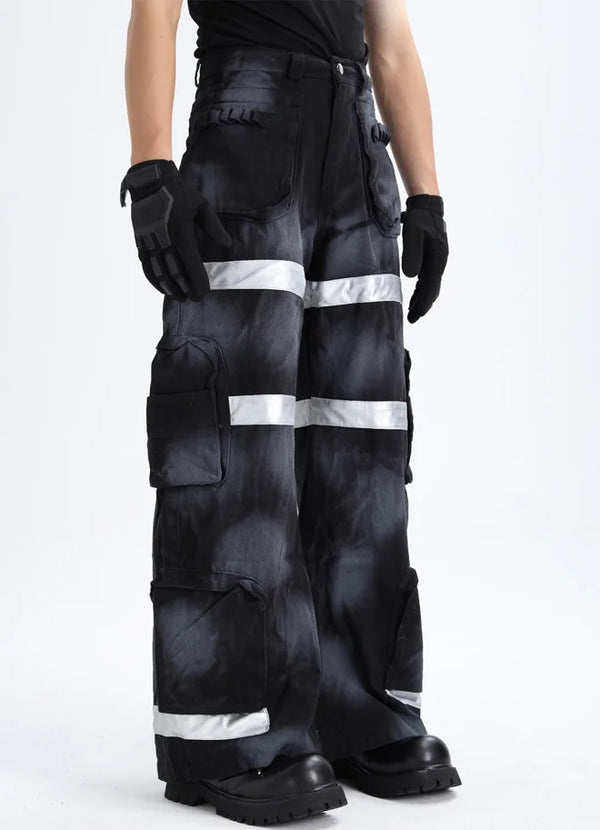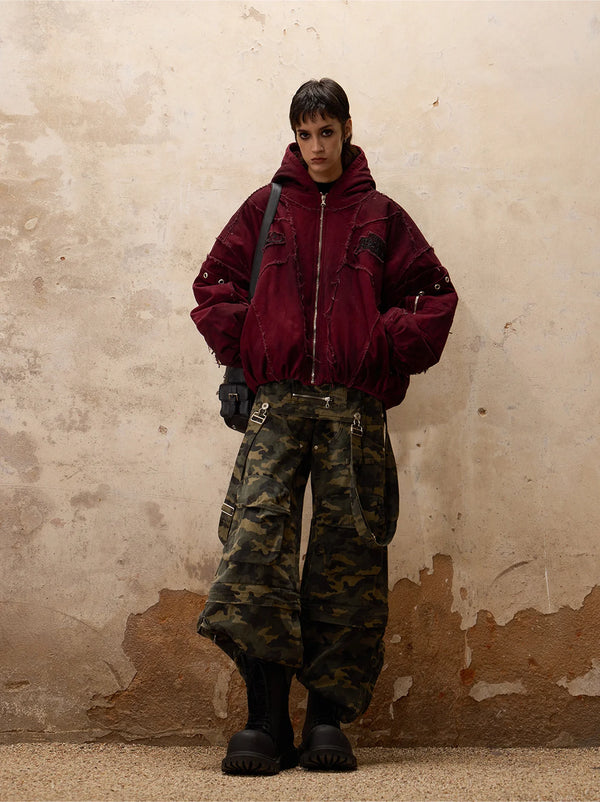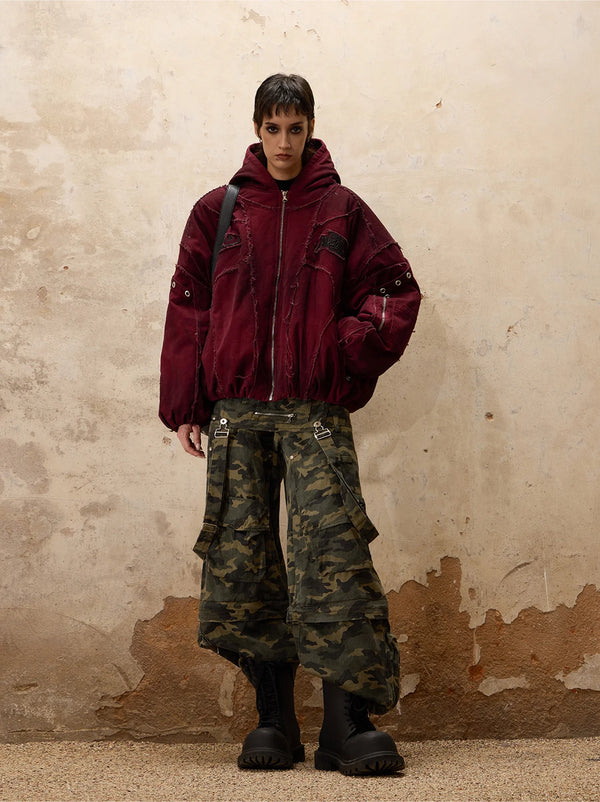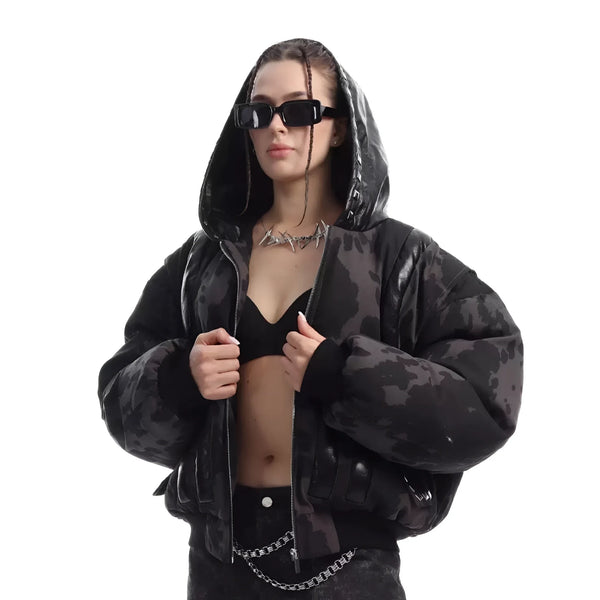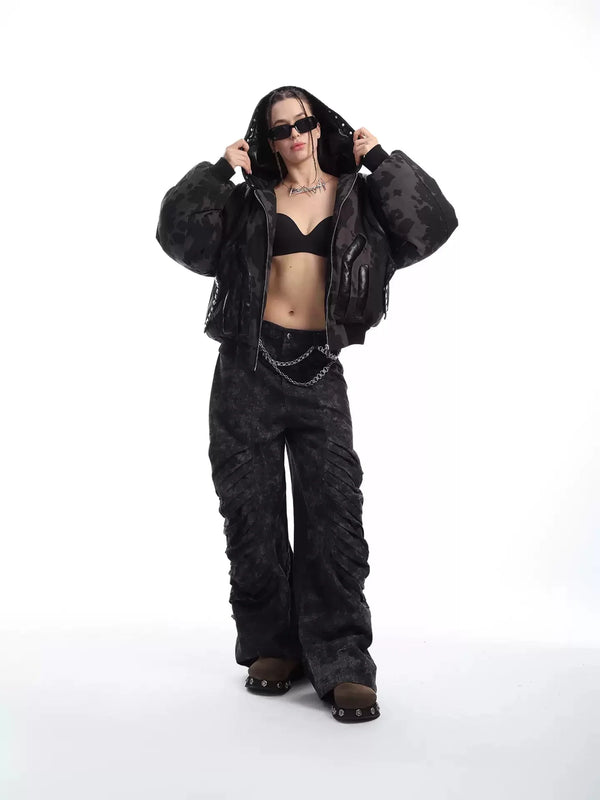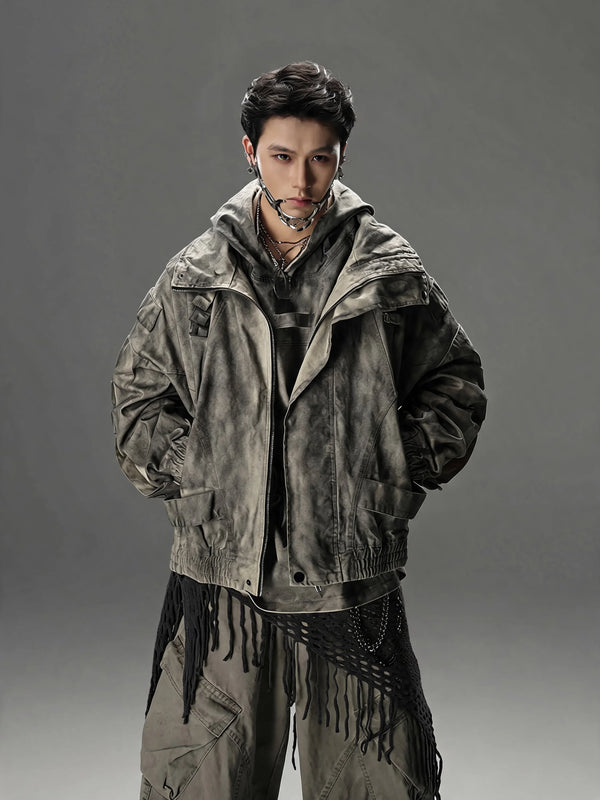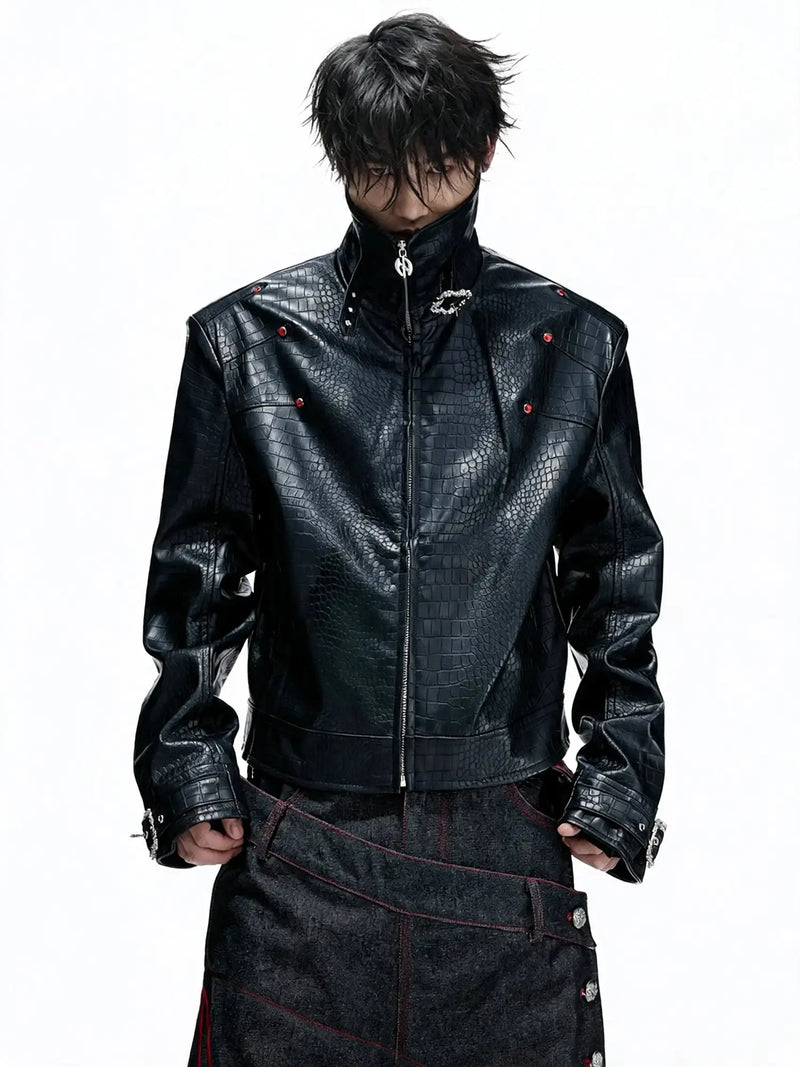
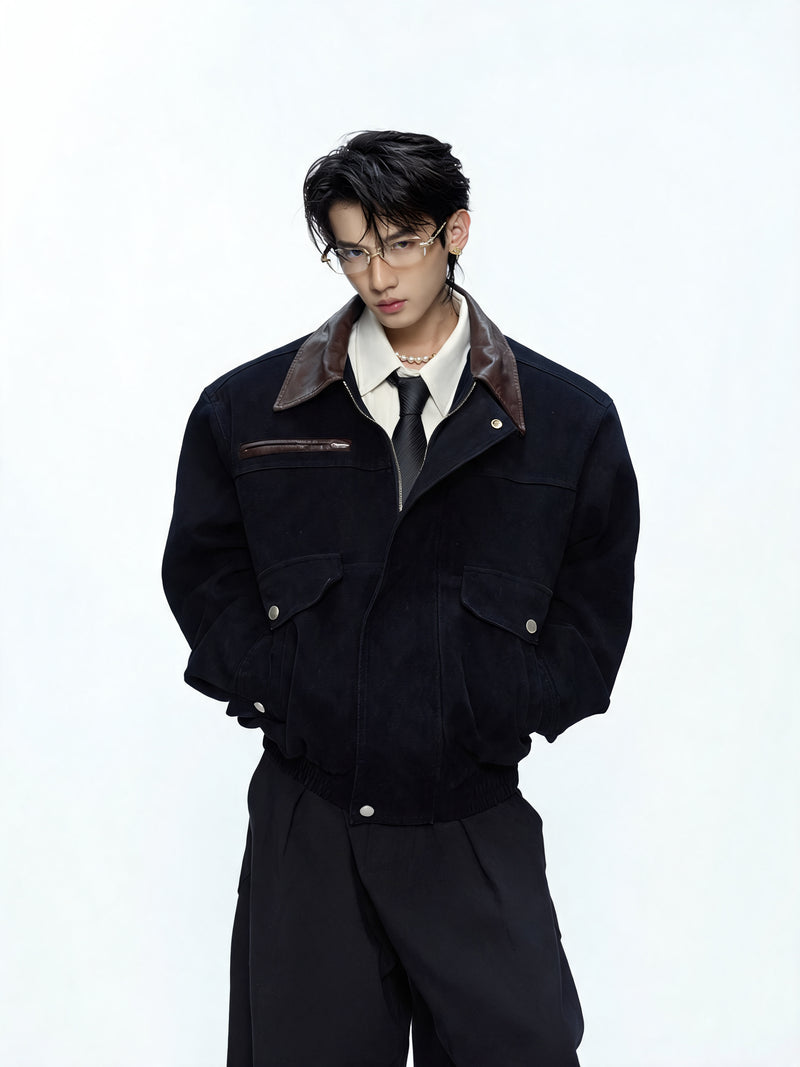
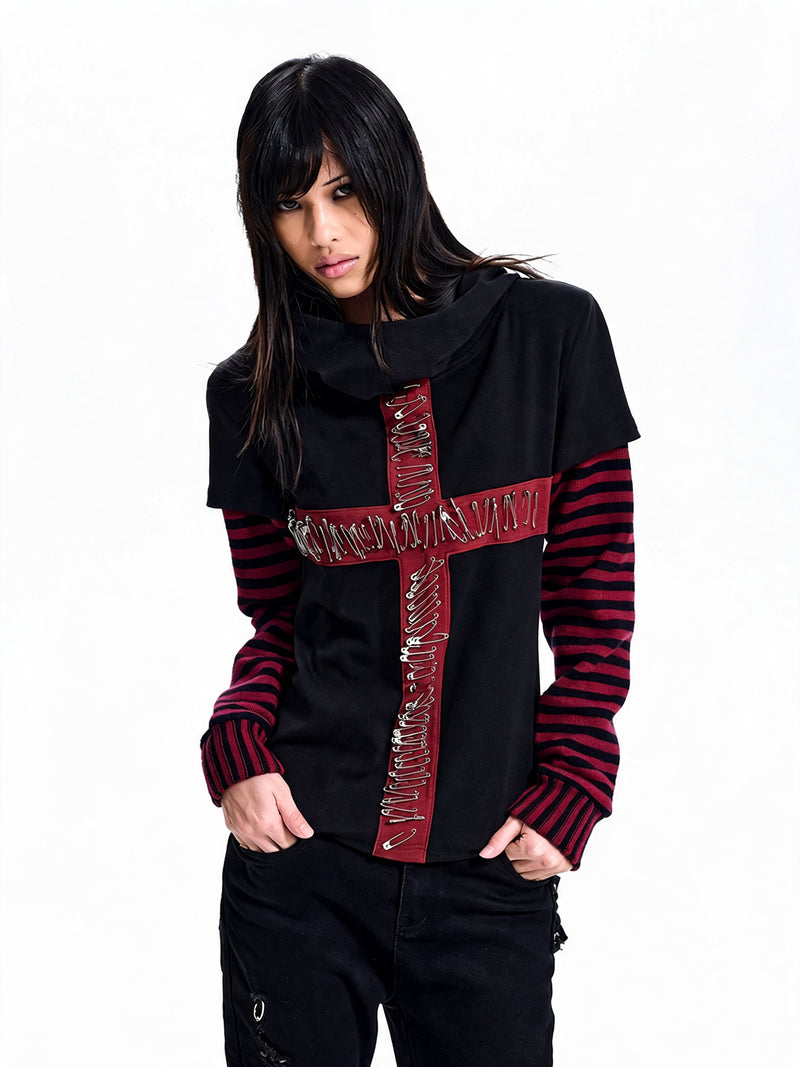
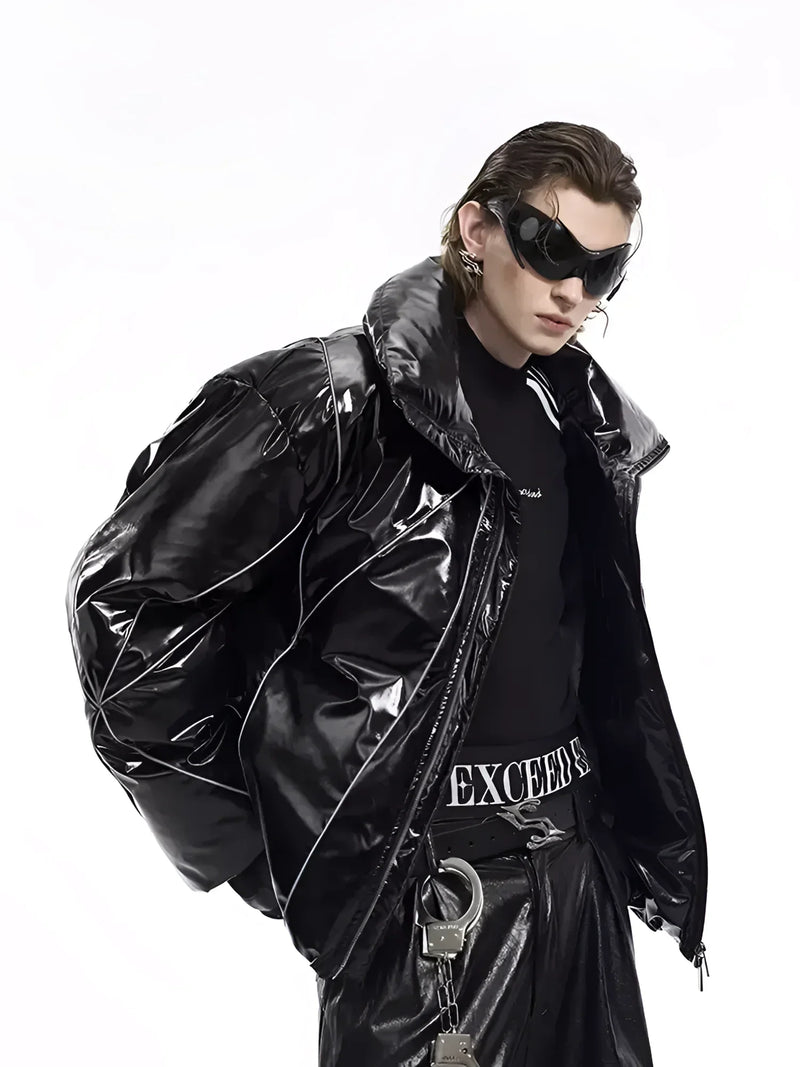
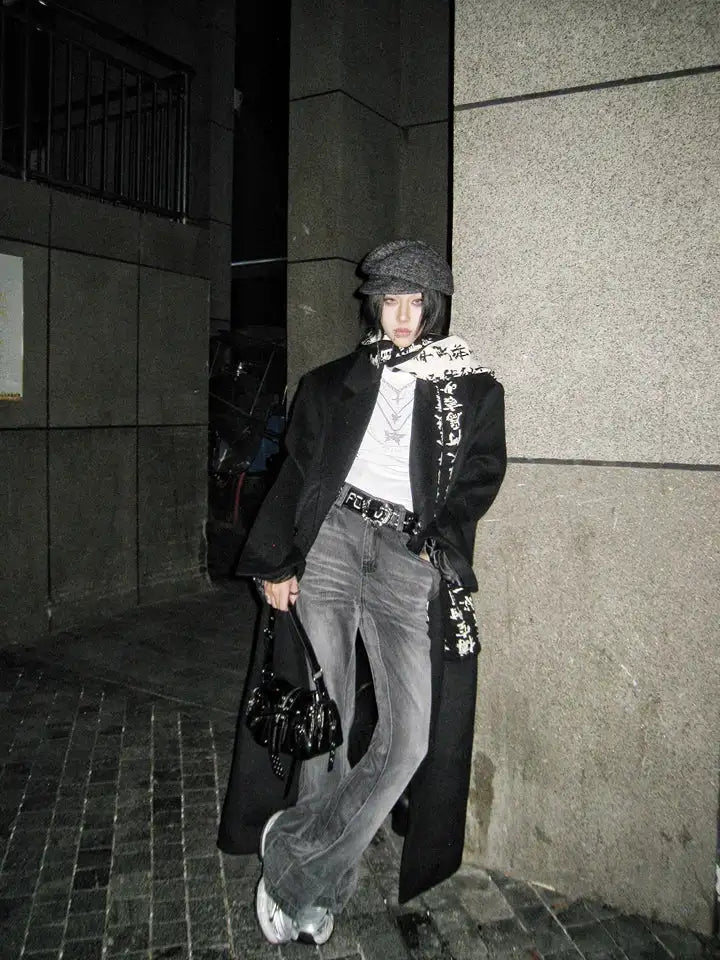


Berghain · Night · Raw
Heavy, silver, angular. The ring that underlines the rest.
All pieces
A ring carries less weight than a chain and still says everything. In Opium, it's made of silver, broad and angular — the piece that turns your hand into a statement. We stock rings that don't want to shine, they want to exist.
Solid over delicate. Opium rings are heavy, often brushed silver, with clean edges or a dark motif. Crosses, skulls and flat signet faces instead of glitter. They match the reduced line of the whole Opium collection and place an accent exactly where the rest stays quiet.
Stack them or wear one — both work, as long as your hand doesn't look overloaded. Two, three rings on one hand, the rest plain. With a leather jacket, an oversized shirt or wide Opium pants the ring sits like the last missing detail.
Signet rings, band rings and statement pieces in silver and black. We show how they fit into a whole look in the Opium Fashion Guide. Every ring stays dark, heavy and clear.
An Opium ring is solid, usually silver, with an angular shape or dark motif. It stays simple in finish and makes a hard accent through weight and form.
Wear two to three rings on one hand and keep the rest quiet. With leather, wide cuts and plain shirts, the ring sits best.
Mostly silver or silver-toned metal, often brushed. The look stays dark and cool, matching the clear character of the Opium aesthetic.

Opium Gradient Snake Cardigan
shanghai studio fit check

From Opium · 4 Pieces
All 1054 of 105 Pieces
All 105

Niche · 03 / 04
Techwear started here as a translation of Tokyo reduction into fabric. Errolson Hugh, Acronym, GORE-TEX, ergonomic cuts — and parallel to that, Japanese discipline: nothing superfluous, all function.
From Techwear · 4 Pieces
All 104 of 10 Pieces
All 10
Niche · 04 / 04
Streetwear is the root — the first designs out of Tokyo 2015 were Anime prints, Japanese characters, Harajuku graphics. Everything else grew from that, but the line keeps running.
From Streetwear · 4 Pieces
All 924 of 92 Pieces
All 922015 → today
Fūga
風雅
Berlin Plattenbau origins, Asia-inspired. Creative, but never fully fitting into the system. Tokyo 2015 as the starting point — six niche phases since then.
Today: Berlin · Shanghai · Tokyo · Poznań. We know our designers by name. Limited drops, no restocks.
We aren't dropouts. We know the system — went through training, worked, kept building. Both sides hold.
How Fūga evolved
What started as Streetwear in Tokyo has shifted over the years — through different phases, our own and collective.
01
The first designs. Anime prints, Harajuku characters, Tokyo connection.
02
Functional, layered, dark. Tokyo reduction translated into fabric.
03
Heavier, uncompromising, more shadow. Grew up parallel to Techwear.
04
Berghain aesthetic with street cuts. Raw, black, Berlin avant-garde meets Streetwear.
05
Cyberpunk meets the Berghain floor. Reflective, tactical, sound-system ready.
06
Tailored cuts with Streetwear logic. Growing older without going 9-to-5. Stay edgy.
What comes next, we'll write when the time comes.