Limited drops, no restocks. Drop 06 — Opium · live Free shipping from €169 6–11 days worldwide Berlin · Shanghai · Tokyo · Poznań Limited drops, no restocks. Drop 06 — Opium · live Free shipping from €169 6–11 days worldwide Berlin · Shanghai · Tokyo · Poznań Limited drops, no restocks. Drop 06 — Opium · live Free shipping from €169 6–11 days worldwide Berlin · Shanghai · Tokyo · Poznań

Limited drop · Live now

Coats.

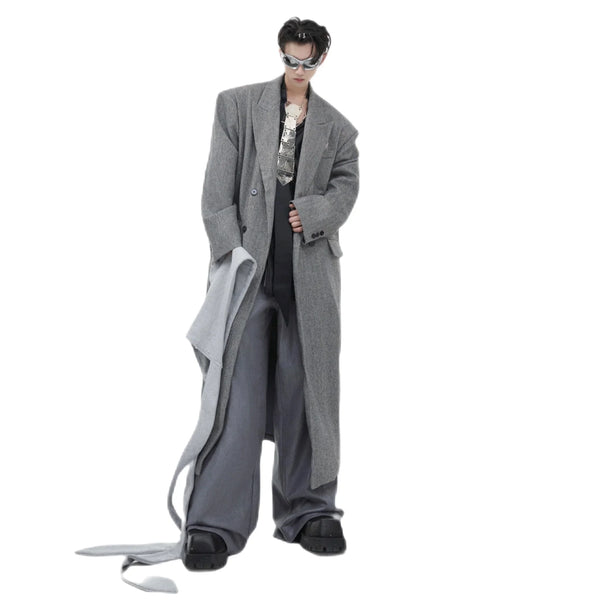
Coats are the statements of the transitional period - layers that not only provide warmth, but also define your entire look.

Most Wanted

What everyone wants.

All pieces

All of Coats.

Inside Fūga · Coats Deeper into Coats

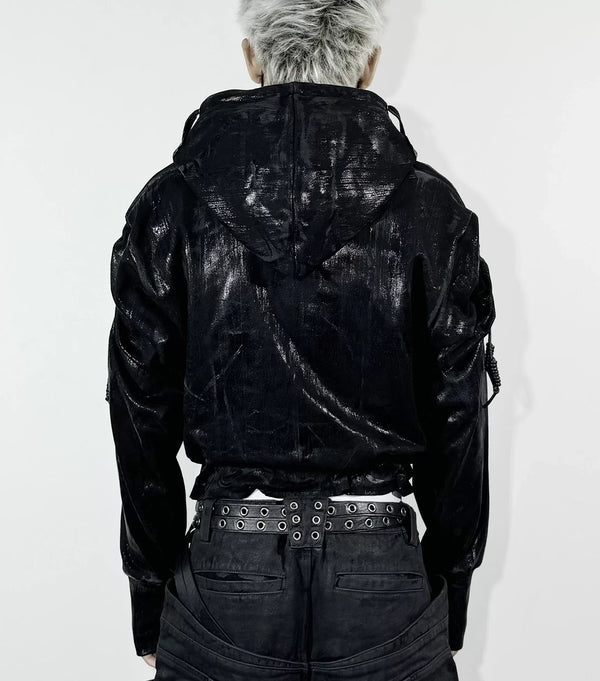
Coats are the statements of the transitional period - layers that not only provide warmth, but also define your entire look. At Fuga Studios you will find Coats 2026 fully equipped to suit your niche taste: techwear coats with hybrid membranes and modular details, opium-black statement pieces with an architectural structure, Japanese streetwear variants with oversized silhouettes, Korean essentials with technical fabrics and gothic-oriented trench coats that were created to hover between elegance and darkness.

📖 Briefly explained: Coats at Fuga Studios

Longer jackets that extend past the hips to the thigh or calf. The materials range from technical hybrid fibers to wool blends to synthetic fabrics with performance properties. The color palette is dominated by black, gray, brown, dark blue and olive. Structures are created through oversizing, asymmetrical cuts, cargo details and modular systems.

What is a coat and how does it differ from a jacket?

The main difference lies in the length and the formal character. While a jacket typically ends at the hip, a coat extends at least to the middle of the thigh - some versions go up to the calf. Historically, coats are formal objects: overcoats, trench coats and wool coats with a classic cut. In modern streetwear and niche culture, the definition has shifted: A coat is now any outer layer that follows this length definition and has visual authority. A techwear coat works with shell fabrics and visual complexity. A Opium-Coat communicates dark elegance. Japanese coats play with oversizing and reduced shapes.

What types of coats can you find at Fuga Studios?

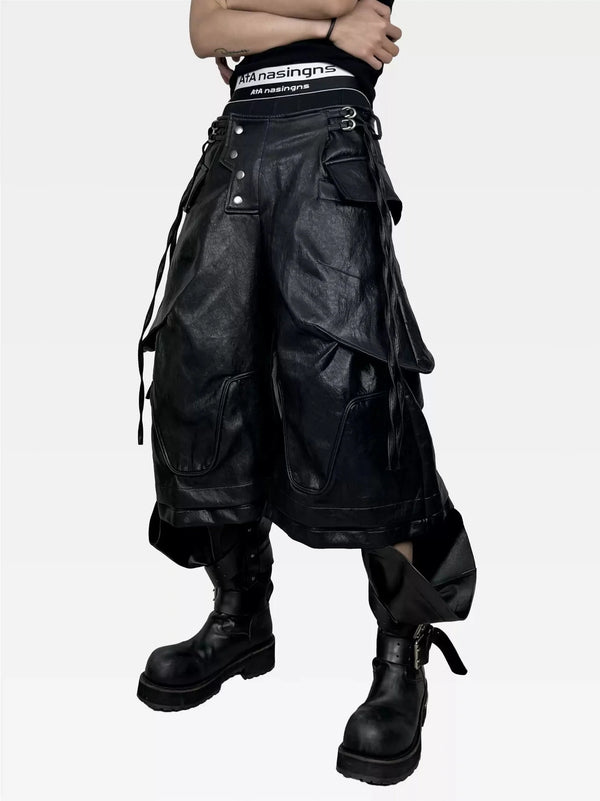
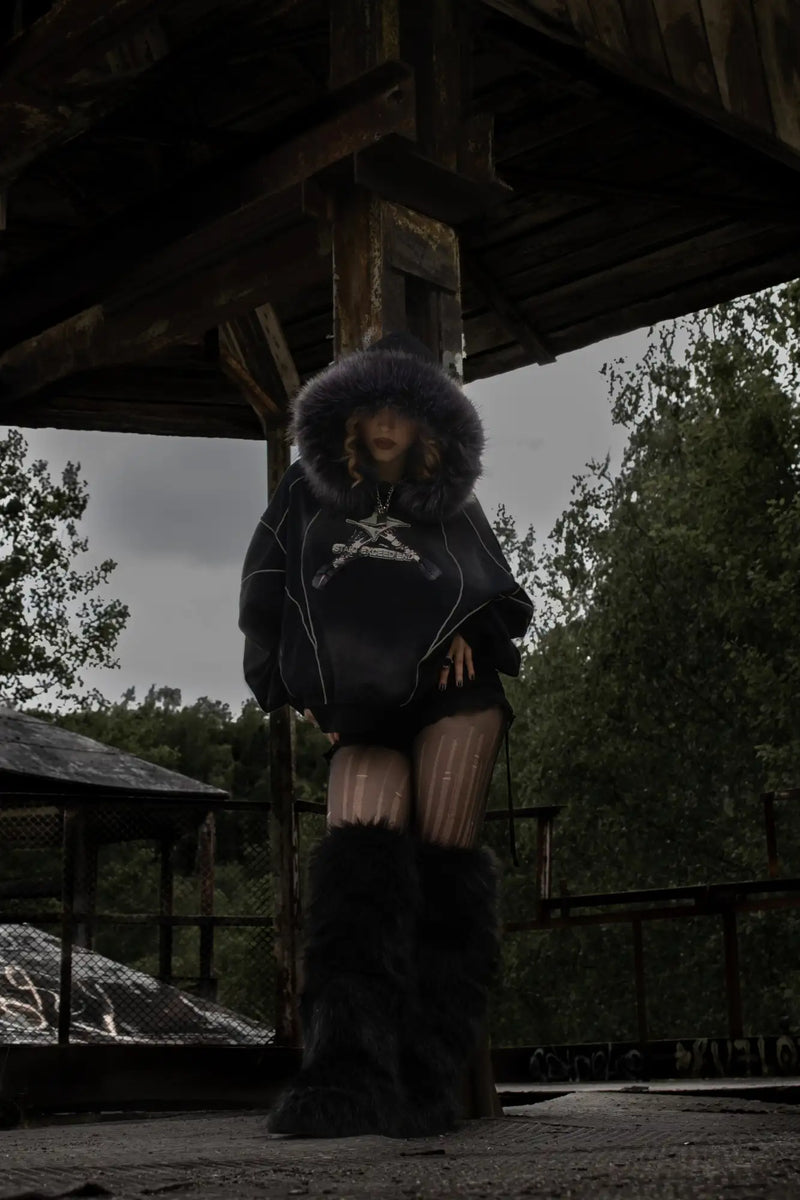
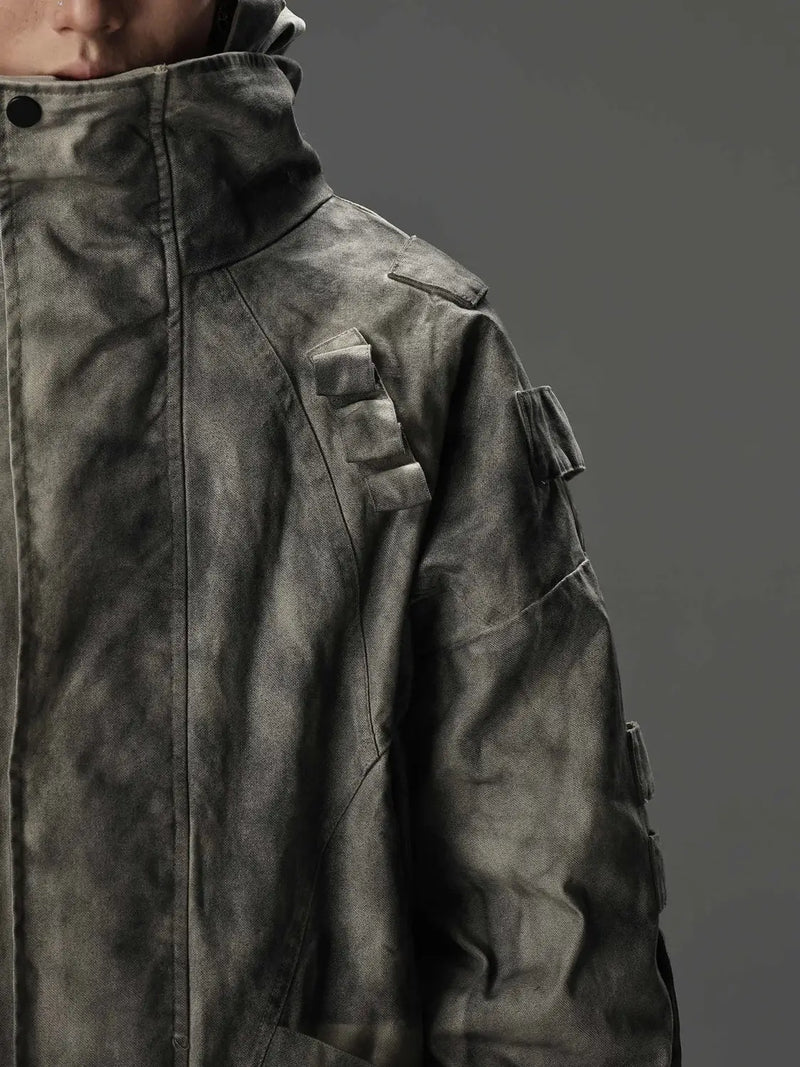
At Fuga Studios, five coat archetypes have been established that appeal to our niche customers. The Techwear coat combines functional fabrics (membrane-based, waterproof, breathable) with architectural details such as cargo pockets, MOLLE straps and asymmetrical silhouettes. The Opium-Coat relies on luxurious fabrics — wool, leather, faux leather — in absolute black and gray tones with structural statement details. The Japanese streetwear coat uses oversizing as a primary design weapon, combined with subtle color blocking and minimal trims. The Korean streetwear coat balances between technical and classic elements and follows silhouette trends from Seoul. The Gothic coat — especially the trench coat variety — works with romantic, dramatic or industrial-gothic aesthetics. All types can be found under one roof: at Fuga Studios along the niche architecture.

Explore the specialized world of our coat subcollections: Japanese streetwear coats, Opium-Coats, Leather rave trench coats, and ours Jackets collection for more compact layering options.

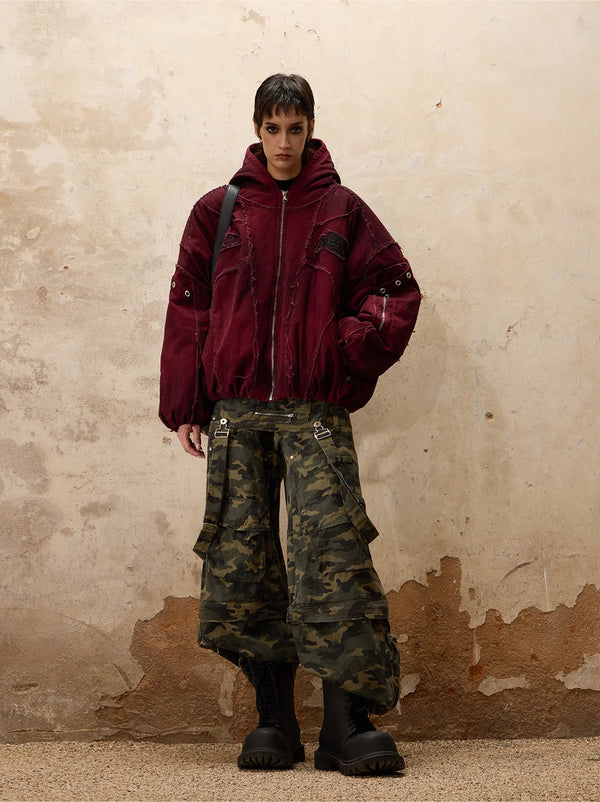
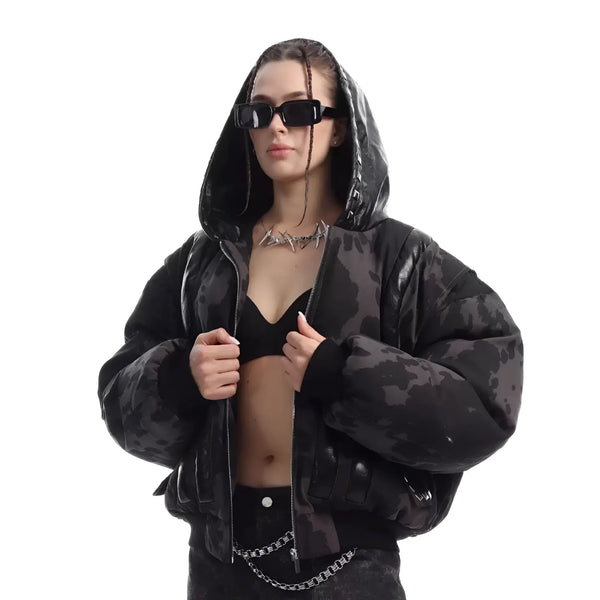
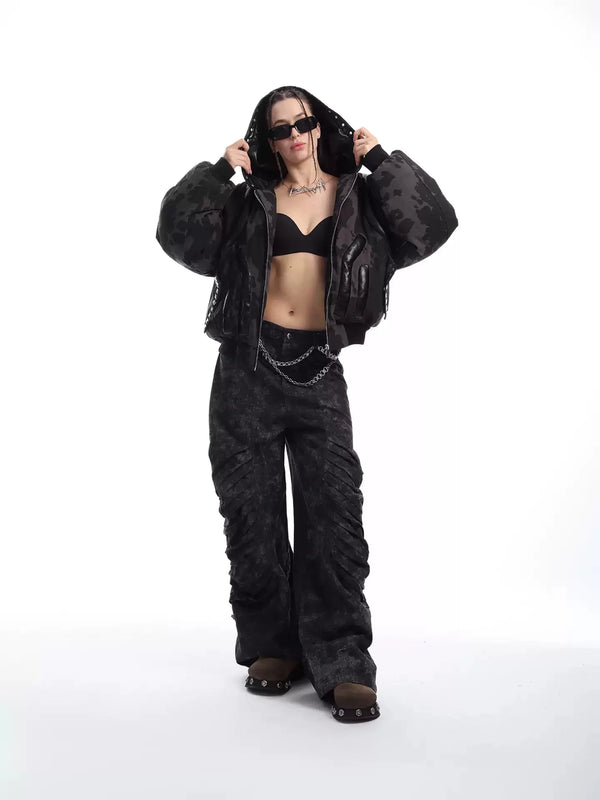
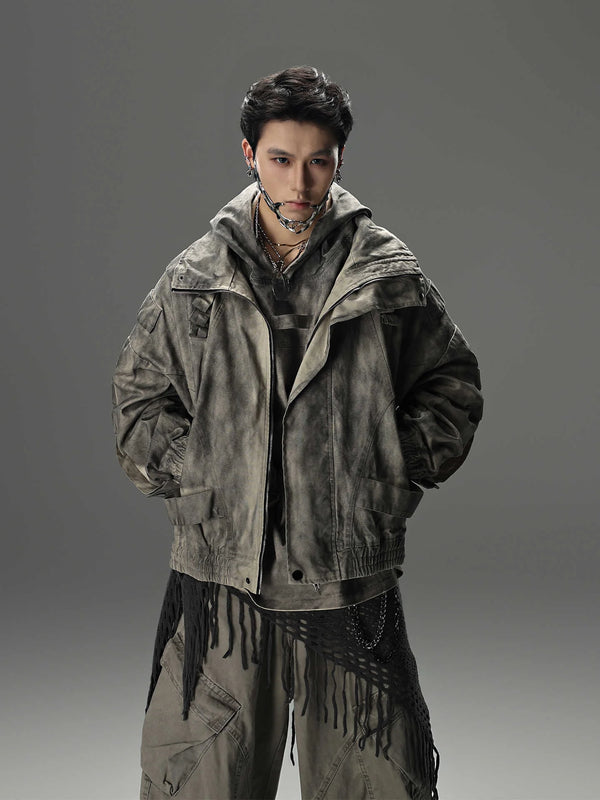
🧥 The coat guys at Fuga Studios

From technical hybrid to gothic elegance — each type has its own rhythm.

🎥 Coats in motion

@fugastudios Witness pure darkness in motion. The Opium EXCEED Buffer, for those who command attention 🖤 Shop now at fuga-studios.com #fashiontiktok #darkstyle #blackfashion #FugaStudios #luxuryfashion #avantgarde #darkwear ♬ Original sound - Fuga Studios

How do you style a coat correctly?

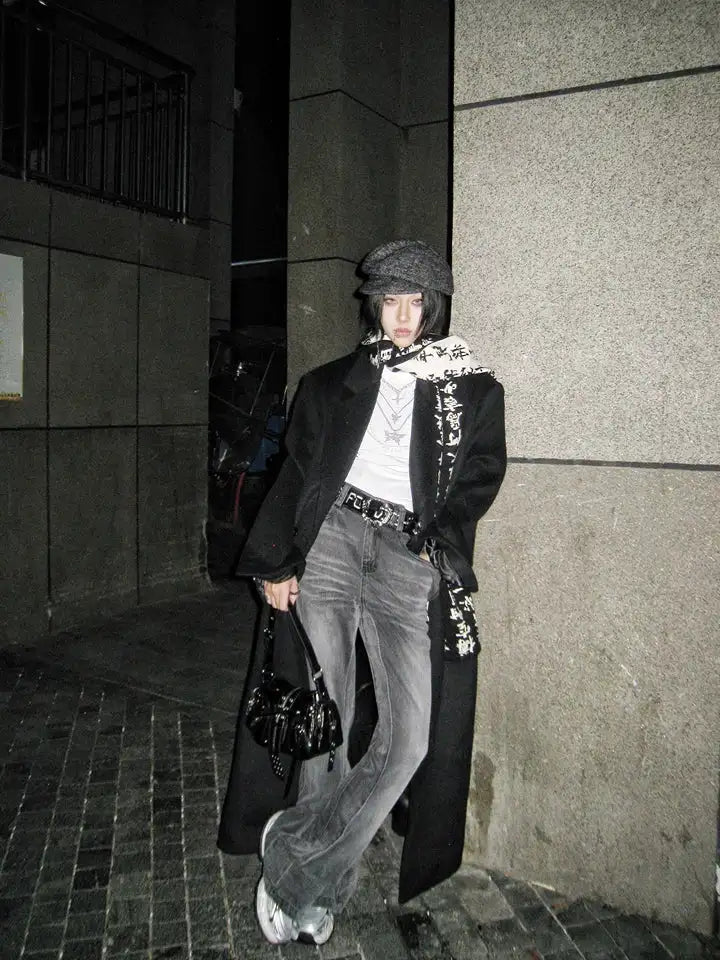
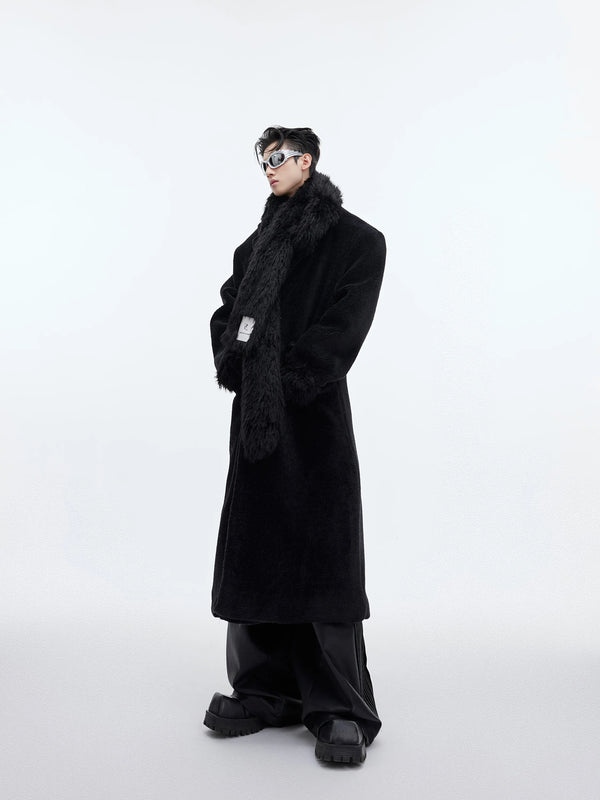
The basic rule for successful coat styling is: Longer outer layers need contrast at the bottom. If the coat is long, tapered or straight-cut pants work better than loose fits — this creates visual balance. With oversized coats (Japanese style) it's the opposite: tight pants, leggings or even shorts under the coat create the desired contrast. A techwear coat works with cargo pants that visually play on par with the coat details. A Opium-Coat calls for minimalism in the lower layers — black pants, statement boots. A gothic trench coat relies on belts that define the waist and dramatic shoes (boots, gothic heels).

Coat materials and their properties

Coat materials range from 100% wool (classic, warm, but maintenance-intensive) to wool blends with synthetics (more maintenance-friendly, more durable) to technical hybrid fabrics (Gore-Tex, Cordura with nylon interior). A good techwear coat has membrane technology that keeps out rain but lets moisture out. A classic one Opium-Coat can also be made of leather or high-quality faux leather. Japanese streetwear often uses cotton blends with synthetic fibers. The lining also plays a role: some coats have warming thermal linings, others mesh or cotton satin for lighter layering scenarios.

🎯 Find your coat match

Whether it's everyday life, a festival or a statement - we have your coat.

💡 Pro tip

Invest in a coat that reflects your core aesthetic. A coat is a long-term purchase - pay attention to material quality, lining and processing details. Pay particular attention to the sleeve length (shouldn't extend past your palms) and try it on over the layers you'll actually be wearing. For oversized coats: one size larger is usually the plan.

When do you wear which coat in which season?

In autumn and spring, lighter coats are the go-to - hybrid jackets with medium thickness, cotton blends, shell fabrics without thick thermal lining. In winter you need insulation: thick wool coats, synthetic puffer coats with temperature-regulating fibers, or coats with thermal lining. In summer, only very light coats (linen, cotton) work or they become specialized statement pieces for night looks (leather jacket length in the gothic area). The key word is layering: a thin coat over several layers creates less volume than thick insulation on direct skin.

Coats as cultural markers: The semantics of length

In subcultures, coat length and shape have direct significance. A long black coat with dramatic folds represents gothic culture. A technical, slim-fitting coat with visual details represents techwear. An oversized, voluminous coat in neutral tones represents Japanese streetwear cosmopolitanism. A leather trench coat represents the dark rave universe. These visual codes do not arise by chance — they are the result of years of subculture evolution. When you wear a coat at Fuga Studios, you are not just wearing a piece of clothing, you are signaling belonging to an aesthetic family.

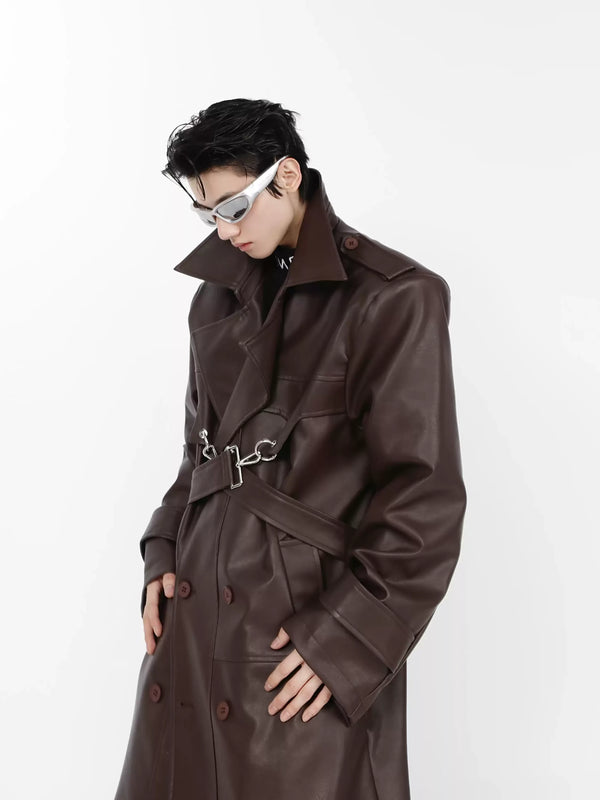
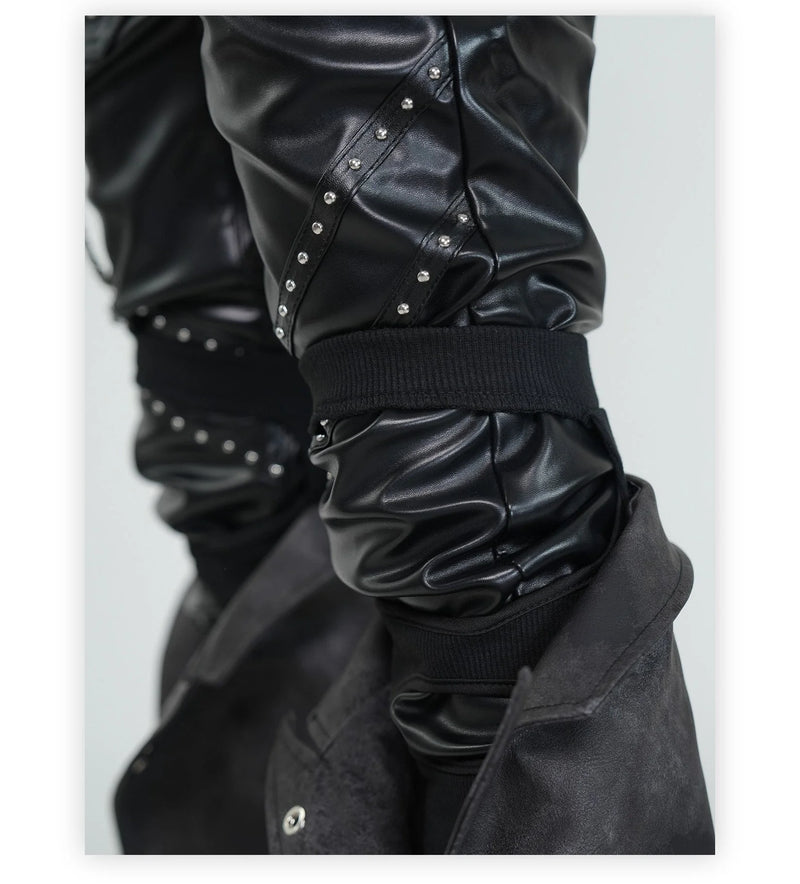
Opium Leather Coat — Fuga Studios 2026
🧥 COMPLETE COATS COLLECTION

Free shipping from €169 | 14 day return policy

Frequently asked questions

How is a coat different from a jacket?

A coat is longer — at least to mid-thigh or beyond — while a jacket typically ends at the hip. Coats often communicate a formal character or visual statement, while jackets are more functional.

What types of coats can you find at Fuga Studios?

Techwear coats with technical fabrics, Opium-Coats in black and gray with luxurious materials, Japanese streetwear coats with oversizing, Korean streetwear coats and gothic trench coats. Each type appeals to a different niche aesthetic.

How do I choose the right size for a coat?

Try wearing your coat over the layers you will actually be wearing. The sleeves should end on the back of your hands, not past your knuckles. With oversized coats, one size larger is usually intentional - it's part of the design.

Which colors are the most versatile?

Black, dark gray and olive are the neutral working colors at Fuga Studios. They combine with almost every outfit and work aesthetically across all niches. Brown and navy offer subtler alternatives without breaking the absolute black standard.

How do I properly care for a coat?

Wool coats: professionally dry cleaned or hand washed at 15 degrees. Technical Coats: Machine wash at 30 degrees, no fabric softener. Leather coats: leather care products. Always pay attention to the label — materials vary greatly.

Does a good coat cost a lot of money?

At Fuga Studios you can find coats from around €89.99 to €299.99. The core range is between €129.99 and €189.99. The price depends on material quality, technical features and design complexity. Quality pays off — a good coat lasts for years.

@fuga_studios · Community

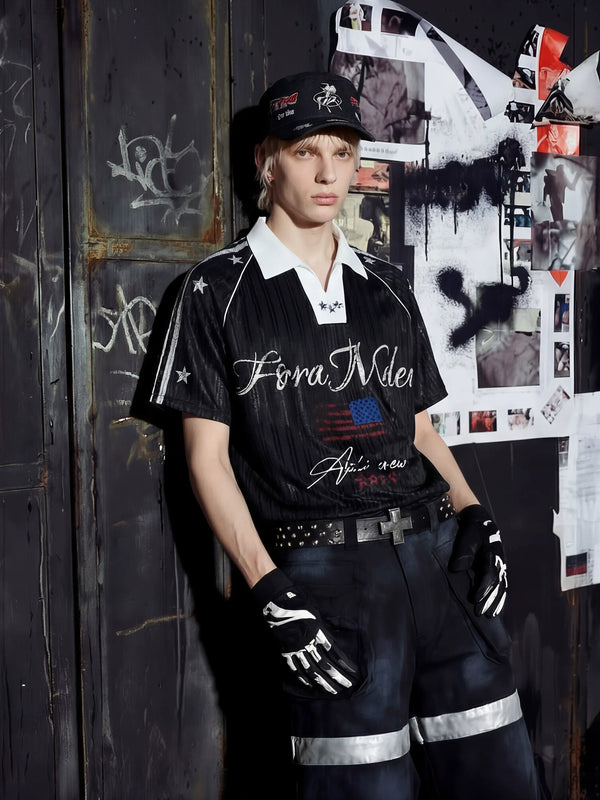
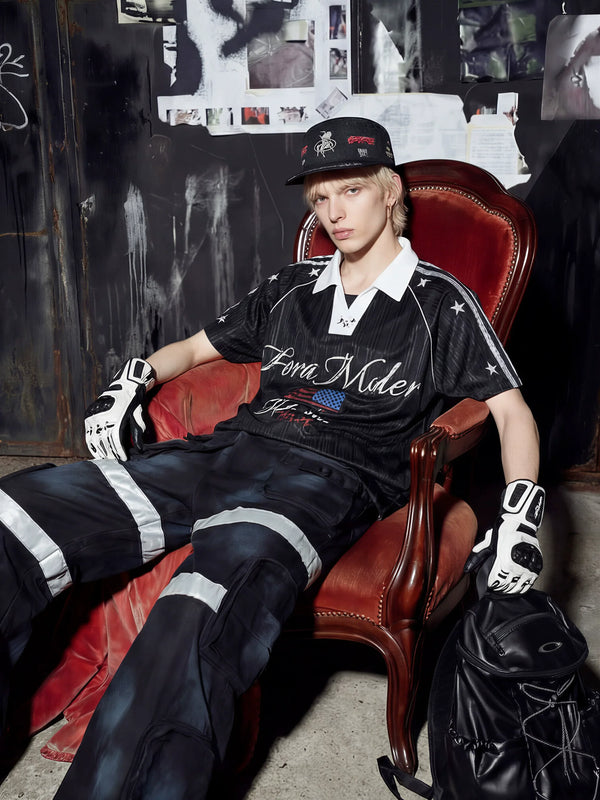
Our models aren't models.

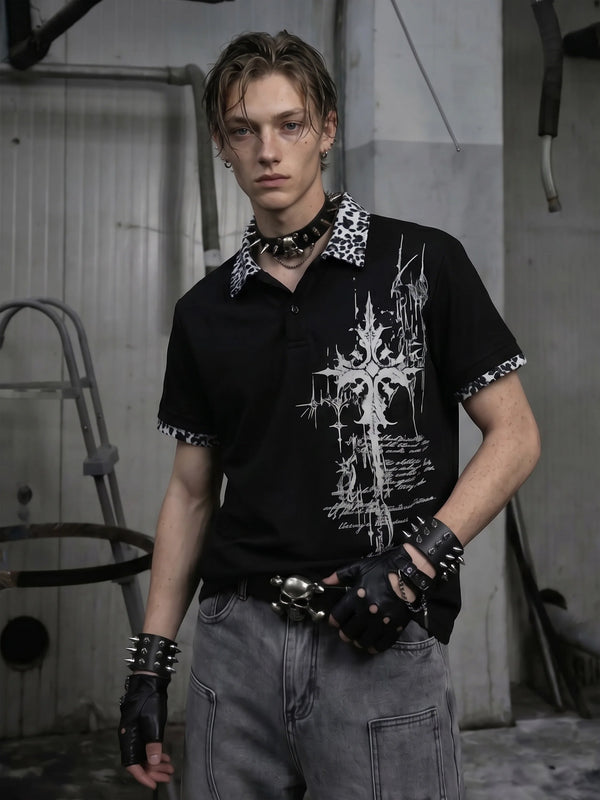
They're friends, connections, Berlin-Shanghai-Tokyo-crew. When you wear Fūga, tag us @fuga_studios or #fugastudios — we repost the best fits, and you become part of the next Lookbook.

Opium
01Opium · 84 pieces

Niche · 01 / 04

Opium.

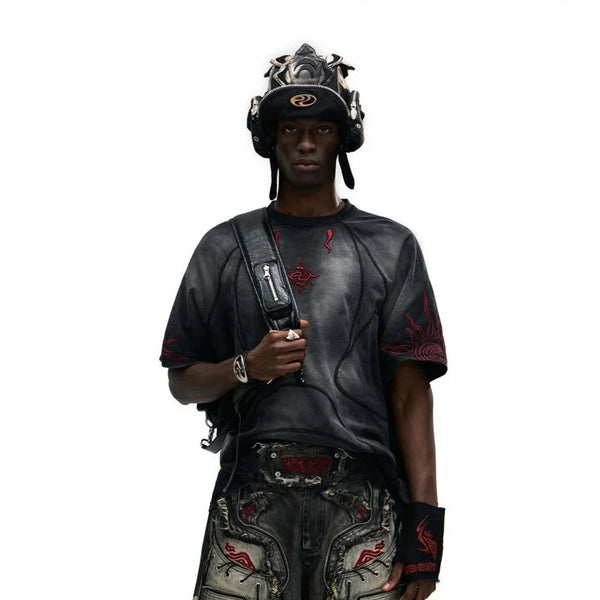
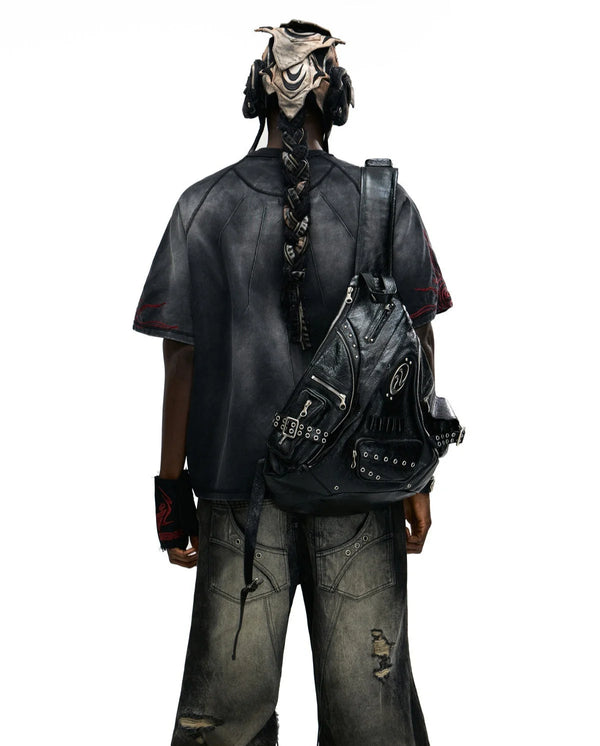
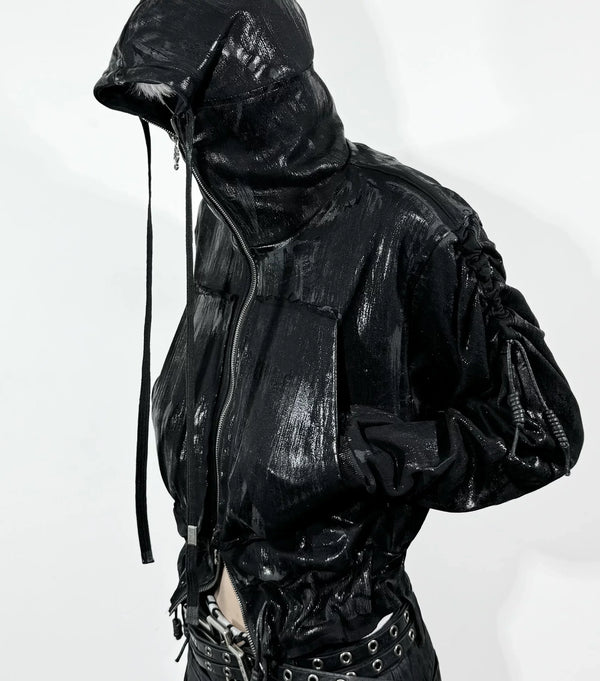
Opium comes out of the gap between Berghain wardrobe and Streetwear cut. We read the same material through our lens.

BerghainCarbon BlackHeavy DrapeRick · Carti4 a.m. Berlin
Shop Opium Lookbook

From Opium · 4 Pieces

All 84

4 of 84 Pieces

All 84
See all 84
Businesscore
02Businesscore · 22 pieces

Niche · 02 / 04

Businesscore.

Businesscore is the answer to what happens when you grow older without going soft. Tailored cuts with Streetwear DNA — between Yohji-Drape and 90s Italian tailoring.

TailoredYohji-DrapeSuiting Wool25-30 demostay edgy
Shop Businesscore Lookbook

From Businesscore · 4 Pieces

All 22

4 of 22 Pieces

All 22
See all 22
Techwear
03Techwear · 10 pieces

Niche · 03 / 04

Techwear.

Techwear started here as a translation of Tokyo reduction into fabric. Errolson Hugh, Acronym, GORE-TEX, ergonomic cuts — and parallel to that, Japanese discipline: nothing superfluous, all function.

AcronymGORE-TEXLayeredTokyo reductionFunctional
Shop Techwear Lookbook

From Techwear · 4 Pieces

All 10
See all 10
Streetwear
04Streetwear · 70 pieces

Niche · 04 / 04

Streetwear.

Streetwear is the root — the first designs out of Tokyo 2015 were Anime prints, Japanese characters, Harajuku graphics. Everything else grew from that, but the line keeps running.

Anime-OriginHarajuku 2015Heavy CottonY2KOversized Cuts
Shop Streetwear Lookbook

From Streetwear · 4 Pieces

All 70

4 of 70 Pieces

All 70
See all 70

2015 → today

Fūga

風雅

Fūga isn't for everyone.

Berlin Plattenbau origins, Asia-inspired. Creative, but never fully fitting into the system. Tokyo 2015 as the starting point — six niche phases since then.

Today: Berlin · Shanghai · Tokyo · Poznań. We know our designers by name. Limited drops, no restocks.

We aren't dropouts. We know the system — went through training, worked, kept building. Both sides hold.