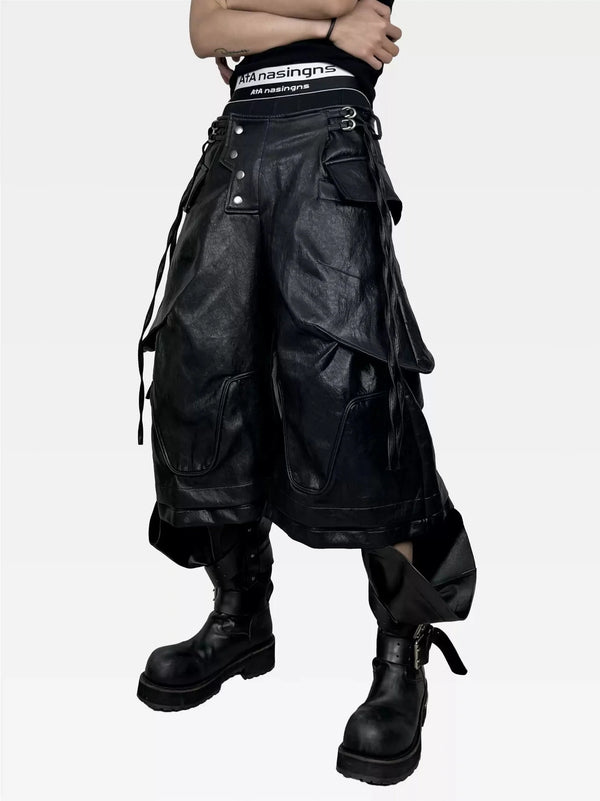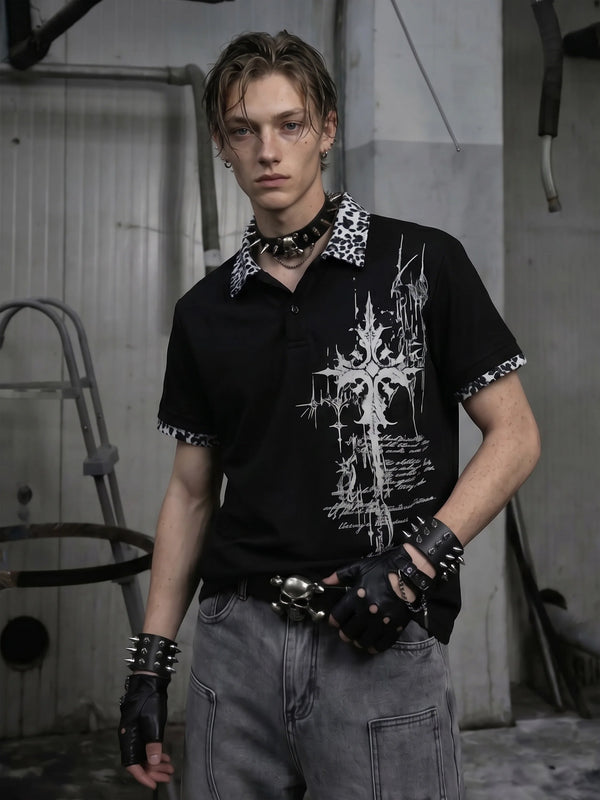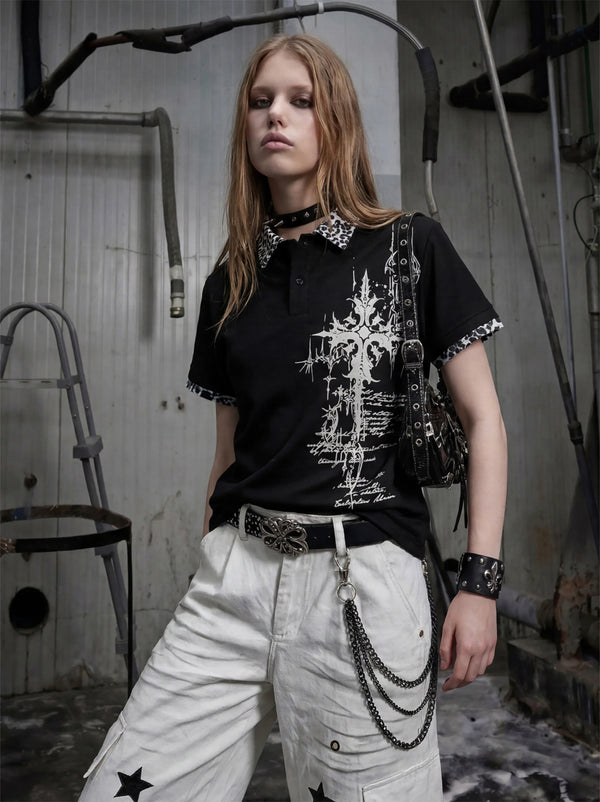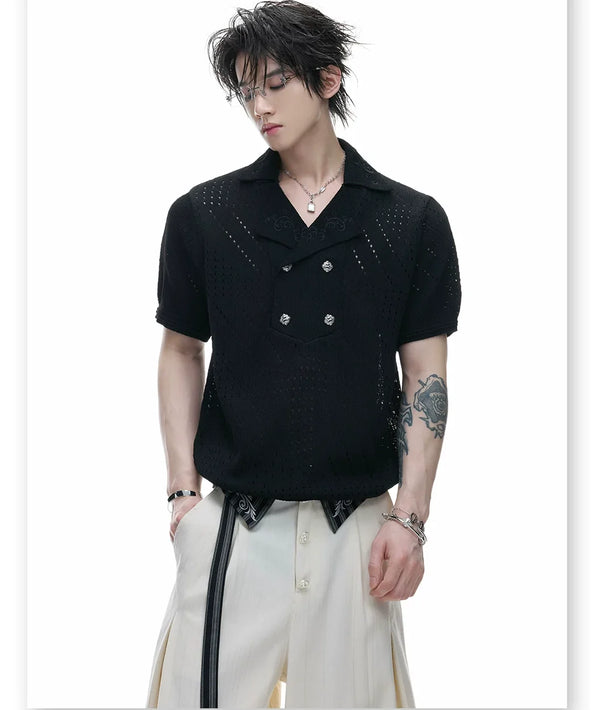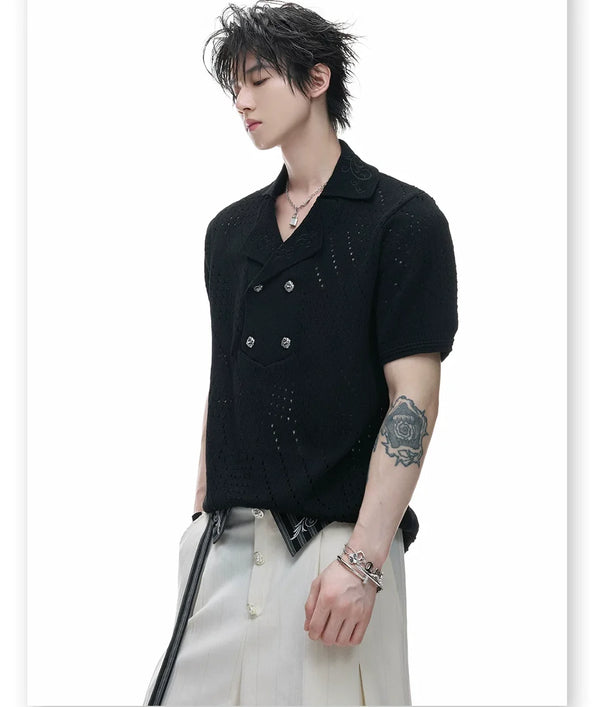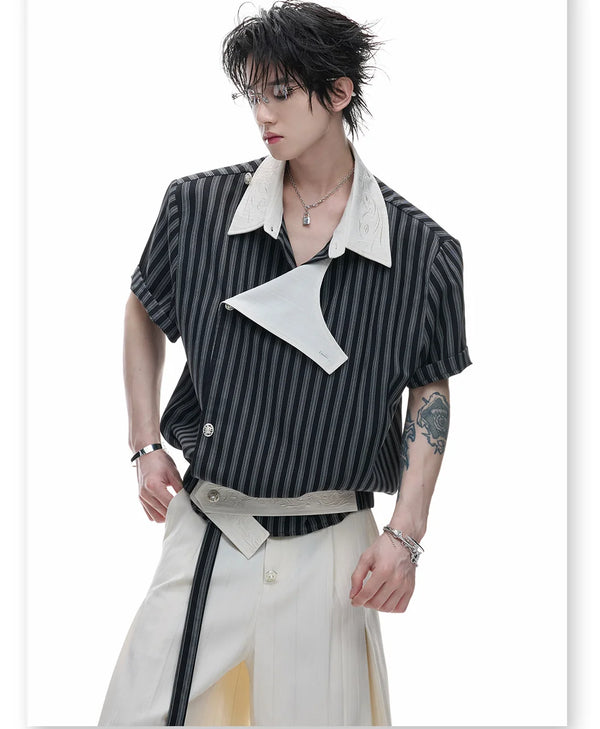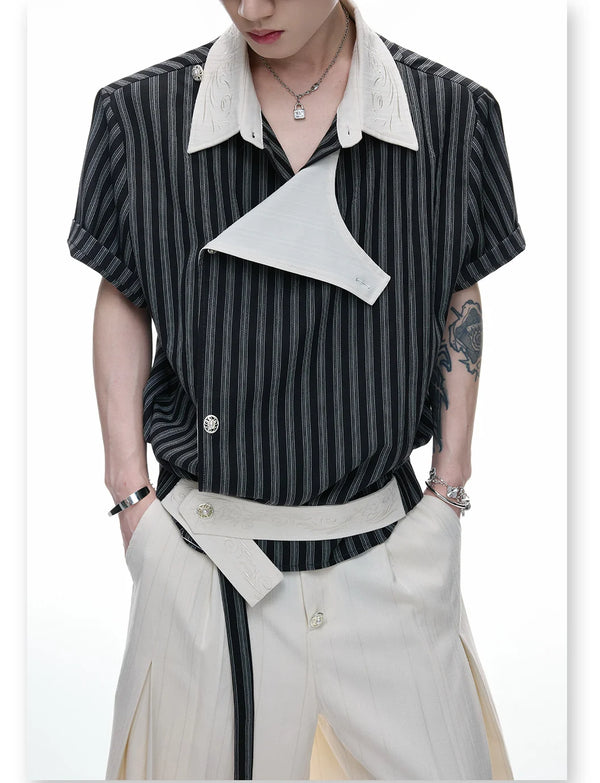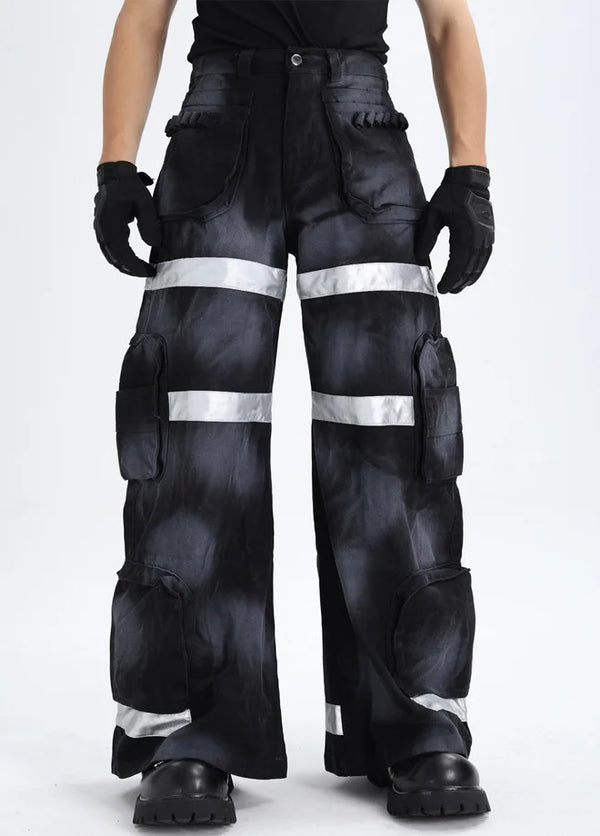

It's 1988, a warehouse south of London, and nobody is wearing what they wore to work. Wide trousers, a smiley shirt, trainers built to last twelve hours. No dress code, no bouncer's stare, just fabric that can take movement. Thirty years later the same idea stands in front of a steel door in Berlin – only all in black.
Rave Fashion History is the evolution of rave fashion from Acid House in 1988, through the phat-pants nineties and the neon 2000s, to today's black Berlin techno code. Every era adapted the clothing to its music, its spaces and its heat. Understand the through-line and you read every rave outfit as function, not costume. What this floor code looks like today for club, open air and after-hour is shown in our Techno-Rave-Fashion-Guide.
The through-line
What Rave Fashion History actually tells
Rave fashion was never designed in a studio, it emerged on the floor. The first question was always the same: what survives twelve hours of dancing, 35 degrees of body heat and a room without windows? Everything else followed from that. Wide cuts so the hips stay free. Breathable fabric so the sweat can escape. Sturdy soles so the feet make it through the night. Read the history of rave fashion and you read a history of solved function problems.
That is exactly why every era looks different yet means the same thing. The 80s solved the problem with bagginess and anti-uniform. The 90s with extremely wide trousers and reflective details. The 2000s with neon and skin. Berlin with black and reduction. Every era spells this code out anew; this text explains where it comes from and how the four stations connect.
Four decades, one principle: the clothing serves the night, not the mirror. That is the standard by which every vintage rave look can be measured – even today.
1988
Acid House big bang
40+
years of rave evolution
4
defining eras
The map
Four eras, one floor code
Before we go decade by decade, here is the quick map. Four eras shaped rave fashion, and each left the next one something that never fully disappeared. Know the four stations and you place every rave piece instantly.
The birth hour
Acid House and the 80s: where Rave Fashion begins
The starting point is the summer of 1988, the so-called Second Summer of Love. Acid House spills over from Chicago and Detroit into England, illegal warehouse parties fill up, and with the music comes a dress code that is really an anti-dress code. Away from the stiff club rules of the early 80s, towards anything you can dance in all night. 80s techno fashion here means above all: comfortable, colourful, and deliberately against the norm.
The first-hour uniform set is quickly told. Wide tie-dye and smiley shirts, dungarees and overalls, bandanas, trainers. The yellow smiley becomes the emblem of a whole movement. None of it was expensive, none of it was designer – and that was exactly the point. The clothing was meant to put no one above anyone else, but to bring everyone onto the same floor.
This DIY attitude is the foundation everything later builds on. Even when rave later became more glamorous, more technical and blacker, the idea stayed: the floor belongs to everyone, and the clothing is a tool, not a status symbol.
The defining era
The 90s: Phat Pants, UFO and the old-skool rave code
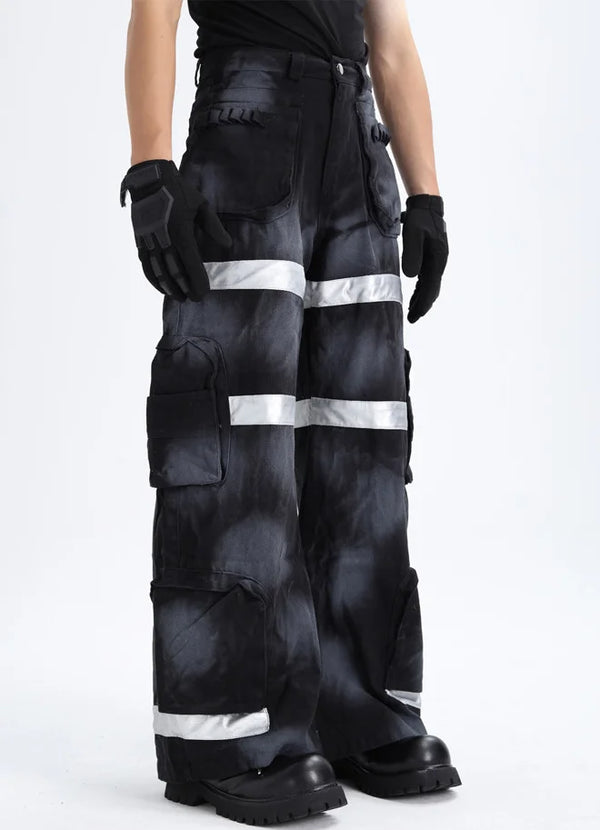
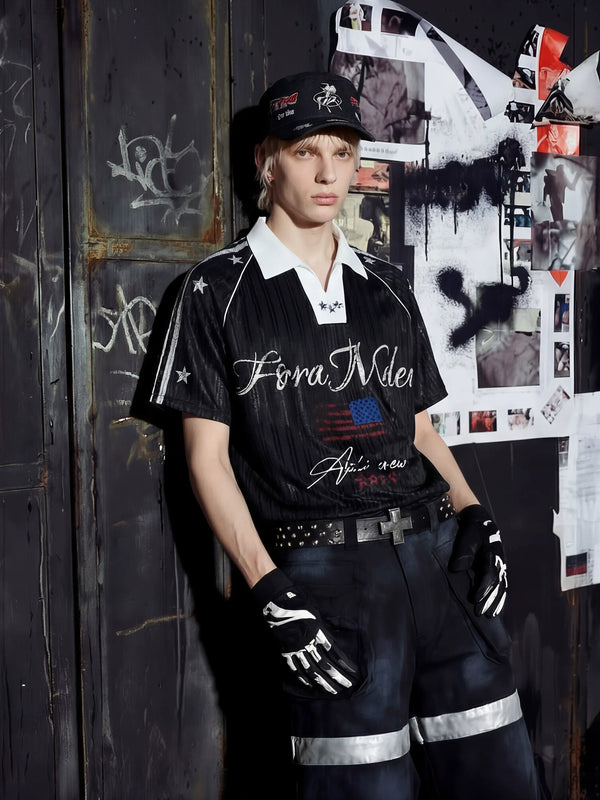
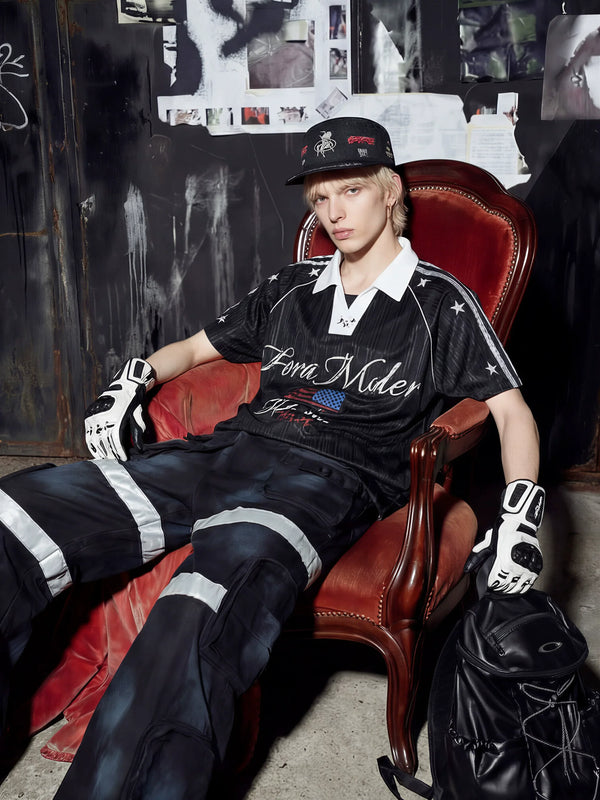
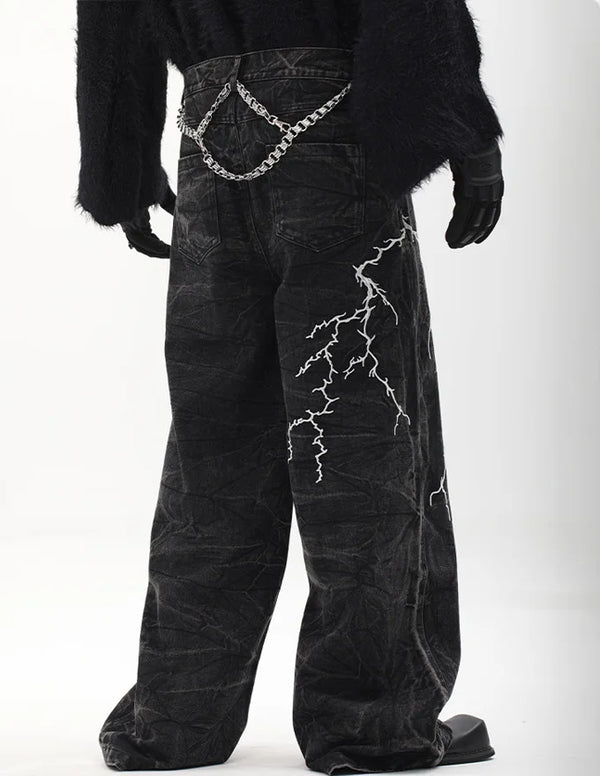
If one era defined the rave silhouette, it was the 90s. The trousers got extreme: phat pants with leg widths of 40 centimetres and more, often with reflective stripes so you stayed visible in the strobe. Brands like UFO and later Cyberdog sold the wide cuts as a uniform. Old-skool rave outfits still mean exactly this image today: wide at the bottom, narrow at the top, everything in motion.
In parallel the music differentiated, and with it the fashion. Jungle and Drum and Bass brought a rawer, more street-adjacent look, while Happy Hardcore laid the groundwork for the colourful, playful codes. The first Kandi bracelets appeared. Anyone who wants to go deeper into this decade will find the full haul of phat pants, Acid House and early Berlin techno in our own Guide to 90s Rave Fashion.
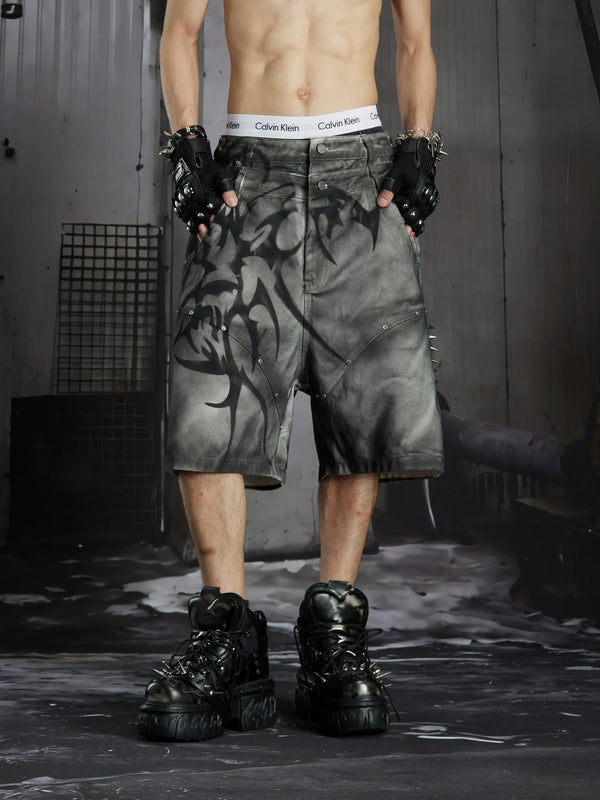
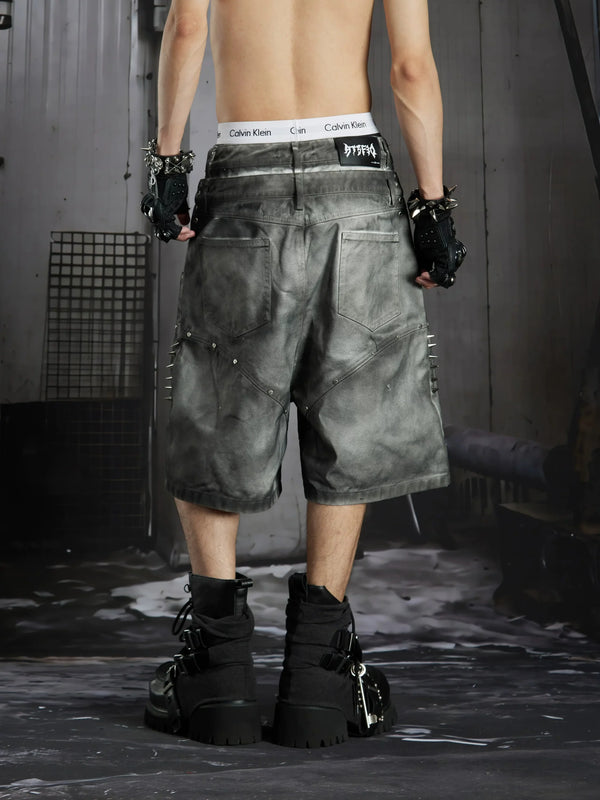
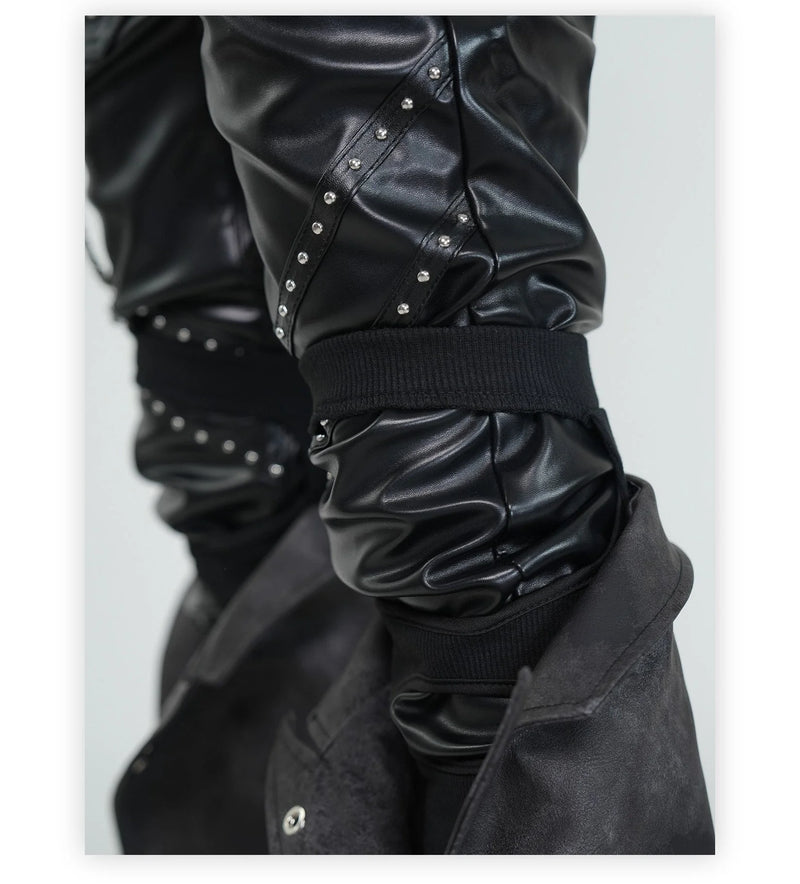
The leg width has stayed, the material has become more modern. Quoting old-skool today doesn't mean digging through vintage remnants: reflective cargos and studded jorts carry the same DNA but hold up better through a real club night.
The global boom
Rave Fashion of the 2000s: Candy Kids, neon and the festival era
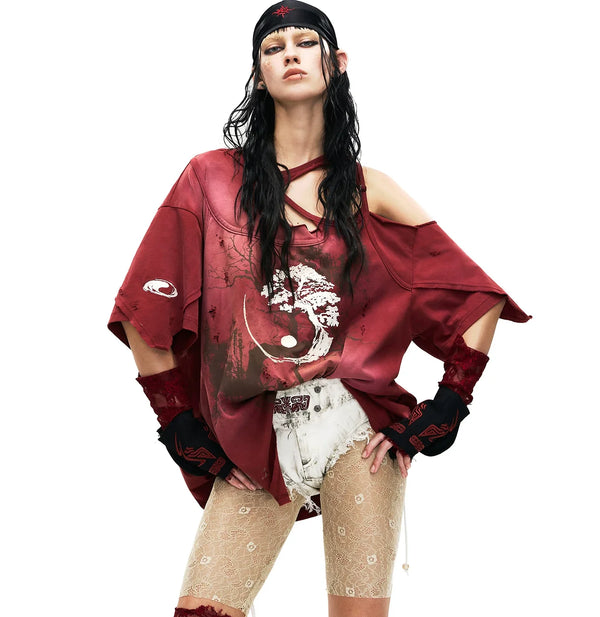
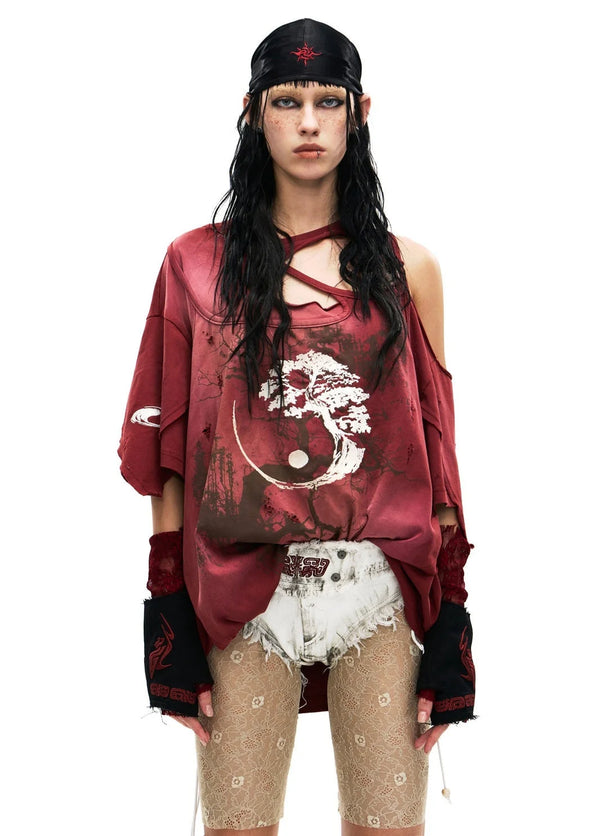
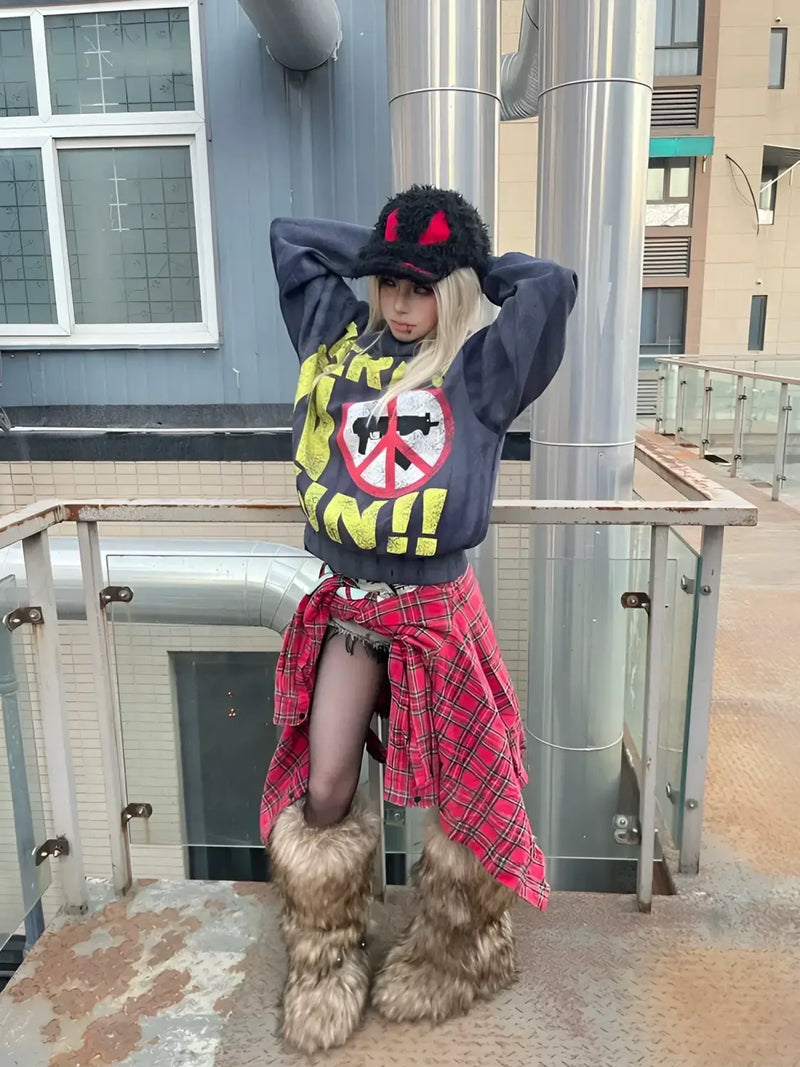
In the 2000s rave left the underground. EDM became a billion-dollar business, festivals like Electric Daisy Carnival filled stadiums, and with the audience the fashion grew into the garish. Rave fashion of the 2000s means neon, fluffies on the legs, Kandi up to the elbow and as little fabric as possible. The Candy Kids were the most colourful expression of an era that put visibility over understatement.
This phase strongly shaped today's view of rave fashion – for better and in the cliché. Much of what people picture as a rave outfit comes from the 2000s: the neon, the beads, the playfulness. At the same time this era laid the groundwork for the counter-movement that came out of Berlin shortly after.
Quoting the 2000s today means dosing the neon. A single signal tone as an accent on a black base looks current; the full rainbow tips quickly into costume. This dosing is exactly where a look decides whether it reads as modern or dressed-up.
A language of its own
PLUR and Kandi: why rave fashion speaks a language of its own
Rave was never just music and clothing, but a subculture with its own value system. The core is called PLUR. These four letters explain why rave fashion works so differently from any commercial trend: it is about belonging without a bouncer, about expression without a price tag.
Kandi culture makes that tangible. Handmade beaded bracelets are not bought but traded, often with a small handshake ritual. Every band is an encounter. This logic – shared rather than shown – explains why many of the most iconic rave accessories deliberately look cheap and homemade.
- PLUR stands for Peace, Love, Unity and Respect: the basic attitude that turned a party into a movement.
- Kandi are handmade beaded bracelets traded on the floor, each one a small story.
- Candy Kids wore neon, fluffies and pacifiers: the most colourful, most playful branch of the 2000s.
- Gloving and lightshows made the hands part of the outfit, technology meets dance.
- Anti-status stayed a principle: traded not bought, shared not put on show.
This value system is the reason rave fashion still cannot be fully commercialised. Even expensive brands have to respect the anti-status code, otherwise they read as wrong on the floor immediately.
The counter-design
Berlin, techno and the black counter-design
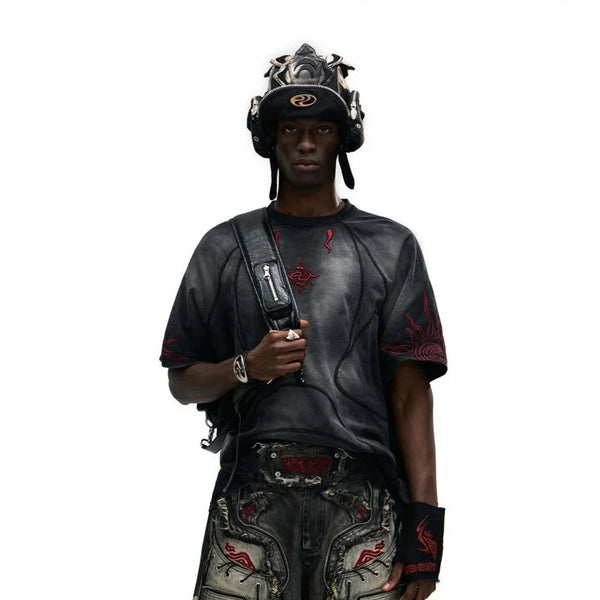
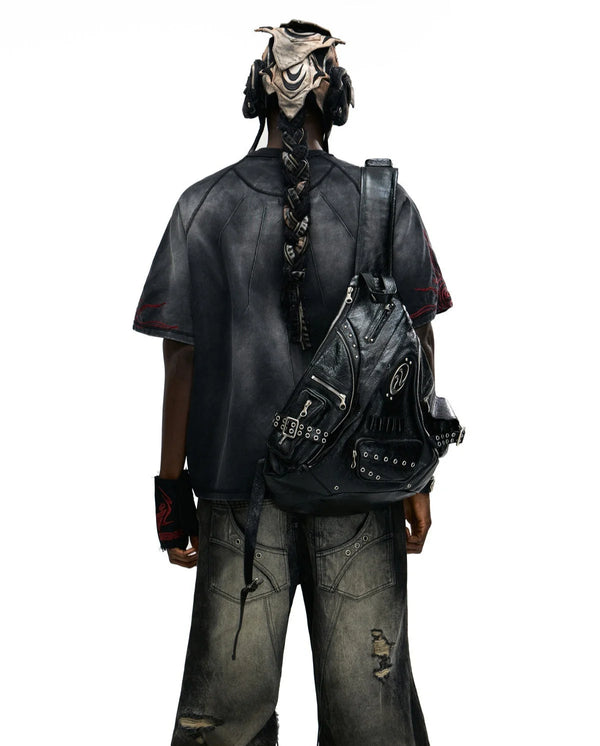
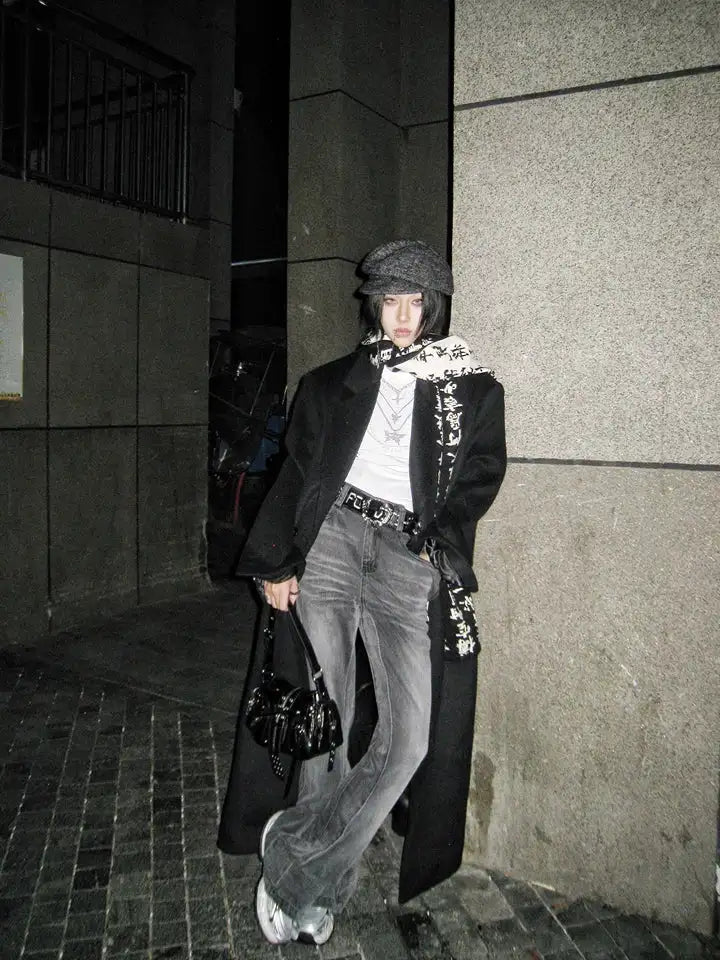
While the USA made rave colourful and playful, Berlin went the opposite way. After the fall of the Wall, empty factories and bunkers became clubs, Tresor and later Berghain set the tone, and the dress code reduced to the essentials: black, function, skin. No neon, no signal colour, no attention for the outfit itself.
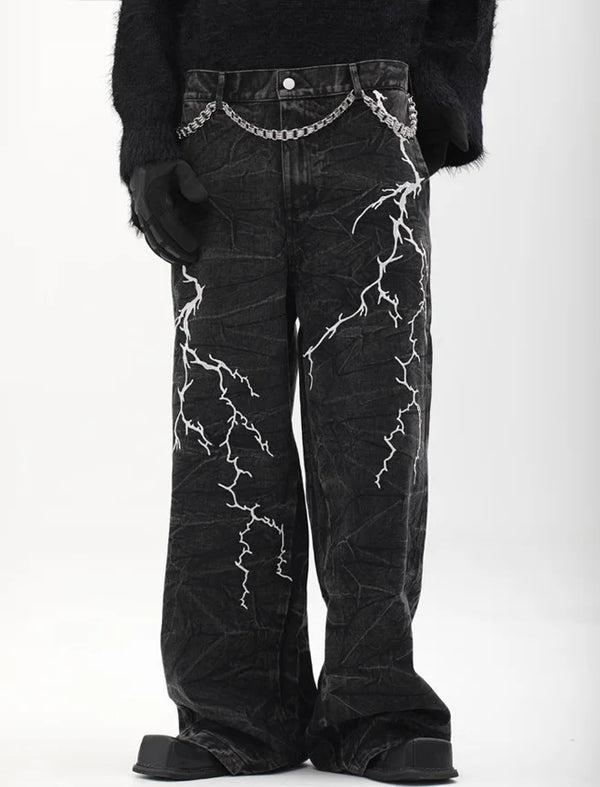
The Berlin code is the most mature answer to the same function question. Black forgives sweat and hours, anonymity protects the moment, reduced silhouettes allow movement. How exactly this look works we break down in our Berlin Techno Aesthetic – here all that matters is that it is the counterpole to the neon era.
Between neon and black there is no judgement, only geography. A Candy look in Los Angeles and an all-black fit in Berlin solve the same problem for two different rooms. Exactly this tension makes Rave Fashion History so alive.
The function truth
Why rave outfits are so revealing
The most common question about rave fashion is why the outfits are so revealing. The honest answer is unromantic: physics. A full floor generates enormous heat, twelve hours of dancing produce litres of sweat, and windowless rooms trap the warmth. Less fabric is not a provocation but thermoregulation. Mesh, cut-outs and crop cuts let the body breathe when the air no longer does.
On top comes the cultural level. The floor was from the start a place where your own body belongs to you, not to the gaze from outside. On the floor, being revealing stands for freedom and self-determination, not for display. Both levels together explain why skimpy cuts have belonged to the rave vocabulary since the 90s and never disappeared again.
This logic still holds unchanged today. Whether neon 2000s or Berlin black: the skin layer stays skimpy because the floor demands it, and the warmth comes from outside on top.
The shared code
Rave Outfits Men vs Women: how the code divides
Historically the codes for men and women ran slightly offset. Rave outfits for men moved early towards mesh tank, wide cargos, harness and utility, while rave outfits for women ran more through bikini tops, Kandi and playful neon elements. But both sides always shared the same core: skimpy upper body, plenty of freedom of movement, sturdy shoes.
Today the code converges strongly. Mesh, harness and cargo work regardless of gender, and many of the strongest looks are deliberately unisex. How the men's code reads in detail is in our Rave and Techno Outfits for Men; the basic rule applies to everyone alike.
This convergence is itself a piece of Rave Fashion History. What was still clearly separated in the 90s is today a shared vocabulary everyone draws from freely.
The skin layer
The rave silhouette today: mesh, tanks and the skin layer
If a single piece bundles the entire rave history, it is the skimpy top layer. From the smiley shirt of the 80s, through the neon bikini top of the 2000s, to the black rib tank in Berlin: the top was always the point where function and expression met. Today that means rib tanks, mesh styles and thin longsleeves that layer under a shell.
The trick lies in the material, not the amount. A rib tank sits tight but breathes; a mesh layer shows skin and regulates temperature at once. The longsleeve is the bridge into the cooler after-hour, when the floor empties and the temperature drops.
Exactly this movement is the test for every rave top. A look that stands well when still says little; it has to survive twelve hours of dancing without scratching, slipping or trapping heat.
Both pieces quote the history without copying it: the rib tank the skimpy 2000s line, the longsleeve the reduced Berlin layer. Together they cover club and after-hour.
The newest branch
Cyber, Future Rave and the technical arm
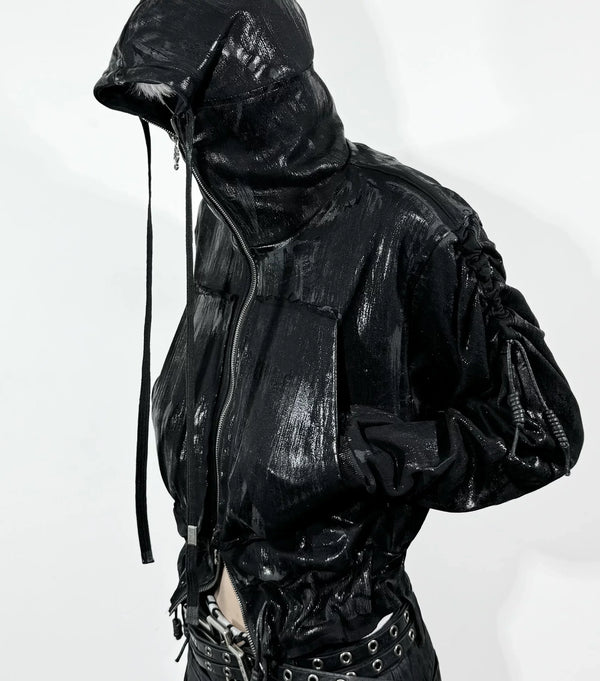
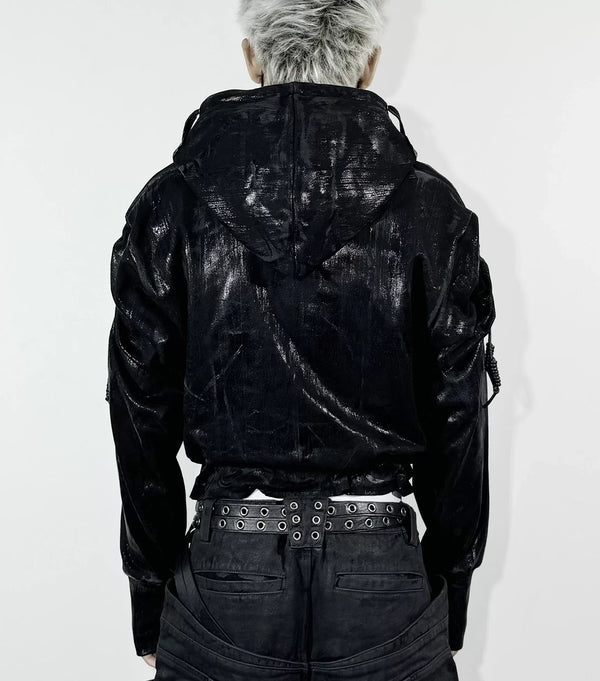
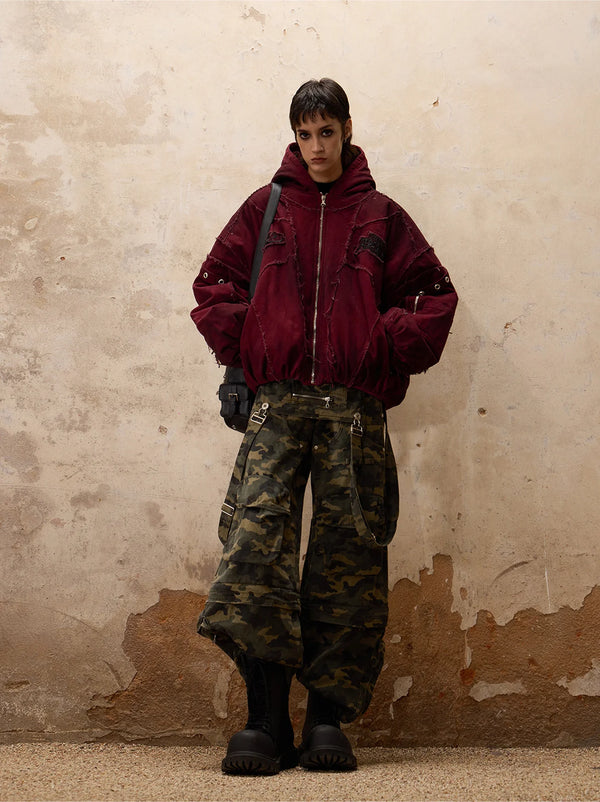
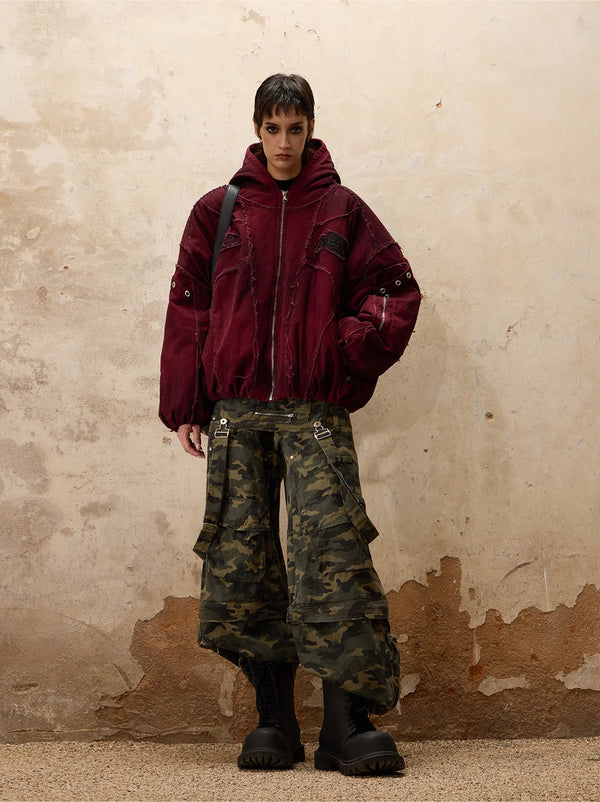
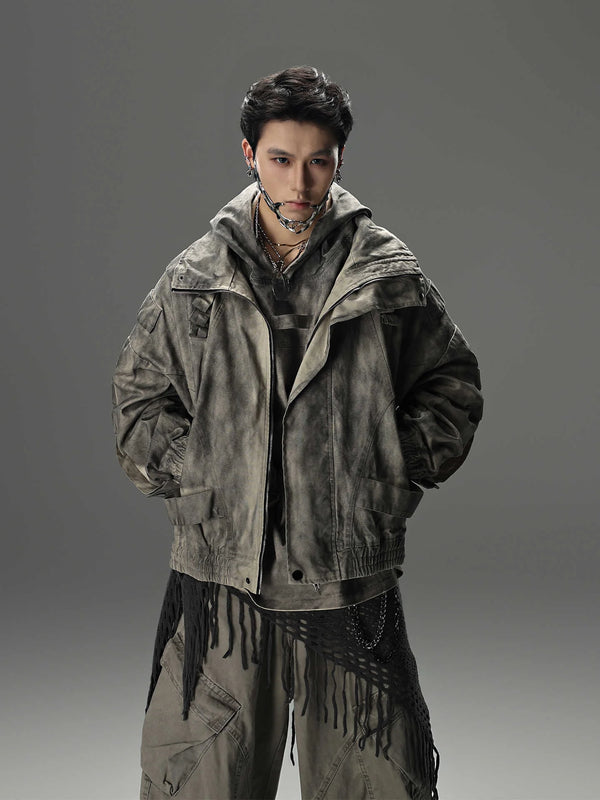
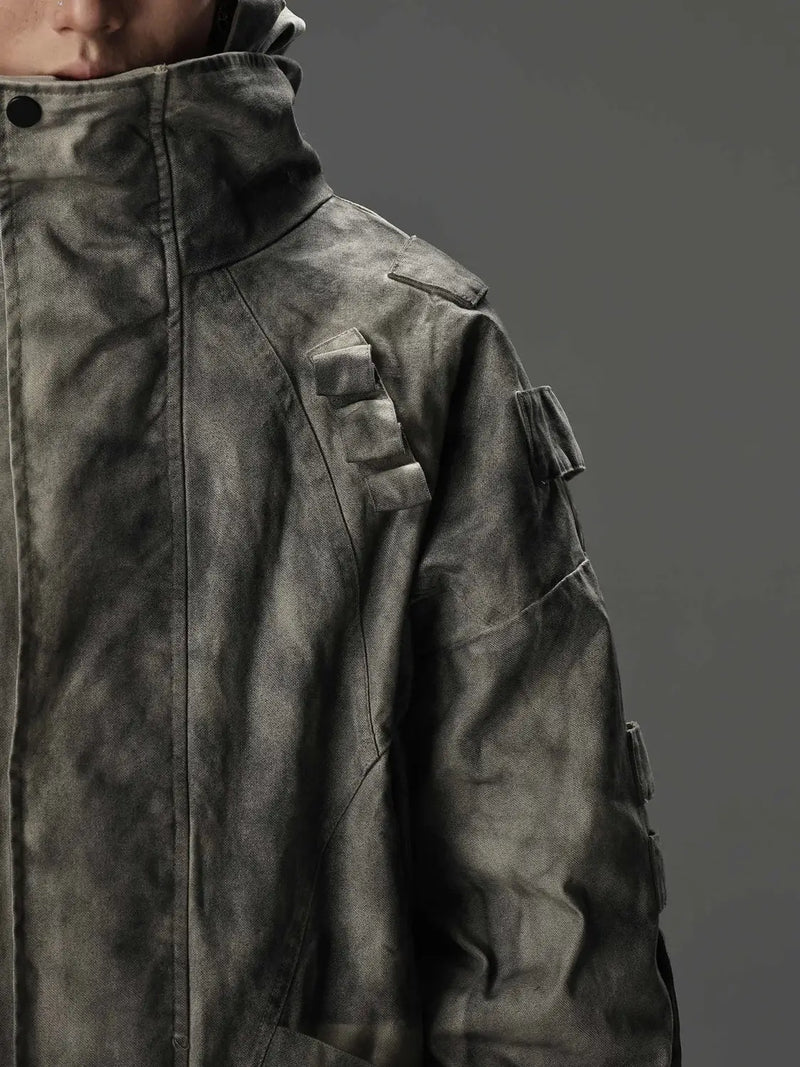
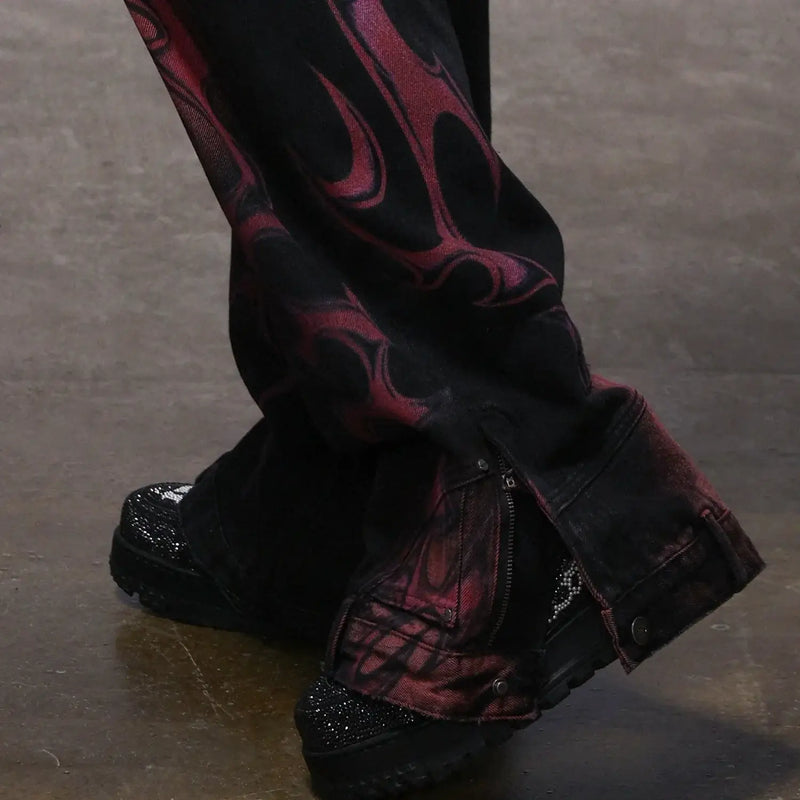
The newest branch of Rave Fashion History is technical. Cyber and Future Rave looks take Berlin's black, add reflective shells, utility pockets, hoods and chrome details and land at a silhouette that is half club, half science fiction. Here rave meets Techwear, and the boundary deliberately blurs.
This direction is not a break but an extension. The reflective stripes of the 90s phat pants return as technical details, only more precisely made. Anyone who wants to read this branch more closely will find it broken down in detail in our Cyber Goth Rave Outfits and in the Cyber-Y2K context.
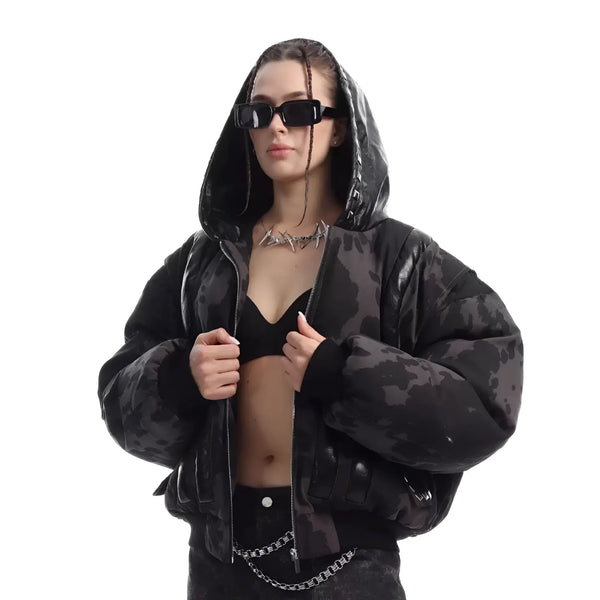
Outerwear plays the lead in this era because it manages the transition between hot floor and cold street. A bomber or puffer here is not a warmer but a statement with function.
Both jackets work on the same principle as the entire floor code: technical and striking on the outside, built for movement and long nights on the inside. That closes the circle from the 90s reflective trouser to today's shell.
The small markers
Kandi, caps and accessories: the small markers
Accessories carry a bigger load in rave history than their size suggests. The Kandi bracelet is a social object, the cap protects from light and sweat, the sunglasses are glare and gaze protection at once. Each of these pieces has a function before it becomes decoration. That is exactly why they feel real and not tacked on.
We have put together the complete marker list for a club night in the Rave Accessories checklist. For the history, one principle is enough: accessories are accents, never the foundation. They finish a look but don't carry it.
The order is deliberate: first the silhouette of trouser and layer, then the shell, then the markers. Start the other way round and you quickly land at a look made of decoration with no base.
With this base you can quote any era without dressing up. The rest is dosing and the question of which floor you're heading to that night.
What you avoid
The most common mistakes with rave-history looks
Wearing rave history goes wrong fast if you misread it as a costume. These five mistakes separate a real floor look from a theme-party costume.
All five mistakes have the same root: looks before function. Flip the order and start with the floor and you avoid them automatically.
The entry point
How you build a rave-history look today
A credible rave-history look needs no vintage hunt and no big budget. It needs four building blocks in the right order. Once you have them together, you can target any era deliberately without losing the core.
The build follows function, not chronology. You start with the silhouette and work your way to the markers, exactly as the floor demands.
- The wide trouser as the foundation: reflective cargo or phat-pant silhouette, wide at the bottom and in motion.
- The skimpy layer over it: rib tank or mesh, breathable and floor-ready instead of thick and hot.
- The technical shell for the way out: bomber or puffer with reflective details for the cold after-hour.
- One marker with history: a cap, a chain or a Kandi as an accent, never as the main thing.
Which brands really deliver these building blocks and which only glow is placed by our overview of the rave labels. It is the logical next step once the silhouette stands.
With this base, rave history becomes wearable instead of museum-like. You quote forty years of floor code but wear an outfit that really survives the next night.
Go deeper
Deeper into the rave code
Every era and every floor has its own text in the Journal. These five take Rave Fashion History on to where it gets densest.
Frequently asked questions
Frequently asked questions about Rave Fashion History
The most important questions about the history and today's wearing of rave fashion, answered briefly and without detours.
When did Rave Fashion begin and with what?
What does old-skool rave mean and which era does the look come from?
Why are rave outfits historically so revealing?
How did rave fashion evolve from neon to black?
What is the difference between 80s and 90s rave fashion?
Can I wear vintage rave looks today without looking dressed up?
Forty years of rave fashion sound like a lot but come down to a single question: what survives the night? Ask that question and you wear history instead of costuming it.
What do you think?
Tell us on @fuga_studios
About the author
Philipp Fuge — Founder · Berlin
Founder of Fūga Studios. Writes the journal himself. Berlin · Shanghai · Tokyo · Poznań — four cities, one logic.