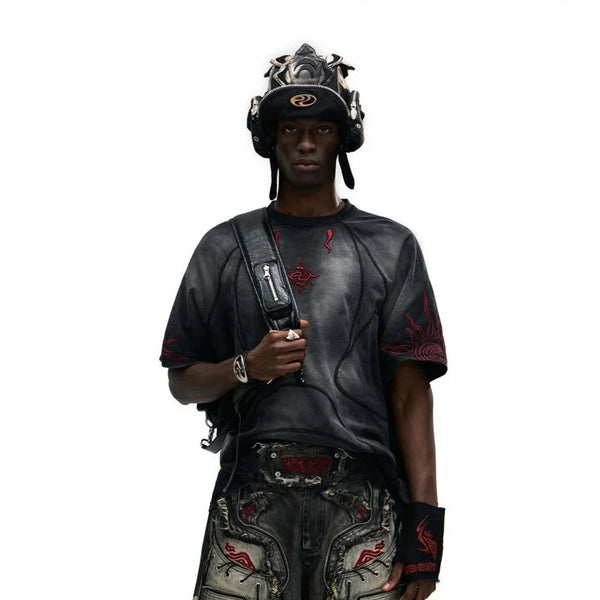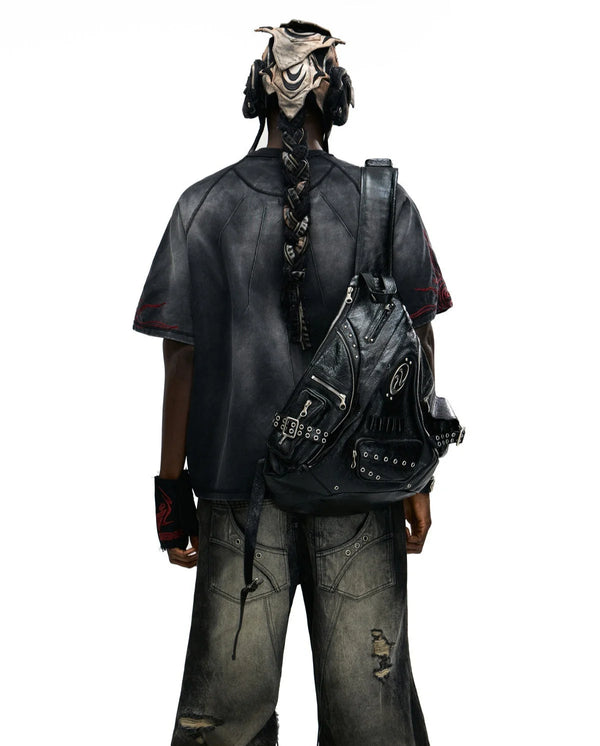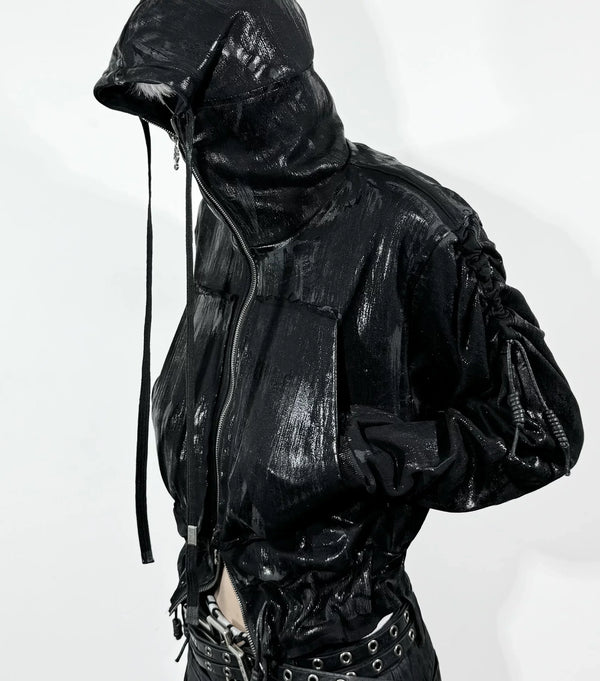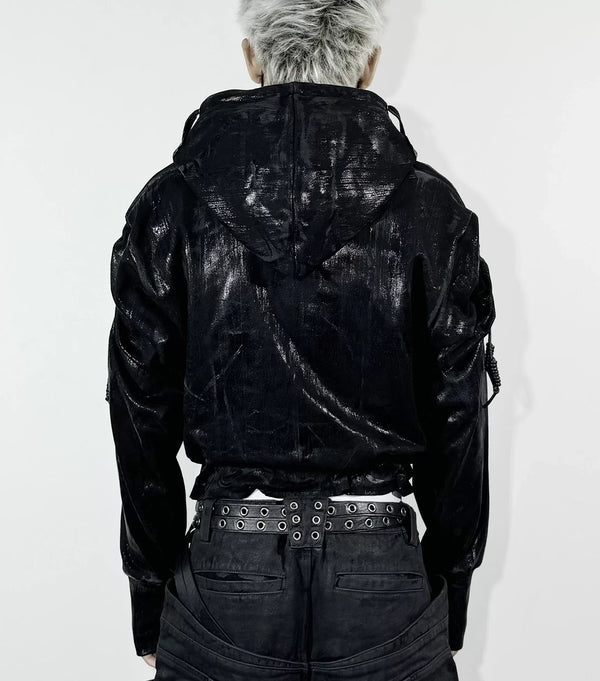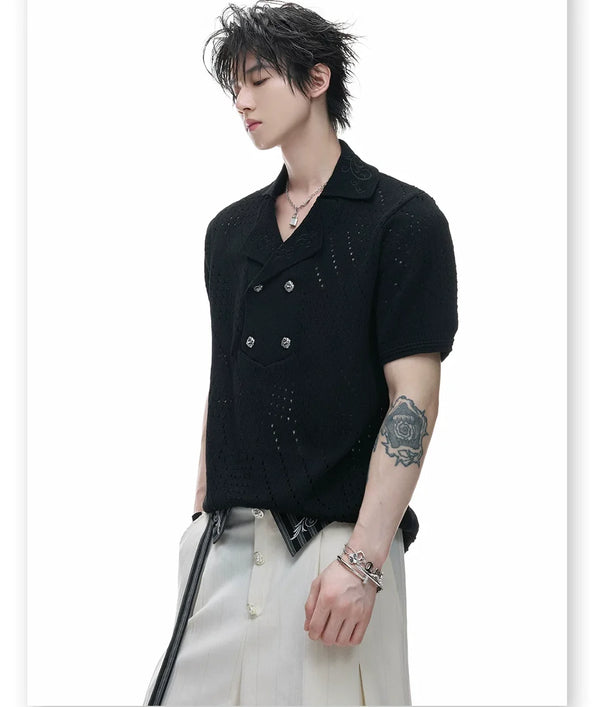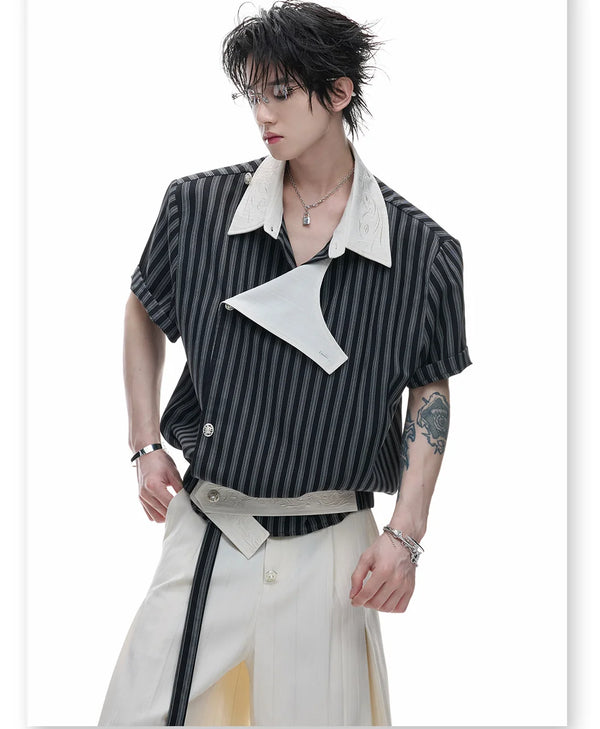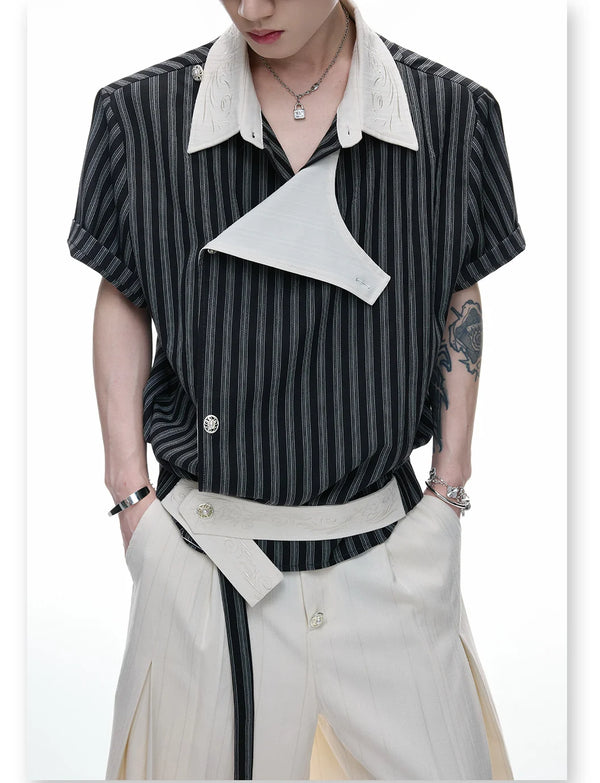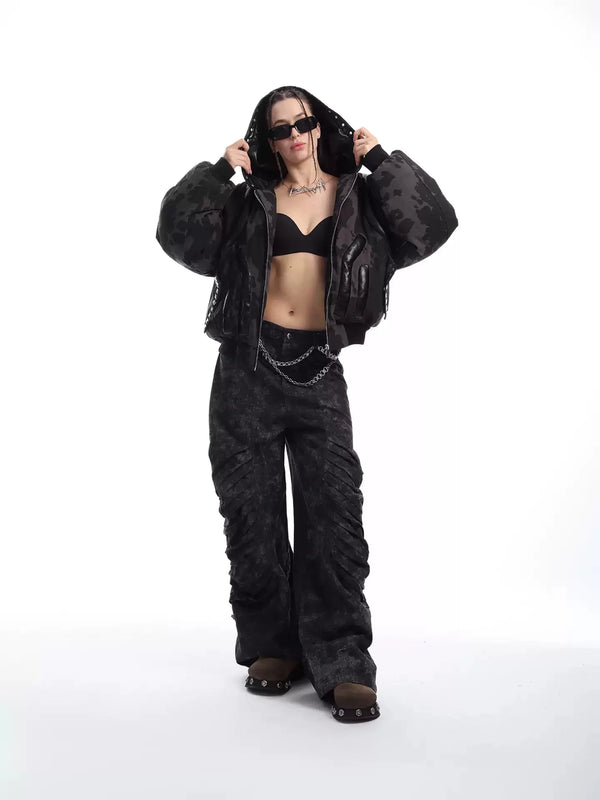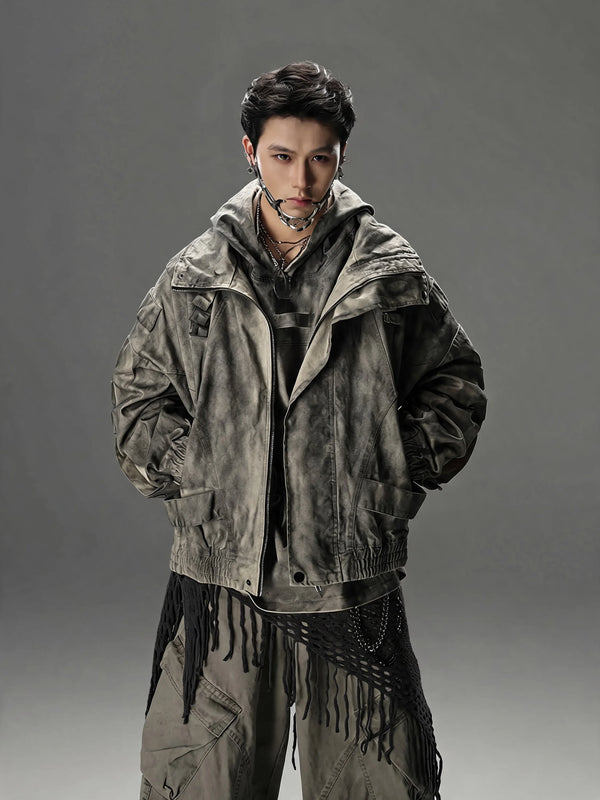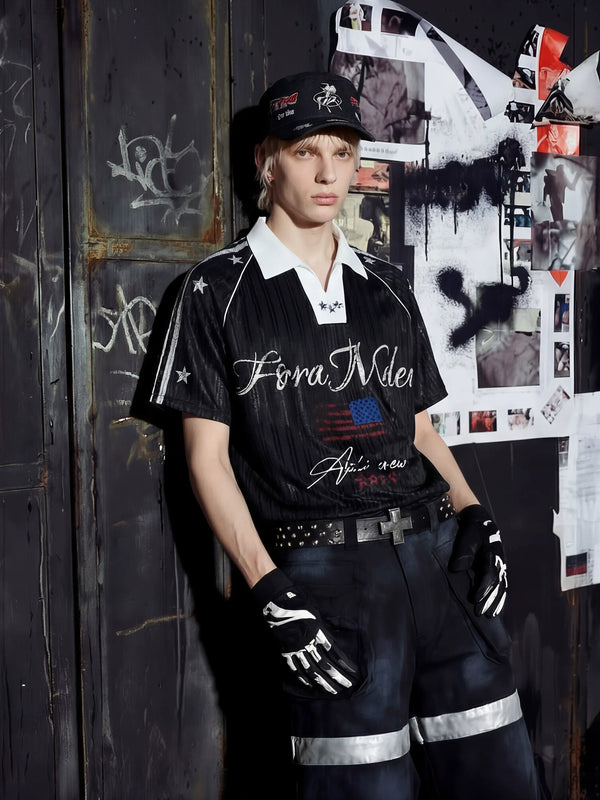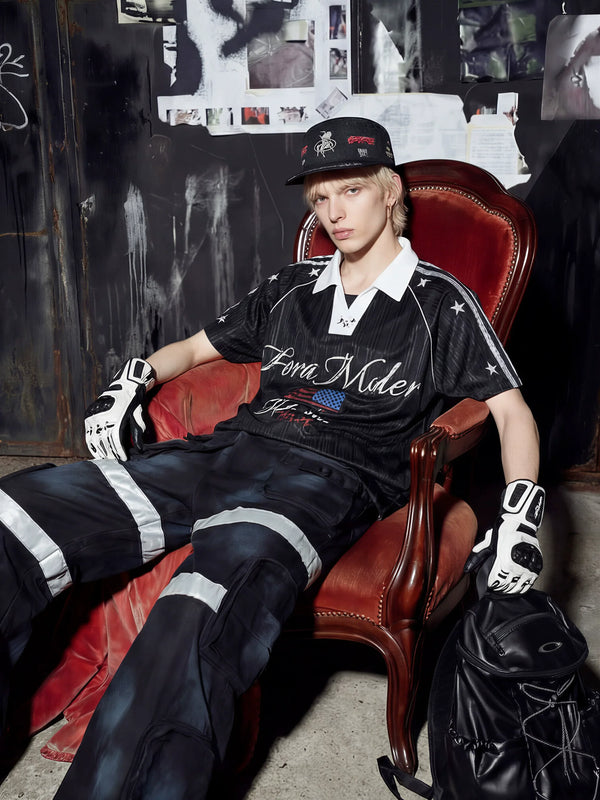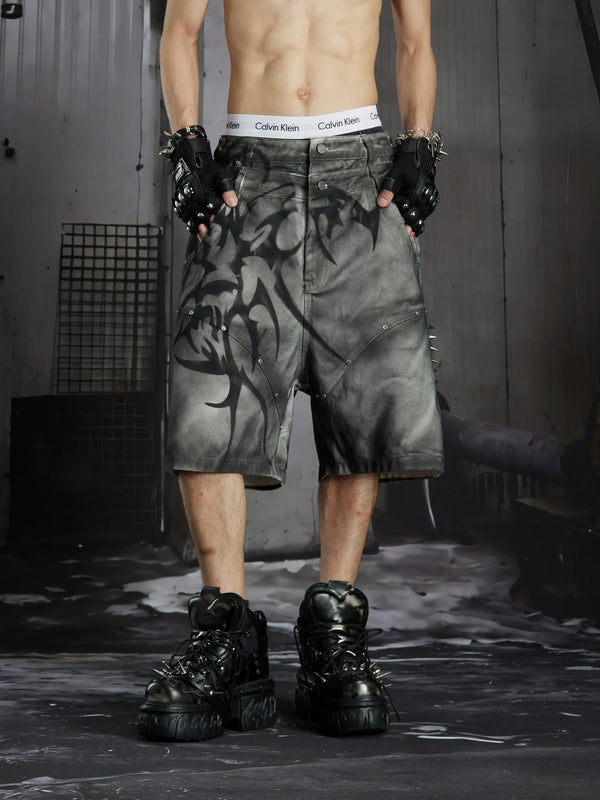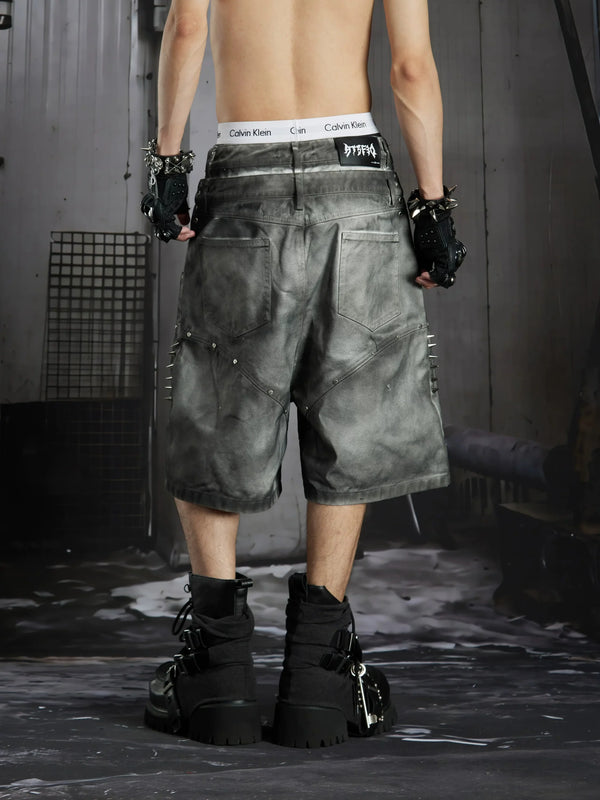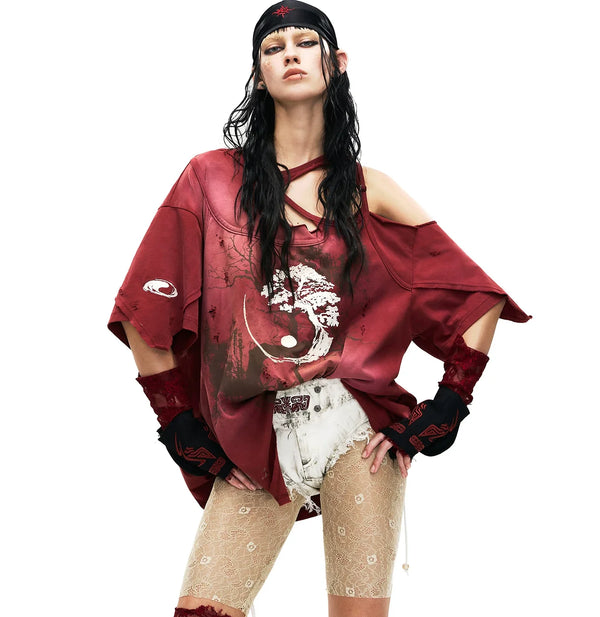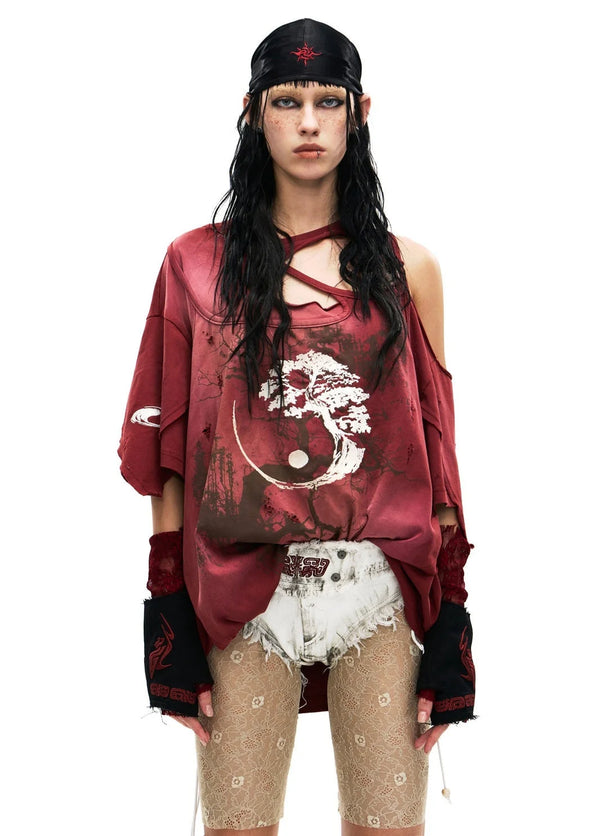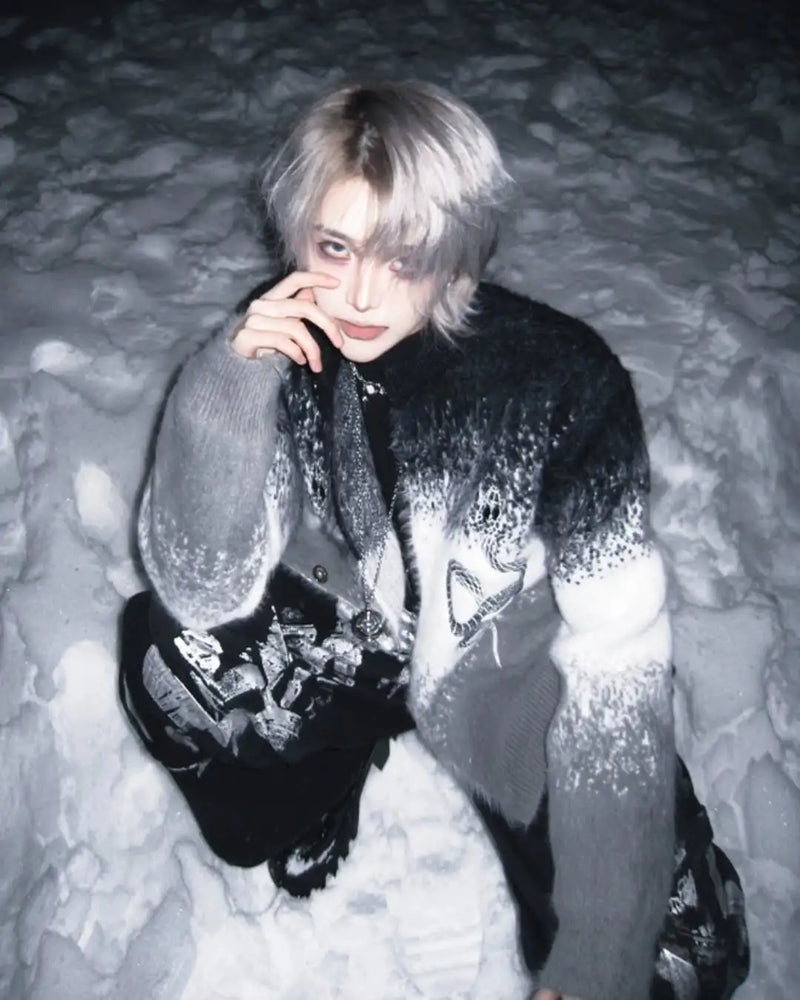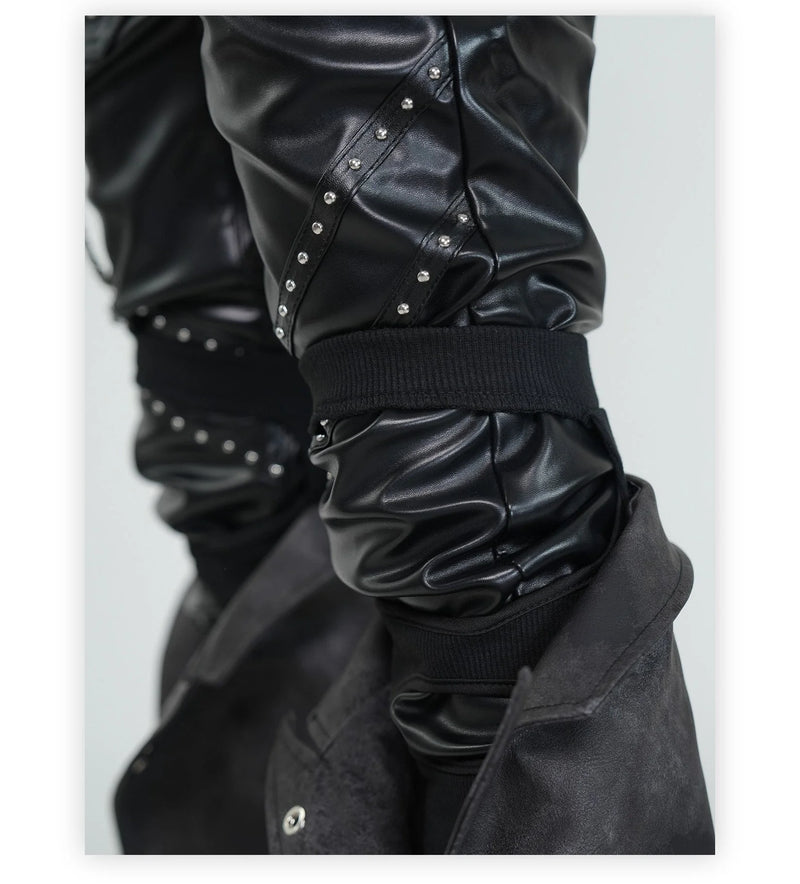
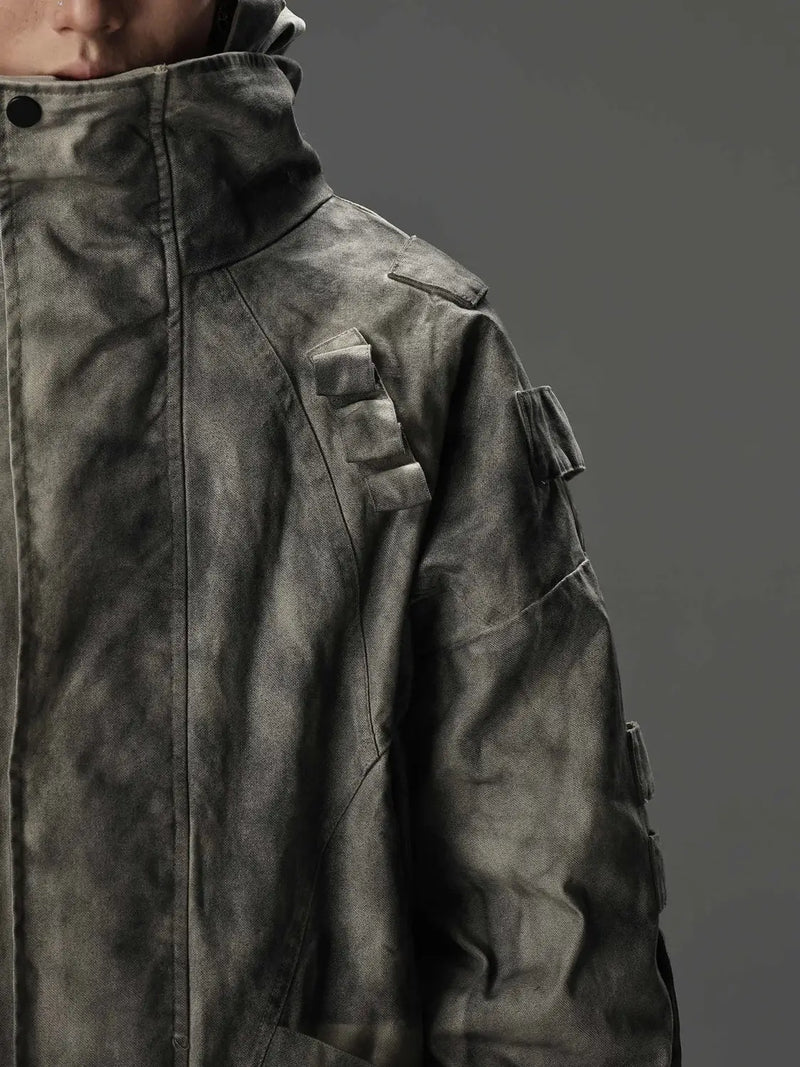
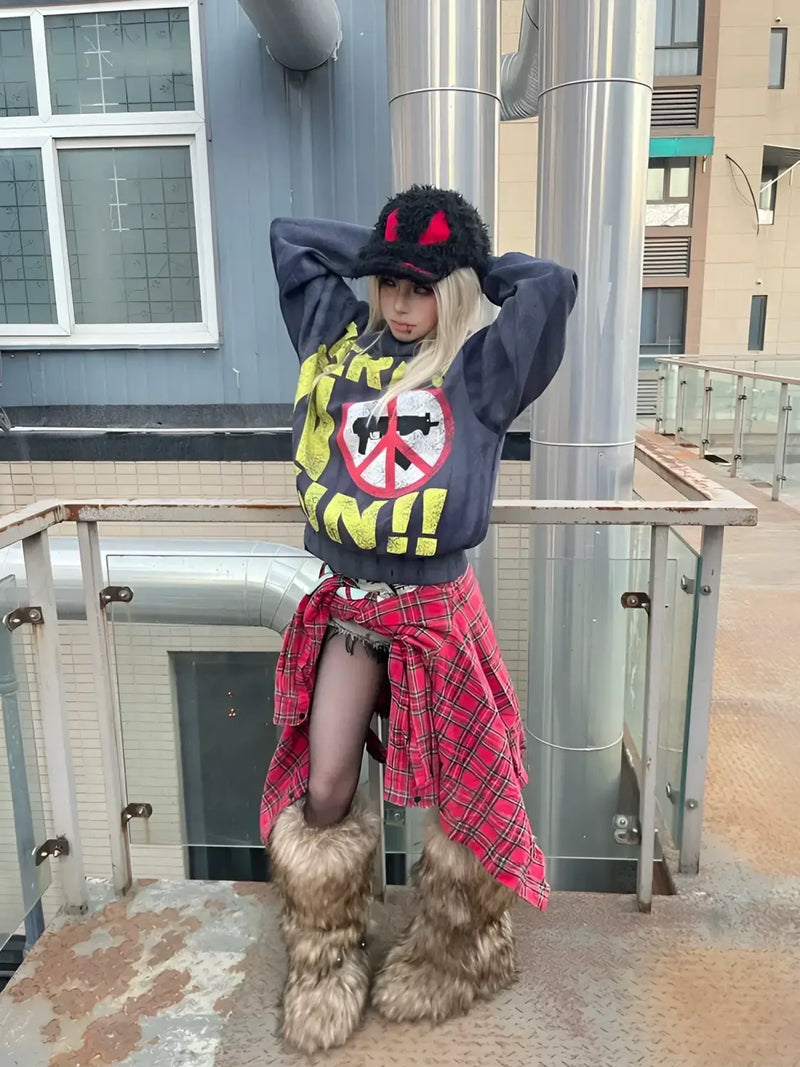
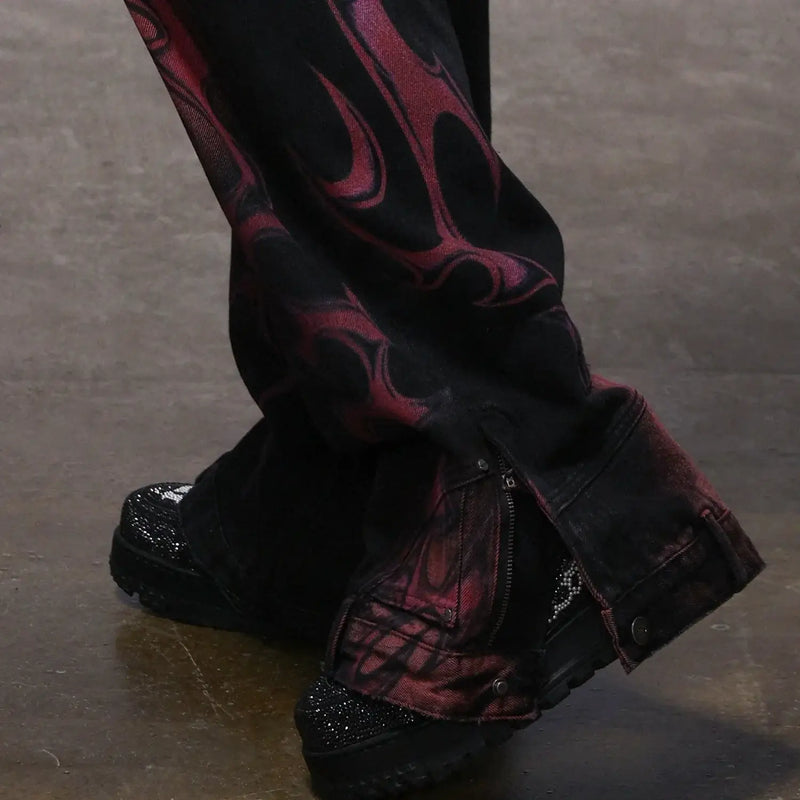
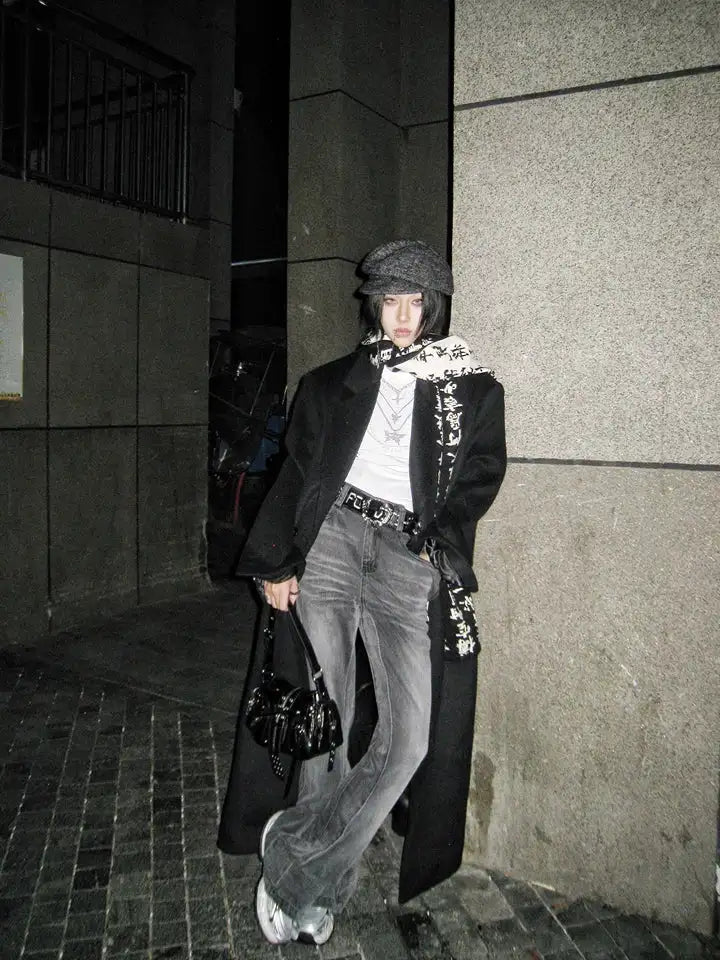

Most people see 90s rave fashion and think: neon, smiley, carnival. They see a costume. What they miss is the function. Phat Pants came about because you wanted to dance twelve hours in a warehouse at 35 degrees without chafing your legs on your own trousers. Kandi Bracelets were a recognition system on dark dance floors. Smiley print was not a logo — it was the symbol of a scene that no one could officially own.
90s rave fashion emerged between 1988 and 1995 in four cities at once: Manchester, Detroit, Chicago, Berlin. Four sub-scenes, one shared vocabulary: wide at the bottom, wide up top, sporty on the foot, a glowing signal in the hand. No Paris fashion week introduced it. A second wave of sound — Acid House, Detroit Techno, UK Hardcore, early Berlin Techno sets — wrote the outfit while the fashion world was still debating power suits.
This guide clears up what really sat behind it: where it started, which four codes carry the system, how the sub-scenes differ, which brands wrote the code, how you wear it today without sliding into a carnival costume — and which six mistakes reliably tip the look over.
What it looks like in motion — compact, in fifteen seconds:
Origin
Where it started: Acid House, the fall of the Wall, and the birth of dance floor fashion
The sound came first. In 1985 Juan Atkins builds the first Techno tracks in Detroit. In 1986 Frankie Knuckles plays his House sets at the Warehouse in Chicago. In 1987 four DJs from Manchester fly to Ibiza, hear Balearic beats, come back and start the Hacienda resident nights. In 1988 it explodes into the Second Summer of Love — Acid House parties in English warehouses, MDMA as common currency, the yellow smiley on every second T-shirt.
Fashion followed the sound. And it followed it into exactly the same rooms: industrial halls with no air conditioning, where you dance through for twelve hours. What worked became code: wide trousers, because tight fabric chafes at 35 degrees. Oversized tops, because sweat-soaked cotton needs room. Sneakers over heeled shoes. Bandana at the neck, Bucket Hat or wool cap on the head — pragmatism before style.
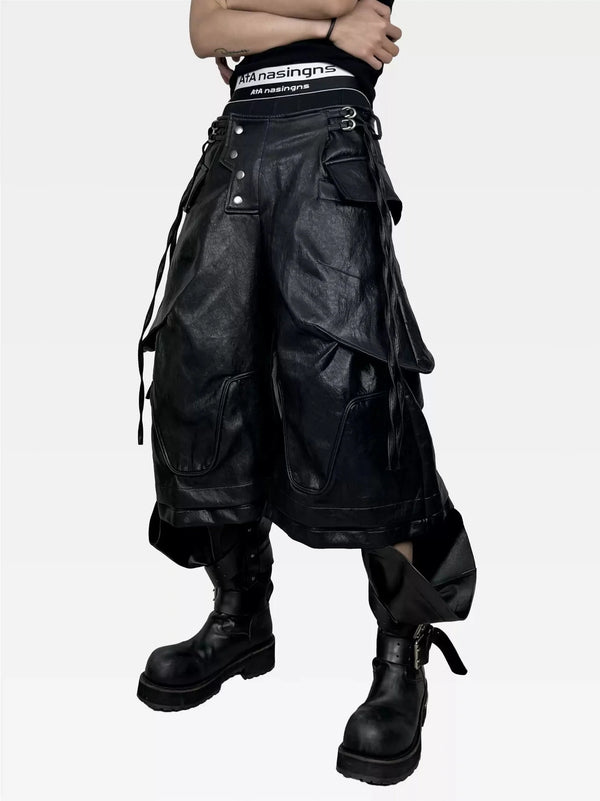
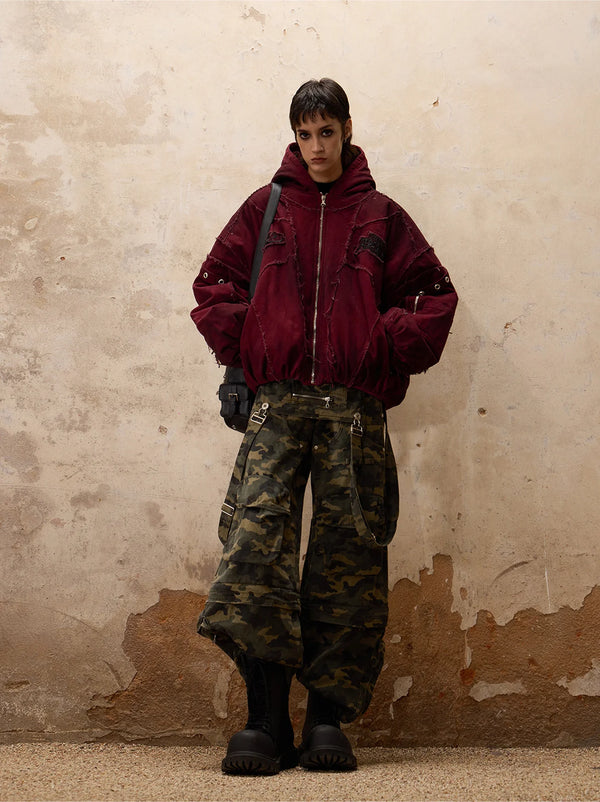
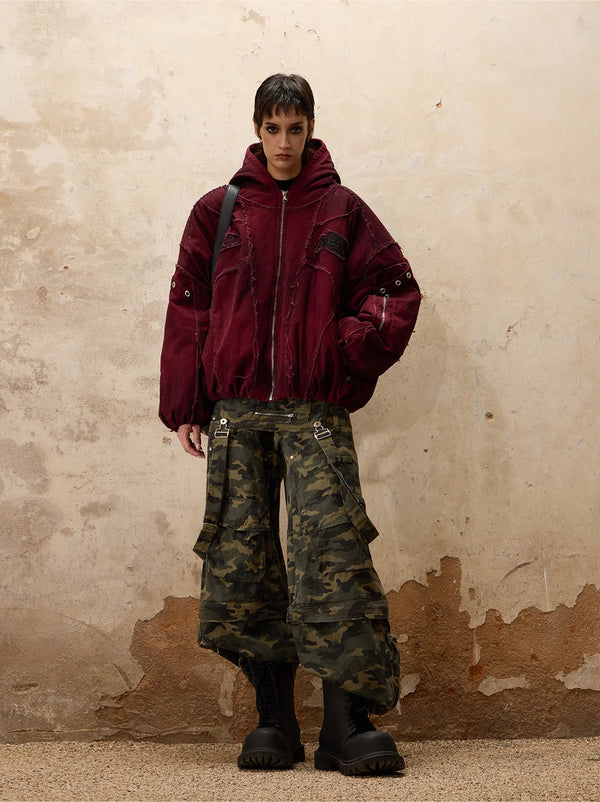
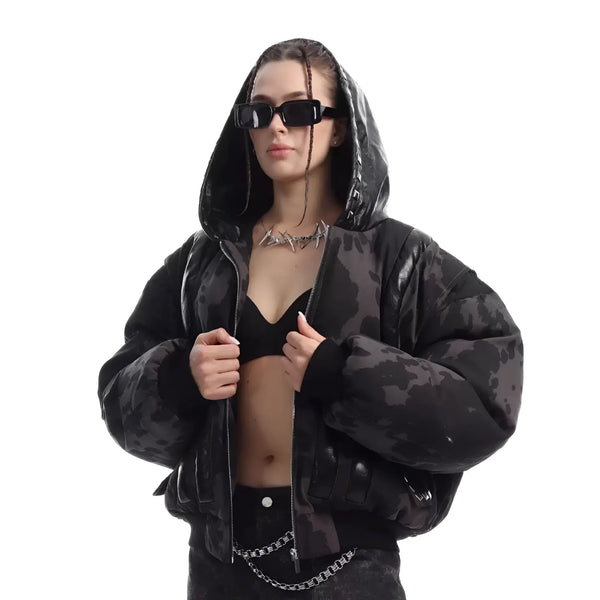
Berlin came later, but harder. After 9 November 1989 hundreds of empty industrial buildings in the eastern half suddenly stood open. Tresor opens in March 1991 in a vault beneath the former Wertheim branch. E-Werk follows in 1993. Bunker opens in 1992. What was Techno in Detroit and Acid House in Manchester became hardcore industrial in Berlin — and the fashion turned harder with it. Black cargo instead of colourful Phat Pants. Boots instead of sneakers. Its own line, which still carries the Berghain DNA today.
Definition
What 90s rave fashion actually was: definition and codes
90s rave fashion is an outfit system with four fixed building blocks. When three or four sit right, the look reads as rave. When only one is there, it is a 90s costume from the fancy-dress shop — smiley tee plus jeans plus sneakers is not enough.
1988
Second Summer of Love
4
Cities in parallel
5
Sub-scenes
12 h
Dance floor per night
These numbers are not decoration. They are what explains the codes. Twelve hours on a dance floor in a hall without air conditioning allow no slim fit. Four cities in parallel explain why there is not one look but five — Manchester looked different from Berlin, Berlin different from Detroit. Acid House had a different fabric vocabulary than Goa Trance.
Concretely, 90s rave fashion includes:
- Wide trousers below — Phat Pants (32 to 50 inch leg width), Baggy Jeans, cargo, or tracksuit bottoms. Volume is mandatory, not optional.
- Oversized tops above — logo tee at least two sizes too big, football jersey, sweatshirt, mesh tank. Baby tee as the women's variant (tight + short), but usually over wide trousers.
- Sneakers over boots — Adidas Gazelle, Reebok Classic, Nike Air Max 95, Buffalo platform for women. Boots belong in Berlin Techno, not in UK rave.
- Acid/smiley print or logo statement — the yellow smiley from the UK from 1988, acid-wash colours, or a sport brand logo large across the chest.
- Bucket Hat, bandana or beanie — the head was part of the outfit, not an afterthought. Protection against sweat and a visual recognition mark.
- Kandi Bracelets, glow stick, whistle — the hand hardware. PLUR codes (Peace, Love, Unity, Respect), traded between dancers.
Three of these six points are enough for the look to work. Four or more and you are clearly in the 90s rave line, not in the general 90s outfit. One rule holds the whole system together:
Sub-scenes
The sub-scenes: Acid House, Detroit Techno, Berlin Techno, UK Hardcore, Goa Trance
90s rave fashion is not one look — it is five, born in different cities and different sounds. Anyone who lays photos of the Hacienda 1989, a Detroit Tresor tour 1992, a Goa set 1994 and a UK hardcore rave hall 1993 side by side sees the split cleanly. Each scene had its own fabric logic, its own colours, its own brands.
Which of the five suits you depends less on taste than on the city you want to dance in — and on how hard the sound should be. How the code split between women and men comes next.
Gender split
Women vs men: where 90s rave fashion split on the dance floor
The codes were the same. Wide trousers, oversized top, sneakers, hand hardware — held for every body. What differed was the line. Where men combined Phat Pants with an XXL football jersey, women added the baby tee — tight and short on top, wide below. Same logic, opposite proportion.
Women's version: the top becomes the tightest layer. Baby tee, crop top, spaghetti-strap top, mesh tank over bra. Trousers stay wide (low-rise Phat Pants or Baggy Jeans). The shoe gets higher — Buffalo platform sneakers from Cologne (whose sole height was 8 to 14 cm) or high Adidas. Kandi Bracelets on the wrist, butterfly clips in the hair, glitter on the collarbone. The silver-to-glitter language ran across hardware AND across skin.
Men's version: wide up top. Logo tee two sizes bigger, football jersey (Tommy Hilfiger, FUBU, Karl Kani), hoodie, tracksuit jacket (Adidas Originals, Kappa). Trousers long and wide (JNCO Phat Pants with 50 inch leg width were no rarity). Bucket Hat or beanie. Gold chain from the hip-hop crossover, or nothing at all. Sneakers mandatory — Air Max 95, Adidas Gazelle, Reebok Classic, Nike Air Force.
Both needed the same dance-floor tolerance and the same volume below. What varied was the fabric distribution on the upper body — and the shoe height.
Brands
The brands that brought the 90s onto the dance floor
There was no rave brand. There were sport brands that became rave because they worked better on the dance floor than anything else. Adidas and Reebok were not meant for clubs in 1990 — they were for the football pitch and the gym. That they took over the Hacienda and Tresor was an accident of function: wide training trousers, breathable cotton, soft sneaker.
The brands that wrote the vocabulary of 90s rave fashion — chronologically and with sub-scene assignment:
- Adidas Originals — Gazelle (1968 as a training shoe, from 1989 the Hacienda default), Samba, three-stripe training jacket. The central rave brand, all sub-scenes wear Adidas.
- Reebok Classic — Club C (1985), Workout (1990), Aztrek. Competition to Adidas on the UK market, above all in Manchester and Liverpool.
- Kappa — Italian tracksuits with popper buttons on the trousers. The quick-off quick-on system for the dance floor. Big in UK Hardcore.
- JNCO — founded 1980 in Los Angeles, Phat Pants peak 1993-1998. Leg widths up to 50 inches. The signature 90s rave trouser, above all in the US and in Germany.
- Stüssy — Shawn Stussy 1980 in Laguna Beach. Surfer streetwear, adopted from 1988 by the UK Acid House scene. Smiley-adjacent logo language.
- Cyberdog — Camden Market London 1994. The UV-reactive cyber rave line for the Goa Trance and hardcore scene. Neon, mesh, latex, glow effects.
- Diesel — Italian workwear-to-streetwear bridge. Renzo Rosso's distressed denim was picked up from 1992 by the UK rave scene.
- Buffalo Boots — founded in Cologne 1979, platform peak 1995-1999. The Spice Girls sole. 8 to 14 cm sole height, worn by the UK pop and rave scene at once.
Anyone looking for 90s rave fashion in 2026 without paying vintage prices finds the vocabulary at DTC brands that translate this fabric logic competently — or on platforms like Grailed and Vinted for used originals from the 90s.
Category · Trousers
90s trousers: Phat Pants, Baggy Jeans, tracksuits
The trousers carry the 90s rave outfit. They are the largest surface, the most dominant fabric and the primary carrier of the silhouette. What is wide below also holds together above — what is tight below tips the whole outfit into casual slim.
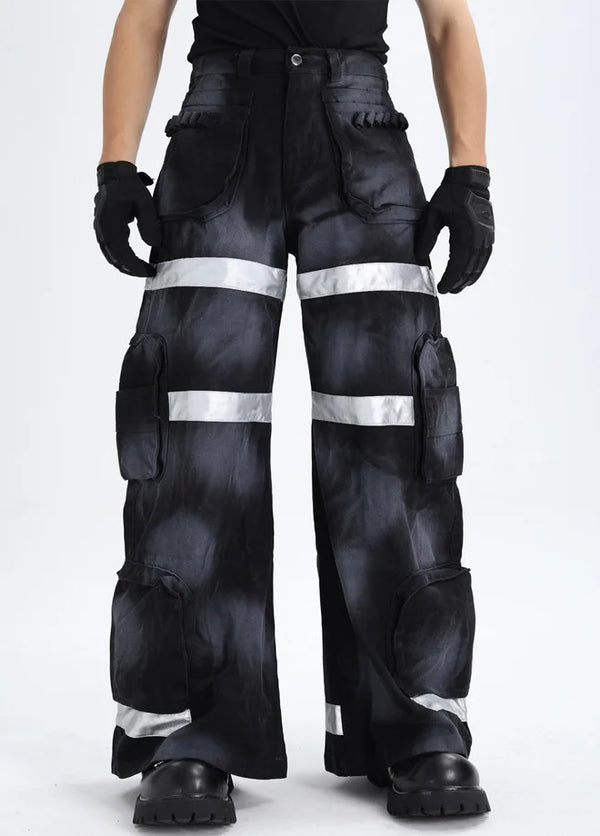
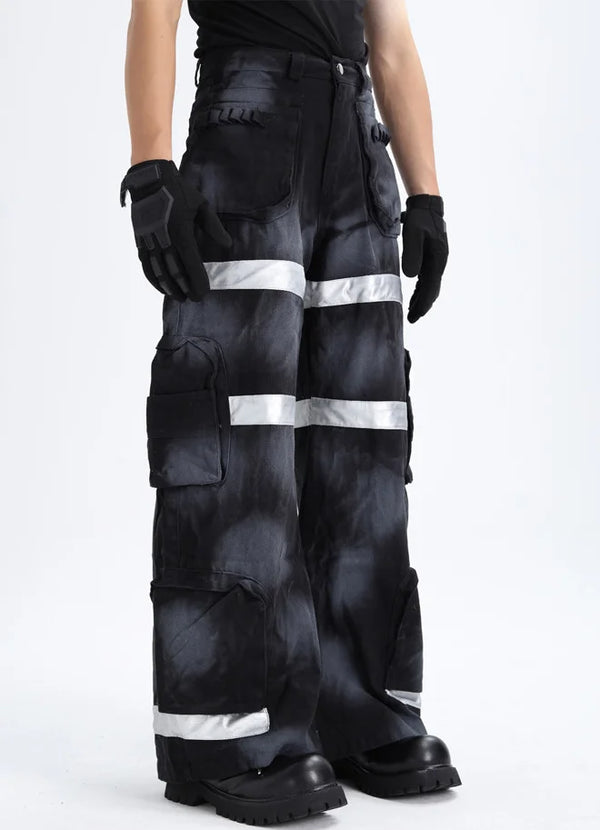
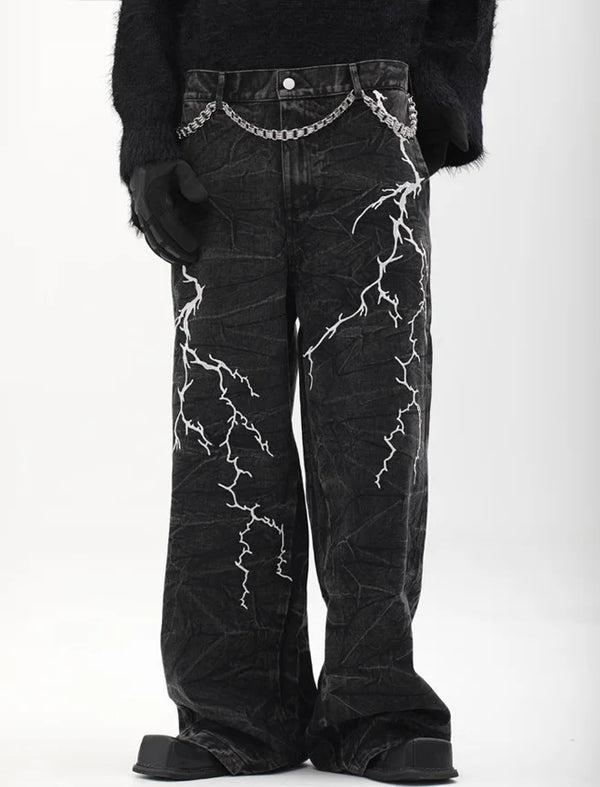
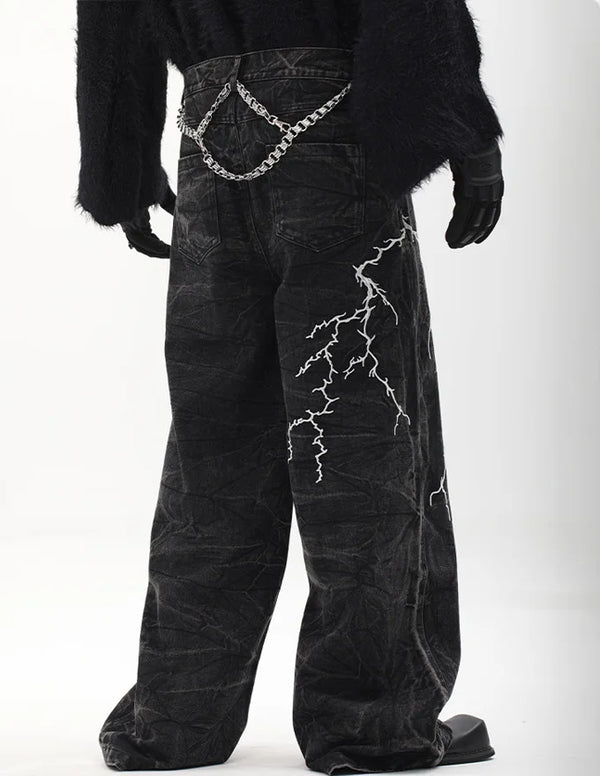
Three trouser types work in 90s rave: Phat Pants or JNCO style (40 to 50 inch leg, US line), Baggy Jeans with distressed wash or acid wash (UK line), and tracksuit bottoms with popper buttons (UK Hardcore line). Cargo with multipocket works for the Berlin Techno sub-line.
If you don't yet own a really wide trouser, that is your first move. We recommend starting with a matte-black wide-leg — it fits all five sub-scenes, from Acid House to Berlin Techno.
Category · Tops
90s tops: baby tees, oversized smiley shirts, mesh tank
The top decides which sub-scene you land in. Logo tee two sizes too big plus football-jersey fabric reads as UK Hardcore. Mesh tank with smiley print reads as the Acid House women's variant. Single-colour sweatshirt reads as Detroit Techno. Same body, completely different scene.
Working 90s rave tops are breathable (cotton, mesh or sport polyester), bigger than usual (at least one, often two sizes), and carry either a brand logo or a clear print statement. Plain-black slim fit is out in this line — that is Opium vocabulary, not rave.
If you want to test the mesh look, this is the easiest entry — breathable for the dance floor, sits tight on the body like the 90s women's code, and does not read as a gym outfit if you wear sneakers instead of training shoes.
Category · Footwear & Hardware
Shoes and hardware: Buffalo, platform boots, Kandi Bracelets
Shoes and hand hardware are the two spots where the 90s rave outfit tips most visibly — into one sub-scene or the other. Adidas Gazelle plus Bucket Hat reads as Acid House. Buffalo platform plus glitter reads as women's rave 1995. Combat boot plus all-black reads as Berlin Techno. The choice of shoe decides the city.
What works: sport sneakers for UK Acid House and UK Hardcore (Adidas Gazelle, Reebok Classic, Air Max 95, Nike Air Force). Buffalo platform or Spice sole for the women's variant. Combat or worker boot for the Berlin Techno line. On the jewellery: Kandi Bracelets in pastel and neon, a silver chain from the hip-hop crossover, or a fabric band around the head. Glow stick and whistle are hand accessories, not costume pieces.
If you have only sneakers or platforms and two Kandi Bracelets, you have already won the look halfway. In this line the hand hardware is almost more important than the shoe brand — it makes the difference between rave and 90s casual.
Styling 2026
How to wear the 90s rave look in 2026 — without becoming a carnival costume
The difference between rave and carnival is discipline. Anyone who wears all the codes at once — smiley tee plus Phat Pants plus Bucket Hat plus twelve Kandi Bracelets plus platform boots plus glow stick — lands in a fancy-dress costume. Anyone who wears two or three codes consistently and leaves the rest out builds a look that works today.
Take two codes. Leave the others out. That is the difference between an outfit that works and a photo backdrop that everyone understands but no one wants to wear.
— Fūga Studios
Practical 2026 translation: Phat Pants plus single-colour oversize tee plus sneakers — no smiley, no print, no kandi. Or: full black tracksuit plus Bucket Hat plus a silver chain. Or: Buffalo platform plus baby tee plus black cargo. Three codes per outfit, not six. The rest you save for the dance floor.
90s rave does not stand alone — it overlaps at several edges with other sub-scenes. Berlin Techno shares the black industrial line, Y2K shares the low-rise trouser and Buffalo platforms, EDM festival shares the hand hardware. Anyone who has 90s rave down can read these neighbouring codes and mix deliberately.
Here are the most important neighbouring themes — each with its own guide, if you want to go deeper:
Getting started
What you really need at a 90s rave party — the first 4 pieces
You don't need 20 vintage pieces to wear 90s rave. You need four that will be in 80 percent of the outfits. Everything else — smiley print, glow stick, bandana — comes out of the box once you are at the party.
In order: a really wide trouser with at least 30 cm leg width below (Phat Pants, Baggy Jeans or tracksuit bottoms — your biggest impact per euro). An oversized top two sizes bigger (logo tee, mesh tank or football jersey). Sneakers or Buffalo platforms, depending on the sub-scene. Three Kandi Bracelets or a silver chain — the hand hardware, without which the outfit reads as 90s casual, not as rave.
What does not work
The 6 most common mistakes with the 90s rave look
90s rave has six spots where it reliably tips — no matter how expensive the individual pieces. If you avoid only one thing, make it mistake number one.
Outfits for real
90s rave outfits for real — how it looks on the dance floor in 2026
Before you build your own outfit, look at how others wear it. The five sub-scenes look different in the feed than in vintage photos — more mixed, more precise, less nostalgic. And that is exactly why they work today.
This is the fastest way to check whether the 90s rave line sits on your body type at all — before you invest in a 50-inch Phat Pants.
To close
90s rave fashion is a dance floor system — not a costume
If you take one thing from this guide, take this: 90s rave does not work through print motifs but through function. Anyone who has the four codes down — wide trousers, oversized top, the right shoe, hand hardware — builds 60 outfits from twelve pieces. Anyone who only buys smiley tees has a full wardrobe without a single outfit that survives twelve hours on a real dance floor.
The whole logic of this guide reduces to one sentence:
The codes have been stable since 1995 and will stay that way — as long as Berlin, Manchester and Detroit have rooms where people dance for twelve hours. But you don't have to wait until you have all five sub-scenes down. Pick one — the city you want to dance in — and build the outfit around it.
And that is the point too: 90s rave reads in theory like a print-and-neon collection, but in practice it doesn't feel like one. Once you have the code down, every further outfit is a variation on the same three or four building blocks — not a new invention.
FAQ
How the rave codes look today: Rave & Techno Outfit Men — the 5 floor codes.
Frequently asked questions about 90s rave fashion
The questions we get most often by DM and email — short, clear, no detour.
What do you wear to a 90s party?
What rave trends were there in the 90s?
What are rave outfits actually?
What is a typical outfit from the 90s?
What counts as a typical 90s outfit for the rave scene specifically?
What must not be missing at a 90s party?
What separates 90s rave fashion from Y2K fashion?
What do you think?
Tell us on @fuga_studios
About the author
Philipp Fuge — Founder · Berlin
Founder of Fūga Studios. Writes the journal himself. Berlin · Shanghai · Tokyo · Poznań — four cities, one logic.