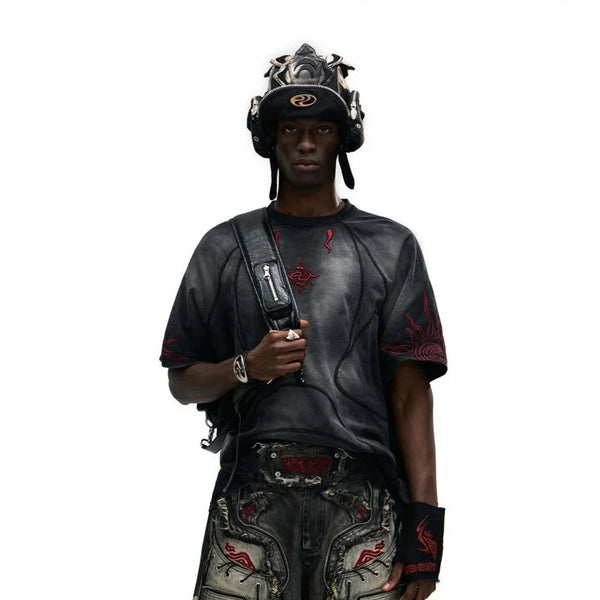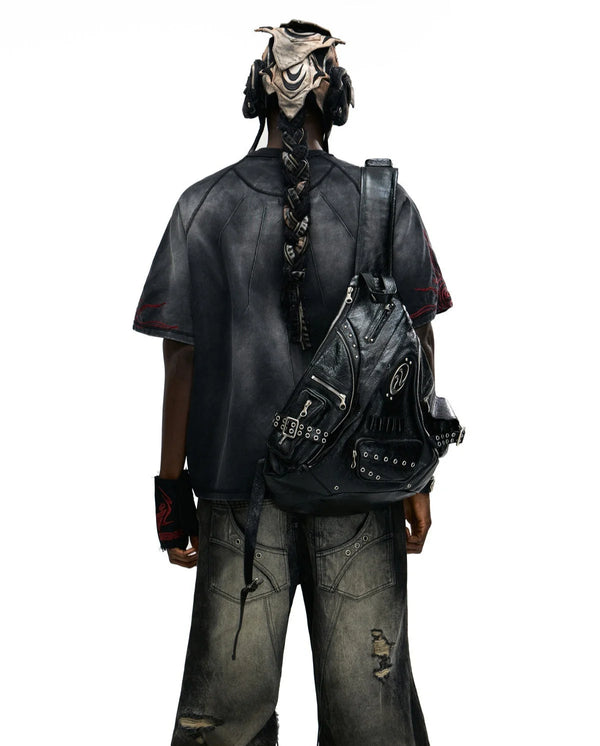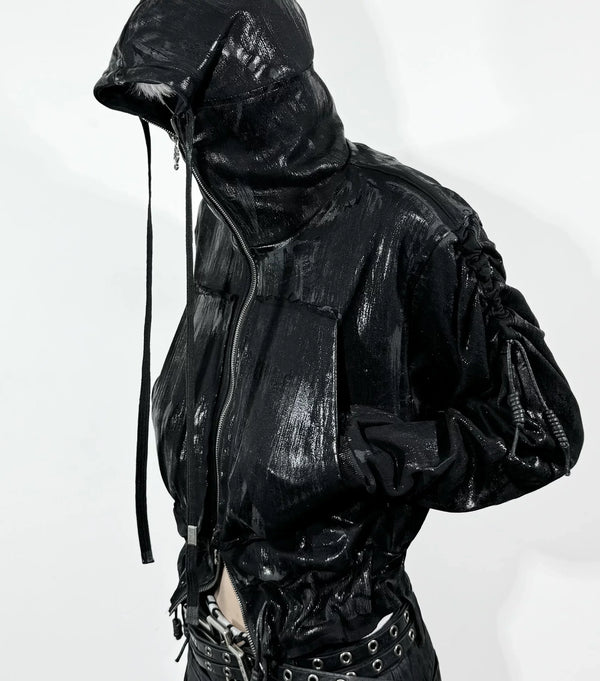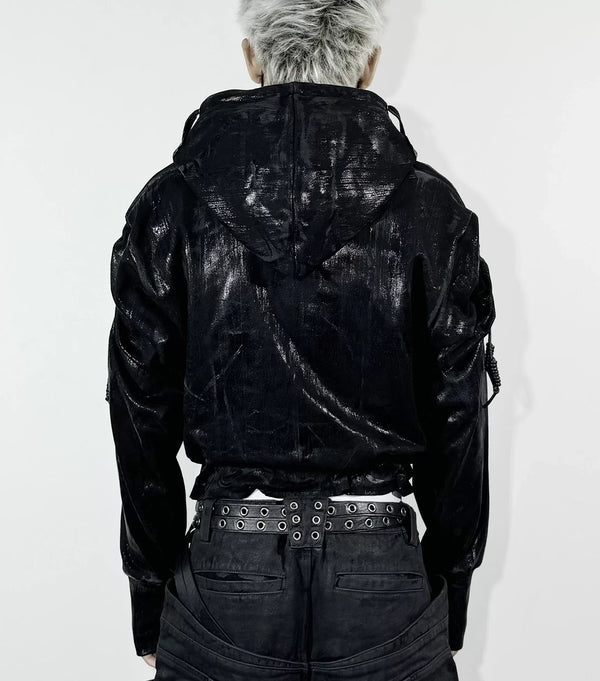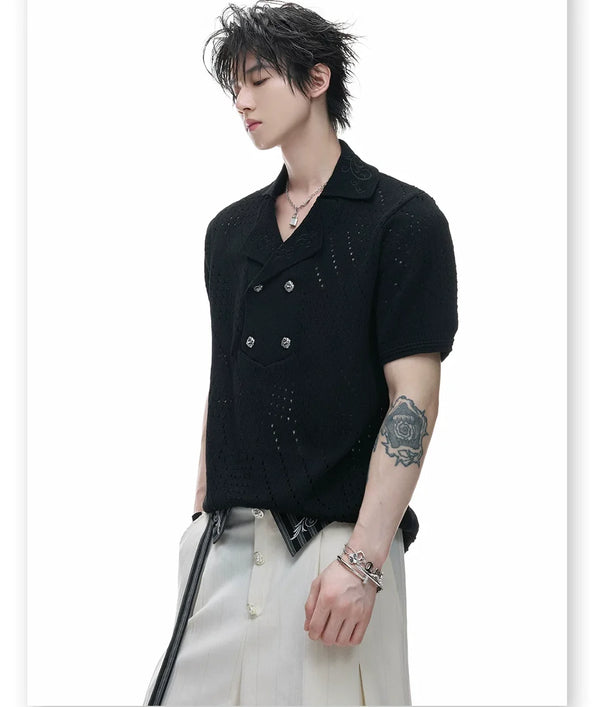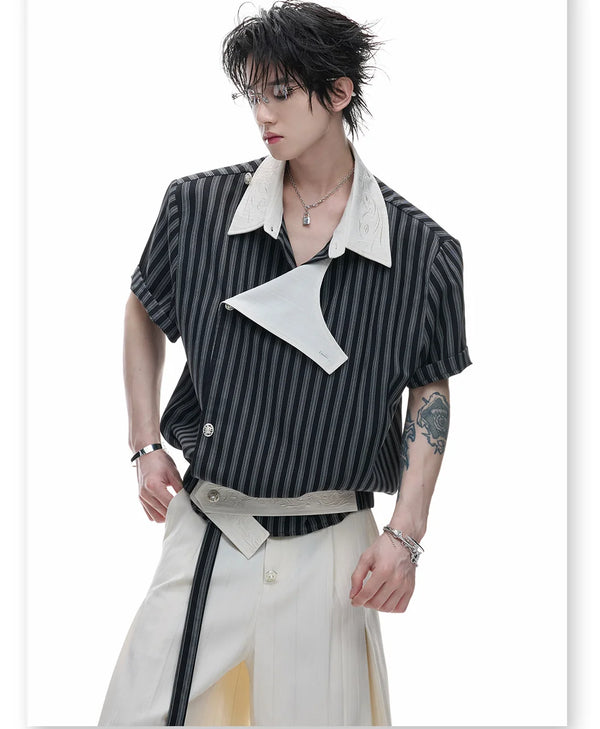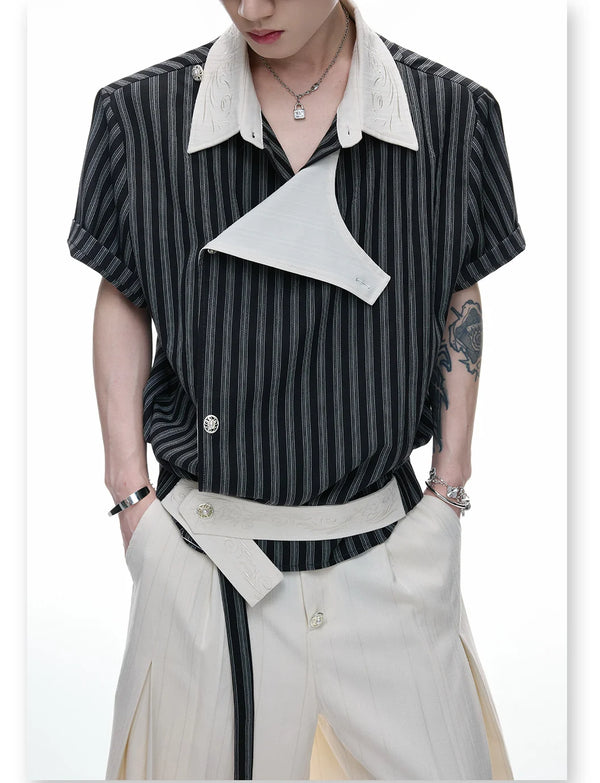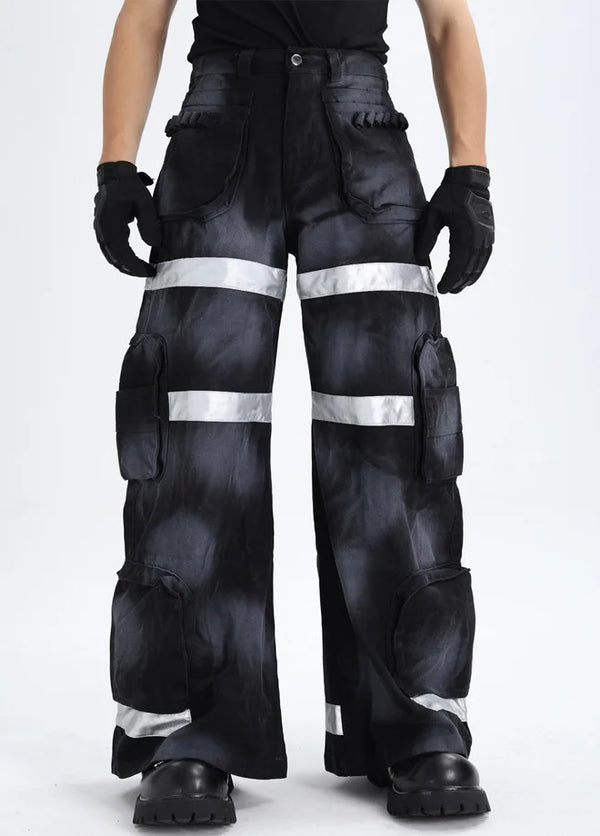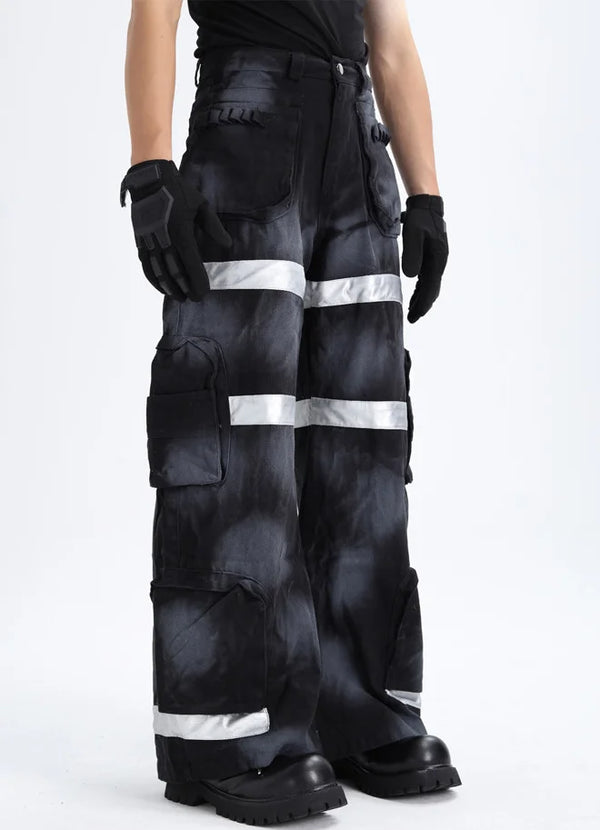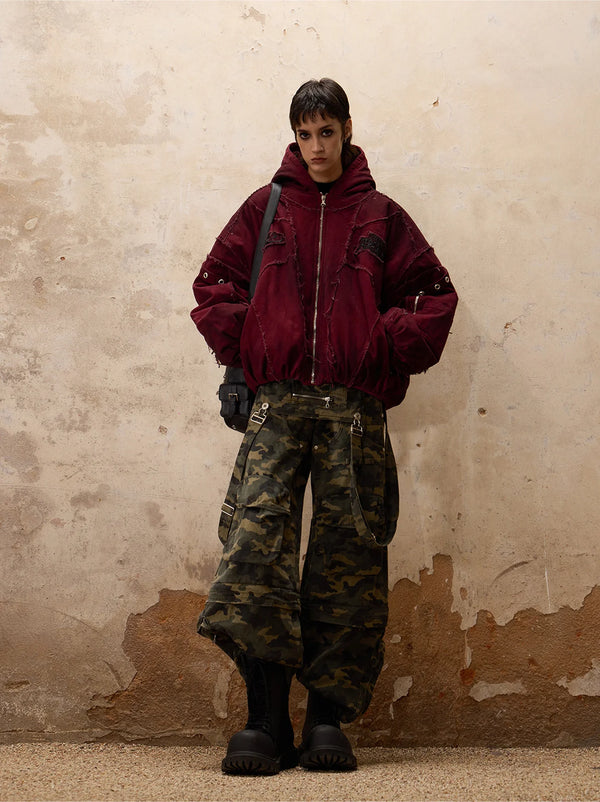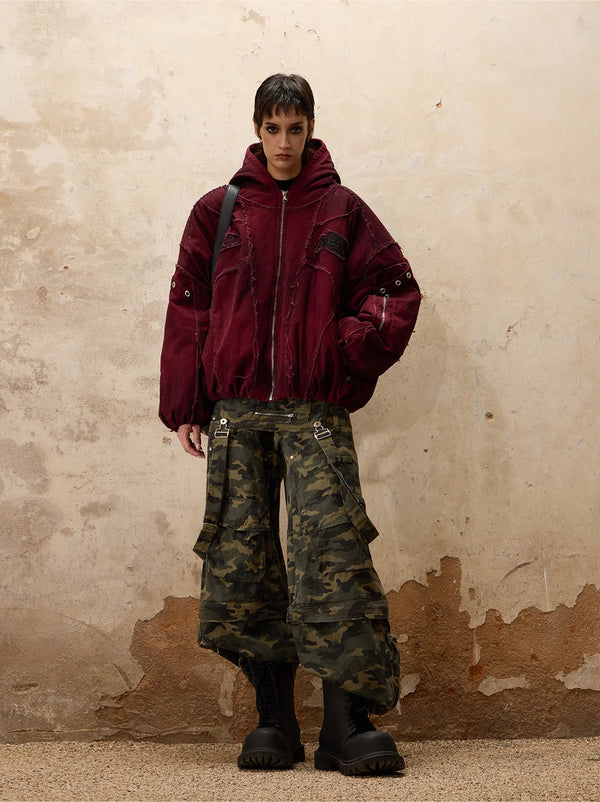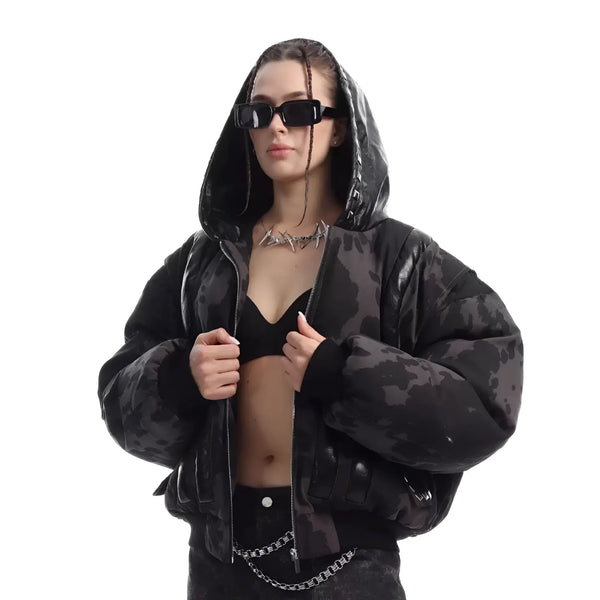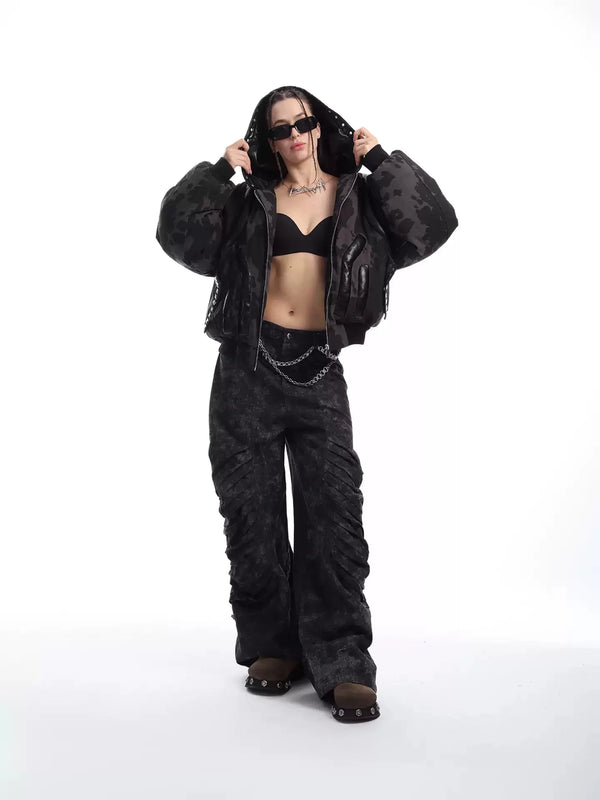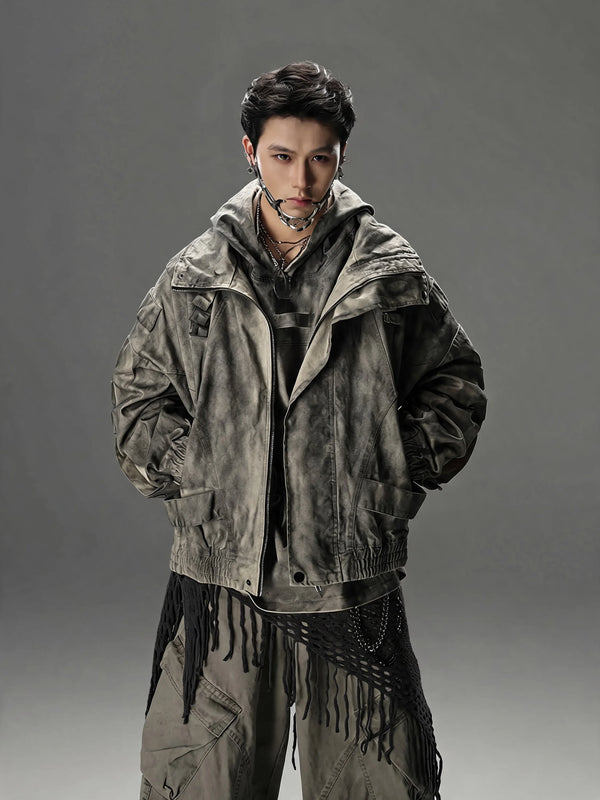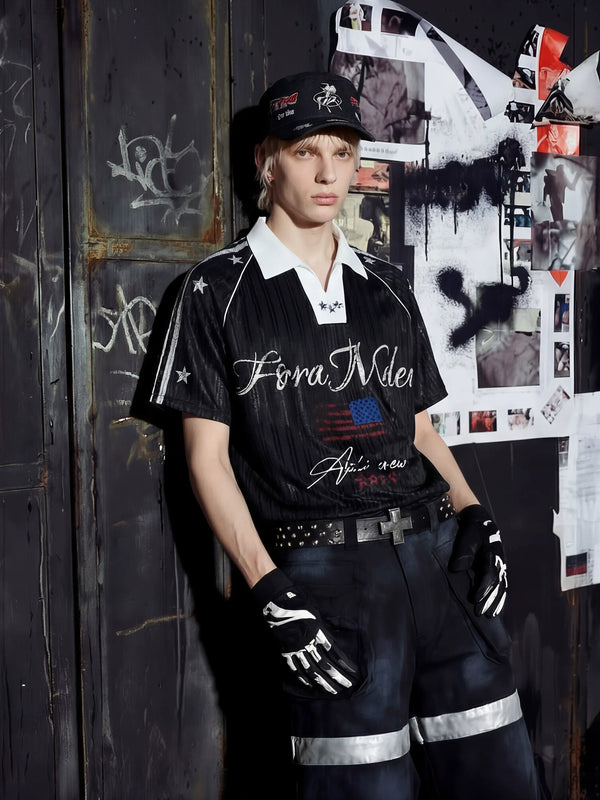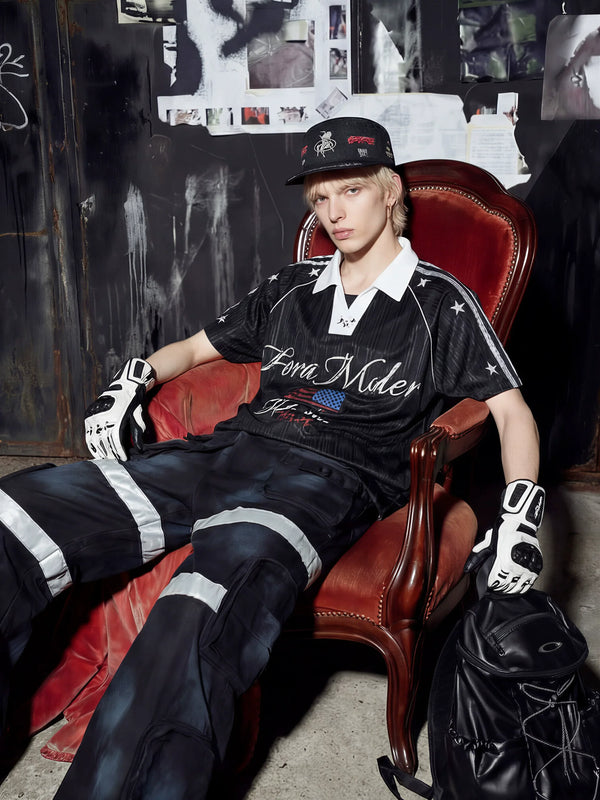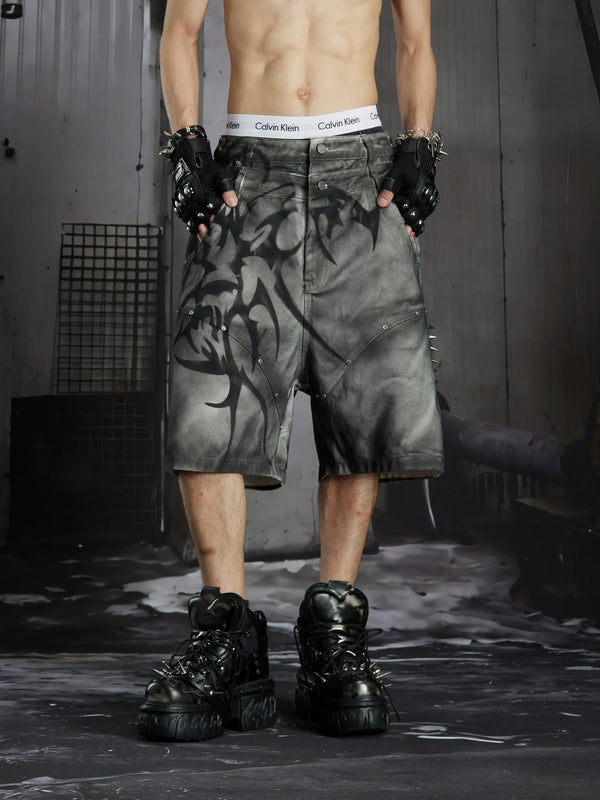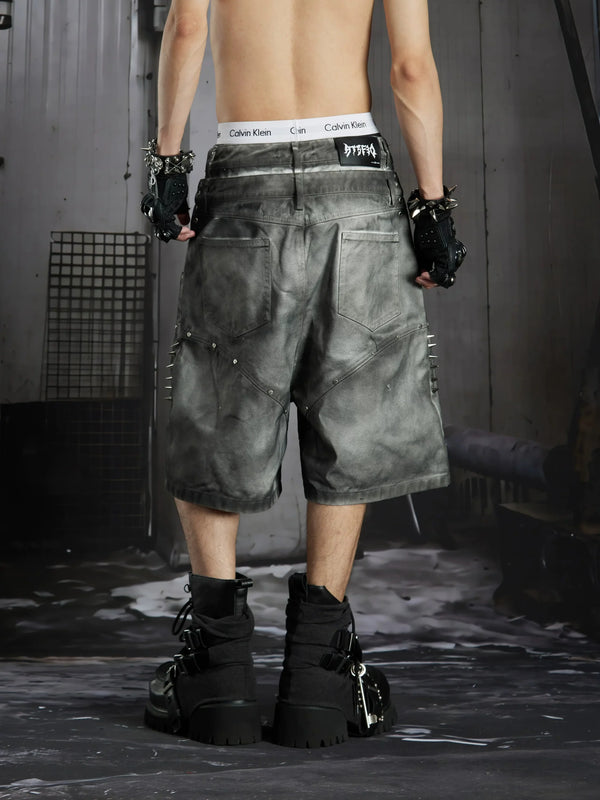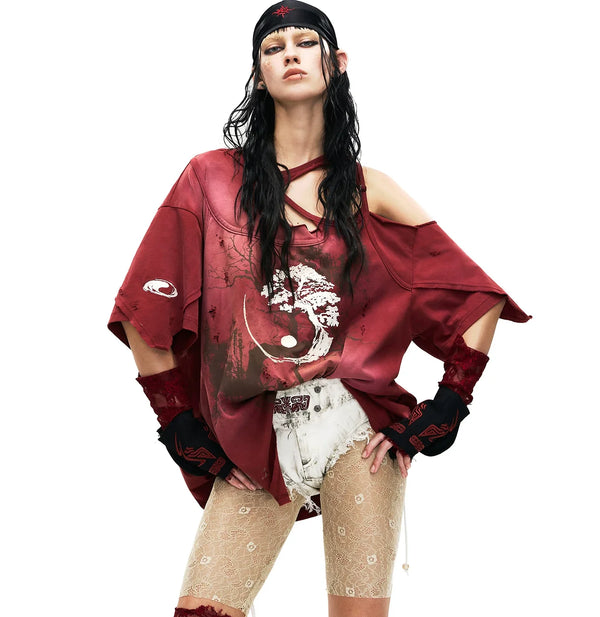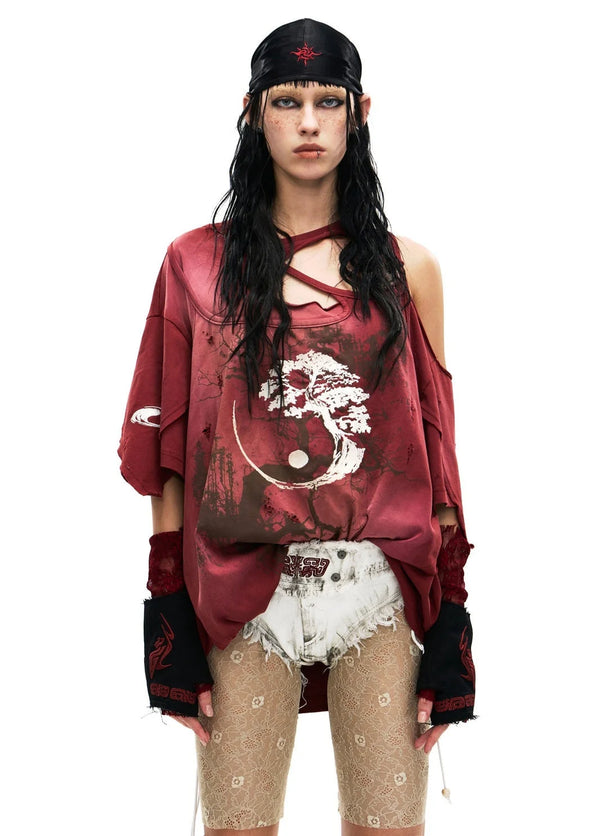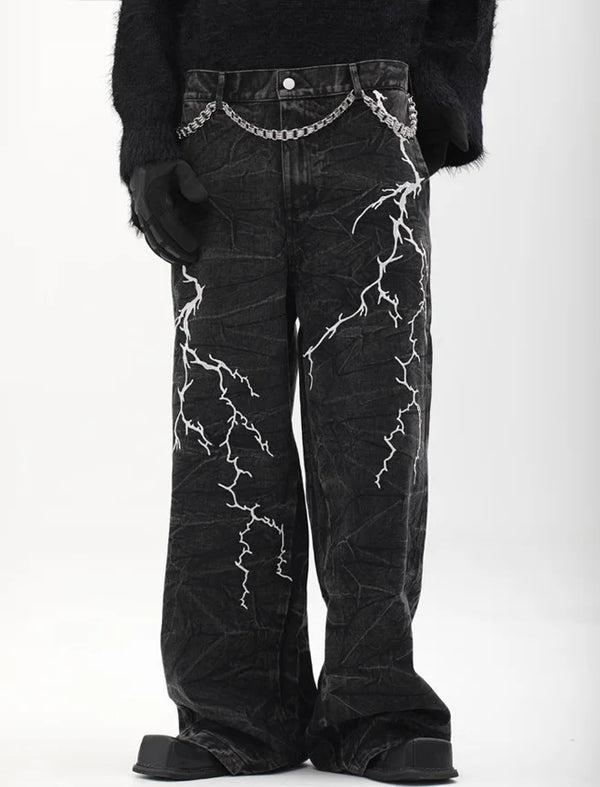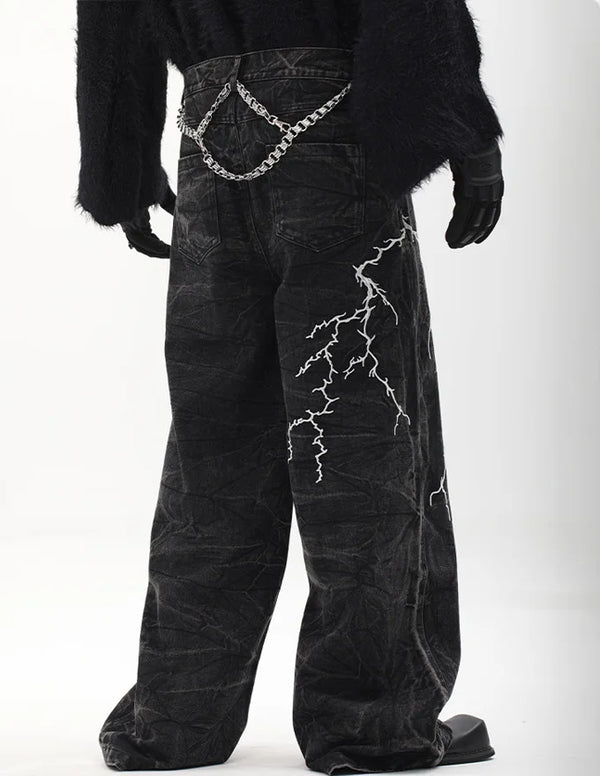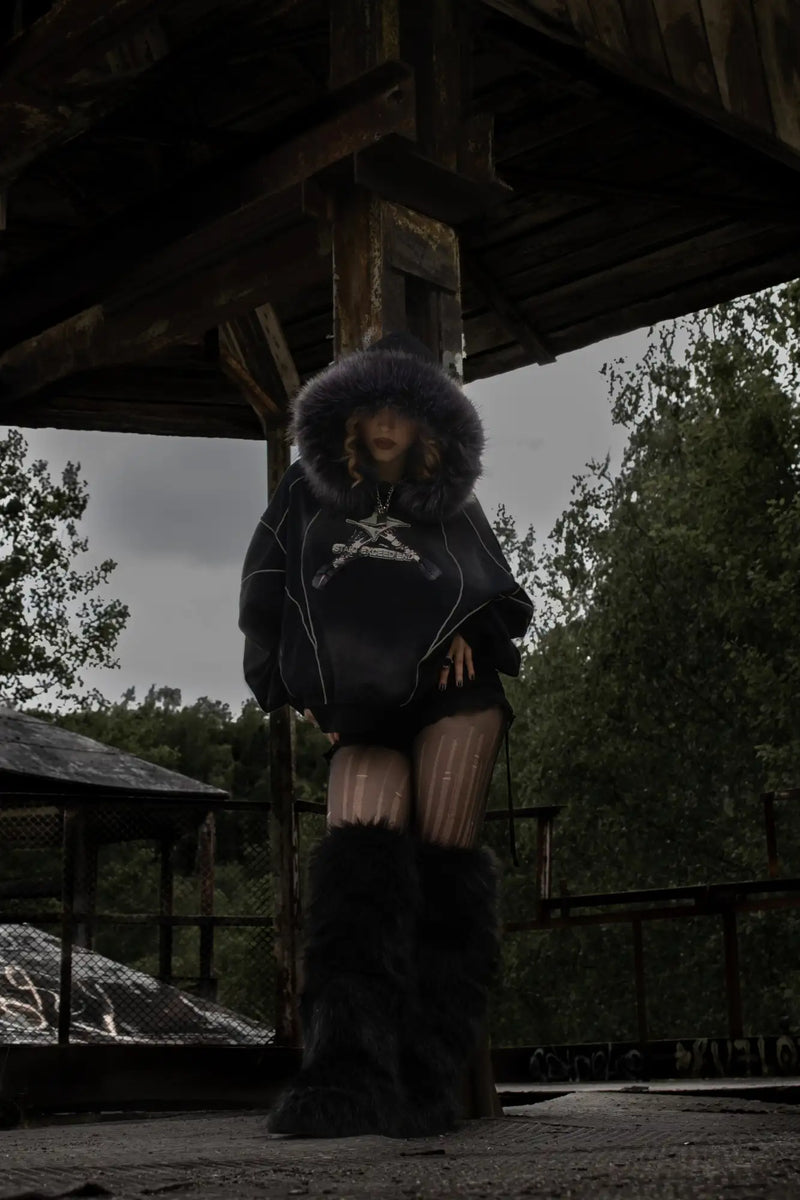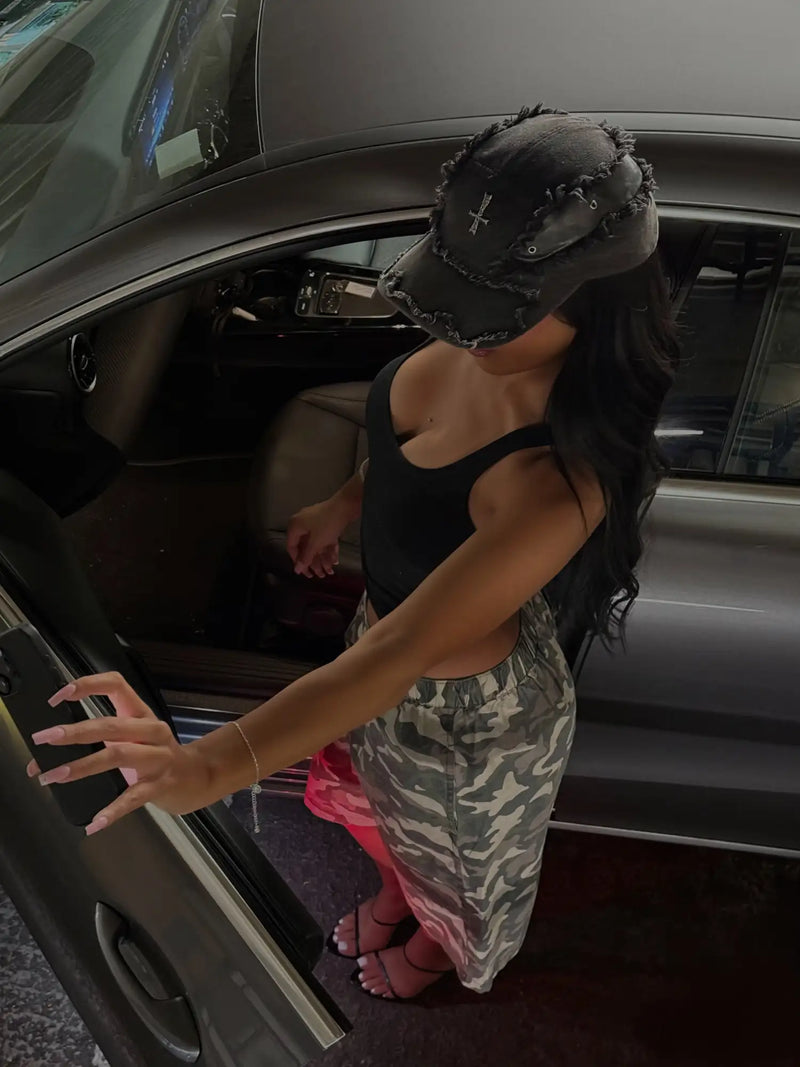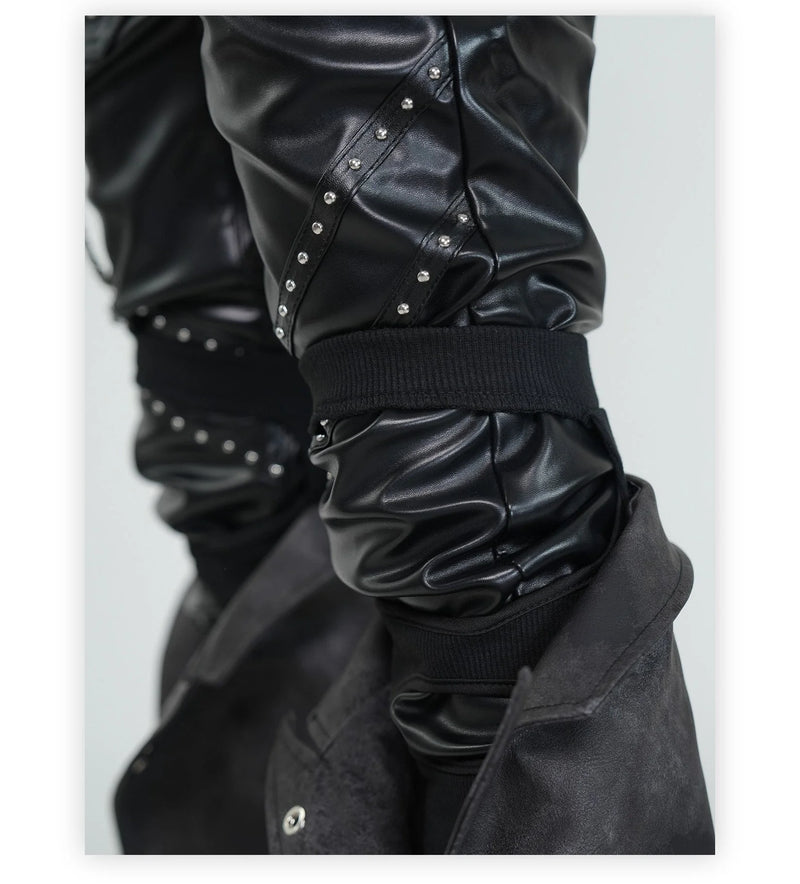
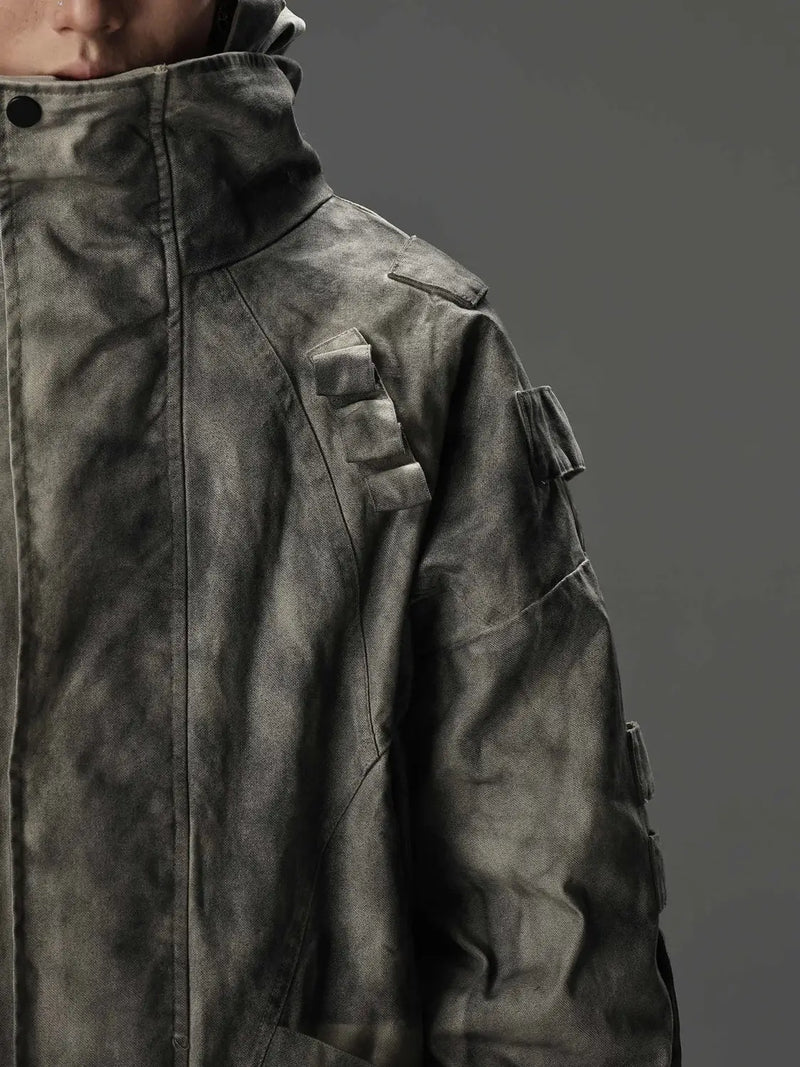
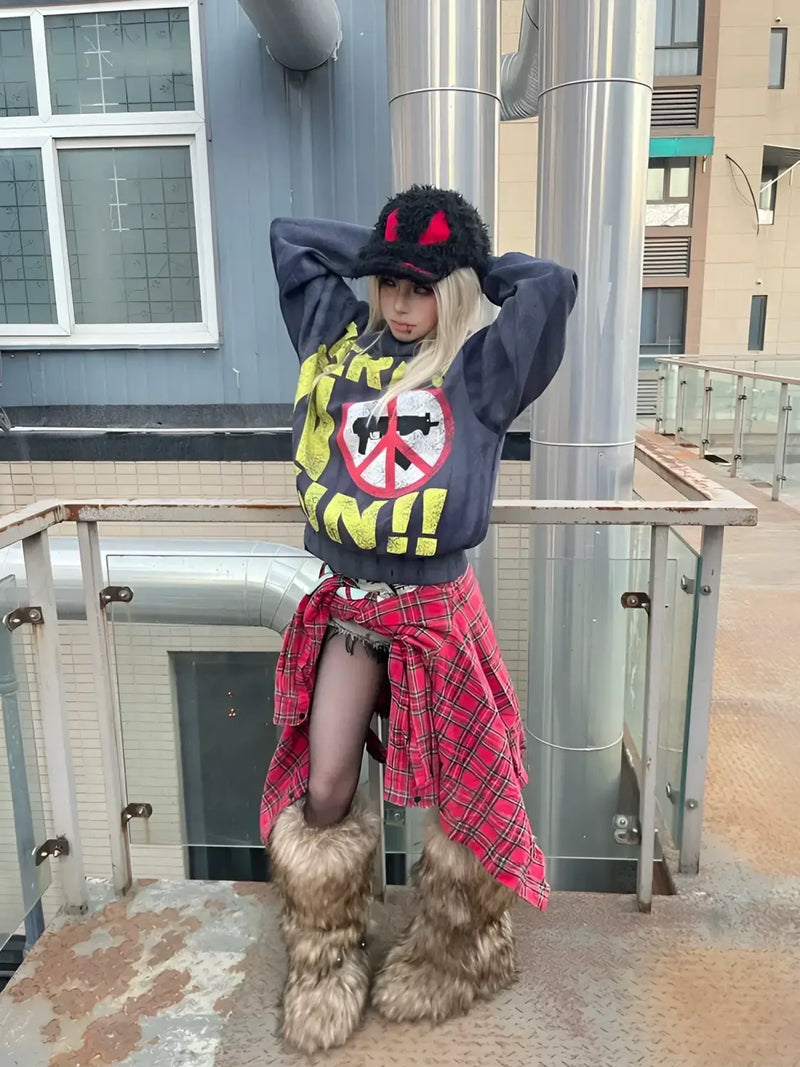
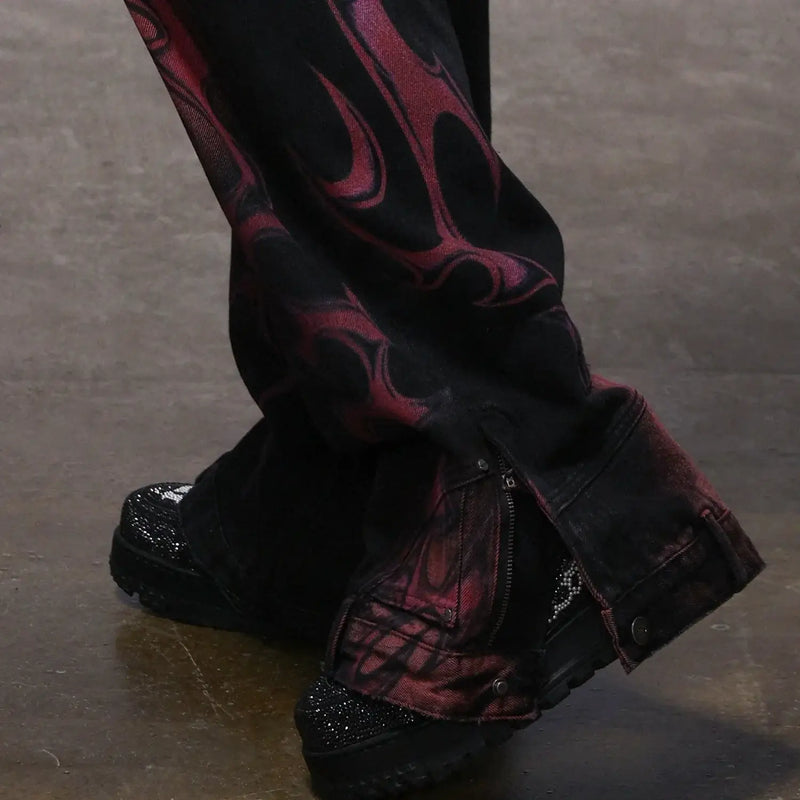
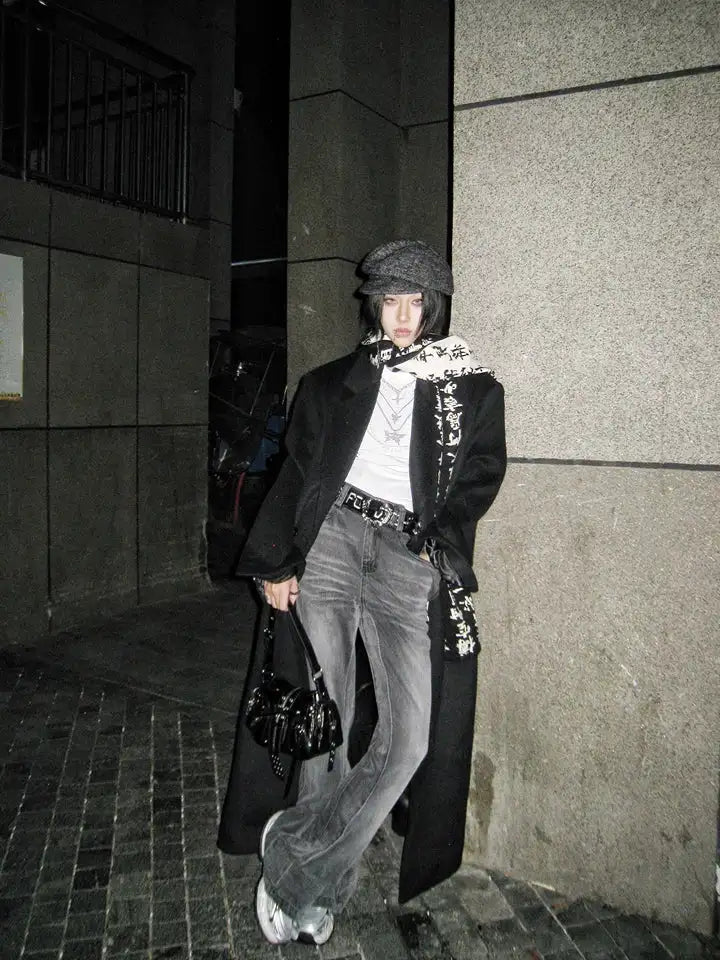

Berghain has a dress code. Hardstyle has a different one. Neon open-air a third. Show up with the wrong look on the wrong floor and you look like carnival with bass.
Rave outfits for men aren't a single style — they're five floor codes that have evolved since the '90s and now run in parallel on German floors. Berghain black at a Hardstyle hall: wrong. Neon shorts in Treptow: wrong. Festival print at Cologne's Bootshaus: wrong. Every floor reads its own code, and every man on the floor knows instantly whether you belong or you're a tourist.
This guide breaks down what's really behind it: which five floor codes exist on German floors, what the '90s roots still translate and what's dead, what survives eight hours of sweat, which pants, tops, jackets and accessories work, what separates Berghain from the open-air festival, and which six mistakes take your outfit apart on the floor.
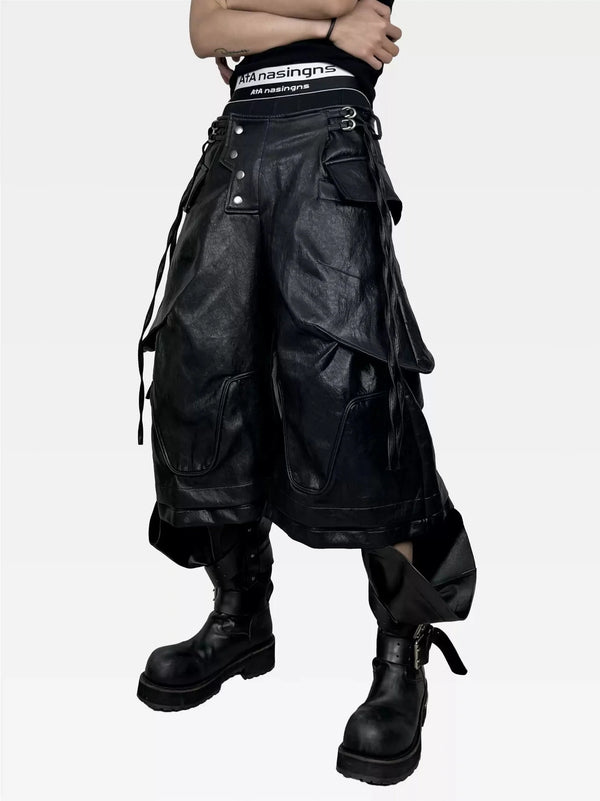
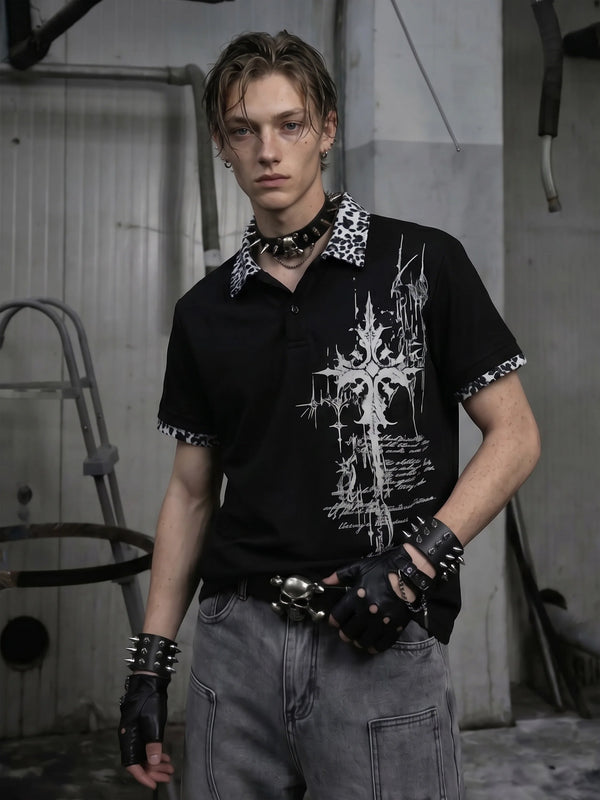
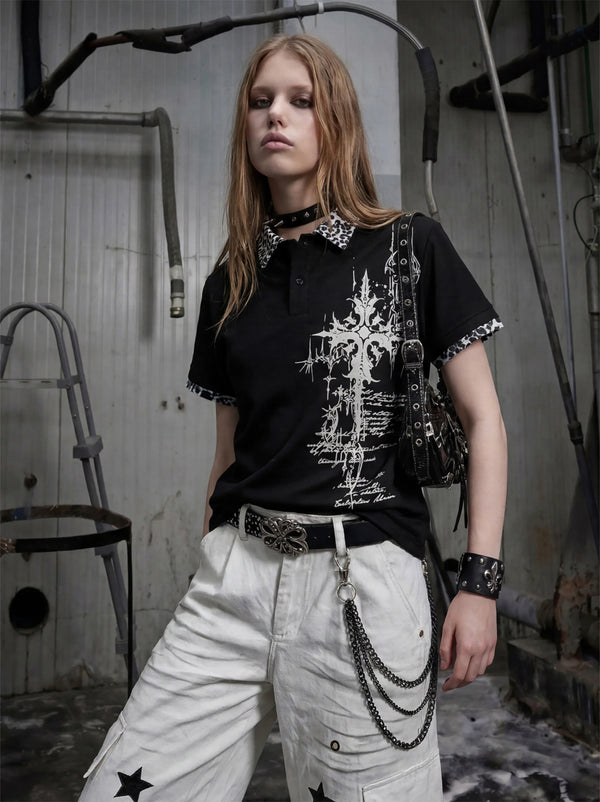
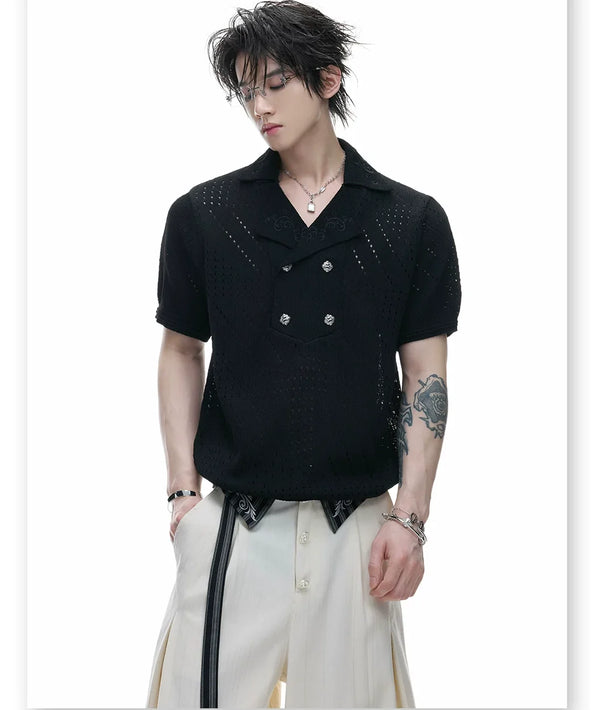
What it looks like in motion — cargo, mesh, combat boot, 12 seconds of floor:
Definition
What are rave outfits for men, really?
Rave outfits aren't a fashion category, they're a functional answer. They're the clothes a man wears on a floor for 6–11 hours without them giving out, slowing him down, or making him look out of place. If an outfit looks good on the way there but is soaked through and stiff after three hours on the floor, it's not a rave outfit. It's a photo outfit.
8 h
Minimum floor time
36 °C
Floor climate, summer
5
Floor codes in parallel
0
visible logos in the code
The four numbers aren't decoration, they're the test. If your outfit shows a logo, doormen and floor regulars read it instantly: tourist. If your material doesn't breathe at 36 degrees, you give out after three hours. If you miss the floor code for the location, you don't get in — or you fall out from the inside straight away.
What concretely counts as a rave outfit for men:
- Breathable material — mesh, jersey, heavy cotton, cargo twill. Polyester shines, scratches, and holds sweat. No good.
- Wide pants from the hip down — cargo, wide-leg, mesh insert. Inside isn't air-conditioned. Tight on the leg means tight in the crotch — and everyone notices.
- Layering up top — tank or mesh shirt underneath, loose top over it that you take off at 2 a.m. The coat check takes it.
- Shoes with a real sole — combat boot, chunky sneaker, trail runner. An Air Force 1 doesn't survive a Berghain night.
- Jewelry as a point, not a pile — one silver chain OR one ring. Three necklaces plus a body chain plus a belly button is fairground, not rave.
- Black as standard, accent as exception — 80% of the floor codes run on black. Anyone wearing color has to know which code allows it.
If three of these six points land, it's a working rave outfit. If five land, it's floor-code compliant. And there's one rule that holds all six together:
Origin · '90s DNA
The '90s rave DNA — what comes back, what stays out
The '90s rave scene started in German industrial halls, airport tarmacs and disused power plants — Tresor 1991, Bunker, E-Werk. What the first ravers wore came out of practicality: army cargo, Adidas track jacket, Buffalo platform, bum bag, tunnel shades. None of it was fashion. All of it was function plus a gesture against the suit their fathers wore.
In 2026 the '90s wave runs parallel to the new cyber wave — but not every '90s reference translates. Tunnel shades yes, Buffalo sneakers with thick soles yes, bum bag yes, army cargo absolutely yes. Loud surf logos on track jackets, smiley shirts and Pac-Man prints no — those got burned out in 2014 as a Y2K throwback and are dead. What comes back is the material and cut logic, not the print.
Hardstyle and hard trance wore athletic cuts in the '90s: track pants, polo shirts, polo tank. That line runs on today because Hardstyle as a genre never went away. Goa trance wore natural fibers, clay tones and patchwork — that line is dead outside Goa festivals, and it never worked on Berlin floors. Drum-and-bass UK crossover wore tracksuit and bucket hat — today it translates into the UK-drill-adjacent look and is alive on German DnB floors.
Build
What do you wear to a rave? The floor setup in 5 layers
A rave outfit for men has five layers, each of which has to work on its own. If one tips, the rest tips. The layers aren't layers in the winter sense — they're five functional points that carry the night together.
- Layer 1 · Skin layer — tank or mesh shirt, tight, plain black. Stays on the body, breathes, lets sweat out. A print shirt only works if the floor code allows it (Cyber-Rave, open-air).
- Layer 2 · Top layer — hoodie, oversized tee, thin track jacket. You take it off at 2 a.m. and hand it to the coat check. The material can be a bit heavier because it only carries the first two hours.
- Layer 3 · Bottom — cargo, wide-leg jean, mesh insert, track pant. High on the hip, wide on the leg, heavy in the fabric. You dance in it, sit in it, sweat in it.
- Layer 4 · Shoes — combat boot, chunky sneaker, trail runner. A sole that holds for eight hours and doesn't get crushed. An Air Force 1 is white-gray and wrecked after three hours on the floor.
- Layer 5 · Accessories — sunglasses in your hair, one silver chain, a belt with a real buckle, optionally a bum bag. A pile of jewelry might look good in the photo; on the floor it gets in the way.
When all five layers work, you've got the standard setup. Which floor code it becomes is decided by the material and color choice per layer. That's exactly what the code map is for.
5 floor codes
The 5 floor codes — Berghain, Hardstyle, Industrial, open-air, Cyber
In 2026, five codes run in parallel on German floors — and each is tied to its location, its genre and its sound. Wear a Hardstyle look into Berghain and you don't get in. Wear a Berghain look to a Hardstyle festival and you're wrong in ambulance black. The five codes overlap at the edges but are separate at the core.
Which code fits you depends less on taste than on the floor you land on most. If you want into Berghain, you build the Berghain code. If you go to Bootshaus, you build Hardstyle. If you do Garbicz or Fusion, you build open-air festival. If you want to mix all three, you build one clean code first and add from there.
Category · Pants
Pants: cargo, wide-leg, mesh insert — what survives eight hours on the floor
Pants are the most-stressed layer on the floor. They carry the whole weight of the movement, collect all the sweat, get pressed against speakers and rubbed against wooden benches. Skinny jeans have been dead on the floor since 2018 — not for fashion reasons, but because they tear at the crotch at 2 a.m. when you've been dancing in a knee position for four hours.
Three pant types work on the floor: cargo pants in heavy twill (Berghain and Industrial default), wide-leg jean with a high hip (Hardstyle- and open-air-ready), and mesh-insert pants with vents on the leg (Cyber-Rave and summer festival). Track pants work for Hardstyle and DnB, but in Berghain they're too close to a sport look — doormen read a tracksuit as not invited.
If you're only allowed to own one pair of rave pants, take a matte-black cargo in heavy twill with a high hip and a wide leg. It works for four of the five floor codes — only Cyber-Rave explicitly wants a different material — and you can wear it to the office too, if that's relevant.
Category · Top
Top: mesh, tank, oversized tee — the layer on the body
The top is the layer that's most visible in motion. When you dance, mesh moves differently than cotton, a tank differently than a tee. The floor reads that movement — and the material decides which code your outfit signals.
Mesh shirts are the 2026 standard for the Berghain, Industrial and Cyber code. They breathe in 36-degree indoor climate, don't cling, and can be worn under a track jacket you drop after two hours. Tank tops work for Hardstyle and open-air — both codes allow more skin but need defined shoulders so the tank doesn't slide into beach territory. Oversized tees in matte black are the honest all-rounder: all five codes wear them, none of them signaled strongly.
If you want to test the mesh look, pair a matte-black mesh long-sleeve with cargo and a combat boot — that's the Berghain default in the fastest version. If that works, the next step goes toward a tank for Hardstyle or a print tee for open-air.
Category · Outerwear
Outerwear: bomber, leather jacket, convertible puffer
The jacket carries the outfit on the way there — and sits in the coat check for the next six hours. It matters anyway: it's the first thing doormen and floor regulars see. A wrong jacket at the door reads as the wrong code, even if the outfit underneath lands. A right jacket sends the signal that you understand the setup.
For Berghain and Industrial: a matte-black leather jacket, straight cut, no visible logo. For Hardstyle and Cyber: a technical bomber with a cargo pocket and hardware detail. For open-air festival: a convertible puffer with removable sleeves — works as a vest at night, as full cover by day, plus a thin wind layer for sundown. Heavy down jackets are dead — no coat check wants them, and you don't need them inside.
If you don't own a leather jacket, it's the first outerwear move. It works for 80% of the floor codes, lasts 10 years, and looks better in most coat checks than a bomber.
Category · Accessories
Accessories: sunglasses, silver chain, belt with a buckle
Accessories are the code amplifier — and at the same time the most common spot where an outfit tips. Three necklaces, body chain, belly-button piercing, smiley patch on the backpack: all of it is too much. A single hard detail always reads stronger on the floor than six soft ones.
What works: a pair of tunnel shades or a visor (for Berghain, Industrial, Cyber — never for open-air festival), a heavy silver chain with real weight (not a plastic imitation), a belt with a functional buckle (carabiner, buckle, magnet), optionally a bum bag or cross-body bag for keys, phone, cash. What doesn't work: a pile of jewelry, visible luxury logos on caps or belts, and anything glittery that lights up under UV — that's open-air festival, not Berghain.
If you're starting with accessories, take a single silver chain or a pair of tunnel shades. Both at once is already statement level. Three pieces is festival cosplay.
Berlin standard
Berlin techno outfit men — the hard standard
Berlin doesn't have a rave trend, it has a default uniform. Anyone standing on a Berlin floor — Berghain, Tresor, KitKat, Sisyphos, Suicide Circus — wears the same setup at the core, since the wall came down. The setup is: 100% black, technical material, no visible logo, high pants, heavy shoes. That's not a trend. That's the standard everything else is read against.
Berghain isn't a club, it's a doorman. And the doorman reads your outfit in two seconds. Miss the setup and you turn around — no matter how long you queued.
— Floor-Stammkundschaft, Berlin
The hard code is additive: a matte-black cargo in heavy twill, a matte-black tank or mesh top, a matte-black combat boot or chunky sneaker, tunnel shades in your hair or around your neck. Optionally a silver chain, optionally a bum bag. More is tourist. Less is beginner. Exactly this setup, in exactly these materials — and doormen let you in without looking at you.
What specifically separates the Berlin code from Hardstyle, open-air and Cyber is the material discipline. Berghain tolerates no shiny polyester, no neon color, no print, no fashion gesture. Sound is the fashion. Outfit is function. We covered the full Berlin material code in its own article:
But Berlin techno outfits don't stand alone — they overlap with other dark floor codes. Hardstyle shares the black quota, Industrial shares the heavy material, all-black rave shares the logo ban. Anyone who has the Berlin code down can read these neighboring codes and mix deliberately without slipping into cosplay.
Cross-code
Festival vs. rave — what does a man wear to a festival?
Festival and rave aren't the same. An open-air festival runs 3 days in the sun, with camping, rain and 30-degree midday. An indoor rave runs eight hours in 36-degree hall climate. The outfit has to solve completely different problems — and men who mix them up either look locked out of Berghain at the festival, or lost from Coachella at the rave.
Festival code for men: cargo shorts or wide-leg pants in light fabric, tank or printed tee, bucket hat or cap against the sun, trail runner or combat boot for the mud risk. Print is allowed, color is allowed, light fabric carries 3 days. Jewelry and sunglasses fit in. What doesn't fit: a heavy leather jacket (you won't need it for 2 days), a mesh shirt (read wrong in sunlight), pure combat boots (too heavy for 3 days of walking).
On TikTok the festival look works differently than on the floor — the wide-leg distressed iteration wears better in the open than in the hall:
What does not work
The 6 beginner mistakes — what you do NOT wear to a rave
There are six spots where men's rave outfits reliably tip — no matter how expensive the individual piece was. If you avoid only one thing, make it mistake number one.
Action
How you start — the 4 pieces for your first rave
You don't need 30 black things to work on a floor. You need four that will be in 80% of your outfits. Everything else builds around them.
In order: a matte-black cargo in heavy twill with a high hip and a wide leg (your biggest investment — it holds five years of floor stress if you don't buy cheap). A matte-black mesh long-sleeve or tank top, tight on the body. A matte-black leather jacket, straight cut, no visible logo. Combat boots or chunky sneakers with a real sole. A silver chain as an optional fifth piece — but only once the four are set.
Outfits for real
Rave outfits for real — Berlin floors, Cologne clubs, Hamburg halls
Before you build your own outfit, look at how others wear it on the floor. The five codes above look different in the feed than in lookbook photos: tighter, dirtier, less perfect — and that's exactly why they work on the floor.
This is the fastest way to check whether a floor code even sits on your body type and in your city — before you spend money.
To close
Rave outfits for men is function — not an outfit contest
If you remember one thing from this guide, make it this: rave outfits don't work through expensive pieces, they work through the match of material, cut and floor code. Hit the code for your floor and you have an outfit that holds eight hours. Just buy pieces and you have a full closet without a single setup that survives the floor.
The whole logic of this guide reduces to one sentence:
The five floor codes have been stable for 30 years and will stay that way as long as the floors stand. But you don't have to wait until you know all five by heart. Start with the one code that fits your next floor. Build the setup once, completely, wear it a whole night — and you know instantly what's missing and what was too much.
That's the point too: rave outfits read like a tight rulebook in theory but don't feel that way in practice. Once you have the code down, every further outfit is a variation on the same four or five building blocks — not a new invention. Material, cut, sole, one accent. That's all it takes.
FAQ
Frequently asked questions about rave outfits for men
The questions we often get by DM and email — short, clear, no detours.
What does the 3-3-3 outfit rule mean — and does it apply to rave outfits?
What's the difference between a Hardstyle outfit and a Berghain outfit for men?
Does a neon rave outfit for men work on every floor?
Does the rave code for men translate to women too?
Which shoes go with rave outfits for men besides combat boots?
How does a man dress for a summer rave?
What's the difference between a rave outfit and a techno outfit?
How much does a complete rave outfit for men cost?
What do you think?
Tell us on @fuga_studios
About the author
Philipp Fuge — Founder · Berlin
Founder of Fūga Studios. Writes the journal himself. Berlin · Shanghai · Tokyo · Poznań — four cities, one logic.