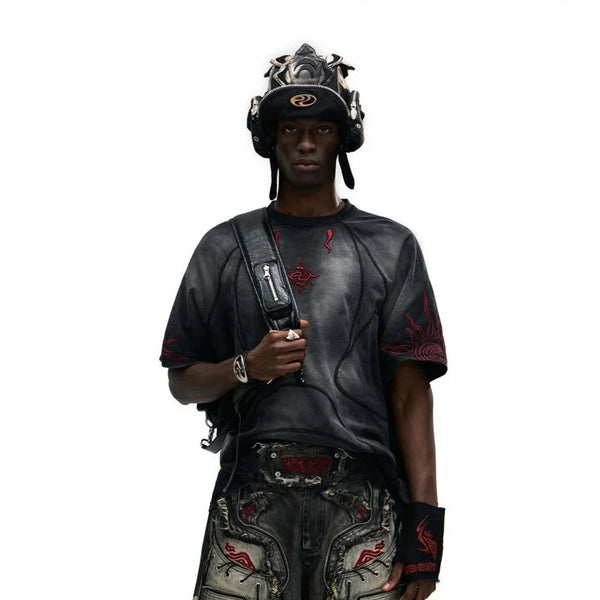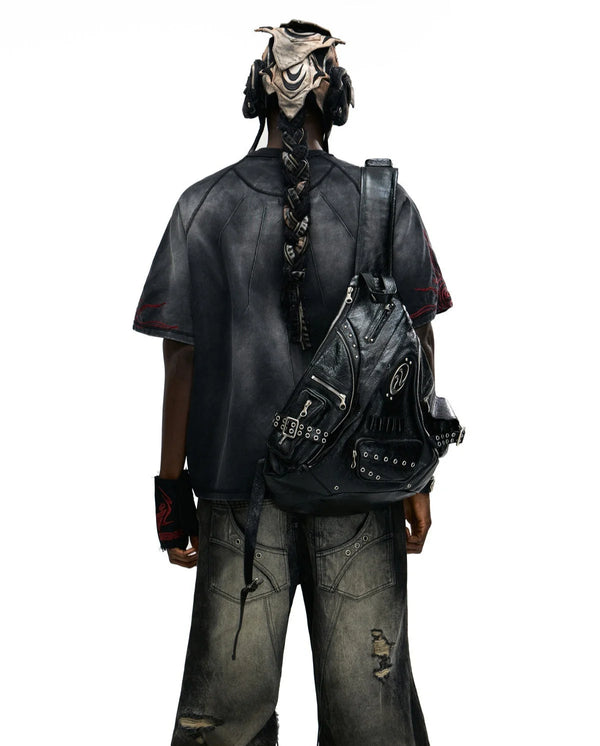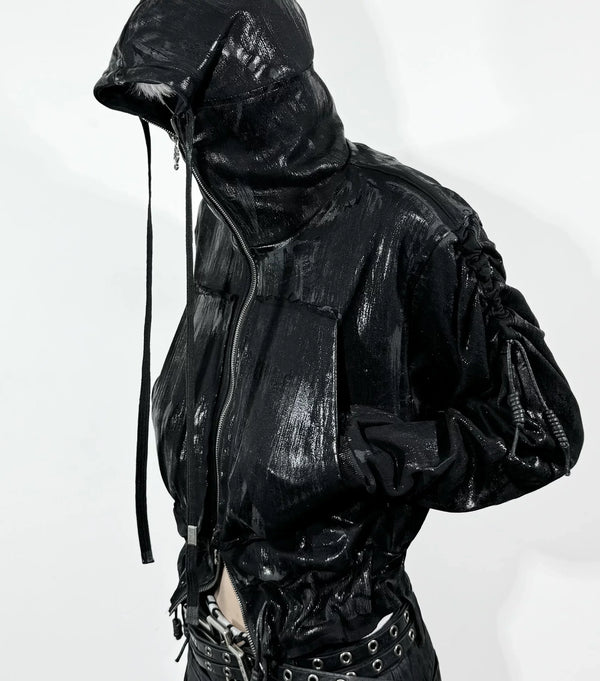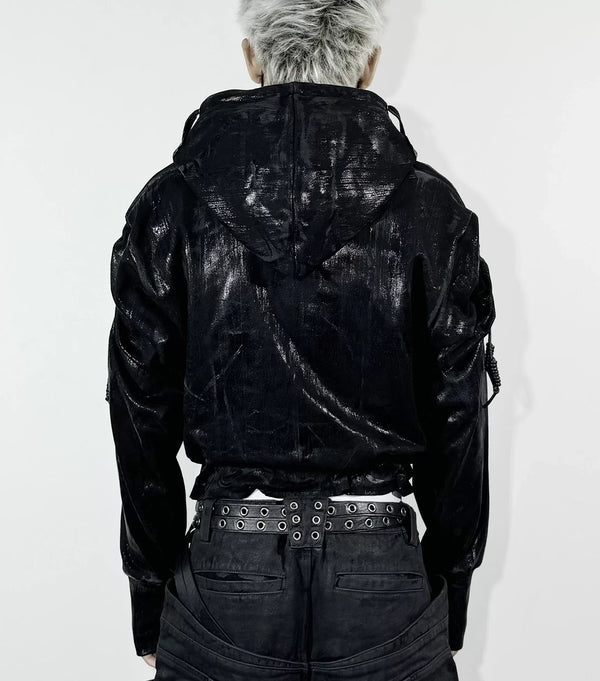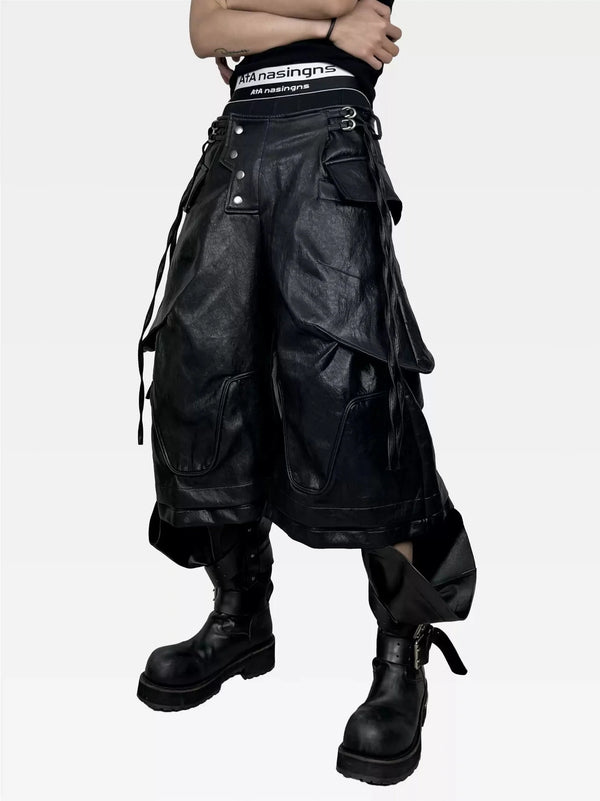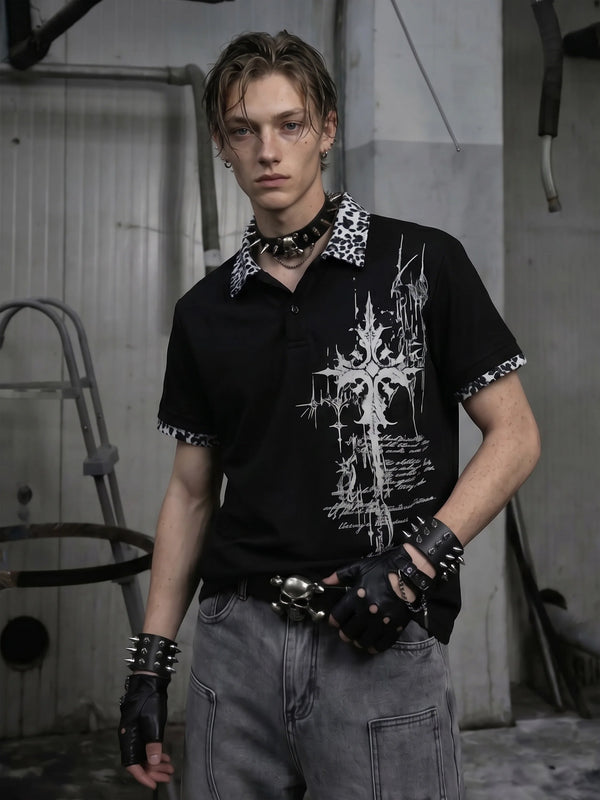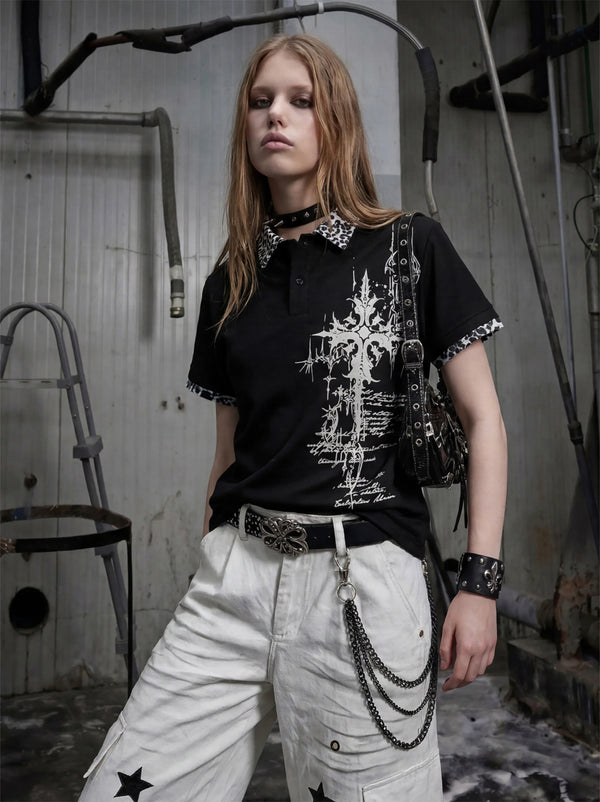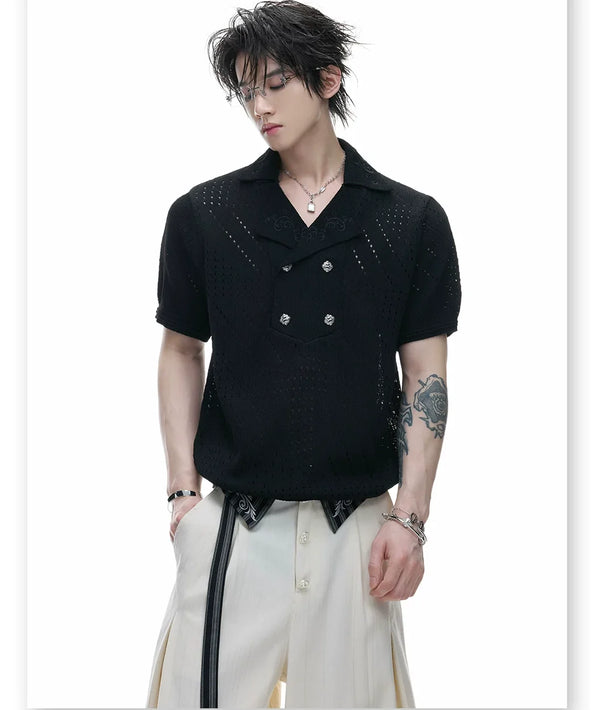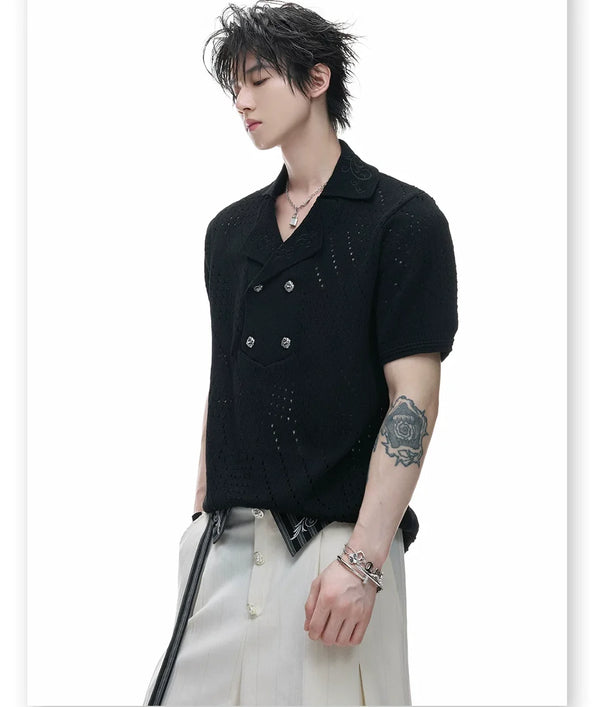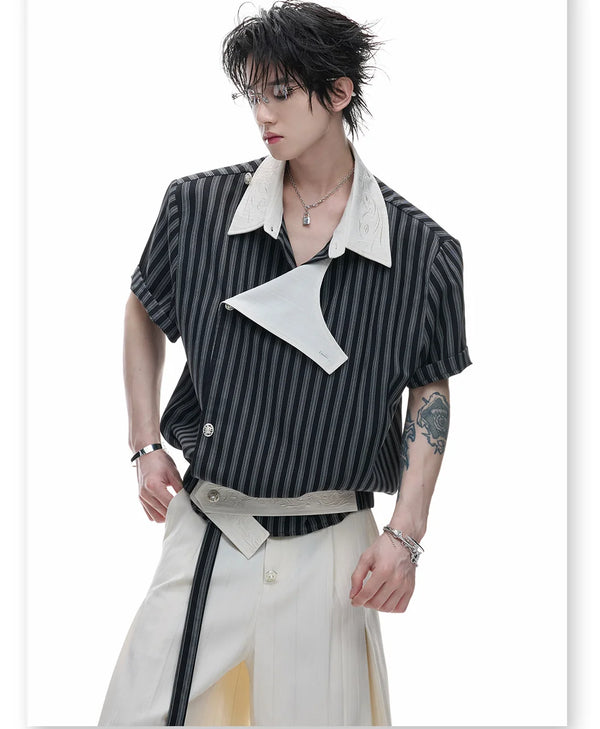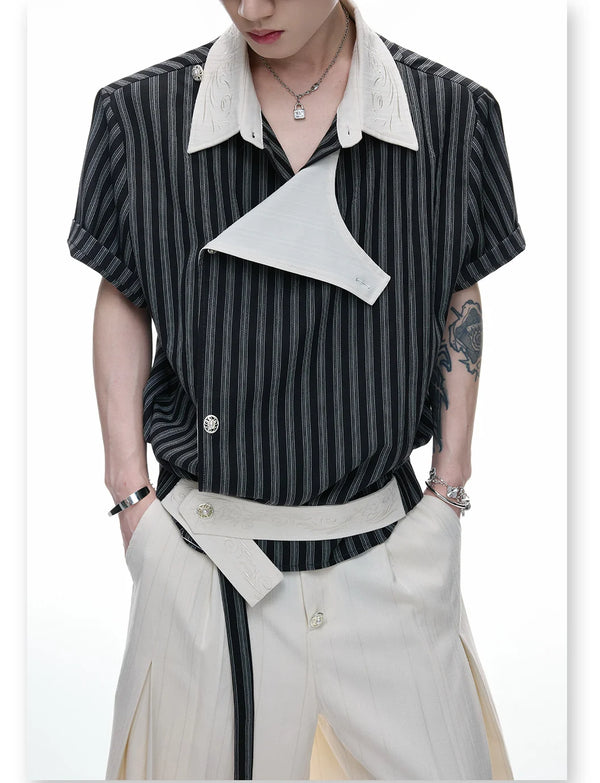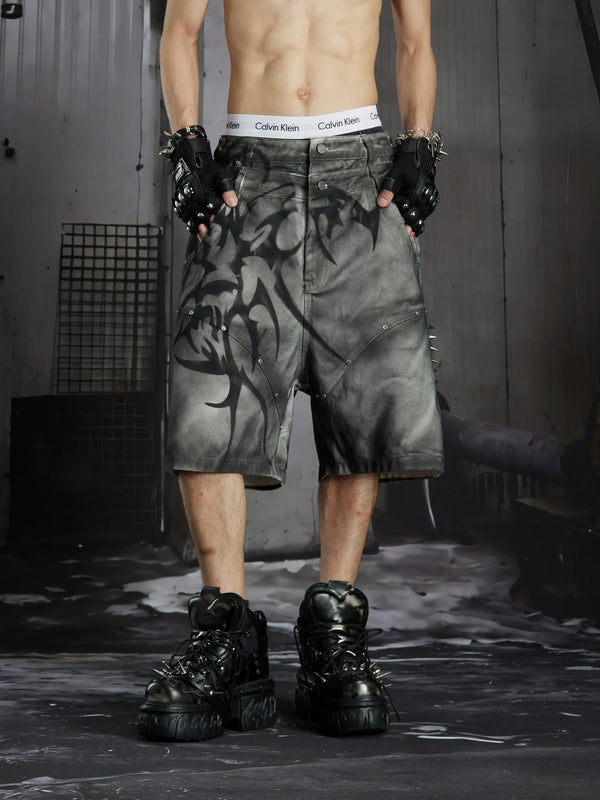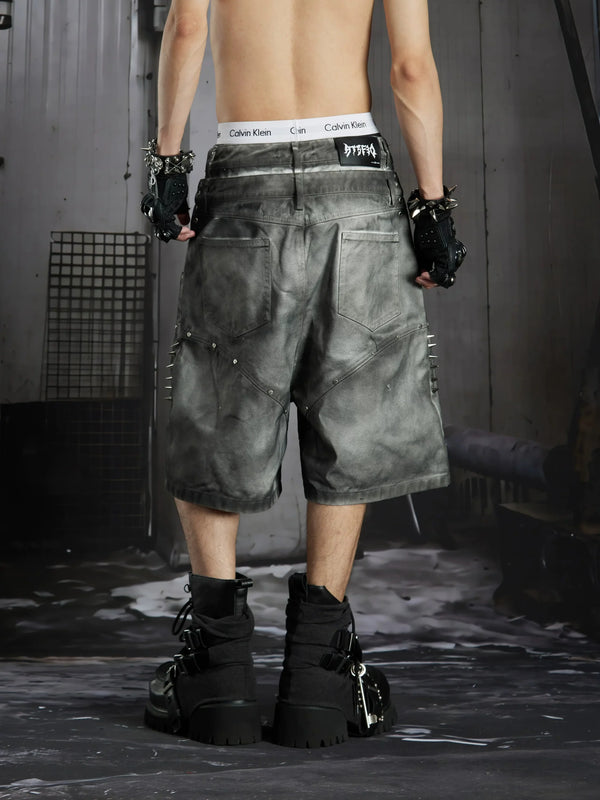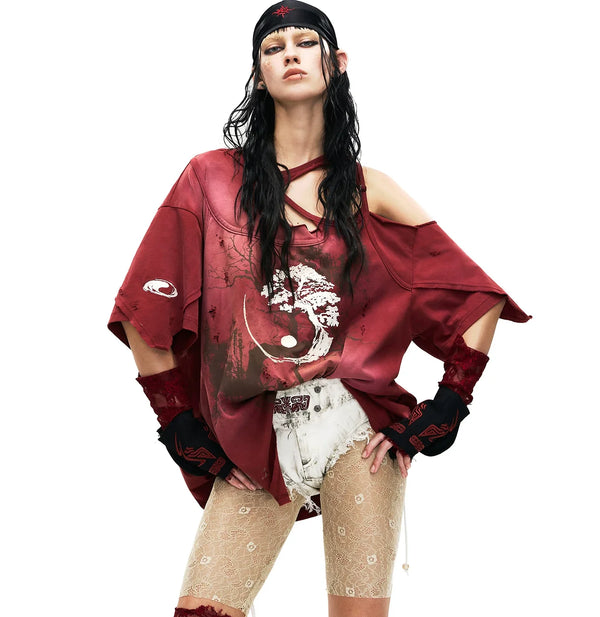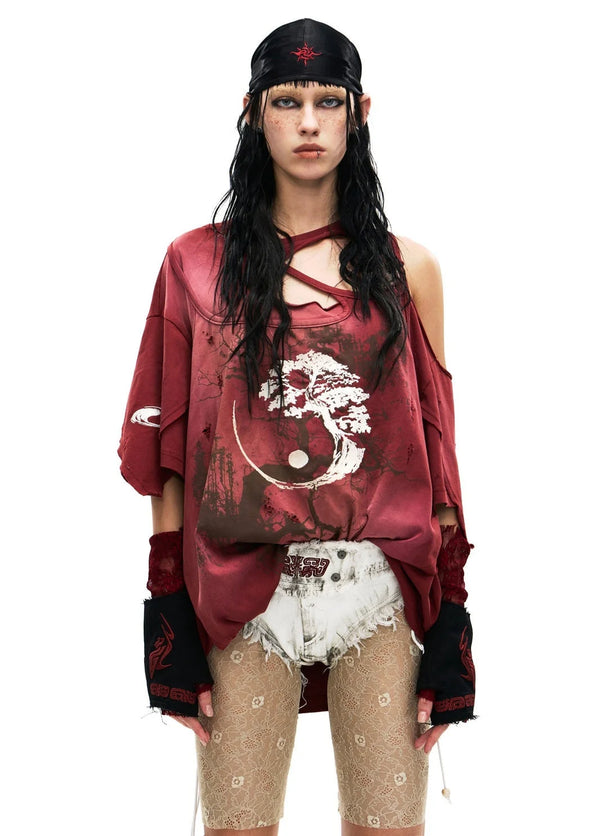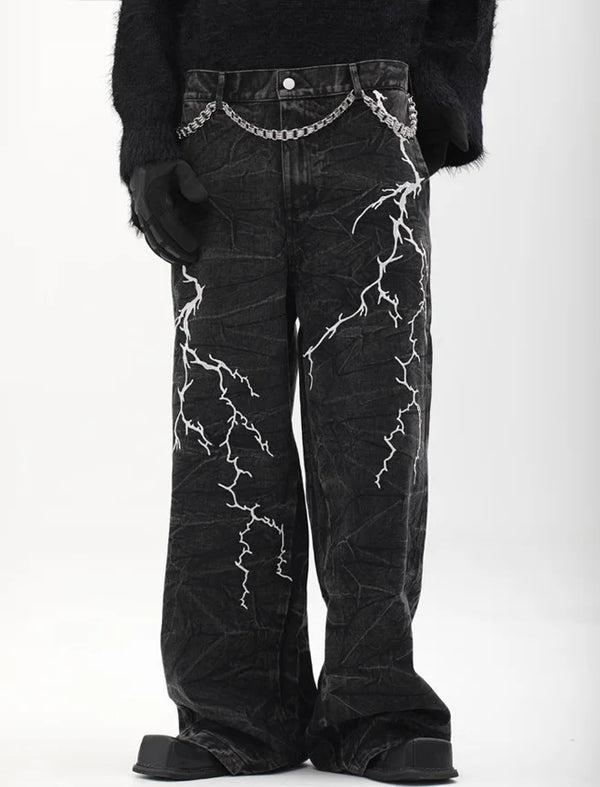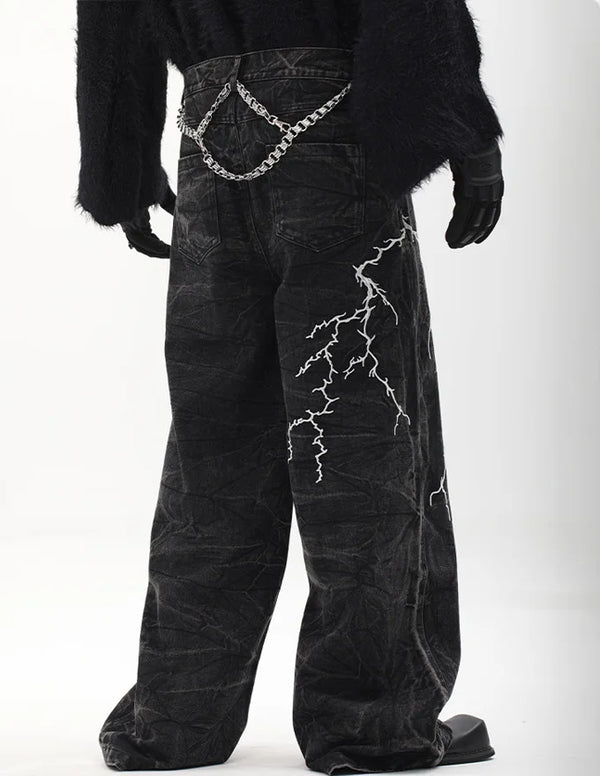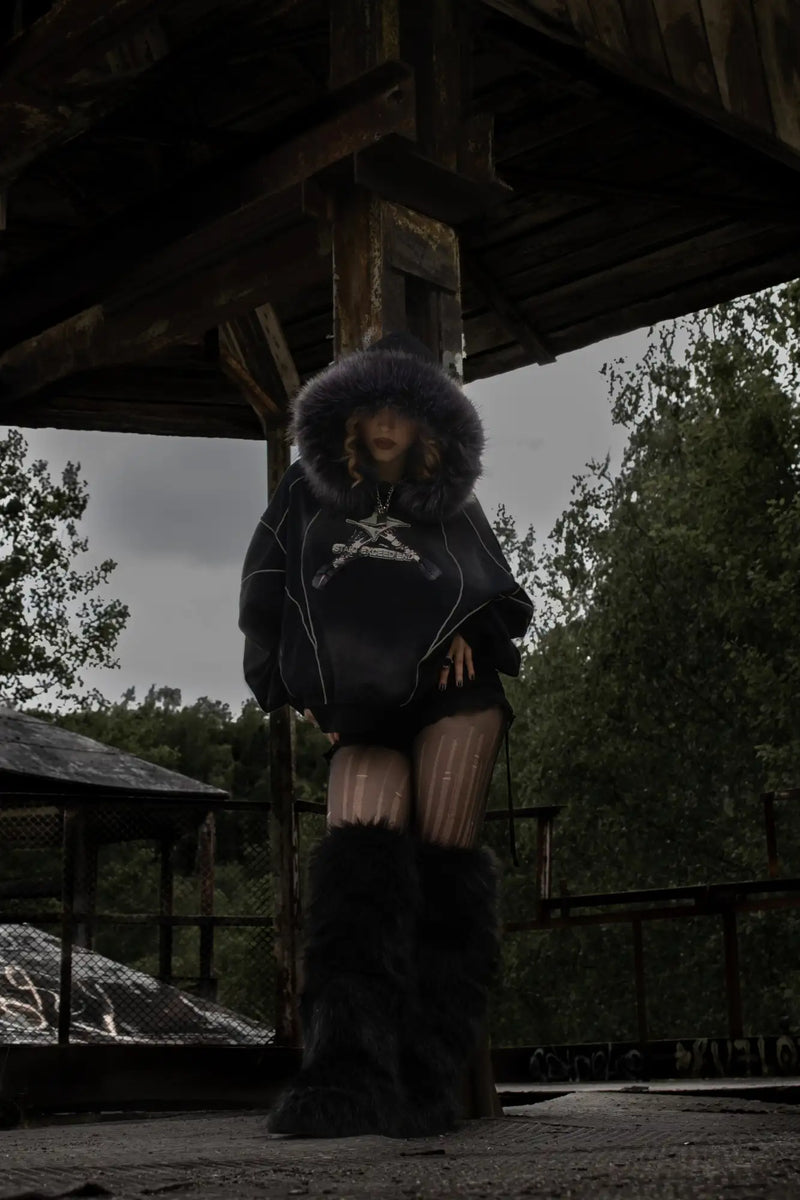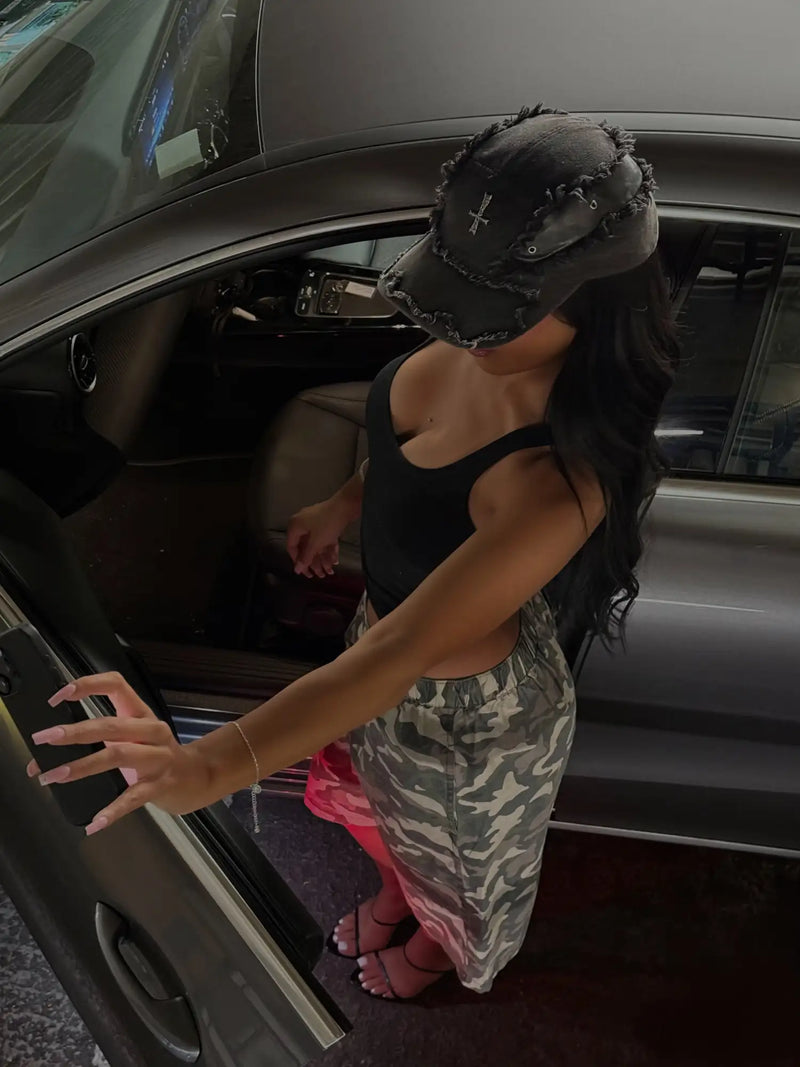
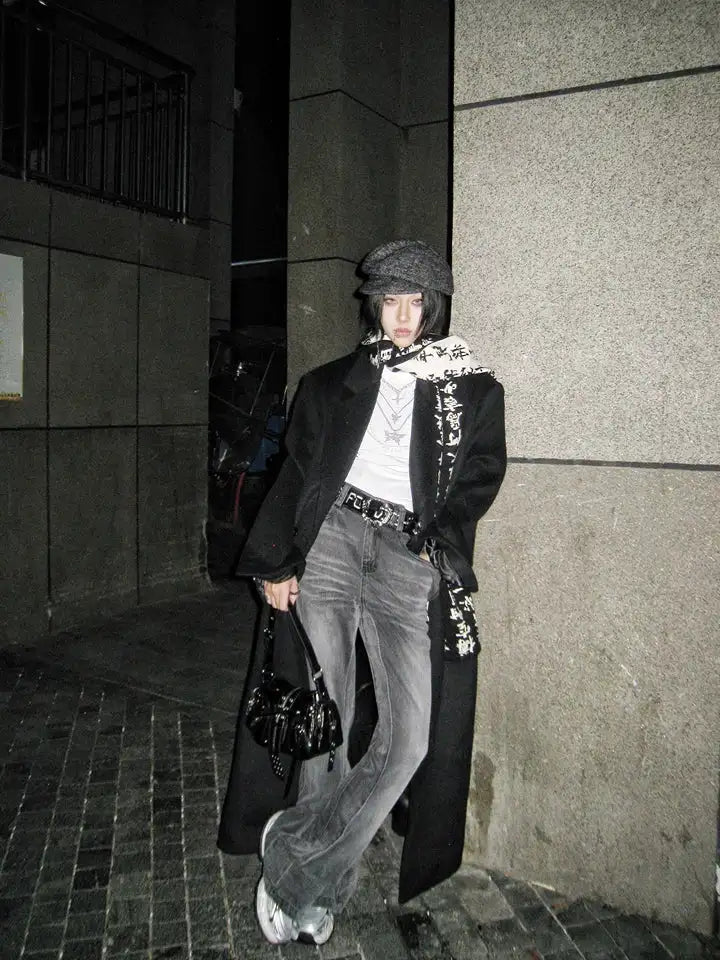

Tourists show up in a vintage leather jacket, Doc Martens and a spiked collar — then wonder why they're standing outside Berghain at 2am and not getting in. Berlin techno clothing is not a costume. It's a functional language.
The Berlin techno clothing aesthetic wasn't born in a studio, but in the hours between Thursday 11pm and early Monday — in the Tresor bunker, the RAW halls, the Berghain anteroom, the Sisyphos garden. It solves a single problem: how do you dress for eight hours on the dancefloor, three temperature zones, no coat-check risk, and a bouncer who can smell logos?
Anyone who reads Berlin techno as “all black, hard boots, three chains and a harness” has a Halloween costume. This guide clears up what's really behind it: why techno got so big in Berlin, which five types you can tell apart in a real outfit, what men do differently from women, where you actually buy this, which six mistakes cost you the door, and what the first four pieces of your wardrobe should look like.
What this looks like in a real Berlin outfit — condensed into 12 seconds:
Definition
What is the Berlin techno clothing aesthetic?
Berlin techno clothing is an outfit system that grew out of a single question: what survives eight hours on the dancefloor without tipping you off as a tourist in the door conversation? Out of that came four fixed building blocks that every regular on a Berlin floor has worn intuitively since the 90s.
95 %
matte black
0
visible logos
5
Outfit types
8h
Floor tolerance
These four numbers aren't decoration, they're the test. An outfit that breaks one quota — 70 percent black instead of 95, a visible Nike swoosh, or shoes that start hurting after three hours on the floor — doesn't work. It's “Berlin techno with influences.” In plain terms: tourist with a map.
What actually counts as part of the Berlin techno code:
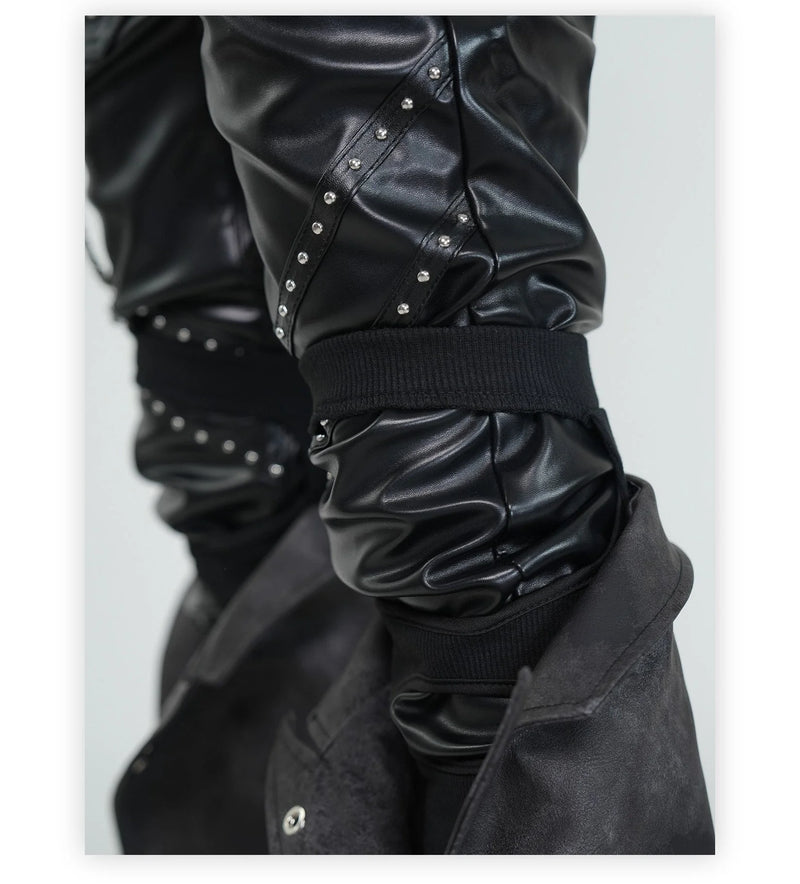
- Matte black fabrics — leather, mesh, heavy cotton, tactical nylon. Shine reads as a Berghain wannabe, not as a regular.
- Zero visible brand logos — no Nike tick, no Adidas stripes, no YSL belt. Whoever reads the outfit should see function, not wallet.
- Functional hardware only where needed — D-rings, buckles, zips, carabiners. Jewelry is fine if it fits the layering — spiked collars are cosplay.
- Layer logic — floor hot, garden cold, U-Bahn in between. You have to be able to add and drop layers without going to the coat check.
- Shoes for eight hours — combat boot, stomper, tactical sneaker, buckle boot. No high heel, no new sneaker, no open shoe.
- No smell bridges — fresh perfume is instantly off on the floor. Whoever smells like Sephora isn't from Berlin.
If you're missing three of these six points, it's no longer Berlin techno — it's inspiration. There's one rule that holds all six together, and you can boil it down to a single sentence:
Origin
Why Berlin? How the fall of the Wall became a style code
Berlin techno isn't simply “techno played in Berlin.” It's a genre of its own and an outfit vocabulary of its own, both born from a very specific city situation: in 1989 the Wall fell, by 1990 East Berlin was full of empty industrial halls, and from spring 1991 Tresor stood in the postal check office on Leipziger Platz. Nobody charged admission, nobody asked for passports, nobody wrote a dress code.
That's exactly the point. Berlin techno didn't grow in a club with a door policy, but in a city without doors. The rooms were boiler cellars, vault rooms, industrial floors — cold, dirty, without light. The outfit logic followed almost automatically: warm enough for the stairwell, cool enough for seven hours on the floor, robust enough for a floor that hadn't been mopped since 1962, and neutral enough not to stand out in a room where nobody wanted to stand out.
What began in 1991 as a pure functional choice has hardened over 35 years. Today Berlin techno clothing is a sub-aesthetic of its own with its own stores, its own brands and its own door policy. Whoever searches “Berlin techno outfit” on TikTok gets a quick answer — whoever lives in Berlin knows the quick answer is usually wrong.
5 types
The 5 types of the Berlin techno aesthetic
Berlin techno isn't one look, but five — and which one you wear depends on which club you land in. Berghain and Tresor run differently from Sisyphos, Renate differently from ://about blank. If you put photos from the Berghain backstage next to photos from the Sisyphos garden, you see these five types cleanly separated — each with its own black quota, its own hardware logic, its own shoe choice.
Which of the five suits you depends less on taste than on your floor, the season, and how far you're willing to rebuild your standard wardrobe. How this splits between women and men comes next.
Gender split
Berlin techno men vs. women — where it really runs differently
The rules are the same. Matte black, zero visible logos, functional hardware, shoes for eight hours — that goes for every body. What differs is the line and how much skin the layer shows. Berlin has been a floor that thinks explicitly unisex since the 90s, but in practice the outfits are still clearly readable.
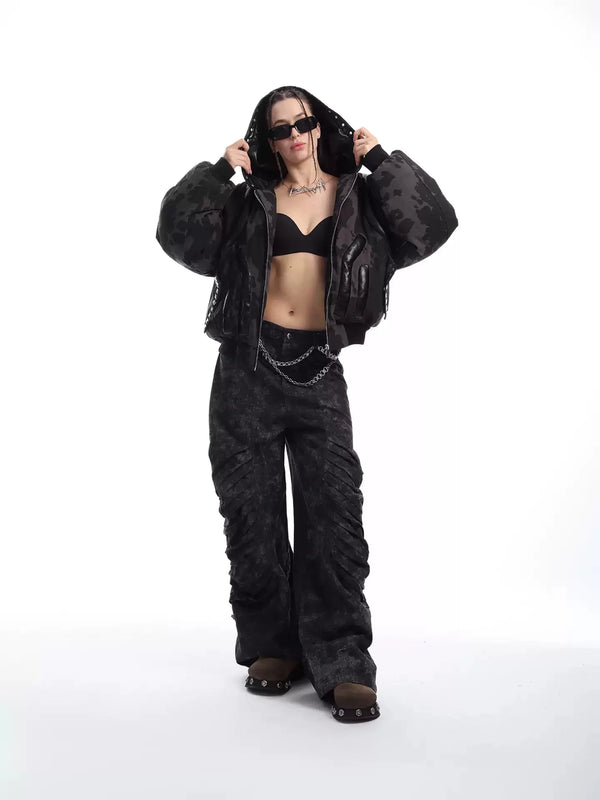
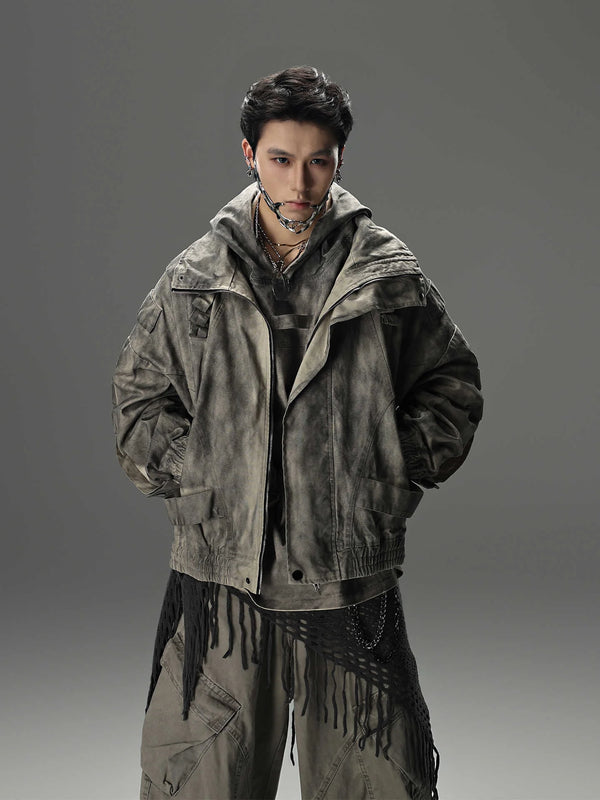
Men's version: tighter on top, wider below. Tank or long-sleeve right on the body, bomber or leather jacket open over it, cargo or wide-leg pant below, combat boot. Hardware stays functional: a carabiner on the pants, a zip as a visible detail, maybe a silver chain. Not three.
Women's version: the tight layer becomes more visible. Mesh top over bra or bralette, sometimes a corset or harness as an outer layer. Pants turn to leather more often, cut-out pant or cargo with a low waist. Boots go higher — knee-high buckle instead of combat ankle. Jewelry slips into statement more often (choker plus ring plus earring) instead of just a construction detail.
Both need the same 95 percent quota and the same logo discipline. What varies is the distribution — not the vocabulary. A man who copies the women's layering or vice versa can do that, but should know that Berlin techno has historically allowed both, without it having to be a statement.
Stores
Berlin techno clothing stores — where you actually buy this
The question “where to buy Berlin techno clothes” is loud on Google, but most of the answer there is wrong. Not KaDeWe. Not Galeries Lafayette. Not H&M on Friedrichstraße either. You buy Berlin techno either in stores that have built the vocabulary over years, or from DTC brands that speak the same vocabulary online.
The stores that count in Berlin itself, plus the online addresses that hit the vocabulary:
- Voo Store (Kreuzberg) — Oranienstraße 24. Curated high-end selection with a focus on avant-tech and functional black. Whoever wants Margiela, Acne, Our Legacy in a Berlin cut walks in here.
- Civilist (Mitte) — Brunnenstraße 13. Skate-streetwear roots, but the range has been strongly Berlin-tech-leaning for years: Cav Empt, Carhartt WIP, own drops.
- Ravemore Berlin — primarily online (ravemoreberlin.com), rooted in the Berlin floor. Tactical pant, cargo shorts, mesh layers — all priced for regulars, not for a tourist weekend.
- Boring Goods — workwear-focused, Berlin DTC. Whoever runs the RAW-Casual look (vintage tee plus cargo pant) finds it here.
- Pickdream — curated vintage techwear. If you're after Helmut Lang from the 90s or early Raf Simons in the original cut, instead of the current resale speculation.
- Sing Blackbird (Neukölln) — vintage store with a good eye for 90s industrial and black leather. More Tresor-Industrial than Berghain-Functional.
- Fūga Studios — a DTC brand that translates the same vocabulary online. Cargo, tactical layer, mesh, boot — without the luxury markup, with direct shipping.
- Grailed & Vinted for resale — Helmut Lang, early Raf Simons, vintage Yohji or Margiela run here at fair prices if you have patience.
Whoever lives in Berlin and doesn't fancy ordering online walks the Mauerpark flea market on Sundays — black leather jackets from the 80s cost a fraction of what resale asks. The only test: grab the fabric, check whether the zip still runs, then haggle.
Category · Outerwear
Jackets & outerwear for the Berlin winter
In Berlin the jacket solves two problems at once: minus two degrees in the line outside Sisyphos, plus 28 degrees on the Berghain main floor. The Berlin winter drags from October to April, and across these seven months the whole outfit lives off the outer layer. Wrong choice here and you freeze outside or cook inside — both break the outfit.
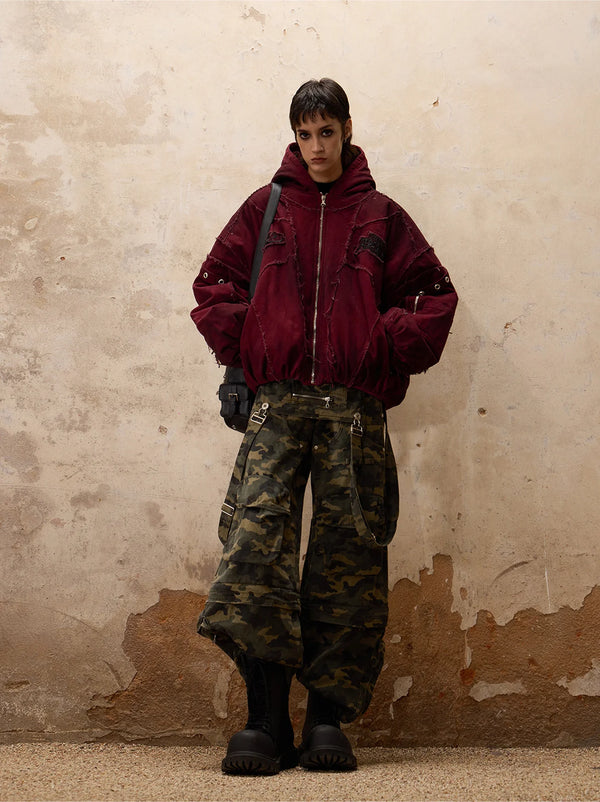
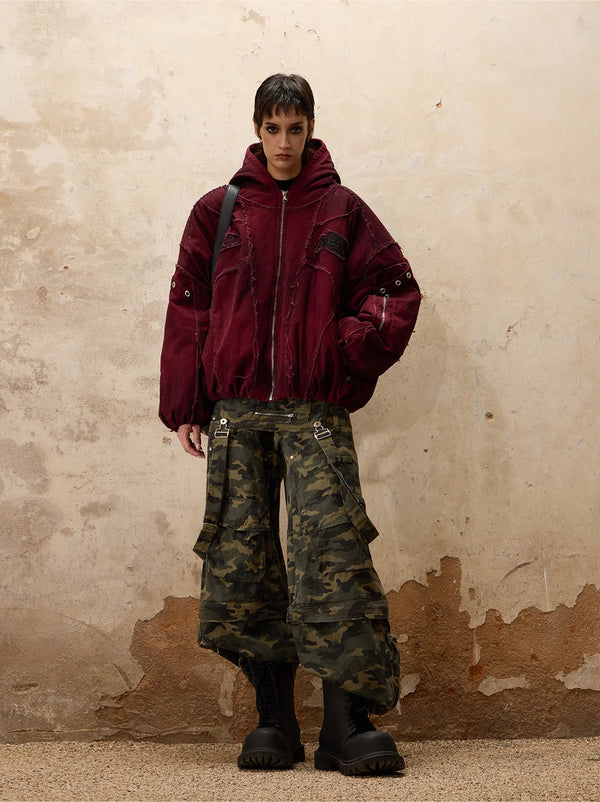
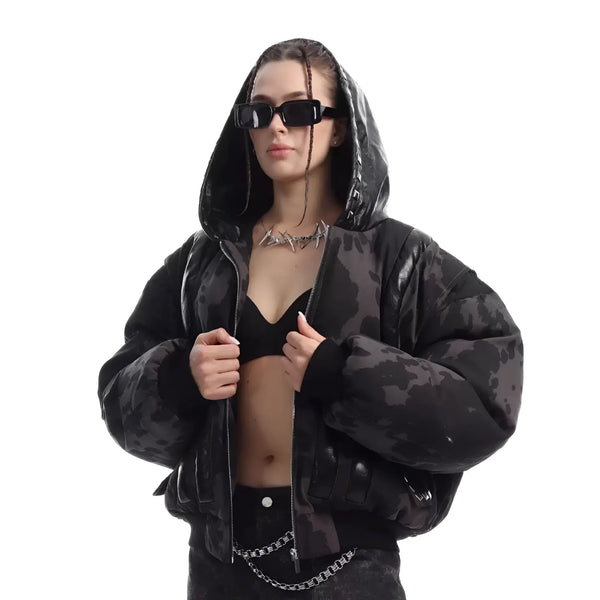
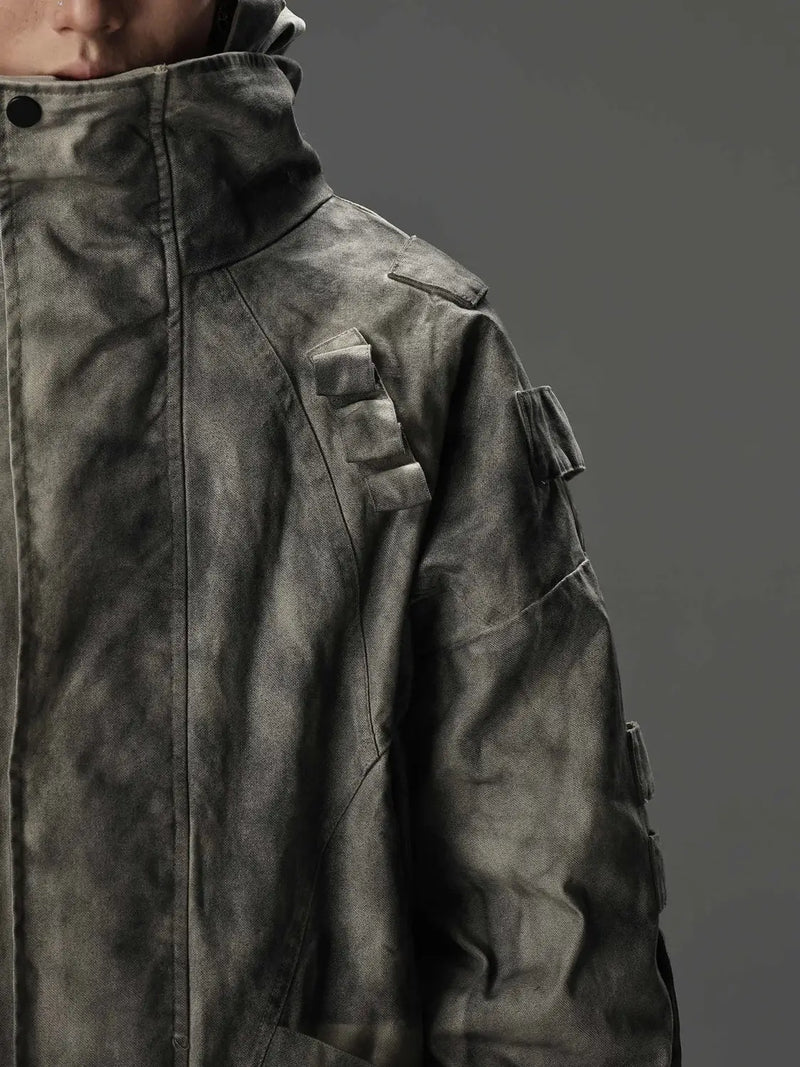
Three jacket types work in the Berlin techno vocabulary: tactical bomber or cargo jacket (Tresor-Industrial default), black puffer with a functional cut (Berghain-Functional and Cyber-Tech), and long coat or trench in matte black (for the RAW-Casual iteration in the transition seasons). A leather jacket always works, but only without visible hardware decoration.
If you don't yet own a jacket that survives a Berlin February and at the same time doesn't look like it's from the sports outlet on the floor, the black puffer with a tactical cut is your first move. Everything else in the outfit depends on it.
Category · Bottoms
Pants & boots — the foundation for 8 hours on the dancefloor
In Berlin the pants decide whether you're still dancing at 3am or standing in front of the fridge wondering if you should go home. Too tight, and the floor becomes torture. Too wide, and you scrape your leg in the Berghain stairwell. Too shiny, and the bouncer reads you as a weekend tourist.
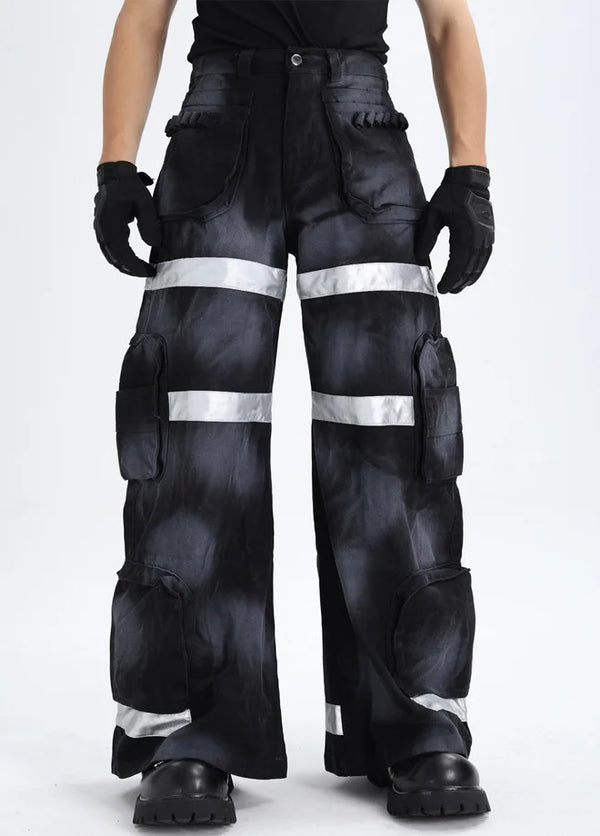
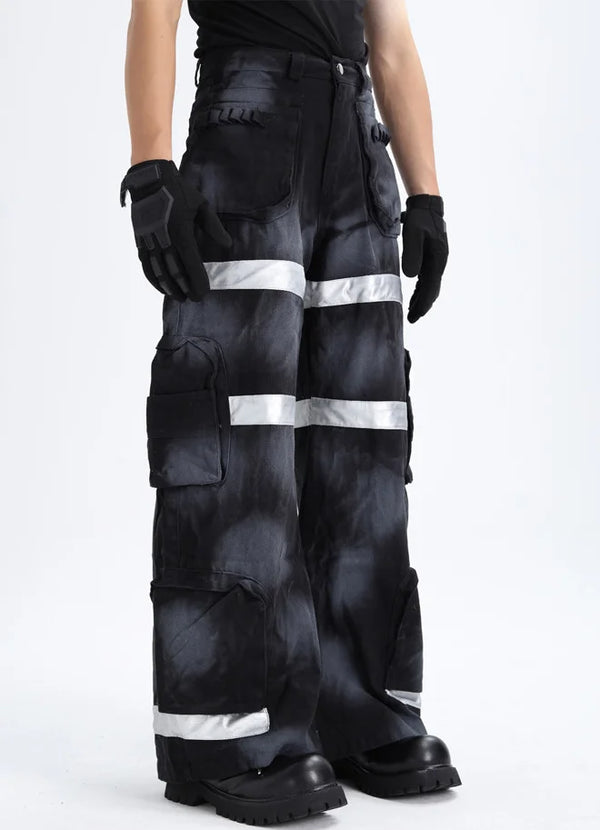
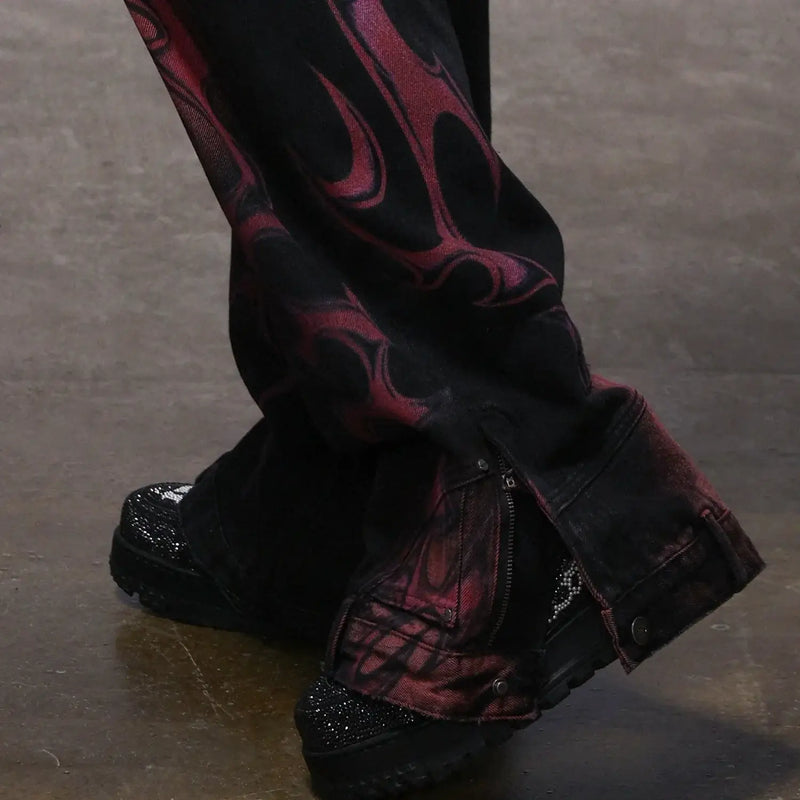
Working Berlin techno bottoms are matte, wide-but-not-pyjama, and sit on the hip or just below. Cargo with functional pockets, wide-leg jean in matte black, tactical pant with carabiner loops, leather pants with cut-out for the kink floor. Skinny has been systematically out in Berlin since about 2018 — volume below, nothing else.
With shoes the rule is even tighter. Combat boot, tactical sneaker with a thick sole, stomper, buckle boot — all matte black, all broken in. Wearing new shoes onto the floor is a beginner mistake that gets punished after three hours. Air Force 1, Stan Smith, Samba and everything that runs in sneaker resale are fundamentally wrong in Berlin — no matter the color.
Category · Skin layer
Mesh tops & layers — what sits under the jacket
On the Berghain floor the jacket comes off after ten minutes — and from then on the whole outfit is carried by what was underneath. Whoever thinks the skin layer is secondary because nobody sees it from outside has never done the floor. The tank, the mesh, the long-sleeve is the main view for six of eight hours.
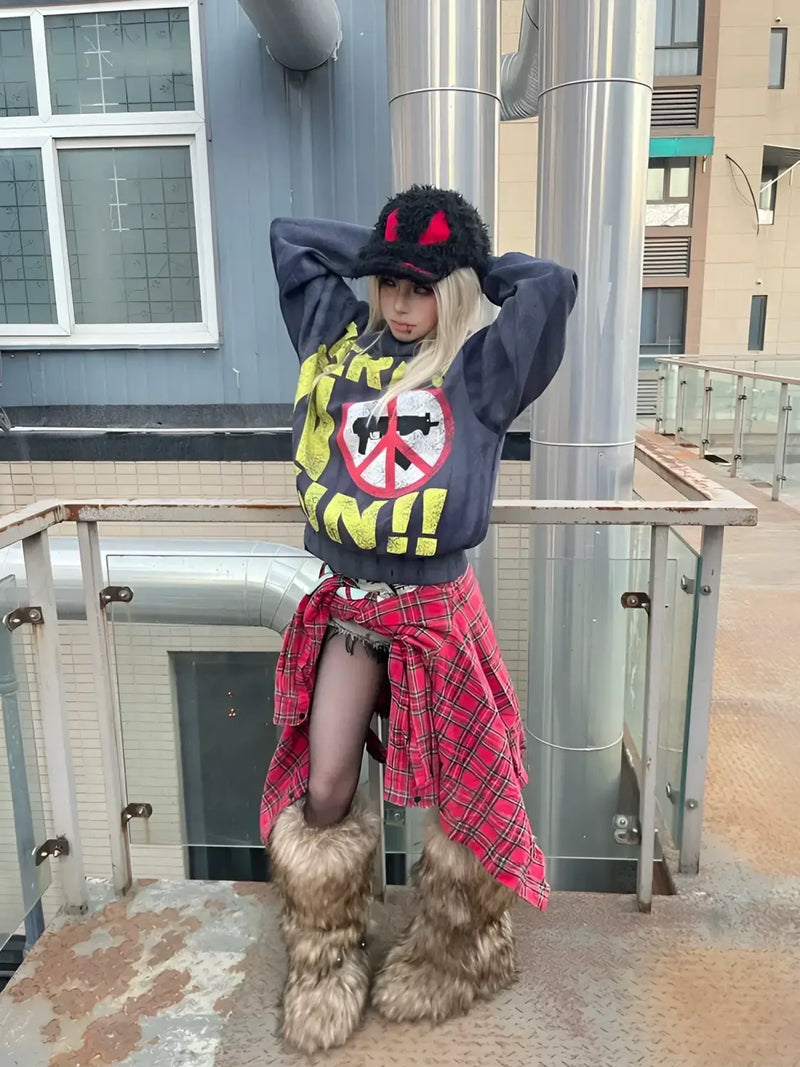
The rule: single color, close to the body, breathable. Mesh tank or mesh long-sleeve are the Berlin default — they breathe at 28 degrees floor temperature, sit tight to the body as the code demands, and don't read as a gym outfit. A plain black tank works too, but is more boring. Printed shirts (band logo, skull print, statement slogan) tip the outfit into tourist tier instantly.
Whoever wants to test the mesh look starts with a mesh long-sleeve under an open-worn bomber. Once that sits in the mirror, the jump to the mesh tank over bra or bralette (women) or mesh tank right on the body (men) is the next logical step.
Styling physics
What do you actually wear in Berlin clubs?
The answer depends on the club — and whoever ignores that is in the wrong outfit. Berghain isn't Sisyphos, ://about blank isn't Tresor, Renate isn't Kater Blau. But there's one rule that works in all of them: you have to be able to do eight hours on the floor in that outfit from the outside, without anything breaking, starting to pinch or getting embarrassing.
You wear Berlin techno so that after eight hours on the floor you can still sit, ride the U-Bahn and have breakfast at the next Berlin bakery — without having to change.
In practice that means: the outfit consists of three layers that you systematically shed on the floor. Outside the jacket (goes to the coat check or stays tied around the hip — if the club has a coat check). Under it the layer shirt or long-sleeve (stays on if it's not too tight). Right on the body a tank or mesh (the last layer you dance in). Below cargo, wide-leg or tactical pant plus combat boot — both stay all night.
For the full Berghain-specific styling logic there's a separate guide that takes the door policy, the black quota and the mesh-vs-tank question apart photo by photo:
But Berlin techno doesn't stand alone — it overlaps at several edges with other dark floor codes. Opium shares the 95-percent-black rule, Techwear shares the hardware logic, Gothic shares individual textures (leather, mesh, spikes — but Gothic is symbolic, Berlin techno is functional). Whoever has Berlin techno down can read these neighbor codes and mix them deliberately.
Here are the most important neighbors — each with its own guide, if you want to go deeper:
Berghain code
Berghain code — is “all black” enough?
On Reddit, TikTok and in two thirds of Berlin travel guides you find the same sentence: “Just wear all black and you'll get in.” That's wrong — or more precisely: it's the half-truth most people fail Sven with. All black is the minimum requirement, not the outfit.
Black is the base color, yes. But the door reads the attitude. A new, shiny black leather jacket with perfectly fitting skinny jeans and Air Force 1 in black formally meets the color rule — and still doesn't get in. Because the outfit signals: I ordered from Zalando this afternoon, I've never been here, I'm testing this.
What really counts is the bundle of matte black, broken-in shoes, missing logos, calm body language and an outfit that looks like you already wore it the Sunday before last. Black is the entry threshold. Function, patina and calm are the actual door conversation.
Seasonal
Summer open-air vs. winter Berghain
Berlin has two techno seasons, and they demand different outfits. From October to April everything runs indoors: Berghain, Tresor, ://about blank, Renate. Then the full Berghain-Functional code with an outer layer applies. From May to September the floor shifts outdoors — Sisyphos garden, Sage Beach, Holzmarkt, Birgit&Bier — and the outfit changes with it.
Summer Berlin techno works via what was under the jacket. The mesh tank becomes the main view. Leather pants get replaced by wide-leg cargo or vintage black denim — leather at 30 degrees of Sisyphos sun is a form of self-punishment. Combat boots run all year; in high summer the buckle sandal or a thick tactical sandal also works.
The year-round solution also comes as hardware: Pieces that adjust their layer thickness themselves. A convertible puffer with removable sleeves, for example — full jacket in winter, vest in spring, pure statement piece with a short tee under it in summer. That works better for the Berlin transition between seasons than two separate jackets.
Here's what that looks like in motion:
What does not work
The 6 most common mistakes in the Berlin techno outfit
Berlin techno has six spots where the outfit reliably tips — no matter how much the individual pieces cost. If you avoid only one mistake, it should be the first. The bouncer doesn't count pieces, he reads signals.
Action
The first 4 pieces to get started
You don't need 30 black things to wear Berlin techno. You need four that will be in 80 percent of your floor outfits. Everything else builds around them, and once the four sit, you're compatible in every Berlin club — from Berghain to the Sisyphos garden.
In order: a matte black combat boot or tactical sneaker with a thick sole (your biggest investment per euro — you dance in it, you walk in it, you sit in it at the Späti in the morning). A wide-leg cargo pant or tactical pant in matte black. A mesh tank or mesh long-sleeve for the layering. A black puffer or tactical bomber for the seven Berlin winter months. A chain or a ring as an optional fifth — but only once the four sit.
Outfits for real
Berlin techno outfits for real — how it looks on the street
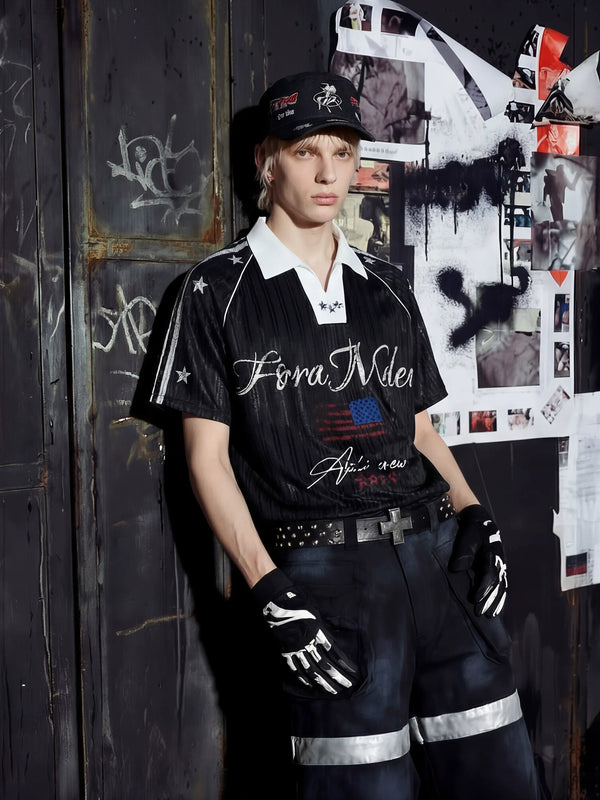
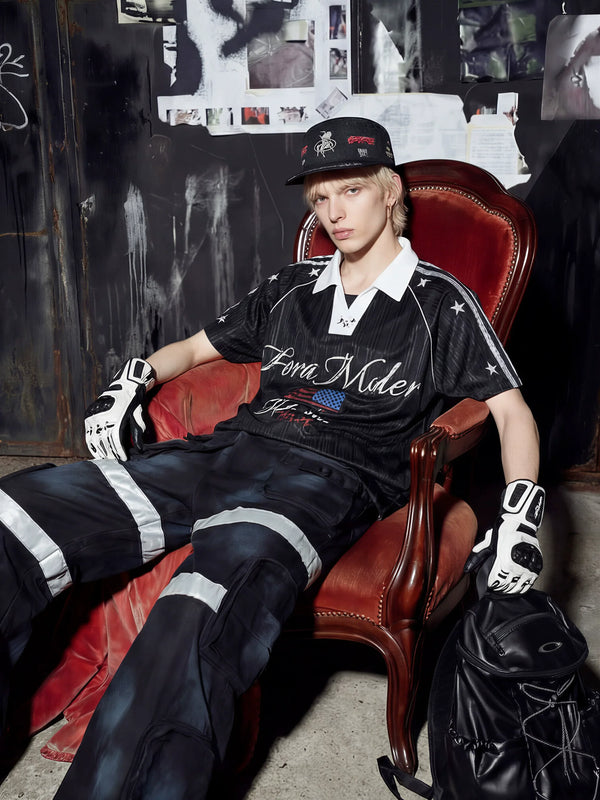
Before you build your own outfit, look at how others wear it. The five types from above look different in the feed than in lookbook photos: more broken-in, dirtier, less staged — and that's exactly why they work on the floor too.
This is the fastest way to check whether a Berlin techno look even sits on your body type before you spend money on the first four pieces.
To close
Berlin techno isn't an outfit, it's a practice
If you remember one thing from this guide, then this: Berlin techno clothing doesn't work through pieces, but through wearing. Whoever goes onto the floor in the same outfit for three weekends has the code down — whoever buys fifteen new pieces at once and runs into Berghain on the first Friday has an expensive costume.
The whole logic of this guide reduces to one sentence:
The rules have been stable since the early 90s and will stay that way — as long as Berlin is Berlin. But you don't have to wait until you know them all by heart. Start with the one look that most likely fits your home club. What you don't know you learn while dancing.
And that's the point too: Berlin techno reads theoretically like a corset of rules, but in practice doesn't feel that way. Once you've got the code down, every further outfit is a variation of the same four or five building blocks — not a new invention. And the bouncer sees that before the first sentence.
FAQ
Frequently asked questions about the Berlin techno clothing aesthetic
The questions we often get by DM and email — short, clear, no detours.
What do you actually wear for a Berlin techno floor?
Do you really have to wear all black to get into Berghain?
Where do you buy Berlin techno clothing in Berlin?
Why did techno get so big in Berlin?
What is the 3-3-3 rule for getting dressed?
What's the difference between a Berlin techno outfit and a rave outfit?
Does Berlin techno clothing also work in everyday life, not just in the club?
Which shoes go with Berlin techno besides combat boots?
What do you think?
Tell us on @fuga_studios
About the author
Philipp Fuge — Founder · Berlin
Founder of Fūga Studios. Writes the journal himself. Berlin · Shanghai · Tokyo · Poznań — four cities, one logic.