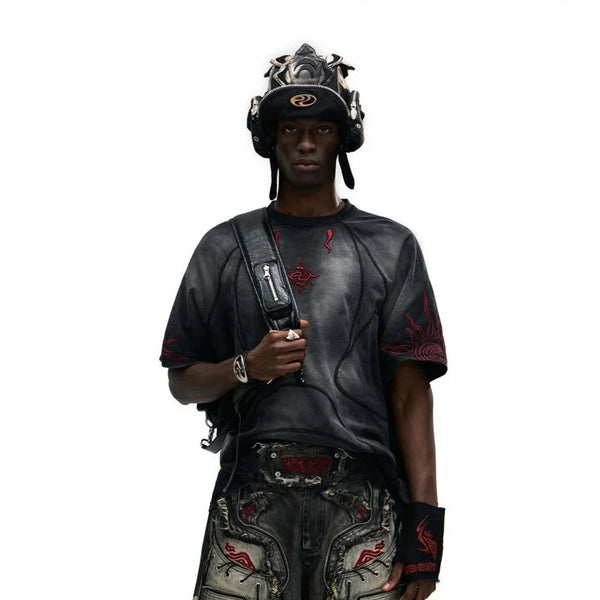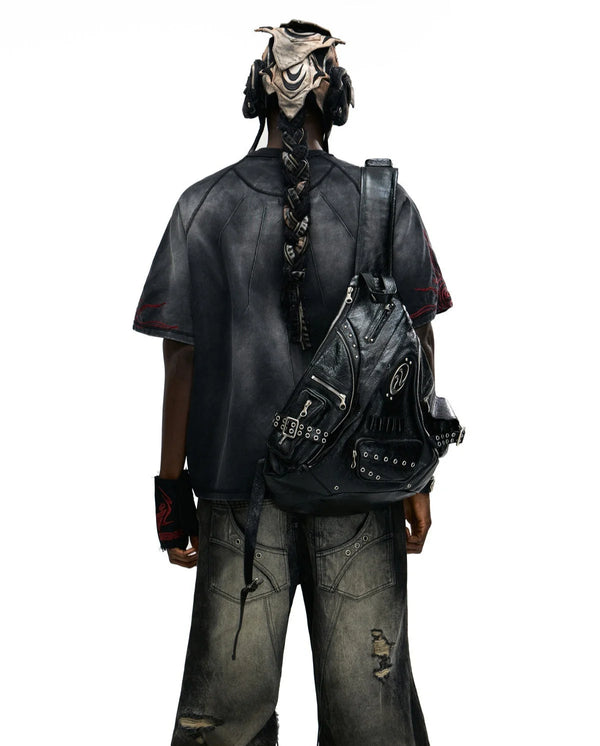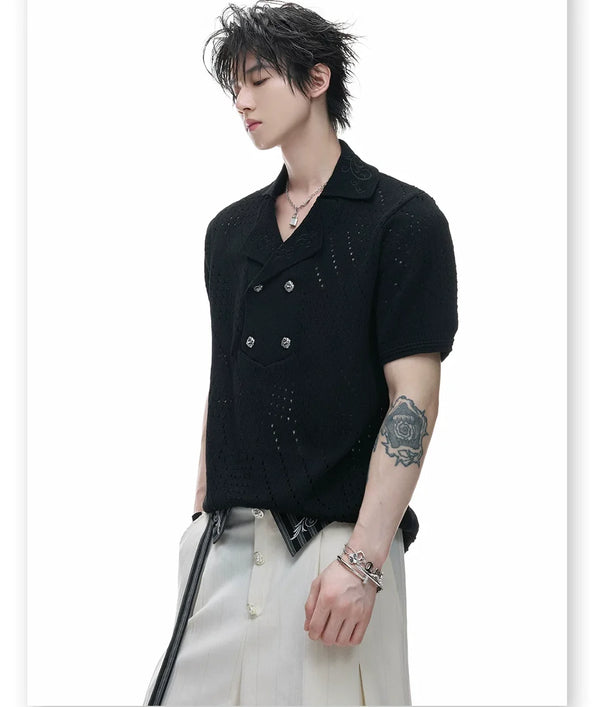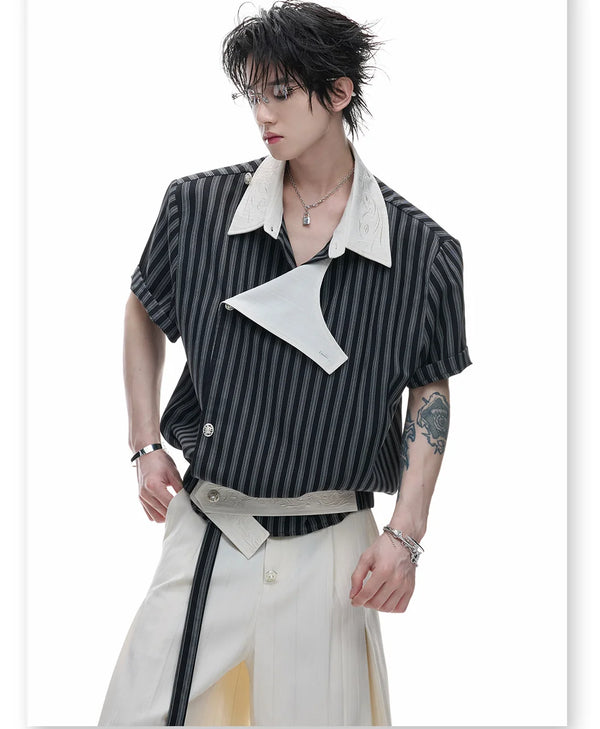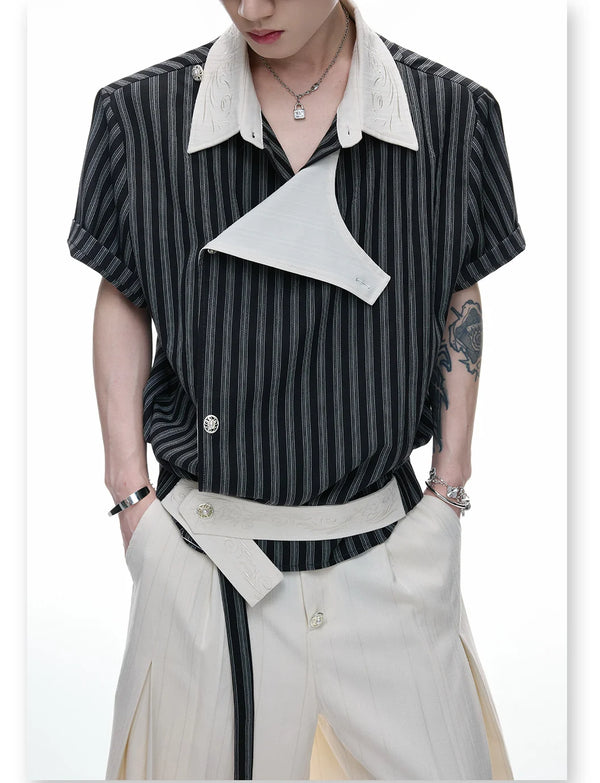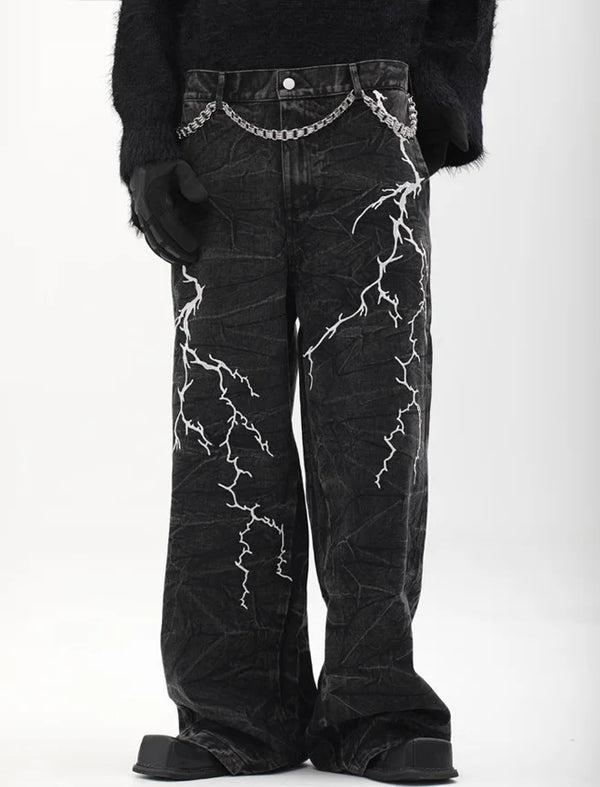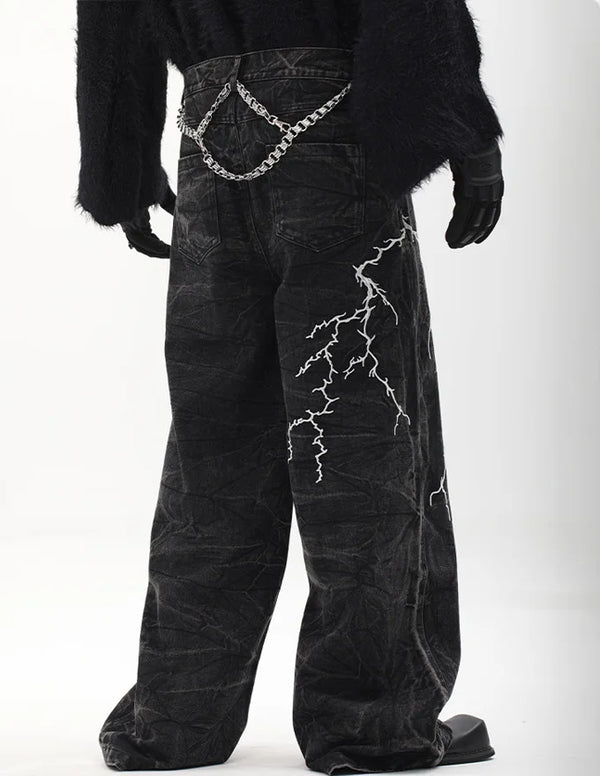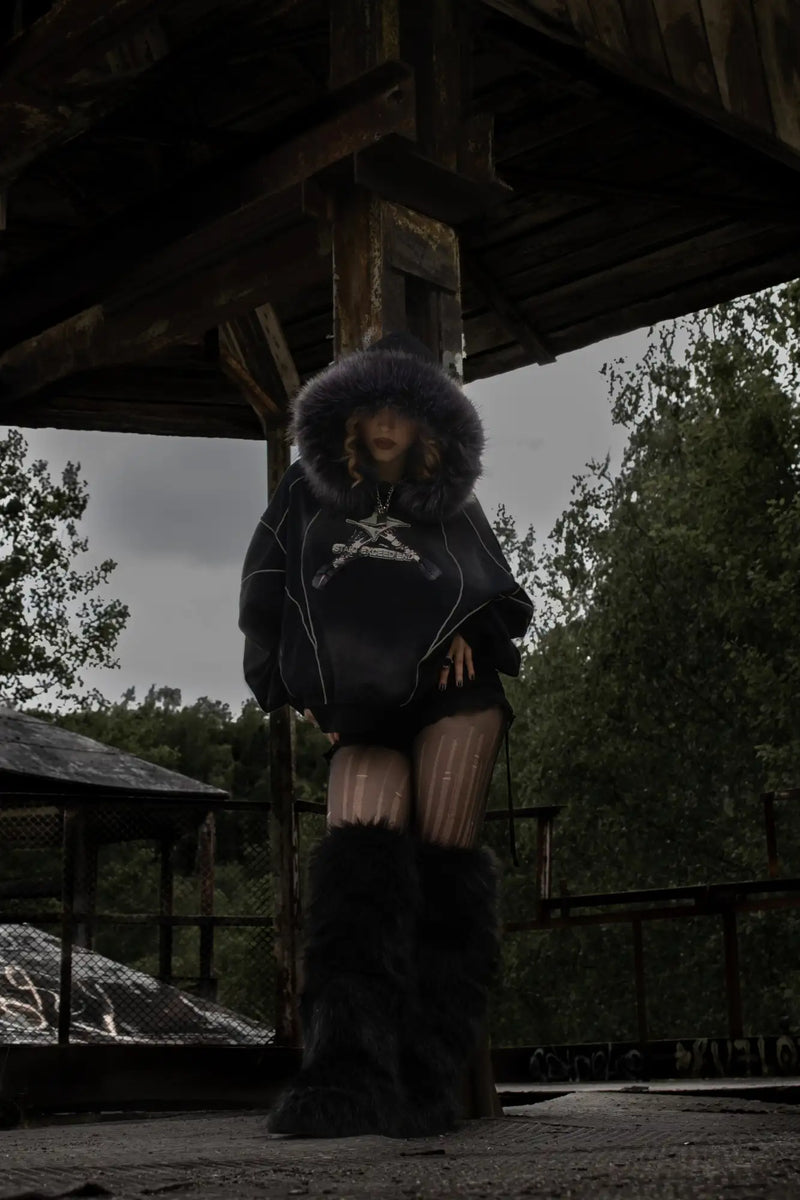
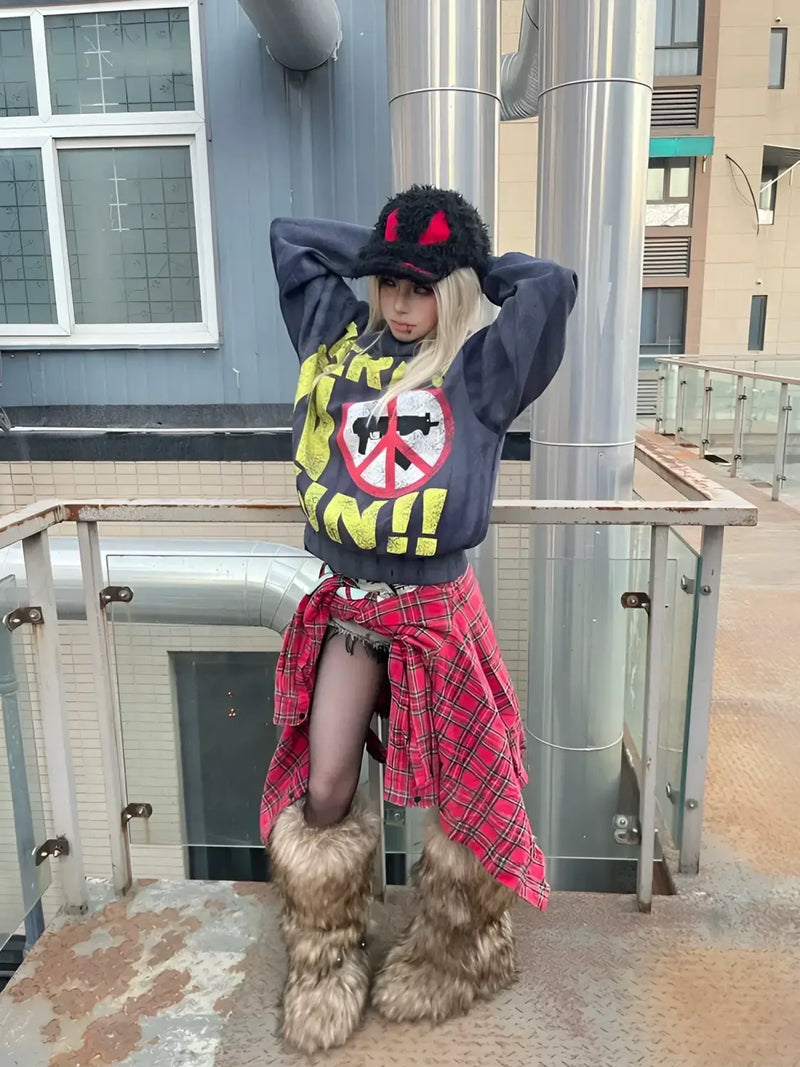
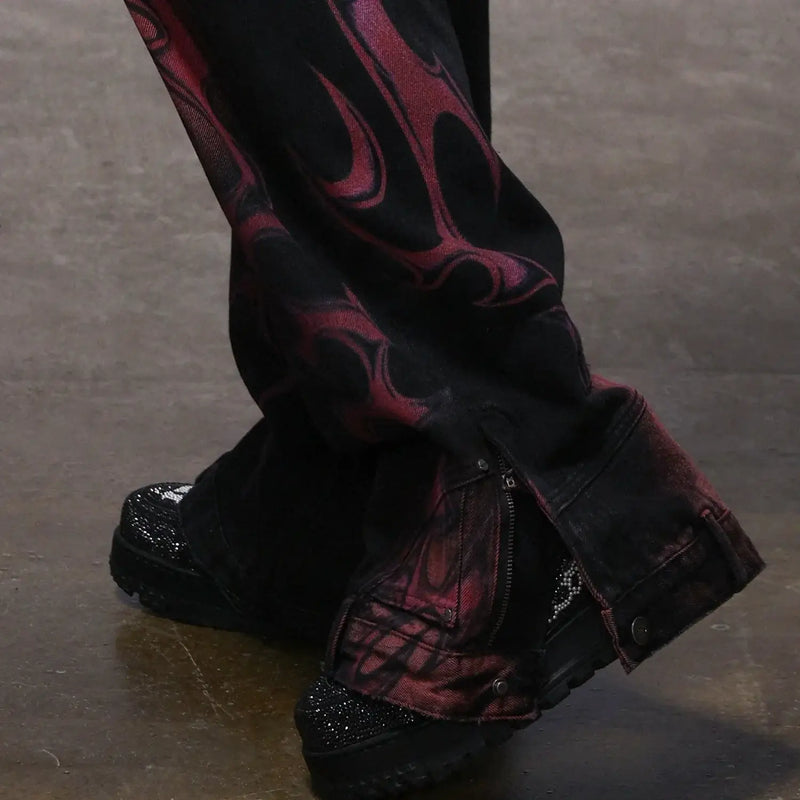
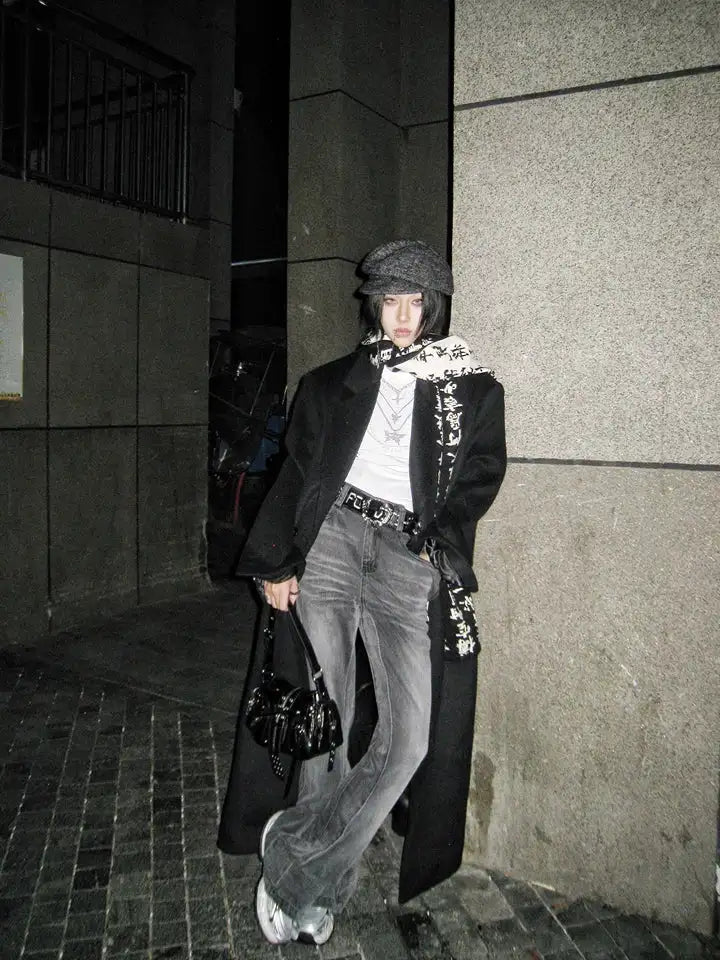

A grey morning in Tokyo, somewhere between Shibuya and the mountains on the edge of the city. Someone is standing at the crossing: technical shell jacket, adjustable cargo pants, a backpack that looks like it could survive three days in the rain. None of these people are going hiking today. Yet all of them are wearing gear built for exactly that.
A Japanese outdoor brand stands for technical functional clothing from Japan that combines weather protection, lightweight materials and precise construction with a clear design language. Names like Montbell, Snow Peak and and wander shape the scene — and through the Gorpcore trend they became fashion long ago. You can get the look without a 500-euro price tag too.
We are not an outdoor outfitter. We do not sell Gore-Tex from Niigata or down sleeping bags. What we sell is the silhouette that became fashion out of this world: technical jackets, cargo pants, layering. If you want to go deeper into the look, read our Gorpcore guide alongside — it shows you the bigger picture behind these brands.
Definition
What defines a Japanese outdoor brand?
Japanese outdoor brands have a reputation few seriously question: they build gear that works, and they build it cleanly. The approach is often Light & Fast — as little weight as possible, as much protection as needed. No superfluous logo, no showing off. Function comes first, looks follow.
Exactly this restraint is why these brands end up in fashion today. A shell jacket from Montbell does not look like a costume. It looks like someone who knows what they are wearing. This quiet competence is the core — and the reason the look reads the same in the city as on the mountain.
There is a second point: the construction. Seams that hold, zippers that do not jam, materials that still do their job after two winters. In Japan that is not a selling point but a basic requirement. You can feel that matter-of-factness in the pieces — and it is why many stay with a brand once they have arrived there.
1975
Montbell, founded in Osaka
1958
Snow Peak, since
2011
and wander, started in Tokyo
14 Tage
Returns at Fūga
The overview
The most important Japanese outdoor brands at a glance
Before we go through individual names: not every Japanese outdoor brand wants the same thing. Some come from mountaineering, some from camping, some from the fashion atelier. Anyone who knows the four basic types immediately understands where a brand stands — and whether its look suits you.
The classic
Montbell: where the brand comes from and what it stands for
Where does Montbell come from? is one of the most common questions on the topic — so let us clear it up first. Montbell was founded in 1975 in Osaka and is today one of Japan's largest outdoor brands. The philosophy has been fixed since day one: Function is Beauty and Light & Fast. Translated that means: light, functional, affordable.
Exactly this last point makes Montbell special. While European outdoor labels often charge premium prices, Montbell is comparatively cheap — without cutting corners on technology. Down jackets, Gore-Tex shells, windbreakers: all solid, all thought through. For many, Montbell is the entry into Japanese outdoor fashion.
- Founded — 1975 in Osaka, family-run to this day.
- Philosophy — Light & Fast: little weight, lots of function.
- Known for — ultralight down jackets and weatherproof shells.
- Price — fair compared to Western premium brands.
What makes Montbell so adaptable in fashion: the jackets wear plainly. No loud branding, no pattern that screams sports catalogue. Exactly this calm fits the Techwear and Gorpcore context — and exactly this calm is what we look for at Fūga too.
A short clip says more here than a list of materials: a technical jacket only comes alive in motion. How it falls, how the hood sits, how the fabric breaks the light — that decides whether the look works or looks like a costume.
Category
Japanese outdoor jackets: the flagship of every brand
If a Japanese outdoor brand stands for one thing, it is their jackets. Shell, windbreaker, down jacket, fleece — the outerwear is the heart. It has to be waterproof, breathe and still fall well. That is the hardest part, and that is why you can tell a brand's quality by it.
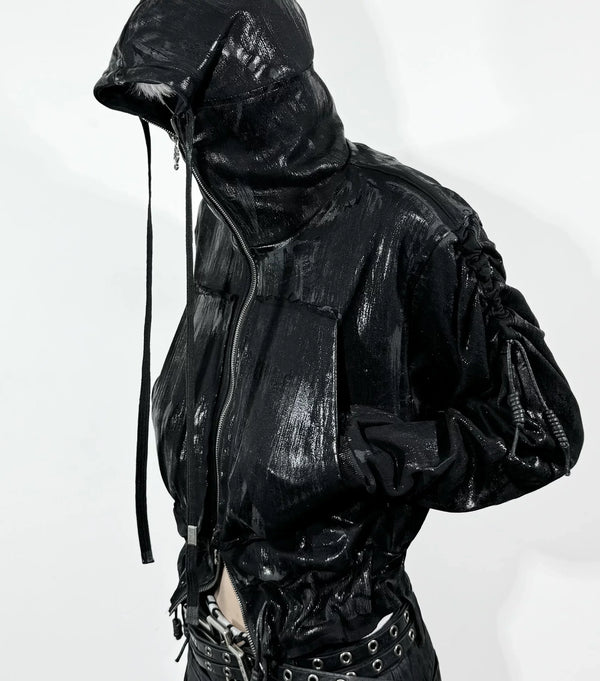
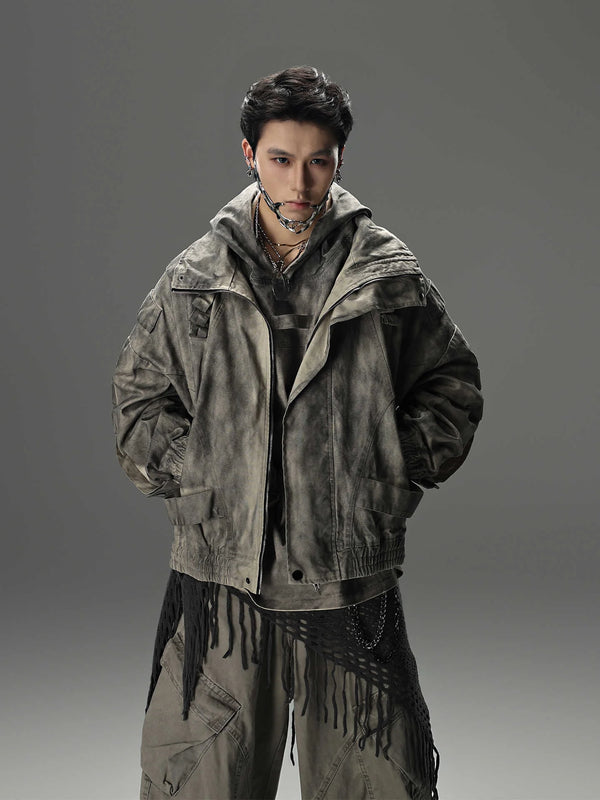
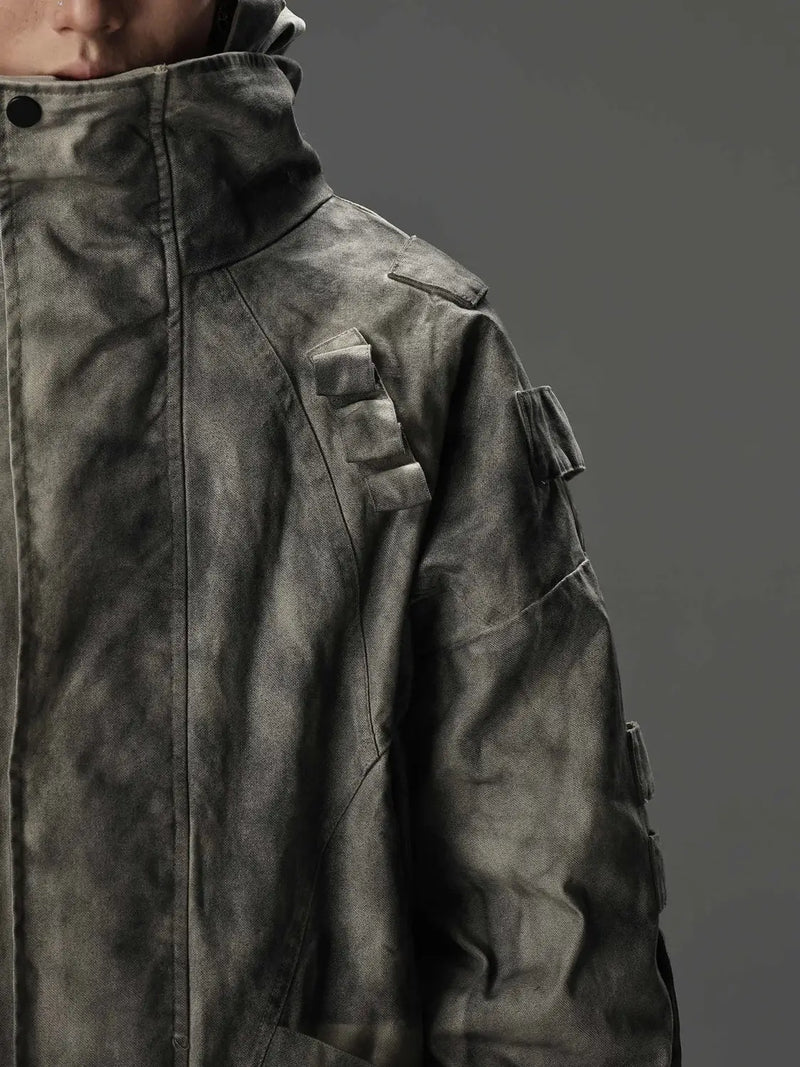
For everyday use you do not need an 800-euro mountaineering shell. You need the silhouette: a hooded jacket with a technical feel, a windbreaker with clean seams, a puffer that brings volume. These pieces carry the look — our selection starts exactly there.
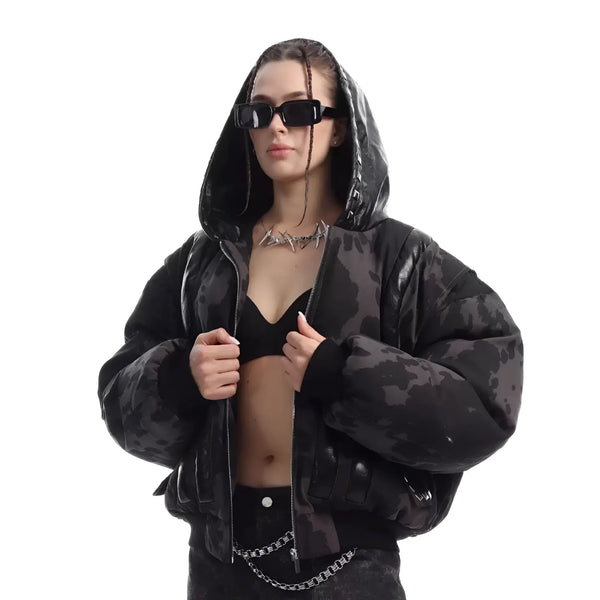
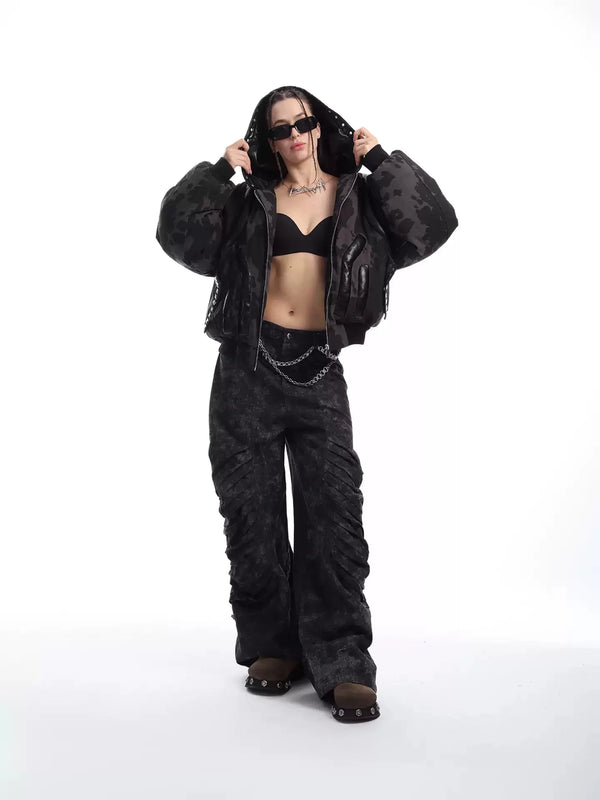
Whether a puffer with a hood or a fitted windbreaker: both pieces bring the technical feel without you having to go into an outdoor store. That is exactly the idea — the mountain look, translated for the city.
Snow Peak shows where Japanese outdoor brands have developed: away from the pure tool, toward a way of life. The apparel line is worn in Tokyo just as much as by the campfire. This double role — functional and fashionable at once — is the thread running through almost every name on this list.
Category
Cargo pants & shell pants: the outdoor silhouette down below
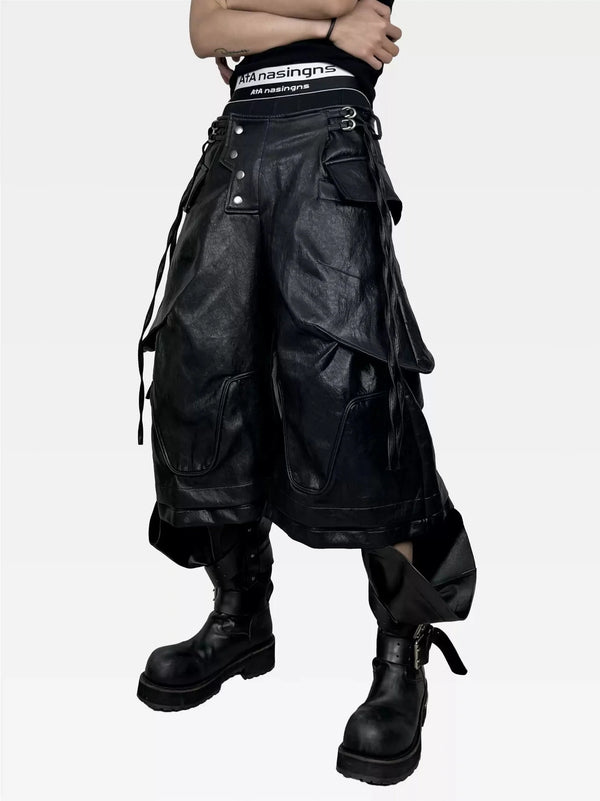
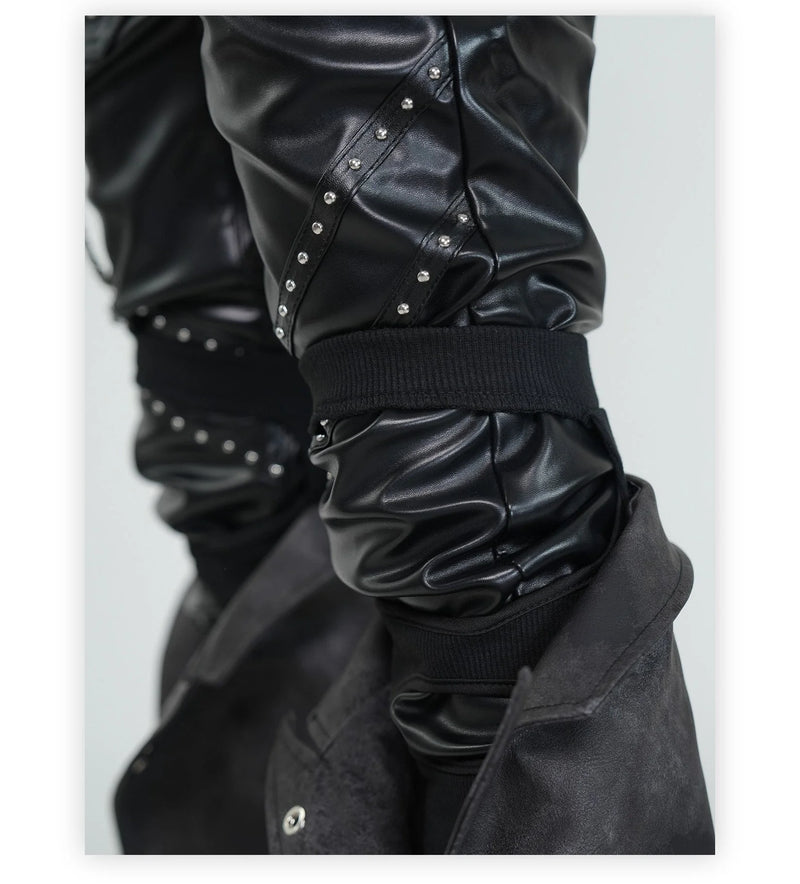
The jacket catches the eye, but the trousers decide whether the outfit works. Japanese outdoor brands love legwear with function: adjustable cuffs, many pockets, sturdy or water-repellent fabrics. Cargo, shell, convertible trousers — everything that makes sense on the mountain and looks good in the city.
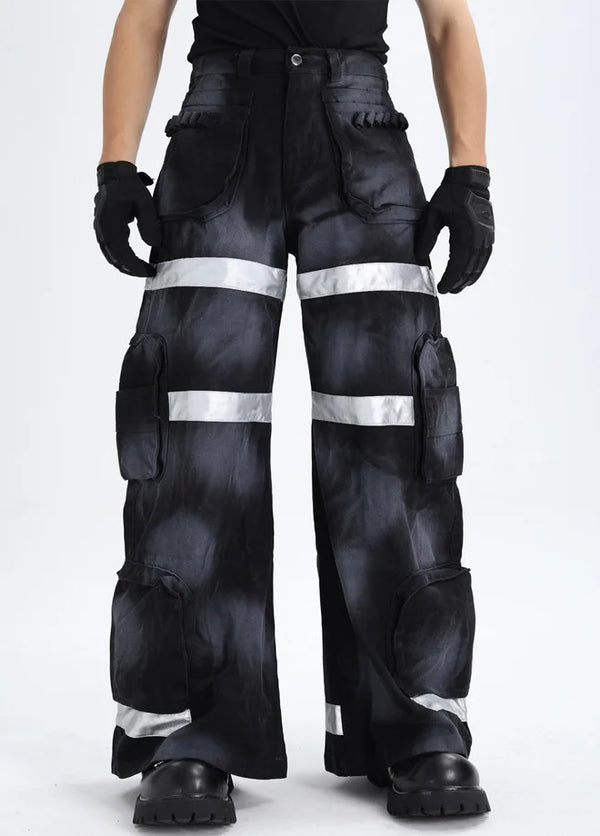
For the look you need trousers with volume and technical details. A straight or slightly wide cargo with visible pockets reads immediately as Gorpcore. Combined with a technical jacket the backbone stands — and we have exactly these trousers.
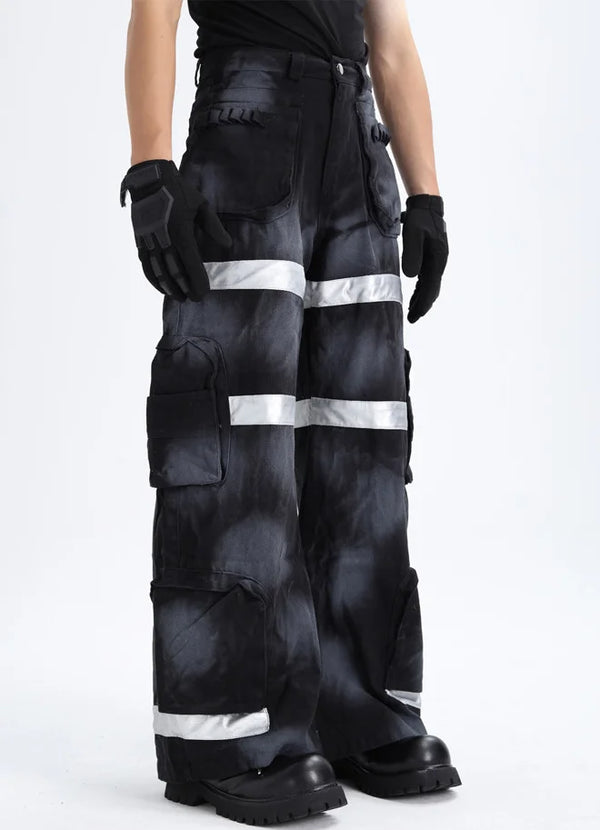
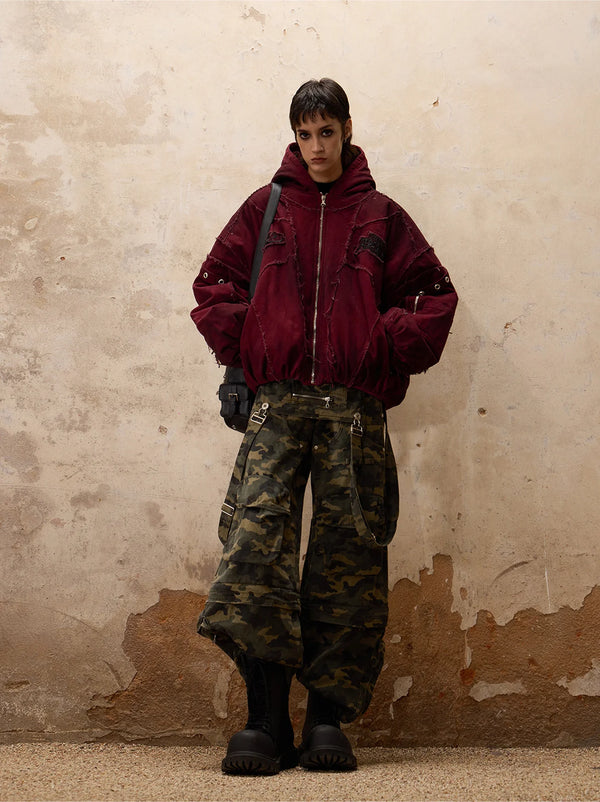
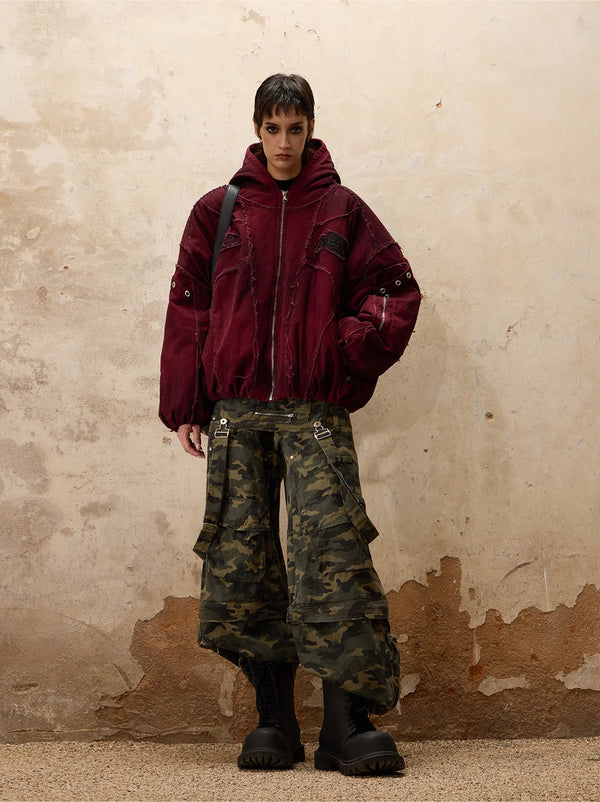
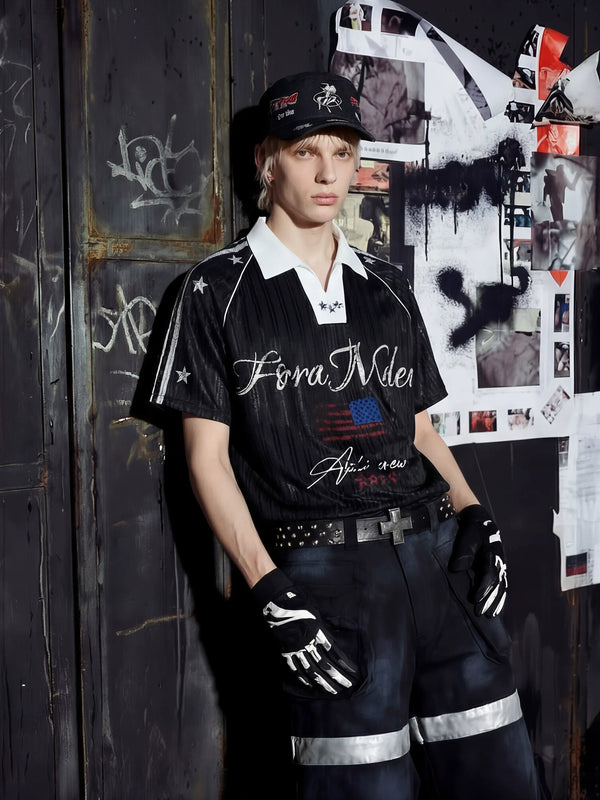
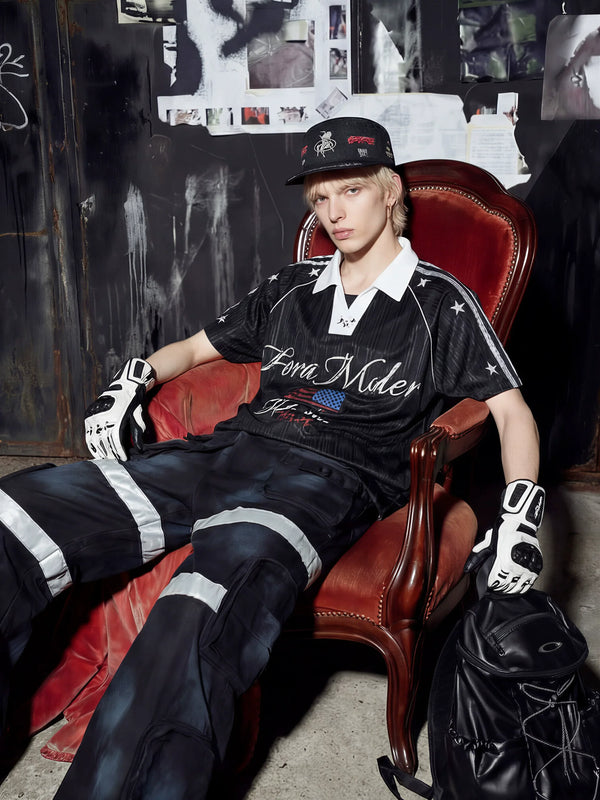
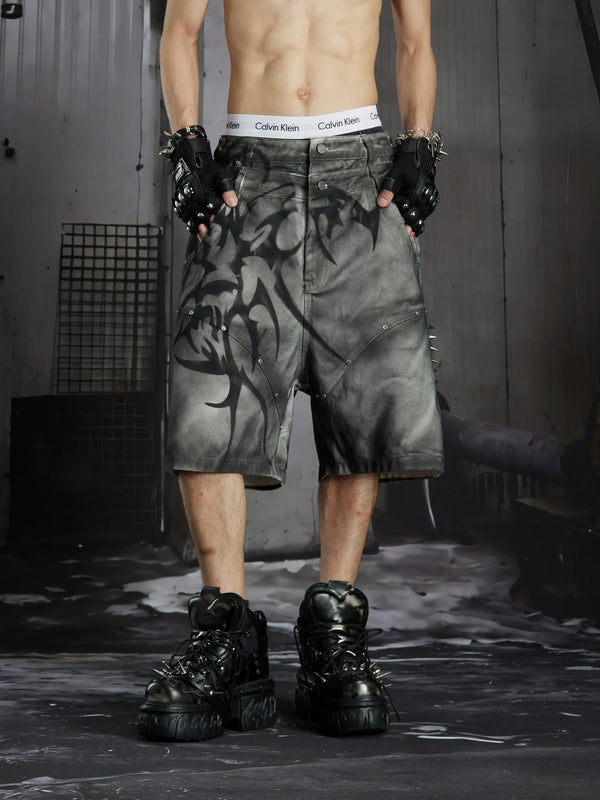
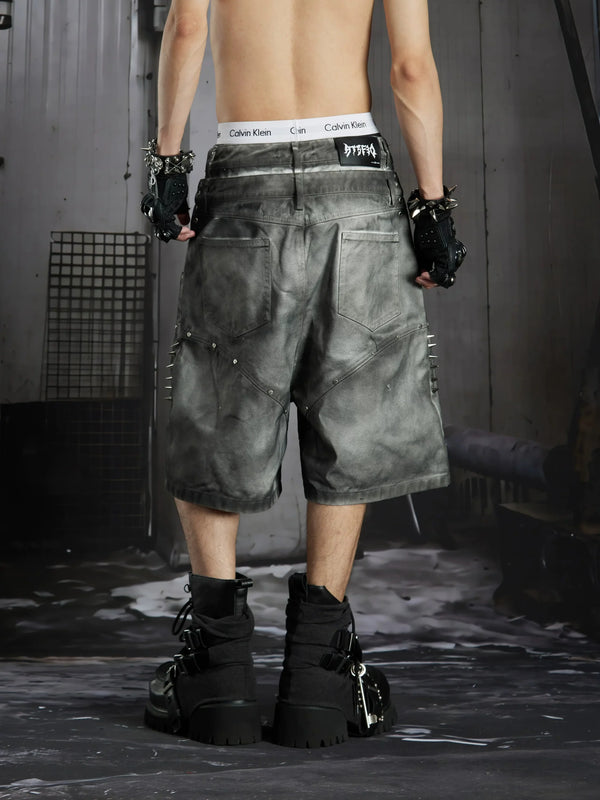
Whether convertible overalls or multipocket cargo with a gradient: both bring the pockets, the volume and the technical language that make up an outdoor silhouette — without a trekking price tag.
The second row
And Wander, Nanga & Goldwin: the second generation
Besides the big names there is a series of brands that make up the appeal of Japanese outdoor fashion. They stand for specialisation: down, design, performance. Anyone reading into the topic quickly runs into these three.
- and wander — founded in 2011 in Tokyo by two former Issey Miyake designers. Mountain sport meets fashion atelier — probably the most fashionable address on the list.
- Nanga — down specialist from Shiga prefecture with a long tradition. Known for warm jackets and sleeping bags with a permanent guarantee.
- Goldwin — sport and ski heritage from Japan, runs The North Face in Japan among other things and builds its own technically clean line.
- Descente — in the sport and ski field since 1935, known for its technical all-terrain line.
What connects these brands: they deliberately carry outdoor technology into fashion. and wander in particular has shown that functional clothing and design are no contradiction. Layering is their tool — and the next building block for your outfit.
Between skin and shell it is decided whether a look feels deep or flat. A tactical shirt or a distressed hoodie as a middle layer gives the outfit structure — and only then does the jacket over it really become a statement.
Why now
Why Japanese outdoor brands became fashion
Ten years ago a technical rain jacket was gear. Today it is a statement. The reason is called Gorpcore — the trend that brought outdoor clothing out of the woods and into the city. Suddenly people who never camp wanted to look like they could set off at any time.
Japanese brands profited most from it. Their aesthetic was always calm, their construction clean, their design never loud. Exactly what Gorpcore fans were looking for. What made sense on the mountain became a code in the city — and the prices of the originals rose accordingly.
The trend has a side effect: the real pieces have become expensive. A shell from and wander quickly costs several hundred euros. For many that is the point where the question comes — how do I get the look without paying that much?
The comparison
Top 10 outdoor brands: Japan against the rest of the world
Anyone searching for the Top 10 outdoor brands usually finds a mix of European, American and Japanese names. Arc'teryx, Patagonia, The North Face on one side — Montbell, Snow Peak, and wander on the other. The difference lies less in the technology than in the attitude.
For fashion what counts in the end is the silhouette, not the origin of the fabric. The calm, technical look that Japanese brands shaped can be rebuilt with the right pieces — regardless of which logo sits on the neck.
This is exactly where those who only want a status symbol part from those who want to build a look. An original is a safe investment and a beautiful piece. But anyone starting today who first wants to find out whether the style suits them does not have to start with the most expensive item. Silhouette beats label — at least until you know for sure what you really want to wear every day.
The Fūga way
Gorpcore without a 500-euro price tag: how to get the look
Here we are honest: we are not Montbell. We do not sell a Gore-Tex membrane with a ten-year guarantee. What we do is the translation — the silhouette that became fashion out of Japanese outdoor technology, at a price a normal budget can handle.
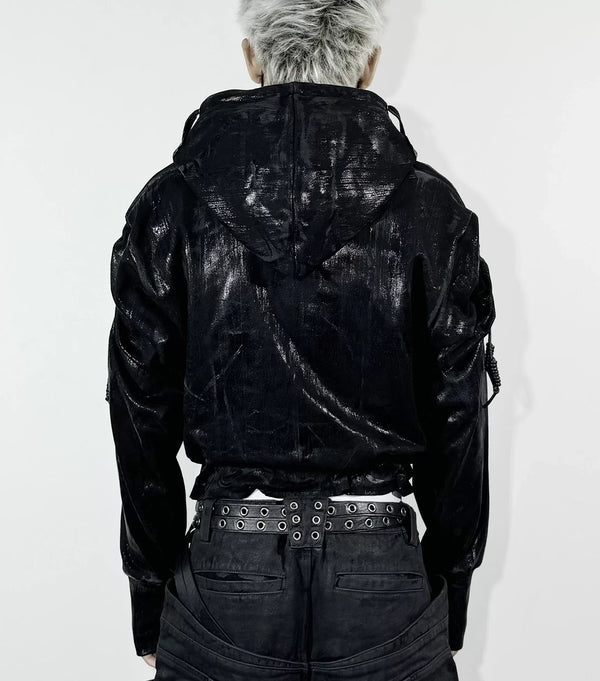
It works because the look mostly comes from form and combination, not from the material lab. A technical hooded jacket, a cargo with volume, a layer underneath: that reads as Gorpcore, whether the zipper comes from Japan or not. These are exactly the building blocks we have.
A hooded bomber plus reflective workwear cargo — and you have the backbone of an outdoor-inspired outfit, without a single trekking label in it. That is what the translation looks like in practice.
Here too the rule holds: the puffer lives from volume and from how it falls in motion. A flat photo never reveals that — so the short look at the piece in action is worth it before you decide whether the silhouette fits the rest of your outfit.
Practice
How to build a Japanese outdoor outfit
A good outdoor-inspired look follows a simple logic: three layers, muted colours, one technical detail as an eye-catcher. Start with a neutral base, add a middle layer over it and set the technical jacket as the outer layer. Keep the palette calm — black, grey, olive, muted earth tones.
Shoes and backpack finish the look. A technical sneaker or a trail shoe below, a functional backpack on the back — and the outfit stands. Japanese backpack culture is a topic of its own, by the way: brands like Montbell and Snow Peak build backpacks that many buy for the design alone. Anyone who wants to go straight through the matching categories will find them bundled here.
Avoid mistakes
Common mistakes in Gorpcore styling
The outdoor look quickly tips into costume when you take it too literally. Anyone who puts on everything at once — shell, cargo, vest, cap, backpack in a signal colour — does not look like fashion but like a gear shop. These four mistakes are the ones we see most often.
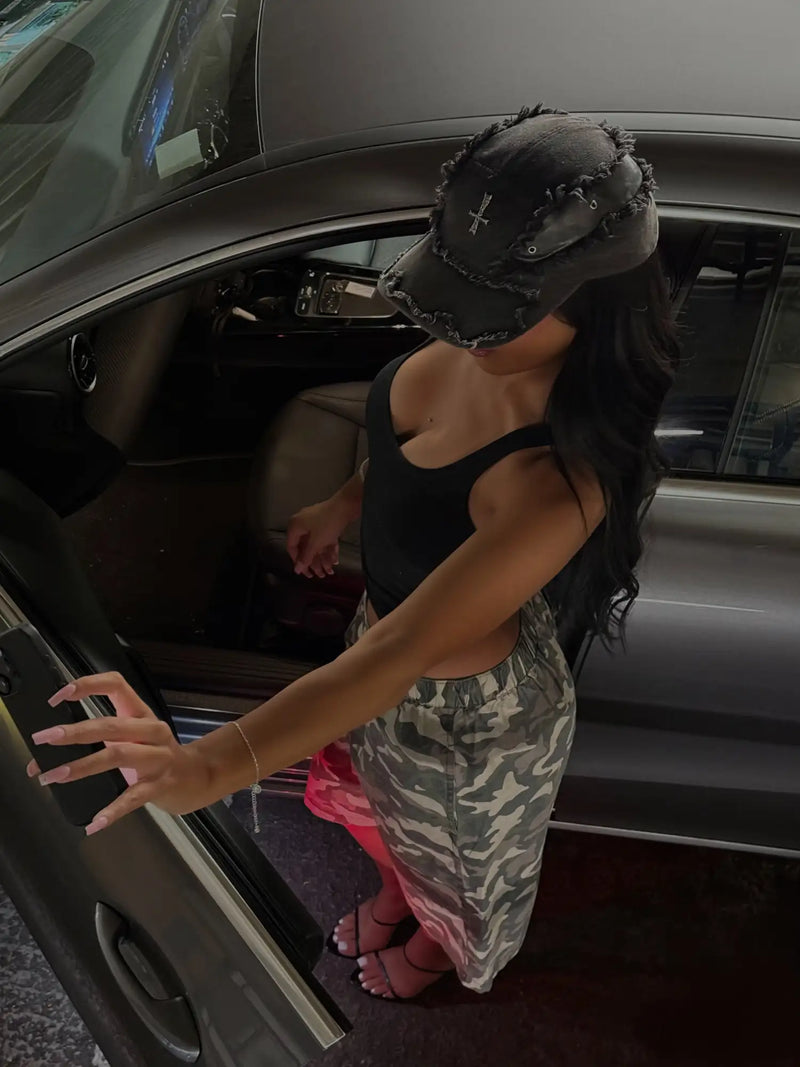
Avoid these four points and the look sits. The last building block is the small things — a cap, a detail that grounds the outfit without becoming loud.
Questions & answers
Frequently asked questions about Japanese outdoor brands
To close, the questions that keep coming up around the topic of Japanese outdoor brands — answered briefly and directly.
Which is the best-known Japanese outdoor brand?
Montbell is probably the best-known Japanese outdoor brand. It was founded in 1975 in Osaka and is known for light, functional and comparatively fairly priced gear. Snow Peak and and wander follow close behind — Snow Peak more in the lifestyle area, and wander in the fashion crossover.
Where does Montbell come from?
Montbell comes from Japan and was founded in 1975 in Osaka. The brand stands for the design philosophy Light & Fast and has produced outdoor clothing and gear for decades. Today Montbell is one of Japan's largest outdoor brands with its own online shop.
Are Japanese outdoor brands good outdoor brands?
Yes. Japanese brands have an excellent reputation in the outdoor scene for construction, lightweight materials and thoughtful design. Montbell, Snow Peak, Nanga and Goldwin deliver technical quality that has nothing to hide from European and American brands — often at a fairer price.
Which Japanese outdoor brand is popular right now?
In the fashion context, and wander is currently the most popular Japanese outdoor brand because it deliberately combines mountain sport and design. Through the Gorpcore trend, however, Montbell and Snow Peak are also in strong demand — their calm, technical aesthetic fits the current look perfectly.
Are there Nordic instead of Japanese outdoor brands?
Yes, Nordic brands like Fjällräven, Norrøna or Helly Hansen are also strong in the outdoor field. The difference from the Japanese school lies in the attitude: Nordic brands often emphasise ruggedness and heritage, Japanese ones more lightness and precision. For the fashionable Gorpcore look both work.
Do I have to buy a real Japanese brand to get the look?
No. The outdoor-inspired look comes from silhouette and combination — technical jacket, cargo or shell pants, clever layering. At Fūga you get these building blocks at a price that does not break a normal budget, instead of paying several hundred euros for a single original.
If at this point you notice that the look interests you more than the individual brands, you are in exactly the right place. The transition from real gear to wearable fashion is the core of the whole thing — and it can hardly be fully captured in one article. For the complete frame, the look at our big overview on the topic is worth it.
Japanese outdoor brands have achieved something that rarely succeeds: they are functional and desired at the same time. Whether you buy an original in the end or rebuild the look is a question of budget — the silhouette stays the same.
What do you think?
Tell us on @fuga_studios
About the author
Philipp Fuge — Founder · Berlin
Founder of Fūga Studios. Writes the journal himself. Berlin · Shanghai · Tokyo · Poznań — four cities, one logic.