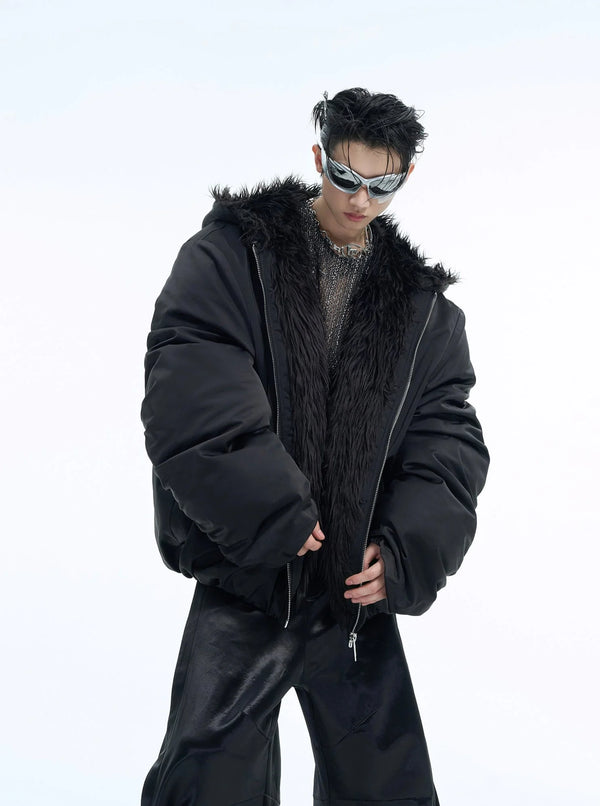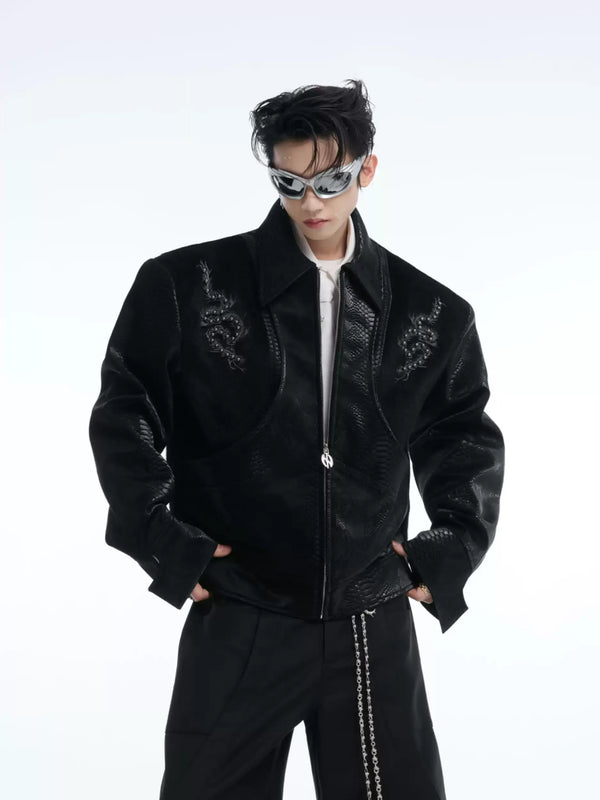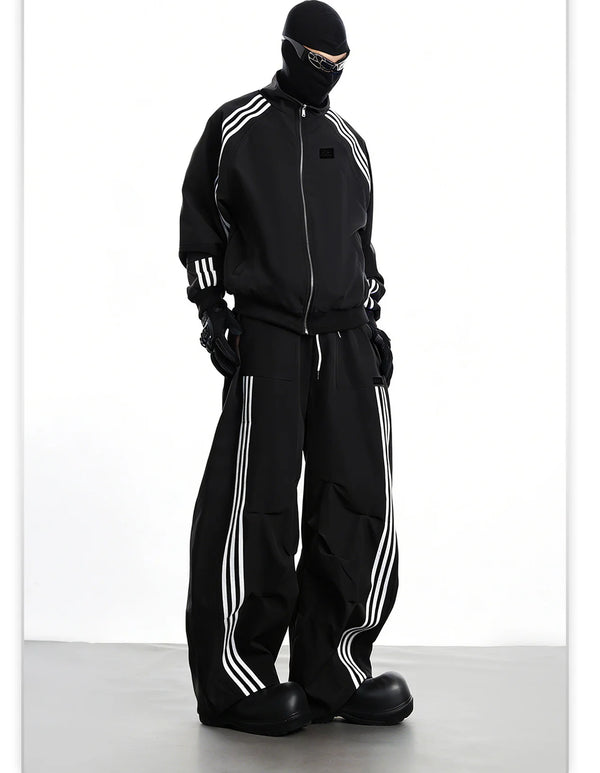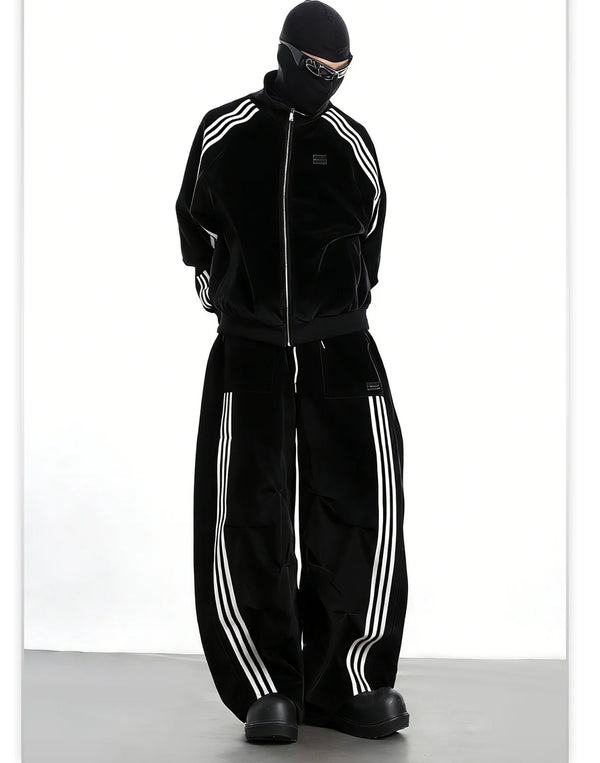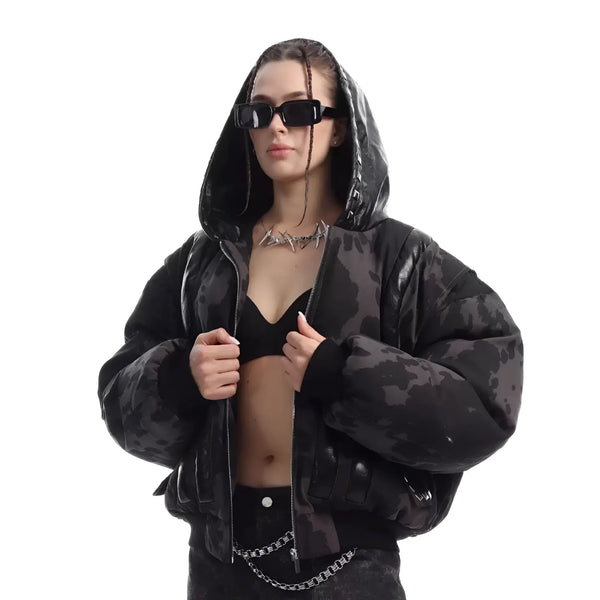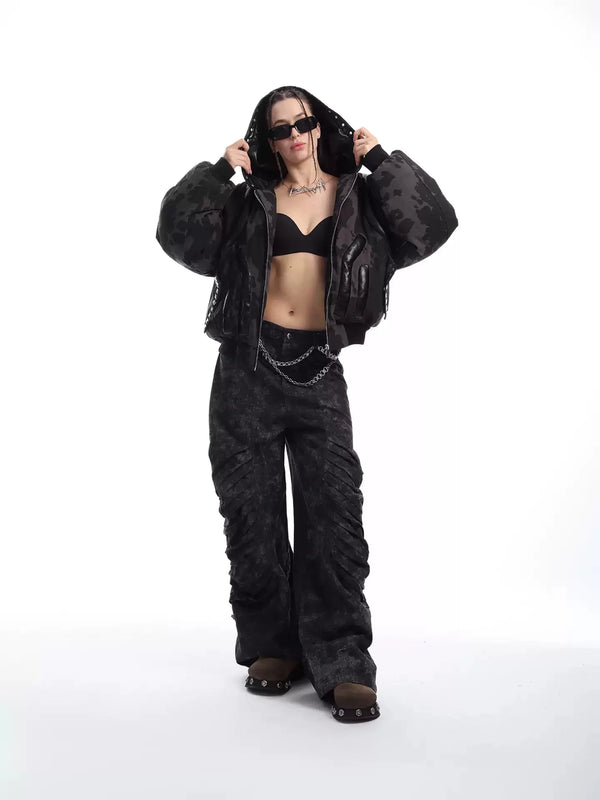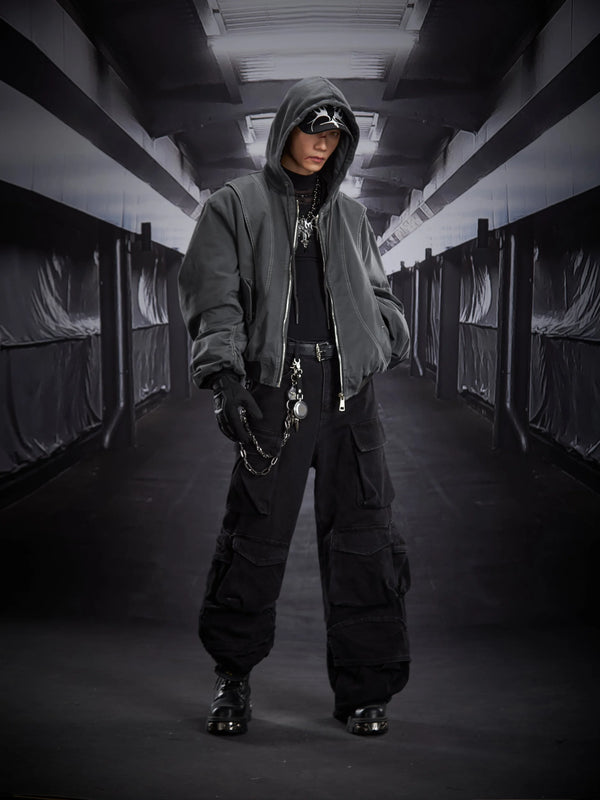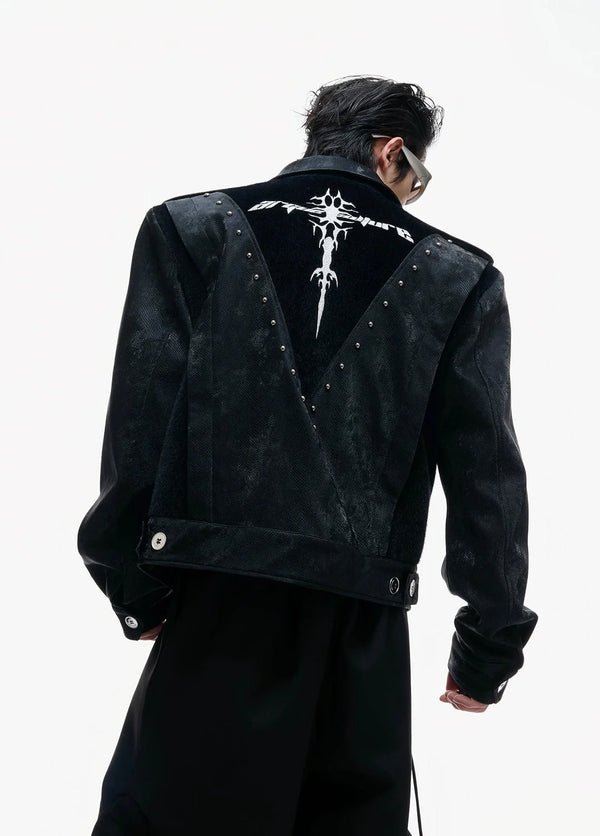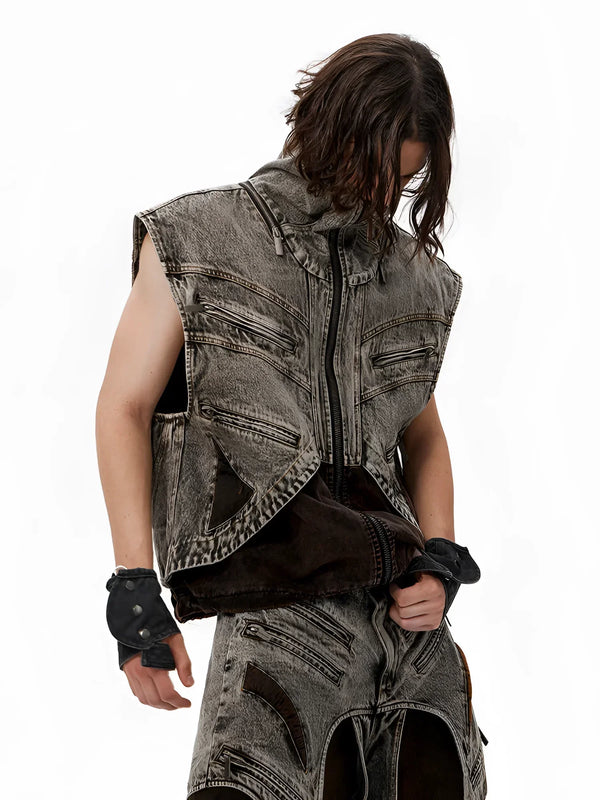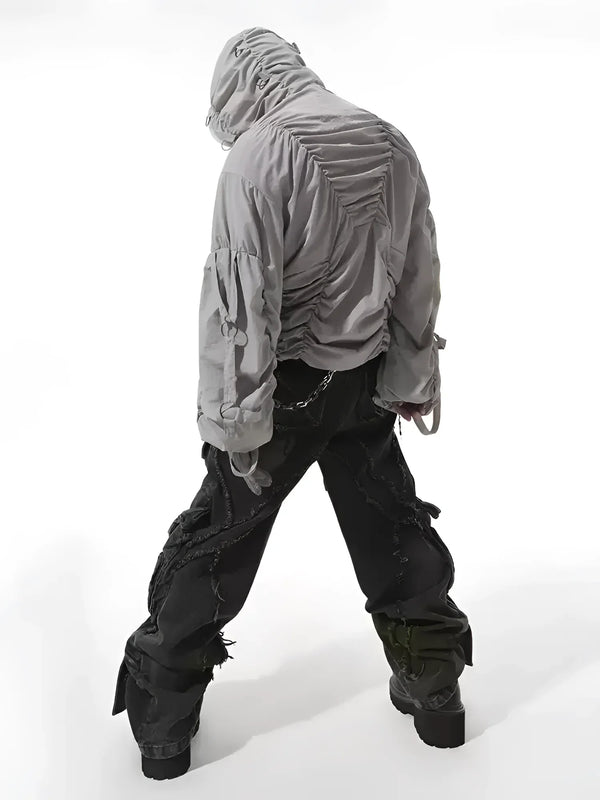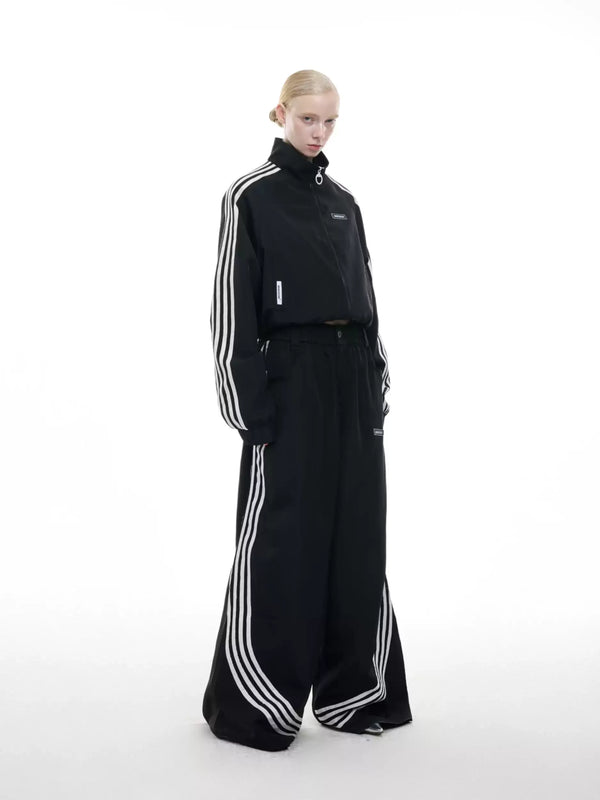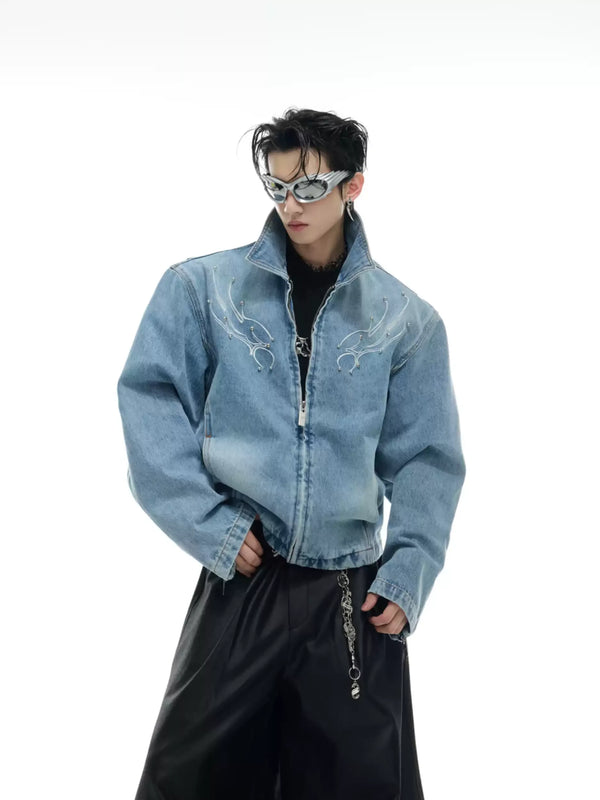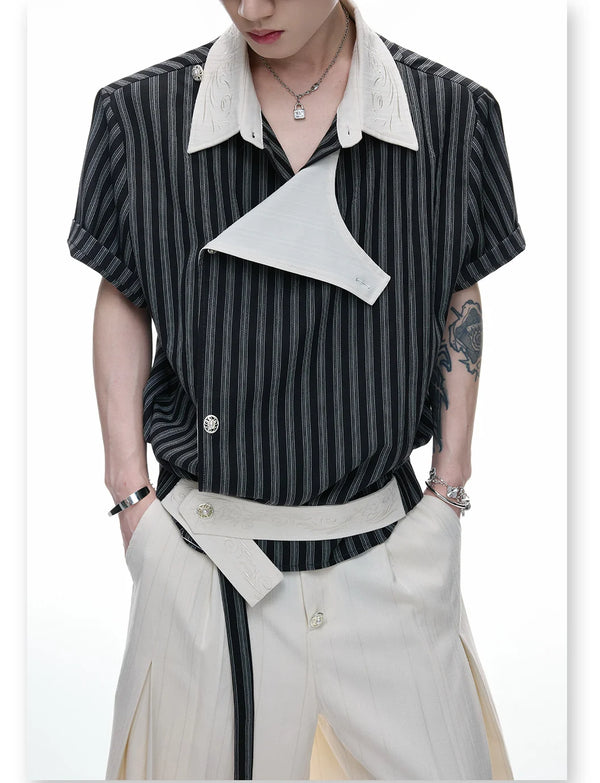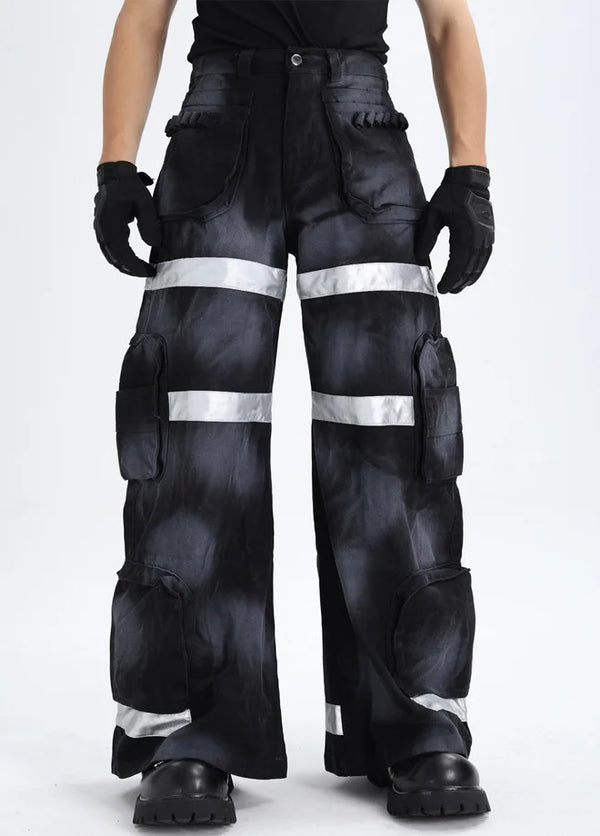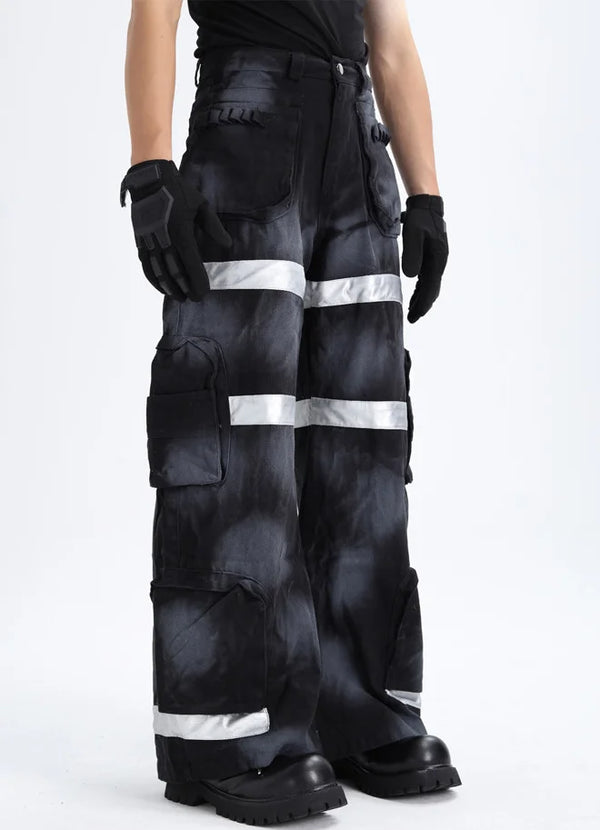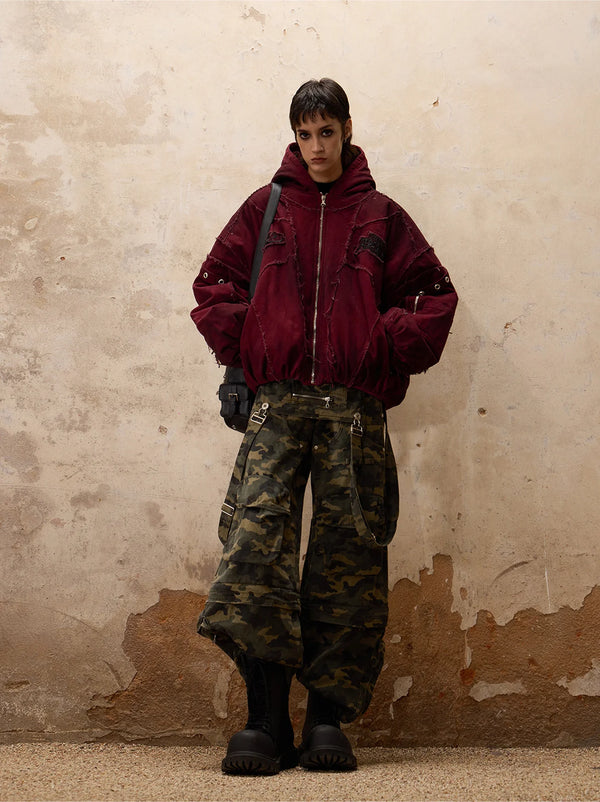
Limited drops, no restocks. Drop 06 — Opium · live Free shipping from €169 6–11 days worldwide Berlin · Shanghai · Tokyo · Poznań Limited drops, no restocks. Drop 06 — Opium · live Free shipping from €169 6–11 days worldwide Berlin · Shanghai · Tokyo · Poznań Limited drops, no restocks. Drop 06 — Opium · live Free shipping from €169 6–11 days worldwide Berlin · Shanghai · Tokyo · Poznań

Limited drop · Live now

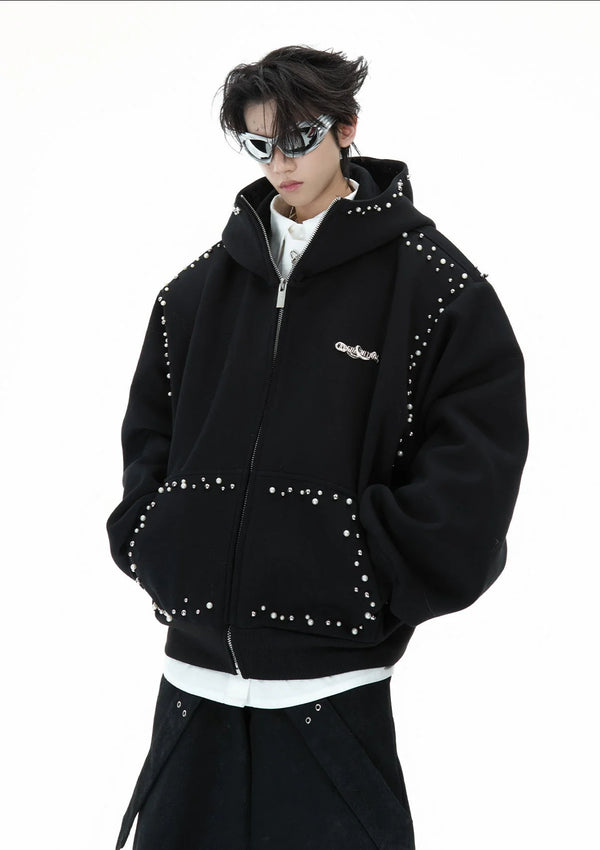
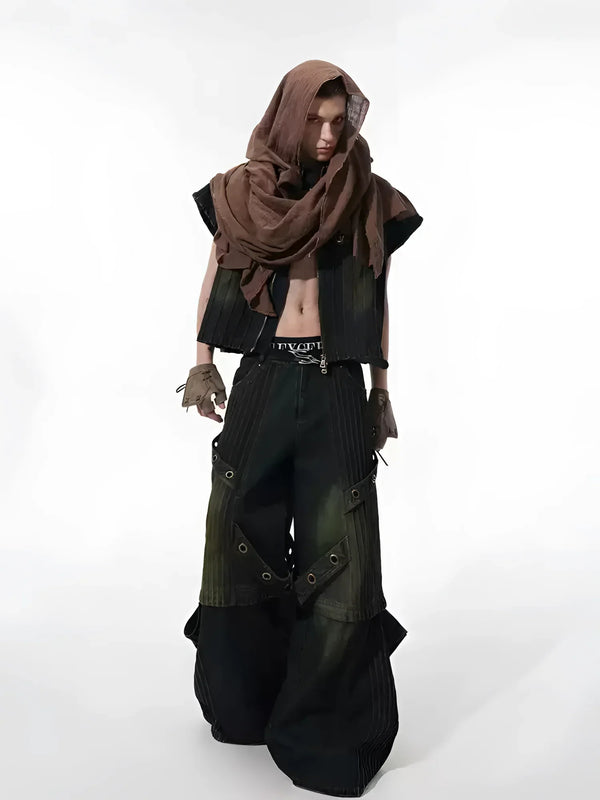
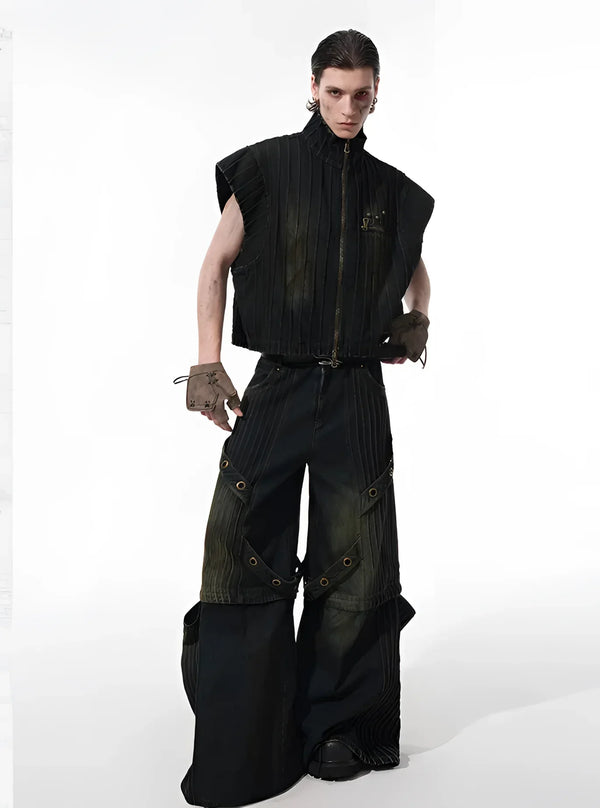
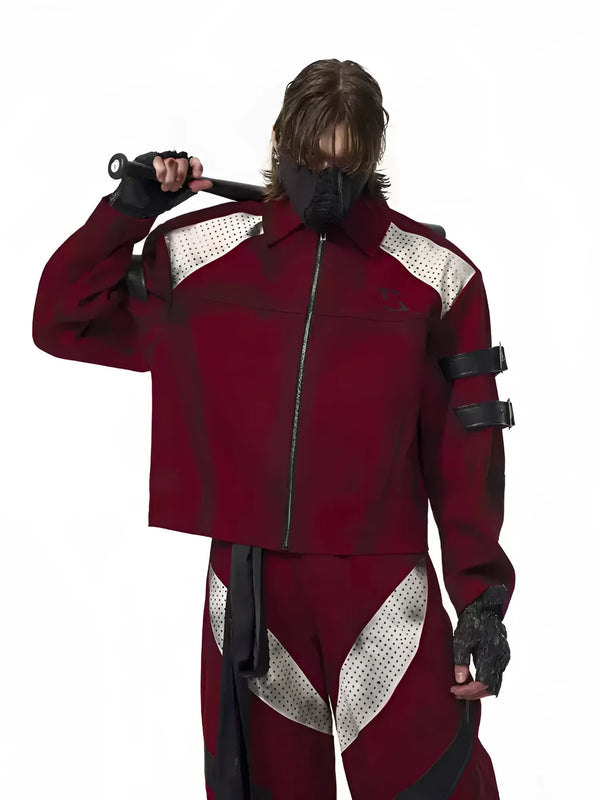
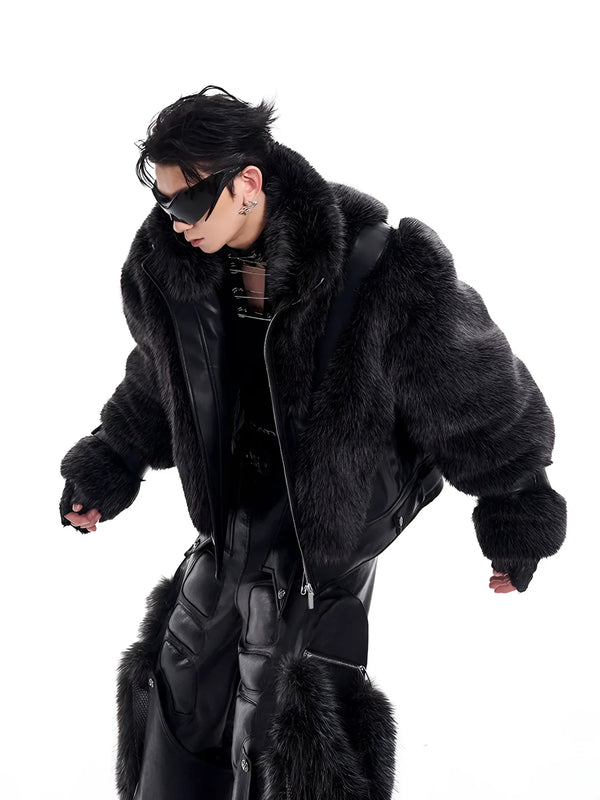
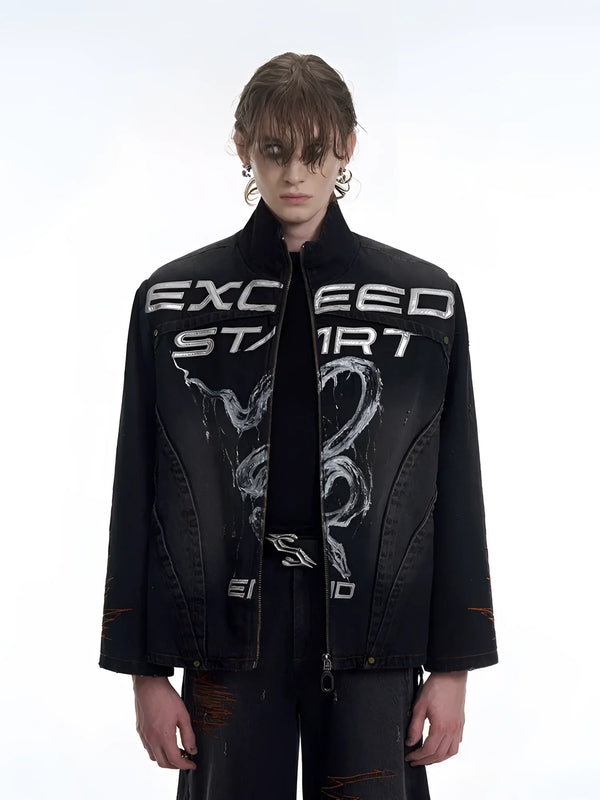
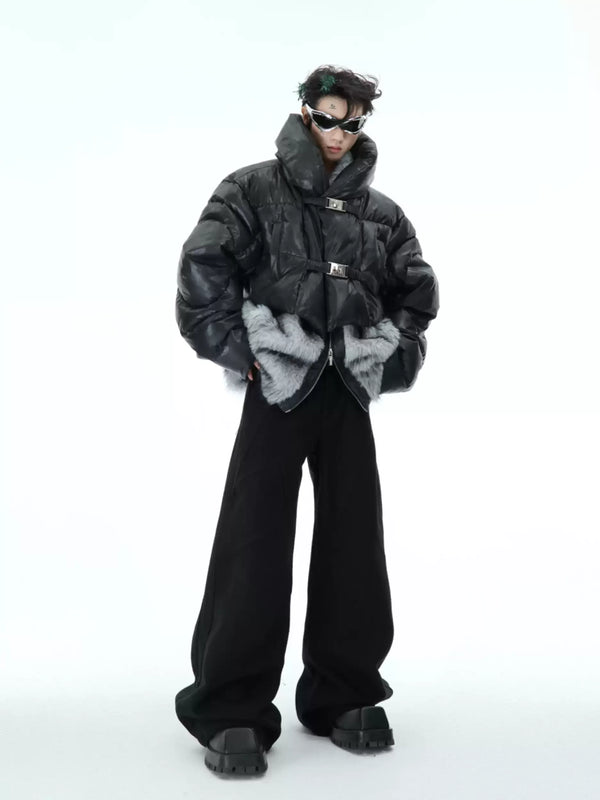
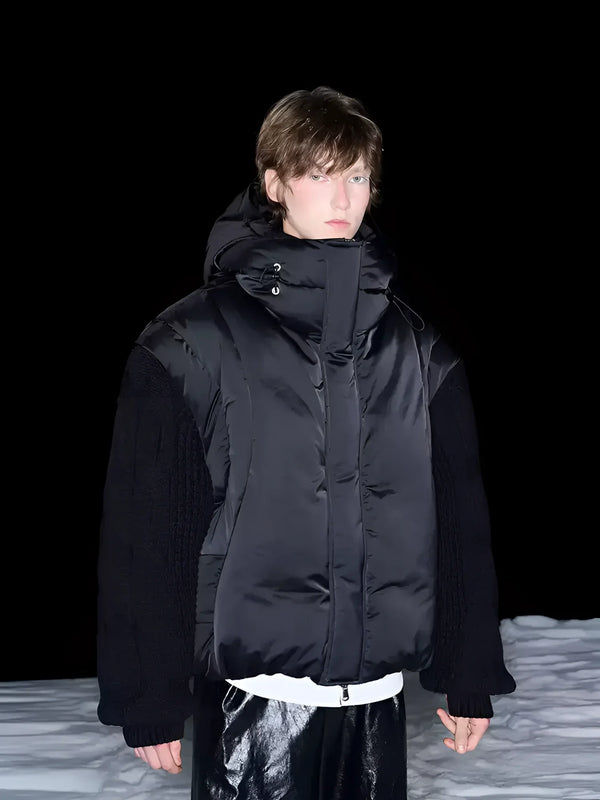
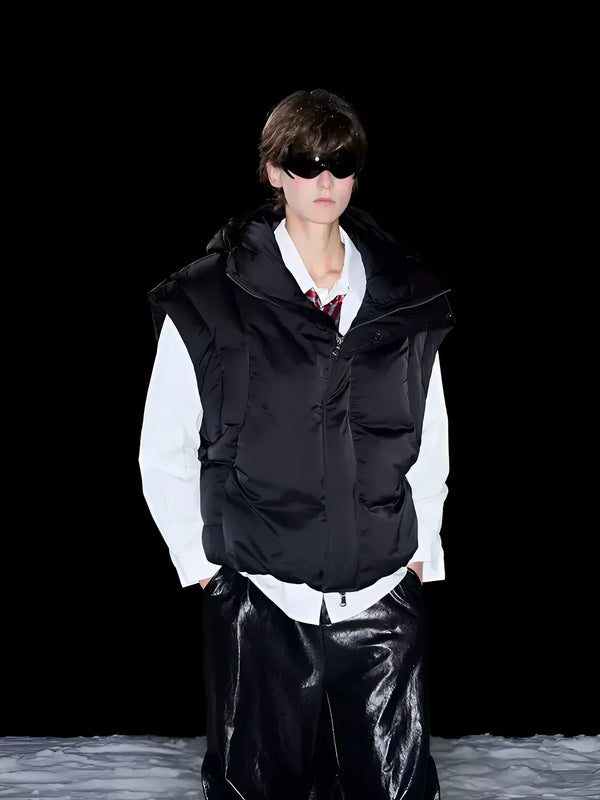
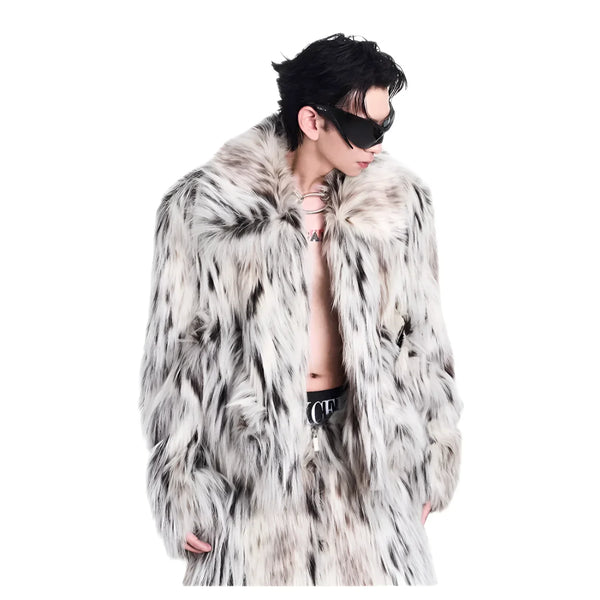
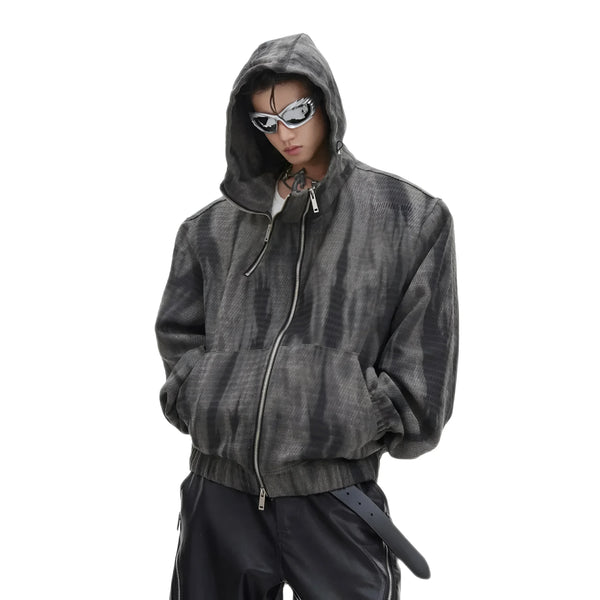
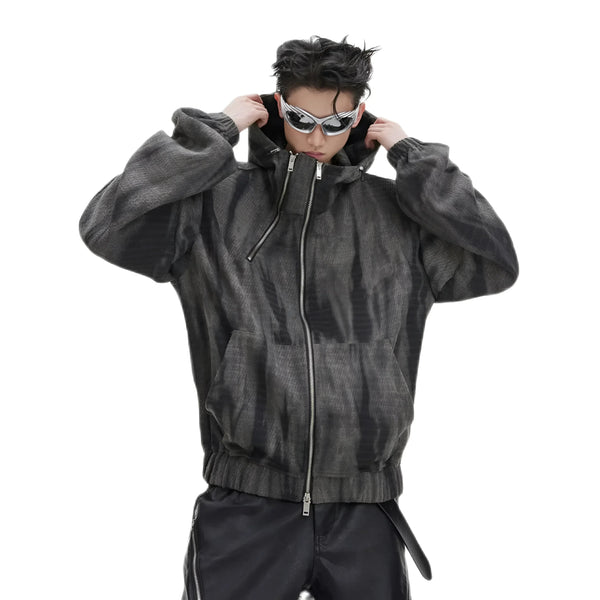
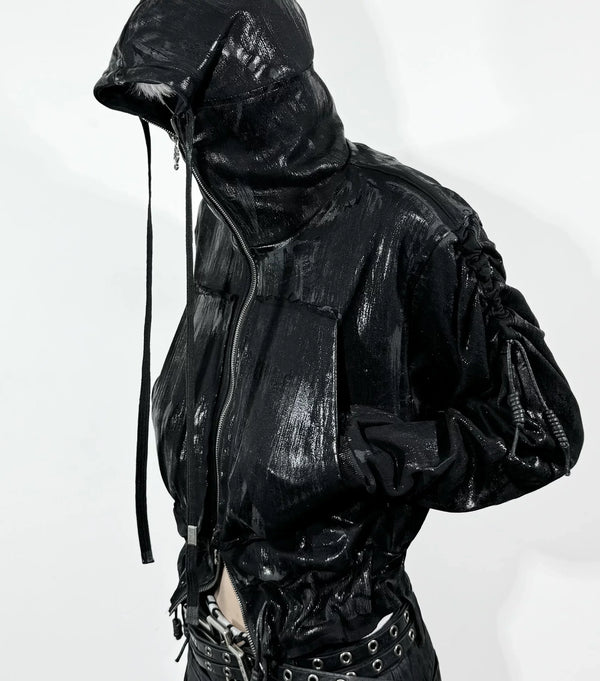
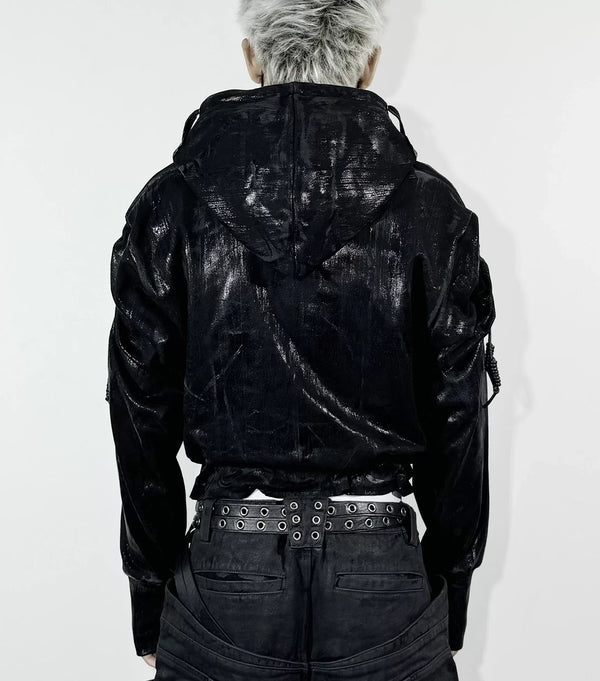
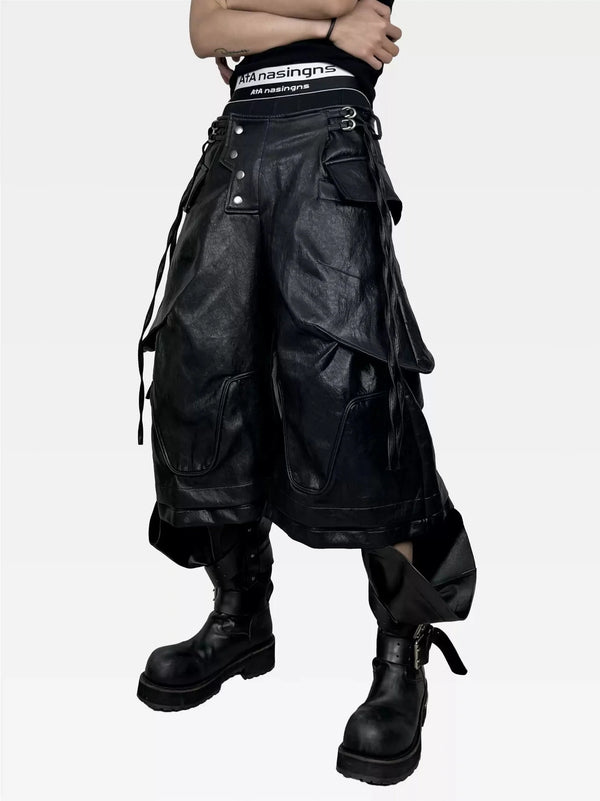
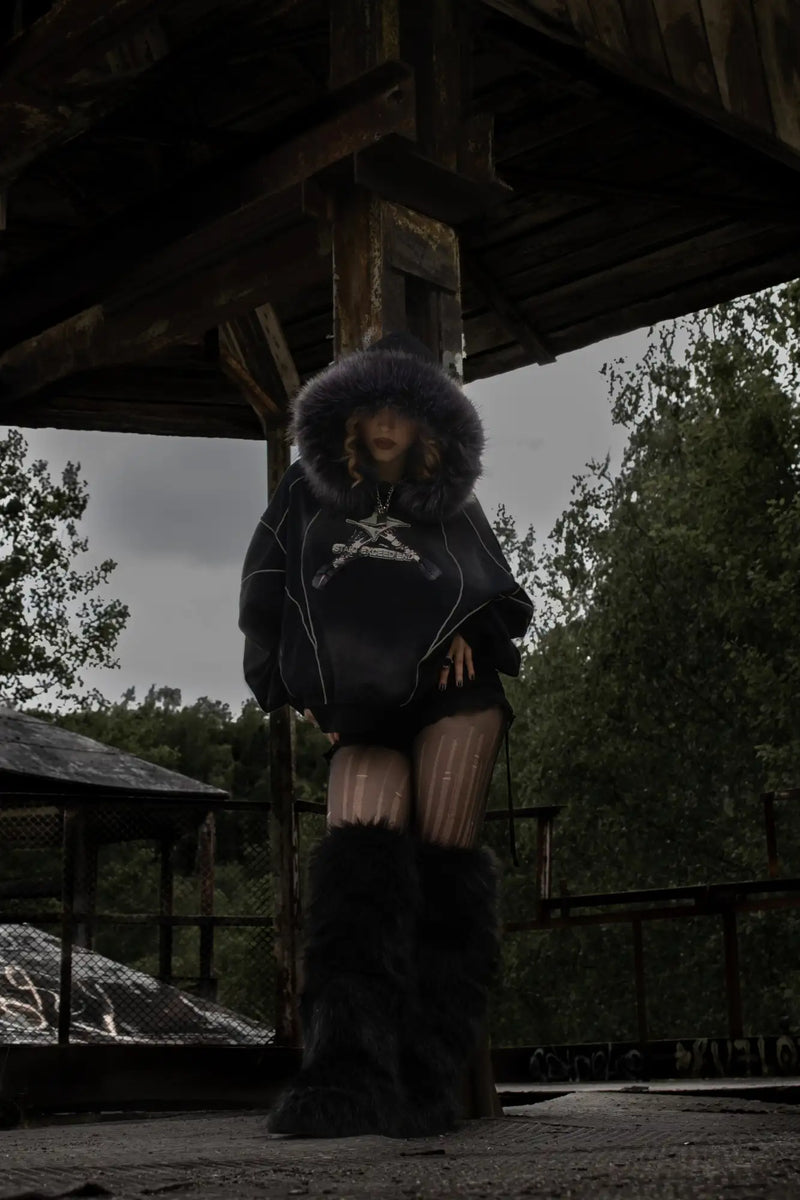
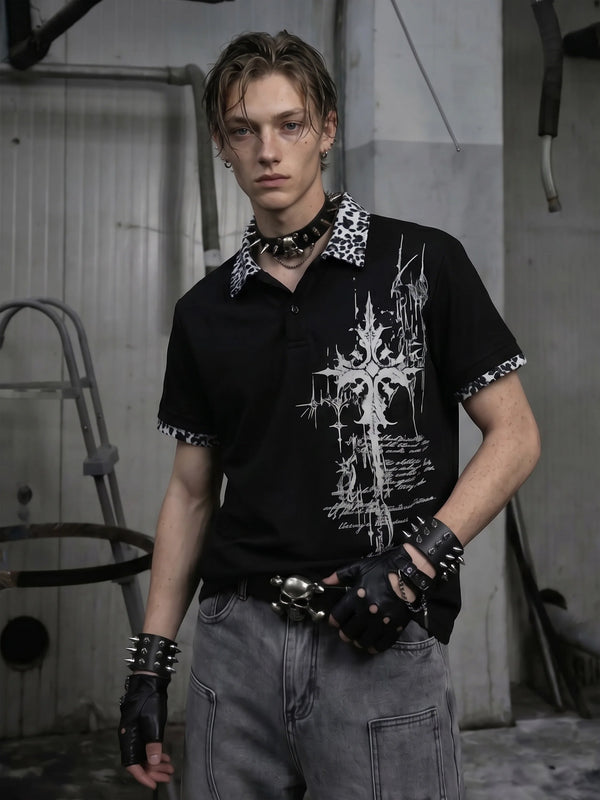
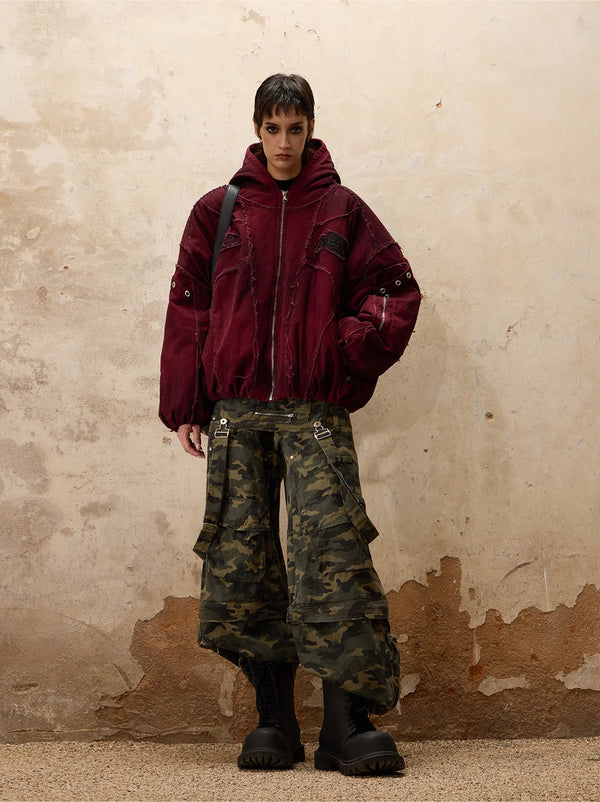
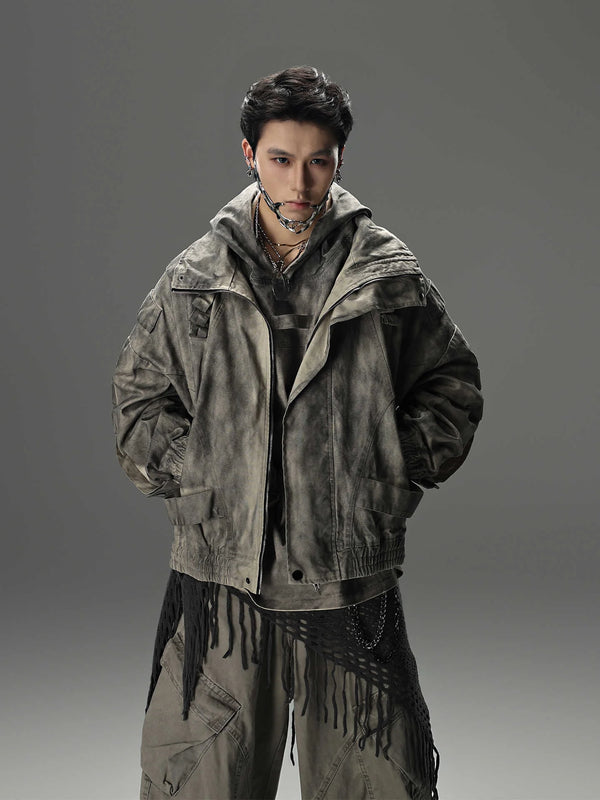
Japanese windbreakers.

Japanese windbreaker — the original design that combines fashion and functionality in a new way.

Most Wanted

What everyone wants.

All pieces

All of Japanese windbreakers.

Inside Fūga · Japanese windbreakers Deeper into Japanese windbreakers

Japanese windbreaker — the original design that combines fashion and functionality in a new way. The Japanese interpretation of windbreaker jackets combines sporty basics with urban elegance: high-quality fabrics, reduced color palettes and a cut that works equally in Tokyo, Seoul and Berlin. At Fuga Studios you will find the best Japanese windbreaker 2026's full selection — from classic Sukajans to modern streetwear interpretations to high-end designs that oscillate between Harajuku and minimal chic.

📖 Japanese windbreaker at a glance

High quality shell materials with water-repellent coating combined with Japanese precision tailoring. The color palette ranges from classic dark and neutral tones to subtle prints and embroidery. Perfect for transitional seasons or as a layer over thicker mid-layers in winter - that's why it's a favorite from Tokyo to Berlin styles. A good windbreaker is not only functional, but also an investment in a timeless piece that you will wear for years.

What is a Japanese Windbreaker?

A Japanese windbreaker is a wind and water protection compact jacket that was developed from the Japanese design tradition. Unlike classic Western windbreakers, Japanese manufacturers rely on precise, often minimalist, elegant cuts and high-quality functional fabrics. The result is a jacket that works both on urban streets and during real sports without sacrificing aesthetics. Its roots lie in Japanese outdoor and sports culture, but have been reinterpreted by modern streetwear designers such as Needles, South2West8 and others. This jacket is not about mass, but about the balance of precise function, high-quality material and a visual code that is recognizable and timeless. A true Japanese windbreaker is not a trend piece - it is a classic that remains relevant for decades.

The anatomy of a Japanese windbreaker

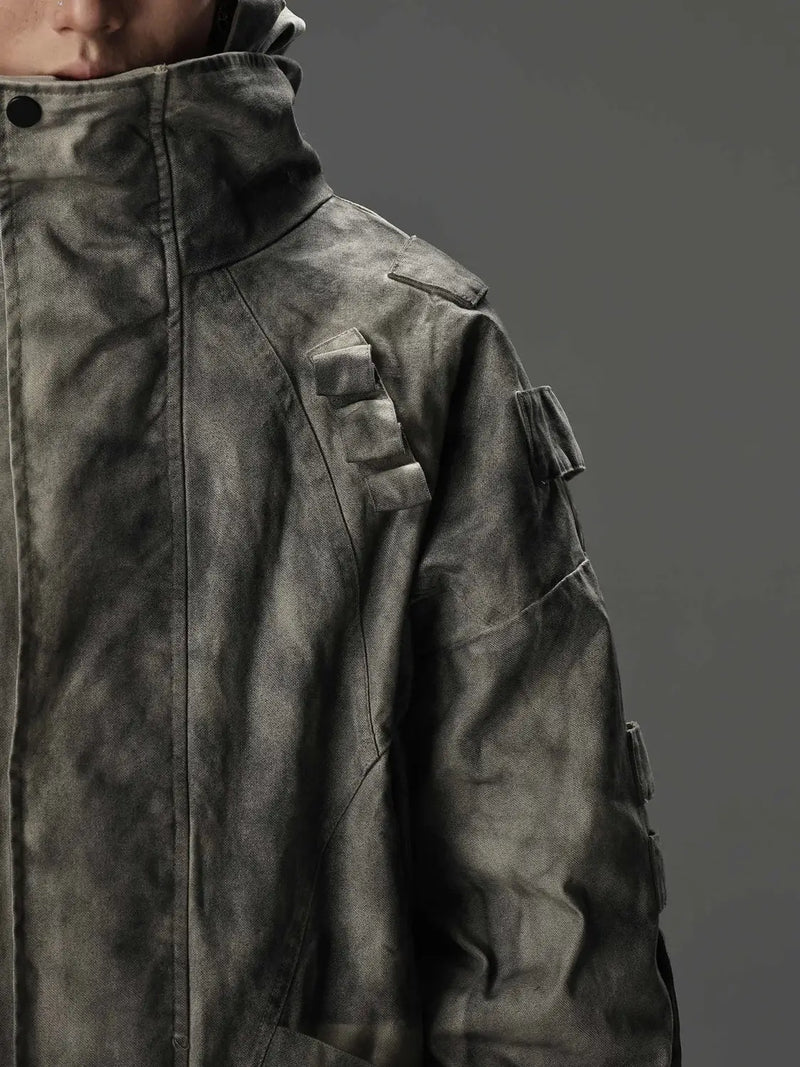
The classic one Japanese windbreaker consists of three core components: the material, the cut and the details. The material is dominated by light shell materials such as nylon taffeta, ripstop or new technical fibers that are water-repellent and windproof without appearing stiff. These materials are often sturdy and can withstand real wear and tear — not just visually cool, but truly functional. The cut is striking — usually slightly oversized in the upper body, with precisely placed sleeves and a smooth shoulder line that also works when layered under the jacket. These proportions are not random, but the result of decades of Japanese design know-how. Finally, the details are what separate good Japanese windbreakers from great ones: reinforced seams at critical points, high-quality zippers (often YKK or equivalent quality), minimalist logos or embroidery on the chest or back, and an internal construction that shows that nothing has been left to chance. The hood is optional - some models have it integrated, others don't. The best pieces also feature a subtle internal pocket or reinforced ventilation zones, showing that the designers have really thought through how the jacket is used.

🧥 Japanese Windbreaker Categories

From classic sukajans to modern shell jackets, discover all the silhouettes.

🎥 Japanese windbreaker in action

@fugastudios This puffer jacket just broke the matrix 🤖✨ #techwear ♬ Original sound - Fuga Studios

Styling guide: Combine Japanese windbreaker

A Japanese windbreaker is the perfect transitional piece and works as a centerpiece for multiple outfit archetypes. The classic way is this Minimalist look: Black trousers, white or cream base, with the windbreaker jacket on top. This is timeless and works everywhere - whether over coffee or at a business meeting. The second archetype is the Techno-urban mix — Cargo pants, fitted long sleeve, over a black or dark green Japanese windbreaker. This creates visual contrast without being too loud. A third way is this Luxury approach — if you have a high-quality Japanese windbreaker with statement embroidery or subtle prints, combine it with reduced, well-fitting basics in black or navy. The jacket should play the main visual role and subordinate everything else. A good Japanese windbreaker works equally well with sneakers, minimalist shoes or even loafers. The key is to treat the jacket as the main piece — everything else should play a supporting role.

Japanese windbreaker according to climate and season

In spring and autumn it is Japanese windbreaker King — just the right weighting for transitions. In winter it works as an outer layer over a thick fleece or wool sweater, as long as the jacket itself is not too thin. For summer, choose the lightest versions with mesh lining or maximum breathability - these are primarily intended to protect against wind and light rain, not to warm you. In hot weather, even the airiest windbreaker can be too much - in which case a T-shirt with a light overlay might be a better choice. The best strategy is to have two or three Japanese windbreakers with different weight classes: an ultra-light one for summer and transitional moments, a medium one for standard fall, and optionally a slightly heavier one for really cold transitions. At Fuga Studios you will find all variants - from airy to robust - in a wide range of sizes. Some of our customers even have four different weightings in the rotation system.

⛅ By season

Each season has its appropriate windbreaker weighting.

💡 Pro tip

Pay attention to the hood: With real Japanese windbreakers, the hood makes a statement. Some designers leave them out as a matter of principle - it looks cleaner and more minimalist. Others integrate them minimally and reversibly. Think about whether you like a visible hood and be sure to test the fit over a regular sweater or midlayer before buying. A good windbreaker has to work with layering and not be too tight - that's the biggest mistake when buying.

The story behind Japanese Windbreaker Design

The Japanese windbreaker has deep roots in Japanese sports culture and is now being redefined by international designers. In the 1990s and 2000s, the sukajan — colorful, embroidered bomber jacket — emerged from a mix of American college wear and Japanese craft techniques. These jackets were originally sportswear, but quickly became cultural symbols. Minimalist shell jackets were later added, inspired by Japanese outdoor brands such as Snow Peak and others. Names like Needles, Engineered Garments, Kapital and many others shaped the genre and defined what is now understood as “Japanese design”. The characteristic was always: not too loud, not too simple, high-quality material and workmanship, and a subtle visual code that only those who are already in the club recognize. This ethos lives on through 2026 — perhaps even more intensely, because true quality and functionality are more valuable than ever in a fast-moving fashion world. The best windbreakers today combine the best from the past and future.

Japanese Windbreaker: Related Styles and Links

Who Japanese windbreaker loves, ours should too Harajuku streetwear collection explore — the Harajuku universe with all its variations lives here. For a completely different angle check out Techwear jackets — the futuristic brother of the Japanese Windbreaker. If you like it more subtle, see below Japanese streetwear the complete range. There is also one for deeper beginners New Arrivals and specialized categories such as Japanese streetwear hoodies and Japanese Harajuku Pants for complete outfits.

🎌 Japanese Windbreaker Collections

Complete components for the perfect Japanese windbreaker look.

Japanese Windbreaker — Fuga Studios 2026
🎌 DISCOVER JAPANESE WINDBREAKER

Free shipping from €169 | 14 day return policy

Frequently asked questions about Japanese Windbreaker

What is the difference between Japanese windbreaker and normal windbreaker?

Japanese windbreakers are characterized by precise cuts, high-quality materials and subtle processing details. They are often a little more expensive than standard windbreakers, but offer longer durability and a timeless design that won't go out of style. Japanese designers focus on minimalism and functionality instead of trends.

Are Japanese windbreakers water-repellent?

Most high-quality Japanese windbreakers are water-repellent, not waterproof. This means: light rain is not a problem, but they need to be re-impregnated if they are subjected to constant bombardment. When buying, pay attention to the material information - high-quality shell fabrics such as nylon taffeta with a DWR coating are the minimum.

How should you wash Japanese windbreaker?

Gentle hand wash or machine wash at 20-30 degrees on a gentle cycle is ideal. No fabric softener, no dryer. Air drying and regularly impregnating with DWR sprays maintains functionality for years. You will find detailed care instructions for each product.

What sizes are Japanese windbreakers available in?

At Fuga Studios you can find Japanese Windbreaker from XS until XXL. Many Japanese designs are oversized - we recommend checking the exact measurements and, if in doubt, choosing a size smaller. Size charts are available for every product.

How much does a high-quality Japanese windbreaker cost?

The range ranges from around €79.99 for simpler models to €189.99 for premium designs with special materials or limited editions. The core range is between €99.99 and €149.99. From €169 we deliver free of charge.

Can I wear a Japanese windbreaker in winter?

Yes, but as an outer layer over warm midlayers. A good strategy is to choose heavier windbreakers (somewhat lined or with a warmer lining) for winter and lighter options for transition and summer. Check the material description for weight and lining material on the product page.

@fuga_studios · Community

Our models aren't models.

They're friends, connections, Berlin-Shanghai-Tokyo-crew. When you wear Fūga, tag us @fuga_studios or #fugastudios — we repost the best fits, and you become part of the next Lookbook.

Opium
01Opium · 84 pieces

Niche · 01 / 04

Opium.

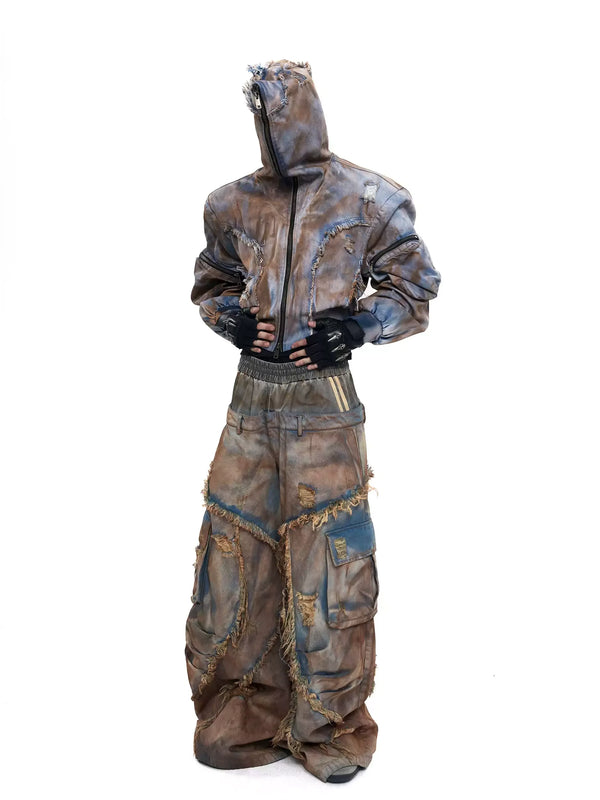
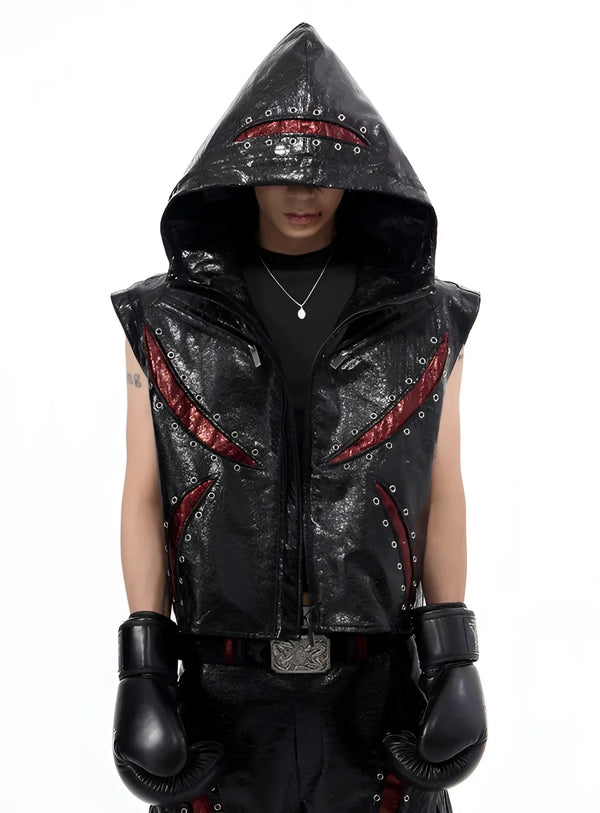
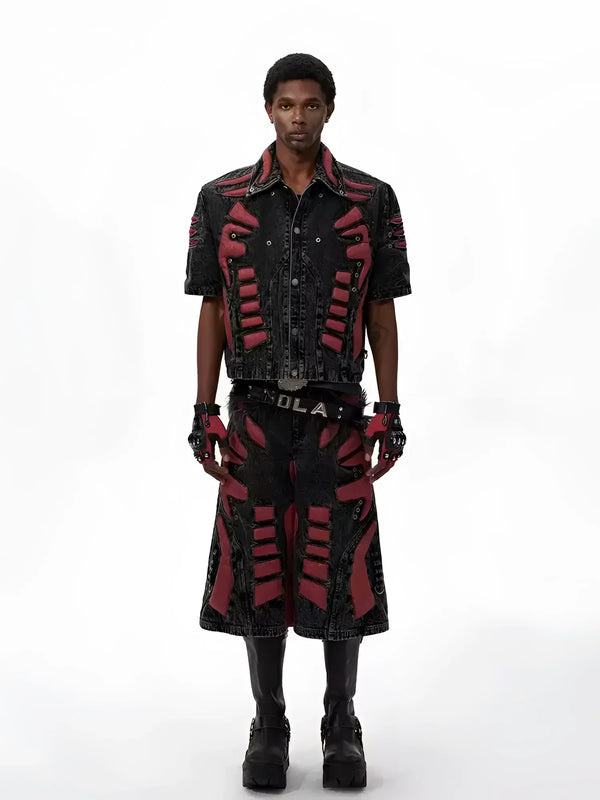
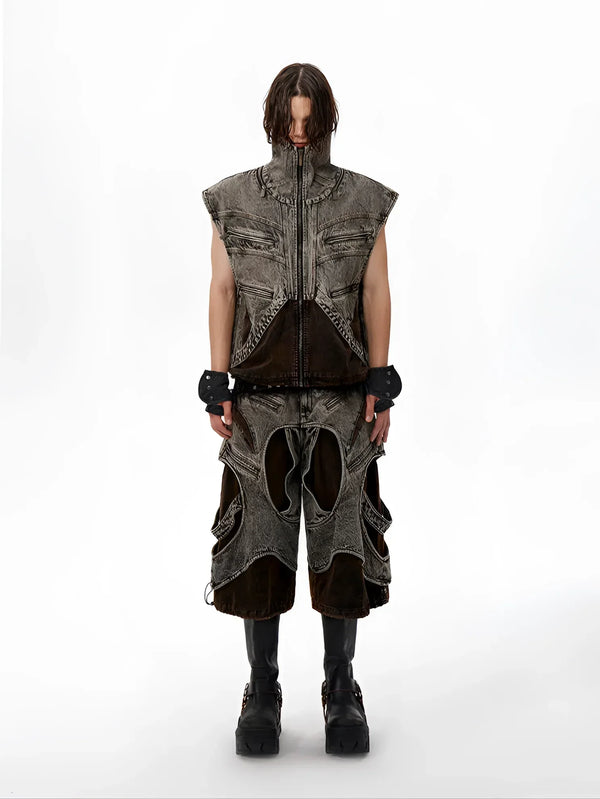
Opium comes out of the gap between Berghain wardrobe and Streetwear cut. We read the same material through our lens.

BerghainCarbon BlackHeavy DrapeRick · Carti4 a.m. Berlin
Shop Opium Lookbook

From Opium · 4 Pieces

All 84

4 of 84 Pieces

All 84
See all 84
Businesscore
02Businesscore · 22 pieces

Niche · 02 / 04

Businesscore.

Businesscore is the answer to what happens when you grow older without going soft. Tailored cuts with Streetwear DNA — between Yohji-Drape and 90s Italian tailoring.

TailoredYohji-DrapeSuiting Wool25-30 demostay edgy
Shop Businesscore Lookbook

From Businesscore · 4 Pieces

All 22

4 of 22 Pieces

All 22
See all 22
Techwear
03Techwear · 10 pieces

Niche · 03 / 04

Techwear.

Techwear started here as a translation of Tokyo reduction into fabric. Errolson Hugh, Acronym, GORE-TEX, ergonomic cuts — and parallel to that, Japanese discipline: nothing superfluous, all function.

AcronymGORE-TEXLayeredTokyo reductionFunctional
Shop Techwear Lookbook

From Techwear · 4 Pieces

All 10
See all 10
Streetwear
04Streetwear · 70 pieces

Niche · 04 / 04

Streetwear.

Streetwear is the root — the first designs out of Tokyo 2015 were Anime prints, Japanese characters, Harajuku graphics. Everything else grew from that, but the line keeps running.

Anime-OriginHarajuku 2015Heavy CottonY2KOversized Cuts
Shop Streetwear Lookbook

From Streetwear · 4 Pieces

All 70

4 of 70 Pieces

All 70
See all 70

2015 → today

Fūga

風雅

Fūga isn't for everyone.

Berlin Plattenbau origins, Asia-inspired. Creative, but never fully fitting into the system. Tokyo 2015 as the starting point — six niche phases since then.

Today: Berlin · Shanghai · Tokyo · Poznań. We know our designers by name. Limited drops, no restocks.

We aren't dropouts. We know the system — went through training, worked, kept building. Both sides hold.