Out.
Drop Alerts
We'll let you know when the next drop in this niche lands.
You're in. We'll let you know at the next drop.
Anime · Harajuku · Origin
Reduced, metallic, precise. The detail from Tokyo.
All pieces
Drop Alerts
We'll let you know when the next drop in this niche lands.
You're in. We'll let you know at the next drop.
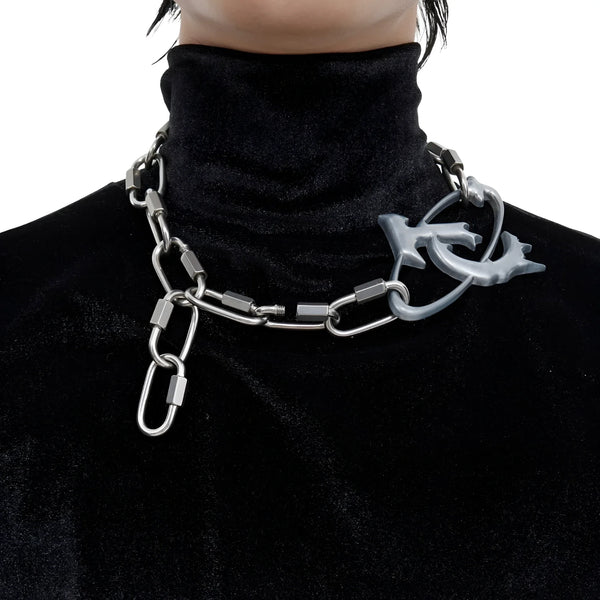

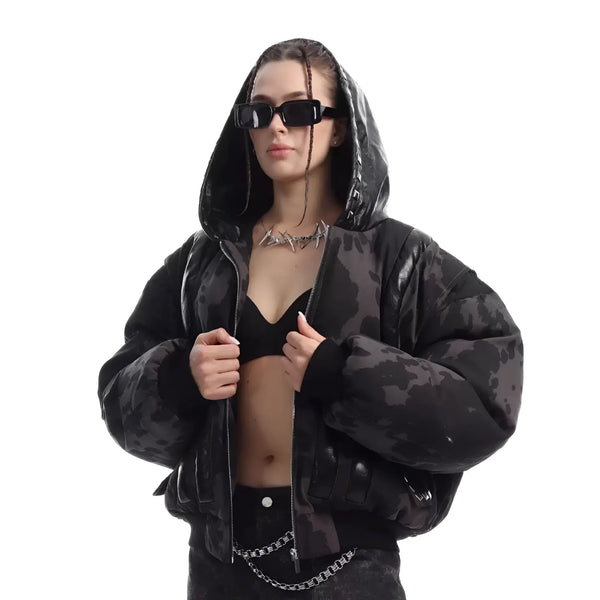
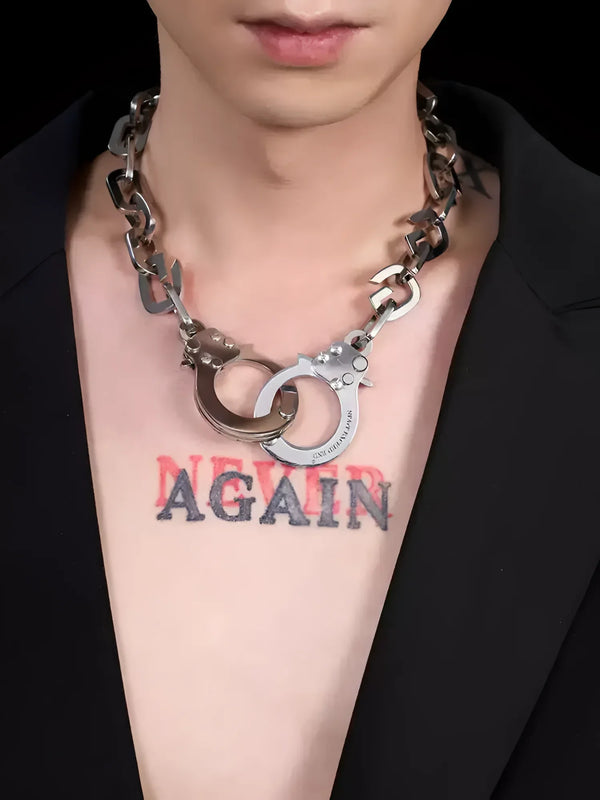
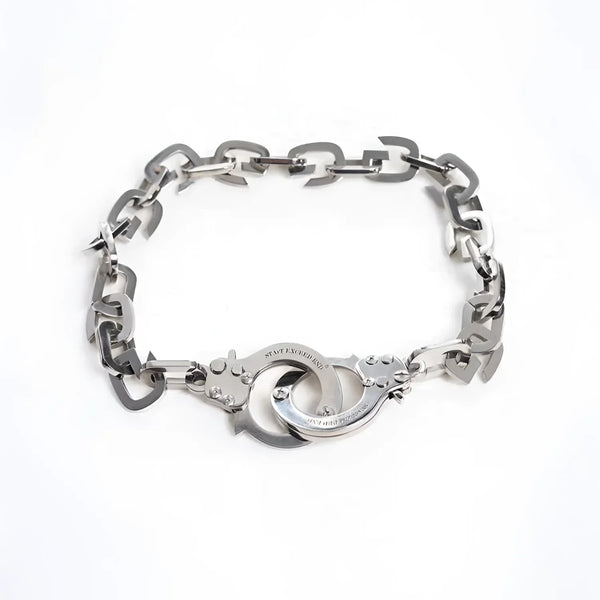
Necklaces that sound like Tokyo — reduced, intentional, not a gram too much. Japan necklaces at Fūga link minimalist chains with the detail consciousness of Japanese Streetwear. Less jewelry, more statement.
Japanese Streetwear treats accessories as standalone pieces, not as afterthought. The necklaces in this collection follow the same principle: clean lines, metallic surfaces, deliberately set proportions. Inspired by Japanese Fashion and the precision that Tokyo and Osaka have brought to Streetwear for decades. No overstatement — the detail carries the look.
Layering works, but measured. A fine chain under the collar, a heavier piece visible on top. Pair them with Harajuku Hosen and oversized silhouettes or with clean basics and a Japanese Windbreaker. The necklace sets the accent, the rest stays quiet.
Japanese Streetwear chains focus on reduced design and industrial materials. Less bling, more architecture — proportions and finish are what matter.
Anything that's deliberately put together. Techwear, Harajuku, Minimal Streetwear, Dark Casual. The necklaces work as contrast to wide cuts and as complement to clean layers.
Yes. Most pieces are subtle enough for daily wear and strong enough to define a look. Not a costume — a detail with intention.

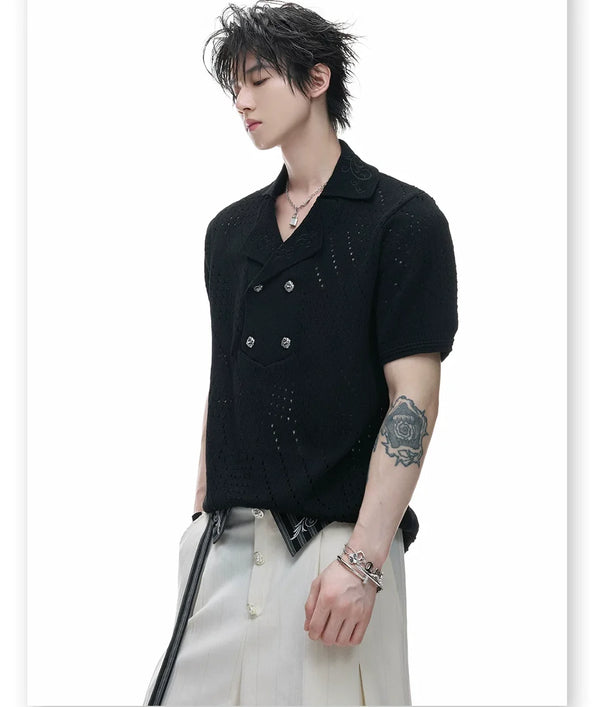
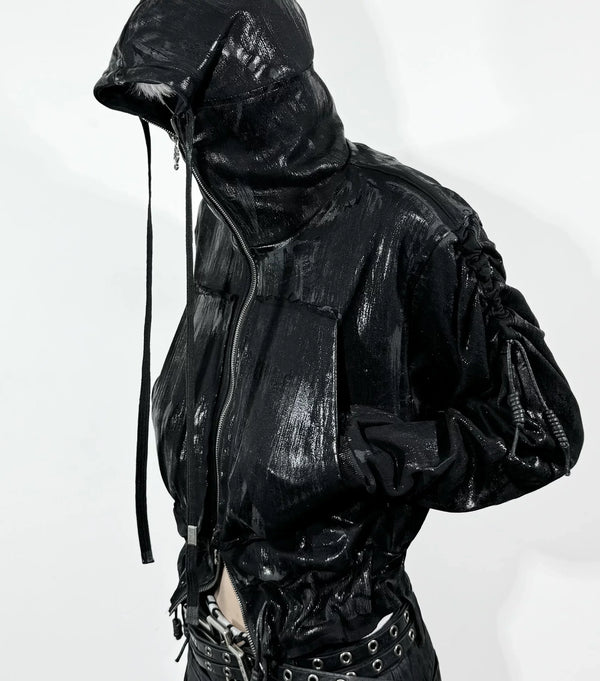
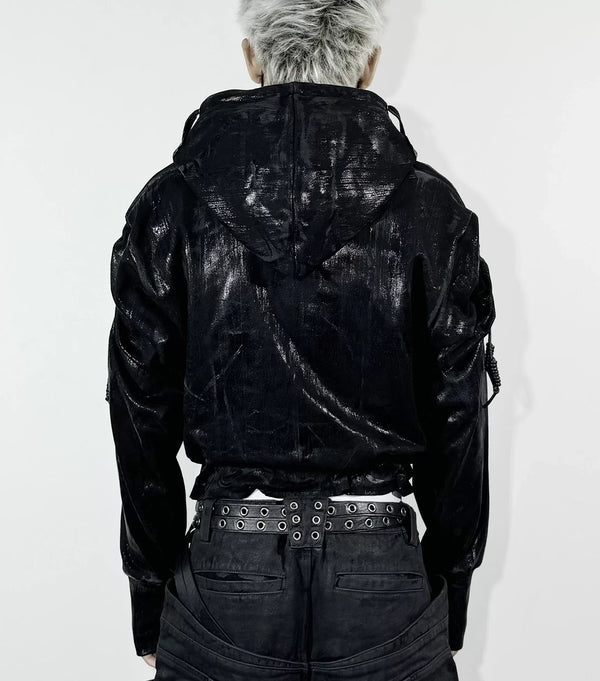
Opium Gradient Snake Cardigan
shanghai studio fit check

From Opium · 4 Pieces
All 84
Drop Alerts
We'll let you know when the next drop in this niche lands.
You're in. We'll let you know at the next drop.

Drop Alerts
We'll let you know when the next drop in this niche lands.
You're in. We'll let you know at the next drop.


4 of 84 Pieces
All 84
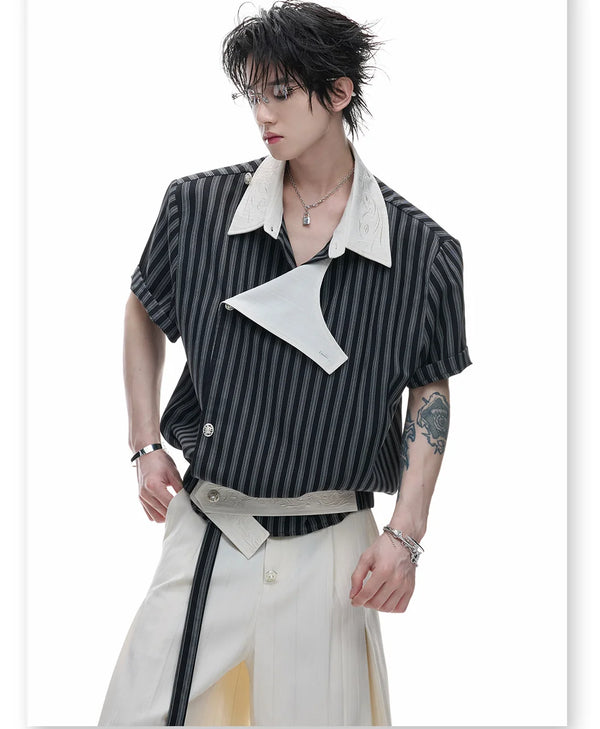
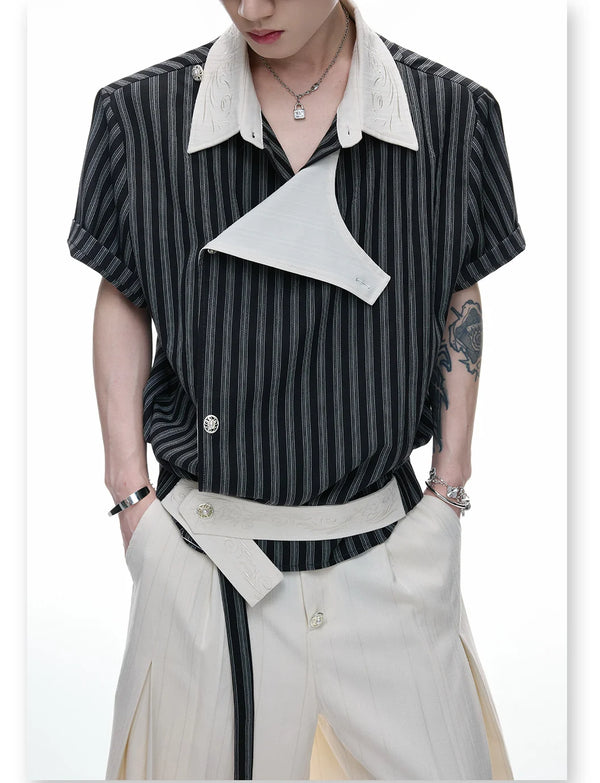
From Businesscore · 4 Pieces
All 23
Niche · 03 / 04
Techwear started here as a translation of Tokyo reduction into fabric. Errolson Hugh, Acronym, GORE-TEX, ergonomic cuts — and parallel to that, Japanese discipline: nothing superfluous, all function.
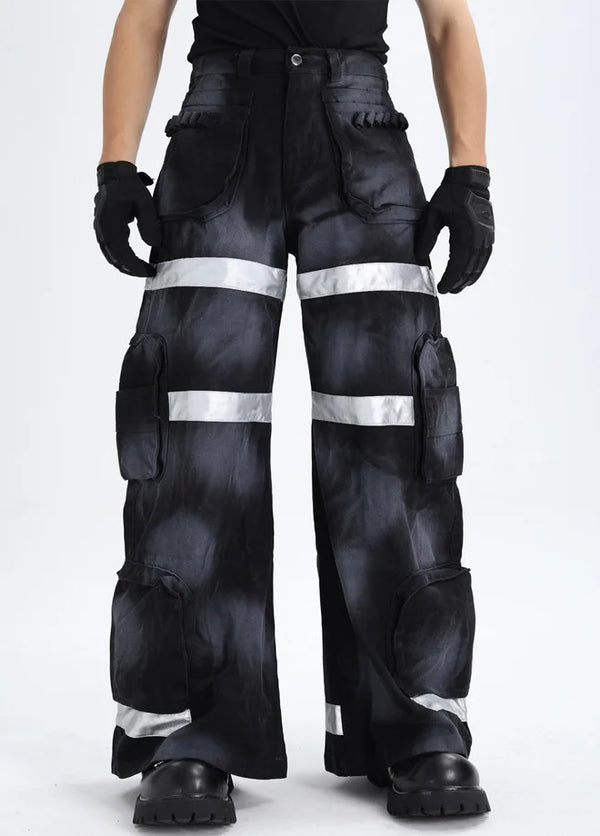
From Techwear · 4 Pieces
All 104 of 10 Pieces
All 10
Niche · 04 / 04
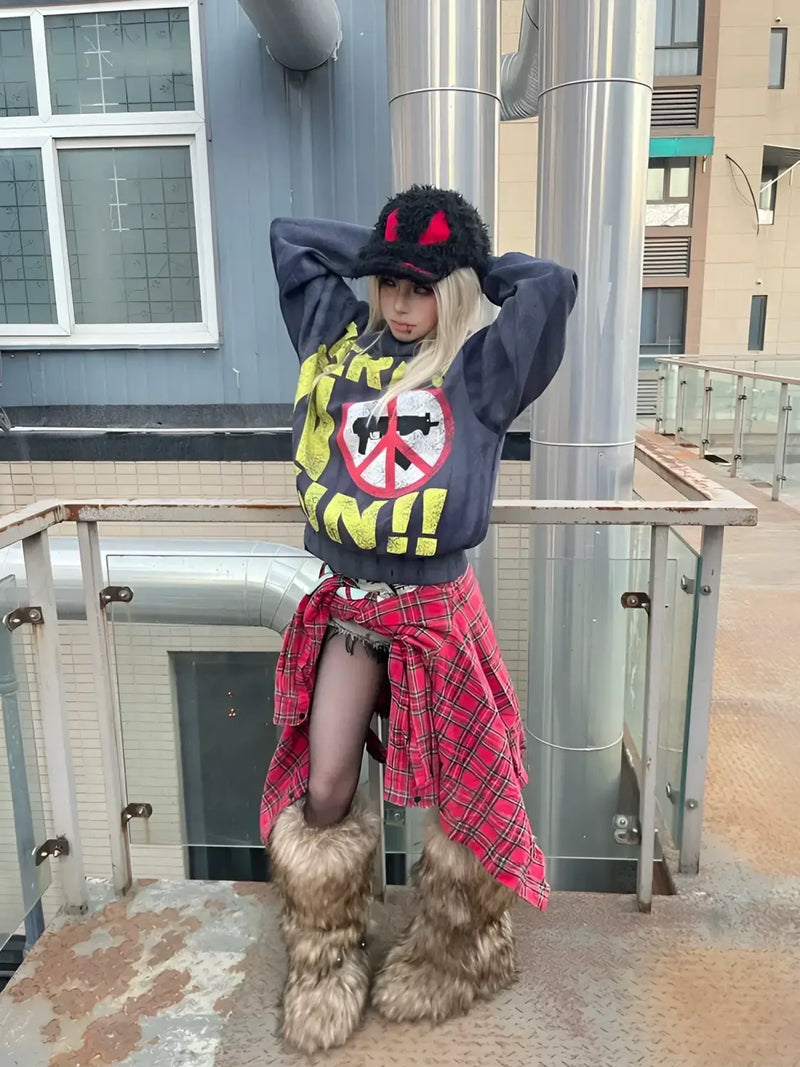
Streetwear is the root — the first designs out of Tokyo 2015 were Anime prints, Japanese characters, Harajuku graphics. Everything else grew from that, but the line keeps running.
From Streetwear · 4 Pieces
All 714 of 71 Pieces
All 712015 → today
Fūga
風雅
Berlin Plattenbau origins, Asia-inspired. Creative, but never fully fitting into the system. Tokyo 2015 as the starting point — six niche phases since then.
Today: Berlin · Shanghai · Tokyo · Poznań. We know our designers by name. Limited drops, no restocks.
We aren't dropouts. We know the system — went through training, worked, kept building. Both sides hold.
How Fūga evolved
What started as Streetwear in Tokyo has shifted over the years — through different phases, our own and collective.
01
The first designs. Anime prints, Harajuku characters, Tokyo connection.
02
Functional, layered, dark. Tokyo reduction translated into fabric.
03
Heavier, uncompromising, more shadow. Grew up parallel to Techwear.
04
Berghain aesthetic with street cuts. Raw, black, Berlin avant-garde meets Streetwear.
05
Cyberpunk meets the Berghain floor. Reflective, tactical, sound-system ready.
06
Tailored cuts with Streetwear logic. Growing older without going 9-to-5. Stay edgy.
What comes next, we'll write when the time comes.