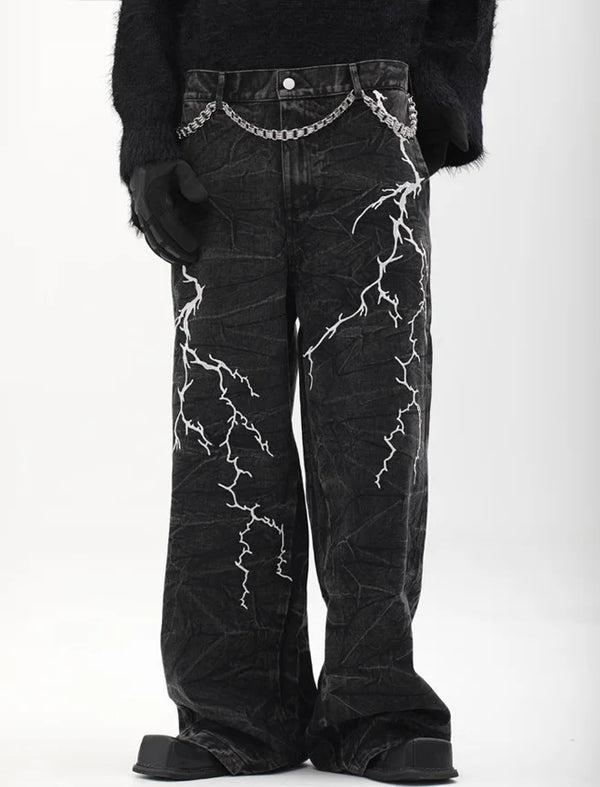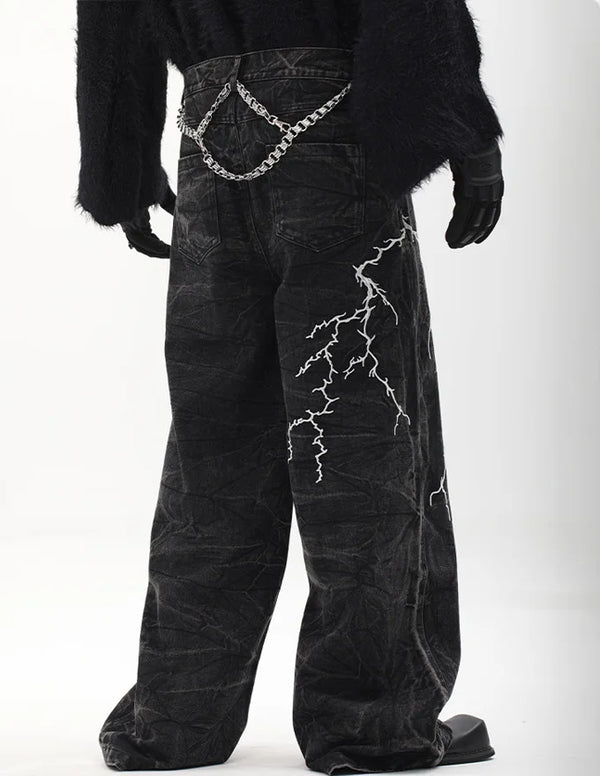
Anime · Harajuku · Origin
Japanese streetwear puffer jackets.
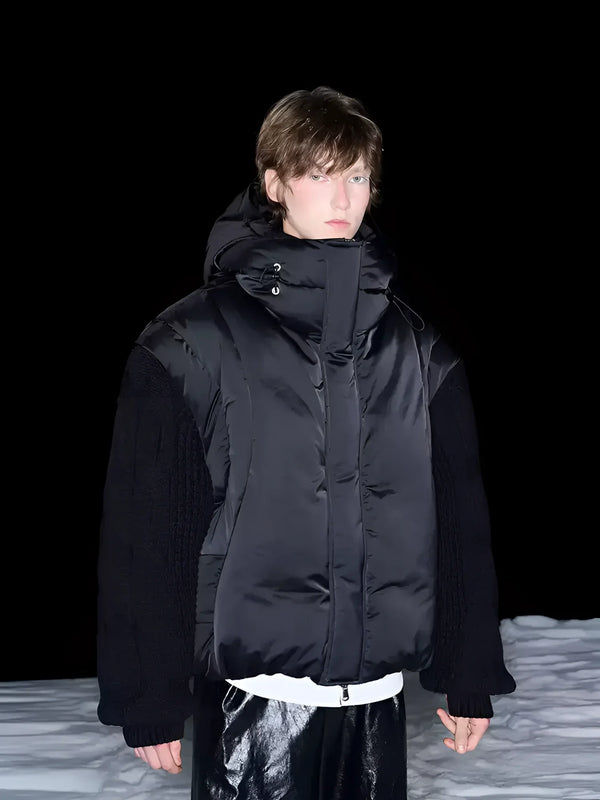
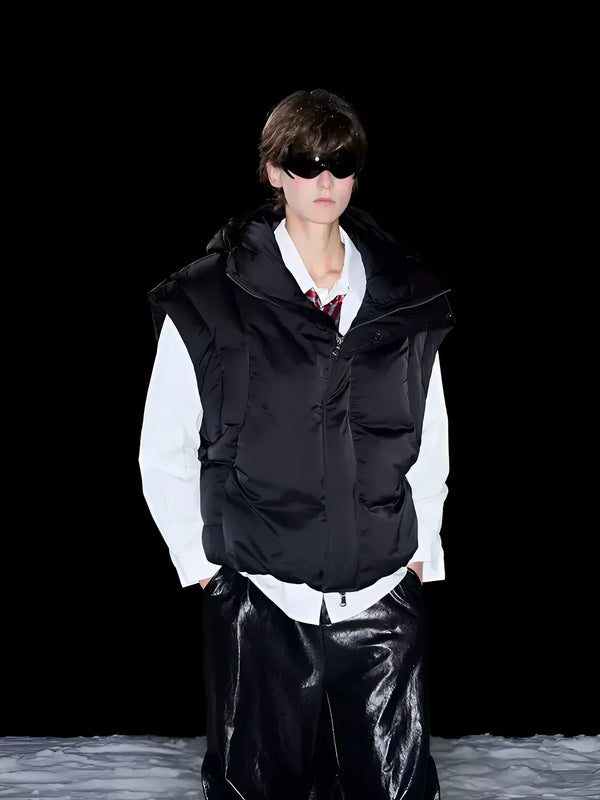
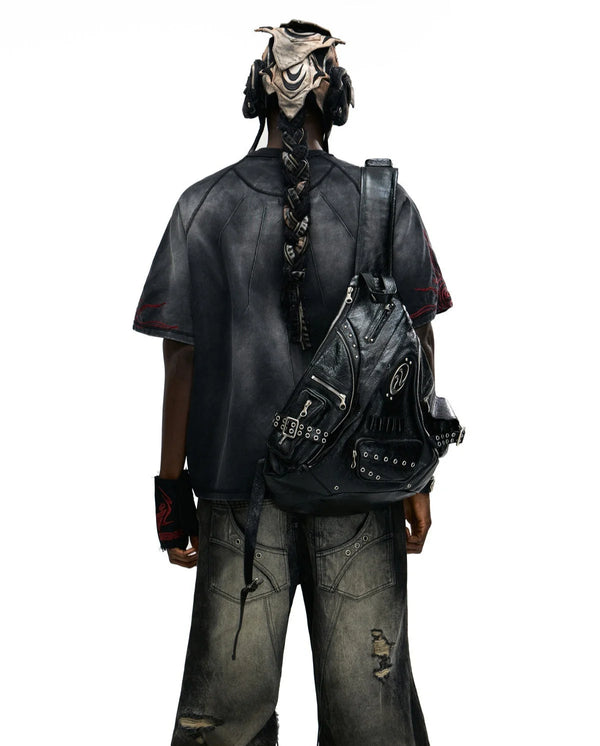
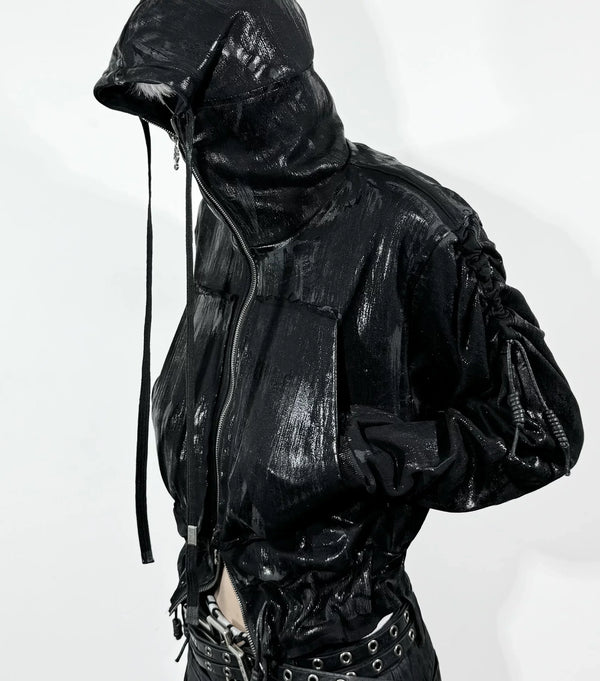
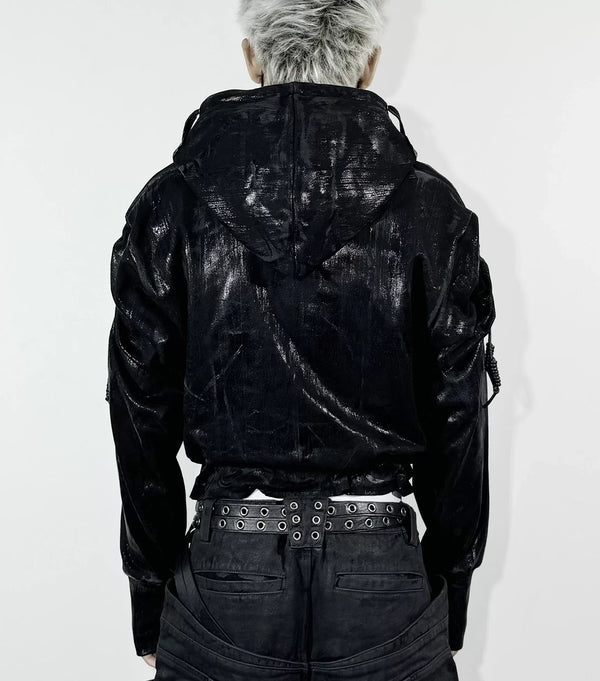
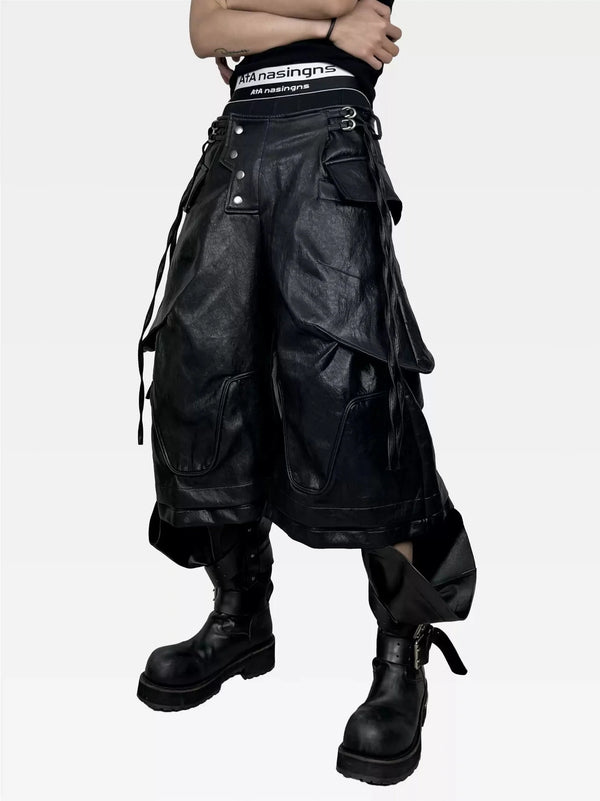
Volume, technical fabric, dark palette. Warmth thought architecturally.
All pieces
All of Streetwear.
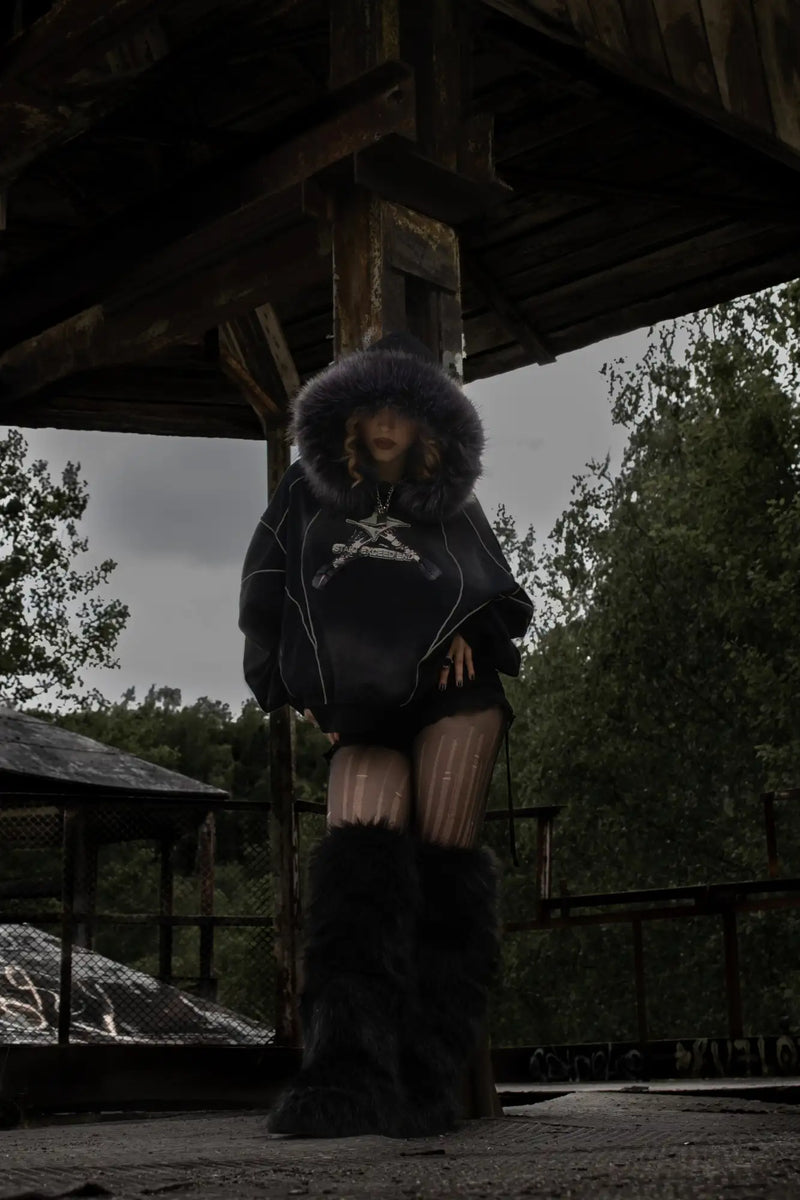
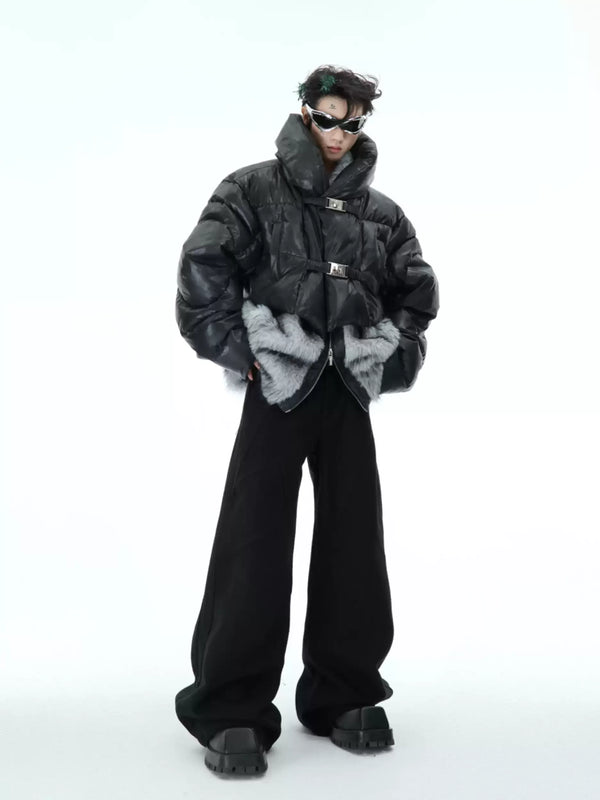
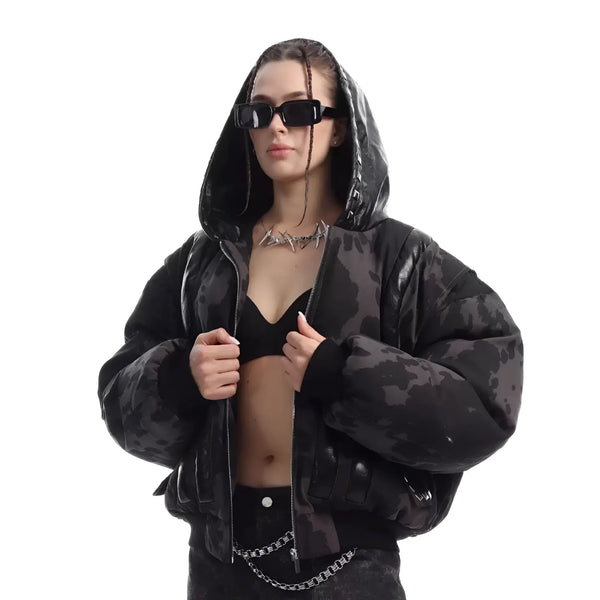
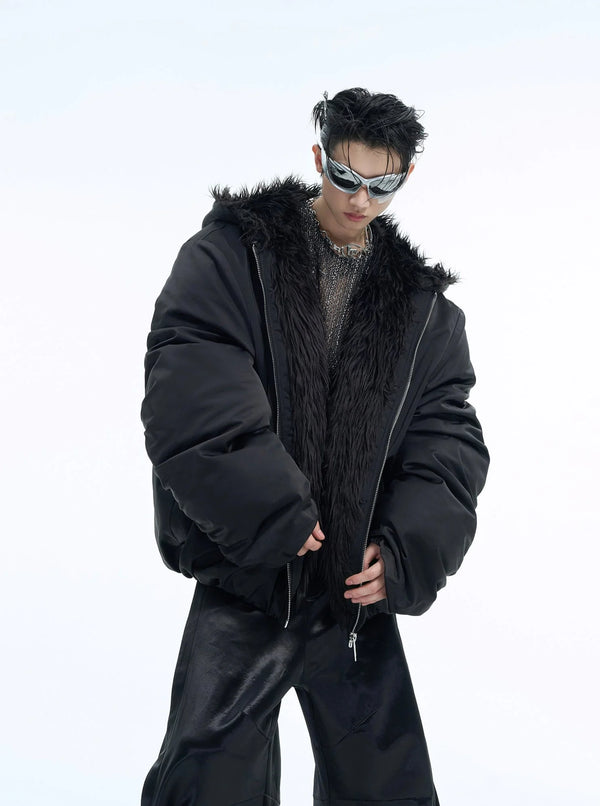
Opium Faux Fur Puffer Jacket
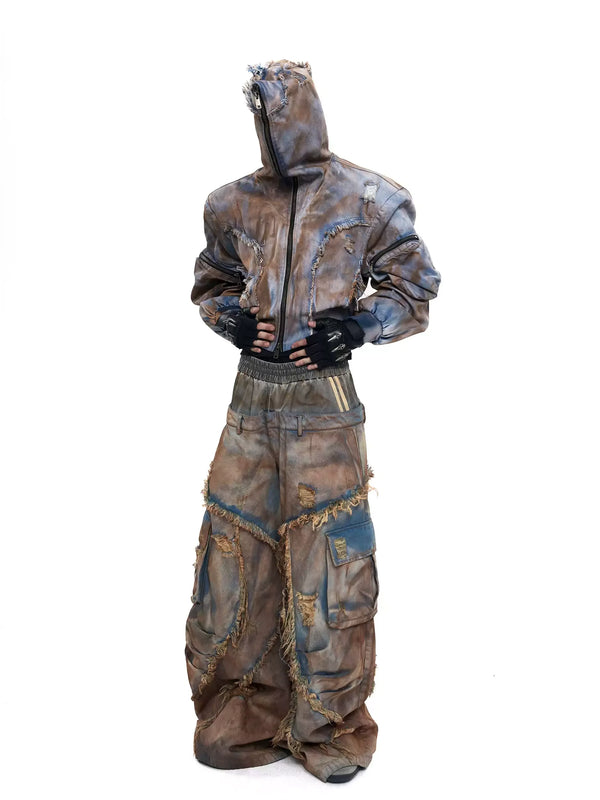
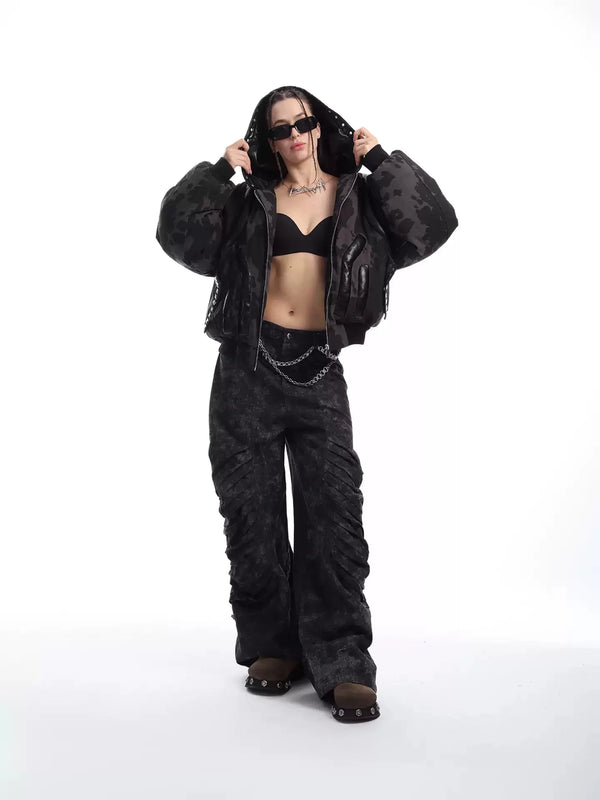
€184,99Opium Wasteland Destroyer Set
€164,99Opium Frost Puffer
€224,99Opium Winter Puffer Jacket
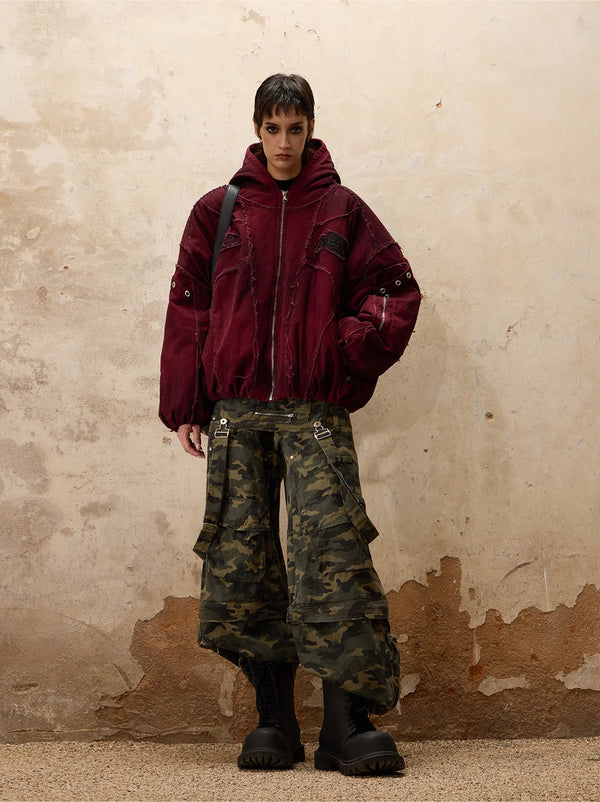
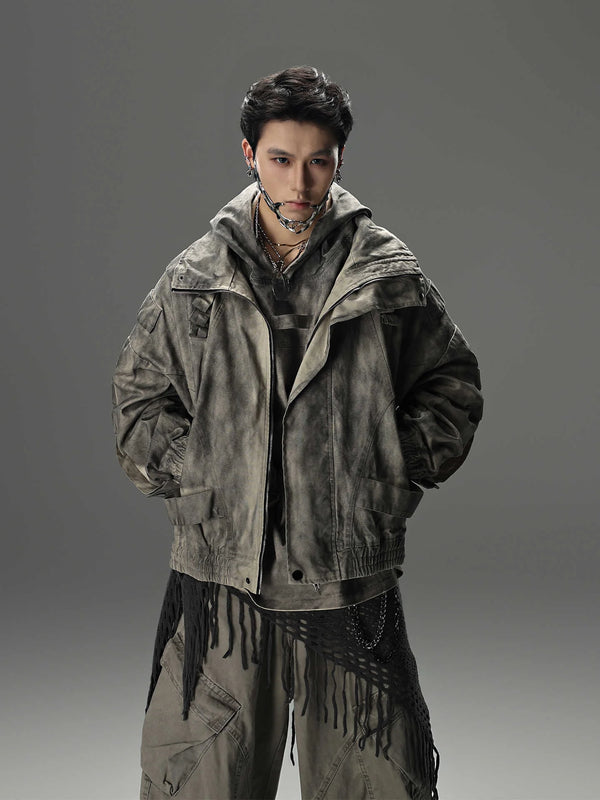
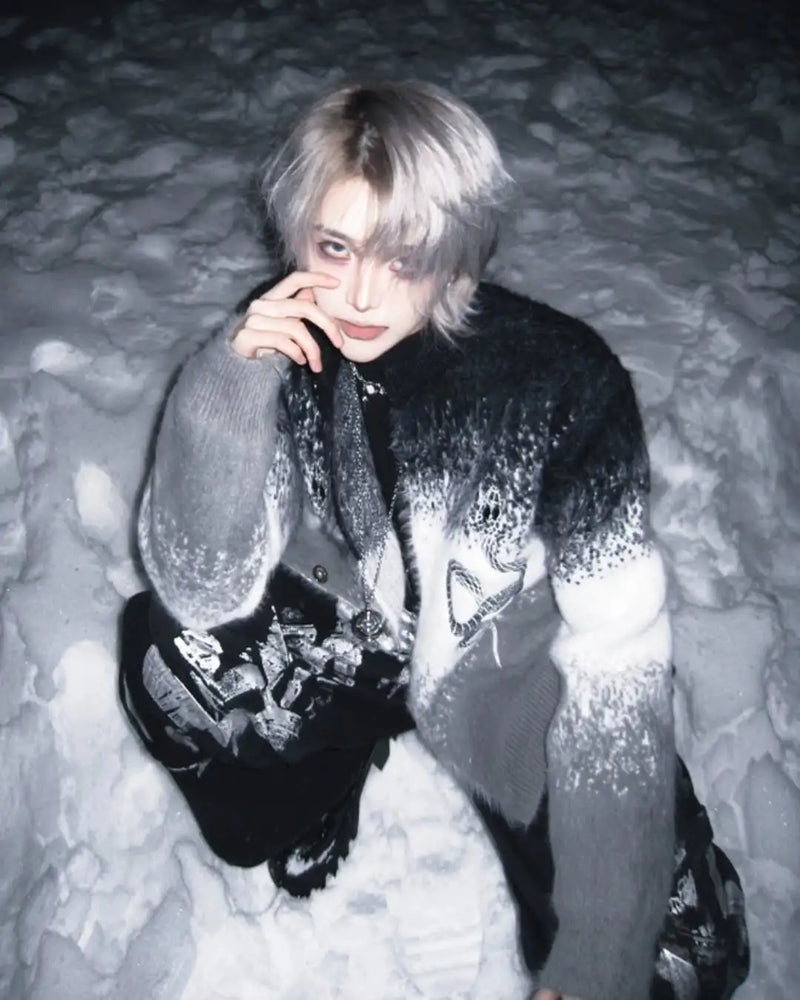
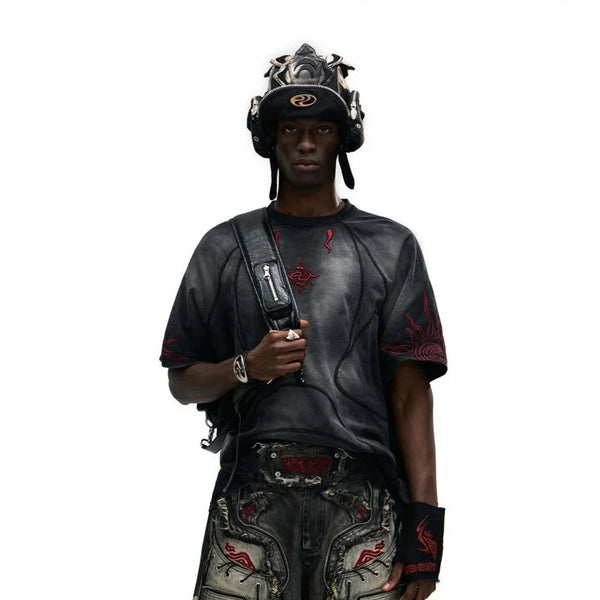
€244,99Japanese streetwear puffer jackets are the modern interpretation of the classic buffer concept - a statement between functional outdoor roots and urban aesthetics. At Fuga Studios You will find Japanese Streetwear Puffer Jackets 2026 in full width: from minimal design with subtle details to statement pieces with patch work, oversized silhouettes and color blocks that combine Japanese minimalism with anti-fashion energy.
📖 Briefly explained: Japanese streetwear puffer at Fuga Studios
Japanese puffer jackets: never oversized, chaotic like western streetwear, but structured, proportional, precise. Often: slimmed shoulders without padding, tailored fit from the hips, sometimes crop length. Material mix: Nylon taffeta (shiny, light, premium look) combined with corduroy or tweed details for texture contrast. Insulation: 90% or 80% down, often hybrid tech-fill for lightness. Visibility: minimalist logos (sometimes none at all), instead pure silhouette, high-quality zippers (YKK), snap details in subtle geometry. Colors: Black, Charcoal, Navy for timelessness, also pastel tones like cream or sage green for seasonal variations.
The Origins: Japanese Puffer Design vs. Western Bomber Jackets
Japanese puffer jackets have a completely different DNA than Western puffers. Western puffers (especially American/Scandinavian) are based on pure warmth functionality — thick, voluminous, practical, shape-agnostic. Japanese puffer designers (like COMME des Garçons, Harajuku labels or niche brands) think fundamentally differently: silhouette first, material quality second, warmth third. A Japanese streetwear puffer is tailored, has defined shoulders without excess padding, and does not sit shapeless like a western puffer. The result: you see your body shape, but you are completely warm. At the same time: subtle details instead of loudness - a discreet tonal patch instead of large logo embroidery on the back or chest. This distinction is central to streetwear culture: Japanese brands build for individuals, not for the masses.
At Fuga Studios we combine this design approach with European craftsmanship and quality standards: Japanese streetwear jackets in general, or specifically Techwear jackets for the more technical, functional version with sealed seams.
Silhouette & Fit: The Japanese Puffer Secret
The secret lies in the reduction in precision. A classic Japanese puffer jacket sits fitted at the shoulders (no excess shoulder pads like Western brands), is then tailored to the waist, and has only slightly controlled volume in the insulation zone. Sometimes crop-cut (waist-height), often midi-length (hip-height), never oversized-oversized. Sleeves are cut tightly, not oversized like puffer classics. This means: if you wear your regular size, it will fit perfectly. The opposite of the Western oversizing trend. Pockets are also strategically placed and subtle: side pockets (not dangling or prominent), sometimes inside pockets, never too ostentatiously placed or oversized. Zipper is often centrally positioned but with subtle geometry — sometimes asymmetrical for an avant-garde vibe, sometimes diagonal for visual dynamism, always high quality.
material & Insulation: Hybrid Tech Meet Traditional Quality
Modern Japanese streetwear puffers use intelligent hybrid systems: 80-90% down in the chest and back (where warmth is needed), but shoulders and sleeves are often only lined or insulated with light tech-fill (Primaloft, Thermolite). This saves weight considerably and massively increases freedom of movement. Outer material: high-quality, high-denier nylon taffeta (at least 300D for durability), often with a DWR coating (water-repellent, but not fully waterproof by techwear standards). Alternative: Cordura-cotton mix for texture-heavy buffers (less shiny, more vintage/retro feel). Some luxury labels also use silk blends or linen blends - rare but iconic for summer puffers or transitional pieces. Inner lining is high quality: linen lining or high quality cotton, not cheap polyester or nylon that feel cold.
🧥 Japanese Puffer Essentials
From classically tailored to statement oversized – Japanese quality in every jacket.
🎥 Japanese puffer culture
@fugastudios Witness pure darkness in motion. The Opium EXCEED Buffer, for those who command attention 🖤 Shop now at fuga-studios.com #fashiontiktok #darkstyle #blackfashion #FugaStudios #luxuryfashion #avantgarde #darkwear ♬ Original sound - Fuga Studios
Color palette: From monochrome to subtle statement colors
Japanese streetwear puffers thrive on intelligent color reduction, but not like monochrome techwear uniforms. Standard classics: black and navy (timeless, functional, combinable). Then gray and charcoal (practical, not stealth fashion). Newer trends for 2026: Pastel shades like cream, off-white, light sage, even dusty rose - but always subdued, never neon or loud. Color blocks are rare, but when they are, they are proportionately balanced — e.g. black torso with navy sleeves, visually interesting without being messy. Contrast zipping is unusual, but if present, then high-quality YKK or similarly reputable. Interior pages sometimes show subtle color contrasts (pastel lining with dark outer shell), a classic Japanese design detail for hidden elegance. At Fuga Studios you'll find this entire range — from classic black to seasonal pastel drops, each color carefully curated.
Styling: Japanese buffers in different contexts
A Japanese streetwear puffer works flexibly in several scenes: (1) Minimalist fashion — tailored puffer, white or black jeans, white or black sneakers, completely monochrome, investment quality. (2) Oversized-Casual — crop puffer, wide-leg cargo, chunky boots, techwear-inspired layering. (3) Harajuku Kawaii — pastel puffer, mini skirt, colorful socks, platform shoes, cute vibe. (4) Luxury-Minimal — expensive tailored puffers, tailored black pants, loafers, focused on quality instead of logos. (5) Avant-Garde — oversize puffers, asymmetrical cuts, experimental colors, high-fashion vibe. Every context uses the same jacket differently - this is Japanese design masterpiece: one piece, multiple personalities. The puffer silhouette adapts flexibly, not the other way around.
Detailing: zippers, logos, hidden elements
Details are minimal but high quality — that is the Japanese philosophy. Zippers are often oversized (larger zipper head for better handling), sometimes with leather pull tabs or fabric tags. Logos are subtle to invisible — often only on the inner neck label, perhaps a small embroidery on the chest, but absolutely never on the back or prominently visible. Bag geometry is often asymmetrical (left-side only for visual imbalance, or diagonal for dynamism), sometimes with magnetic snaps instead of button closure for seamless integration. Interior details are high quality: linen lining or high quality cotton, not cheap polyester that becomes static. Sometimes there are tonal color blocks on the inside that you only see when the jacket is open — a classic Japanese moment for subtle elegance known only to the wearer.
💡 Pro tip
Start with a tailored black or navy puffer made of high-quality materials (at least 80% down, high-quality taffeta) - this is your timeless base for decades. Later you can add seasonal pastels, statement color blocks, or more technical hybrid puffers with sealed seams. The Japanese approach: a perfectly fitting, high-quality buffer lasts for decades, while statement pieces rotate faster. Investment first, trends later.
❄️ Buffer & Layering
The art of Japanese buffer combinations - from classic to experimental.
🎫 Related Collections
Expand your streetwear wardrobe with complementary styles.
Free shipping from €169 | 14 day return policy
Frequently asked questions
How do I distinguish a true Japanese puffer from a Western one?
Japanese puffers are tailored and structured, not voluminous and shapeless. Shoulders are not padded, cut is fitted, length often crop or midi height. Western puffers are voluminous, shapeless and focus on pure warmth without silhouette precision. Check the cutting line: with Japanese puffers it subtly defines your silhouette, with western ones it hides your shape completely.
Should I wear a Japanese puffer oversized?
No, that's anti-Japanese. The Japanese philosophy is: wear your exact size. A well-cut puffer doesn't have to be oversized to be comfortable — the insulation, high-quality materials and cutting precision ensure freedom of movement without extra bulk. Oversizing is more of a western casual trend or a Harajuku kawaii trend.
Is 80% down better than 90% down?
Not necessarily — it depends on the context. 90% down is warmer, but also heavier and more voluminous. 80% is a smart compromise between warmth-power, lightness and freedom of movement — perfect for Japanese streamlined silhouettes. For real winter (below -10°C) you need 85-90%, not less.
How do I combine a black puffer with other pieces?
Classic-Minimal: Puffer + tailored black trousers + black or white loafers = formal minimalist. Modern-Oversized: Puffer + Wide-Leg Cargo + Chunky Boots = Streetwear-Casual. Everyday: Puffer + jeans + white sneakers = timeless casual. The tailored silhouette of the puffer works with all bottom styles, the key is proportional balance.
Can I wear a puffer in spring or summer?
Yes, absolutely — if you choose the right weight. Lightweight puffers (with reduced insulation) or hybrid puffers (puffer look but with less down or Primaloft) are perfect for transitional seasons. Also: a crop puffer over a t-shirt in spring is a classic, timeless Japanese look.
How do I properly care for a Japanese puffer jacket?
Dacron buffers or nylon taffeta buffers should be machine washed at 30 degrees (cold) with light detergent, then air dried flat on a drying rack. Never bleach, no fabric softener (saturates down). After drying, shake gently so that the down regains its full loft. Store: hanging, not pressed, in a cool, dry place.
2015 → today
Fūga
風雅
Fūga isn't for everyone.
Berlin Plattenbau origins, Asia-inspired. Creative, but never fully fitting into the system. Tokyo 2015 as the starting point — six niche phases since then.
Today: Berlin · Shanghai · Tokyo · Poznań. We know our designers by name. Limited drops, no restocks.
We aren't dropouts. We know the system — went through training, worked, kept building. Both sides hold.
How Fūga evolved
One line. No closed worlds.
What started as Streetwear in Tokyo has shifted over the years — through different phases, our own and collective.
01
Streetwear / Anime
The first designs. Anime prints, Harajuku characters, Tokyo connection.
02
Techwear
Functional, layered, dark. Tokyo reduction translated into fabric.
03
Gothic
Heavier, uncompromising, more shadow. Grew up parallel to Techwear.
04
Opium
Berghain aesthetic with street cuts. Raw, black, Berlin avant-garde meets Streetwear.
05
Rave
Cyberpunk meets the Berghain floor. Reflective, tactical, sound-system ready.
06
Businesscore
Tailored cuts with Streetwear logic. Growing older without going 9-to-5. Stay edgy.
What comes next, we'll write when the time comes.