
Anime · Harajuku · Origin
Patches, pins, rupture. Denim that screams Harajuku.
All pieces
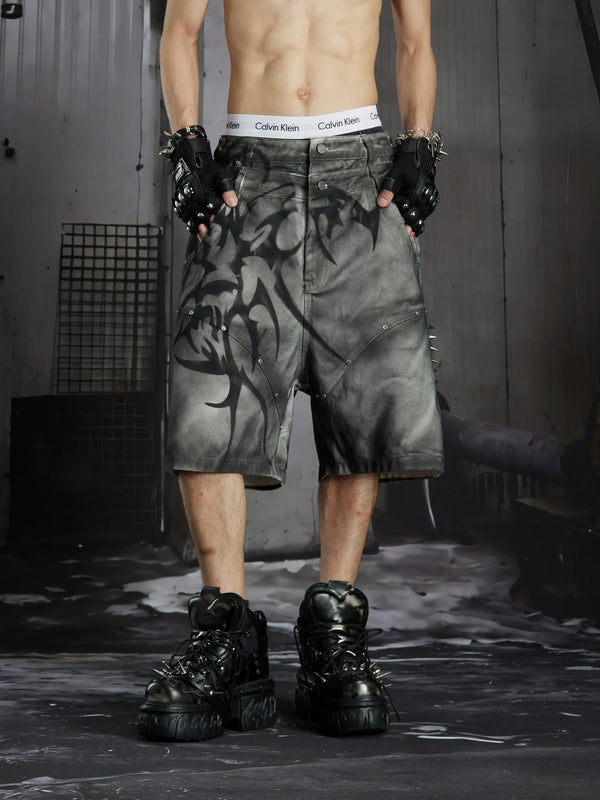
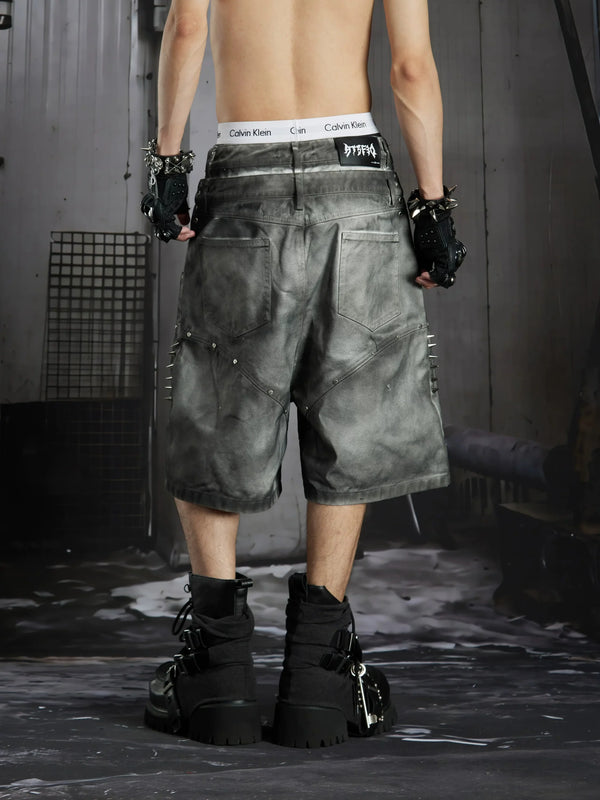
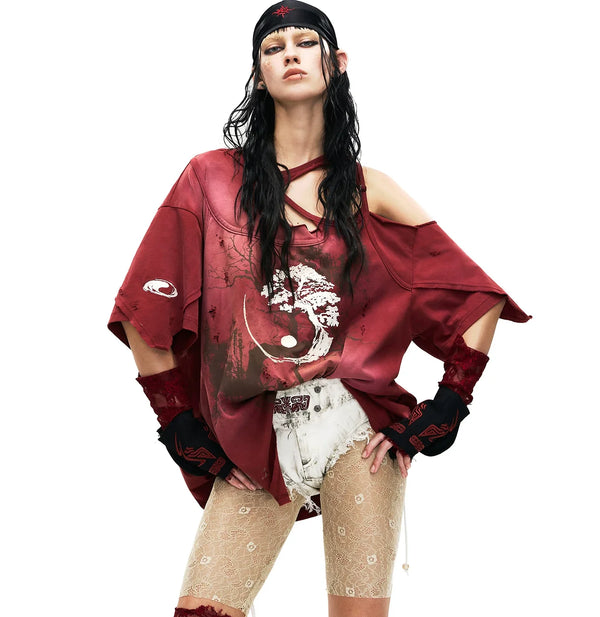
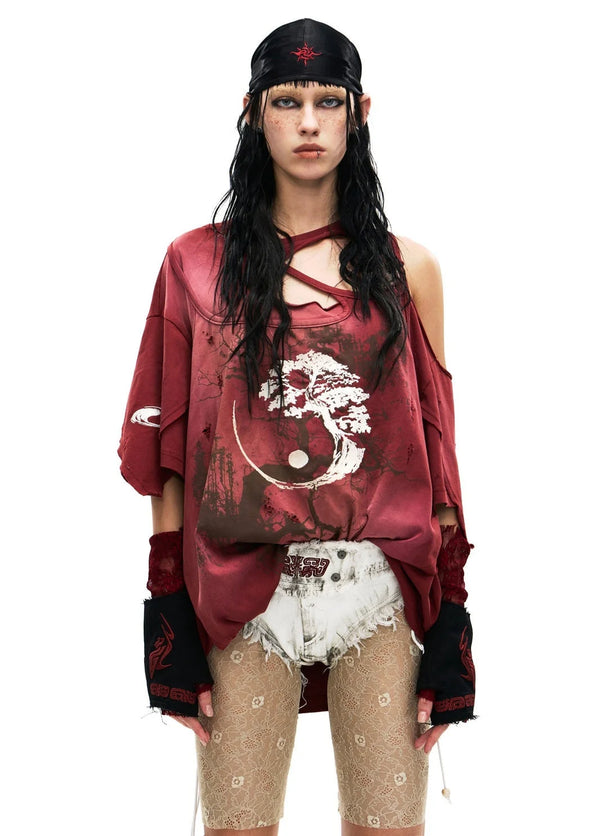
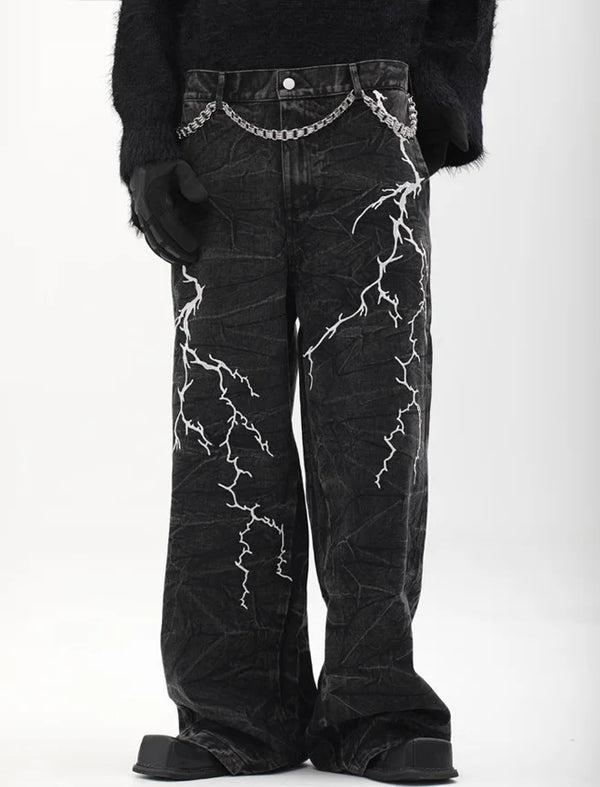
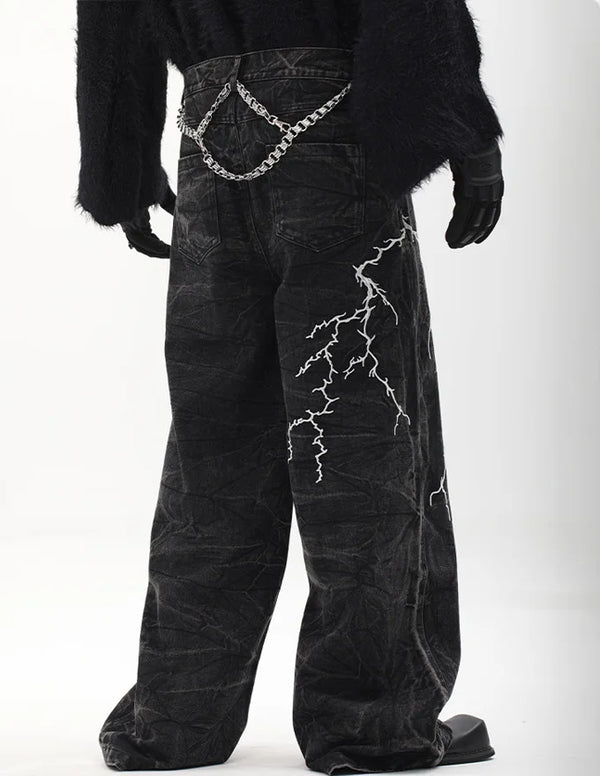
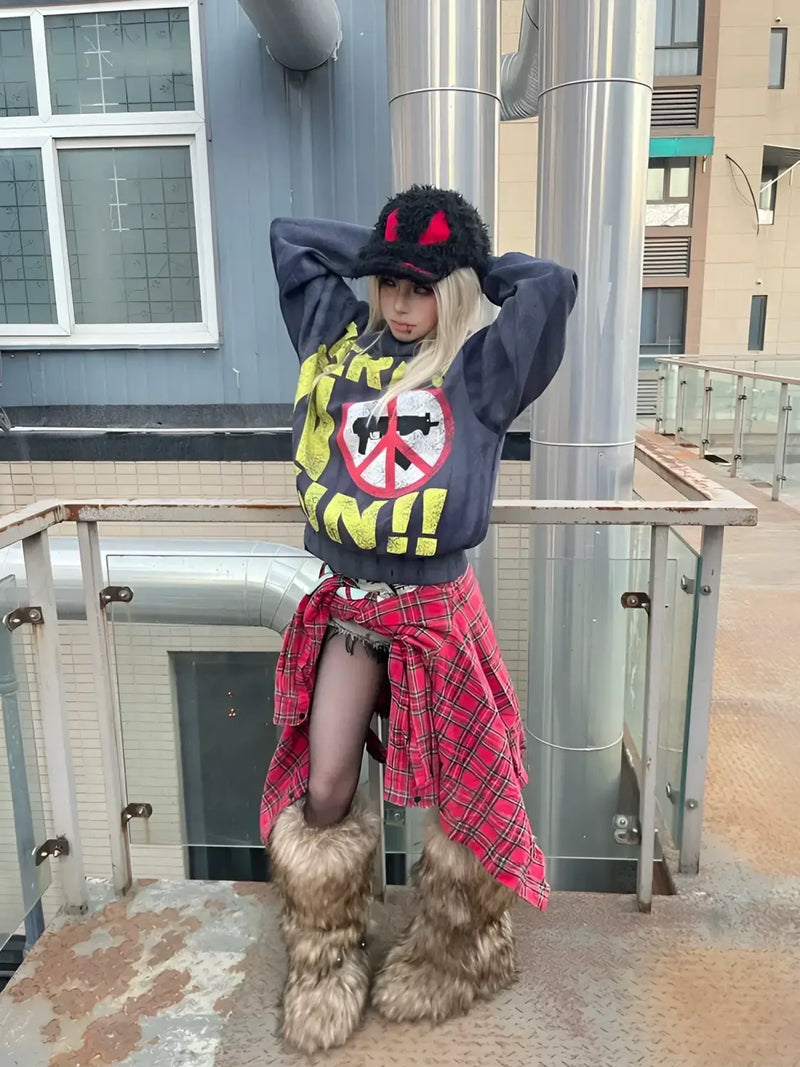
Denim from Harajuku follows no wash code and no heritage promise. It follows the idea that a denim jacket is a blank slate — for patches, cuts, oversized layers and prints that emerge in Omotesandō and continue in Berlin. Fūga curates denim jackets that make this break visible.
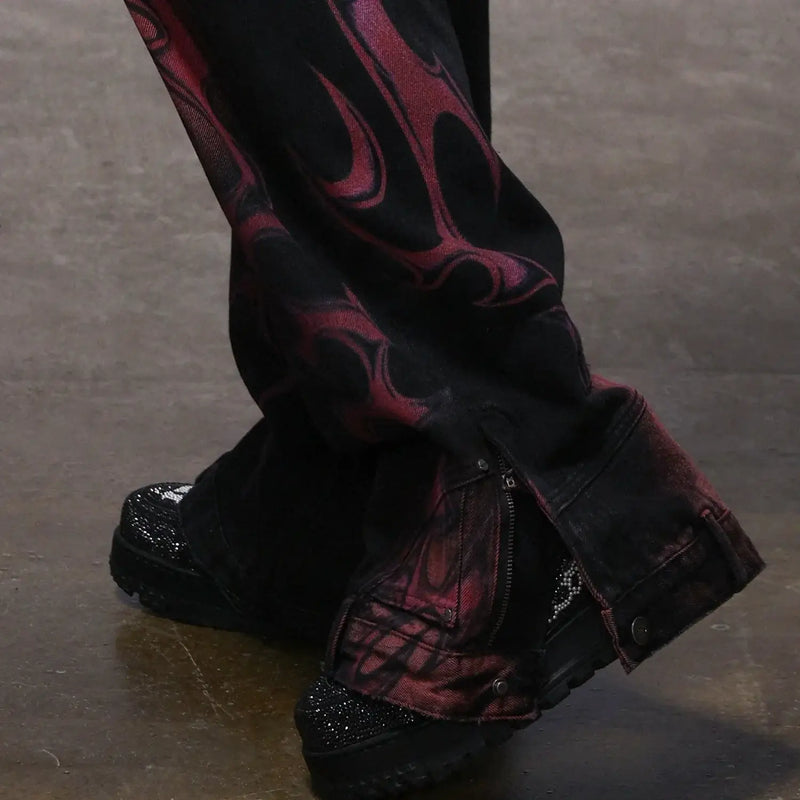
Where Western denim leans on tradition, Harajuku denim leans on reworking. Bleached panels next to raw indigo, ripped seams next to precise embroidery, proportions meant not to fit. Japanese denim culture supplies the cloth — Harajuku Streetwear supplies the attitude.
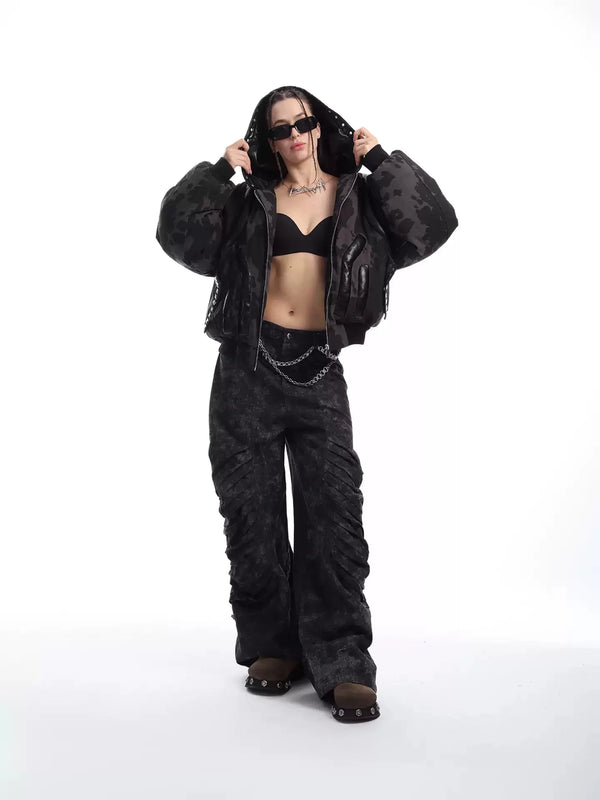
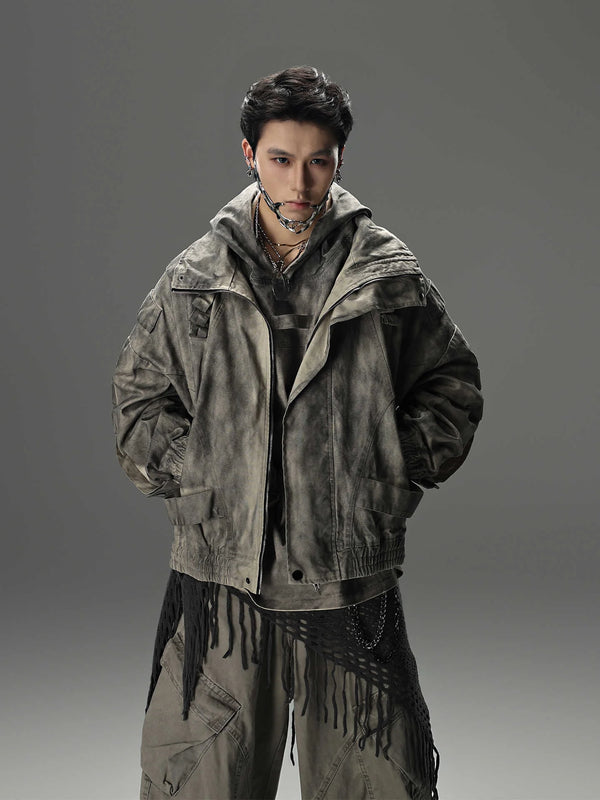
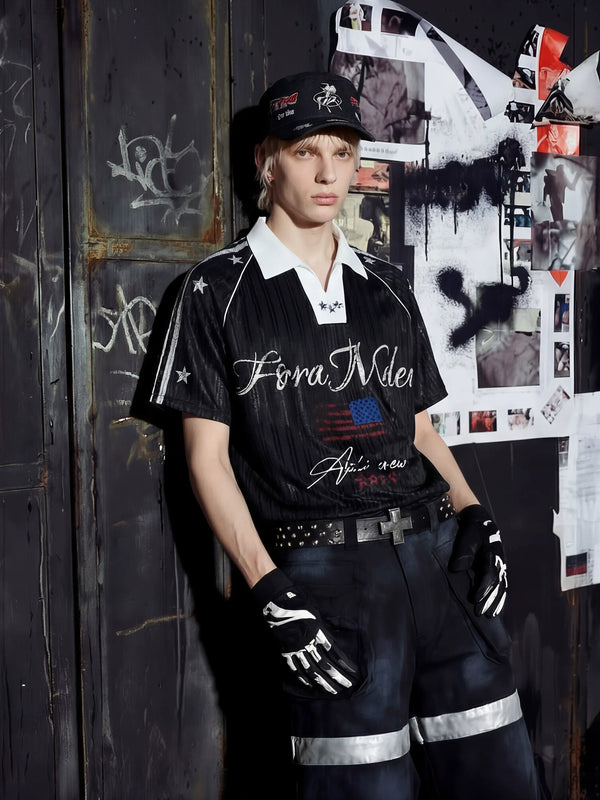
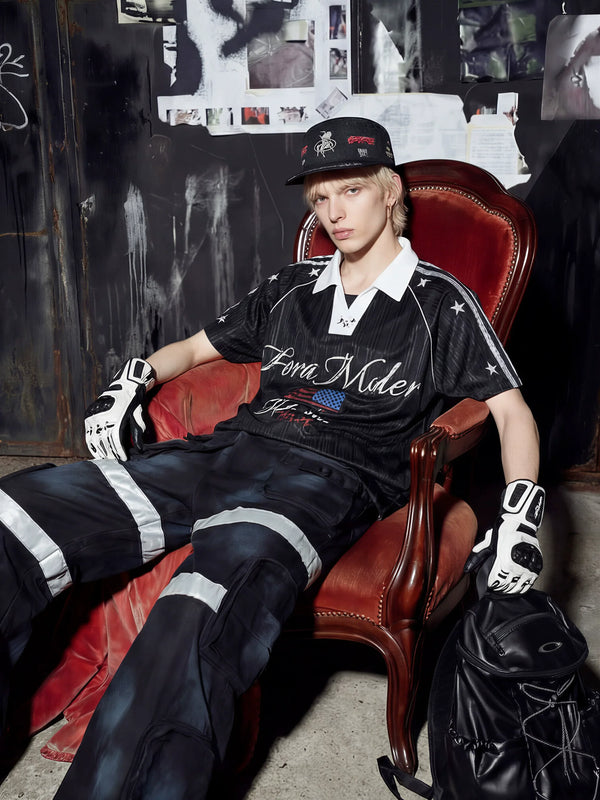
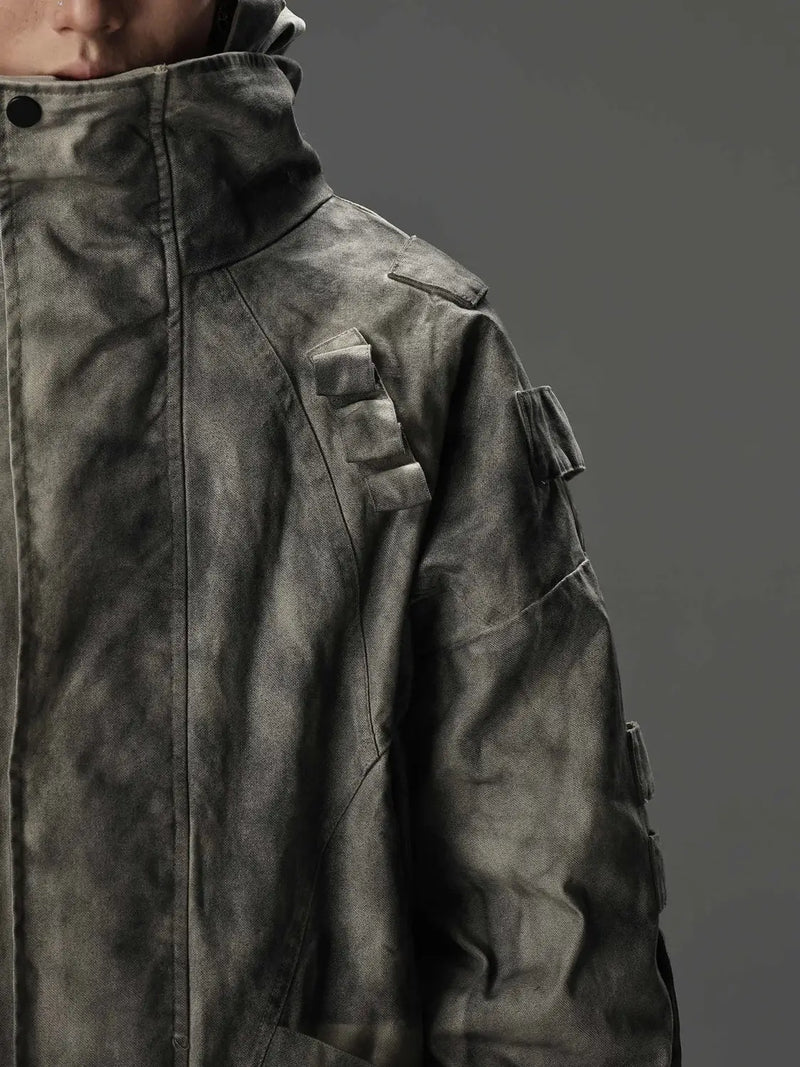
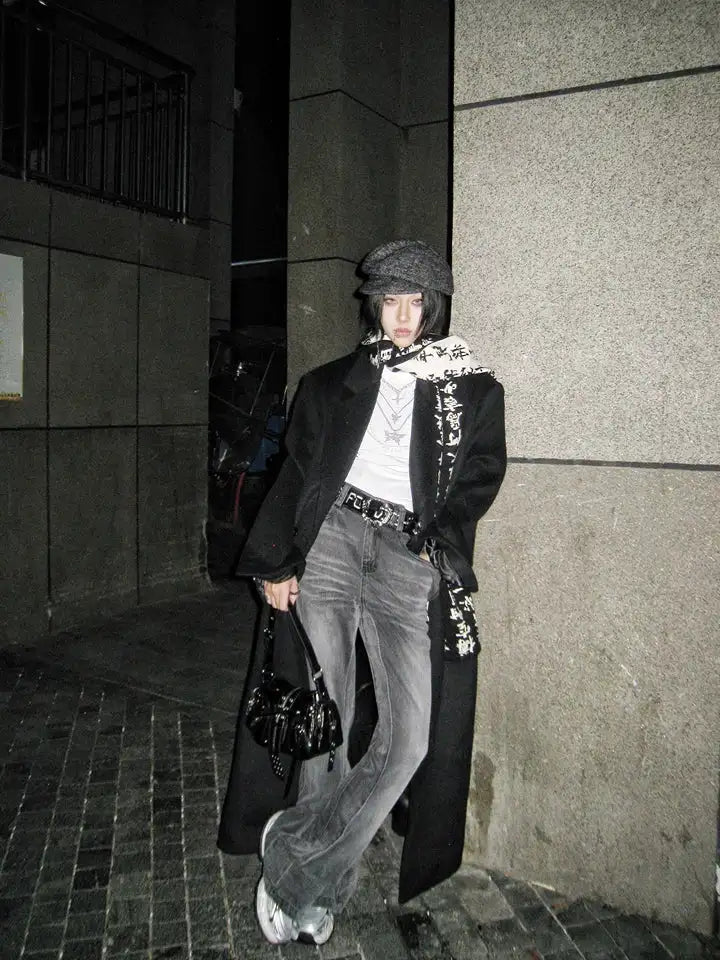
Open over an oversized tee, layered under a Harajuku Mantel in cold months, solo as a statement over wide cargo pants. The principle: denim becomes the middle layer, not the outer one. Wear it classically and you miss the point. Harajuku Winter Fashion shows how layering works in Tokyo.
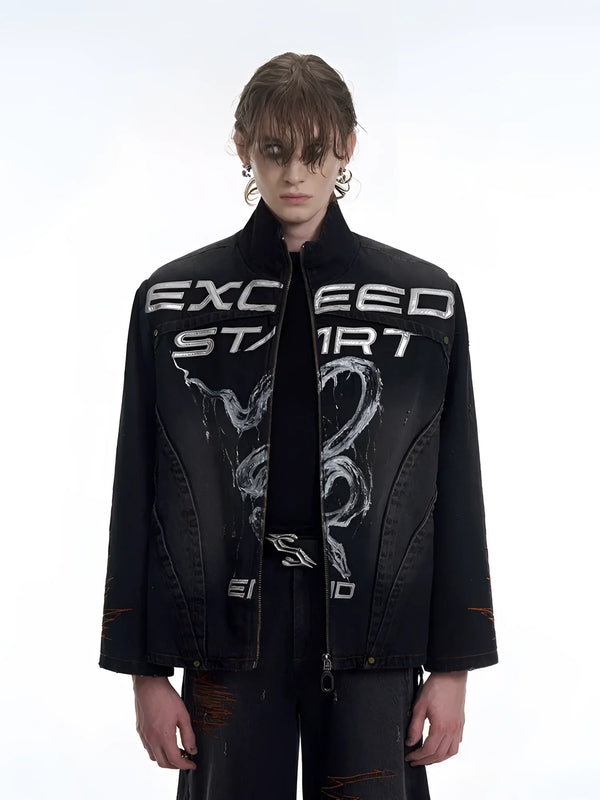
Oversized trucker cuts, cropped denim jackets, embroidered versions and models with detachable patch panels. Unisex cut, because Harajuku denim never had a gender split. Each jacket is a singular piece in spirit — limited drops, no restocks.
Japanese mills work with shuttle looms and selvedge techniques that have largely vanished in Europe. The result: denser weave, sharper fade lines and a feel industrial denim can't reach.
Yes. The cuts are built for movement, the fabrics are durable. Bold doesn't mean impractical — Harajuku fashion is worn on Tokyo streets daily.
For anyone who doesn't see denim as uniform. The collection speaks to all genders equally — Harajuku doesn't know that boundary.
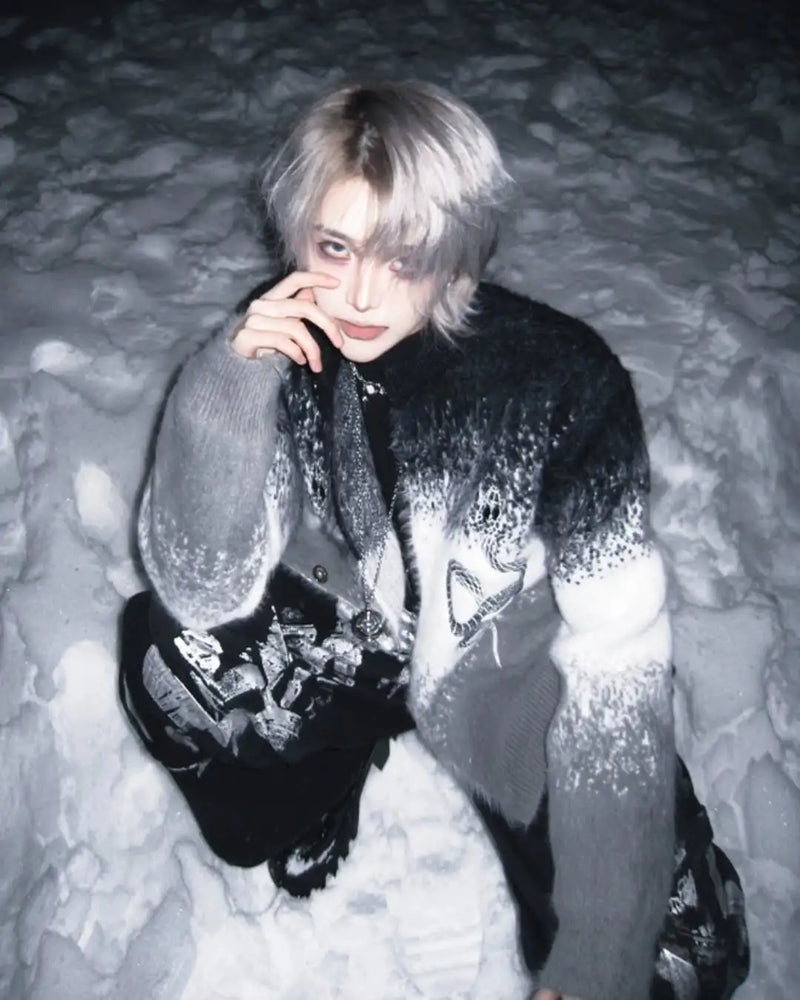
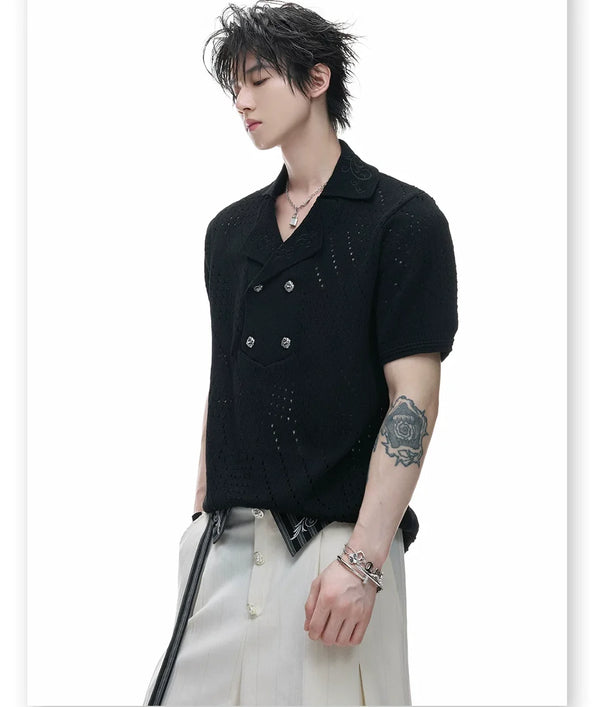
Opium Gradient Snake Cardigan
shanghai studio fit check

From Opium · 4 Pieces
All 84
Drop Alerts
We'll let you know when the next drop in this niche lands.
You're in. We'll let you know at the next drop.

Drop Alerts
We'll let you know when the next drop in this niche lands.
You're in. We'll let you know at the next drop.


4 of 84 Pieces
All 84
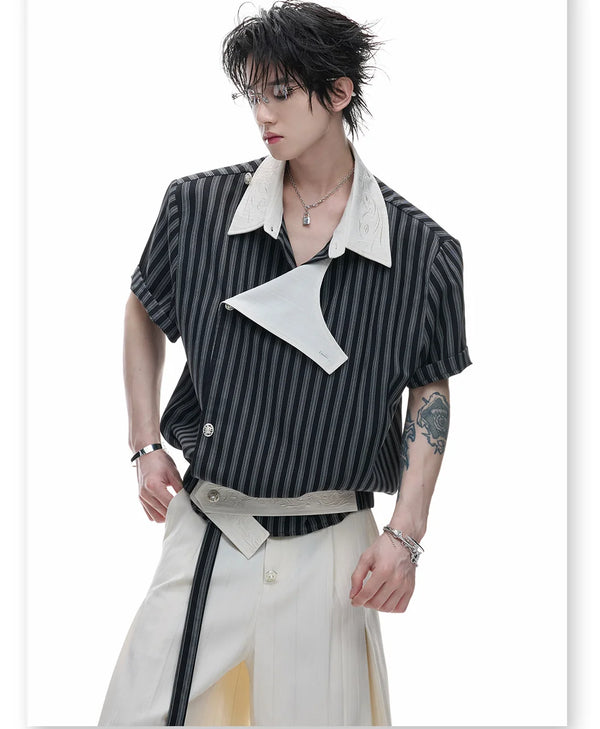
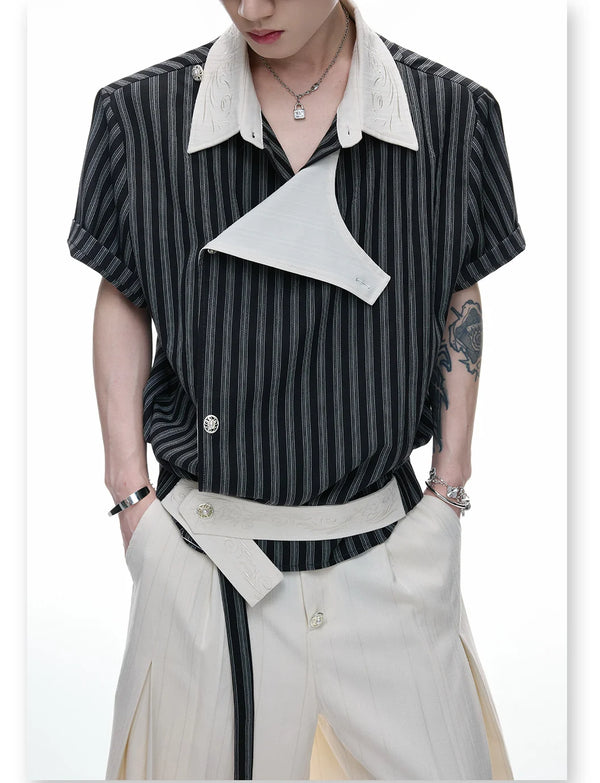
From Businesscore · 4 Pieces
All 23
Niche · 03 / 04
Techwear started here as a translation of Tokyo reduction into fabric. Errolson Hugh, Acronym, GORE-TEX, ergonomic cuts — and parallel to that, Japanese discipline: nothing superfluous, all function.
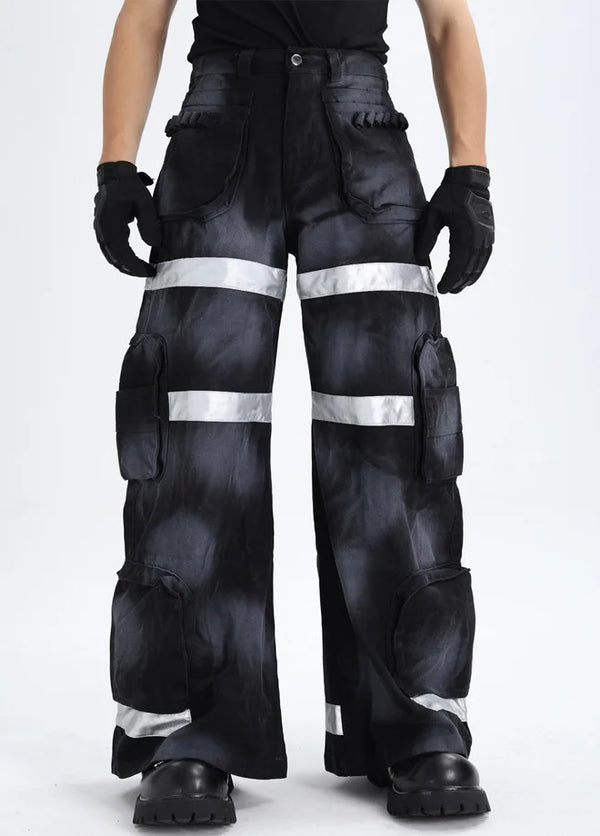
From Techwear · 4 Pieces
All 104 of 10 Pieces
All 10
Niche · 04 / 04
Streetwear is the root — the first designs out of Tokyo 2015 were Anime prints, Japanese characters, Harajuku graphics. Everything else grew from that, but the line keeps running.
From Streetwear · 4 Pieces
All 714 of 71 Pieces
All 712015 → today
Fūga
風雅
Berlin Plattenbau origins, Asia-inspired. Creative, but never fully fitting into the system. Tokyo 2015 as the starting point — six niche phases since then.
Today: Berlin · Shanghai · Tokyo · Poznań. We know our designers by name. Limited drops, no restocks.
We aren't dropouts. We know the system — went through training, worked, kept building. Both sides hold.
How Fūga evolved
What started as Streetwear in Tokyo has shifted over the years — through different phases, our own and collective.
01
The first designs. Anime prints, Harajuku characters, Tokyo connection.
02
Functional, layered, dark. Tokyo reduction translated into fabric.
03
Heavier, uncompromising, more shadow. Grew up parallel to Techwear.
04
Berghain aesthetic with street cuts. Raw, black, Berlin avant-garde meets Streetwear.
05
Cyberpunk meets the Berghain floor. Reflective, tactical, sound-system ready.
06
Tailored cuts with Streetwear logic. Growing older without going 9-to-5. Stay edgy.
What comes next, we'll write when the time comes.