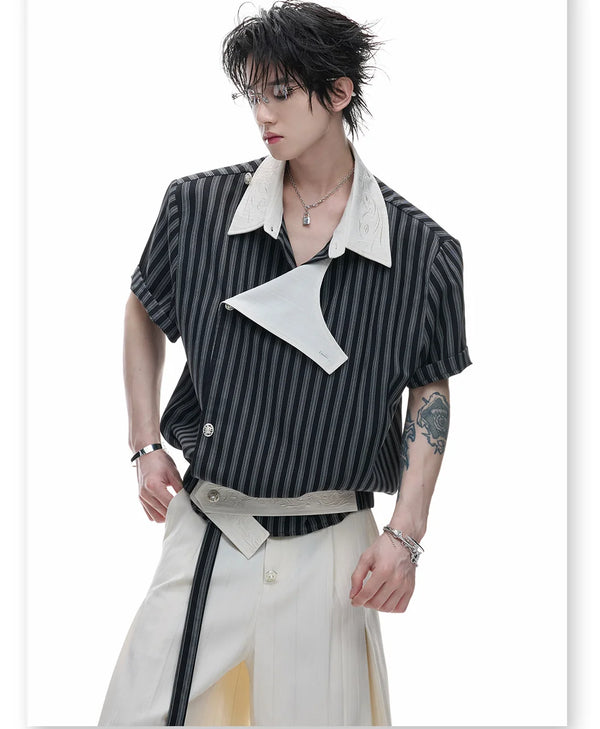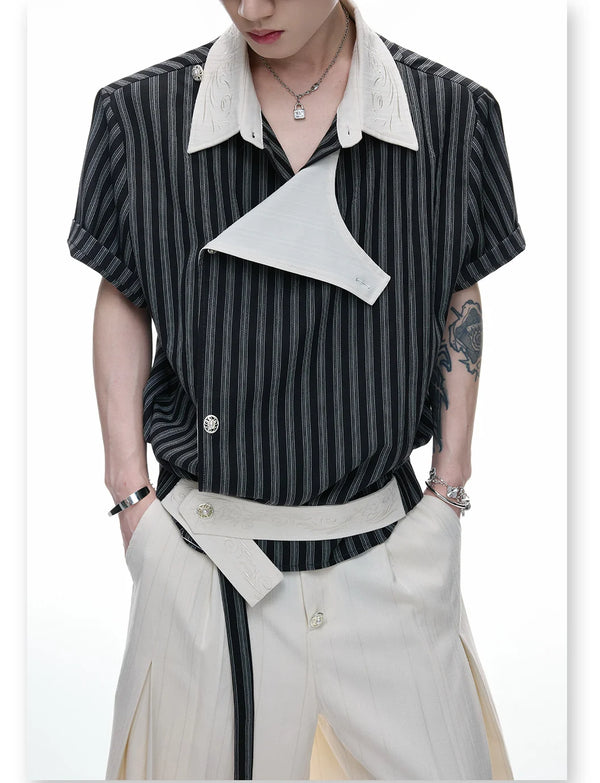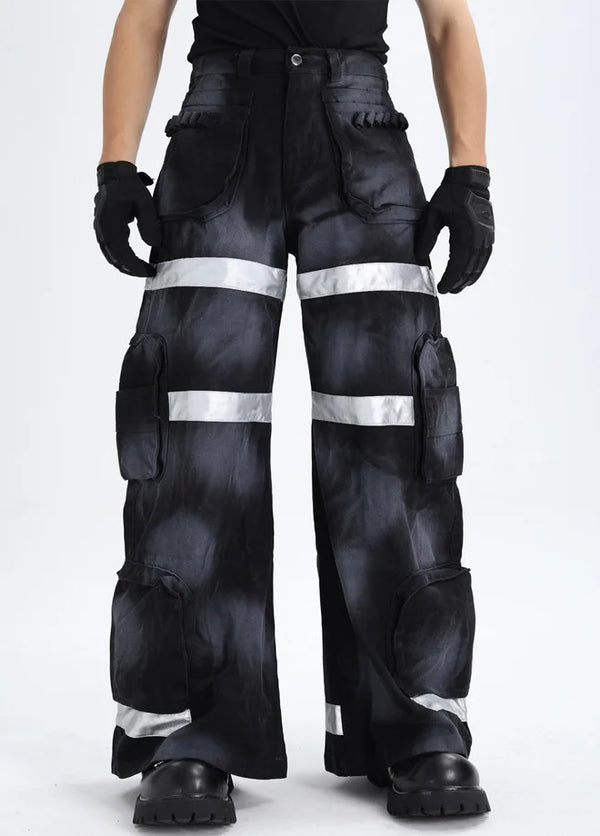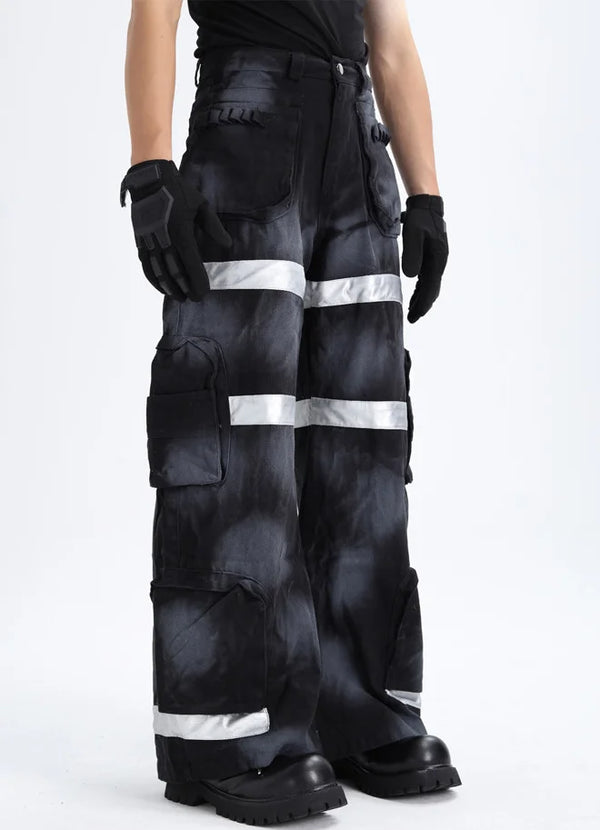

Anime · Harajuku · Origin
Long, patterned, eye-catching. The coat that carries Tokyo with it.
All pieces
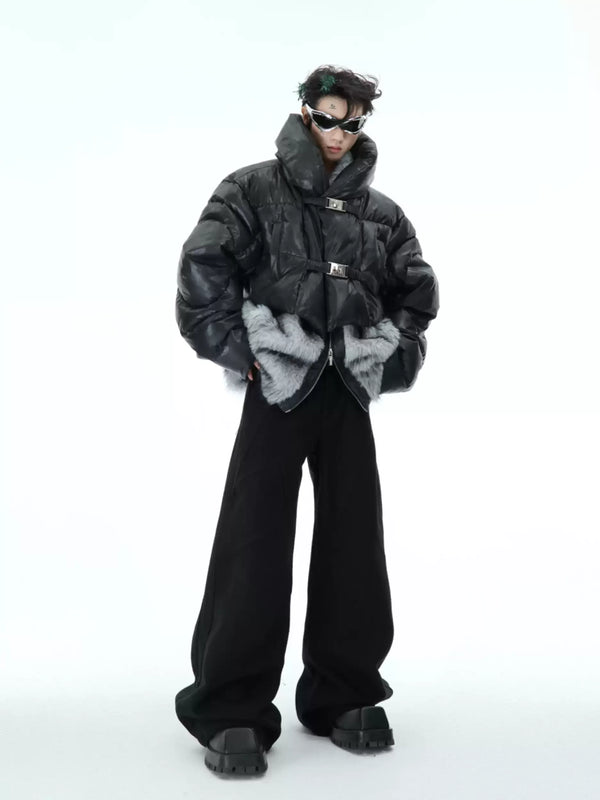
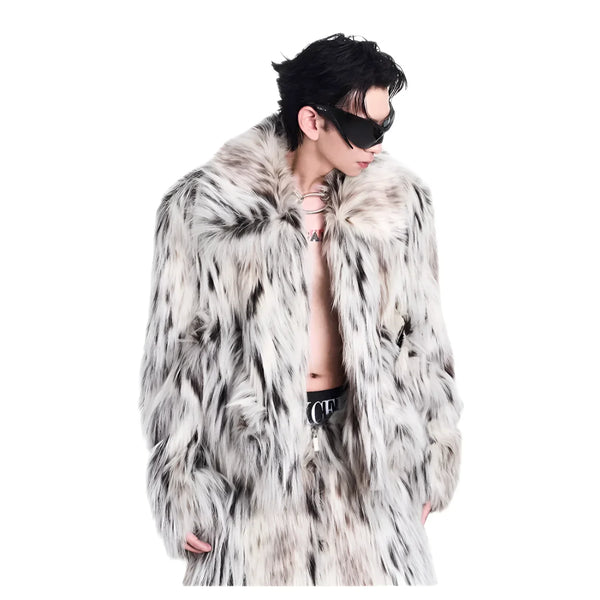
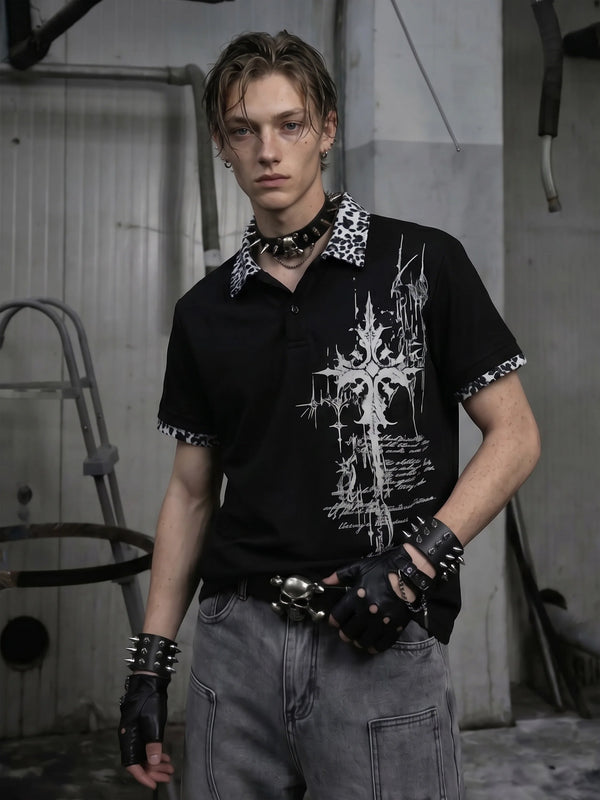
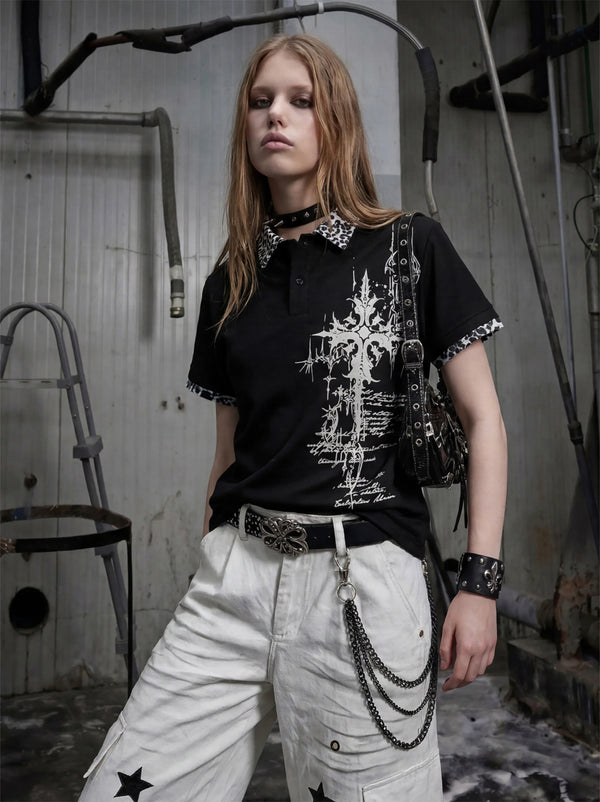
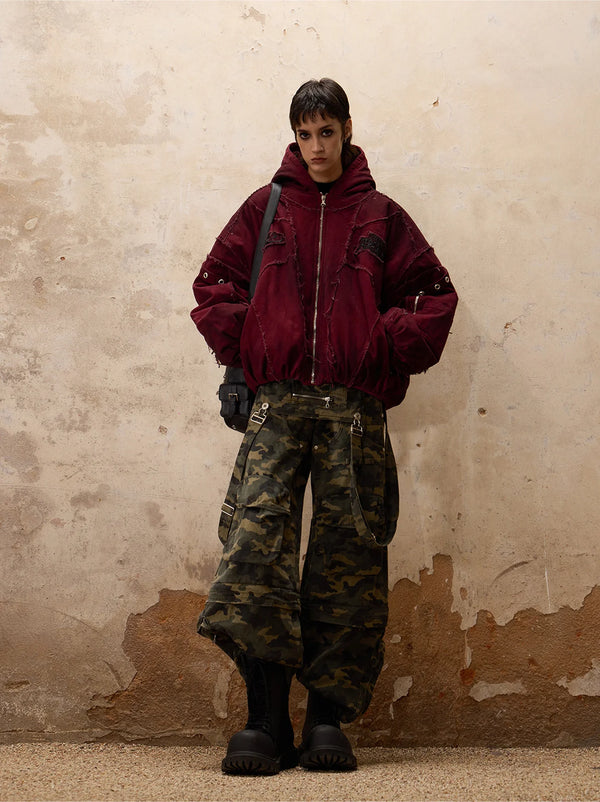
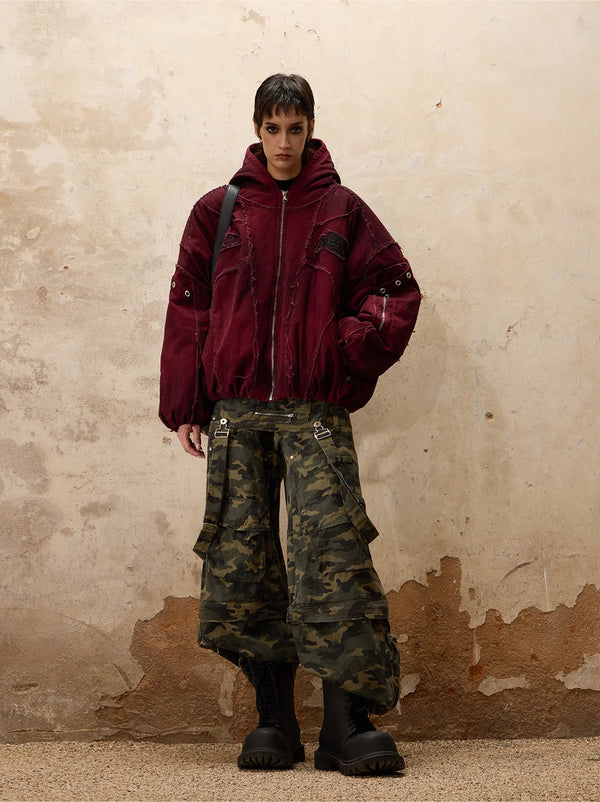
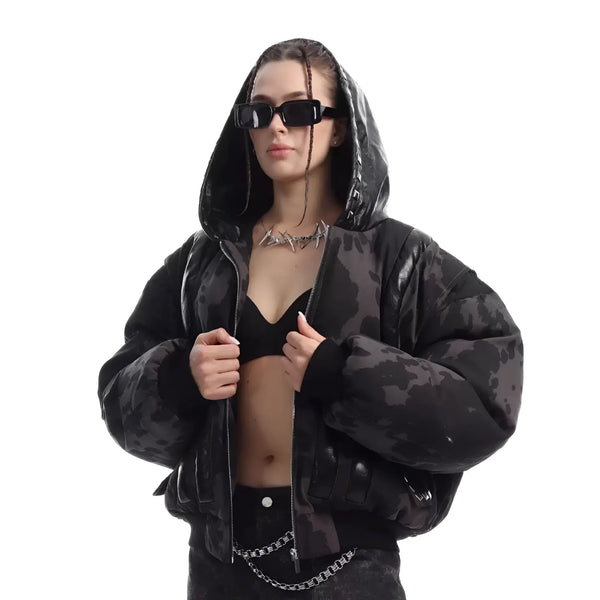
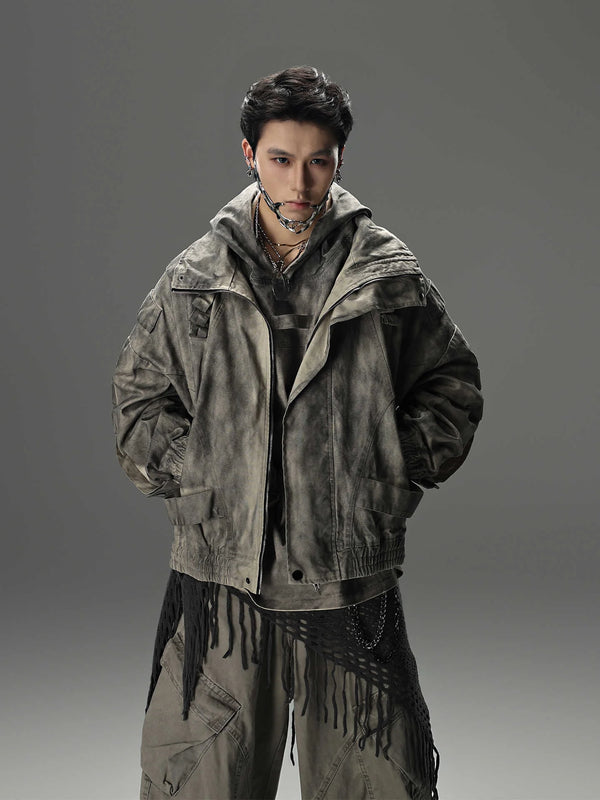
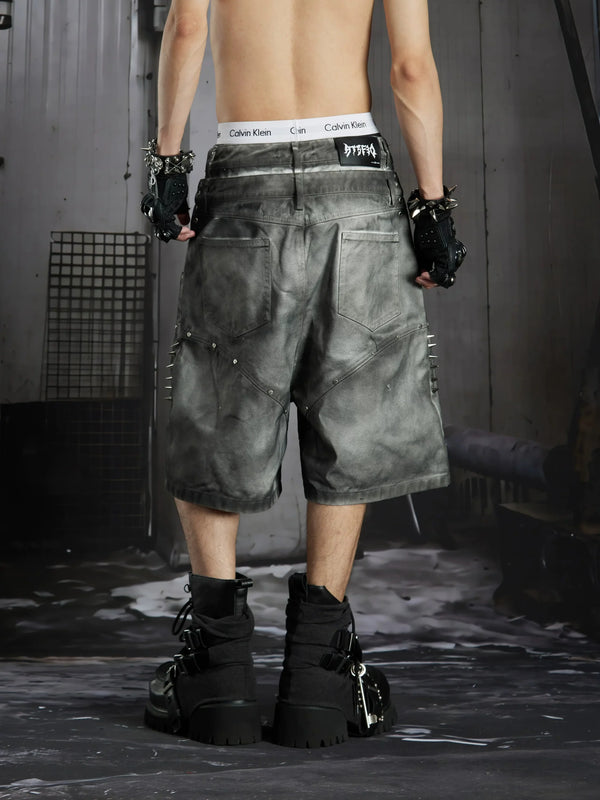
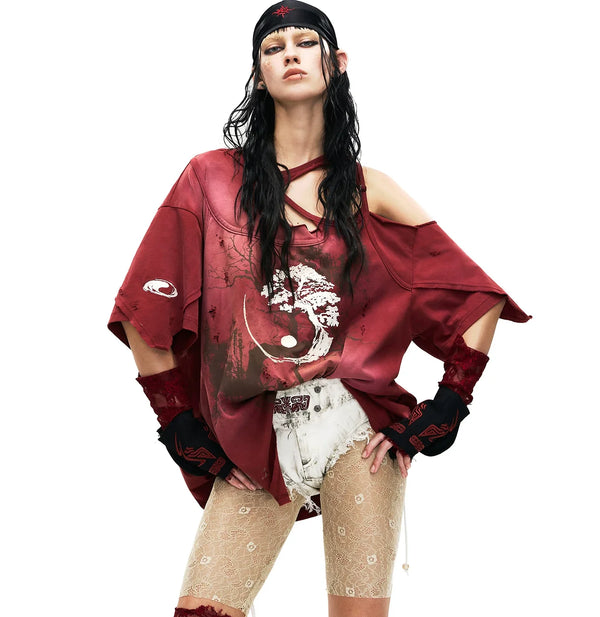
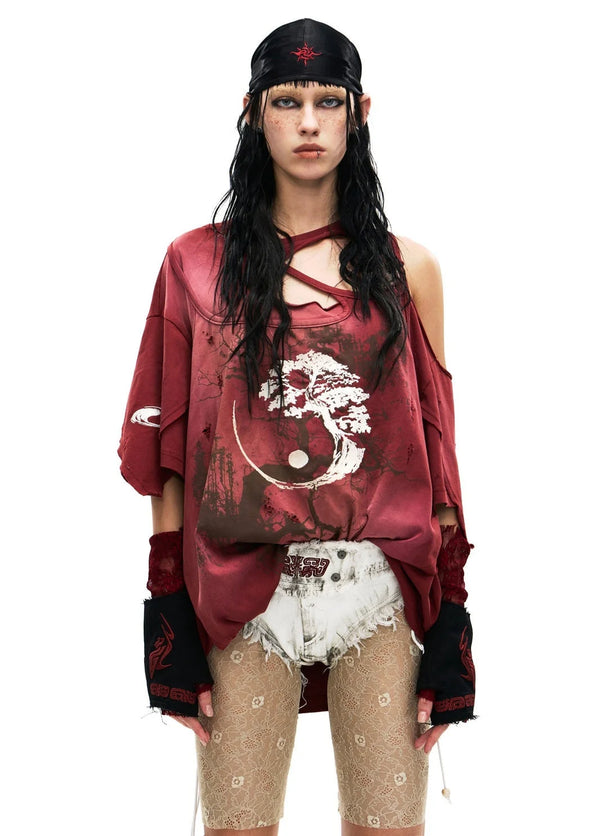
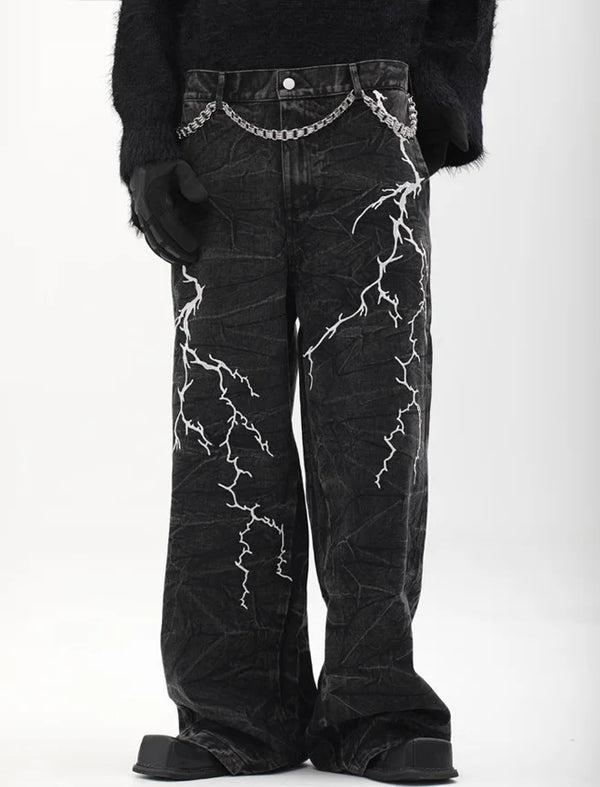
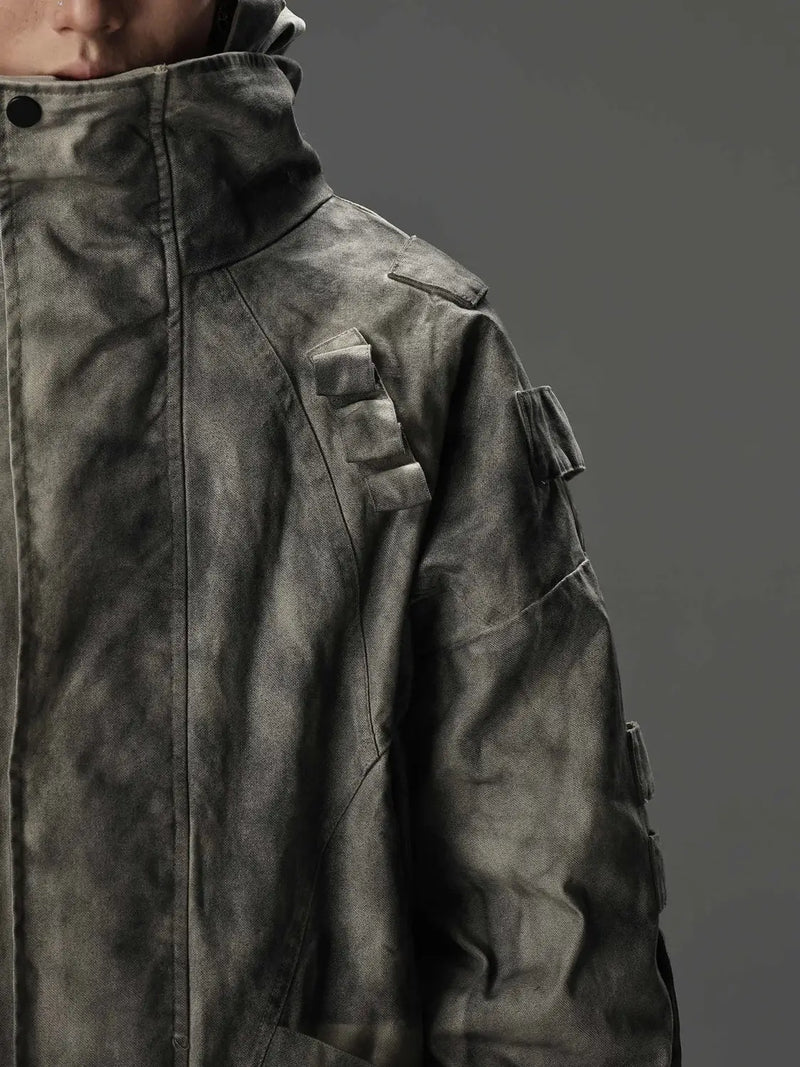
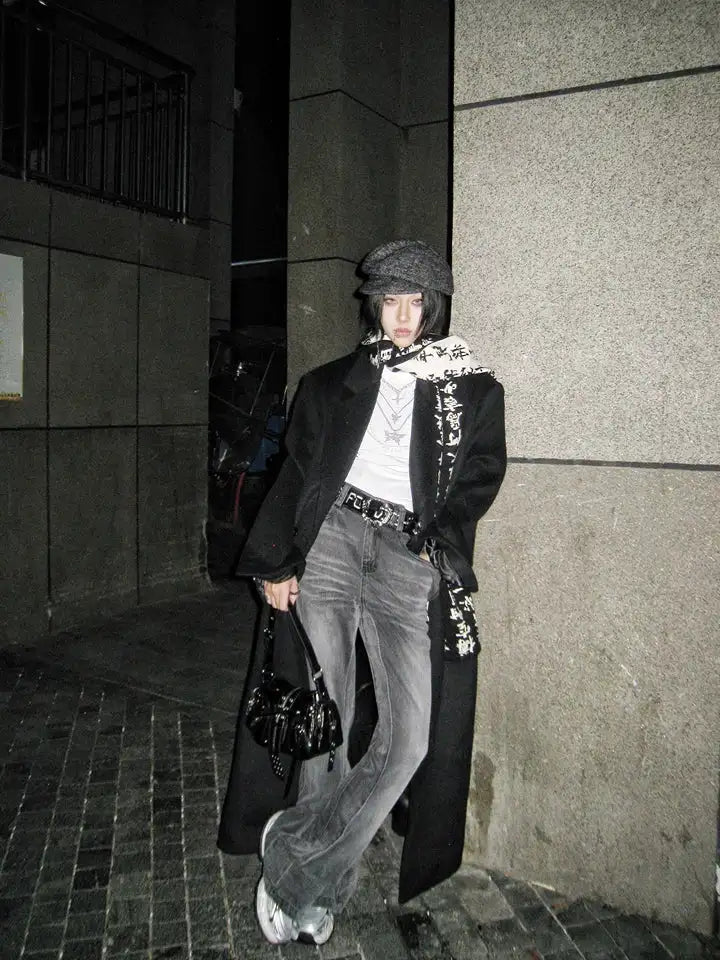
Harajuku coats carry Takeshita-dōri on their shoulders — oversized silhouettes, broken patterns, layers that don't need to explain themselves. Fūga curates coats from Harajuku aesthetics: from structured wool coat with asymmetrical cut to long printed coat that understands both Omotesandō and Kreuzberg.
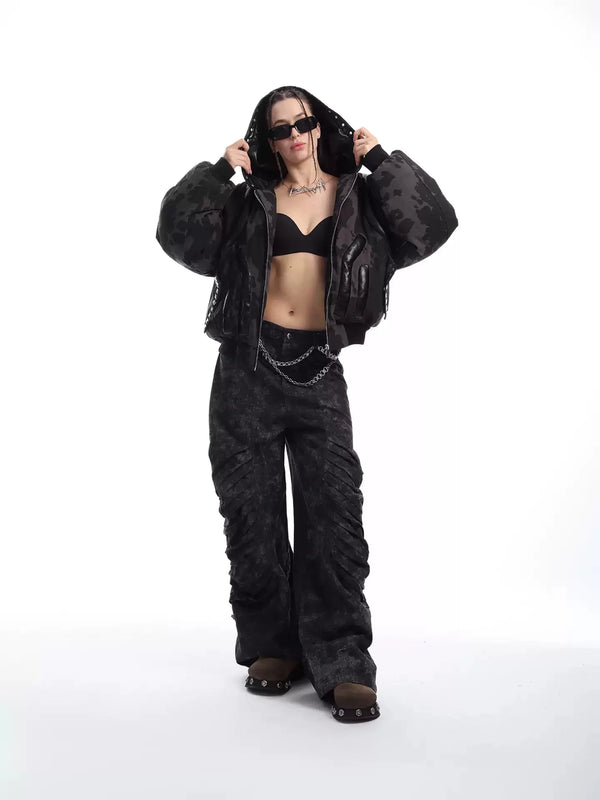
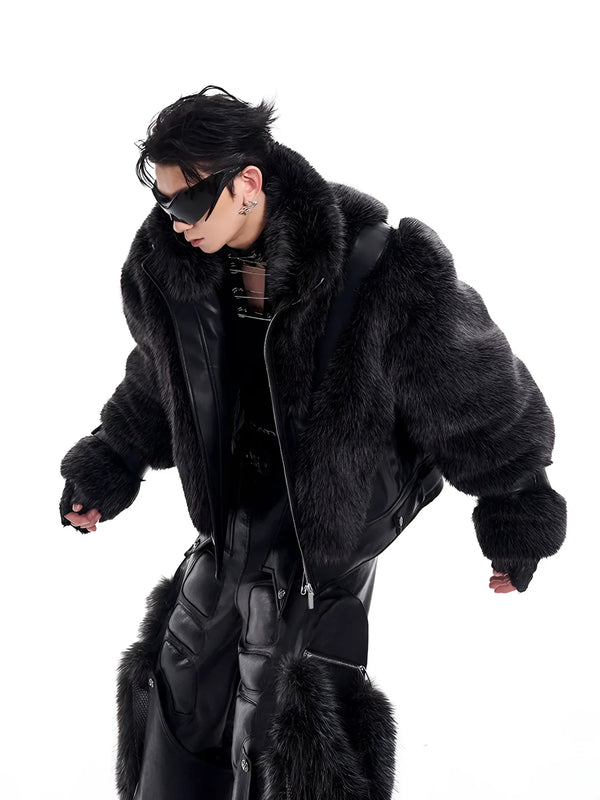
Length above the knee, often longer. Volume instead of body modeling. Prints that would otherwise be loud — in Harajuku this is foundation. Palette ranges from monochrome with structural contrast to color blocks that recall Harajuku winter fashion from late 2010s. Not a single piece here follows one rule.
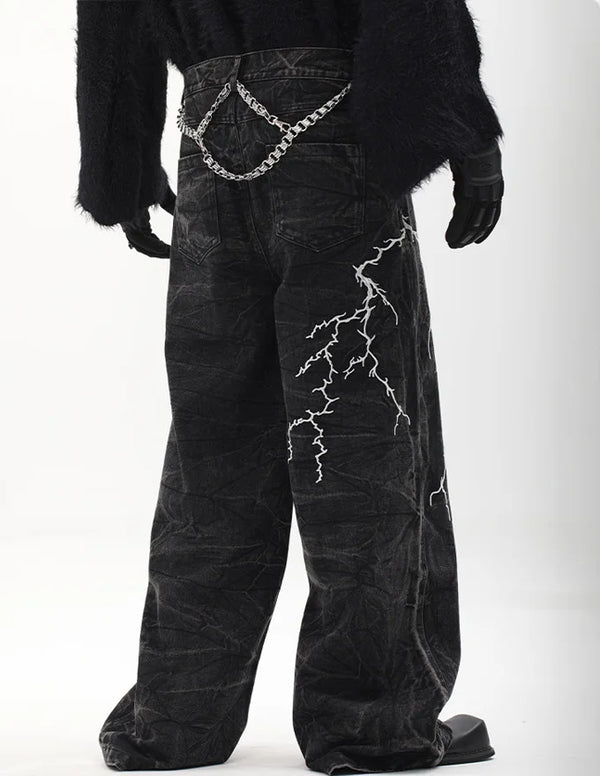
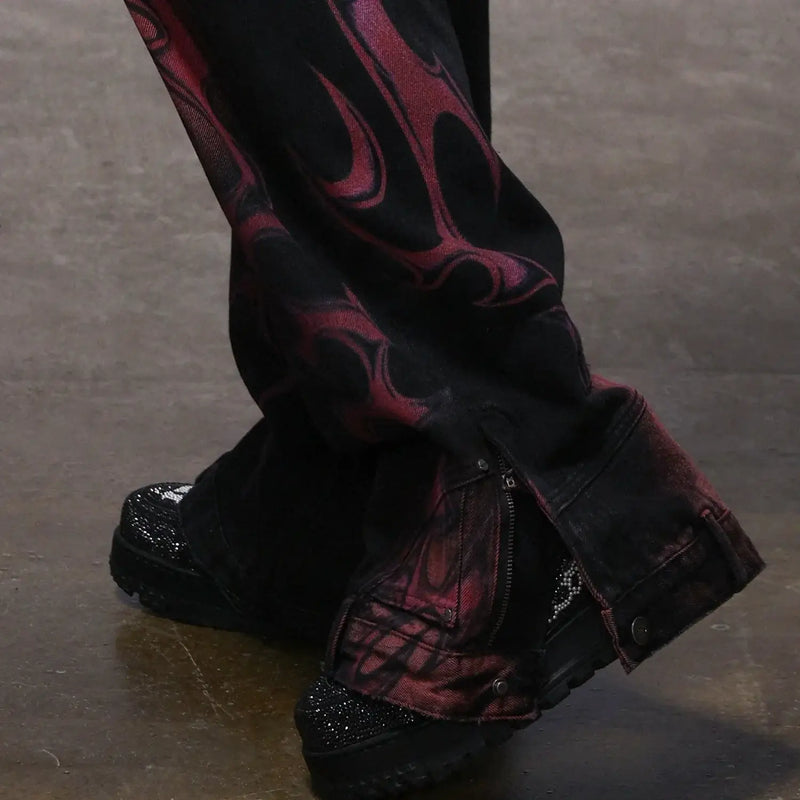
Over wide pants and heavy shoes. Nothing underneath — the coat is the outfit. Layering with Harajuku jackets beneath work when proportions align: short under long, tight under wide. Keep accessories minimal. The coat speaks loud enough.
Long coats, trench forms, wool coats and lighter transition coats — all with cuts that grow from Shop now. — every piece fits men and women equally, because Harajuku never took this division seriously.
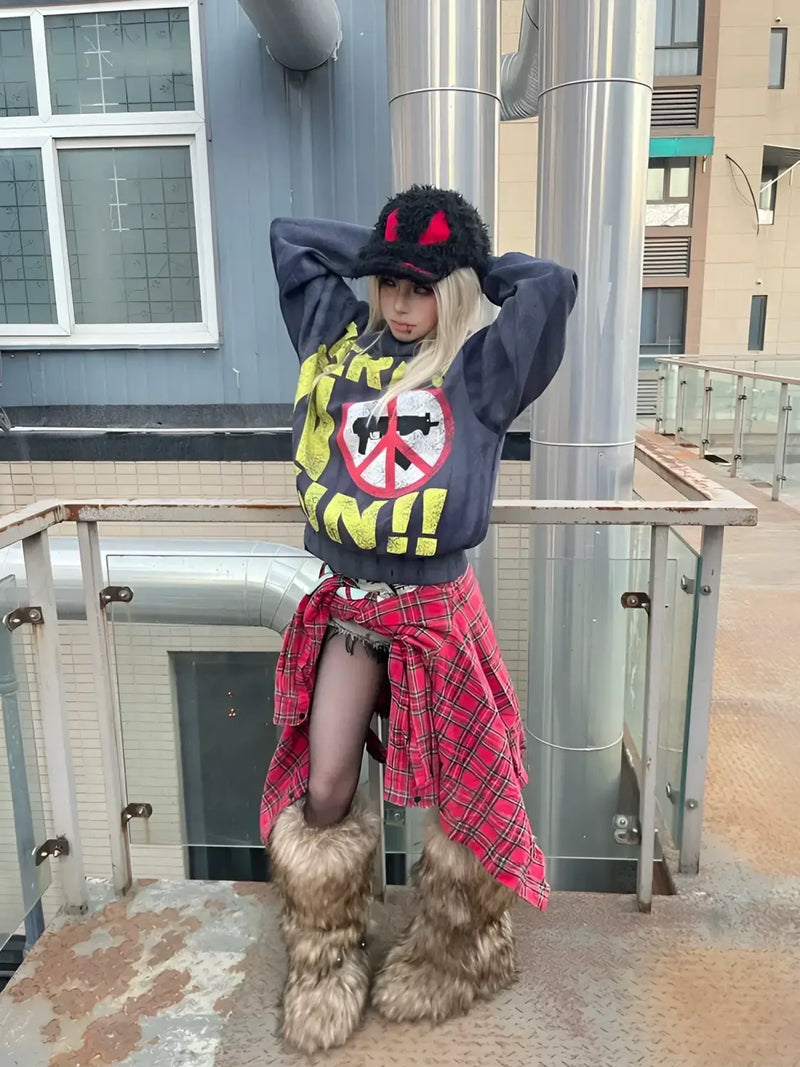
Harajuku is the Tokyo district around Takeshita-dōri, which since the 1980s has stood for experimental streetwear subculture — from Decora to Visual Kei to layering styles that ignore Western fashion categories.
Yes. Most pieces are cut for everyday wear. Striking doesn't mean impractical — good fabric, functional pockets, cuts that allow movement.
Harajuku fashion has absorbed Western streetwear for decades and reinterpreted it. A Harajuku coat over cargo pants and sneakers isn't a style break, but logic.
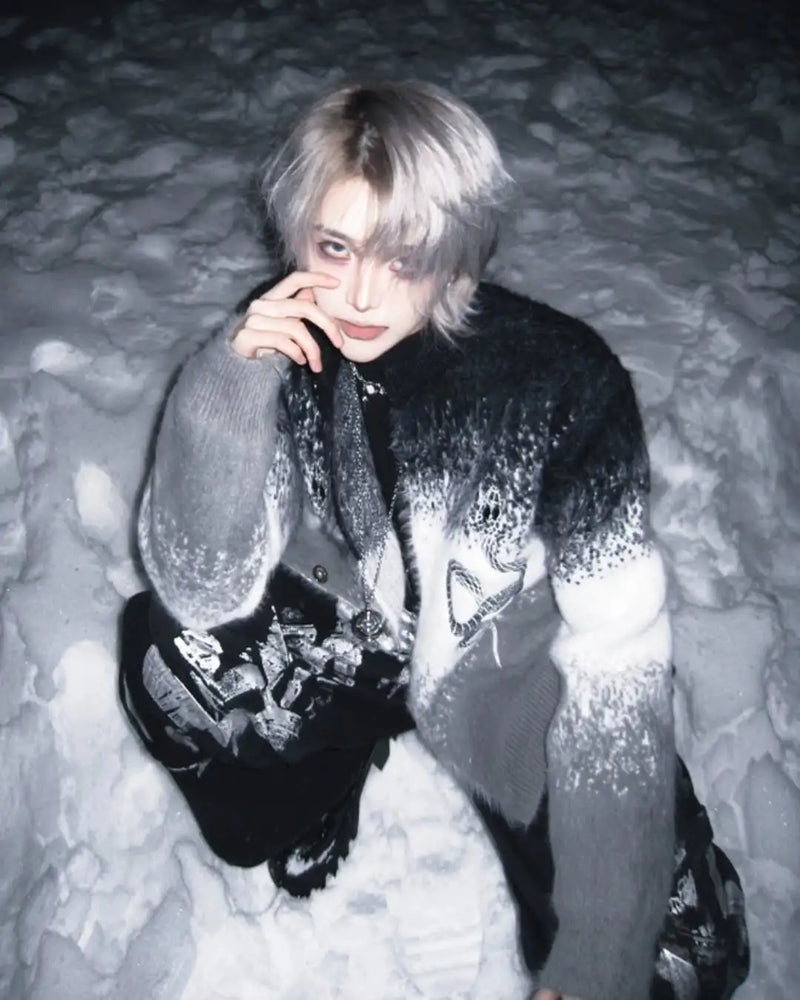
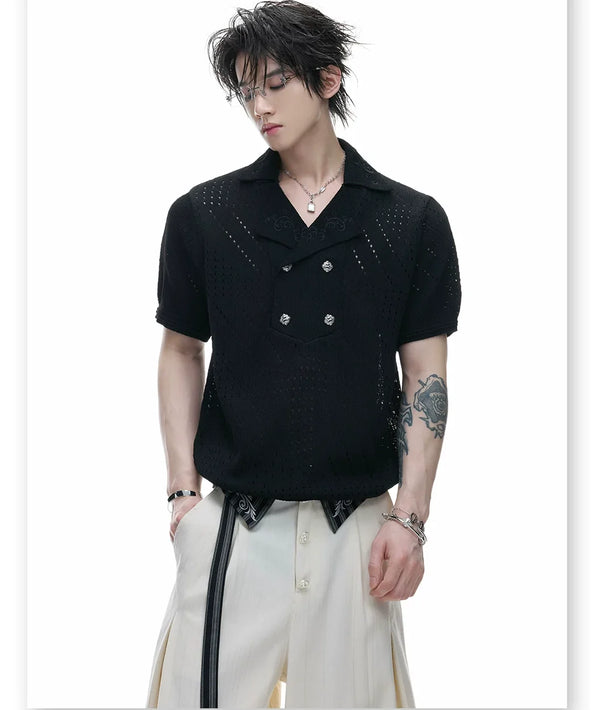
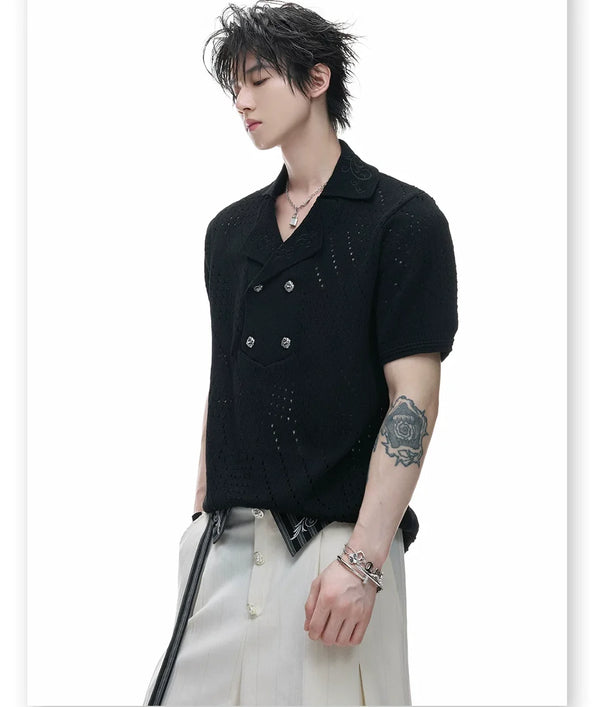
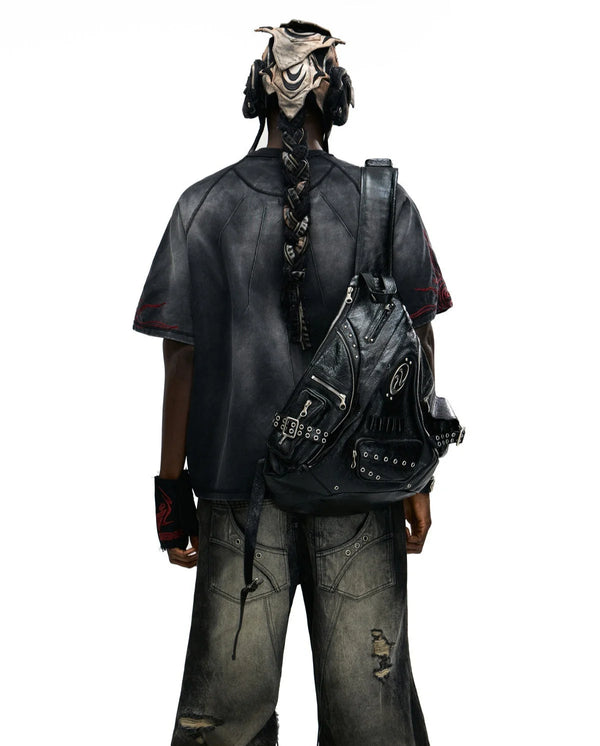
Opium Gradient Snake Cardigan
shanghai studio fit check

From Opium · 4 Pieces
All 84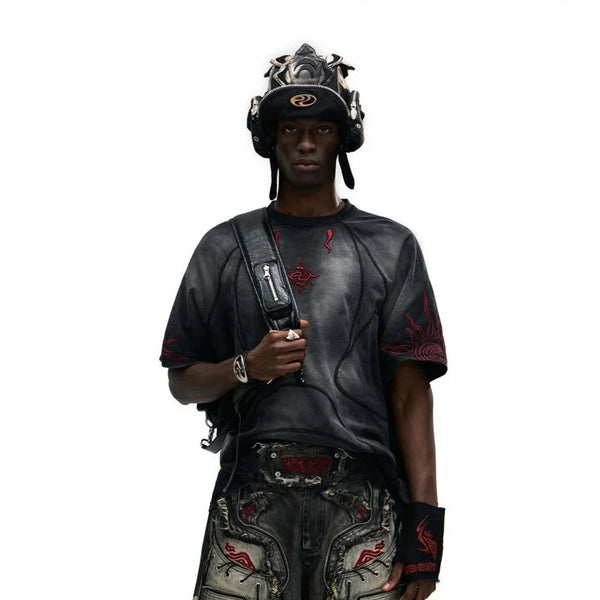
Drop Alerts
We'll let you know when the next drop in this niche lands.
You're in. We'll let you know at the next drop.

Drop Alerts
We'll let you know when the next drop in this niche lands.
You're in. We'll let you know at the next drop.


4 of 84 Pieces
All 84
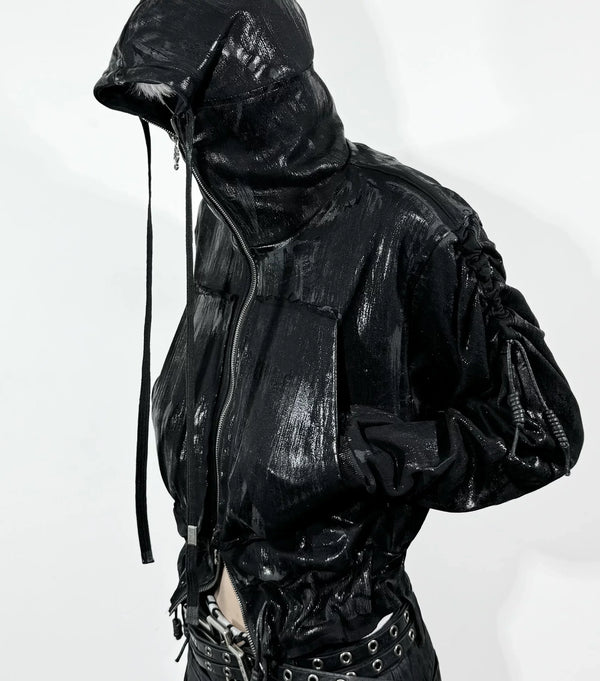
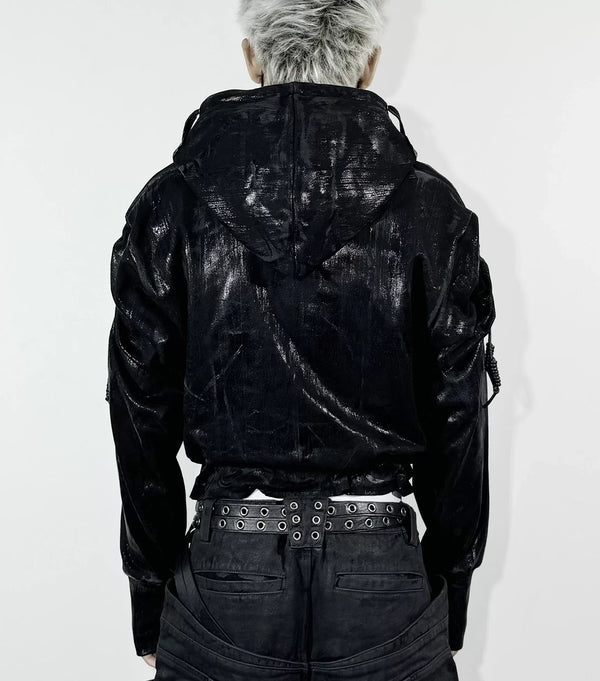
From Businesscore · 4 Pieces
All 23
Niche · 03 / 04
Techwear started here as a translation of Tokyo reduction into fabric. Errolson Hugh, Acronym, GORE-TEX, ergonomic cuts — and parallel to that, Japanese discipline: nothing superfluous, all function.
From Techwear · 4 Pieces
All 104 of 10 Pieces
All 10
Niche · 04 / 04
Streetwear is the root — the first designs out of Tokyo 2015 were Anime prints, Japanese characters, Harajuku graphics. Everything else grew from that, but the line keeps running.
From Streetwear · 4 Pieces
All 714 of 71 Pieces
All 712015 → today
Fūga
風雅
Berlin Plattenbau origins, Asia-inspired. Creative, but never fully fitting into the system. Tokyo 2015 as the starting point — six niche phases since then.
Today: Berlin · Shanghai · Tokyo · Poznań. We know our designers by name. Limited drops, no restocks.
We aren't dropouts. We know the system — went through training, worked, kept building. Both sides hold.
How Fūga evolved
What started as Streetwear in Tokyo has shifted over the years — through different phases, our own and collective.
01
The first designs. Anime prints, Harajuku characters, Tokyo connection.
02
Functional, layered, dark. Tokyo reduction translated into fabric.
03
Heavier, uncompromising, more shadow. Grew up parallel to Techwear.
04
Berghain aesthetic with street cuts. Raw, black, Berlin avant-garde meets Streetwear.
05
Cyberpunk meets the Berghain floor. Reflective, tactical, sound-system ready.
06
Tailored cuts with Streetwear logic. Growing older without going 9-to-5. Stay edgy.
What comes next, we'll write when the time comes.