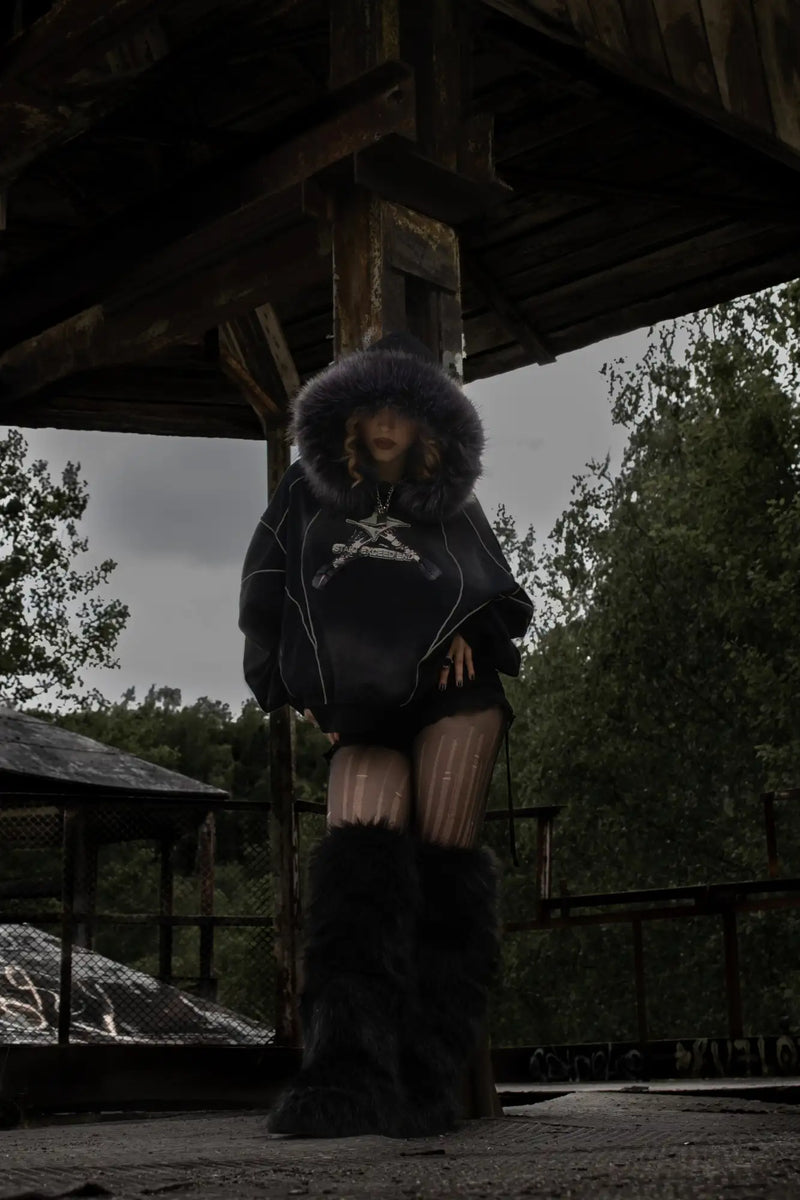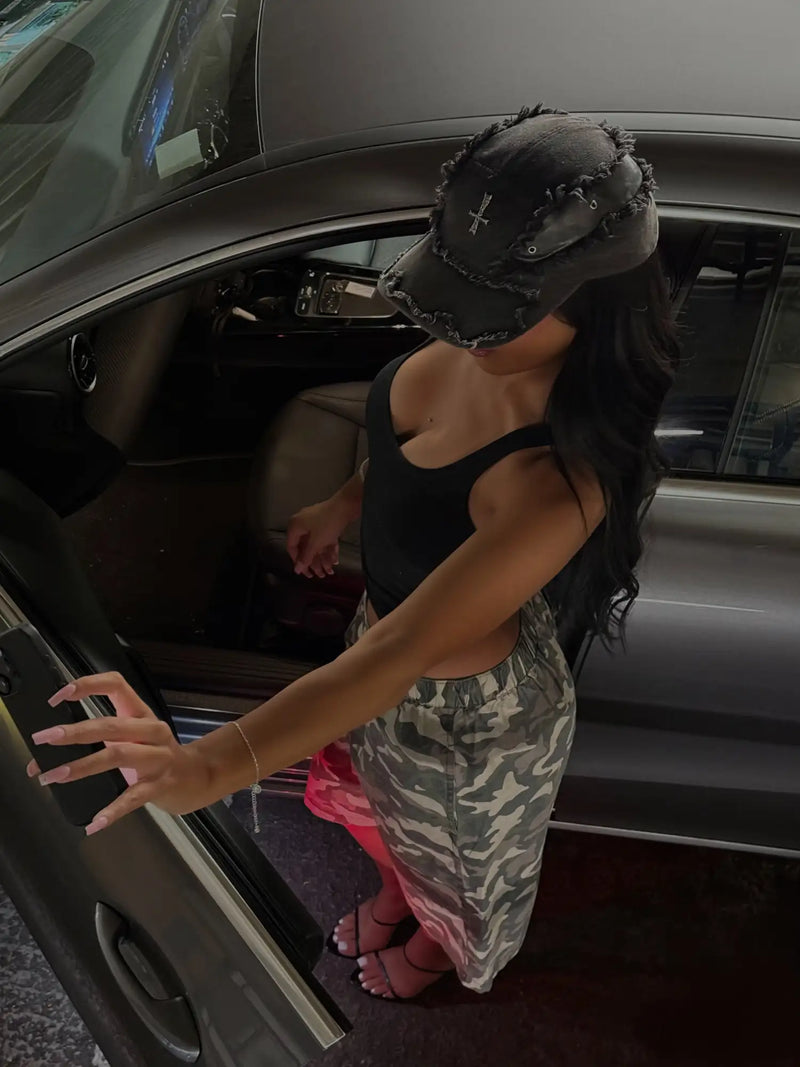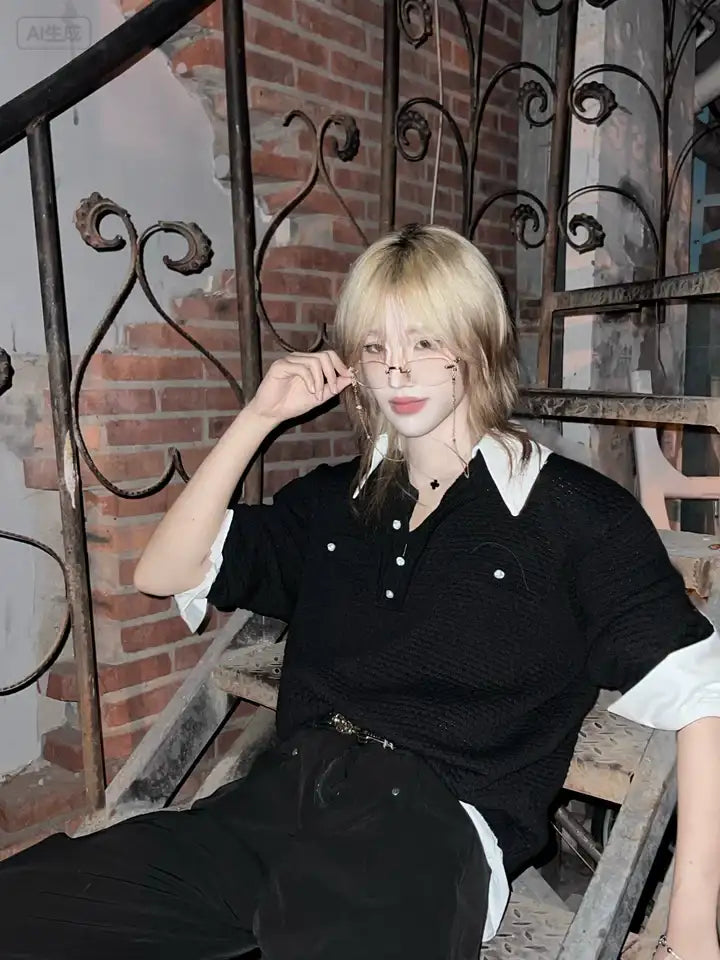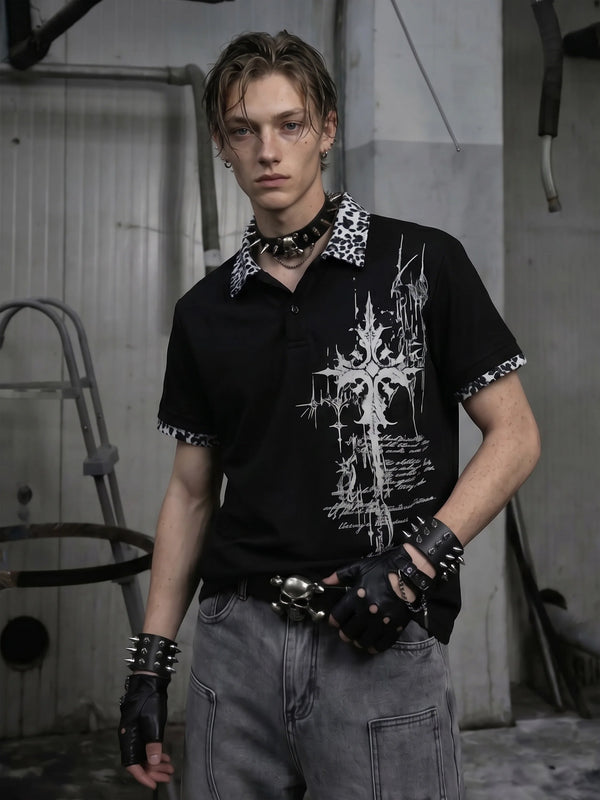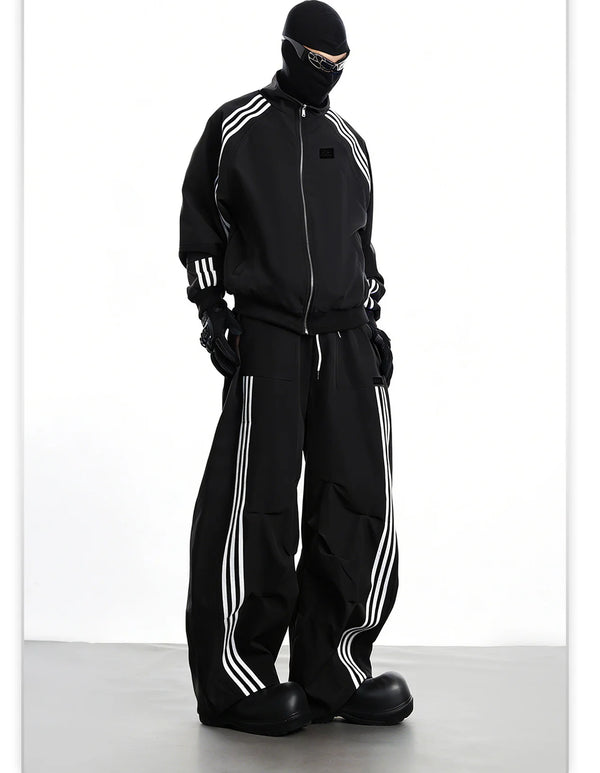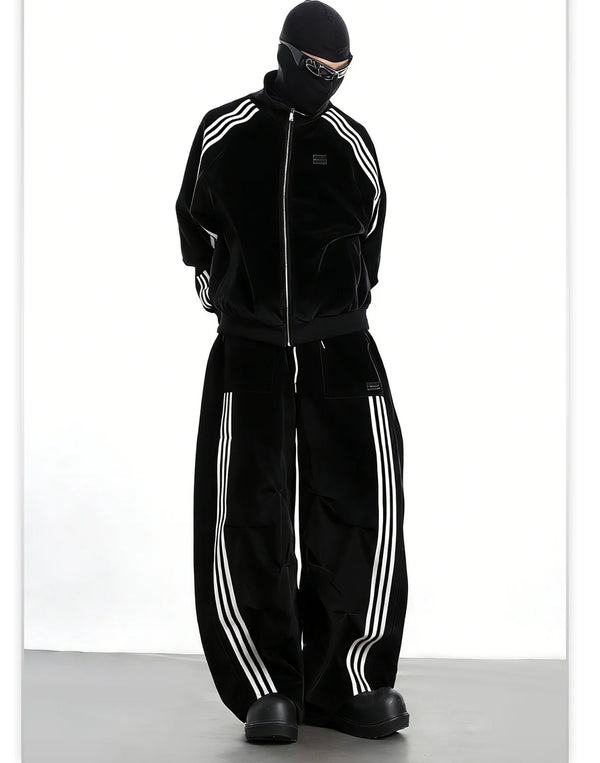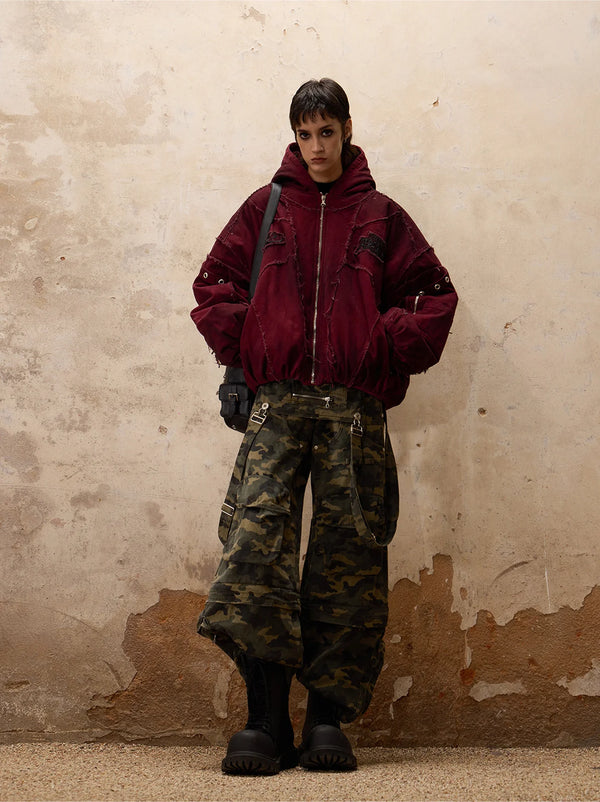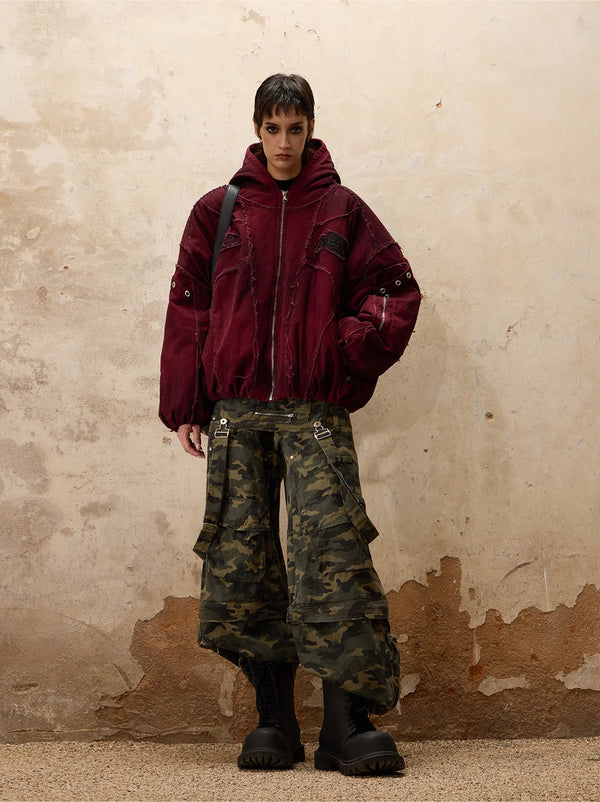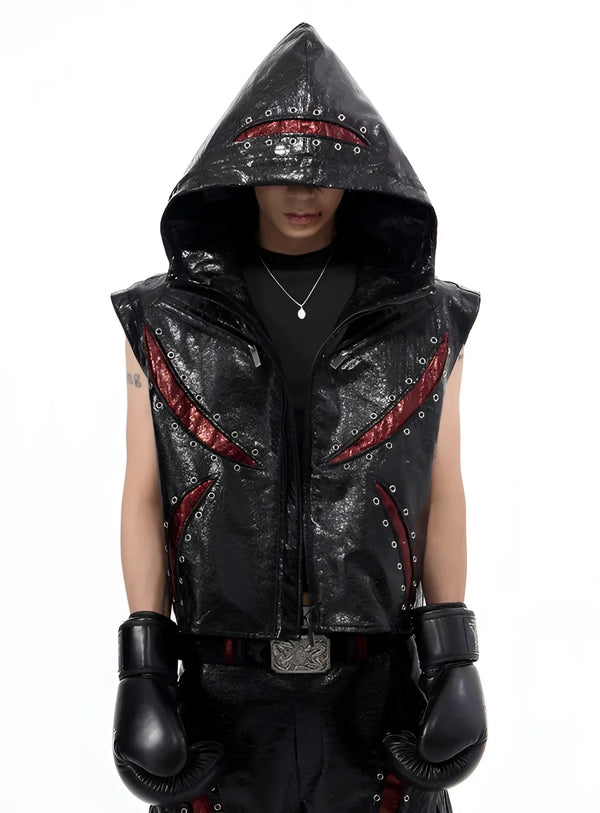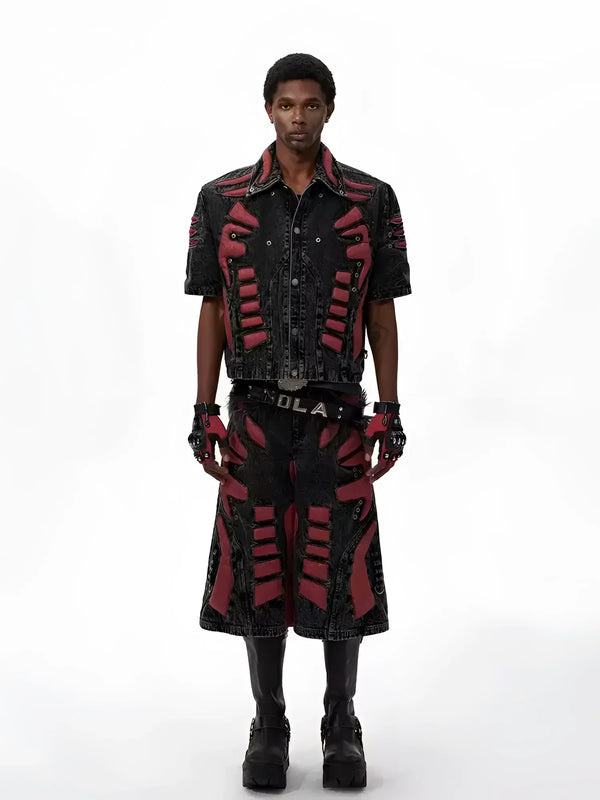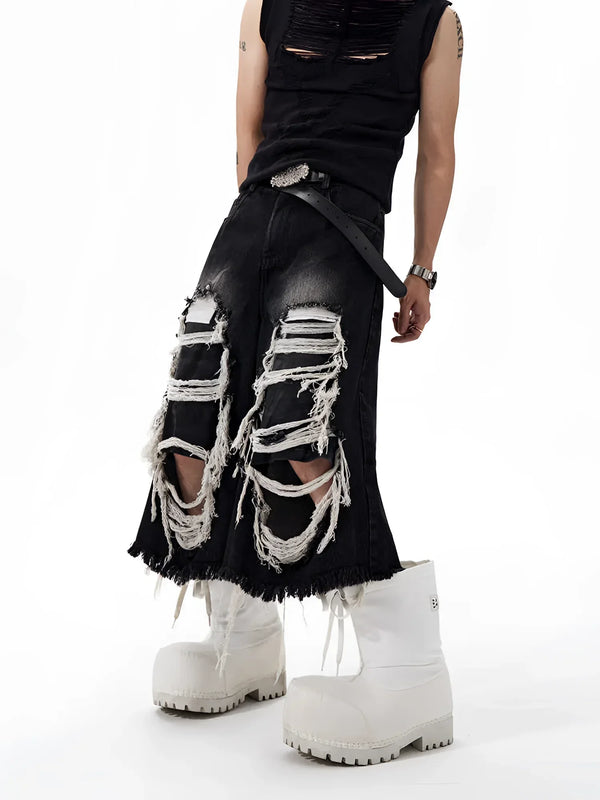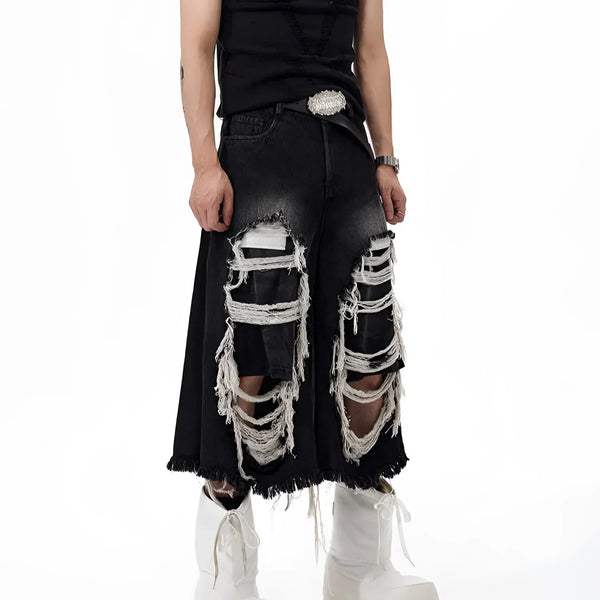
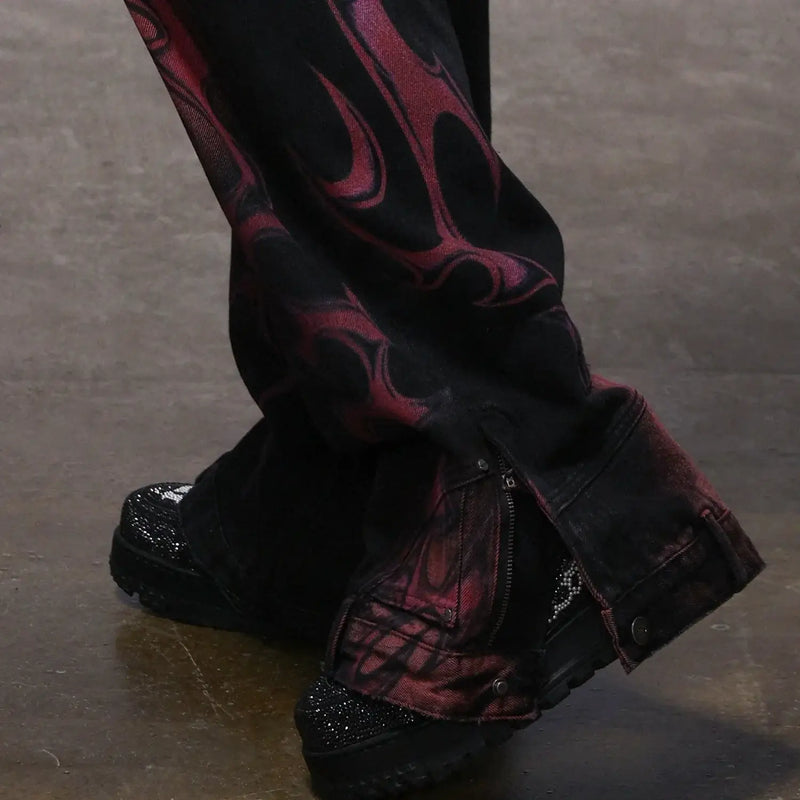
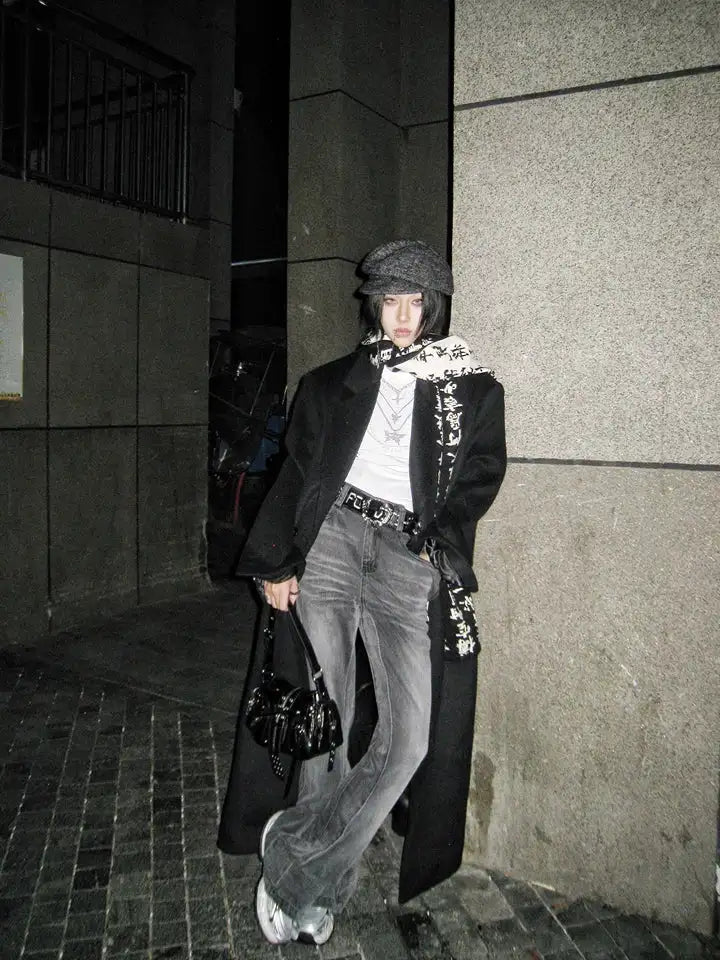
Anime · Harajuku · Origin
Japanese Harajuku Pants.
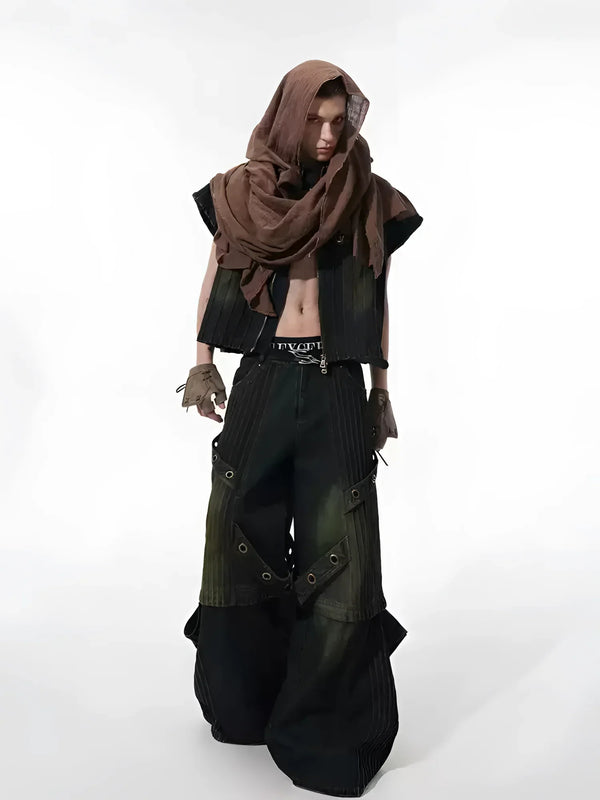
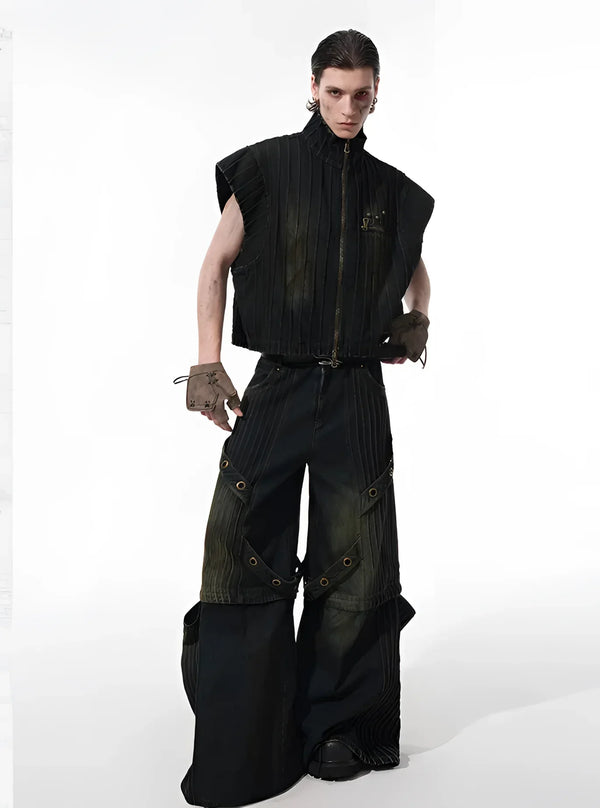
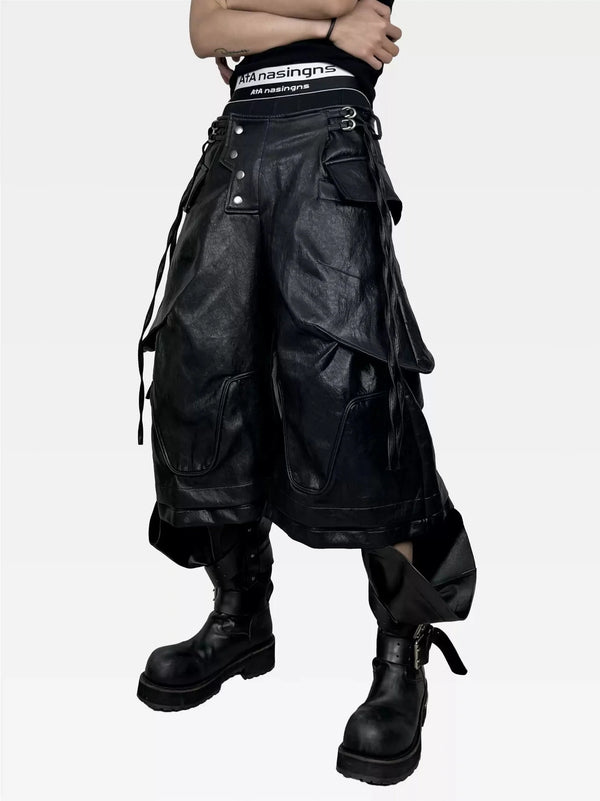
Wide cuts, layers, Tokyo roots. The pants that blur the line.
Most Wanted
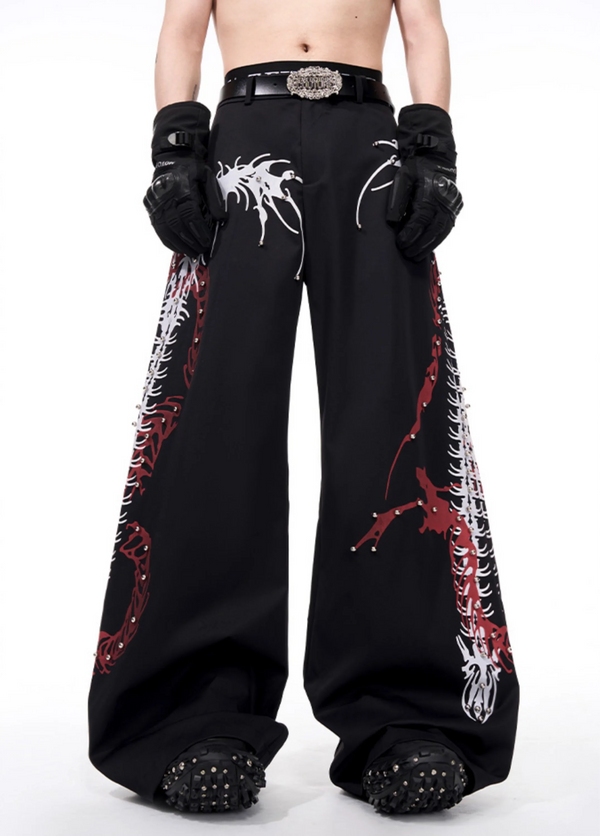
What everyone wants.
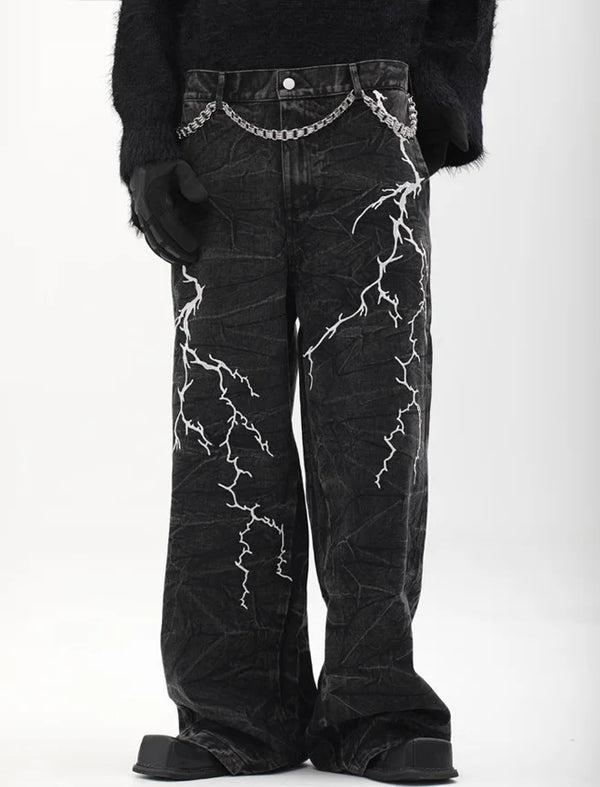
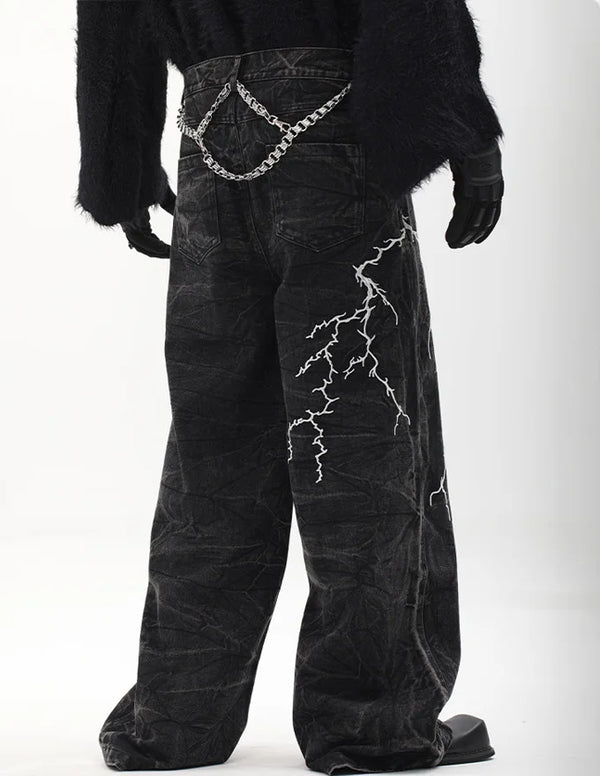
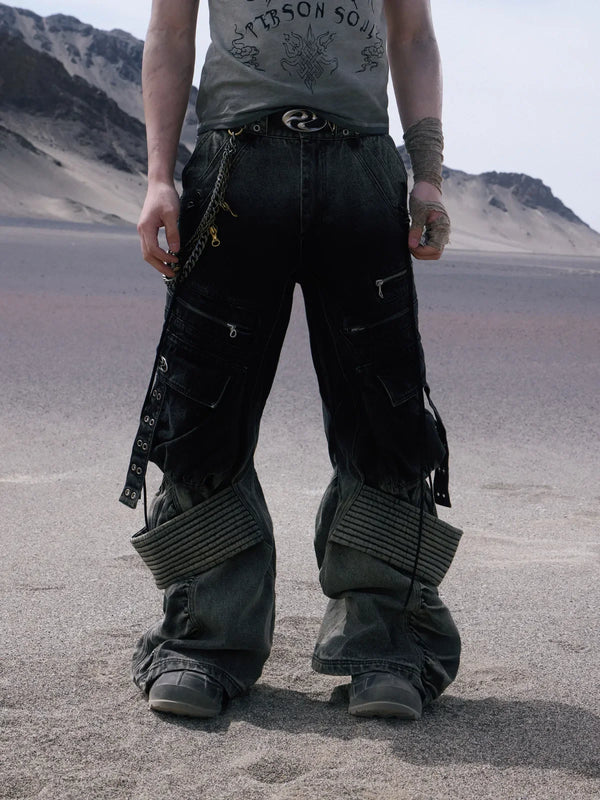
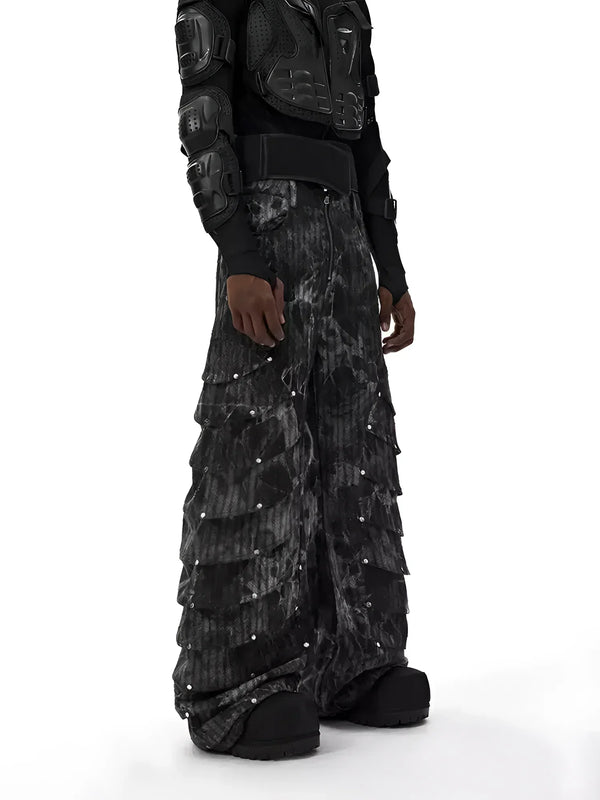
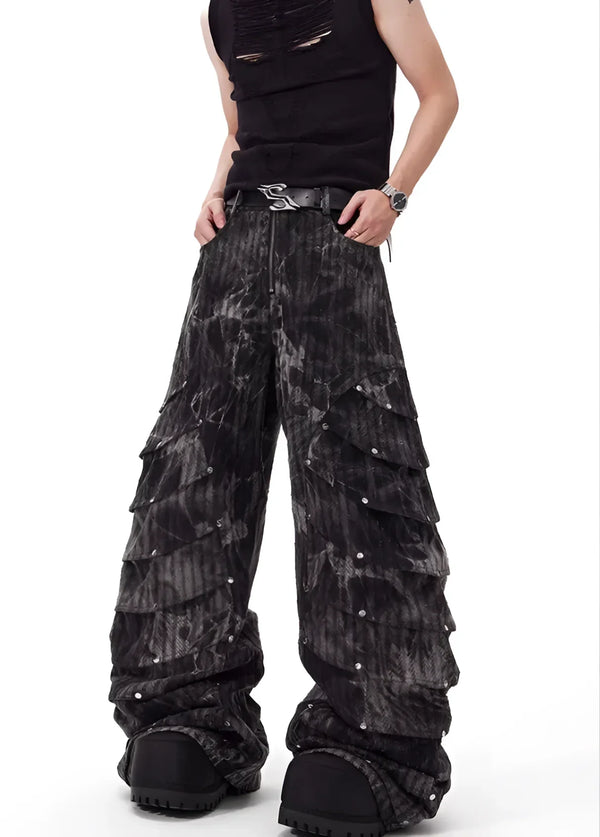
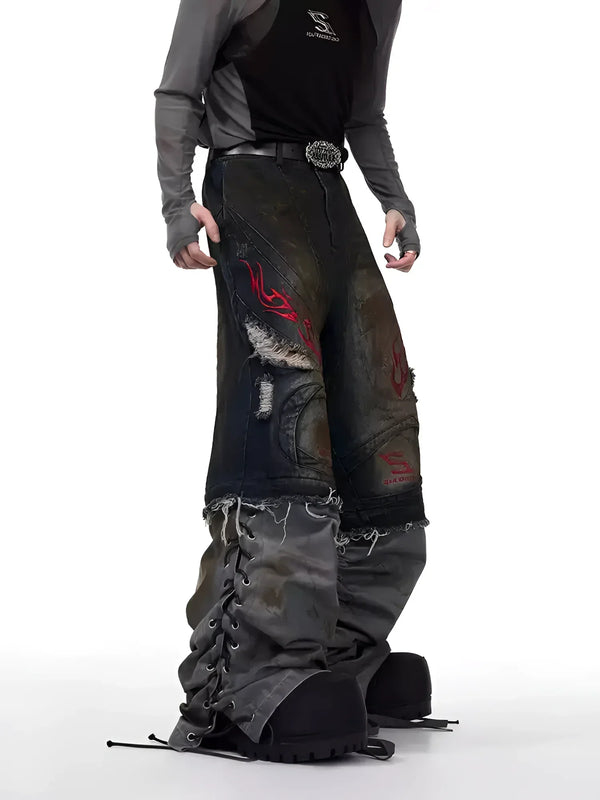
Y2K Dragon Spine Pants
€114,99Opium Convertible Flame Jeans
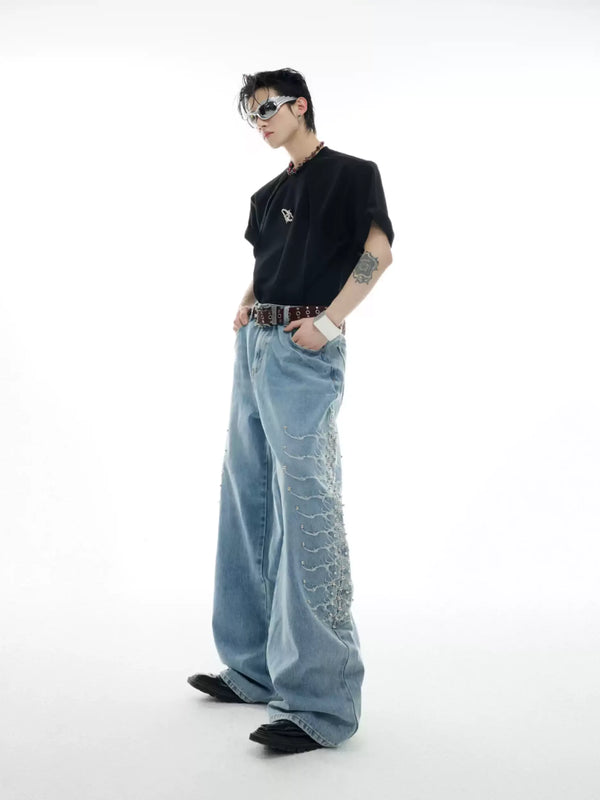
€164,99Opium Studded Wide-Leg Jeans
€124,99All pieces
All of Streetwear.
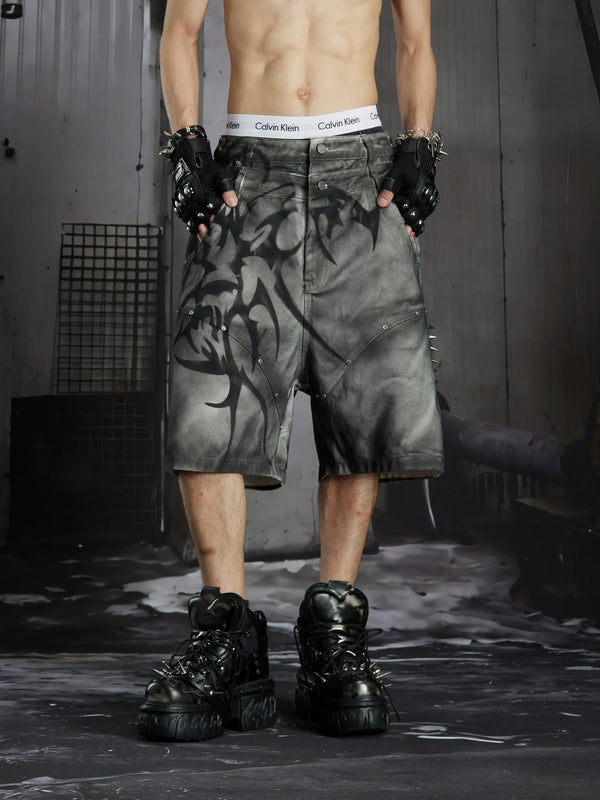
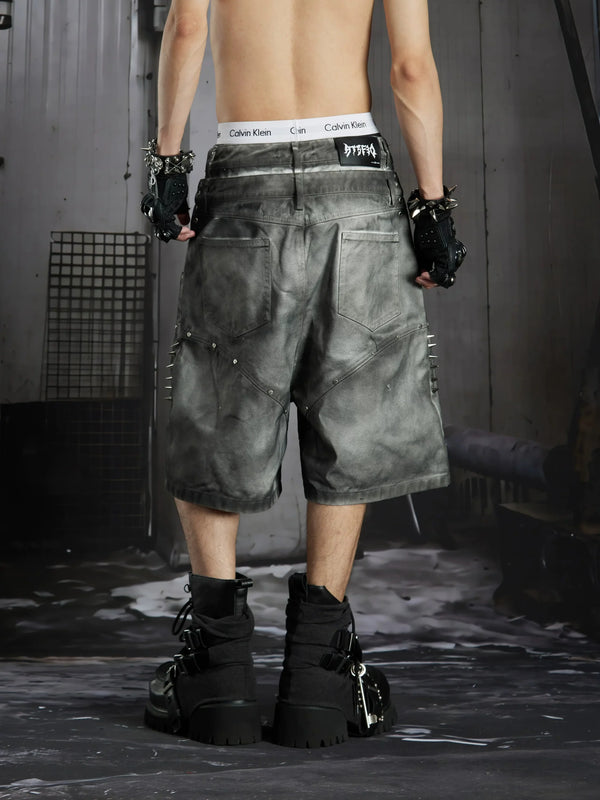
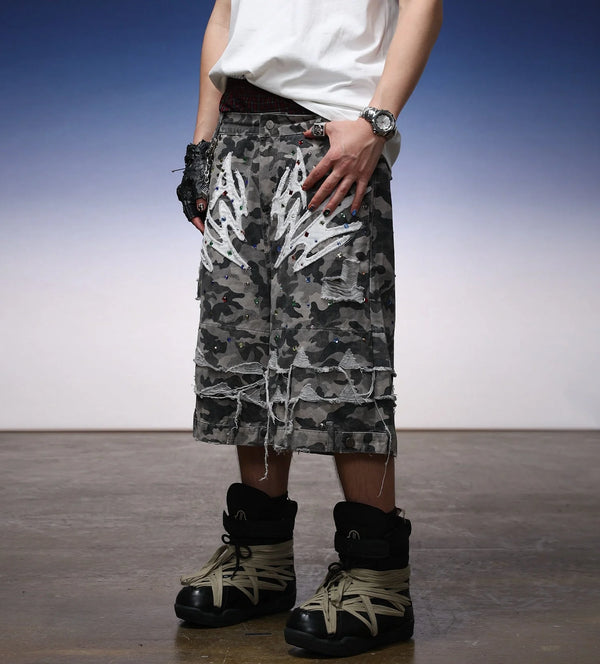
Y2K Camo Raw-Hem Cargo Jorts
€44,99Y2K Barrel-Leg Faded Denim Jorts
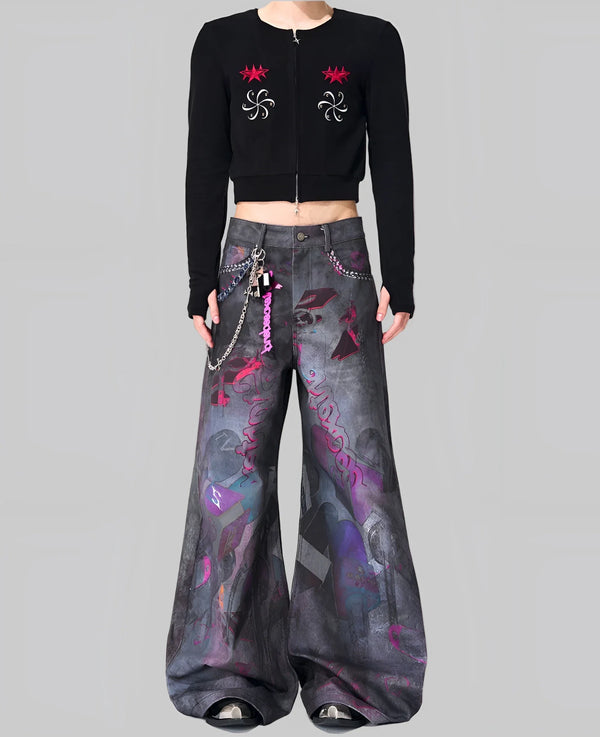
€44,99Opium Graffiti Art Wide Leg Jeans
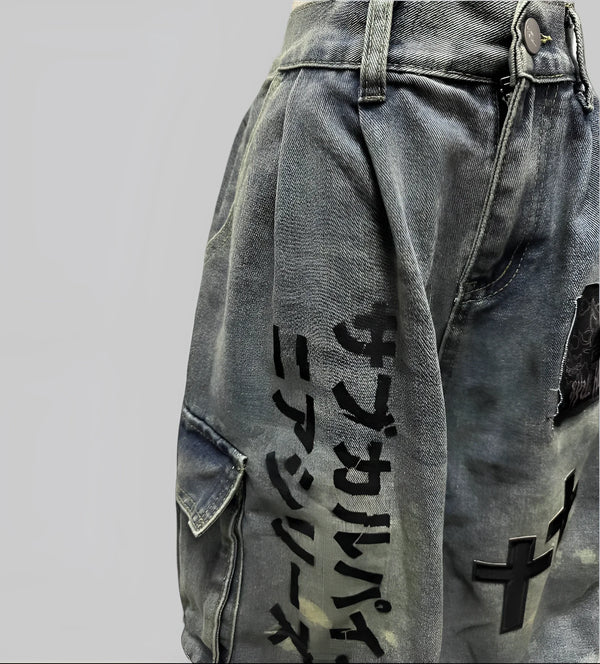
€114,99Gothic Y2K Kanji Chain Shorts
€64,99Y2K Camo Sword Emblem Cargo Shorts
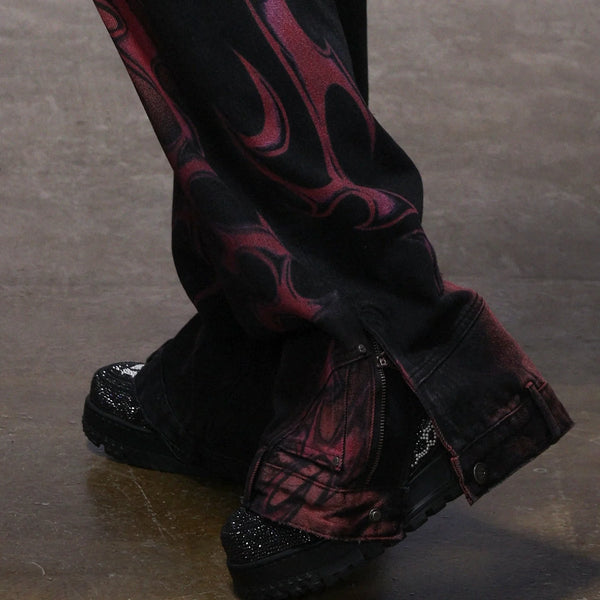
€124,99Y2K Flame Print Wide-Leg Jeans
€134,99Y2K Dragon Spine Pants
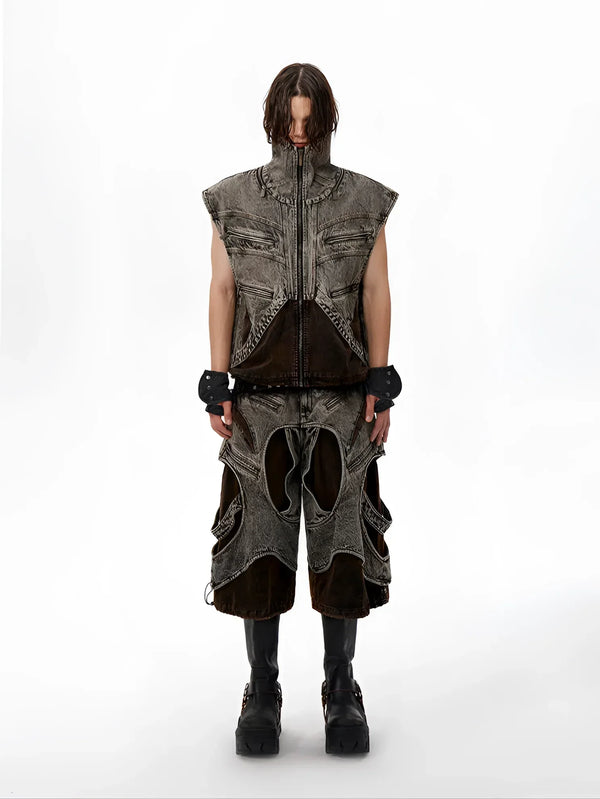
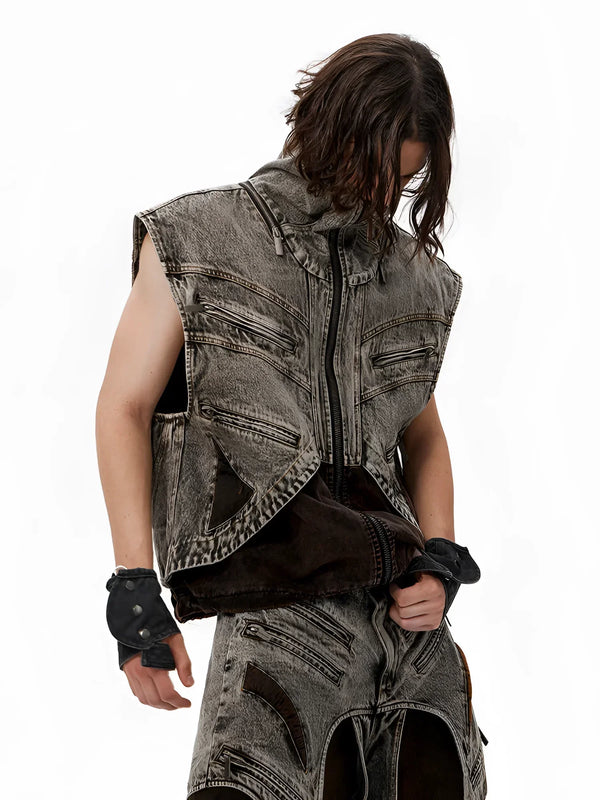
€114,99Opium Dystopian Armor Set
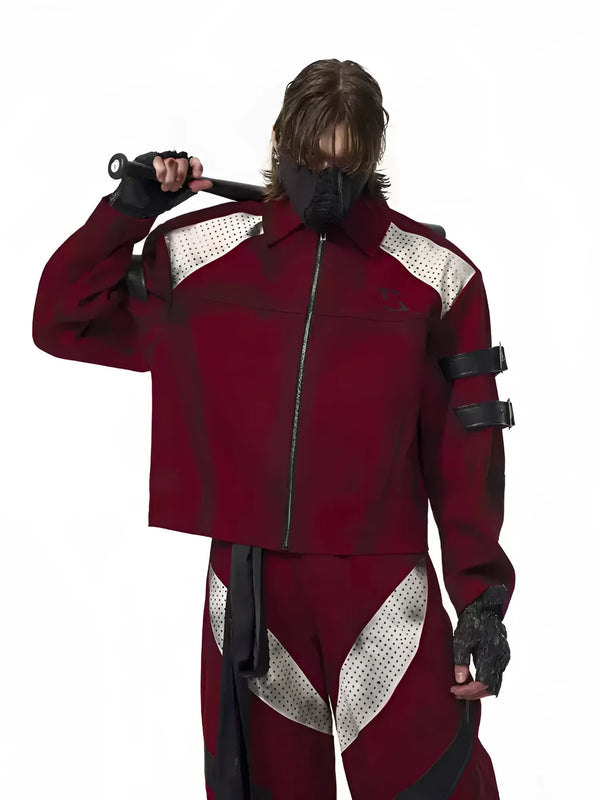
€124,99Opium Crimson Tactical Set
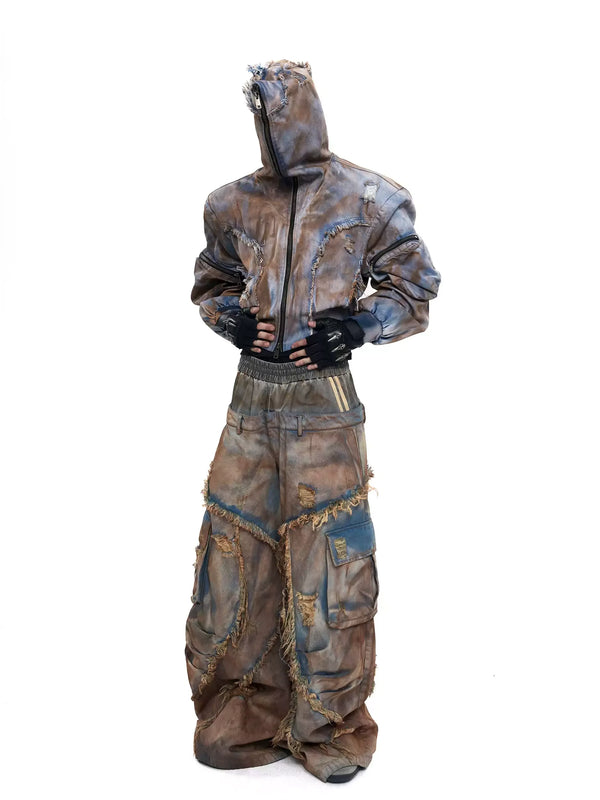
€134,99Opium Wasteland Destroyer Set
€164,99Opium Cyberpunk Leather Set
€154,99Opium Gothic Warrior Denim Set
€154,99Opium Cord Detail Jorts
€114,99Opium Avant-Garde Denim Set Y223
€124,99Opium Convertible Flame Jeans
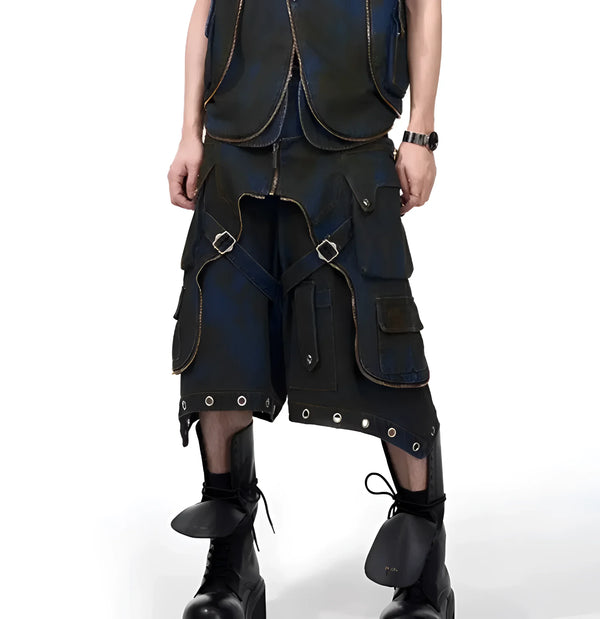
€164,99Opium Cargo Shorts
€154,99Opium Studded Wide-Leg Jeans
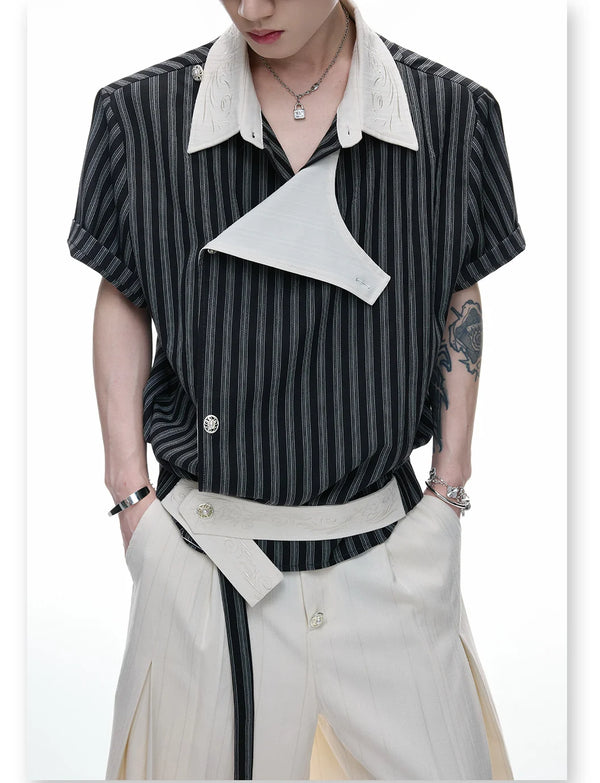
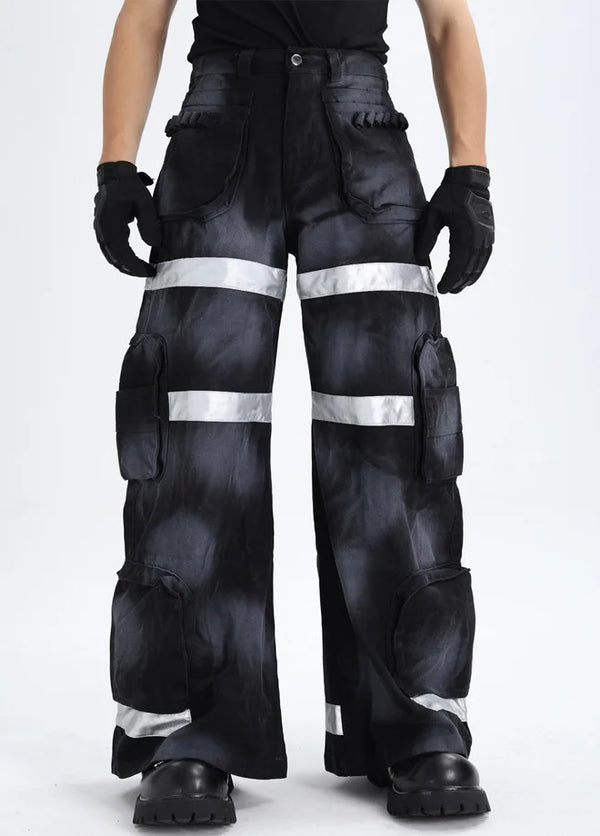
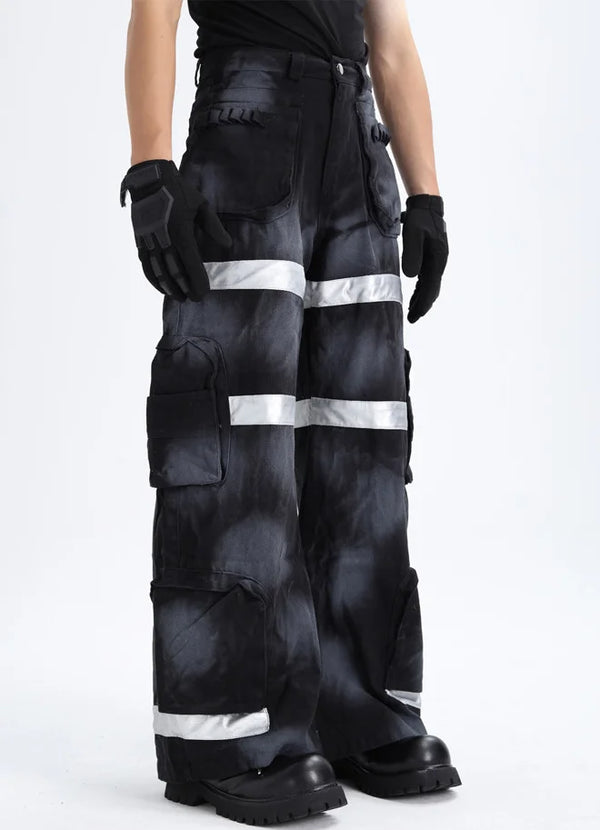
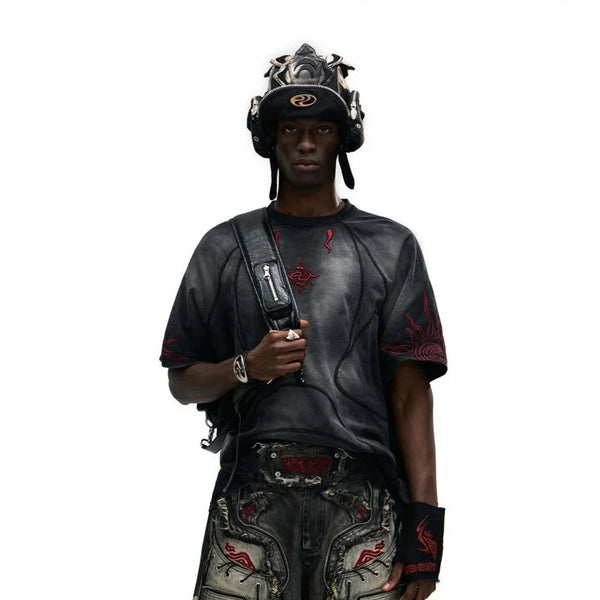
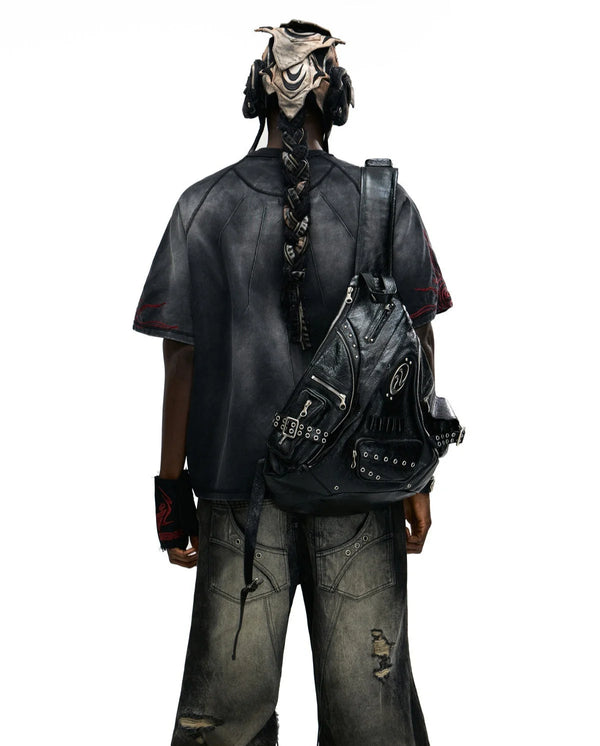
€124,99Japanese Harajuku Pants – more than just oversized silhouettes and relaxed fits – are the cornerstone of a distinctly Tokyo-rooted visual language that blurs the line between youth rebellion and deliberate fashion maximalism. At Fuga Studios, we've curated authentic Harajuku pants that honor the original aesthetic: wide-leg cargo cuts, high-waisted proportions, tapered ankles, and the kind of technical fabrics that define modern Japanese streetwear. Each piece carries the DNA of Takeshita Street – playfulness meets precision, function meets form.
📖 Harajuku pants at a glance
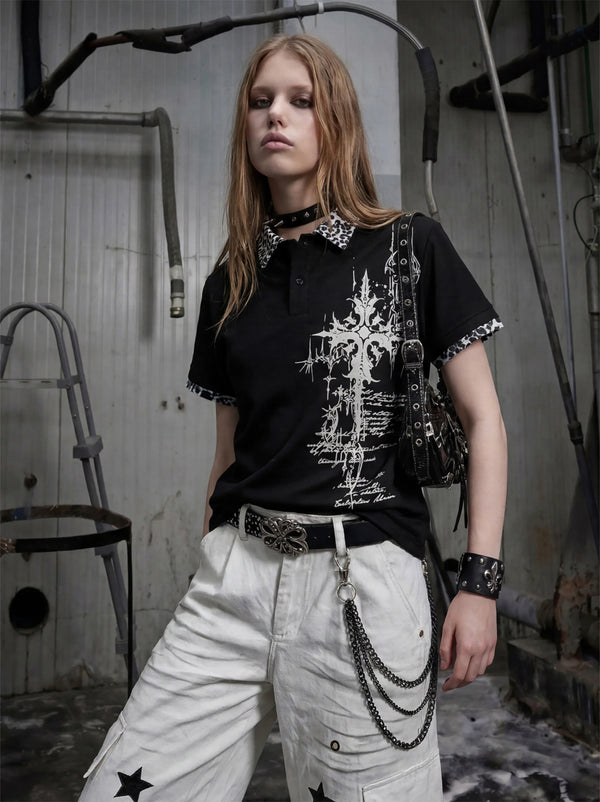
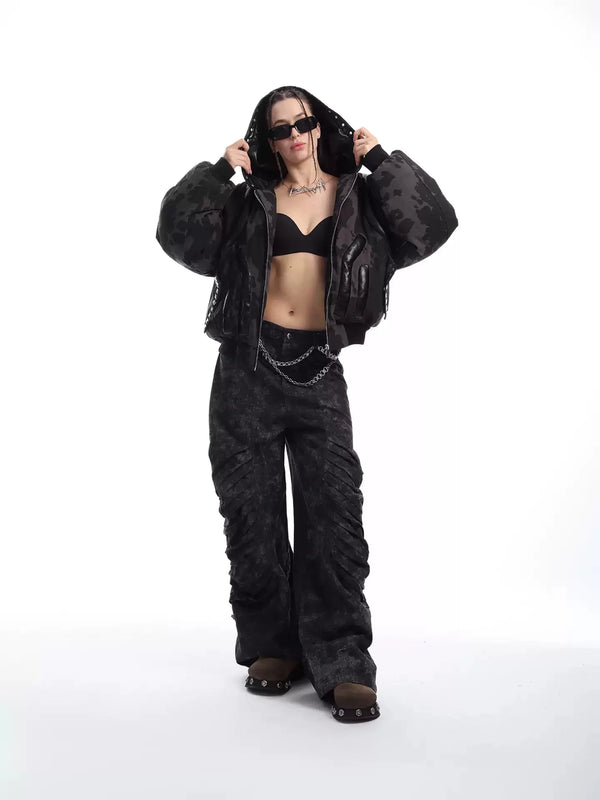
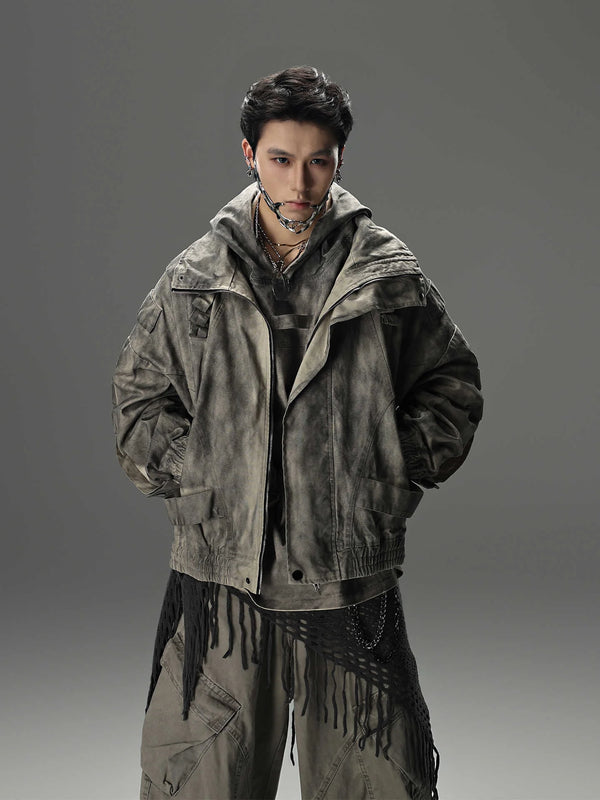
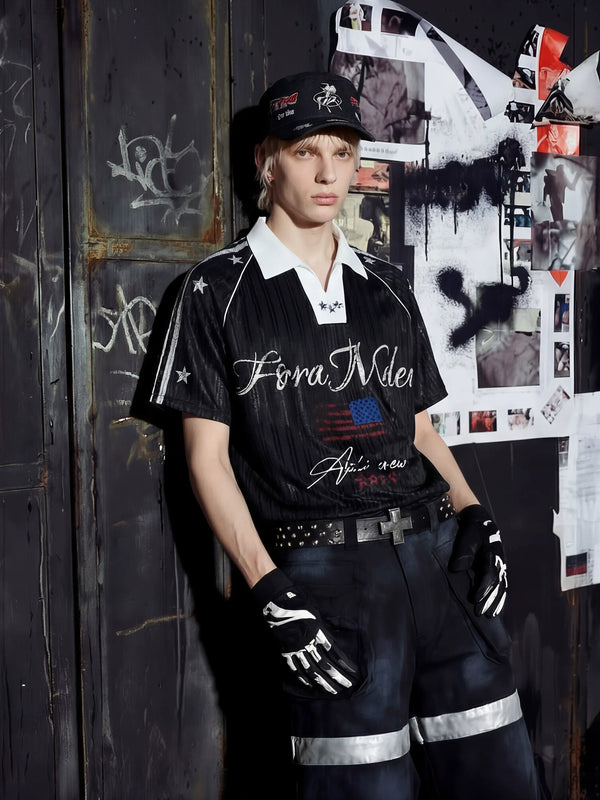
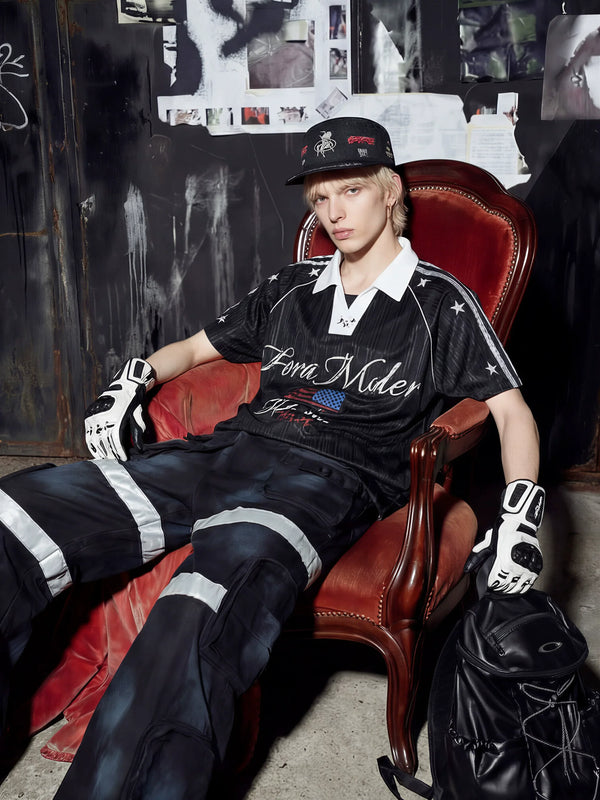
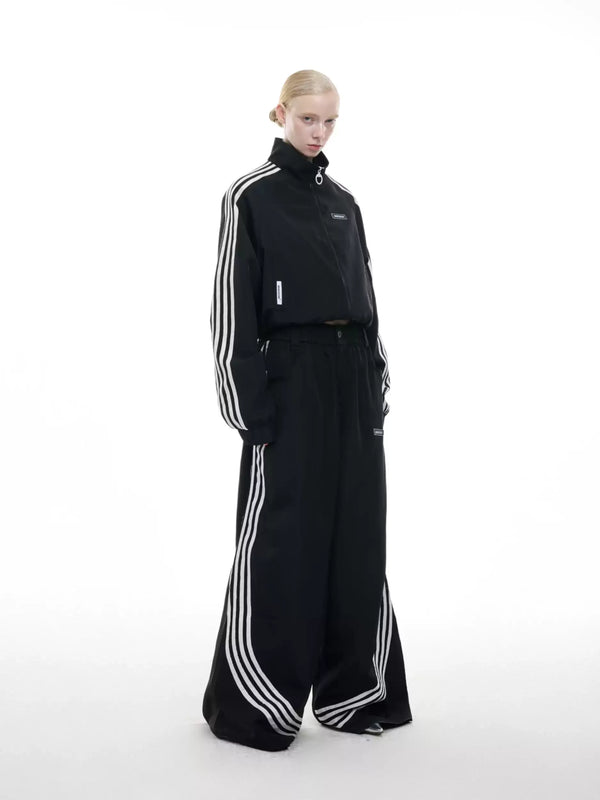
Wide leg shape meets tactical detail - cargo pockets, modular cords, asymmetrical cuts. The colors are dominated by black, ecru, navy and military green, often with reflective elements or contrasting seams. The fit is characteristic: high-waist, voluminous thighs, tapered ankles. Inspired by the Y2K-Movement, but with 2026 sophistication - technical fabrics, functional details, conscious silhouettes.
What are Harajuku pants really?
Harajuku pants are the embodiment of Japanese street fashion philosophy - an aesthetic that originated in Tokyo's Harajuku district in the 1990s and 2000s and has since spread globally. The style is characterized by voluminous, often asymmetrical cuts that consciously play on oversizes while still appearing structured. Unlike pure baggy pants that fall sagging, authentic Harajuku pants have strategic tailoring: a wide hip, a voluminous thigh, but a tapered thigh end or a fitted ankle. This creates a distinctive silhouette that is functional while making a strong fashion statement.
The real Harajuku pants have a story. They emerged not as an "internet trend" but as an organic reaction of young Tokyoites to globalizing fashion and their search for independence. The movement was subversive – a middle finger to the classic Japanese fashion upper class. Today, Harajuku pants have long been mainstream, but their rebellious DNA is still there. When you wear real Harajuku pants, you're not just wearing a piece of clothing - you're wearing a subculture story.
The anatomy of Harajuku pants: material, cut, detail
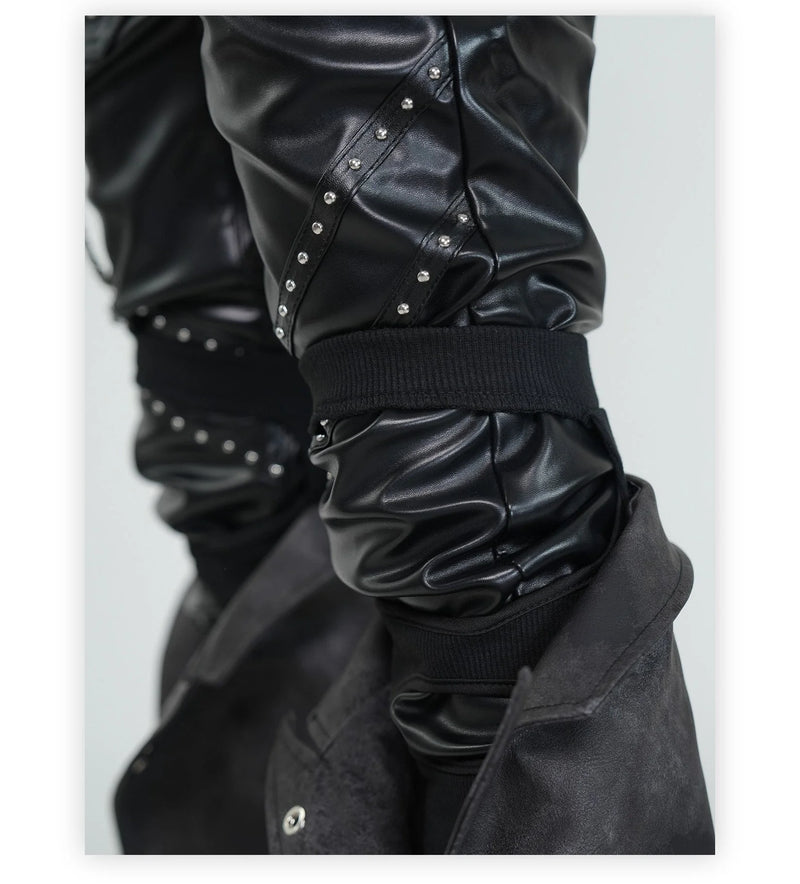
Authentic Harajuku pants are built on three pillars. The first is this material: Japanese designers often use technical fabrics here - cotton-nylon blends, water-repellent coatings, ripstop fibers - that combine durability with light weight. These materials are not random; They enable large pockets and complex cuts without weighing down the trousers. The second pillar is the Cut: High-waist is standard, the hips sit 2-3 centimeters higher than with classic jeans, the thigh falls wide and freely (often 30-50cm circumference), the leg becomes narrower towards the ankle, often with drawstrings or elastic cuffs for adjustment. The third pillar is the Details: asymmetrical pockets, often disproportionately large and placed in unexpected positions; drawstrings with large end fittings (often metal or textured plastic); reflective strips; removable cuffs or buckle systems. These details are not purely decorative - they function and tell the story of a conscious design decision. At Fuga Studios we focus on this authentic architecture and avoid superficial Harajuku imitations that only play on colors and names.
🎌 Harajuku pants categories
Explore the different cuts and styles - from wide-leg to tapered, from cargo to Y2K.
Styling Harajuku pants: The perfect fit for your body and lifestyle
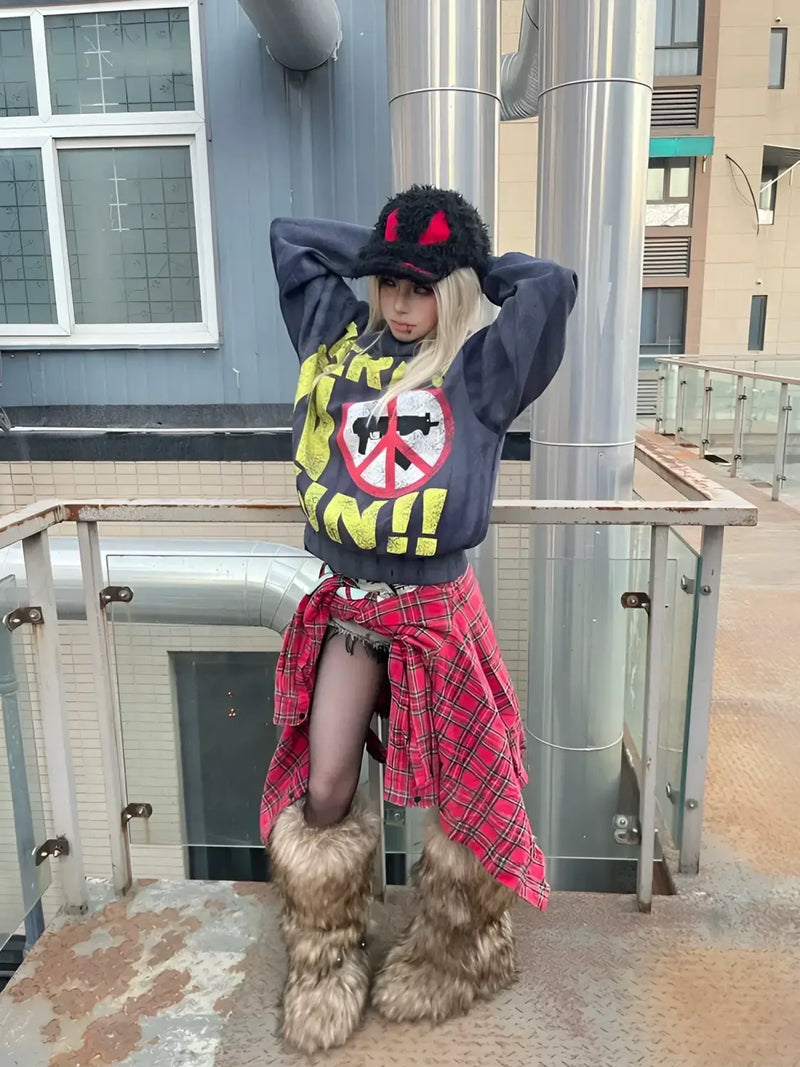
The key to a successful Harajuku look is the contrast between volume and structure. Most beginners wear Harajuku pants with a top that is too baggy or too big - the result looks poorly proportioned and unintentionally sloppy. Done right it is: One fitted or semi-fitted base layer on top, the Harajuku pants on the bottom. A tight long sleeve, a fitted tank top or an oversized but structured T-shirt work perfectly. The trousers sit high and voluminous, the upper body is noticeably tighter - this creates tension in the outfit and makes the silhouette interesting instead of chaotic. When choosing shoes, structured sneakers, boots or even heels work well - Harajuku pants work with a lot, as long as the shoe proportions are clear (not petite, not oversized, but present). A chunky sneaker or a structured boot balances the volume perfectly.
If this is your first time wearing Harajuku pants, expect a short learning curve. Finding the right size is crucial – too small feels uncomfortable, too big feels unintentional. At Fuga Studios we provide detailed size charts for each model. We generally recommend: Choose your usual size if the trousers are tailored. If it's described as "oversized fit," try going up a size - the volume will be intentional, not accidental.
🌸 Harajuku pants by style
From the tender Y2K-Look to dark warcore – find your Harajuku vibe.
Harajuku versus Shibuya: What's the real difference?
A frequently asked question from beginners: What is the difference between Harajuku and Shibuya style? Both were created in Tokyo, but they are visual opposites. Harajuku is maximalist, experimental, colorful (although we show the dark version here), with eye-catching details and conscious fashion subversion. Shibuya is stricter, more minimalist, focused on high-quality basics and subtle logos - it's about understatement and "quiet luxury". So with Japanese Harajuku pants, you're much more likely to see asymmetrical pockets, drawstrings, and color blocks; With Shibuya-inspired pants, you'll see more classic silhouettes with perfect tailoring and subtle details. The Harajuku pants are a statement; the Shibuya pants are elegantly silent. We have both in the Fuga Studios catalog - choose depending on your mood and day.
Harajuku pants materials and care
The technical fabrics we use in Harajuku pants are not simply an aesthetic choice - they are functionally necessary. A cotton-nylon blend makes it possible to carry large pockets without making the pants too heavy. Ripstop fabric is durable yet lightweight. Water-repellent coatings protect against weather. Caring for these fabrics is easy: machine wash at 30 degrees, no fabric softener (which destroys the technical coatings), air drying instead of a tumble dryer. When a coating wears off, you can reactivate it with DWR sprays. Properly cared for, technical Harajuku pants will last for years.
💡 Pro tip
Buy Harajuku pants a size larger when pairing them with tighter tops - the volume only works if it has contrast. And: ankle details are not optional. A tapered ankle cuff or drawstring defines the entire silhouette. Pants without an ankle structure quickly look like pajamas. Also important: wear the Harajuku pants up – high waist is not a suggestion, it is the entire system. With a normal hip fit, the pants appear incorrectly proportioned.
The History of Harajuku Pants: From Y2K Trend towards an established statement
Harajuku pants have their roots in Japanese street culture of the 1990s and early 2000s. The Harajuku area has always been a center for youth fashion experimentation - originally inspired by Kogal culture (exaggerated school uniforms with flashy accessories), Harajuku style quickly developed into a movement in its own right. Designers like Yohji Yamamoto and Jun Takahashi (Undercover) incorporated these street energies into their collections. With that Y2K-Revival of the 2010s, Harajuku pants came back - first meant nostalgically, then consciously reinterpreted for today's fashion. In 2026, Harajuku style is less of a retro gimmick and more of an established design language used in techwear, Opium, Soft grunge and modern Japanese streetwear are integrated. The pants are no longer "a trend from Japan" - they are now simply part of the global fashion vocabulary, a respected chapter in fashion history.
Free shipping from €169 | 14 day return policy
Frequently asked questions
What are those big Japanese pants that can be seen everywhere?
These are Harajuku pants – a Japanese fashion aesthetic that combines wide, voluminous cuts with structured tailoring. They originated in Tokyo's Harajuku district in the 1990s and are now a global street style standard with serious design depth.
What is the difference between Harajuku and Shibuya style?
Harajuku is maximalist, experimental and colorful with eye-catching details. Shibuya is more minimalist, focused on understatement and subtle logos. Harajuku wears flashy Harajuku pants; Shibuya relies on quiet, high-quality basics.
What's the point of Harajuku pants with such a large volume?
The volume is deliberate - it creates freedom of movement, a striking silhouette and a contrast that, when combined with a fitted top, creates an interesting, balanced look. It's not coincidence, but design.
What does Harajuku mean in Japanese?
Harajuku (原宿) is the name of a district in Tokyo. "Hara" means "origin" or "field", "juku" means "place" or "station". The name refers to the Harajuku train station, which has been a center for youth fashion culture since the 1990s.
Are Harajuku pants the same as Tobi Pants or Baggy Pants?
Not exactly – Tobi Pants are a specific type of Japanese pants with laces and buckles, but not all Harajuku pants are Tobi. Baggy pants are even wider and slacker. Harajuku is the overarching style; Tobi is a specific technical variant with modular details.
What sizes does Fuga Studios offer and how do I care for Harajuku pants?
Our Harajuku pants are in XS until XXL Available, depending on the model, also in extended sizes. For care we recommend: machine wash at 30 degrees, no fabric softener, air dry. Technical fabrics need gentle treatment to maintain their functionality.
2015 → today
Fūga
風雅
Fūga isn't for everyone.
Berlin Plattenbau origins, Asia-inspired. Creative, but never fully fitting into the system. Tokyo 2015 as the starting point — six niche phases since then.
Today: Berlin · Shanghai · Tokyo · Poznań. We know our designers by name. Limited drops, no restocks.
We aren't dropouts. We know the system — went through training, worked, kept building. Both sides hold.
How Fūga evolved
One line. No closed worlds.
What started as Streetwear in Tokyo has shifted over the years — through different phases, our own and collective.
01
Streetwear / Anime
The first designs. Anime prints, Harajuku characters, Tokyo connection.
02
Techwear
Functional, layered, dark. Tokyo reduction translated into fabric.
03
Gothic
Heavier, uncompromising, more shadow. Grew up parallel to Techwear.
04
Opium
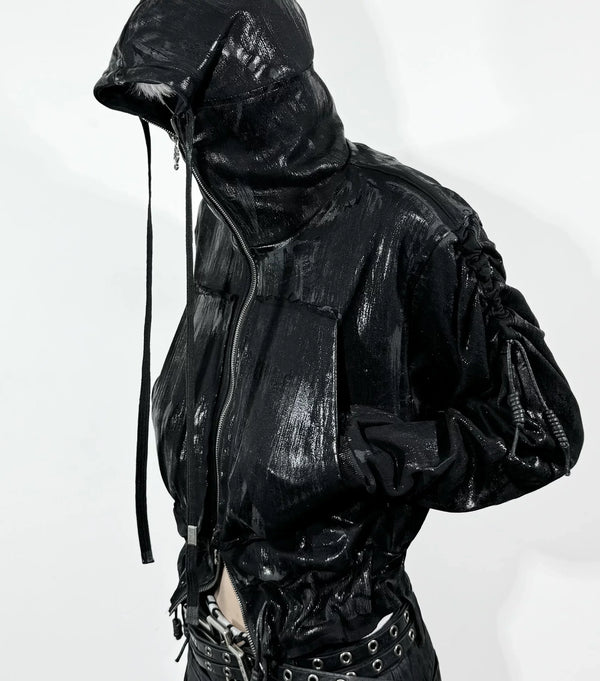
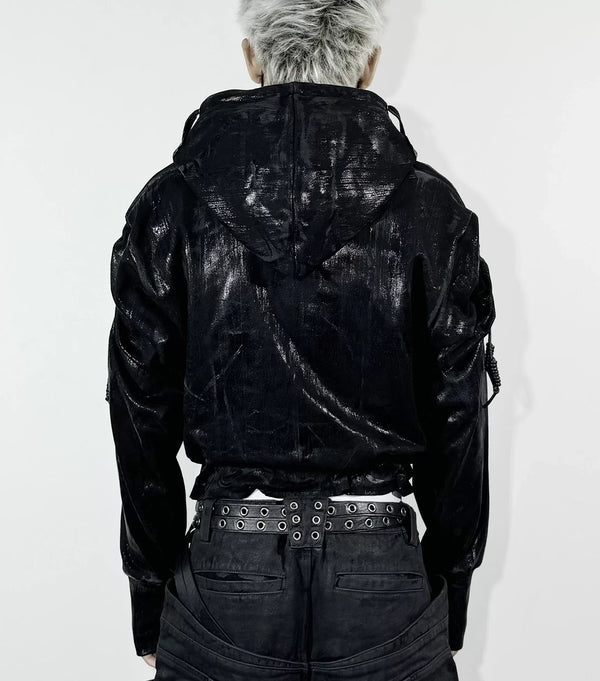
Berghain aesthetic with street cuts. Raw, black, Berlin avant-garde meets Streetwear.
05
Rave
Cyberpunk meets the Berghain floor. Reflective, tactical, sound-system ready.
06
Businesscore
Tailored cuts with Streetwear logic. Growing older without going 9-to-5. Stay edgy.
What comes next, we'll write when the time comes.