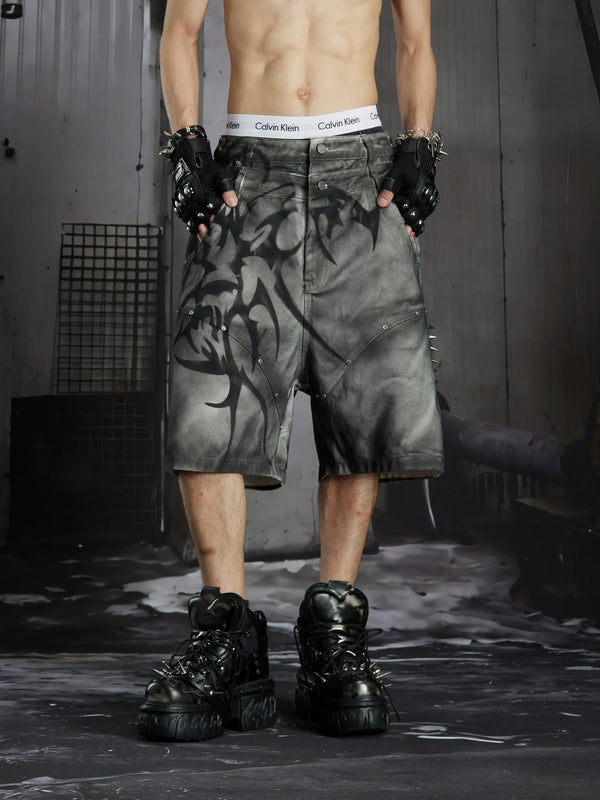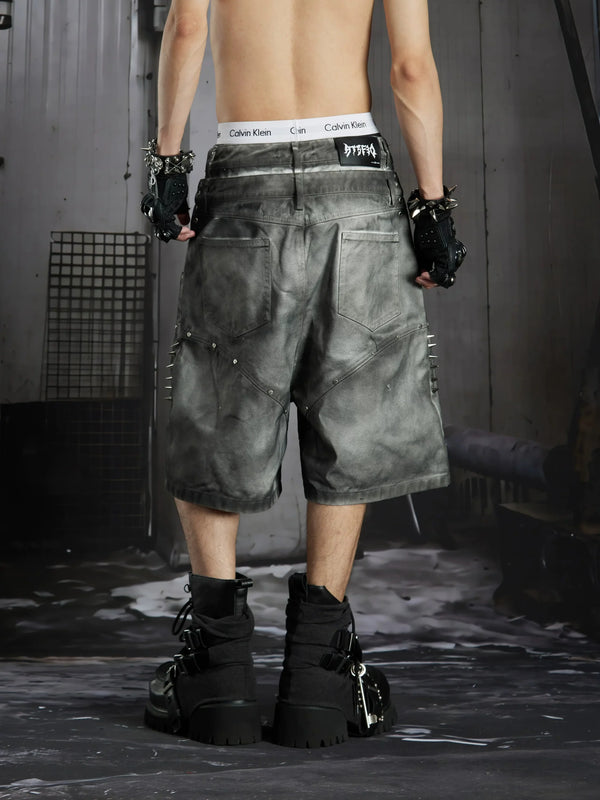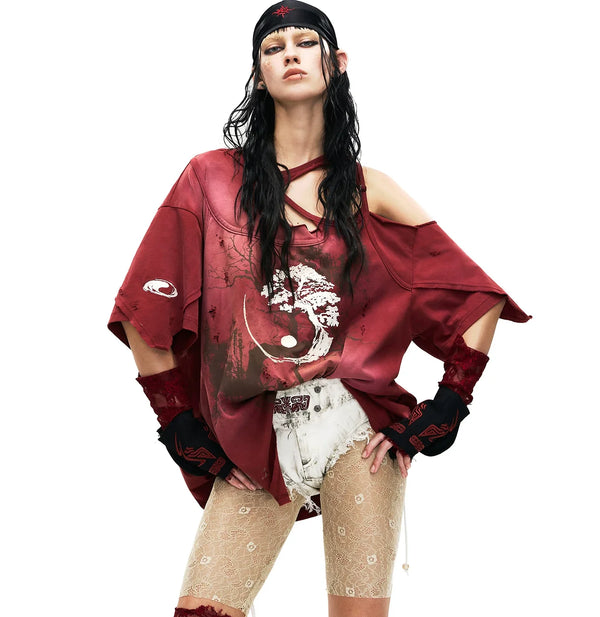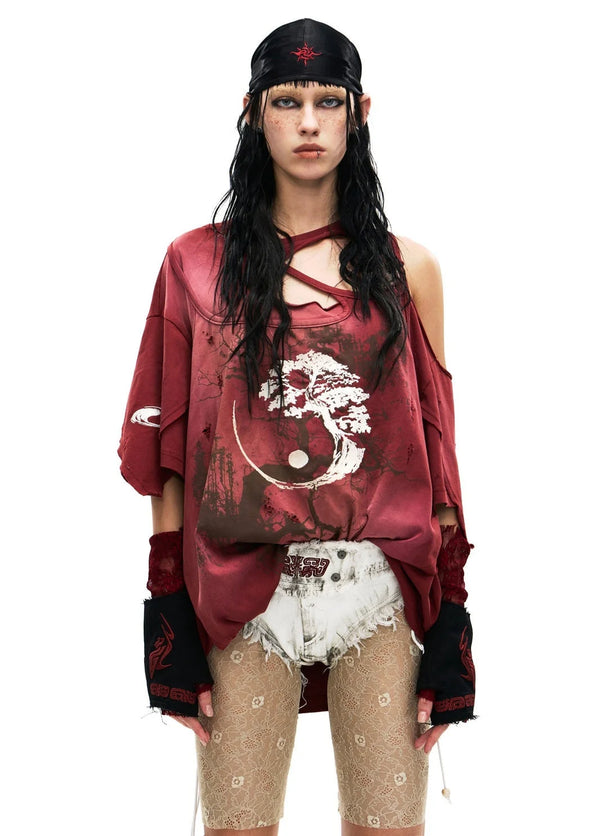

Anime · Harajuku · Origin
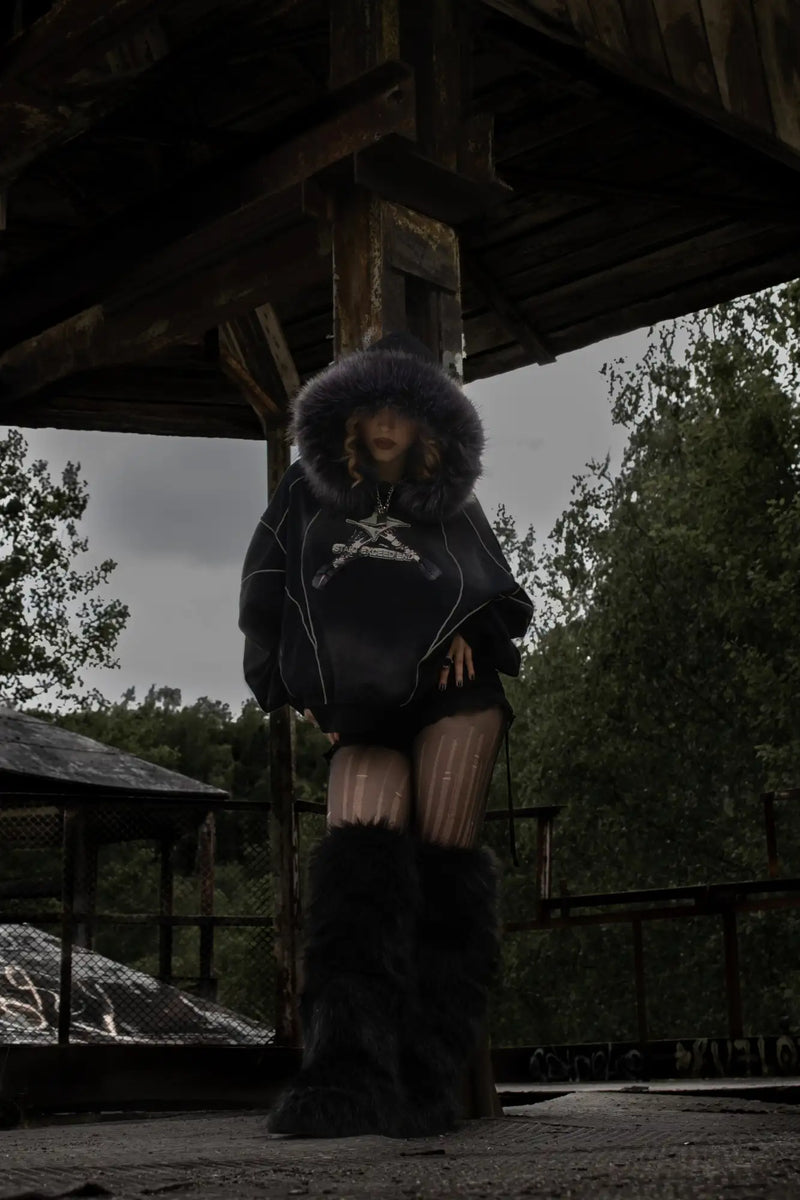
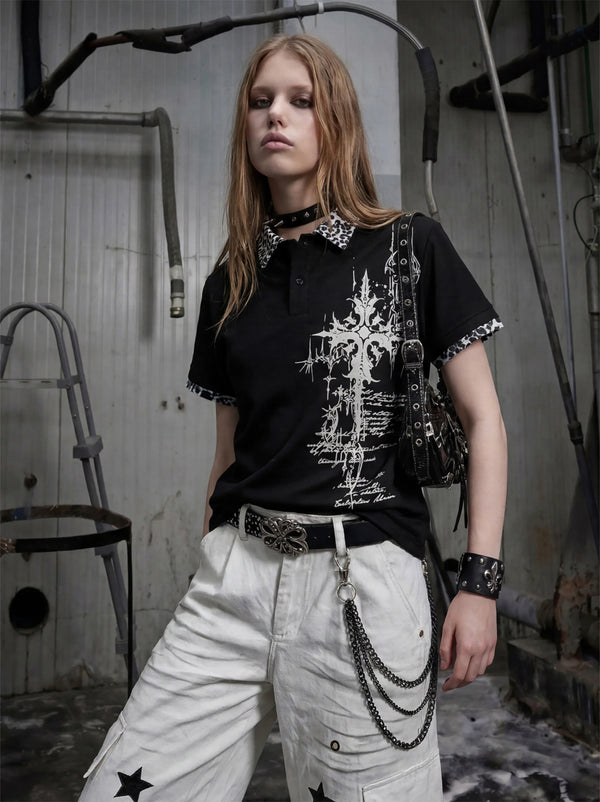
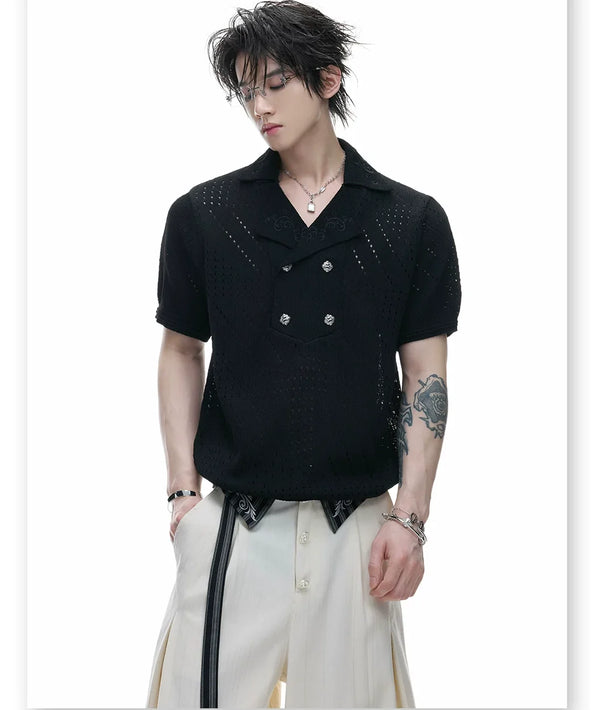
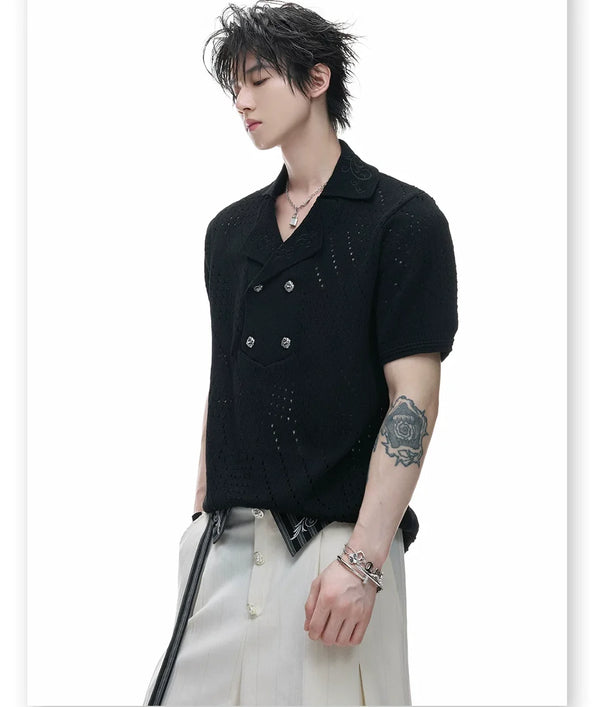
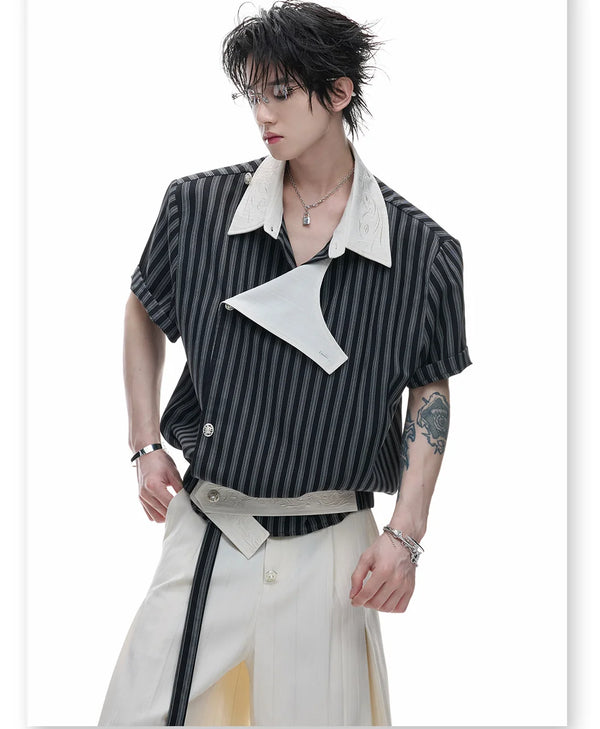
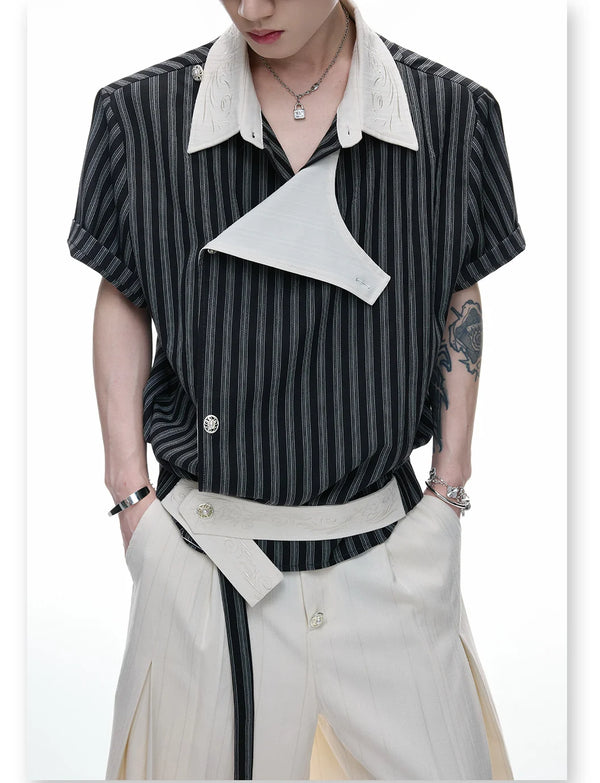
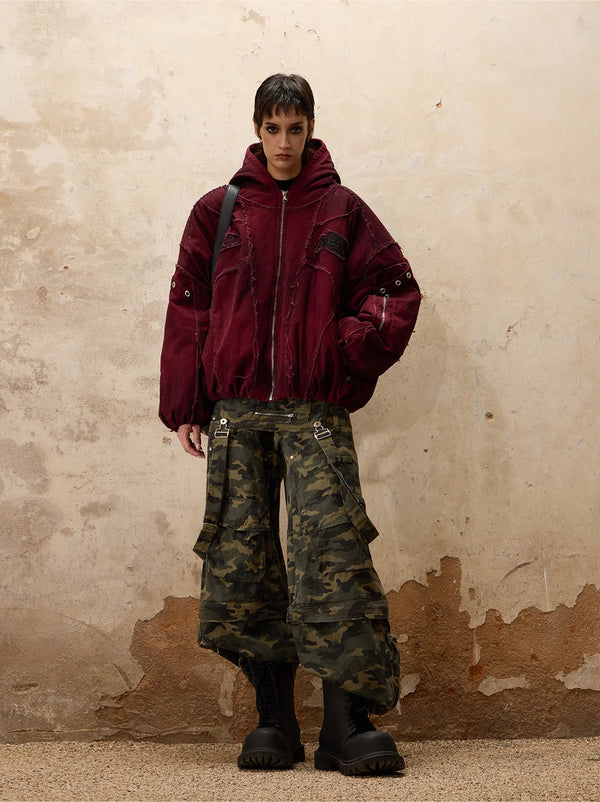
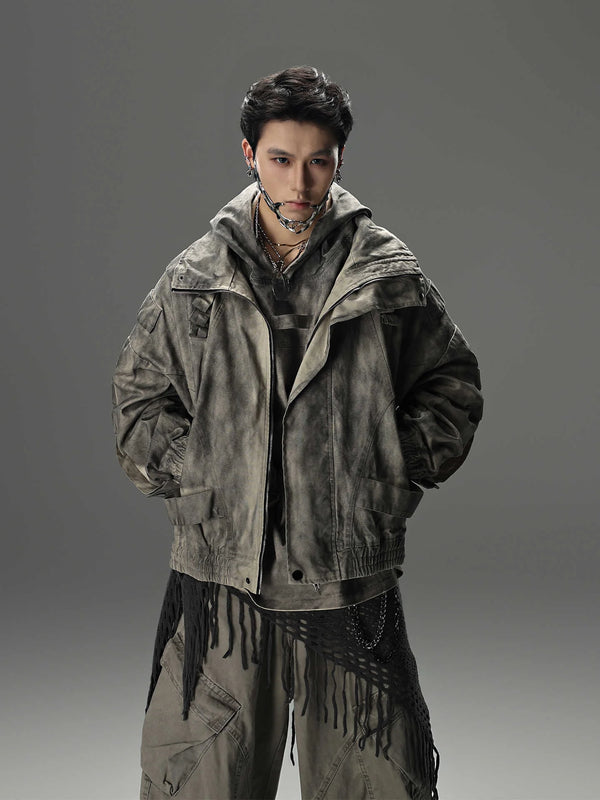
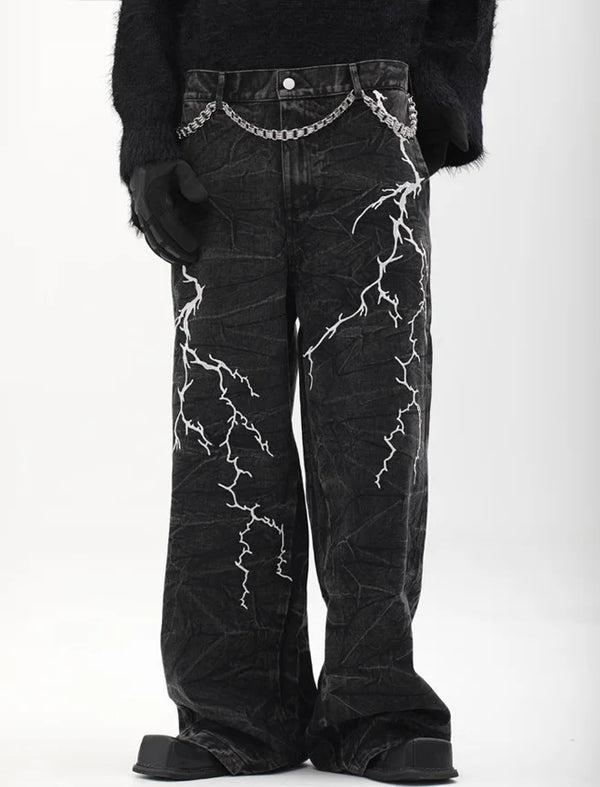
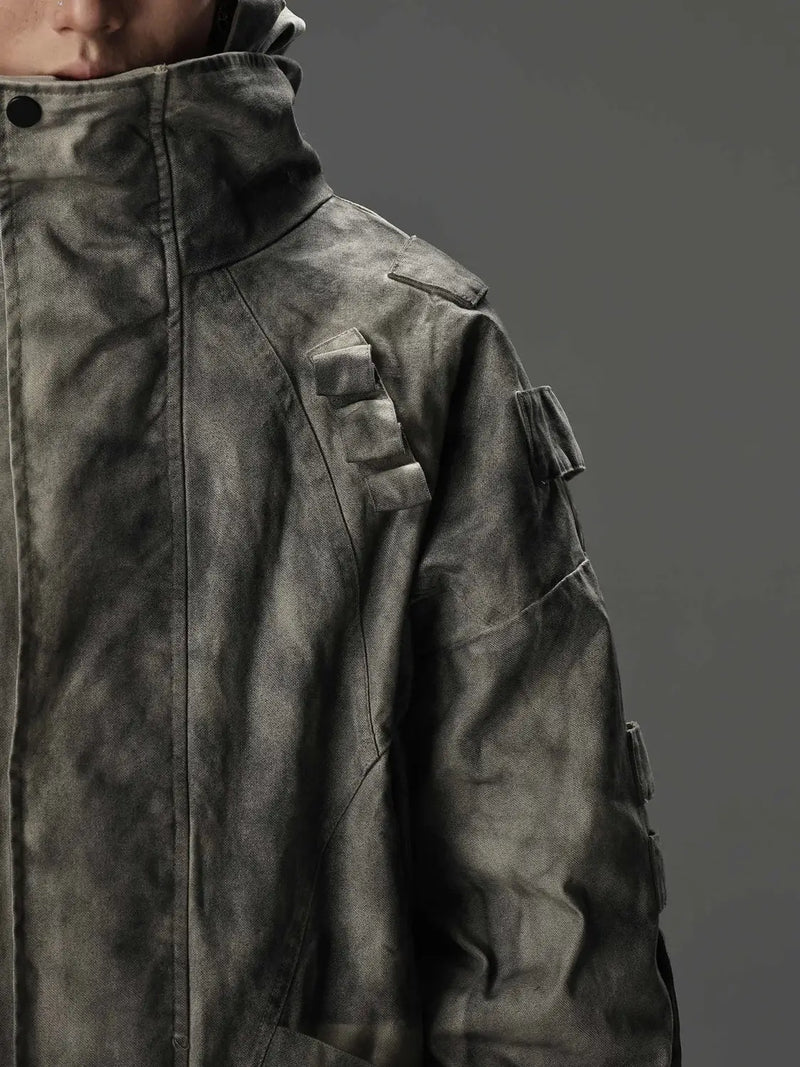
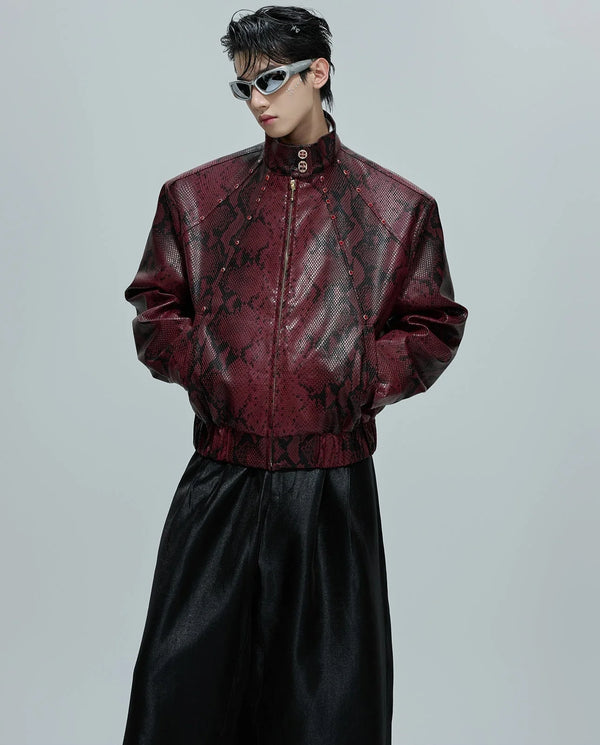
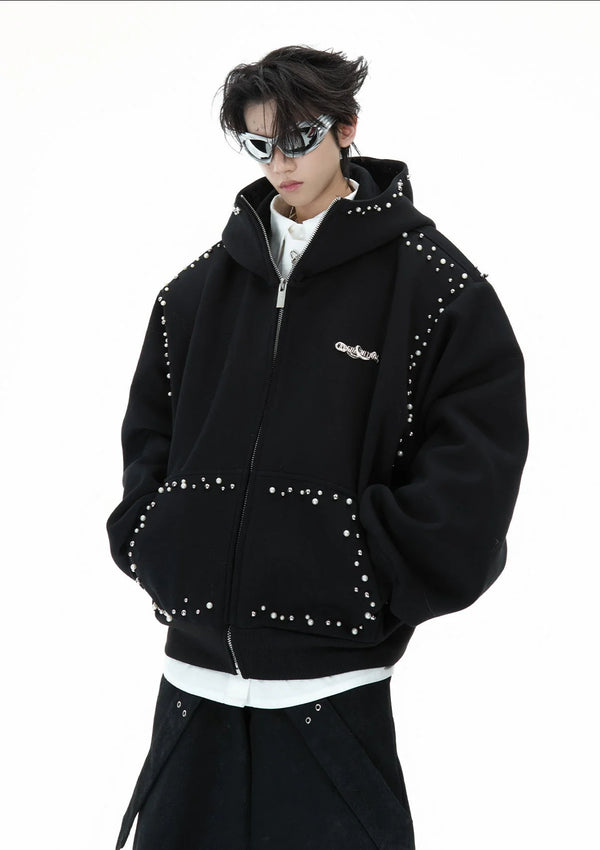
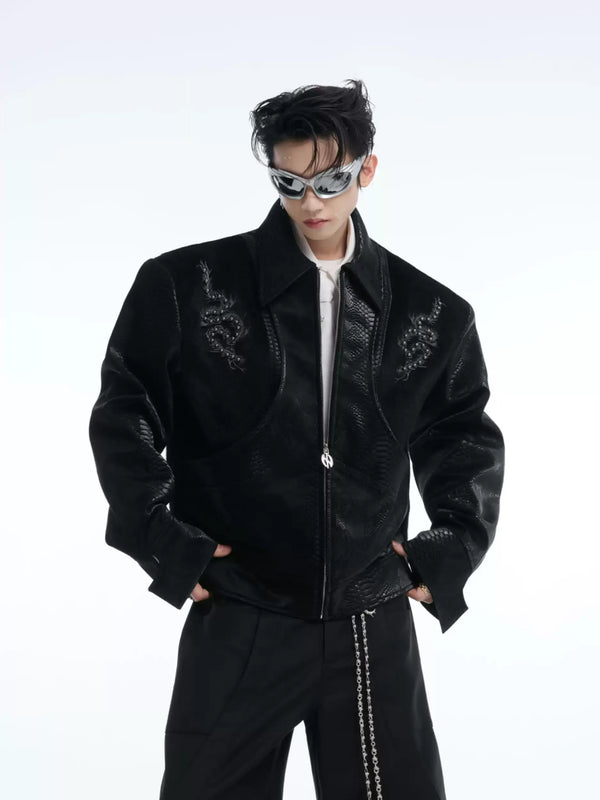
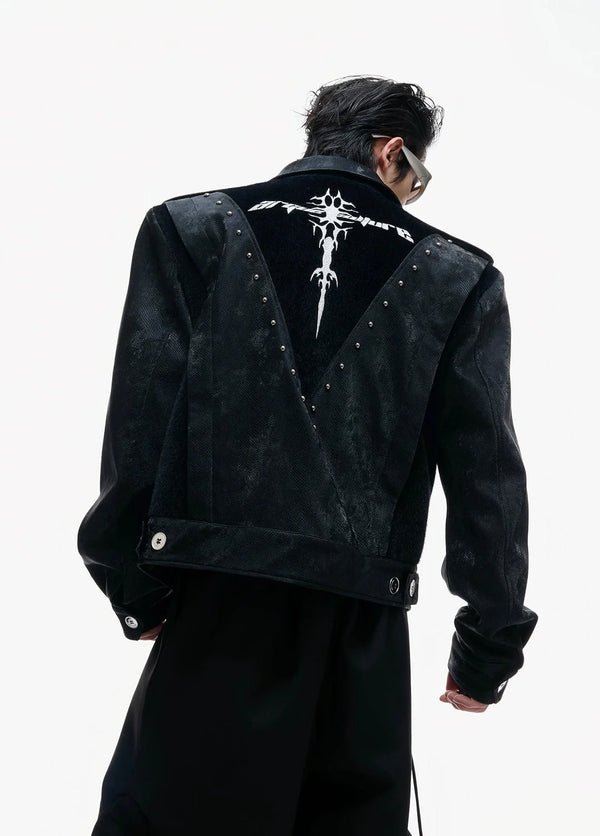
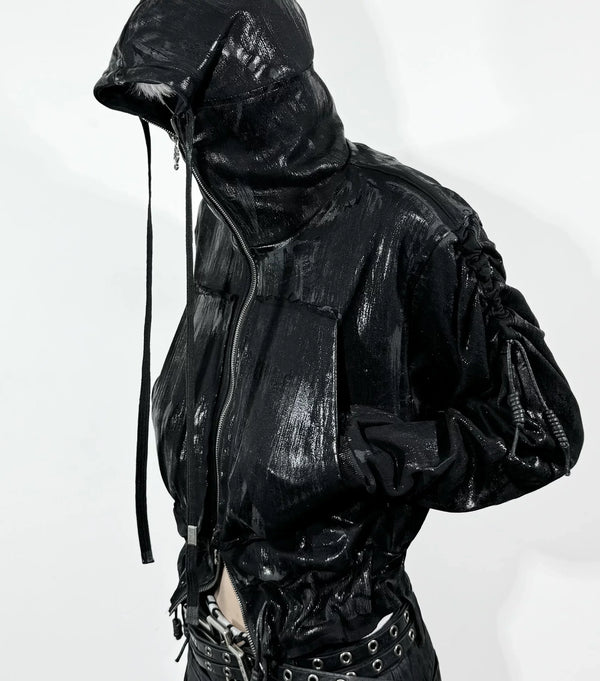
Architecture on the body: cropped shoulders, asymmetric lines. The jacket from Tokyo's avant-garde.
Most Wanted



All pieces


Drop Alerts
We'll let you know when the next drop in this niche lands.
You're in. We'll let you know at the next drop.
Drop Alerts
We'll let you know when the next drop in this niche lands.
You're in. We'll let you know at the next drop.




Drop Alerts
We'll let you know when the next drop in this niche lands.
You're in. We'll let you know at the next drop.
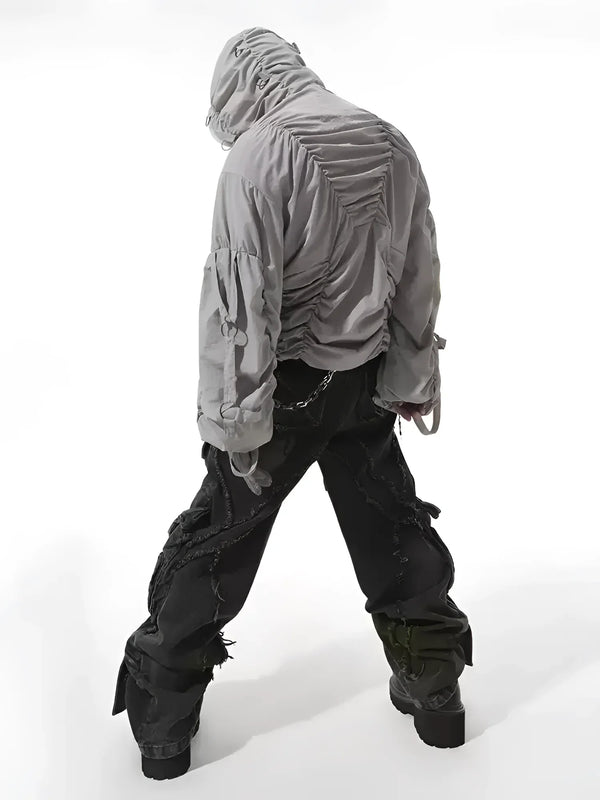

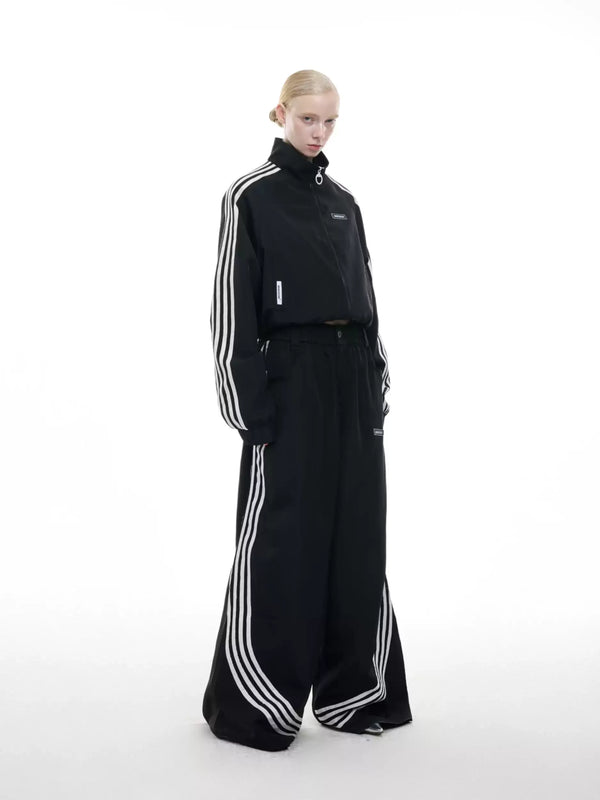

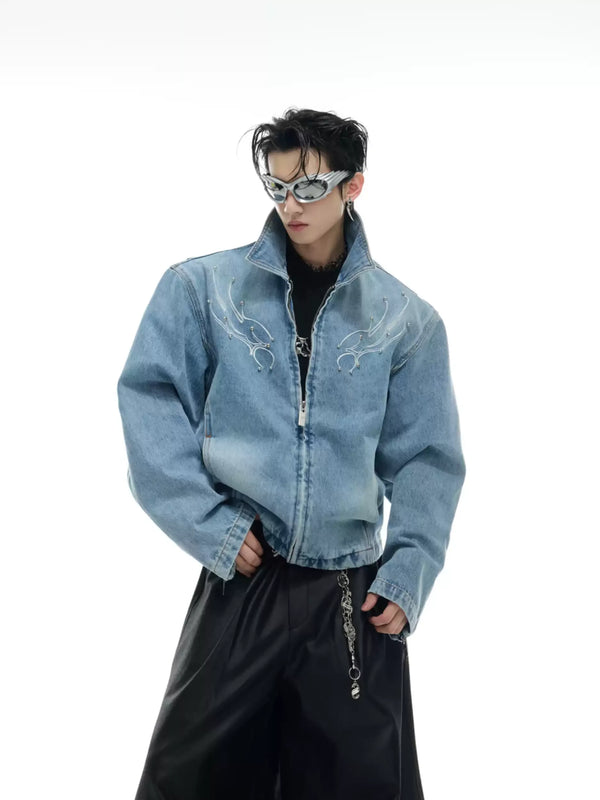

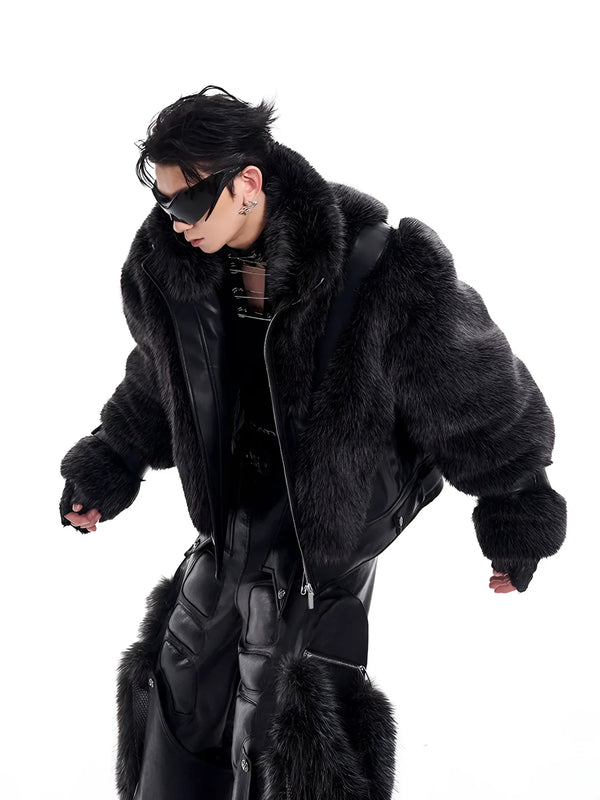

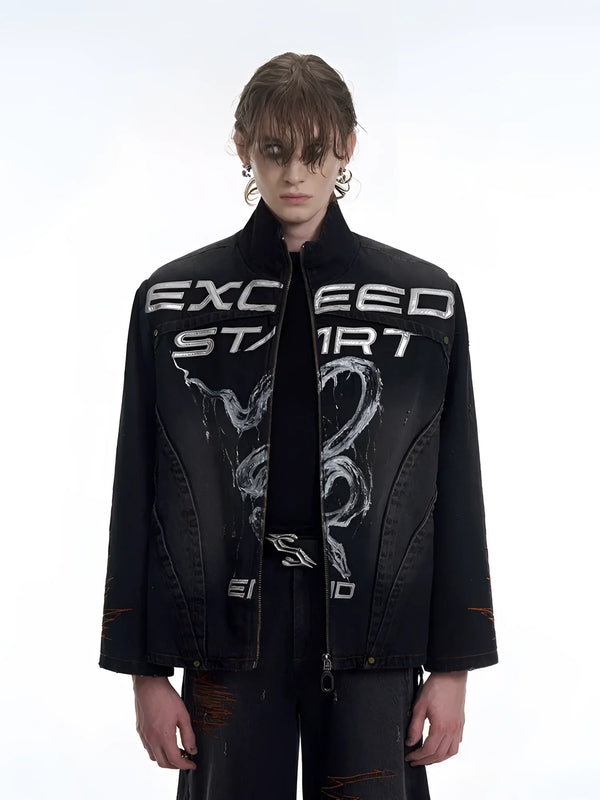

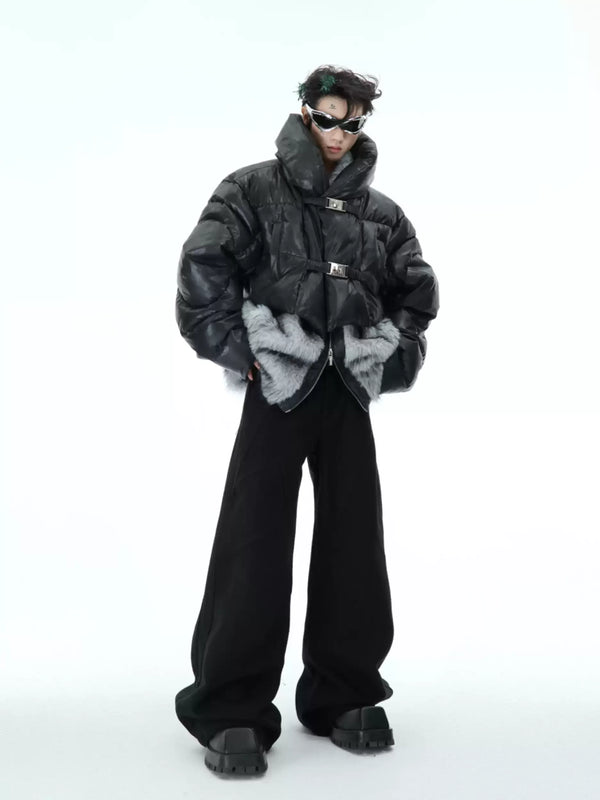

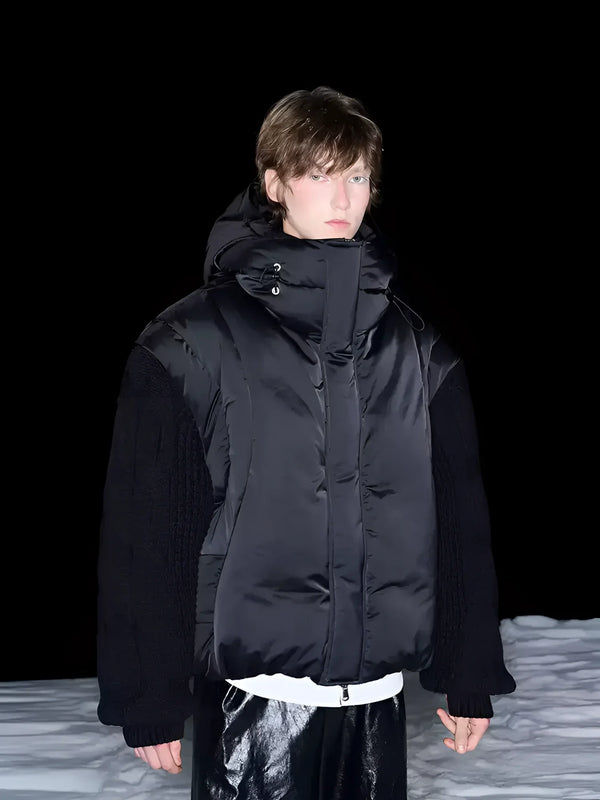
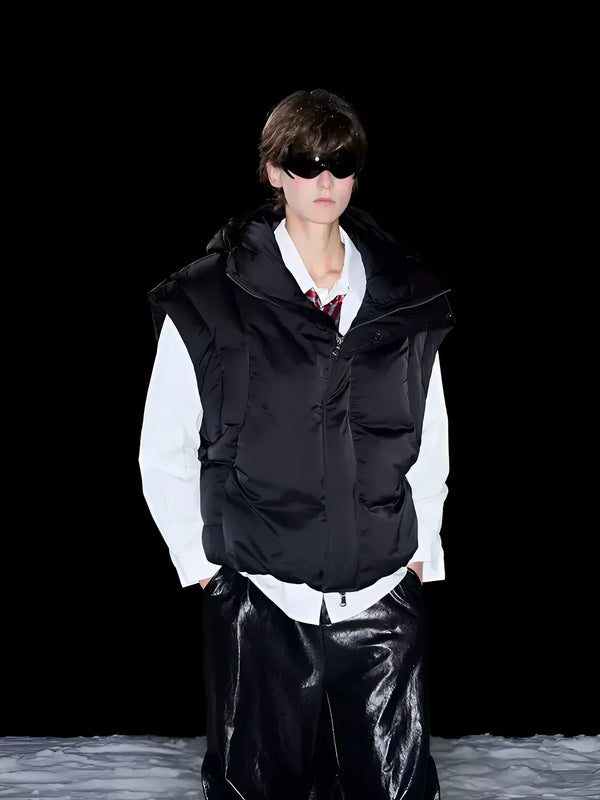


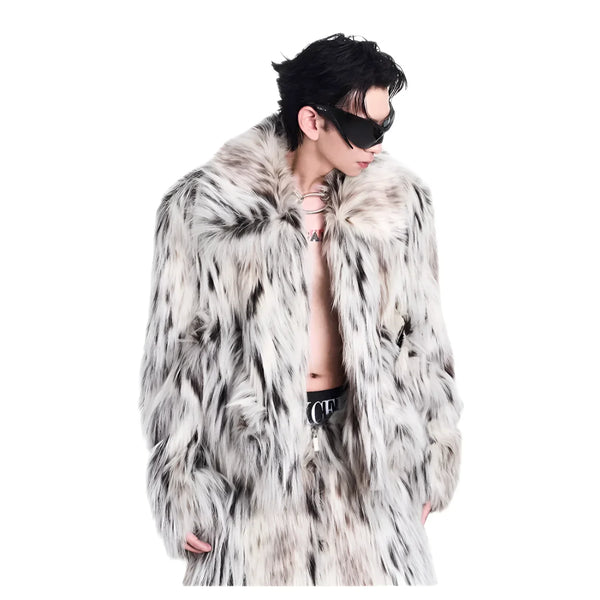

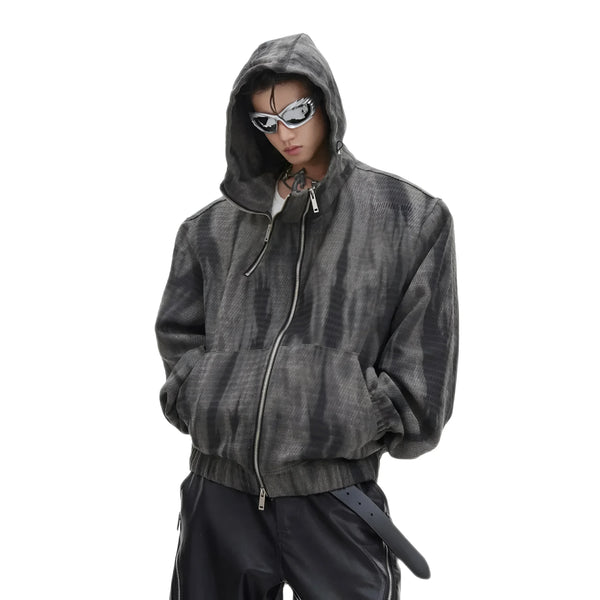
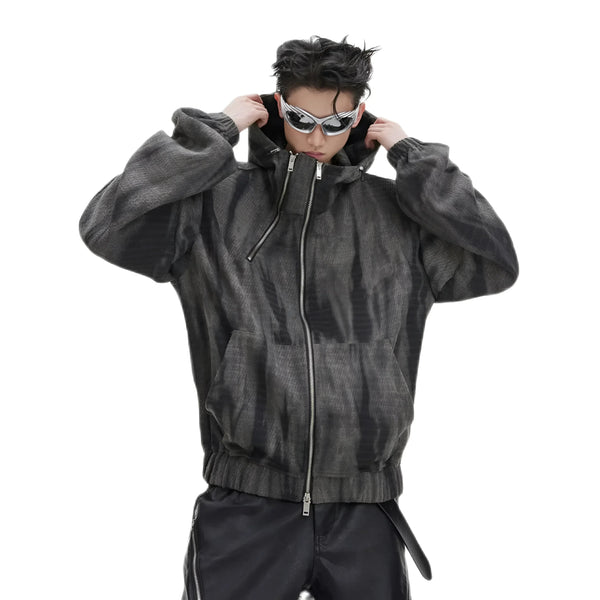
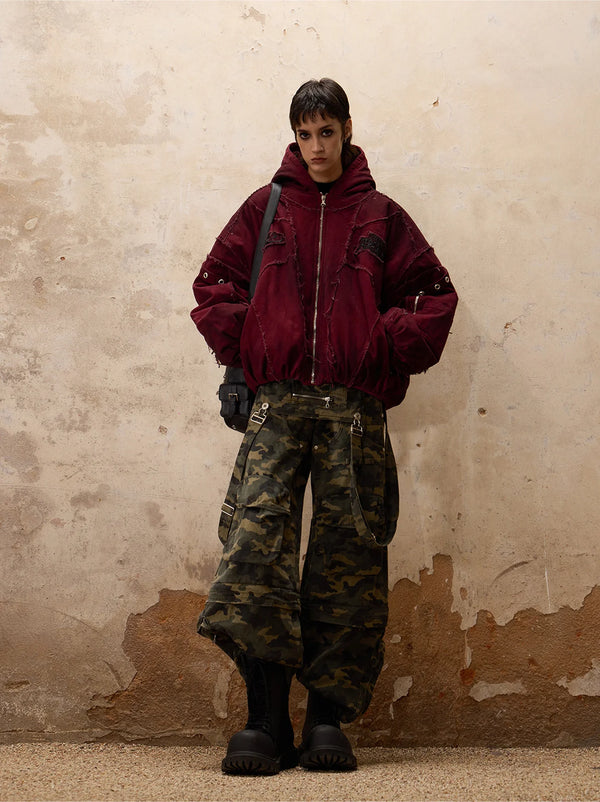
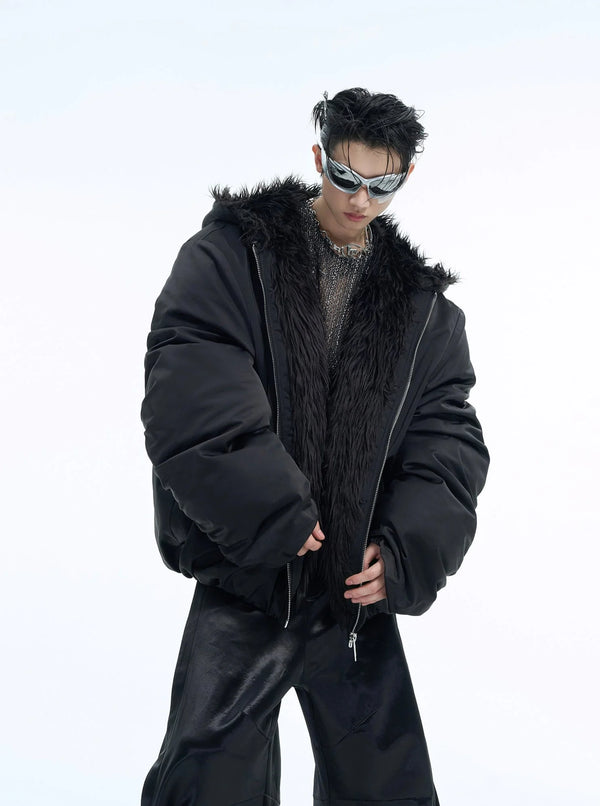
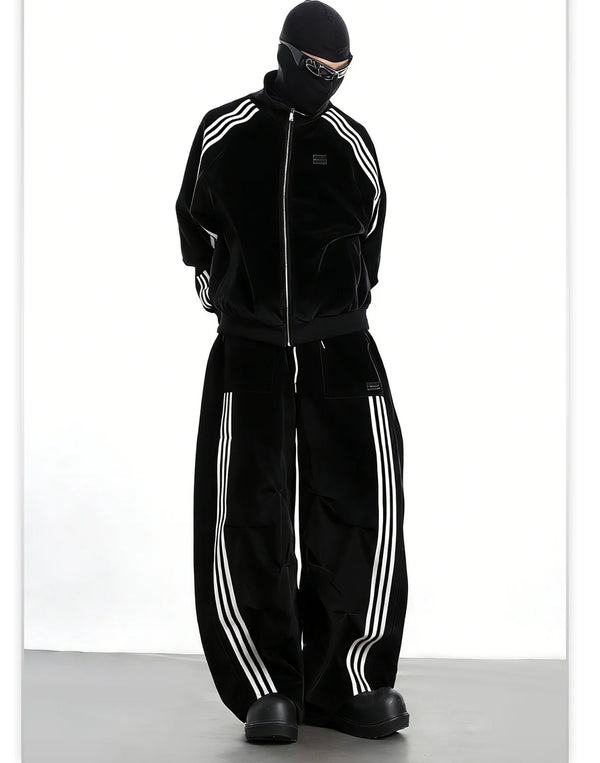
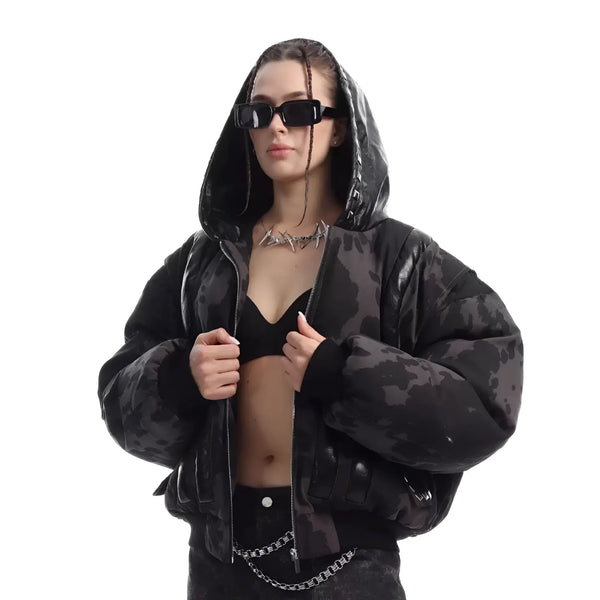
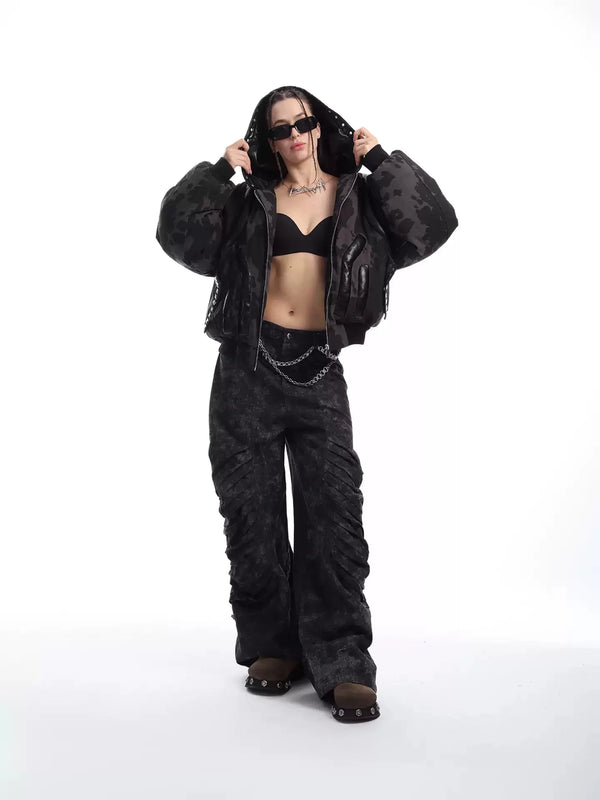
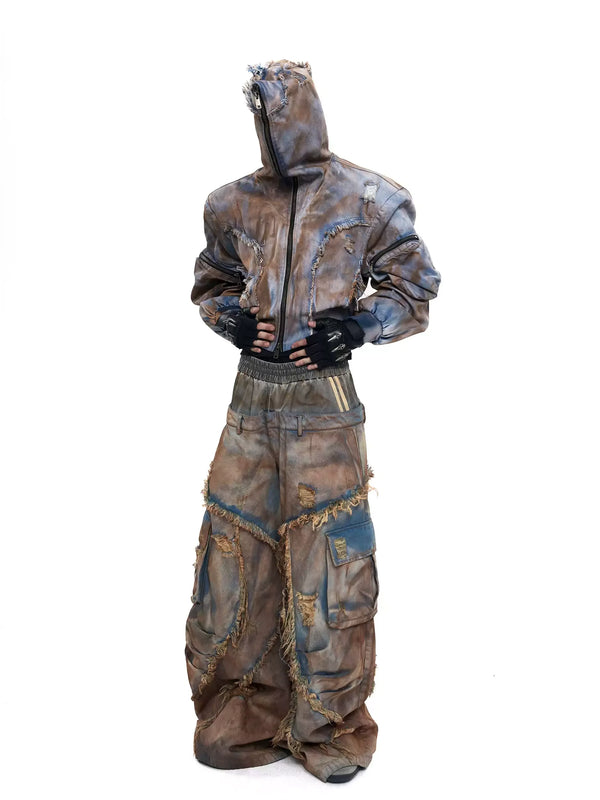
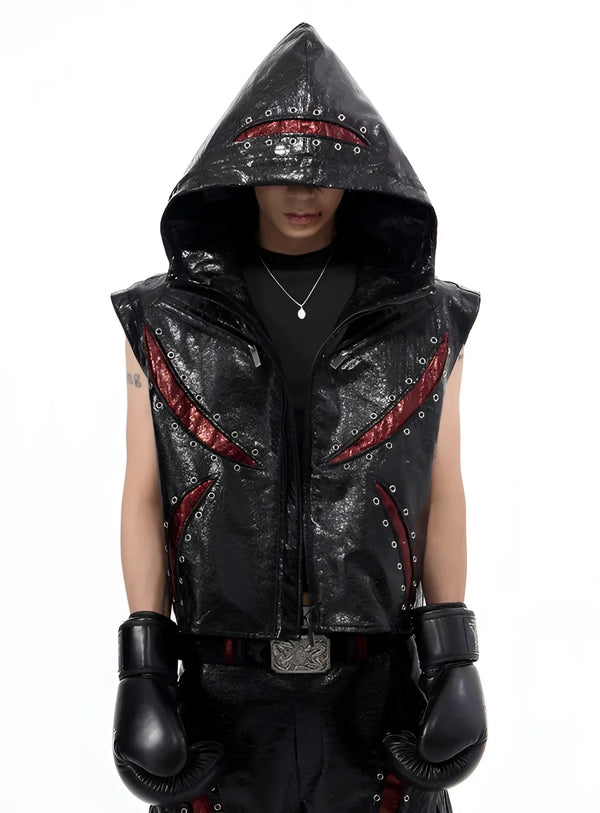
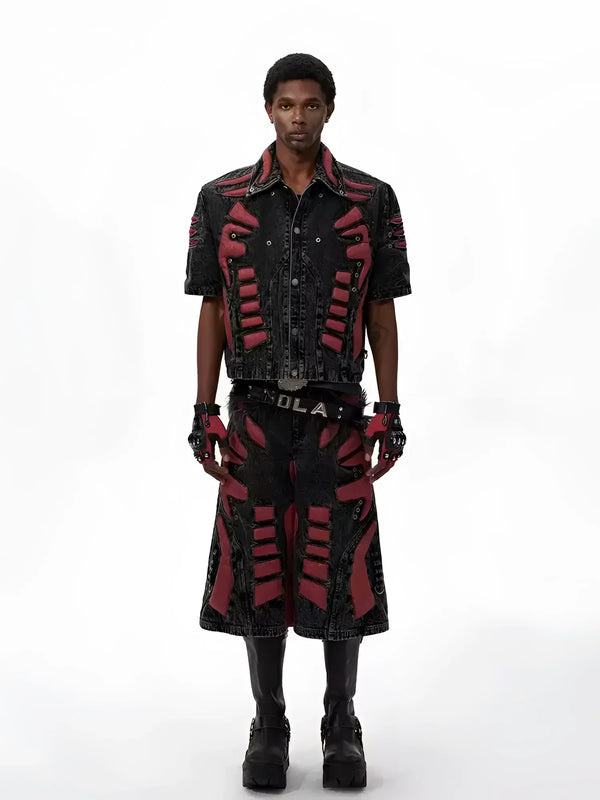
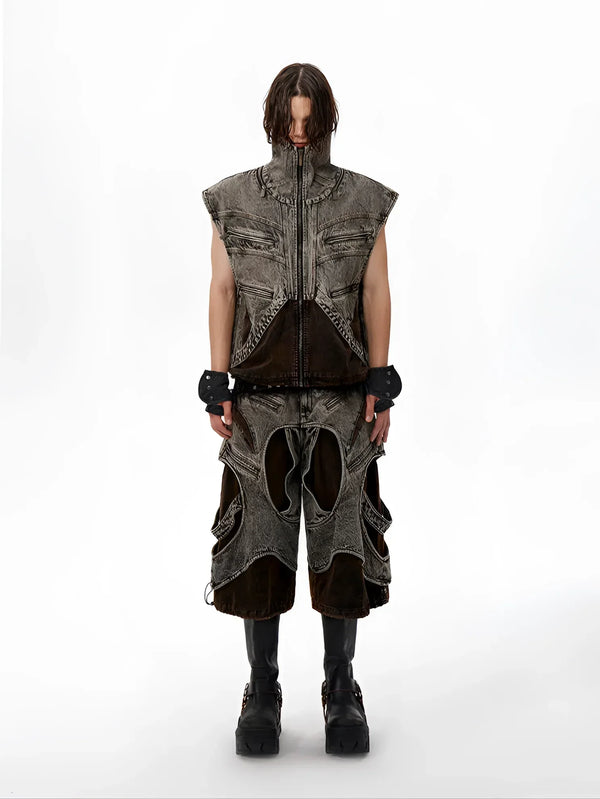
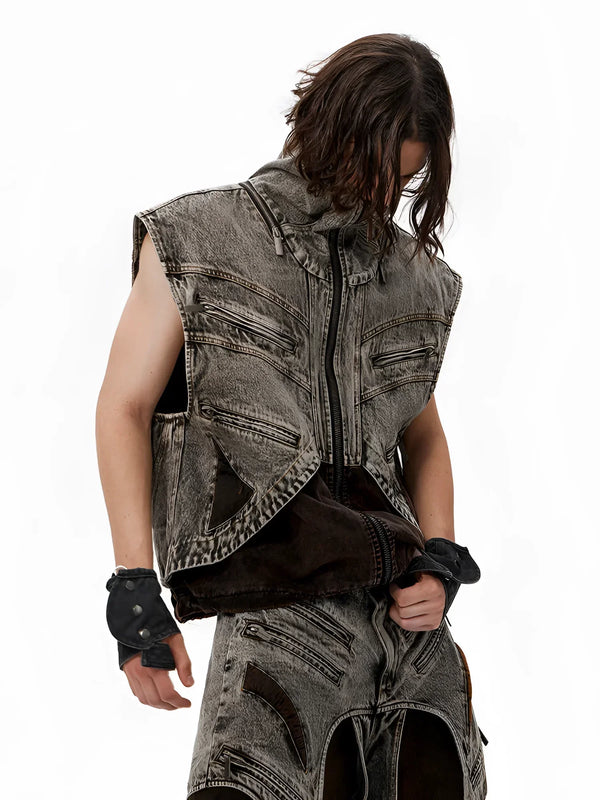
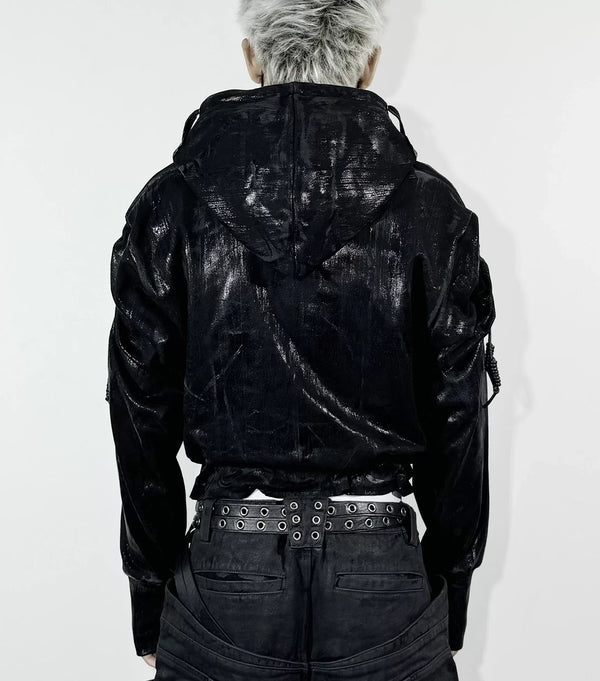
Japanese streetwear jackets merge technical precision with the design freedom that Tokyo's fashion scene has defined for decades. Oversized silhouettes, asymmetrical zippers, deconstructed seams — cuts that follow architecture, not convention.
The foundation: functional fabrics that allow movement without losing shape. Harajuku layering meets techwear details — concealed pockets, reinforced stitching, water-resistant membranes. Brands from Tokyo and Osaka lean on proportions that deliberately break Western pattern-cutting. Shoulders sit deeper or steeper, sleeves end asymmetrically, collars stand or disappear entirely. The result is a jacket that reads like armor and looks like sculpture.
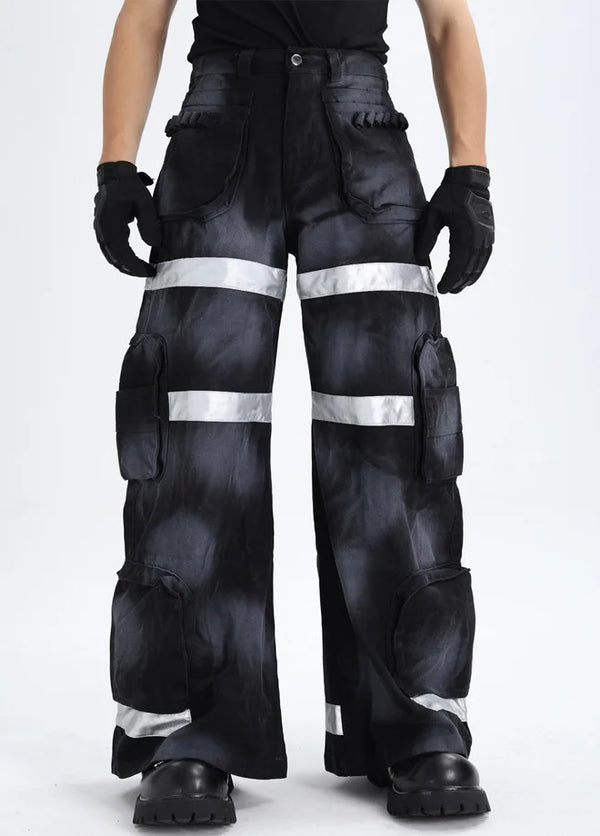
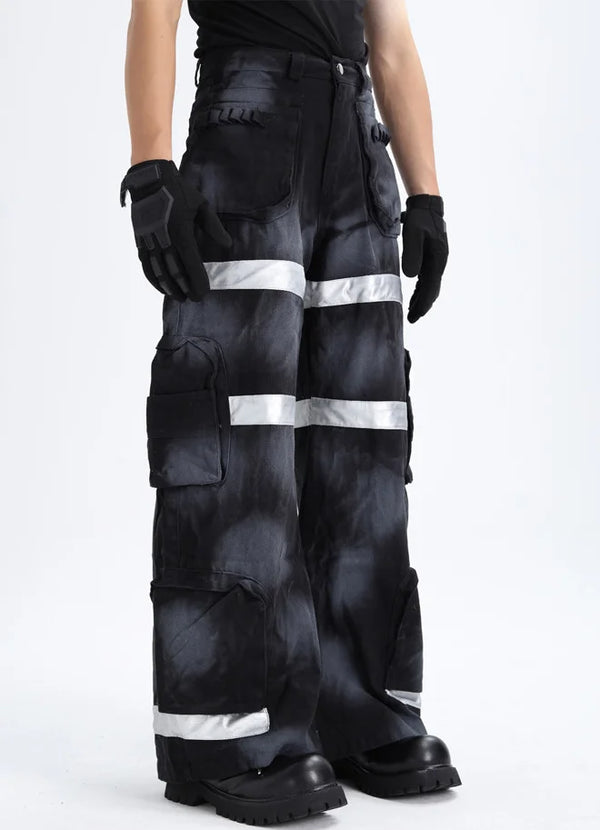
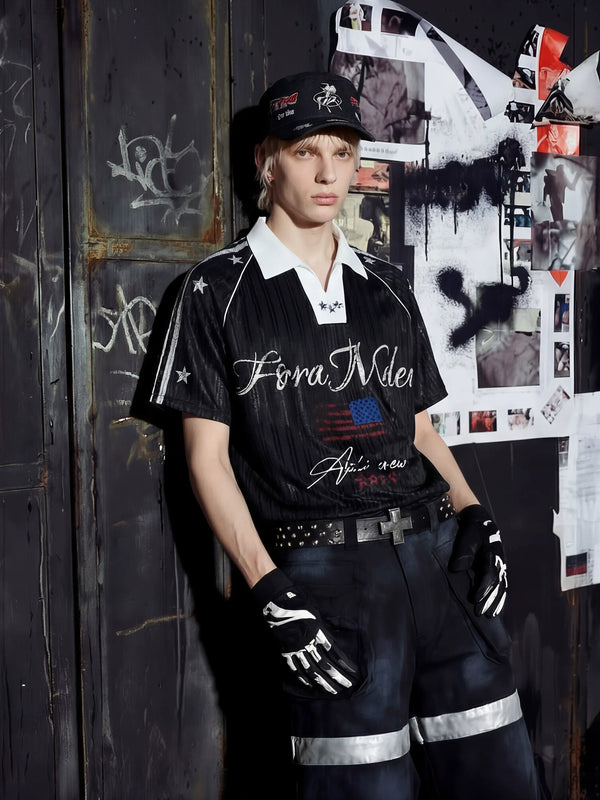
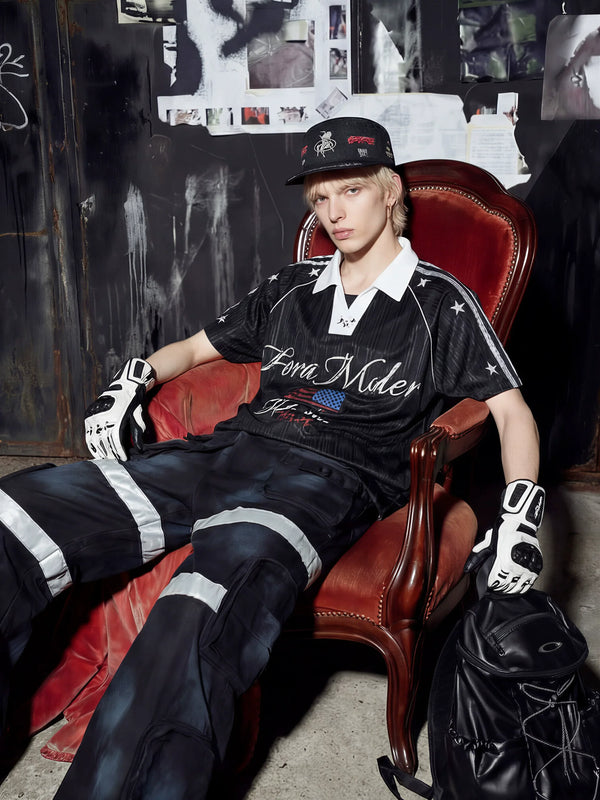
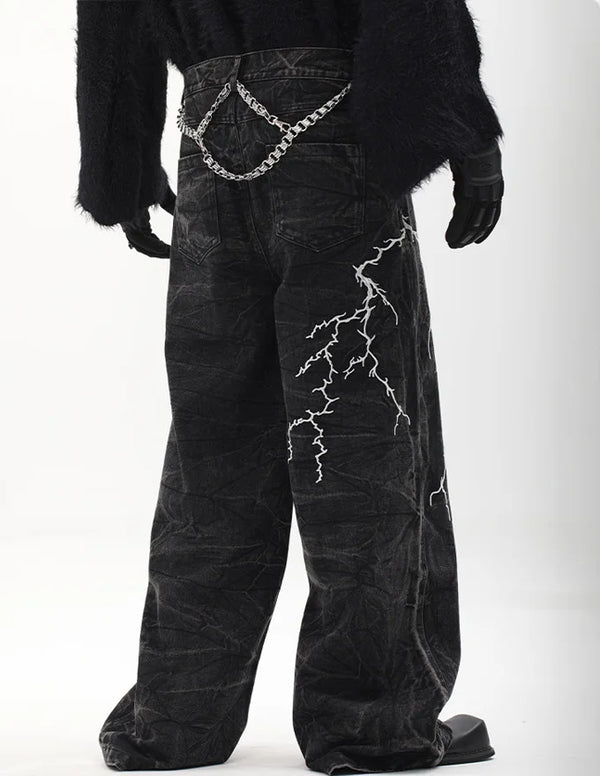
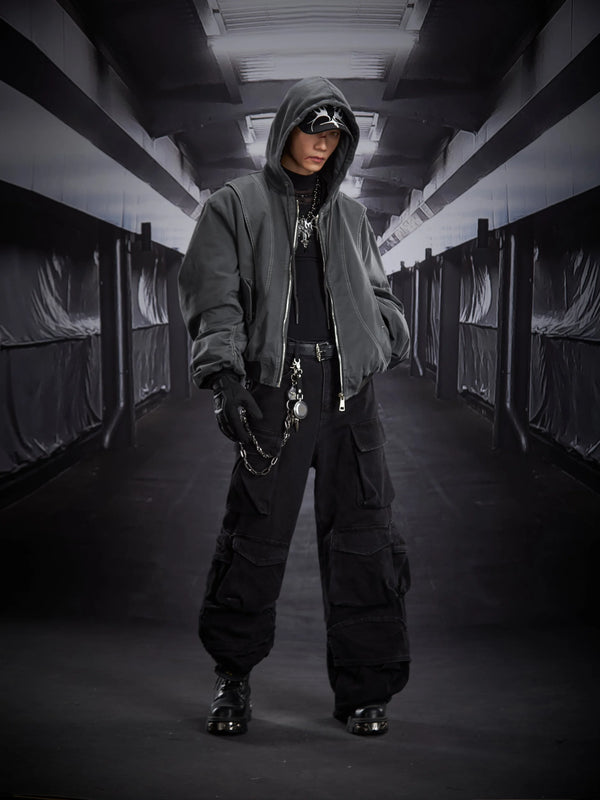
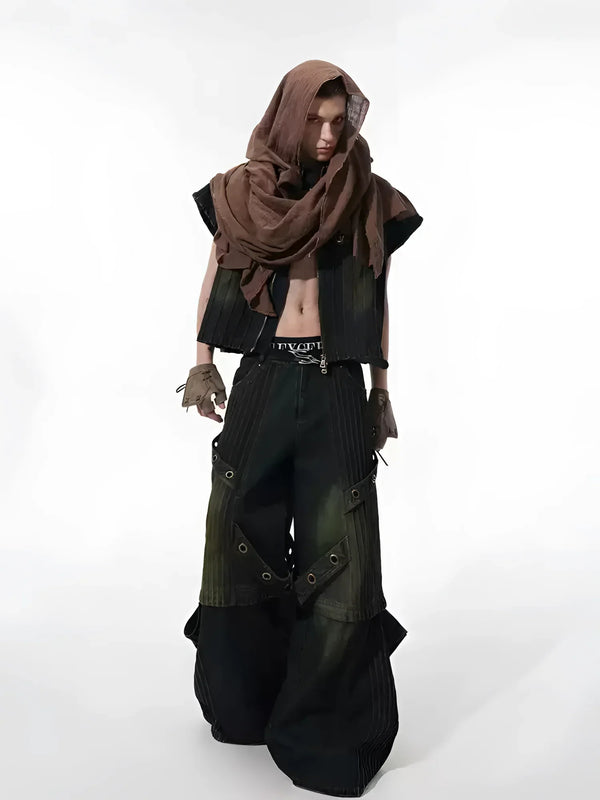
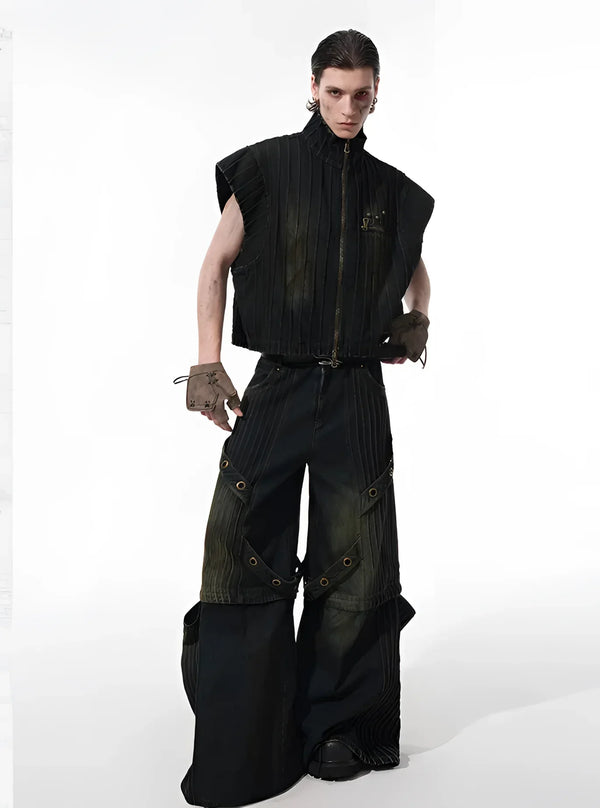
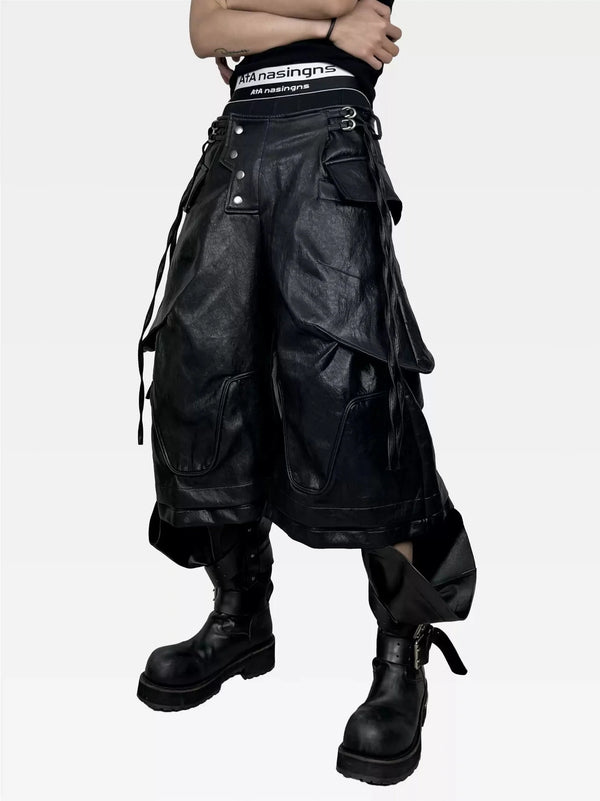
The jacket dominates the fit — underneath stays minimal. Wide Japanese pants with deep crotch or narrow-cut cargos, paired with chunky soles. Layering works across lengths: short top, mid-length vest, long jacket. Those diving deeper into japanische Mode recognize the principle: each layer has its own line.
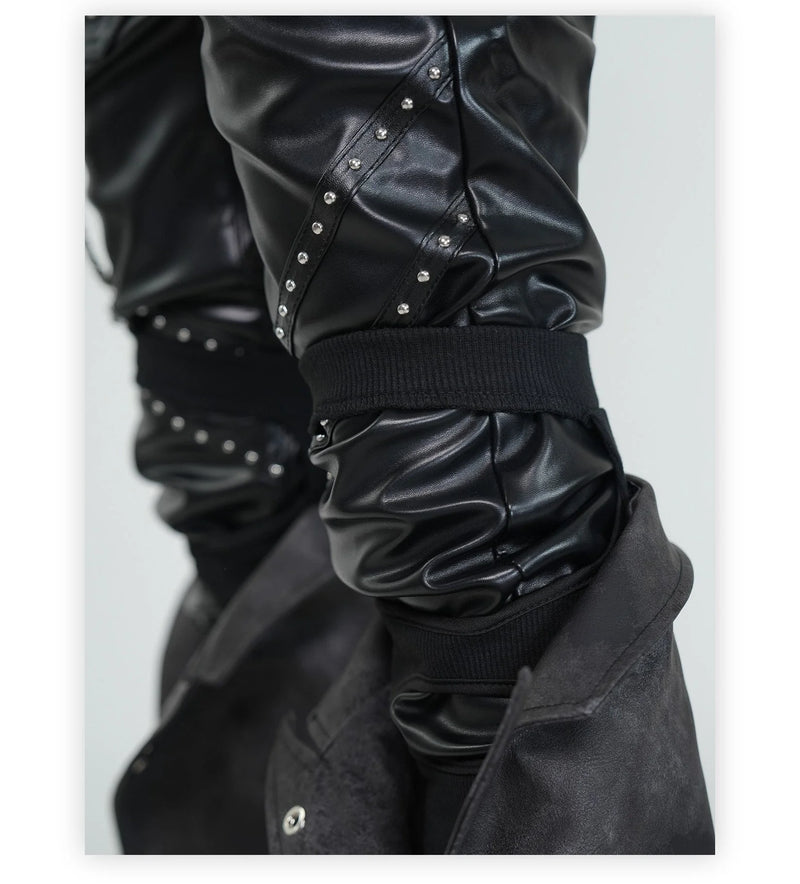
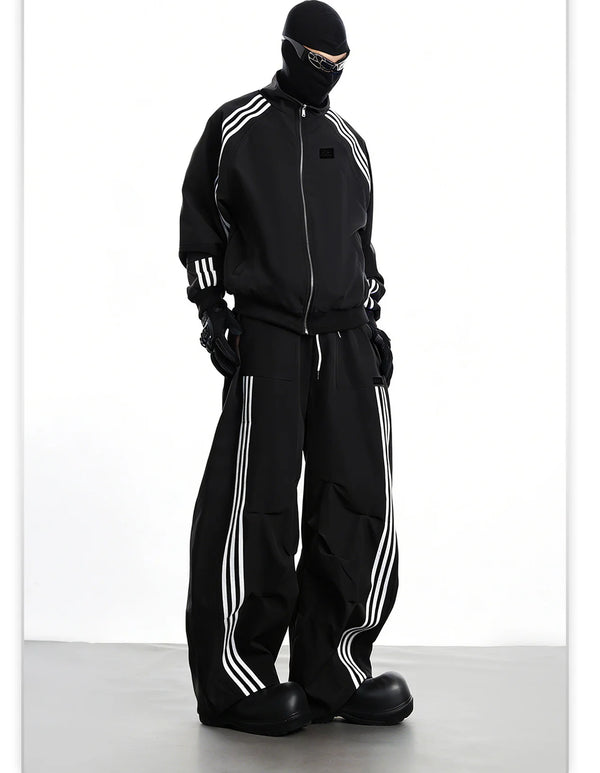
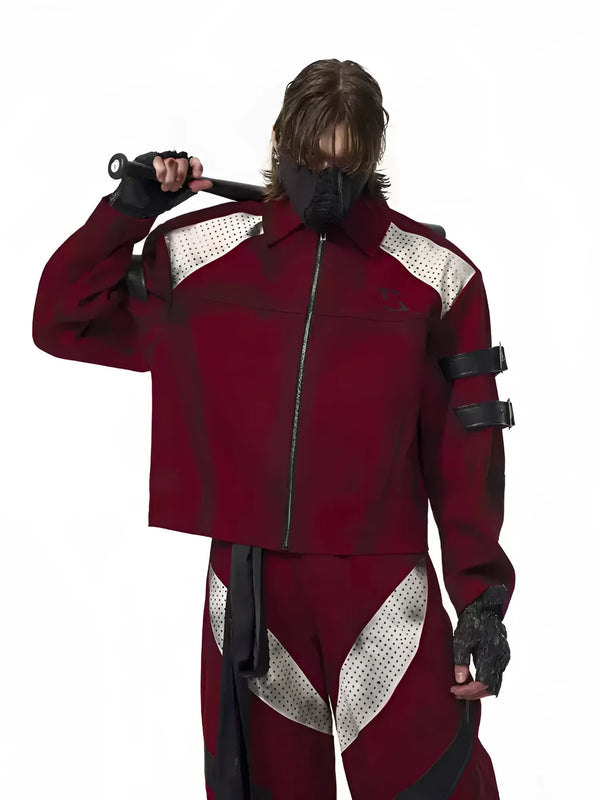
Our range spans light Japanese windbreakers to heavy utility jackets with techwear DNA. Monochrome palettes, matte surfaces, details that reveal themselves only on second glance. Pieces for people who wear jackets not as protection but as statement.
Japanese streetwear jackets work with deconstructed cuts, asymmetrical lines, and functional details like concealed pockets or reinforced stitching. The focus lies on silhouette and proportion, not logos or branding.
Minimal. The jacket is the central piece — underneath, solid basics, wide pants with deep crotch or slim cargos. Layering across different lengths adds depth to the outfit without overloading it.
Tokyo's fashion scene has combined functional fabrics with avant-garde design for years. Water-resistant membranes, taped seams, and modular pockets come from the outdoor sphere but are deployed as a design element — function as aesthetic.
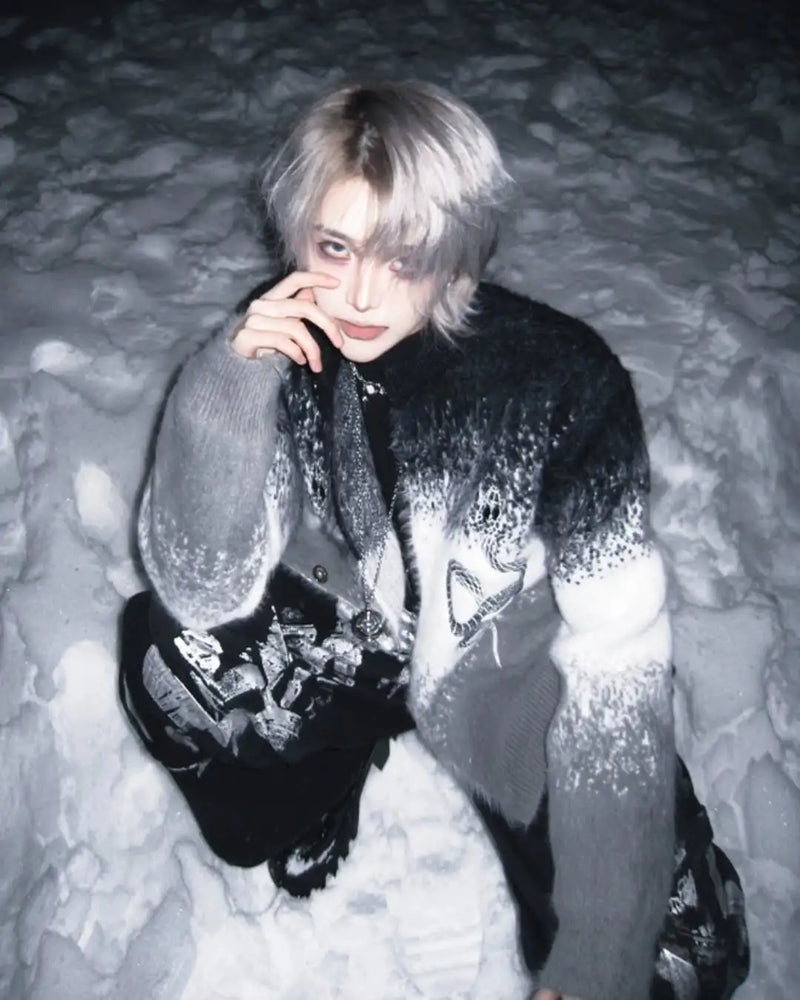
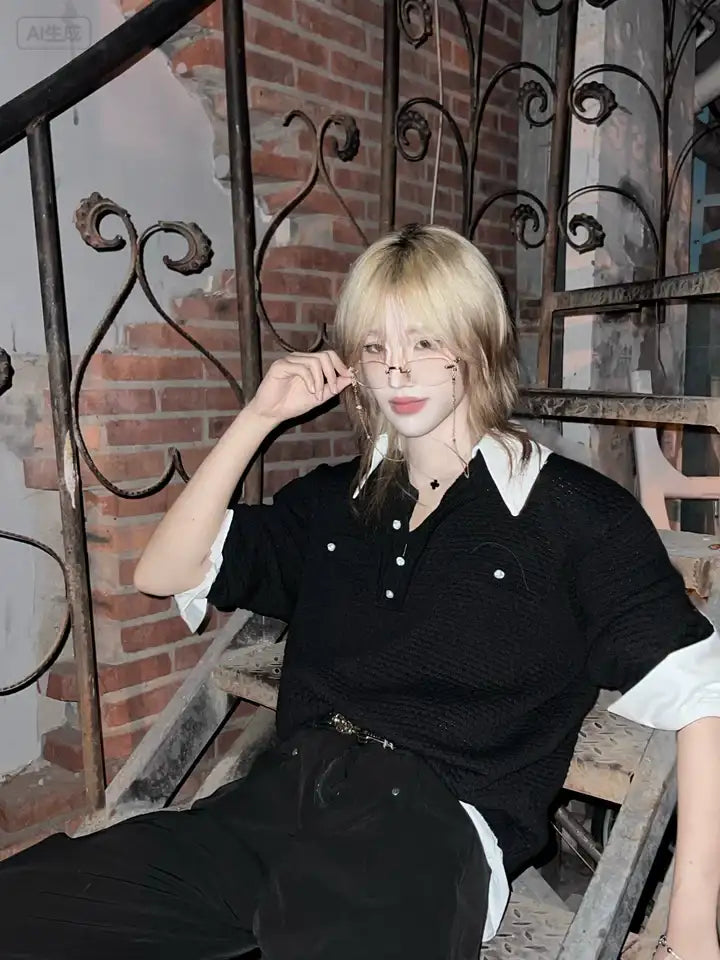
Opium Gradient Snake Cardigan
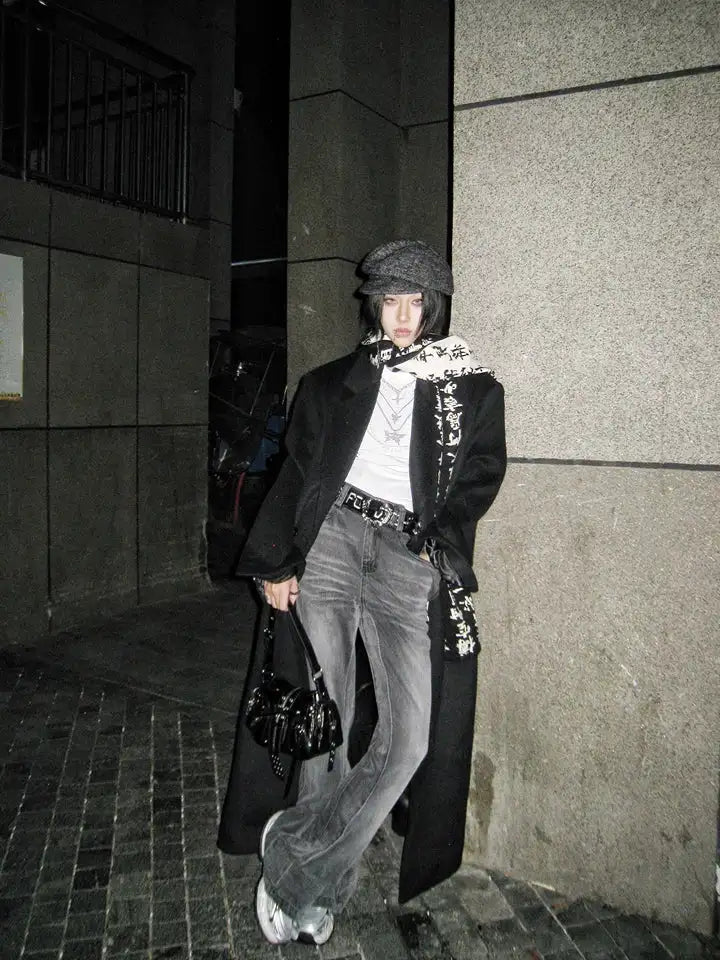
shanghai studio fit check

From Opium · 4 Pieces
All 84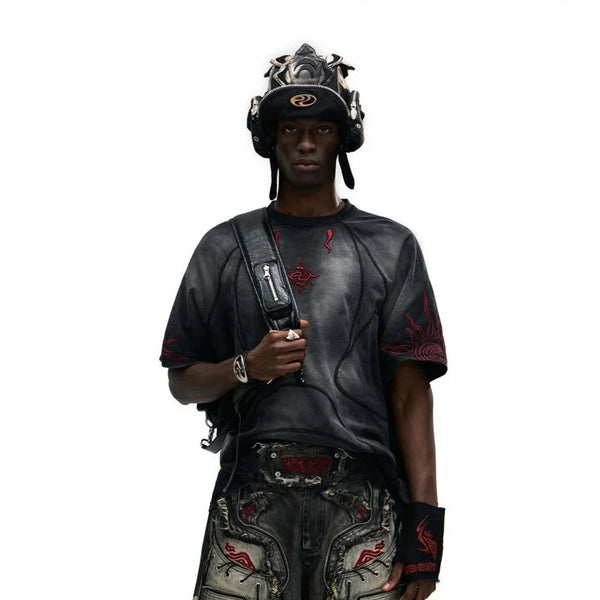
Drop Alerts
We'll let you know when the next drop in this niche lands.
You're in. We'll let you know at the next drop.

Drop Alerts
We'll let you know when the next drop in this niche lands.
You're in. We'll let you know at the next drop.


4 of 84 Pieces
All 84
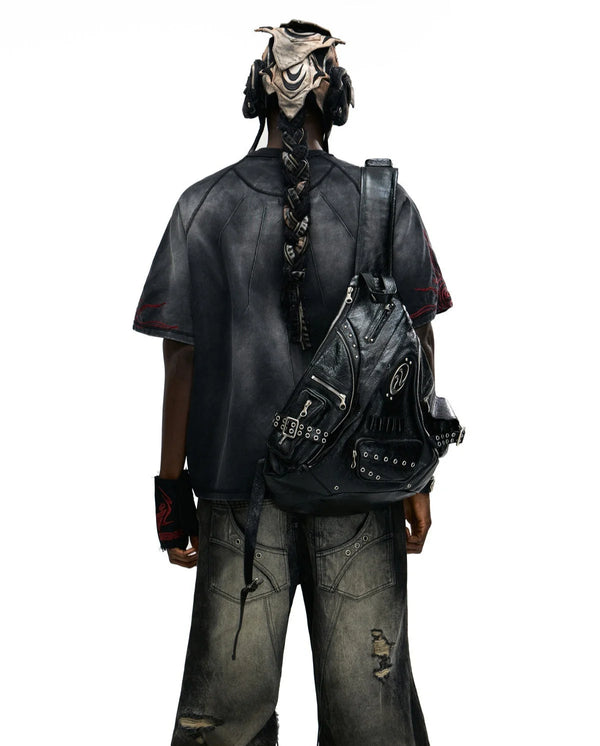
From Businesscore · 4 Pieces
All 23
Niche · 03 / 04
Techwear started here as a translation of Tokyo reduction into fabric. Errolson Hugh, Acronym, GORE-TEX, ergonomic cuts — and parallel to that, Japanese discipline: nothing superfluous, all function.
From Techwear · 4 Pieces
All 104 of 10 Pieces
All 10
Niche · 04 / 04
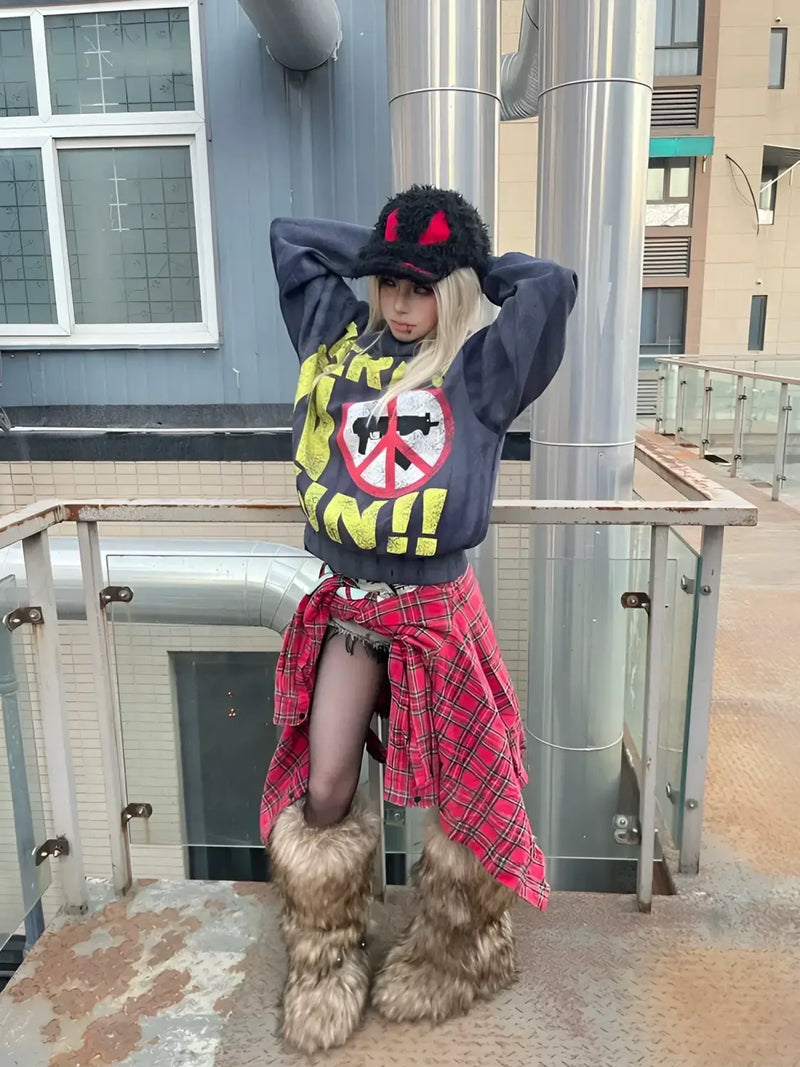
Streetwear is the root — the first designs out of Tokyo 2015 were Anime prints, Japanese characters, Harajuku graphics. Everything else grew from that, but the line keeps running.
From Streetwear · 4 Pieces
All 714 of 71 Pieces
All 712015 → today
Fūga
風雅
Berlin Plattenbau origins, Asia-inspired. Creative, but never fully fitting into the system. Tokyo 2015 as the starting point — six niche phases since then.
Today: Berlin · Shanghai · Tokyo · Poznań. We know our designers by name. Limited drops, no restocks.
We aren't dropouts. We know the system — went through training, worked, kept building. Both sides hold.
How Fūga evolved
What started as Streetwear in Tokyo has shifted over the years — through different phases, our own and collective.
01
The first designs. Anime prints, Harajuku characters, Tokyo connection.
02
Functional, layered, dark. Tokyo reduction translated into fabric.
03
Heavier, uncompromising, more shadow. Grew up parallel to Techwear.
04
Berghain aesthetic with street cuts. Raw, black, Berlin avant-garde meets Streetwear.
05
Cyberpunk meets the Berghain floor. Reflective, tactical, sound-system ready.
06
Tailored cuts with Streetwear logic. Growing older without going 9-to-5. Stay edgy.
What comes next, we'll write when the time comes.