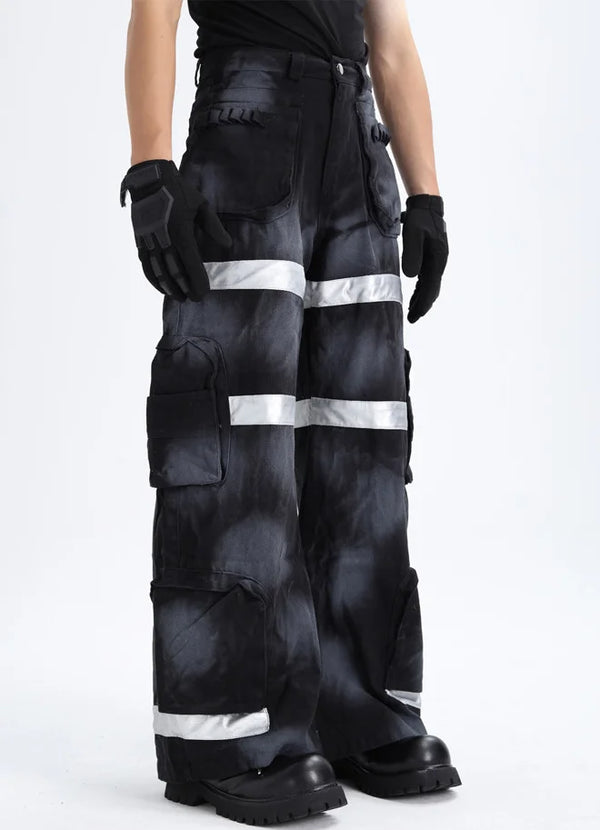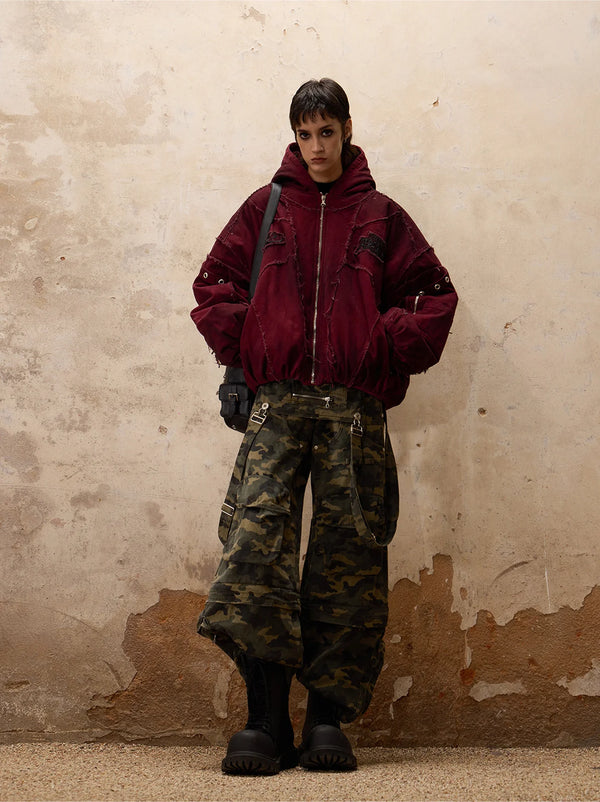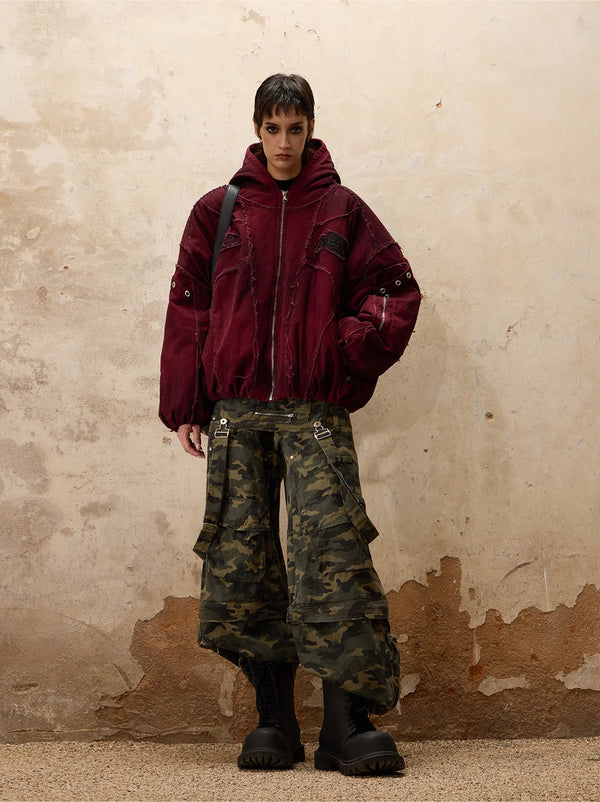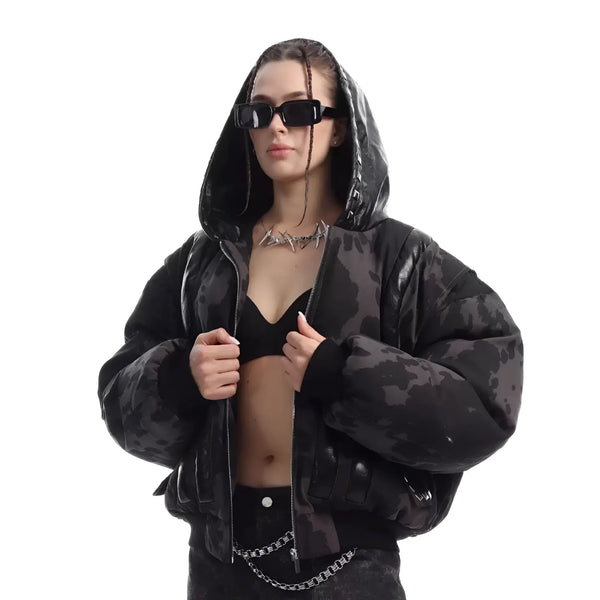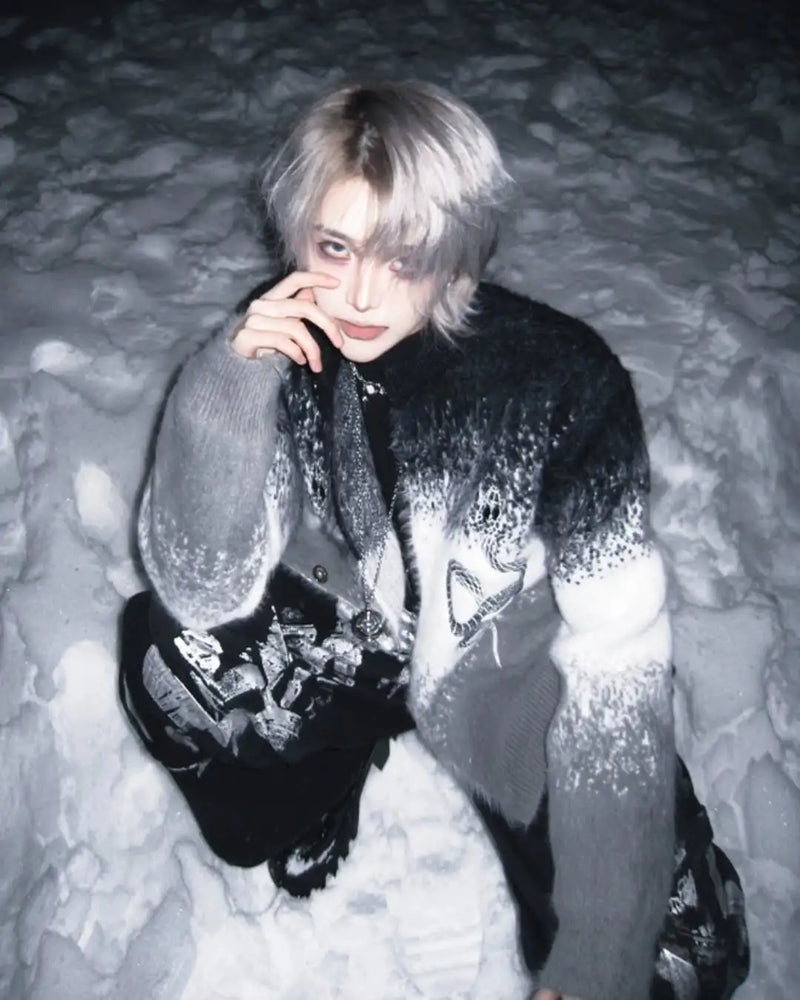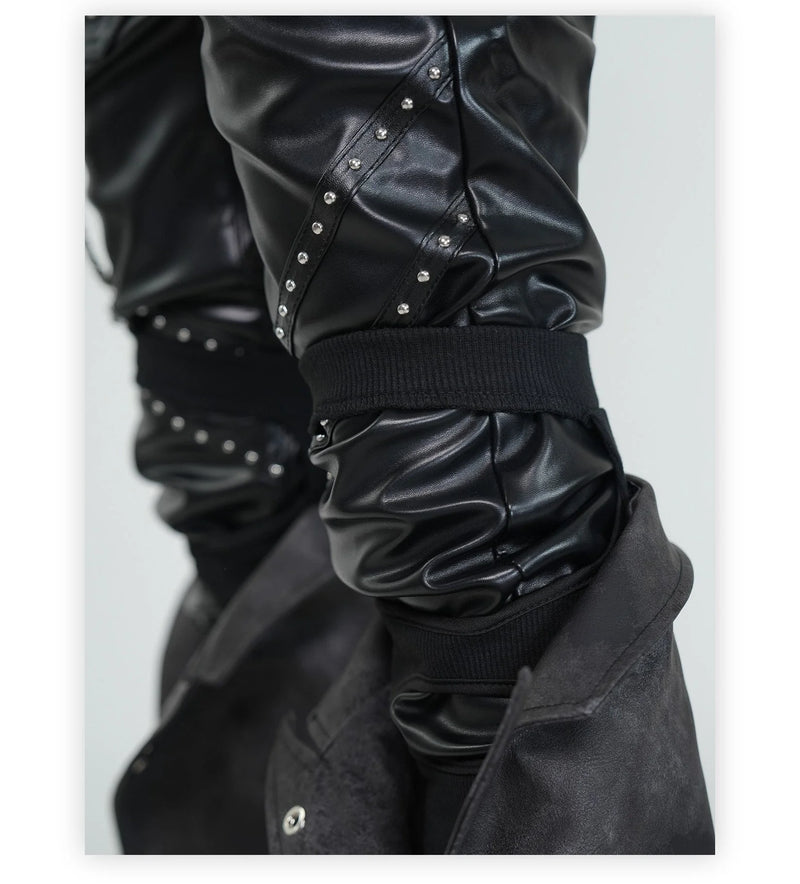
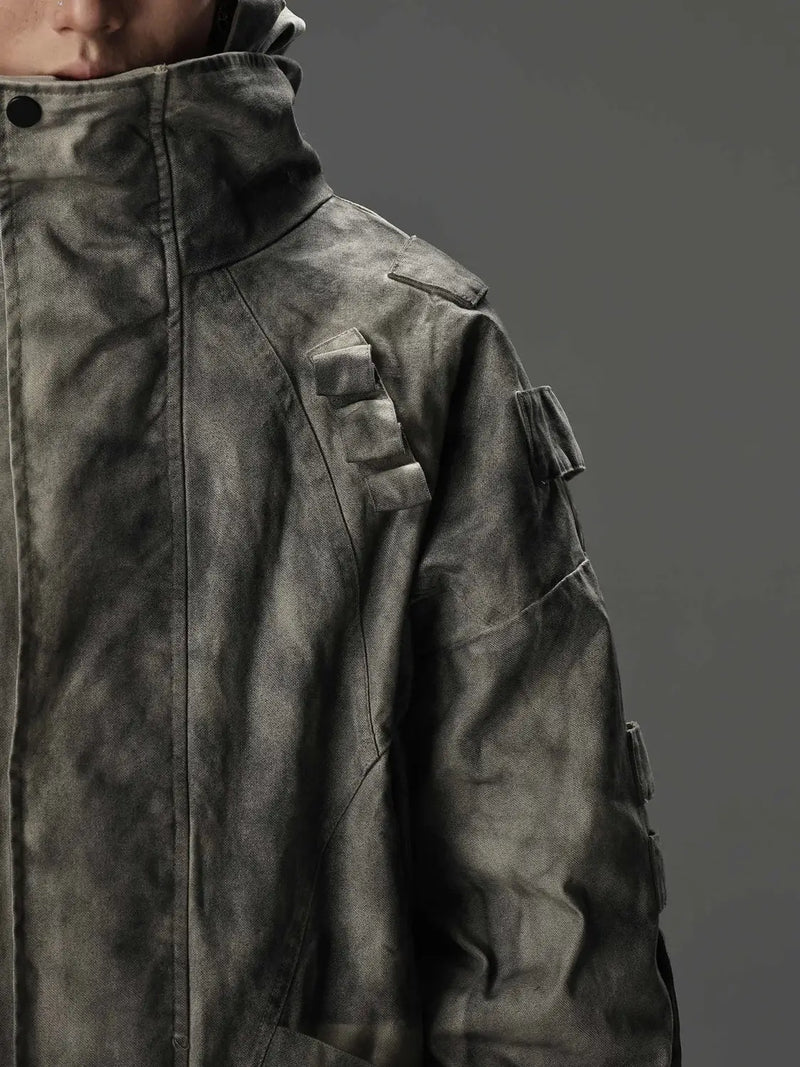
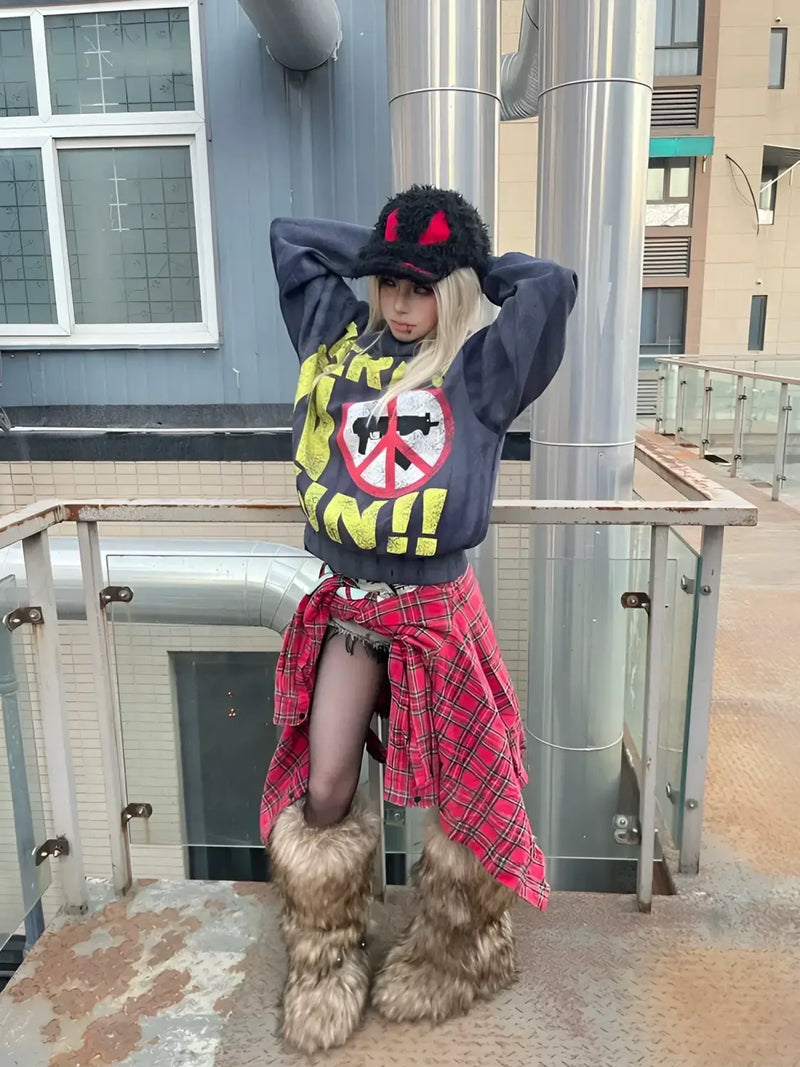
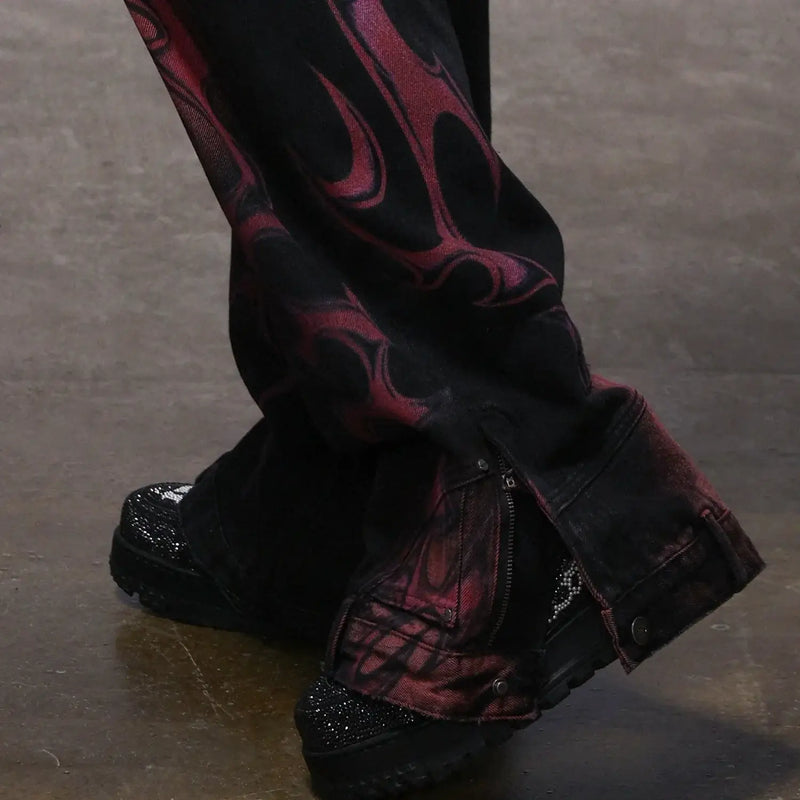
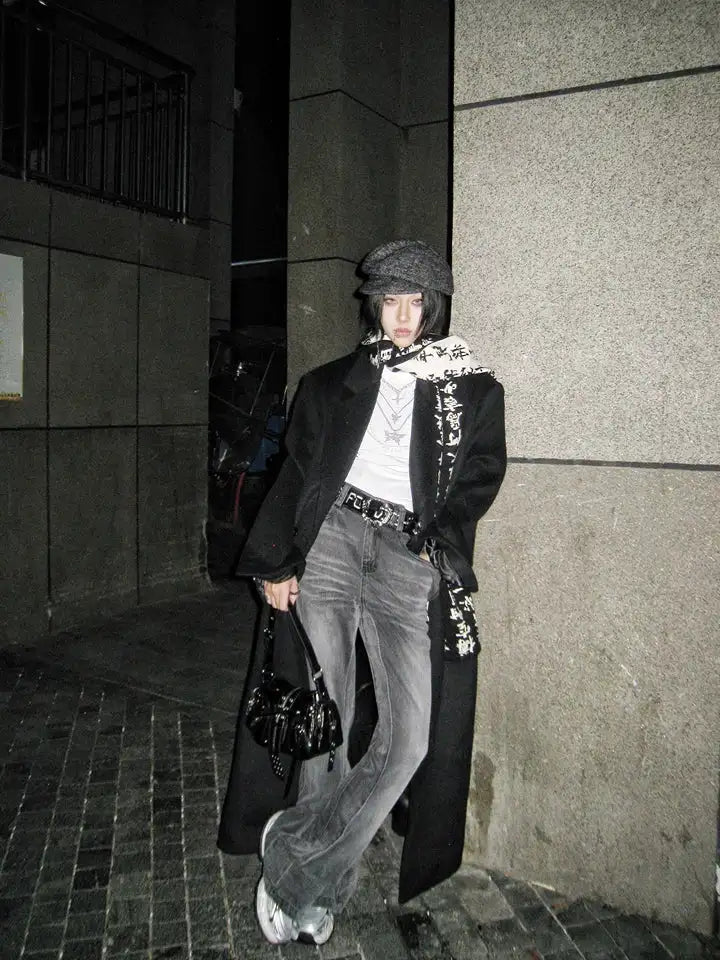

Everyone assumes Japanese fashion is either “Harajuku kawaii or kimono”. Both answers miss the mark. Japanese fashion is not one style — it is two parallel worlds that have nothing to do with each other, except that they come from the same four square kilometres of Tokyo.
On one side: the designer pole. Comme des Garçons, Yohji Yamamoto, Issey Miyake — three labels that re-sorted Western fashion from 1981 onward in Paris. Black, asymmetric, deconstructed. On the other side: the Tokyo subcultures. Harajuku, Lolita, Visual Kei, Gyaru, Modern Streetwear. Colourful, layered, rule-breaking.
Anyone who sells Japanese fashion as “cute and playful” has only seen the tourist layer of Takeshita-dōri and missed the designer pole completely. Anyone who sells it as “just Yohji and CDG” has ignored the whole energy of the Tokyo streets. This guide shows how both poles fit together — who made them, which six subcultures are still alive today, which ten brands count, and how you translate this without cosplay.
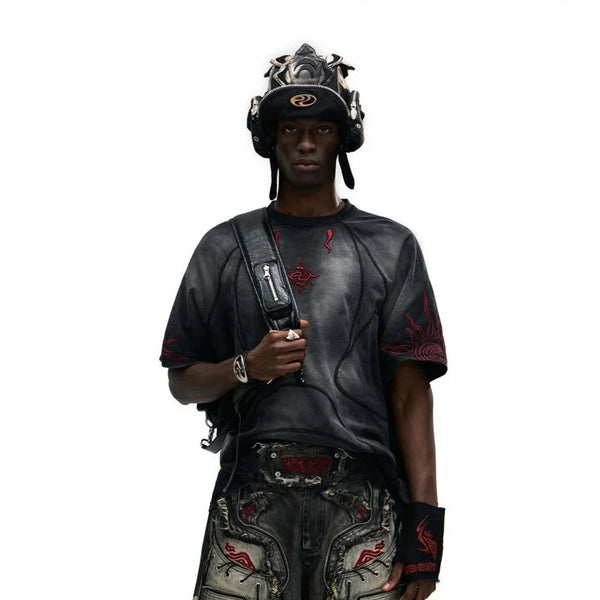
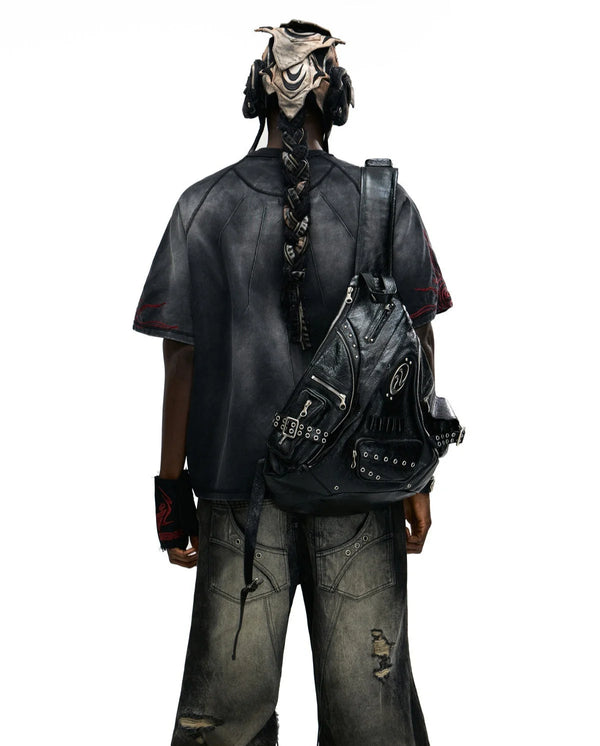
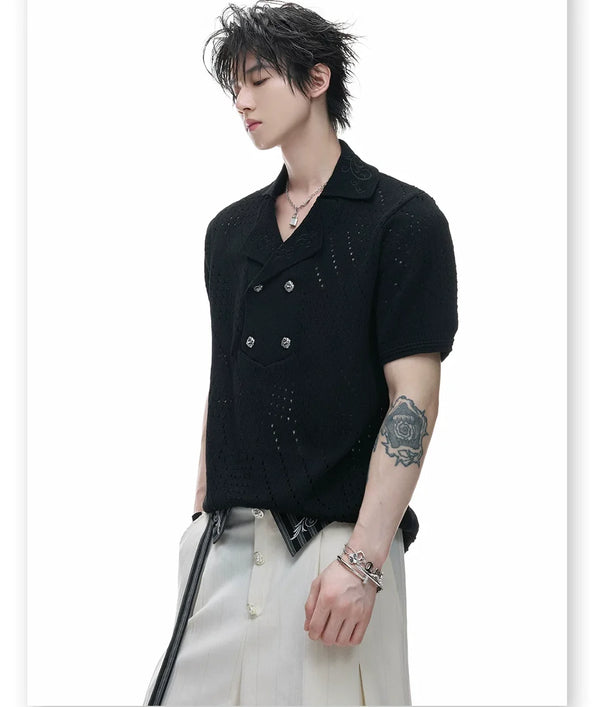
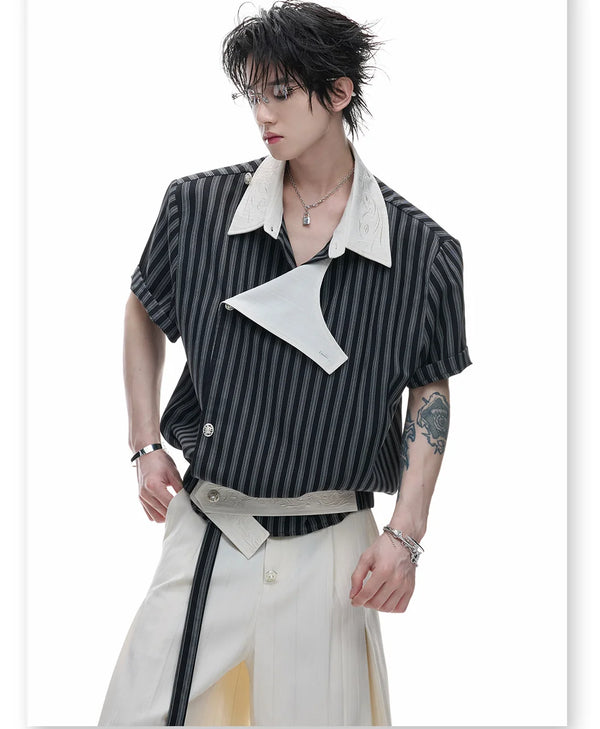
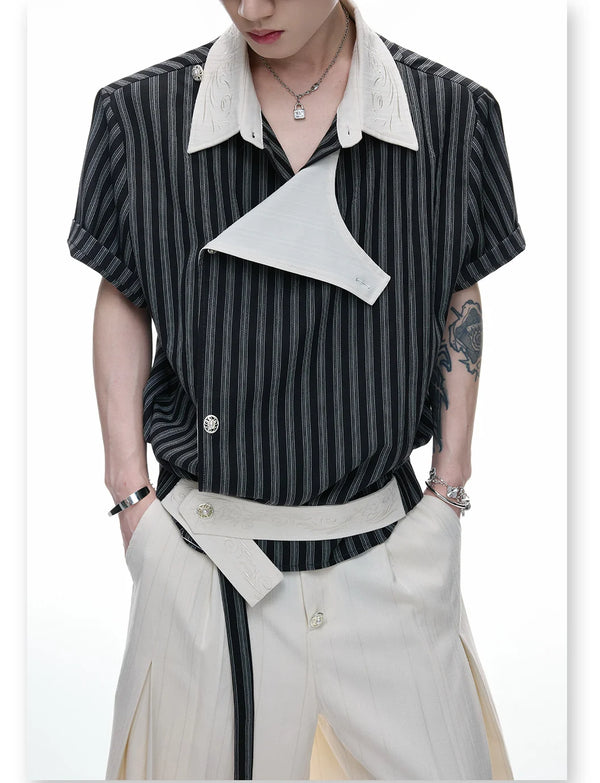
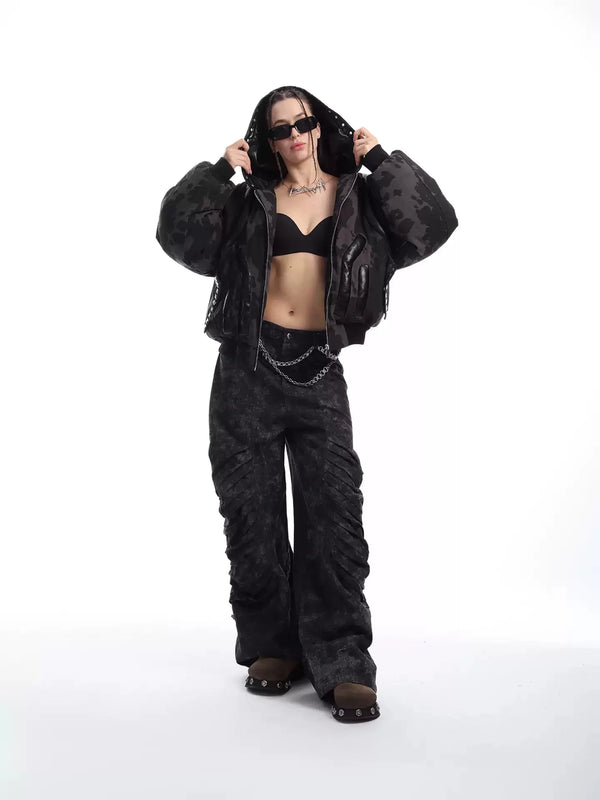
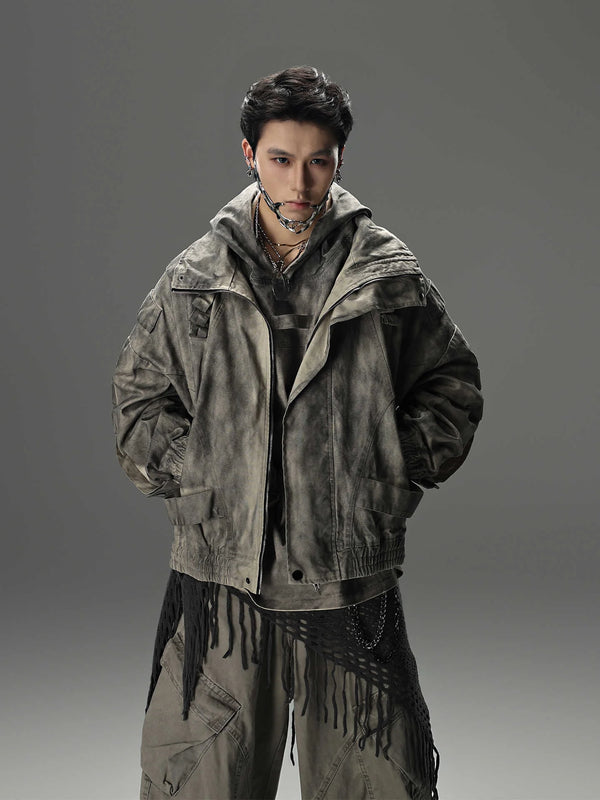
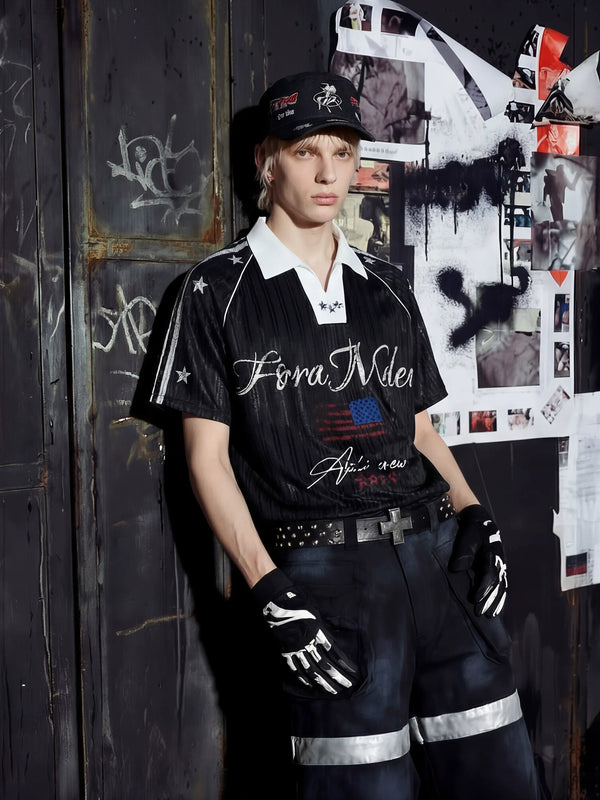
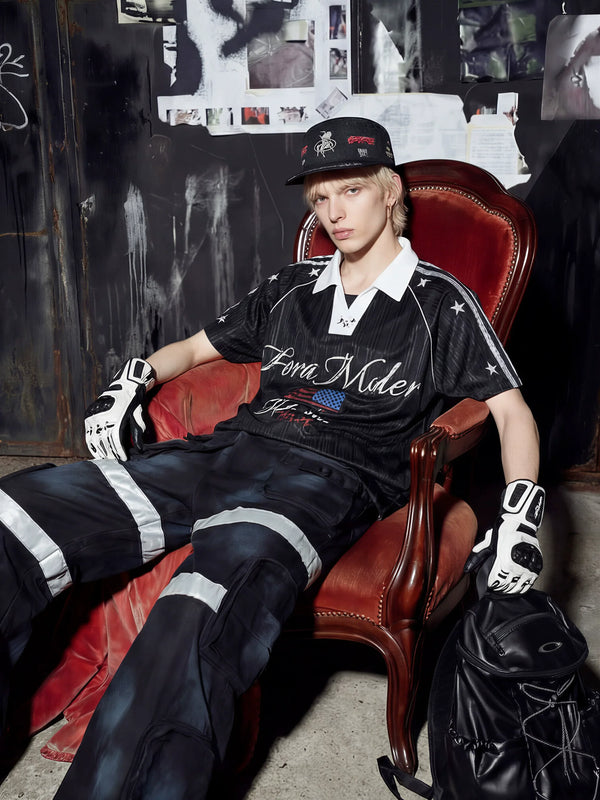
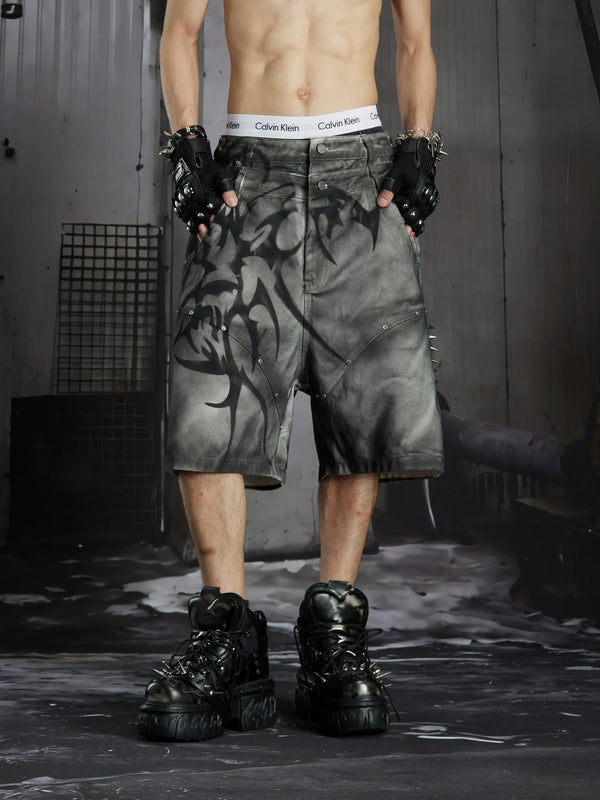
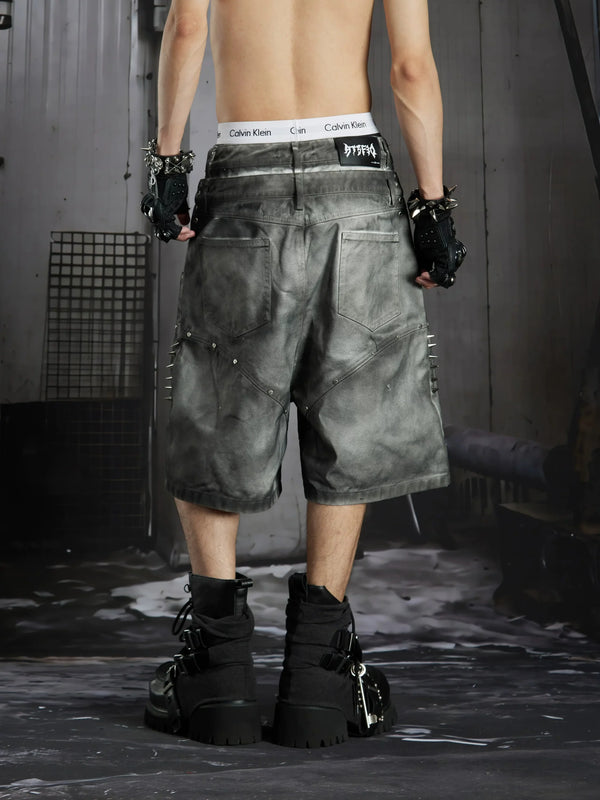
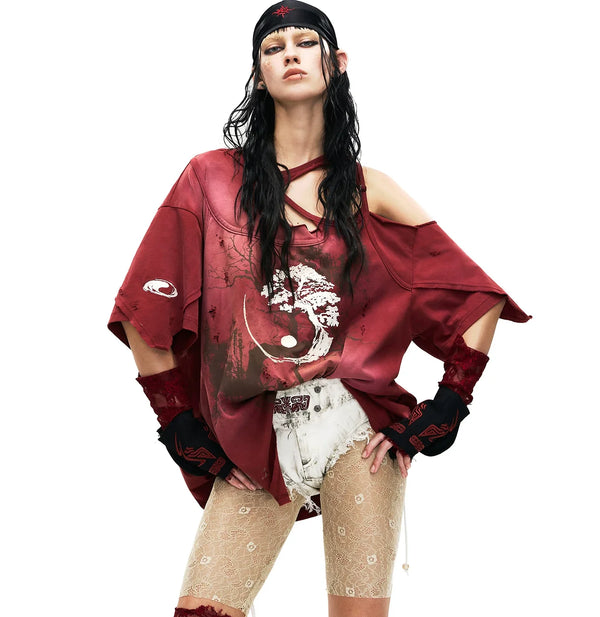
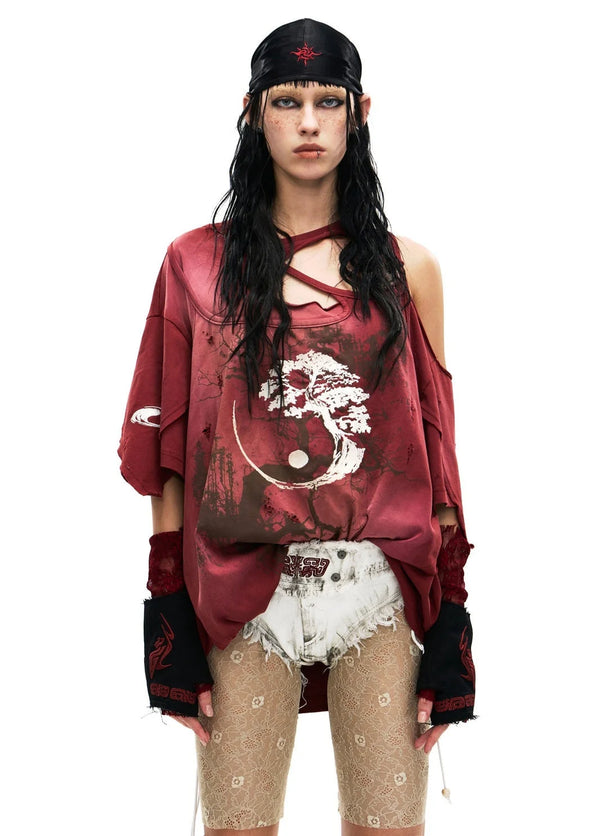
What this looks like in a real outfit — Tokyo layering logic in 15 seconds:
Origin
Who invented Japanese fashion — and why are there two parallel worlds?
Japanese fashion has two birth moments. Both happen in the late 70s and early 80s, both in Tokyo, and both independent of each other. That a shared national fashion identity formed out of this is more a Western narrative than a Japanese reality.
The first birth moment is 1981 in Paris. Rei Kawakubo shows Comme des Garçons, Yohji Yamamoto his first collection. Both break with everything Paris fashion had been until then: black instead of colour, asymmetric instead of symmetric, loose instead of body-hugging, with deliberate holes instead of flawless finishing. The French press calls it “Hiroshima Chic” — meant dismissively, later worn as a badge by Kawakubo. Issey Miyake had been there since 1970, but only this Paris double debut in 1981 makes Japanese avant-garde design its own category.
The second birth moment is the late 80s on a bridge called Jingu-bashi, right by Harajuku station in Tokyo. Young people meet there on weekends, build outfits from what they find in the boutiques around Takeshita-dōri, and are documented by photographers like Shōichi Aoki. His magazine FRUiTS from 1997 becomes the visual archive of the Harajuku subcultures. Lolita, Decora, Visual Kei, Gyaru — all grow in this block of three streets.
These two poles never really made contact. CDG buyers were never on Jingu-bashi. Lolita girls never bought Yohji jackets. What they do share: a systematic break with Western fashion principles. Form before function, idea before sale, detail before silhouette. That is why Japanese fashion often looks both adult-conceptual and childlike-wild to a Western eye — because it is literally two different fashions running in parallel.
Definition
Which clothing style is typical for Japan — what counts as part of it
Japanese fashion is not a single look but a set of five layers that exist independently of each other. Anyone who says “typically Japanese” means a different layer depending on generation. A 65-year-old Japanese woman thinks of kimono. A 35-year-old buyer thinks of Uniqlo or Yohji. A 19-year-old Tokyo student thinks of Y2K Harajuku or Modern Streetwear. All three are right.
1981
Paris double debut (CDG + Yohji)
6
living subcultures today
4
Tokyo districts as style anchors
0
fixed national uniform
The numbers give you the frame. Four Tokyo districts carry the fashion: Harajuku (subcultures), Shibuya (mainstream youth), Aoyama (designer pole) and Shimokitazawa (vintage, independent). Whoever buys in one district rarely sees what happens in another. This is not a tourist anecdote — it is the operational structure.
Concretely, “typically Japanese fashion” means one of these five layers:
- Traditional clothing — kimono, yukata, hakama, haori. Today worn mainly for festivals, weddings and summer matsuri. Not everyday, but DNA for many designer cuts (drape, wrap, asymmetry).
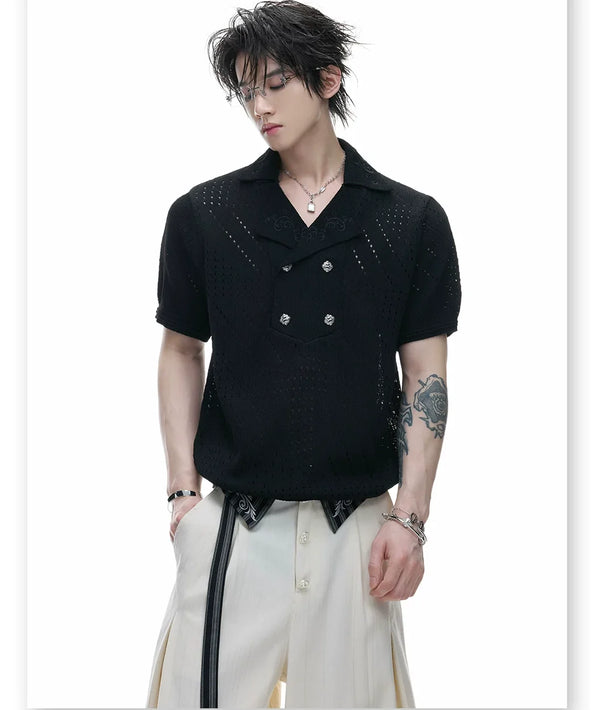
- Avant-garde designers — CDG, Yohji, Issey, Sacai, Undercover. Black, deconstructed, asymmetric. Concept before comfort, idea before logo.
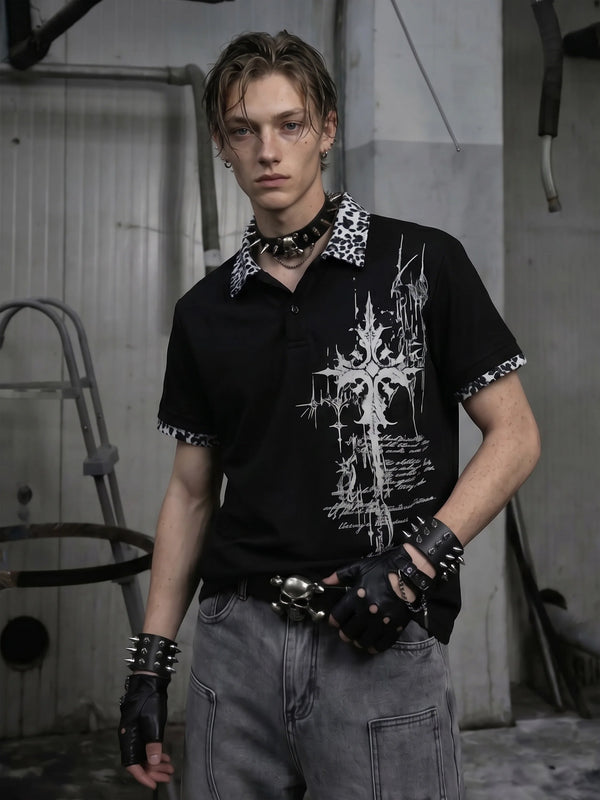
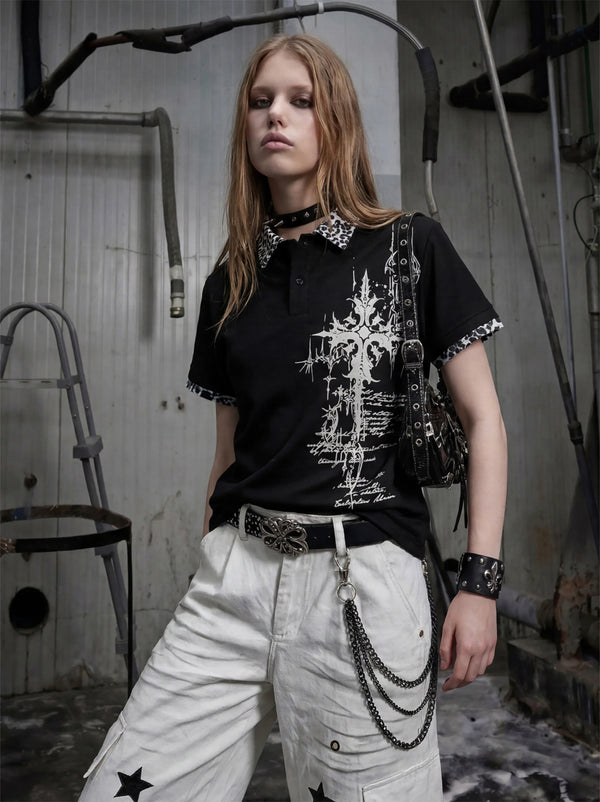
- Harajuku subcultures — kawaii, Lolita, Decora, Visual Kei, Gyaru. Layering, pastel or black, accessory density. Outfits as a statement of identity.
- Modern Streetwear — A Bathing Ape, WTAPS, Neighborhood, Visvim. Tokyo skater heritage, technical fabrics, heavy hardware, often military cuts.
- Tech and workwear — Beams, United Arrows, Snow Peak, Junya Watanabe Outdoor. Functional outdoor fabrics in civilian cuts — the Japanese version of Techwear.
Whoever wears one of these five layers cleanly reads as Japanese-compatible. Whoever mixes three looks like a tourist who marked too much in the Tokyo guidebook. There is a rule that prevents this:
6 subcultures
The most important Japanese subcultures — the 6 types that count today
If you lay Tokyo street-style photos of the last thirty years side by side, six types crystallise out. Each with its own colour quota, its own layering logic, its own Tokyo district as anchor. They overlap at the edges, but no one wears two of them cleanly at once.
Which of the six suits you depends less on taste than on which city you live in and how much accessory density you carry. How this divides between men and women comes next.
Gender split
Japan style women vs men — where modern Japanese clothing differs
The six types above work in principle for any gender — Lolita boys exist, streetwear girls exist. What differs is the density of the individual layers. In Tokyo, women on average wear more accessories per outfit, men more layers. Both sides layer, but differently.
Women's version: the accessory layer carries the outfit. Jewellery, hair clips, several bags, layers of tights, plush charms. With Harajuku kawaii or Lolita, the number of visible pieces per outfit goes clearly beyond what Western fashion usually shows. With avant-garde designers (CDG, Yohji Wmns) it is fewer pieces, but the drape and the volume carry the effect — a single Yohji coat makes a whole outfit.
Men's version: more layers, fewer accessories. Layered crewnecks under workwear shirts under coach jackets — three layers of fabric, one of accessory. With Modern Streetwear (BAPE, WTAPS) the layering logic is visibly staged; with Visual Kei the layers are more dramatic (long coat over mesh over tank). Jewellery stays functional — a chain, a ring, one earring. Rarely more.
What both share: the proportion-break rule. Wide on top, narrow below — or the other way round. Never both tight, never both wide. This is the one rule that runs across all six subcultures, from the Lolita petticoat to the Yohji trouser. More on this in the styling chapter further down.
Brands
Japanese fashion brands — which labels really write Japanese fashion
If you want to buy Japanese fashion, it all runs through ten labels. Three of them hold the designer pole, four define the streetwear floor, three sit in between or in the mass segment. This is the list every Tokyo insider knows by heart.
The ten labels that wrote Japanese fashion — chronological by founding:
- Comme des Garçons (1969, Rei Kawakubo) — founded in Tokyo, debuted in Paris in 1981. The mother of deconstructed fashion. Black, asymmetric, with deliberate breaks. Shaped a whole generation of Western designers.
- Issey Miyake (1970) — Pleats Please pleating technique, A-POC, Bao Bao bag. Function as concept. When a fabric is clever instead of just pretty, it is Miyake.
- Yohji Yamamoto (1972, Paris debut 1981) — the black robe as a life's work. Loose, falling, asymmetric. Y-3 is his Adidas line and one of the few crossovers that work without loss of substance.
- Undercover (1990, Jun Takahashi) — punk DNA, aimed against designer seriousness. Collaborates with Nike, Supreme and Sacai without pandering. A bridge between the designer pole and streetwear.
- A Bathing Ape (1993, NIGO) — BAPE. Camo, shark hoodie, Bape-Sta sneaker. The moment Japanese streetwear enters Western hip-hop culture and immediately dominates. Pharrell, Kanye, Lil Wayne wear it from the early 2000s.
- Neighborhood (1994, Shinsuke Takizawa) — motorcycle culture, workwear, heavy hardware. Sits between Visvim and BAPE — more substantial than the one, more technical than the other.
- WTAPS (1996, Tetsu Nishiyama) — military cargo, coach jacket, heavy cotton. The subtler brother of BAPE — no visible logos, but everyone in the Tokyo streetwear block knows the cuts.
- Visvim (2000, Hiroki Nakamura) — heritage workwear, Native American references, FBT sneaker. Expensive like the designer pole, designed like outdoor workwear. Opened its own layer between the poles.
- Sacai (1999, Chitose Abe) — hybrid pieces. A bomber jacket that looks like a shirt at the front. A cardigan that is a trench coat at the back. Reset the younger designer generation completely.
- Uniqlo (1984, Tadashi Yanai) — Japan's leading brand by revenue. Basics, technical fabrics (Heattech, Airism), no fashion statement — but the fabric quality is consistently better than that of Western fast-fashion rivals. The floor on which all other layers sit.
Anyone who wants to wear Japanese fashion without paying designer prices searches the resale market for CDG, Undercover and Issey, buys basics at Uniqlo, and gets the layer in between from DTC labels — Tokyo streetwear vocabulary without the Tokyo markup.
Category · Outerwear
Japanese jackets & coats — coach, bomber, hybrid cut
The jacket carries the Japanese outfit, no matter which subculture you choose. It is the largest surface, the most dominant fabric, the carrier of the proportion. In Tokyo, the jacket is almost always one layer over at least two others — that changes its function. A Japanese jacket is worn open, never closed, because otherwise it hides the layers underneath.
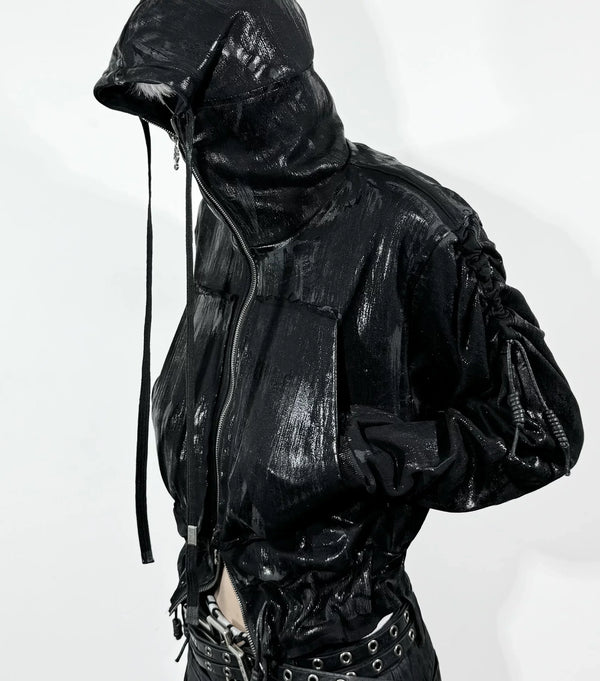
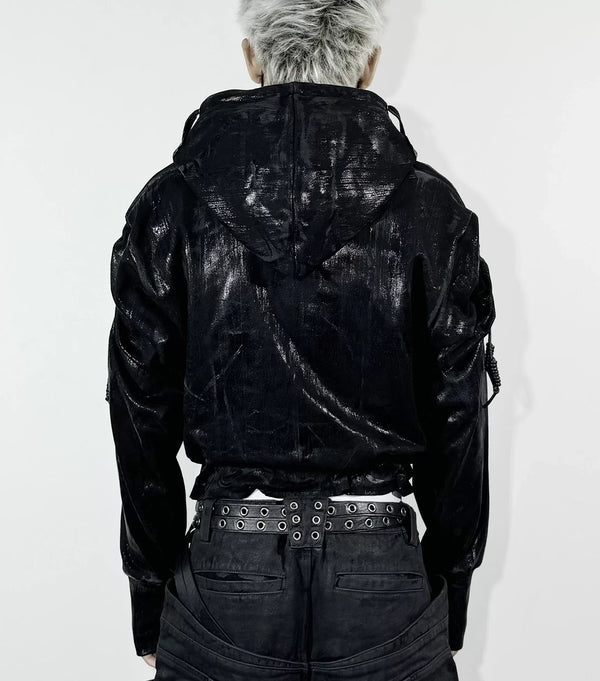
Four jacket types work in Japanese fashion: coach jacket (the Modern Streetwear default, BAPE, WTAPS, Neighborhood), workwear shirt jacket (indigo denim or heavy cotton, Visvim line), hybrid coat (Sacai inspiration, bomber at the front, trench at the back) and the long deconstruction coat (CDG, Yohji — asymmetric, black, one layer over everything).
If you do not yet own a Japanese-compatible jacket, this is your first move. A cropped denim jacket or a printed hoodie-jacket hybrid comes into use immediately in 80 percent of outfits — over mesh, over crewneck, over long-sleeve.
Category · Bottoms
Japanese trousers & jeans — wide-leg, hakama cut, flares
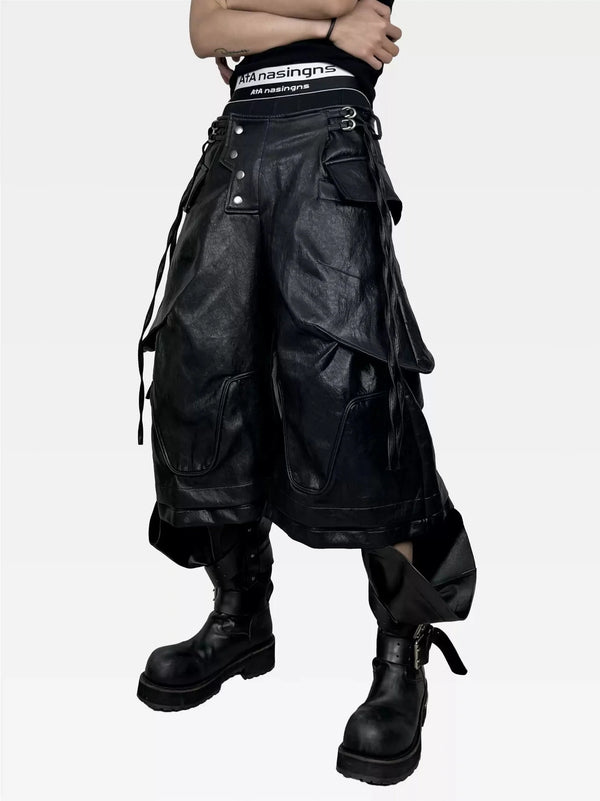
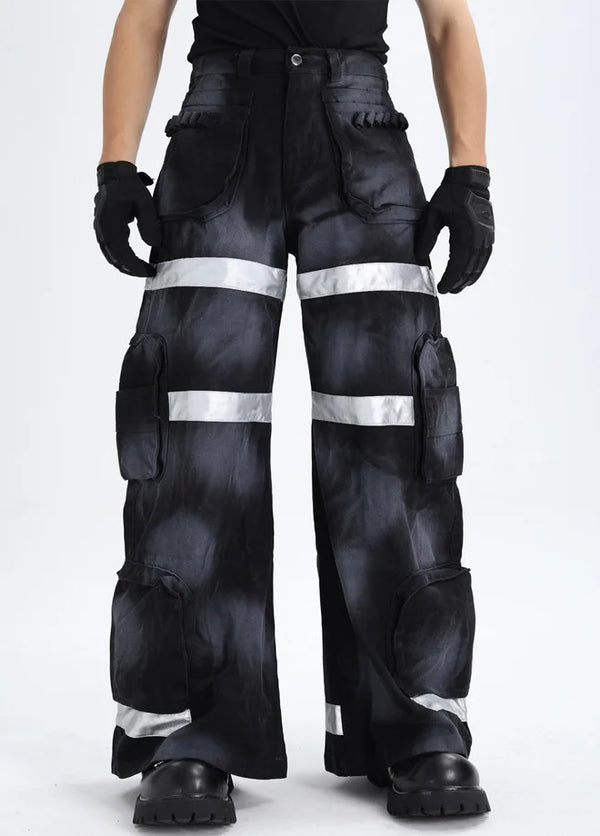
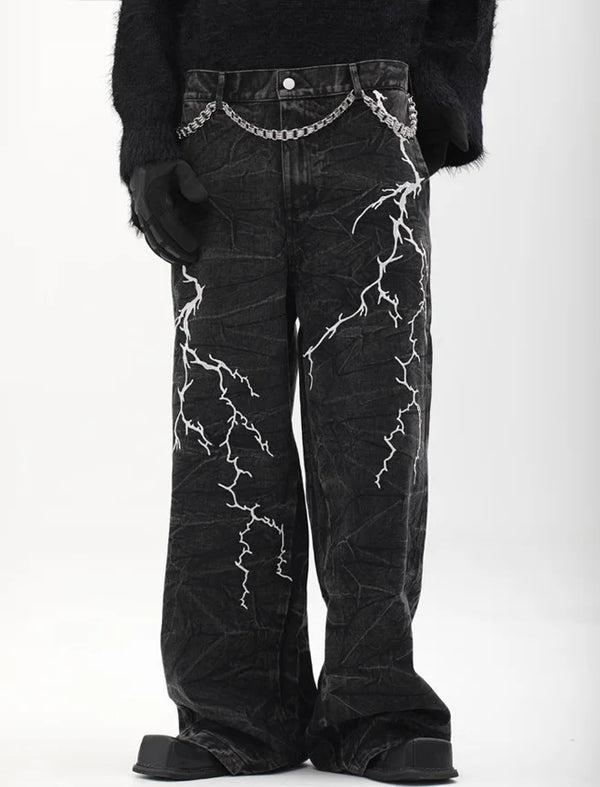
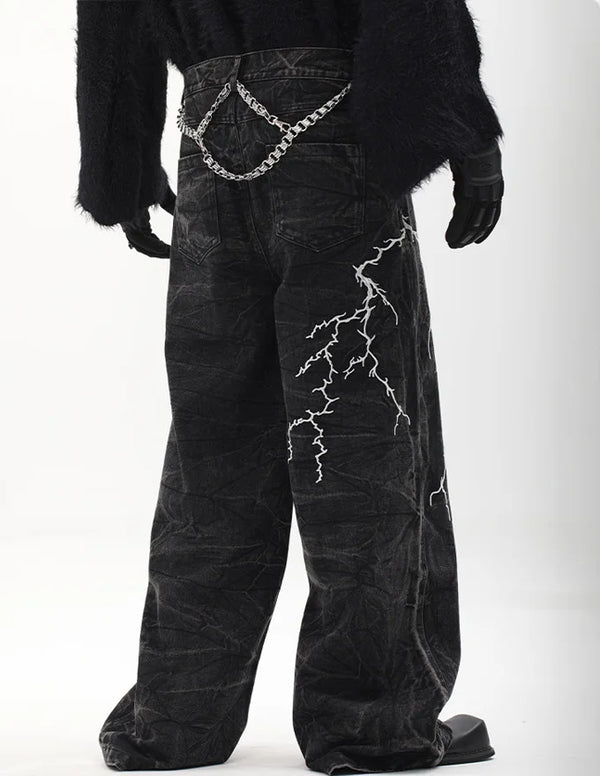
In Japanese fashion the trouser is the second large surface and usually the one that breaks the proportion. Skinny jeans have been out of Tokyo since about 2018 — what remains are wide-leg, cargo, flared and hakama-inspired wide cuts with a high waist and a sharp crease.
Working Japanese bottoms sit on the hip or higher, fall straight or widened, and end on or below the shoe — never shorter. What you avoid: any form of stretch skinny, low-rise jeans without volume below, and cargo trousers with too many visible brand patches. The Japanese cargo vocabulary is heavy cotton, black or indigo, with functional pockets — not with streetwear logos.
If you want to build a trouser that fits all six subcultures, take a wide-leg black denim with a high waist. That is the common denominator — works under a CDG jacket, under a Visual Kei leather armour, under a Harajuku plush layer.
Category · Skin layer
Japanese tops & shirts — the layering logic
In Japanese fashion, tops are rarely visible alone. They are the layer under the layer — long-sleeve under crewneck under coach jacket, or mesh tank under open shirt under bomber. Even when only one top is visible, there is one underneath. This is the central Tokyo multi-layer logic.
The rule: the innermost top is always tight and single-colour, the middle layer carries the detail (print, graphic, stripes), the outer layer is the jacket or an open-worn shirt. Whoever does layering right looks Japanese in 30 seconds. Whoever wears only one shirt under a jacket looks like a Western copy.
Anyone who wants to test the mesh look takes a simple mesh long-sleeve under a contrasting crewneck or an open-worn bomber. That is the easiest entry toward Harajuku layering — without risk, in case it does not work out.
Styling logic
How to style Japanese fashion — the Tokyo layer logic
A Japanese outfit works on two rules, both of which must hold at the same time. The first: proportion break — wide on top, narrow below, or the other way round. The second: at least three visible layers. Miss one of the two rules and the outfit reads as Western, not Japanese.
Westerners wear one outfit. The Japanese wear three at once — and look like one.
— Beobachtung aus dreißig Jahren Tokio-Streetstyle-Dokumentation
In practice this means: wide trouser plus tight long-sleeve plus open shirt jacket plus coach jacket over it. Four pieces, three visible layers, one broken proportion. If you reverse the ratio and wear everything close-fitting, the whole outfit tips back into Western default fashion. You will find the full breakdown with photo examples in our detail article:
Japanese fashion also does not stand alone. It overlaps at several edges with other codes — Harajuku subculture, Tokyo streetwear brand history, the Y2K wave of the early 2000s, the winter layering special case. Whoever has the Japanese layer logic down can read these neighbouring codes and combine them deliberately.
Here are the most important neighbors — each with its own guide, if you want to go deeper:
Seasonal
Japanese fashion in summer vs winter
Tokyo has four sharp seasons, each with its own fashion vocabulary. In summer the layer logic shifts inward — light linen shirts over a mesh tank, short trousers with a high waistband, almost no outerwear. In winter it expands outward — padded coat over knit over long-sleeve over tank, plus a short coach jacket for the transitional days.
Summer Japan works through fabric, not volume. Linen, mesh, lightweight cotton. Hakama-inspired wide-leg linen with a high waist looks better at 32 °C than any Western bermuda. The layering rule stays — two layers up top, one below, at minimum.
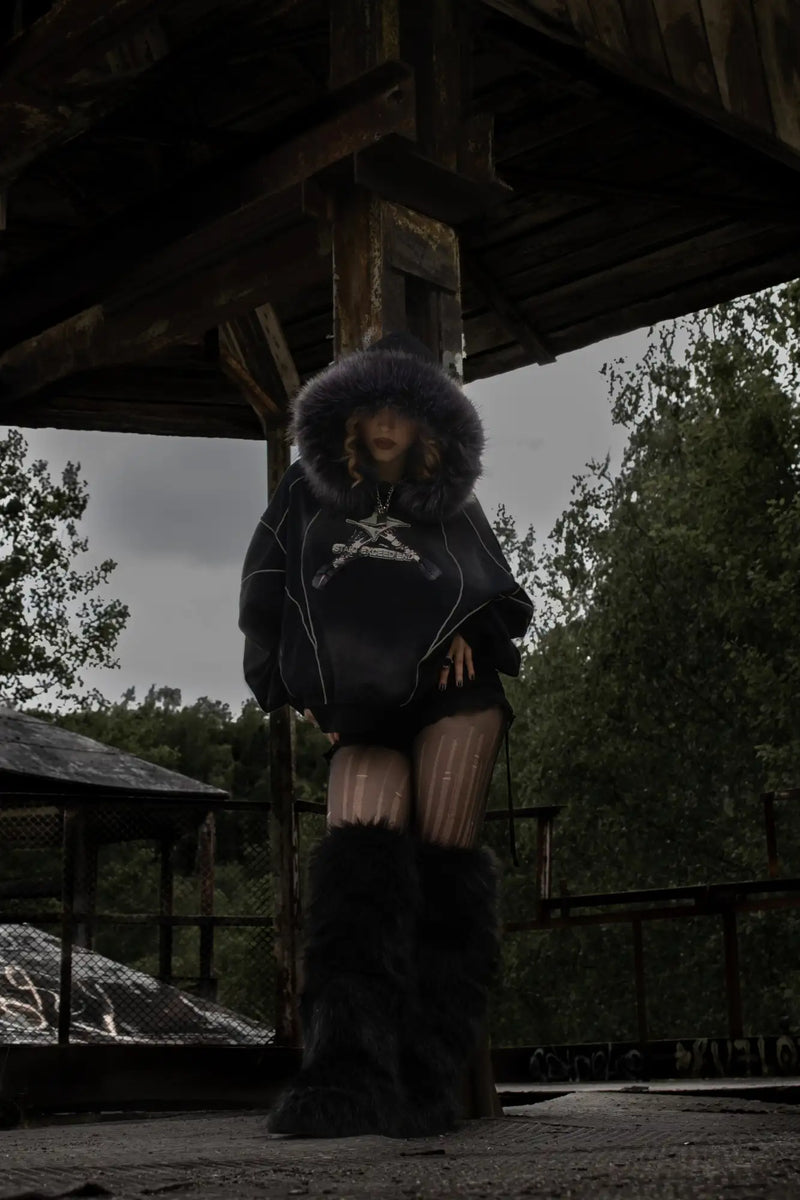
Winter Japan solves the layering rule with substance instead of fabric. Yohji long coat, padded kimono hybrid, heavy knit under coach jacket. The outer layer is mostly black or indigo, the middle layer carries the detail, the innermost keeps you warm.
This is what it looks like in motion — winter layering with a technical share:
What does not work
The 6 most common mistakes — what to avoid in Japanese style
Japanese fashion tips over reliably at six points — no matter how much you invest. If you avoid only one of them, make it the first.
Action
How to get into Japanese fashion — the first 4 pieces
You do not need twenty pieces to wear Japanese fashion. You need four that will be in 80 percent of your outfits. Everything else builds around them.
In order: a wide-leg black denim with a high waist (your biggest effect per euro — fits under everything). A coach jacket or cropped denim jacket in black or indigo (the outer layer). A mesh long-sleeve or thin crewneck (the innermost layer). Platform Mary Janes or Tabi-inspired boots (the Tokyo sole that replaces sneakers). A fifth option as a bonus: a short haori coat as a seasonal layering layer.
Outfits for real
Japanese outfits for real — what it looks like on the street
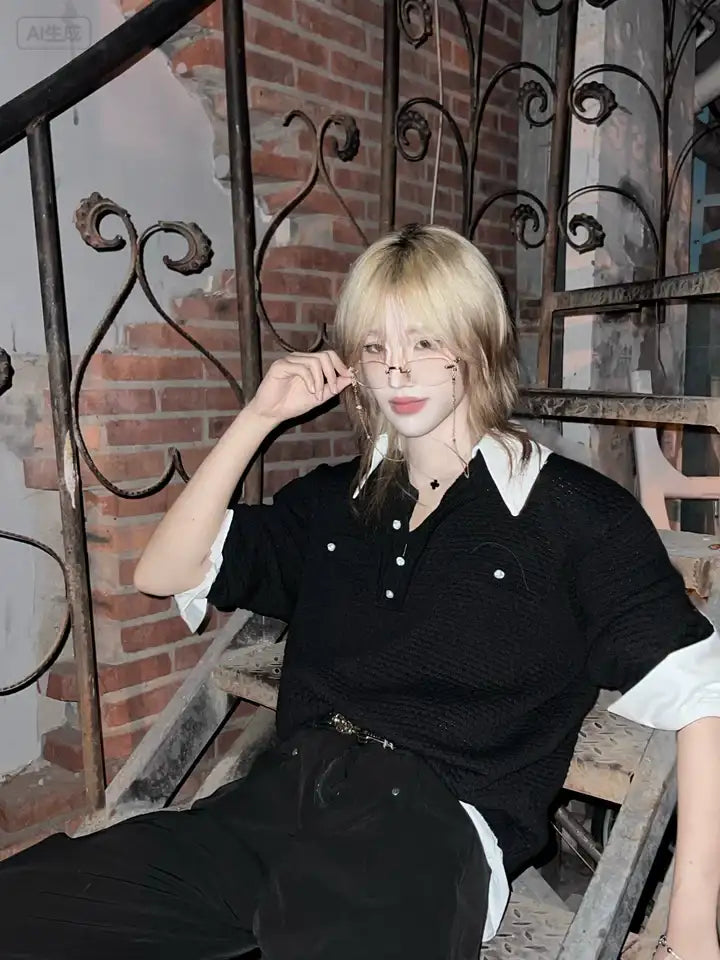
Before you build your own outfit, look at how others wear it. The six subcultures from above look different in the feed than in lookbook editors: more densely layered, less photogenic-perfect, with real fabric folds. This is the fastest way to check whether Japanese fashion sits on your body type at all, before you spend money.
In the feed you also see how Tokyo layering works in everyday life — not in the studio, not on the bridge in Harajuku, but on a Berlin street or a Hamburg subway platform. That is the translation layer missing between Tokyo and Europe.
To close
Japanese fashion is not a look — but a system of subcultures
If you remember one thing from this guide, let it be this: Japanese fashion does not work through individual pieces but through two poles and six subcultures. Whoever has the structure down builds a hundred outfits with twenty pieces. Whoever only buys pieces has a full wardrobe without a single outfit that sits.
The whole logic of this guide reduces to one sentence:
The two poles have been stable since the early 80s and will stay that way, because they operate independently of each other. But you do not have to wait until you know both by heart. Start with one subculture that comes closest to you — probably Modern Streetwear or Harajuku kawaii, depending on the day — and learn while wearing what feels right.
And that is the point: Japanese fashion reads in theory like an atlas full of rules, but in practice it does not feel that way. Once you have the layer logic down, every further outfit is a variation of the same four or five building blocks — not a new invention.
FAQ
Frequently asked questions about Japanese fashion
The questions we often get by DM and email — short, clear, no detour.
Which fashion brands come from Japan?
What is Japan's leading brand?
Which clothing is typical for Japan?
Where can you buy Japanese fashion online in Germany?
What is the difference between Harajuku, Visual Kei and Gyaru?
Does Japanese fashion work differently for modern women?
What is the difference between Japanese fashion and Korean fashion?
What do you think?
Tell us on @fuga_studios
About the author
Philipp Fuge — Founder · Berlin
Founder of Fūga Studios. Writes the journal himself. Berlin · Shanghai · Tokyo · Poznań — four cities, one logic.