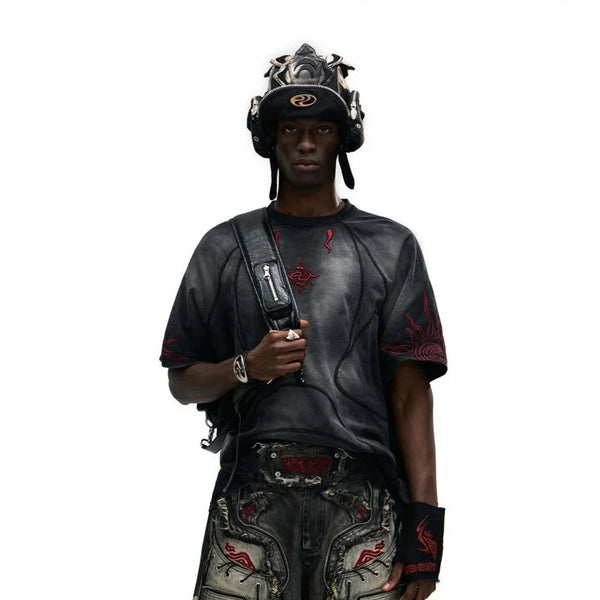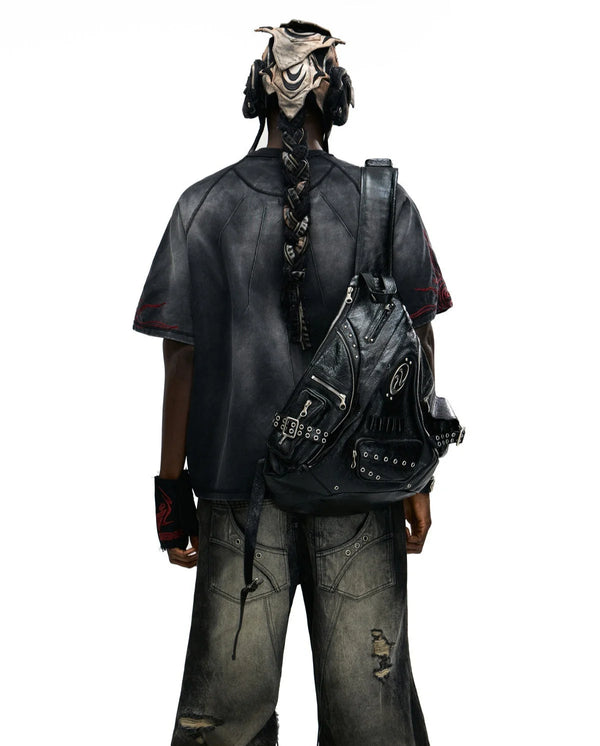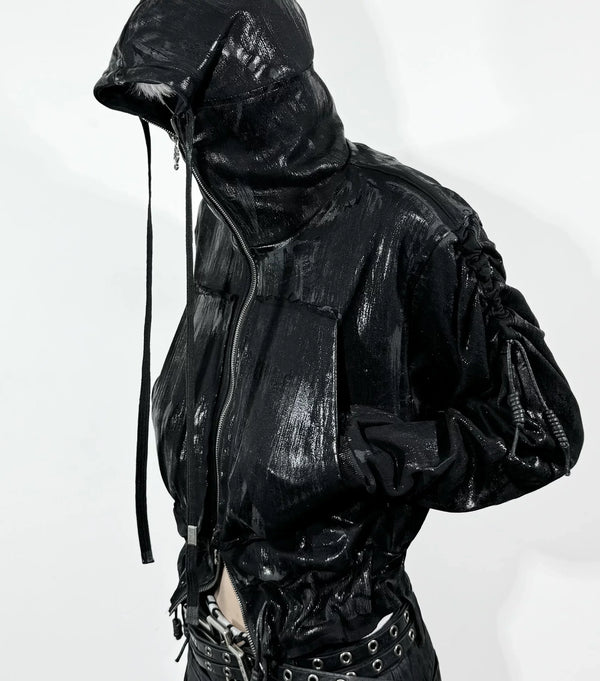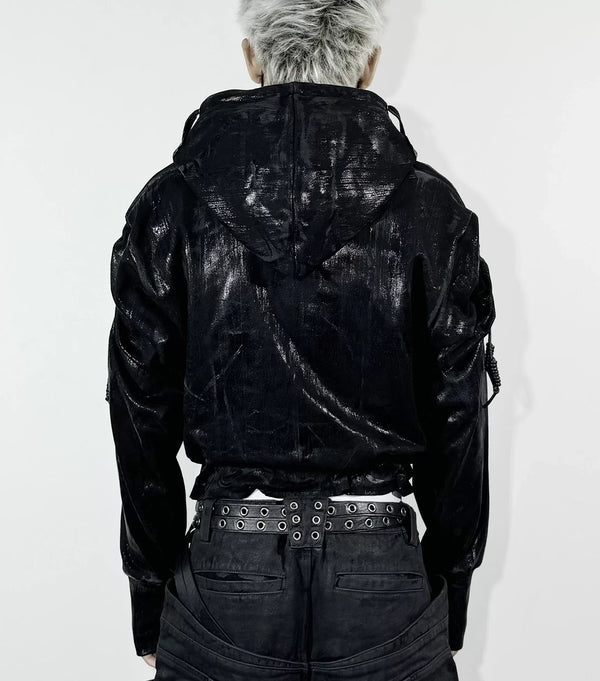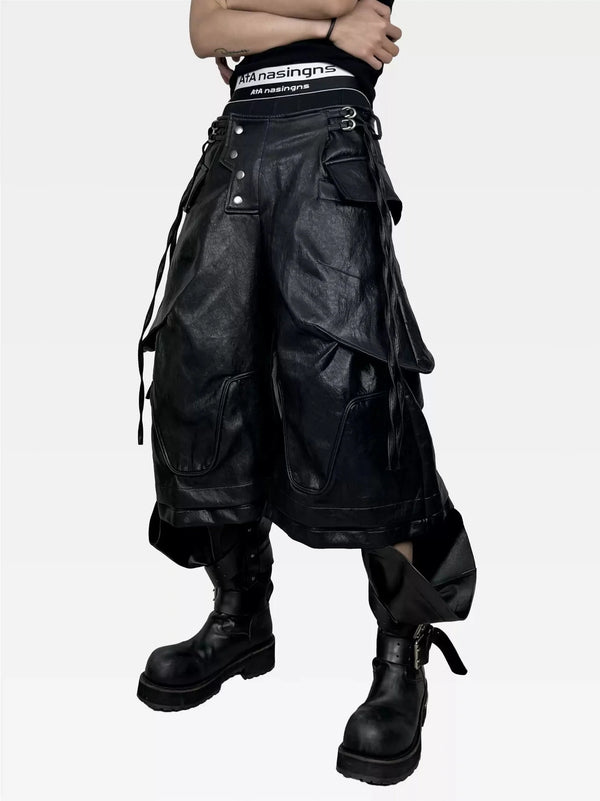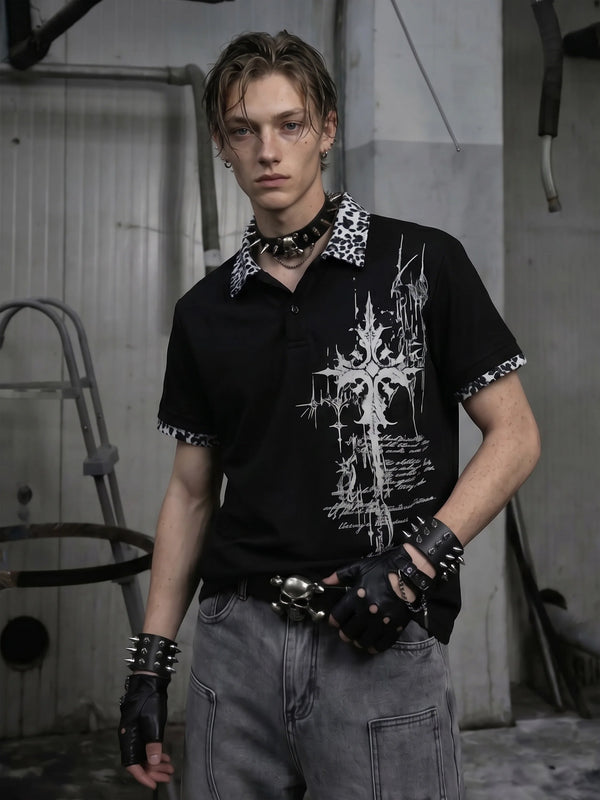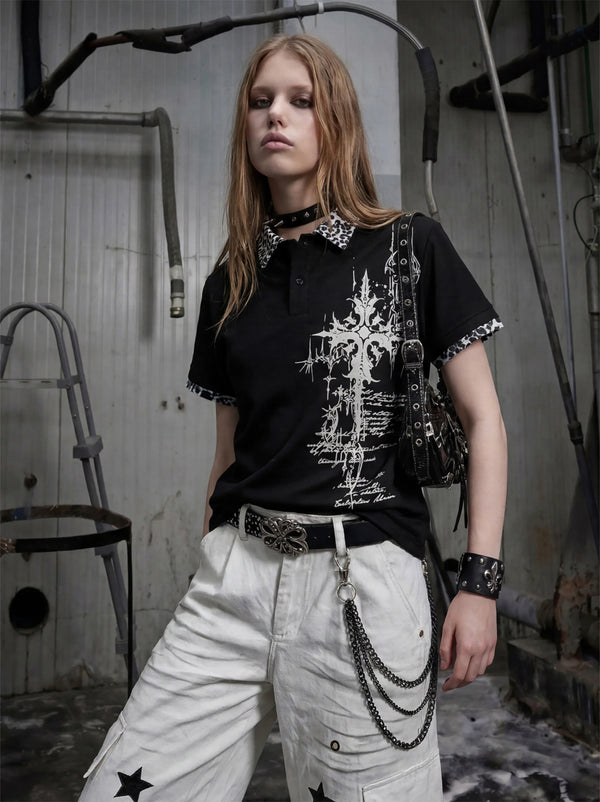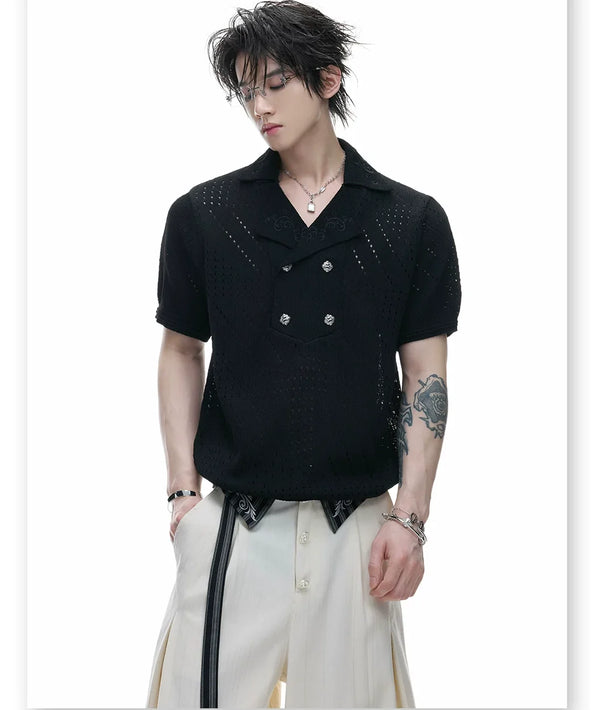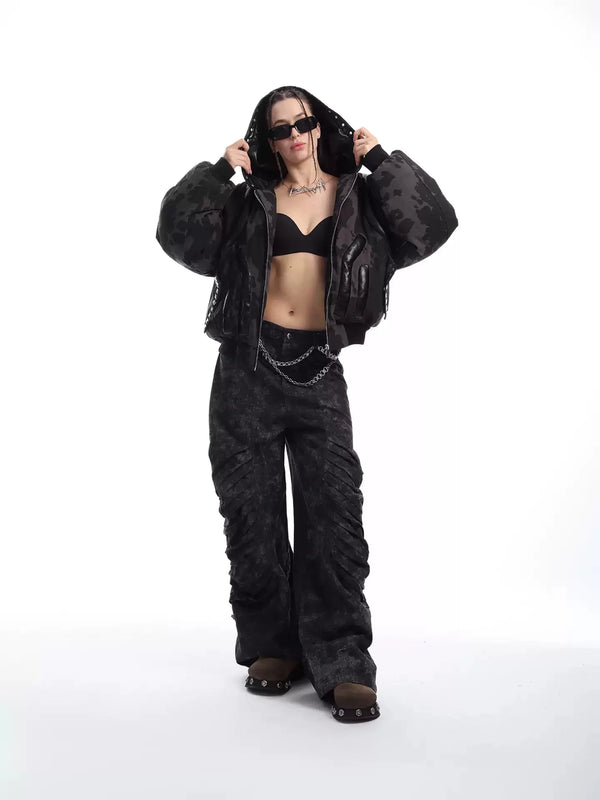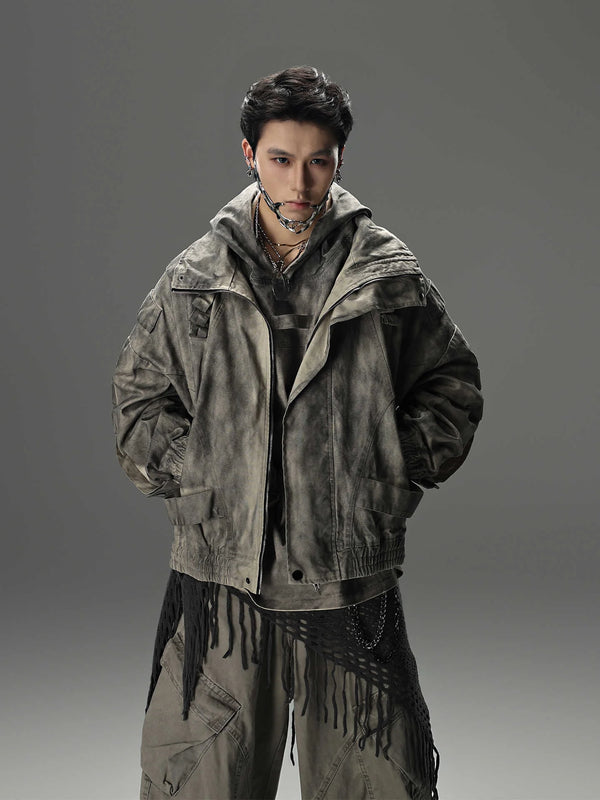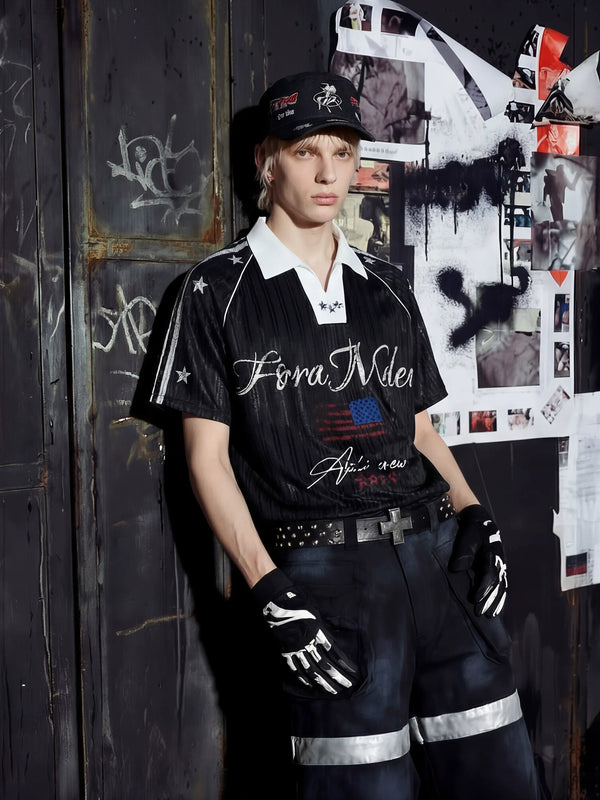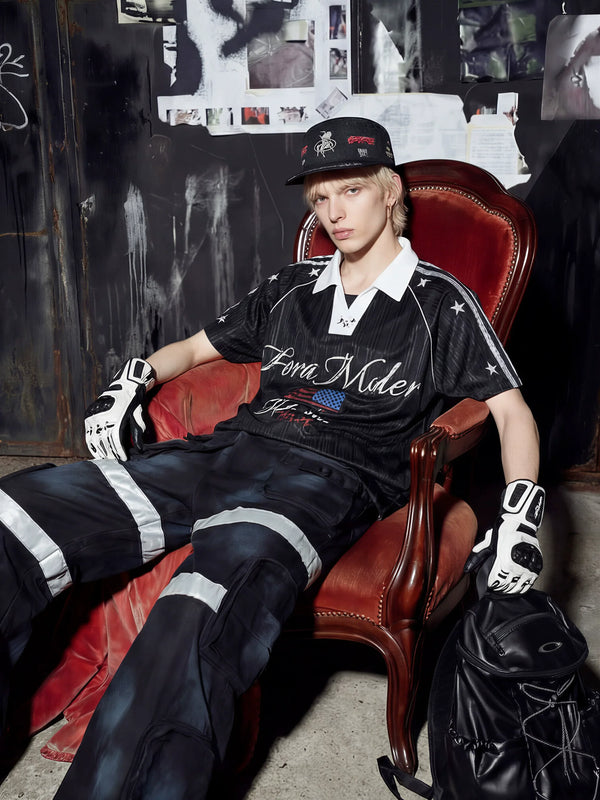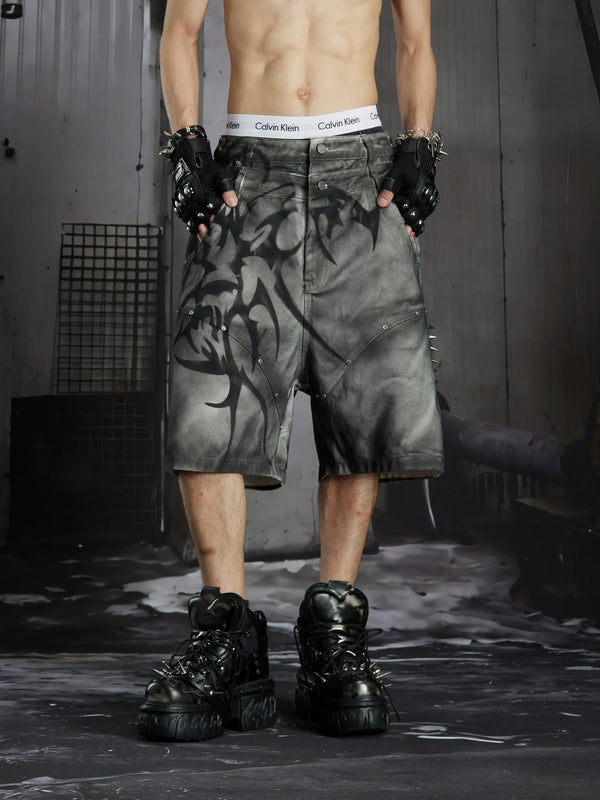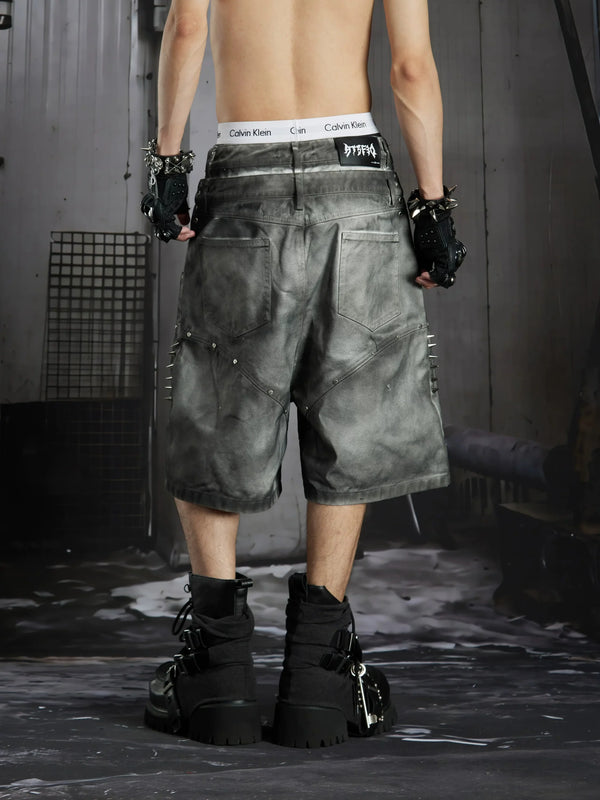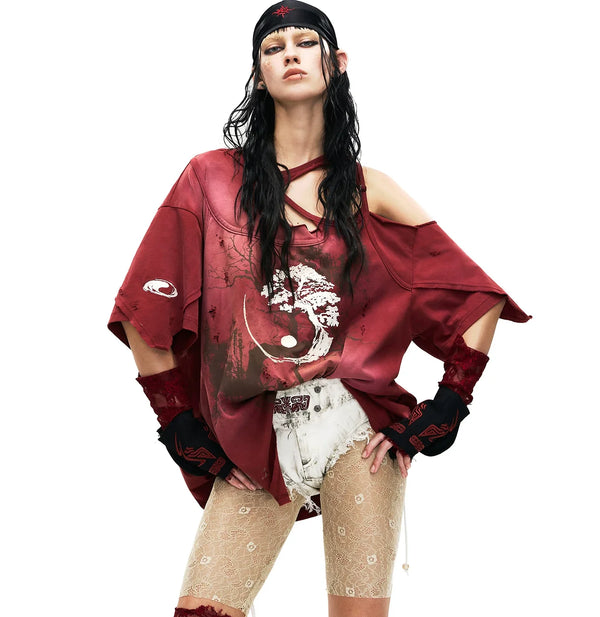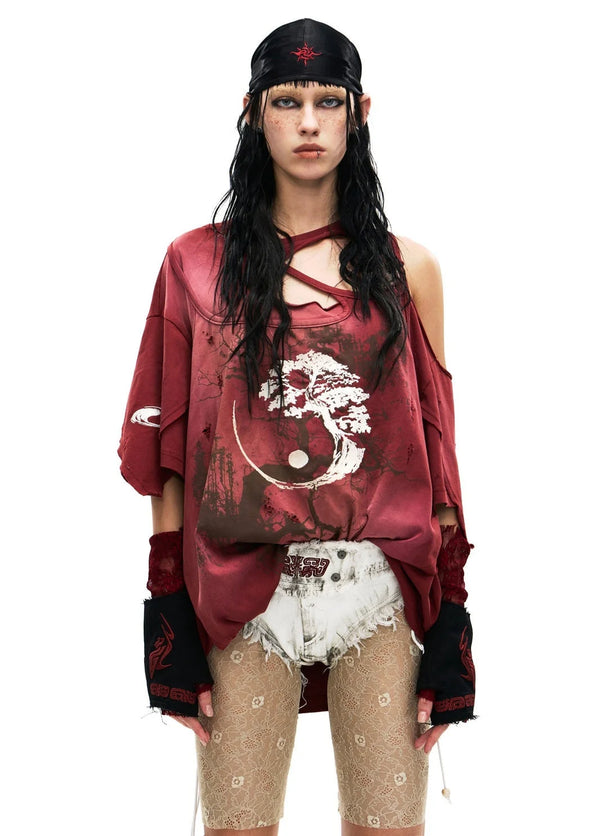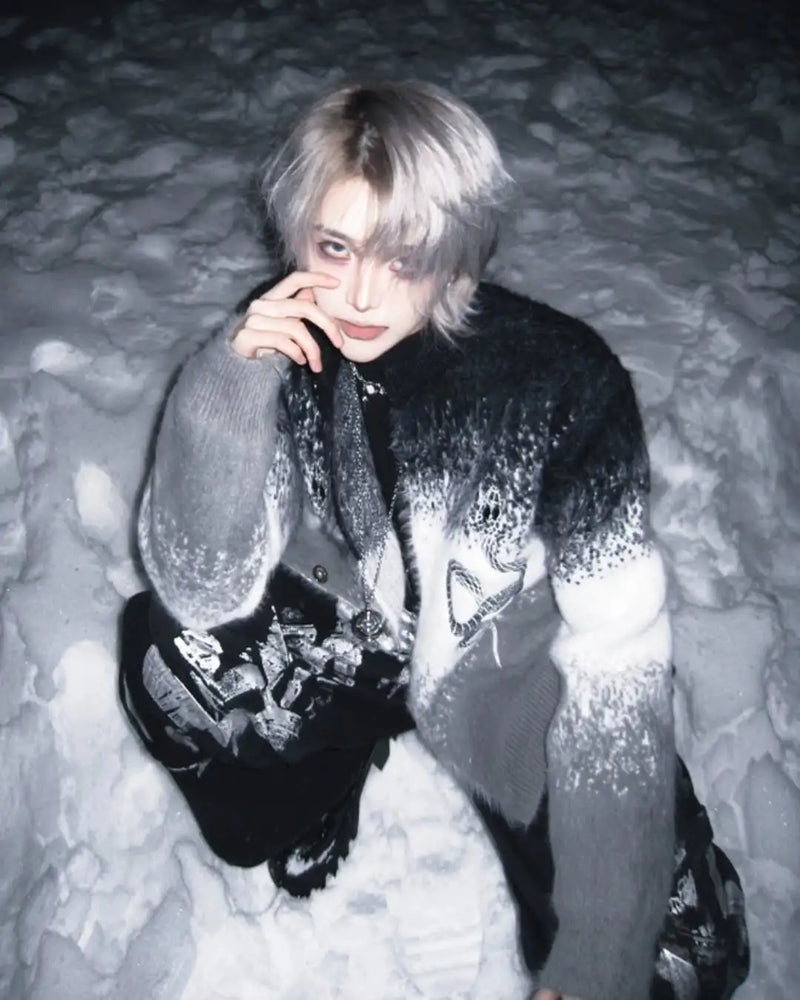

Everyone is talking right now about how Japanese the 2020s have become again. In truth, it was all here before. What passes on TikTok today as 'Coquette' or 'Cyber Y2K' is a softer repeat of what was reinvented every week between 2000 and 2005 in Shibuya, Harajuku and Shinjuku.
2000s Japanese Fashion was not one style — it was at least five parallel micro-scenes that overlapped at the edges: Gyaru, Visual Kei, Decora, Mode Kei and Gothic Lolita. Each with its own subculture, its own magazine, its own district. And all at once — not one after another like in Europe.
Wear it today without knowing whether you are building Gyaru or Decora and you land reliably in cosplay. This guide sorts it out: what really belongs, which five scenes shaped the decade, how Gyaru splits into six subtypes, what men wore in that era, which brands and magazines wrote the vocabulary, and which six mistakes tip the look over today.
Here is how the patchwork code reads in 12 seconds:
Origin
Tokyo around 2000 — why this decade wrote world fashion
Between 1998 and 2005 something happened in Tokyo that had never worked anywhere else before. Four subway stops apart, five subcultures formed in parallel that did not imitate each other — they actively set themselves apart. Shibuya for Gyaru. Harajuku for Decora and Gothic Lolita. Shinjuku for Visual Kei. Daikanyama for Mode Kei.
The background was economic. The Japanese growth bubble had burst in 1991, and the 'lost decade' dragged on into the early 2000s. Young Tokyoites no longer had a clear career path, but had the time to make self-presentation their identity. Fashion became the language in which you said out loud who you were — precisely because the job no longer did.
The second element was the magazine industry. egg, FRUiTS, Popteen, ViVi, Cawaii! and KERA sat on the newsstand every week. Each of them documented one scene with street snaps, outfit breakdowns and brand directories. What Instagram does today, these magazines did between 2000 and 2007 on printed paper. Western fashion magazines only reported on the movements years later — by then Tokyo was already on the second update.
The third element: the distance to Western fashion. Tokyo imported brands, yes, but the recombination was entirely its own. What began in Paris as couture landed in Shibuya as a Gyaru iteration with a silhouette two sizes smaller, three extra layers and a pearl-heart hairclip layer. That was not a copy. That was translation into a different code.
Definition
What counts as 2000s Japanese Fashion — the 4 building blocks
2000s Japanese Fashion is not a style label — it is a set of rules that runs across all five micro-scenes. Understand the rules and you can build any single scene cleanly. Shop only pieces and you build Halloween.
5
parallel micro-scenes
4
Tokyo districts as a stage
6
magazines as a library
0
crossover between the scenes
The zero in the last column is the most important point. A Gyaru back then did not wear Decora clips. A Visual Kei follower did not dress as Hime Gyaru at the same time. The scenes were sharply separated — and exactly that sharpness is what so often tips today's look over. TikTok mood boards mix everything. The real Tokyo of 2002 never did.
Concretely, 2000s Japanese Fashion includes:
- Micro-scene loyalty — stay within one scene, do not mix. Gyaru and Lolita at once reads as cosplay, not as 2000s.
- Brand layering — two to four visible brands per outfit. Single-brand looks only became normal from 2010; in the 2000s the outfit lived off the brand mix.
- Magazine reference — outfits were built from a specific magazine page. The egg issue from April 2003 had a look that was then seen across all of Shibuya for six weeks.
- Breaking size conventions — XS tops, short skirts, high platform shoes. The silhouette was deliberately not Western-fitted, but proportion-shifted.
- Hair as a third of the outfit — bleaching, extending, clipping, fringe builds. In no other decade was hair so central to the outfit.
- Print combination as a statement — plaid plus floral plus brand logo was not a mishap but deliberate layering. Tone-on-tone was Western logic.
If you ignore three of these six points, you are not building a 2000s Japan look — you are building a Pinterest-smoothed 2020s Coquette iteration. And now comes the rule that holds all six together:
5 micro-scenes
The 5 micro-scenes — Gyaru, Visual Kei, Decora, Mode Kei, Gothic Lolita
Take 2000s Japanese Fashion seriously and you sort it into five scenes — not into one mood. Each scene had its district, its magazine, its meeting point, its brands. Lay them side by side and you see immediately why 'Japanese 2000s fashion' as a blanket term does not work.
Which of these five fits you depends less on taste than on your energy, your favourite magazine cover, and honestly on the courage to overdo it. How this splits further within Gyaru comes now — because Gyaru is the largest and worst understood of the five scenes.
sub-genre split
Gyaru was not one style — it was six subtypes
When someone says 'Gyaru' today, they usually mean Ganguro — the extreme tan-plus-white-lips iteration that went viral in 1999. In truth Ganguro was only one of six Gyaru currents, and the least popular in Tokyo itself. Anyone who was really Gyaru in Shibuya in 2003 read egg every week and knew instantly which of the six types another person's outfit was.
The six Gyaru types — in the order of their Tokyo spread in 2003:
- Kogyaru — the school iteration. Loose socks, shortened pleated skirt, bleached hair, barely any make-up. The entry version, often 14-16 years old.
- Ane Gyaru — the older sister. Tan, strong smokey eyes, a Burberry scarf as a visible status piece. egg-cover default.
- Hime Gyaru — the princess. Pink, lace, Victorian echoes. Liz Lisa and Jesus Diamante as mandatory brands. Hair: gigantic fringe builds plus a crown clip.
- Onee Gyaru — the elegant 25-year-old iteration. Less tan, more designer, ViVi magazine instead of egg. Gyaru for the post-university stage of life.
- Ganguro — the extreme iteration. Maximum tan, white eye mascara, neon-bright outfits. Internationally the best known, in Tokyo more of a fringe phenomenon.
- Yamanba — the mountain woman. An escalation of Ganguro: even darker skin, even lighter hair, glitter make-up as a second skin layer. Short-lived, peaked 2000-2002.
Each of these six types had its own meeting points. Hime Gyaru in the 109 department store, Ane Gyaru on Center-Gai. Yamanba at the La Foret mall. egg magazine documented them all, but mostly the middle ranks — Kogyaru and Ane — because that was the most spending-powerful reader group.
Men's version
2000s Japanese Fashion men — Visual Kei, Mode Kei, Bosozoku
When most people google '2000s Japanese Fashion' today, women's images come up. That is a distortion: men in Tokyo between 2000 and 2005 had their own, parallel codes — they just landed less often on 2020s Pinterest boards, because the women's images were more colourful and therefore more algorithm-friendly.
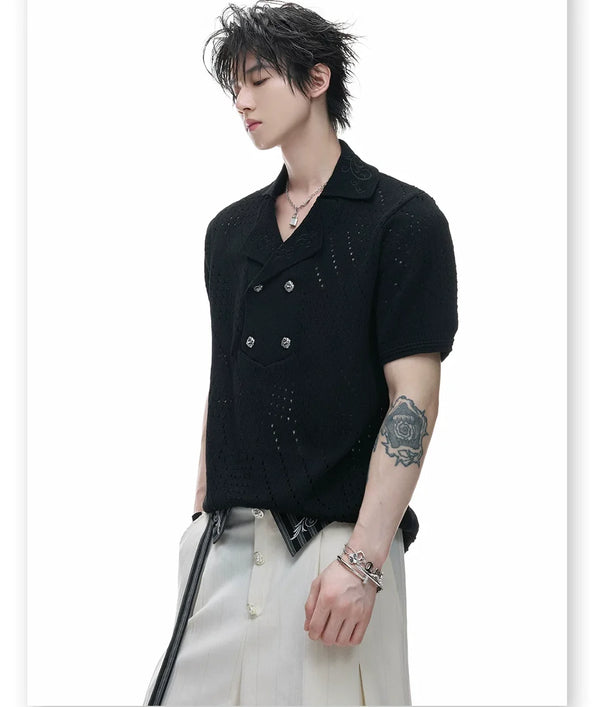
Three male main currents ran in parallel back then. Visual Kei, born from the Japanese rock and metal scene, was the most expressive: black leather, asymmetrically cut hair, visible eyeliner make-up. X Japan, Dir en grey and Malice Mizer had shaped the vocabulary; in 2003 half of Shinjuku wore a toned-down version of it.
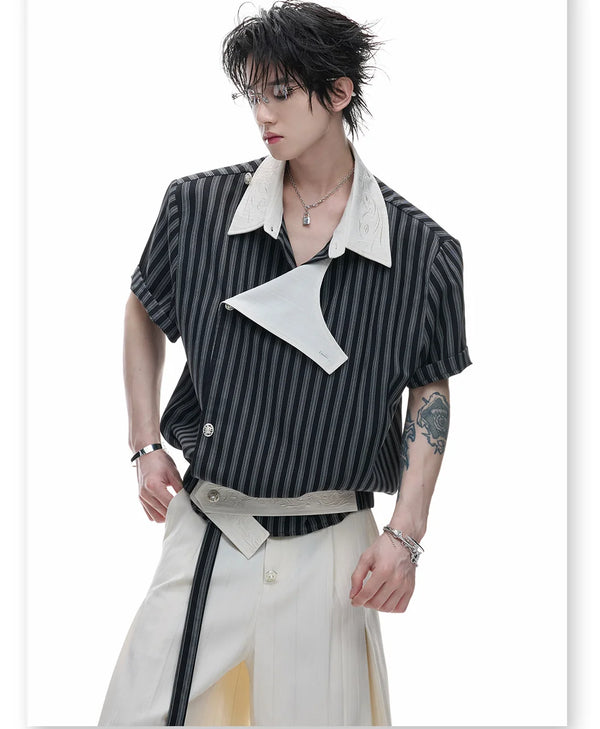
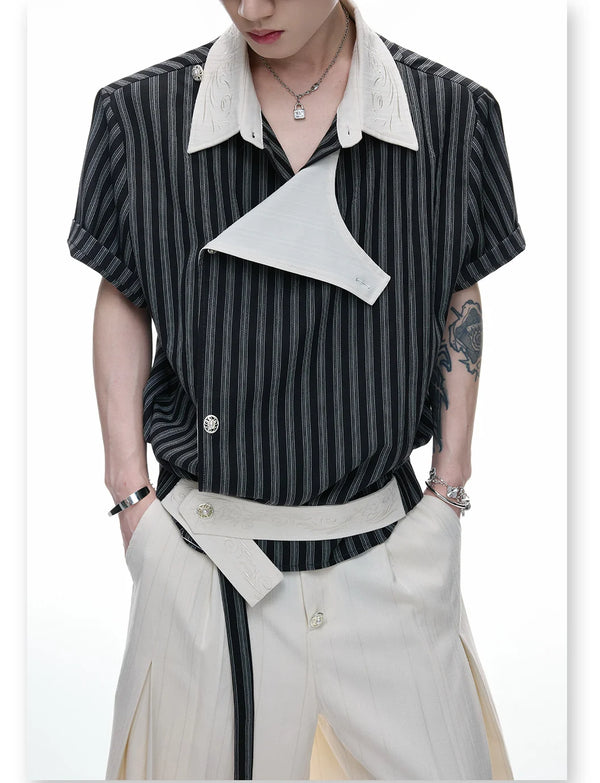
Mode Kei was the opposite pole: quiet designer casualwear for the 20-25-year-old Daikanyama man. Comme des Garçons, Yohji Yamamoto, Issey Miyake in everyday mix — but worn so that the designer claim stayed invisible. Anyone who had Mode Kei down looked like an accidentally well-dressed student, not like a fashion boy.
Bosozoku was the most radical of the three: a weekend biker subculture with tokkō-fuku jackets (long, kanji-embroidered coats), platform boots and very specific hair structures (pompadour builds or shaved patterns). The scene was still visible before 2005, increasingly marginalised after that — but in the early 2000s it was Tokyo weekend reality.
Brands & Magazines
The Brands & Magazines that wrote the vocabulary
Anyone who wants to seriously rebuild 2000s Japanese Fashion cannot just shop pieces — they have to know the brands that wrote the vocabulary, and the magazines that documented it weekly. That is the part Pinterest does not show.
The brands that shaped each of the five scenes — chronologically by Tokyo relevance 2000-2005:
- A Bathing Ape (BAPE) — Nigo founded BAPE in 1993, peaked in 2003 with the camo hoodie as a global status piece. Mandatory for the male Harajuku scene.
- Comme des Garçons — Rei Kawakubo's brand was the pole for Mode Kei. The PLAY line (with the heart logo) launched in 2002 and instantly became a Daikanyama default.
- Liz Lisa — the Hime Gyaru brand. Pink, lace, Victorian echoes. Positioned as a central label in the 109 department store in Shibuya.
- Yohji Yamamoto — Mode Kei authority. Black, flowing silhouettes, asymmetric cuts. Defining for the older, quieter Tokyo male world of the 2000s.
- Jesus Diamante — the Hime Gyaru companion to Liz Lisa. Even more dramatic in lace and ruffles. The Marunouchi and Umeda branches were mandatory stops for the scene.
- UNDERCOVER (Jun Takahashi) — the punk-designer pole, often overlapping with Visual Kei and Bosozoku. The 'We Make Noise, Not Clothes' season of 2003 was scene-defining.
- Number (N)ine — Takahiro Miyashita's punk pole. Distressed, grunge crossover, Visual Kei adjacent. Peaked 2004-2006.
- 20471120 — the Nakagawa-Masahiro-and-Takahashi-Lika duo. Avant-garde, later folded into Mercibeaucoup. Decora and Mode Kei in one person.
Just as important as the brands were the magazines — they were the filter system through which a Tokyo woman decided what to buy that week.
Category · Bottoms
Y2K Jeans & Pants — the wide-leg logic
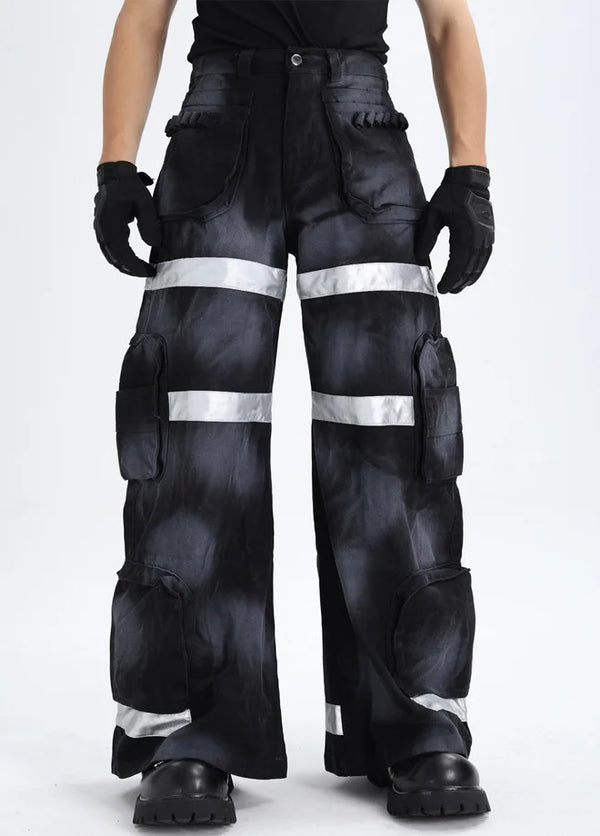
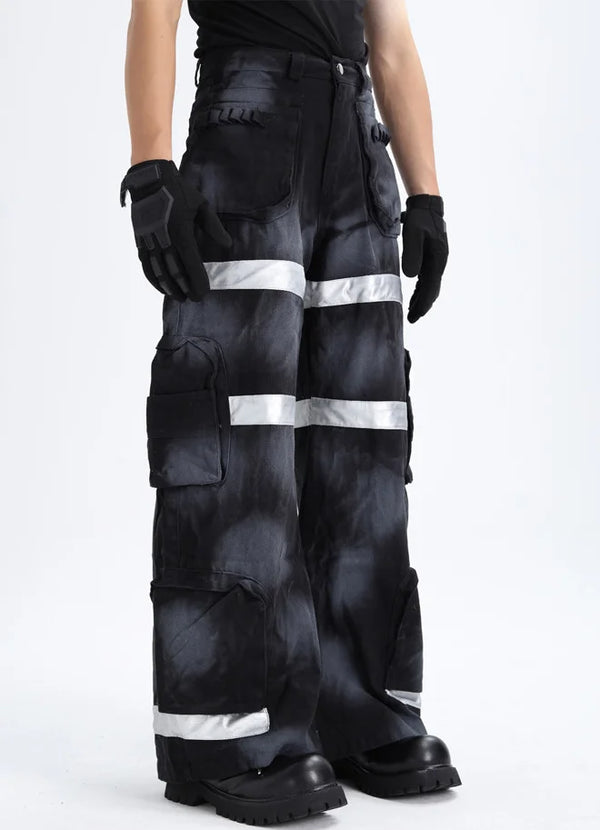
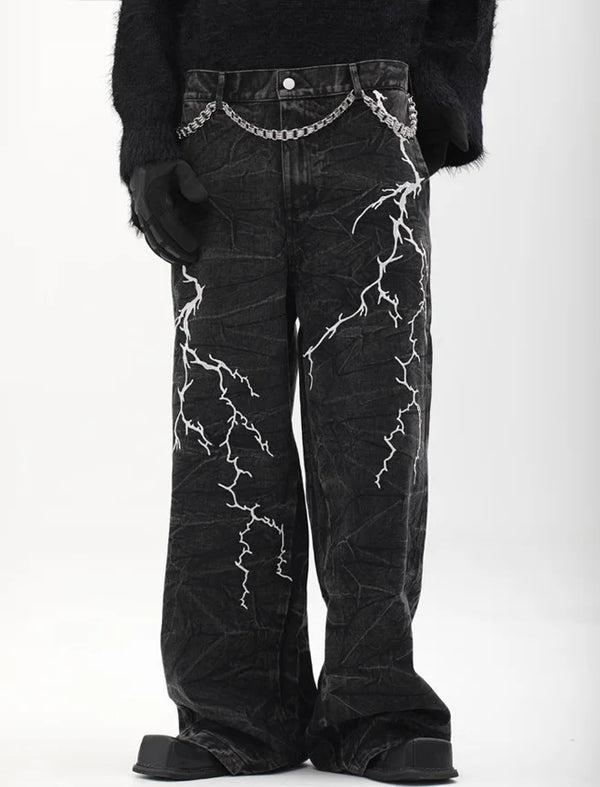
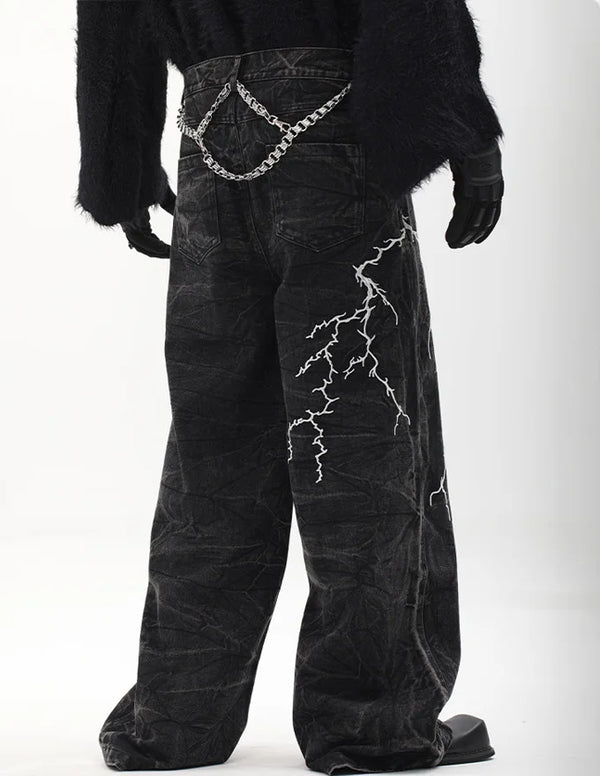
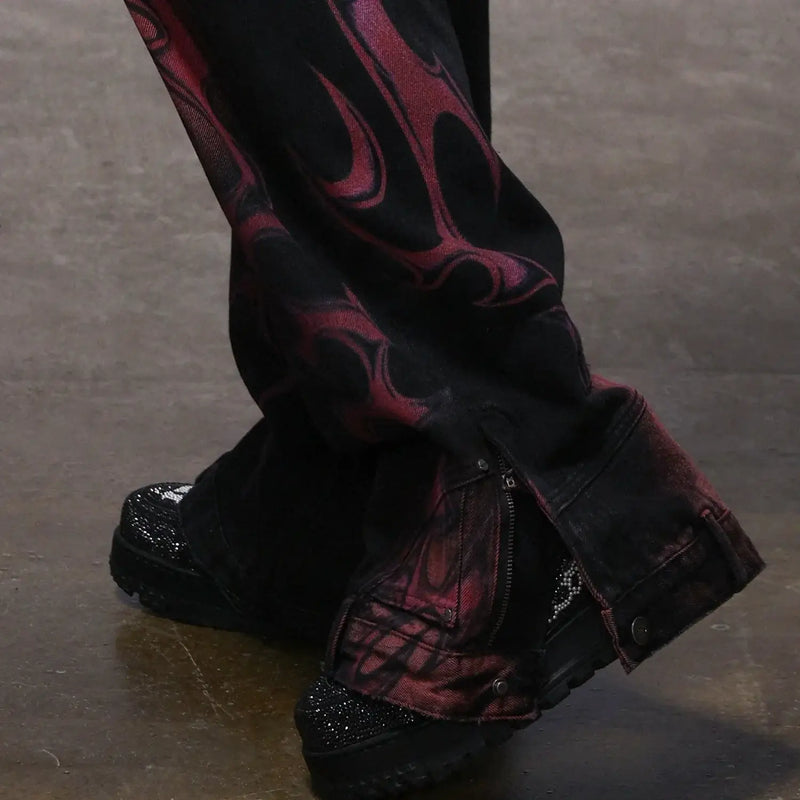
Pants were the most inconspicuous part of the outfit in 2000s Tokyo — and exactly for that reason the most important. What Gyaru Pinterest often gets wrong today: the girls in Shibuya in 2003 did not primarily wear short skirts. They wore wide-leg jeans with a bootcut flare over platform shoes, often with a low-rise waist and flame or floral print on the leg.
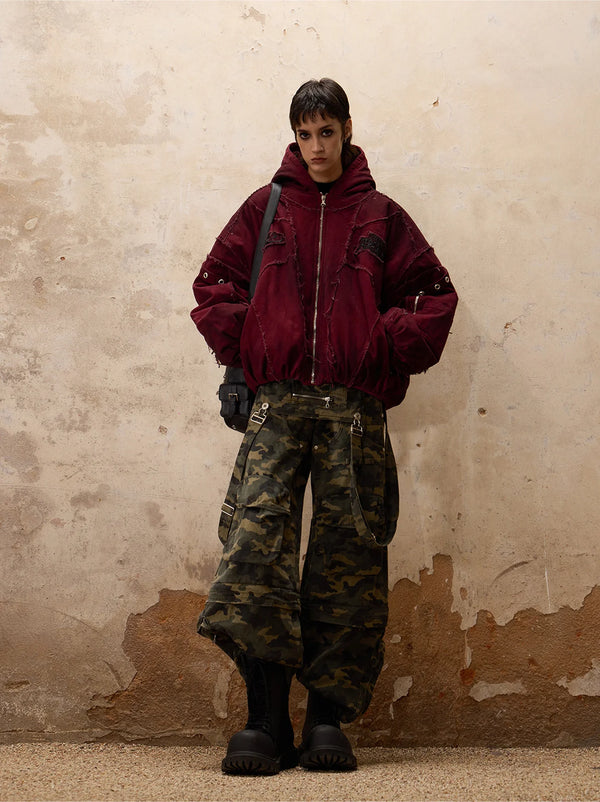
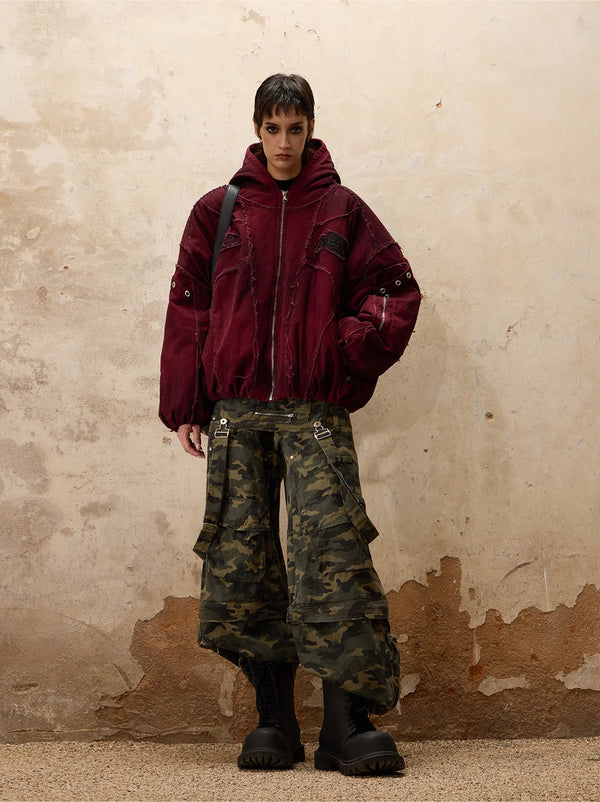
Working 2000s Japan pants are wide-leg, often low-rise, ideally with print on the lower third and at least 5 cm of break over the shoe. Skinny only became dominant in Tokyo from 2008; everything before that was volume. Men wore similarly: cargo wide-leg or bootcut denim as the default.
If you buy only one pair of pants for the look, take wide-leg Y2K denim with print or distressing at the lower leg. That is the common denominator of all five scenes — Gyaru, Mode Kei, even Visual Kei wore similar volume.
Category · Tops
Harajuku Tops & Anime Sweaters — the print layer
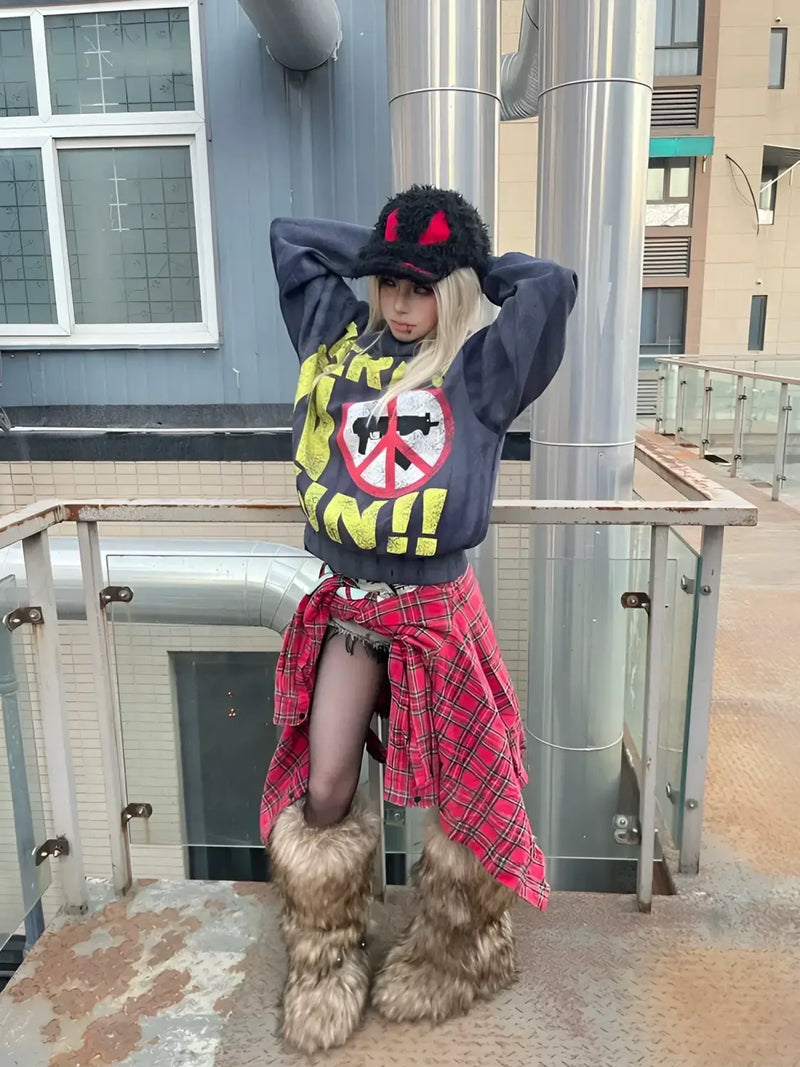
The top was the storytelling surface in 2000s Tokyo. Where the Western 2000s look worked with plain tees, Tokyo printed every cm of fabric: anime characters, brand logos, kanji lettering, sometimes all at once on one sweater. Decora maximised it, Visual Kei translated it into black and white, Gyaru lived it out in pink logo layering.
Working 2000s Japan tops are often long-sleeve, often with an anime or manga reference, ideally combined with a second top over or under. The two-layer logic ('two tops in the same outfit') is a reliable Tokyo marker that Pinterest 2026 often forgets.
To test the multi-layer look, take an anime long-sleeve and wear a short-sleeve tee over it. That is the simplest 2000s Tokyo marker exercise — and in a photo it reads instantly as 'not 2026 default'.
Category · Outerwear
Y2K Jackets & Anime Puffers — the outerwear
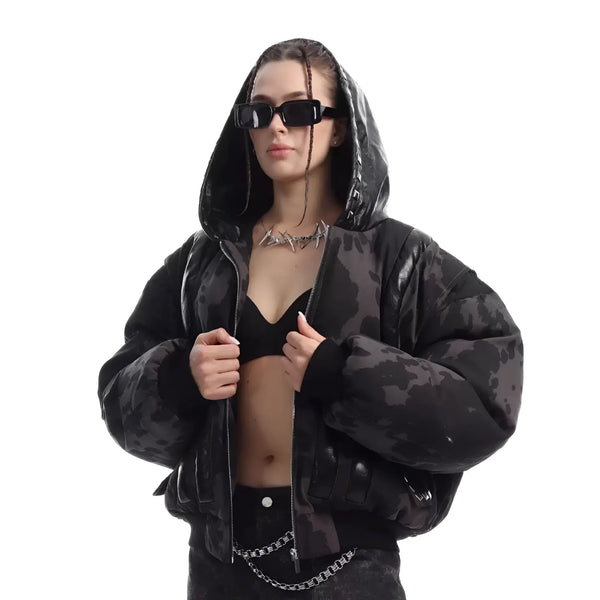
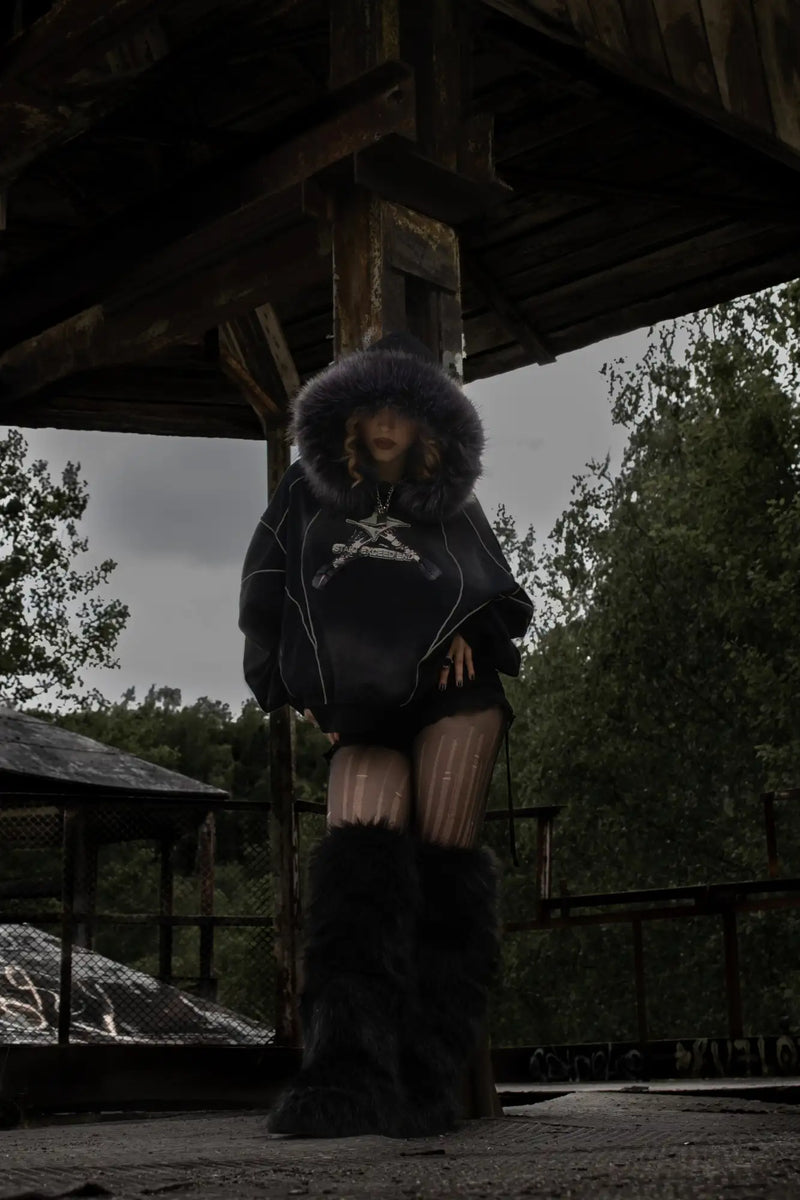
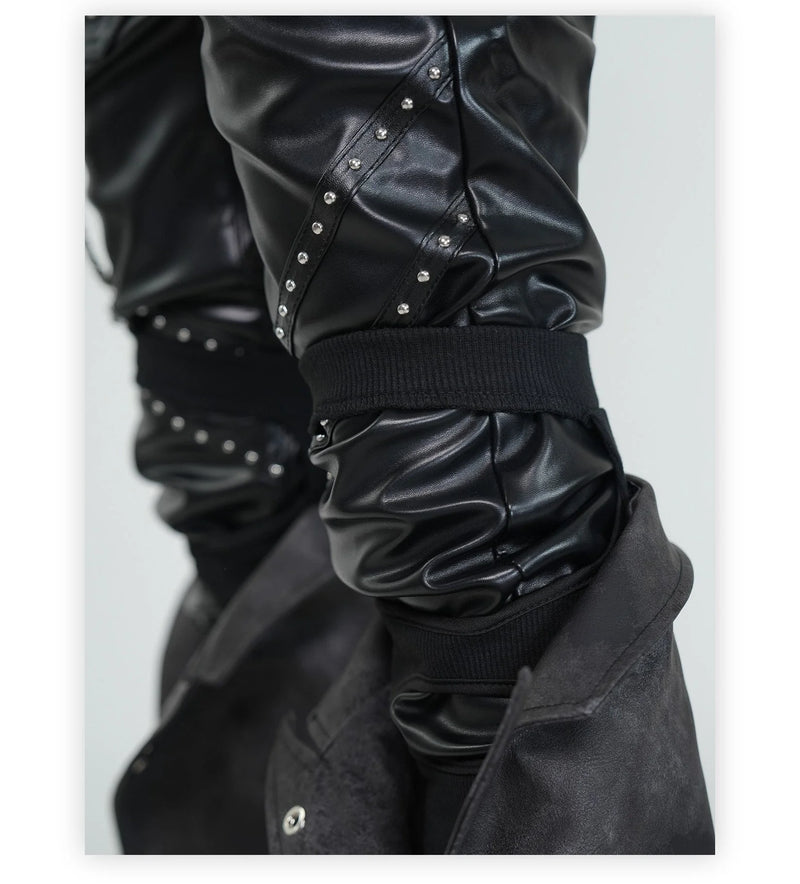
Tokyo winter is mild (rarely below 5 °C), but outerwear was more statement than warmth function in 2000-2005. Visual Kei wore leather jackets with studs. Gyaru wore Burberry trenches or pink puffers. Decora layered five cardigans over an anime sweater. Mode Kei stuck to Comme des Garçons coats in black or anthracite.
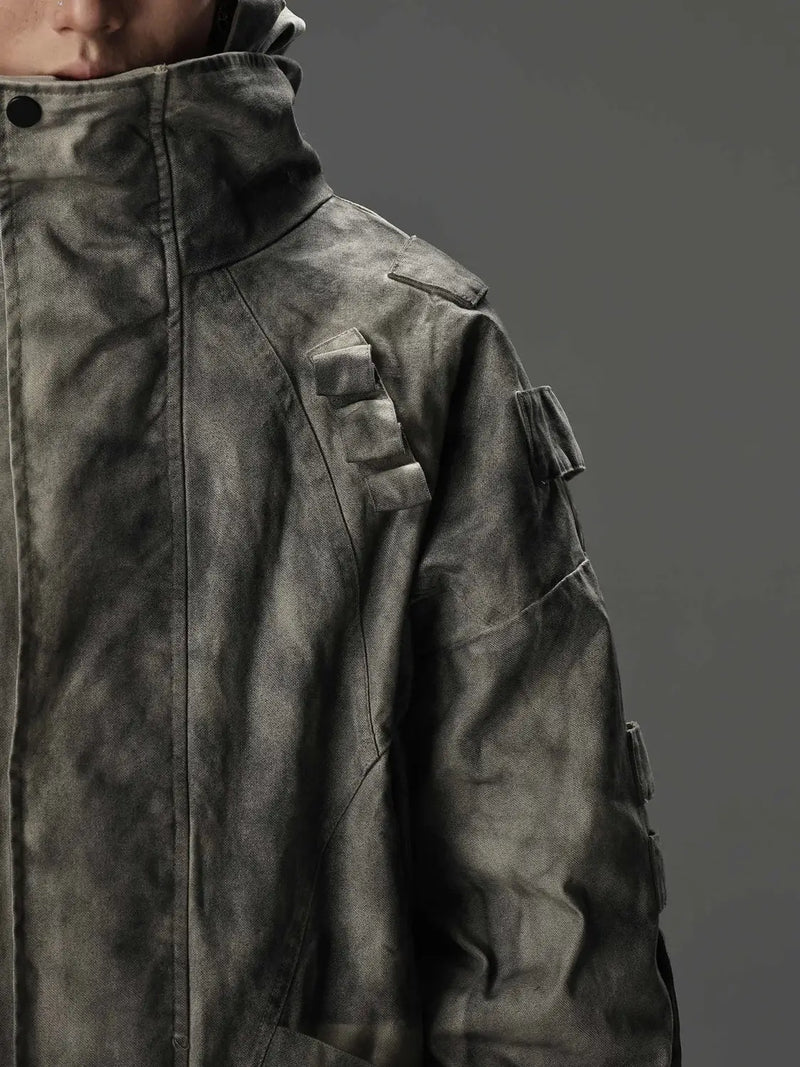
Working 2000s Japan outerwear is usually cut shorter than Western counterparts, often with patch pockets or a print statement on the back. Anime puffers (print or patch) were a Harajuku sub-category from 2002 and have been back since 2024.
If you buy only one jacket for the look, take an anime-print puffer — it reads as Tokyo from 20 m away without anyone having to step closer to decode it.
Category · Accessories
Y2K Sunglasses & Hardware — the accessory layer
Accessories were what lifted the look from 'okay' to 'in the scene' in 2000s Tokyo. Gyaru lived off sunglasses with small lenses and a plastic frame in pink or white. Decora built an outfit out of a hundred small plastic clips, plus at least three pairs of sunglasses on the body (one in the hair, one as a pendant, one to wear).
Working 2000s Japan sunglasses are small to very small framed, often colourful, ideally with a print in the frame (flames, double hearts, stars). Western 2000s wraparound arms work too, but are more of a Visual Kei or Bosozoku marker. Jewellery to match: many small pieces instead of a few large ones — layering is the rule.
If you buy only one accessory for the outfit, take Y2K sunglasses with a small frame and a print detail. They read as 2000s Tokyo instantly and cost less than the top underneath.
Styling physics
How to wear 2000s Japan style today — the physics
A 2000s Japan outfit works on exactly one ratio: how many layers, how many brands, how many accent points. 60 % Tokyo markers to 40 % everyday material — it sits. The other way around — it tips into cosplay instantly. Flip the ratio and you look like you are on the way to an anime convention instead of on the way to the corner store.
Concretely, that means: two Tokyo markers (e.g. anime long-sleeve plus Y2K wide-leg jean) plus one or two everyday pieces (plain sneaker, plain tote). Never five Tokyo markers at once — even Decora in Harajuku in 2003 had a quiet shoe as an anchor. The full breakdown with photo examples is in its own pillar:
But 2000s Japan style does not stand alone — it overlaps at several edges with other aesthetics. Y2K shares the wide-leg vocabulary, Korean 2000s Fashion shares the magazine logic, Harajuku winter shares the layering rules. Have 2000s Japan down and you can read these neighbouring codes and mix them deliberately.
Here are the four most important neighbours — each with its own guide, if you want to go deeper:
What does not work
The 6 mistakes — what tips the 2000s Japan look over today
2000s Japanese Fashion has six points at which it reliably tips into cosplay — no matter how carefully the individual pieces are chosen. If you avoid only one thing, make it mistake number one.
Action
How to start in 2000s Japanese Fashion — the first 4 pieces
You do not need twenty Japanese pieces to start the 2000s Tokyo look. You need four that together will carry 80 % of the outfits. Everything else builds around them.
In order: a Y2K wide-leg jean (your anchor pant — works under any top). An anime or manga print long-sleeve (your storytelling surface up top). A Harajuku anime puffer or a Harajuku bomber jacket (your biggest outerwear investment). A Y2K sunglasses pair with a small frame (the accessory read as Tokyo from 5 m). Platform boots or printed sneakers as the optional fifth — but only once the four are sitting.
Outfits for real
2000s Japan outfits for real — how it looks in the feed
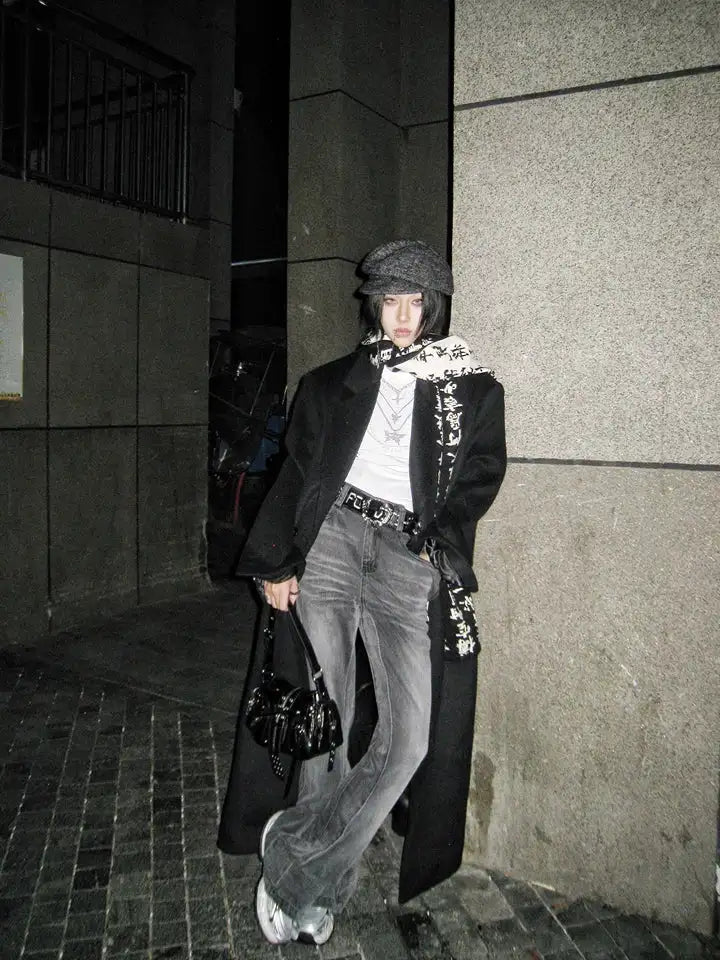
Before you build your own outfit, look at how others wear it. The five scenes look different in the Instagram feed than on the magazine covers: less perfect, more everyday, but on real bodies and in real districts — and exactly for that reason it works.
That is the fastest way to check whether 2000s Japan sits on you at all — before you spend money.
To close
2000s Japan was a logic — not a costume
If you remember one thing from this guide, make it this: 2000s Japanese Fashion does not work through pieces, but through scene logic. Have the scenes down individually and you build a hundred outfits with twenty pieces. Try all five at once and you have a full wardrobe without a single clean outfit.
The whole logic of this guide reduces to one sentence:
The rules were stable between 2000 and 2005 and are traceable today through the magazine archives of every season. You do not have to wait until you know all five scenes by heart. Start with the one whose energy best fits your weekend. What you do not know, you learn by wearing it.
And that is the point: 2000s Japan reads in theory like a textbook of subtypes and magazines, but in practice it does not feel that way. Once you have a scene down, every further outfit is a variation on the same four or five pieces — not a new invention.
FAQ
Frequently asked questions about 2000s Japanese Fashion
The questions we often get by DM and email — short, clear, no detours.
Which fashion trend prevailed in Japan in the early 2000s?
What was fashion in the 2000s?
What were the 2000s like in Japan?
What is Japan Style?
What is typical of 2000s clothing?
Is Gyaru a style of the 2000s?
What was the 2000s Japanese Fashion magazine for the scene?
Where can I rebuild 2000s Japan looks without designer prices?
What do you think?
Tell us on @fuga_studios
About the author
Philipp Fuge — Founder · Berlin
Founder of Fūga Studios. Writes the journal himself. Berlin · Shanghai · Tokyo · Poznań — four cities, one logic.