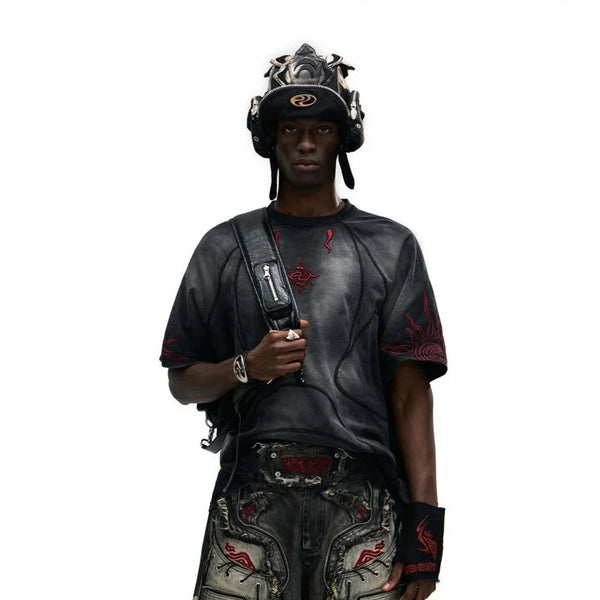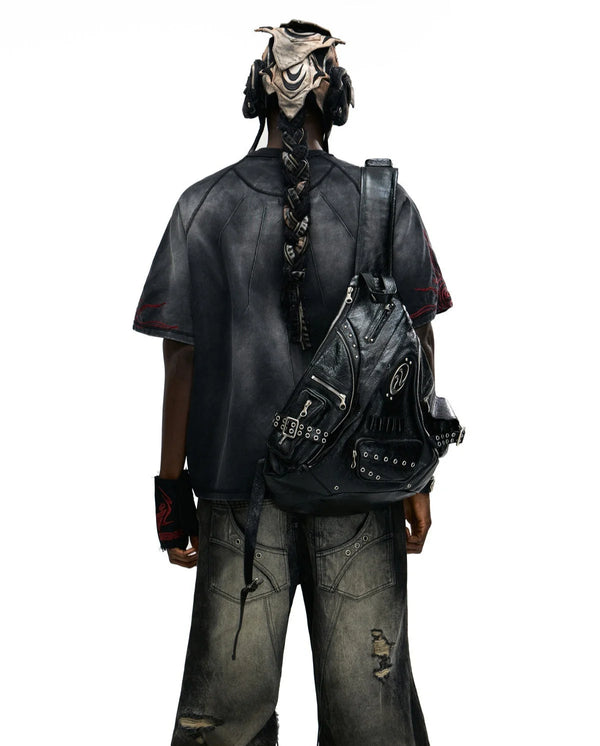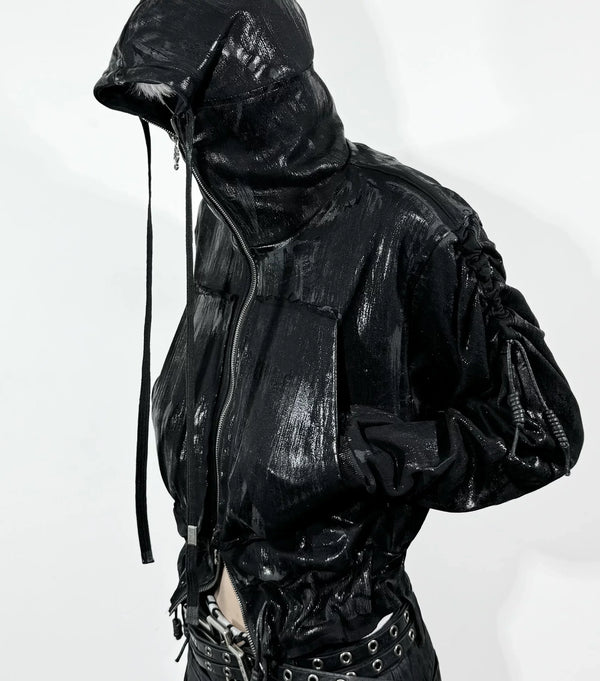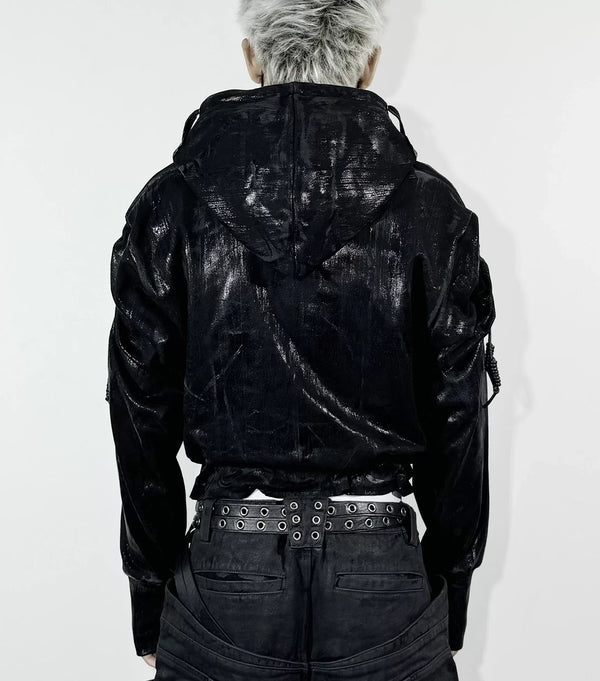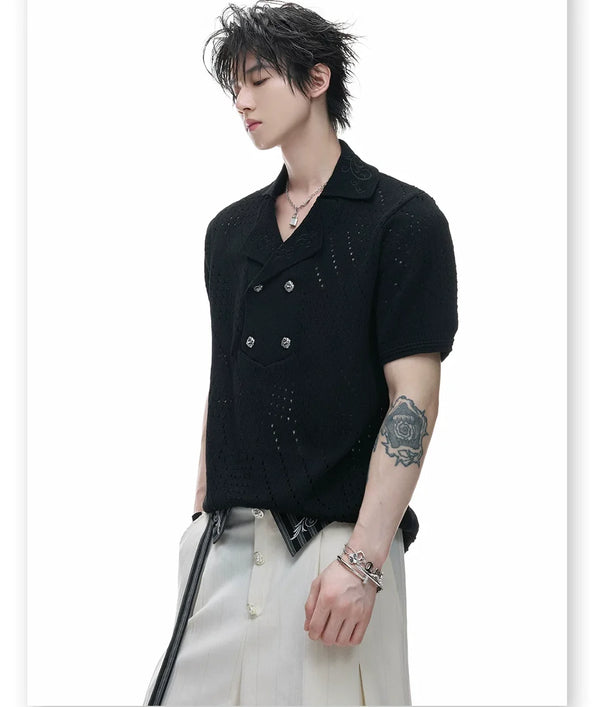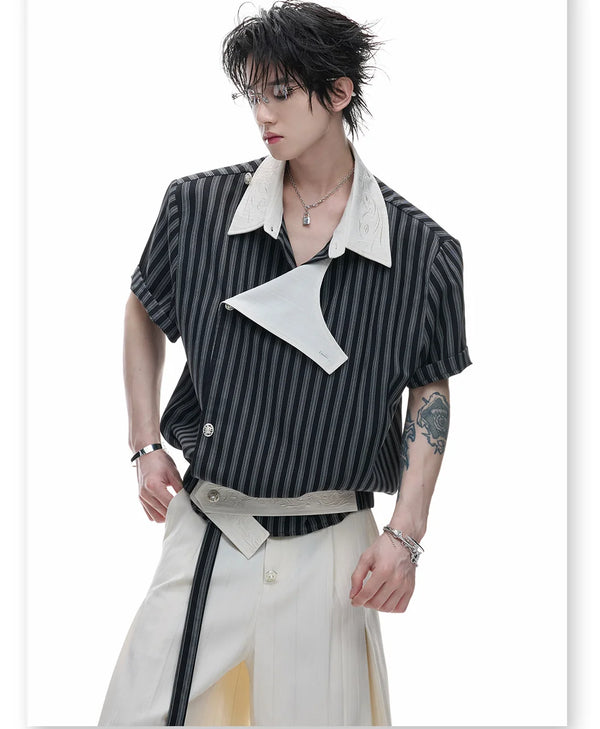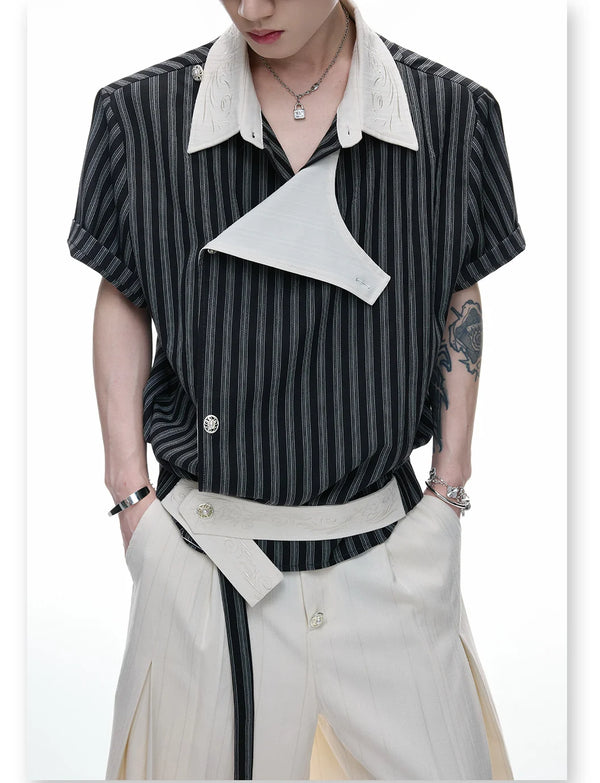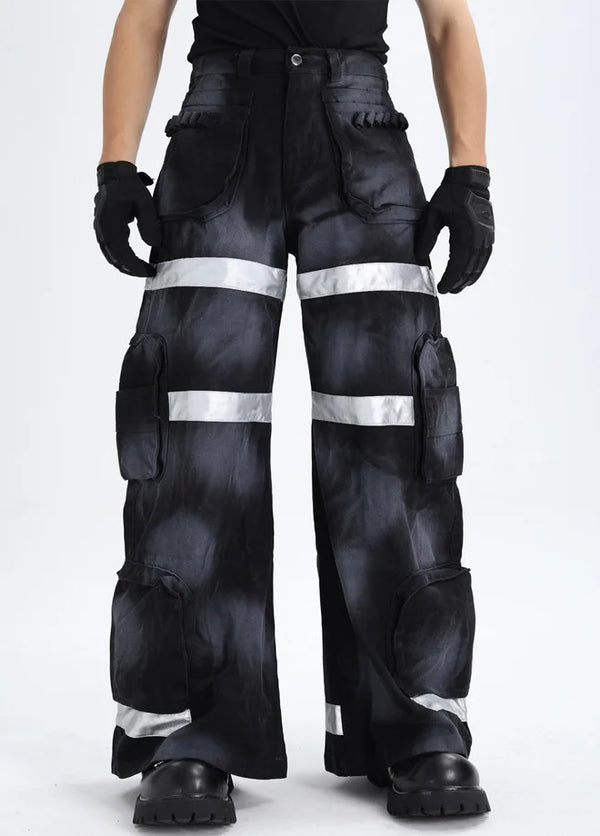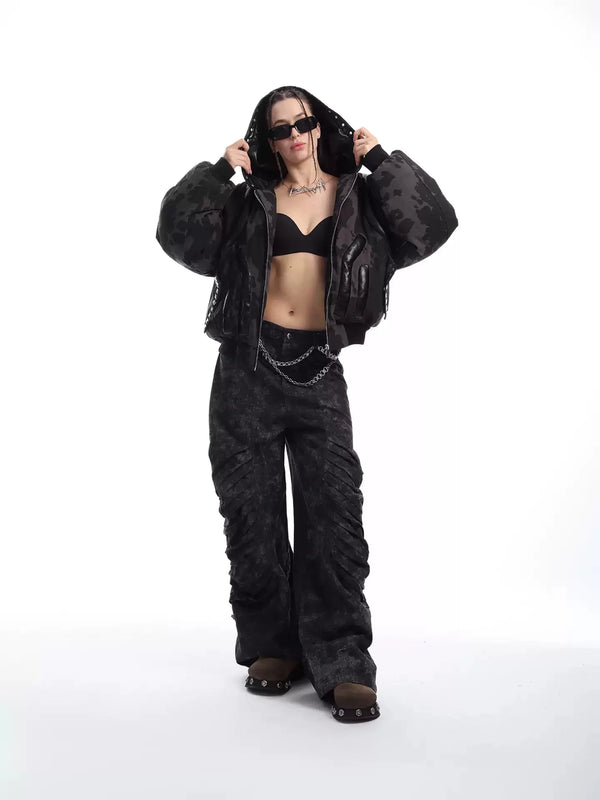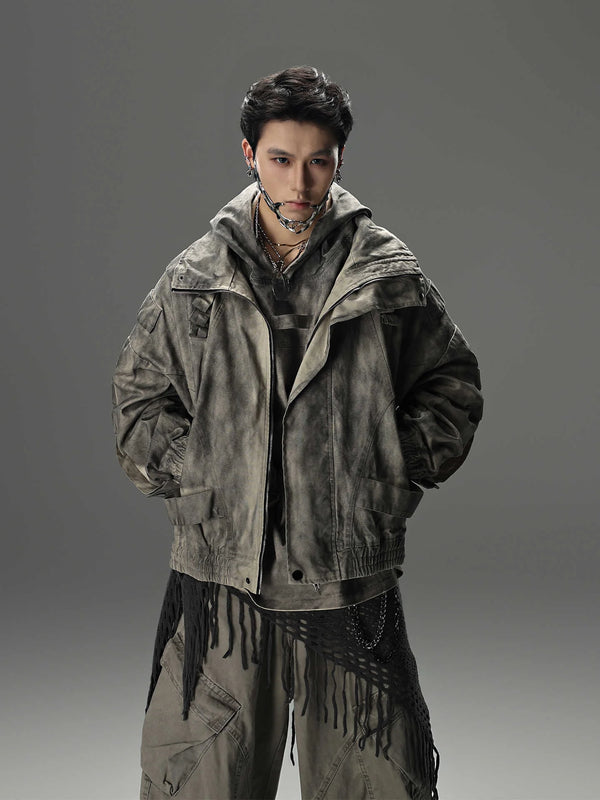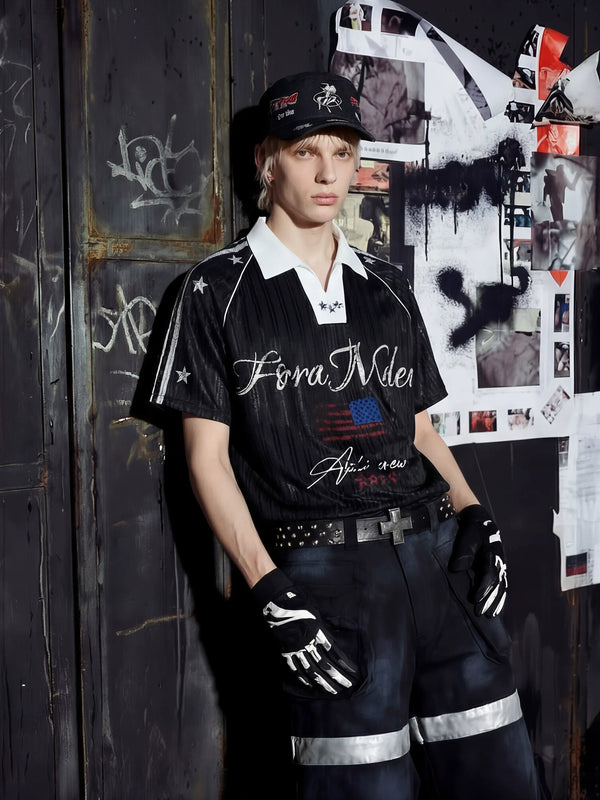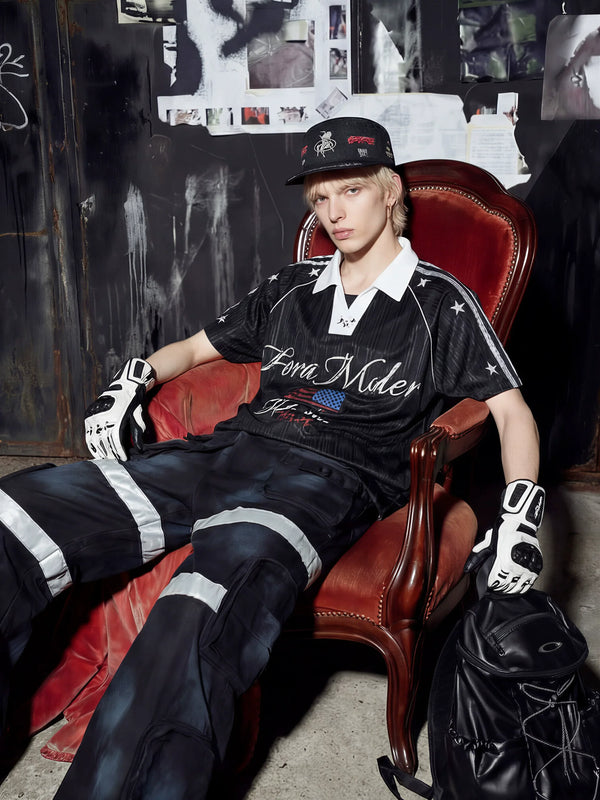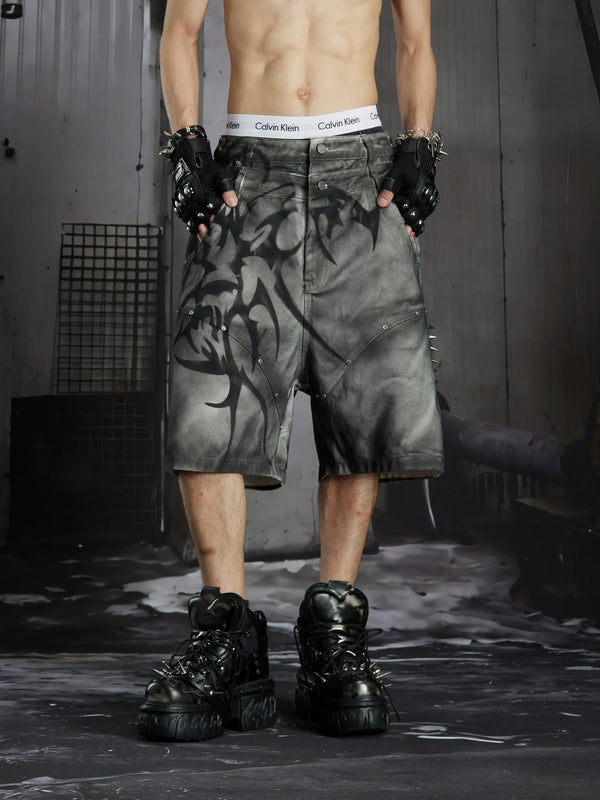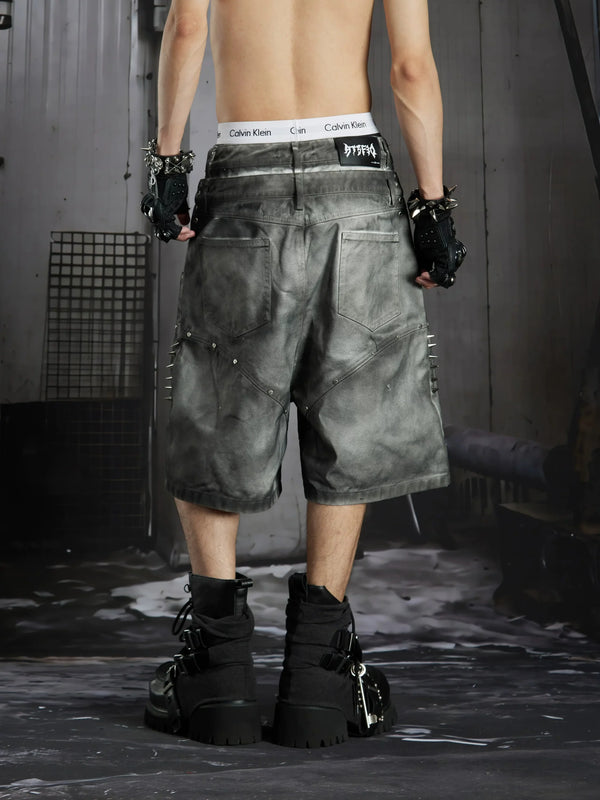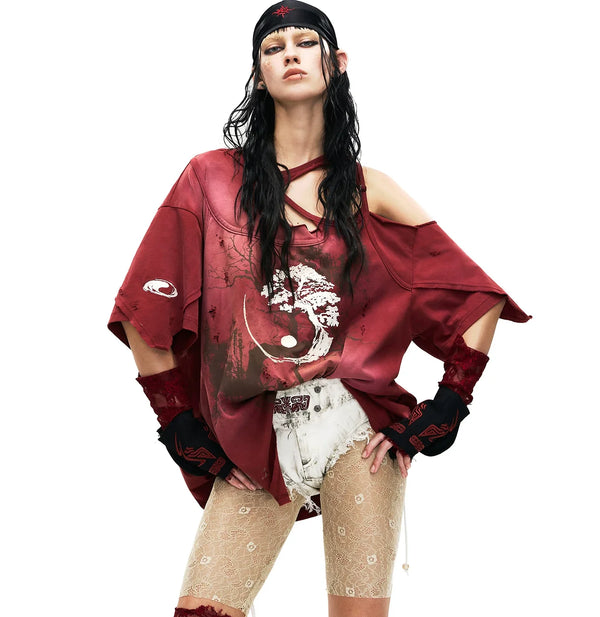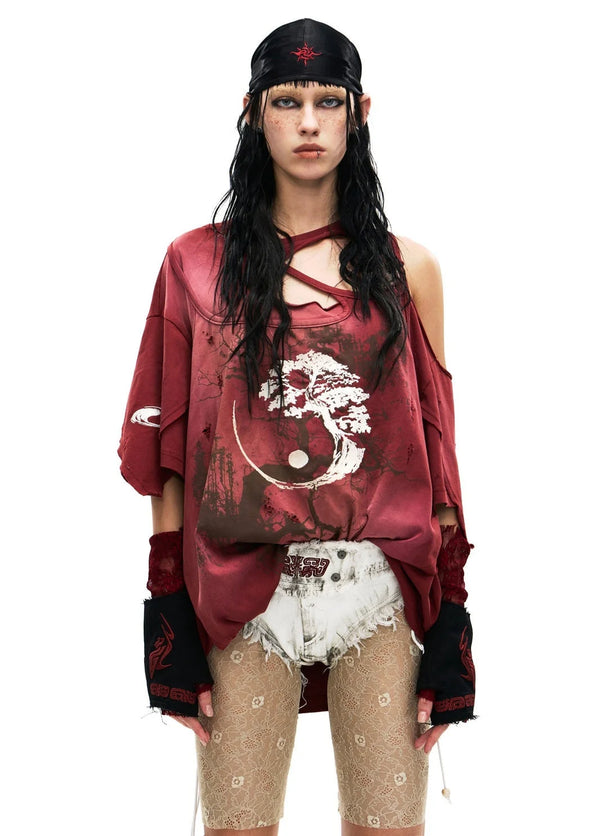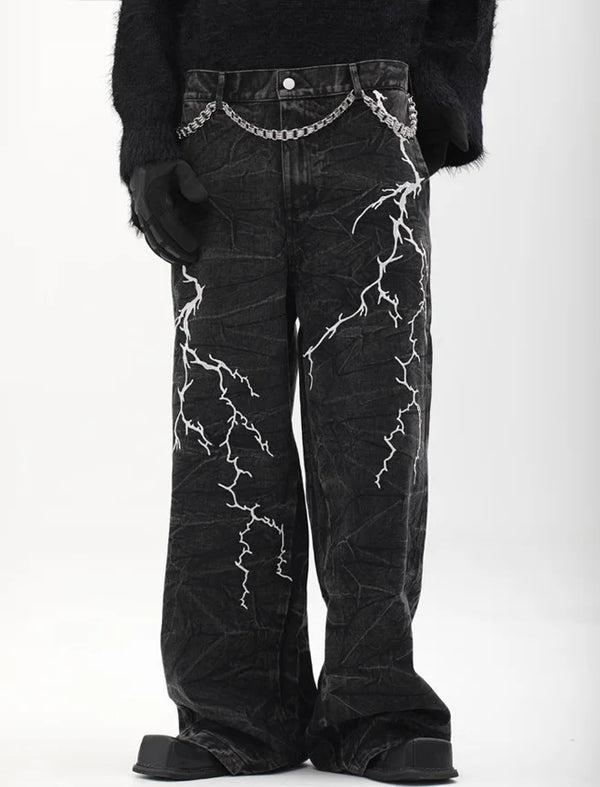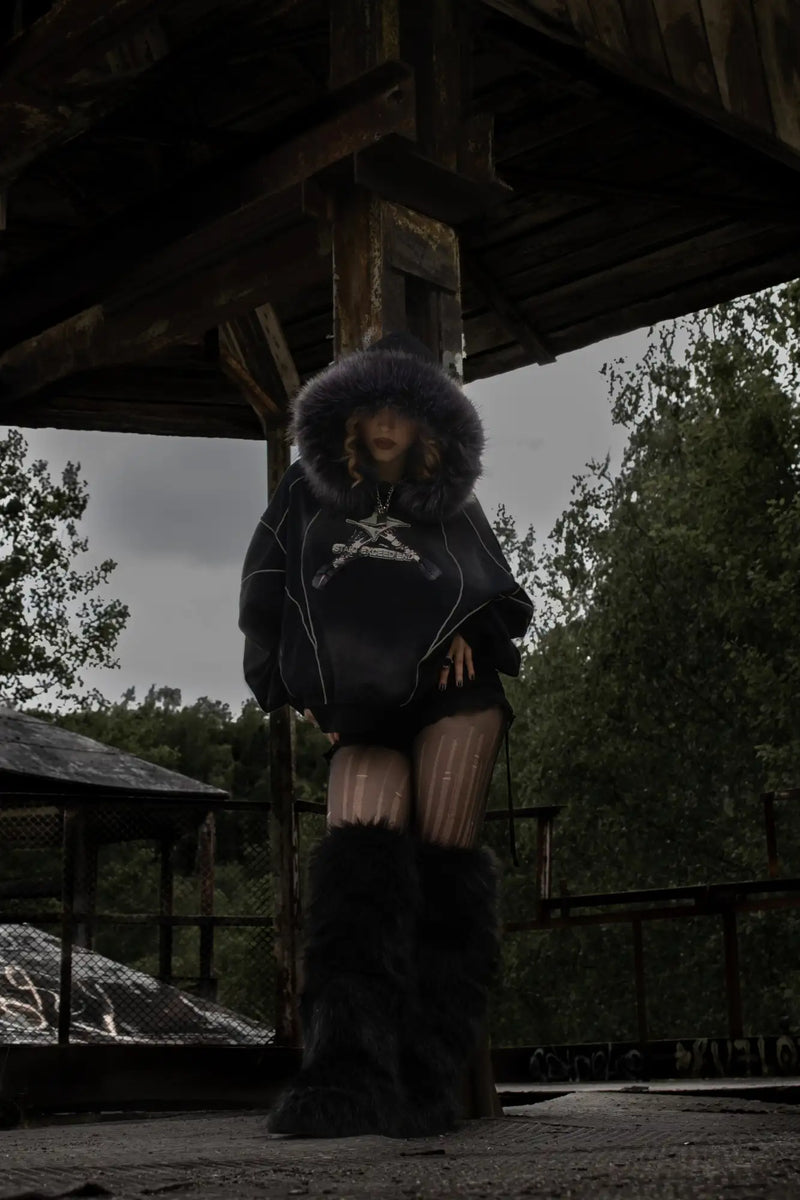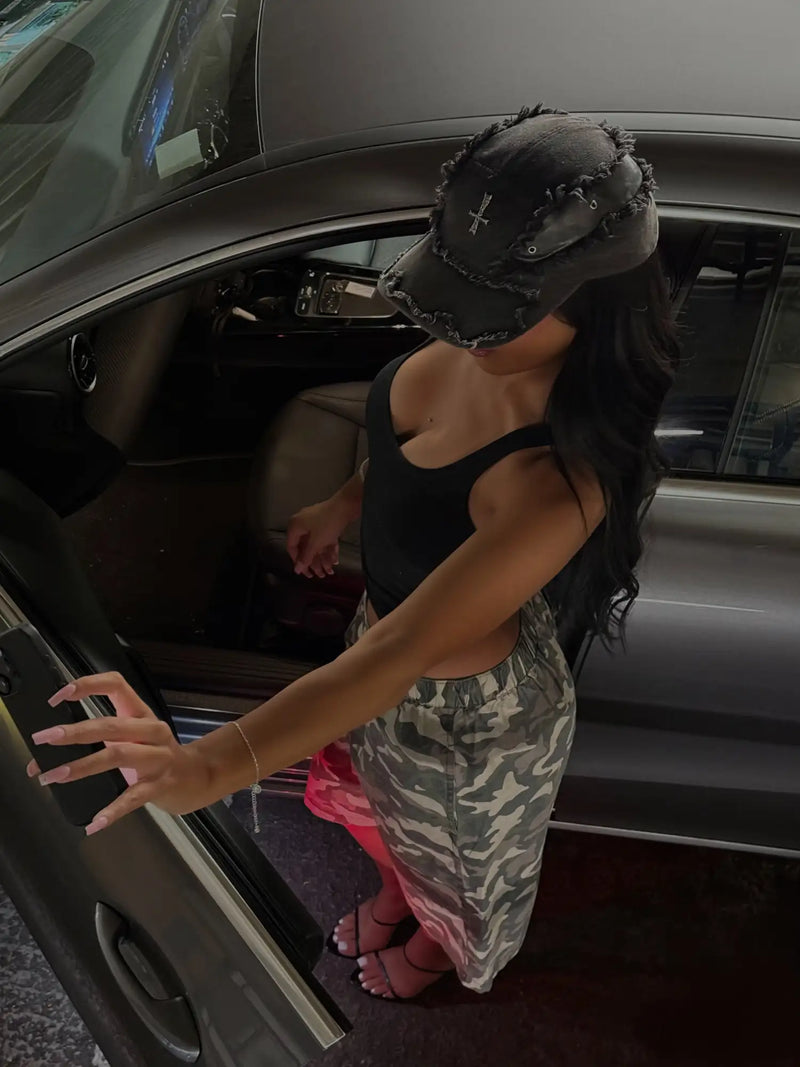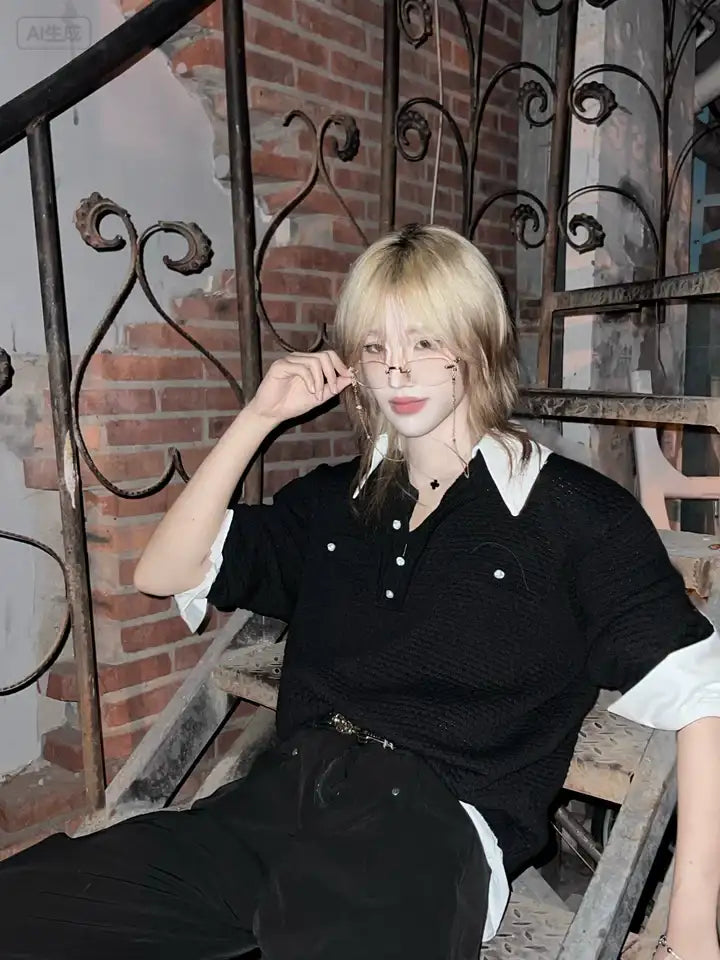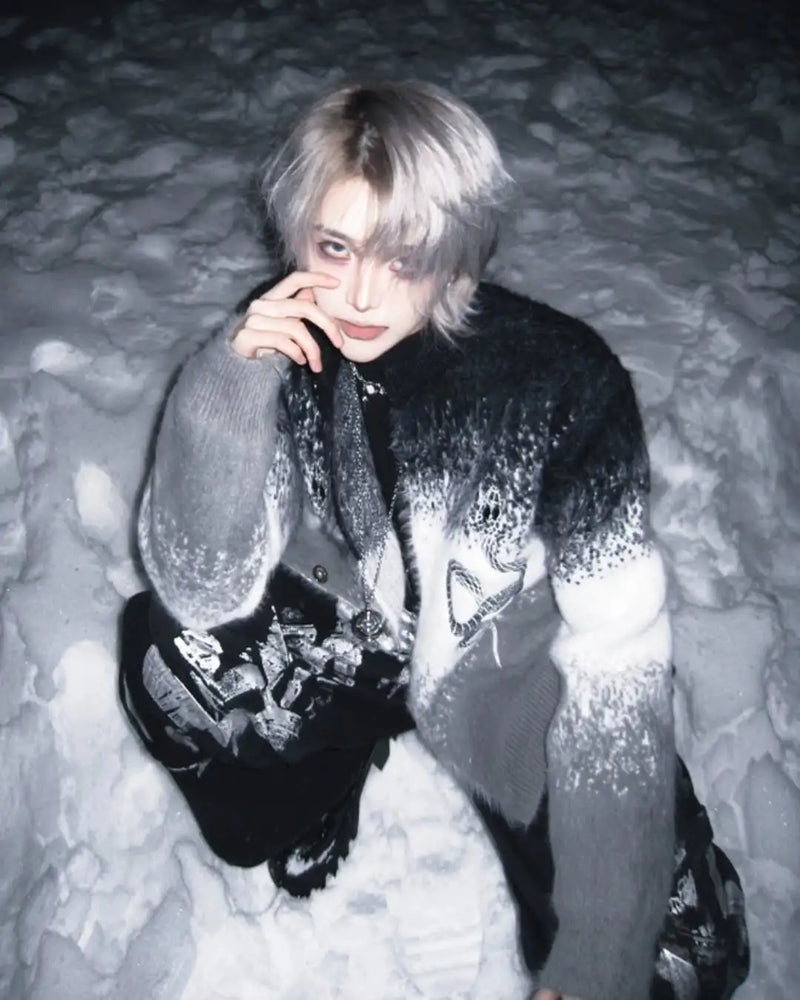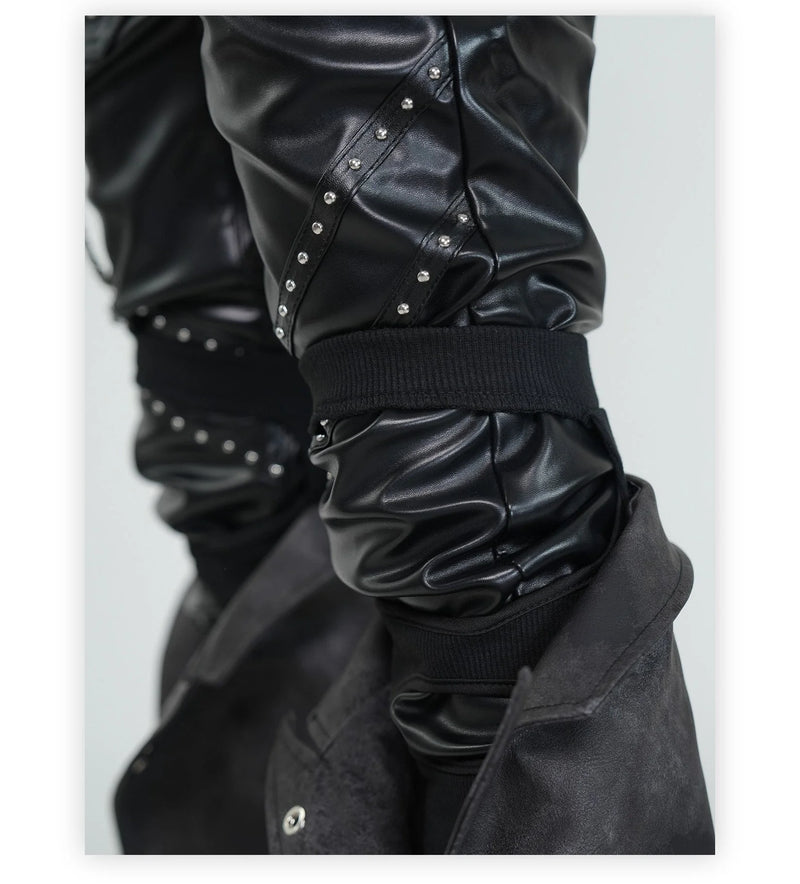
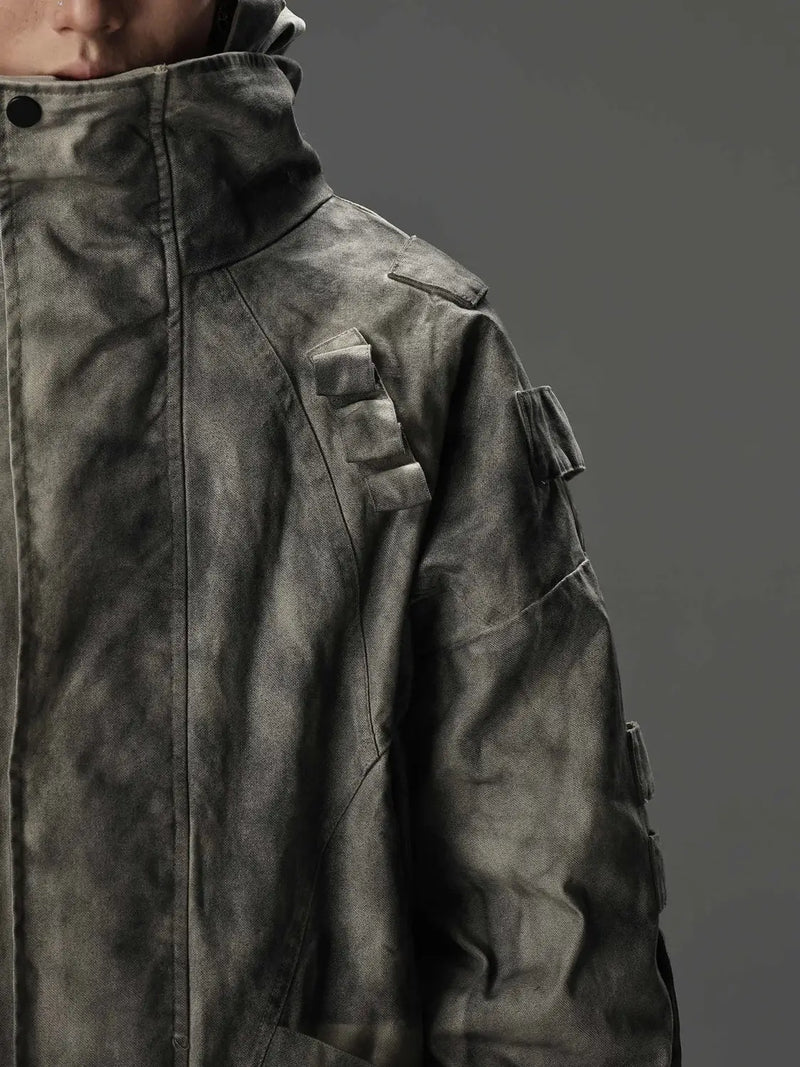
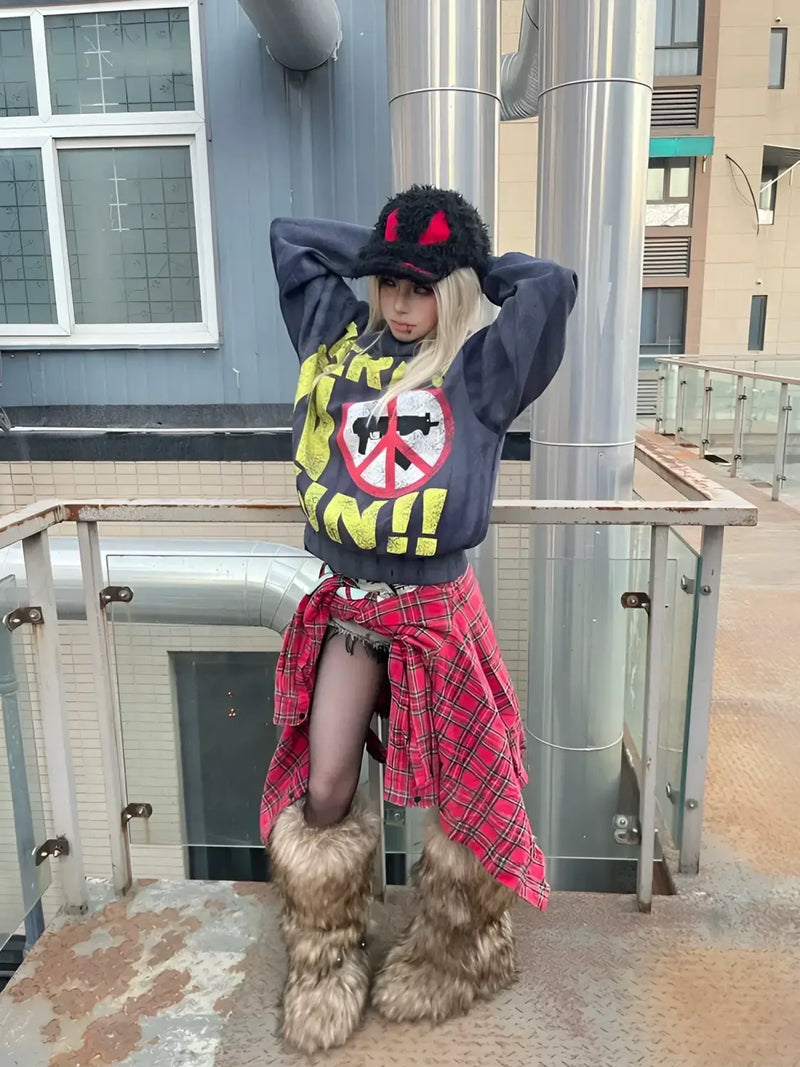
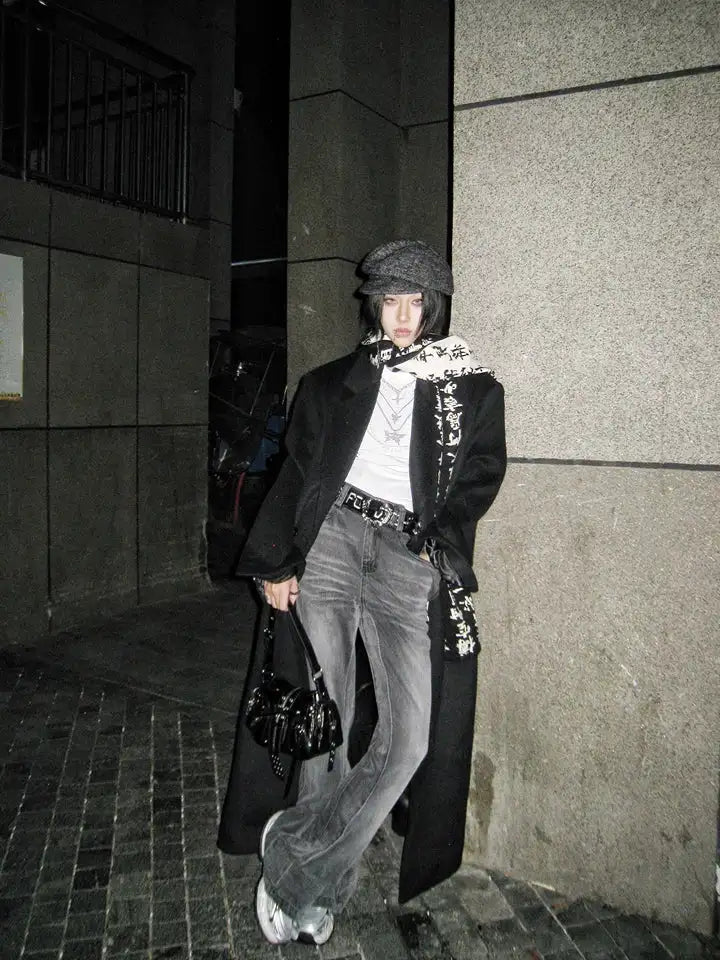

Say "Harajuku Streetwear" and people first picture Gwen Stefani in 2004, pink tartan skirts, and a few tourists posing outside the station. That exact image is the reason 90 percent of Western attempts to copy the look end up as costume.
Harajuku is not a trend. It is a district in Shibuya-ku, Tokyo, where since the late 70s every generation has invented its own sub-language — Decora, Visual Kei, Lolita, Fairy Kei, Mori Kei, Cyber-Kawaii, plus the modern streetwear version with BAPE, Undercover and NEIGHBORHOOD. Seven styles, one postal code, 50 years of layering logic. Anyone who grabs a single one of them and sells it wholesale as "Harajuku" has understood nothing.
This guide clears up what Harajuku Streetwear really is: where the word comes from, which seven styles run side by side at the same time, which Japanese labels have been writing the vocabulary since 1969, how women and men build the look differently, what matters in jackets, pants, tops and accessories, and which six mistakes reliably tip the look into cosplay.
What this looks like in motion — short and concrete:
Definition
What is Harajuku Streetwear — and why no Western style replaces it
Harajuku Streetwear is the umbrella term for everything that has emerged on the street in the Tokyo district of Harajuku since the late 70s. Unlike American streetwear, there is no single vocabulary — Harajuku is plural from the start. Seven sub-styles live there at the same time, often on the same street, often on the same person spread across two years.
7
parallel sub-styles
3-5
visible layers
2-3
patterns per outfit
50+
years of history
These four numbers are the build instructions. Anyone who shows up with a tee plus jeans plus a statement jacket has a Western translation — not a Harajuku outfit. Tokyo logic demands more layers, more textures, more mini-breaks per square meter of body.
Concretely, Harajuku Streetwear includes:
- Layer stack as standard — mesh under tee under hoodie under jacket, or skirt over pants, or two caps on top of each other. Three visible layers are the minimum, not the maximum.
- Pattern mix with a shared anchor — tartan plus camo plus stripes works when all three share one color. Without that anchor it becomes a jumble.
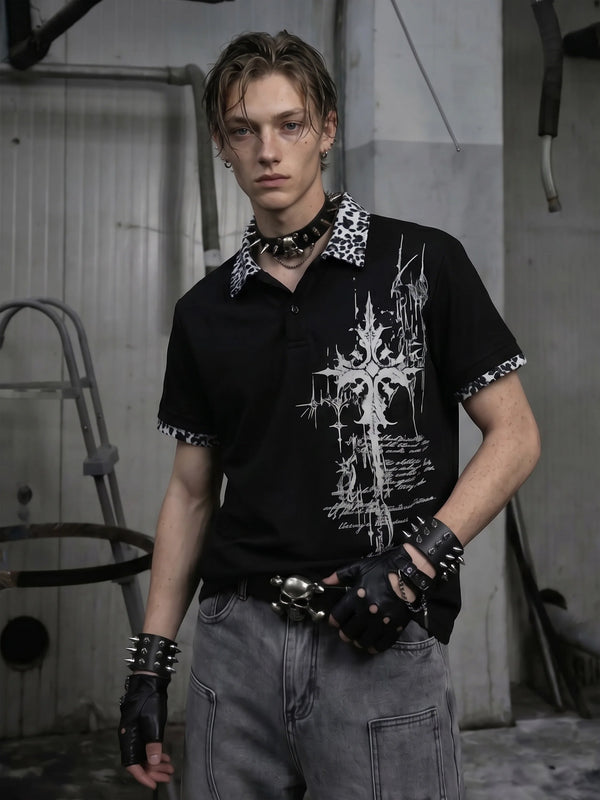
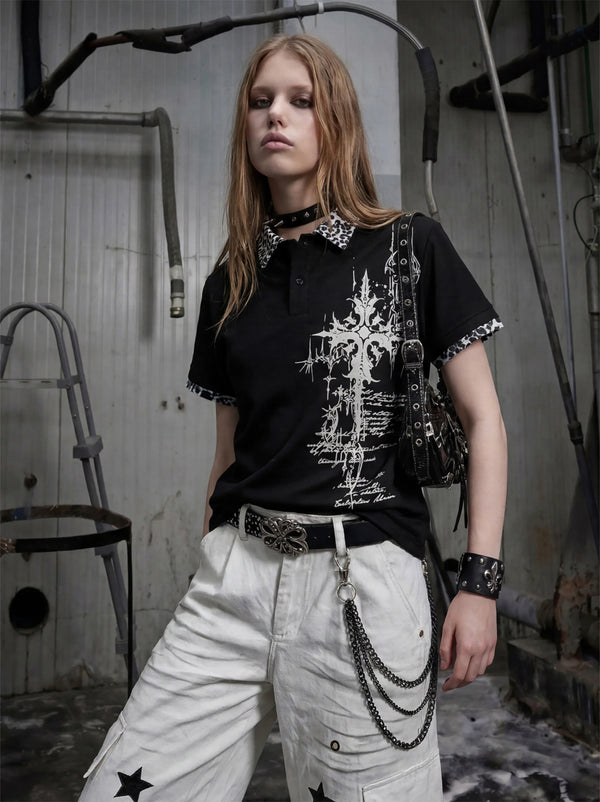
- Accessory density above all — cap, chain, pin, bag, high socks, bracelet. Five small statements read as Harajuku; one big one reads as European.
- Anime or manga reference, often subtle — a Berserk patch, a Bleach cap, a Devilman print. Not every generation uses it, but no sub-style forbids it.
- Silhouette softer than US streetwear — no hard boxy oversize tees. Instead draped hoodies, wide pants with movement, asymmetric cuts from the Sacai and Comme des Garçons school.
- Vintage and new in the same outfit — used Levis 501 plus a brand-new WTAPS coach jacket. The mix ratio creates the depth.
If you ignore three of these six points, you don't have a Harajuku outfit — you have streetwear with an anime reference. That is not the same thing.
Origin
Where Harajuku comes from — the station that became a fashion map
Harajuku is a district in Shibuya, Tokyo, around the JR Yamanote station of the same name. The name literally means "meadow quarter" — from hara (meadow, field) and juku (post station, quarter). Until the early 20th century it was exactly that: a rural outer district with rice fields.
Harajuku became famous from the 50s onward, when the nearby US military site (Washington Heights) brought Western fashion and magazines into the district. From 1964, when the Omotesandō avenue was expanded for the Olympic Games, a narrow side alley — the Takeshita-dōri — began to turn into a youth shopping street. In the late 70s the first wave of punk, Lolita and rockabilly emerged there. Since the 90s the street has been a continuous fashion corridor.
What made Harajuku world-famous was not a single style, but the standing side by side of incompatible styles. Between 1997 and 2017 the photographer Shoichi Aoki documented in FRUITS magazine every week who wore what — creating the visual archive that was later exported to the West as "Harajuku Streetwear".
sub-styles
The 7 Harajuku sub-styles — from Decora to Visual Kei
Harajuku is not one look but seven looks that have run in parallel for three decades. Some are from the 80s, some from the 2010s — all appear in the same Takeshita-dōri, often twenty meters apart. Anyone who wants to understand Harajuku has to know the seven before choosing one of them.
Which of the seven you choose depends less on taste than on your body type, your budget and the city you want to wear it in. Berlin and Cologne handle Visual Kei better than Lolita; in Vienna Mori Kei works almost unnoticed; in Munich Decora looks like carnival. The sub-styles don't all travel equally well.
Gender split
Harajuku Streetwear women vs men — where the lines run differently
The layer rule and the pattern-mix rule are the same for everyone. Three to five layers, two to three patterns, five mini accessories. The difference lies in the silhouette and in which sub-language the district channels for which generation.
Women's side: Decora, Lolita, Fairy Kei and Mori Kei are historically coded female. The silhouette is tighter or rounder, often with skirt over pants, with knee-high socks, with kawaii maximalism on the accessories. Japanese labels like Comme des Garçons Girl, MILK and the older Hysteric Glamour line dominate here.
Men's side: Visual Kei, modern streetwear Harajuku and large parts of Cyber-Kawaii. The silhouette is longer, often with trench or coach jacket as the outer layer, with cargo or wide jeans below. BAPE, Undercover, NEIGHBORHOOD, WTAPS and Mastermind Japan dominate here.
The interesting part: none of these assignments is hard. In the Takeshita-dōri you see every sub-style in every gender reading. What shifts is the frequency — not the permission. A man wearing Lolita or a woman wearing Visual Kei has been a perfectly normal sight in Tokyo since the 90s.
Brands
Harajuku Brands — the Japanese labels since 1969
Harajuku Streetwear is made by Japanese labels — no Western translation comes close to the original language. The eight brands below have written the entire vocabulary the sub-styles use today. Anyone who doesn't know these names can't read the district.
The brands chronologically:
- Comme des Garçons (1969) — Rei Kawakubo's Tokyo parent house. In 1981 it brought deconstruction into high fashion in Paris. The asymmetric cuts, the broken hems — almost everything later called Avant-Harajuku comes from here.
- Issey Miyake (1971) — pleat texture, technical fabrics, formal experiments. Defined for the Tokyo school what material can do.
- Yohji Yamamoto (1981) — black, drape, anti-glamour. The quiet half of the Japanese avant school. A Yohji coat sits differently from anything Western that tries to copy it.
- BAPE / A Bathing Ape (1993) — Nigo's label. With camo, Baby Milo and the shark hoodie it translated Tokyo streetwear into the global mainstream. The most direct bridge to Western hip-hop.
- NEIGHBORHOOD (1994) — Shinsuke Takizawa. Biker luxe, workwear twist, construction detail over marketing. One of the most enduring Tokyo labels.
- WTAPS (1996) — Tetsu Nishiyama. Military luxe, geometric logos, heavy fabrics. The more professional sister of BAPE.
- Undercover (1990) — Jun Takahashi. Punk couture, anti-establishment prints, frequent anime and film references. The direct link between subculture and runway.
- Sacai (1999) — Chitose Abe's hybrid garments. One half bomber, the other half trench, in a single piece. Defines what the next generation will read as "Harajuku".
Anyone who wants to wear Harajuku without paying designer prices searches on Grailed, in the vintage store in Shimokitazawa, or with smaller DTC brands like Fūga Studios that translate the vocabulary competently. What doesn't work: fast fashion with anime print. The construction gives away the difference instantly.
Category · Outerwear
Harajuku jackets — bomber, coach jacket, anime-print denim
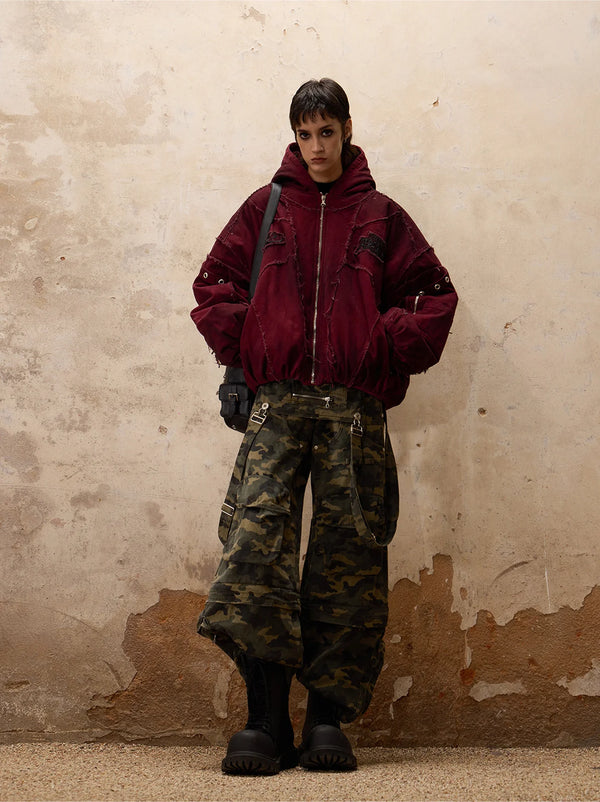
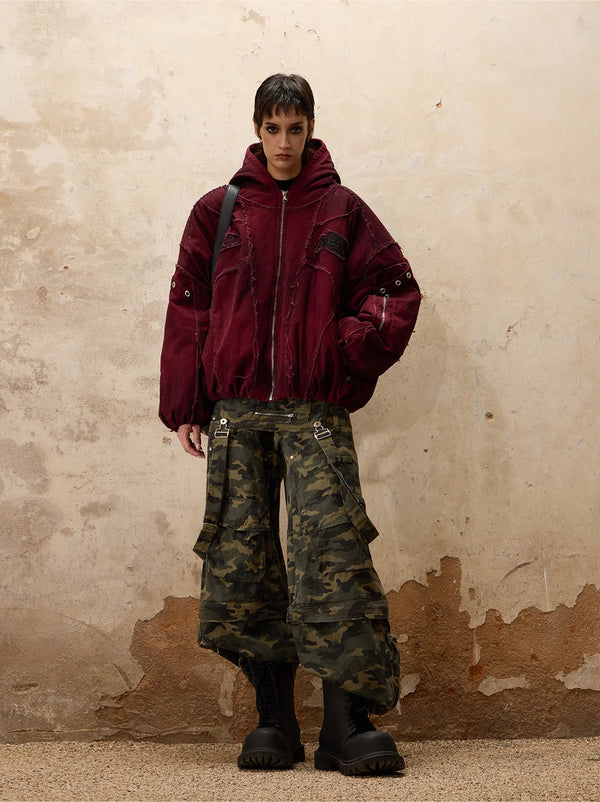
In the Harajuku outfit the jacket is the outer layer that holds the whole stack together. It is allowed to be loud — but it has to fit the pattern logic you have built underneath. A print bomber over a plain tee is wrong; over mesh plus a striped tee it is right.
Three jacket types work in almost all seven sub-styles: the coach jacket (BAPE, WTAPS, NEIGHBORHOOD vocabulary), the painted or printed denim jacket (Visual Kei and modern streetwear iteration), and the bomber with print or patch (for anime references). Leather jackets come in with Visual Kei and the Lolita-Punk variant, but are not universal.
If you don't yet own a painted or printed denim jacket, that's your first move. It works as an outer layer in five of the seven sub-styles.
Category · Bottoms
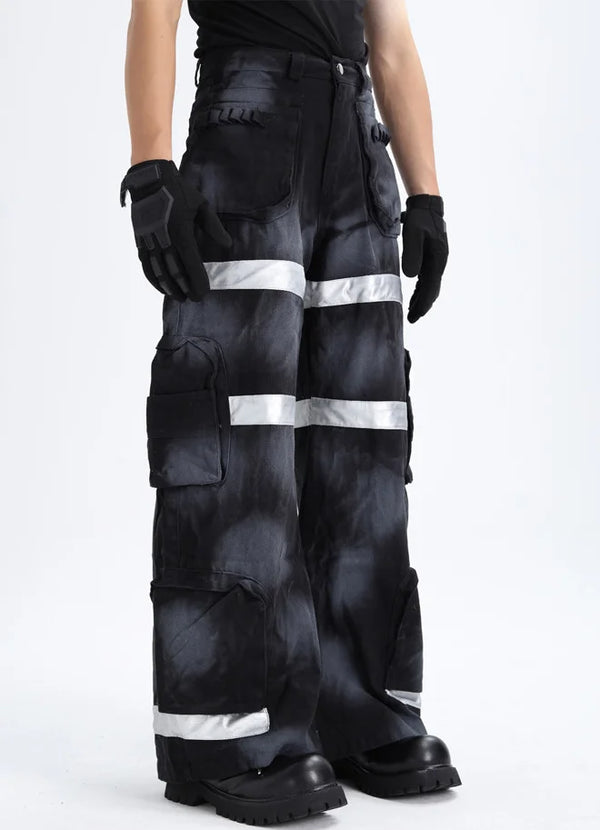
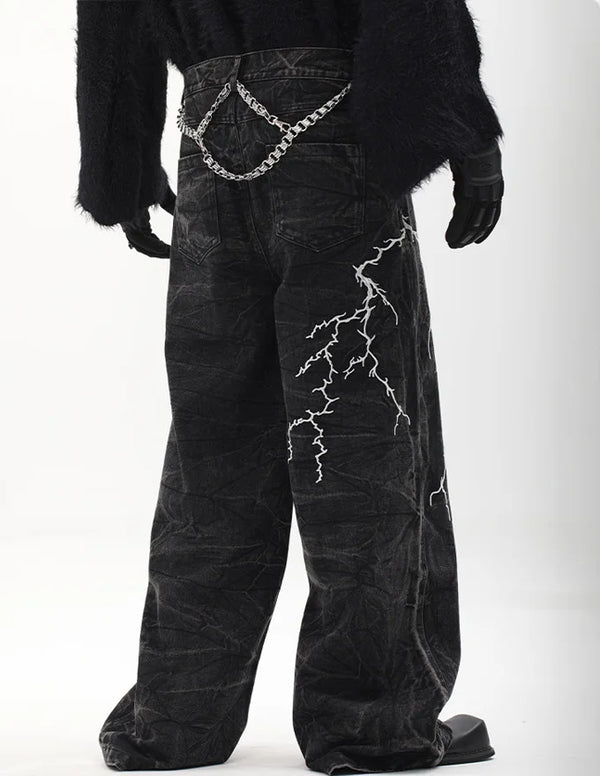
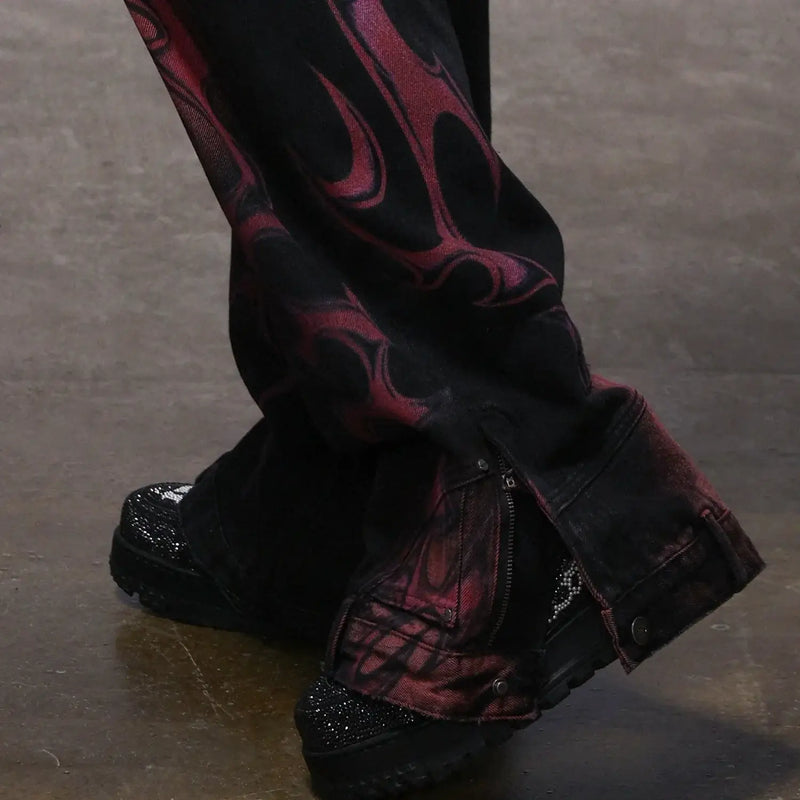
Harajuku pants — cargo, flare, kanji print
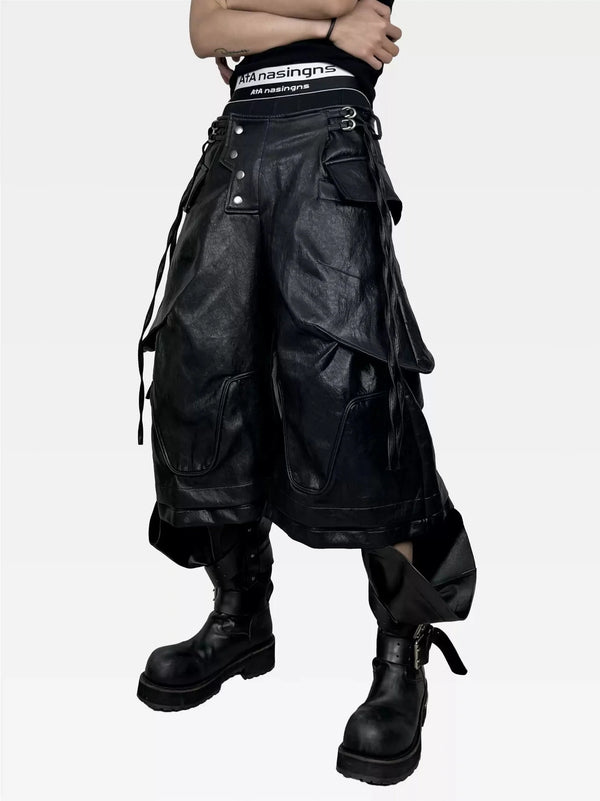
Skinny is out in Harajuku, was never really in. Tokyo has worn wide silhouettes since the 90s — wide-leg, cargo, flare, bondage pant, bermuda short with high socks. What happens below gives the outfit the volume the layers up top demand.
Working Harajuku bottoms have movement, often print or patch, often asymmetric details. Avoid anything that sits too clean (slim cargo without volume reads as workwear), and anything too smooth (clean designer pants without texture read as European, not Tokyo).
If you want to build a pair of pants that fits four or five sub-styles, take a wide-leg jean with print, patch or distressed detail. That's the common denominator.
Category · Tops
Harajuku tops — graphic tee, mesh, layer logic
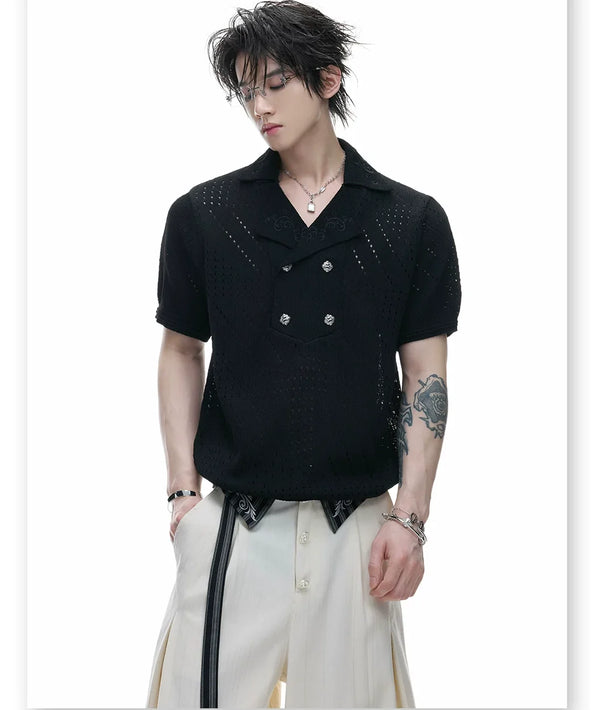
Tops are rarely alone in Harajuku. They are a layer in a stack — often the second or third from the outside. What you see on top is usually a layer pair: mesh under tee, tee over longsleeve, crop top over hoodie, cardigan over tank.
The rule: a single top doesn't have to be strong, but the pair has to tell a story. Printed tees with anime, manga or kanji motifs work here because they contribute to the pattern-mix logic instead of having to stand alone. A plain black tee is more boring than any print once you layer on top.
If you want to test the layer look, start with a mesh longsleeve plus a short-sleeve print tee over it. That's the simplest Tokyo layer — no risk if it doesn't work out.
Category · Accessories
Harajuku accessories — caps, chains, anime pins
Accessories are not decoration in Harajuku but a structural element. An outfit without five to seven accessories reads as a template; with them it becomes a finished Tokyo statement. Cap, chain, anime pin, bag, high socks, bracelet — that's the standard set.
Anime and manga references live strongest here. A Berserk cap, a Bleach patch or a Devilman pin are not subculture confessions but the standard vocabulary of the generation that grew up in Tokyo. Anyone who shies away from it because it's "too nerdy" hasn't understood Harajuku.
If you want to get into accessories, start with an anime cap. It is the most discreet way to quote the vocabulary — and at the same time the clearest for anyone who reads the code.
Styling logic
How to really style Harajuku — the layering logic
A Harajuku outfit works on two principles: the layers have to be visible and they have to share a common anchor. Three layers of which only one is visible are a normal outfit. Three layers of which all three are visible and all three share a color or material detail are a Harajuku outfit.
"The visible tee under the mesh, the rolled-up hem of the longsleeve under the tee, the sock over the sneaker cuff — those are the small visibility proofs that separate a Tokyo look from a Western layer stack."
In practice that means: work from the bottom up. First pick a base layer (mesh, longsleeve, plain tee), then a second layer that partly covers it but not entirely (crop hoodie, short-sleeve print tee, asymmetric cardigan), then the outer layer (coach jacket, bomber, denim jacket). The second layer is the most important — it makes or breaks the outfit.
We put the complete layer examples with photo instructions in a separate article:
Harajuku doesn't stand alone in the Japanese style spectrum. It overlaps with other Tokyo codes — and with a few Western sub-styles that have split off from it. Anyone who has Harajuku down can read these neighbor languages and mix them deliberately:
Seasonal
Harajuku summer vs winter — Tokyo climate reality
Tokyo has brutal summers and humid winters. In August at 35 degrees and 80 percent humidity no layer stack of three thick layers works — so the city had to develop a summer version of Harajuku. In winter, at 3 degrees and wind, it goes the other way.
Summer Harajuku runs on visible thin layers: mesh tank, short-sleeve print shirt open over a crop tee, high socks, shorts or bermuda. The layer count stays three to five — they are just thinner and more breathable. Leather jackets are out, mesh cardigans in.
Winter Harajuku runs on heavy outer layers plus visible inner layers. Trench or coach jacket over hoodie over longsleeve over tank. The visibility of the inner ones is the proof that it isn't just a "thick coat" but a stack.
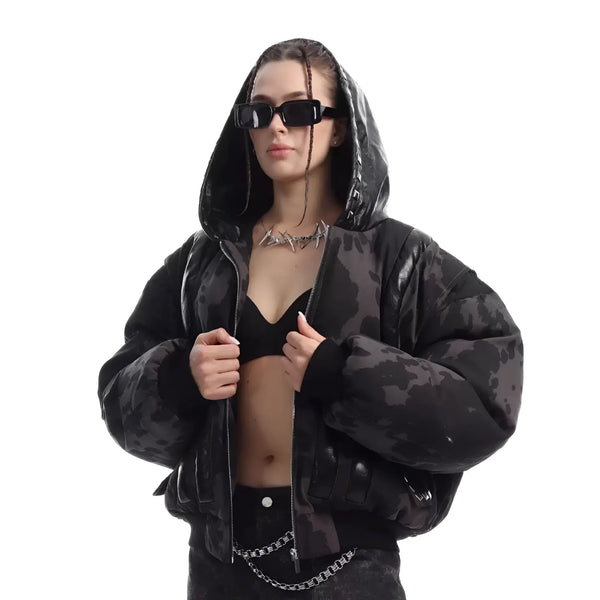
The convertible iteration works in Tokyo too, by the way: pieces that adjust their layer thickness themselves. A puffer with detachable sleeves, for example — winter as a full jacket, spring as a vest, summer as a pure statement piece with a short tee underneath.
Here's what that looks like in motion:
What does not work
The 6 most common Harajuku mistakes — what tips the look over
Harajuku reliably tips into cosplay as soon as one of the six rules is broken. If you avoid only one thing, make it mistake number one.
Action
How to start — the first 4 pieces for Harajuku Streetwear
You don't need forty Tokyo pieces to get into Harajuku. You need four that will be in eighty percent of your outfits. Everything else builds around them.
In order: a printed or painted denim jacket as an outer layer (your biggest investment, lasts five years). A wide-leg jean or cargo pant with print or patch detail. A mesh longsleeve or a crop hoodie as the inner-layer proof. Plus an anime cap as the first accessory statement. A chain as the optional fifth piece — but only once the four are in place.
Outfits for real
Harajuku outfits for real — what it looks like on the street
Before you build your own outfit, look at how others wear it. The seven sub-styles look different in the feed than in lookbook photos: a tighter stack, more friction, more detail in places that get left out in advertising — and that's exactly why they work.
This is the fastest way to check whether a particular sub-style works on your body type — before you spend money.
To close
Harajuku is not a trend — it's Tokyo's default for 50 years
If you remember one thing from this guide, let it be this: Harajuku works not through pieces but through logic. Anyone who has the logic down builds a hundred outfits from twenty-five pieces. Anyone who only buys pieces has a full closet without a single outfit that would pass in Tokyo.
The whole logic of this guide reduces to one sentence:
The seven sub-styles have been stable for thirty years and will stay that way — as long as Tokyo remains a fashion city of its own. But you don't have to wait until you know all seven by heart. Start with the one sub-style that fits you best. What you don't know, you learn by wearing.
And that is the point: Harajuku reads in theory like a corset of rules, but in practice doesn't feel that way. Once you have the layer code down, every further outfit is a variation on the same three or four building blocks — not a new invention.
FAQ
Frequently asked questions about Harajuku Streetwear
The questions we often get by DM and email — short, clear, no detours.
What does Harajuku actually mean in Japanese?
Where exactly is Harajuku in Tokyo?
What is Takeshita Street in Harajuku famous for?
What is Japanese streetwear properly called?
Why is Gen Z so fascinated by Japanese fashion?
Which Harajuku streetwear brands are really from Tokyo?
Where can you buy Harajuku clothes without flying to Tokyo?
Does Harajuku Streetwear also work for men over 30?
What do you think?
Tell us on @fuga_studios
About the author
Philipp Fuge — Founder · Berlin
Founder of Fūga Studios. Writes the journal himself. Berlin · Shanghai · Tokyo · Poznań — four cities, one logic.