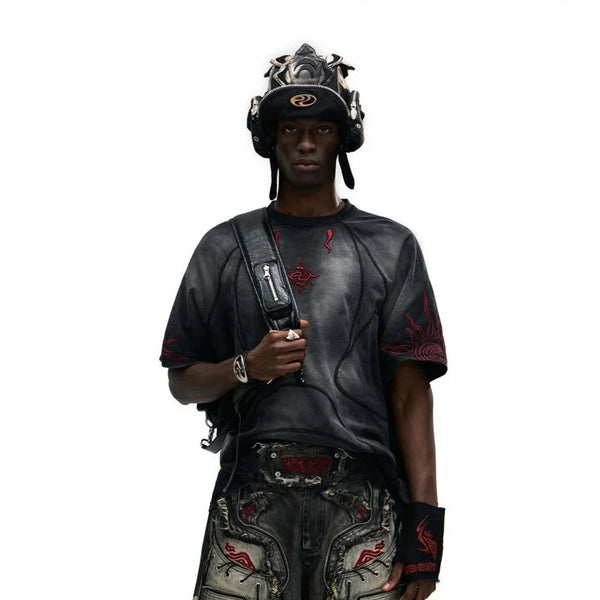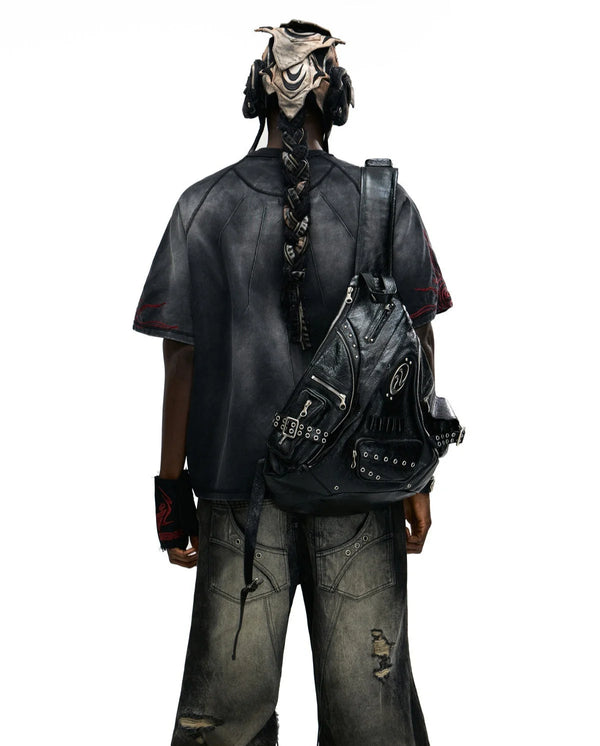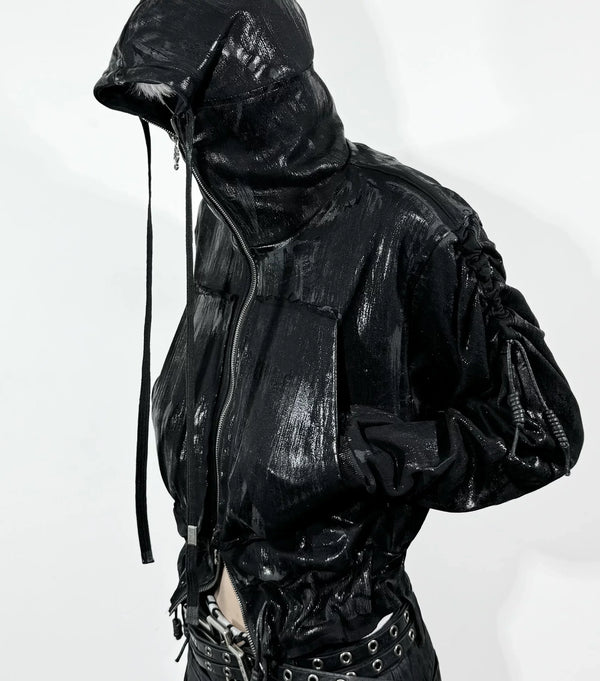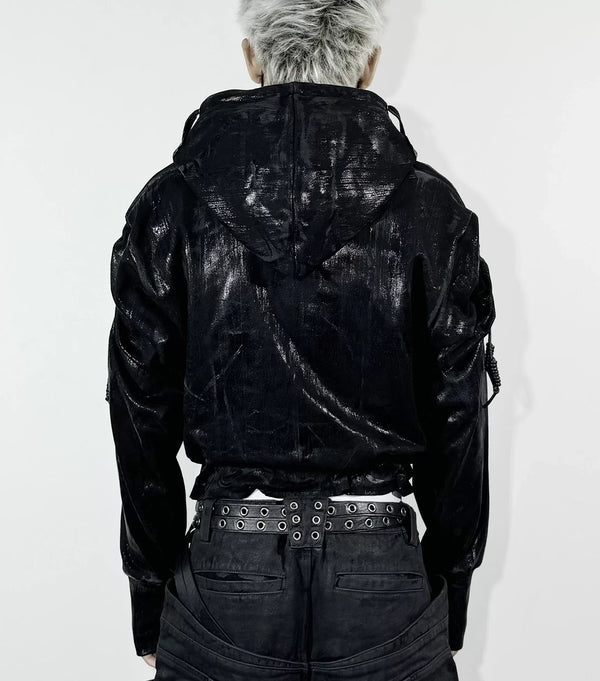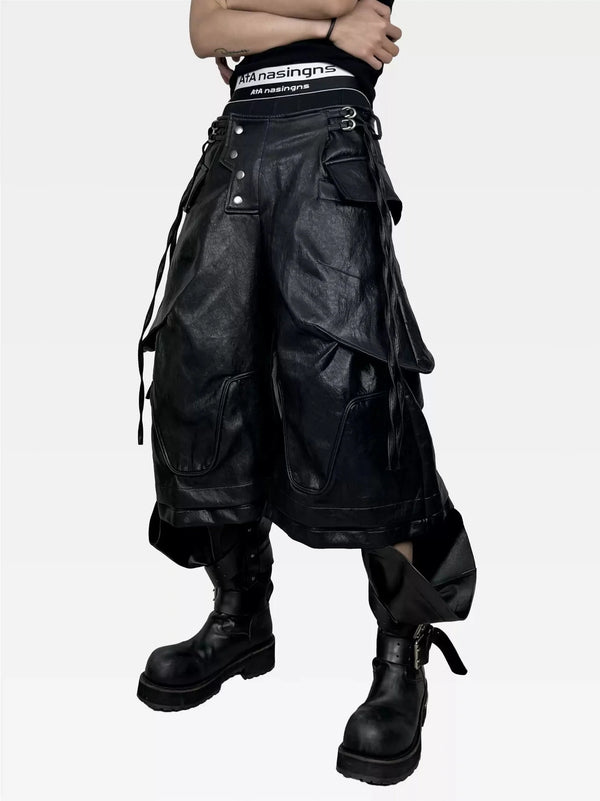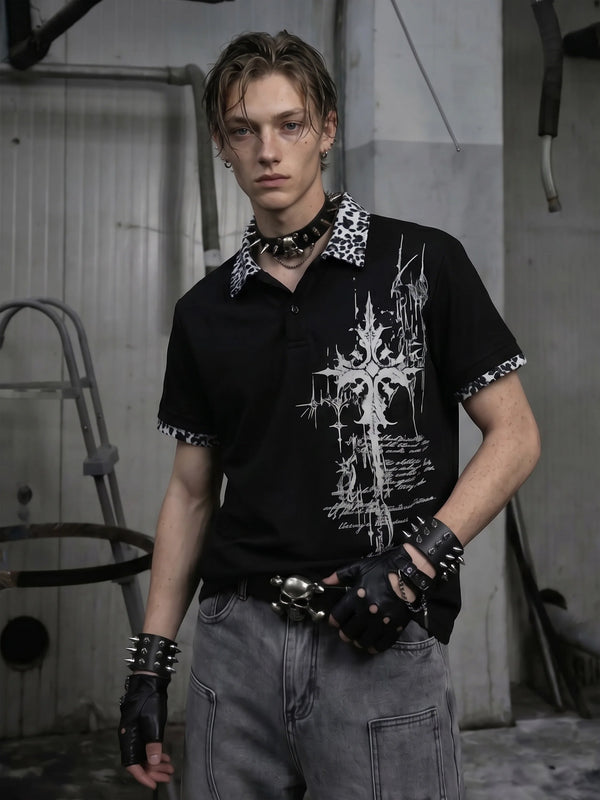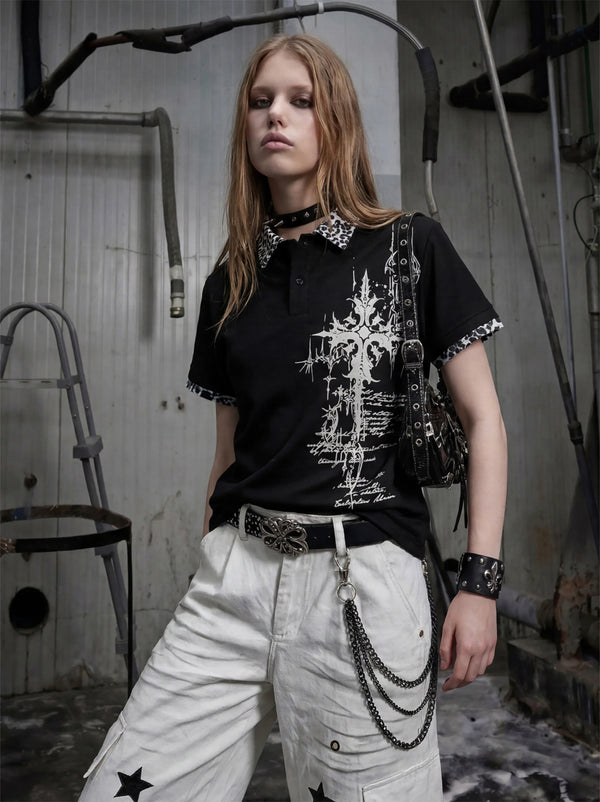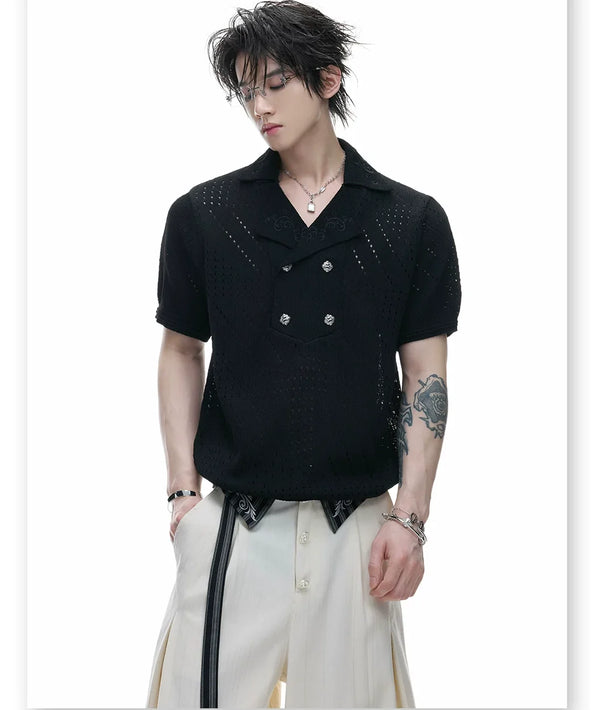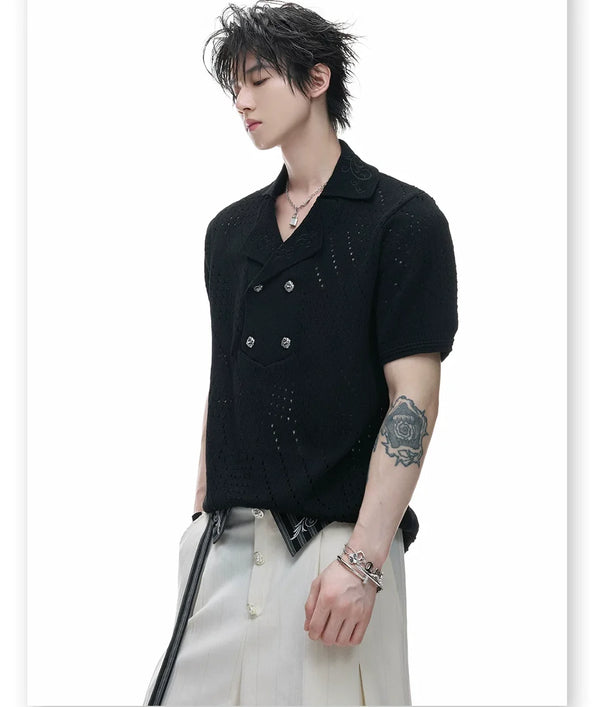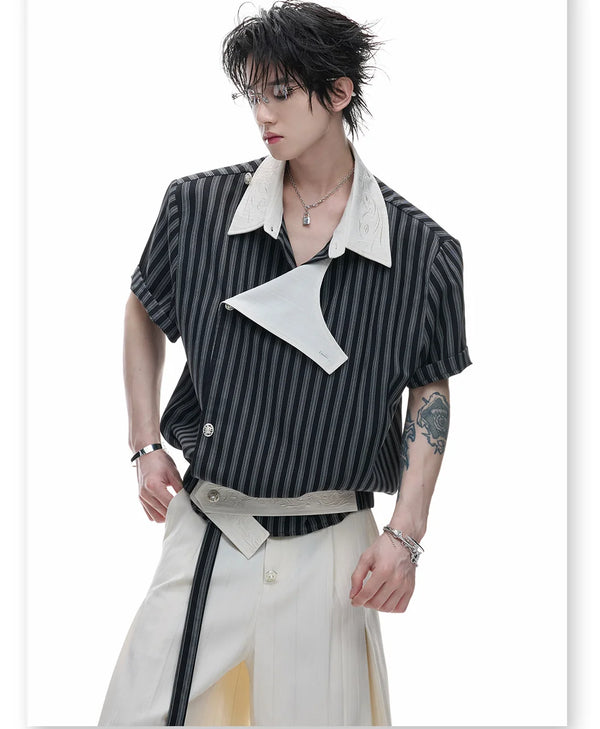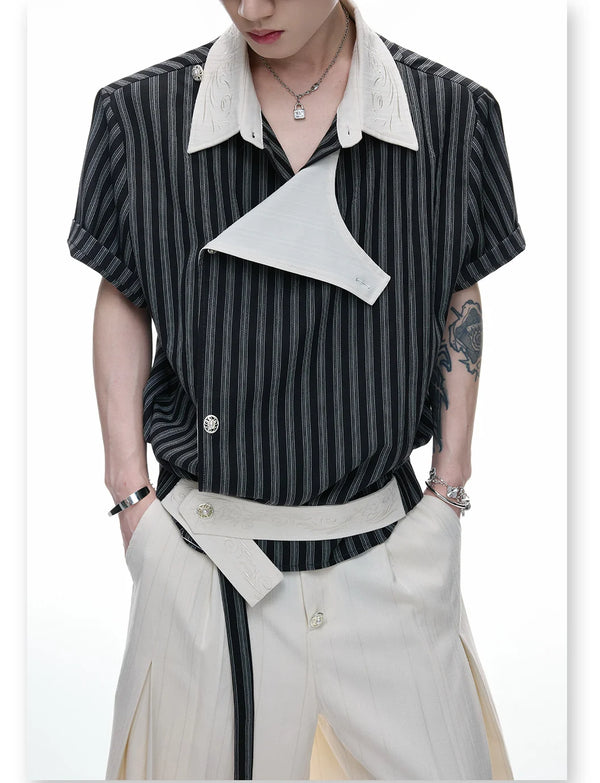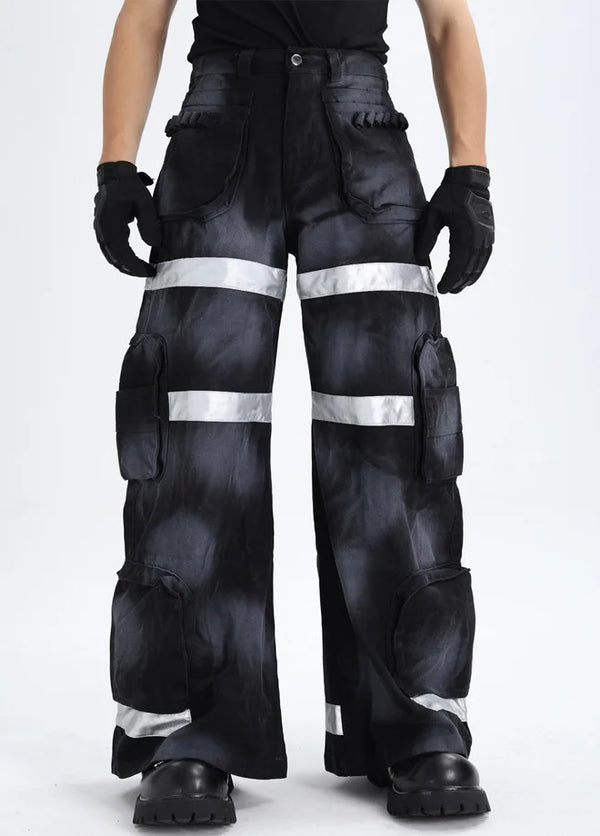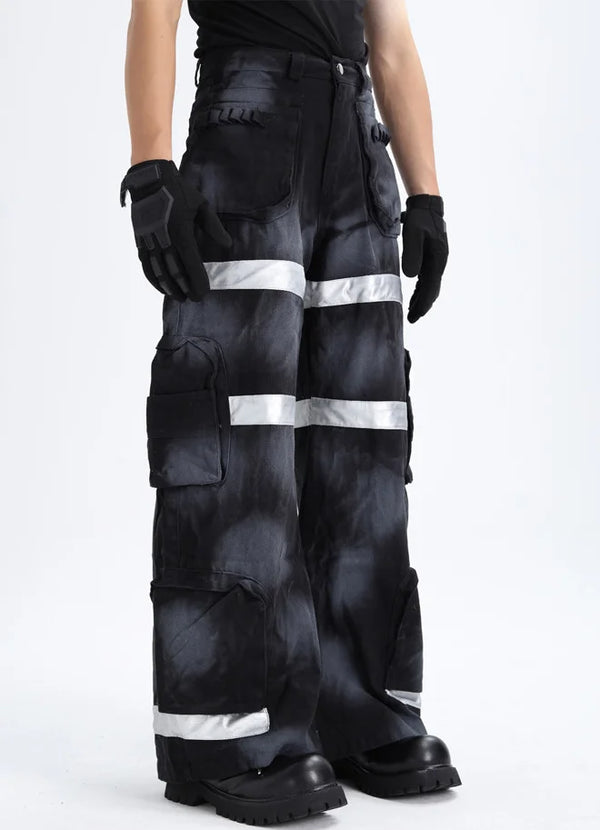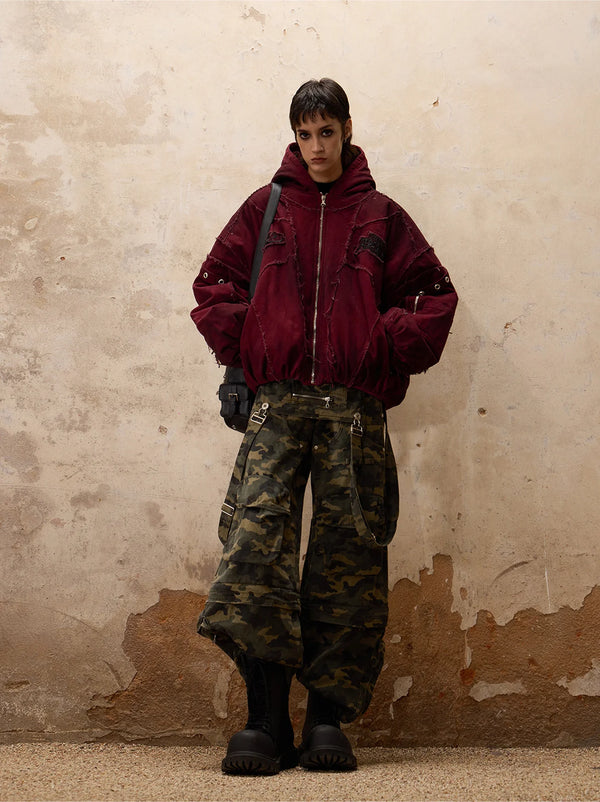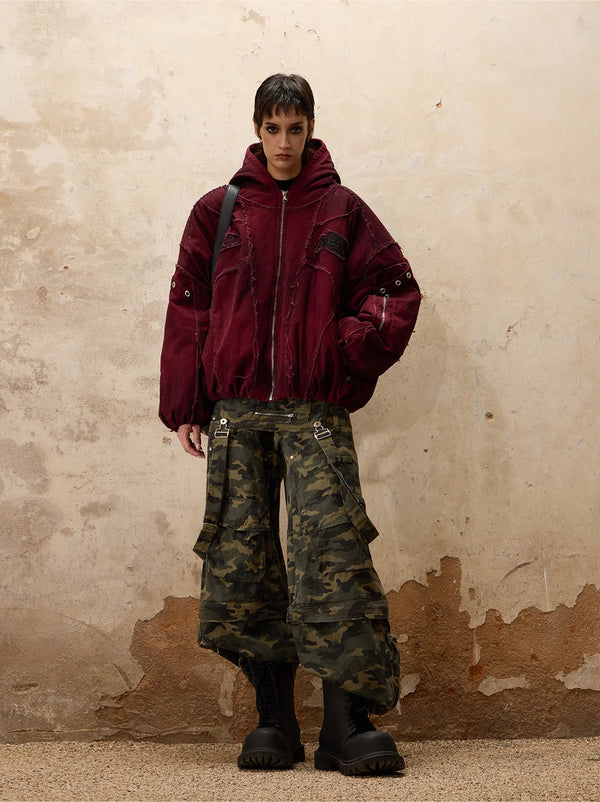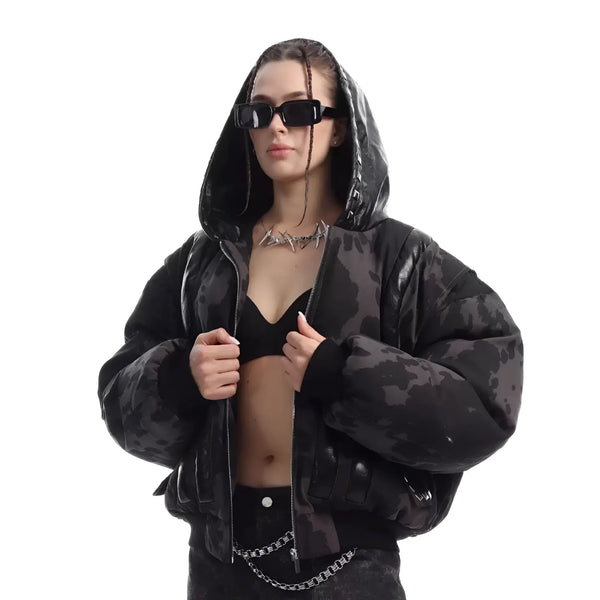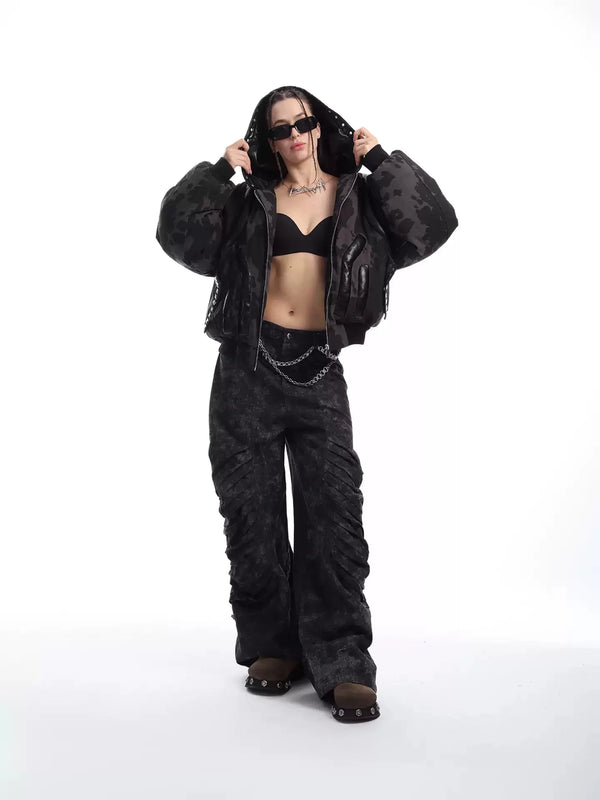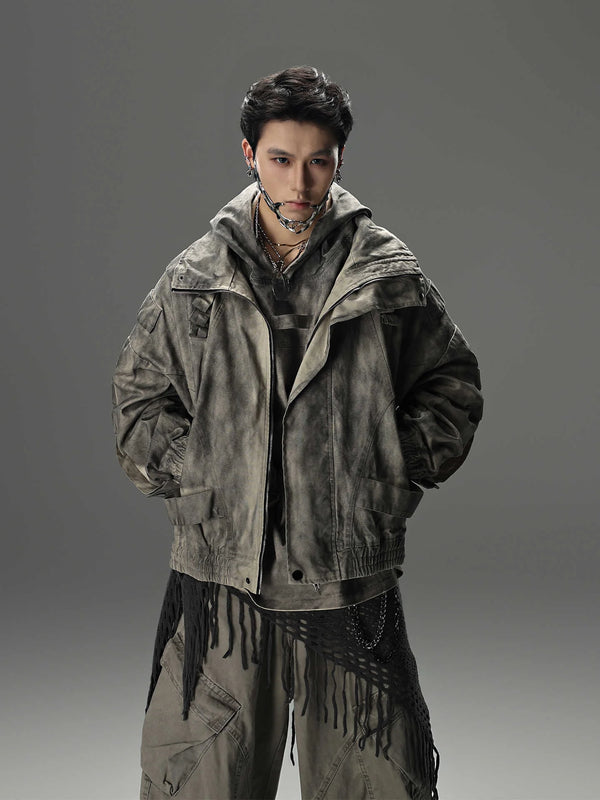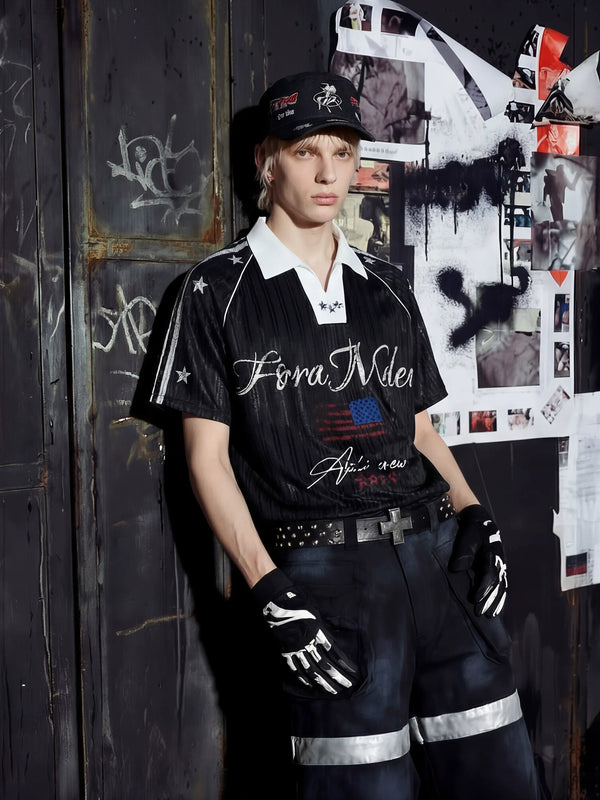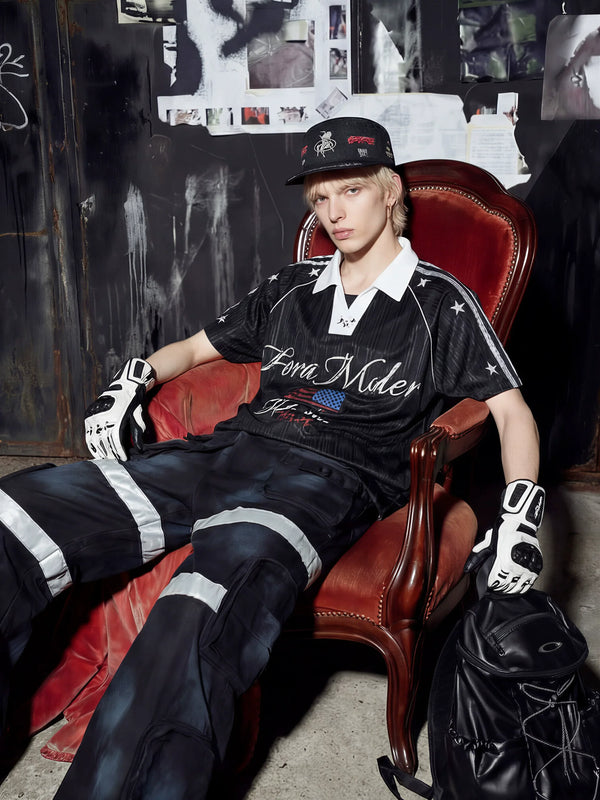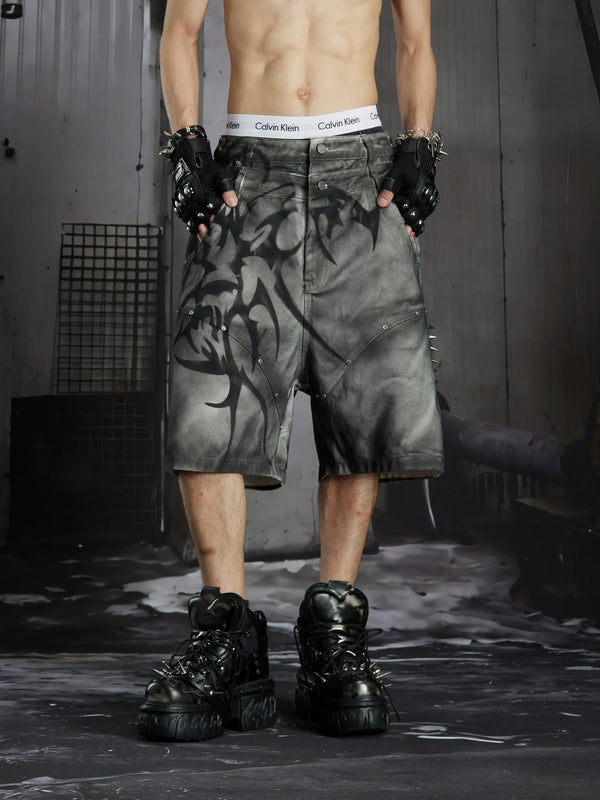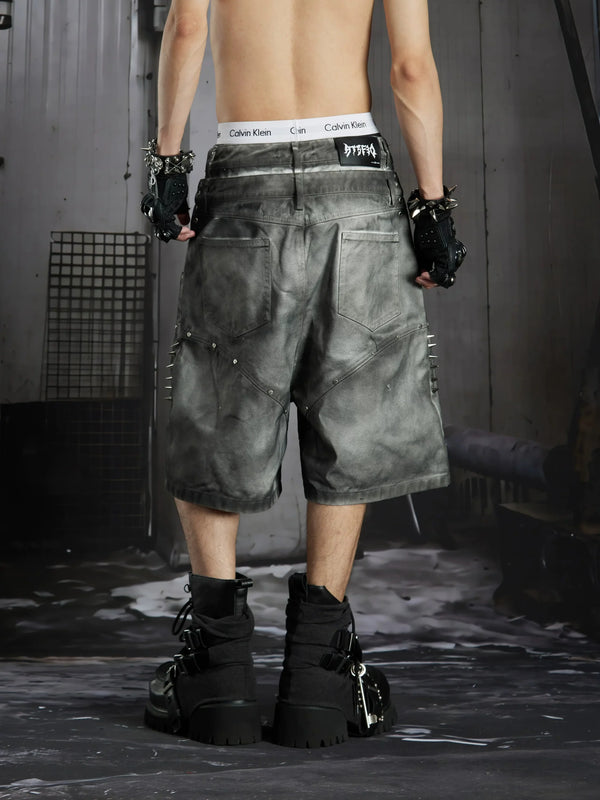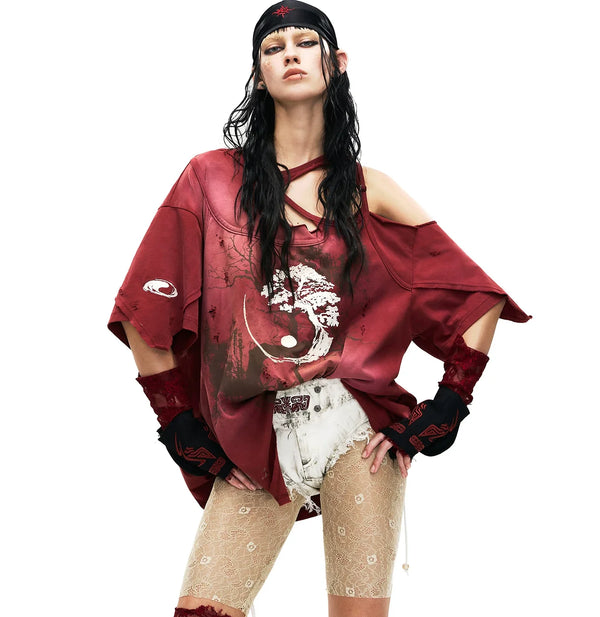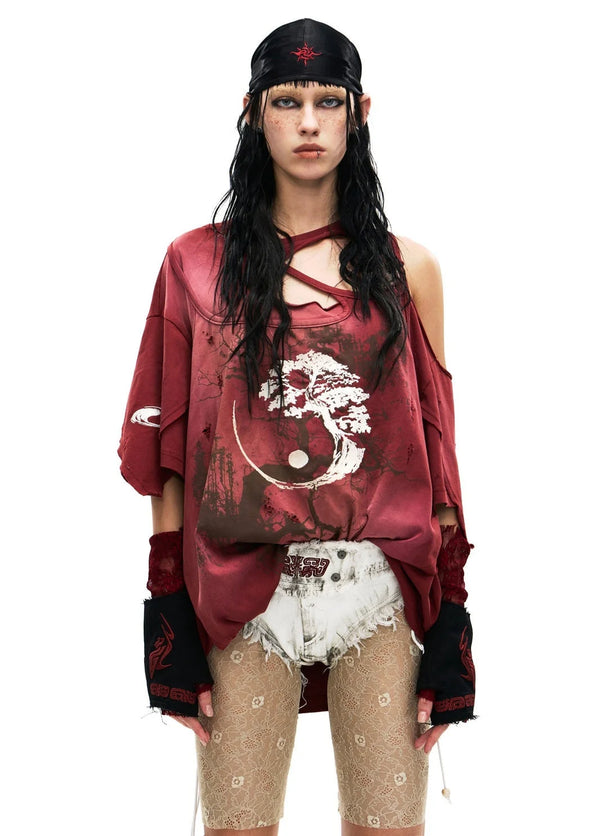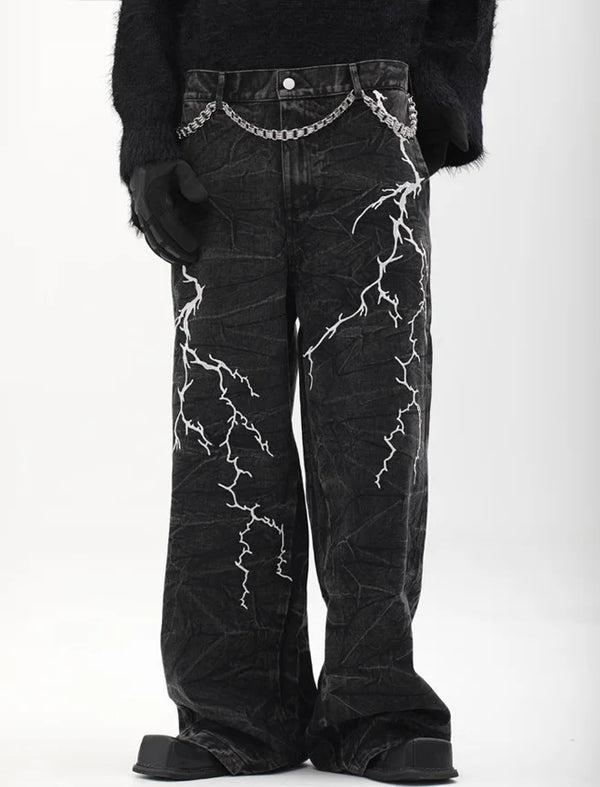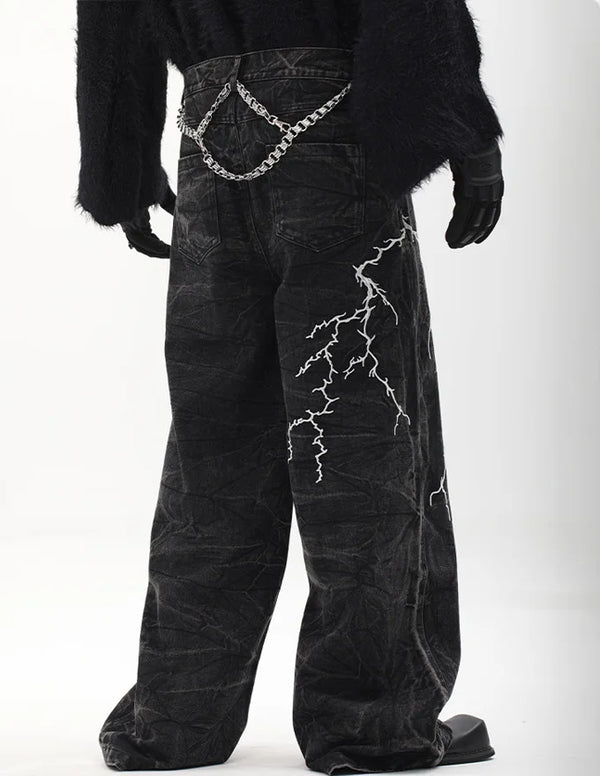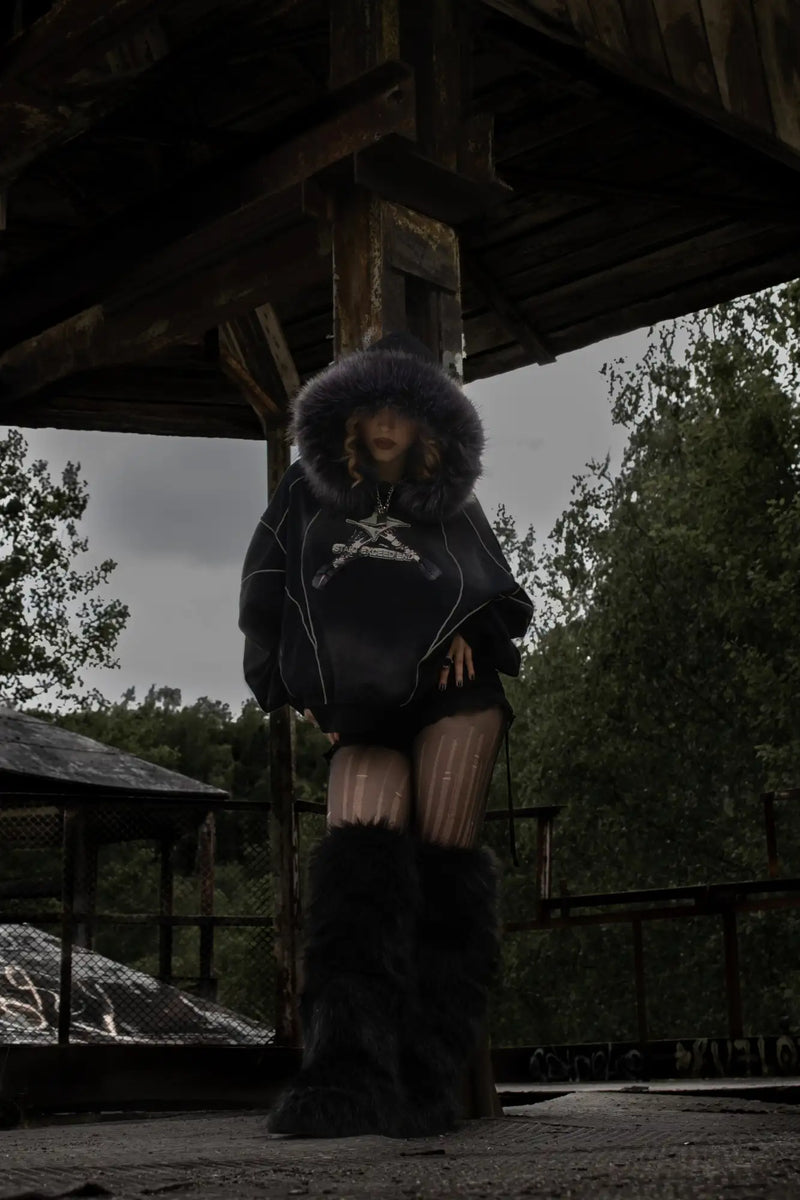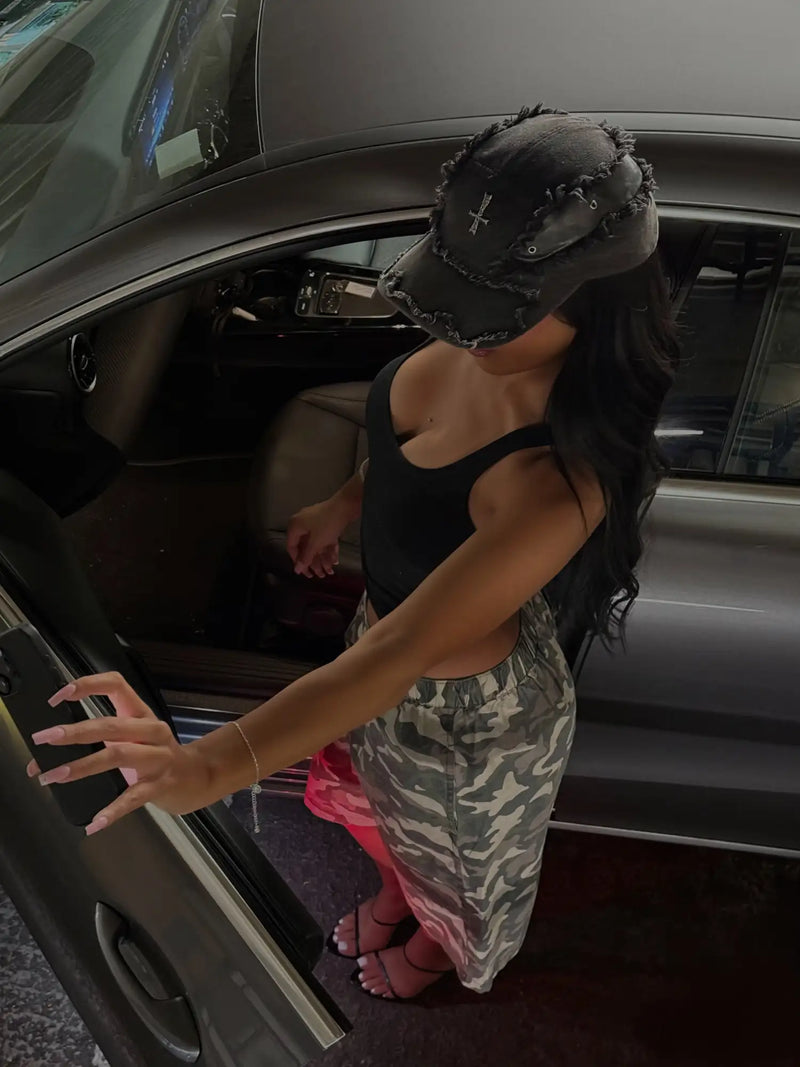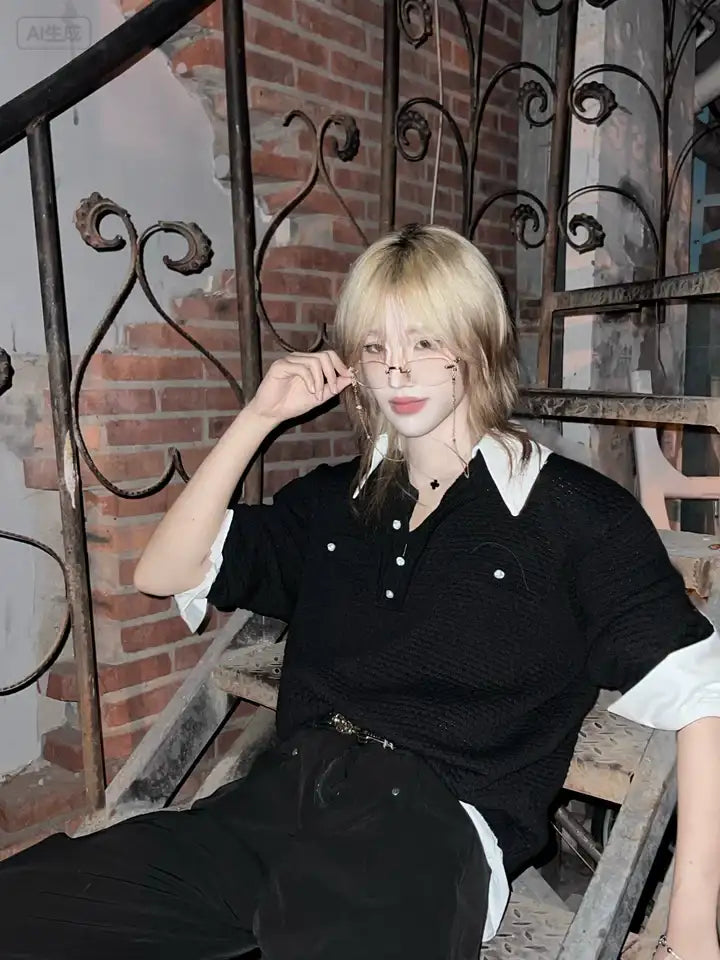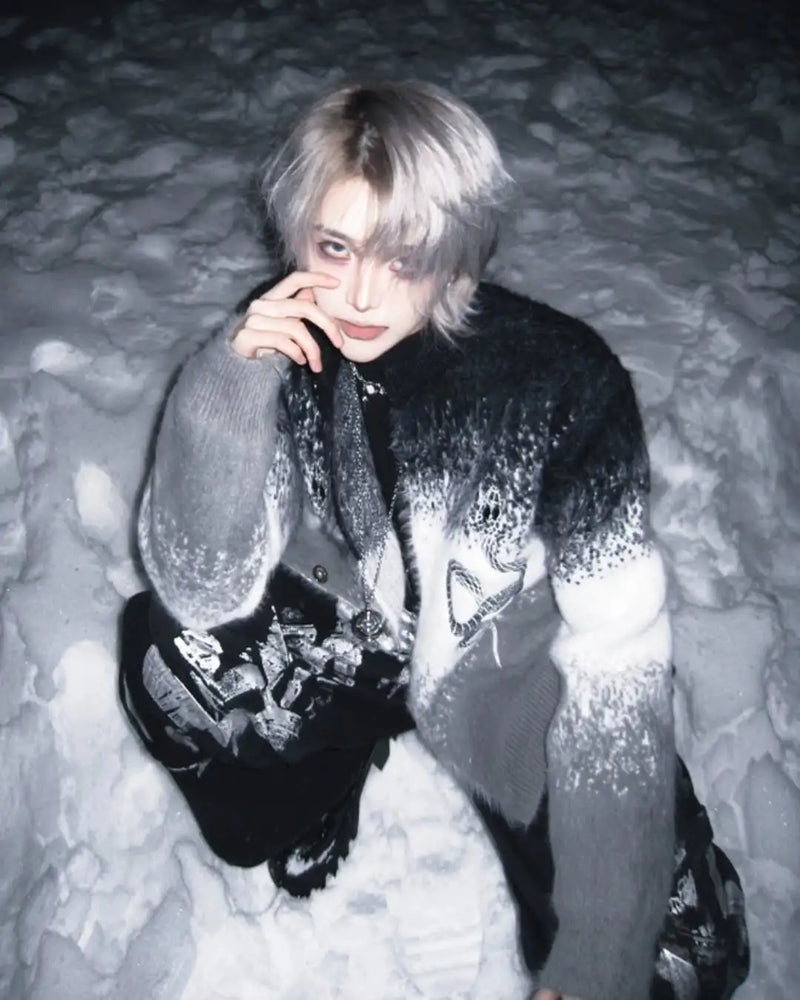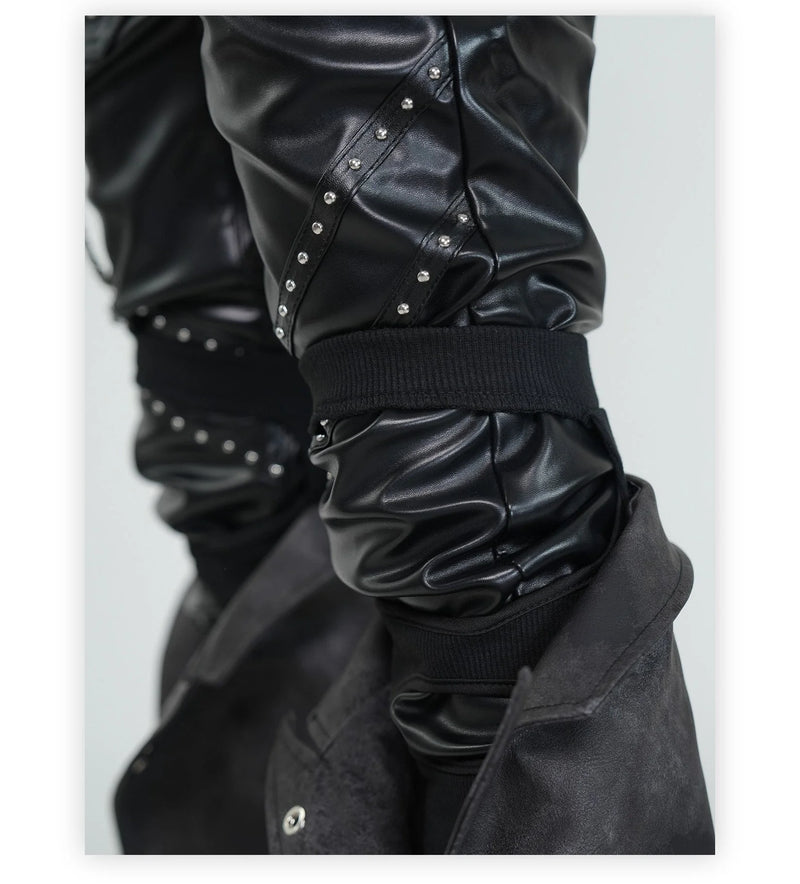
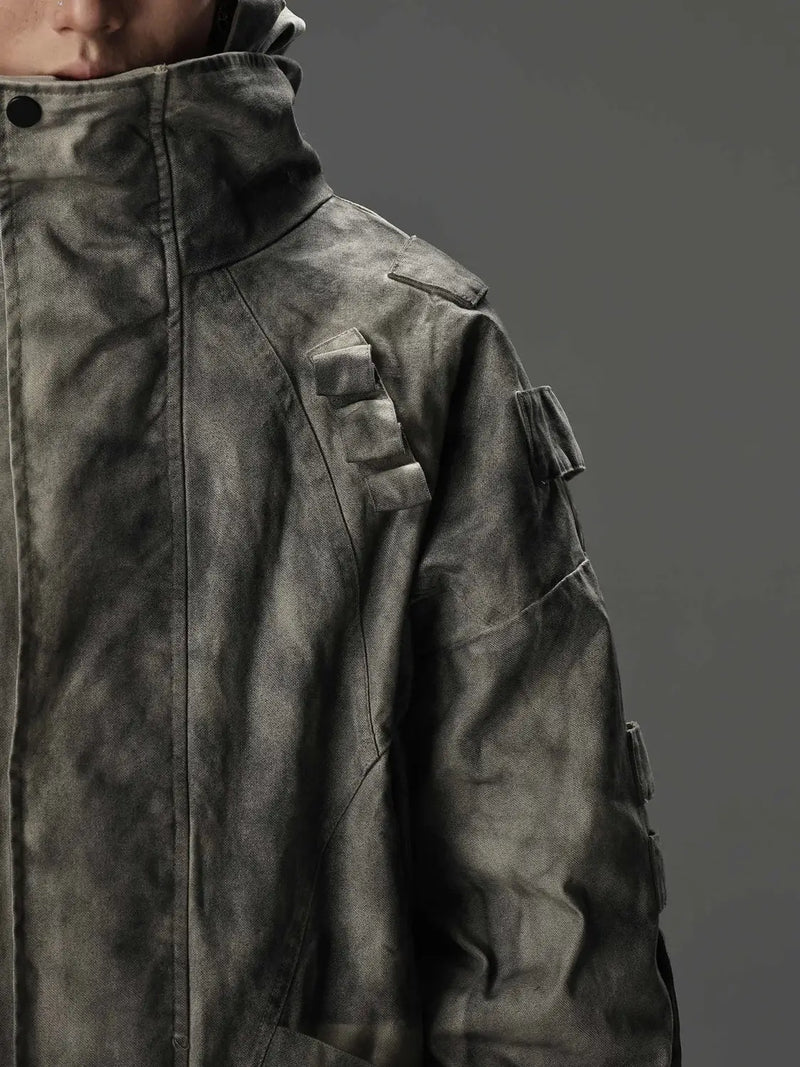
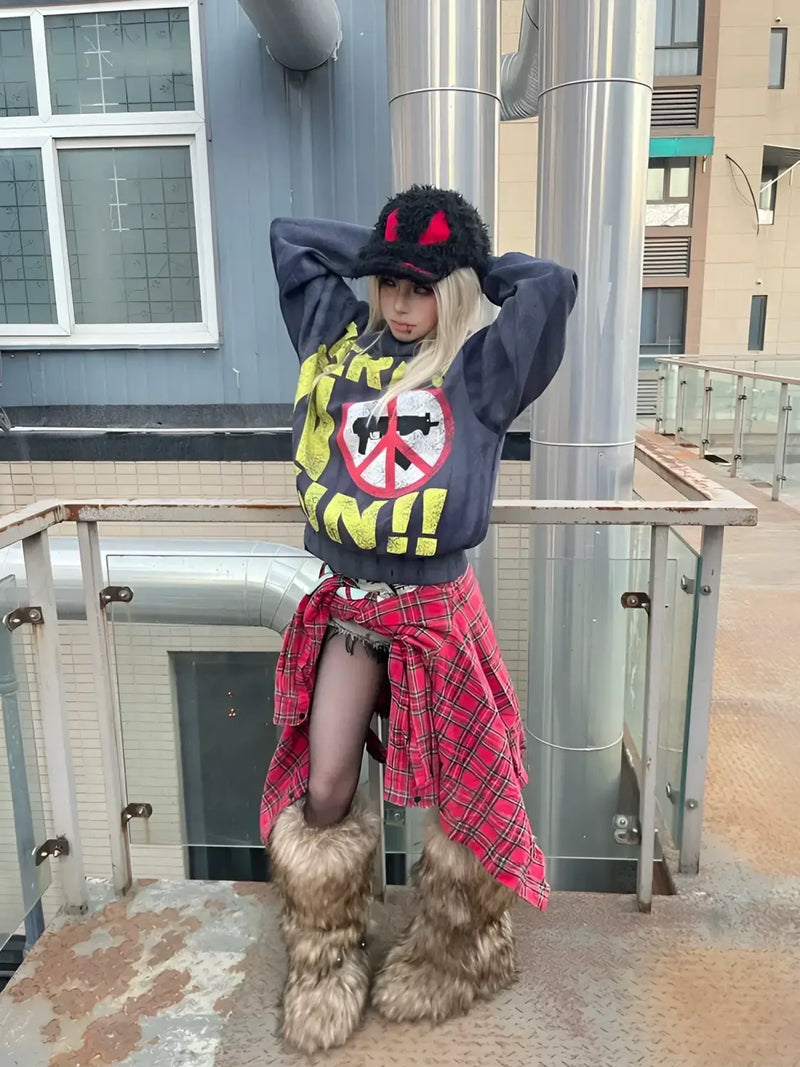
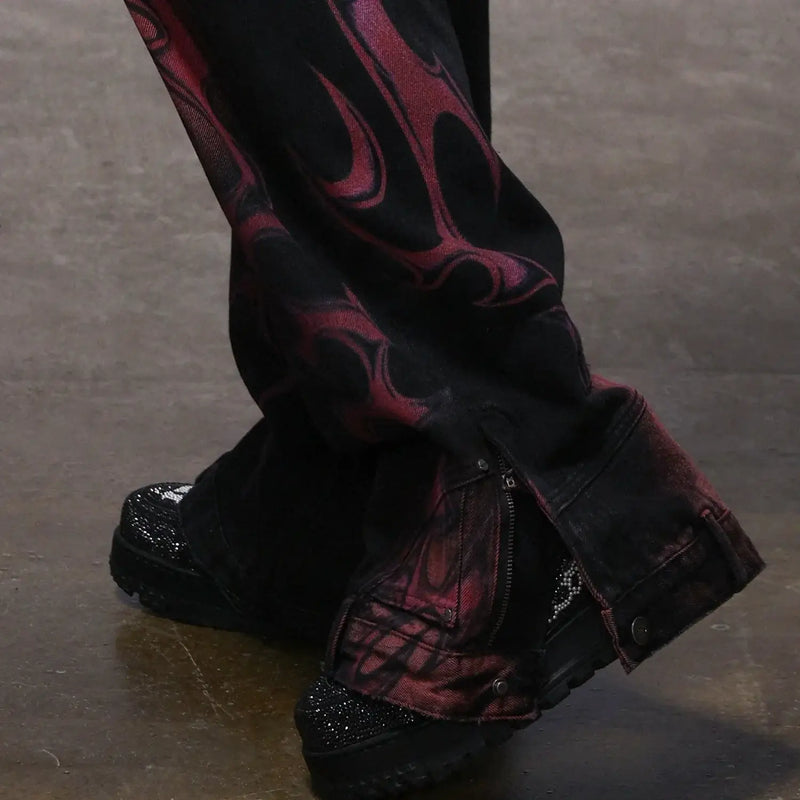
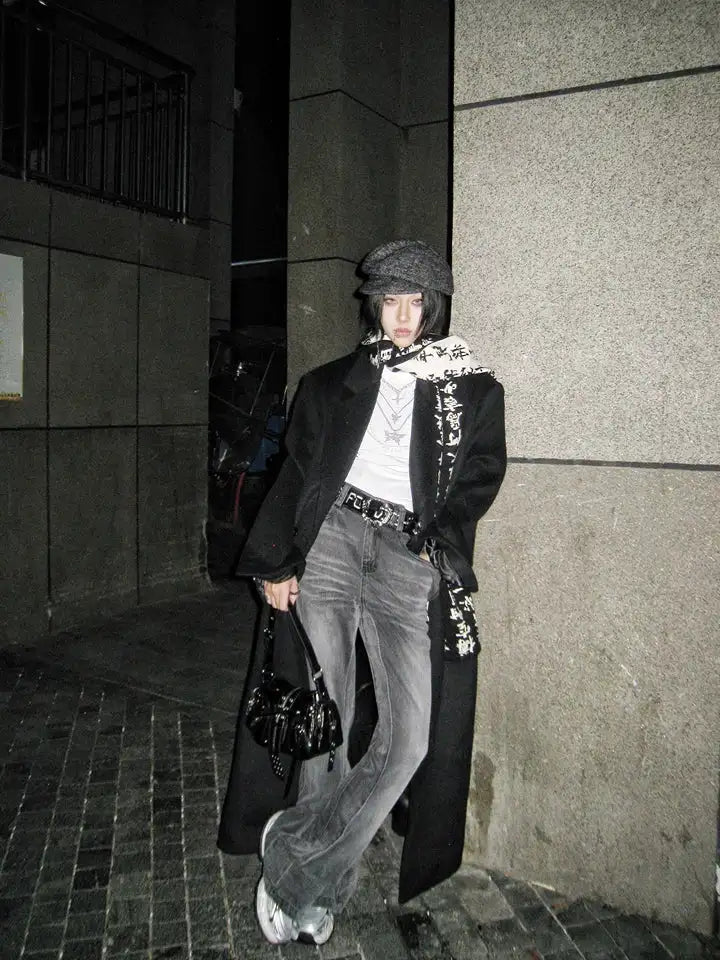

Seoul freezes at minus fifteen degrees. The outfits you see on TikTok and Pinterest don't freeze. That's no accident and no Photoshop — it's a layering system that Koreans have refined over twenty winters.
Korean Winter Outfits don't work through a single hero piece. They work through three layers, one very specific coat shape (the Korean Bench Coat), and one unwritten rule: warm must never look like "warm". The moment an outfit screams function, it's no longer a K-winter look but a German ski holiday.
This guide shows who wrote the vocabulary (Hongdae, K-pop stylists, a handful of Seoul labels), what counts as Korean Winter Outfits, which five looks dominate, how the women's look differs from the men's, which Korean brands carry the whole thing, and how you reconstruct it in your own closet — without looking like a ski holiday.
What it looks like in motion — one look in ten seconds:
Origin
Who invented Korean Winter Style — and why does Seoul look like this in winter?
Seoul has a winter like Berlin on steroids. Minus five by day, minus fifteen at night, six straight weeks of wind coming down from Mongolia. Anyone walking through Hongdae or Gangnam can't afford fashion-function hybrids like "style or warmth" — both have to happen at once.
The vocabulary that came out of it has three sources. First: the Korean school and university uniforms of the 2000s — knee-length coat, white sneakers, scarf-in-layers set. Second: the K-pop styling school around SM Entertainment from 2013 on — idol outfits for airport sightings had to be warm but read editorial. Third: the Seoul indie brands from 2015 on (ADER error, Andersson Bell, Wooyoungmi), who translated the Scandi-minimalism vocabulary into Asia.
Out of these three streams came a fashion that gets googled as "Korean Winter" in Japan, Taiwan, Vietnam and by now in German cities too — Pinterest alone logged over four million searches for the term in 2024. What looks like a "soft K-pop look" is really twenty years of climate hack with fashion discipline.
Definition
What counts as Korean Winter Outfits — the formula behind the look
You recognise a Korean Winter outfit by four ratios. When they all hold, the outfit reads as Korean. Break one and it tips either into European function fashion, into American athleisure, or into Japanese Mori style — all legitimate, but not what you see on Korean TikTok.
3
Layers (Skin · Mid · Coat)
2
Main colours + 1 accent
90 cm
Minimum length Bench-Coat
0
visible outdoor logos
These four numbers aren't style decoration but the test. An outfit with two layers isn't warm enough for Seoul (tourist tier). Four layers is ski holiday. Three main colours without a hierarchical accent rule is boho. A Bench-Coat at 70 cm length reads like a cropped coat and breaks the silhouette.
Concretely, what counts as Korean Winter Outfits:
- Bench-Coat as outer layer — knee-length, oversize, smooth outer face. Down fill allowed, but form before function. No Patagonia print, no North Face logo.
- Slim-fit turtleneck as skin layer — skin-tight, single colour, high closed neck. Black or cream — almost never white-white.
- Knit as mid layer — cardigan, knit vest, cable-knit sweater. This layer makes the outfit warm AND visually soft.
- Wide-leg trousers or plaid mini skirt below — volume allowed only below, top must stay tight. Skinny jeans have been out in Korea since 2019.
- Platform boots or sherpa sneakers as footwear — a low sole is wrong, the shoe has to give visual height. Loafers only work in early winter.
- One accent piece — scarf, beanie, bag, sunglasses. Carries the personality. The rest can stay monochrome.
If you're missing three of these six points, it's no longer a Korean winter outfit but "Korean-inspired". And there's one rule that holds it all together:
5 types
The 5 main looks of Korean winter outfits
Korean Winter isn't one look but five — which run side by side on the street in Seoul, in different neighbourhoods and on different days. When you lay Pinterest images, idol airport sightings and Hongdae street style next to each other, these five types resolve cleanly. Each with its own silhouette, its own palette.
Which of the five suits you depends less on taste than on your city, your studies or job, and how much cream you already have in your closet. How the look splits between women and men comes next.
Gender split
Korean Winter Outfits women vs men — where it actually runs differently
The layer logic is the same. Three layers, Bench-Coat outside, monochrome on top, volume below — applies to every body in Seoul. What differs is the accent spot: where the outfit sets its one moment of personality.
Women's version: the accent almost always sits at the leg. Plaid mini skirt over black tights, cream tights under wide-leg trousers, leg warmers over the boot shaft. The Bench-Coat stays single-colour (often cream, camel or black), the movement happens lower. Beanie optional, sunglasses almost always.
Men's version: the accent almost always sits at the head or neck. Ushanka hat, black bandana, mohair scarf, or tinted glasses. Calmer below — usually cargo wide-leg or cord trousers without print. The Bench-Coat may be louder here (sherpa collar, toggle closure, visible down hem).
Both versions live off the same 3-layer rule and the same Bench-Coat minimum length. What varies isn't the vocabulary but the spot where the outfit "breathes".
Brands
Korean Winter Fashion Brands — who writes the language of the Seoul winter
Korean Winter has no single brand that defines the look — it's a composition of twelve Seoul labels that have been building the same vocabulary for ten years. Whoever knows these brands can build the look without them too — at resale shops, vintage stores, or with DTC brands that translate the vocabulary.
The brands that really write Korean Winter — sorted by look:
- ADER error — founded 2014 in Seoul. Oversize knitwear, cropped sherpa coats, ironic branding. The editorial-minimal iteration comes largely from here.
- Andersson Bell — Scandi-Korean hybrid since 2014. The Bench-Coats and knit vests you see on Pinterest often come straight from their lookbooks.
- Matin Kim — young label, since 2019, founded by a K-pop stylist. Platform loafers and mini skirts in cream and tan — Hongdae-Cute iteration.
- Wooyoungmi — the grown-up version. Parisian school, Seoul DNA. Knee-length wool coats, editorial men's iteration.
- Juun.J — avant-garde tailoring, since 2007. The quiet-luxury iteration in black and anthracite. If you want your Bench-Coat to read grown-up, look here.
- Open YY — Y2K-Newjeans iteration. Cropped puffer, low-rise cargo, mini bag. The brand Newjeans stylists keep on permanent speed-dial.
- Recto — knit specialist. Cable-knit vests, cardigan sets, cream sweaters. If your mid layer is meant to carry the outfit, it comes from Recto or a Recto-adjacent.
- We11done — punk-goth-Korea iteration. Black sherpa coats, combat boots with platform, mesh pieces. If your Korean Winter is meant to tip darker, here.
- Acme de la Vie (ADLV) — logo-driven streetwear. Cropped down puffer with patches, Y2K iteration for school and university crowds.
- Charm's — sub-brand aesthetic. Plaid scarves, knit-scarf combos, college-mood pieces. Campus-Cozy iteration.
- Stand Oil — bag specialist. The mini bags and medium-sized crossbody pieces that are an accent in every K-winter look mostly come from here.
- Gentle Monster — eyewear. Tinted glasses as accent have been K-winter default since 2018. Gentle Monster is the authority.
Whoever wants to wear Korean Winter without paying Seoul prices searches for these brands on resale (Grailed, Vestiaire, Korean Depop equivalent "Bunjang") or buys from DTC brands that translate the vocabulary competently.
Category · Outerwear
Korean winter coats & puffers — the Bench-Coat logic
The coat carries the Korean Winter outfit. It's the largest surface, the longest line, the primary carrier of the silhouette. This is where it's decided whether your look becomes a Seoul outfit or a generic winter pile.
Three coat types work in Korean Winter: the knee-length Bench-Coat (with down fill, smooth outer face — the Hongdae default), the cream sherpa or teddy coat (for the editorial-minimal iteration), and the cropped puffer for the Y2K-Newjeans look. What does NOT work: the classic wool pea coat in navy (too European), colourful function down jackets (too ski holiday), trench coat with no layer room (too Brit).
If you don't yet own a knee-length Bench-Coat or sherpa coat, that's your first move. Everything else in the outfit depends on it.
Category · Knitwear & Layers
Knit & layer pieces — turtleneck, cardigan, knit vest
The mid layer is the inconspicuous component — and exactly for that reason it stands out when it sits wrong. Korean women almost never wear a normal T-shirt under the Bench-Coat. It's turtleneck, cable-knit vest, or a knit cardigan over a long-sleeve. Tight, single colour, well-chosen knit pattern — no print graphic.
The rule: top single-colour and close to the body. Print sweaters (logo front print, anime graphic, ski-resort slogan) tip the outfit instantly into European streetwear or American athleisure. A plain cream turtleneck says more "Korean Winter" than any printed hoodie.
Whoever wants to test the cable-knit-vest look takes a knit vest in cream or olive over a black turtleneck. That's the easiest entry toward Campus-Cozy — with no risk if it doesn't work out.
Category · Bottoms
Korean winter trousers — wide-leg, plaid mini, leg warmers
Skinny jeans have been out in Korea since 2019. What every K-idol wore before has been systematically replaced by wide-leg, plaid mini skirt or cord trousers since the Newjeans era — the new fit rule: tight on top, material and volume below.
Working Korean-Winter bottoms are matte, heavy, and sit on the hip. Wide-leg cargo (in black, olive or cream) is the default for Seoul-Street. Plaid mini skirt with black tights underneath is Hongdae-Cute. Cord trousers in camel are Campus-Cozy. Avoid anything that shines (skinny jean with wash stretch is dead) and anything too tailored (slim cargo without volume reads European).
If you want to build a single trouser that fits four of the five Korean-Winter types, take a wide-leg cargo in black. That's the common denominator.
Category · Footwear & Accessories
Boots, beanies & accessories — the last 20 percent of the look
Shoes and headwear are the two spots where Korean Winter Outfits tip most visibly — in one direction or the other. The wrong choice in either and the whole layer system reads as random. Generic sneakers, for example, are out. Air Force 1 too, even in cream — the silhouette of a tennis sneaker doesn't fit the falling coat line.
What works: platform boots with buckle detail (Seoul-Street), sherpa sneakers with fur lining (Hongdae-Cute), loafer boots with chunky sole (Editorial-Minimal), or combat boots with platform (Y2K-Newjeans). Plus: black beanie OR ushanka hat (not both), sunglasses with tinted lenses, a scarf in plaid or cream mohair. And a mini bag or medium crossbody.
If you wear only platform boots and exactly one accent piece (beanie OR scarf OR glasses), you've already won half the look. With Korean Winter, discipline in the accessories matters more than quantity.
Styling logic
How you really style Korean winter outfits — the 3-layer logic
A Korean-Winter outfit works through exactly one principle: three layers, from tight to wide, each with its own job. Skin layer keeps warm and sits on the body. Mid layer makes the outfit visually soft. Outer layer (= Bench-Coat) carries the silhouette outward. Korean stylists never formulated this system publicly — but every outfit you photograph in Seoul between 2018 and 2026 holds to it.
Layering isn't layer-stacking — it's a function split. Skin keeps warm, mid makes soft, coat carries the line. Cut it to two layers and you freeze. Stretch it to four and you look like a ski holiday.
— Korean-Winter-Styling-Regel
In practice that means: tight turtleneck plus cable-knit vest plus Bench-Coat. Or long-sleeve plus cardigan plus sherpa coat. Never: oversize hoodie plus down puffer (two layers, both bulky, no layer effect). We've put the full breakdown with photo examples in a separate article:
But Korean Winter doesn't stand alone — it overlaps at several edges with other winter codes. Harajuku-Winter shares the layer depth, Y2K-Winter shares the cropped-puffer vocabulary, Berlin-Techno shares the black ratio, Dark Academia shares the drape silhouette. Whoever has Korean Winter down can read these neighbour codes and mix deliberately, without slipping into cosplay.
Here are the five most important neighbours — each with its own guide, in case you want to go deeper:
Seasonal
Early winter vs deep winter — the outfit shift at minus ten degrees
Korean Winter has two sub-seasons. Early winter (November to mid-December, around 0 to 10 degrees) and deep winter (mid-December to mid-March, often below zero). What works in early winter freezes away in deep winter. What sits in deep winter is overkill in early winter.
Early winter: wool coat (no Bench-Coat needed), turtleneck plus cardigan (two layers are enough), loafer boots or low combat boots. Scarf is optional. Here camel, cream and beige dominate — the Bench-Coat-black variant only comes once it's really cold.
Deep winter: Bench-Coat with down fill becomes mandatory. Three layers underneath, all tight. Boots with platform sole (warm + height). Beanie or ushanka becomes default — a beanie no longer cuts it. Scarf becomes compulsory, often mohair or wool.
The year-round solution for the Bench-Coat itself also exists as hardware: coats with removable sherpa linings, or convertible puffer vests with removable sleeves. Winter as a full jacket, spring as a vest, autumn as a pure statement piece over a turtleneck.
Here's what that looks like in motion:
What doesn't work
The 6 most common mistakes with Korean Winter Outfits
Korean Winter has six spots where it reliably tips — no matter how expensive the individual pieces are. If you avoid only one thing, make it mistake number one.
Action
How you get into Korean winter outfits — the first 4 pieces
You don't need twenty Korean pieces to wear Korean Winter. You need four that will be in 80 percent of the outfits. Everything else builds around them.
In order: a knee-length Bench-Coat or cream sherpa coat (your biggest investment — lasts five winters if you don't buy cheap). A skin-tight turtleneck in black and one in cream. A wide-leg cargo in black or olive. Platform boots or sherpa sneakers, matte black or cream. Beanie and scarf come optionally as the fifth and sixth piece — but only once the four sit.
Outfits for real
Korean Winter Outfits for real — how it looks on Hongdae's streets
Before you build your own outfit, look at how others wear it. The five types from above look different in the feed than in lookbook photos: tighter, more casual, less perfect — and that's exactly why they work. Pinterest turned the term "Korean winter outfits" into a million-fold search phrase, but most mood boards show idol stylings, not everyday wear.
What we show you here is everyday: how real Hongdae students, Itaewon stylists and Seoul idols actually wear it between shoots. That's the fastest way to check whether a look sits on your body type at all — before you spend money.
In closing
Korean Winter Outfits are a layer system — not a look
If you remember one thing from this guide, make it this: Korean Winter doesn't work through pieces but through rules. Whoever has the 3-layer system down builds a hundred outfits with fifteen pieces. Whoever only buys pieces has a full closet without a single outfit that works at minus ten degrees.
The whole logic of this guide reduces to one sentence:
The rules have been stable since around 2018 and will stay that way — as long as Seoul sets the global K-fashion beat. But you don't have to wait until you know them all by heart. Start with the one look that fits your city mood most. What you don't know, you learn by wearing.
And that's the point: Korean Winter reads like a rulebook in theory but doesn't feel that way in practice. Once you've got the code down, every further outfit is a variation on the same three or four building blocks — not a new invention. And that's exactly why Seoul looks so consistent: everyone builds from the same vocabulary, each with their own accent.
FAQ
Frequently asked questions about Korean Winter Outfits
The questions we often get by DM and email — short, clear, no detours.
What sets Korean Winter Outfits apart from Japanese or European winter looks?
Where can you buy Korean Winter Outfits without flying to Seoul?
Do Korean Winter Outfits also work in German winters with rain and slush?
Which shoes go with Korean Winter Outfits besides platform boots?
What's the difference between Korean Winter Fashion and Korean Streetwear?
Does the look also work without a thin K-pop body?
Which colours work best in Korean Winter Outfits?
What do you think?
Tell us on @fuga_studios
About the author
Philipp Fuge — Founder · Berlin
Founder of Fūga Studios. Writes the journal himself. Berlin · Shanghai · Tokyo · Poznań — four cities, one logic.