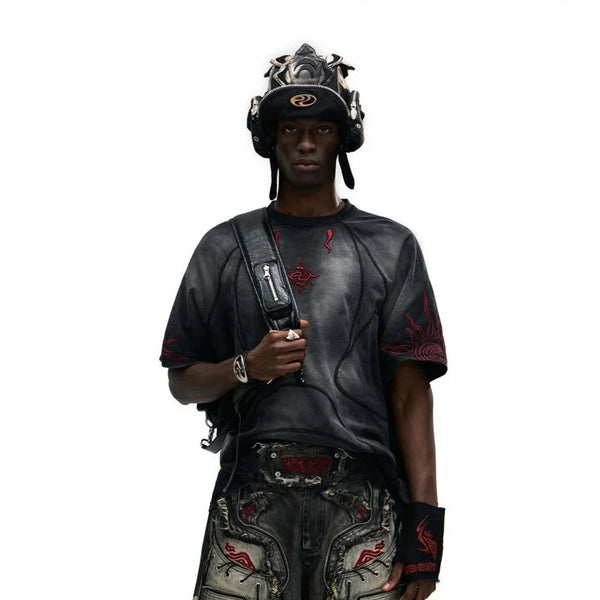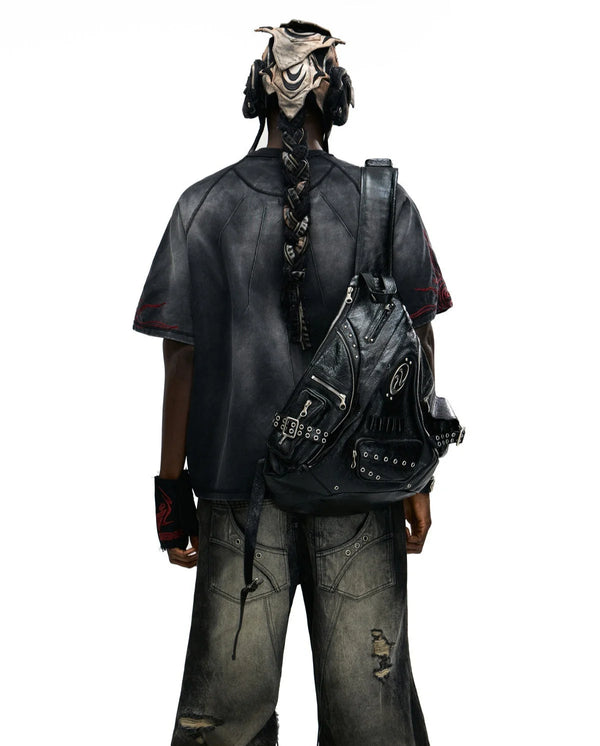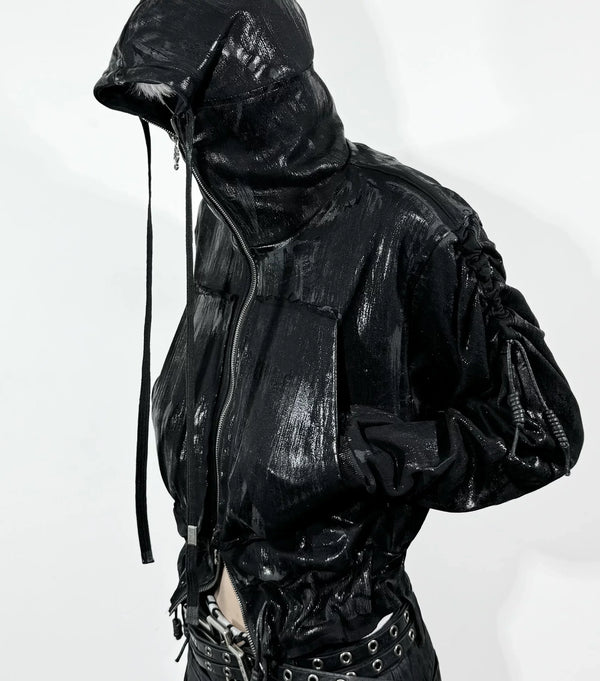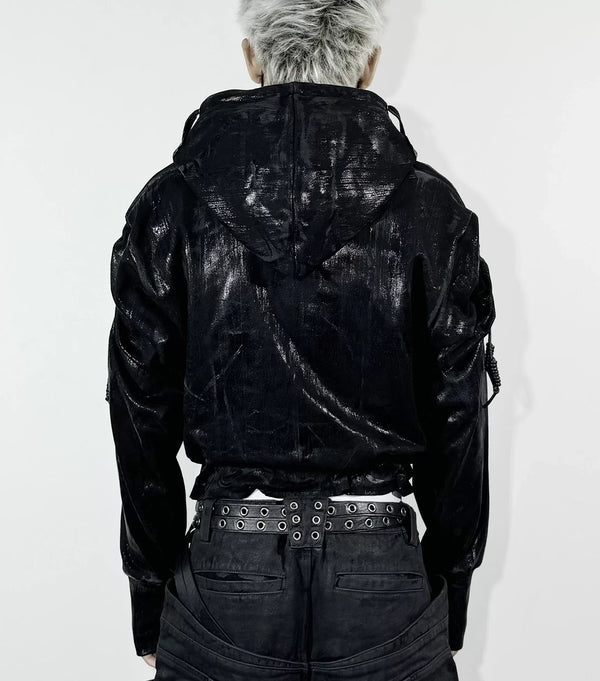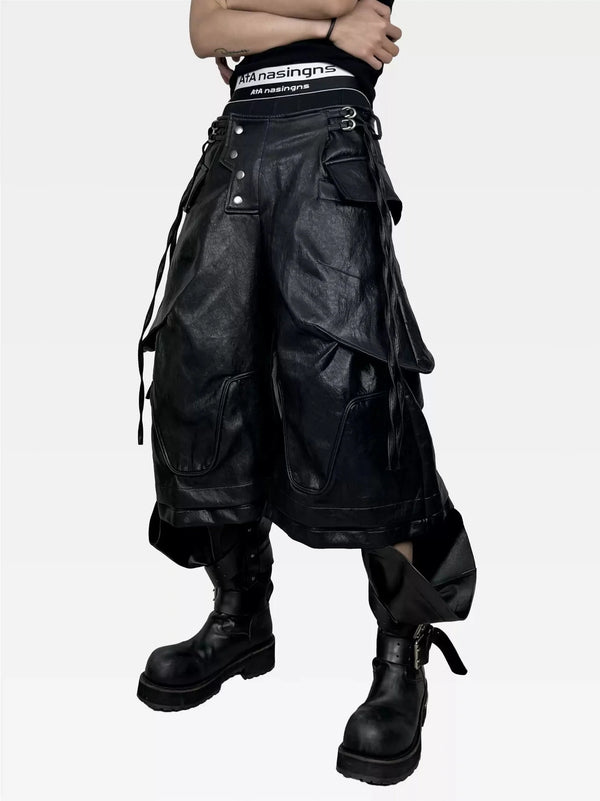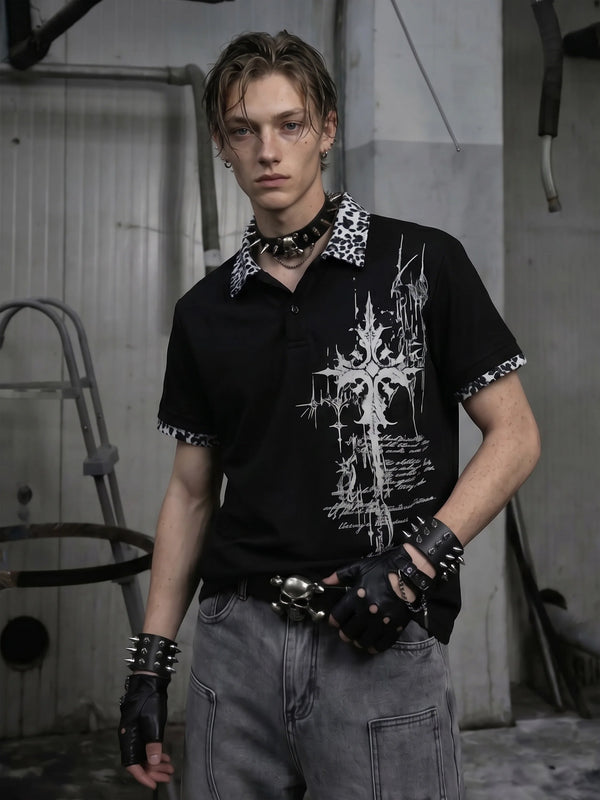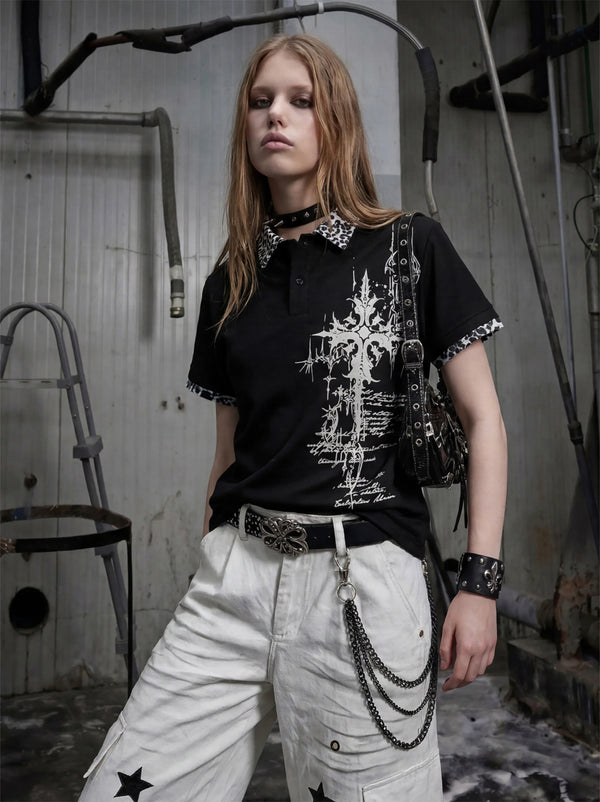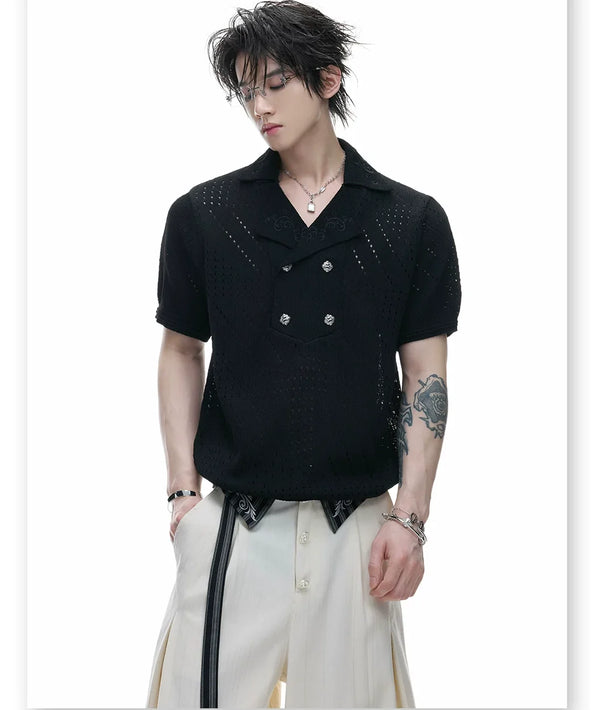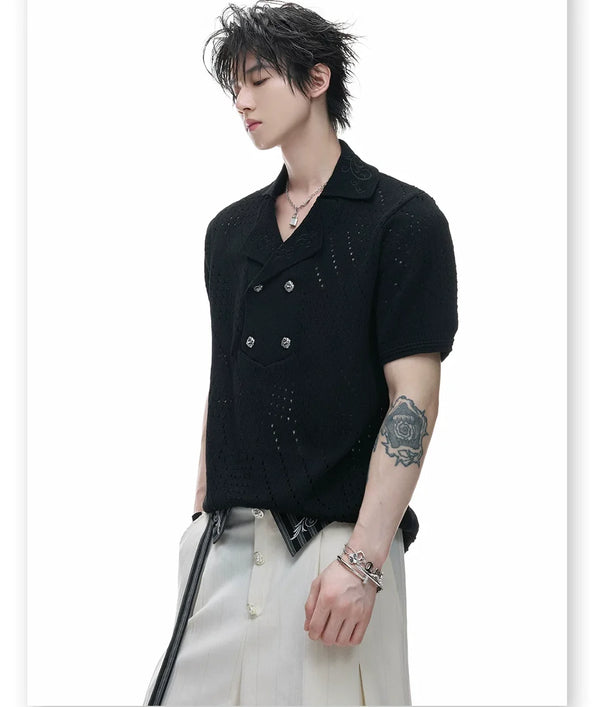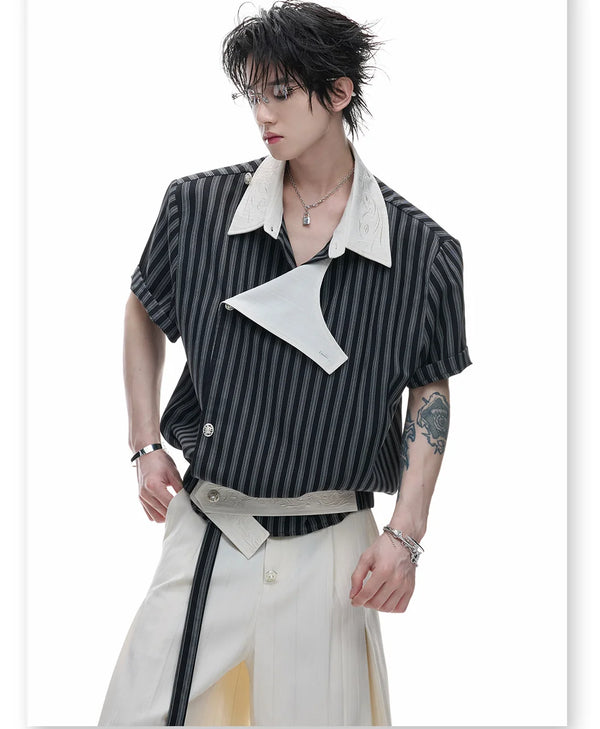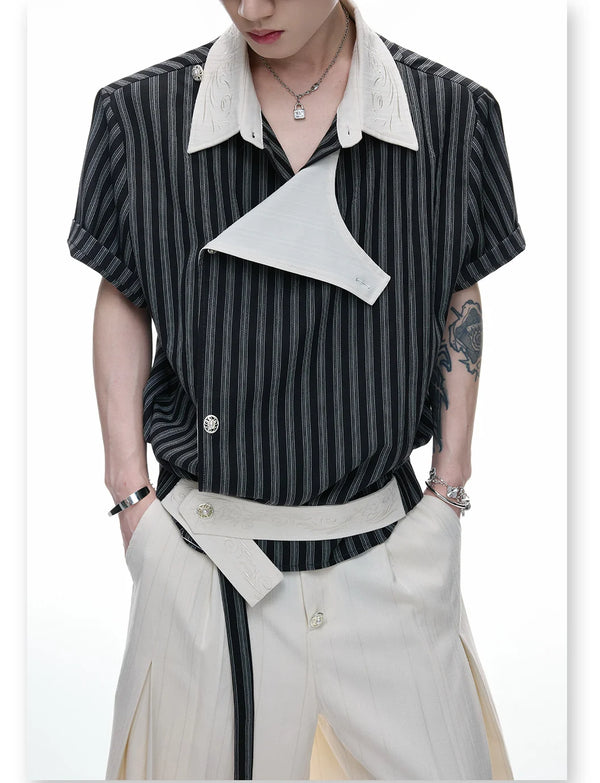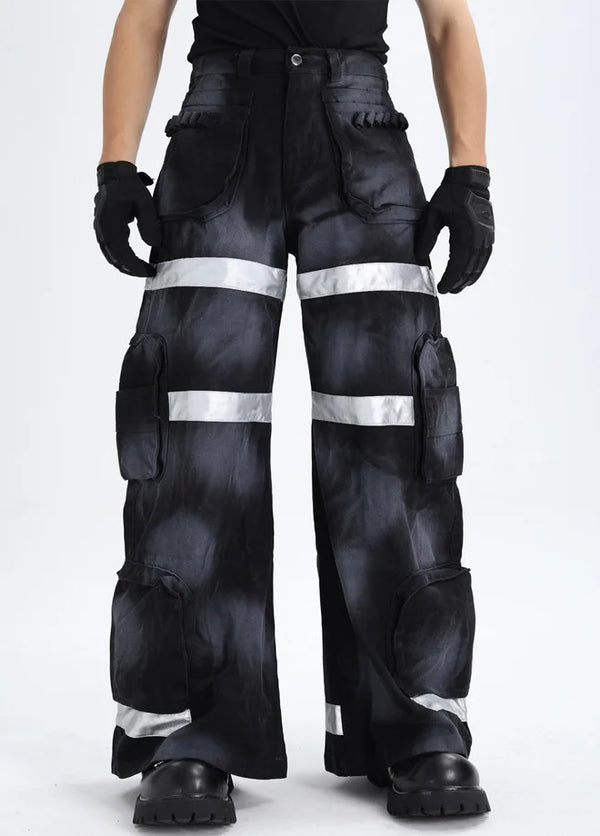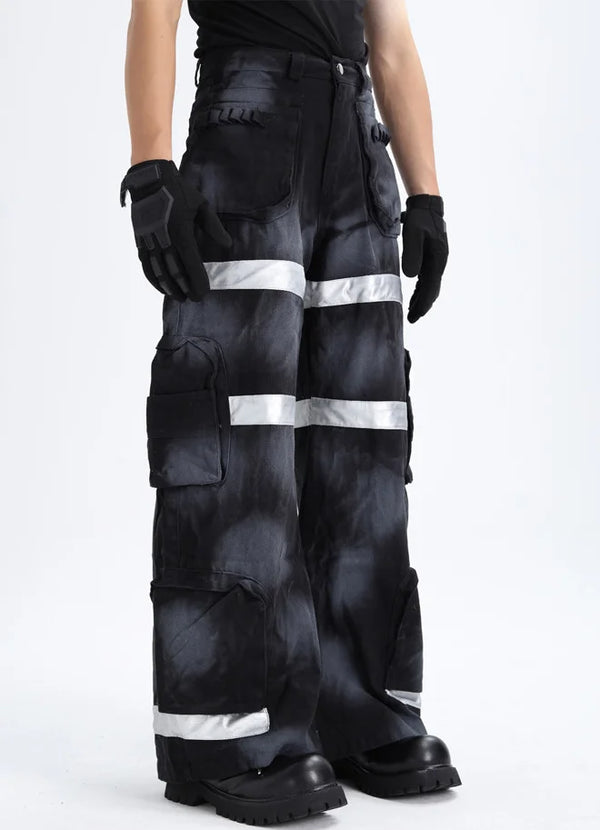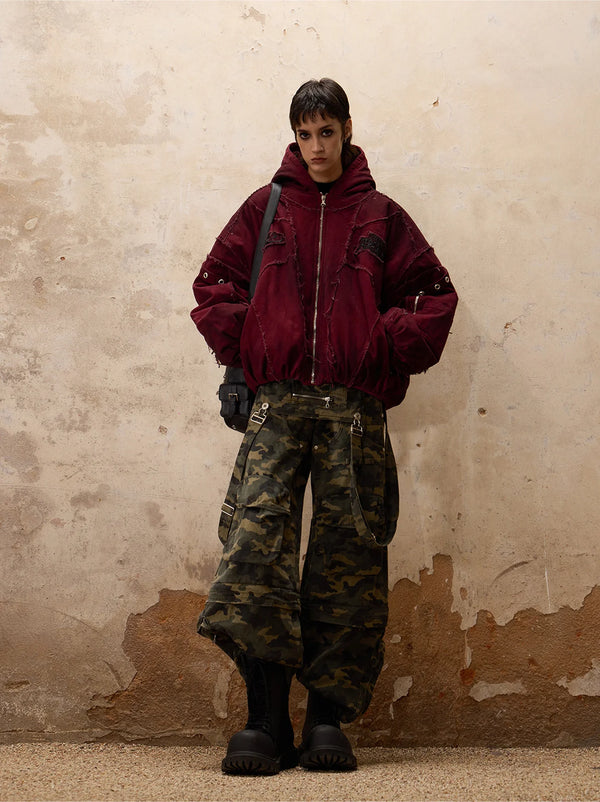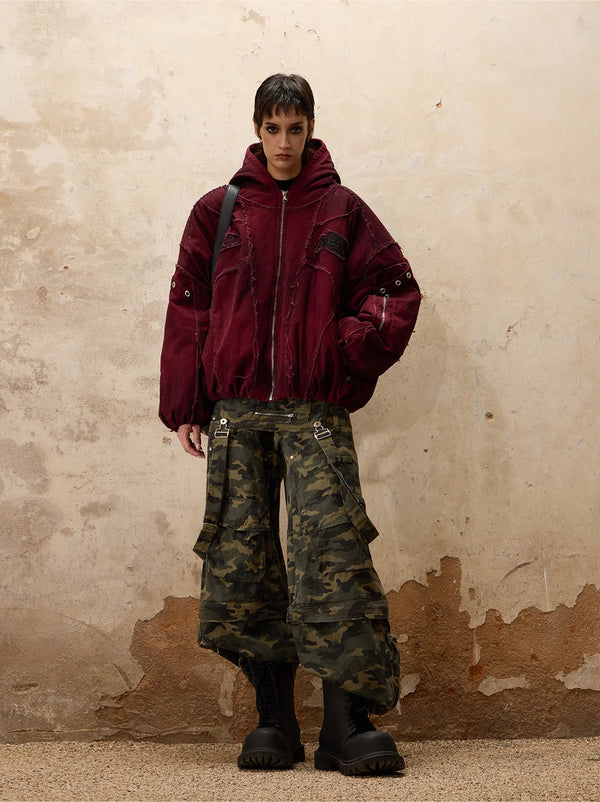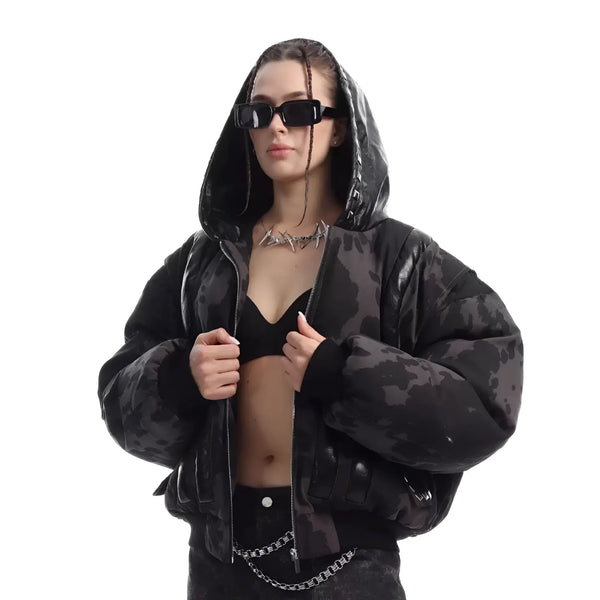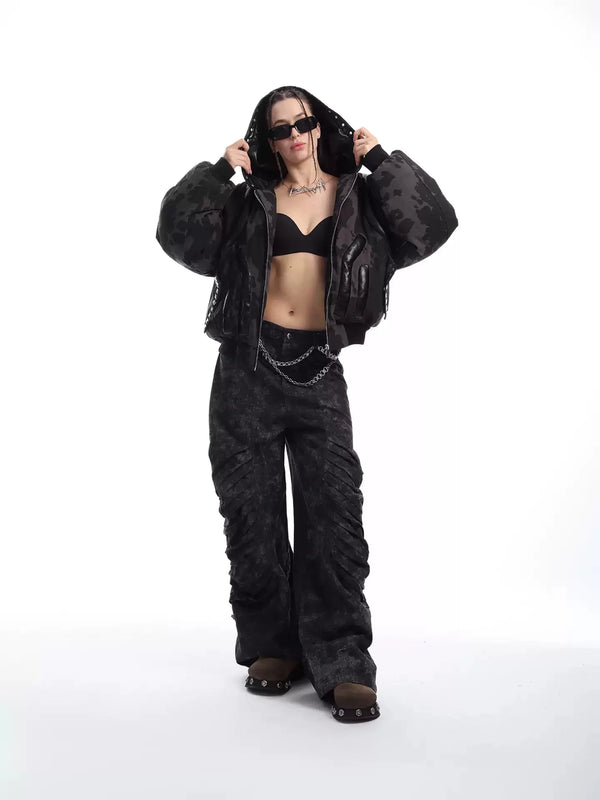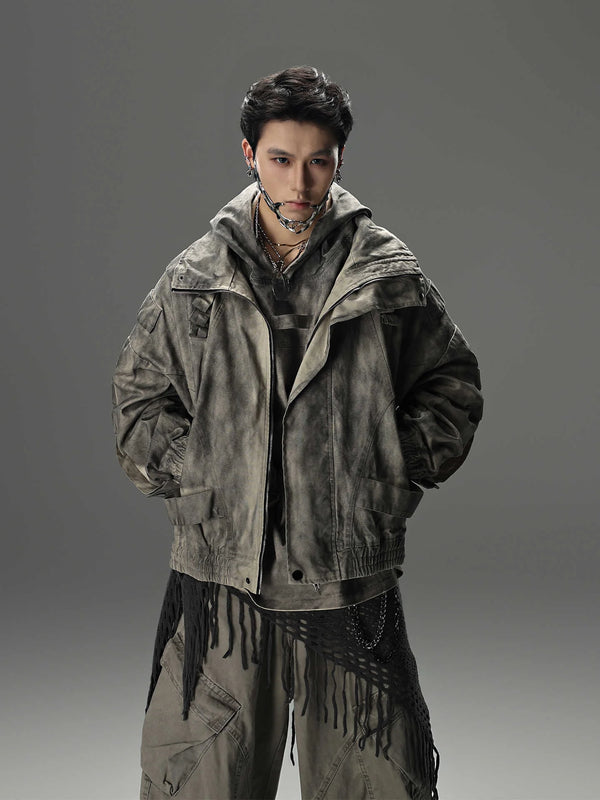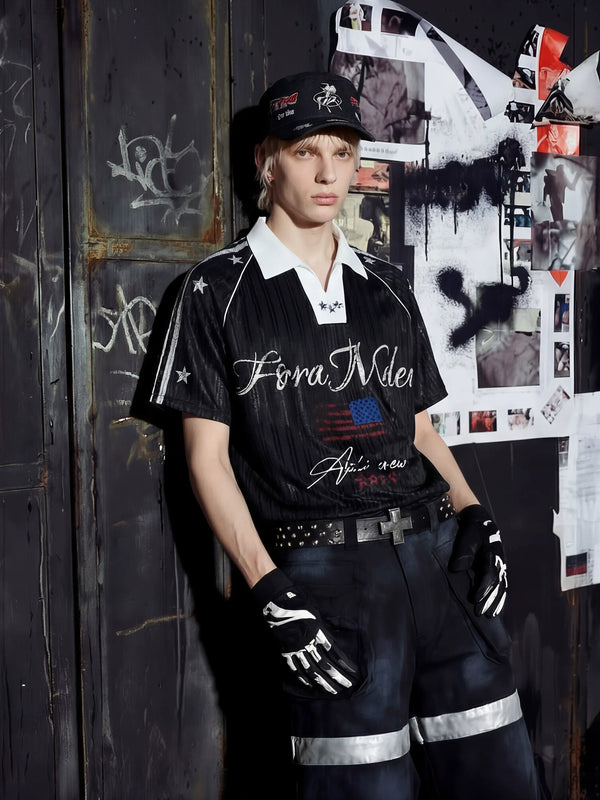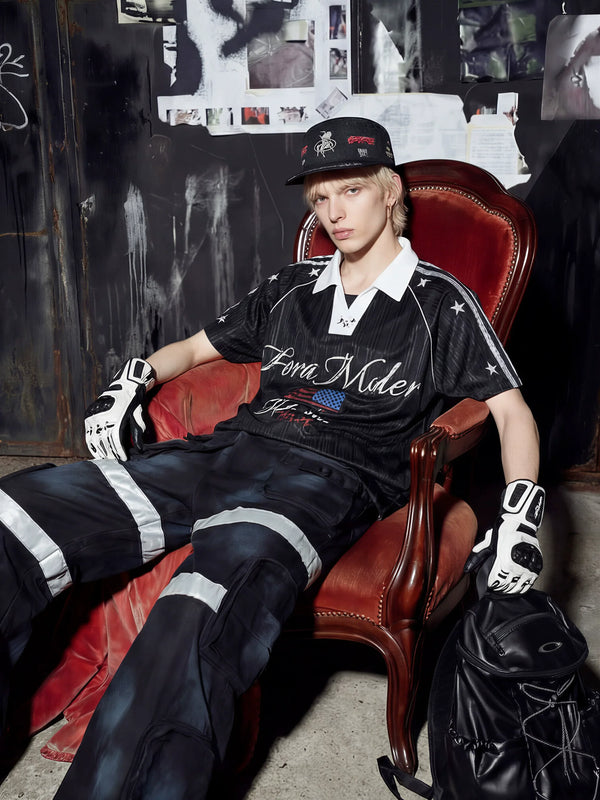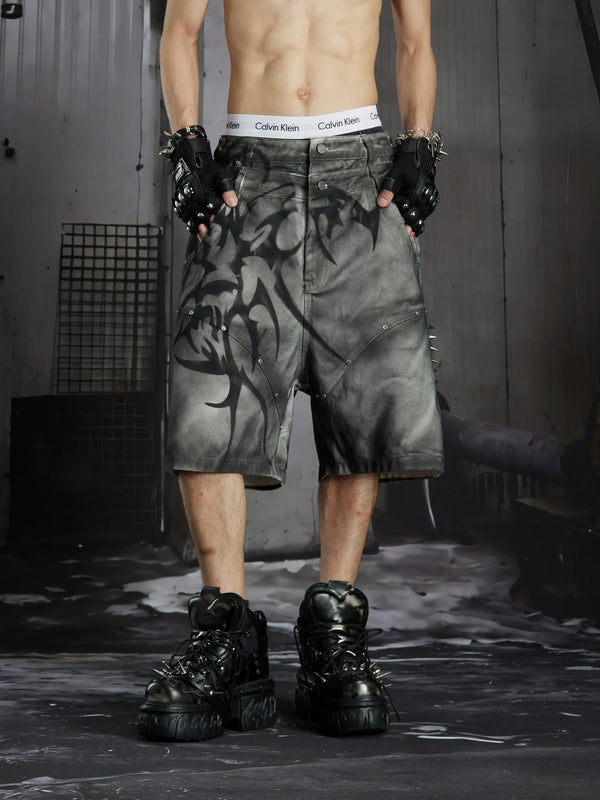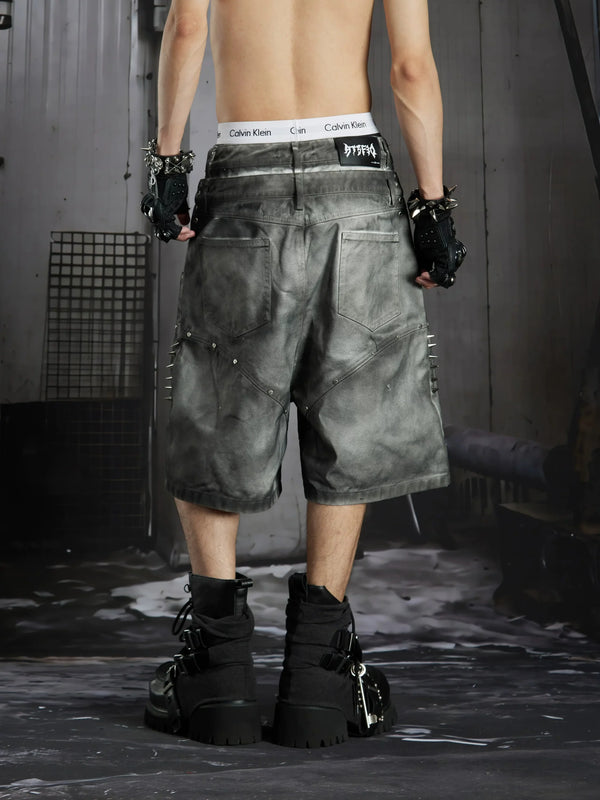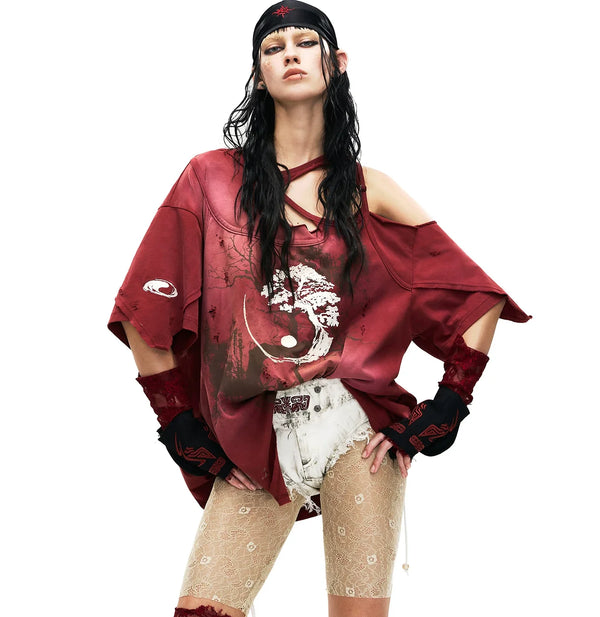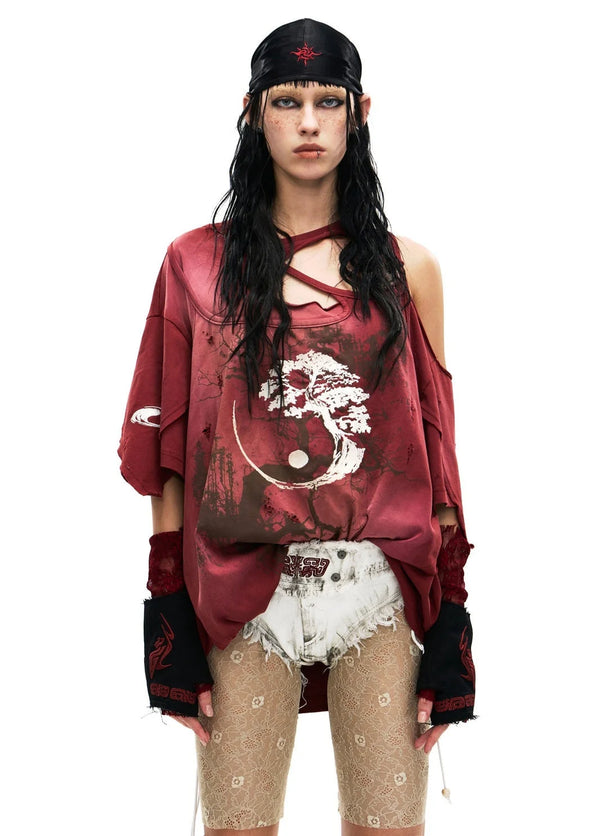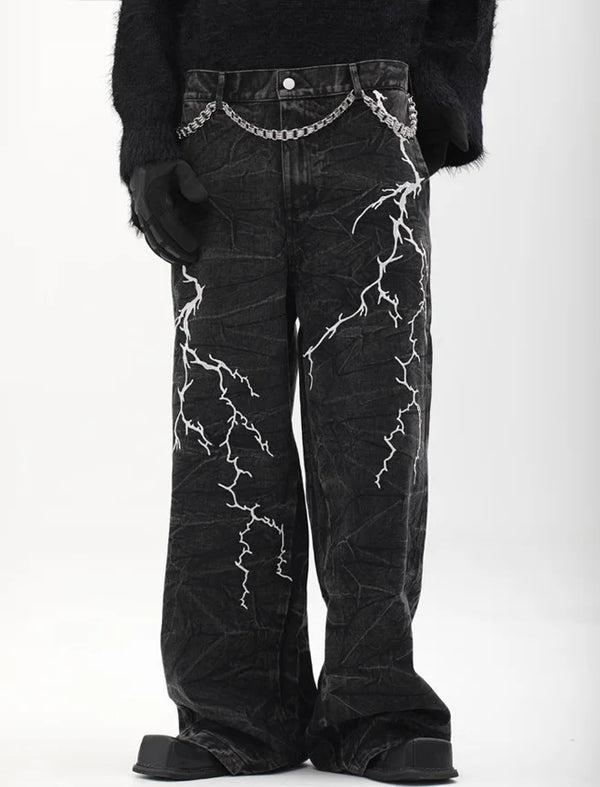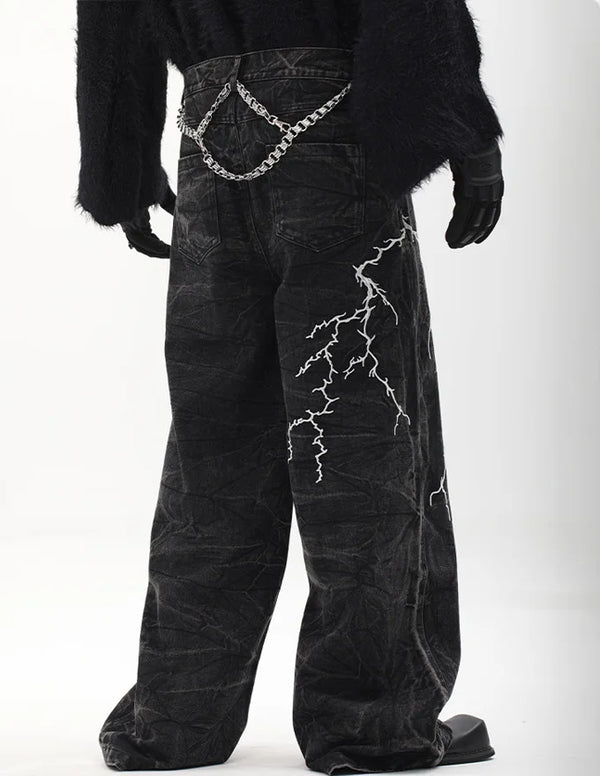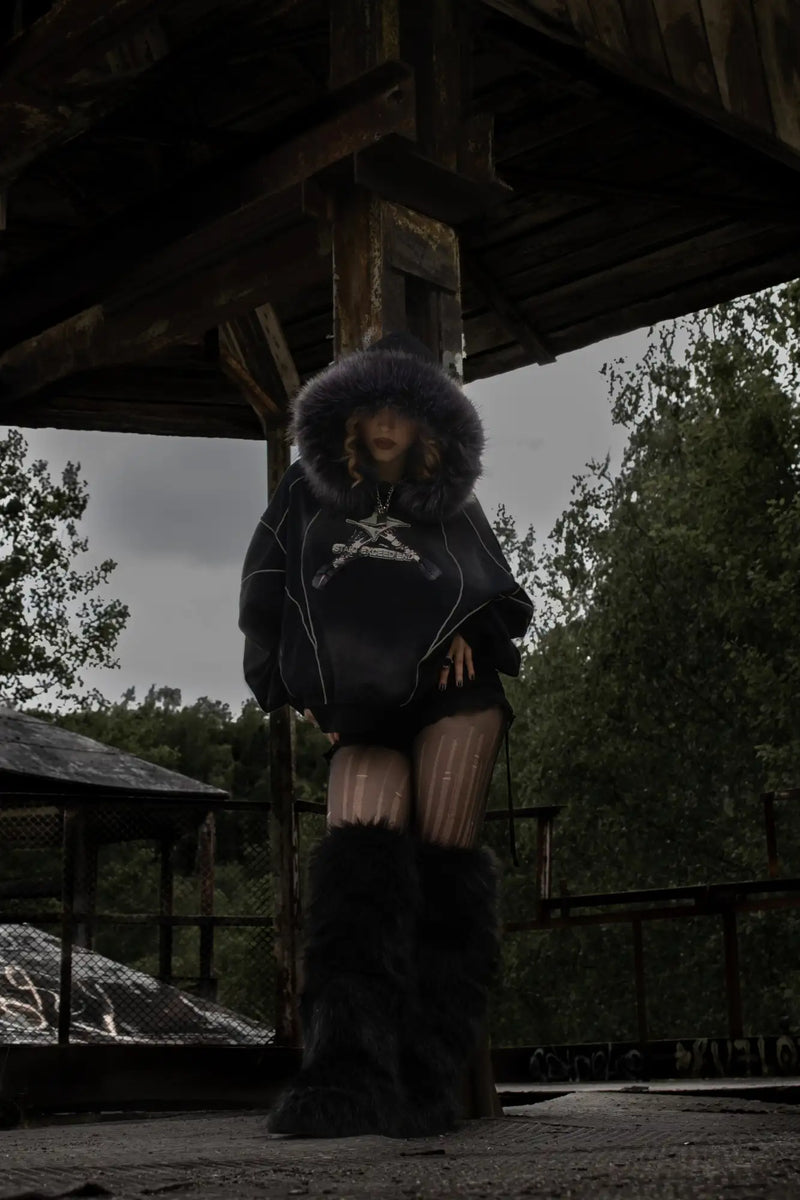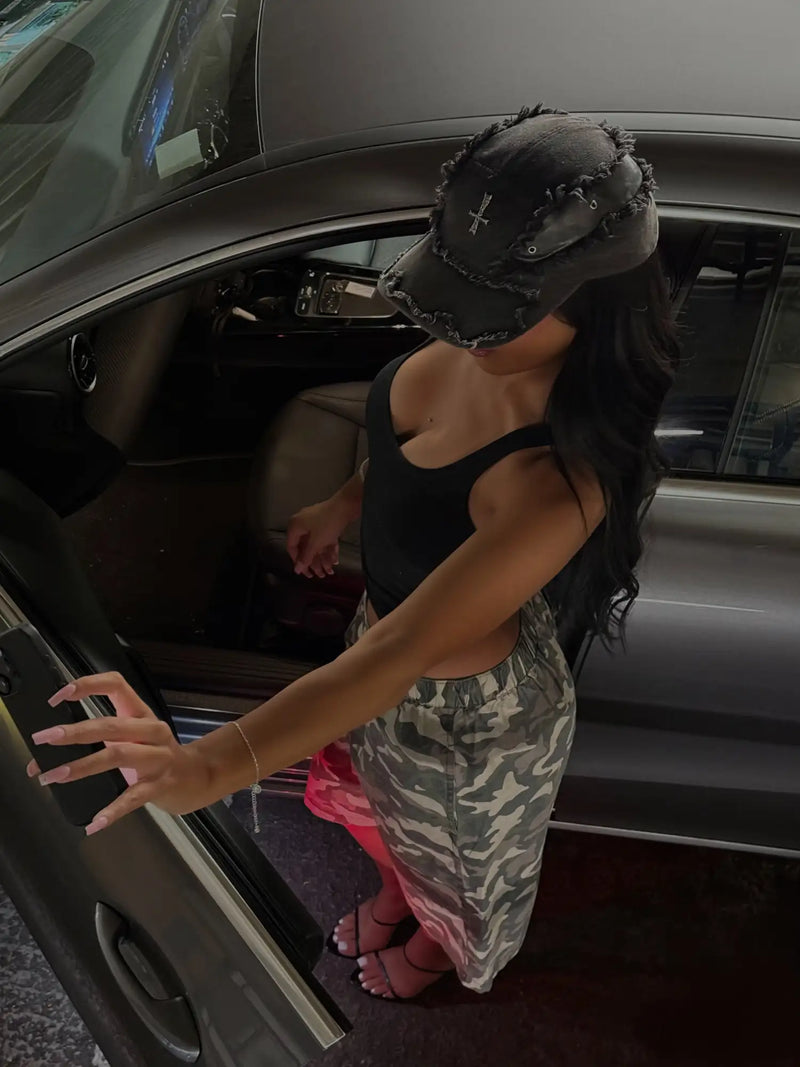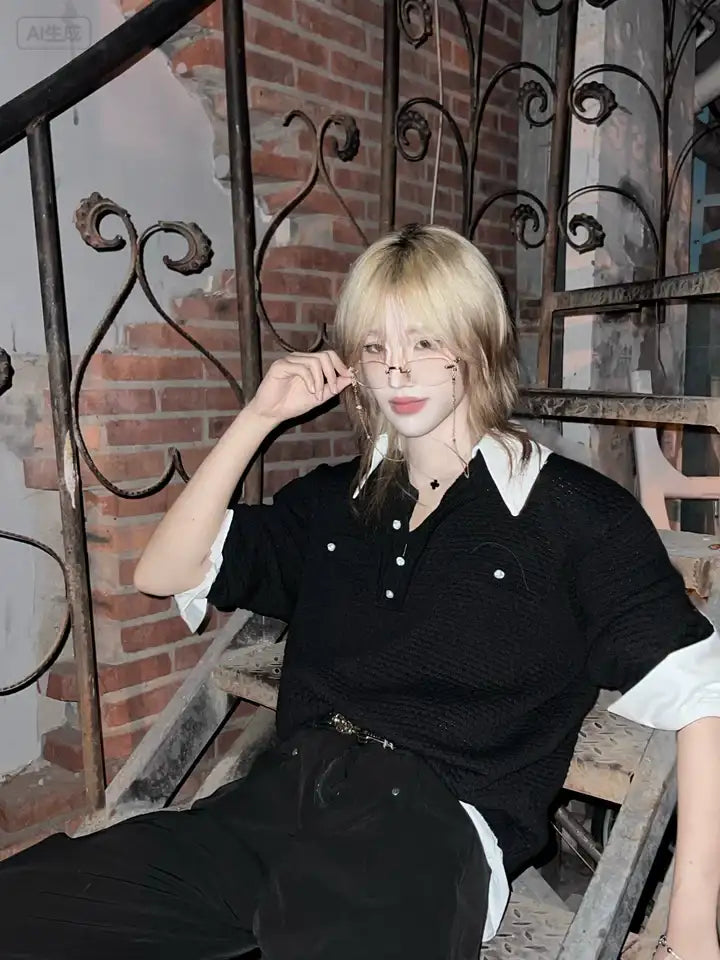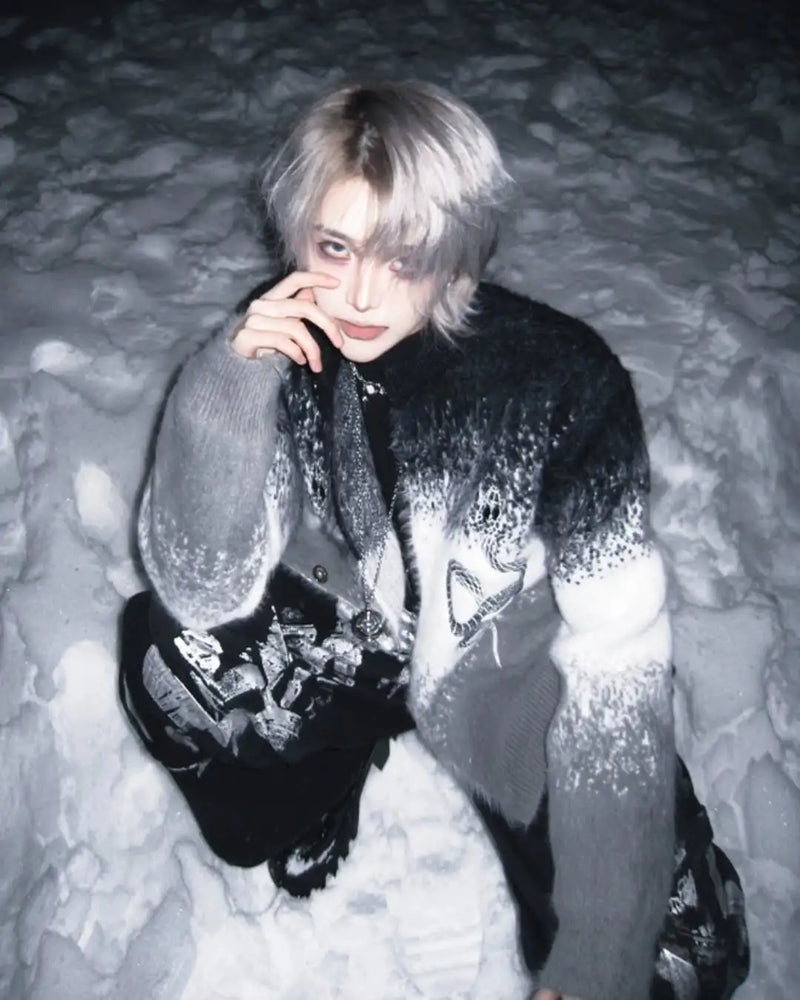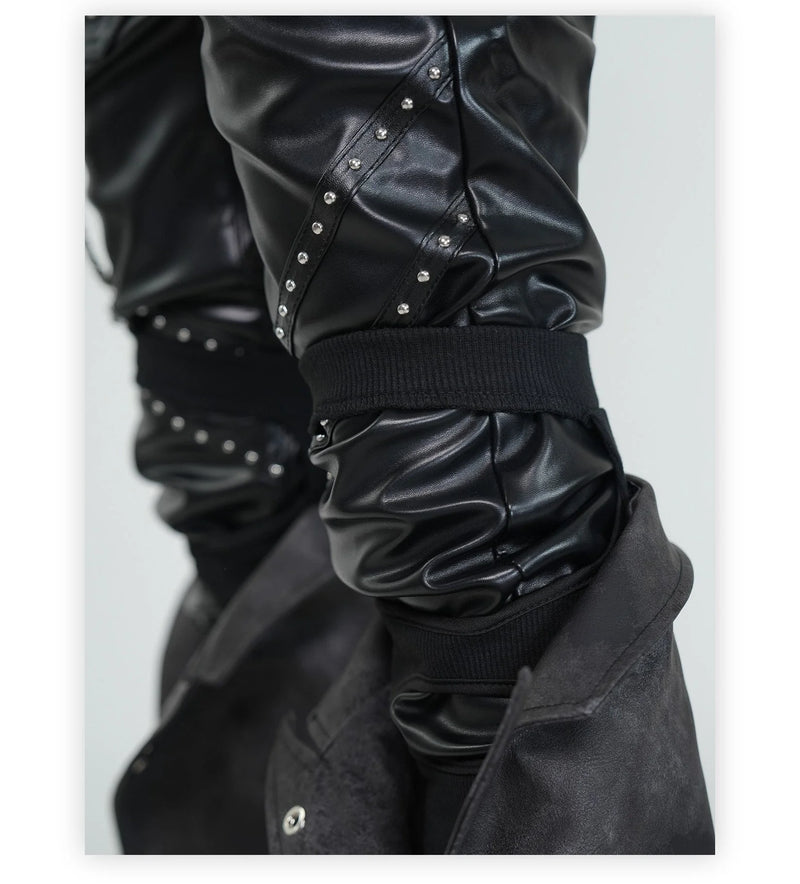
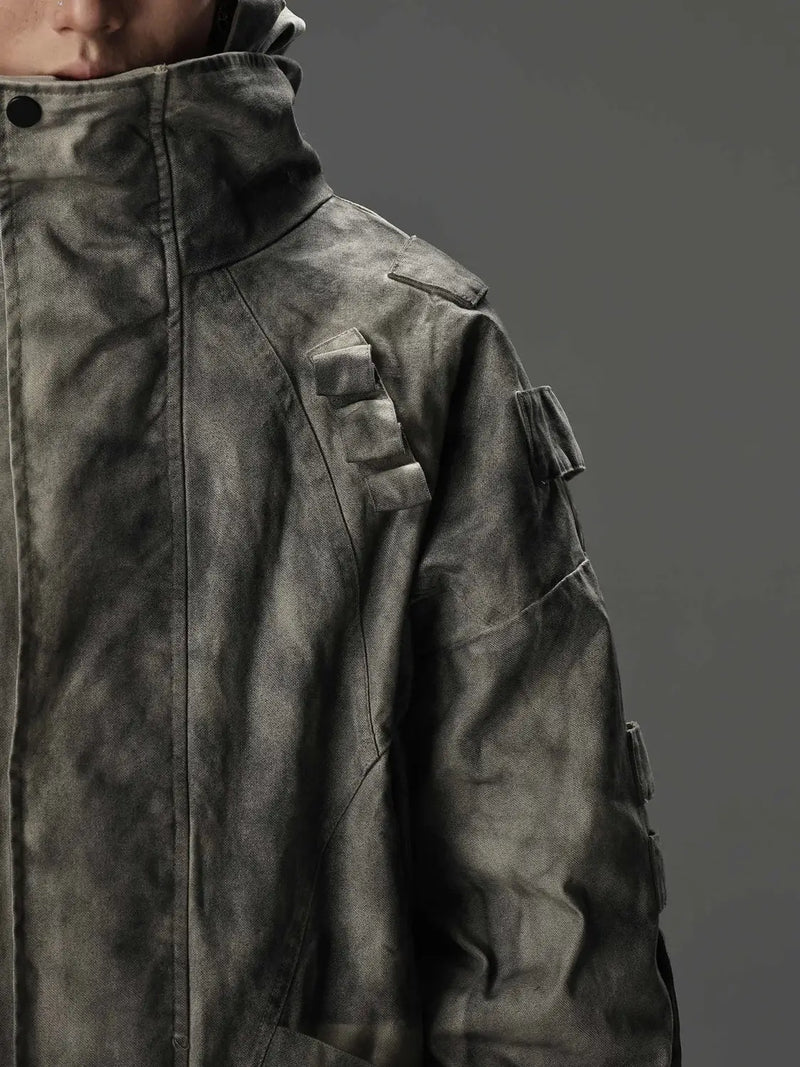
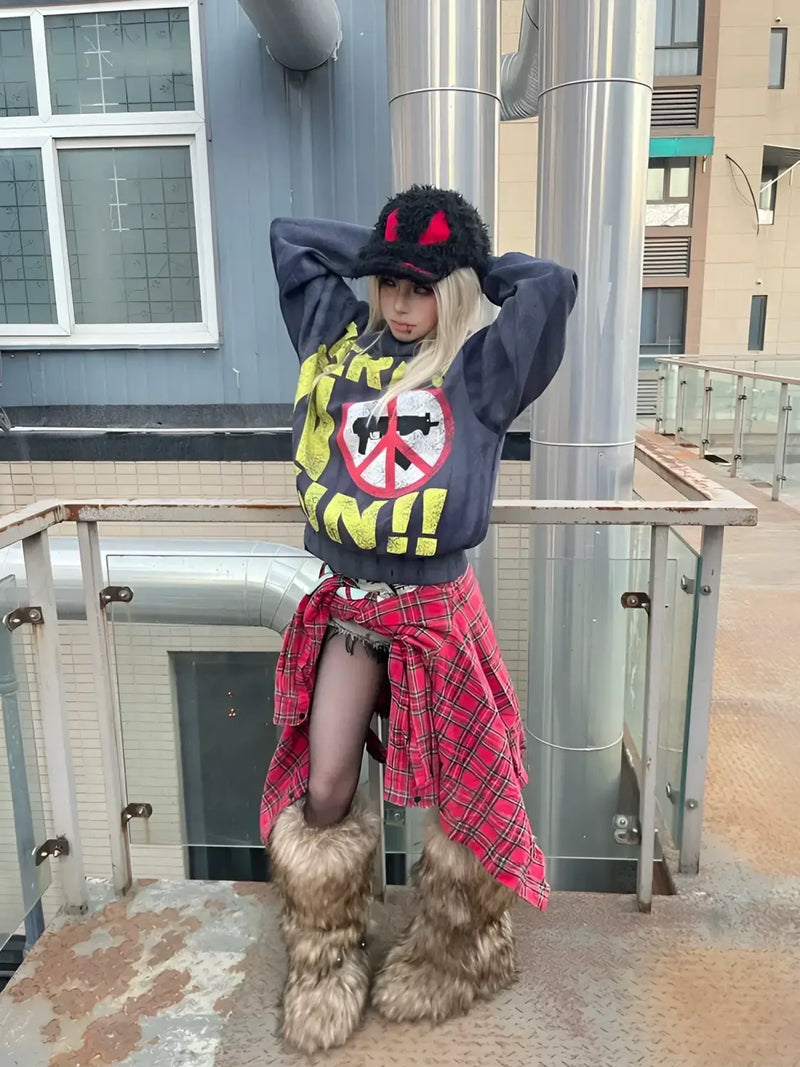
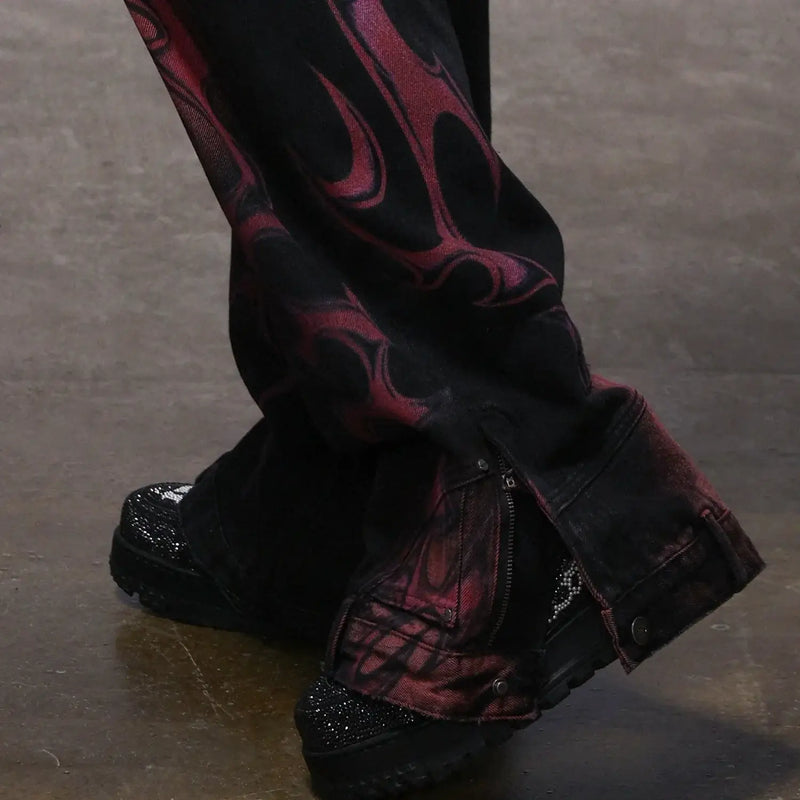
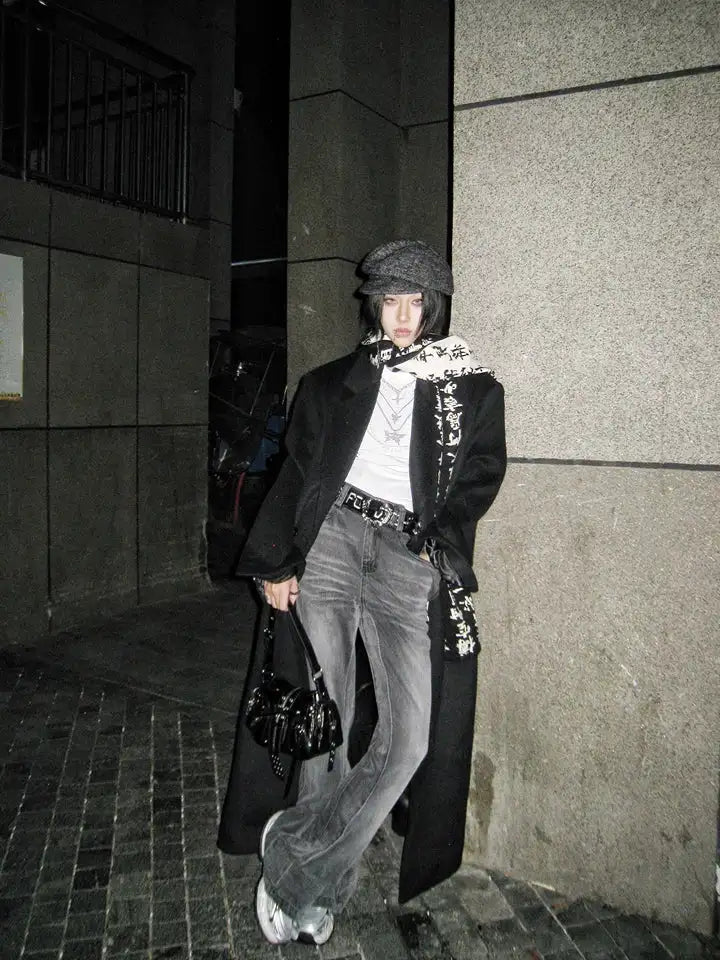

Google Seoul streetstyle and you're usually not searching for “a jacket.” You're searching for a proportion. It's never the single piece that carries a Korean outfit — it's where the lines fall, how long lies over long, and how much hand-length peeks out beneath the sleeve.
That's why “Korean Outerwear” isn't a list of brands either. It's a language built from four principles — proportion over logo, long line over long line, structured shoulder next to soft fall, and a sleeve that's deliberately too much. When those four sit right, the coat reads as Korean. When one is missing, it sits like a German coat on a Korean body.
This guide shows what actually belongs: where the logic comes from (Hanbok drape + the post-1997 crisis + the K-Pop wave from 2012 on), which six jacket archetypes Korea wrote, which brands really dictate the code, what shifts between women's and men's, and where the whole thing lands in a real outfit — coat, puffer, bomber, varsity, blazer.
How this language of proportion condenses into one piece — the matrix iteration of a padded layer in 14 seconds:
Origin
What “Korean Outerwear” really means — and where the logic of proportion comes from
Korean Outerwear as a term is younger than the thing itself. What runs on TikTok and Pinterest today as “Seoul streetstyle” has three clear layers: a traditional drape logic from the Hanbok (the flowing upper garment with a high cuff), a post-1997 IMF-crisis turn toward thrift and quality-over-quantity, and the K-Pop wave from 2012 on, which made the whole thing globally visible.
From the Hanbok come three things that live on in every modern Korean coat: the falling line over the shoulder, the contrast between a structured chest block and a soft hem, and the cuff with overhang at the hand. That's no accident and no folklore — Korean designers like Juun.J and Wooyoungmi have explicitly cited the Hanbok cut as the reference for their outerwear lines.
The second layer is economic. After the 1997 Asian crisis the glossy house labels collapsed, and a new consumer type emerged: young, urban, anti-logo, cut for quality. Brands like System (from 1995), Hera (the '90s) and later Ader Error (2014) became carriers of this logic — no visible branding, but fabric and cut discipline at designer level. What Berlin discovered around 2018 as “Quiet Luxury” had been the norm in Seoul for two decades.
The third layer is pop. From BTS' debut in 2013 and the first K-Drama wave on Netflix (2016: Goblin, Descendants of the Sun), Seoul's outfit vocabulary suddenly became globally legible. K-Pop stylists like Kang Hyung-jin (BTS) and Choi Kyung-won (G-Dragon) quoted Andersson Bell, Wooyoungmi and Juun.J — the world saw it, and Pinterest boards exploded.
Definition
What counts as Korean Outerwear — the 4 principles
Korean Outerwear is a system of four principles. When all four sit right, the coat or jacket reads as Korean — even if the label comes from Berlin or Tokyo. When one is missing, the outfit reads as generic streetwear with an Asian touch.
+5 cm
Outer longer than inner layer
+2-4 cm
Sleeve past the wrist
0
visible logos
2
Fabric characters (structure + fall)
These four numbers are the skeleton. They're not softly negotiable — if your sleeve ends on the hand instead of hanging past it, the gesture is missing. If your coat is shorter than the hoodie beneath it, the layering logic tips over. If a logo stays visible, the outfit reads as Western-brand advertising, not as Korean.
Concretely, what counts as Korean Outerwear:
- Proportion over logo — the line makes the outfit, not the branding. Korean designers put brand tags on the inside, not the outside. What you see is cut, fabric, hem height.
- Long-over-long layering — the outer layer is at least 5 cm longer than the next one in. Coat over hoodie, hoodie over henley, henley over tank. Every step visible.
- Structured shoulder + soft fall — the upper body sits clean, from the chest down the fabric runs out. Not skin-tight, not tent-like. Drape with hold.
- Sleeve overhang — the hand disappears 2–4 cm into the sleeve. That's the gesture. Without it every coat looks too small, with it every coat reads pricier than it was.
- Two fabric characters per outfit — structured (wool, felt, padded) meets falling (jersey, knit, viscose). Three characters = chaos. One = dull.
- Neutral palette plus one statement color — black, off-white, beige, navy, charcoal as the base. At most one color per outfit as an accent: burgundy, forest, camel. Never two.
If you're missing three of these six points, it isn't Korean Outerwear — it's a coat you could also find in Frankfurt. And there's one rule that holds all six together:
6 archetypes
Which jackets are really popular in Korea — the 6 archetypes
Korean Outerwear isn't one jacket type — it's six, weighted differently in Seoul, Busan and Daegu. Scroll through Pinterest boards for “Korean fashion winter” and you'll see these six archetypes again and again, in different mixes. Each with its own proportion, its own fabric character.
Which of the six suits you depends less on taste than on your city's climate, your height, and how much layering discipline you bring. How that splits between women's and men's comes next.
Women vs men
Korean Outerwear for women vs men — where the proportion tips
The principles hold for every body. Long-over-long, sleeve overhang, shoulder structure, neutral palette. What differs is the distribution. Where the Korean men's coat sits as a falling outer layer over a tight hoodie, the women's iteration often runs with the coat as a second skin over mock-neck and wide-leg pant.
Women's version: the Cropped Blazer goes boxy instead of fitted. The Mac Coat iteration is more common than for men, often in camel or off-white, with a belt but rarely closed. Padded Down is chosen longer (knee instead of mid-thigh). The sleeve gesture sits stronger — for women the hand sometimes disappears entirely, only the fingertips peek out. That's not accidentally bought too big, that's the gesture.
Men's version: the Mac Coat sits slimmer through the chest but runs wider from the hip. Bomber and Varsity dominate, often as the only outer layer over a slim crewneck or henley. Padded Down is rarely longer than mid-thigh — Korean men wear the shorter cut more often than the maxi. Sleeve overhang stays, but more moderate (2–3 cm instead of 3–4).
Both need the same long-over-long discipline and the same neutral palette. What varies is the cut's emphasis — not the vocabulary. A Korean woman wearing a men's Mac Coat looks Korean. A man wearing the boxy women's Cropped Blazer often looks even more Korean than someone in the classic men's cut.
Brands
The Korean brands that write the outerwear vocabulary
K-Pop stylists don't reach into a list of a hundred brands. They reach into the same eight or nine labels, over and over. Know the brands and you can build the look without ever having seen a single K-Drama cast — because the vocabulary comes from there, not the other way around.
The brands that really write Korean Outerwear — chronologically and by influence:
- Wooyoungmi — in Seoul and Paris since 2002. Tailoring at Parisian level with Korean drape logic. If a Mac Coat feels too “grown-up,” it's Wooyoungmi-adjacent. Price level: designer.
- Juun.J — Jung Wook-jun, since 2007. The man who explicitly translated the Hanbok cut into men's outerwear. Asymmetric cuts, oversize trench, long falling silhouettes.
- Ader Error — Seoul collective, founded 2014. Anti-branding branding with the iconic blue dot. Mac Coats and bombers, often with ironic patch details. Mid-range.
- Andersson Bell — Doh Tae-kyu, since 2014. Knit-first label with a strong outerwear program. Sherpa, padded, varsity in clean neutrals. Mid-range.
- Postarchive Faction (PAF) — Sohn Ye-Lim, since 2018. Constructive-experimental, deconstructed coats, layer architecture. The intellectual iteration of the niche.
- thisisneverthat — since 2010, Seoul. More streetwear-oriented than the others. Bomber, varsity, MA-1 with logo-light patches. Entry-level.
- We11done — Dami Kwon, since 2015. Korea-Paris crossover, dramatic cut, more women's-oriented. Cropped Blazers and statement coats.
- System — retail-brand conglomerate, since 1995. Korea's answer to COS / Arket — mid-price, clean, no logo. Where Seoul's commuters buy their coat.
- IISE — Kevin and Terrence Kim, since 2012. Hanbok references made fully explicit, in the cut and in the fabric choice. The most direct “tradition meets modern” brand.
Anyone wanting to wear Korean Outerwear without paying designer prices hunts the resale market (Grailed, Vestiaire) for the first three on this list, or turns to DTC brands that translate the vocabulary competently. The line and the cut are copyable — the brand tag inside isn't, but no one sees it anyway.
Category · Coats
Coats & Long Coats — the Seoul drape line
The long coat is Korea's statement outerwear. It carries the whole outfit — the largest surface, the most dominant fabric, the primary carrier of the falling line. This is where it's decided whether the layered build becomes a Korean outfit or a German winter coat with streetwear underneath.
Three coat types work: the single-breasted Mac Coat (knee to calf length, wool or felt, neutral tone), the long trench with falling shoulder (transitional season, often with a contrast belt), and the field coat / parka hybrid with a structural chest and soft hem. Key for all of them: at least 5 cm longer than the next inner layer — otherwise the long-over-long logic tips over.
Category · Winter
Padded & Puffer — the Korean winter language
Seoul regularly sits at minus 10 to minus 15 degrees in winter. The Padded Down is therefore no style statement — it's mandatory. What Korea has made of the obligation is its own cut grammar: slim instead of inflated, long instead of cropped, mid-thigh as the default for men, knee for women.
Three padded iterations work: the slim Long Down (mid-thigh, straight cut, solid black or navy), the mid-volume padded with a structural chest and slimmer hip, and the convertible puffer with detachable sleeves or capuche detail. What doesn't work: the over-wide Michelin-man cut that Moncler made big in the 2010s. In Seoul that reads as a “Western misunderstanding.”
Category · Bomber & Varsity
Bomber, Varsity & the blazer-over-hoodie trick
The second cluster is transitional outerwear: bomber, varsity jacket and the Cropped Blazer. These three sit differently than the long coat — they're the shorter outer layer that explicitly shows what's happening beneath. Long-over-long stays — but now with the hoodie as the visible middle step and the tee or mock-neck as the lower one.
The MA-1 bomber is always cut slimmer in the Korean iteration than the US blueprint. Sleeve cuff sits tight, body a bit wider, hem not as bloused as on American surplus bombers. The varsity jacket is Korea's rebirth piece since 2018: cropped, wool chest, leather sleeves, patches instead of logos. And the Cropped Blazer over hoodie is perhaps the most copied Korean outerwear trick worldwide — boxy, short, worn over a hoodie whose hem falls 5 cm lower.
Styling physics
The proportion rule — why Seoul's layering clicks
A Korean outerwear outfit works on exactly one detail: where the lengths sit relative to each other. Three steps, each at least 5 cm of difference, rising from body to outer layer. More steps are allowed, fewer are not. If all hems end at the same height, the outfit looks bulky instead of composed.
The simplest rule of thumb for a Korean outfit: if you see at least three different hem heights in the mirror — coat, hoodie, T-shirt — it sits. If you only see two, a layer is missing. If you see one, you're wearing a coat over a sweater and nothing about it is Korean.
In practice that means: Mac Coat (knee length) over hoodie (hip) over henley (pelvis). Three hems, three heights, all visible when the coat is open. Or: Cropped Blazer (hip) over hoodie (mid-thigh) over tee (pelvis). The short outer layer makes the middle and lower step explicitly visible — that's why the cropped-blazer-over-hoodie look went so viral.
A second rule, rarely spoken but always in force: the sleeve overhang. The hand disappears 2–4 cm into the sleeve. For women often more, for men often less, but NEVER zero. If your sleeve ends on the hand, the outfit looks bought too small. If it hangs 5 cm past, it looks bought too big. The 2–4 cm are the gesture.
We've put the full breakdown with photo examples in its own article:
But Korean Outerwear doesn't stand alone — it overlaps at several edges with other codes. Japanese workwear shares the fabric discipline, Berghain techno shares the neutral palette, Quiet Luxury shares the anti-logo logic. Anyone who has Korean down can read these neighboring codes and mix them deliberately.
Here are the five most important neighbors — each with its own guide:
Seasonal
Korean Outerwear in winter vs transition
In winter the logic is simple: Long Padded or Mac Coat as the outer layer, hoodie or thick knit as the middle step, long-sleeve or henley as the skin layer. Four or five steps are normal in Seoul from mid-December — the city sits at minus 10, and the wind drops the feels-like value much lower.
Transition is harder. April and October are the months in Seoul when the cropped-blazer-and-bomber cuts dominate. Here the outer layer shifts from thick to light, but the number of steps stays — you just swap a thick knit for a light henley, and the coat becomes the bomber jacket. What you do NOT do is drop down to one layer.
The year-round solution also comes as hardware: Pieces that adjust their layer thickness themselves. Convertible puffers with detachable sleeves, for example — full winter coat in January, vest in March, a pure layering Piece with a short tee underneath in May.
Here's what that looks like in motion:
What does not work
The 6 most common mistakes in Korean Outerwear
Korean Outerwear has six places where the outfit reliably tips over — no matter how expensive the individual Pieces are. If you avoid only one thing, make it mistake number one.
Action
How to get into Korean Outerwear — the first 4 pieces
You don't need twenty coats to wear Korean outerwear. You need four that will be in 80 percent of your outfits. Everything else builds around them.
In order: a long Mac Coat in a neutral tone (your biggest investment — lasts five to ten years if you don't buy cheap). A slim Long Padded in black or navy for real winter. A Cropped Varsity or an MA-1 bomber for transition. A Sherpa Fleece or corduroy-chest jacket as the cozy iteration. With these four you cover Seoul climate from minus 15 to plus 15 degrees.
Outfits for real
Korean Outerwear for real — how it looks on Seoul's streets
Before you build your own outfit, look at how the six archetypes look in a real feed. On Pinterest boards and lookbook shots they always look perfect — on Hongdae and Itaewon street shots they look tighter, dirtier, less staged. And that's exactly why they work.
This is the fastest way to check whether the proportion rule sits on your body type at all — before you spend money.
To close
Korean Outerwear is a language of proportion — not a trend
If you remember one thing from this guide, make it this: Korean Outerwear doesn't work through brands, it works through rules. Get the rules down and you build a hundred outfits from twenty pieces. Collect only brand lists and you have the most expensive wardrobe and the worst outfit.
The whole logic of this guide reduces to one sentence:
The rules have been stable since the early 2000s and will stay that way — as long as Seoul remains the pivot and K-Pop and K-Drama keep the vocabulary globally legible. But you don't have to wait until you know every rule by heart. Start with one archetype that fits your climate — and wear it for a whole week.
And here's the point: Korean Outerwear reads in theory like a list of rules, but in practice it doesn't feel that way. Once you have the proportion logic down, every further outfit is a variation on the same four or five building blocks — not a new invention. That's the quiet behind the look: not an exhaustion trend, but a system that works again every winter.
FAQ
Frequently asked questions about Korean Outerwear
The questions we often get by DM and by email — short, clear, no detour.
What are the Korean jackets actually called?
Which Korean brands should I know when I'm starting out?
Is Eider a good brand in Korea?
What is a Hanbok jacket — and is it still worn today?
What's the difference between Korean Outerwear and Japanese Streetwear?
Does Korean Outerwear work without the thin K-Pop body too?
Which shoes go with Korean outerwear?
What do you think?
Tell us on @fuga_studios
About the author
Philipp Fuge — Founder · Berlin
Founder of Fūga Studios. Writes the journal himself. Berlin · Shanghai · Tokyo · Poznań — four cities, one logic.