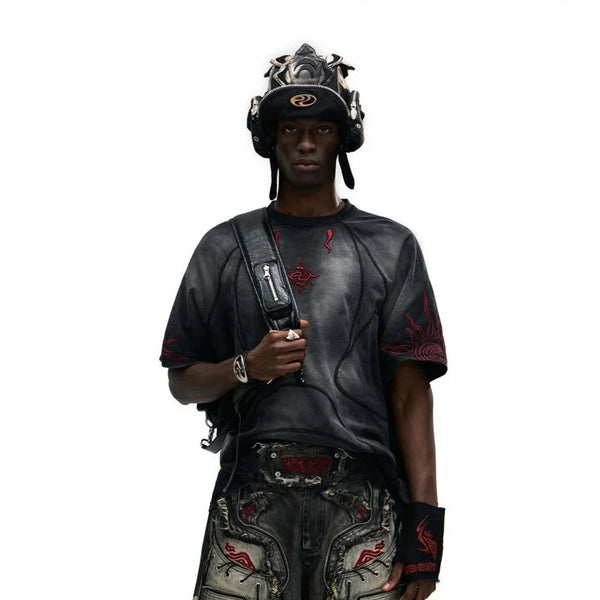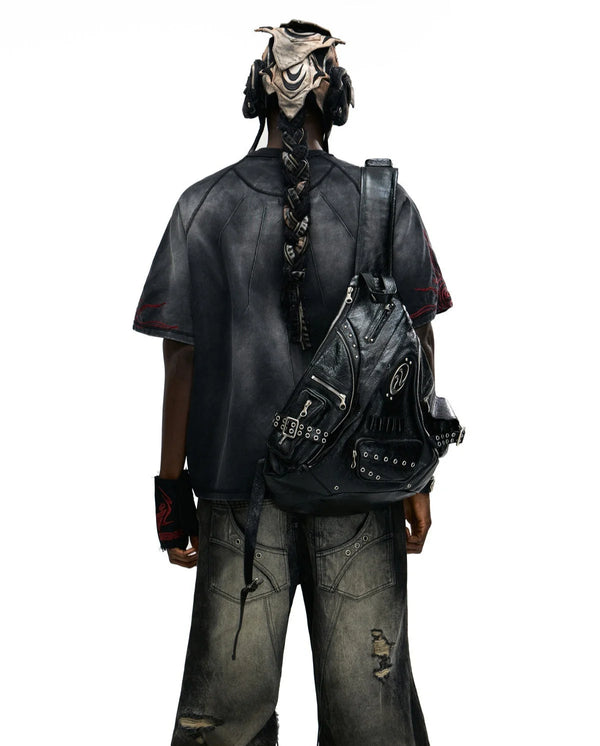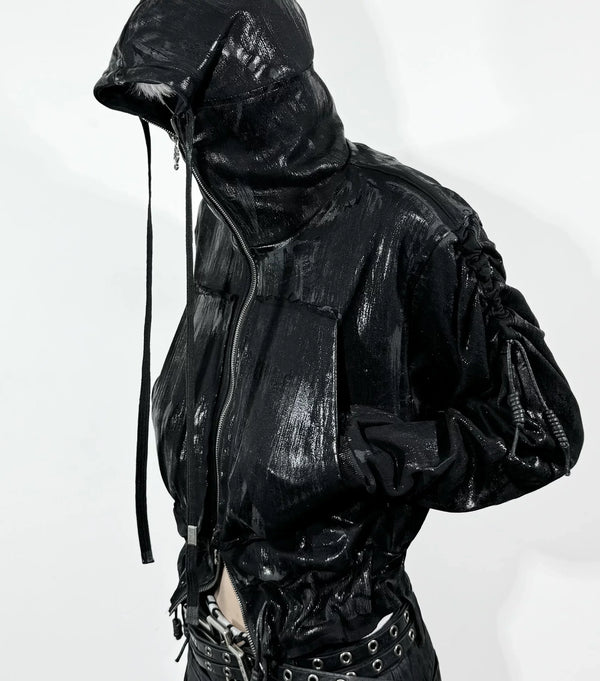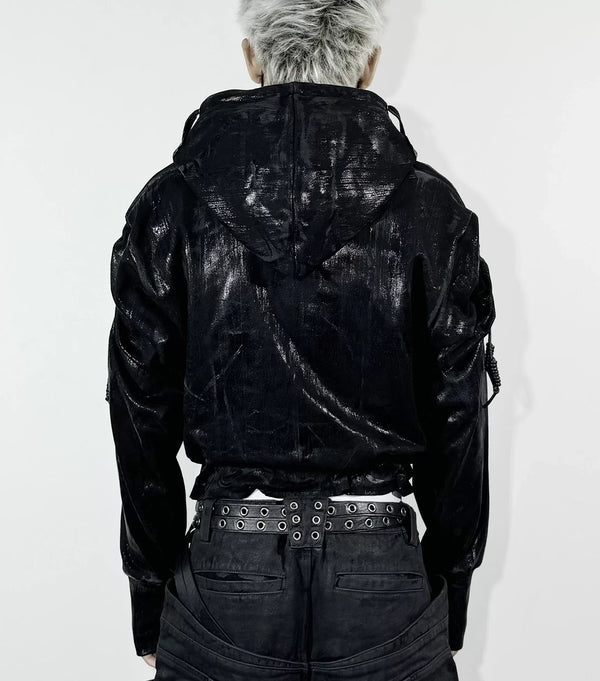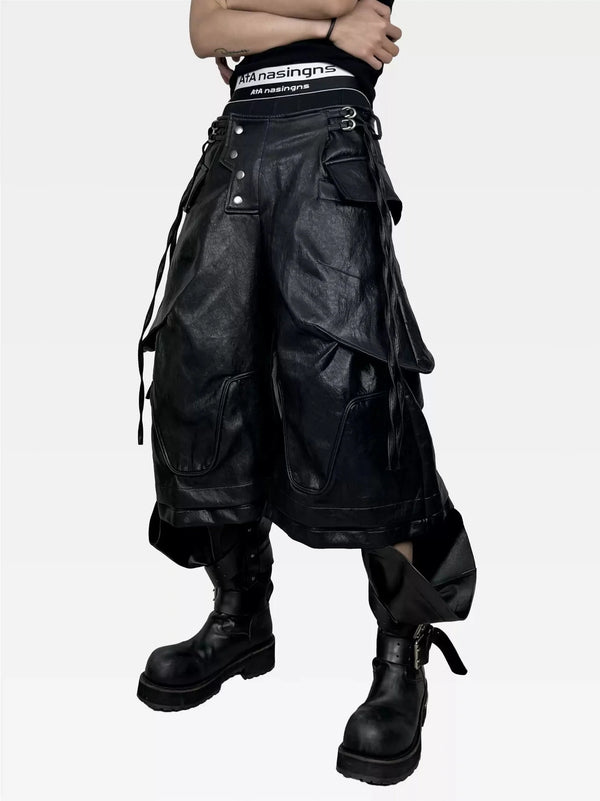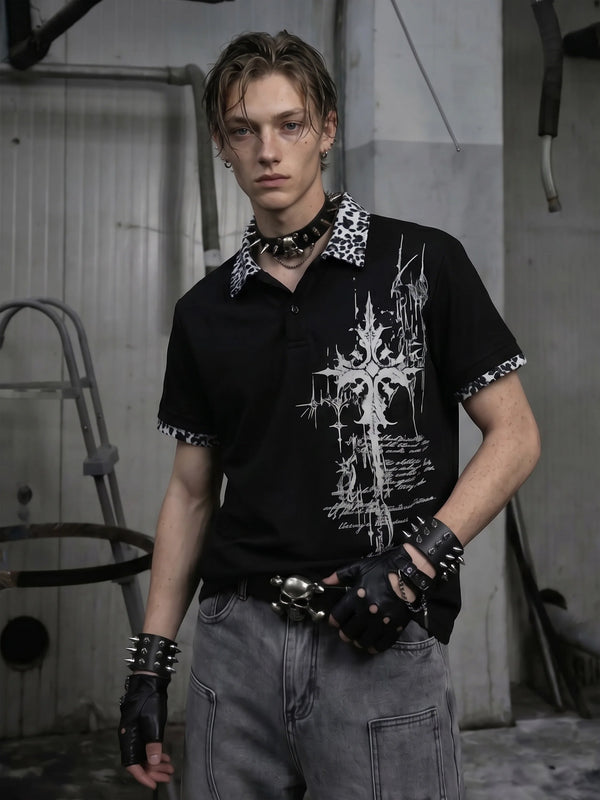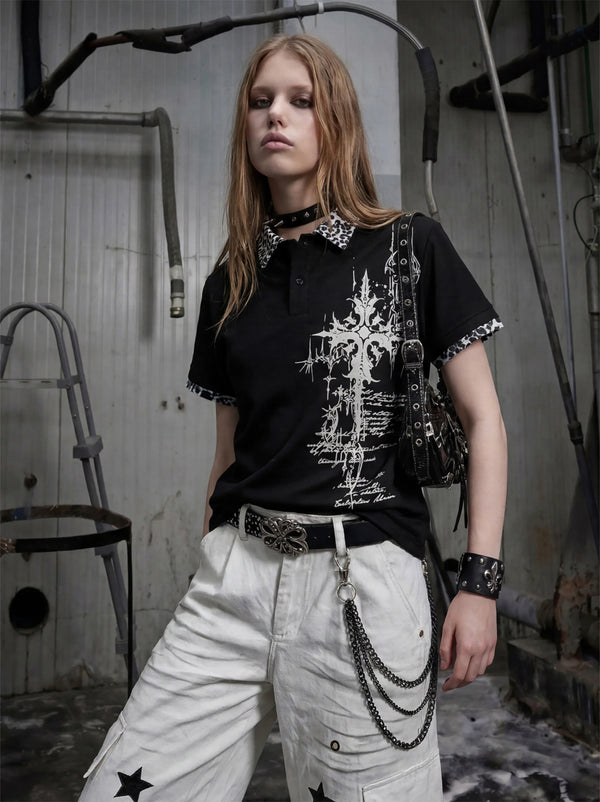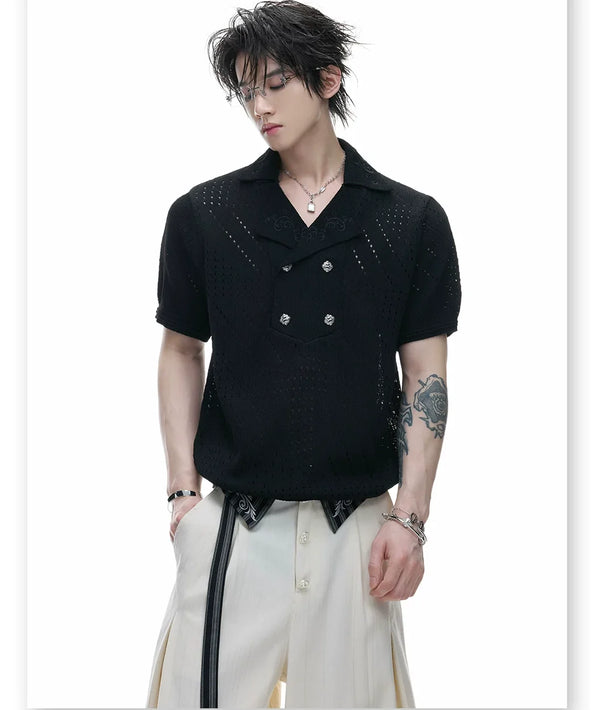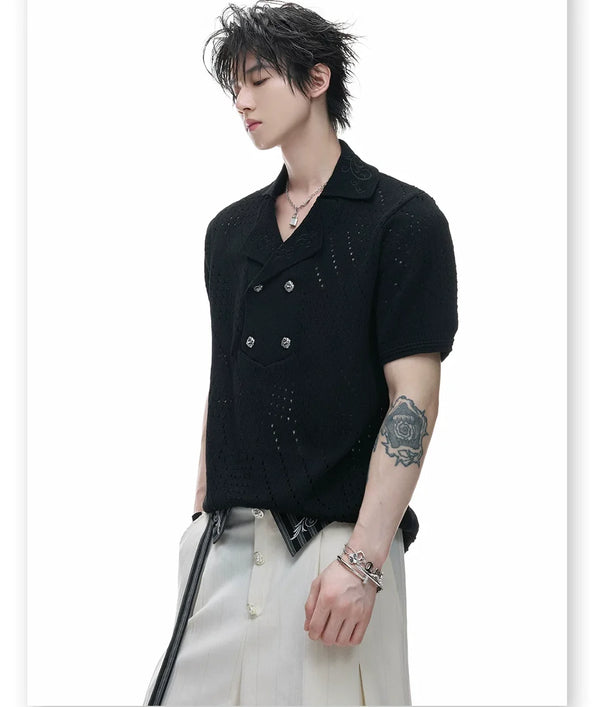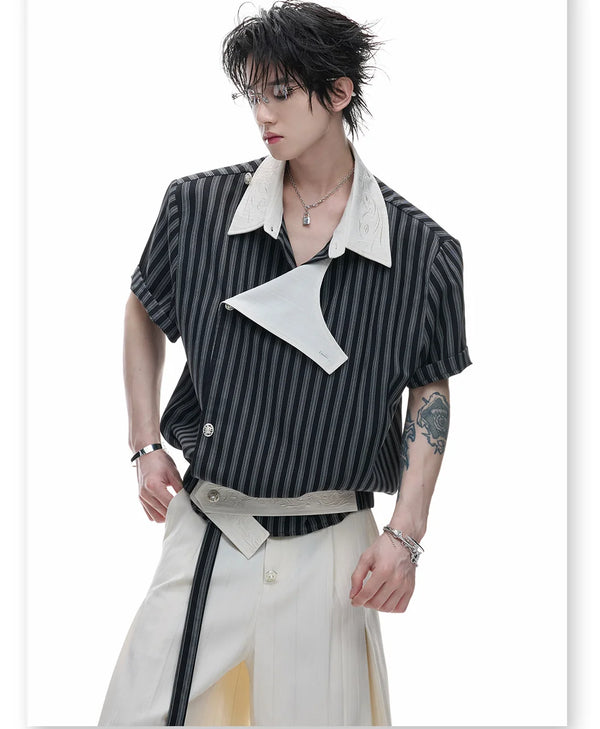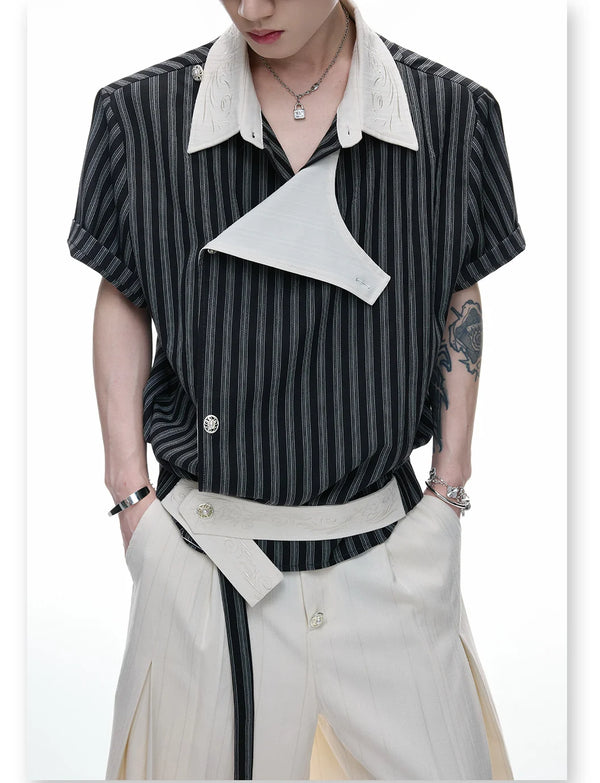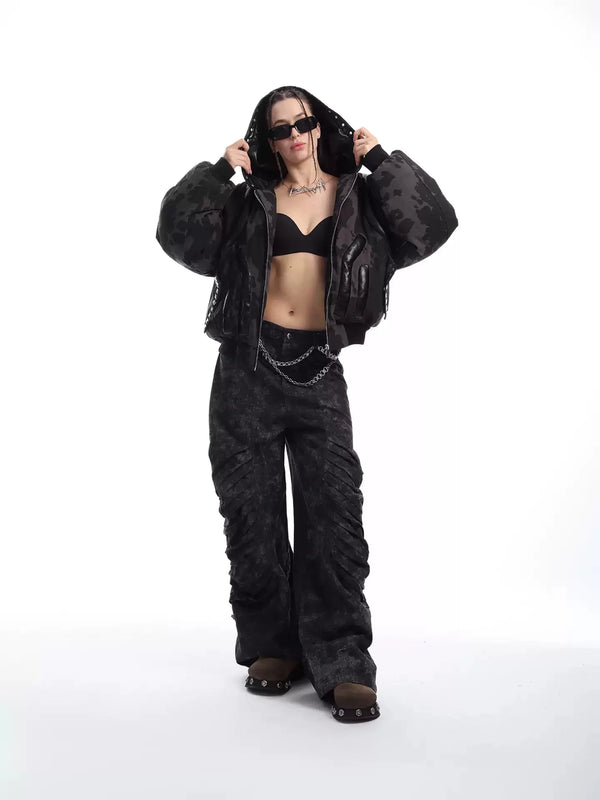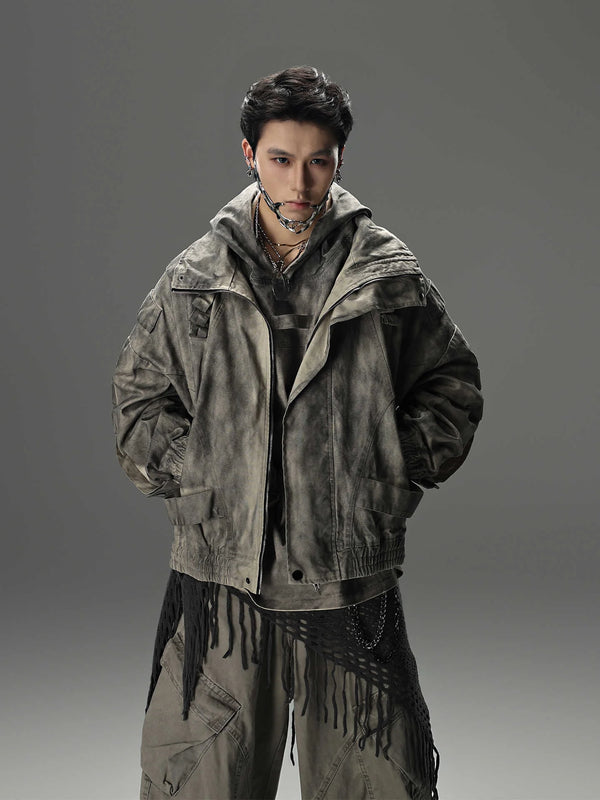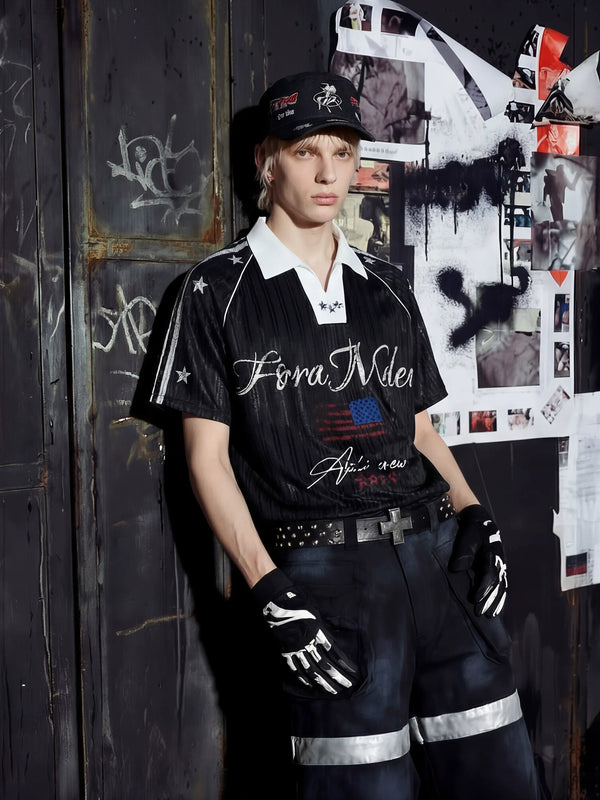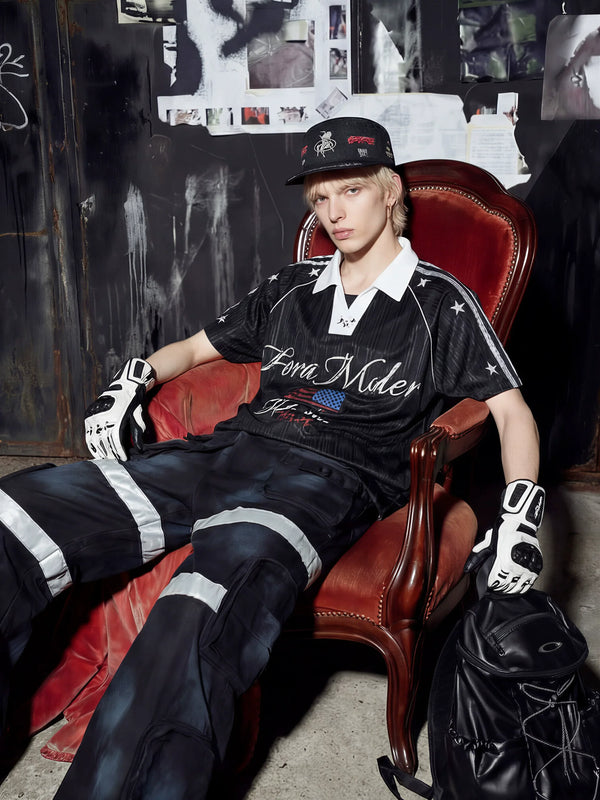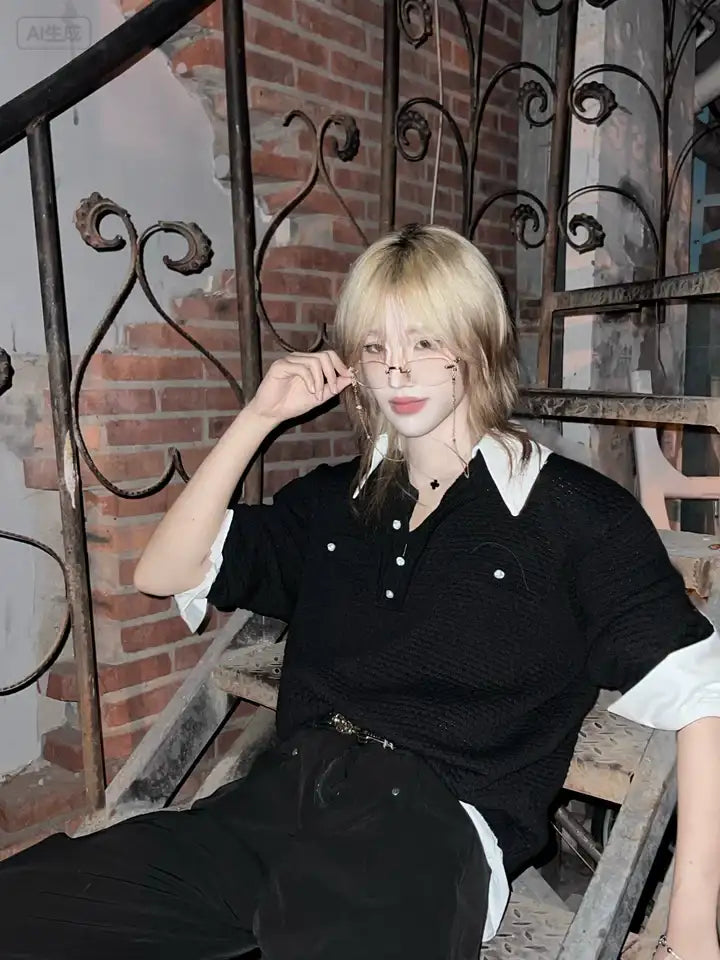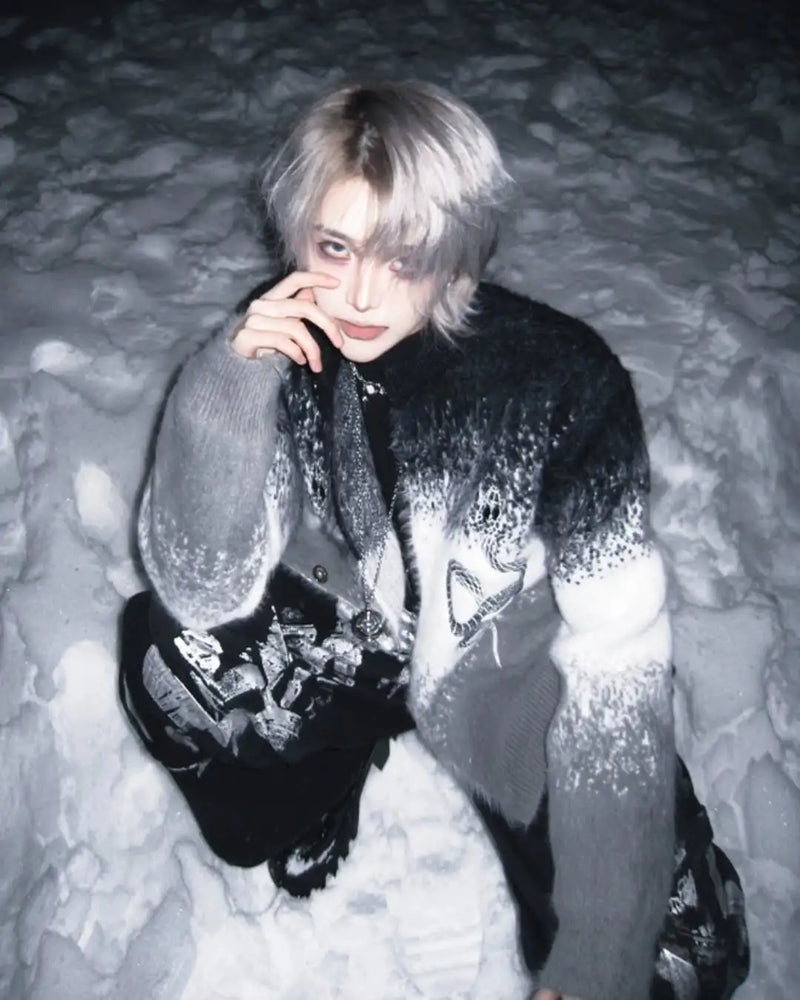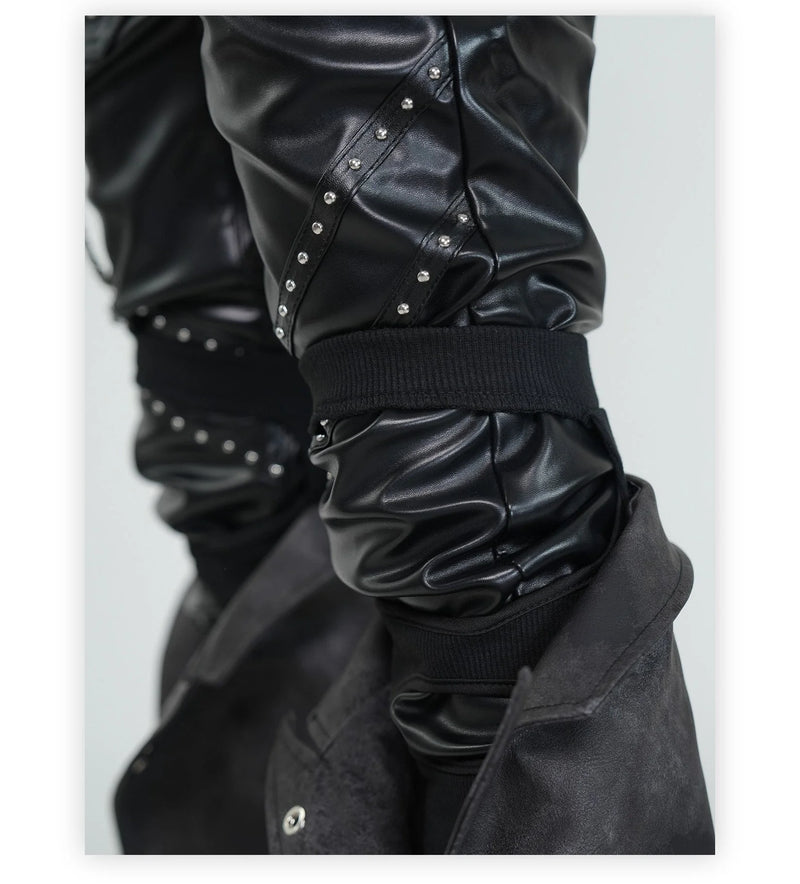
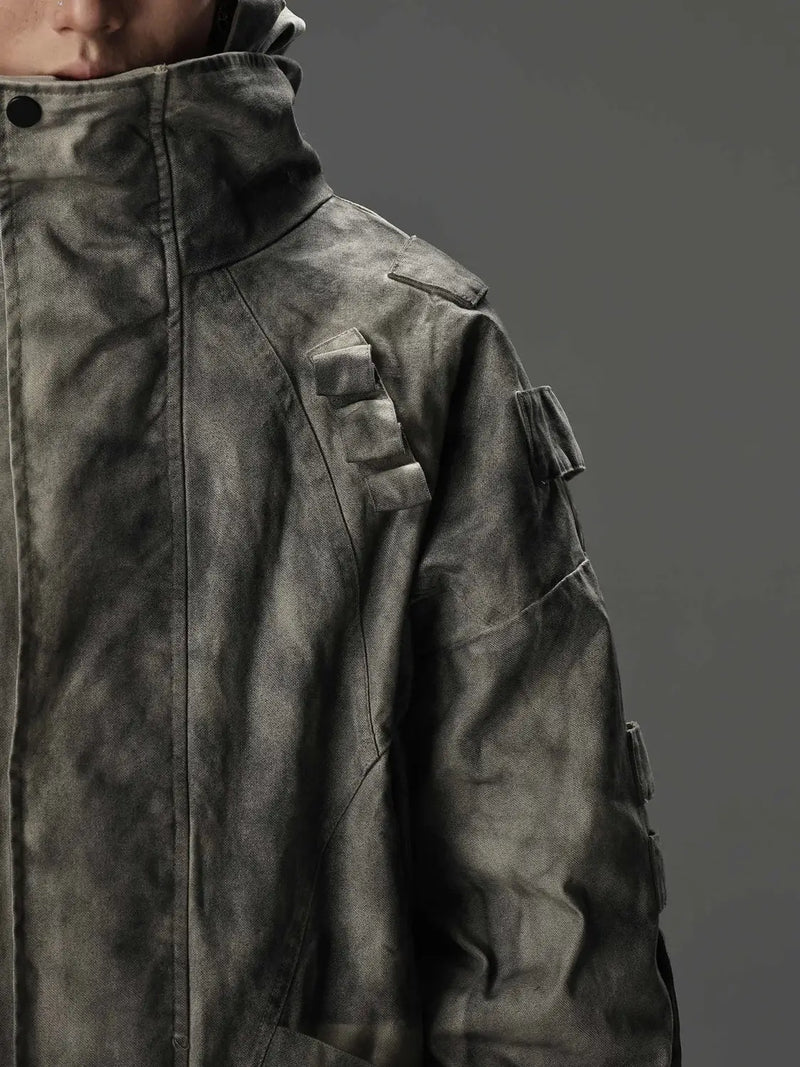
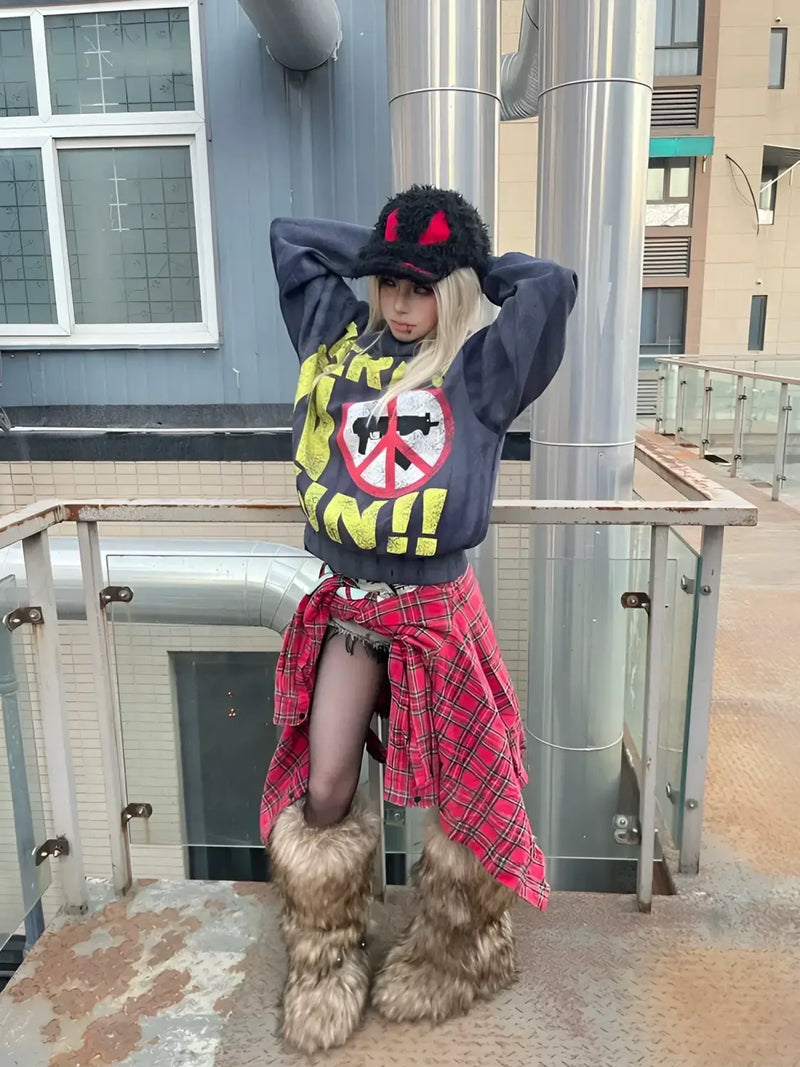
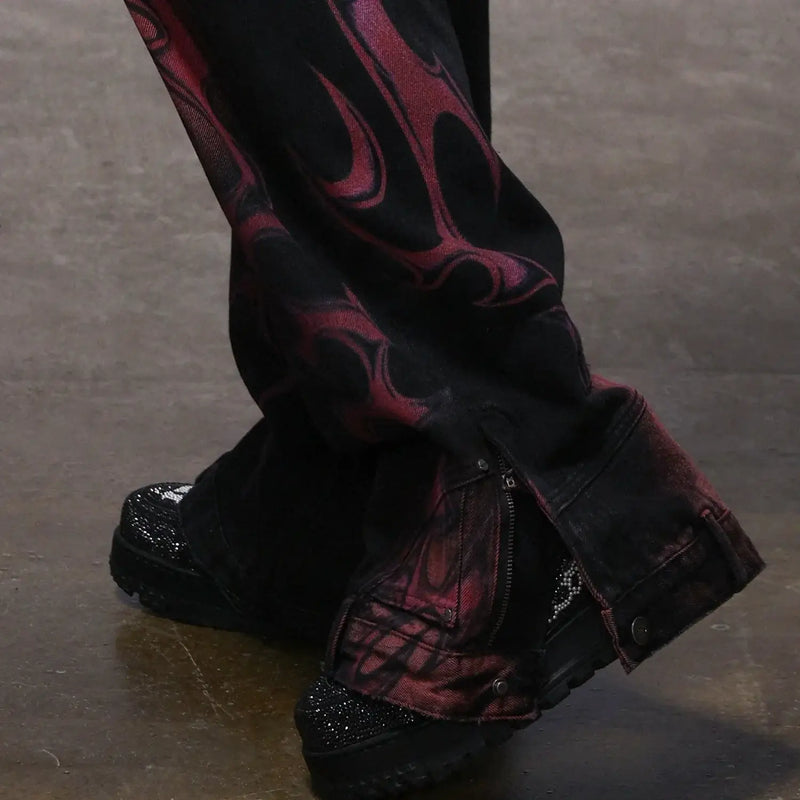
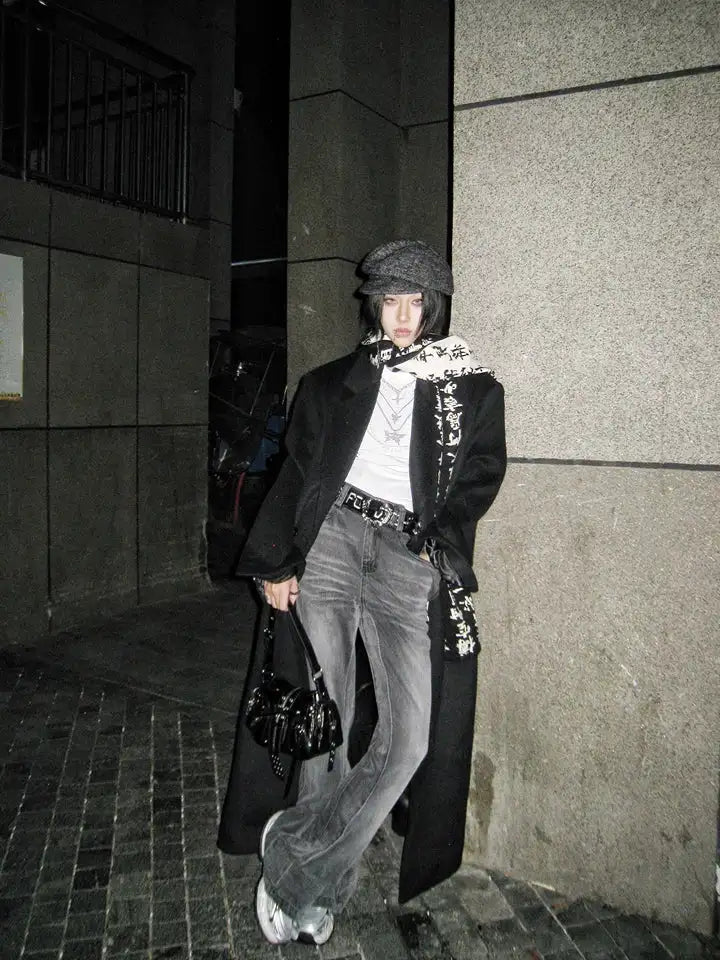

Korean Streetwear Winter Fashion is not what you copy off Pinterest when your favorite BTS member posts a mood board. It is what a 24-year-old in Hongdae puts on at 7:30 in the morning when it is -14 °C outside and she has to last 12 hours until midnight.
Korean winter runs on exactly one rule: layer with silhouette, not with bulk. Anyone who looks bulky in winter has already lost — no matter how warm it is underneath. Seoul solves that with long coats, body-close knits, wide-leg pants and a shoe height that leaves nothing to chance.
This guide sorts out what that actually looks like: what sets Korean winter streetwear apart from the Japanese or American version, which 5 looks dominate, which brands write the vocabulary (ADER Error, IISE, thisisneverthat, plus the UNIQLO question), and which 6 mistakes tip the look over instantly.
This is what real Seoul layer logic looks like in motion:
Origin
What makes Korean Streetwear Winter Fashion — and why Seoul sets the template
Korean winter fashion has been a globally legible code since around 2015. Before that it was regional — Seoul-specific, with local brands like thisisneverthat (founded 2010) and ADER Error (founded 2014) that only sold in Korea. Globalization came through three vectors at once: K-Pop idols as fashion vehicles (G-Dragon, RM, Jennie), MUSINSA as a Korea-only platform with street-style content, and the long-padding boom (롱패딩) from 2017 on, which defined the image of the Seoul winter worldwide.
Seoul is climatically harsh: January lows around -10 °C to -15 °C, cold wind off the Han River, long commutes with subway changes. The city forces a functional wardrobe. What adds to it: a very old aesthetic discipline — looking put-together is not socially optional, it is expected. Out of that came the code: maximum warmth at minimal visual bulk — a long coat instead of three layers of sweater, Heattech instead of a thick pullover, cable knit instead of a sweatshirt.
Japanese winter is different. Tokyo wears more layering detail (scarf as a statement, visible layers as the point), often vintage-coded. American winter is more outdoor-functional (Patagonia, North Face, Carhartt with a visible logo). Korea meets in between the two: Japanese silhouette discipline plus American down functionality, without the Tokyo vintage detail and without an outdoor-brand front print. That is what makes the look so universally wearable.
Definition
What counts as Korean winter streetwear — the 5 core principles
Korean winter is not a single look but a rule system. When the five principles are in place, the outfit reads as Korean — no matter the brand, no matter the body type. When one tips over, it reads as a German winter coat with a scarf.
-14 °C
Seoul January average
5
dominant looks
3
max visible layers
5
allowed colors
These numbers are not decoration, they are the test. Anyone wearing five visible layers doesn’t have the code. Anyone walking through Myeong-dong in a hot-pink puffer doesn’t have the code. The discipline is part of the code.
Concretely, what counts as Korean winter streetwear:
- Long coat or long padding as the anchor — a wool coat knee-length or longer, or classic down padding even longer. Both pull the whole outfit together.
- Body-close mid-layer — cable knit, cardigan, turtleneck. Warmth through material, not through layers. UNIQLO Heattech sits underneath as an invisible substrate.
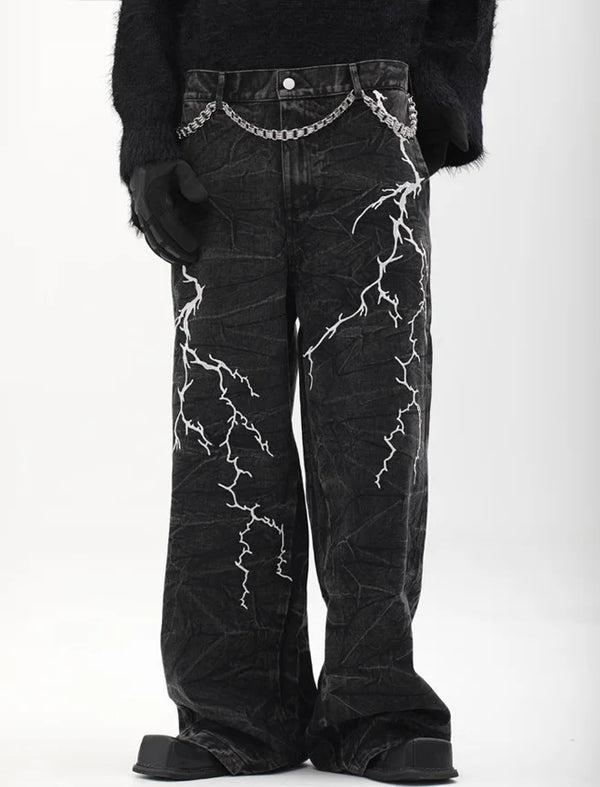
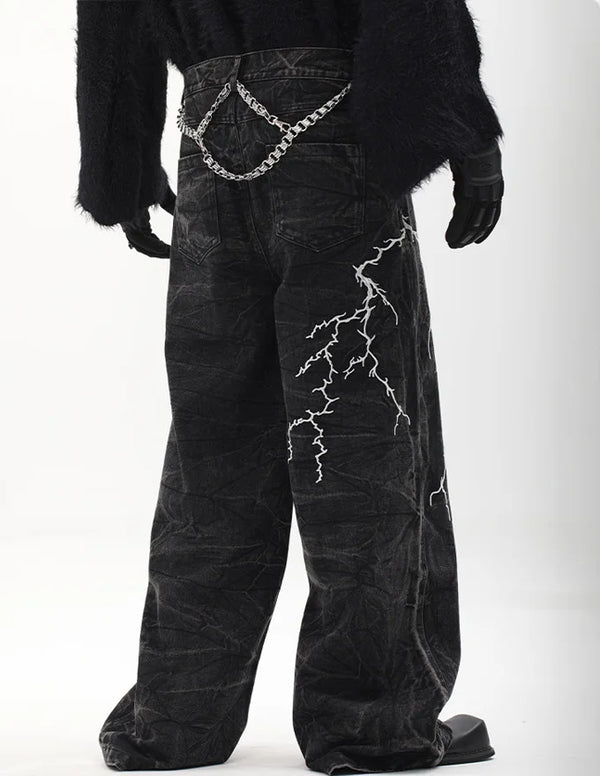
- Wide-leg pants below — wool trousers, heavy denim, pleated pants. Tight-fitting has been out since 2018; Korean winter runs on volume below.
- Muted palette — cream, beige, charcoal, navy, off-white. Black is allowed, but not dominant. Loud color is always a break.
- Shoe with a statement point — chunky loafer, heavy sneaker (Salomon, New Balance 2002R), or tall boot. Never delicate.
- Beanie or nothing — a knitted beanie sits close to the head, often single-colored. Caps and hats are rare in the Seoul winter.
If you’re missing three of these six points, it is no longer Korean winter — it is “European winter with an Asian influence”. And there is one rule that holds all six together:
5 looks
The 5 Korean winter looks — from Minimal Monotone to the heavy-knit idol
Korean winter is not one look but five that overlap at the edges. Scroll Seoul street-style photos for a week and you see these five again and again — with clearly different proportions depending on the district, age and gender.
These five are not hierarchical. Long-Padding Functional dominates numerically — if you live in Seoul, it is your default. Minimal Monotone is the editorial version of it. Varsity Knit Idol is the K-Pop share. Trench Layering is the warm-season shift in November and March. Acubi Y2K is Gen Z, female, often Hongdae-coded. Once you wear one cleanly, you can mix deliberately into the others.
Gender split
Korean winter women vs men — where the line tips
The rules are the same. Long coat, wide-leg, muted palette, body-close knits, three visible layers max — it holds for every body. What differs is the line: where men carry more outerwear volume up top, the women’s version often sits more asymmetrically in the middle.
Men’s version: long coat or long padding as the dominant statement, a heavy cable knit or turtleneck underneath, wide-leg wool trousers or baggy denim. Shoes lean toward heavy loafer (Bottega Veneta style) or Salomon XT-6. Beanie close to the head, often single-colored. Korean male winter is muted and heavy.
Women’s version: often an asymmetric line — long coat worn casually open over a cropped knit, plus low-rise or high-waist wide-leg. A cropped cardigan over a mini tank is the Acubi iteration. Shoes go wider — Mary Janes with a thick sock, knee-high boots with a skirt layer, or Salomon sneakers with the thick coat. The mid-layer is more visible, and a pastel accent is explicitly allowed in the Acubi iteration.
Both need the same three-layer discipline and the same wide-leg logic below. What varies is mid-layer visibility and shoe height — not the vocabulary.
Brands
Korean streetwear brands for winter — ADER, IISE and the UNIQLO question
Korean winter fashion has no single dominant brand. It is a composition of about eight labels that have shared the vocabulary since 2010. Anyone who understands the code can build the outfit without these brands too — but knowing them gets you to the right template faster.
The brands that write Korean winter streetwear — sorted by function:
- ADER Error — Seoul, founded 2014. Oversized minimalist, color-block accents, ironic branding. The face of Korean streetwear since 2017.
- thisisneverthat — Seoul, founded 2010. Varsity-prep authority. Heavy-knit cardigans, college jackets, cable pullovers. If you want to wear Korean varsity, this is the default.
- Andersson Bell — Seoul, founded 2014. Trench layering, heavy knit, half-prep, half-edgy. Distributed more internationally than most Korean labels.
- IISE — NYC-Korean, founded 2014. Traditional Korean DNA (hanbok cuts) in a modern cut. If you want Korean heritage visible, this is the brand.
- Wooyoungmi — Paris-Seoul, founded 2002. Men’s tailoring that defines the Korean minimal line. Long coats, precise shoulders, muted palette.
- Recto — Seoul, knitwear authority. Cable knits, heavy cardigans, turtleneck pullovers. The mid-layer brand for Korean winter.
- Kanghyuk — Seoul, founded 2018. Deconstructed avant-garde from airbag material. The most experimental line of the Korean winter brands.
- We11done — Seoul, founded 2014. Acubi-adjacent, Y2K women’s iteration, color accent allowed. If you’re after the Gen Z share.
Plus the question nobody answers cleanly: UNIQLO. UNIQLO is not Korean — it’s Japanese — but in Seoul it is the invisible substrate layer. Heattech (a thin functional undershirt) sits under every Korean winter outfit that is meant seriously. It is not the piece you show; it is the piece that makes the rest functional. Anyone setting off with bare skin under the long coat is cold after 20 minutes — and that is exactly what does not happen in Seoul, where commute distances are 45 minutes plus.
Category · Outerwear
Korean winter coats & puffers — long-coat logic meets down volume
The jacket carries the Korean winter outfit. It is the largest surface, the most dominant fabric, the primary bearer of the silhouette. This is where it is decided whether your outfit becomes Korean streetwear or a German winter coat with a beanie.
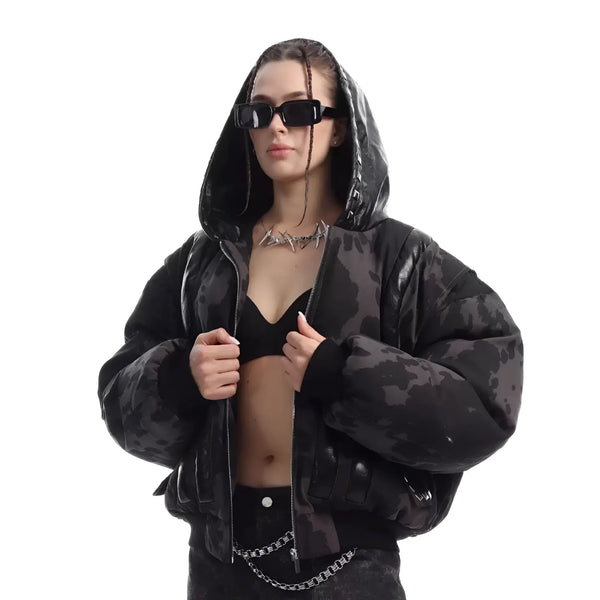
Three outerwear types work. First, a long wool coat (knee-length or longer) for the Minimal Monotone and Trench Layering iterations. Second, long padding (down-filled, often ankle-length) for the functional commuter iteration — the Seoul default since 2017. Third, a cropped puffer for the Acubi Y2K iteration, often waist-short, often glossy. Bombers come in when they are heavy-quilted and stay muted in color.
If you don’t own a long coat or long padding yet, that is your first move. Everything else in the outfit hangs on the anchor.
Category · Bottoms
Korean winter pants — wide-leg, tucked-in, plus the sock-reveal height
Skinny has been out since 2018. What Korean streetwear still wore before 2017 (tight jeans, slim slacks) has been systematically replaced by volume — wide-leg wool trousers, heavy baggy denim, pleated pants. The new fit rule: layers up top, material down below.
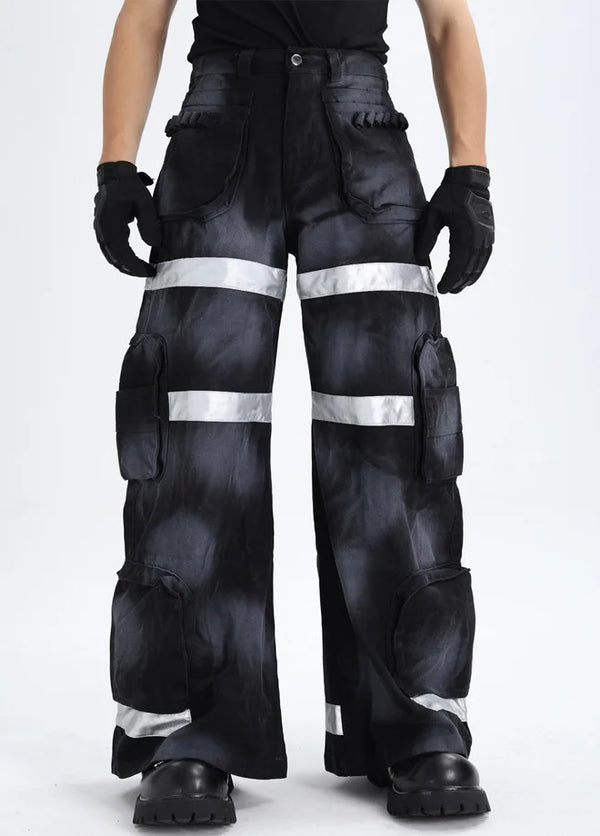
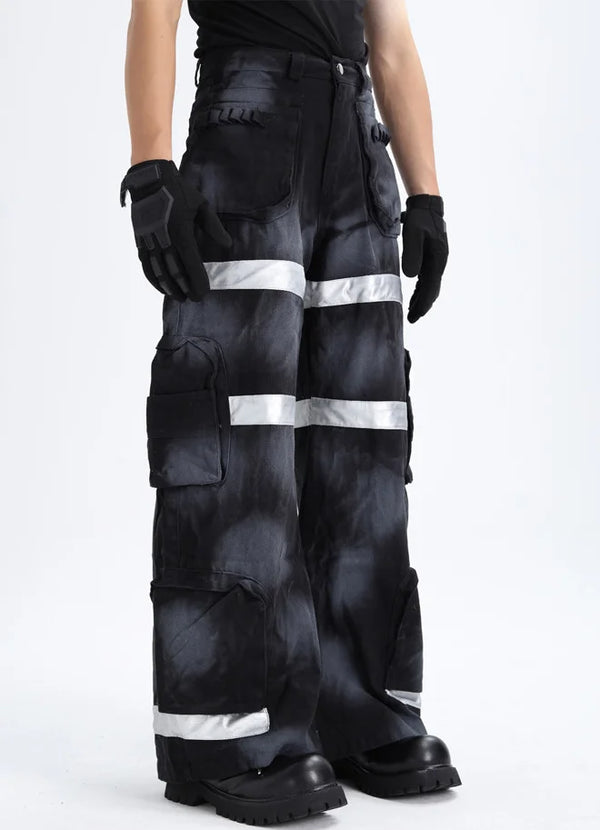
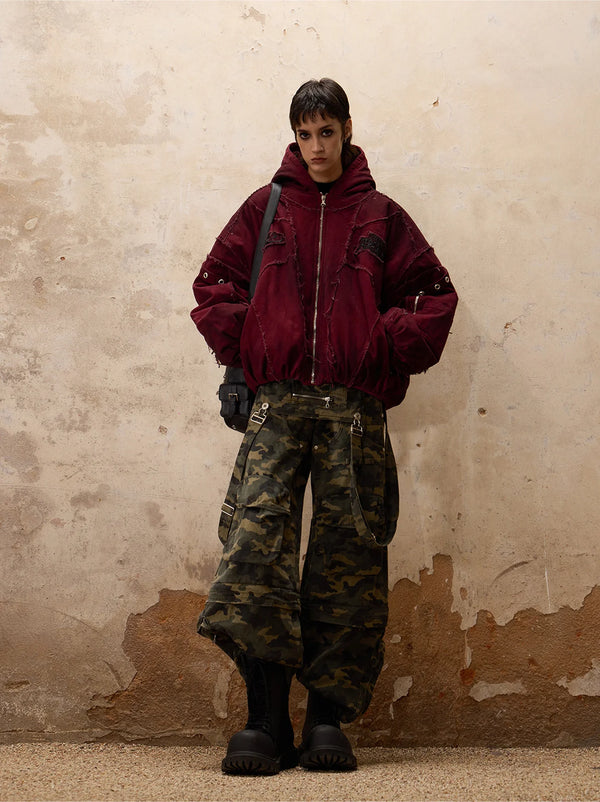
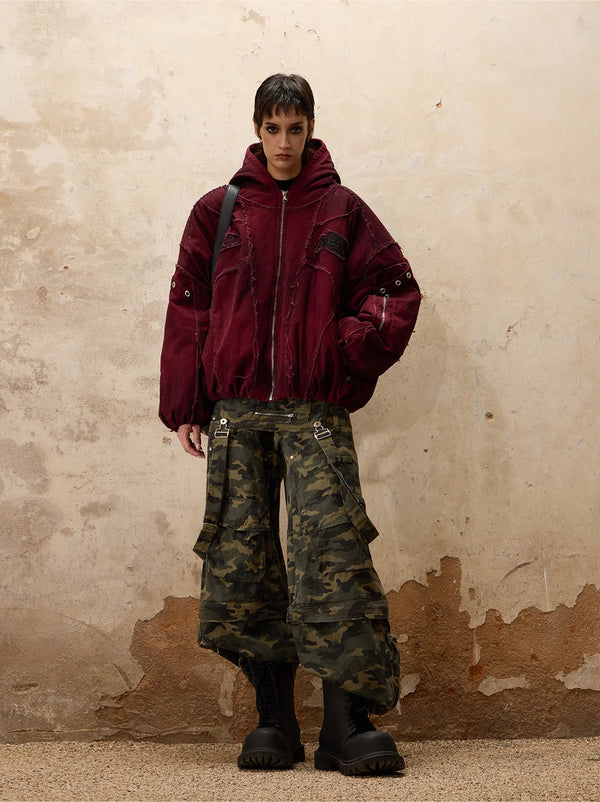
Working Korean winter bottoms are matte, heavy, and sit on the hips. Wide-leg wool trousers are the grown-up version — Minimal Monotone and Trench Layering use it. Heavy baggy denim is the idol version, often sand-washed or dark indigo. Cargo pants come along, but more subdued than in German streetwear — Korean cargo is muted, no logo, no statement-pocket detail.
The sock-reveal height is the subtle detail test: between the pant hem and the shoe, 3-5 cm of sock should be visible. More reads as unintentionally short. Less as too long. Whoever sits cleanly there has understood the Korean winter detail code.
Category · Knit layer
Korean winter tops & knit layers — varsity, cable, turtleneck
The mid-layer is the inconspicuous component — and that is exactly why it stands out when it sits wrong. Under the long coats, Seoul almost never wears a normal sweatshirt. It is cable knit, heavy cardigan, or turtleneck pullover. Material richness instead of a print statement.
The rule: underneath soft, single-colored, body-close. Printed shirts (logo tee, graphic sweatshirt, statement print) tip the outfit straight into American streetwear code. A plain cream cable knit says more “Seoul” than any K-Pop logo shirt. Plus the invisible UNIQLO Heattech layer under the knit — that is the warmth trick that keeps the whole silhouette slim.
If you want to test the varsity-knit look, take a heavy cable pattern in cream or charcoal under an open long coat. That is the easiest entry toward Varsity Knit Idol — without the outfit sliding into stage K-Pop.
Styling logic
How Seoul really layers — the physics behind the Korean winter look
A Korean winter outfit works through exactly one detail: where the volume sits. 70% below plus 30% layer up top — it sits. The other way around — it doesn’t. Seoul street style never spelled this rule out, but every idol off-duty photo since 2018 sticks to it.
Three layers, cleanly distributed, beat five layers, blindly stacked. That is the whole Korean winter physics.
In practice that means: cable knit close to the body plus wide-leg wool trousers. Or heavy cardigan plus baggy denim. Never an oversized hoodie plus a tight bottom. Flip the ratio and the whole outfit tips over. We put the full breakdown with photo examples in a separate article:
But Korean winter does not stand alone — it overlaps at several edges with other winter codes. Japanese winter shares the layering discipline, but with more vintage detail. Techwear shares the function, but with more hardware. Businesscore shares the long-coat silhouette, but with more tailoring. Whoever has Korean winter down can read these neighboring codes and mix deliberately.
Here are the five most important spokes — each with its own guide, in case you want to go deeper:
What does not work
The 6 most common Korean winter mistakes — what you must NOT do
Korean Winter has six spots where it reliably tips — no matter how expensive the individual pieces are. If you avoid only one thing, make it mistake number one.
Action
How to start in Korean winter streetwear — the first 4 pieces
You don’t need 20 Korean-coded pieces to wear Korean winter. You need four that will be in 80% of your outfits. Everything else builds around them.
In order: a long coat in charcoal or cream (your biggest investment — lasts 8 to 10 winters if you don’t buy cheap). A pair of wide-leg wool trousers or heavy baggy denim. A heavy cable knit in cream or charcoal. Chunky loafer or heavy sneaker. Plus UNIQLO Heattech as the invisible substrate — the cheapest piece with the biggest effect.
Outfits for real
Korean winter outfits for real — how it looks on Seoul’s streets
Before you build your own outfit, look at how others wear it. The five looks from above look different in the feed than in lookbook photos: dirtier, more uneven, without the perfect pressed line — and that is exactly why they work.
This is the fastest way to check whether Korean winter sits on your body type and in your city — before you spend money.
To close
Korean winter is a layer discipline — not a costume
If you remember one thing from this guide, make it this: Korean winter works not through pieces but through the ratio of layer to volume. Whoever has the three-layer rule and the wide-leg logic down builds 60 outfits from 15 pieces. Whoever only buys pieces has a full closet without a single outfit that sits.
The whole logic of this guide reduces to one sentence:
The rules have been stable since around 2018 and will stay that way — as long as Seoul sets the winter codes. But you don’t have to wait until you know them all by heart. Start with the one look that fits your city and your commuter routine best. What you don’t know, you learn by wearing.
And that is the point too: Korean winter reads in theory like a corset of rules, but in practice it does not feel that way. Once you have the code down, every further outfit is a variation on the same four or five building blocks — not a new invention every morning.
FAQ
Frequently asked questions about Korean Streetwear Winter Fashion
The questions we often get by DM and email — short, clear, no detours.
What sets Korean winter fashion apart from Japanese or American winter streetwear?
Where can you buy Korean winter streetwear without flying to Seoul?
What is the difference between Korean winter streetwear and K-Pop idol fashion?
Does Korean winter streetwear work for broader or larger bodies?
Do I really need UNIQLO Heattech — or is a normal undershirt enough?
What is the Acubi aesthetic and does it fit into Korean winter streetwear?
Which shoes fit Korean winter streetwear besides chunky loafers?
What do you think?
Tell us on @fuga_studios
About the author
Philipp Fuge — Founder · Berlin
Founder of Fūga Studios. Writes the journal himself. Berlin · Shanghai · Tokyo · Poznań — four cities, one logic.