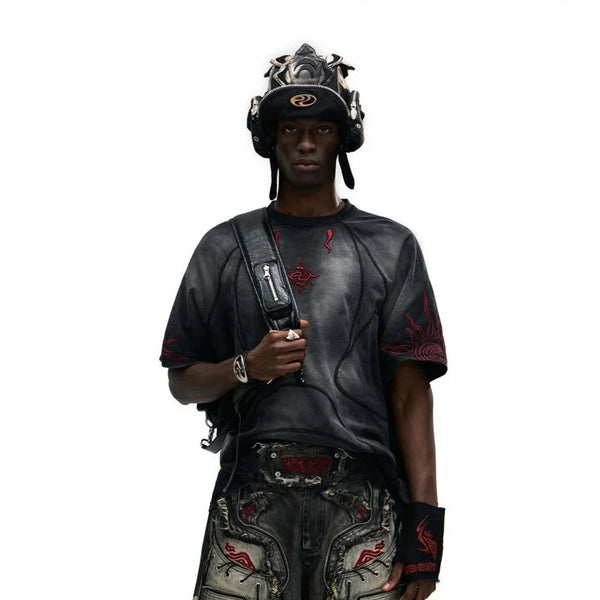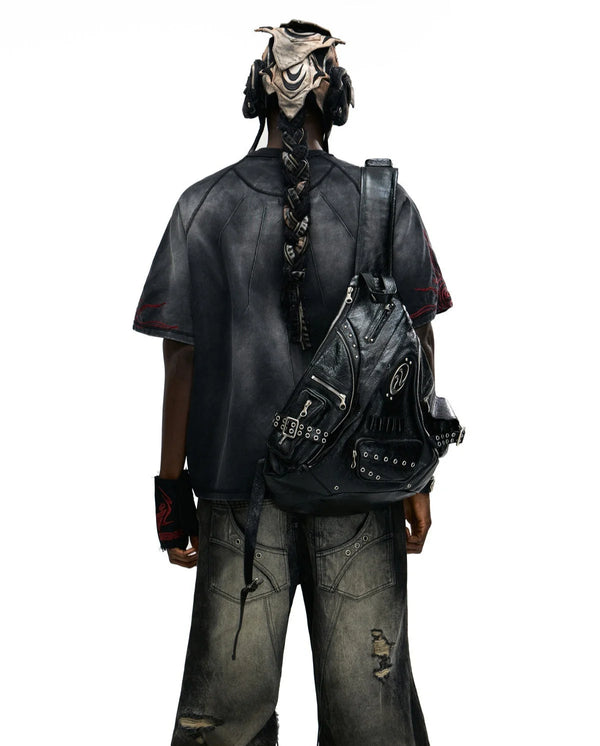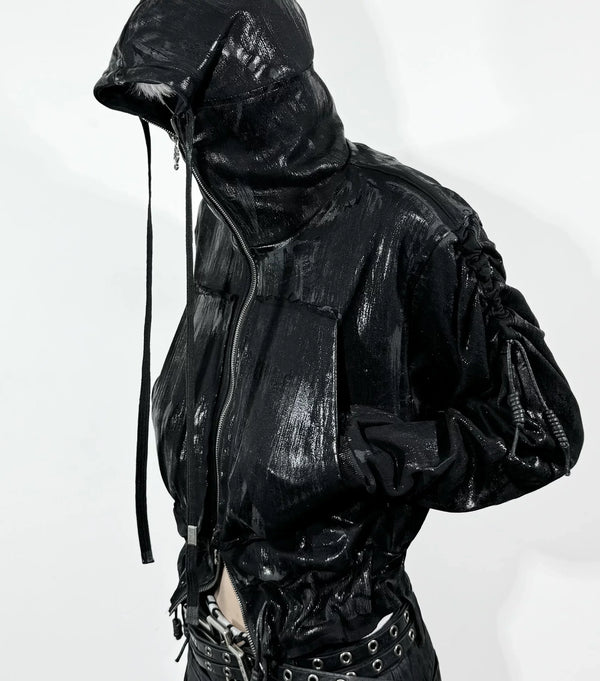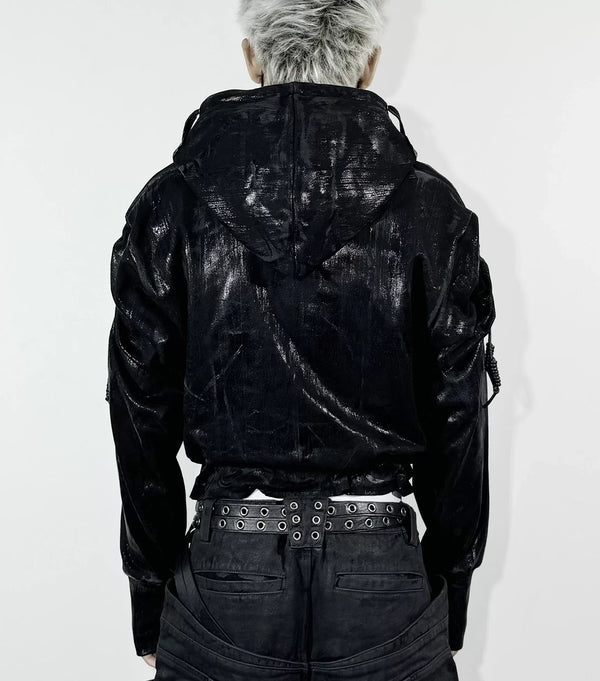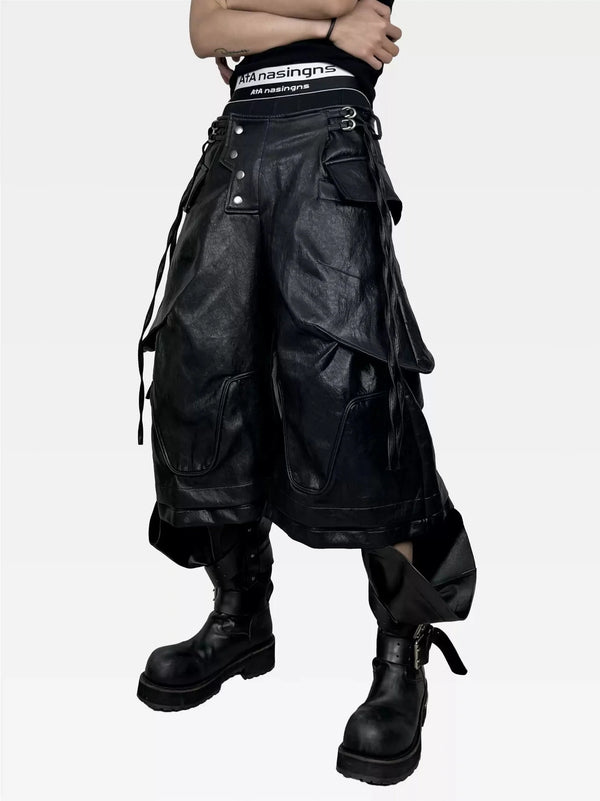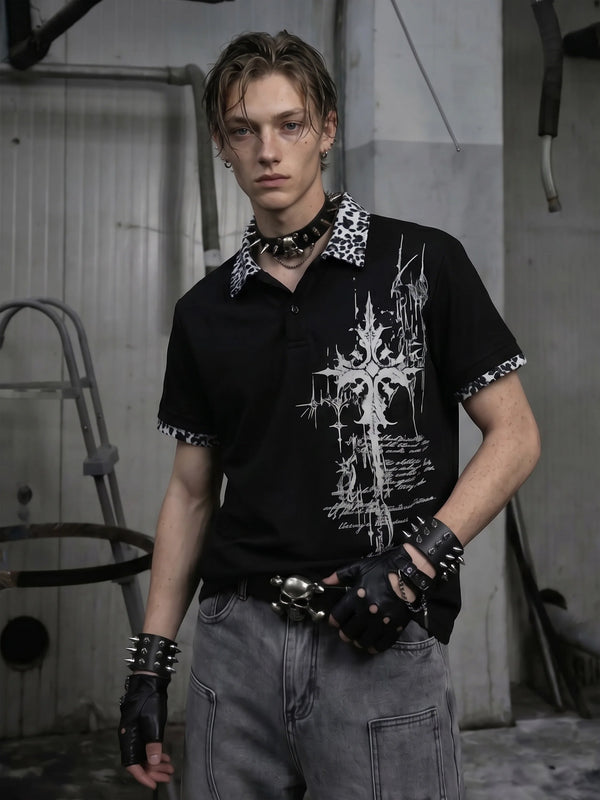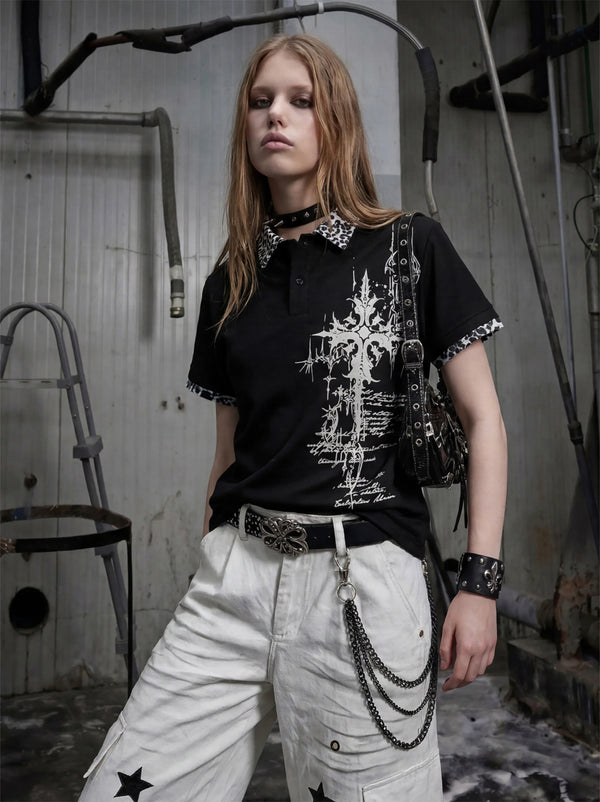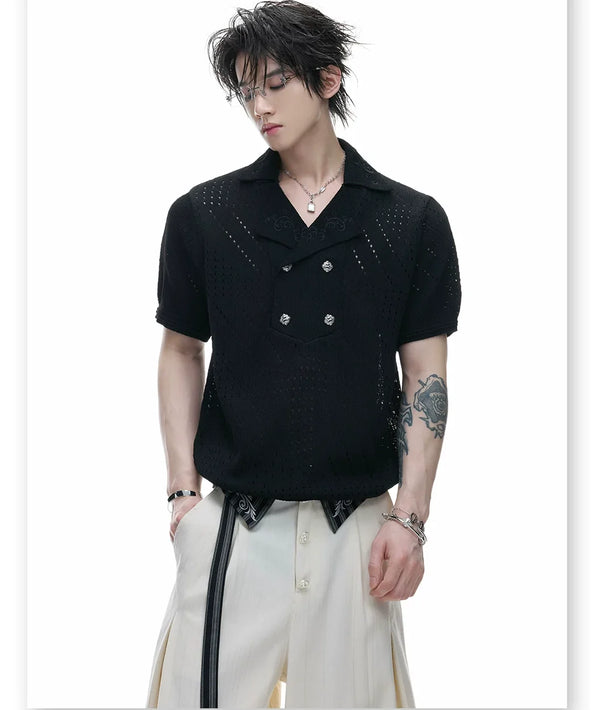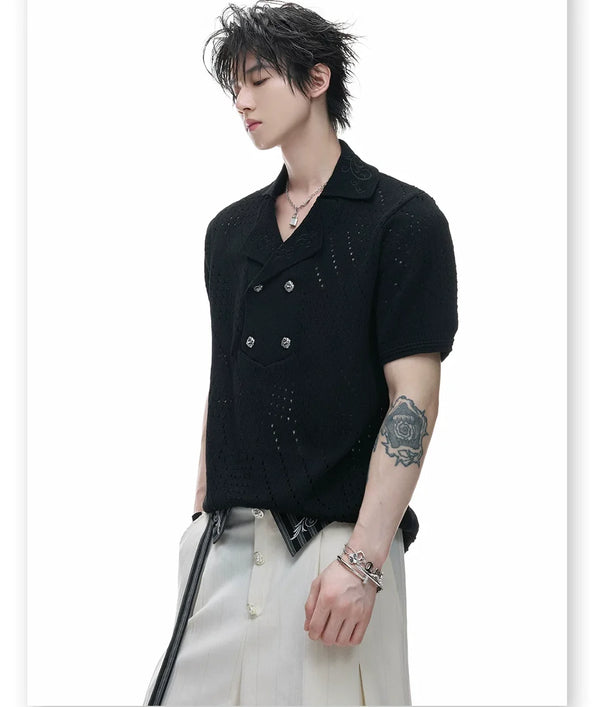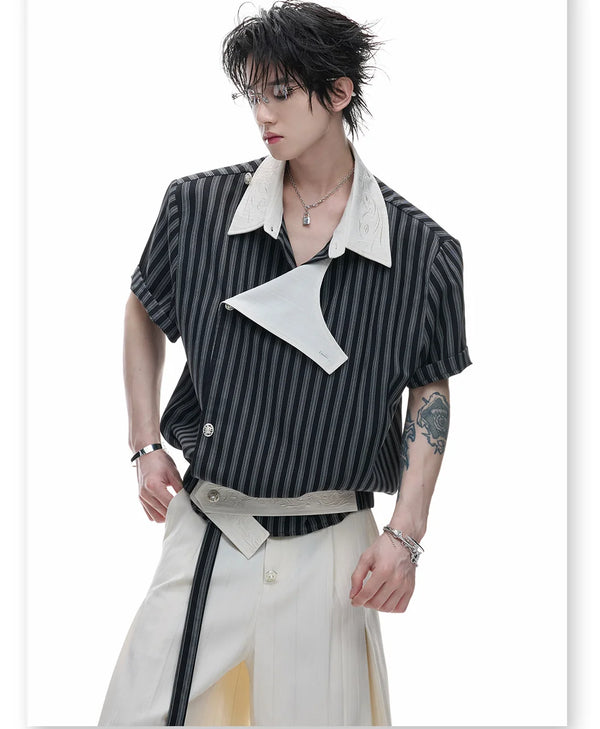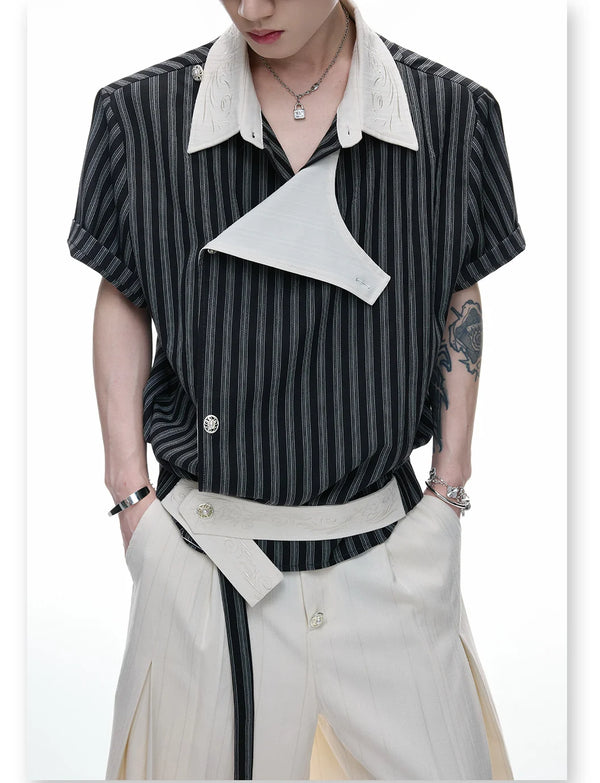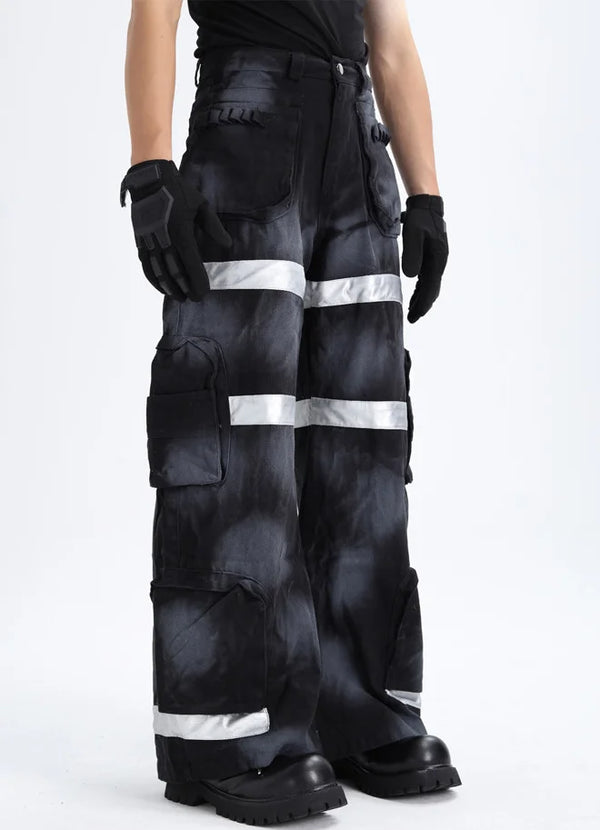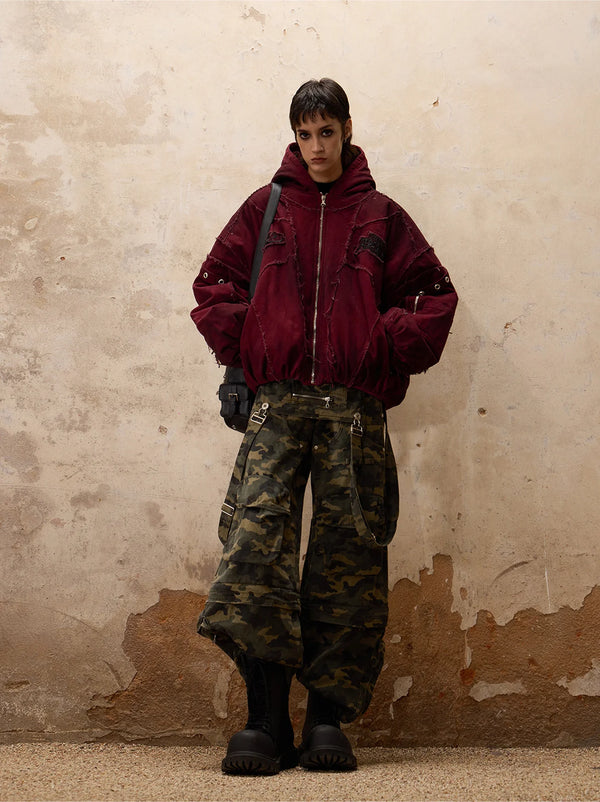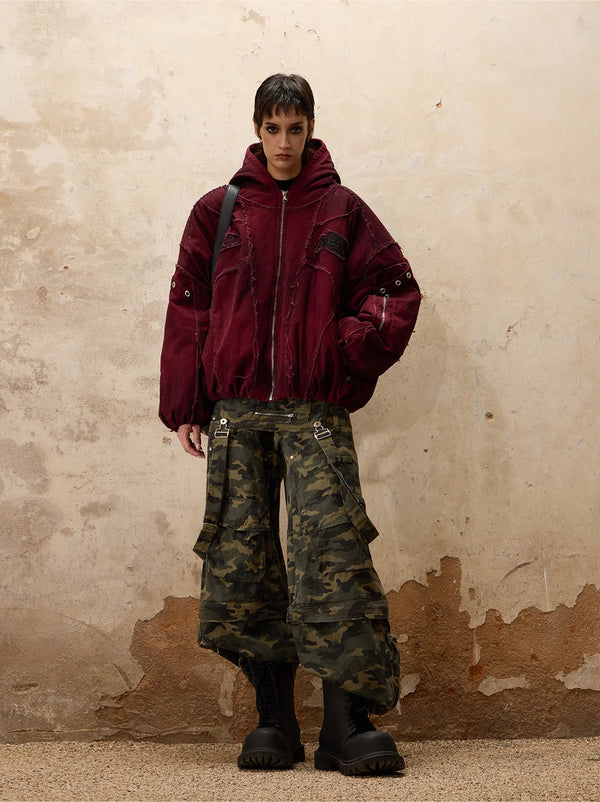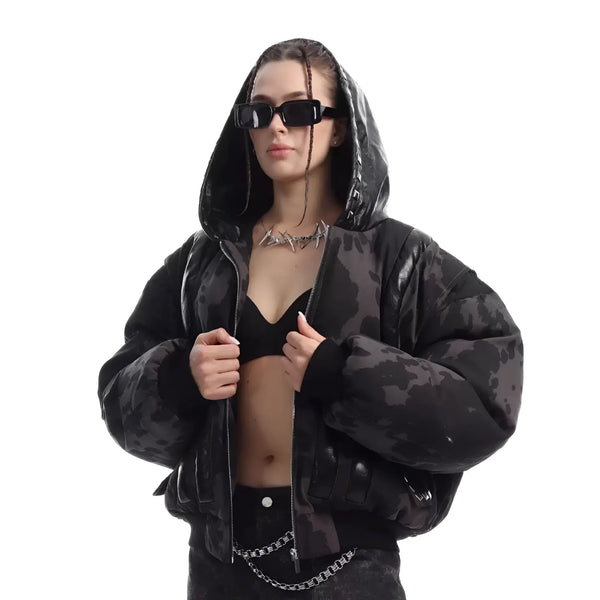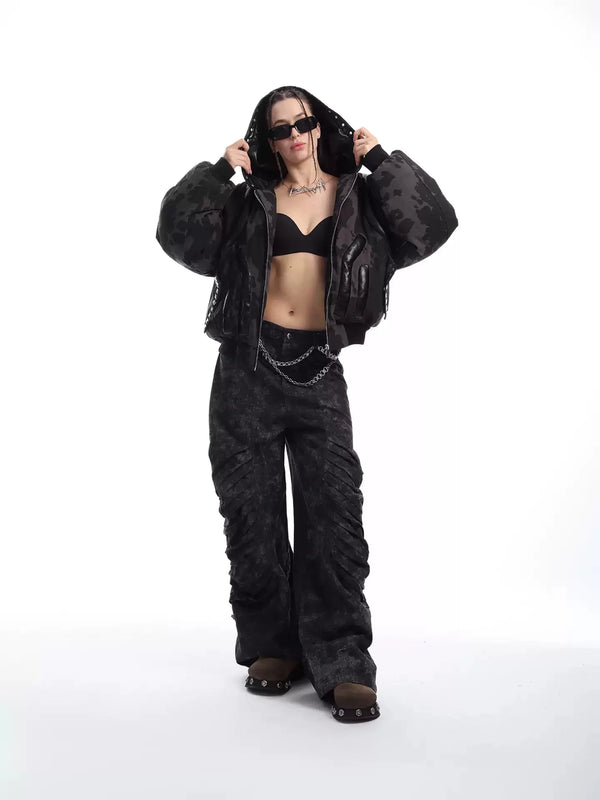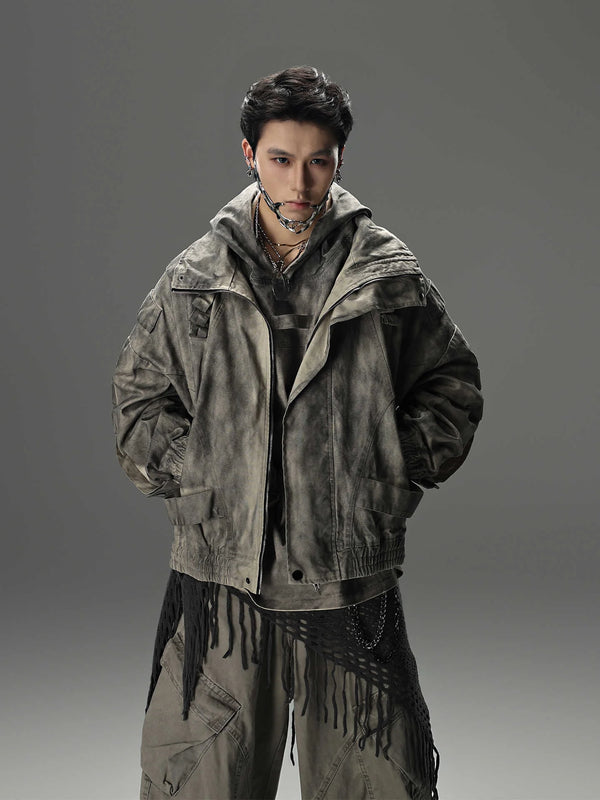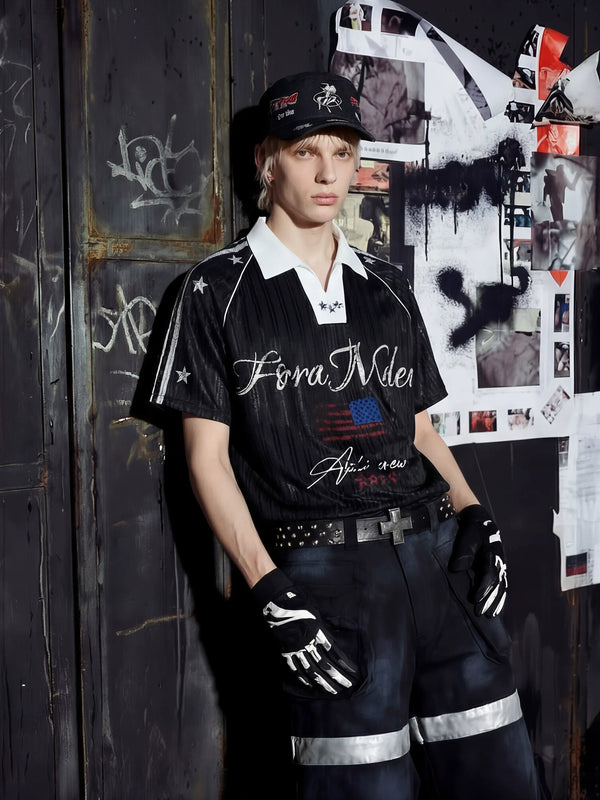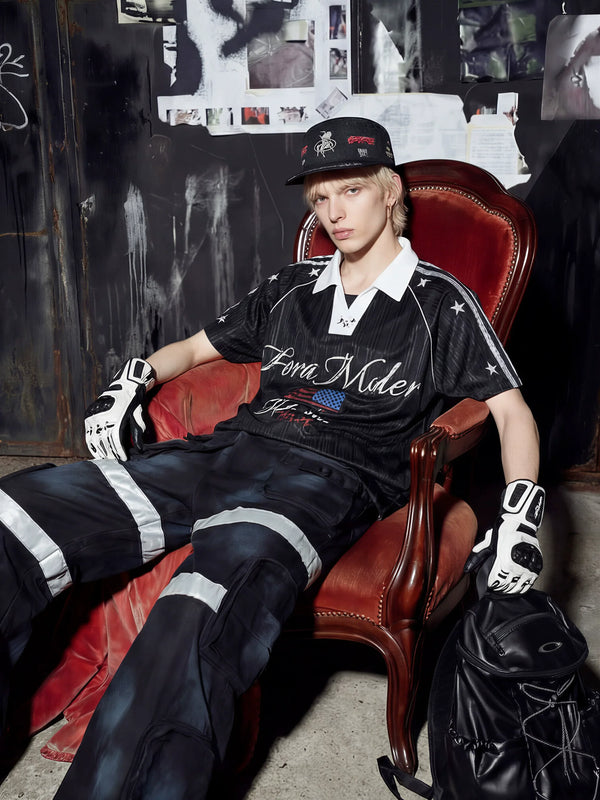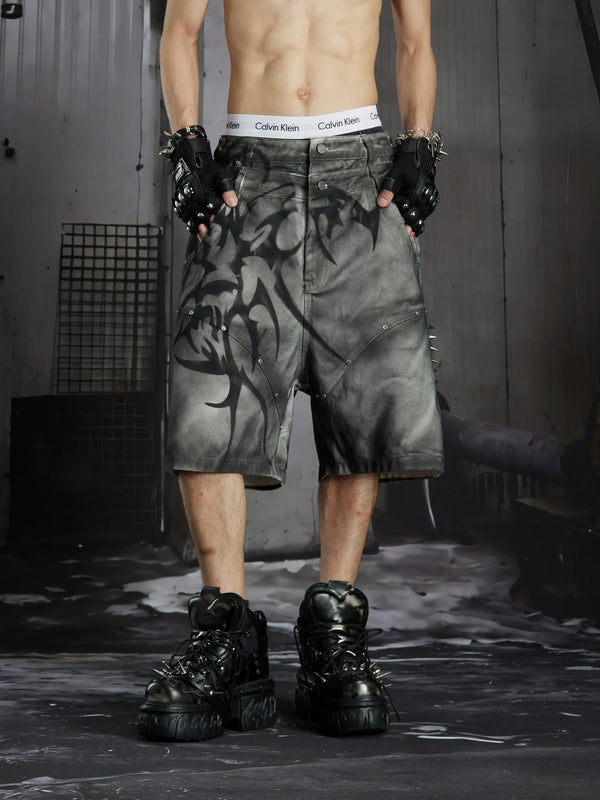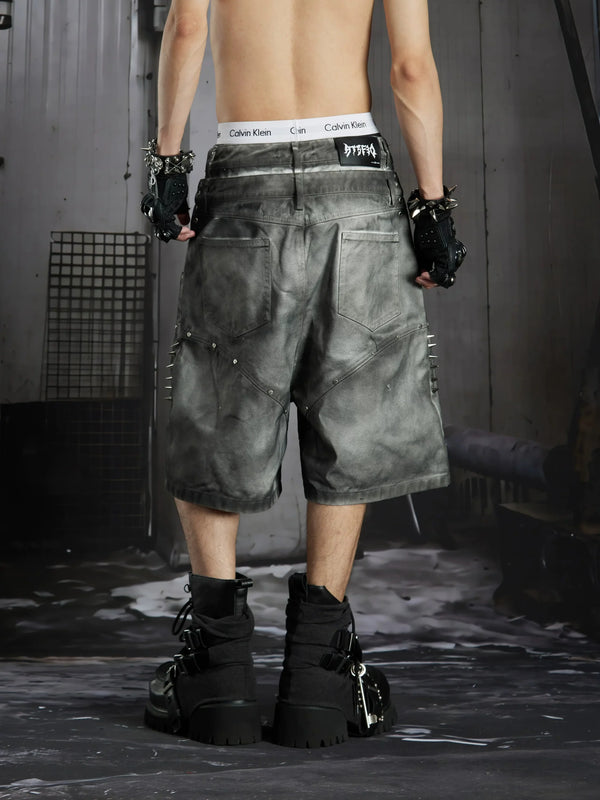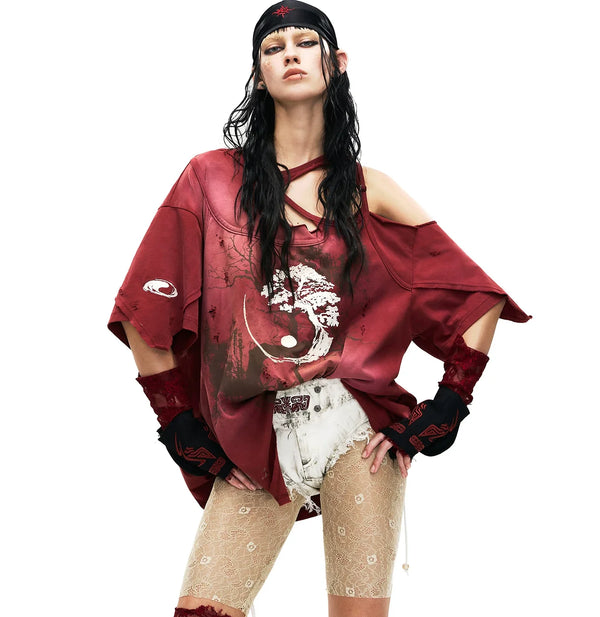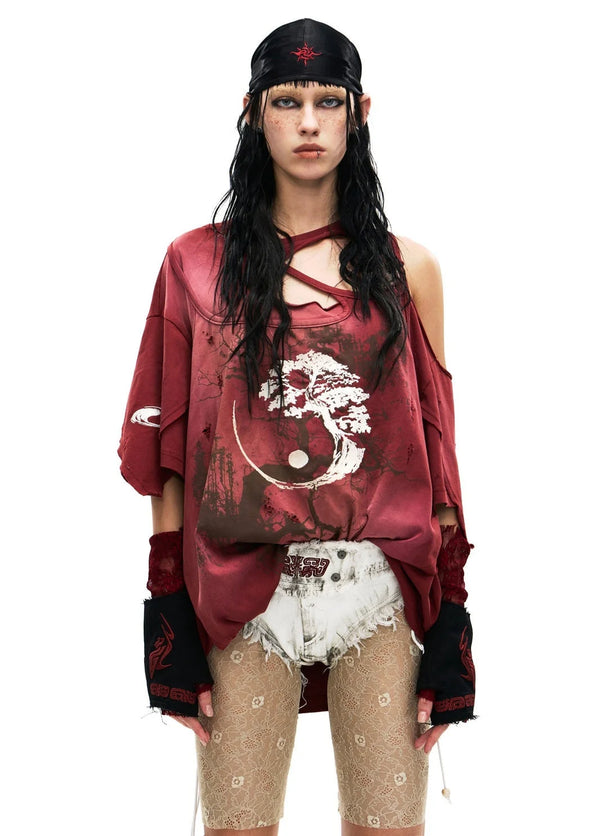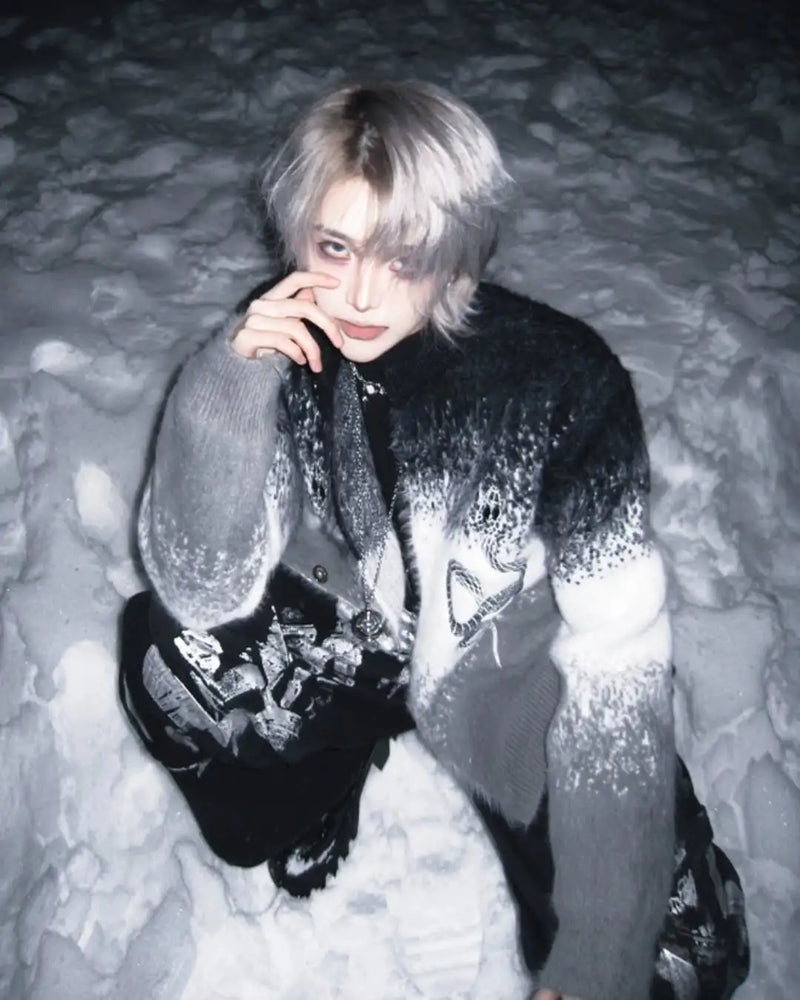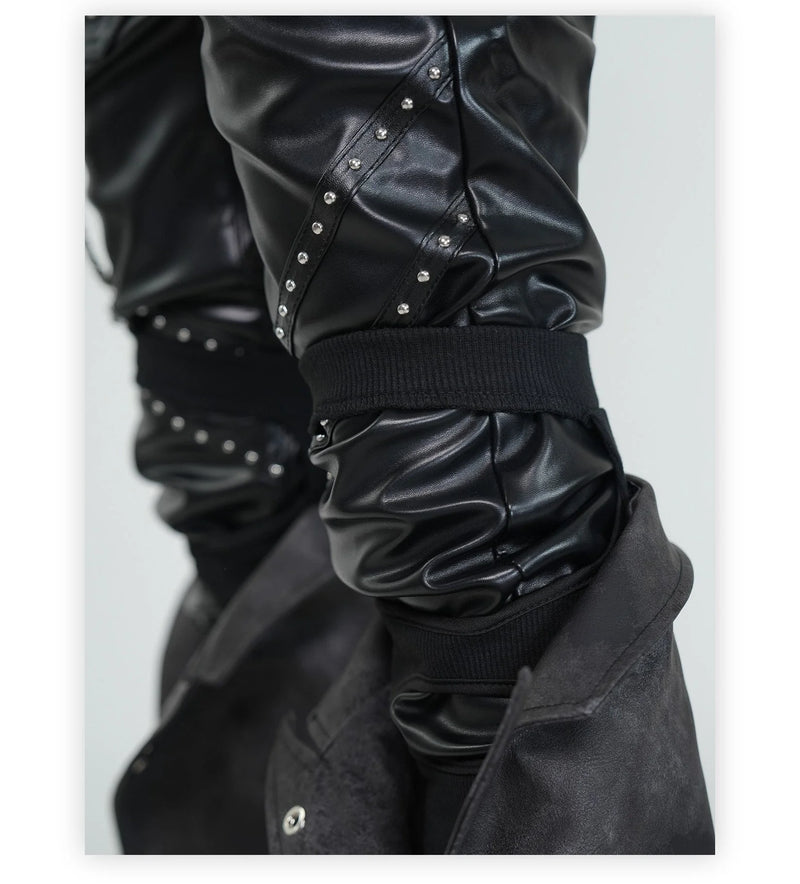
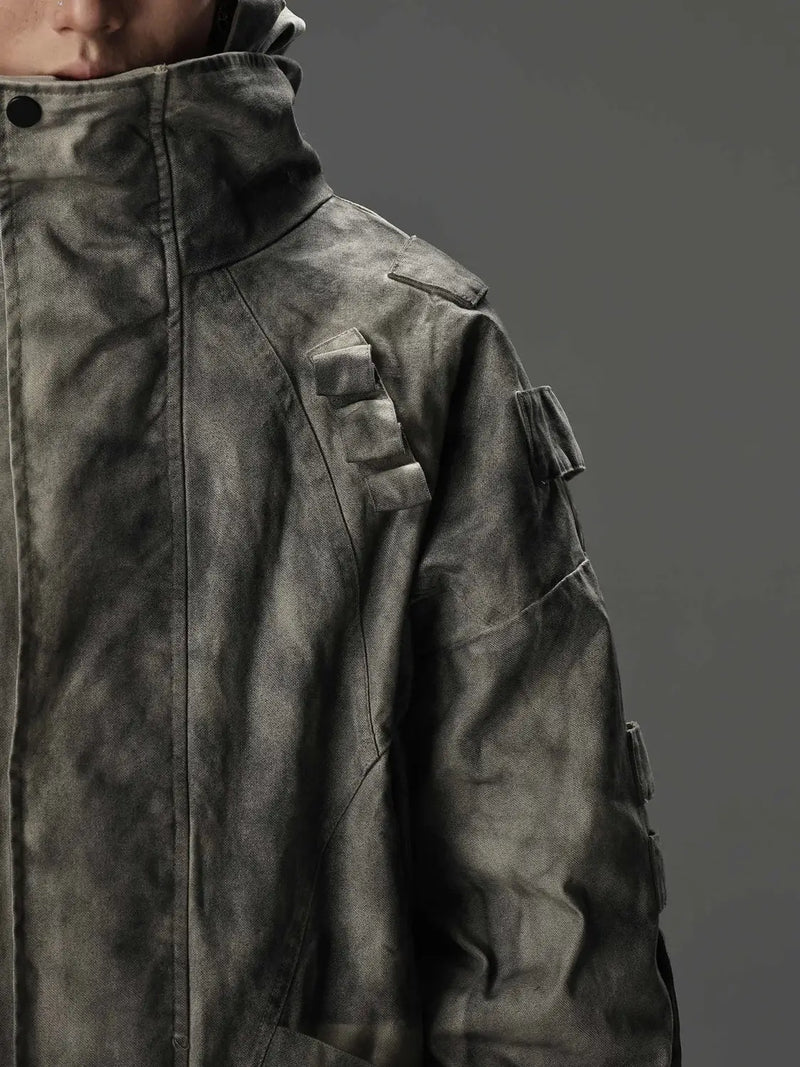
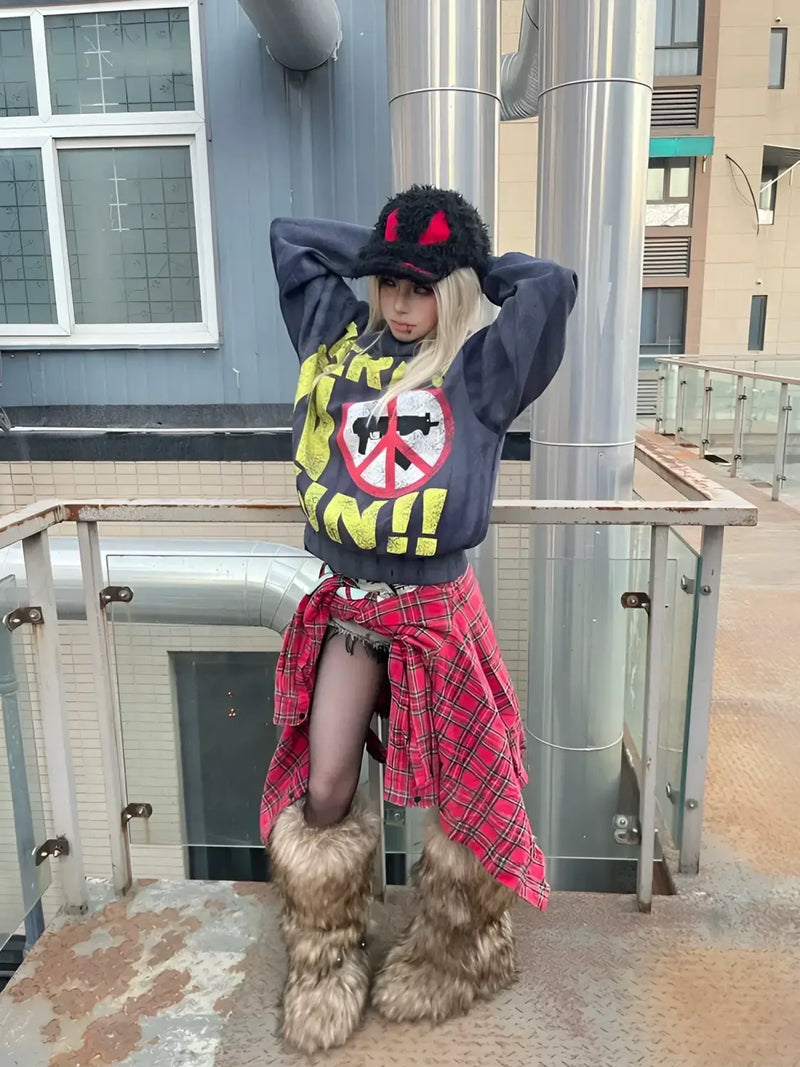

Everyone talks about Korean streetwear as if it were a question of brands. It isn't. Seoul doesn't wear different pieces than Berlin or New York — Seoul just stacks them differently. That is exactly what Korean streetwear layering is.
Most Western layering guides stop at hoodie plus jacket. Seoul builds four layers there, sometimes five, each with its own function: skin layer, mid-layer, statement layer, outer layer. When all four sit right, the outfit reads as architectural. When only three sit right, it looks like ‘dressed too warm’.
This guide clears up what is really behind it: where it comes from (Hanbok did it long before streetwear existed), how the 4 layers work, which Korean brands write the vocabulary, how you translate that into jackets / mid-layers / tops / trousers, and which 6 mistakes tip the outfit over.
What this looks like day to day — compact, in 12 seconds:
Origin
Hanbok layering meets Seoul streetwear — where Korean layering really comes from
Korean layering is not a streetwear trend invented in 2020. The logic has been in the Korean dress code since the Joseon dynasty (1392–1910). The traditional Hanbok knows up to five layers: the inner Sokjeoksam shirt, the Sokchima underwear, the Jeogori jacket, the Chima trousers and a Po coat as an outer layer for the street. Each layer has its function, each its own fabric logic, none is worn at random.
This four-to-five-layer discipline has stuck around as a reflex. When a 22-year-old stands in front of the mirror in Hongdae in the morning, he is not thinking ‘T-shirt plus hoodie plus jacket’. He is thinking Skin, Mid, Statement, Outer — even if he does not call them that. Most Western streetwear codes never developed this reflex, because their respective dress traditions — leather jacket plus jeans in the US, workwear in France — never trained on layering architecture.
Brands like ADER Error, We11done and thisisneverthat translated this reflex into streetwear from 2014 on. That was not a creative invention but a translation of an existing code into new fabrics. What looks here like ‘creative layering ideas from Korea’ is in reality a six-hundred-year-old layering logic in modern polyester.
Definition
What Korean streetwear layering really is — the 4-layer formula
Korean streetwear layering is an outfit system of four fixed layers. When all four sit right, the outfit reads as Korean. When one is missing, it looks like US streetwear. When two are missing, like ‘normally dressed’.
4
defined layers
5
colours in the core palette
1
accent colour per outfit
600
years of Hanbok DNA
These four numbers are the test. An outfit with only two layers is not Korean layering — no matter how cool the jacket is. A palette with three loud accent tones tips straight into Y2K or Harajuku. These ratios are not a matter of taste, they are the definition.
Concretely, Korean streetwear layering includes:
- Four layers from inside out — skin layer (tee, tank, henley), mid-layer (cardigan, vest, overshirt), statement layer (bomber, denim jacket, cropped coat), outer layer (trench, long coat, puffer).
- Neutral core palette — cream, beige, black, navy, grey. Never all five at once. Three of them per outfit, well distributed.
- Exactly one accent tone — burgundy, olive, washed pink, washed blue, or a print. A single tone, in one spot.
- Silhouette slim inside, wide outside — the skin layer sits tight, each further layer gets bigger. The opposite of US skater layering, where everything is oversize.
- Fabric contrast as layering trigger — mesh under knit, knit under nylon, cord under wool. Textures are visible, not hidden.
- Shoes quiet, not loud — loafers, chunky sneakers with a clean shaft, combat boot. Never hyped Air Jordans or Yeezys — they disturb the calm line.
If you are missing three of these six points, it is not Korean layering — it is inspiration. And there is one rule that holds all six together:
Architecture
The 4 layers in detail — Skin, Mid, Statement, Outer
The four layers are not interchangeable. Each has its position, its fabric, its function. If you push a layer into the wrong position — Statement inside, Skin outside — the outfit breaks. Here is the order everyone in Seoul knows:
Which of the four you can drop depends on the weather. In high summer the outer layer falls away and sometimes the statement layer too — what is left is skin plus mid. In winter all four run plus often a thinner outer over the top. But the order stays. No matter how many layers, the gradation from inside out is always the same.
Styling
How to style Korean streetwear — the order counts
A Korean layering outfit does not build itself at random. It builds in an order — and whoever reverses the order cannot pull the outfit off. In Seoul the rule is: pick the skin layer first, then the mid, then the statement, then the outer over the top. Not the other way round.
Concretely: first pick the skin layer that works with your trousers. Then a mid-layer in contrast — either a different tone or a different texture (knit to cotton, cord to smooth). Then a statement layer that either carries the accent tone or has a cut that interrupts the mid-layer. Then an outer layer in a neutral tone that holds the first three together.
Where the weight sits in the outfit decides everything. 60% volume at the bottom, 40% on top — sits right. The other way round it tips straight into hipster lumberjack or ‘dad on the weekend’. The trouser choice carries more responsibility than most think. We have put the full breakdown with outfit examples in a dedicated article:
But Korean streetwear is not just layering. It overlaps with several sub-codes — colour trends, winter-specific, casual-male, modern-Korean, brands overview. Whoever has Korean layering down can read these neighbouring topics and mix deliberately. Here are the five most important, each with its own guide:
Men’s layering
Korean layering for men — layering outfits male, looked at casually
Men’s layering in Seoul follows the same 4-layer formula — with two adjustments. First: the mid-layer becomes more visible. Where women often wear a knit cardigan under an open coat, the men’s version runs a knit vest directly over the tee. The skin layer becomes almost fully visible — and that is exactly the point. Second: the shoes get cleaner. Loafers with a tabi nod, white chunky sneakers with a clean shaft, or plain matte combat boots. Never high-performance runners or loudly coloured caps.
Casual Korean outfit male in practice: plain white tee or long-sleeve in cream, an olive knit vest, a cropped denim jacket in mid-wash, plus wide wool trousers in beige and loafers. That is the core outfit. Four layers, three neutral tones, one olive mid-layer as accent. Works the same in Seoul, Berlin and Tokyo.
What men get wrong more often than women: too much volume on top. An oversize hoodie under an oversize jacket under an oversize coat = three layers without gradation. Korean-layering men keep the skin layer tight, often even fitted. The volume builds from inside out, not everywhere from the start.
Three accent options that often work in men’s layering: a burgundy knit as mid-layer, a washed denim jacket as statement, or a camel trench as outer. One per outfit, never two. More accent tips the calm Korean line into loud.
Brands
The brands that really write Korean layering — ADER, thisisneverthat & co.
Korean layering does not come from one brand. It comes from a brand cluster that has formed in Seoul since around 2012. Whoever understands the vocabulary can build the outfit completely without these labels — but whoever knows the cluster sees the DNA in every look.
The brands that wrote the Korean layering vocabulary:
- ADER Error — founded 2014 in Seoul. The most obvious layering brand of the last 10 years. Asymmetric crops, knit vests in impossible colours, statement coats. When a look feels ‘typically Korean’, it is often ADER.
- thisisneverthat — since 2010, based on a workwear sensibility. The cargo and overshirt world — functional, but cut in the Korean silhouette. Mid-layer essential.
- We11done — 2014, Seoul. The high-fashion side of the Korean streetwear spectrum. Tailored statement layers, cropped bombers, often with Dior DNA. Premium prices.
- Andersson Bell — the knit authority. If you are looking for a knit vest or knit cardigan in the Korean cluster, it either comes from here or wants to look like it does.
- JUUN.J — since 2007, the oldest on the list. Avant-garde tailoring with military DNA. Outer-layer authority — the long trenches and field coats come from here.
- IISE — Korean-American diaspora brand with a Brooklyn studio. Layering meets travel-cloth sensibility. The most understated brand on the list, but without any logo shouting.
- kanghyuk — the avant-garde pole. The layering idea tipped into the experimental — airbag fabrics, deconstructed cuts. For when the others feel too safe.
- Pushbutton — women-focused, very mid-layer strong. Knit vests, cardigans, slip skirts under knit. If you want to build women’s Korean layering.
- YesStyle / W Concept — not brands but marketplaces. YesStyle for mass Korean streetwear, W Concept for the curated designer lane. Entry without designer prices.
Whoever wants to build Korean layering without paying designer prices searches on YesStyle and W Concept, buys resale on Vestiaire or Grailed, or from DTC brands that translate the vocabulary competently.
Category · Outer
Jackets & coats — the outer layer
The outer layer carries the visual weight from outside. It is the largest surface and the only layer taken off indoors. This is where it is decided whether your three layers underneath become a Korean outfit or a Berlin winter bundle.
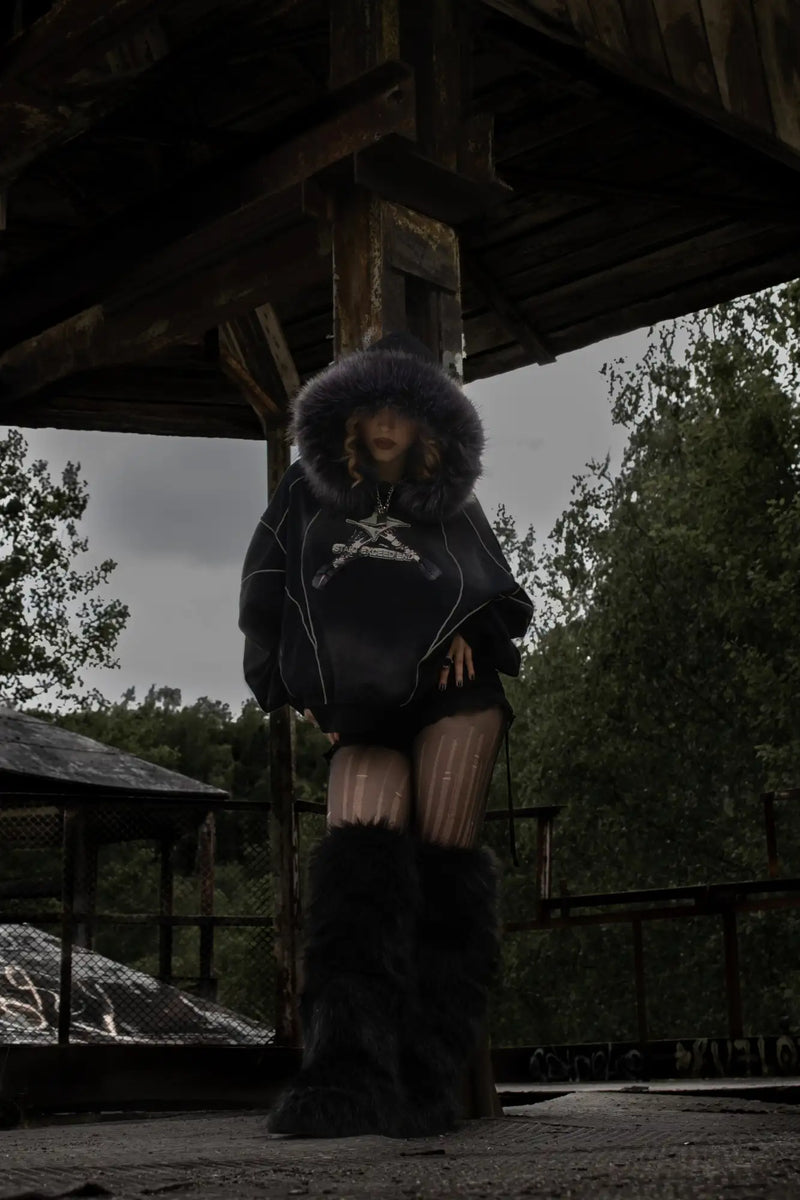
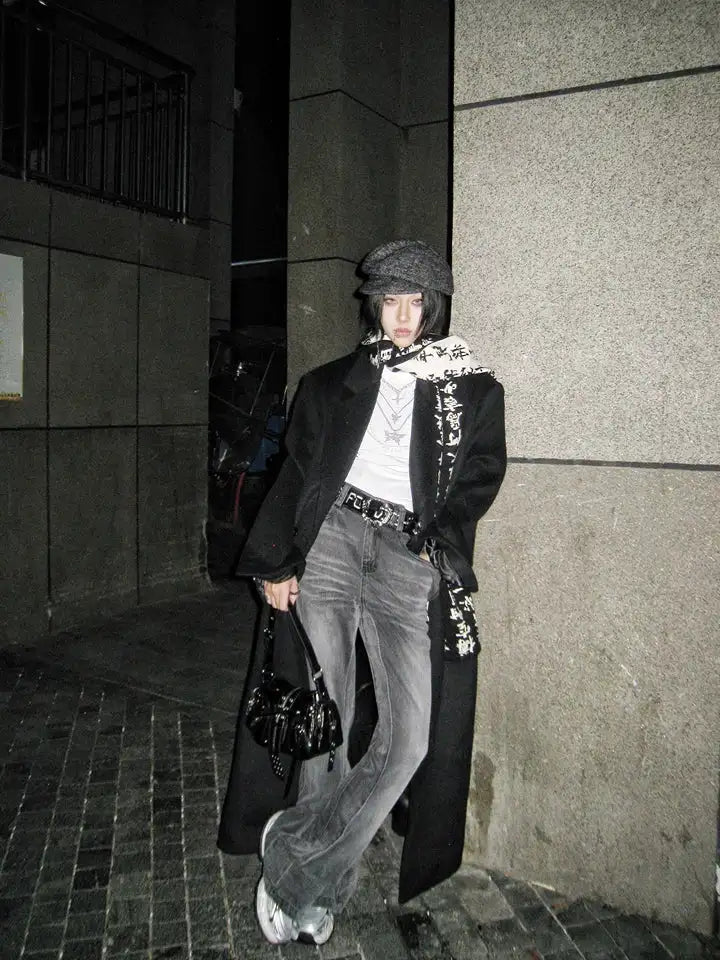
Three outer types work in Korean layering: a long trench in beige, camel or anthracite (the JUUN.J school), an oversize wool coat with a draping cut (the We11done school), and a roomy sherpa or faux-fur jacket (the thisisneverthat school). Cropped bombers do not belong here — they run as a statement layer one layer further in.
If you do not own a long coat yet, that is your first move. A trench or long coat in a neutral tone holds the first three layers together — without it the outfit reads half-finished.
Category · Mid-layer
Mid-layer — cardigans, vests, overshirts
The mid-layer is the layer that tips the outfit — from ‘normal’ to ‘Korean’. It sits between skin layer and statement and is usually the first layer worn open or peeking out at the side. Without it it is US streetwear; with it, Seoul.
What works: knit vest in burgundy, olive or cream over a plain tee. Cardigan in knit or cord, worn half open. Overshirt in wool or heavy cotton, a size bigger than the shirt underneath. The rule: the mid-layer has to make visible contrast — either in colour or texture. Cream tee plus cream cardigan does not work.
Whoever wants to test the knit-vest look takes a single-colour knit vest in burgundy or olive over a cream long-sleeve. That is the easiest entry into Korean layering — no risk if it does not work out.
Category · Skin Layer
Tops & shirts — the skin layer
The skin layer is the most inconspicuous component — and that is exactly why it stands out when it sits wrong. In Seoul you almost never wear a printed shirt under the mid-layer. It is a plain tee, long-sleeve or a knit henley. Tight, single-colour, no graphic. Cream, white, black or navy — chosen by what makes sense under the next layers.
The rule: single-colour, close to the body, no logo. Printed tees (band logo, drip graphic, anime print) tip the outfit straight into US streetwear or Harajuku. A plain white tee says more ‘Korean layering’ than any statement motif. If you want a print, then on the statement layer — never on the skin layer.
Whoever wants to go for the knit-henley look takes a waffle knit in cream or beige as skin layer and combines it with a cord overshirt on top. That is the fastest way towards a ‘minimalist Seoul outfit’.
Category · Bottoms & Shoes
Trousers & shoes — the quiet base
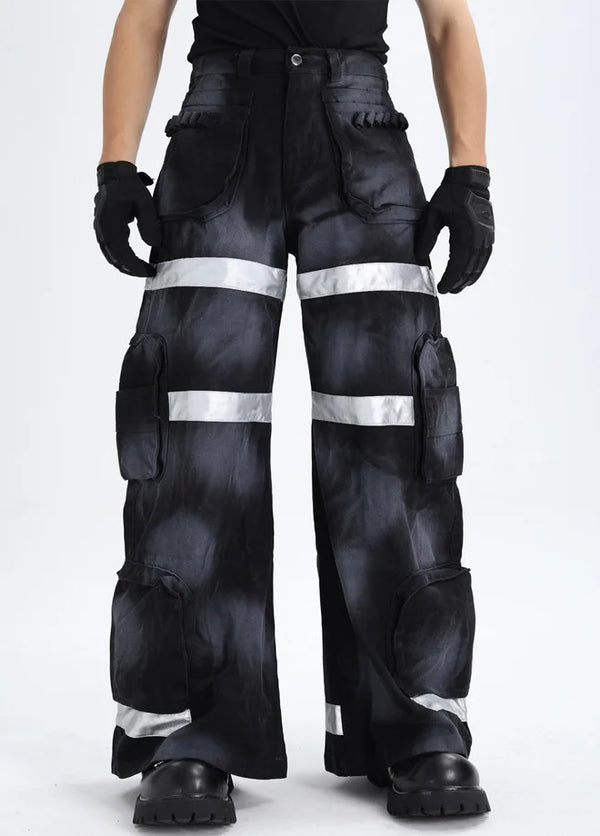
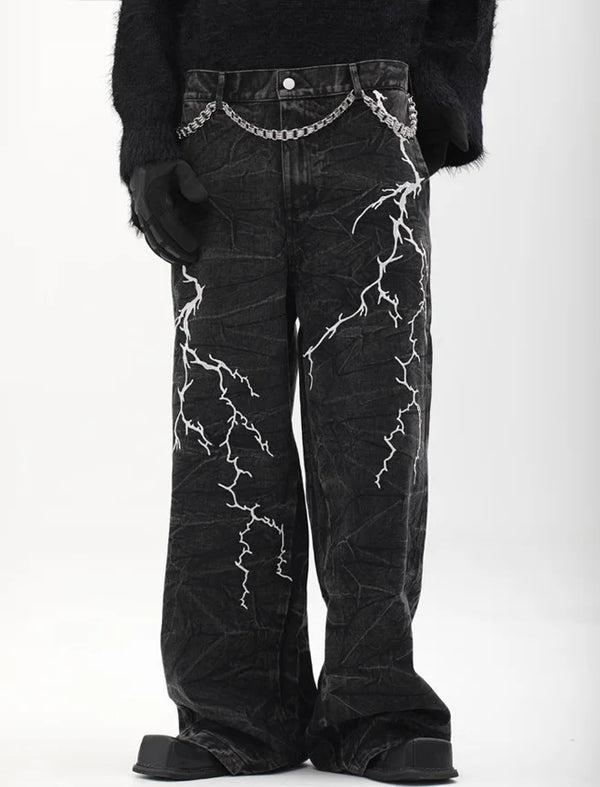
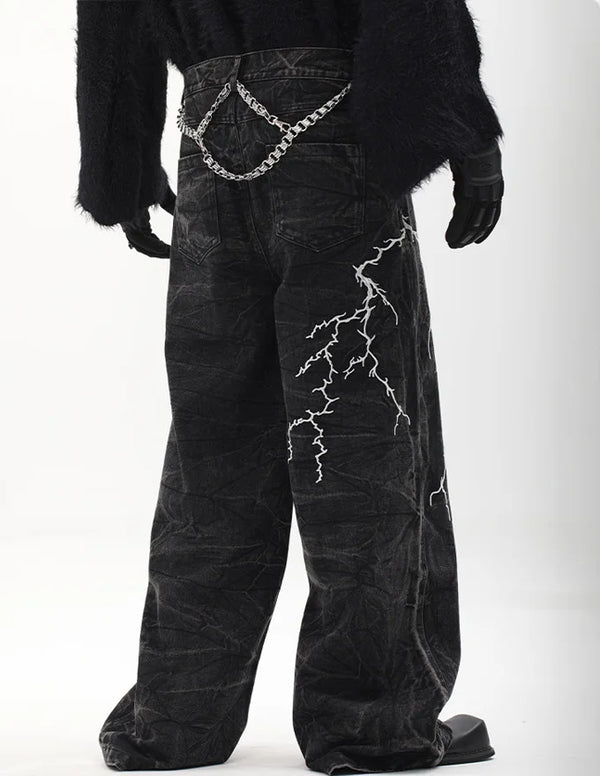
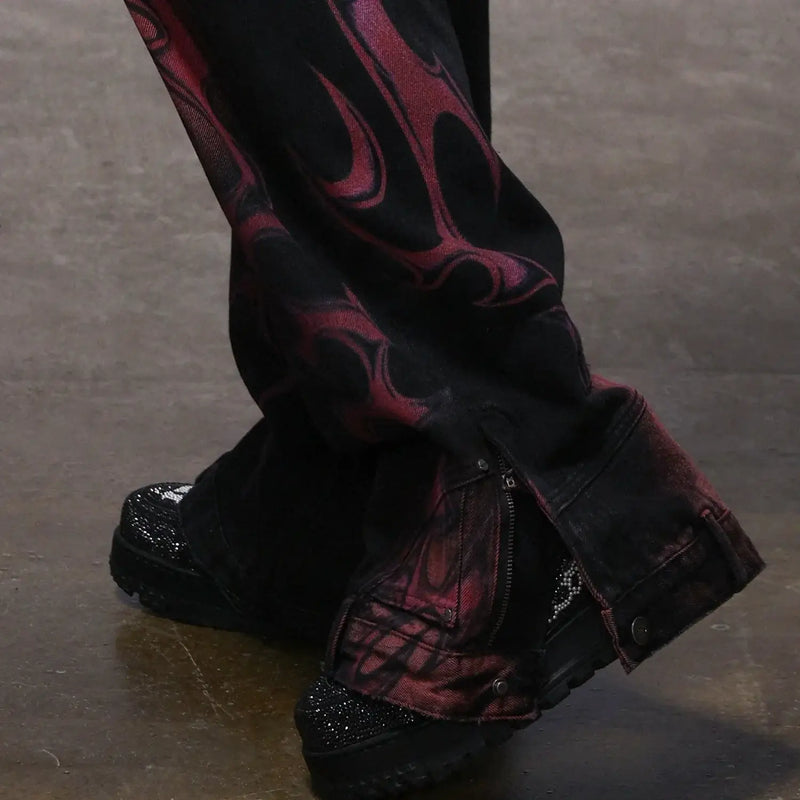
The trousers set the outfit’s foundation. Korean layering runs on a leg that is wide rather than tight — wide-leg trousers in wool, carpenter pants in beige, or a straight-cut black denim with a cuff at the end. Skinny has been out since around 2018, cargo only when the cut stays clean and does not tip into workwear caricature.
Working Korean bottoms sit on the hips, fall straight or slightly wide downward, and end either at the ankle (cuff) or exactly on the floor (full break). What does not work: pulled-up slim cuffs, distressed look in excess, or jogger cut with a cuffed hem — all of it breaks the calm Korean silhouette.
On the shoes: quiet, not loud. Loafers in matte black or cognac, chunky sneakers with a clean shaft (Salomon XT-6, New Balance 1906R, Asics Gel-Kayano), or matte combat boots. Never hyped Air Jordans, loud Yeezys or high-performance trail runners. The shoes should hold the calm line of the four layers — not blow it up.
Seasonal
Korean layering in summer vs winter — Seoul heat, Berlin cold
In winter Korean layering is easy. The 4-layer formula runs by itself — skin, mid, statement, outer. At -10°C in Seoul a fifth layer sometimes comes on top (a thin Heattech tee as true-skin under the actual skin layer). The reflex is right, the weather plays along. The challenge comes in summer, when three of the four layers have to fall away.
Summer Korean layering works through what was otherwise the mid-layer. At 32°C in Seoul the open-worn cord overshirt becomes the only visible layer over the tee — the statement layer falls away, the outer anyway. What stays: two layers, both light, both visible. Plus wide wool trousers or light cargo pants and loafers.
This is where the 70/30 rule comes in, often asked about. In Korea it is lived as wardrobe logic: 70% of your outfits should consist of neutral, freely combinable layers, 30% of accent or statement pieces. In summer the ratio slides towards 80/20 — fewer layers, so less room for accents.
The year-round solution also comes as hardware: pieces with built-in layer flexibility. Convertible puffer with removable sleeves, for example — winter as a full jacket, spring as a vest, summer in the wardrobe.
Here's what that looks like in motion:
What does not work
The 6 most common mistakes in Korean layering
Korean layering has six spots where it reliably tips over — no matter how expensive the individual pieces are. If you avoid only one thing, make it mistake number one.
Action
First 5 pieces for the Korean layering outfit
You do not need 30 things to wear Korean layering. You need five that will be in 80% of the outfits. Everything else builds around them.
In order: a plain cream long-sleeve (your skin layer for most outfits). A knit vest or cardigan in olive or burgundy (your first mid-layer with accent). A cropped denim jacket in mid-wash (your statement layer). Wide wool trousers in beige or anthracite (your base). Plus loafers or chunky sneakers with a clean shaft.
Outfits for real
Korean layering outfits for real — how it sits on the street
Before you build your own outfit, look at how others wear it. The 4-layer formula looks different in the feed than in lookbook photos: tighter, more worn, less perfect — and that is exactly why it works. This is the fastest way to check whether the architecture even sits on your body type — before you spend money.
To close
Korean layering is architecture — not stacking
If you remember one thing from this guide, make it this: Korean layering does not work through pieces but through the order and the gradation. Whoever has the 4-layer formula down builds 50 outfits from 15 items. Whoever only buys pieces has a full wardrobe without a single outfit that looks like Seoul.
The whole logic of this guide reduces to one sentence:
The logic has been stable for 600 years and will stay that way — as long as Korea is in the game. But you do not have to wait until you have all four layers at once. Start with three, the first mid-layer that tips the outfit. What you do not know, you learn by wearing.
And that is the point too: Korean layering reads in theory like a rulebook, but in practice it does not feel like one. Once you have the code down, every further outfit is a variation of the same four or five building blocks — not a new invention.
FAQ
Frequently asked questions about Korean streetwear layering
The questions we often get by DM and email — short, clear, no detours.
What is Korean street style actually called in Korean?
What is the 3-3-3 rule for clothing — and does it apply to Korean layering?
What are the layers of traditional Korean dress?
What is the 70/30 rule for the wardrobe — and does it hold in Korea?
Why do men no longer wear 3-piece suits — and what does that have to do with Korean layering?
Where do I buy Korean streetwear without paying designer prices?
Does Korean layering also work without a thin Korean body?
What is the difference between Korean streetwear and Japanese streetwear?
What do you think?
Tell us on @fuga_studios
About the author
Philipp Fuge — Founder · Berlin
Founder of Fūga Studios. Writes the journal himself. Berlin · Shanghai · Tokyo · Poznań — four cities, one logic.