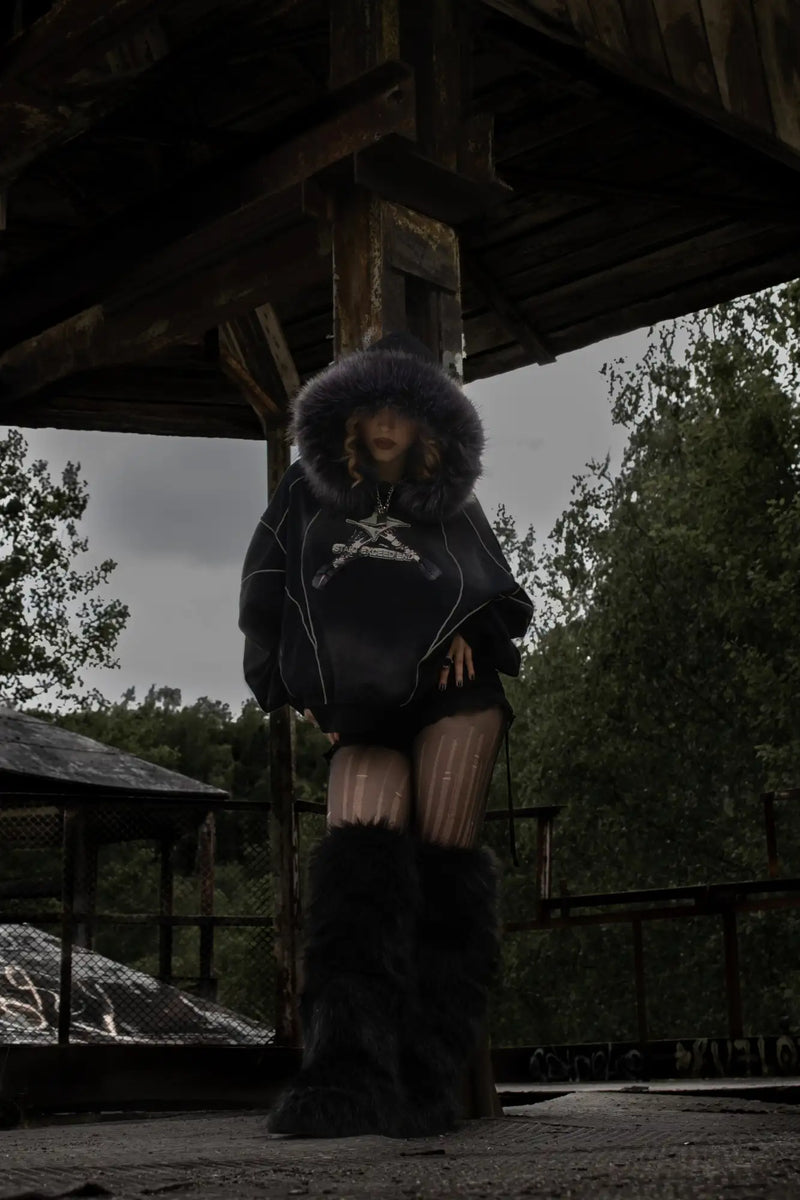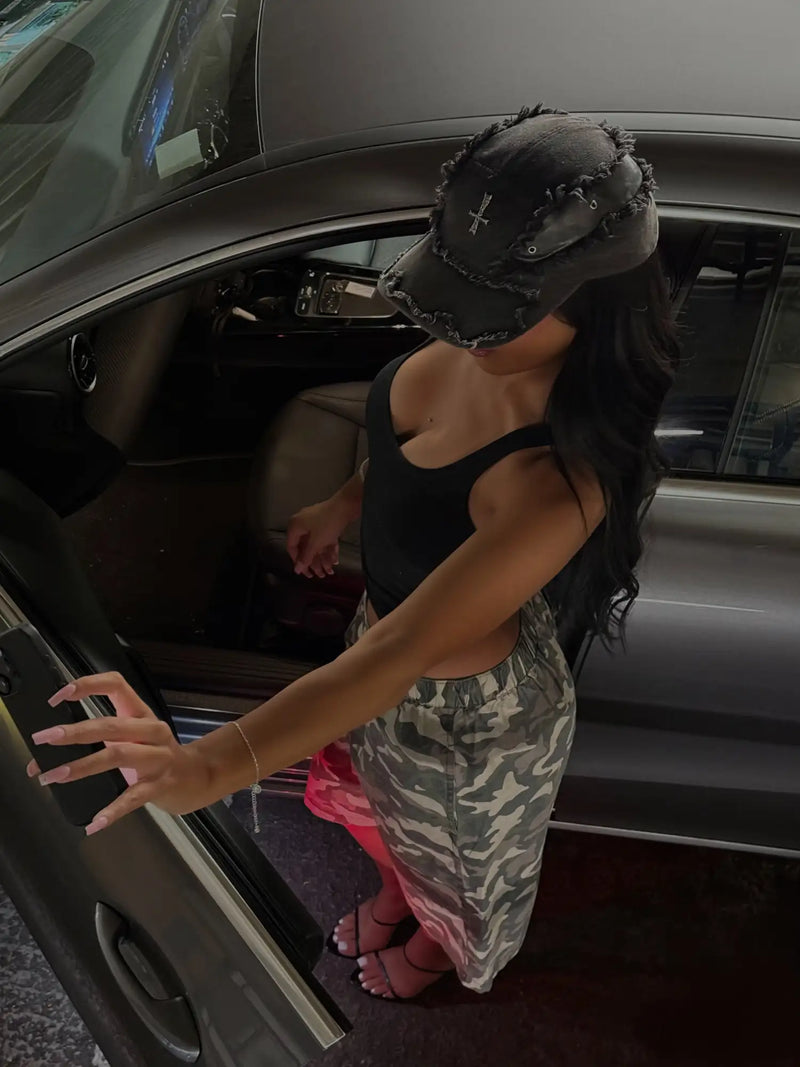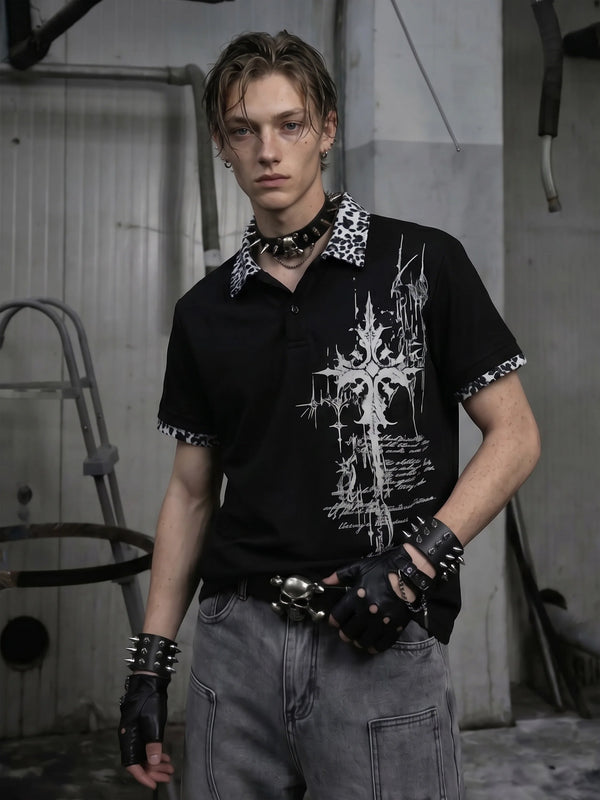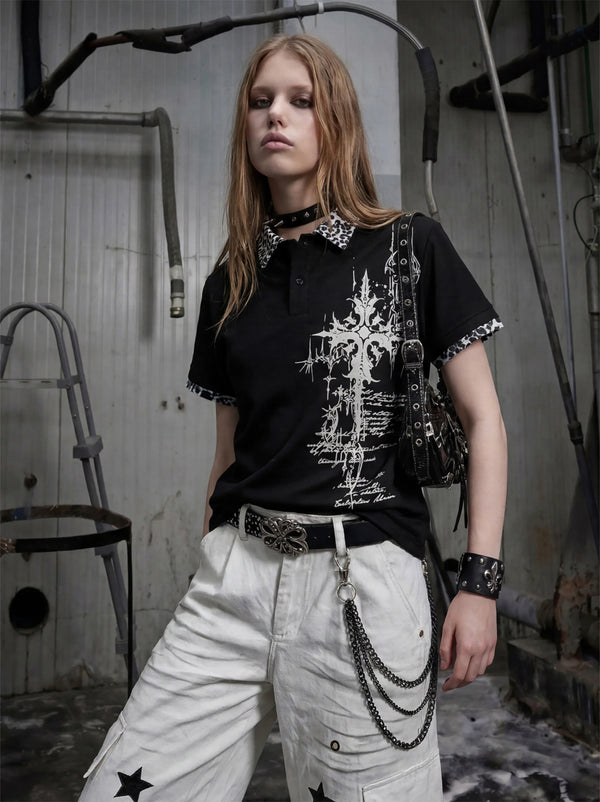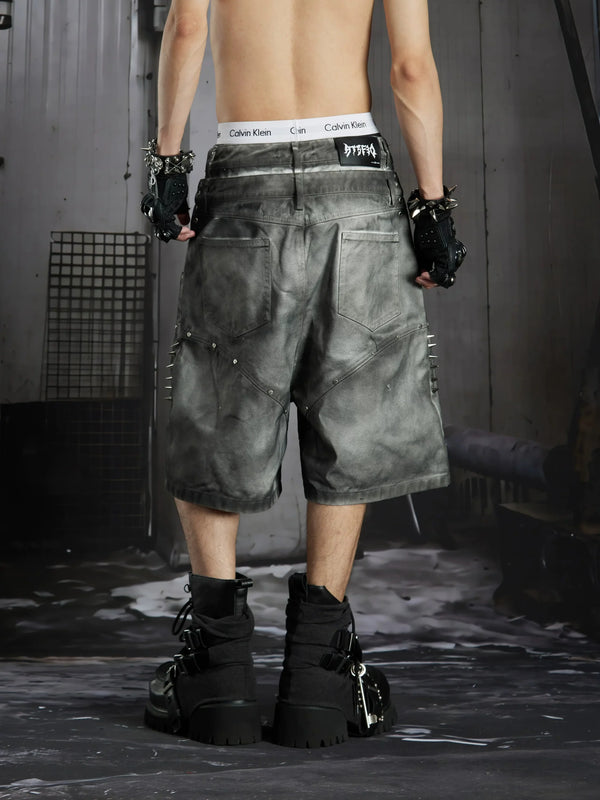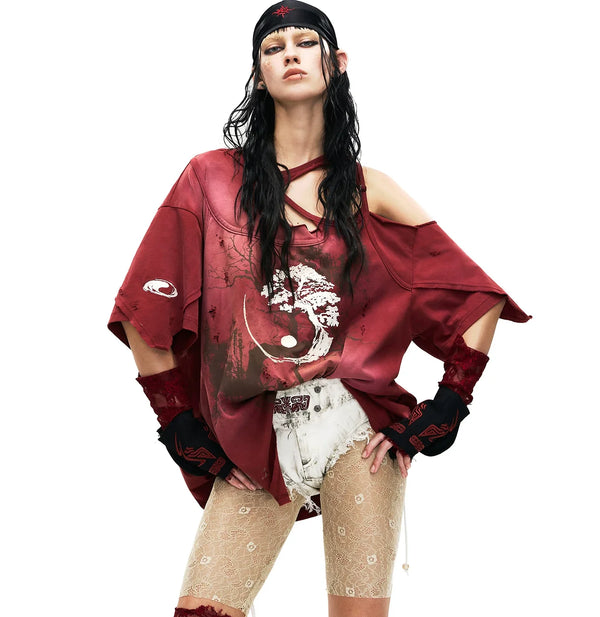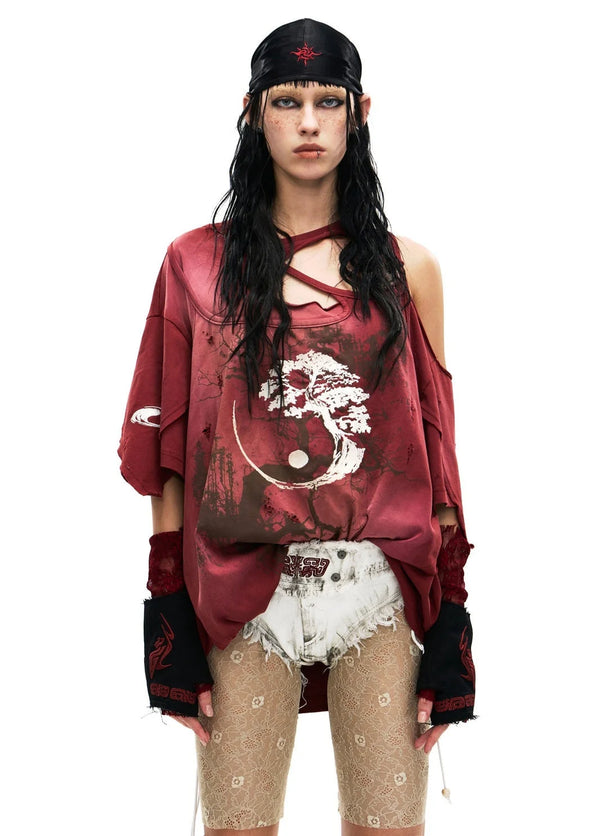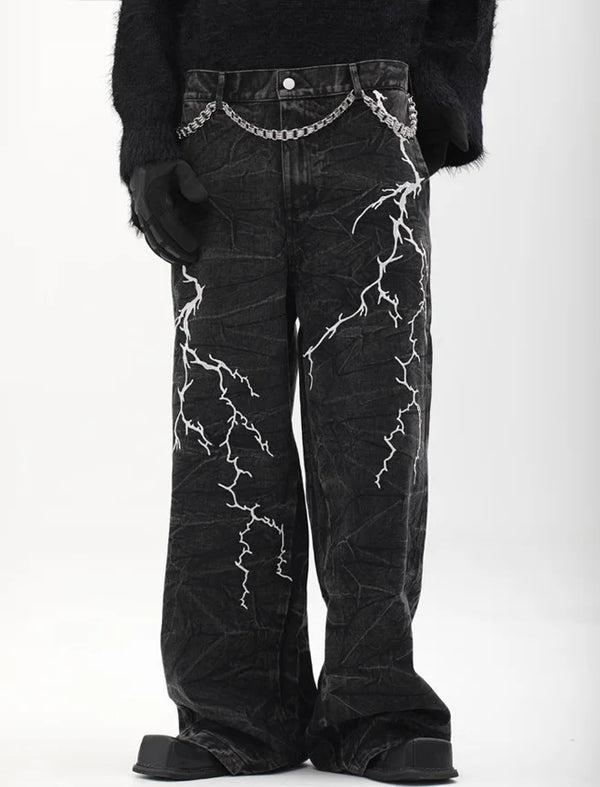

Anime · Harajuku · Origin
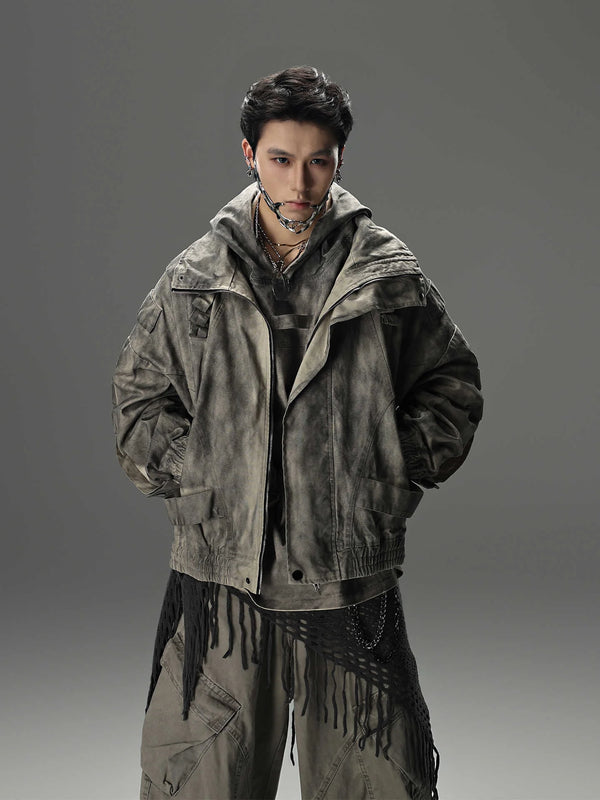
Oversized, minimal, high quality. The jacket that sets the tone in Seoul.
Most Wanted



All pieces


Drop Alerts
We'll let you know when the next drop in this niche lands.
You're in. We'll let you know at the next drop.
Drop Alerts
We'll let you know when the next drop in this niche lands.
You're in. We'll let you know at the next drop.


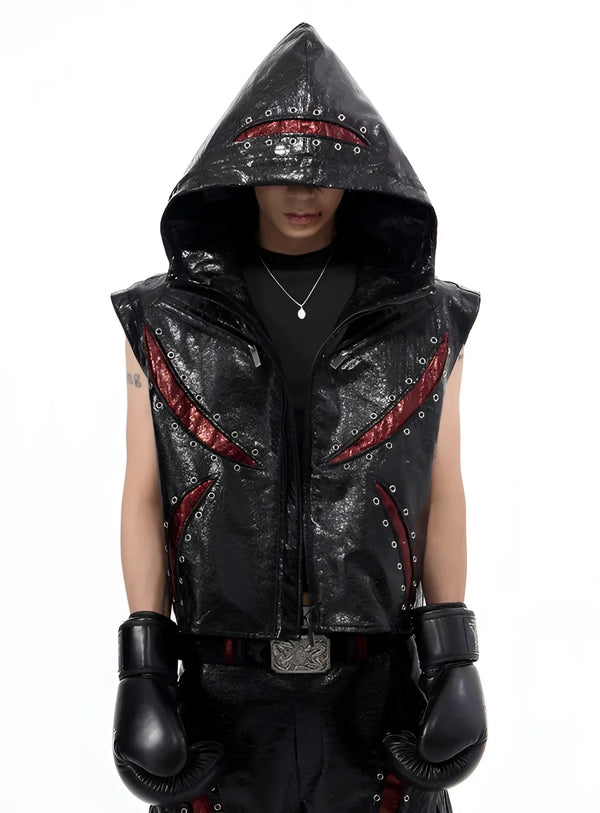

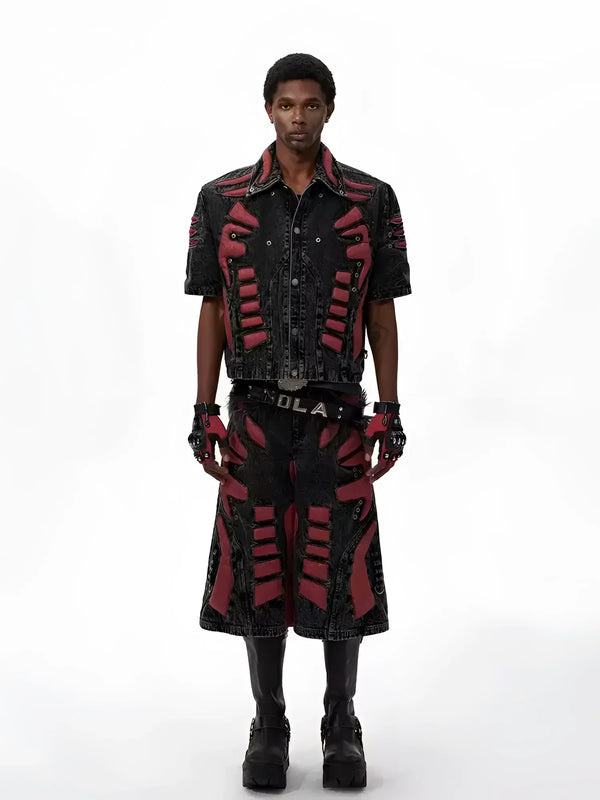

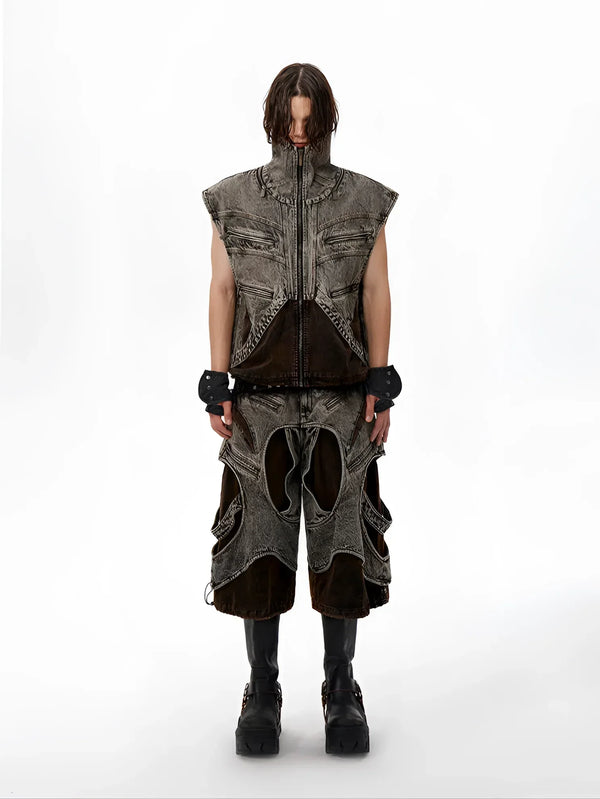
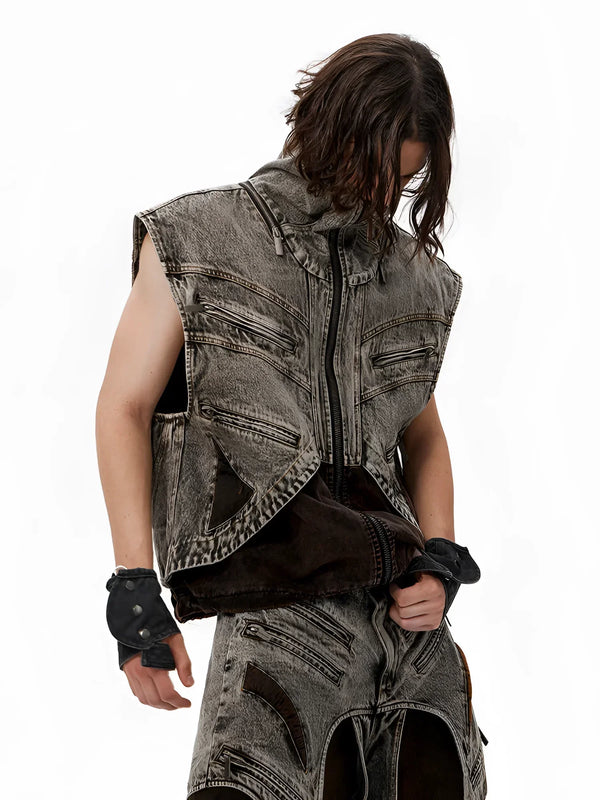
Drop Alerts
We'll let you know when the next drop in this niche lands.
You're in. We'll let you know at the next drop.
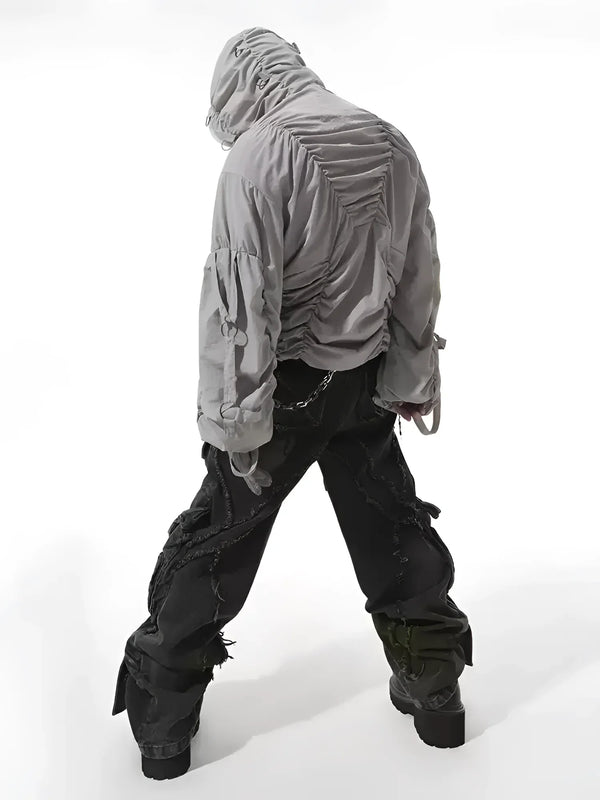

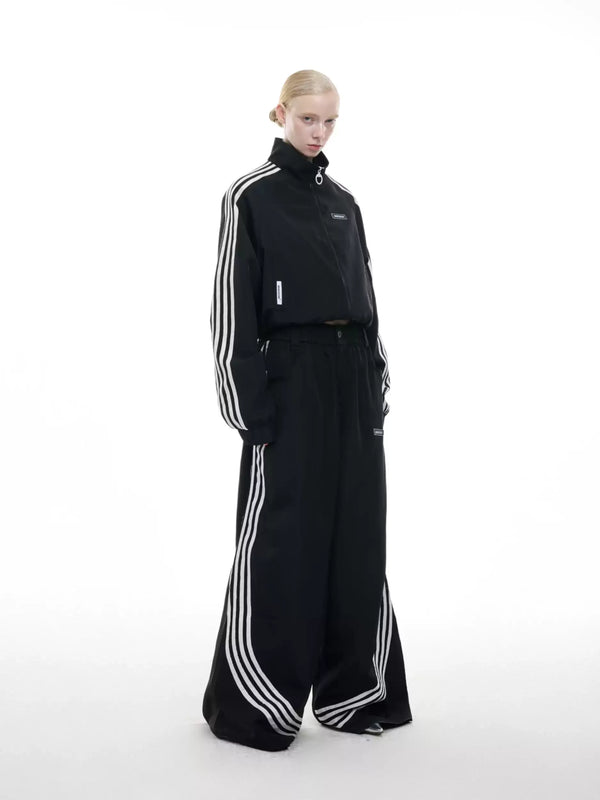

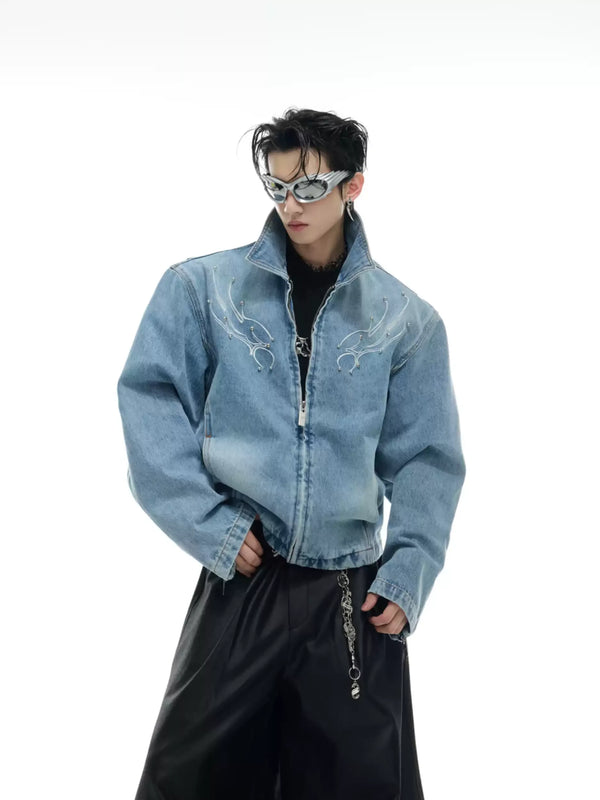

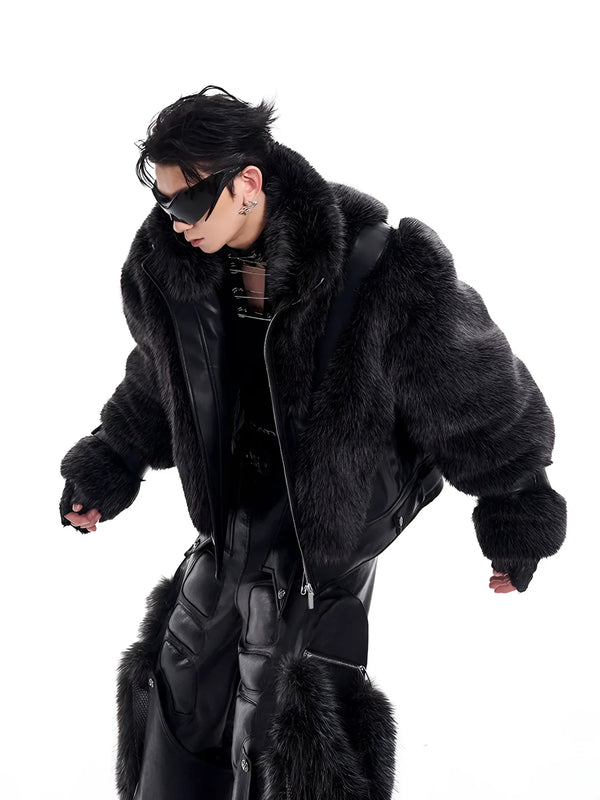

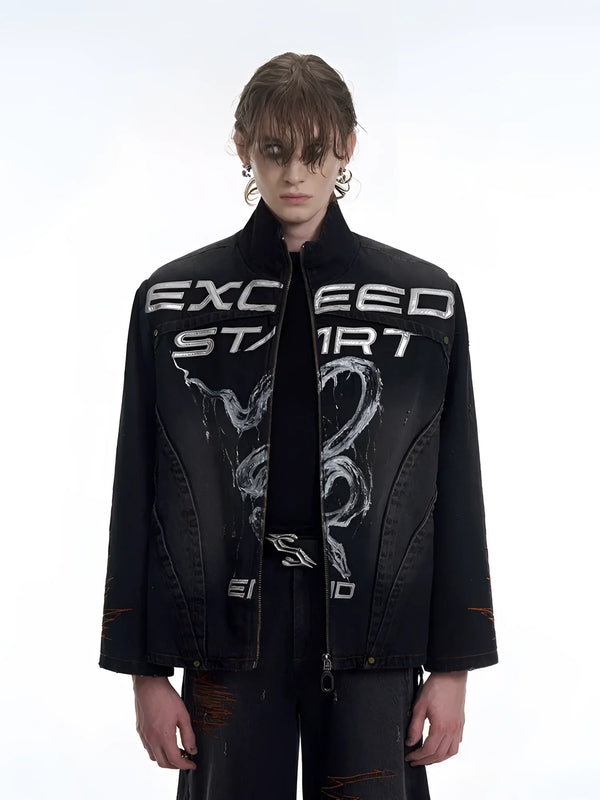

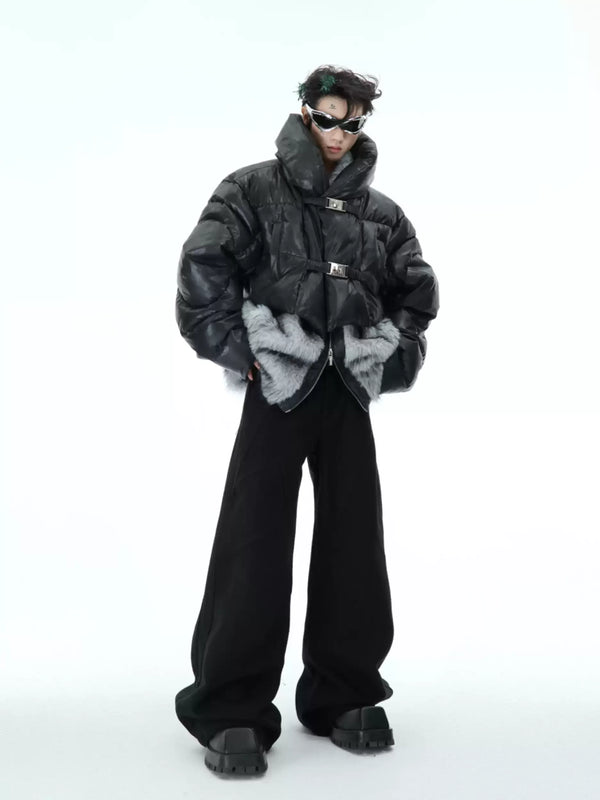

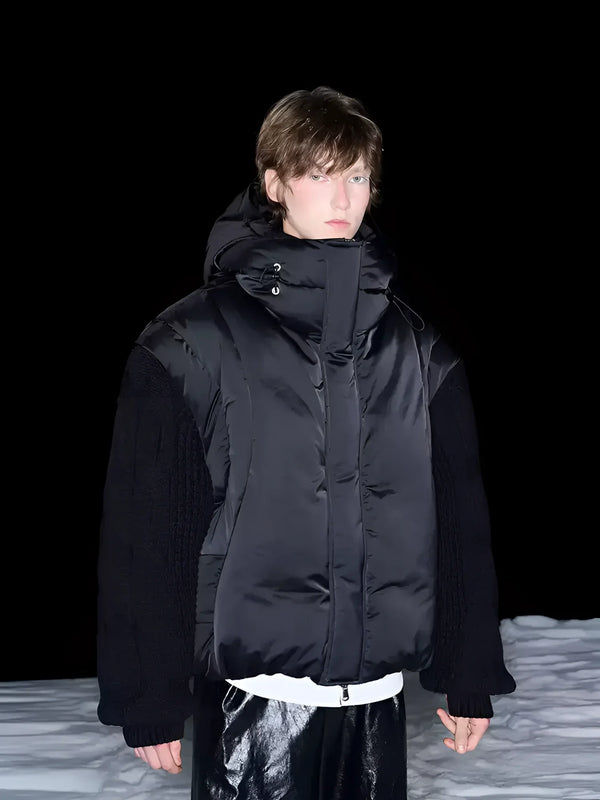
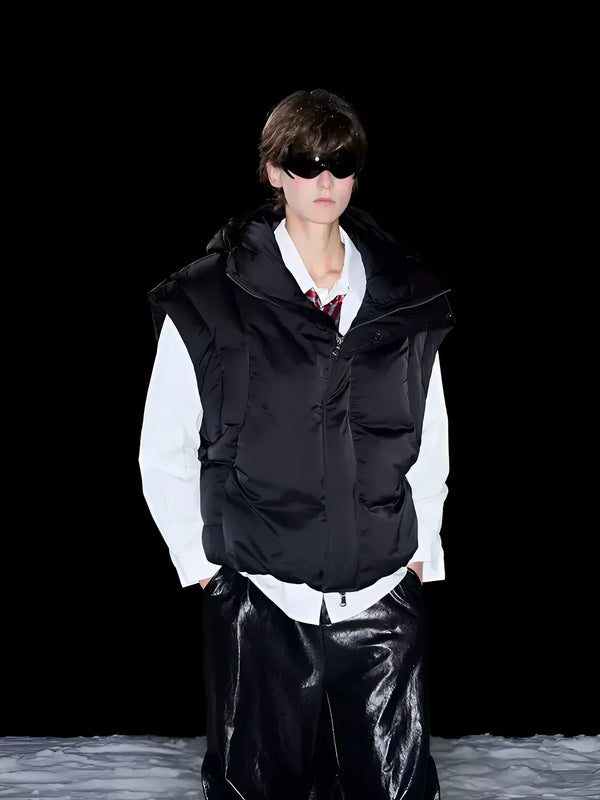


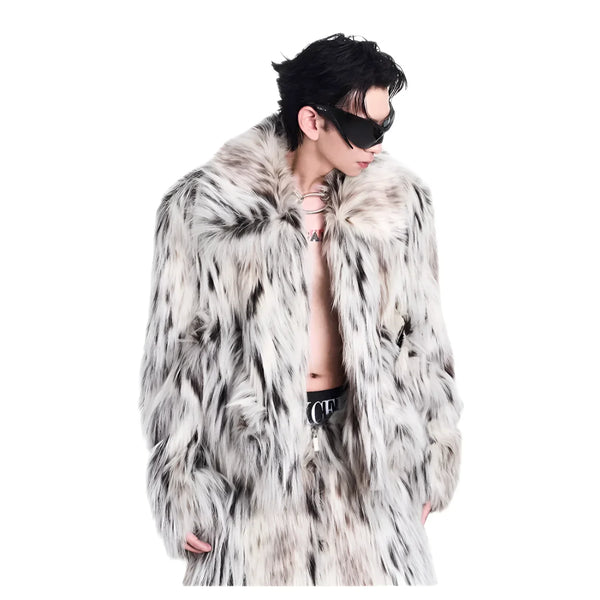

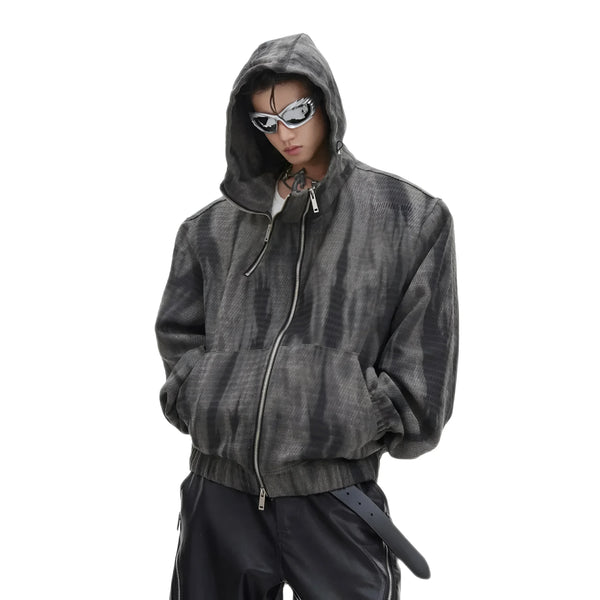
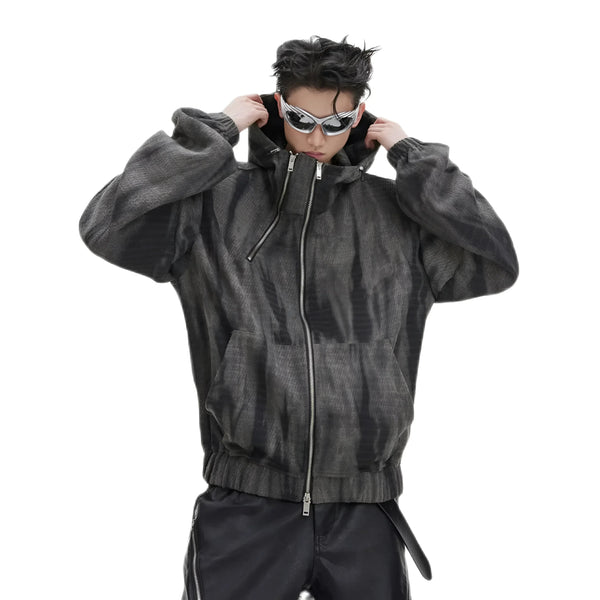
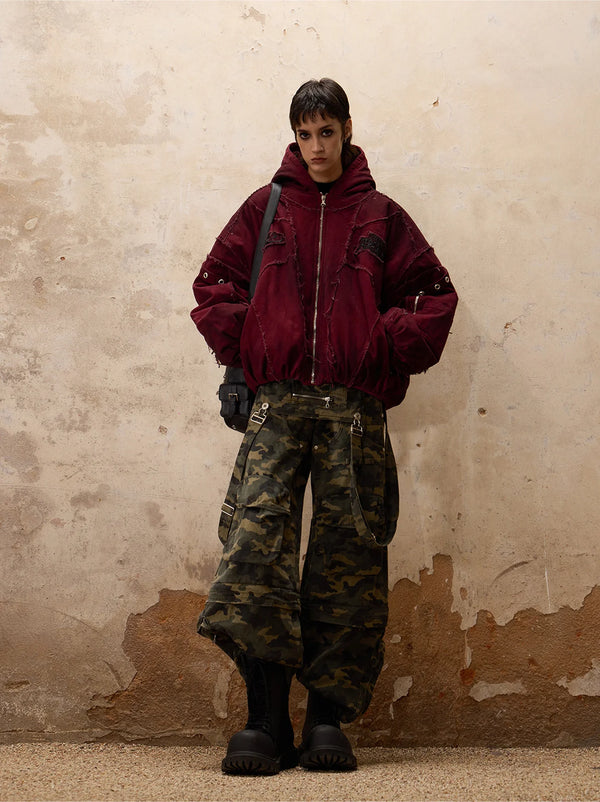
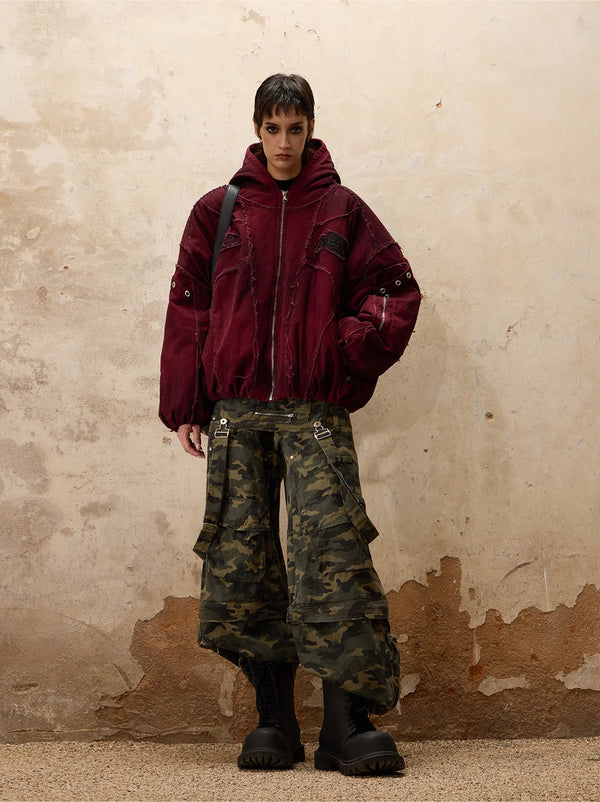
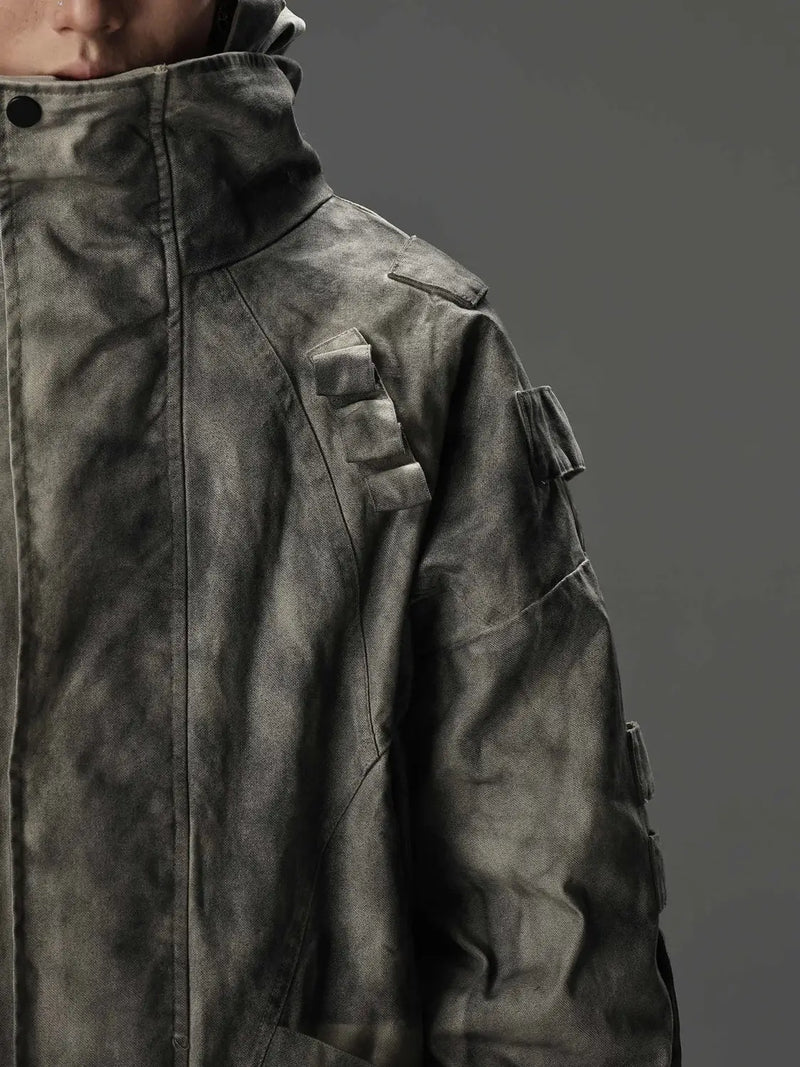
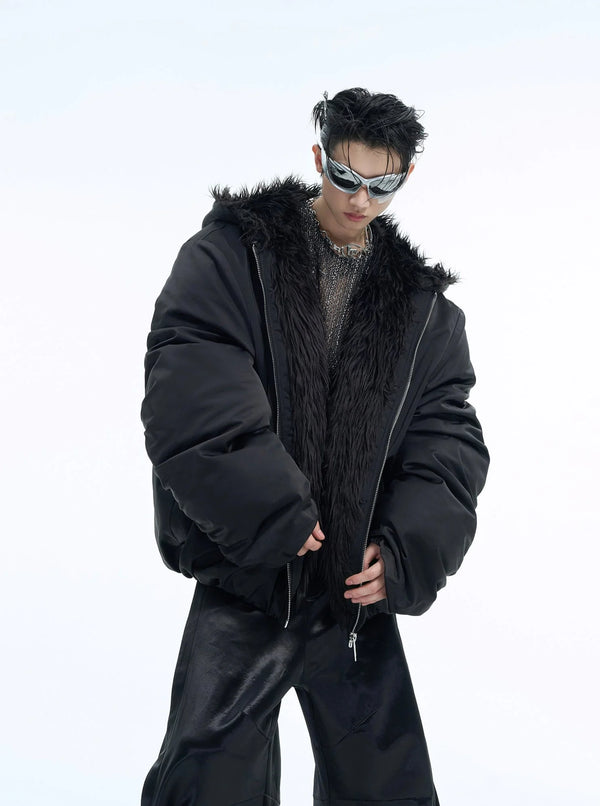
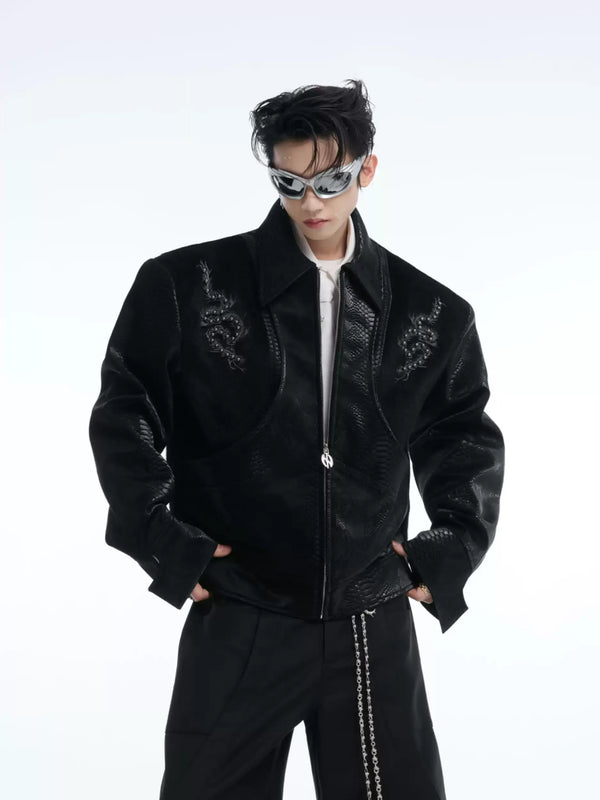
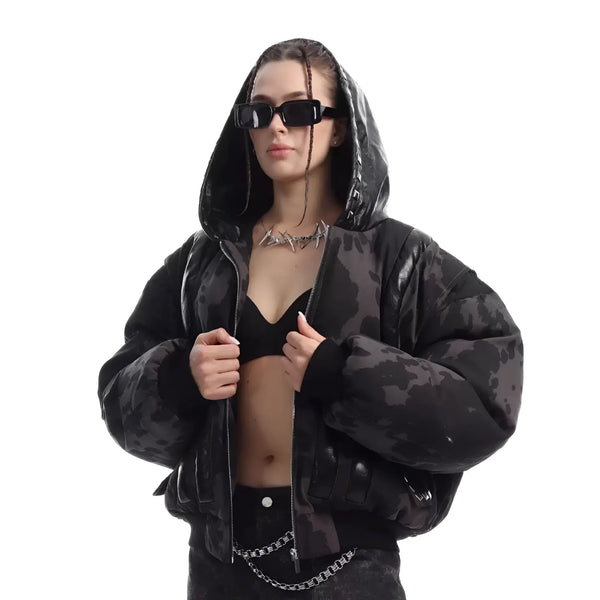
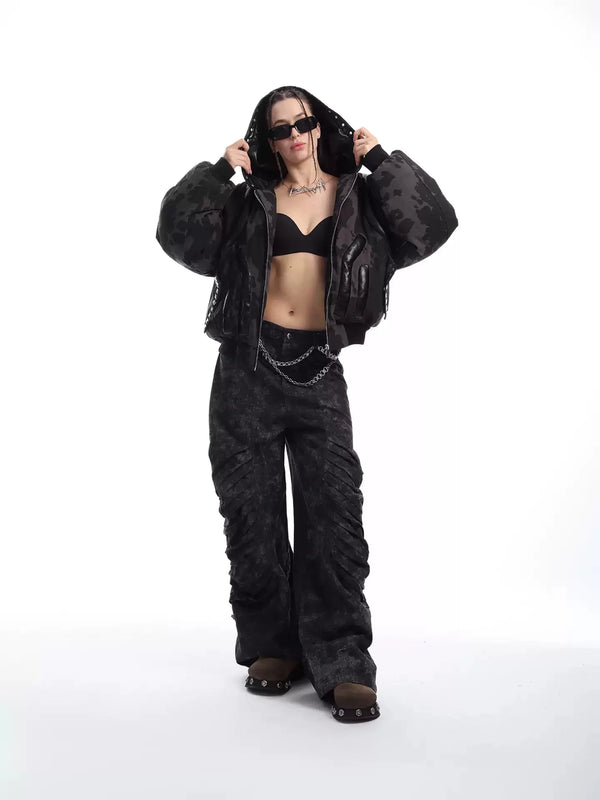
Korean streetwear jackets combine clean silhouettes with layering details that are standard in Seoul. Oversized cuts, asymmetrical zippers, muted colors — the look emerges through reduction, not volume.
Seoul is all about proportions. Korean streetwear jackets work with elongated cuts, drop shoulders and understated details. The palette stays neutral — black, grey, off-white, khaki. Material and fit define the look, not logos or prints. For those who want to dive deeper into Mix metals without apology — gold and silver live together in K-fashion. , you'll find the context there.
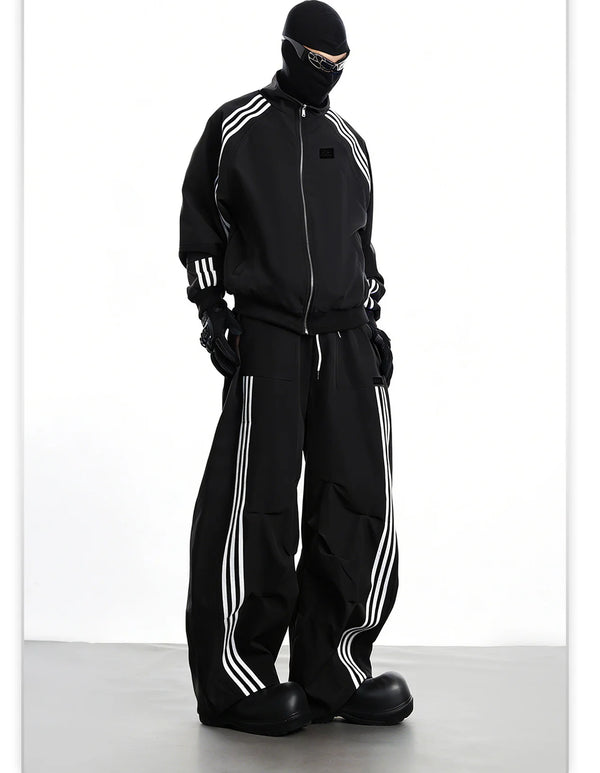
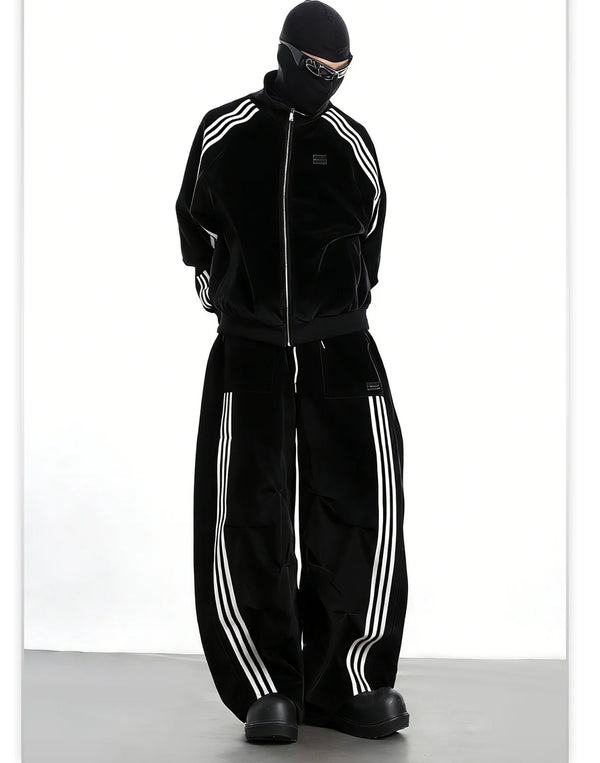
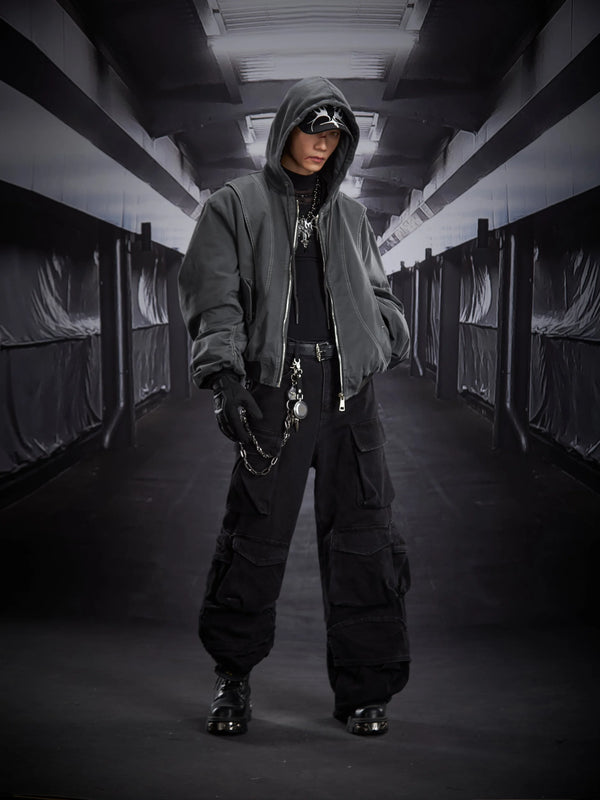
Layering is the core. A Korean streetwear jacket sits over a simple longsleeve or hoodie, with wide pants and chunky sneakers or boots. The jacket carries the outfit — everything else stays quiet. Mix within the Every detail contributes to visual weight and balance. collection for a cohesive set.
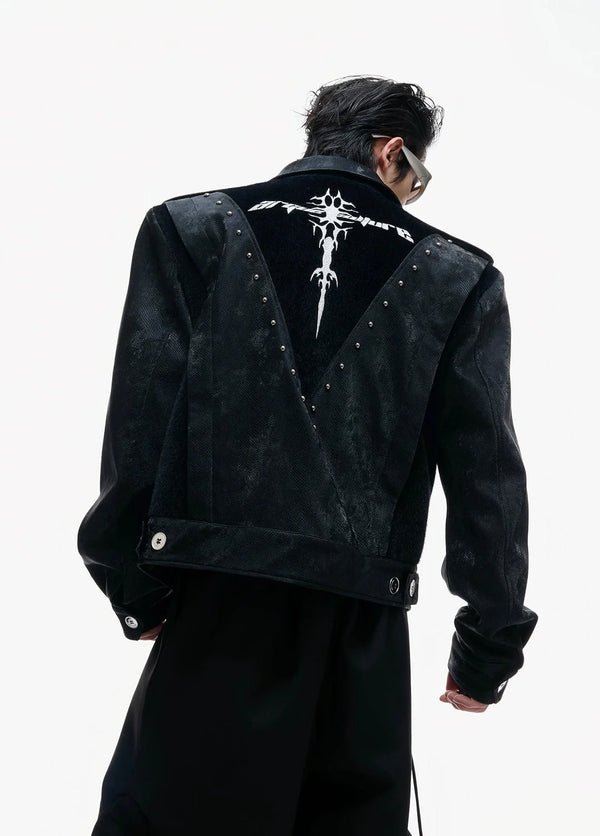
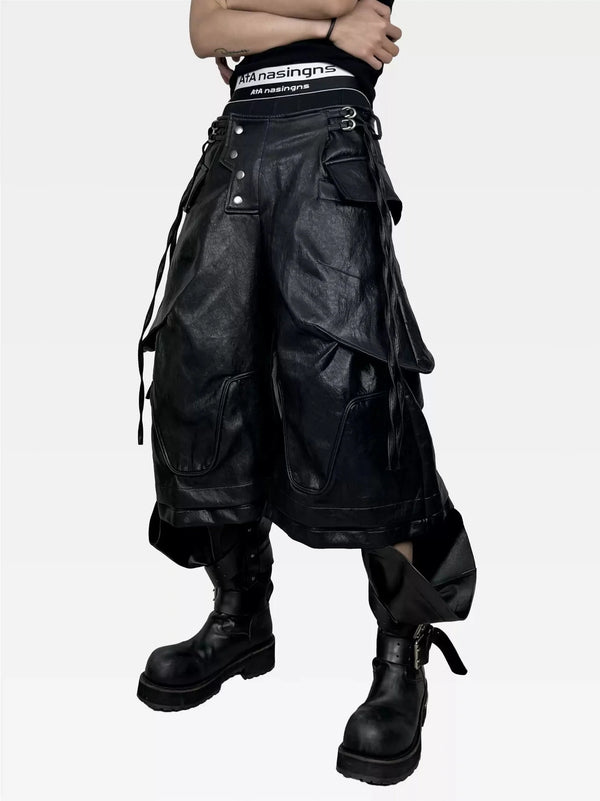
Bombers, windbreakers, overshirts and trench coat variants — all with the clean Korean streetwear cut you know from Gangnam and Hongdae. Each piece fits into an existing layering setup. Find more Korean Fashion in the main collection.
Korean streetwear jackets focus on proportions over graphics. Oversized silhouettes, clean lines and restrained color palettes take center stage. Western streetwear more often uses logos, bold prints and tighter cuts.
Best with layering looks: wide pants, simple basics underneath, chunky shoes on top. The jacket plays the lead role in the outfit. Black-on-black or tone-on-tone works almost always.
Lightweight nylon blends for windbreakers, heavy cotton for overshirts, technical mixed fabrics for bombers. Korean labels prefer matte, textured fabrics without shine.
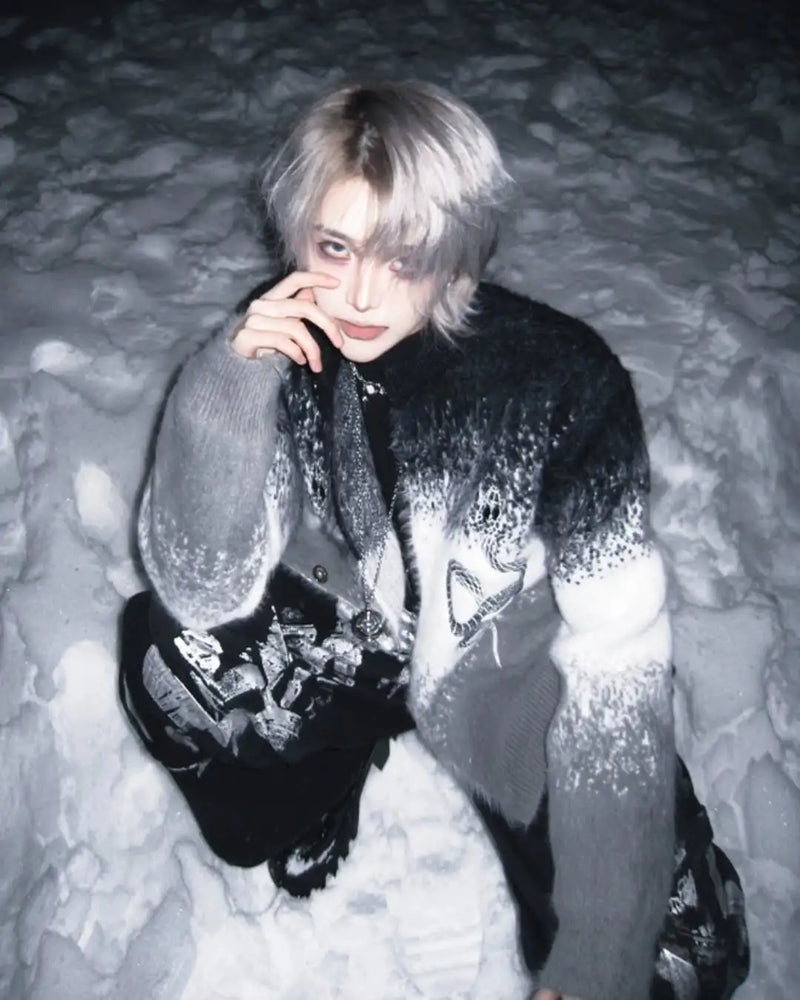
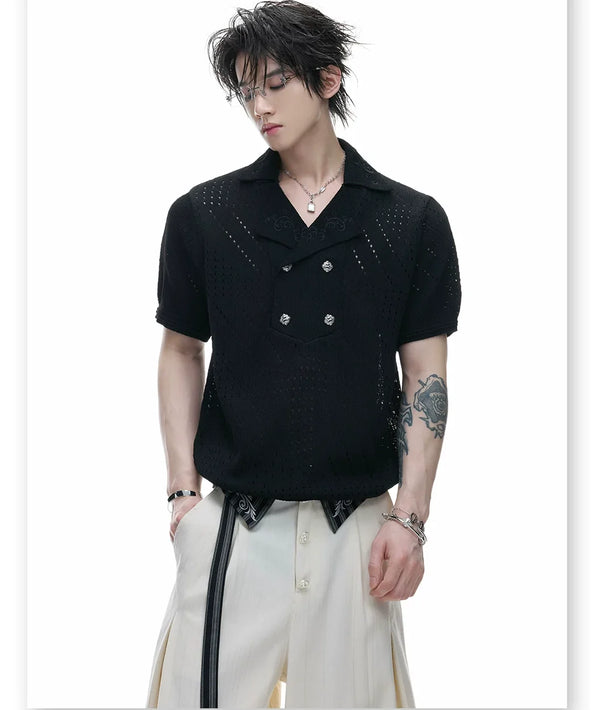
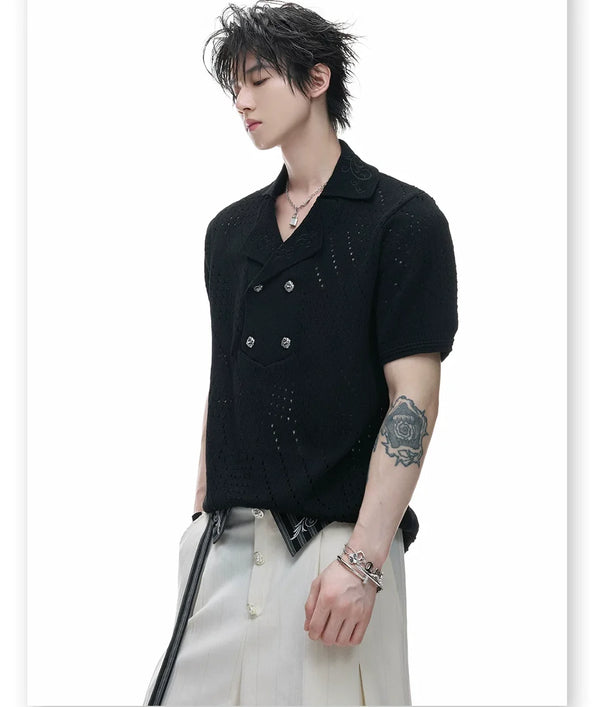
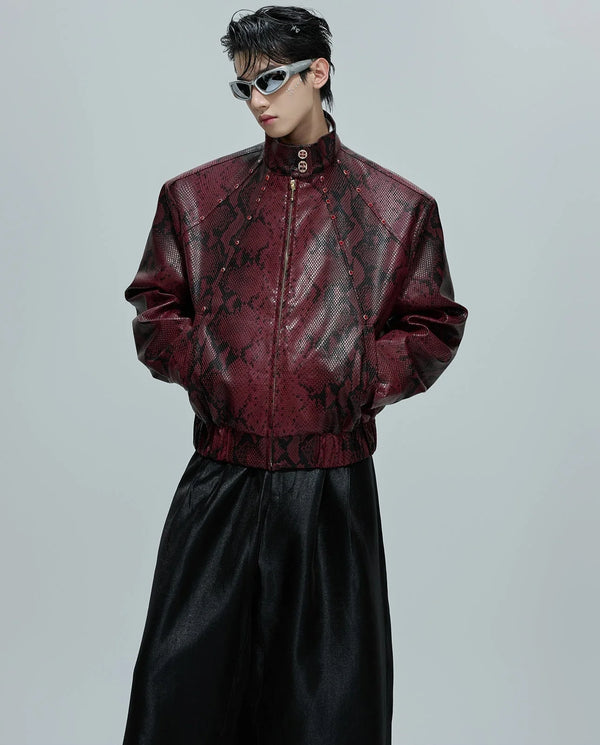
Opium Gradient Snake Cardigan
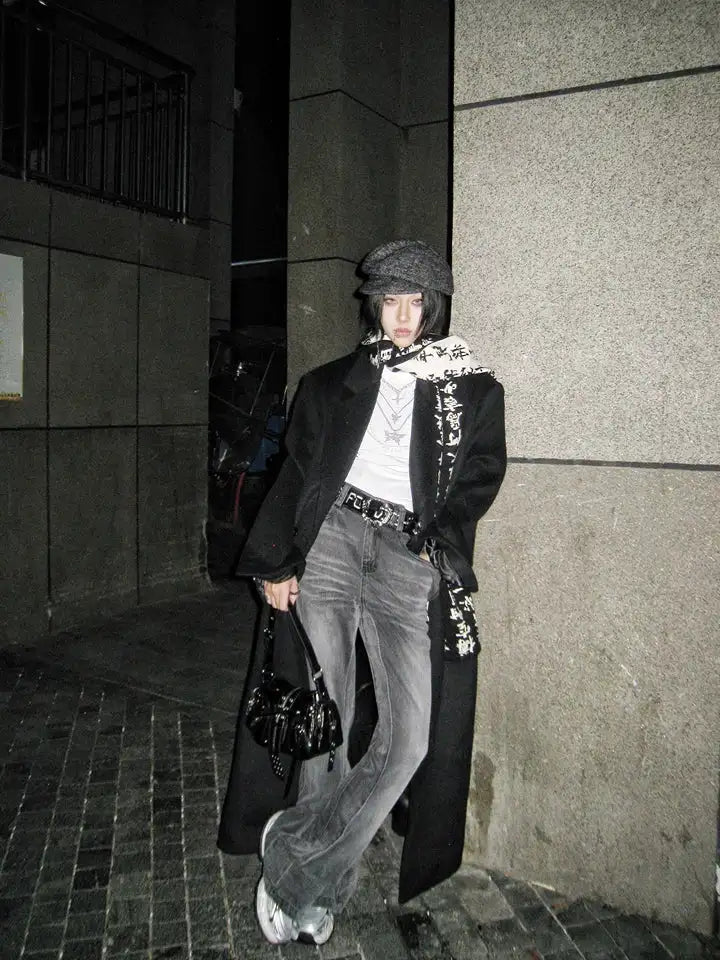
shanghai studio fit check

From Opium · 4 Pieces
All 84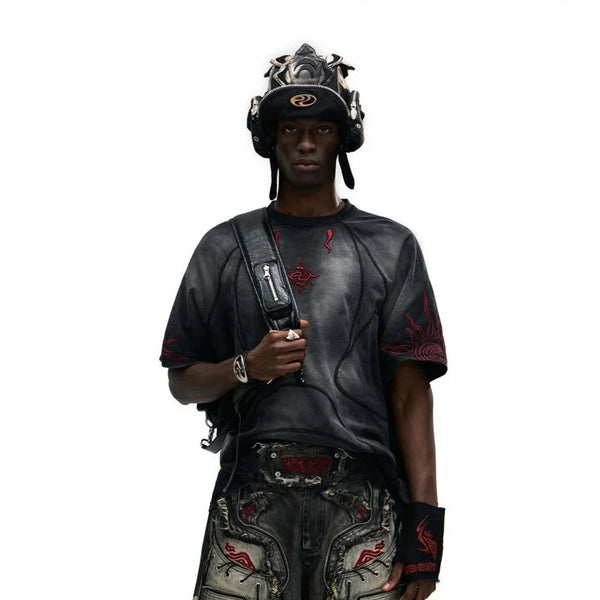
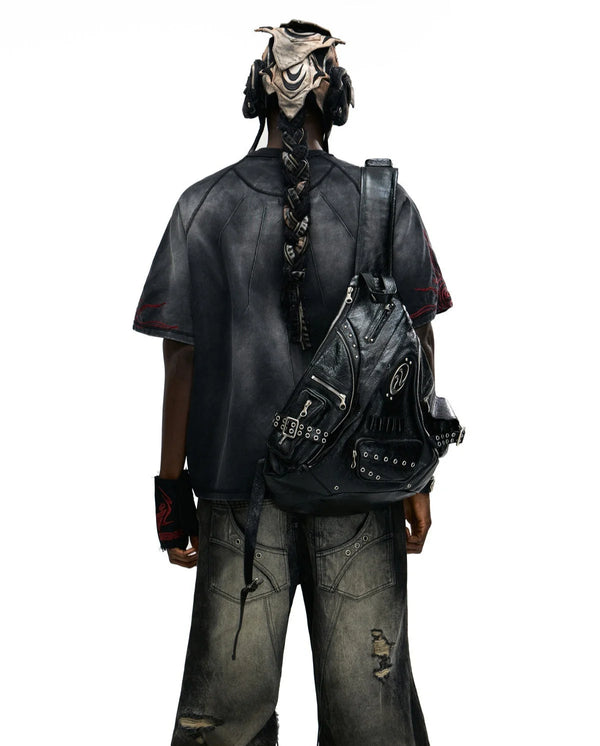
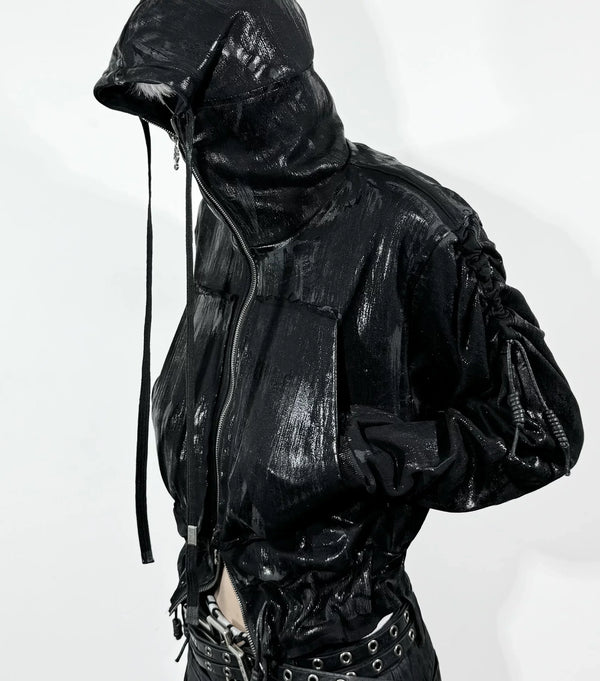
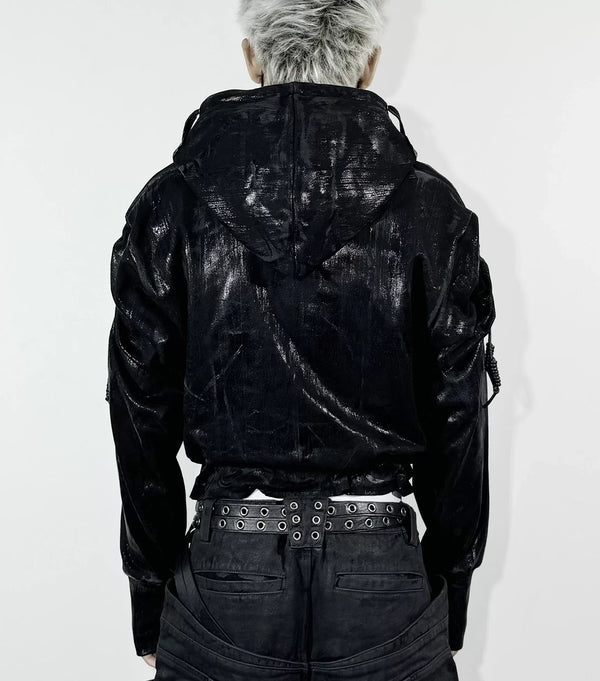
Drop Alerts
We'll let you know when the next drop in this niche lands.
You're in. We'll let you know at the next drop.

Drop Alerts
We'll let you know when the next drop in this niche lands.
You're in. We'll let you know at the next drop.


4 of 84 Pieces
All 84
From Businesscore · 4 Pieces
All 23
Niche · 03 / 04
Techwear started here as a translation of Tokyo reduction into fabric. Errolson Hugh, Acronym, GORE-TEX, ergonomic cuts — and parallel to that, Japanese discipline: nothing superfluous, all function.
From Techwear · 4 Pieces
All 104 of 10 Pieces
All 10
Niche · 04 / 04
Streetwear is the root — the first designs out of Tokyo 2015 were Anime prints, Japanese characters, Harajuku graphics. Everything else grew from that, but the line keeps running.
From Streetwear · 4 Pieces
All 714 of 71 Pieces
All 712015 → today
Fūga
風雅
Berlin Plattenbau origins, Asia-inspired. Creative, but never fully fitting into the system. Tokyo 2015 as the starting point — six niche phases since then.
Today: Berlin · Shanghai · Tokyo · Poznań. We know our designers by name. Limited drops, no restocks.
We aren't dropouts. We know the system — went through training, worked, kept building. Both sides hold.
How Fūga evolved
What started as Streetwear in Tokyo has shifted over the years — through different phases, our own and collective.
01
The first designs. Anime prints, Harajuku characters, Tokyo connection.
02
Functional, layered, dark. Tokyo reduction translated into fabric.
03
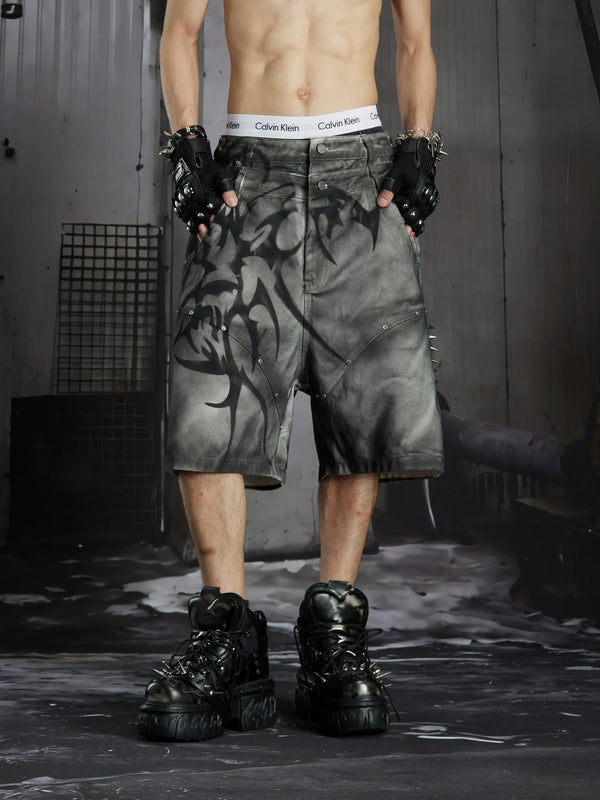
Heavier, uncompromising, more shadow. Grew up parallel to Techwear.
04
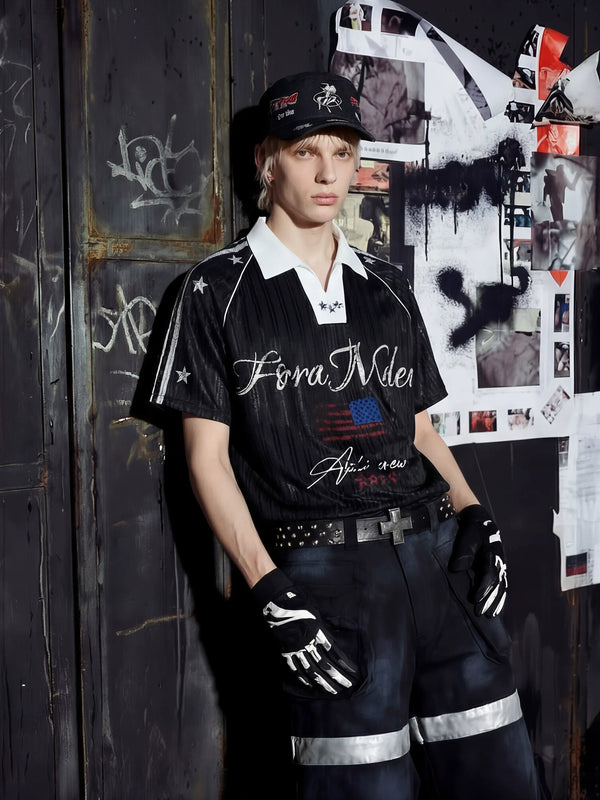
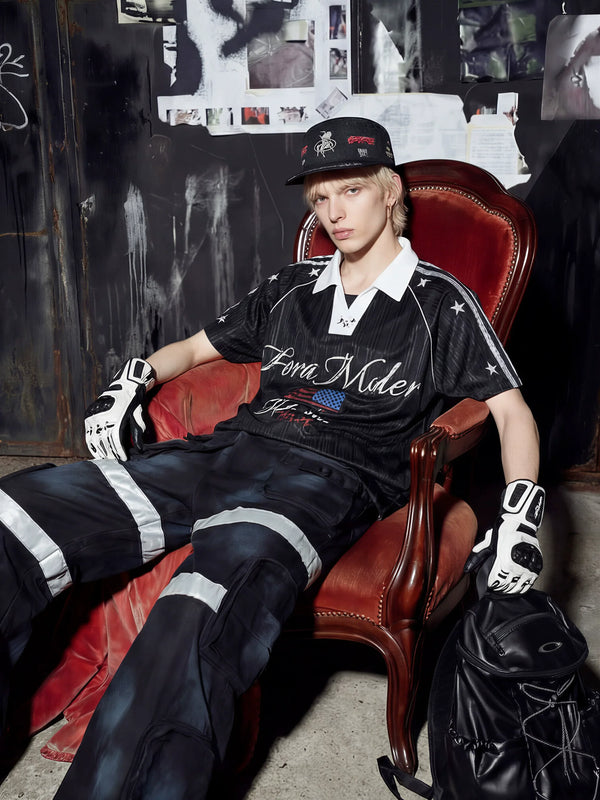
Berghain aesthetic with street cuts. Raw, black, Berlin avant-garde meets Streetwear.
05
Cyberpunk meets the Berghain floor. Reflective, tactical, sound-system ready.
06
Tailored cuts with Streetwear logic. Growing older without going 9-to-5. Stay edgy.
What comes next, we'll write when the time comes.