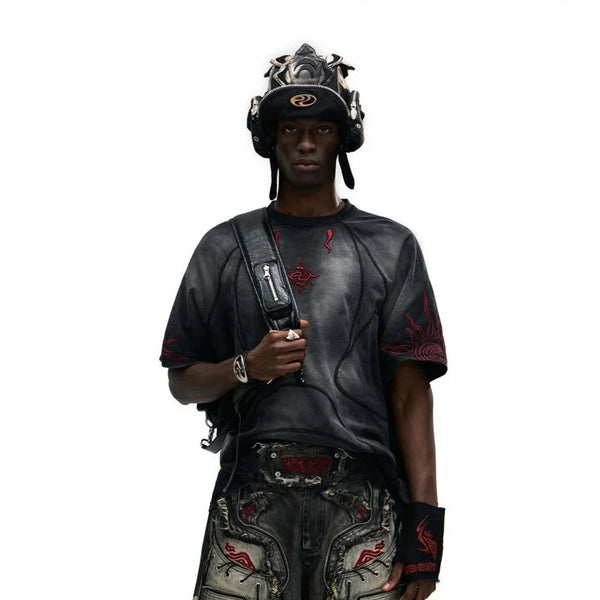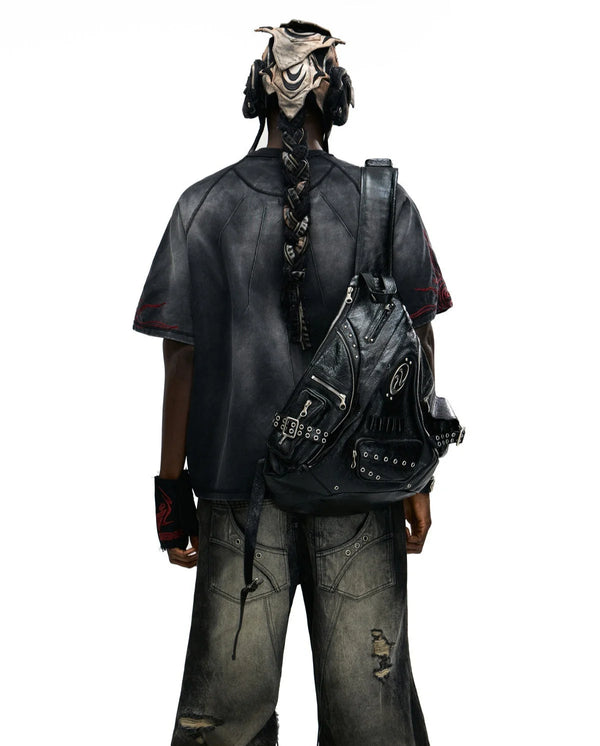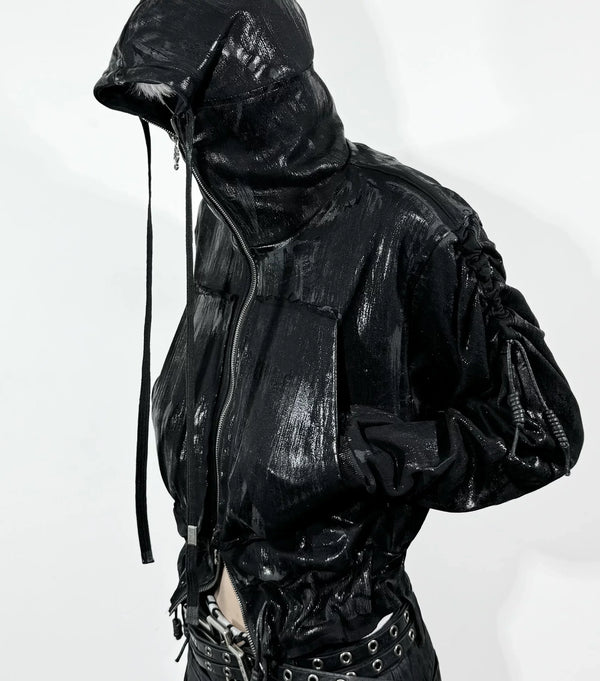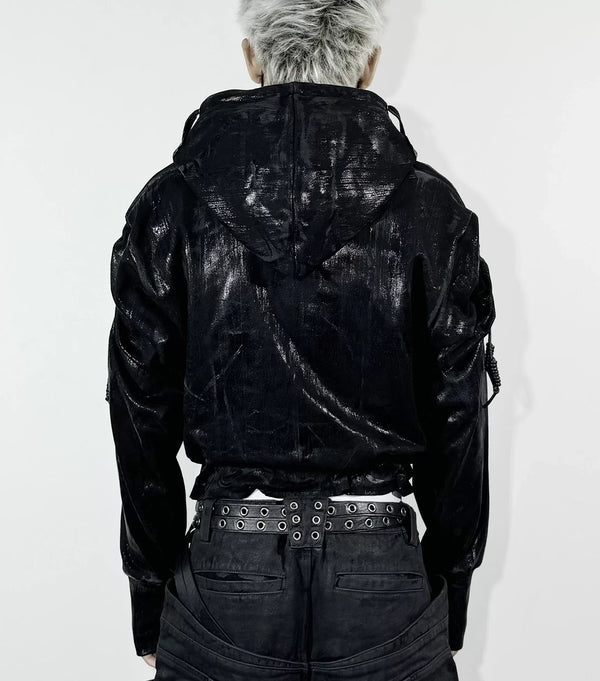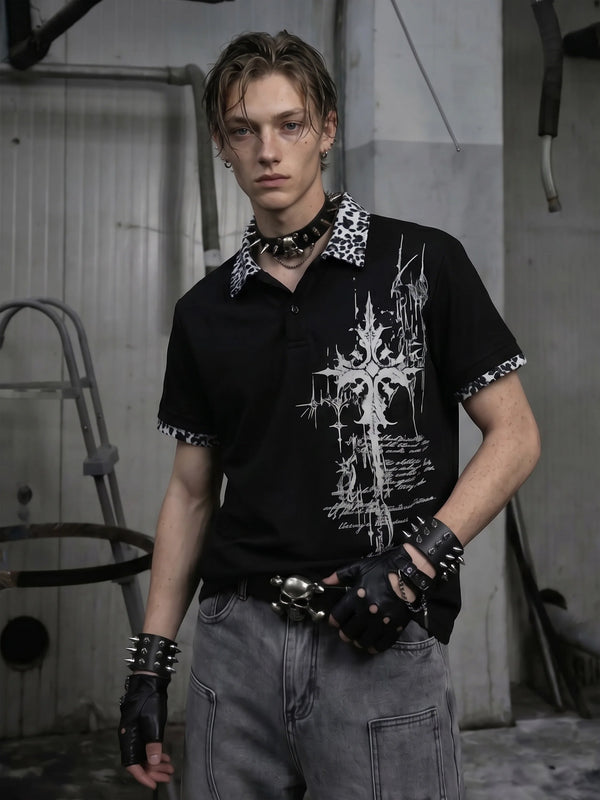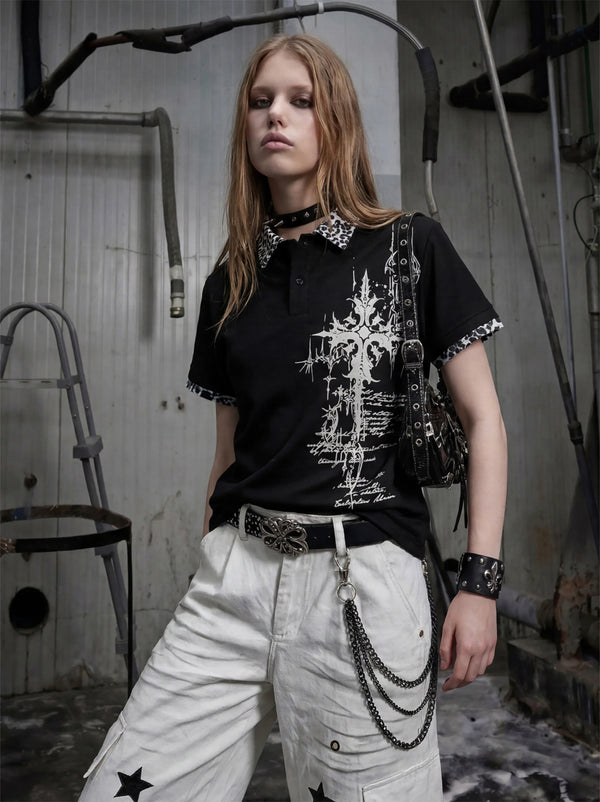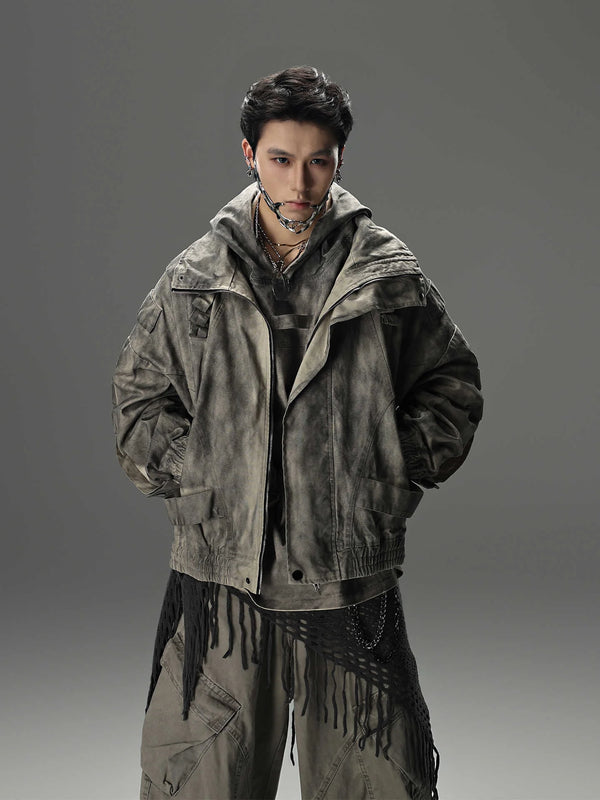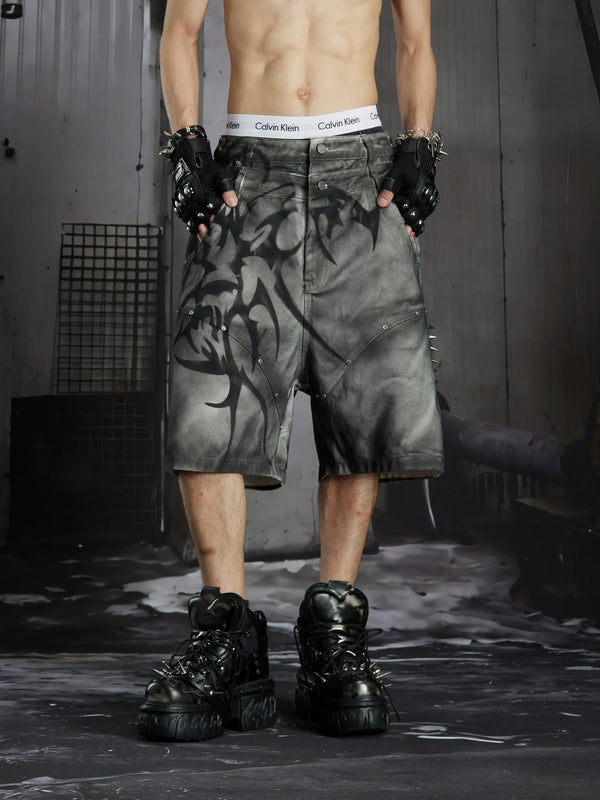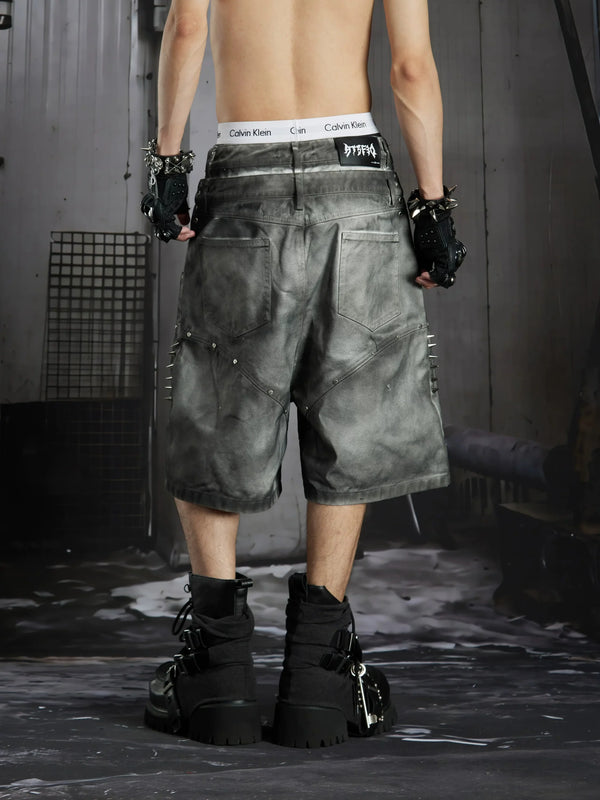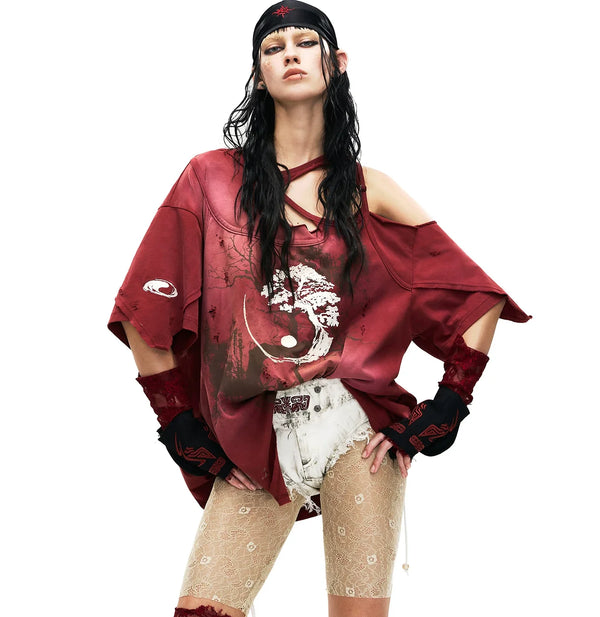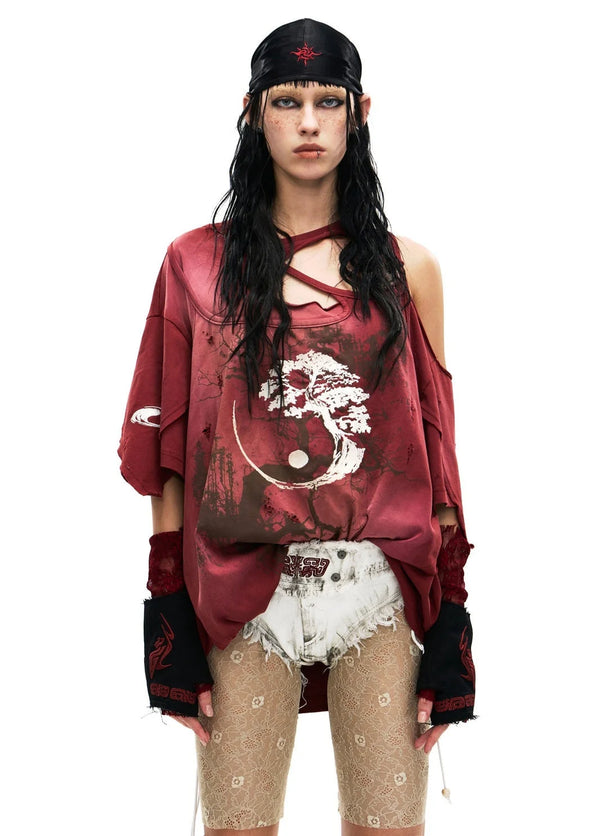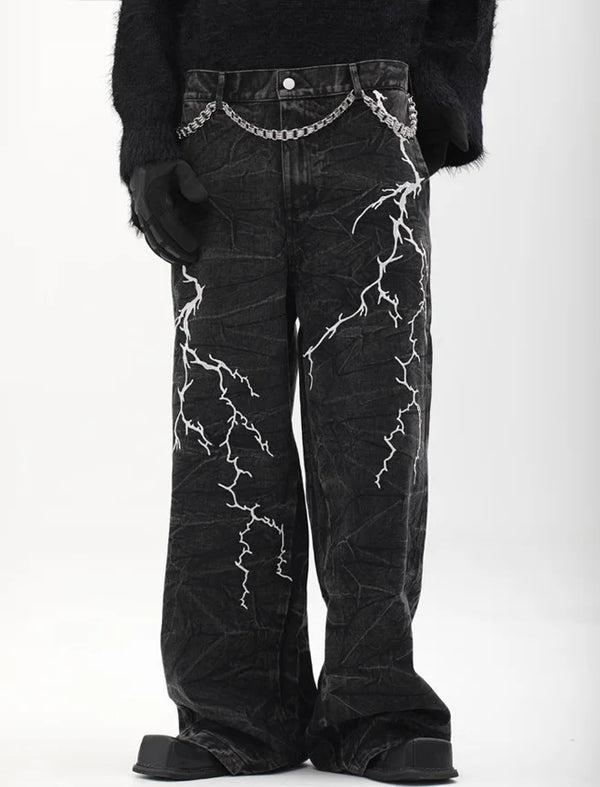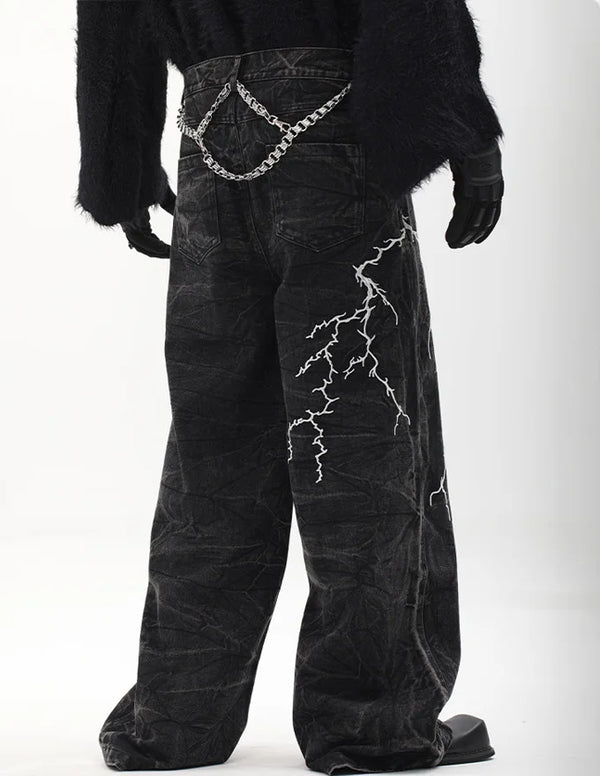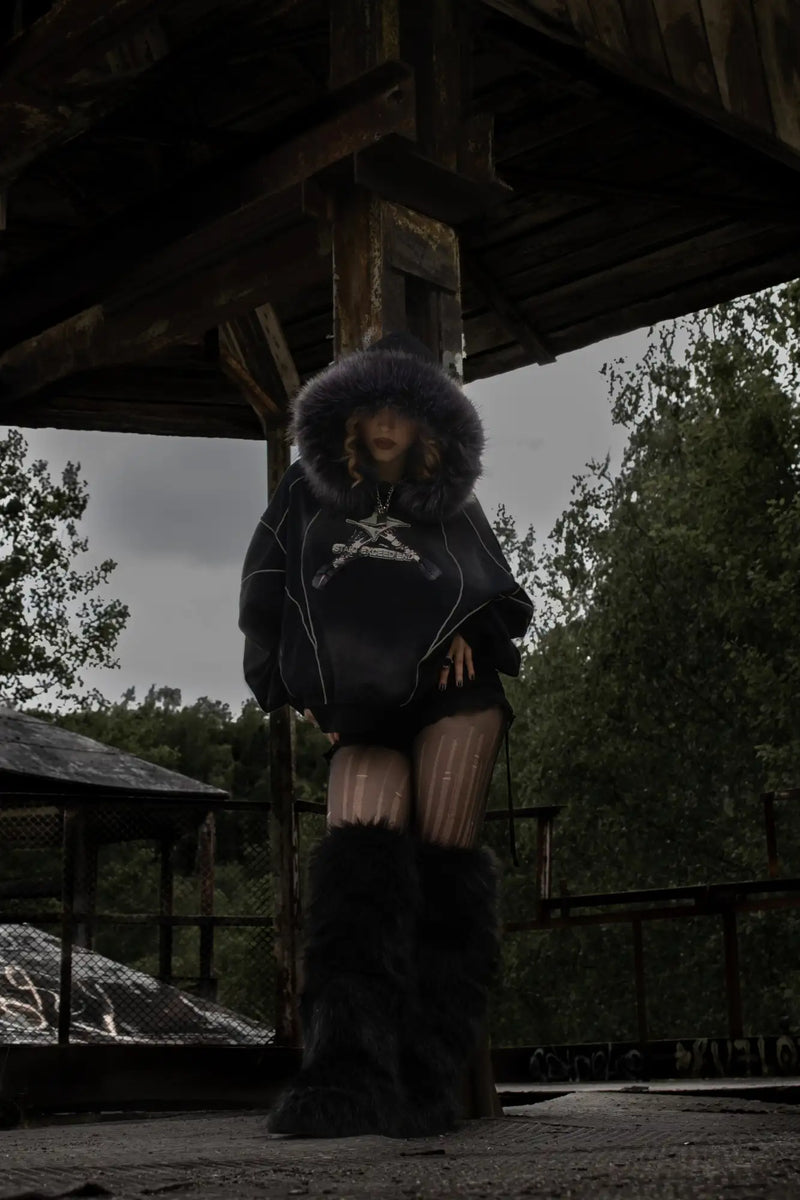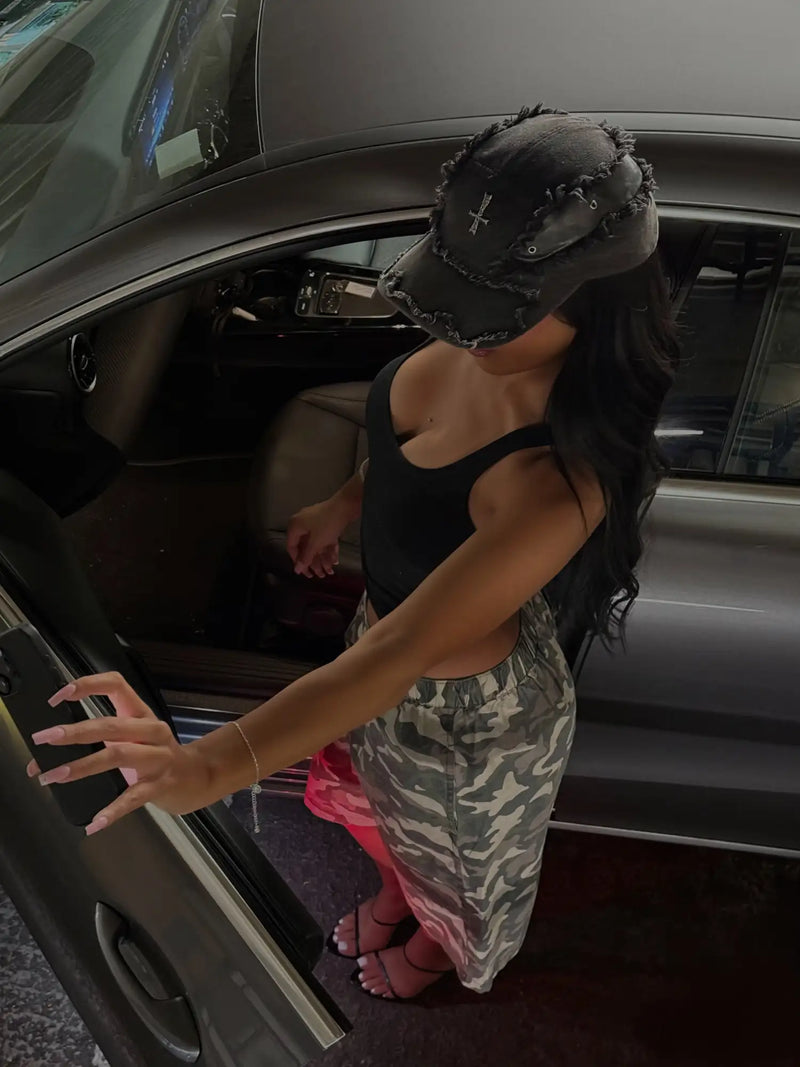
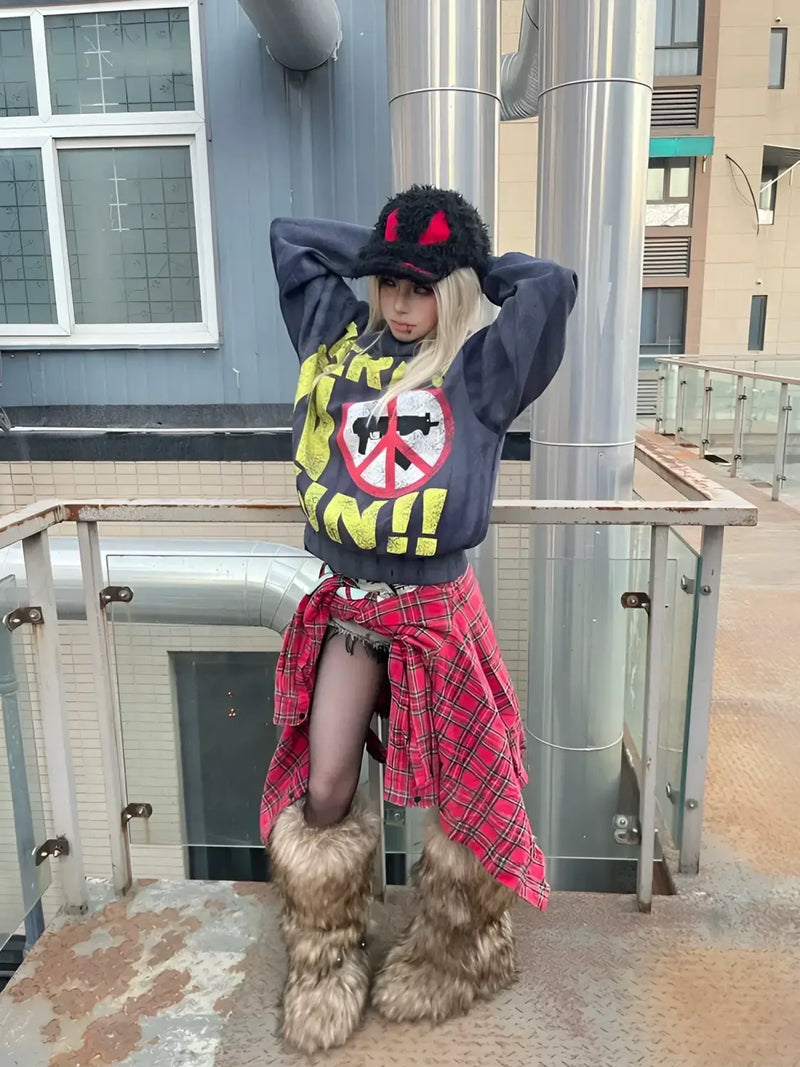

Most Germans think of K-drama cosplay first when they hear “Modern Korean Fashion” — oversized school-uniform blazers, knee-high socks, a lip-gloss filter over the photo. That is not what gets worn in Hongdae or Gangnam in 2026. That is cosplay of a 2017 series.
Modern Korean Fashion since 2023 is a layer system. Little logo, a lot of cut, a clear material hierarchy between skin layer, mid layer and outer layer. Acubi-Core, Old-Money-Hallyu, Genderless-Minimal — three sub-codes splitting apart right now, all on the same base: layer, proportion, material. Colour is accent, not statement.
Wear Korean Style like a drama set and you stand out immediately — but wrong. This guide sorts out what it is actually called, what has really changed since Hanbok, which 6 archetypes carry the system, what runs in Seoul in 2026, where it truly sits differently on women and men, which brands write the vocabulary, how the 3-3-3 rule works, and where the look most reliably tips over.
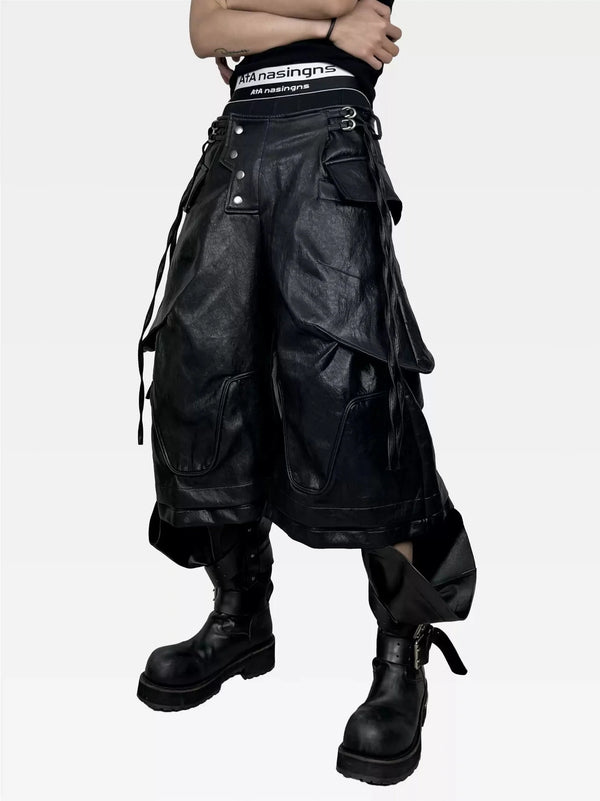
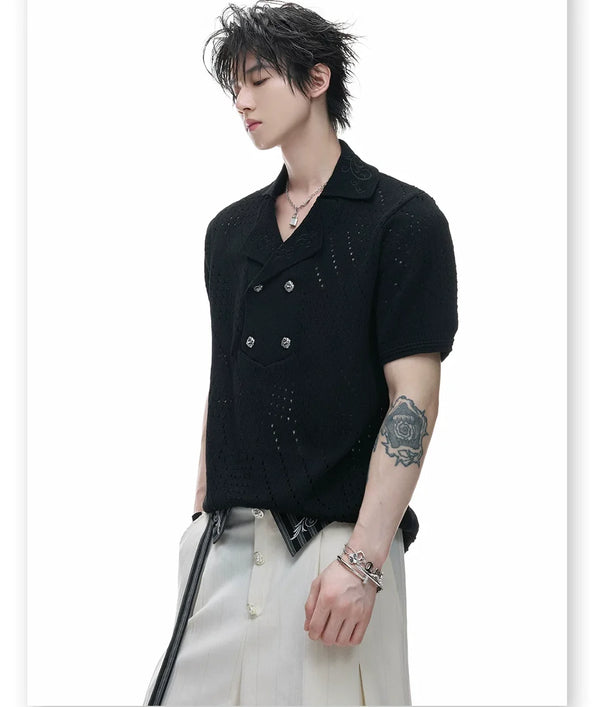
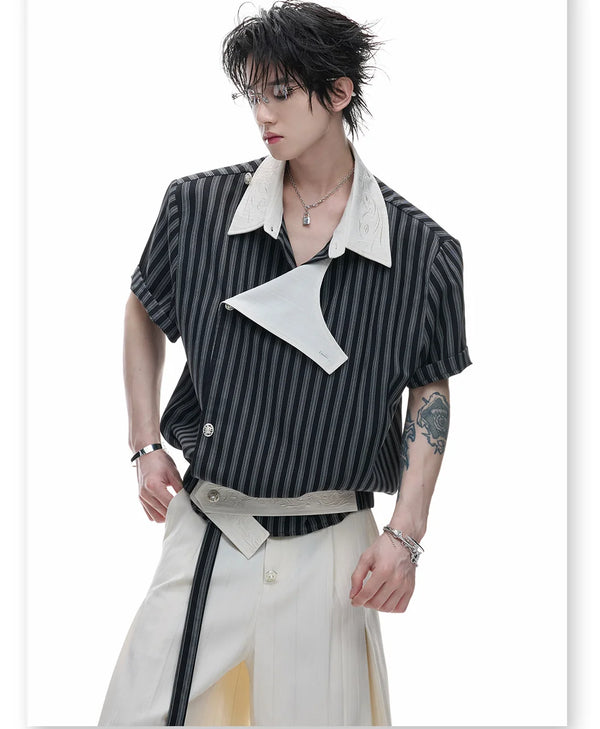
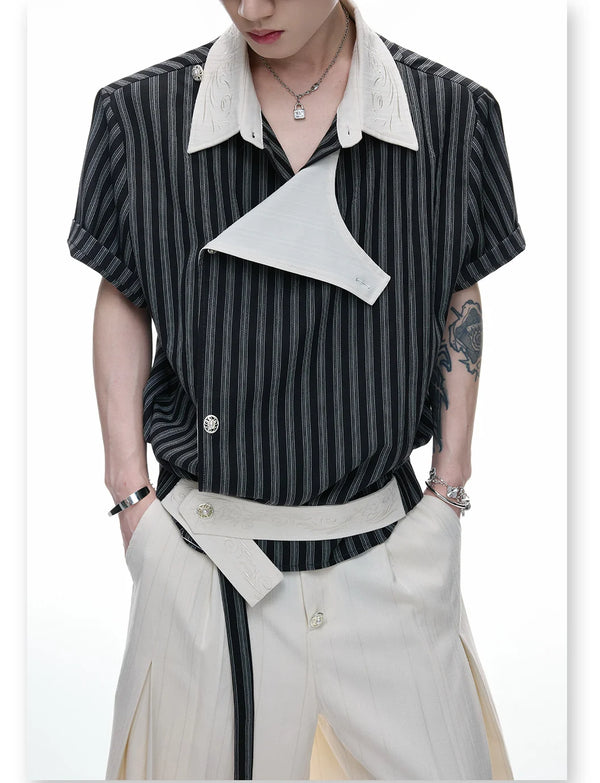
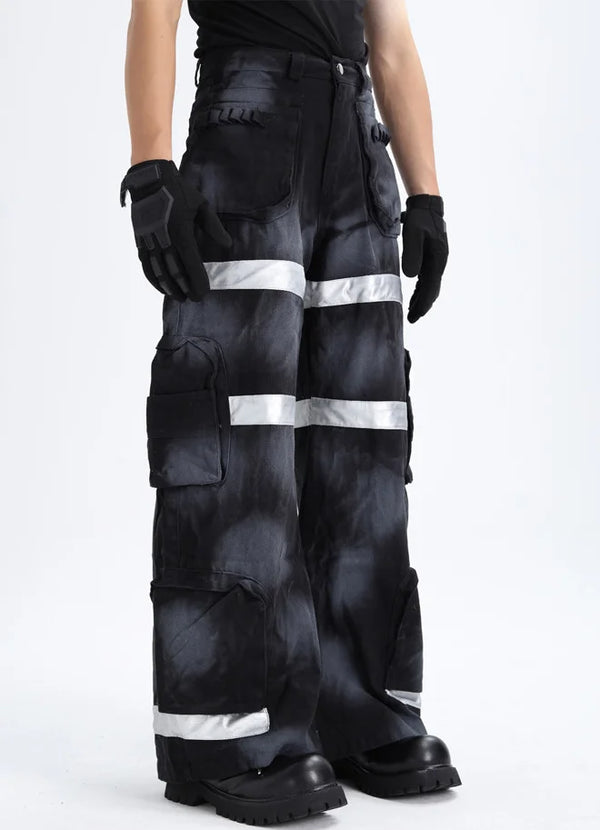
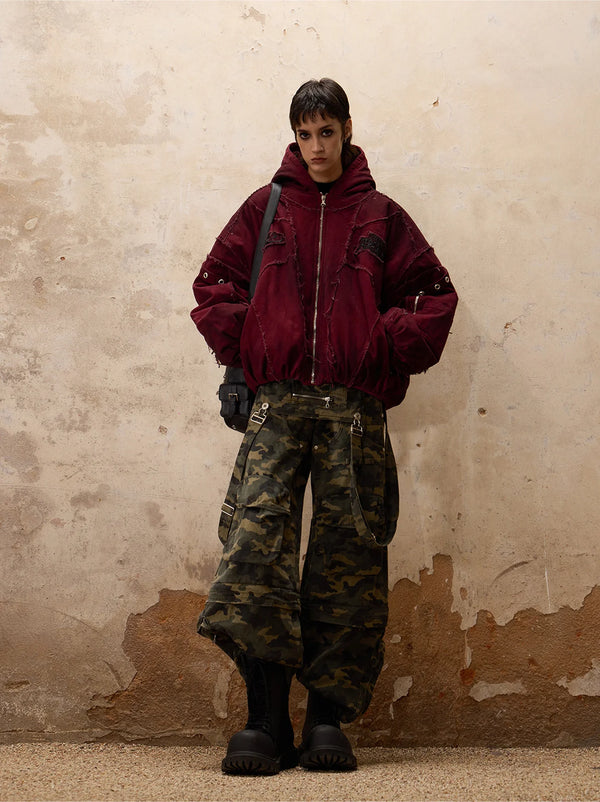
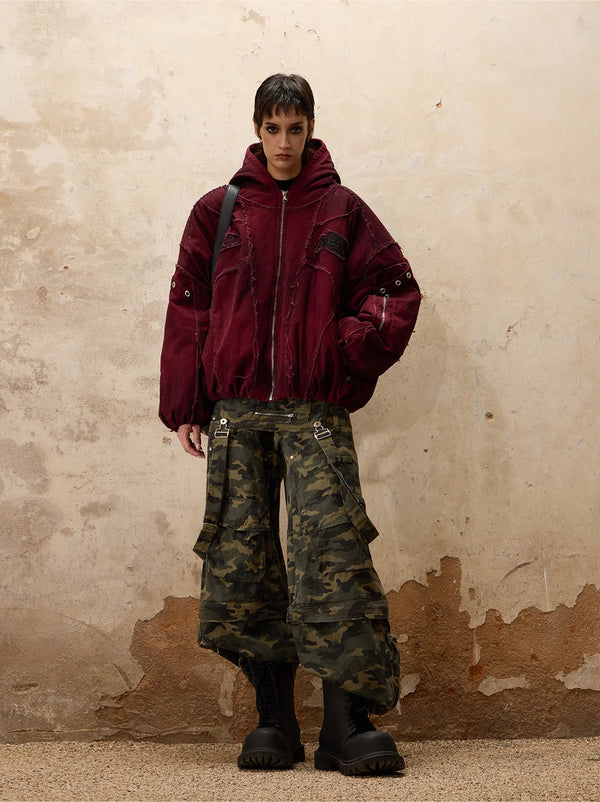
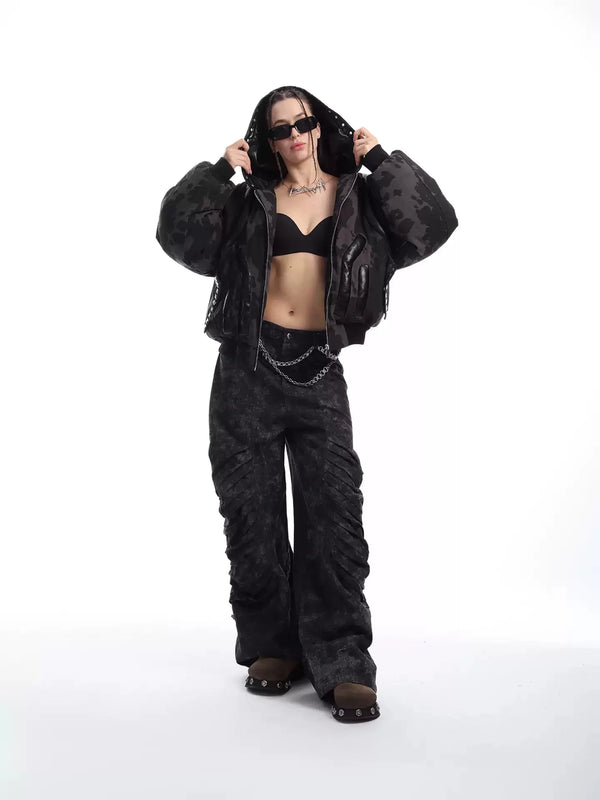
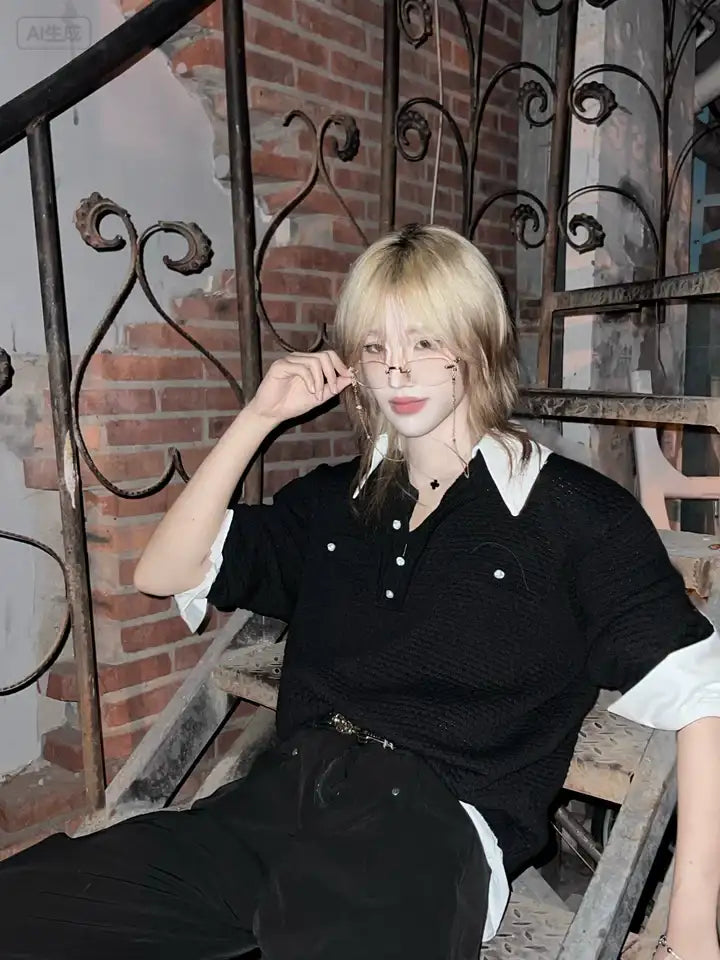
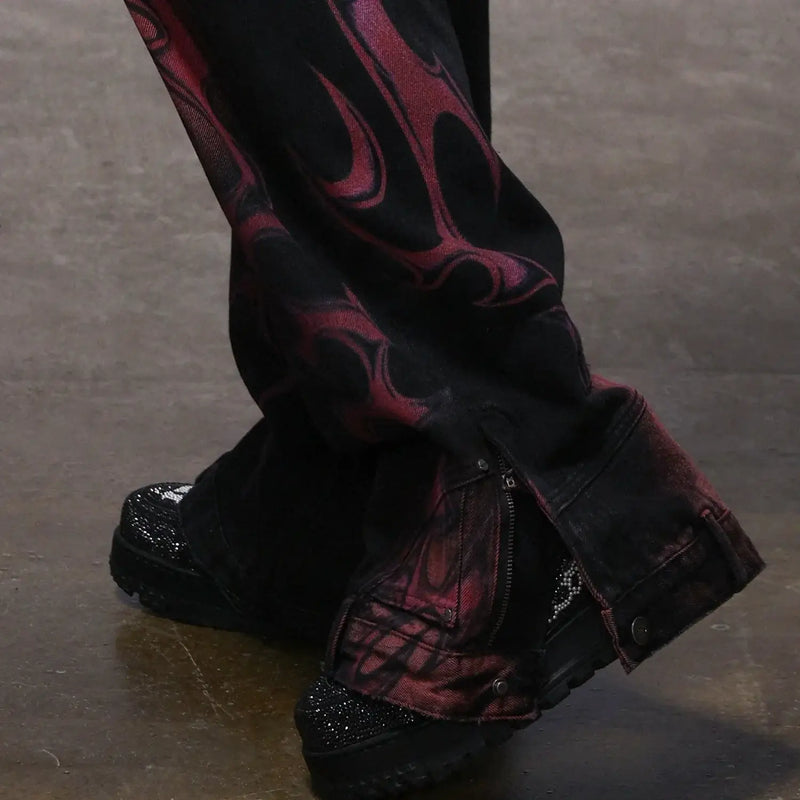
This is what the layer build looks like for real — wide-leg below, a broken skin layer on top, everything in one material track:
Naming
What “Modern Korean Fashion” is really called — and what it is not
Half the internet googles “Modern Korean Fashion” in English. In Korea itself it means nothing. Domestically the term breaks into at least four codes of its own with their own names: K-Streetwear (오빠룩 / 길거리룩), Acubi-Style (아쿠비), Old-Money-Hallyu (구남친룩 / “Ex-Boyfriend look”), and Minimal-Seoul (미니멀룩).
K-Pop idol style is separate from that. What BTS or Newjeans wear on stage is stylist work for a stage, not what 19-year-olds put on in Sangsu in the morning. Wear Korean Fashion like an idol outfit and you wear a costume. Wear it like the Hongdae default and you wear a system.
Three codes have run in parallel since 2023 and overlap at the edges. Acubi-Core is ballet-pilates aesthetic — ribbon detail, creamy, slim, almost romantic. Old-Money-Hallyu is the Hyun-Bin iteration — Loro-Piana-adjacent, knit sweater over shirt, wool trousers. Genderless-Minimal is the Andersson-Bell logic — boxy cut, neutral palette, gender-invisible.
Evolution
Hanbok to Hongdae — the fashion evolution in three waves
Korean fashion does not jump from Hanbok to street. It moves in three waves: Hanbok heritage until ~1990, Hallyu globalisation from 1997, K-Streetwear consolidation from 2015. Each wave builds vocabulary the next one takes over — the layer logic of the Hanbok layers survives into the Acubi outfit of 2026.
3
Waves since 1990
1997
Hallyu wave start
3
Layers per outfit
80 %
Creamy-neutral
The three waves in short — no PR narrative, just the code shift:
- Wave 1 — Hanbok heritage (until 1990) — Hanbok is layered dress: jeogori (top), chima (skirt) or baji (trousers), po (coat) over it. Three layers with a clear function. The logic survives — the pieces change.
- Wave 2 — Hallyu globalisation (1997–2014) — K-drama exports school-blazer looks, K-pop exports idol-stylist outfits. The country learns to read itself globally. Vocabulary: school-uniform iteration, early Acubi beginnings, oversized cardigan.
- Wave 3 — K-Streetwear consolidation (2015–today) — Andersson Bell, Ader Error, We11done build the genderless minimal vocabulary. Hongdae becomes the Berlin-Mitte equivalent. Acubi emerges in 2023 as the youngest sub-wave.
- Constant across all three waves — layer thinking, material hierarchy, colour discipline (creamy dominates). What changes: cut, volume, logo visibility.
What reads as Modern Korean in 2026 is Wave 3 — refined by Acubi. Hanbok is there as a reference, not as a piece. Take a Hanbok element literally into everyday wear (jeogori wrap over a sweater) and you wear a costume. Take over the layer logic (3 layers with a clear material hierarchy) and you wear Korea.
6 archetypes
The 6 archetypes — from Acubi-Girl to Workwear-Kid
Modern Korean is not one look — it is six that overlap at the edges. Lay Seoul street-style feeds from Apgujeong, Hongdae, Sangsu and Itaewon next to each other and you can separate these six archetypes cleanly. Each with its own material track, its own volume rule.
Which of the six suits you depends less on taste than on your silhouette and on which city it lands in. Acubi-Girl works in Berlin-Mitte and Charlottenburg. K-Streetwear-Kid lands in Neukölln. Old-Money-Hallyu sits better in Frankfurt-Westend than in Friedrichshain.
2026 trends
What actually runs in Seoul in 2026
The Pinterest boards have shown the same Acubi moodboard for two years. Seoul is further along. What runs in 2026 reads in four shifts — all visible in the street feeds from Apgujeong, Sangsu and Itaewon.
Shift 1: Acubi loses the sweetness. Ribbon detail stays, but the fabrics get heavier. Knit instead of jersey, wool instead of cotton mix. Acubi grows up — less Hello Kitty, more stillness.
Shift 2: Old-Money-Hallyu comes back, harder. The knit sweater over the shirt collar, already a trend back in 2019, has been the default again since autumn 2025 — this time with clear material discipline (real wool, not synthetic) and without the Ralph Lauren logo patch.
Shift 3: wide-leg denim replaces skinny for good. Skinny has been out since 2023, and in 2026 it is finally dead. What comes: pleated wide-leg trousers, cargo wide-leg, distressed denim with a leg width from 24 cm at the hem.
Shift 4: shoes go quiet. Chunky sneakers out, casual leather boot or plain loafer in. The sole stays mid-height, the toe round, the colour black or creamy — no contrast sole, no bicolour.
Gender split
Women vs. men — where Modern Korean really sits differently
The layer rule holds for every body — three layers, clear material hierarchy, 80% creamy. What differs is where the weight sits in the outfit. On women the volume mostly sits below, on men on top or in the shoulders.
Women version: tight skin layer (knit tank, ribbed top, sometimes off-shoulder), mid layer optional, wide bottom (pleated trousers or wide-leg denim with the hem at the ankle). Shoes are mostly ballet flat, Mary-Jane or a plain loafer. The Acubi iteration uses ribbon detail as a statement point; in Old-Money-Hallyu wool replaces the ribbon.
Men version: skin layer is mostly a T-shirt or Henley, plain or subtly striped. The mid layer is the carrying piece — cardigan, shirt, knit sweater. The outer layer makes the volume: bomber, chore coat, trench. Trousers sit straight rather than wide, shoes are boot, sneaker or loafer. Workwear hybrid and soft boy are the two most common iterations.
Both versions hold the same colour discipline. What varies is not the palette but where the volume sits and which layer carries the stage.
Brands
The brands that really write the vocabulary
Anyone who wants to wear Modern Korean cannot get around seven or eight labels. These are the ones that built the vocabulary over the last ten years — not the most expensive, not the loudest, but the ones whose cuts define the code.
The brands chronologically by influence — who contributed what:
- Gentle Monster (since 2011) — eyewear authority. The plain acetate sunglasses with the rectangular cut you see in every Seoul outfit almost always come from here. Sets the standard for Korean minimal as an eyewear format.
- Ader Error (since 2014) — genderless-minimal pioneer. Boxy cut, neutral palette, an almost sober signage. When an outfit reads “seoul-intellectual”, Ader Error is often the template.
- Andersson Bell (since 2014) — knit authority. Cardigans, knit sweaters, the characteristic contrast-embroidery look. Co-started the Old-Money-Hallyu wave in 2019.
- We11done (since 2016) — the loud iteration. Y2K-leaning cuts, oversize proportions, cropped tops, dramatic wide-leg trousers. Frequently cited in Acubi boards.
- KUSIKOHC (since 2017) — distressed-wash specialist. When you see washed-distressed-coated denim, the origin is often here. Bridge between K-Streetwear and avant-garde.
- Hyein Seo (since 2014) — the rebel line. Punk-tailored, multi-layered, often with hardware detail. Sold less often, cited more often.
- MINJUKIM (since 2014) — couture-meets-street. Elaborate drape cuts, almost theatrical. Known from Next-in-Fashion. For the statement pieces.
- Mardi Mercredi (since 2018) — the mass-market Acubi driver. The famous daisy sweatshirt originated here. Made the Acubi aesthetic commercialisable.
In Germany most of these labels are only found through international shops (W Concept, KOSEL, Yesstyle) or on the resale market. DTC brands in Europe that translate the vocabulary competently are the second serious option.
Styling rule
The 3-3-3 rule — Korea’s styling maths
The 3-3-3 rule has circulated in Korean styling magazines since about 2018 and has been viral on TikTok since 2023. The maths behind it is simple: 3 tops times 3 bottoms times 3 outerwear pieces makes 27 different outfits — from just nine pieces in the wardrobe.
For that to work, the nine pieces have to meet two criteria. First: all in the same colour track (creamy, black, or navy — one of them dominant). Second: every piece has to combine with every other one. In practice that means: no print bangers, no seasonal special edition, no experimental silhouette in this selection. These are connecting pieces, not stage pieces.
What the rule does not do: replace your personality. Wear only 9 pieces for real and you get boring. But as a base wardrobe for the layer logic it works brutally efficiently. In travel mode, in student mode, in job-change mode — the 3-3-3 base keeps the layer hierarchy clean.
Category · Outerwear
Korean Jackets — bomber, coat, varsity
The outer layer carries the Korean outfit. It is the largest surface, the carrying piece of the silhouette, the most frequent change in the wardrobe. Three jacket types work reliably: bomber (workwear hybrid and soft boy), long coat or trench (Old-Money-Hallyu and Genderless-Minimal), varsity or stadium jacket (K-Streetwear-Kid).
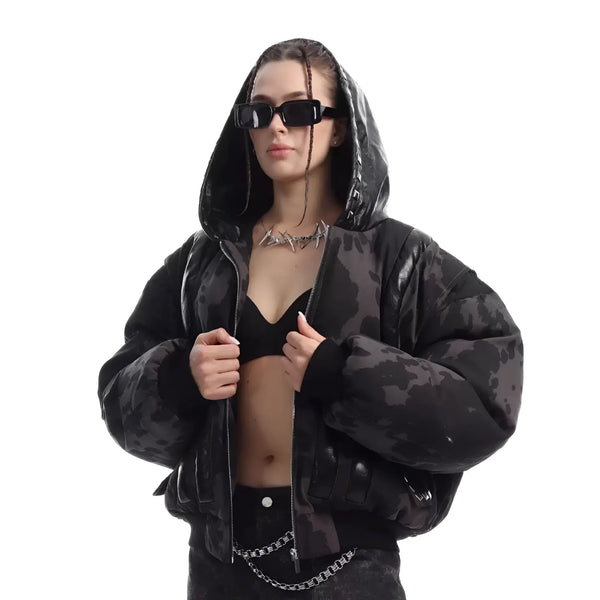
What does not work: leather biker (too aggressive for the Korean track), puffer in a shiny material (too Y2K, too loud), or the oversized school-uniform blazer iteration from 2018 — that has been out for three years.
If you do not yet own a bomber or chore coat, that is your first move. Everything else builds around it.
Category · Bottoms
Korean Trousers — wide-leg, pleated, cargo
Skinny has been out since 2023. What runs in Seoul in 2026 is volume below — wide-leg denim, pleated wool trousers, cargo with a leg width from 24 cm at the hem. The trouser is no longer the skin layer; it is part of the outer architecture.
Working Modern Korean bottoms have three properties: they sit on the hip (not above), the leg falls straight or slightly out, the hem ends at the ankle or just above. Pleated is the most formal variant (Old-Money-Hallyu), wide-leg denim the most common (K-Streetwear-Kid), cargo the youngest (workwear hybrid).
A trouser that fits every one of the six archetypes is the pleated wool trouser in creamy or black. It is the common denominator between Old-Money-Hallyu, Genderless-Minimal and soft boy.
Category · Skin and mid layer
Korean Tops — the layer language
The tops take on a double function in Modern Korean: the skin layer directly on the body, the mid layer over it. What in the West is often one piece (a shirt, done) is at least two here: a tighter layer plus a cardigan, a shirt, a knit sweater.
Working Modern Korean tops: ribbed knit tank or thin cotton tee as the skin layer, cardigan or knit sweater as the mid layer, sometimes an openly worn shirt as an extra layer. Print stays minimal — thin horizontal stripes, a subtle embroidery accent, otherwise plain.
To step into the layer language with minimal risk, start with a cable-knit cardigan in creamy. It works across all six archetypes, can be worn open or closed, and turns any T-shirt into a three-layer look.
Category · Footwear
Shoes — where Korean street really ends
Shoes are the quietest component on the Korean outfit in 2026. The chunky sneaker with a white bicolour sole, still the default in 2019, has been gone for two years. What sits: casual leather boot with a mid-height shaft, plain loafer, low sneaker in a plain creamy or black track, or Mary-Jane with a strap detail.
The rule for the footwear: colour belongs to the main palette, the sole is low to mid, the toe round, the shaft (if boot) ends below the calf. Bicolour sole, transparent platforms, neon accents — all out. The shoe choice must not explain the outfit; it should only carry it.
If you buy only one pair of shoes in the Modern Korean track, it is the plain black or creamy leather boot with a mid-height shaft. It works across all six archetypes, all four seasons, both genders.
Styling logic
How to really style Modern Korean — the layer choreography
Modern Korean works through the layer hierarchy: each layer has exactly one function. Combine three pieces that all want to be the mid layer and you wear not an outfit but a stack.
In practice that means: a skin layer (tight, thin, plain), a mid layer (knit or shirt that dominates the chest), an outer layer (coat, bomber, trench that sets the silhouette). Leave out the skin layer and the cardigan looks under-dressed. Leave out the outer layer and the frame is missing. Wear two mid layers over each other and they fight.
We put the full breakdown with photo examples, fabric pairings and where the volume sits in a separate layer article:
But Modern Korean does not stand alone. It overlaps at several edges with neighbouring codes — K-Pop streetwear, Y2K-Korean, Old-Money-Hallyu, K-Streetwear men, trends-2026. Anyone with Korean down can read these neighbours and mix on purpose without slipping into cosplay.
Here are the five most important neighbours — each with its own guide, in case you want to go deeper:
Seasonal
Summer vs. winter — Seoul between heat and frost
Seoul has 35 °C in August and minus 10 °C in January. That means: the layer system has to work in two directions — collapse to minimal in summer, expand to maximal in winter. The material hierarchy stays; the fabric thickness changes.
Summer Korean works through the skin and mid layer, the outer layer becomes optional. Knit tank (linen or thin cotton) plus a thin cardigan or linen shirt open over it. Trousers: pleated in thin wool or linen, wide-leg denim with a high hem. Shoes: loafer, Mary-Jane, low sneaker. Accent through sunglasses, not through a layer.
Winter Korean is layer-maximal: skin layer (long-sleeve or Henley), two mid layers (shirt plus cable-knit, or knit plus open cardigan), outer layer (wool coat, trench, or puffer in a matte black or creamy track). A scarf as a sixth layer is allowed — if it stays in the main palette.
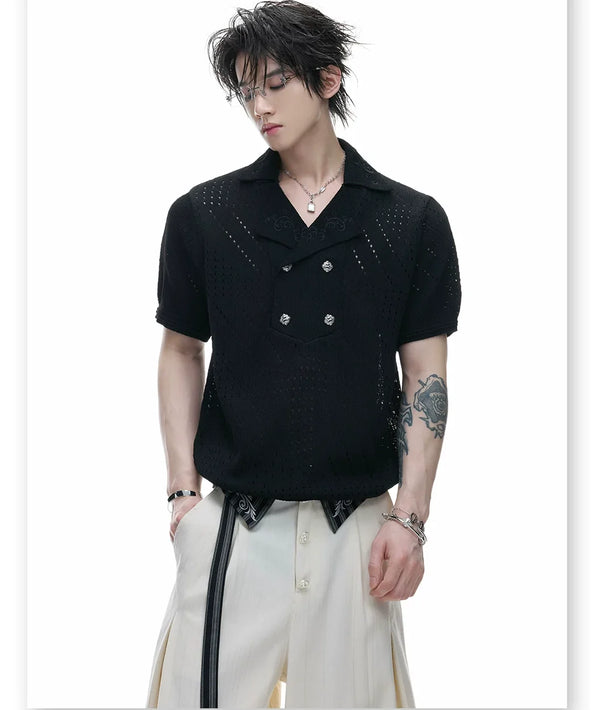
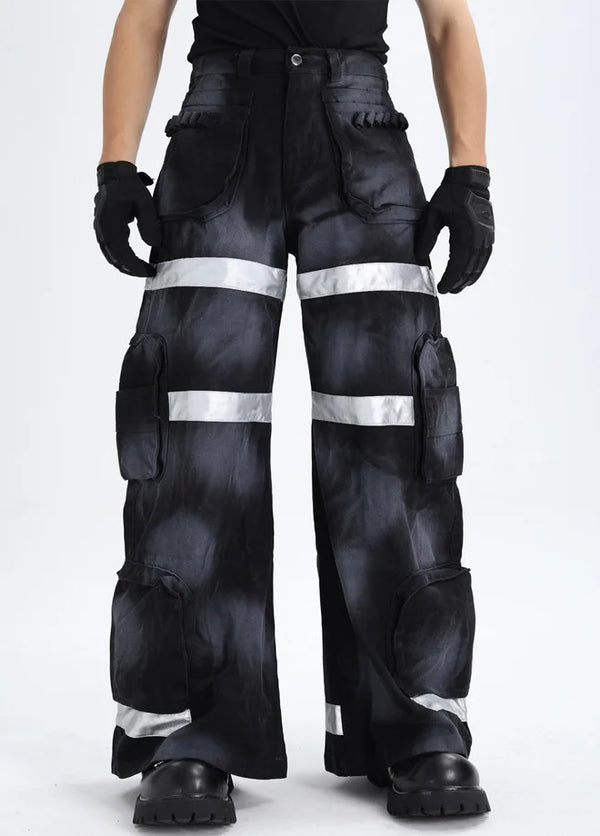
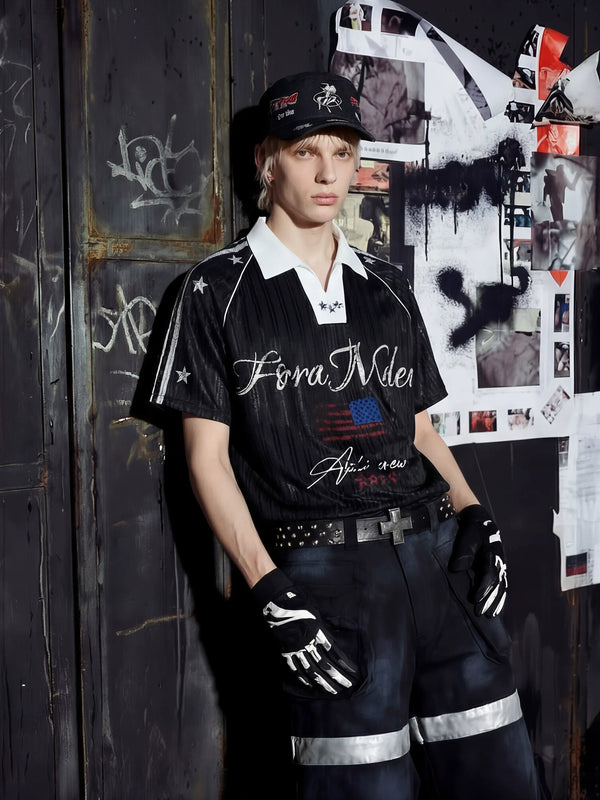
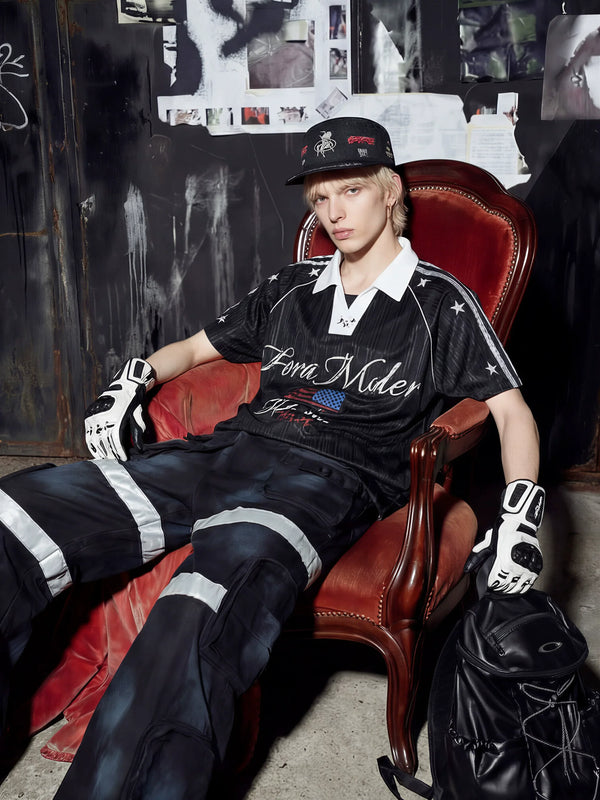
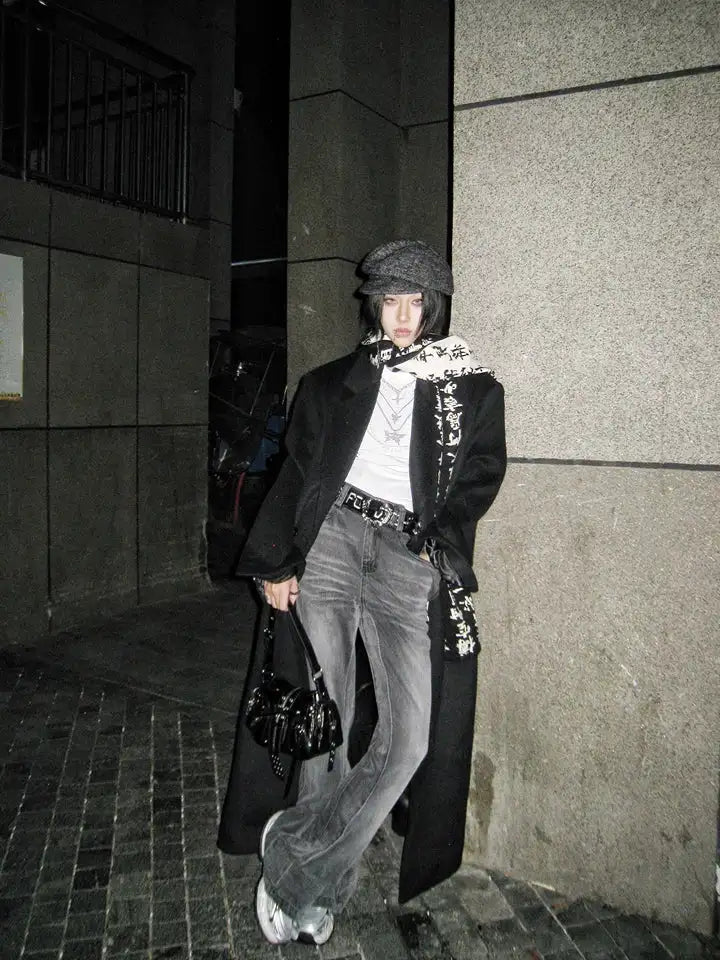
This is what the layer code looks like in motion — cargo plus skin layer plus open mid layer, everything in one track:
What does not work
The 6 most common mistakes — where Korean style reliably tips over
Modern Korean has six spots where it reliably tips over — no matter how expensive the individual pieces are. If you avoid only one mistake, make it mistake number one.
Action
The first 4 pieces — entry without K-drama cosplay
You do not need 30 creamy things to wear Modern Korean. You need four that are in 80% of the outfits. Everything else builds around them.
In order: a cable-knit cardigan in creamy (your biggest impact per euro — works across all six archetypes). A pleated wool trouser in black or navy. A knit tank or thin cotton tee as the skin layer. A casual leather boot with a mid-height shaft, black or creamy. A Gentle-Monster-adjacent acetate sunglasses as an optional fifth accent — but only once the four sit.
Outfits for real
Korean Outfits for real — Seoul street between Apgujeong and Hongdae
Before you build your own outfit, look at how others wear it. The six archetypes look different in the feed than in lookbook photos: less perfectly arranged, more transitional layers, the material only shows itself in motion.
This is the fastest way to check whether Modern Korean sits on your body type at all — before you spend money.
To close
Modern Korean is layer choreography — not K-drama cosplay
If you take one thing from this guide, take this: Modern Korean does not work through pieces but through the layer hierarchy. Build three layers with a clear material and colour discipline and you wear Korea. Copy individual pieces from Pinterest boards and you wear a costume.
The whole logic of this guide reduces to one sentence:
The rules have been stable since 2023 and will stay that way for a while — as long as Acubi-Core, Old-Money-Hallyu and Genderless-Minimal hold the three main tracks. But you do not have to wait until you know it all by heart. Start with the one archetype that suits you most. What you do not know you learn while wearing it.
And that is the point: Modern Korean reads like a rulebook in theory but does not feel like one in practice. Once you have the code down, every further outfit is a variation on the same three layer building blocks — not a new invention.
FAQ
Frequently asked questions about Modern Korean Fashion
The questions we often get by DM and email — short, clear, no detours.
What is Modern Korean Fashion actually called in Korean?
What is actually running in Seoul right now in 2026?
What is the 3-3-3 rule for clothing?
Why is the number 4 a taboo in Korea — does it have anything to do with fashion?
Where can you buy Korean Fashion in Germany?
Is Acubi-Core the same as Modern Korean Fashion?
Does Modern Korean work without the slim idol body too?
Which shoes go with Modern Korean besides leather boots?
What do you think?
Tell us on @fuga_studios
About the author
Philipp Fuge — Founder · Berlin
Founder of Fūga Studios. Writes the journal himself. Berlin · Shanghai · Tokyo · Poznań — four cities, one logic.