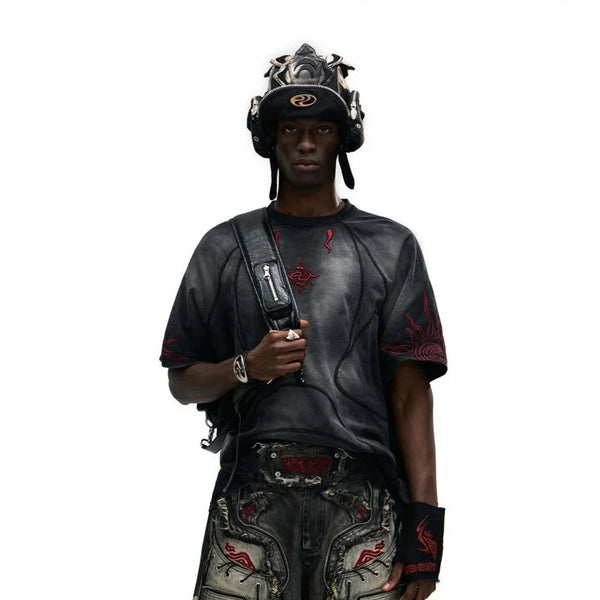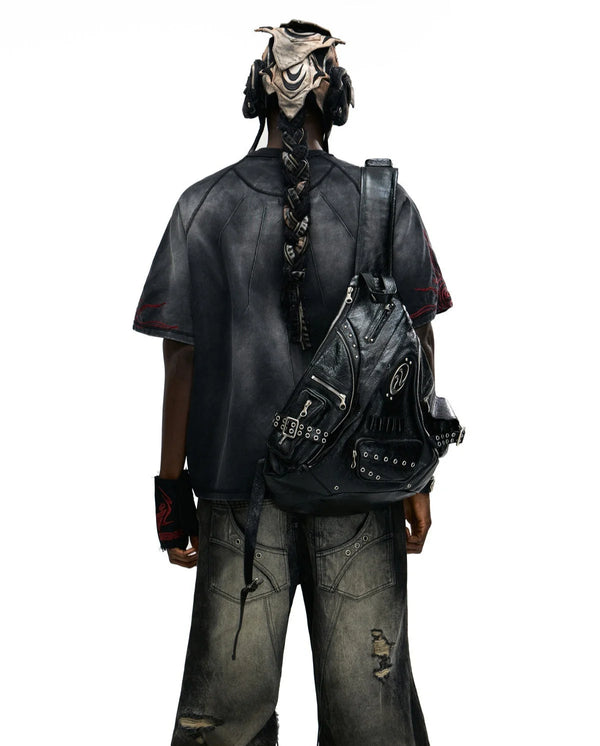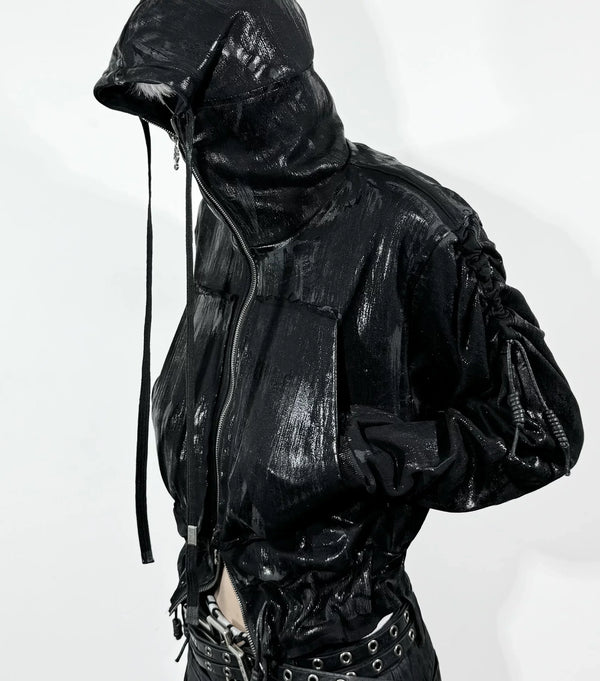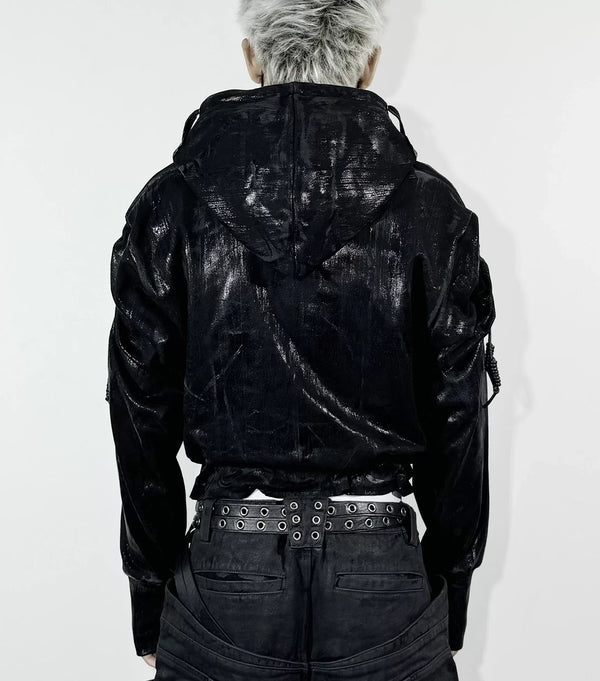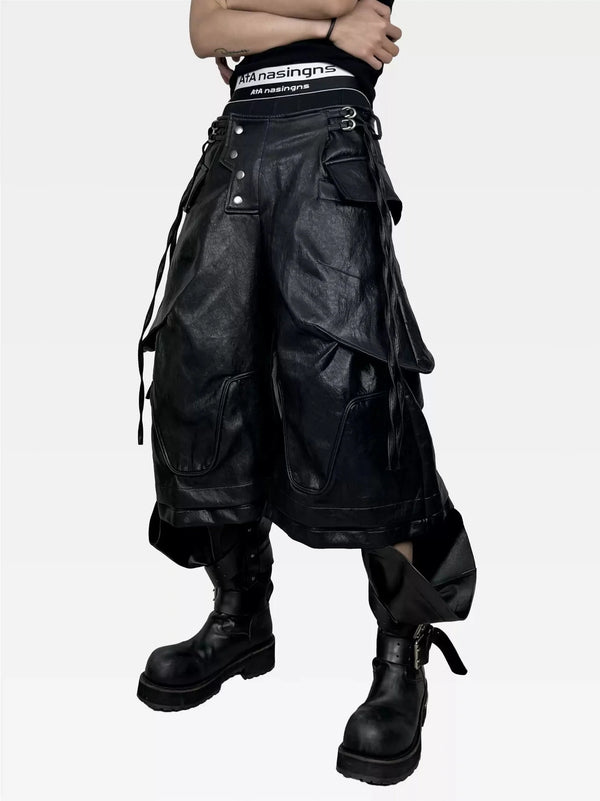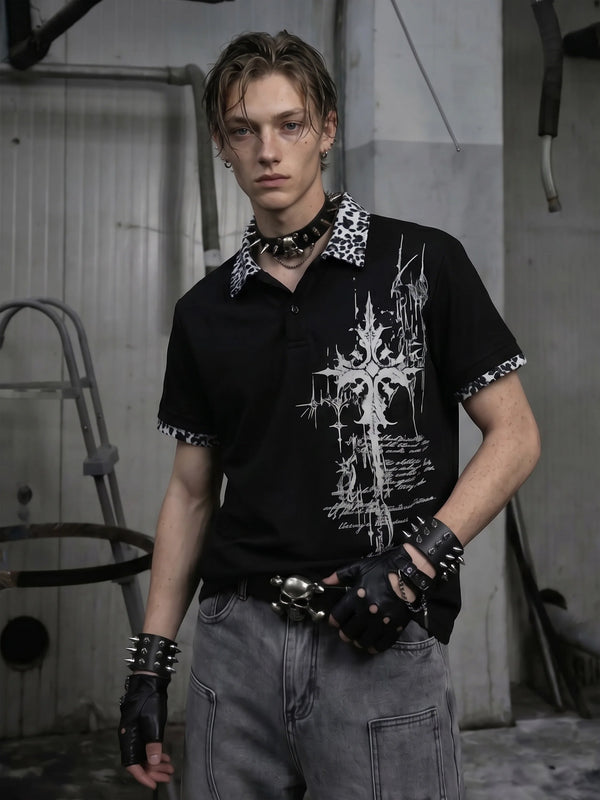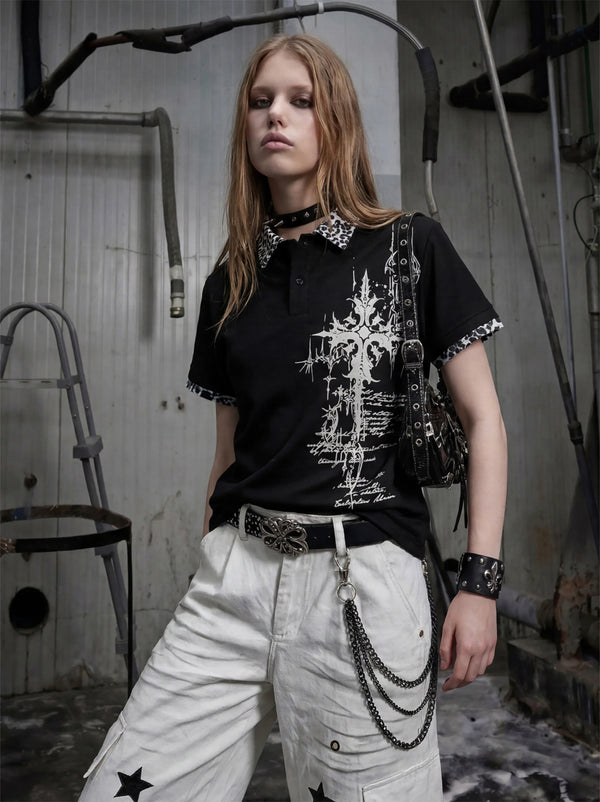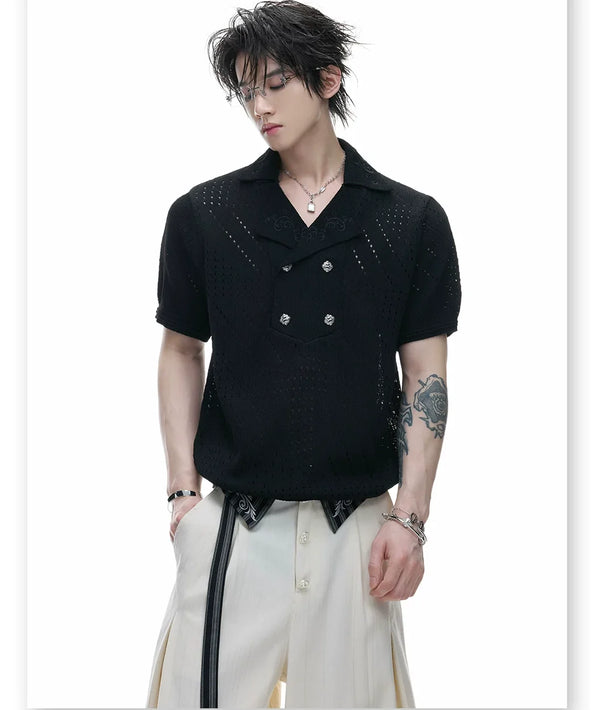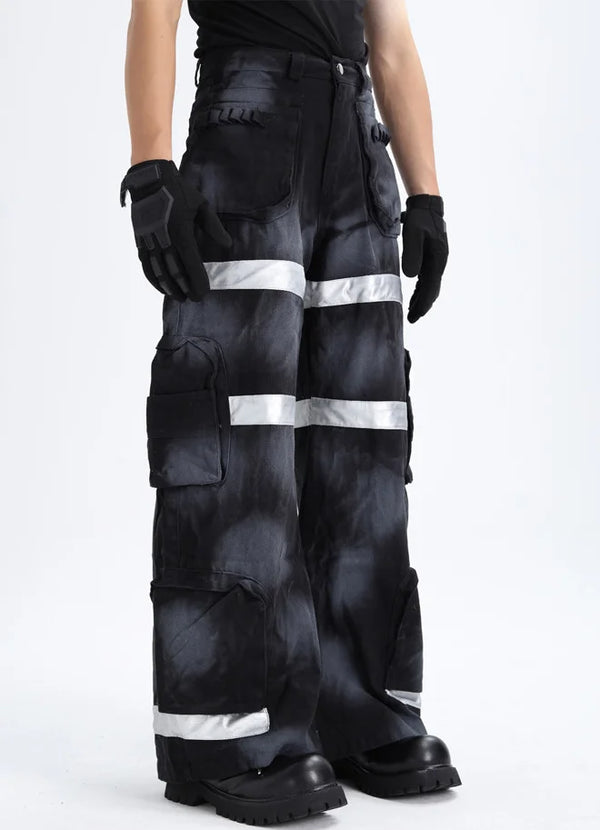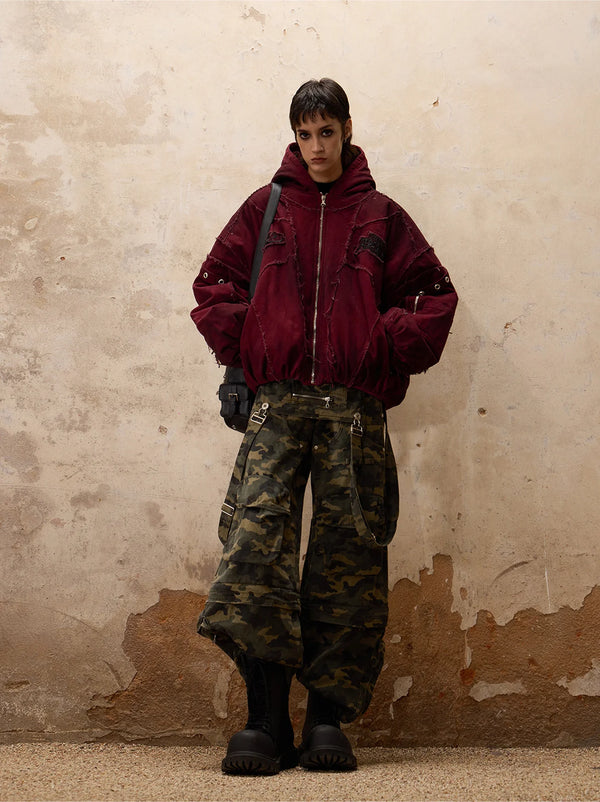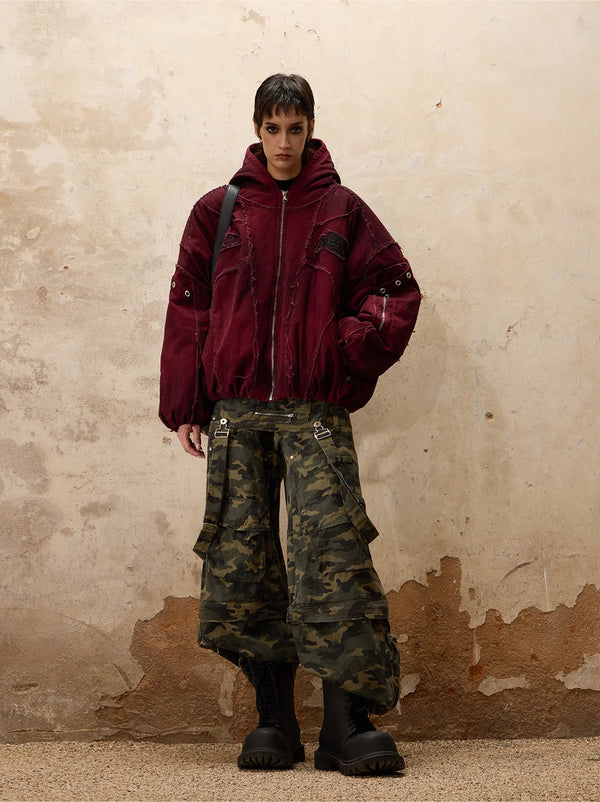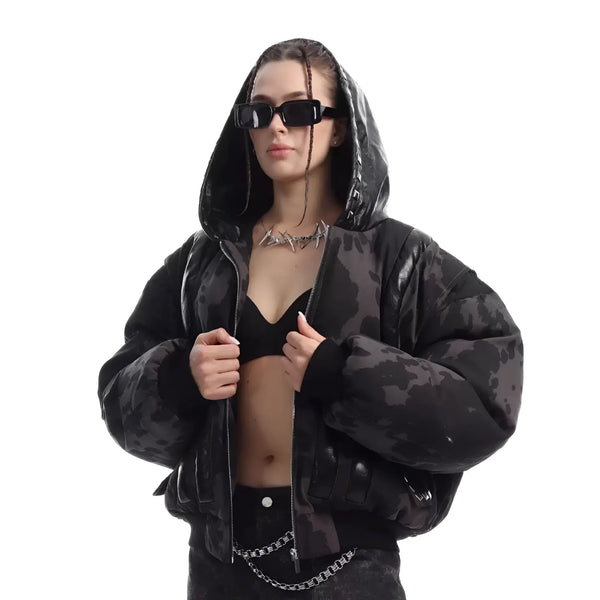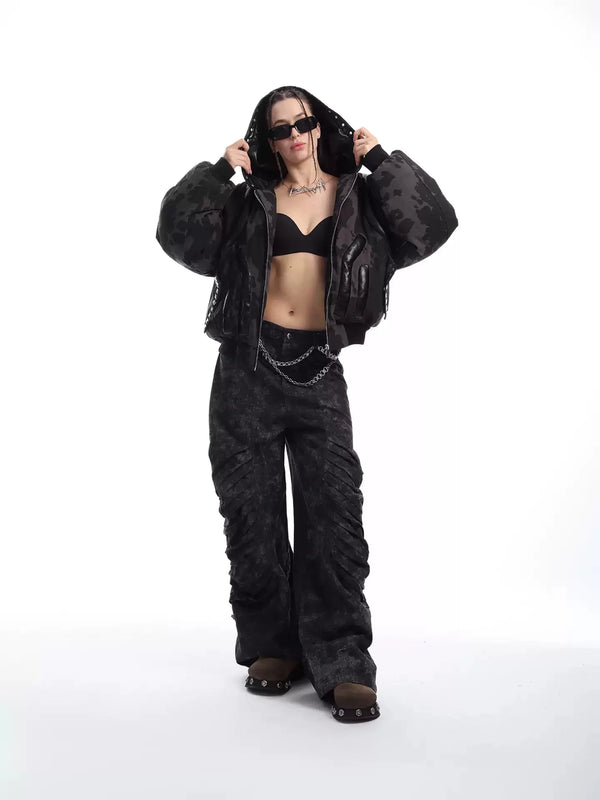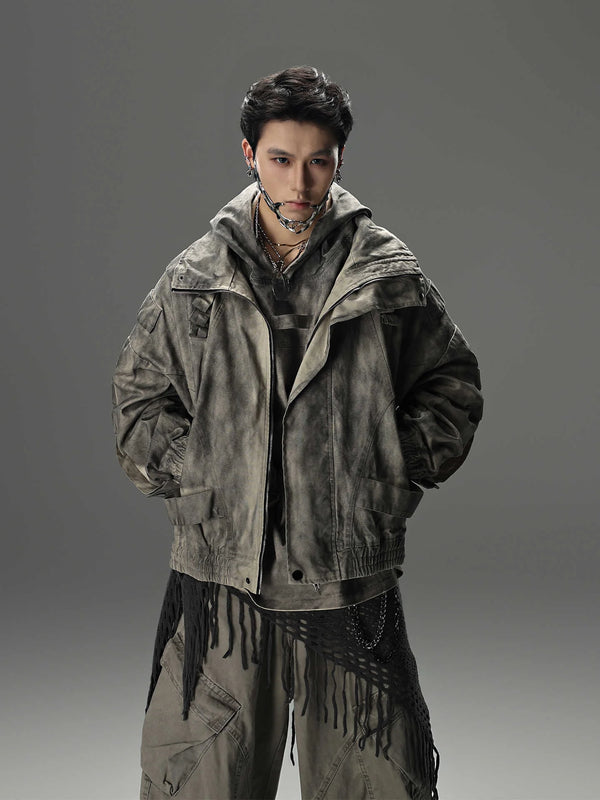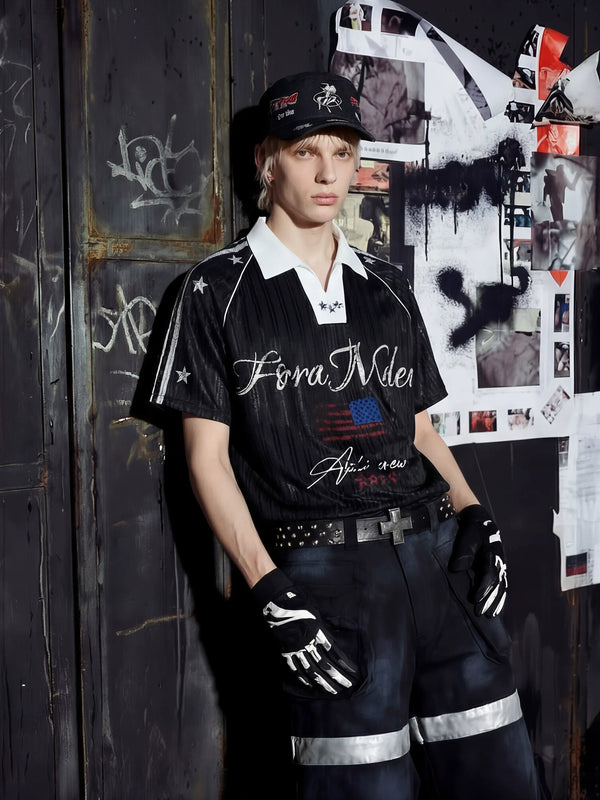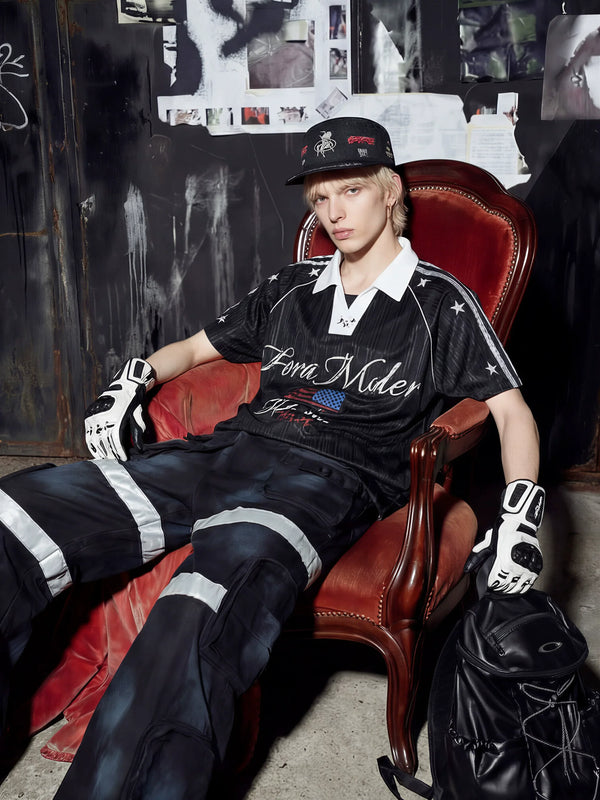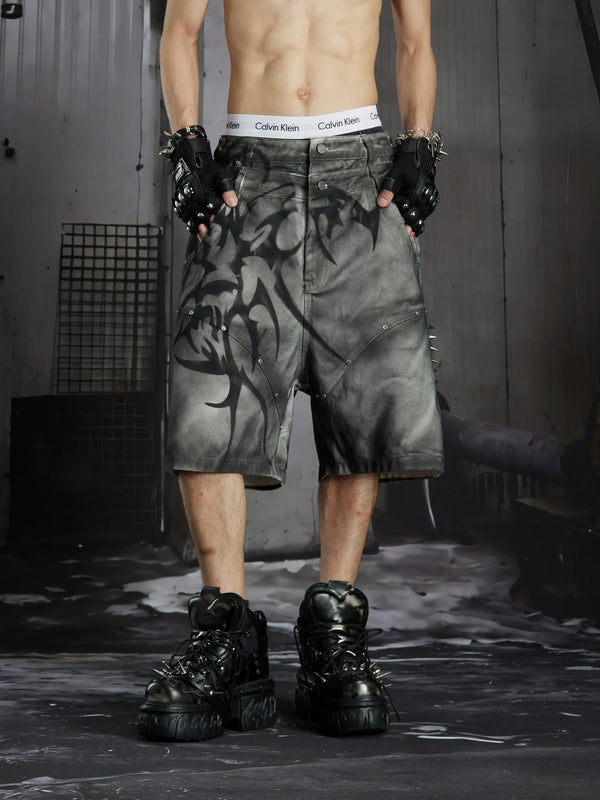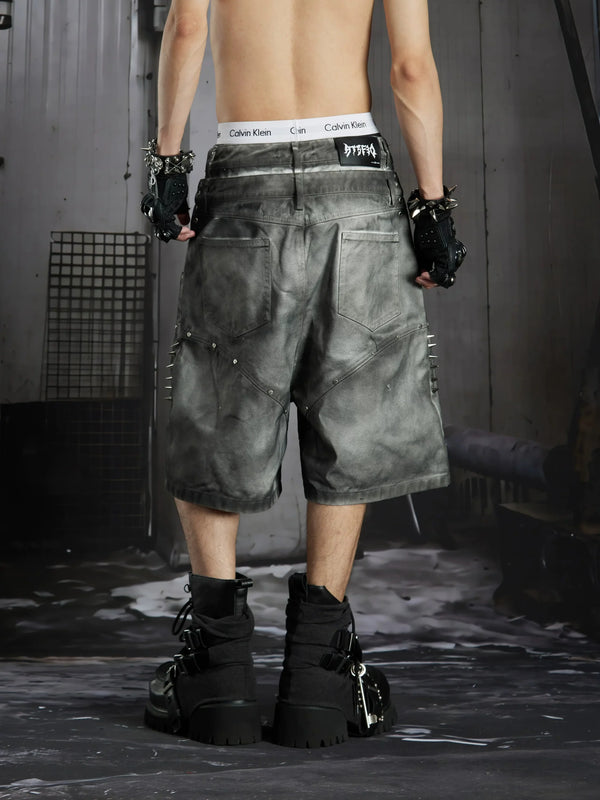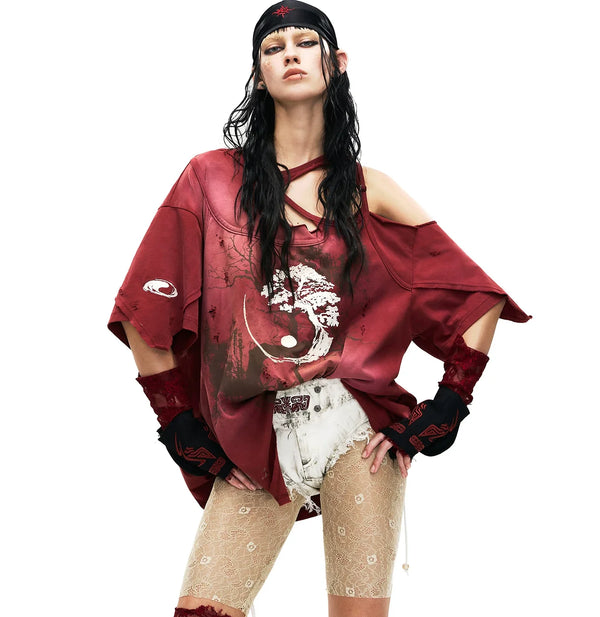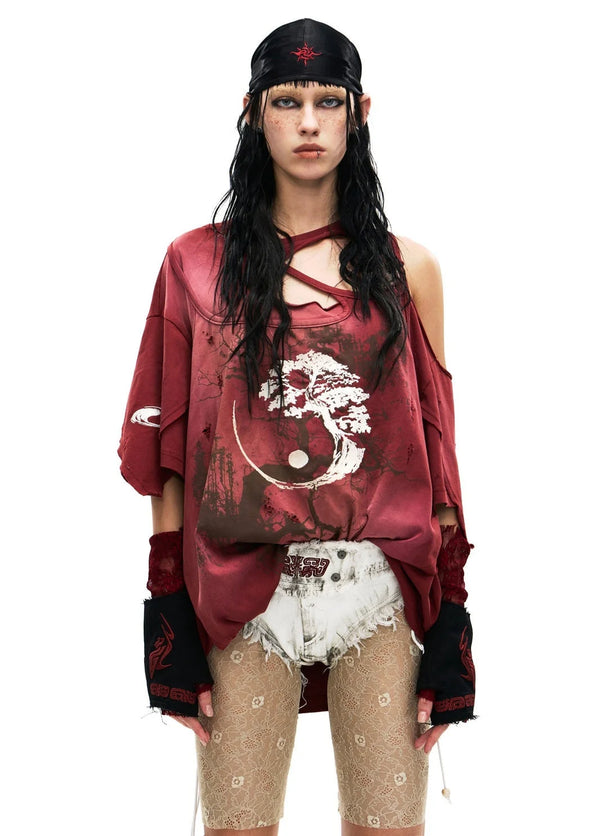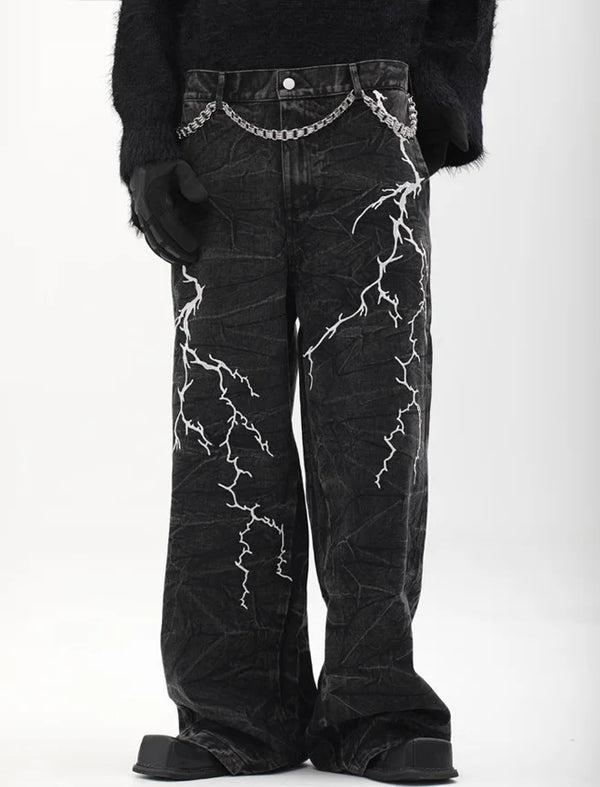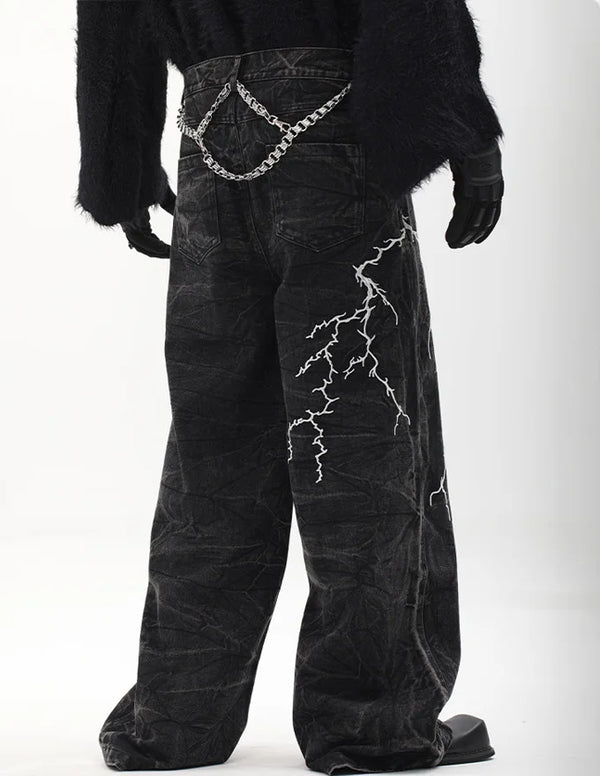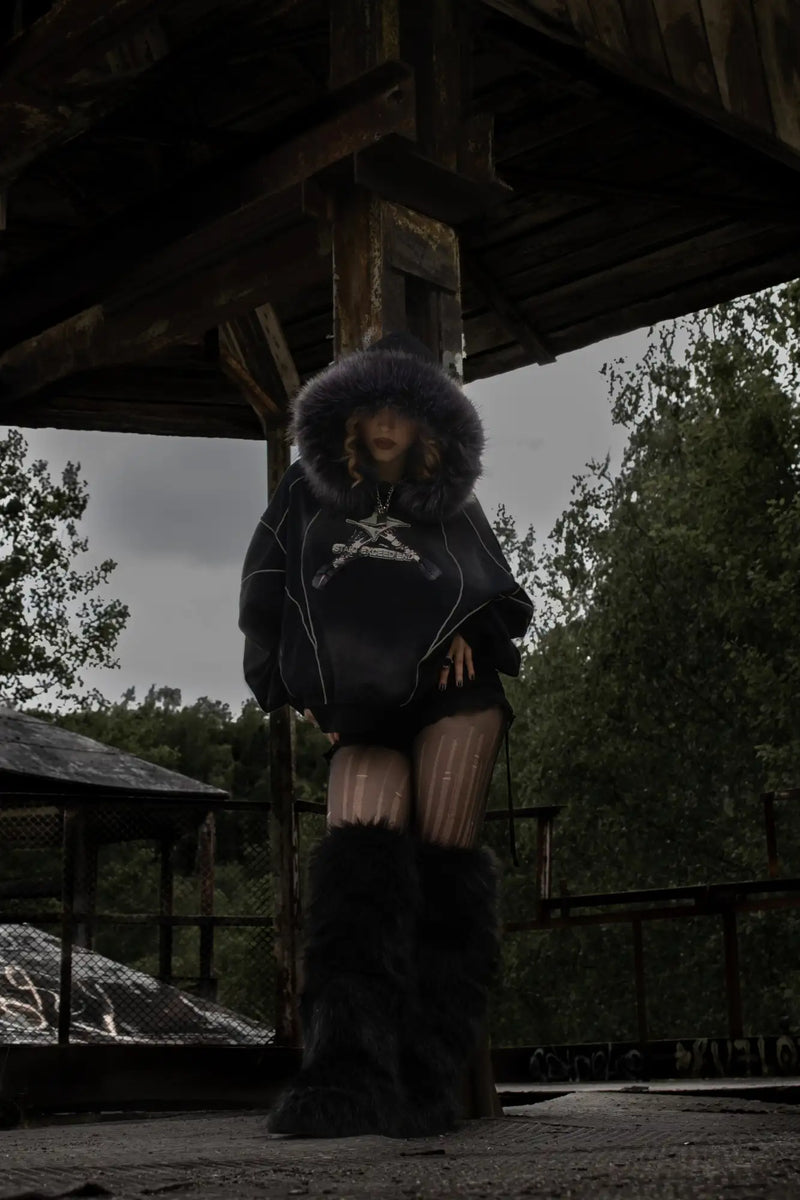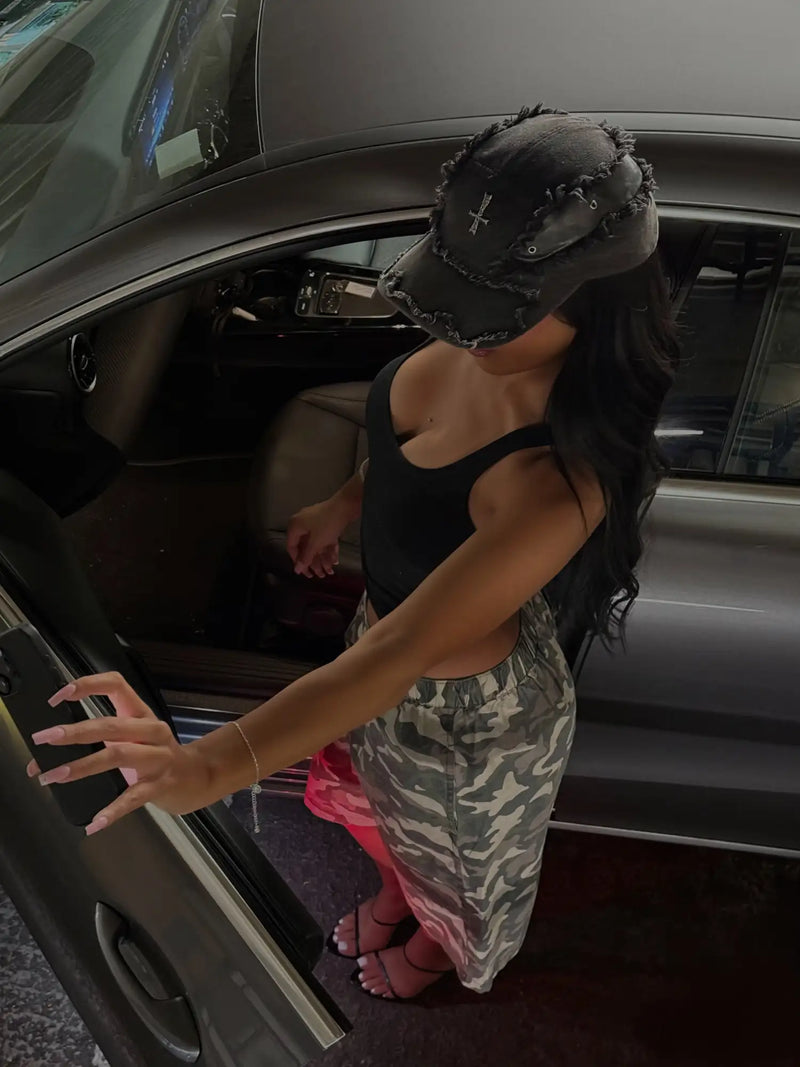
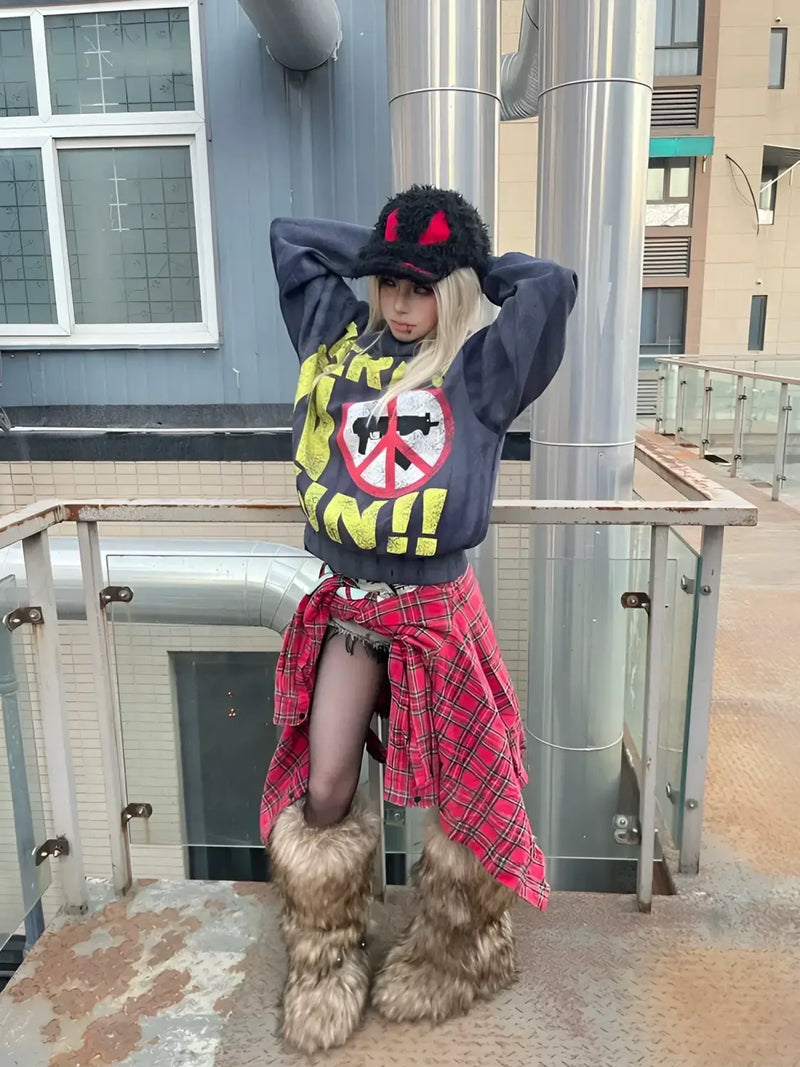
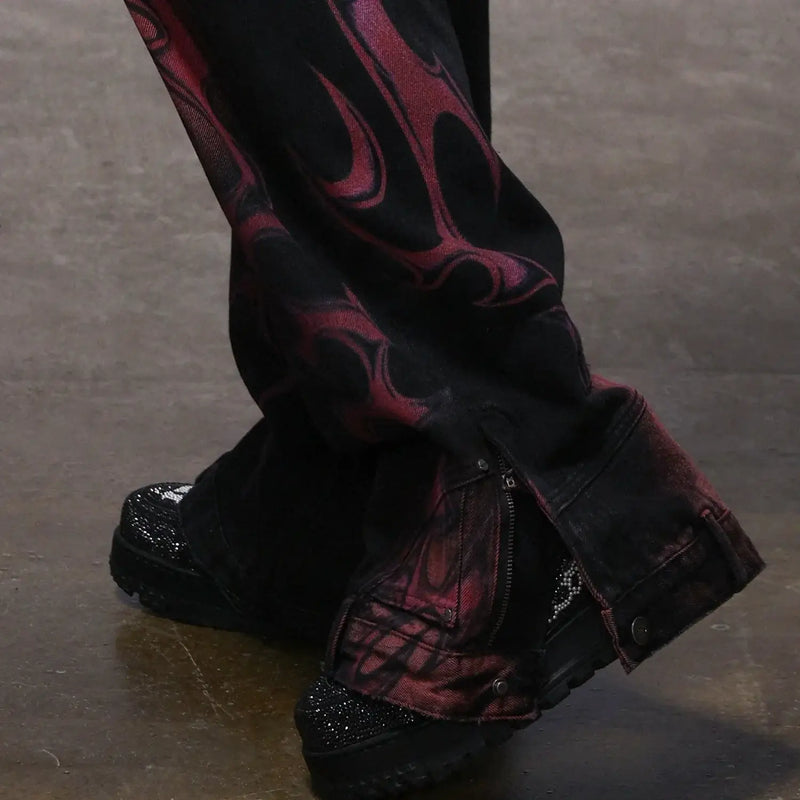
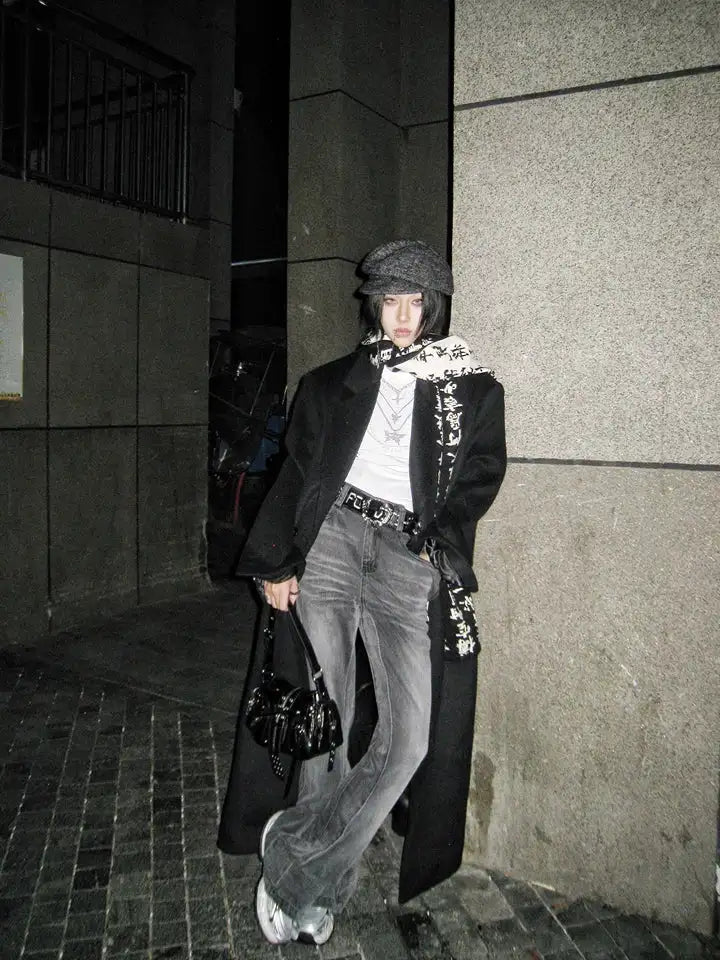

Korean Fashion for women isn't a single style. It's a system of five sub-styles that run side by side and shift daily in Seoul, Hongdae and on TikTok. Read "Korean Fashion" as just Y2K K-Pop cosplay and you miss half of it. Read it as just a quiet-luxury minimal look and you miss the other half. We go through every piece — sub-style, brand, cut, layering, season — so that by the end you know which version you wear and which one isn't yours.
Definition · What it's about
What Korean Fashion really means for women
Korean Fashion for women means: a covered silhouette, long proportion, fabric before skin, layering before print. It's the anti-Y2K-US logic — little cleavage, little crop, but plenty of fabric that drapes, a cardigan over the shirt, a maxi skirt over the trousers. The codes come from Seoul, but they translate to every body, every size, every age between 18 and 35.
5
Sub-styles that run in parallel
3
Layer as minimum outfit
80%
of the looks have a cardigan
The five sub-styles aren't interchangeable. A Modest-Modern wearer would never put on a Y2K K-Pop mini, a Tomboy would never wear the Mardi Mercredi daisy shirt. You pick the one that works with your daily life — office, university, Hongdae weekend, city commute — and stay in it. Mixing only happens in one direction: Minimalist + a light Y2K borrowing is okay, Soft-Girl + Tomboy isn't.
- Fabric before skin — covered shoulders, a long sleeve, ankle-length trousers are the norm. Skin reveal works through asymmetry (one open shoulder, one open back), not through crop.
- Layering before print — a plain shirt under a cardigan under a trench coat beats any graphic tee. The information sits in the fabric, not in the print.
- Long proportion — trousers reach past the ankle, skirts to the calf or floor, coats to the knee or below. Cropped-anything-above-the-navel is the red line.
- Neutral as base — beige, cream, black, white, grey and a muted navy make up 80 percent of the outfit. Colour sits in one accent — bag, shoe, cardigan button.
- Quiet branding — no chest logo, no cap with lettering. The label sits in the tag or in the shape, not on the chest.
- Hair detail counts — clip, bow, headband, fringe. The head is always styled along with the rest, never an afterthought.
Origin · Where the style comes from
Seoul, Hongdae and the K-wave effect — where the style comes from
Korean Fashion for women wasn't invented in Milan or Paris. It came out of four Seoul neighbourhoods and pushed outward from there via K-drama, K-Pop idol photos and Instagram. Anyone who wants to understand the style has to know these four addresses — they explain why a Tomboy trouser drapes differently than a Soft-Girl blouse and why both run side by side in Seoul at the same time.
Hongdae is the student axis. The Soft-Girl and Y2K K-Pop looks come from here, because that's where women aged 18 to 24 with no office dress code are out and about. Apgujeong stands for the quiet-luxury sub-style — anyone walking through Dosan Park there wears Mardi Mercredi, Recto, Pushbutton, not a single recognisable logo. Seongsu is the café district, where Tomboy-Streetwear women mix cargo trousers with a knit cardigan. And Itaewon is the international filter: Western brands meet Korean cuts, and the Modest-Modern style finds its cleanest form here.
Sub-styles · The 5 versions
The 5 sub-styles Korean Fashion for women really runs in
When someone says "Korean Fashion for women", they mean one of these five sub-styles — rarely all of them at once. They differ in cut, fabric and hardware, not in attitude. You pick the one that fits your daily life, then work on the details.
The dividing line between the five isn't age, it's the hardware question: what's in the mirror when you're done. Soft-Girl wears a bow, Mary Janes, a pearl earring. Y2K K-Pop wears platform sneakers, a mesh top, a bandana. Minimalist wears leather loafers, a knit beanie, small gold chains. Tomboy wears sneakers, a beanie, a carabiner. Modest-Modern wears boots, a scarf, a trench coat. You don't switch between the hardware sets — you build yours and stay with it.
Everyday code · Seoul, not Hollywood
What women in South Korea really wear — the Seoul everyday code
Anyone asking "What should a woman wear in South Korea" gets three wrong answers online: Hanbok (that's folklore, not everyday), "respectfully covered" (that's travel-tip language, not a style code), and "K-Pop style" (that's stage, not sidewalk). The real answer is more boring and more useful: covered shoulders, long fabric, a groomed detail.
In summer she swaps the cardigan for a long linen shirt, leaves the buttons open, lets the tank top show underneath. Shoulders stay covered, because the sun is harsh and because a covered shoulder is part of the code. In winter the cardigan becomes a knit jumper, the knit jumper a trench coat, the trench coat a long puffer. The logic stays the same: three layers minimum, long fabric, a neutral base, one accent.
If you go to Seoul as a tourist or as an expat and don't want to stand out (in the good sense — as "she's informed"), then this is your equation: ankle-length trousers or a calf-length skirt, long-sleeved or with a cardigan, a muted colour, one small detail (clip, bag, earring) as personality. It works on the metro, in the café, in the office, at dinner — everywhere.
Trends 2026 · What's running
Current Korean Fashion trends 2026 — what's running, what's out
Trends in Seoul turn faster than in Europe, but not as fast as TikTok claims. The big lines hold for two to four years, the small accents one summer. In 2026 the Modest-Modern wave runs so strong that it overshadows the other sub-styles — but the other four stay present.
+42%
Modest searches in the DACH region 2026
2026
Maxi-skirt comeback complete
Out
Skinny jeans + crop top as an outfit
What's running in 2026: an ankle-length trench coat in cream or beige (over everything, always), a polo knit with a short sleeve instead of a T-shirt, wide-leg jeans in mid or high rise (low-rise is a Y2K island theme, not mainstream), Mary Jane shoes and platform loafers (sneakers stay, but no longer as the default), a bow detail in the hair, a mini shoulder bag (max A5 size), small gold chains layered in the plural. The colour of the season is a muted sand-beige combined with black or cream.
What's out in 2026: the skinny-jeans-plus-crop-top outfit that still runs in the US (dead in Seoul for three years), heavy chest logos on hoodies (BTS tour merch doesn't count), Y2K glitter make-up as a default (only as a concert look now), plastic hardware (acetate glasses instead of plastic sunglasses), and the "girl with a ponytail and a bow" Coquette US look, which overdoes the Soft-Girl variant and is read as naïve in Seoul.
Brands · The 8 labels
Korean fashion brands for women — the 8 labels that count
When someone says "Korean brand", they think of Samsung first. In women's fashion, though, it's eight labels that have established themselves as a stylistic direction since 2018. They're standard vocabulary in Seoul, not yet everywhere in Europe.
- Mardi Mercredi — the daisy sweatshirt with the embroidered flower and the swooping lettering. Probably the most successful Korean brand for women's casual wear. Soft-Girl axis, but worn by women aged 18 to 40.
- Andersson Bell — genderless cuts, patchwork knit, college varsity codes with Asian anti-branding. Tomboy and Minimalist women wear it side by side.
- Ader Error — the concept brand with the offset logo and the "acid-tone" pastel palette. Women choose it as a statement layer over a neutral base.
- Pushbutton — Park Seunggon's label, runs at Paris Fashion Week, but at home with the Apgujeong women's clientele. Romantic, dramatic, close to couture, without the couture price.
- Recto — the quiet-luxury core. Knit jumpers, wool coats, wide-leg trousers in beige, black, cream. Office, university, café — the brand for the woman who has nothing to prove.
- Kirsh — the cherry-logo brand for the Y2K Soft-Girl axis. Crop cardigan, mini skirt, navel tee. Younger clientele, Hongdae axis.
- Wnderkammer — Streetwear with a concept layer. Cargos, vests, multi-pocket. Tomboy axis, Seongsu café clientele.
- Gentle Monster — not a fashion brand in the narrow sense, but every women's outfit in Seoul has a Gentle Monster frame or knows it. The sunglasses as architecture, not as accessory.
The most successful of the eight is Mardi Mercredi — in 2023 it crossed the line between "Korean niche" and "worldwide Soft-Girl reference" and now sells in Tokyo, Paris and Los Angeles. But the most influential in Seoul itself is Pushbutton, because at Paris Fashion Week it sets sub-styles that show up six months later at the other seven brands. You follow Pushbutton if you want to know what will be standard in Seoul in 2027.
Where to Buy · Germany
Where you buy Korean Fashion in Germany
Getting Korean Fashion in Germany is no longer a trip to Seoul in 2026. Four types of address work — each with its own trade-off between price, delivery speed and authenticity.
- YesStyle — the marketplace for Asian fashion. Huge range, low prices, long delivery time (often 14-21 days), sizes run small. Good for Soft-Girl and Y2K volume, less so for quiet luxury.
- Lewkin EU — Korean fashion from an EU warehouse. Faster (3-7 days in the DACH region), more curated, mid-range prices. Strong on Tomboy and Streetwear cuts.
- Zalando — Korean Fashion is a filter here, not a range focus. Brands like Mardi Mercredi show up here and there, Andersson Bell rarely. Good for a mainstream side-entry, weak on depth.
- Fūga and comparable curated shops — the Streetwear and Y2K axis. Cuts that Korean-Streetwear women wear, without having to come from Korea. Delivery 6-11 days in the DACH region, 14-day returns, EU-standard sizing.
- Direct from the brand — Mardi Mercredi, Pushbutton, Andersson Bell have their own EU online shops. Highest authenticity, highest price, longest delivery time, because shipped from Korea.
Category · Tops
Tops — blouses, cardigans, crop tops
The top decides which of the five sub-styles your outfit falls into. A knit polo in beige reads Minimalist, a daisy sweatshirt reads Soft-Girl, a long Tomboy shirt over a tank top reads Streetwear. Three cuts you have to know — cardigan, knit polo, long shirt. Everything else is variation.
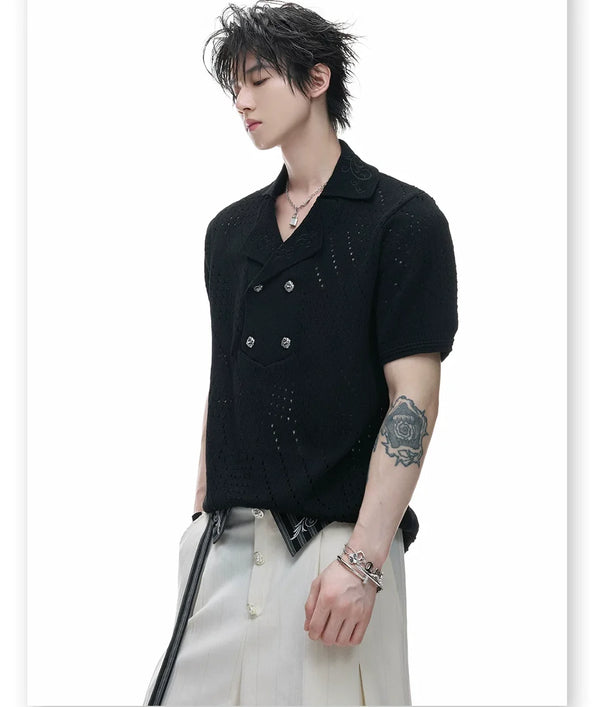
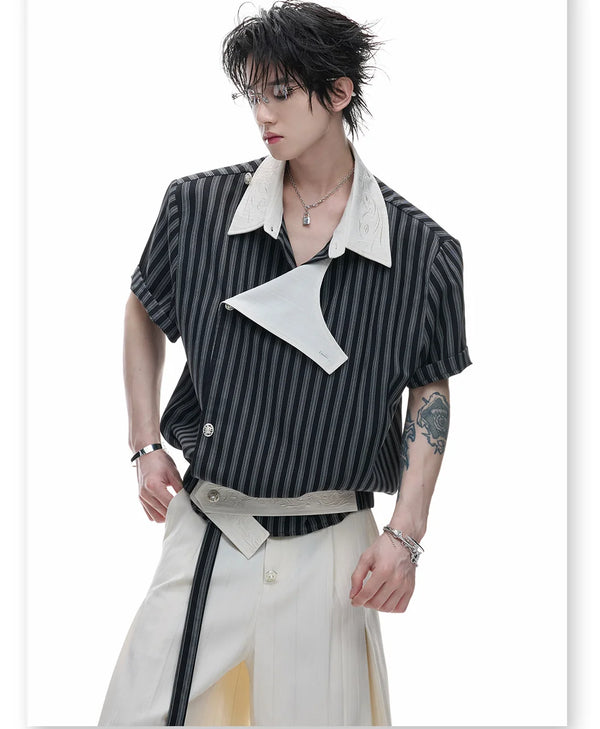
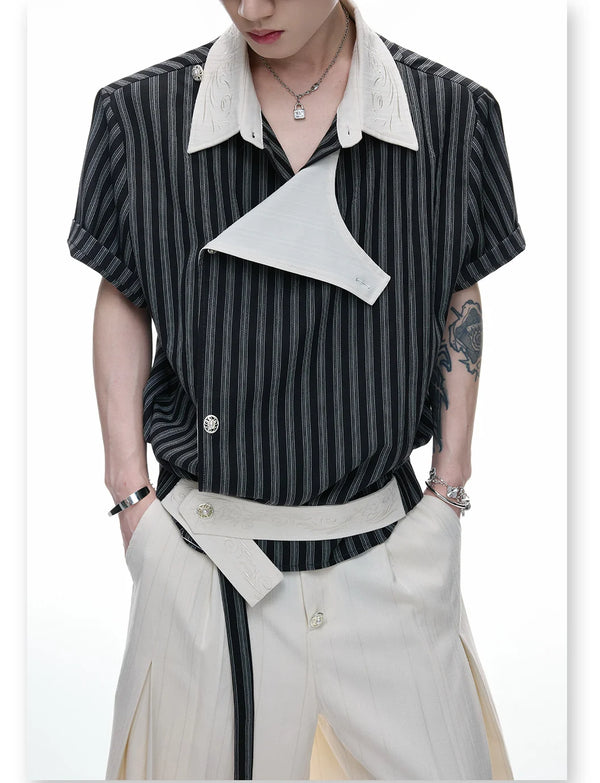
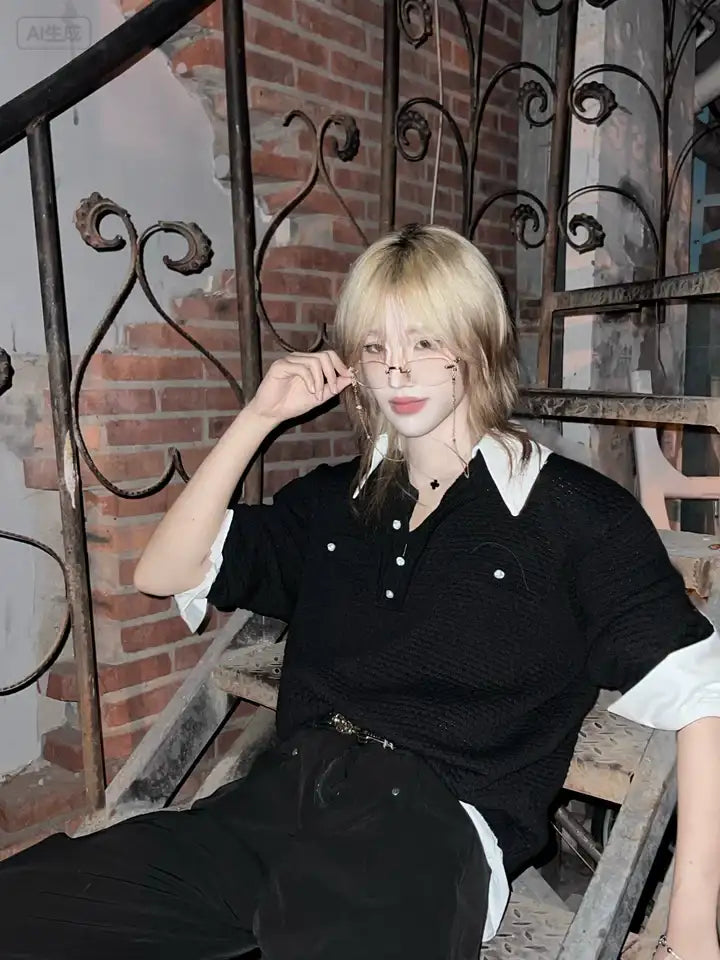
Cardigan cut: knee-length for Minimalist, hip-length for Tomboy, cropped (to the navel) for Y2K K-Pop and Soft-Girl. Buttons always open or closed, never half — half-open reads careless. Knit polo: ribbed, short sleeve, high collar. That's the quiet-luxury answer to the US T-shirt. Long shirt: buttons fully open over a tank top or fully closed over knit — not both on the same day, that's switching between sub-styles.
Category · Trousers and skirts
Trousers, skirts, jeans — the Korean silhouette
The Korean women's silhouette is always baggy or oversize in at least one place. The wide-leg trouser is the standard form, the A-line maxi skirt the alternative, the mini skirt only in the Y2K K-Pop variant. Skinny jeans barely exist in Seoul anymore in 2026 — that's the most important correction German wearers have to make.
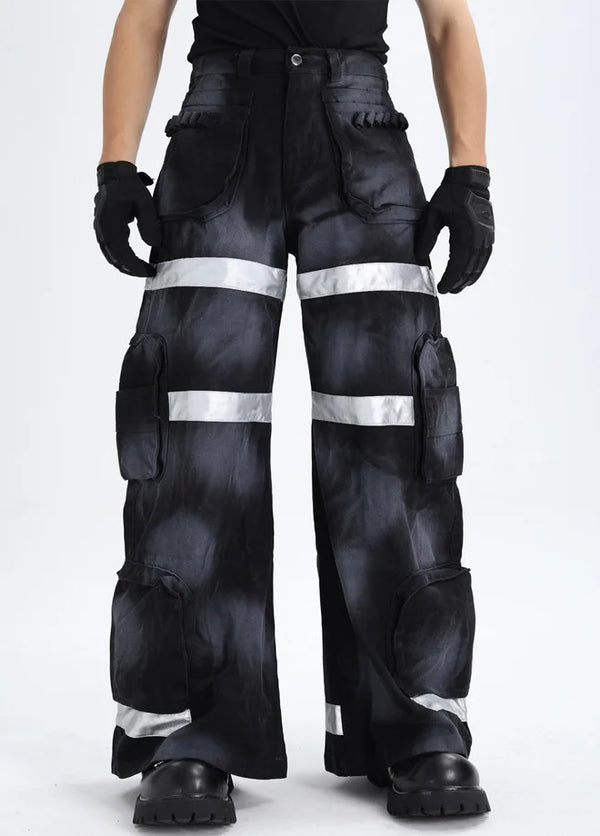
Wide-leg mid-rise is the safe choice for all five sub-styles. Wide-leg high-rise sits at the waist and lengthens the leg — Minimalist and Quiet-Luxury build on it. Low-rise wide-leg is Y2K K-Pop and needs a crop top as a partner. For skirts: A-line midi (calf) for Minimalist and Modest, A-line maxi for Soft-Girl and Modest-Modern, mini only for Y2K K-Pop and never without a long shirt or cardigan over it. Cargo jeans (multiple pockets, wide-leg) is the Tomboy variant.
Category · Jackets
Jackets — blazers, varsity, puffers for women
The jacket is the outer layer and therefore the loudest part of the outfit — it reads from a distance before the inside is even recognisable. Four cuts you have to know: trench coat (Minimalist + Modest), blazer (office + quiet luxury), varsity jacket (Tomboy + Y2K K-Pop), long puffer (winter, all sub-styles).
Trench coat in cream or beige, knee-length, double-breasted — the most influential coat cut of the season. Blazer: oversized, single-breasted, narrow shoulder. Mardi Mercredi and Pushbutton show how it sits. Varsity jacket: knee-length or hip-length, knit sleeve, felt letter or embroidered logo, in beige, cream or anthracite (not school red-white). Long puffer: knee to calf, black or beige, a slim waisted shape, no Michelin-man volume.
Styling · The 3 rules
How you style Korean Fashion — the 3 layering rules
Layering in Korean Fashion for women isn't a stylistic device, it's the basic condition. Three rules carry the whole system. If one is missing, the look falls apart — even if every single piece is right.
Three fabrics visible. Three lengths visible. Three colours — base, secondary, accent. More is maximalism, less is boring.
Die Korean-Damen-Standardgleichung
Rule one: three fabrics. You have to be able to see at least three textiles from the outside — shirt, cardigan and trousers for instance, or tank top, knit jumper and trench coat. Two fabrics are a pyjama variant, four are a maximalism look. Three is the standard.
Rule two: three lengths. Crop or mid + mid or long + long. That creates the typically Korean staircase silhouette in which the eye runs from short to long. Example: crop cardigan (navel) plus knit polo (hip) plus maxi skirt (floor). Three visible lines. All three the same length is dead.
Rule three: three colours. One base (60 percent of the outfit, neutral — cream, beige, black, white), one secondary colour (30 percent, often in the cardigan or coat), one accent colour (10 percent, in the bag or shoe or hair detail). More than three colours is the Y2K-Kawaii sub-variant, fewer than three is all-black Streetwear and not specifically Korean.
Seasonal · Summer vs winter
Korean Fashion summer vs winter
Seoul has four sharp seasons — a humid-hot summer, a sharp-cold winter, a short spring, a short autumn. The outfit system mirrors that. The three-layer rule stays the whole year, but the fabrics change completely.
Summer: long-sleeved linen shirt, long linen trousers or maxi skirt, cotton knit polo, sandals with a thin strap or white sneakers, mini shoulder bag. Winter: thick knit jumper, wool trench coat or long puffer, tights under a maxi skirt or wide-leg wool trousers, boots or platform loafers, scarf in a subtle tone. Spring and autumn are the transition phases — a knit cardigan replaces the coat, boots replace the sandals.
Mistakes · What people get wrong
The 6 most common mistakes in Korean Fashion for women
Most mistakes come from the translation — a German wearer interprets "Korean Fashion" through her own style lexicon and lands at a variant that doesn't exist in Seoul. Six mistakes we see most often.
Getting started · The first 4 pieces
The first 4 pieces — how you start in Korean Fashion
If you're just deciding which of the five sub-styles to start in, begin with four pieces that work in at least three of the five. Those are the all-round anchors — you can wear them for a long time, even if you pick a more specific sub-style later.
The four come in beige, cream, black or cream-stripe. The wide-leg trouser is mid or high rise, never low. The knit polo is ribbed, short sleeve, high collar — quiet-luxury base. The cardigan is hip-length, buttoned or unbuttoned. The trench coat as an alternative is knee-length, double-breasted, in cream. The shoes are platform loafers with a subtle sole (3-4 cm) or Mary Janes with a strap — no sneakers for the first step, because they tip too easily into Streetwear-EU default.
Real outfits · Seoul axis
Real Seoul outfits — how women in South Korea really wear it
Theory is one thing, the sidewalk in Apgujeong on a Thursday at 6 pm is another. What runs in practice is always slimmer, more muted and more consistent than what Instagram reels from Western influencers claim. Here's a cross-section from Seoul postings.
The constant in every one of these shots: a long silhouette, three layers minimum, a neutral base, one detail as personality. Anyone who internalises that has understood the Korean women's system — all brand discussions and sub-style dividing lines sit on top of it, not the other way around.
Conclusion · What it's about
Korean Fashion for women isn't a costume — it's a discipline
FAQ · Korean Fashion for women
Frequently asked questions about Korean Fashion for women
Which Korean fashion brands are best known for women?
What should a woman wear in South Korea?
Which clothing is typical for Korea?
What are the current Korean fashion trends for 2026?
Which is the most successful Korean fashion brand?
Which trend is especially popular in South Korea right now?
Do people in Korea still wear traditional clothing like the Hanbok in everyday life?
Where is the best place to buy Korean Fashion in Germany?
What do you think?
Tell us on @fuga_studios
About the author
Philipp Fuge — Founder · Berlin
Founder of Fūga Studios. Writes the journal himself. Berlin · Shanghai · Tokyo · Poznań — four cities, one logic.