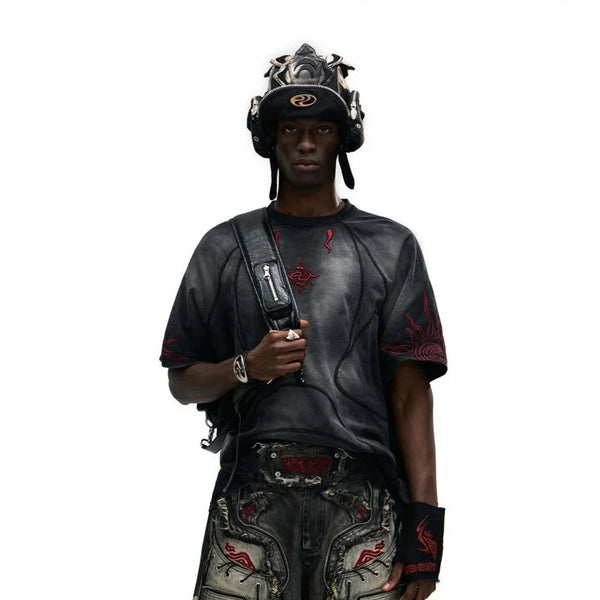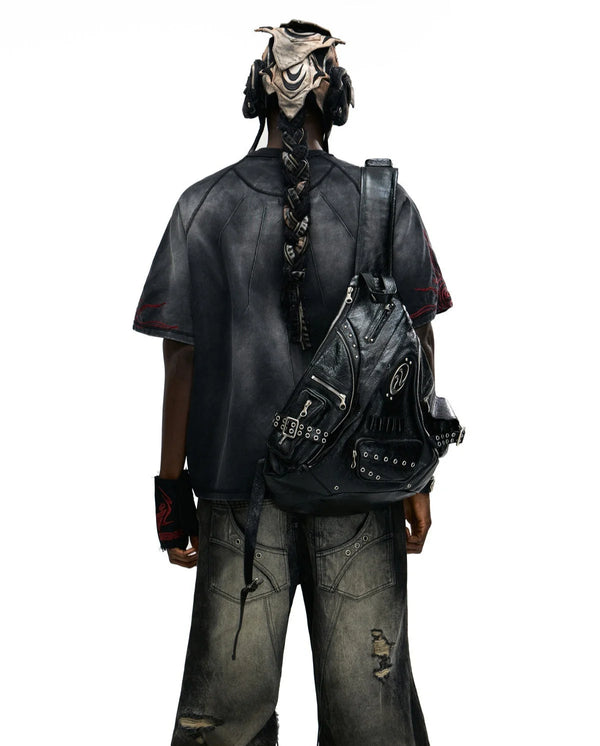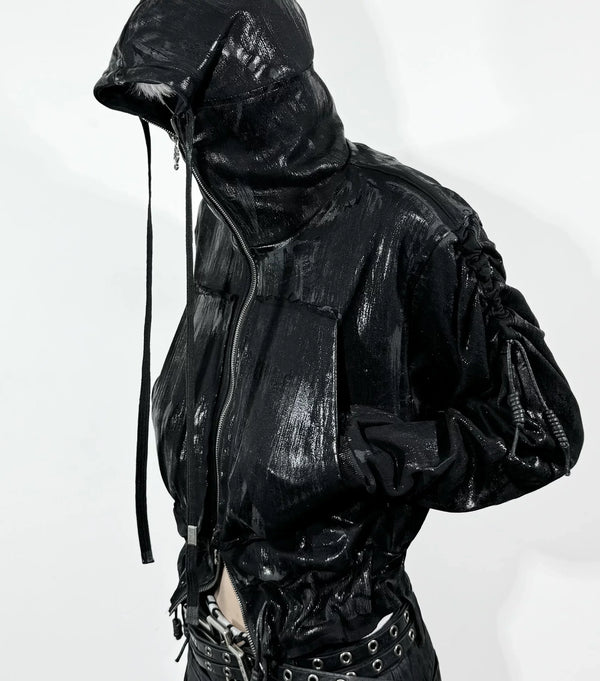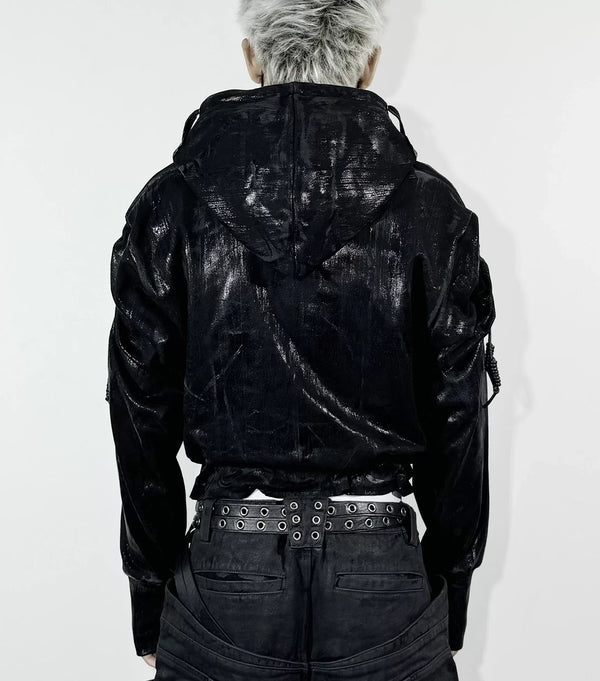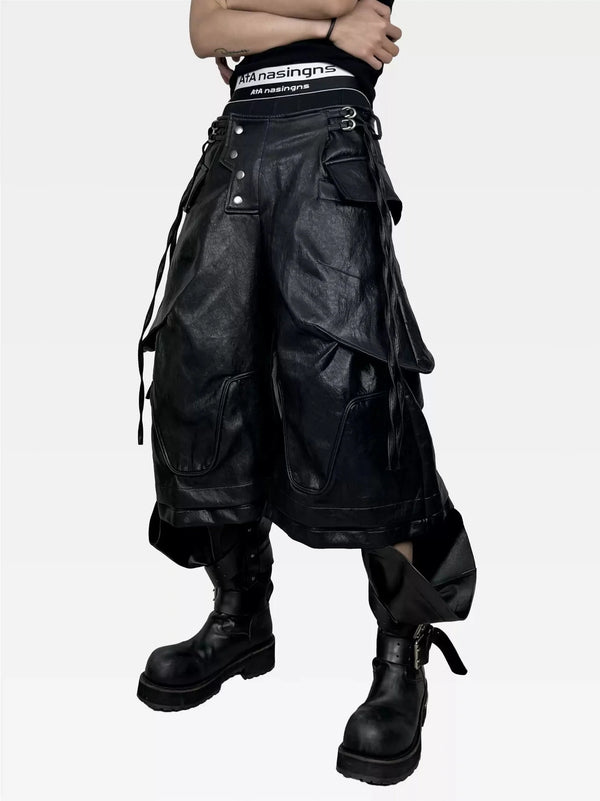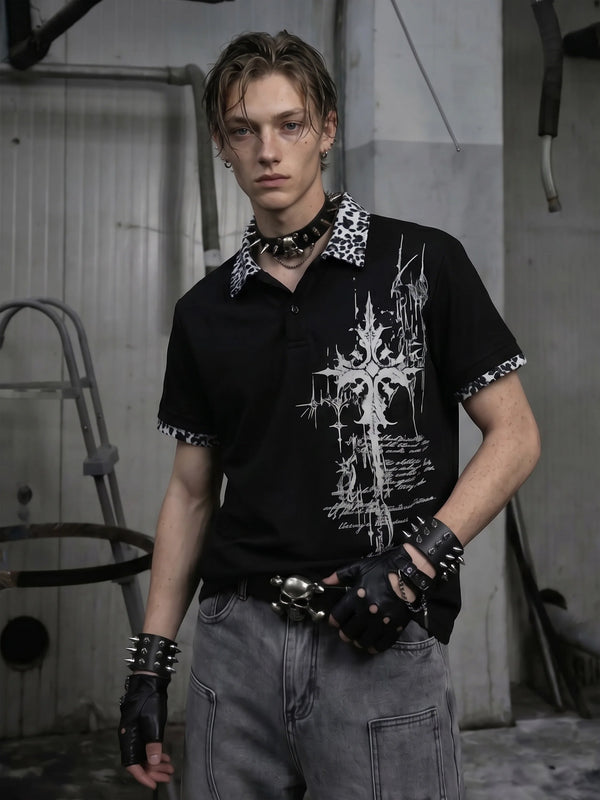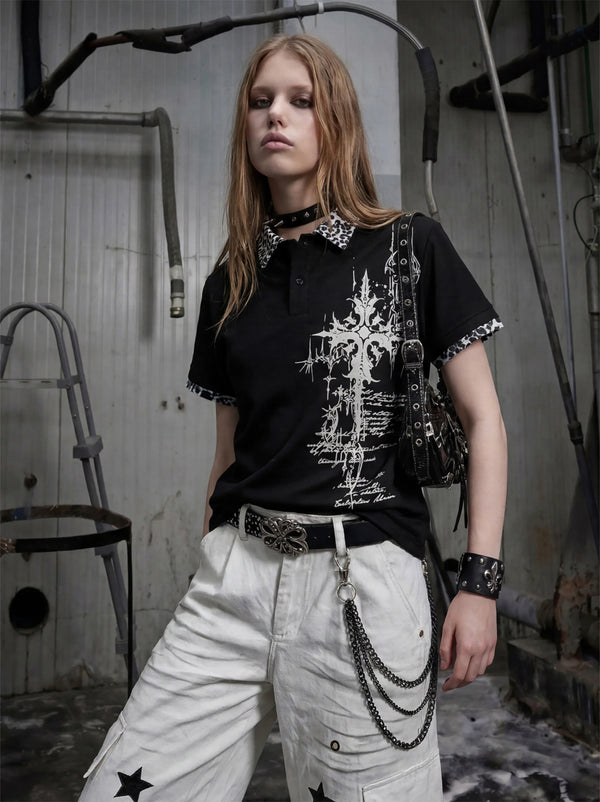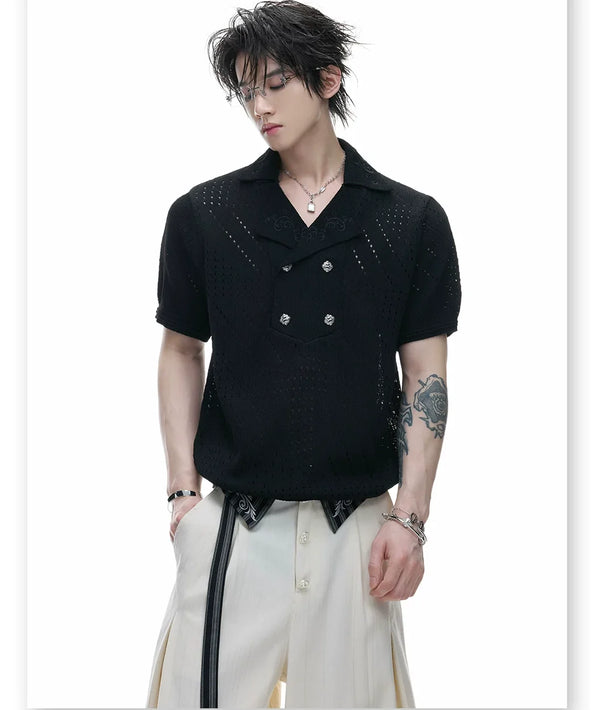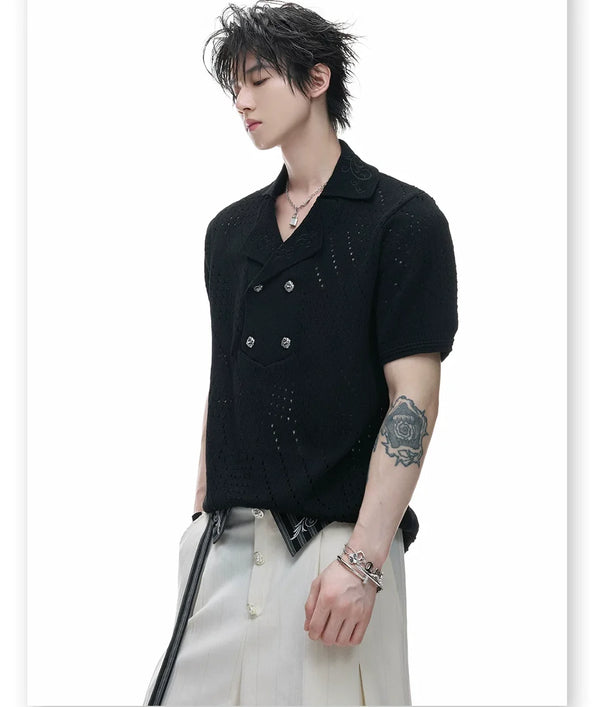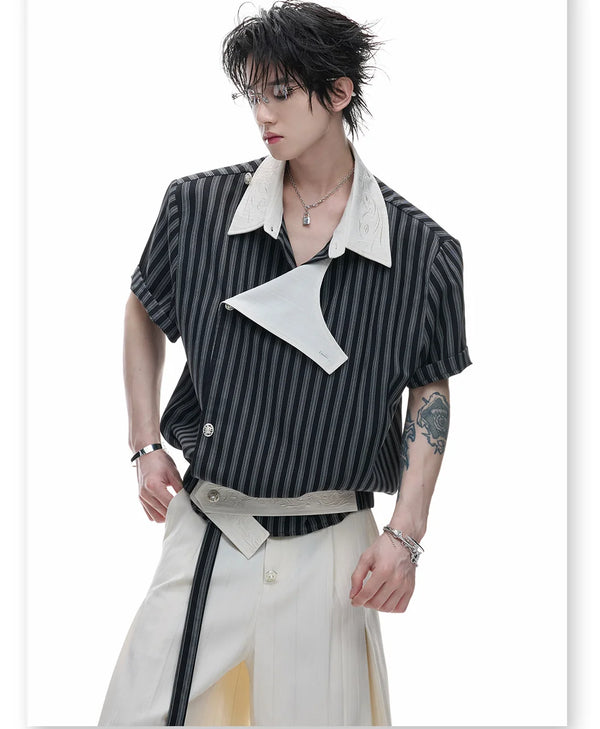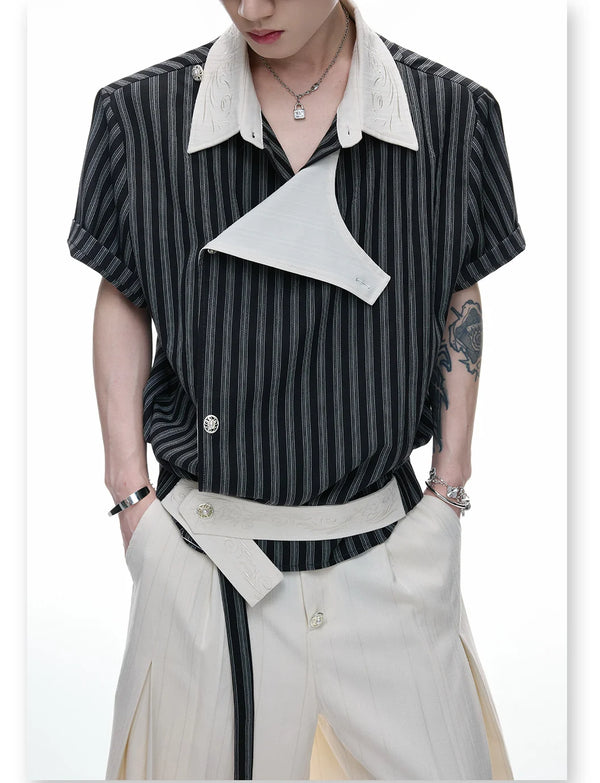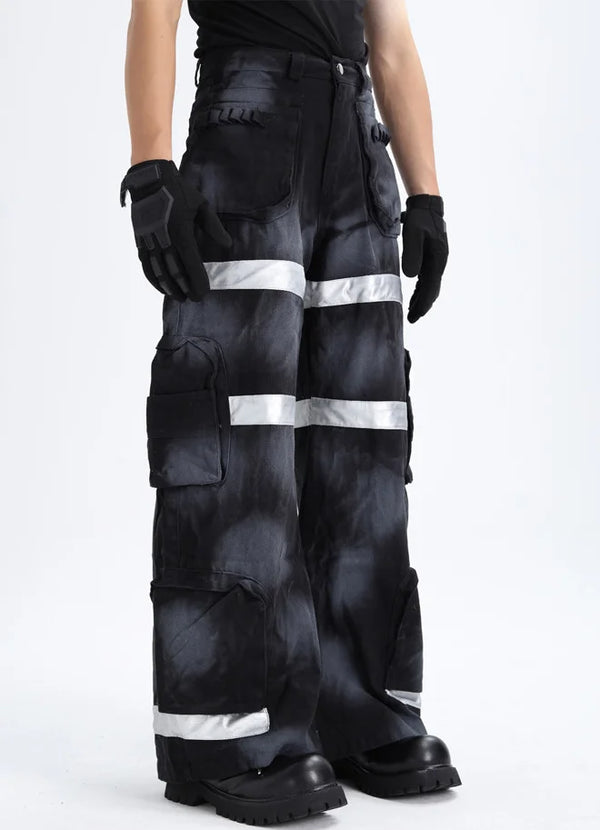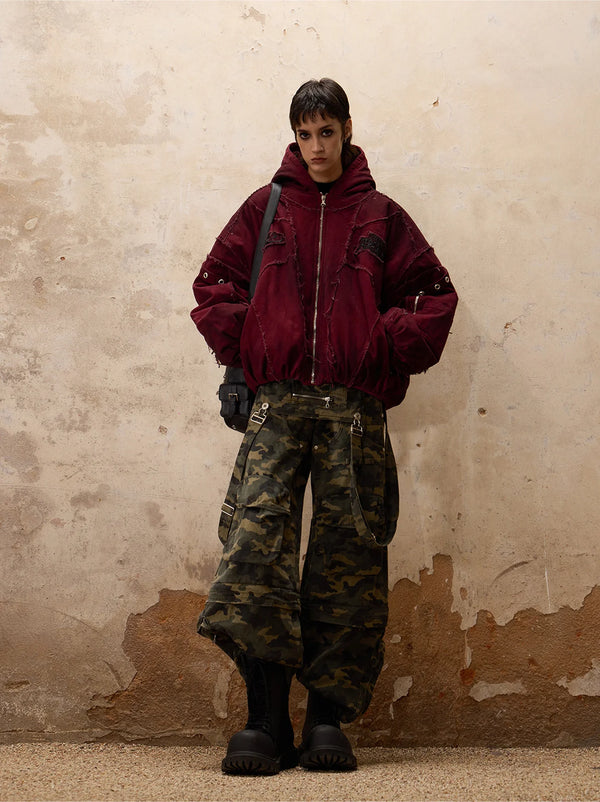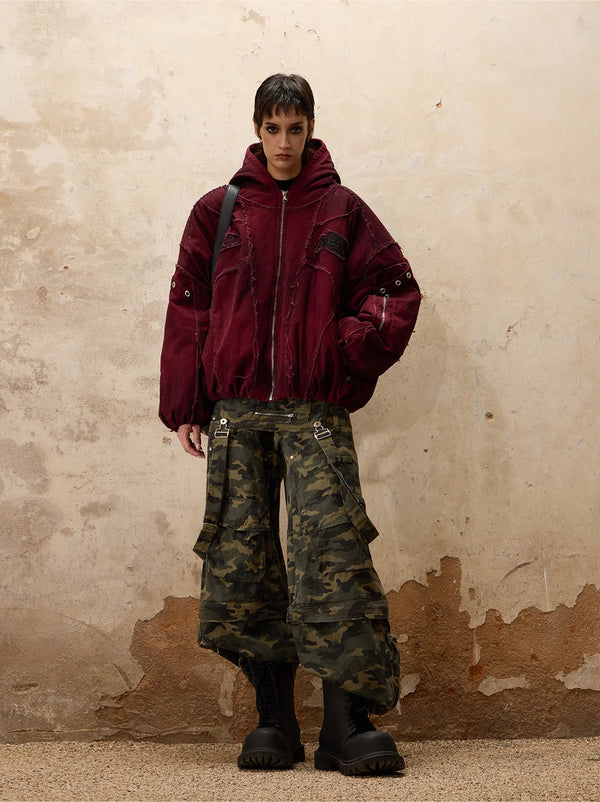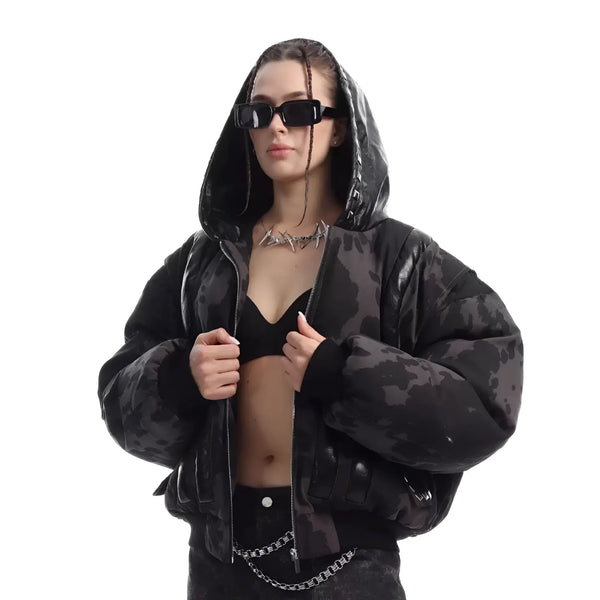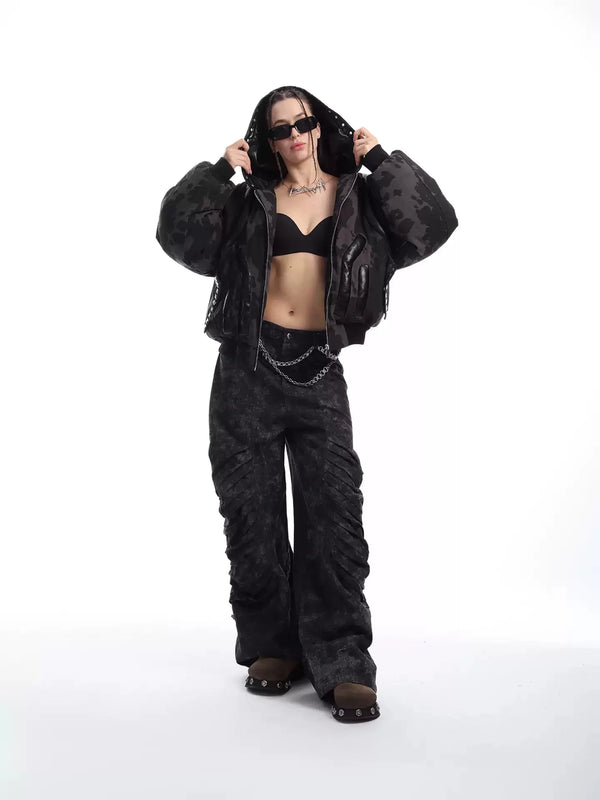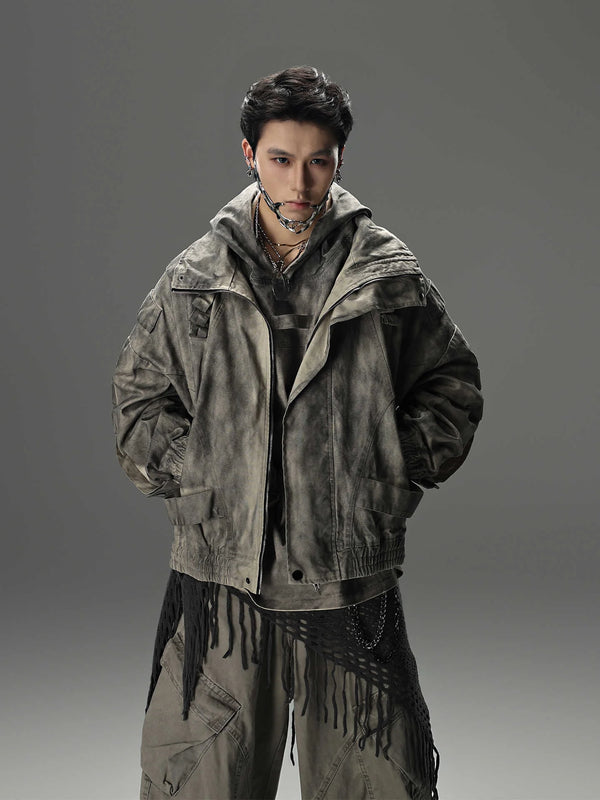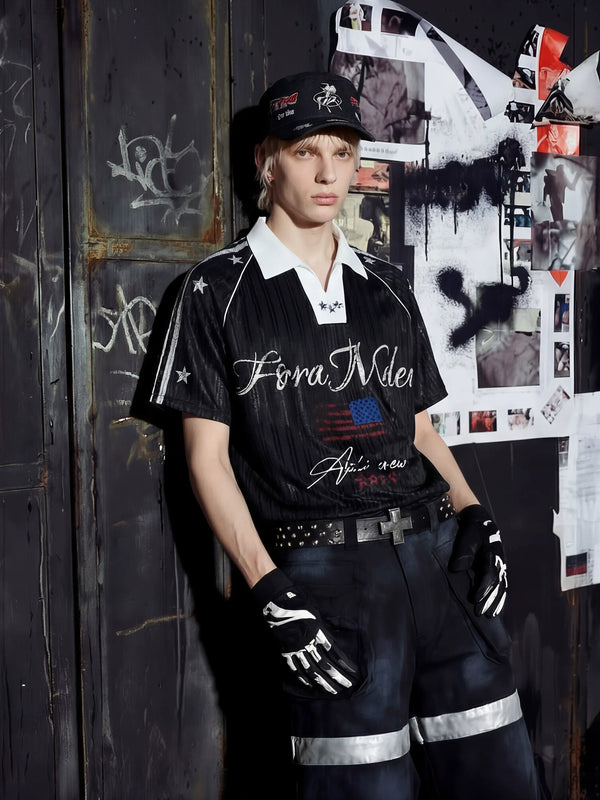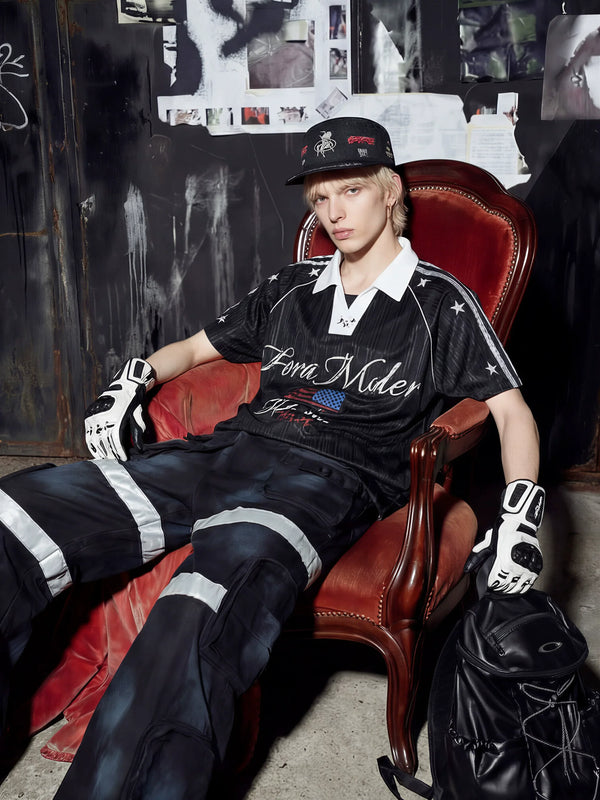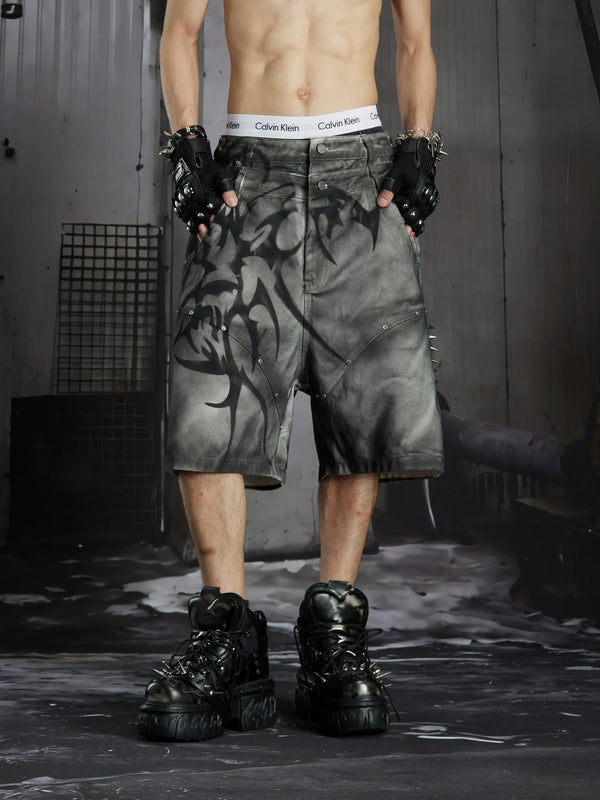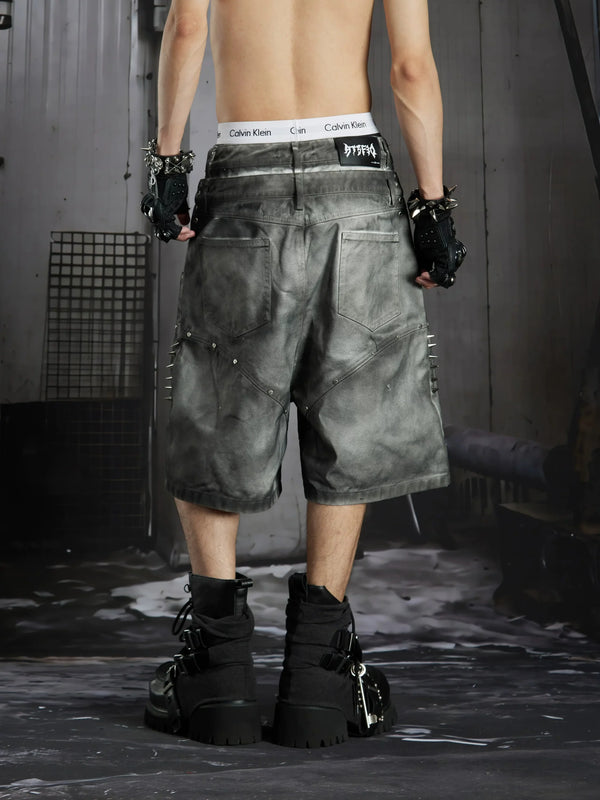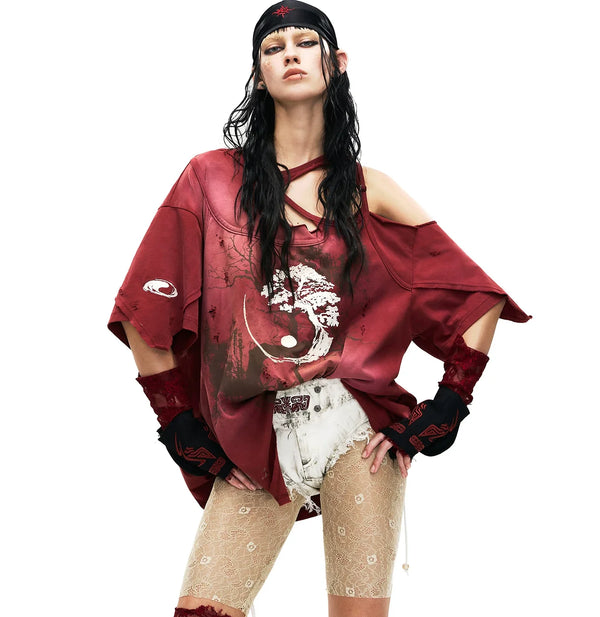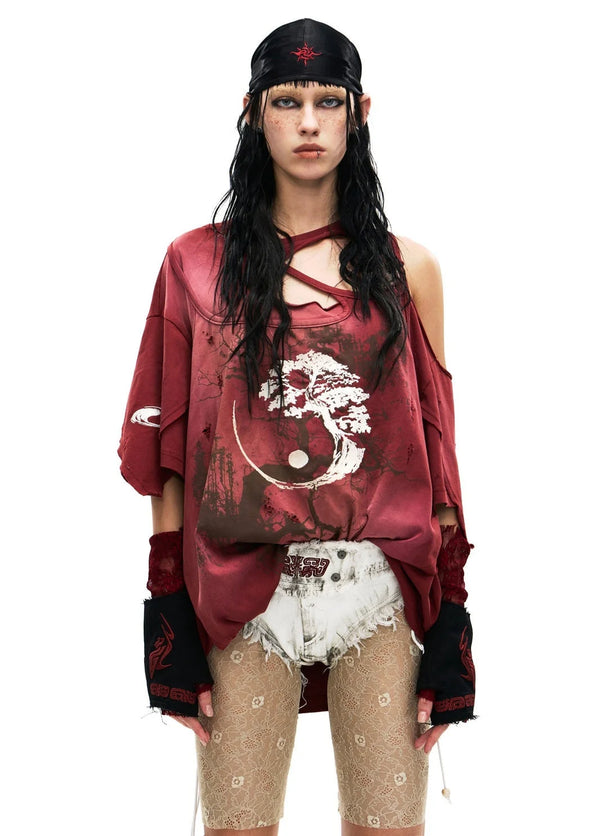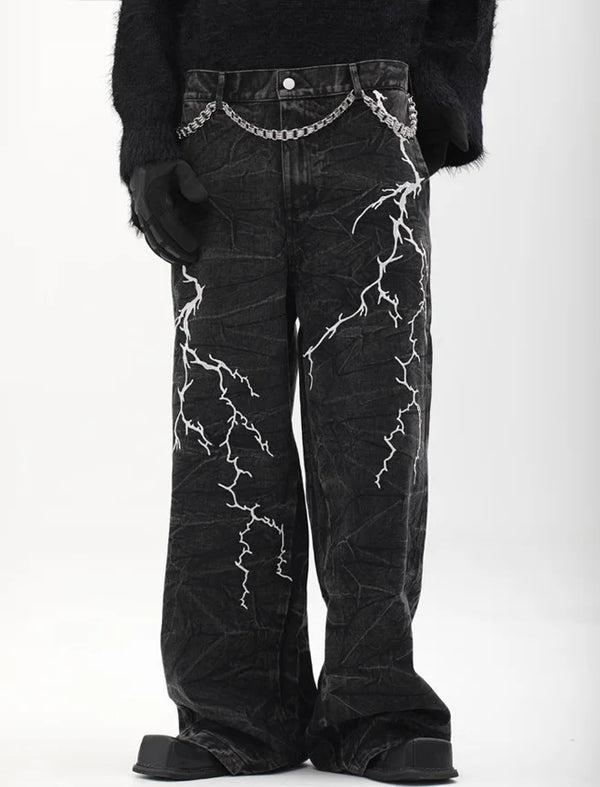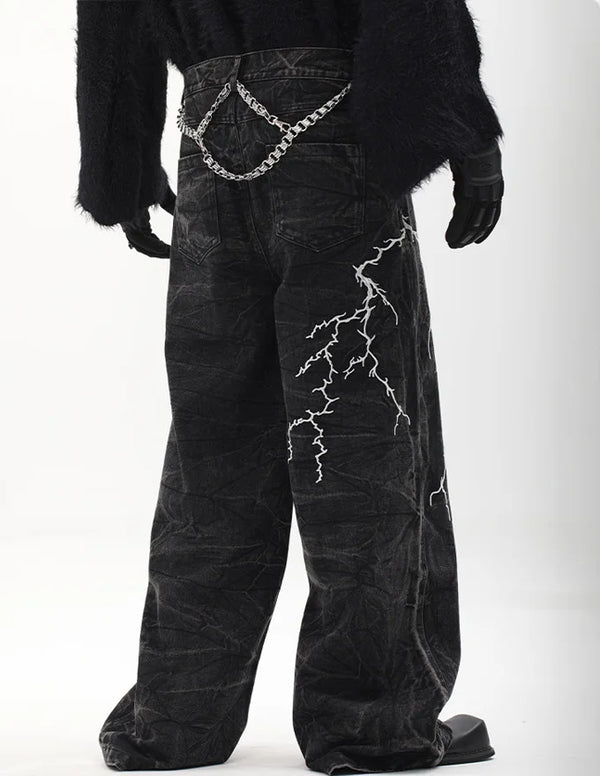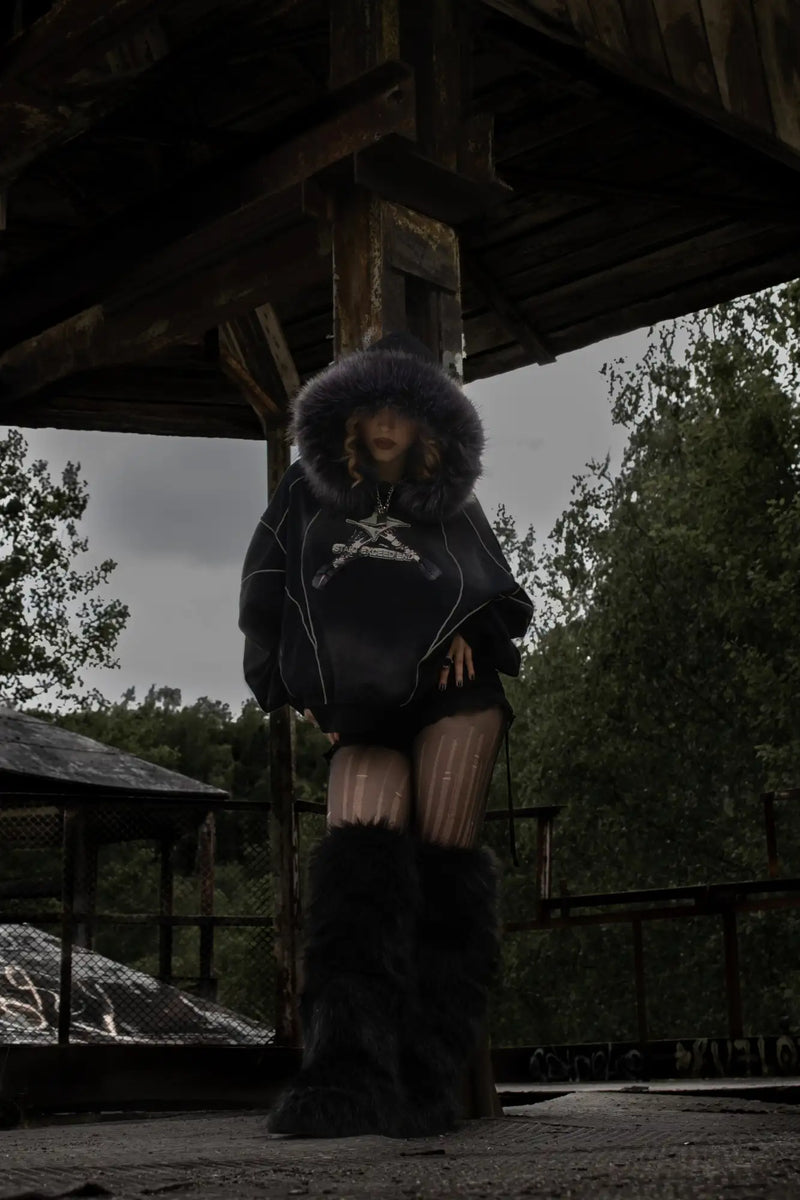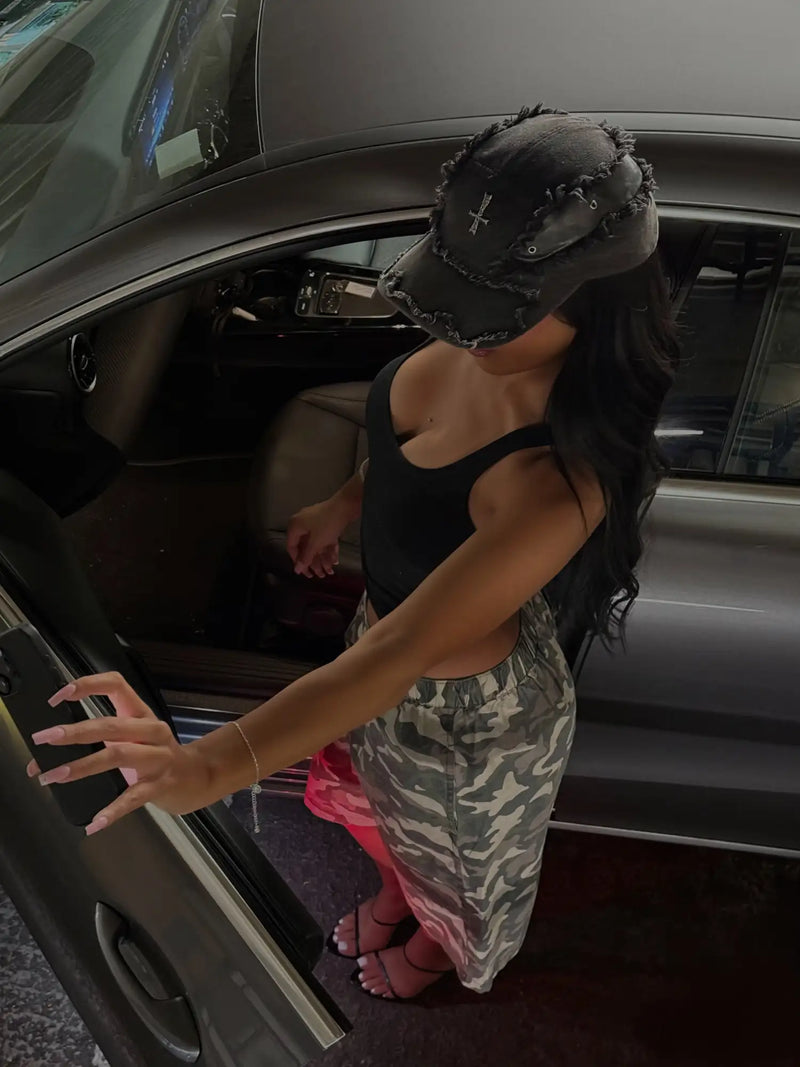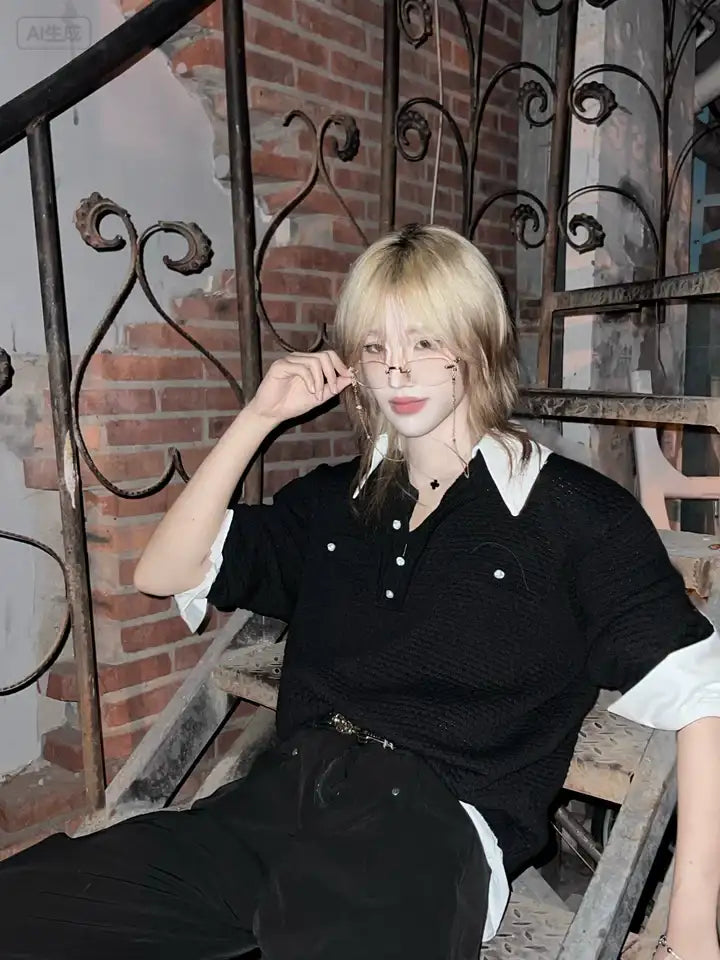
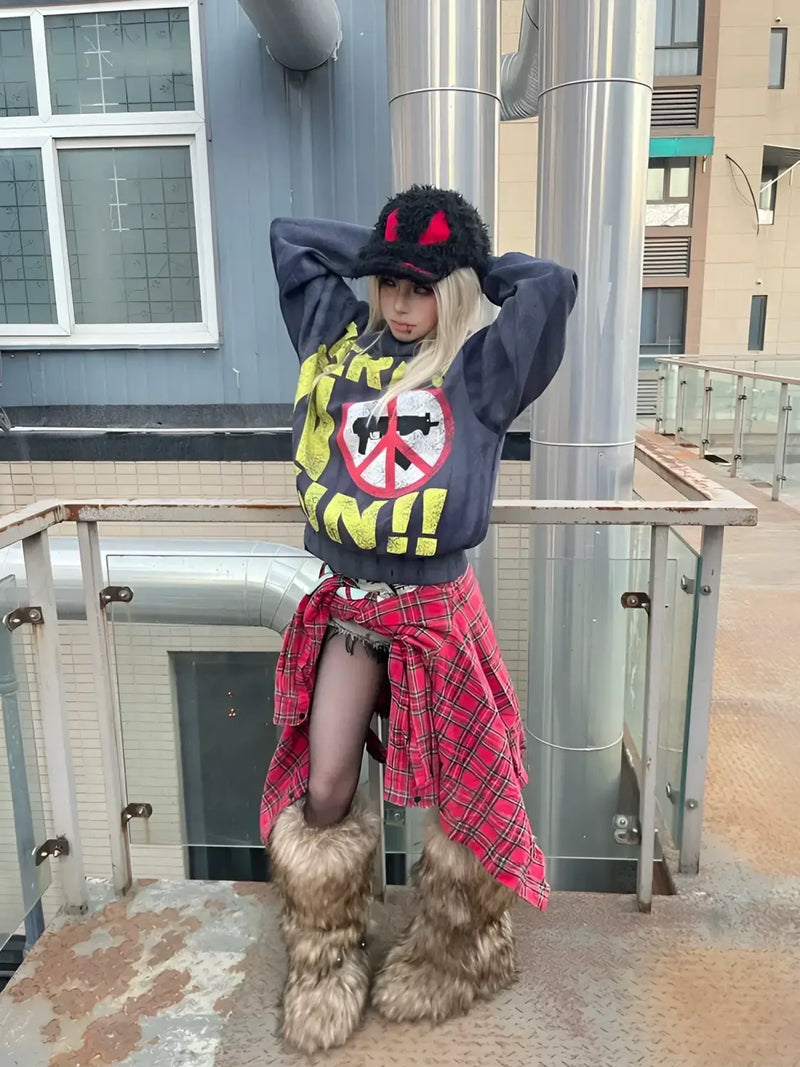
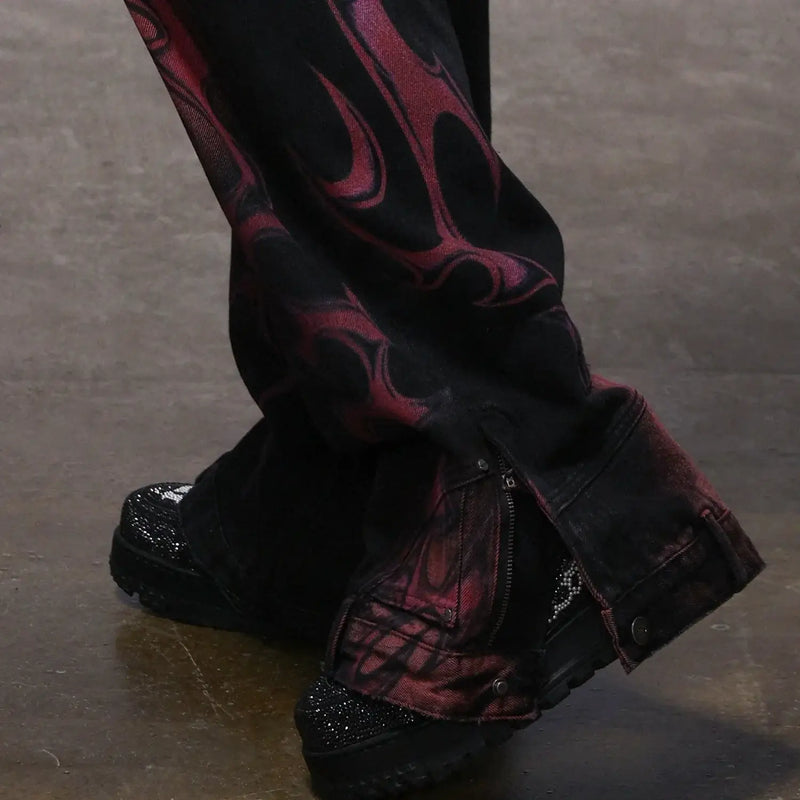
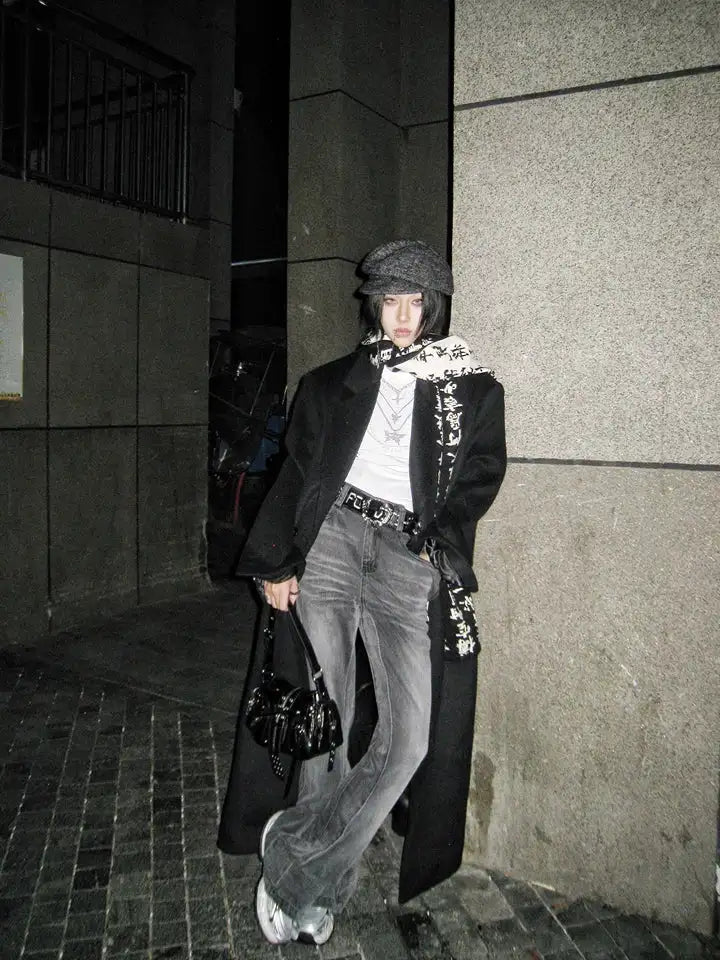

Most Pinterest boards sell Korean Fashion Tomboy as "oversized hoodie and cargo, done." Watch the look for a few weeks in Seoul, Hongdae or the Hannam district and you quickly realize that's half the truth. Oversize alone isn't enough — the proportion has to land, the cut can't look like pajamas, and at least one piece in the outfit has to sit close to the body, or the whole thing tips into loungewear.
Korean Fashion Tomboy is its own K-style sub-line with clear codes. It uses men's cuts as a tool, not a costume — shoulder line wider than your own, trousers with drape instead of curve, shoes flat. Wearers like Amber Liu (f(x)), Hwasa (MAMAMOO), Yves (LOONA) or Sumin (XG) have normalized the look in K-pop since the late 2010s. In 2026 it has opened up further — softer in color, more precise in cut selection, far less designer-logo-centric than Western streetwear.
This guide clears up what's really behind it: where the look comes from, which five archetypes exist, why "Korean Tomboy Outfits Black" is its own search query, which brands write the code, how it translates into tops, trousers, jackets and shoes, which haircut completes the look — and which six mistakes tip your whole outfit over.
What this looks like in 12 seconds on a person, instead of just as a Pinterest still:
Definition
What is Korean Fashion Tomboy — and what all counts as part of it?
Tomboy Chic Style in the Korean reading is the intersection of three lines: late-2010s K-pop idol androgyny, Seoul streetwear function, and the Korean cut discipline that has established itself as its own language since Hera Seoul Fashion Week 2016. This is not "girls in men's clothes" and it's not Western boyfriend fashion. It's a cut system that treats shoulder, hip and leg as lines played against each other — close to the body where volume usually sits, wide where the waist usually sits.
5
Archetypes carry the logic
2 / 3
Layers stay oversize
1 / 3
Layer sits close to the body
What technically belongs to it, without any single element being enough on its own:
- Oversize top or button-up — shoulder sits 4 to 8 cm outside your own shoulder line. Never exactly on the shoulder, that reads office-casual.
- Wide-leg or baggy below — trousers fall straight from the knee, fabric pools on the shoe. Skinny is the most direct anti-line and breaks the look instantly.
- One close-to-body layer — tank, slim-knit, bodysuit under the button-up. Without this layer the outfit tips into loungewear.
- Flat shoe — white sneaker, loafer, combat boot, Mary-Jane with a low block. The moment a heel appears, the line is lost.
- Accessories minimal — one chain, one cap, one ring. Not layering like Y2K, not maximal jewelry. Tomboy lives on leaving things out.
- Haircode — short, textured, with bangs or undercut. Long loose hair undercuts the whole line because it pulls back to the center.
Origin
Where the look comes from — Seoul, K-pop and the idol line
Korean Fashion Tomboy has two parents and no birth hour. One strand runs through the K-pop visualization of female idols who played with masculine-coded outfits — Amber Liu (f(x)) from 2011, G-Dragon as an androgynous template for both genders from 2013, Hwasa (MAMAMOO) with tailoring from 2017, Yves (LOONA), Sumin of STAYC and later Jurin of XG from 2022. The second strand runs through Hongdae and Seongsu streetwear in Seoul, where students, skaters and indie designers built their own code out of men's workwear cuts.
Until 2018 the two ran in parallel. Only after that did they mix — K-pop stylists adopted Seoul streetwear into idol concepts, and Seoul streetwear built idol readability into the cut. The result is its own sub-line, labeled "Korean Tomboy" on TikTok from 2021, though it's rarely called that in Seoul itself — there people say "보이시" (boyish) or describe individual looks. The English term is an outside view.
What separates Korean Tomboy from the Western tomboy look is the cut discipline. Western tomboy fashion often works with vintage men's clothes or boyfriend cuts that sit too long and too wide. Korean tomboy fashion explicitly uses men's silhouettes re-cut for the female body — the shirt is masculine in the shoulder cut but adapted to the hip in length, the trousers have a masculine drape but a feminine hip fit. That's Hera-Seoul-Fashion-Week logic, not thrift-shop logic.
Archetypes
The 5 Korean Tomboy archetypes — who wears which code
There isn't one Korean Tomboy look but five, clearly distinct from each other. Try all five at once and you land on none. Wear one of them consistently and vary it for two weeks, and you've got the code down.
Sorted by hardness of cut — from softest everyday line to the sharpest Y2K bomber variant:
Palette
Korean Tomboy Outfits Black — why the black question gets googled so often
"Korean Tomboy Outfits Black" is one of the most common search variations on the topic. There are two reasons. First, black is the easiest palette because it forgives cut mistakes — if you're still searching for the cut, black covers everything that doesn't fit together. Second, the Korean tomboy line is often shot in black on stage and in editorials, because black reads better in the studio and K-pop concepts favor it for stage-design reasons.
But anyone living Korean Tomboy day to day wears full black in only one of four outfits. The other three play with cream, off-white, washed grey, indigo, khaki, muted burgundy or dark forest green. The Korean tomboy code is color-muted, but not monochrome black — black is a tool, not the tool. Anyone running the Black Minimal archetype permanently should do it deliberately and not pick it out of a safety reflex.
Brands
Korean Tomboy brands — who really writes the look in Seoul
Few of the genuinely relevant Korean tomboy brands are widely available in Europe. They run through Korean platforms like Musinsa, 29CM or W Concept, occasionally through SSENSE or Farfetch. But anyone building the look seriously should know the names — even if the first purchase lands at a European DTC counterpart running similar cuts.
- Ader Error — Seoul, founded 2014. Graphic-driven, gender-fluid, lots of oversize. One of the best-known Korean streetwear labels worldwide.
- Andersson Bell — Stockholm-Seoul hybrid. Scandi-Korean cut discipline, often tomboy-ready, especially the knit line.
- Matin Kim — soft minimalism out of Seoul. Muted palette, soft tailoring. One of the cleanest Tailored-Boy sources.
- Open YY — Yoon Young Lee, genderless-focused. Built explicitly for bodies beyond binary cuts.
- KIRSH — Seoul, playful, often with a cherry logo. Y2K Bomber-Era and Sport-Soft archetypes, younger in tone.
- Eenk — Hyemee Lee, conceptual. Genderless, with experimental cuts. Higher-priced than the rest.
- Recto — Korean tailoring, very quiet. Wide trousers and blazers in Korean cut logic. Older in its buyer base.
- Lifework — sport-streetwear hybrid, big logos. Usable for the Sport-Soft archetype and the Layer-Casual default.
Anyone buying in Europe finds the cut logic again at some DTC brands working with Korean streetwear cuts — Fūga Studios, for example, carries wide trousers, cropped bombers and layer tops in a comparable cut language, without designer markup. It's not the identical brand, but the same code in European delivery logic.
Tops
Oversized tops and button-ups — the shoulder line is the anchor
The top decides whether a Korean tomboy outfit is readable. The shoulder seam has to sit clearly outside your own shoulder, but not so far that it drops onto the upper arm. Between 4 and 8 cm of distance from your own shoulder line is the corridor. Below that it looks like a normal shirt in too big, above it looks borrowed.
The second question is length. Tomboy tops end between the hip bone and mid-thigh — anything below needs tucking, or it tips into a dress look. Knit sweaters may fall longer because their fabric allows movement; button-ups should stay shorter or be tucked in consistently.
Pants
Baggy jeans, wide cargo, trousers — the trouser line
If the top is the shoulder anchor, the trousers are the drape anchor. Korean Tomboy lives on trousers that fall straight from the hip or knee — not on mom jeans that taper at the calf, and not on skinny cuts that draw the leg. The fabric may pool on the shoe but shouldn't build more than 3 to 4 cm of stack. Too much stack looks unsorted, too little reads close-to-body again.
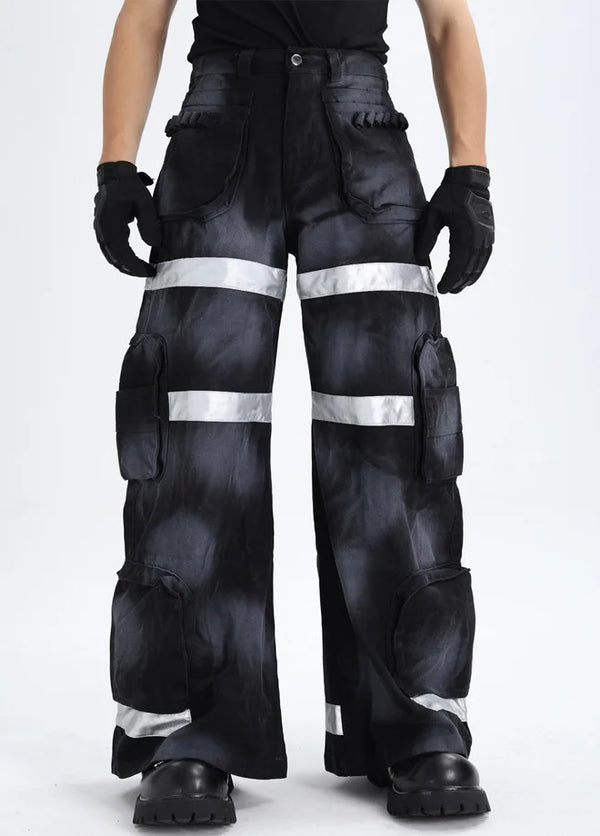
Three cuts carry most outfits: the wide trouser in drape for the Tailored Boy, the baggy jean or wide jean for the Layer-Casual and the Y2K Bomber, the multi-pocket cargo for the Sport-Soft. Pinstripe trousers are the more formal variant of the Tailored Boy and work surprisingly well with a plain white tank — the contrast of office pant against workwear top is exactly the logic the look lives on.
Outerwear
Outerwear — blazer, bomber, hoodies and the cropped line
Outer layers are where Korean Tomboy diverges most from Western tomboy fashion. The Korean code works with cropped bomber, cropped denim or cropped blazer — outerwear that ends at the hip-bone line and makes the trousers below look longer. Western tomboy outerwear is often long and loose; the Korean variant is shorter and more constructed.
The exception is the Layer-Casual archetype, in which an XL hoodie or oversize half-zip falls longer and deliberately covers the hip. That's the only line where a long hoodie works cleanly. For all four other archetypes the rule holds: outer layer ends up top, the trousers below carry the outfit.
Footwear
Sneakers, loafers and boots — the shoe has to stay flat
The shoe is the code-closer. The moment a heel enters the outfit, the whole line tips into another sub-line — Korean Office, Korean Modest, Korean Fairy-Romantic, depending on the height. Korean Tomboy stays flat. That doesn't necessarily mean without a sole: platform sneakers and combat boots with a thick sole are allowed, as long as the heel isn't set off from the forefoot.
The three most common shoe categories: first, white or black sneaker in retro cut — New Balance 530 and 990, Samba, Onitsuka Tiger, Reebok Club C, classic Vans. Second, loafer in black or burgundy — the K-office-casual variant, often with tassels or a penny bar. Third, combat boot or platform boot — the sharpest variant, especially for Black Minimal and Y2K Bomber-Era. Mary-Jane with a low block is the only feminine shoe form that fits cleanly.
Haircode
Korean Tomboy haircut — the visual code-closer
The cut isn't mandatory, but it multiplies. A Korean tomboy outfit with a Wolf-Cut reads in half a second — the same combo with a long loose mane takes three. That's the difference between a look that stands on its own and one that has to be explained. If you're just starting out, you can work without a cut — anyone wearing the look seriously can't get around the hair.
The four cuts that currently carry the tomboy code in Seoul:
- Wolf-Cut (mullet) — layered mullet with volume up top and strands at the neck. The most common idol cut since 2021. Works on almost any face type because the layers frame the face more softly.
- Doot-Doot-Cut — short bob with curtain bangs, just ear-short. The K-pop idol cut variant that grew more visible since BIBI and (G)I-DLE. Very sharp, less forgiving than the Wolf-Cut.
- Sool-Cut (tassel) — short textured crop, fringy, slightly messy. Hwasa and Yves variant. Works especially with Black Minimal and Y2K Bomber-Era.
- Buzz or pixie — the sharpest cut, closing the look without compromise. Amber Liu line. Rarely worn, but maximally readable.
Styling
How to really style Korean Tomboy — the proportion logic
The most important styling question isn't "what do I wear" but "where does the weight sit." An outfit has three vertical zones — head-shoulder, middle, hip-leg. Korean Tomboy plays with where in those zones the visual weight lies. If the top is oversize, the weight sits up top. Then the middle (waist, hip) has to read reduced — so tucking or a slimmer layer underneath. If the weight sits low because the trousers fall voluminous, the middle has to be reduced up top — so a tighter top, visible waist.
This isn't a hip-vs-shoulder ratio but a three-point rule. With it, 90 percent of outfits stand; without it, even the right pieces collapse.
"Tomboy isn't oversize. Tomboy is displacement. You wear masculine-coded cuts in a logic the female body re-measures — and actively decide where the line goes tight and where it falls."
— Inside Fūga
Three micro-rules that work faster in everyday life than any Pinterest inspiration: First, tucking is mandatory the moment top and trousers are both wide — either tuck the top in or wear a ribbed layer in between. Second, at least one piece has to have visible texture, or the outfit goes flat (mesh, knit, distressed denim, sherpa). Third, the cap or beanie is optional, but if you wear one, go fully without jewelry at the neck — the visual accent must not sit twice.
Seasonal
Korean Tomboy summer vs winter — how the look adapts
Summer variant: white tank or slim tee up top, wide trouser or baggy cargo short below, sneaker or loafer. Cap optional, sunglasses in a '90s sport cut. The critical question in summer is fabric — linen, cotton, light twill. Anyone falling back on polyester cargo in summer melts visually and physically.
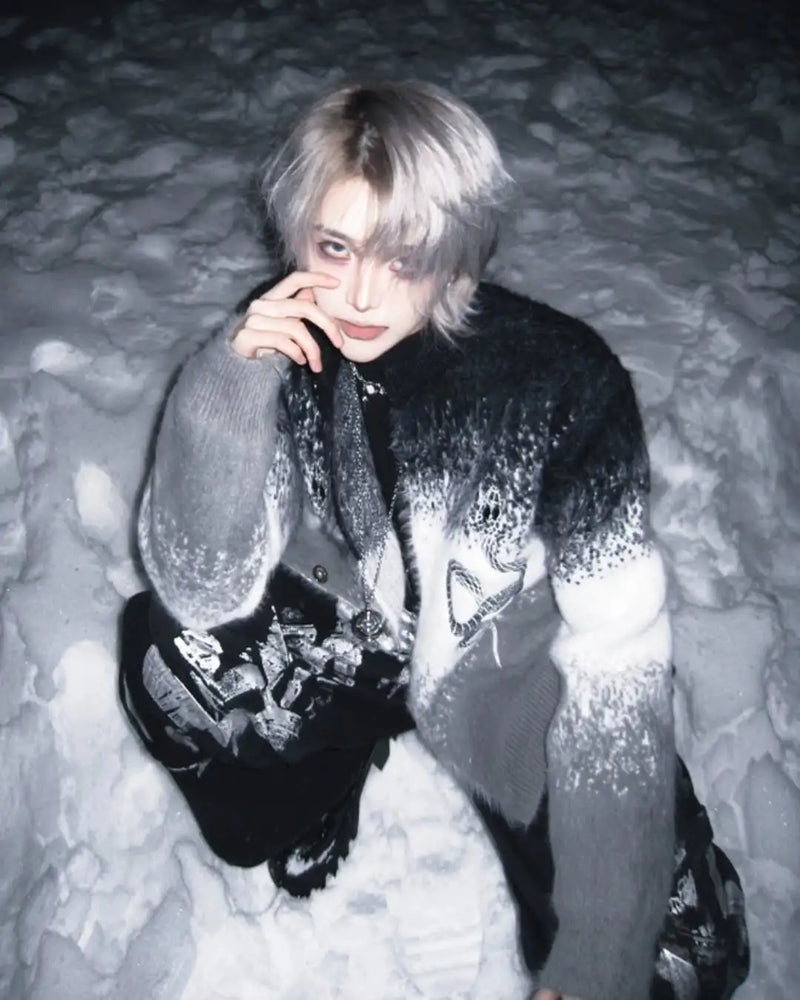
Winter variant: cropped bomber over XL knit, wide trouser or baggy jean, combat boot or snow boot. Beanie instead of cap, scarf chosen with restraint. The critical question in winter is layering order — close-to-body layer first (heat-tech, thin knit), volume only on the outside. Stack volume under the bomber in winter and you get Michelin optics, not Tomboy.
What this looks like in winter concretely, with the bomber as anchor:
Anti-list
The 6 most common Korean Tomboy mistakes — what tips the look over
These are the mistakes we see most often with newcomers. Every single one tips the outfit into another line — usually loungewear, occasionally office, occasionally Western streetwear.
Getting started
How to start in Korean Tomboy — the first 4 pieces
If you're just discovering the look, don't buy ten pieces at once. Four pieces are enough to build two different archetypes — Layer-Casual and Tailored Boy can be mixed from the same four basics. The order isn't random: trousers first, because they carry the drape; then top, because it sets the shoulder; then outer layer, because it stays season-flexible; then shoe, because it closes the code.
Outfits for real
Korean Tomboy for real — how it looks on the street
Before you build your own outfit, look at how others wear it. On Pinterest and in lookbooks everything is perfectly styled — on the street it's more angular, less arranged, sometimes half-creased. It's exactly in that half-disorder that the code stays readable.
This is the fastest way to check whether an archetype sits on your body — before you invest.
In closing
Korean Tomboy is a stance — not a costume
If you take one thing from this guide, take this: Korean Tomboy doesn't work through pieces but through cut discipline. Master the discipline and you build a hundred outfits from twenty pieces. Buy only Pinterest pieces and you have a full closet without a single outfit that really lands.
The whole logic of this guide reduces to one sentence:
The five archetypes have been stable since 2018 and will stay that way. But you don't have to wait until you know all five by heart. Start with the one look that best fits your everyday — probably Layer-Casual if you're at university; probably Tailored Boy if you work. What you don't know, you learn by wearing.
And that's the point too: Korean Tomboy reads in theory like a corset of rules but doesn't feel that way in practice. Once you've got the code down, every further outfit is a variation on the same four or five building blocks — not a new invention every time.
FAQ
Frequently asked questions about Korean Fashion Tomboy
The questions we often get by DM and email — short, clear, no detour.
What even is Tomboy Chic Style?
What is the Korean fashion style actually called?
What are the Korean fashion trends 2026?
How does a Korean woman dress day to day?
Is tomboy part of the LGBTQ community?
Do I have to have short hair for the Korean tomboy look?
Where do I buy Korean-tomboy clothes without flying to Seoul?
What do you think?
Tell us on @fuga_studios
About the author
Philipp Fuge — Founder · Berlin
Founder of Fūga Studios. Writes the journal himself. Berlin · Shanghai · Tokyo · Poznań — four cities, one logic.