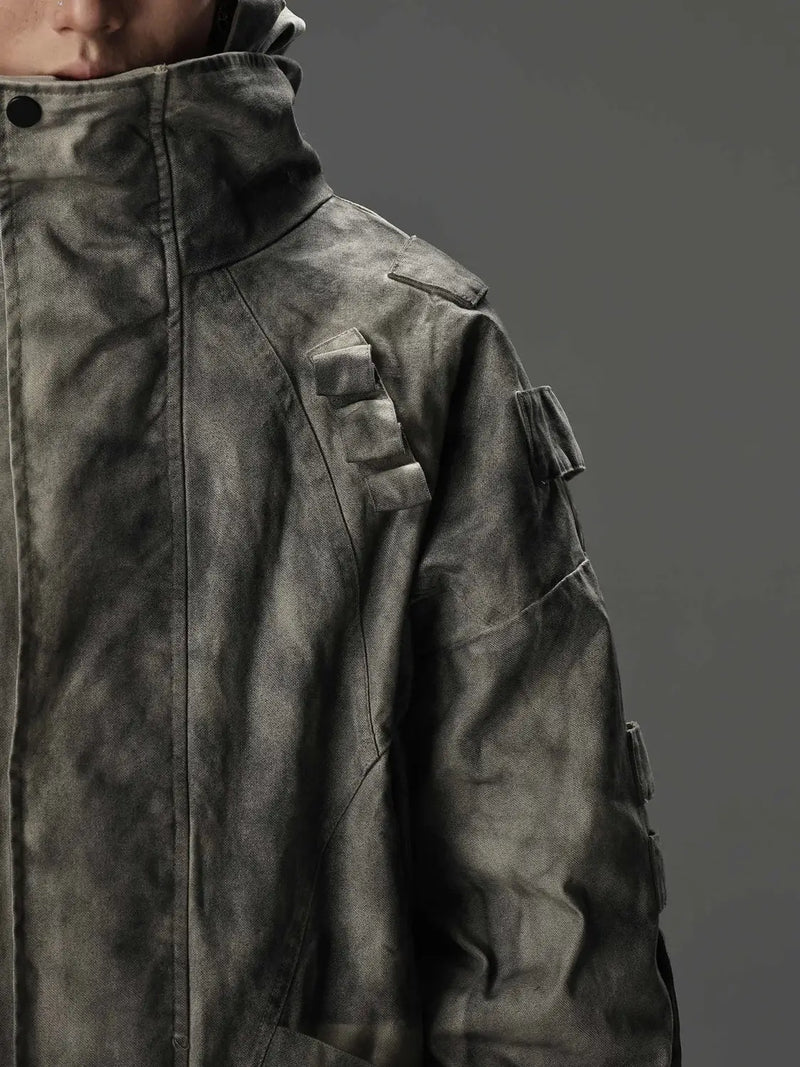


Shibuya Station, just after four. The train spits out a row of schoolgirls, and one steps out of line: skirt two hand-widths too short, socks pushed up to the knee and then deliberately rolled down, hair a shade too light for the rulebook. She wears the same uniform as everyone — and yet a completely different statement.
Kogal Fashion is exactly that statement: the Japanese schoolgirl style where the mandatory high-school uniform becomes a stage. Short pleated skirt, Loose Socks, lightened hair, a soft tan and cardigan — that is the Kogal look. It comes from the Gyaru scene of the late 90s and early 2000s and turns on one idea: wear the rules and break them at the same time.
In this guide we take Kogal style apart from its roots to the modern outfit. If you want the bigger picture first, you'll find it in our Harajuku streetwear guide — Kogal is one of the threads in that weave.
Definition
What defines Kogal Fashion
Kogal Fashion describes a schoolgirl who treats her uniform as raw material. The starting point is always the Seifuku — the typical Japanese high-school uniform with a pleated skirt, blouse and often a blazer or cardigan. Kogal takes this set and pushes every detail towards rebellion: the skirt rides clearly above the regulation length, the blouse opens one button too far, the tie sits loose.
The name comes from the Japanese 'ko' for small or young and 'gyaru', the Japanised version of the English 'gal'. So Kogal roughly translates as: the young Gyaru girl who still goes to school. That is exactly what separates Kogal from other Gyaru styles — the uniform is not incidental but the core of the statement.
Unlike many Harajuku substyles, this is not about a loud explosion of colour. Kogal is surprisingly restrained: lots of navy, grey and white from the uniform, plus warm skin tones and light hair. The provocation lies in the detail and the attitude, not in the volume.
1993
First Kogal wave in Shibuya
~15 cm
Skirt length above the rule
3
Core signals: skirt, socks, hair
Origin
Where Kogal style comes from: the Gyaru roots
Kogal is not an isolated trend but an offshoot of the Gyaru movement. From the 90s on, Gyaru was the counter-movement to the Japanese beauty ideal of pale skin and dark hair. Young women brought a tan, lightened manes and loud make-up into a country that expected exactly the opposite. Kogal was the schoolyard version of it.
The timing matters: in the mid-90s Shibuya became the centre, the Ura-Hara district and the 109 mall the stage. Schoolgirls started rebuilding their uniforms after class — gluing socks, rolling up the skirt, tinting their hair. The term Kogyaru appeared in the media, often with a moralising finger, which only made the style more popular.
The movement was carried by the street magazines and the shops in the 109 building, which documented the look and sold it at the same time. What began in the schoolyard got a face in the media this way and travelled from Shibuya to the rest of the country. The Loose Socks, at first a regional quirk, became within a few years the nationwide marker of an entire generation.
For the historical context it's worth looking at the whole era. How deeply the 2000s shaped Japanese fashion we show separately — Kogal is one chapter of that decade.
Back to the core: for all the historical baggage, Kogal remains at heart a simple gesture. A fixed set, a deliberate break, a clear leg line. This basic idea holds the style together across three decades, no matter how the details shift.
Uniform code
The uniform as a statement: the Japanese schoolgirl style
The Japanese schoolgirl style stands and falls with the Seifuku. Two basic forms dominate: the sailor uniform with a sailor collar and the blazer uniform with a shirt, tie and jacket. Kogal works with both but always shifts the proportions — tidy on top, short below, legs emphasised.
The decisive thing is that Kogal never copies the uniform one to one. It's about the idea of the uniform, not an actual school code. That's why the look also works for adults: a pleated skirt, a clean blouse and a cardigan are enough to call up the schoolyard vocabulary without turning it into a costume.
The rule is simple: take a well-behaved base and push exactly one element to the extreme. If the skirt is short, the rest stays tidy. If the socks are striking, the skirt stays calm. Turn everything up at once and you land at cosplay instead of Kogal.
That is exactly why Kogal fits everyday life so well. The look needs no special sense of occasion, no stage and no convention. It works on a normal day because its starting point is so familiar. This closeness to the ordinary is not a weakness but the whole appeal: Kogal is strongest when it stays almost unremarkable and only reads as a deliberate choice on a second look.
Distinction
Kogal vs. Gyaru: the difference in the J-fashion cosmos
Gyaru is the umbrella term, Kogal one of its variants. Every Kogal is a Gyaru, but not every Gyaru wears Kogal. The difference lies in the source material: Gyaru can be glamorous, loud and grown-up, with deco nails, high heels and party silhouettes. Kogal stays anchored to the school uniform and is therefore younger, edgier, more everyday.
The tone is different too. Classic Gyaru celebrates standing out in the nightlife. Kogal celebrates the small act of defiance in the school day — the rebellion that happens between two lessons. Both share the light hair colour and the tan, but Kogal doses both more discreetly.
If you want to sort the Gyaru family cleanly, you should know the extreme edges. That is exactly where the difference becomes tangible.
Family
Kogal, Ganguro and Yamamba: the Gyaru family sorted
Within the Gyaru world there are clear archetypes, and Kogal sits at the accessible end. Ganguro and Yamamba drive the tan and the make-up to the extreme, with almost black skin and white accents. Next to them Kogal stays almost restrained. Lay the substyles side by side and you understand Kogal faster.
Pieces
The Kogal uniform: skirt, blouse, cardigan, Loose Socks
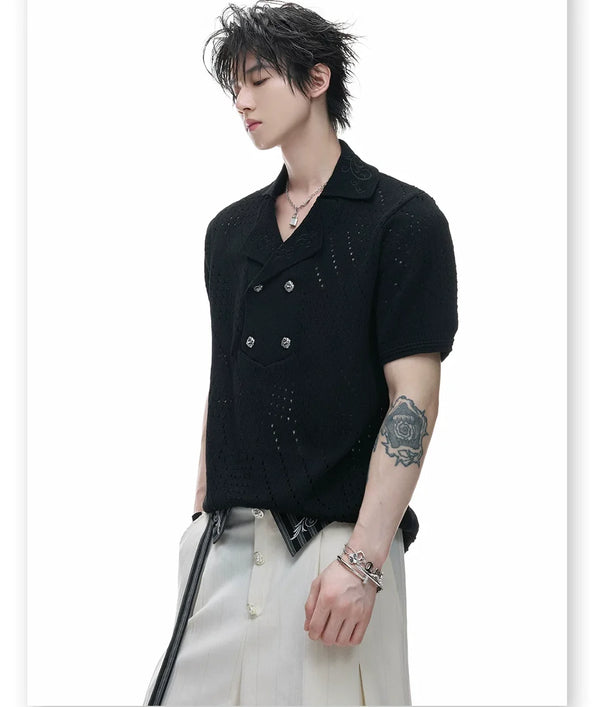
Four pieces carry the whole look. The pleated skirt is the heart — pleated, short, mostly checked or plain in navy, grey or black. Over it sits a clean blouse or a polo, often with a collar and a hint of school aesthetic. The cardigan is the signature layer: loose, in uniform tones, happily a size too big.
The Loose Socks are the one detail that makes Kogal instantly recognisable. These deliberately too-wide, scrunched knee socks became a cult in the 90s and separate Kogal from any well-behaved school uniform. Add flat loafers or platform shoes, depending on the decade.
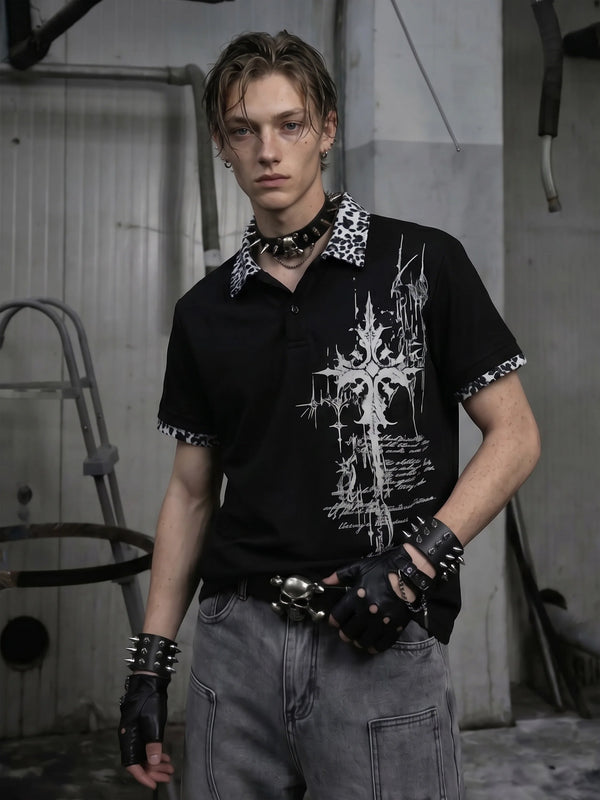
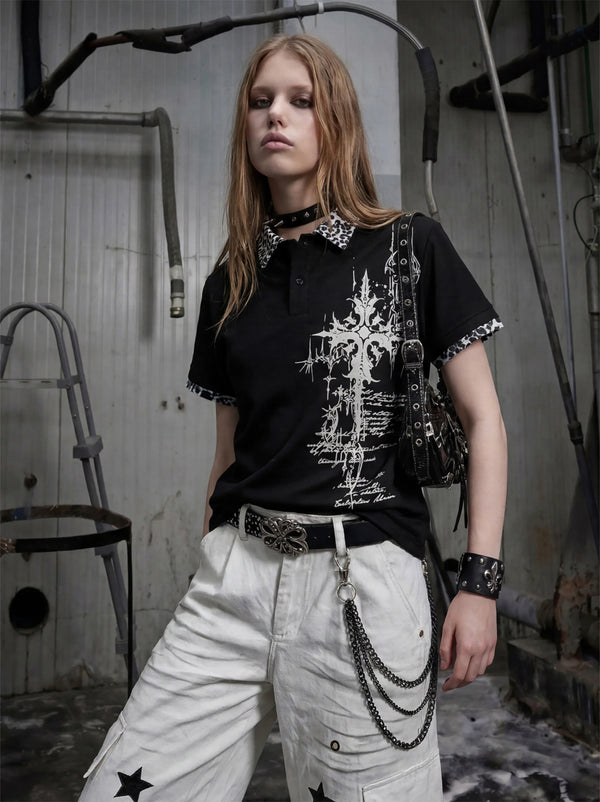
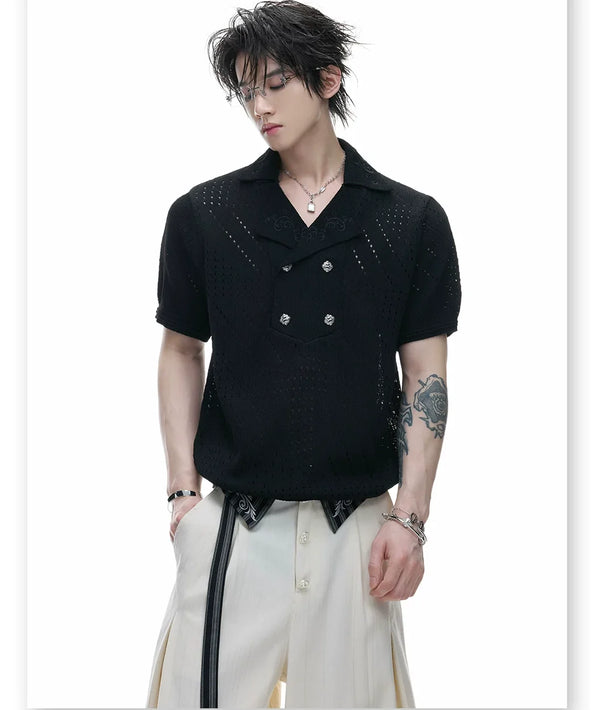
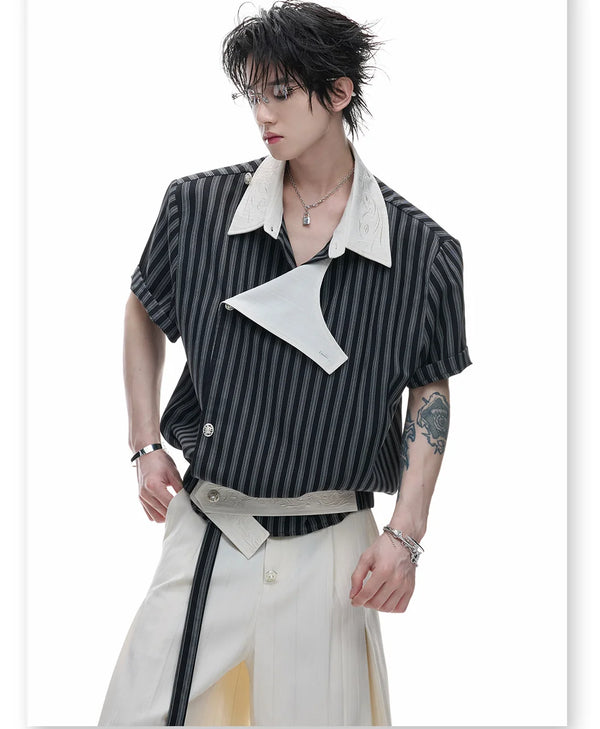
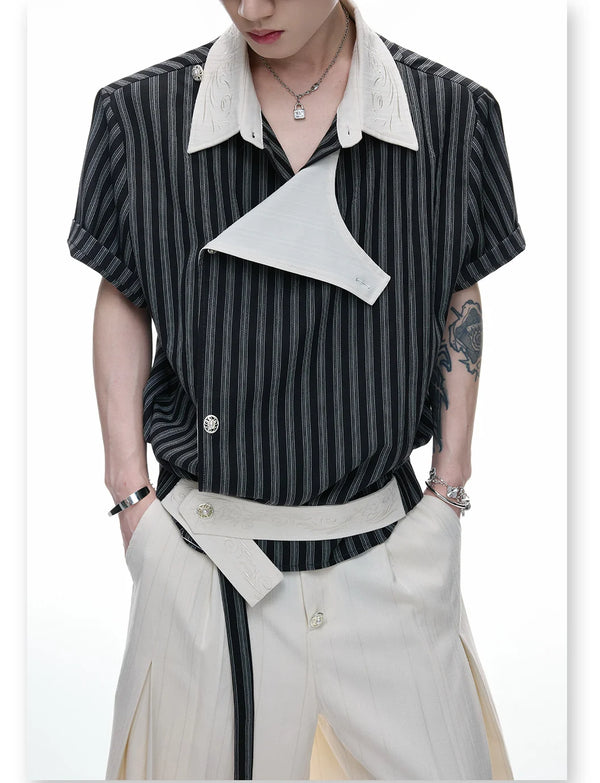
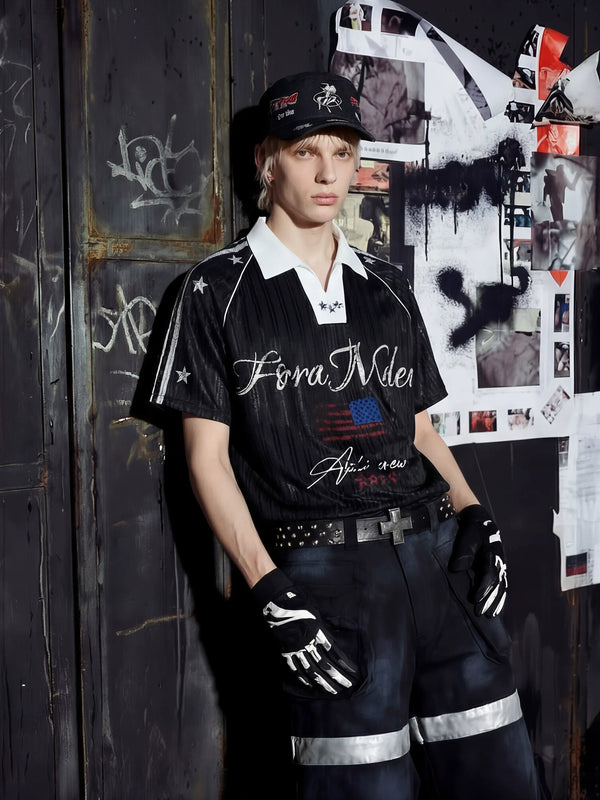
For the upper body this translates today into polos and collared tops with a clean line. These two pieces hit the schoolgirl tone without tipping into costume.
Face
Hair, make-up and tan: the Kogal face
Kogal is never just clothing but always a face too. The hair is lightened, from light brown to blond, often with soft layers or light waves. The tan is more even than with Ganguro but clearly present — in the 90s it was the actual provocation against the ideal of pale skin.
The make-up goes for big, awake eyes: emphasised lashes, light eyeshadow, a natural to rosy lip tone. It's about youthful freshness with a wink, not about drama. Anyone building the modern Kogal look can leave the tan out entirely and still hit the core — through hair, eyes and attitude.
Pro tip · Modern instead of retro
That lays the foundation. Anyone who understands the Y2K context behind it hits the details even more surely.
The face is set, the foundation stands. Before we go to the individual pieces, one sentence is worth it that sums up the whole style and makes the attitude behind it graspable.
Bottoms
Kogal bottoms today: from pleated skirt to wide-leg
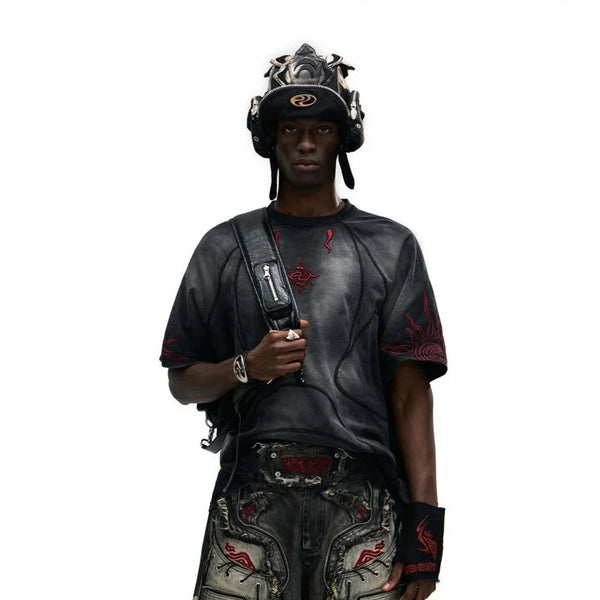
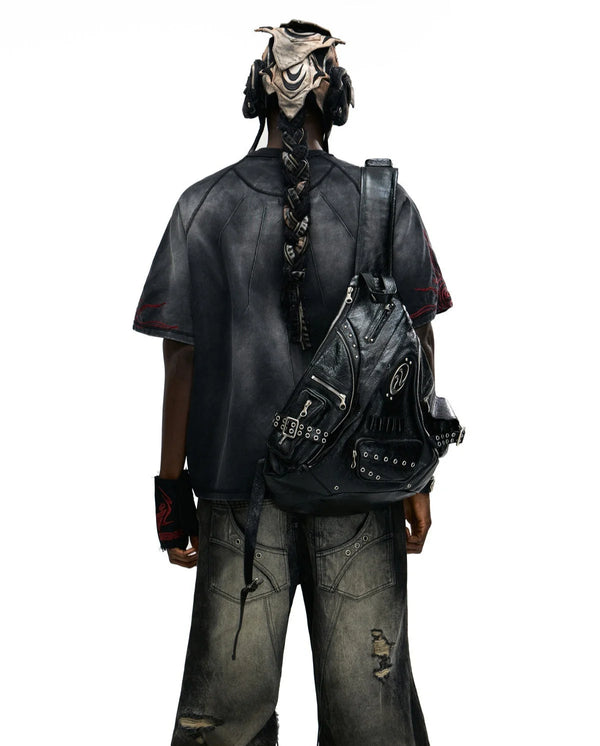
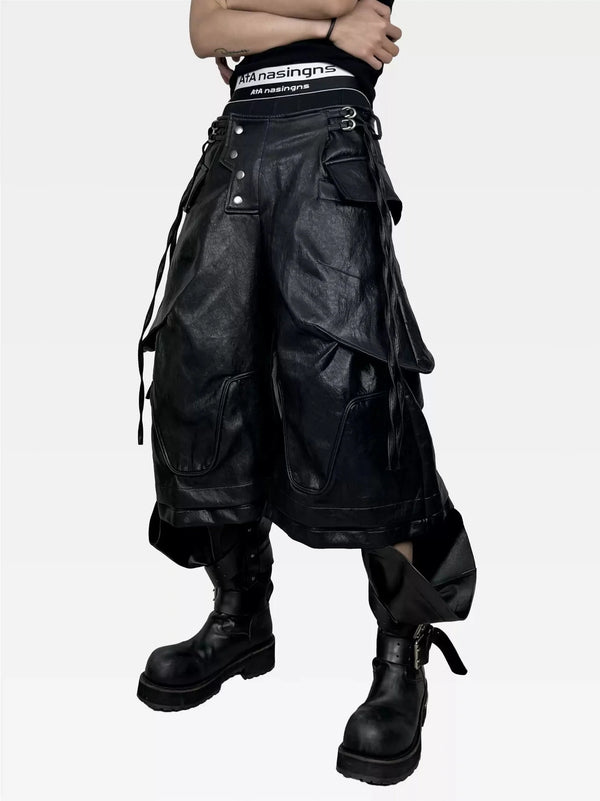
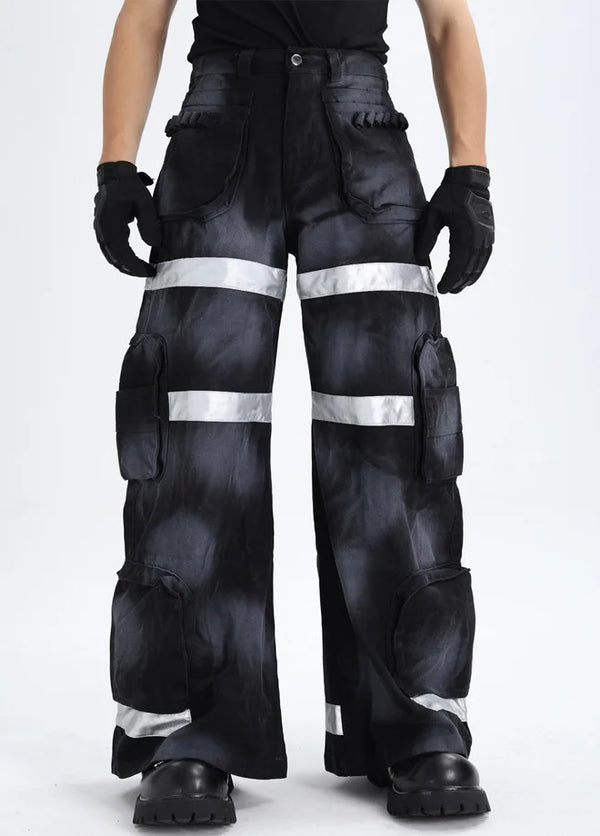
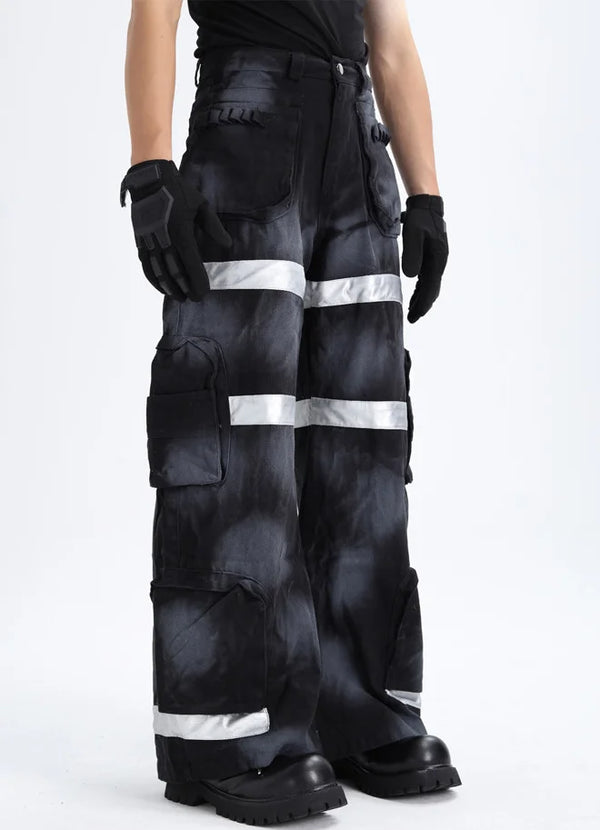
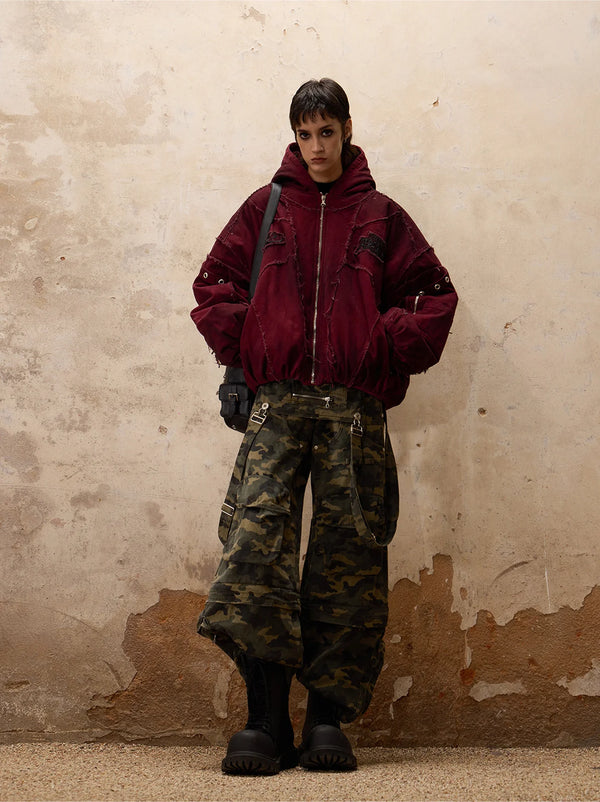
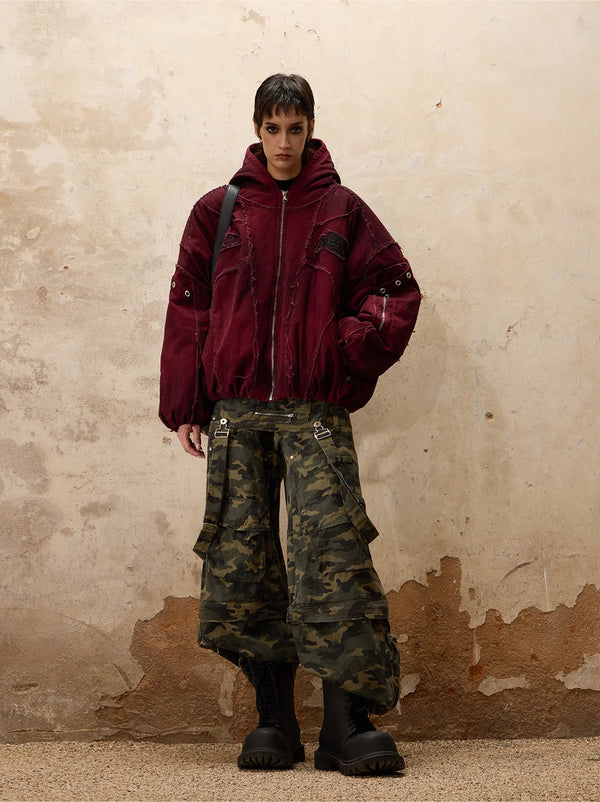
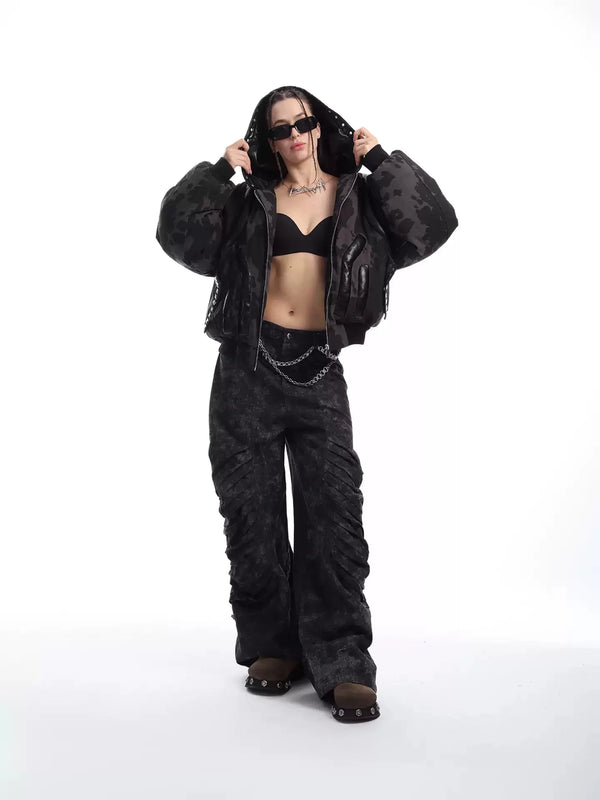
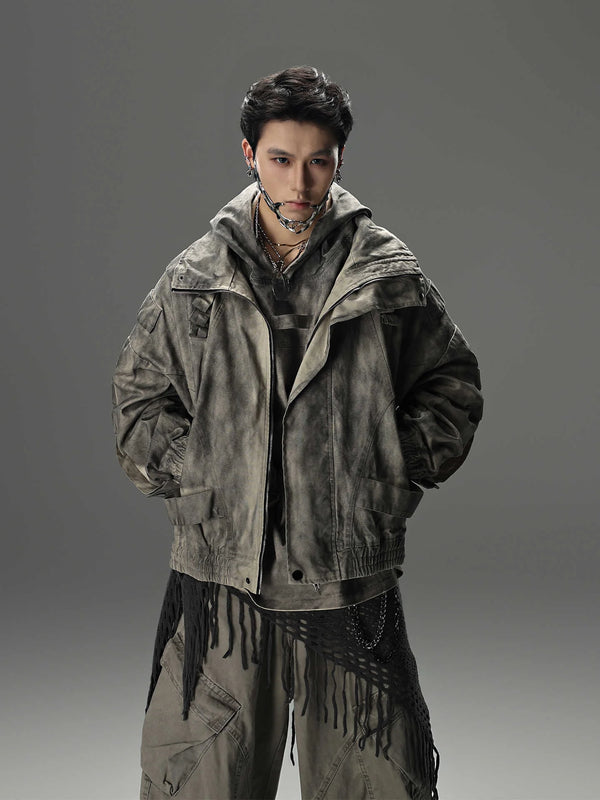
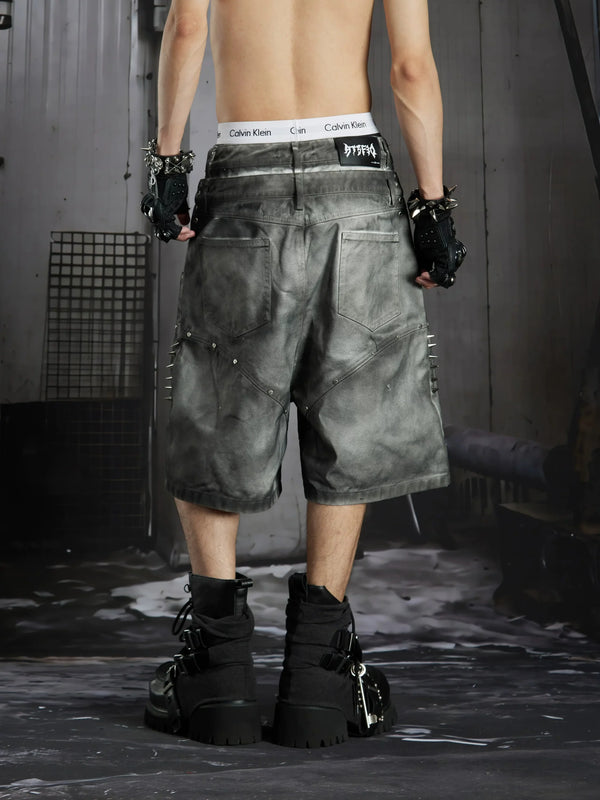
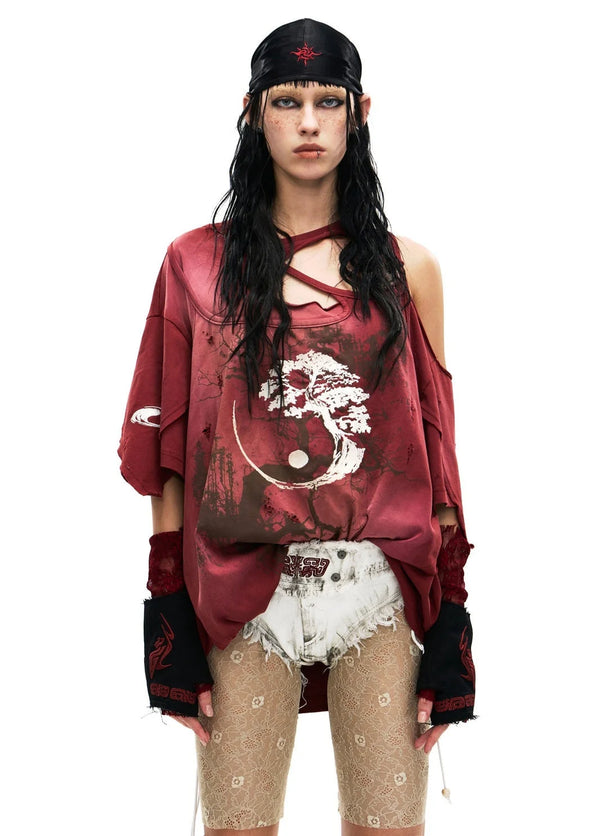
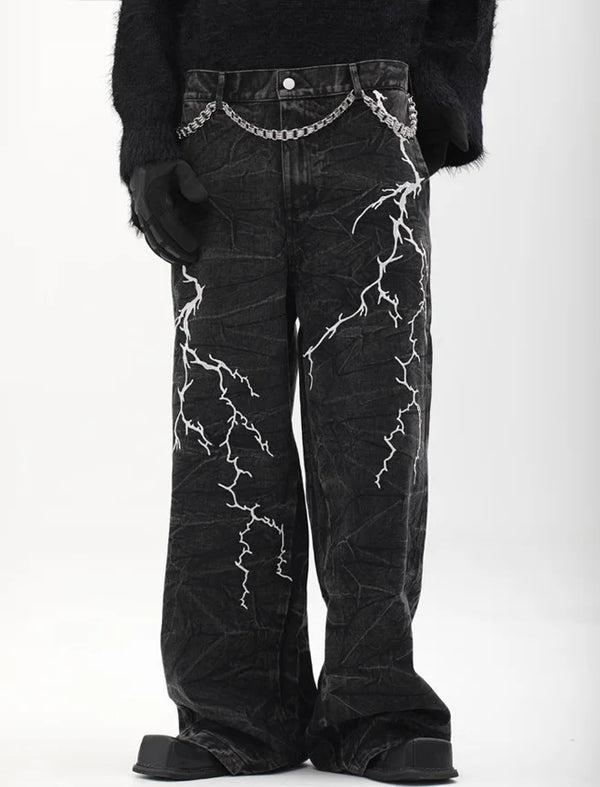
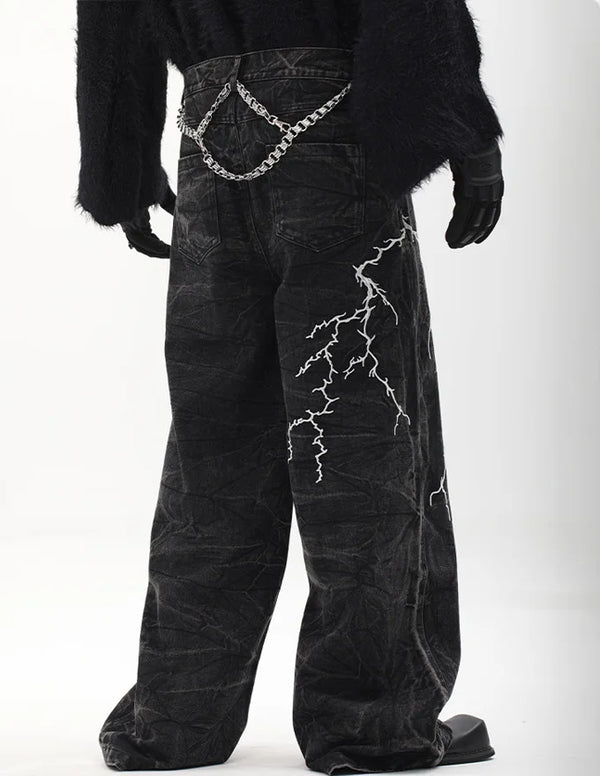
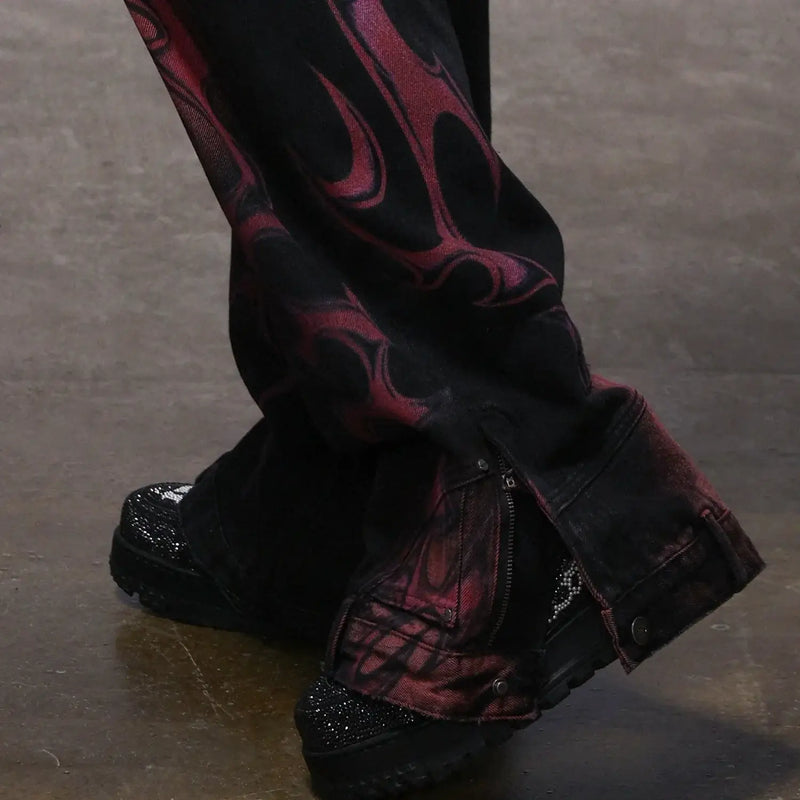
The short pleated skirt remains the original, but the modern Kogal look is more flexible. Anyone who wants to wear the style day to day often translates the short, emphasised silhouette into other bottoms: short denim pieces, checked shorts or a contrasting wide-leg trouser that breaks the well-behaved uniform tone.
The idea behind it stays the same: the rule-break happens below. Whether that's a skirt two hand-widths above the norm or a deliberately casual trouser is decided by your everyday life. For the Y2K crossover that often accompanies Kogal today, jorts and wide-leg jeans work especially well.
How this silhouette feels in motion is shown by this clip from our feed — denim that takes up space.
One detail stays constant: the leg line is always part of the statement. Whether short or wide, the eye should be led downwards. Anyone keeping the skirt watches the length and the pleats — a clean pleated fall carries the whole look. Anyone switching to a trouser should let it contrast deliberately, so that the break with the tidy upper half stays visible and doesn't disappear into an arbitrary everyday outfit.
Layering
Layering like a Kogal: cardigan, vest, jacket
The layer over the blouse is where Kogal has the most room. The classic is the loose cardigan in uniform tones, happily a bit too big, with pushed-up sleeves. It takes the harshness off the strict uniform set and gives the look its typical, slightly sloppy ease.
Modern interpretations reach for vests and light jackets when the cardigan feels too retro. A vest over the collared top keeps the school line but feels more contemporary. Anyone who likes it edgier puts a clean jacket over it and keeps the rest calm.
The layering rule for Kogal is deliberately simple: one striking layer is enough. Cardigan or vest or jacket — not all at once, or the clean uniform silhouette tips over.
Details
Accessories that carry the Kogal look
Accessories make the difference at Kogal between well-behaved and deliberate. The Loose Socks are the first signal, but they're not alone. A belt that accentuates the skirt, plain sunglasses in a 2000s tone or a small crossbody bag round off the picture without overloading it.
The key is restraint. Kogal is not Decora with its dozens of clips — one or two clear statement pieces are enough. Belt and sunglasses are two safe grips that ground the uniform tone in a modern way.
Build
Building the Kogal look: step by step
Building a Kogal outfit follows a clear order. Start with the bottom: a pleated, short skirt or a short denim piece sets the silhouette. Then comes a clean top with a collar that keeps the school line. Then the signature layer — cardigan or vest — loose over it.
Next the legs: knee socks, happily deliberately wide or scrunched as a Loose-Socks nod. Shoes flat or on a platform. Finally one or two accessories and a fresh, eye-focused make-up. What matters is the dosage: one extreme, the rest tidy.
- Base — a short pleated skirt or short denim piece sets the silhouette.
- Top — a collared top or blouse keeps the clean school line.
- Layer — a cardigan or a vest, loose and slightly oversized.
- Legs — knee socks as a Loose-Socks reference, flat or platform shoes.
- Finish — one or two accessories, awake eyes, lightened hair.
How the Japanese clothing style comes together overall and where Kogal sits within it we go into elsewhere.
2026
Kogal 2026: how you wear the style modern
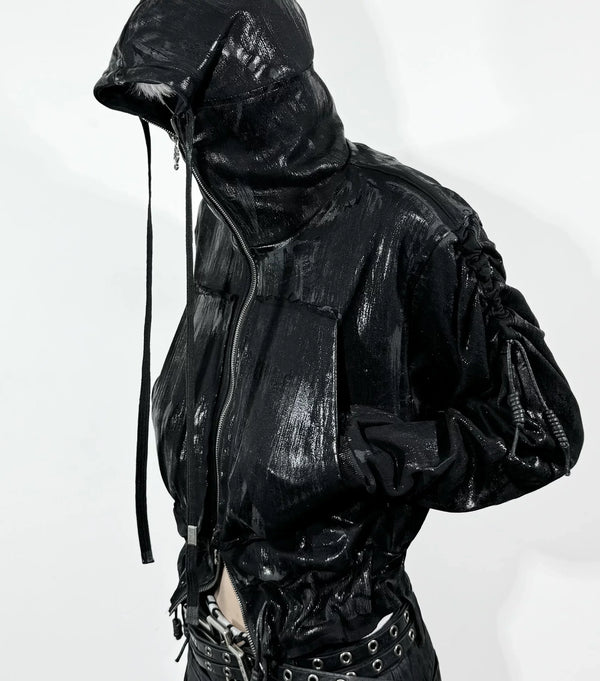
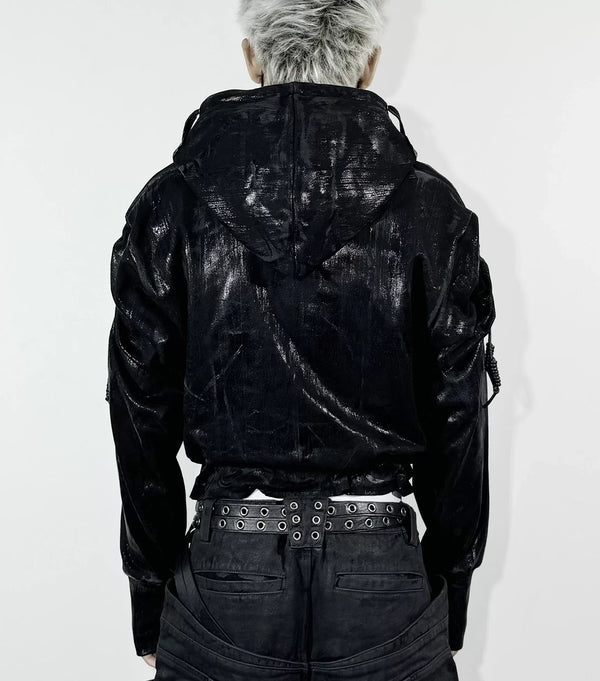
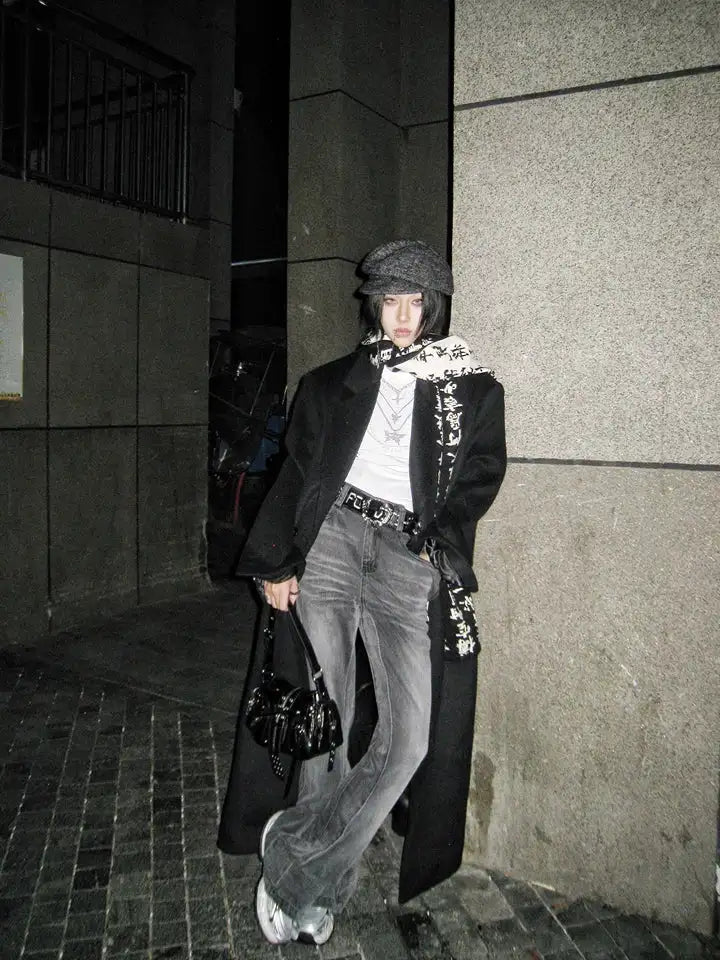
Copying Kogal one to one from the 90s quickly looks like dressing up today. The current interpretation takes the vocabulary — pleated skirt, collar, knee socks, cardigan — and mixes it with current silhouettes. A pleated skirt with a clean track top, a wide-leg trouser instead of a skirt, a collar under a plain jacket.
The trick is to set one Kogal signal clearly and keep the rest contemporary. If you wear the knee socks as a quote, the rest can be entirely present-day. If you go for the pleated skirt, a modern top cut keeps the look in the now. That way the style stays recognisable without looking backward.
Mistakes
Common mistakes with the Kogal style
With the Kogal look it quickly tips in the wrong direction if you take it too literally. The most common pitfalls all revolve around dosage and context. Know them and you hit the tone better right away.
With these four in mind the build becomes plannable. The look comes from restraint in the right place, not from more pieces.
FAQ
Common questions about Kogal Fashion
The most important questions around Kogal Fashion, answered briefly and directly.
What are the features of a Kogal look?
What is the difference between Kogal and Gyaru?
What is a Kogyaru?
Can older people still wear Kogal?
Which Fūga pieces suit a modern Kogal look?
In the end Kogal is less a collection of pieces than an attitude: wearing the uniform and reinterpreting it at the same time. Anyone who has understood that needs no perfect copy of the 90s.
What do you think?
Tell us on @fuga_studios
About the author
Philipp Fuge — Founder · Berlin
Founder of Fūga Studios. Writes the journal himself. Berlin · Shanghai · Tokyo · Poznań — four cities, one logic.