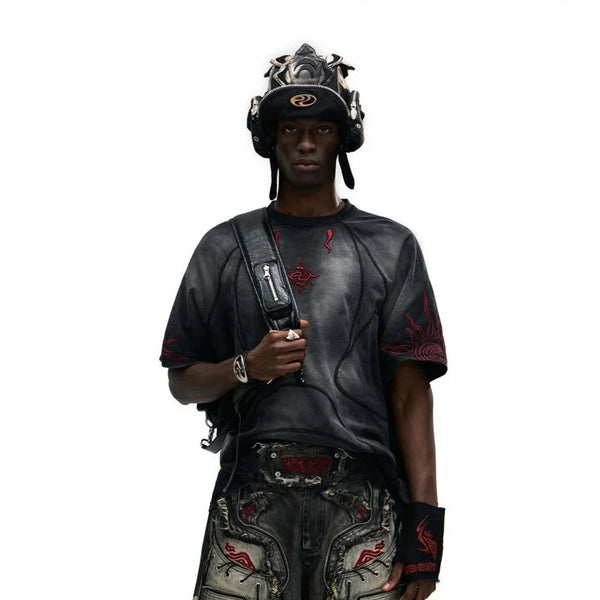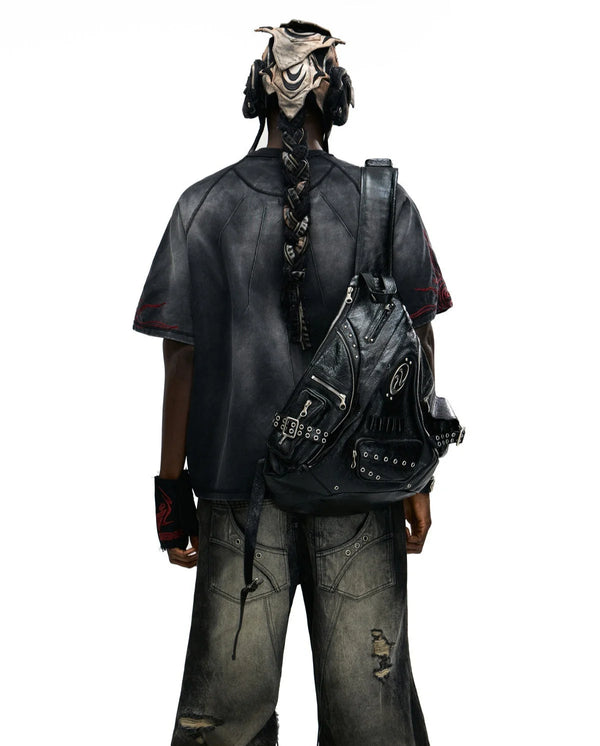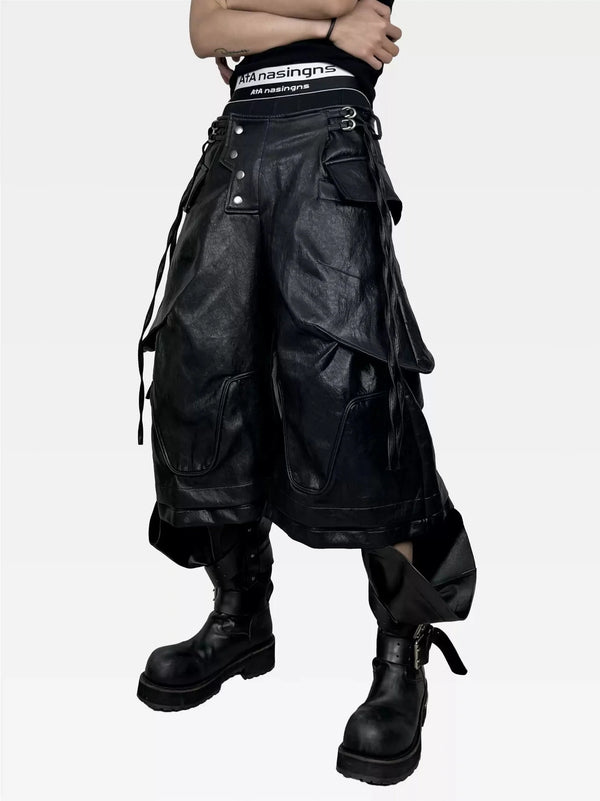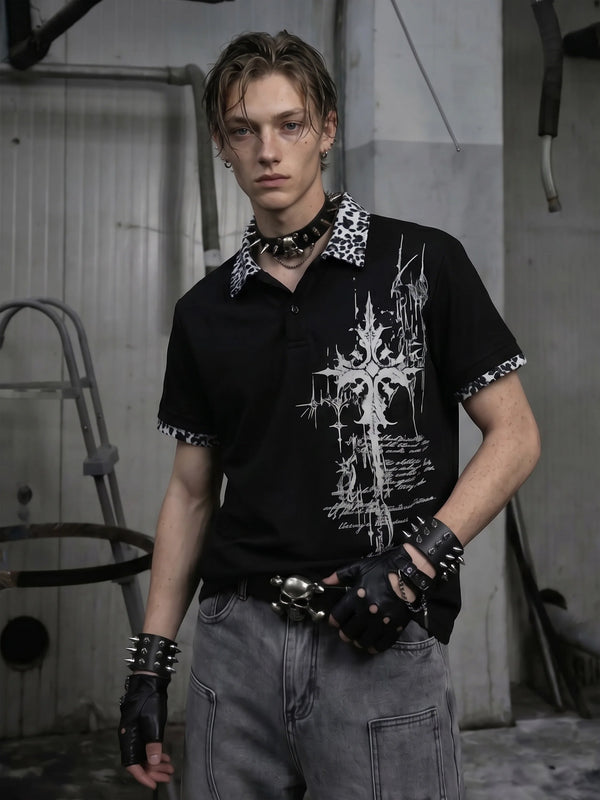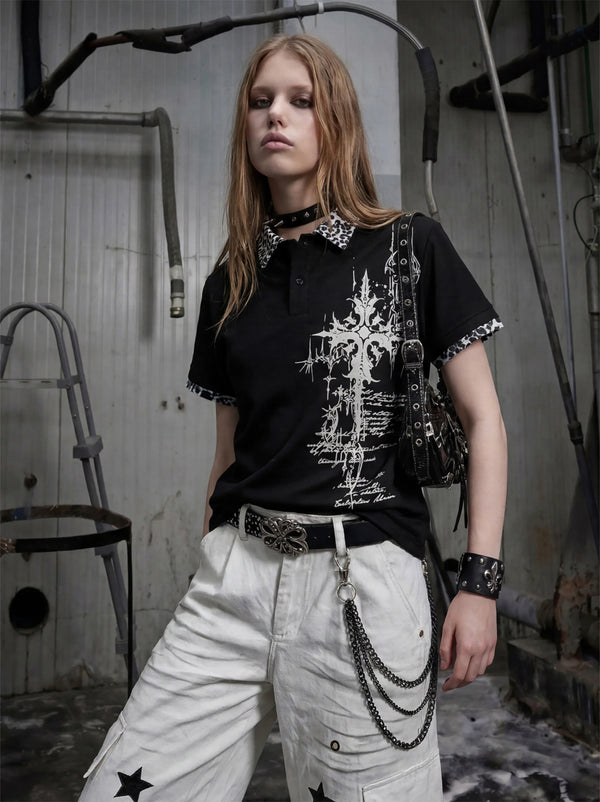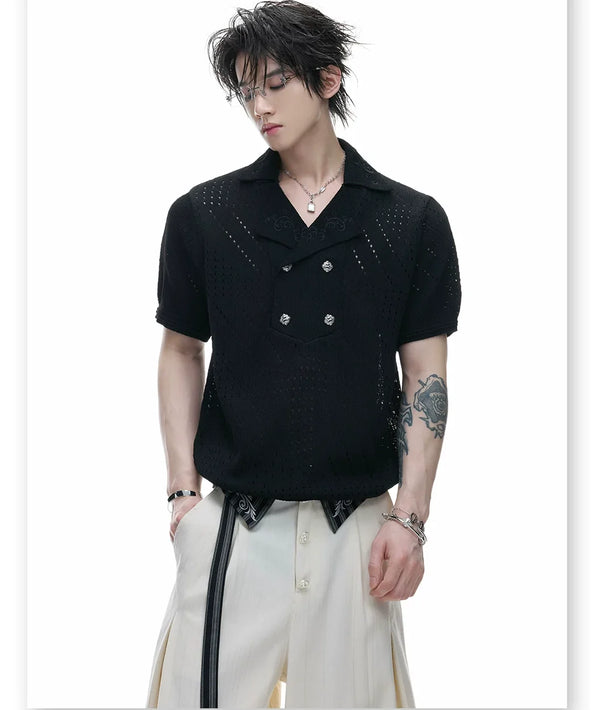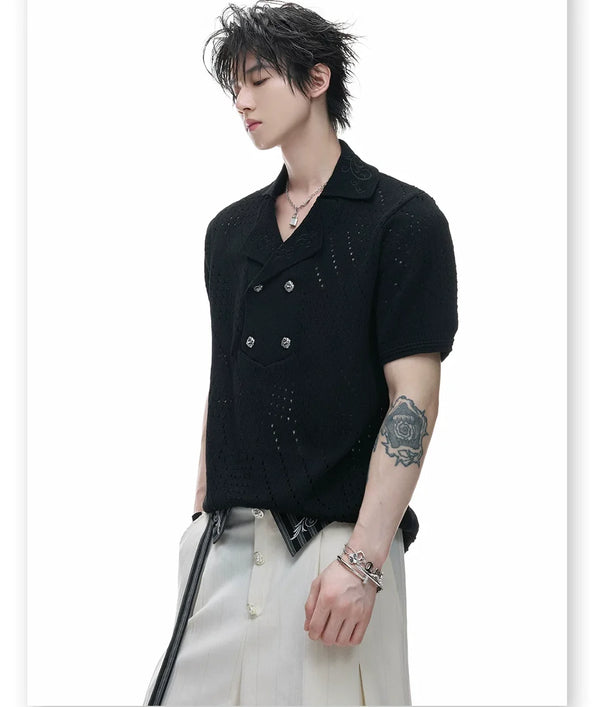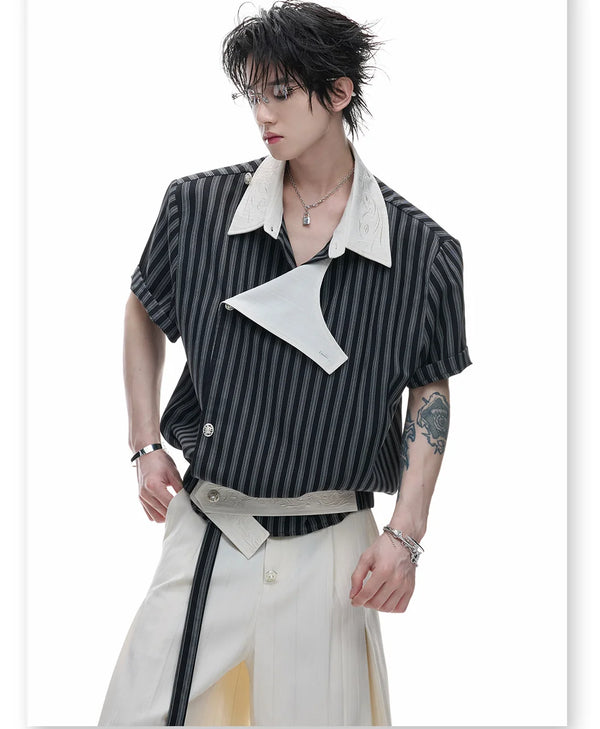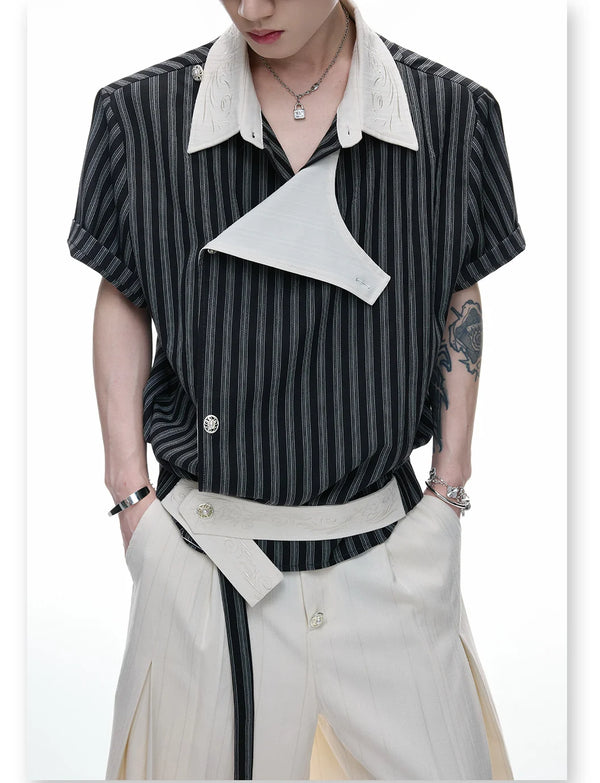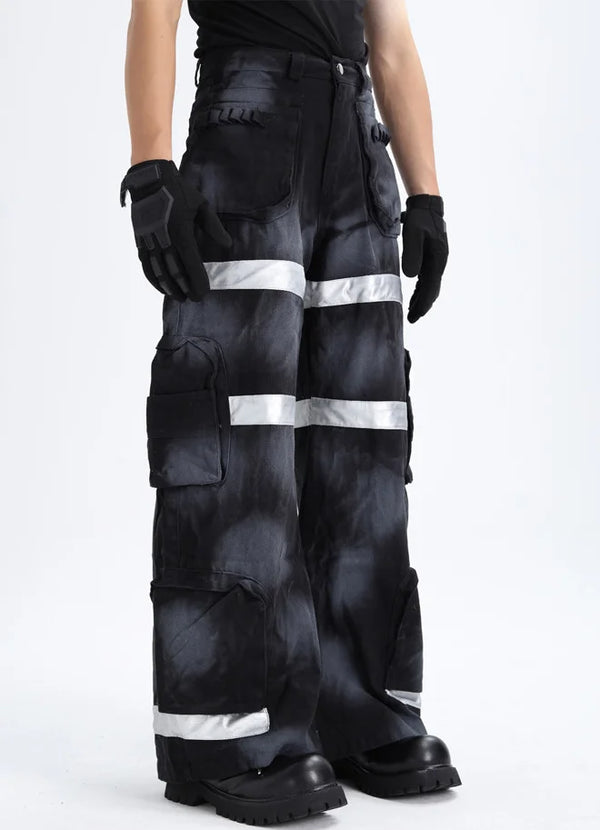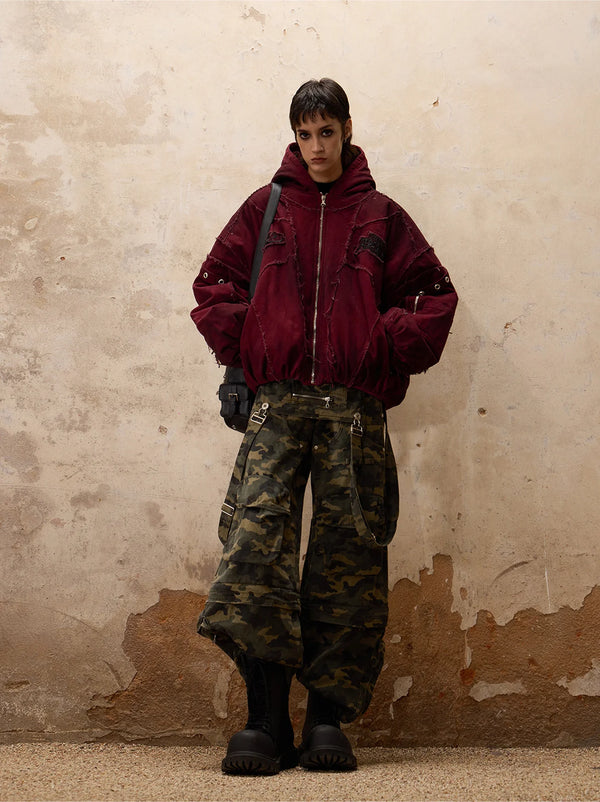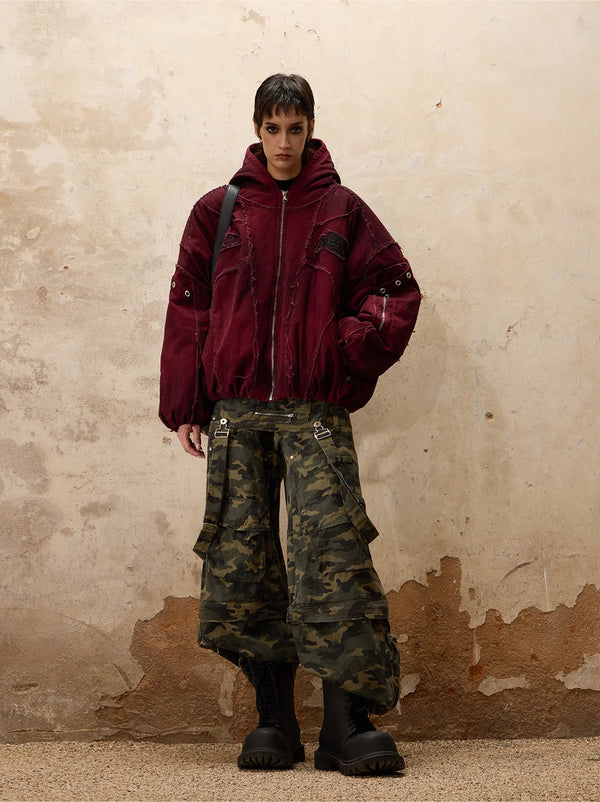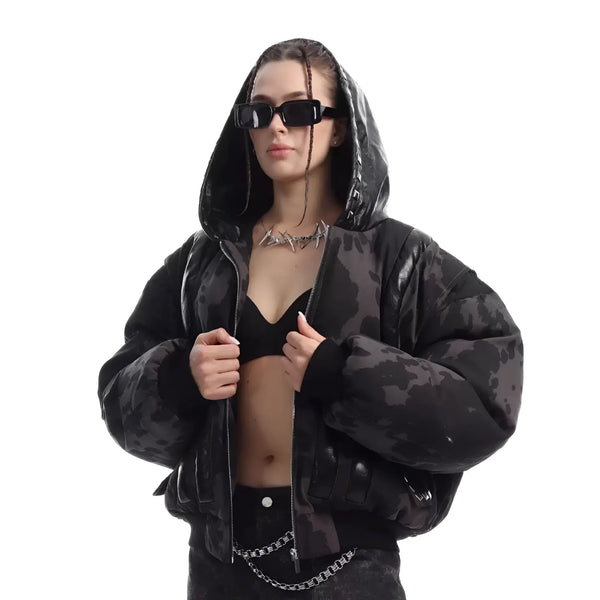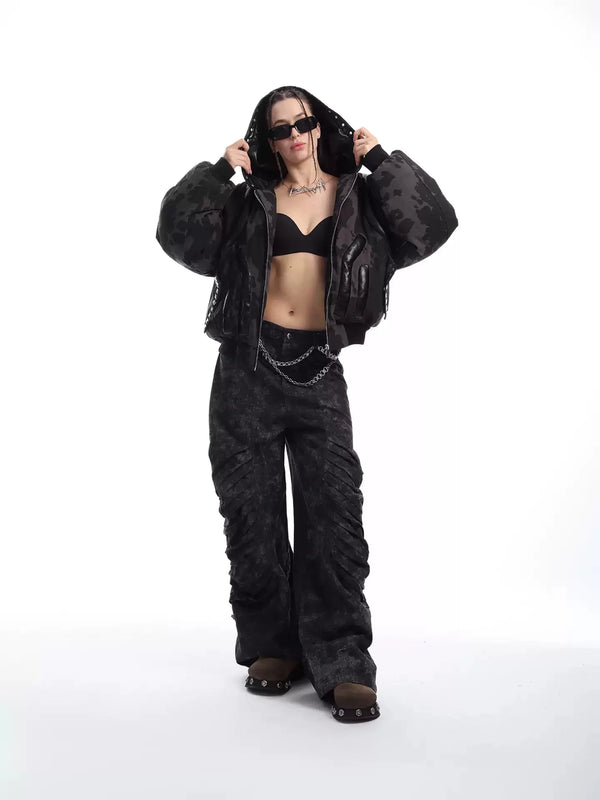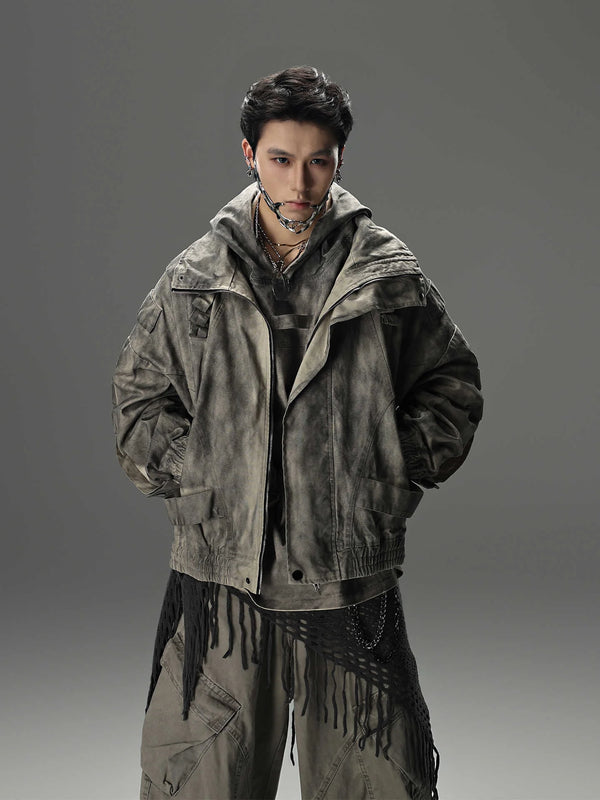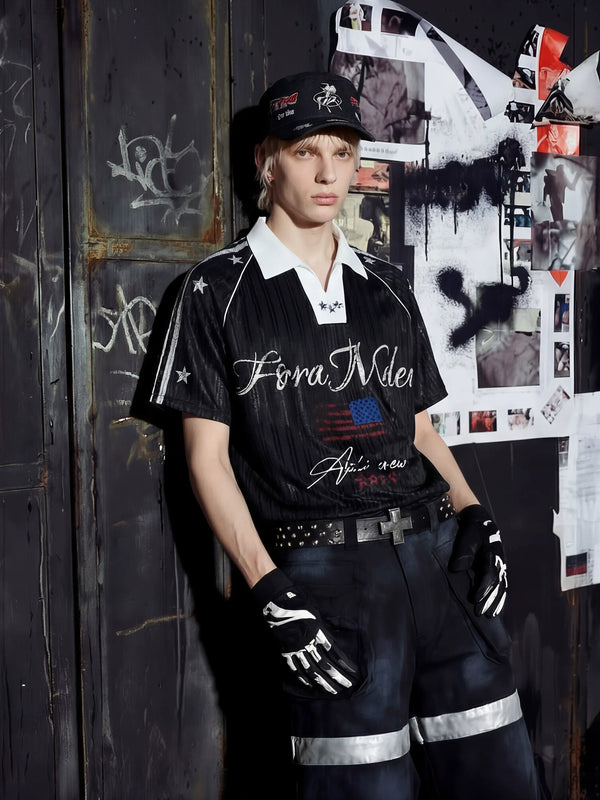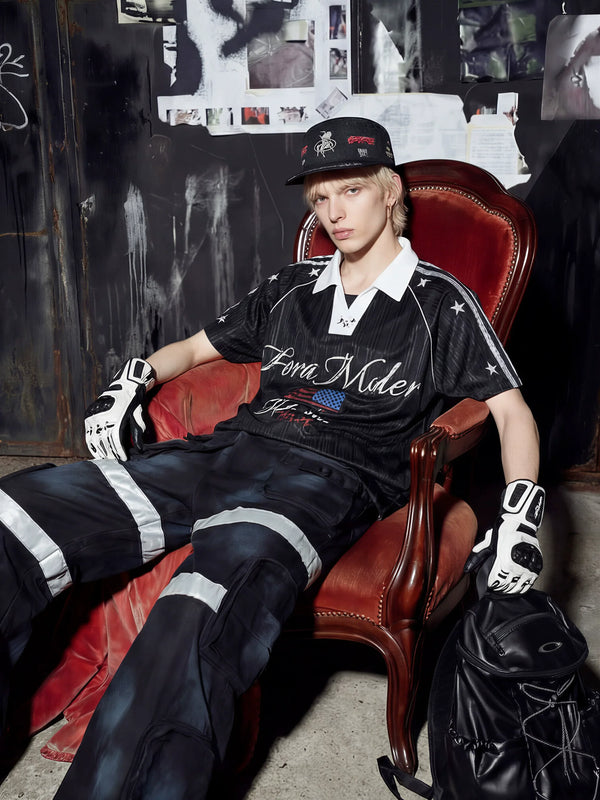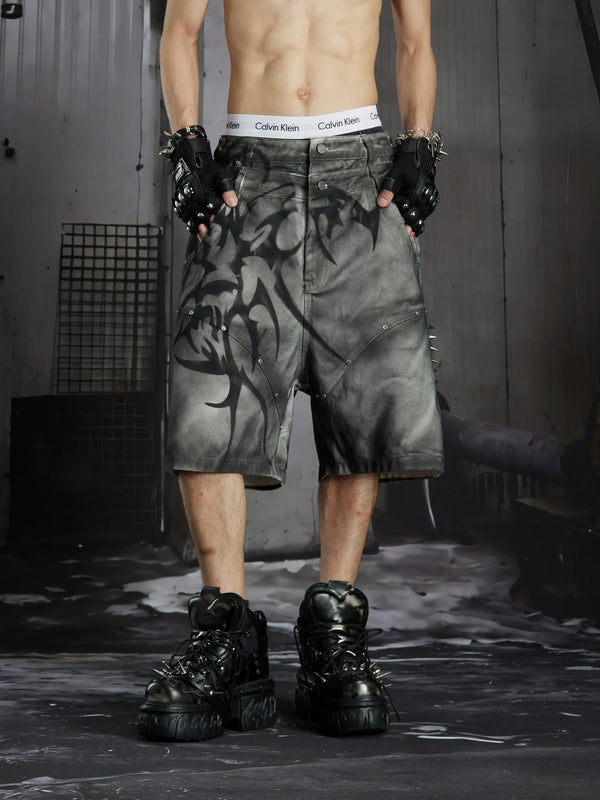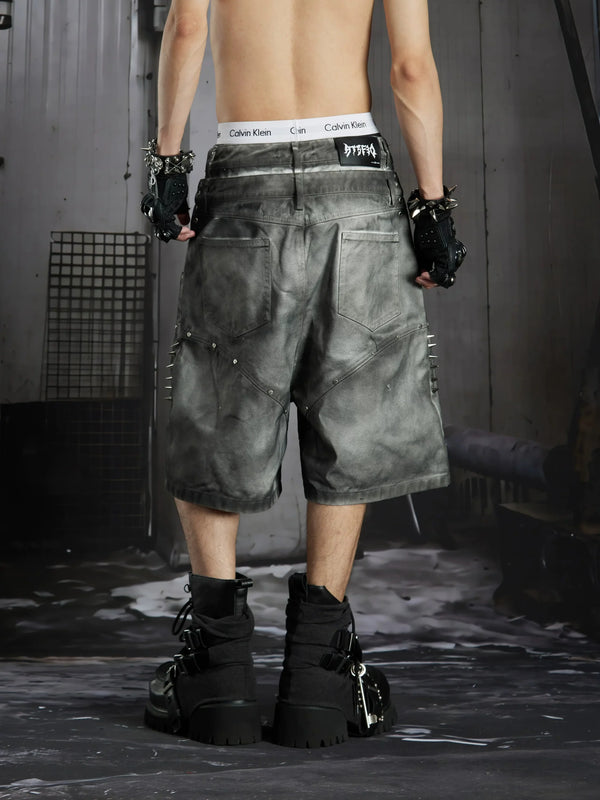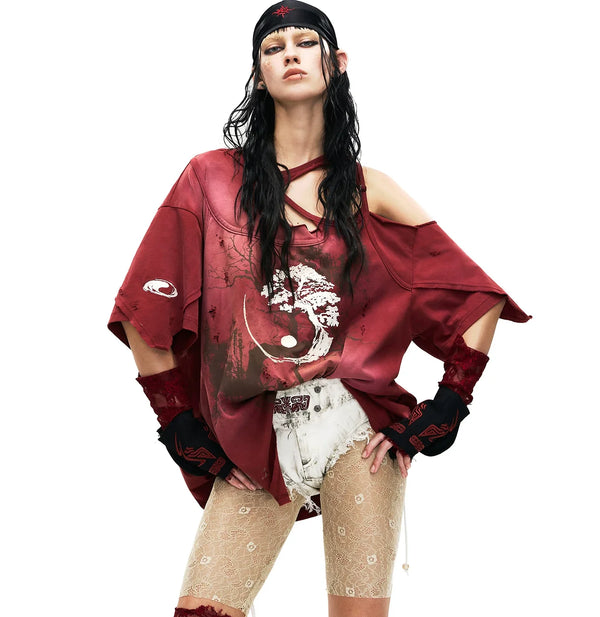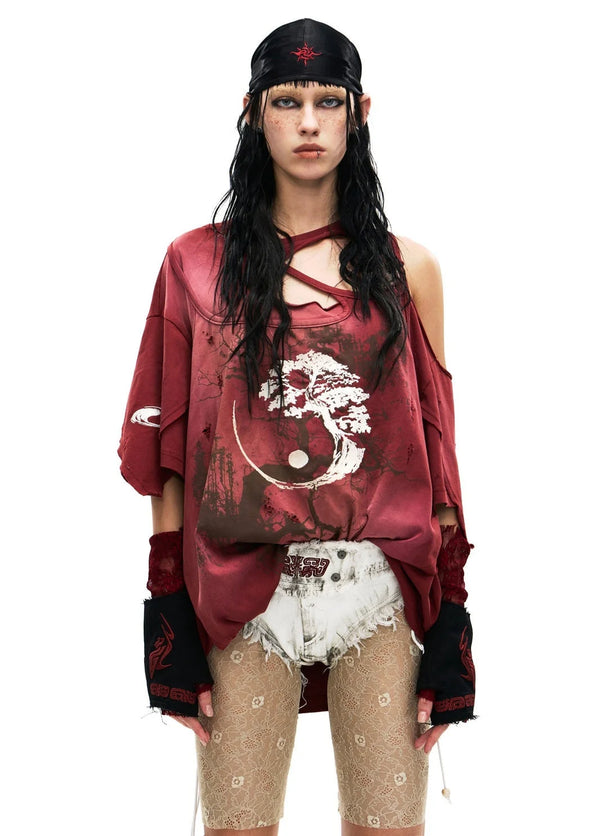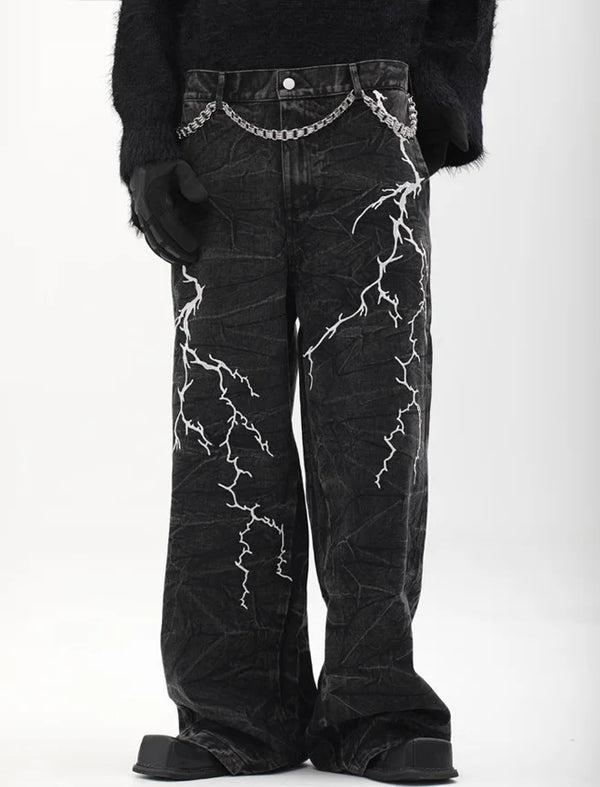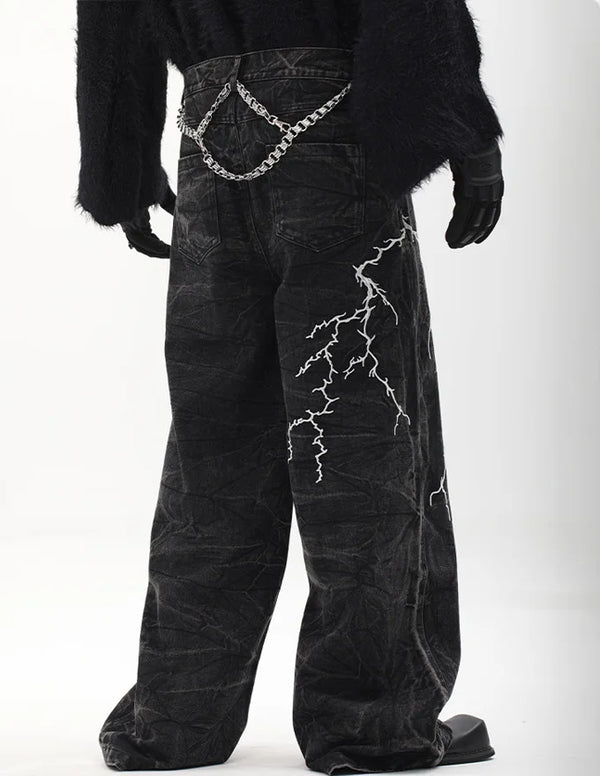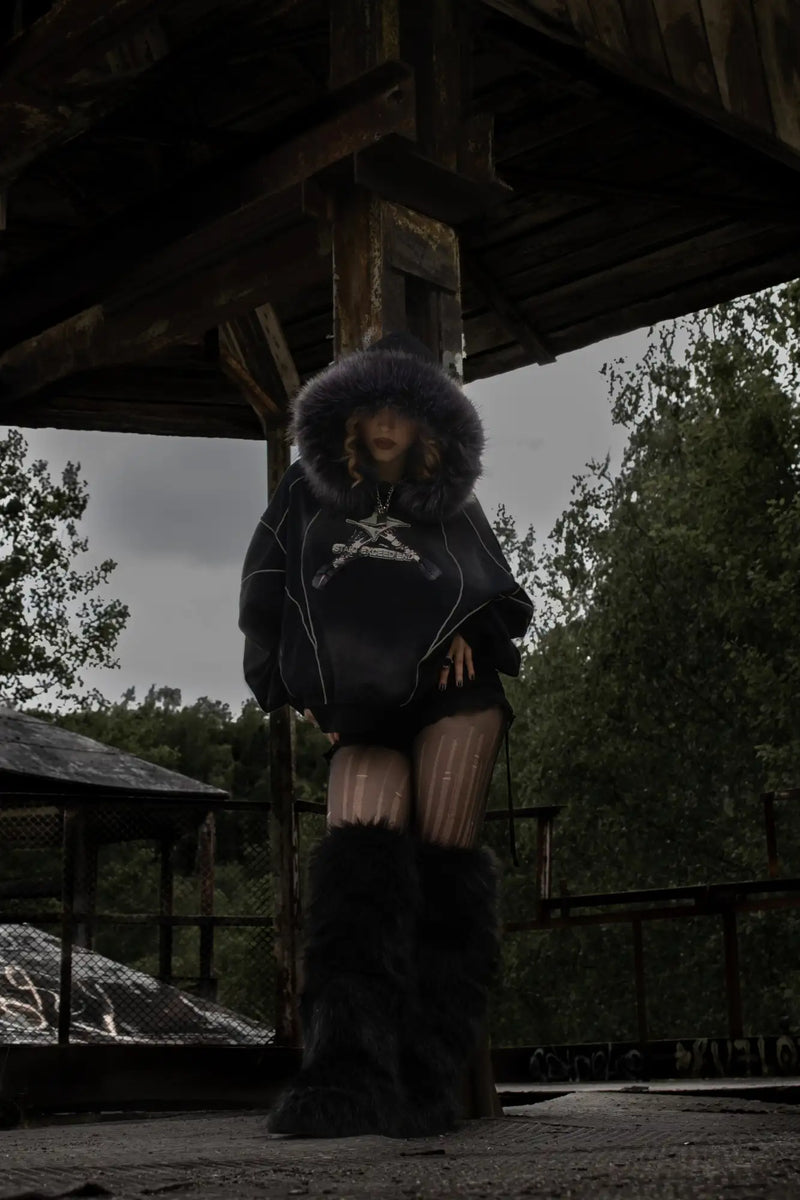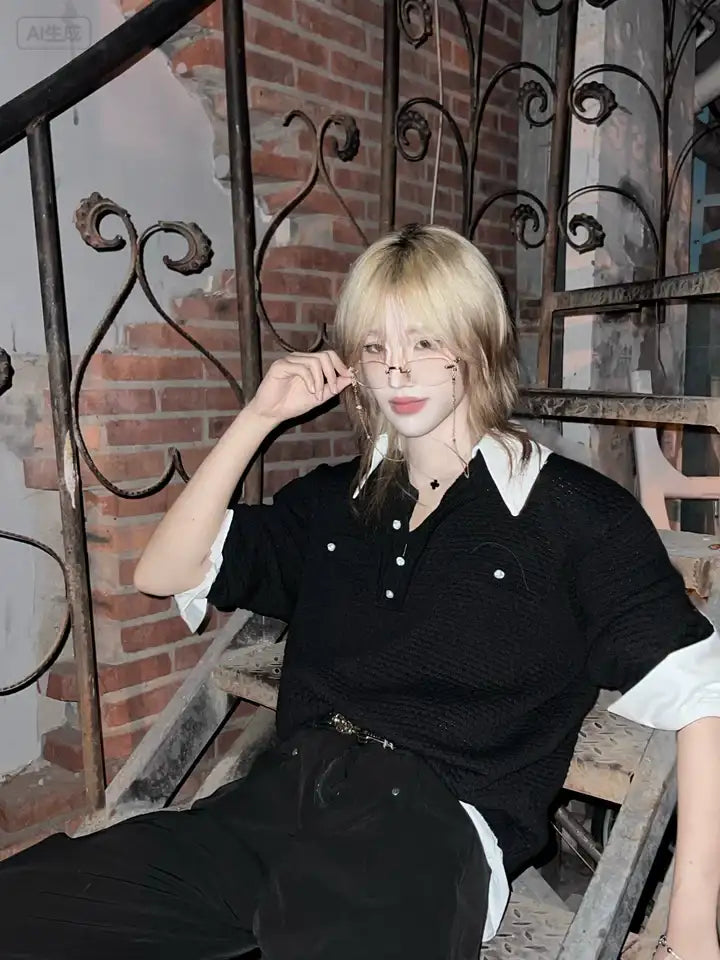
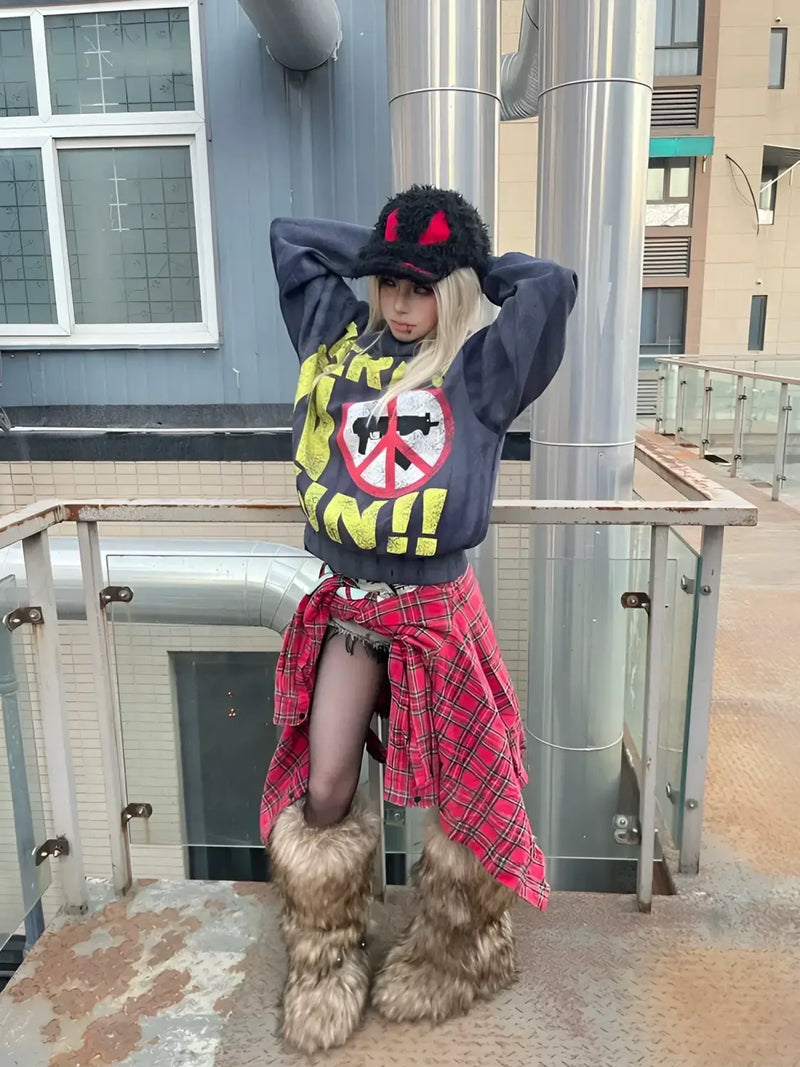
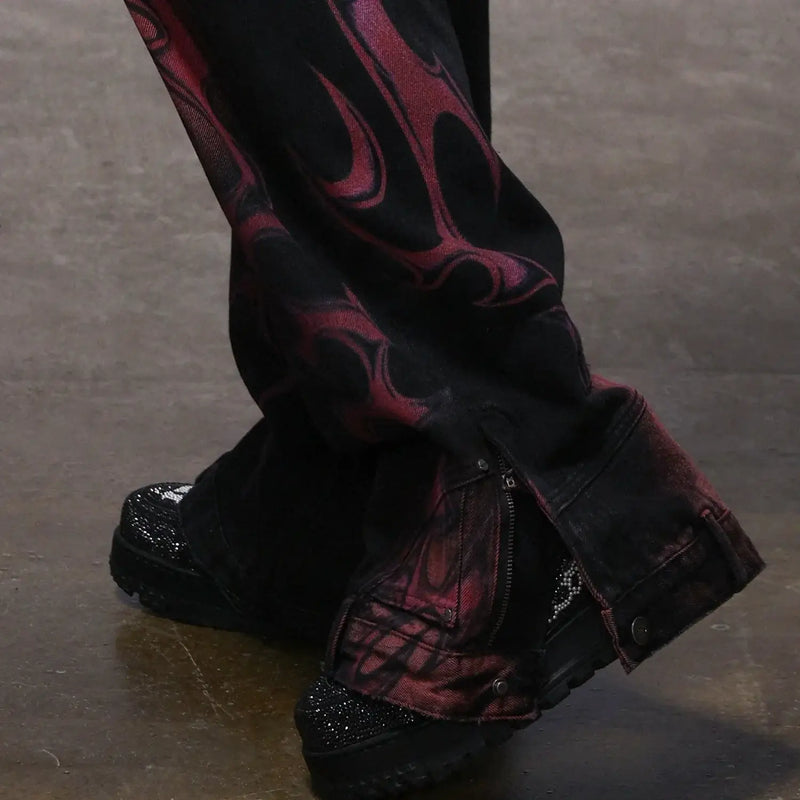
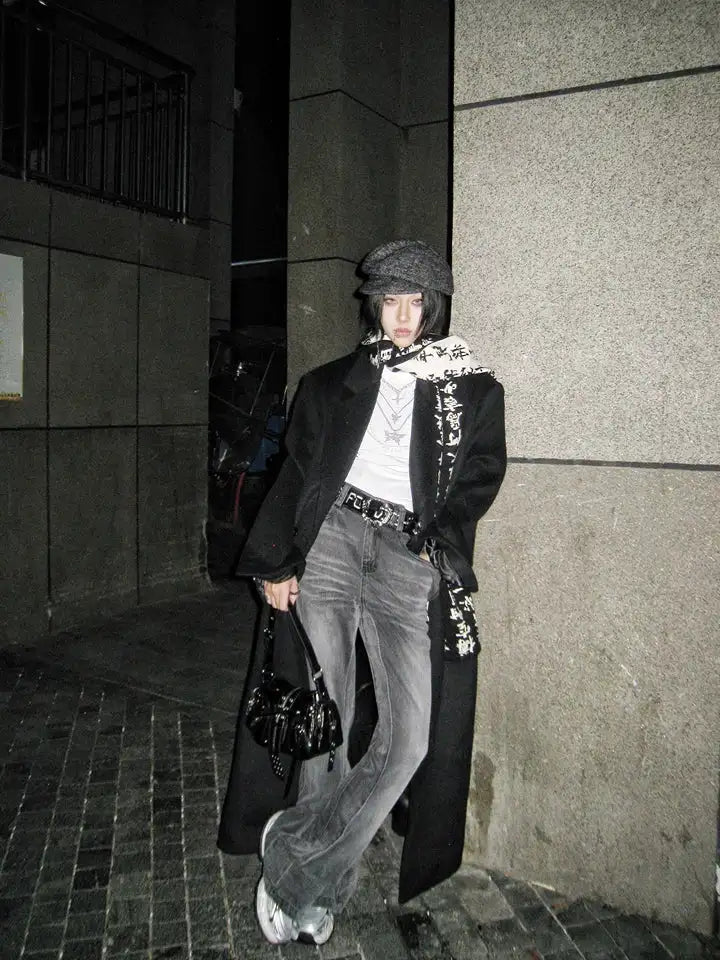

A Saturday afternoon on Takeshita Street: next to a girl in floor-length lace stands someone with thirty hair clips and neon leg warmers, and behind them a guy dressed all in black with studs up to his collar. Three completely different people, one single sidewalk. That is exactly the point of Harajuku.
Harajuku Fashion Subcultures are not a single style but a collection of independent scenes that share the same Tokyo district. Lolita, Decora, Gyaru, Visual Kei and a dozen other movements each follow their own rules on colour, silhouette and attitude. Anyone who wants to understand Harajuku has to read these scenes one by one.
In this guide we map the most important subcultures, show their codes and how to wear parts of them day to day without looking like a costume. If you want to go straight to pieces, you will find the basics in our Harajuku Streetwear collection.
Term
Is Harajuku Fashion one subculture, or many?
Strictly speaking, Harajuku itself is not a subculture at all but a place: the district around Takeshita and Cat Street in Shibuya, Tokyo. The term became a label because from the 1980s onward young people gathered here who broke with the dress rules of the adult world. What we call Harajuku Fashion today is the sum of all the scenes that used this sidewalk as a stage.
A style only becomes a subculture once it has a closed set of rules: a silhouette, a colour world, often its own music and its own self-image. Lolita, with its Victorian doll silhouette, meets that just as much as Visual Kei, which comes straight out of the music scene. A single trend, by contrast, stays only a trend.
40+
years of Harajuku history
9
core subcultures at a glance
1
the street as a shared stage
This distinction matters because it explains why Harajuku feels so contradictory. You see sugary pastel right next to black leather because both belong to the same landscape but to completely different scenes.
Anyone who treats Harajuku as one single thing will read every look wrong. Only once you grasp the scenes as separate languages do the rules make sense. A petticoat means something completely different in Lolita than an identical silhouette in a cosplay interpretation. The context a piece comes from decides its meaning, not the piece alone.
The map
The most important Harajuku subcultures at a glance
Before we break down each scene, here is the map. Six movements cover most of what people mean when they talk about the types of Harajuku Fashion. Each card leads to pieces you can use to build the respective code.
The following sections work through the big scenes one by one. Read them as a toolbox, not a rulebook, because hardly anyone in Tokyo still sticks strictly to a single category.
Scene 01
Lolita: the romantic wing of the scene
Lolita is perhaps the best-known Harajuku subculture and at the same time the most strictly coded. The core is always the silhouette: a knee-length skirt or a dress that bells out through a petticoat, worn with a blouse, knee socks and often some headwear. The look references Victorian and Rococo fashion, filtered through a Japanese doll aesthetic.
Within Lolita there are clear sub-types. Sweet Lolita works with pastels, cake and candy prints. Gothic Lolita pulls the same framework into black, with crosses and dark make-up. Classic Lolita stays muted and grown-up, with floral patterns and subdued tones. Anyone who wants to hint at the look without going all in pairs a blouse with a ruffled collar with a plain skirt.
The mistake beginners make: they buy a cheap costume dress and wonder why it looks like Halloween. Lolita lives on material quality and the fit of the skirt, not on the price on the label.
Scene 02
Decora: Kawaii to the maximum layer
Decora is the loudest expression of the Kawaii principle and revolves around one simple rule: more. The name comes from decoration, and that is exactly the concept. Dozens of hair clips, chains of plastic toys, stacked bracelets and stickers on the face turn the whole body into a moving collection of colourful little parts.
Despite the chaotic impression, Decora follows a colour logic: usually one or two dominant tones around which the rest is sorted. For everyday wear the principle can be scaled down by overloading a single category, say only the wrists, and keeping the rest calm.
Scene 03
Gyaru and Ganguro: the tanned counter-model
Gyaru is the scene that deliberately stands against the innocent, pale Kawaii ideal. Instead of porcelain skin it goes for tanned or even darkly made-up skin, plus bleached or coloured hair, long nails and a glamorous, almost Western-influenced look. Ganguro is the extreme variant with strongly contrasting make-up.
Gyaru was always an attitude too: loud, self-assured, against expectations. Clothing ranges from mini skirts and platform shoes to figure-hugging, shiny fabrics. The scene has gone through several waves and reached its commercial peak in the 2000s.
Within Gyaru there are its own branches. Kogyaru centres on the schoolgirl look, Hime Gyaru styles itself like a princess with ruffles and pink, and the hard Ganguro faction pushes tan and contrast to the extreme. What they share is the rejection of the restrained, pale ideal.
Anyone picking up Gyaru codes today does not have to go full tan. Often the silhouette is enough: tight, shiny pieces and a touch of exaggeration, combined with a modern streetwear base.
Scene 04
Visual Kei: when the music dictates the look
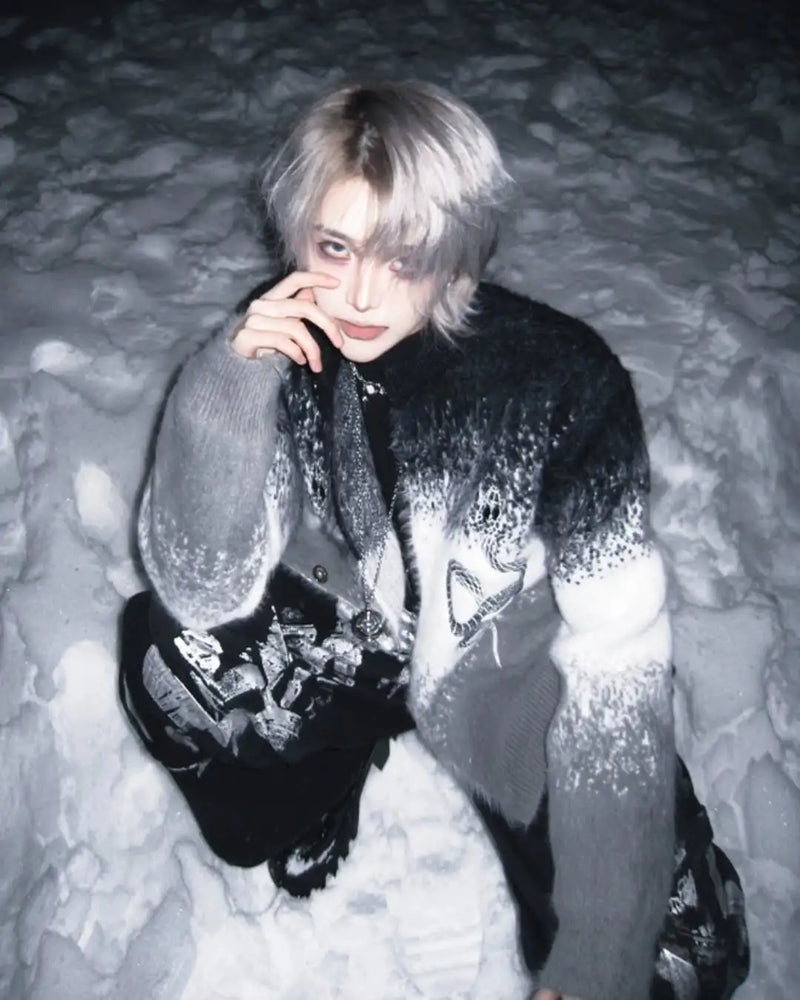
Visual Kei is the only major Harajuku subculture that emerged directly from a music scene. In the late 1980s Japanese rock and metal bands began to take their appearance as seriously as their sound. The result: androgynous silhouettes, dramatic make-up, elaborate hairstyles and plenty of black leather with studs.
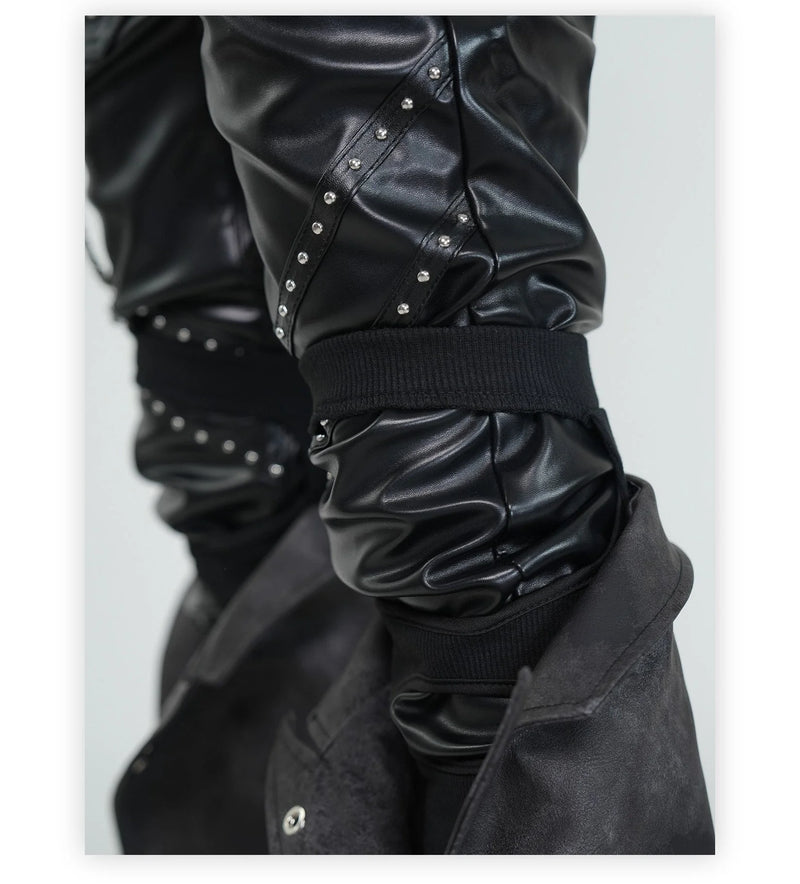
The look is theatrical by design because it was meant for the stage. Unlike Lolita it is not about a fixed silhouette but about intensity and contrast. A dark base, hard details, a face as a canvas. Translated to the everyday street, that becomes leather jackets, chains and a black core palette.
Visual Kei overlaps strongly with Gothic and Punk, which shows how permeable the boundaries are. A piece can be at home in several scenes, depending on what you combine it with.
Scene 05
Fairy Kei and the pastel nostalgia
Fairy Kei is the softest movement in the Kawaii spectrum. Instead of Decora's loud sensory overload it relies on washed-out pastel tones, 1980s toys and a dreamy, nostalgic mood. Think faded pink, mint and lilac, combined with motifs from old cartoons.
Fairy Kei often works better for everyday wear than more extreme scenes because pastel and soft silhouettes blend more easily with modern clothing. A single faded top over neutral trousers already carries part of the mood without looking like a costume.
Scene 06
Cult Party Kei, Dolly Kei and Mori Kei: the quiet notes
Not every Harajuku subculture is loud. A whole family of quieter movements works with layers, vintage fabrics and a muted, often nostalgic mood. Mori Kei, for example, literally means forest style and imagines a life in natural tones and loosely layered, wide pieces.
Dolly Kei borrows from European folklore and fairy tales, with dark, antique-looking fabrics and a slightly enchanted impression. Cult Party Kei, in turn, is delicate and almost translucent, with cream-coloured layers and religiously tinged motifs. All three share a preference for layering over shouting.
The appeal of these scenes lies in depth rather than volume. Because they work with texture, vintage finds and fine colour gradations, they reward a second look. A Mori Kei look seems almost unremarkable from a distance and only reveals up close the many layers that carry it.
For many people these movements are the most comfortable way into Harajuku because they get by without neon and without stage make-up. They show that Japanese subculture fashion can whisper too.
Scene 07
Cyber, Kogal and the street codes
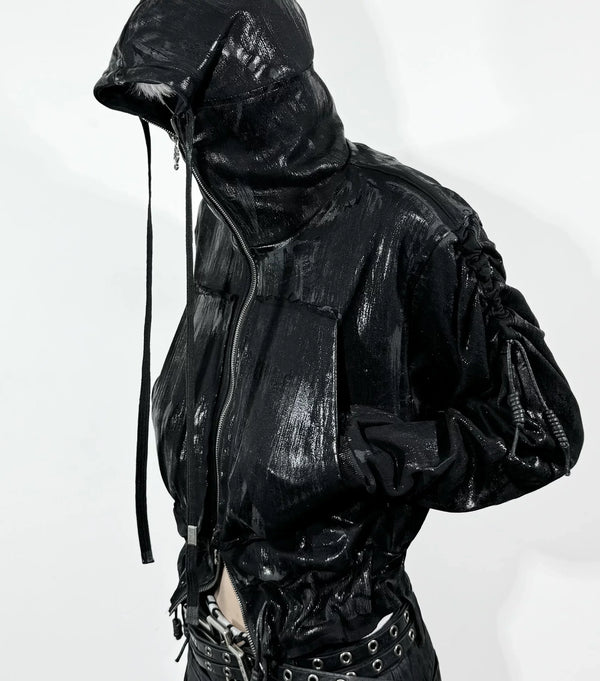
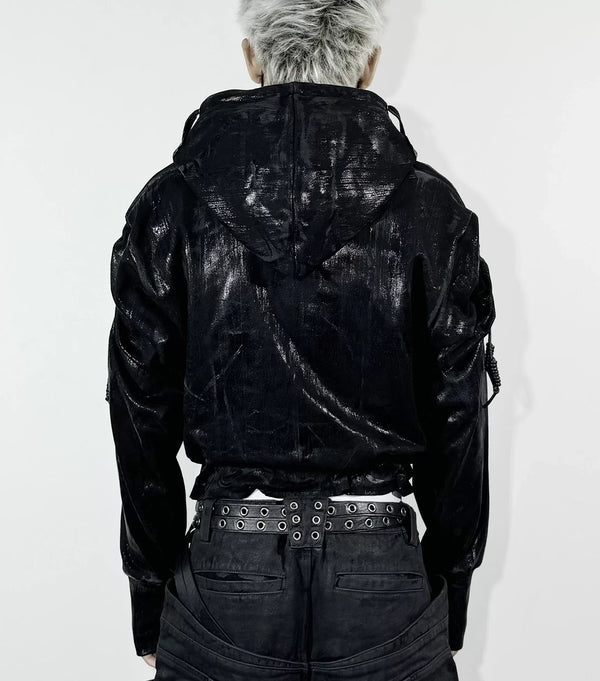
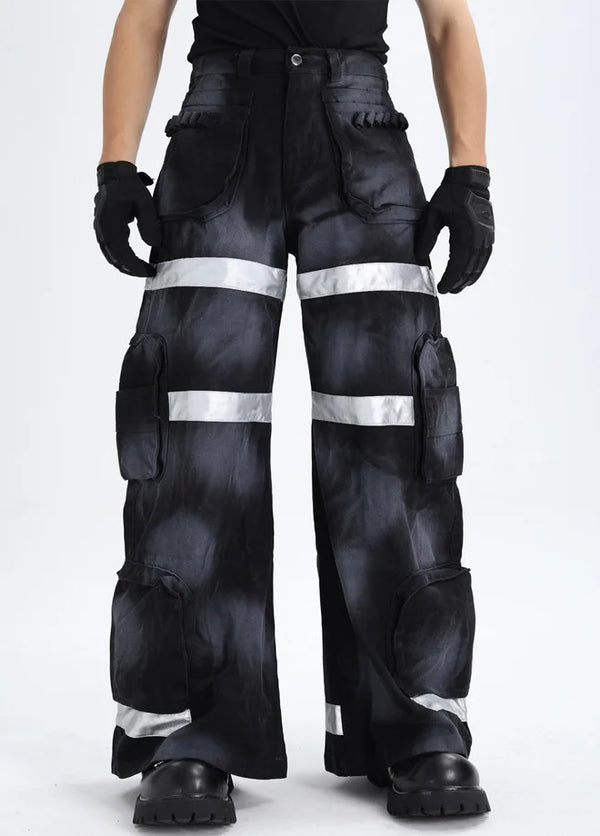
At the other end of the spectrum are the scenes that point to the future and the street. Cyber looks work with neon, reflective materials, techno references and a hard, futuristic silhouette. They overlap strongly with the Western rave and Cyber Goth world but carry their own Japanese signature.
Kogal, by contrast, is the schoolgirl variant of Gyaru: shortened skirts, loose knee socks and a look that deliberately plays with the uniform. Both scenes show how broad Harajuku is, because between sugary Fairy Kei and hard Cyber lies a whole world.
These two poles particularly draw younger wearers today because they connect easily with Western streetwear and Y2K references. A Cyber accent of reflective fabric over a plain black base look is a common entry point that feels modern and still clearly points to Harajuku.
If you draw codes from this corner, pay attention to the material. Cyber lives on shiny, technical surfaces, while the Kogal reference runs more through silhouette and proportion.
Origin
Where the Harajuku styles emerged in Tokyo
To understand why so many scenes came together in one place, a look at the geography helps. From the 1980s the Harajuku district offered traffic-calmed streets, small shops and a Sunday when young people had the street to themselves.
The pedestrian zone of Takeshita Street became a shop window, and magazines documented the looks week after week. That is how loose trends solidified into named scenes. Anyone reading the individual subcultures today is essentially reading forty years of street history.
Practice
Wearing Harajuku subcultures in everyday life
Most people interested in Harajuku do not want to go to work in full costume every day. The good news: every scene can be scaled down to a single signal. A ruffled collar, a handful of stacked bracelets or a leather jacket with studs carries the code without demanding the whole look.
The rule for everyday wear is: one loud element, everything else calm. That keeps the look wearable and reads as a deliberate choice rather than a costume. Which category you set the signal in is a matter of taste.
Start by category
Where to find your signal piece
Pick a category and build the rest of the look calmly around it.
A second trick is the base palette. Anyone who sets a calm, dark or neutral base can lay a different scene signal over it each week without rebuilding the whole wardrobe.
Avoid mistakes
Combining Harajuku styles: the most common mistakes
When getting into the subcultures, a few things go wrong again and again. Most of them can be avoided with a single rule: fewer scenes at once, but done more consistently.
Almost all of these mistakes have the same root: the wish to wear everything at once. Harajuku rewards the opposite, namely a clear decision, cleanly executed.
Shop
Where to find Harajuku pieces in your size
The hardest part of getting started is rarely the style but availability. Many authentic brands do not ship to Europe or only carry Japanese sizes. This is exactly the gap we fill with a selection that picks up the codes of the scenes and still comes in common sizes and with shipping to Europe.
The easiest way to start is through accessories, because they carry a lot of signal at low risk. A cross belt, a cap or a keychain quotes a scene without you having to change the whole look.
FAQ
Frequently asked questions about Harajuku subcultures
Finally, the questions that come up most often when getting started. Answered briefly so you can dive straight in.
How many Harajuku subcultures are there actually?
What distinguishes a Harajuku subculture from a single style?
Which Harajuku subculture suits beginners?
Are Harajuku subcultures still relevant today?
What is Harajuku-core and how does it relate to the subcultures?
Can you mix several Harajuku subcultures?
Do you need expensive designer pieces for a Harajuku look?
Once you have read your way through the scenes, the next step is small: choose a direction and get a single piece. The rest grows on its own.
What do you think?
Tell us on @fuga_studios
About the author
Philipp Fuge — Founder · Berlin
Founder of Fūga Studios. Writes the journal himself. Berlin · Shanghai · Tokyo · Poznań — four cities, one logic.