
London, Chelsea, mid-seventies. At the far end of the King's Road, where the boutiques stop and the council flats begin, huge pink foam letters hang above a shop door. Inside there is rubber, leather, chains and T-shirts you can get arrested for. Behind the counter stands a woman in her mid-thirties with bleached spiked hair who was teaching at a primary school a few years earlier. Her name is Vivienne Westwood, and she is sewing the uniform of a movement that has no name yet.
Vivienne Westwood punk fashion means the clothes Westwood designed with Malcolm McLaren between 1971 and 1980 in their shop at 430 King's Road: bondage trousers, ripped slogan shirts, mohair jumpers, tartan, safety pins and fetish leather. The Sex Pistols and the London punk look came out of that shop. Our Punk Fashion Guide covers the whole scene. This piece is about Westwood herself, her most important garments and what of it still works today.
The map
Vivienne Westwood Punk Fashion: Six Pieces from the King's Road
Punk had many fathers and mothers. The music came largely from New York, the anger from England's council estates, the attitude from art schools and squats. What Westwood contributed is clothing as a system. She did not simply sell ripped jeans, she designed cuts that packed destruction, fetish and British tradition into one garment. Many things that count as typically punk today went across her shop counter first.
The list is shorter than you would think. Six pieces are enough to describe almost every Westwood punk look of the seventies. Each one had a clear job, and none of them was meant to be comfortable.
- Bondage trousers: tight trousers in black satin or tartan, a strap connecting the knees, plus zips and a fabric flap at the back.
- Slogan shirt: muslin or cotton, printed with slogans, provocations and cut-up images, often with open hems.
- Mohair jumper: loosely knitted, with ladders and holes so the skin shows through.
- Tartan: the check of the Scottish clans, cut up, pinned back together and worn against tradition.
- Fetish leather: rubber, patent leather, buckles and studs taken out of the bedroom and onto the street.
- Safety pin and chain: metal as fastening, jewellery and threat at the same time.
These six pieces still show up in almost every punk collection, from high-street chains to runways. To understand why they look the way they do, you have to start with the woman who first hung them in a shop.
The person
Who was Vivienne Westwood? The British designer behind punk
Vivienne Westwood was born Vivienne Isabel Swire on 8 April 1941 in Tintwistle, Derbyshire, a village on the edge of the Peak District. Her family was working class; her mother had worked in a cotton mill as a young woman. As a teenager she moved with the family to Harrow near London. She briefly attended art school in Harrow, dropped out, became a primary school teacher and made jewellery on the side, which she sold at the market on Portobello Road.
In the mid-sixties she met Malcolm McLaren, an art student with big plans and little money. With him she had her second son, Joseph Corré, in 1967. From 1971 the two turned Westwood's sewing talent and McLaren's appetite for provocation into a business. After splitting from McLaren in the early eighties she built her own fashion house, was awarded the OBE in 1992 and made a Dame in 2006. The same year as the OBE she married the Austrian Andreas Kronthaler, her former student from Vienna, who later shaped her collections with her.
1941
Born in Tintwistle, Derbyshire, into a working-class family
1971
Opening of the first shop at 430 King's Road
2022
Died on 29 December in London, aged 81
The background matters for the look. Westwood was not a fashion student from a good home who discovered rebellion as a theme. She taught herself to make clothes by taking old garments apart and copying the patterns. Exactly that method, take apart and put back together, sits in every punk piece she later designed.
The address
430 King's Road: Let It Rock, SEX and Seditionaries
The shop at 430 King's Road is the most important address in punk fashion. In 1971 Westwood and McLaren took over the back of a boutique and called it Let It Rock. They sold Teddy boy suits, fifties records and Rock'n'Roll era clothing. In 1972 it became Too Fast to Live, Too Young to Die, with leather jackets, zips and rocker aesthetics. The principle was clear even then: the shop showed a subculture and exaggerated it.
In 1974 came the most radical name: SEX. The pink foam letters hung above the door, inside there were rubber dresses, patent leather, fetish masks and shirts with pornographic motifs. The customers were sex workers, art students and teenagers who wanted exactly what shocked their parents. At the end of 1976 the shop was rebuilt again and now called Seditionaries, Clothes for Heroes. The windows were frosted, the walls showed photographs of bombed Dresden, and the clothing was now a fully designed punk uniform.
In 1980 the shop got the name it still carries: Worlds End, with a clock on the facade whose hands run backwards and which shows thirteen hours. By then punk as a movement was already over. What happened in between, the years 1976 and 1977, when London defined the look for the whole world, we have written up in a separate article about the decade.
The shirts
Vivienne Westwood punk shirts: Destroy, Anarchy and Two Cowboys
The T-shirt was Westwood's fastest tool. It was cheap to make, anyone could wear it, and a slogan across the chest could not be ignored. In 1975 a shirt with two naked cowboys took the shop to court: a customer was arrested in the street wearing it, and Westwood and McLaren had to pay a fine for indecent display. For the shop it was the best advertising there was.
After that the shirts got more political. The Anarchy shirt was made from old shirts, dyed, painted with stripes and sewn over with scraps of fabric and armbands. The Destroy shirt in muslin combined an inverted cross, a stamp with the Queen and Sex Pistols lyrics with Nazi symbols. For today the rule is: such symbols are banned in Germany and have no place in any outfit. What remains is the technique. Open hems, frayed edges, overlaid prints and lettering that looks cut out of newspapers.
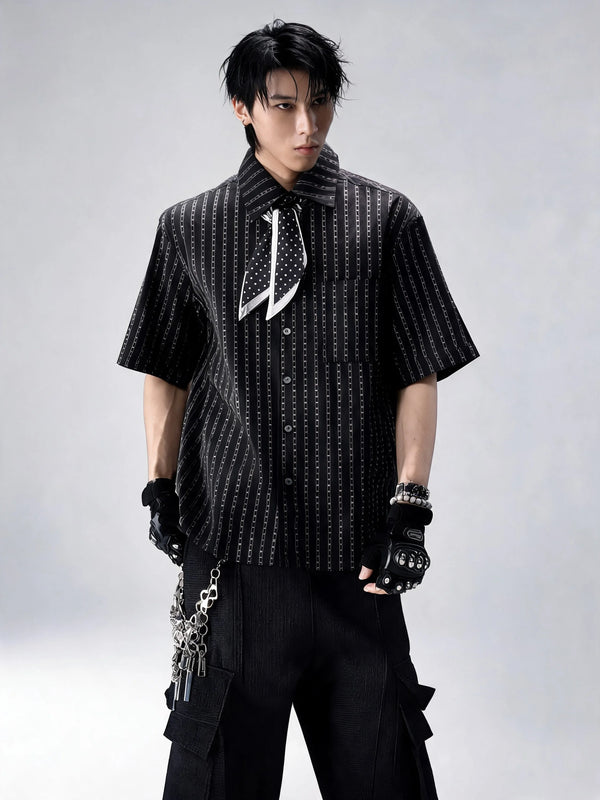
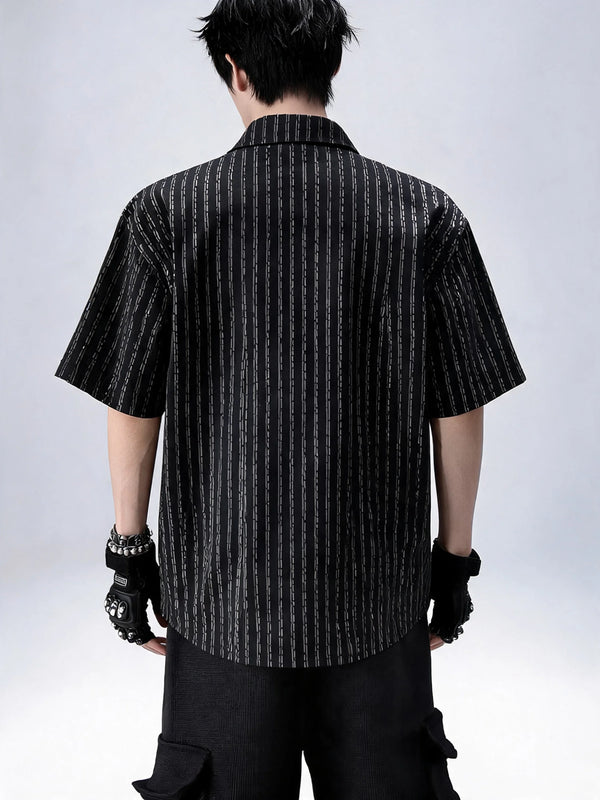
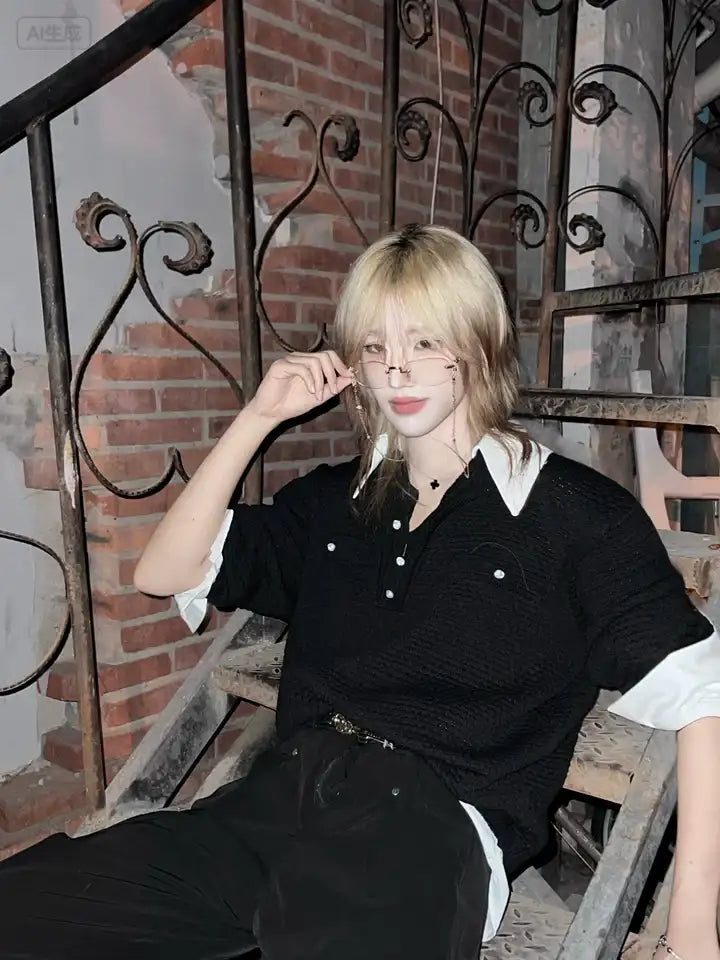
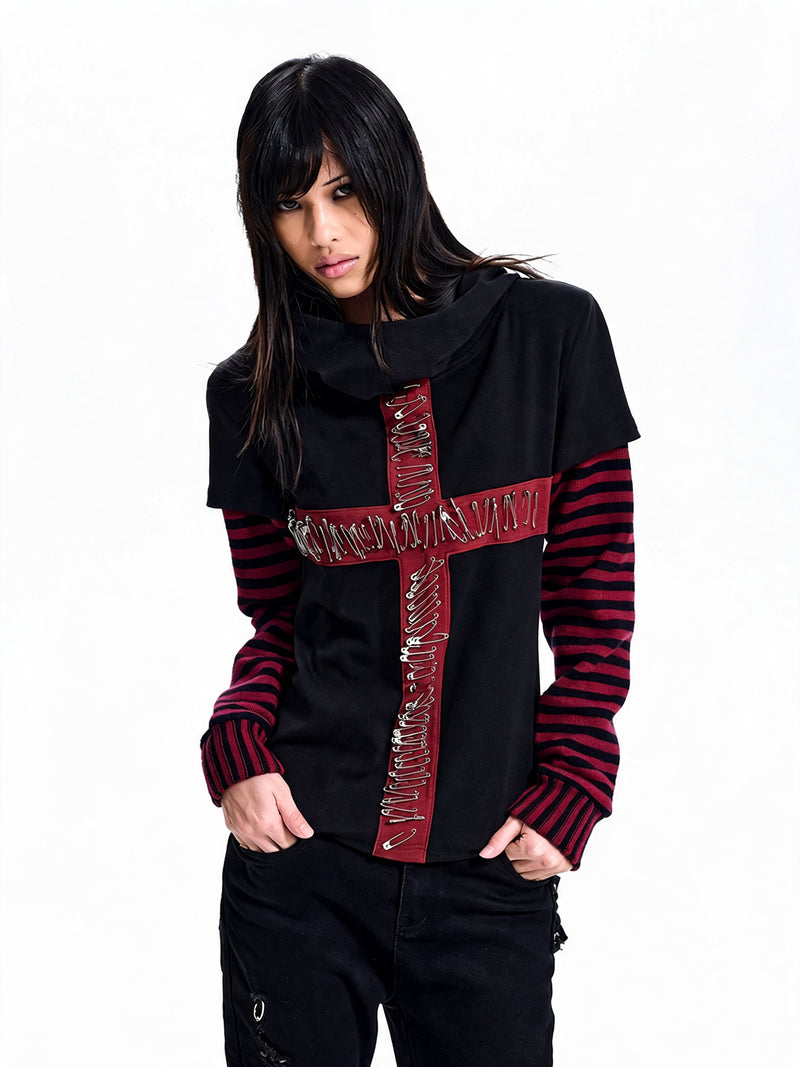
The Cross Collar Polo takes a respectable form and breaks it: a black polo cut, a silver crown-of-thorns cross and handwriting over it, collar and cuffs in leopard, sizes S to XL. The Distressed Layer Tee is double-layered, washed and torn at the edges, with the second layer showing below, in S to L. Both work like the Anarchy shirt: a familiar piece is altered until it no longer looks well-behaved.
The band
Malcolm McLaren and the Sex Pistols: fashion as band management
The Sex Pistols are unthinkable without the shop. Glen Matlock worked at SEX as a shop assistant, Steve Jones and Paul Cook hung around there, and in 1975 Malcolm McLaren took over managing the band. Singer John Lydon came into the shop, so the well-known story goes, wearing a Pink Floyd shirt on which he had written I hate. McLaren gave him the job, and Lydon became Johnny Rotten. Sid Vicious joined later and wore Westwood's clothes so consistently that his image still serves as the template for punk costumes.
For McLaren the band was also a shop window. The musicians wore pieces from the shop on stage and in interviews, photographs of it went through the papers, and the next day teenagers from all over England were queuing on the King's Road. Jamie Reid's graphics, for example the Queen with a safety pin through her lip for God Save the Queen in 1977, ended up on shirts too. Music, fashion and scandal were a single project. Jordan, the SEX shop assistant with the towering hair, became the face of the shop in the same way.
@fugastudios Battle scars as a fashion statement 🔥 When your fit survived the apocalypse and kept it pushing #fugastudios #fashiontiktok #fypシ #alternativefashion #darkfashion #opiumcore ♬ Originalton - Fuga Studios
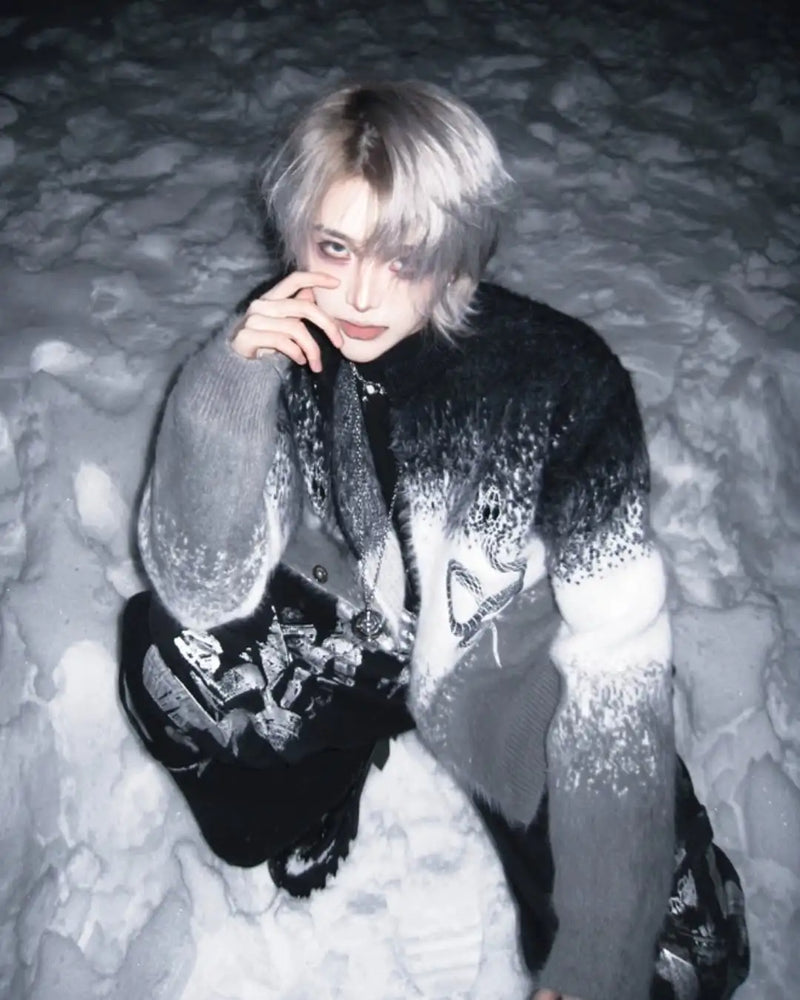
Scars in the fabric, tears, a look that seems to have been through something: that is the line running from the Pistols to today. Westwood treated clothes the way the band treated their instruments. Not gently, but deliberately a little broken.
The trouser
Bondage Trousers: Westwood's most important punk trouser
The bondage trouser is the piece Westwood and McLaren designed for Seditionaries in 1976, and it is still the signature of British punk. It is cut tight, usually in black cotton satin or tartan. Between the knees sits a detachable strap that shortens your stride. Zips run across the seat and along the legs, D-rings and buckles hold extra straps, and a fabric flap hangs at the back like a short loincloth.
The idea came out of the fetish world of SEX and out of military and flight trousers. Wearing trousers that restrict your movement on the street was a provocation. At the same time they were absurdly practical for the stage and the pogo, because the strap could be taken off. Sid Vicious and Johnny Rotten wore them, and soon cheap versions were sold on markets. Westwood's seventies originals now hang in museums.
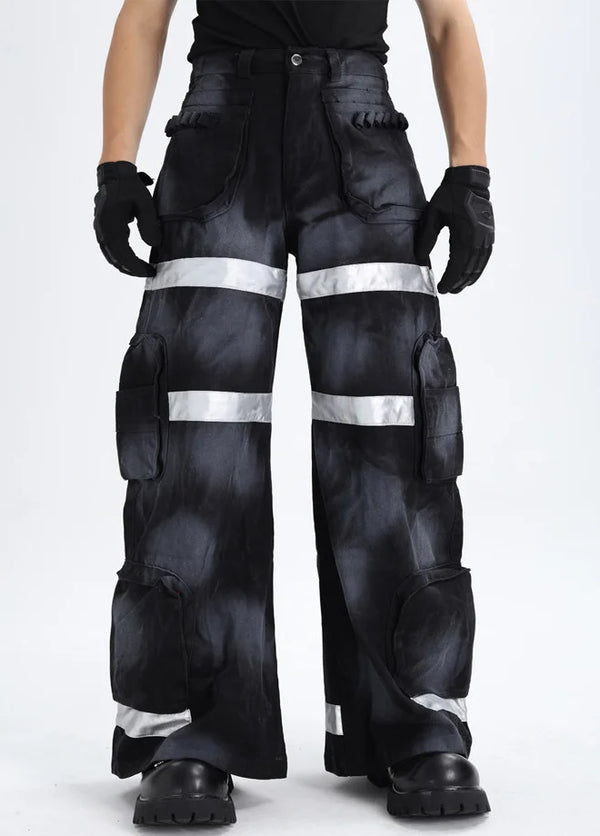
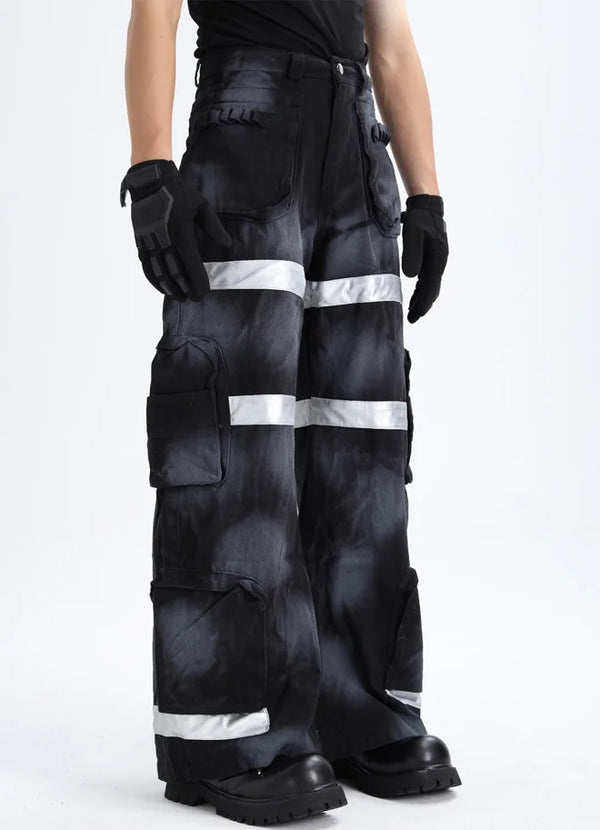
A real bondage trouser with a knee strap is a strong statement in everyday life. If you want to wear the code more quietly, take the components one at a time: black faux leather or satin, studs or buckles on the pockets, a leg that falls heavy. Add a belt with eyelets or a chain on the belt loop, and the trouser tells the same story.
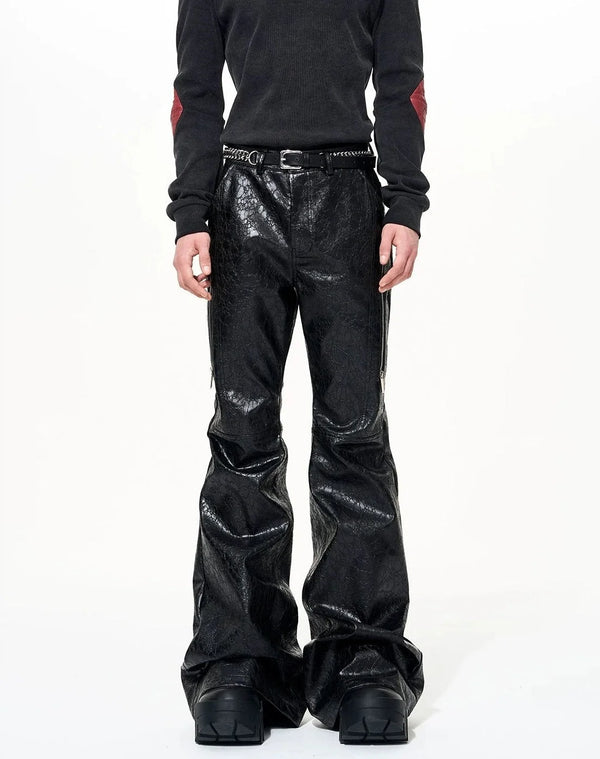
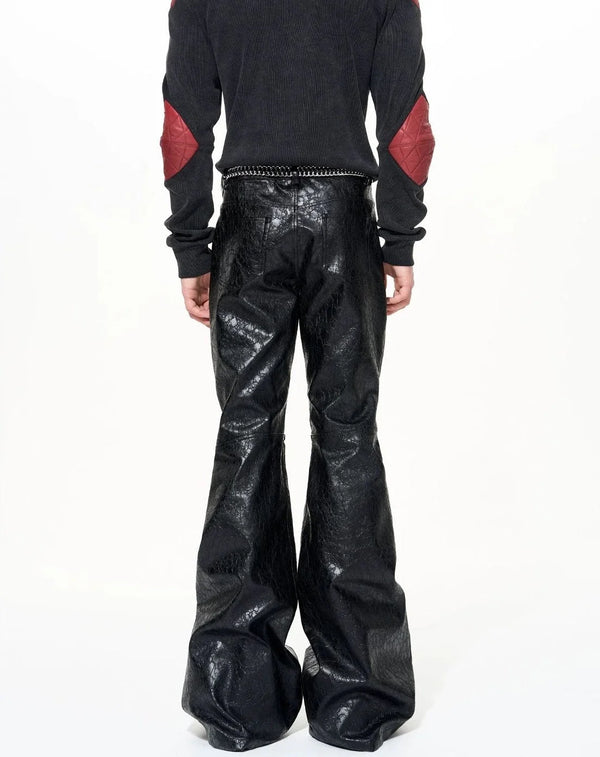
The Spiderweb Leather Pants are made of crinkled black faux leather, with an embossed spider web running tone on tone across the front legs and hex studs at the pocket corners, in M to XL. The Studded Leather Trumpet Flare Pants are tight at the top with studs and chain hardware, and from the knee down you can clip on flared legs, in S to XL. The second comes surprisingly close to the principle of detachable bondage parts.
The fabrics
Tartan, mohair and the safety pin: Westwood's punk materials
Tartan is the material Westwood shaped most strongly. For Seditionaries she took the check of the Scottish clans and the British army and worked it into bondage trousers, skirts and jackets, often cut up and held back together with safety pins. The thinking behind it was double. Tartan stood for order, tradition and the British establishment. Ripped and pinned, it became an attack on exactly those values.
Mohair was the counterpart. The jumpers from Seditionaries were coarse and loosely knitted, with ladders and holes you could see skin through. They looked like something someone had knitted themselves and then given up on. The safety pin, finally, was the cheapest jewellery in the world. Westwood used it as a fastening, as decoration and as a sign: nothing gets repaired here, things are only held together. What the pin, the padlock and the other signs of the scene actually mean is in our article on punk symbols.
For your own wardrobe that means: one material is enough as a Westwood quote. A tartan skirt or checked trousers, a knitted jumper full of holes or a row of safety pins on the jacket. Wear all three at once and you look like you are at a themed party. Combine one of them with clean black pieces and you carry the code with attitude.
After punk
After punk: from Pirates to Anglomania
Westwood did not carry on with punk once it became mass-market. In March 1981 she showed her first runway collection in London, Pirates. Instead of straps and rubber there were wide shirts, pirate hats, sashes and fabrics with zigzag patterns, inspired by historical cuts from the 17th and 18th centuries. Many fans felt betrayed. For Westwood it was the logical next step: once again she took a subculture, this time a historical one, and turned it into clothes for the street.
The eighties and early nineties were her most productive period. After the split from McLaren came the mini-crini, a short hooped skirt, collections in Harris Tweed, corsets with painting prints and finally Anglomania with her own tartans. At that 1993 show a model fell off extremely high platform shoes, and the picture went around the world. Five phases show how consistently her method runs through the decades.
For the punk look SEX and Seditionaries matter most. The later phases explain why Westwood was more than a punk designer. She never defended a style, she always looked for new templates she could take apart. Where she stands next to other punk designers, from McLaren to the Japanese, is in our overview.
The logo
What does the Vivienne Westwood logo mean? The Orb explained
Vivienne Westwood's logo is called the Orb. It shows a sovereign's orb, the sphere with a cross that British monarchs hold at their coronation, surrounded by a ring like the planet Saturn. Westwood introduced the sign at the end of the eighties, at the time she was working with Harris Tweed and royal motifs. The orb stands for tradition and British history, the Saturn ring for the future. Together it means: take tradition and carry it into the future.
For punk fans the logo is a contradiction, and that is exactly what makes it interesting. The woman who printed the Queen with a safety pin on shirts in the seventies uses a royal symbol as her trademark ten years later. Westwood saw no break in that. For her British tradition was always material you take seriously, precisely because you attack it. Since the early 2020s the Orb has been known above all to Gen Z, through pearl necklaces with an Orb pendant that went viral on TikTok.
Real Orb necklaces quickly cost three figures and are often faked. If you only want the effect, you do not need a logo. What matters is that something shiny, almost elegant, meets something raw: a faded shirt, a leather jacket or a jumper with holes.
Her words
Vivienne Westwood quotes: Buy less, choose well, make it last
Westwood was one of the most political designers of her time, and her best-known quote is a shopping instruction. Buy less, choose well, make it last. She said that line in many versions, in interviews, on shirts and on her own runways. In the last twenty years of her life she campaigned for climate protection, started the Climate Revolution campaign and warned against overconsumption, including in her own industry.
To many that sounds like a contradiction for a fashion house. For Westwood it was a continuation of punk. In the seventies rebellion meant destroying clothes. Later it meant keeping clothes, mending them and wearing them until they show traces. Both are aimed at the same thing: clothing as something disposable.
We take that line as a rule for the look. A Westwood punk outfit does not need ten new pieces. It needs a few good ones that get better with every wear: a leather jacket that creases, a shirt that fades, a chain that takes on a patina. Limited drops, no restocks says the same thing in short.
The look
How does a punk dress in the Westwood code?
A punk in the London style of the seventies wears a short leather jacket, a ripped or printed shirt, tight black or checked trousers, heavy boots and metal: safety pins, chains, studs. That is the basic formula. Westwood sharpened it by giving each of those pieces a foreign body. The trousers got straps from the fetish world, the shirt a banned graphic, the jumper holes, the jacket a tartan lining.
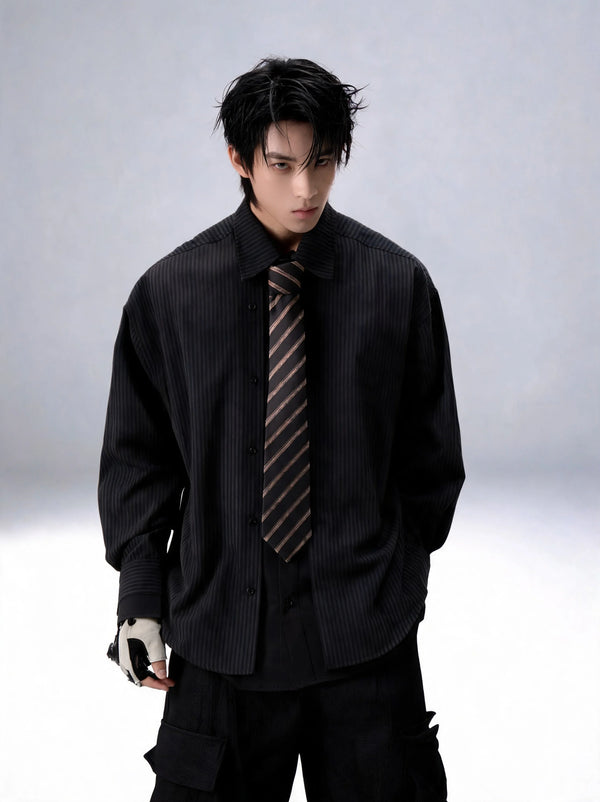
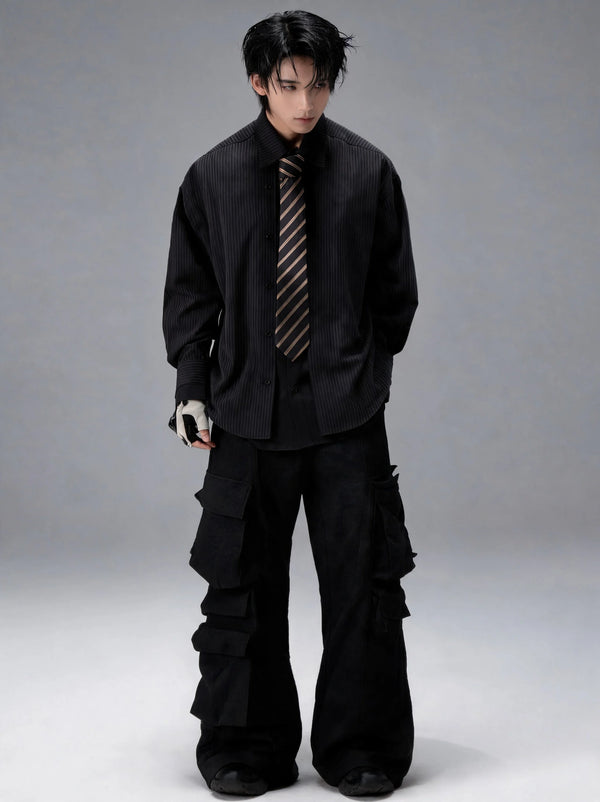
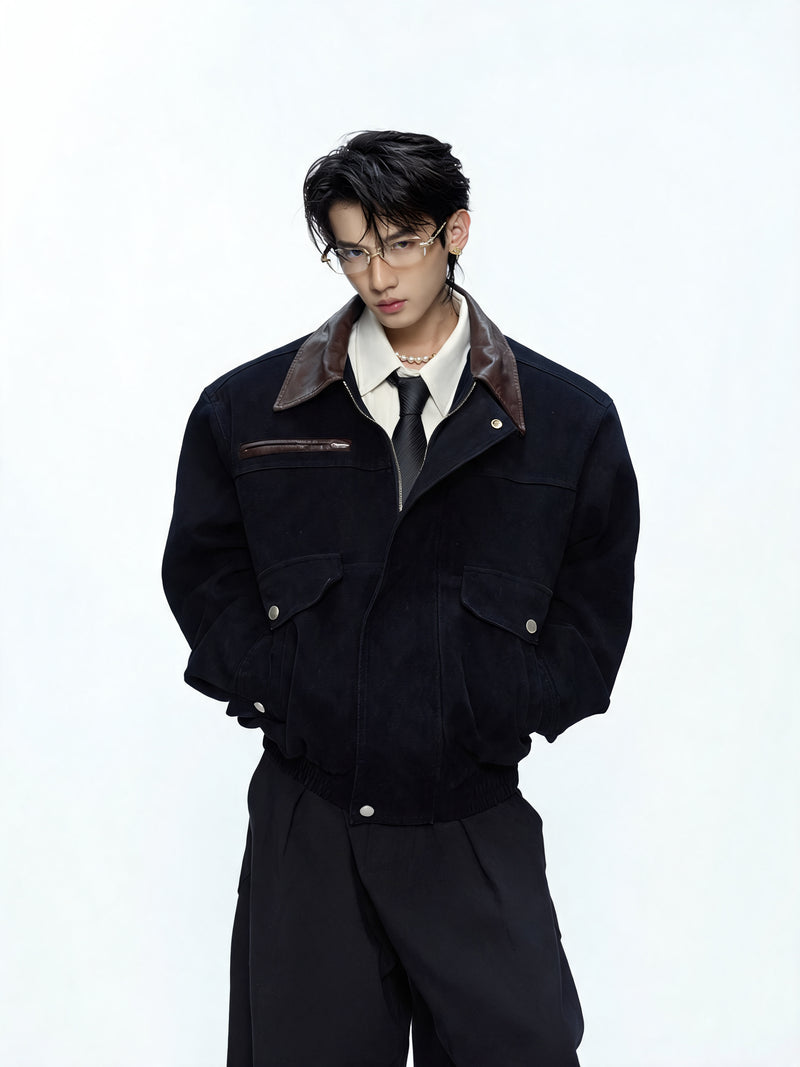
For today the Westwood code translates into one simple rule. Take a clean punk base and give a single piece a Westwood break. A leather jacket with unusual hardware. Black trousers with buckles. A polo that is actually respectable but carries a motif that does not fit it. The rest stays quiet.
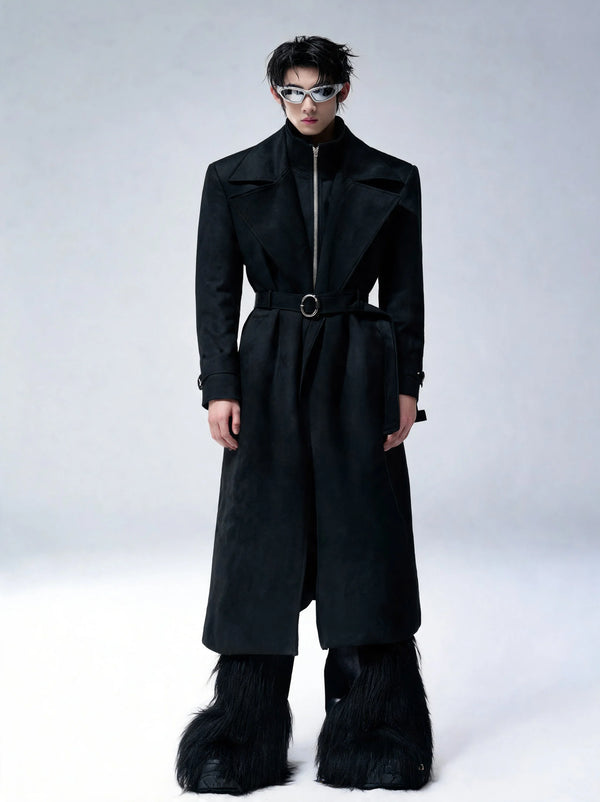
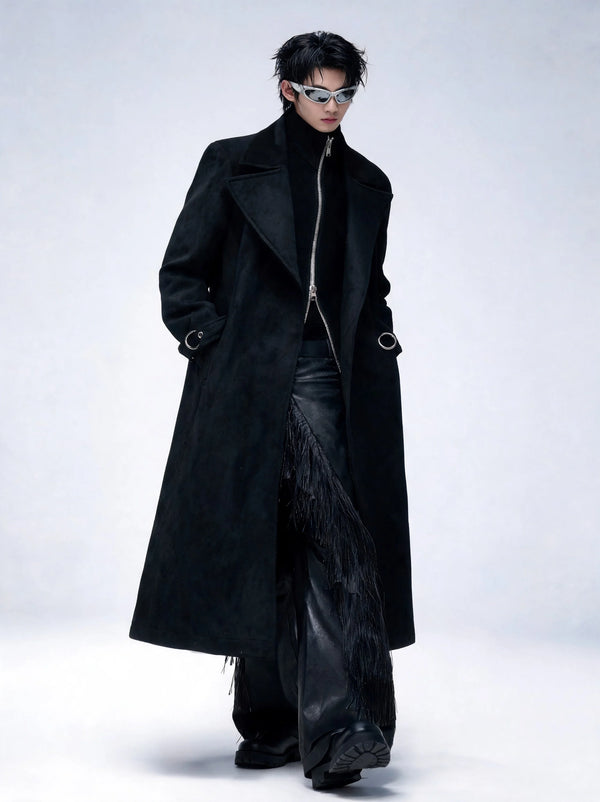
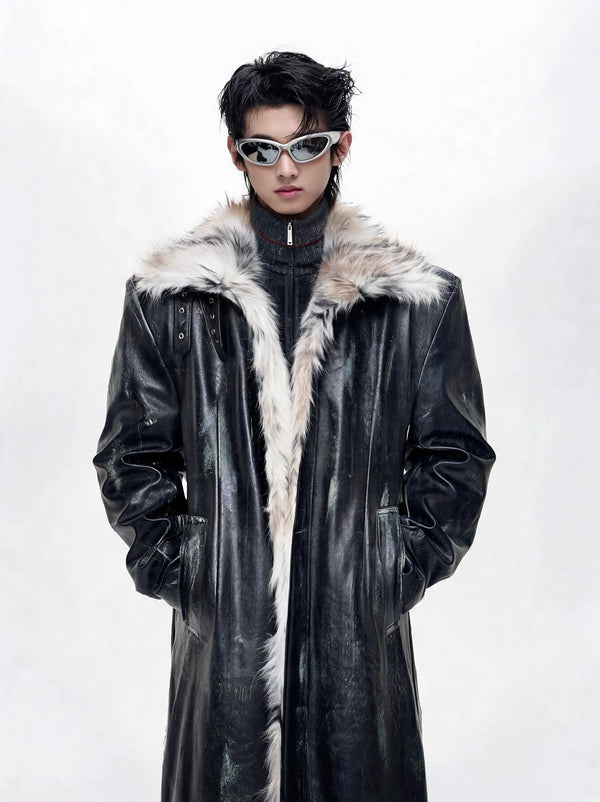
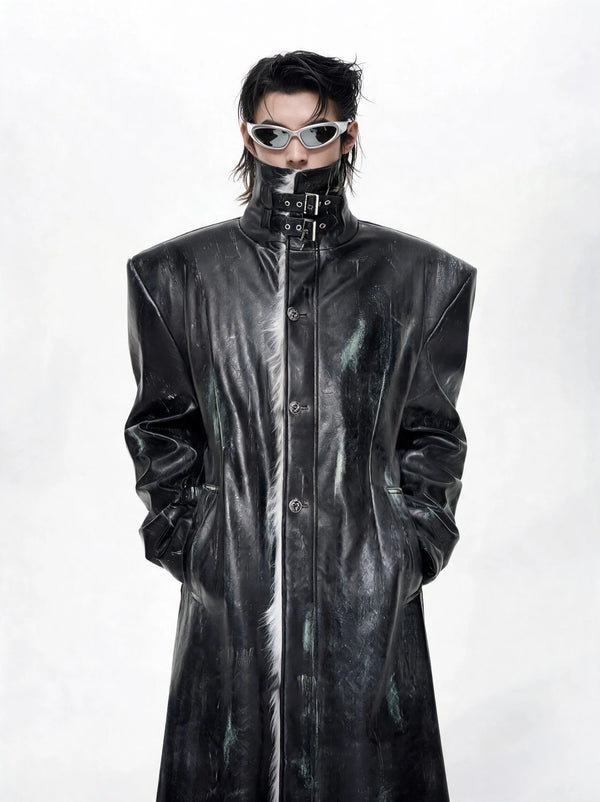
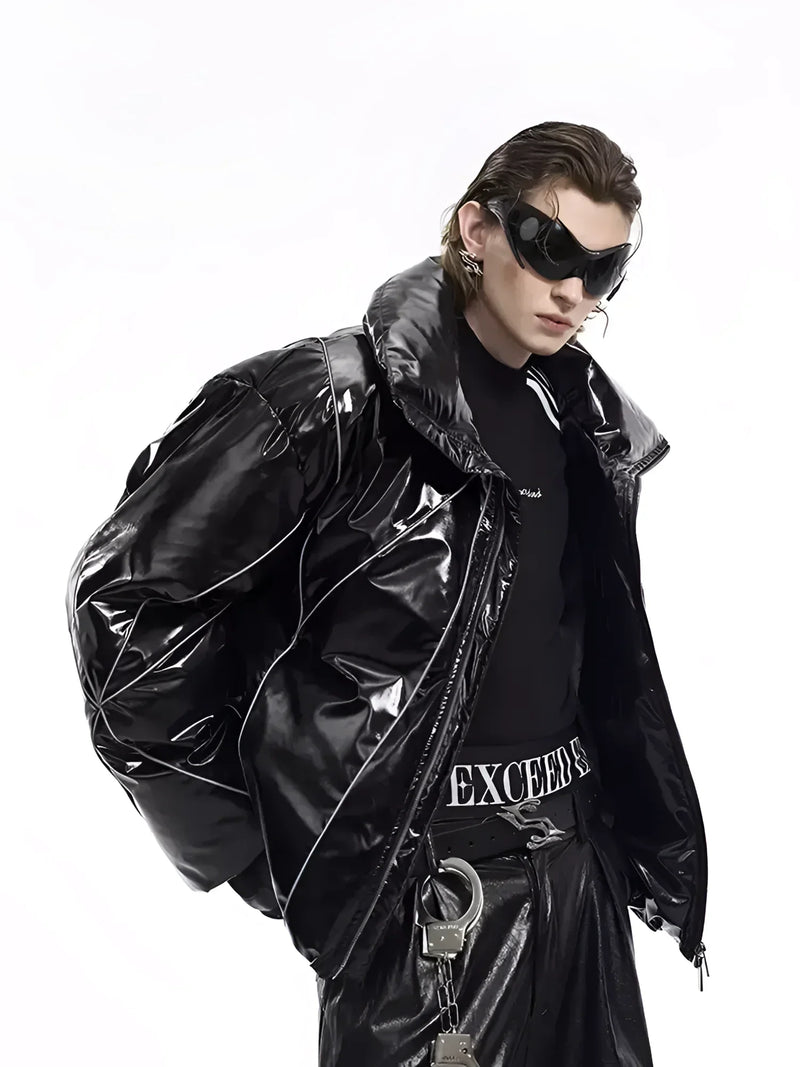
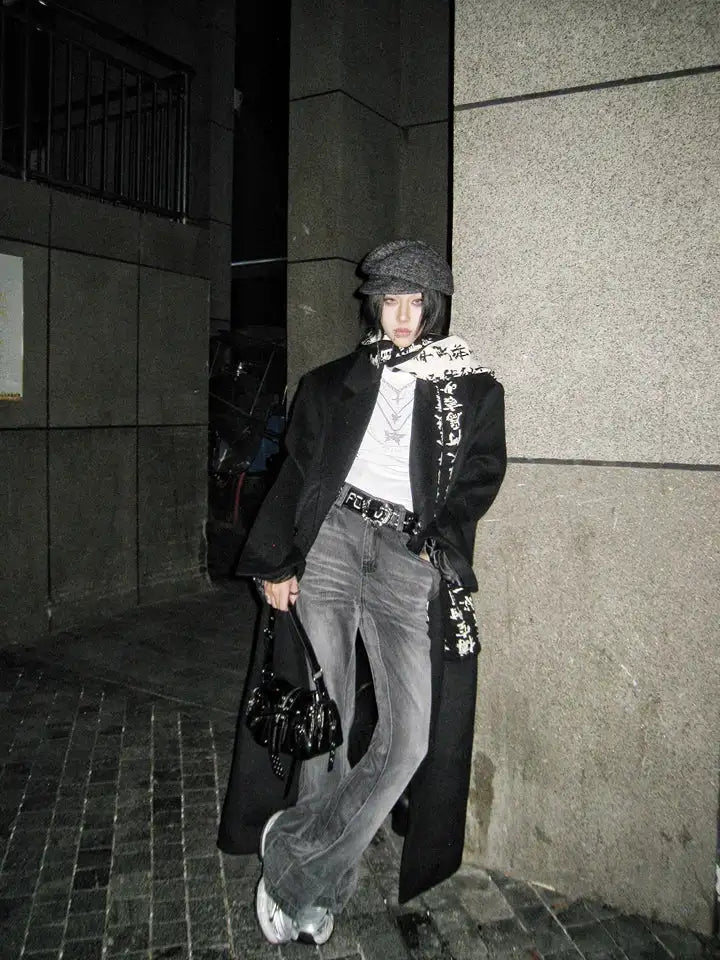
The jacket is the most important building block, because it holds the outfit together on the outside. On the King's Road jackets were short, tight and covered in hardware. They ended at the waist so the trousers with their straps stayed visible. Long coats belong more to goth and post-punk. A short jacket with hooks, buckles or a red panel is the most direct translation of Seditionaries into the present.
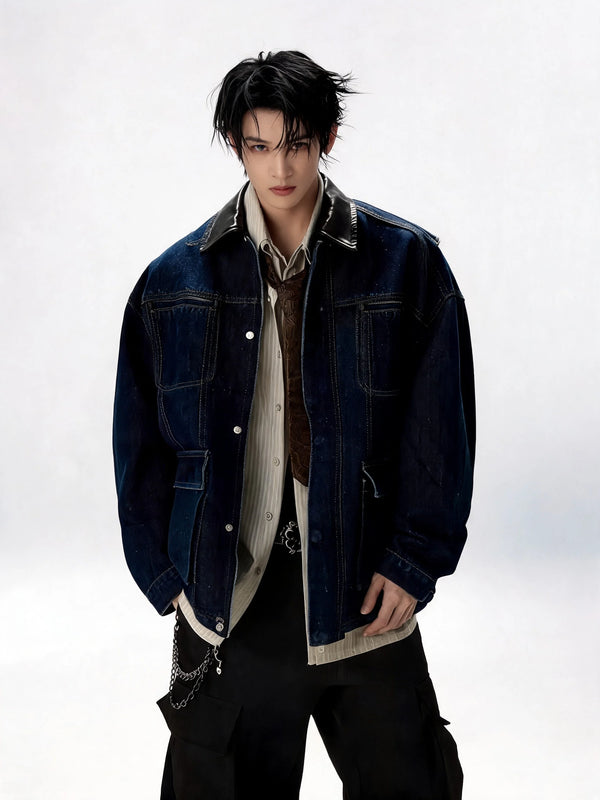
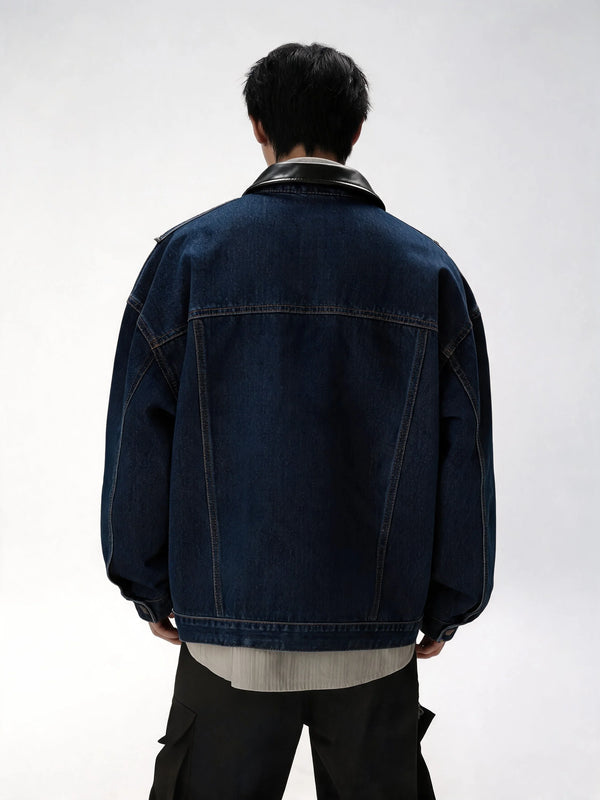
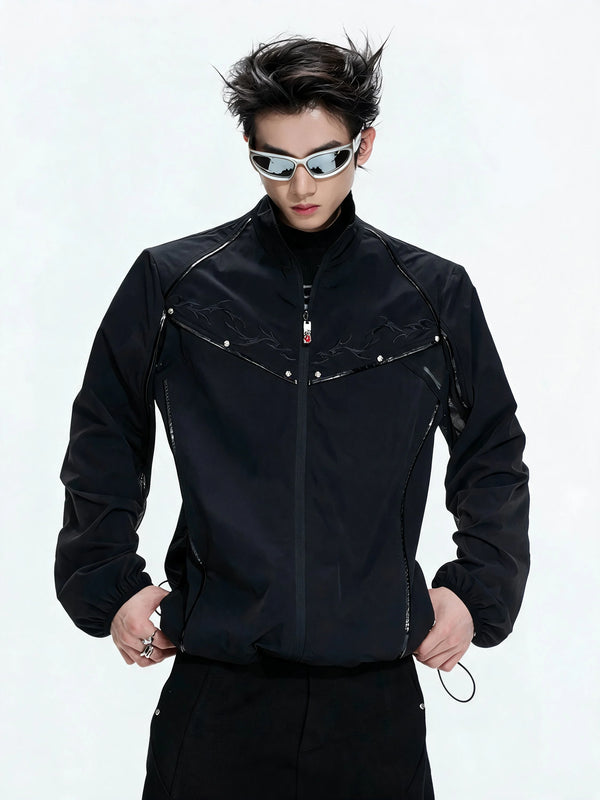
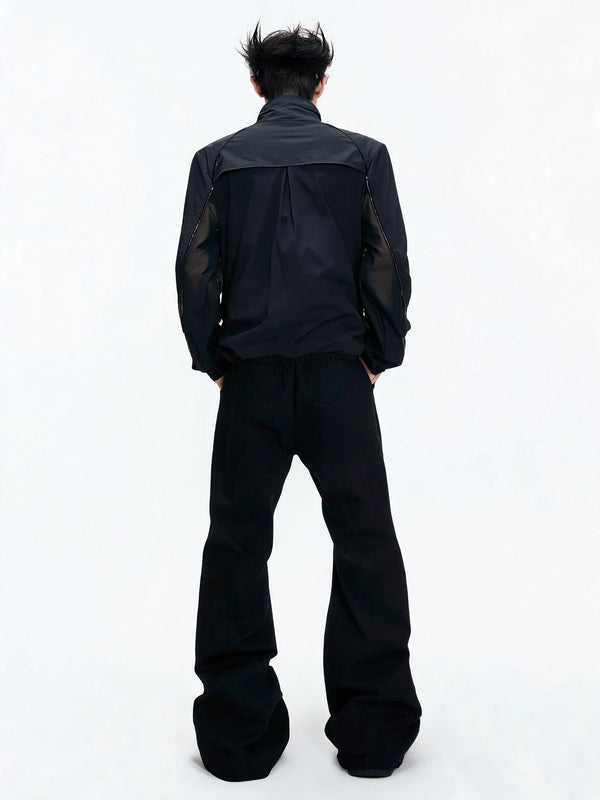
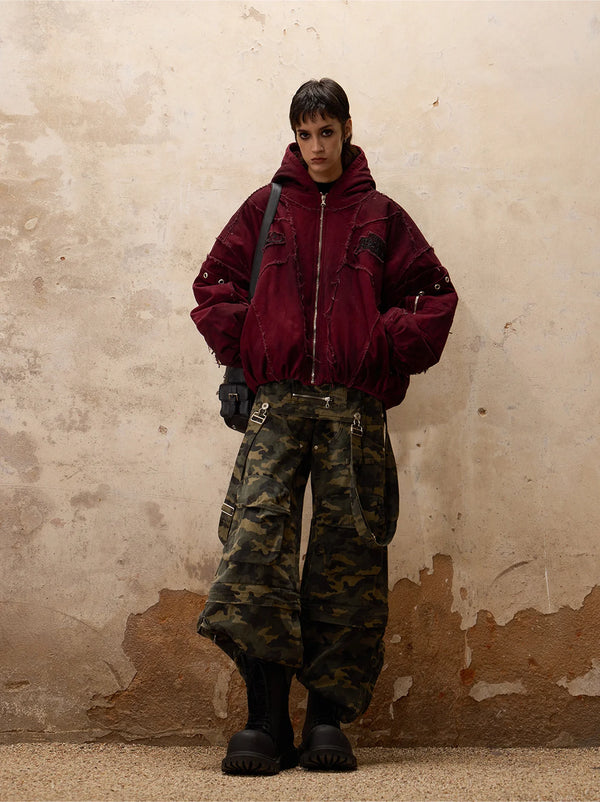
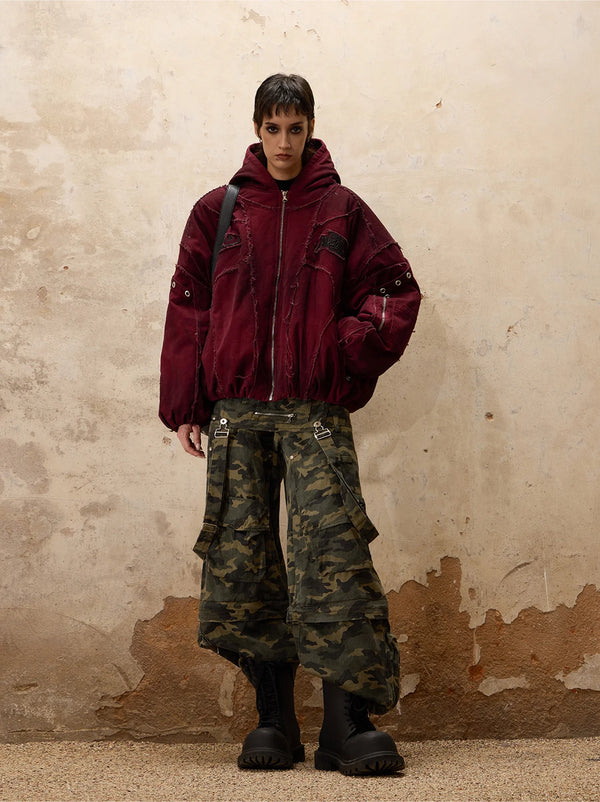
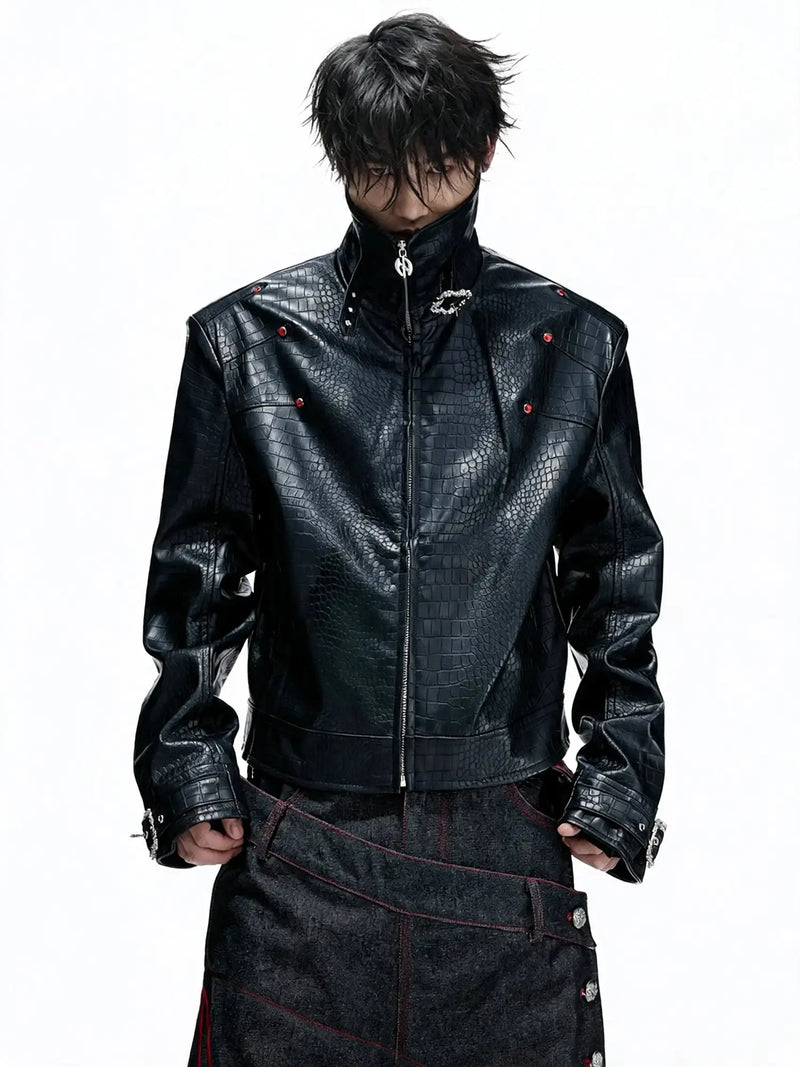
The Red Cross Jacket is short and wide, in matte black with a red panel and a black horizontal stripe, plus a stand collar, antique silver buttons and studs, in M to XL. The Buckle Leather Jacket is tight, glossy and made of PU faux leather, with a row of silver hooks above the zip that close one by one, in S to XL. Red and black together were already the colours of choice at Seditionaries.
@fugastudios when you're the villain but make it fashion 🔥 Opium Crimson Tactical Set for those who rule the wasteland in style#fugastudios #crimsontactical #villainera #tacticalfashion #warcore #fyp ♬ Originalton - Fuga Studios
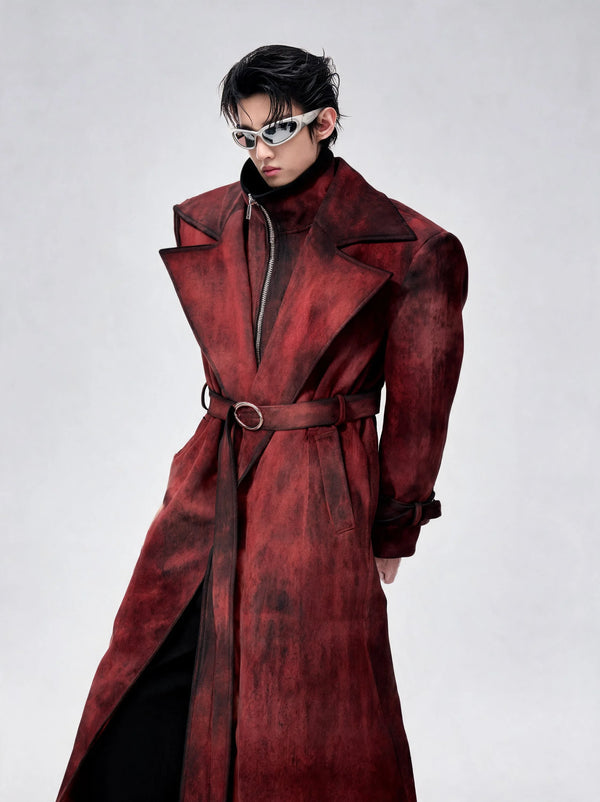
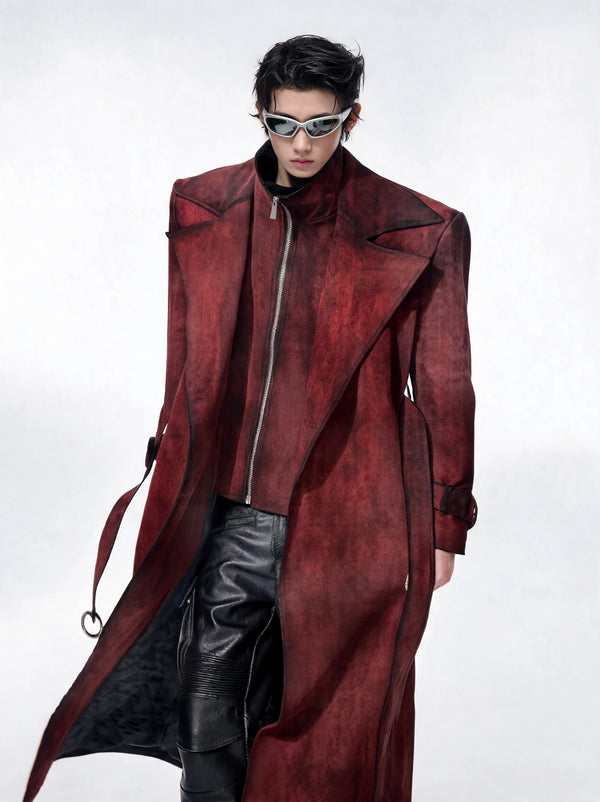
Red, black, straps and an attitude that does not ask permission: that is what the Westwood code looks like when it runs through a complete set. For everyday life half of it is enough. A red jacket with black trousers, or a black set with one red detail, carries the same energy without looking like a stage.
What goes wrong
Common mistakes with the Vivienne Westwood punk look
The Westwood look rarely fails on individual pieces. It fails on too much at once, on the wrong symbols, or on mistaking the logo for the attitude. These are the five mistakes we see most often, at parties, at gigs and in social media feeds.
The solution to all five mistakes is the same question before you leave the house: which piece in my outfit breaks the rule, and is it only one? If so, the direction is right. If three pieces get loud at the same time, take one back and let the strongest one speak.
The formula
Vivienne Westwood punk outfit today: the formula in four steps
To finish, the order for an outfit in the Westwood spirit. Step one is the base: black trousers with weight and a shirt with traces or a motif. Step two is the break: one piece that violates a rule, straps, tartan, a respectable cut with the wrong graphic or holes in the knit. Step three is the shell: a short jacket that ends at the waist and shows hardware.
Step four is the metal. With the Orb, Westwood showed that jewellery stays a statement even after punk. A chain with a pendant just at the collarbone, or a layered bracelet, is enough. If the outfit is loud, keep the metal small. If it is quiet, let the metal do the work. A black shirt, dark trousers and a chain with a cross already make a complete Westwood punk look.
Questions
FAQ on Vivienne Westwood punk fashion
To close, the questions that come up most often about Vivienne Westwood and her punk years, from her life to the difference between her shops.
How old was Vivienne Westwood when she died?
How big was the age difference between Vivienne Westwood and Andreas Kronthaler?
What is the difference between SEX and Seditionaries?
Why is the Vivienne Westwood pearl necklace so popular with Gen Z?
Can you wear the Westwood punk look without Westwood pieces?
Half a century after SEX opened, Westwood's punk clothing hangs in museums, and her method hangs in every wardrobe that holds a bit of contradiction. That is more than most designers can say of themselves.
What do you think?
Tell us on @fuga_studios
About the author
Philipp Fuge — Founder · Berlin
Founder of Fūga Studios. Writes the journal himself. Berlin · Shanghai · Tokyo · Poznań — four cities, one logic.