
- 01MeaningWhat is Punk Fashion? The meaning behind the style
- 02OriginWhere does Punk Fashion come from? London, New York, Berlin
- 03AestheticPunk Fashion Aesthetic: the dress code that never wanted to be one
- 04StylesThe 5 punk styles at a glance
- 05WardrobeWhich clothing is typical for punks?
- 06TrousersWhich trousers do punks wear?
- 07JacketsPunk jackets: leather, denim, patches
- 08SilhouettesPunk outfit men vs. punk style women
- 09DecadesPunk outfit 80s vs. 70s Punk Fashion
- 10TrendPunk Fashion Trend 2026: building block instead of costume
- 11HardwarePunk accessories: studs, chains, belts
- 12ShoppingBuying punk clothes online: what to look for
- 13Mistake studiesCommon mistakes with a punk outfit
- 14FAQFAQ: Punk Fashion
A shirt torn apart, put back together with safety pins. A leather jacket that looks like it has outlived three owners. Plus a look that says: I have no intention of pleasing you. Anyone who saw that for the first time on a street in London, Berlin or New York knew immediately: this is not fashion in the classic sense. This is a statement.
Punk Fashion is the clothing style of the punk subculture: torn and reassembled pieces, leather, denim, studs, tartan, band shirts and DIY elements, worn as a visible rejection of convention and consumption. Born in the mid-70s in London and New York, Punk Fashion today is an outfit system of its own with clear rules that you have to understand before you can break them.
Meaning
What is Punk Fashion? The meaning behind the style
The typical punk move is inversion: what makes fashion valuable gets devalued, and what fashion throws away gets worn. Rips are not hidden, they are emphasised. Safety pins do not just hold fabric together, they replace jewellery. A bin bag can be a top, a school uniform gets destroyed with studs. Punk Fashion meaning in one sentence: clothing as protest, not as decoration.
That is what separates punk from almost every other dark style. Gothic stages romance and depth, Techwear stages function, punk stages the rupture itself. Which is why a real punk outfit never reads smooth. Somewhere there is always one element that disturbs: a raw hem, a hand-painted logo, a patch sitting crooked and meant to stay that way.
Important for everyone coming in new: Punk Fashion was never uniform and never wanted to be. The scene resisted standardisation from the start, and codes still formed that you can orient yourself by. We go through these codes one by one in this guide.
1976
Year zero: London, King's Road
50
years of subculture in 2026
5
Punk styles you should know
Origin
Where does Punk Fashion come from? London, New York, Berlin
Two cities, two narratives. In New York a scene formed from 1974 around CBGB that treated clothing more casually: tight jeans, broken shirts, leather jacket, done. In London it became a programme from 1976. In the shop of Vivienne Westwood and Malcolm McLaren on King's Road, bondage trousers, torn shirts and provocation graphics were sold deliberately as anti-fashion. The look of the Sex Pistols did not come about by accident, it was curated.
What stays interesting is the tension that remains to this day: Punk Fashion was radically self-made and radically marketed at the same time. The street copied the shop, the shop copied the street. In Germany the wave arrived at the end of the 70s, with its own centres in Berlin, Hamburg and the Ruhr area, and developed harder, more political variants there than the British original.
Aesthetic
Punk Fashion Aesthetic: the dress code that never wanted to be one
The Punk Fashion aesthetic runs on materials with history and surfaces with resistance. Smooth, new and flawless is the opposite of punk. Instead: textures you can touch, and breaks you are meant to see. To understand the look, just read the material list.
- Denim, destroyed: washed out, ripped open, patched. The more life in the fabric, the better.
- Leather and faux leather: jackets, trousers, belts. The hard shell of the look.
- Studs and hardware: pyramid studs, chains, safety pins, D-rings. Metal as jewellery and threat at once.
- Tartan and check: the British heritage, as trousers, a sewn-on patch or a scarf.
- Graphics and lettering: band shirts, hand-painted slogans, printed provocation.
- DIY traces: patches, crooked seams, self-cut hems. The most important building block of all.
The dose decides. An outfit showing all six building blocks at once tips quickly towards stage set. The strongest punk looks work with two or three elements and leave the rest room to breathe. That was already true in 1977: even the defining figures of the scene rarely wore everything at once, they placed one deliberate disturbance per silhouette.
Styles
The 5 punk styles at a glance
Punk Fashion Style is an umbrella term. Underneath sit currents that differ clearly in music, attitude and wardrobe. You should be able to tell these five apart before you build your own outfit, because each follows a different logic.
Wardrobe
Which clothing is typical for punks?
The classic answer: leather jacket or denim vest with patches, band shirt, tight or torn trousers, boots. Plus studs on the belt, maybe a tartan element, and the basic frame is done. This formula has worked for five decades because it is modular: every piece can be replaced, sharpened or softened without the look falling apart.
With tops the rule is: graphics and destruction are the two levers. A washed-out shirt with a print, a top with open edges, a cut-up vest over a longsleeve. If you want it quieter, take a black shirt with one single hard detail, metal hardware at the collar or a raw hem.
Then there is the question of layering. Punk outfits run on things worn over each other: shirt under a cut-up vest, longsleeve under a short-sleeved band shirt, shirt open over a print. These breaks in the order are intentional and make the difference between a planned look and a real one.
Visible wear is not a flaw here, it is the argument. A piece that looks like it has survived three winters and two moves tells exactly the story punk wants to tell. Which is why good punk pieces age better than almost anything else in the wardrobe.
Trousers
Which trousers do punks wear?
Historically: tight black jeans, tartan trousers with straps, bondage pants with belts and D-rings. Over the decades came torn skinny jeans, cargos with studs and most recently wide silhouettes that join punk hardware with Y2K proportions. The rule: the trousers carry either structure (straps, studs, rips) or tension (extremely tight or extremely wide), ideally not both at once.
Anyone looking for punk trousers in 2026 has more choice than any generation before. Studded shorts and jorts bring the stud logic into summer, wide-leg denim with prints and embroidery translates the old rebellion into current proportions. Both work as long as the rest of the outfit stays quiet.
A word on boots: lace-up boots with a lug sole are the historical standard, but not a law. Worn-in sneakers, platform boots or heavy derbies work just as well, as long as they do not look fresh out of the box. White, flawless shoes are the fastest way to gut a punk outfit.
Jackets
Punk jackets: leather, denim, patches
The jacket is the most important single piece in the punk wardrobe, because it supplies the surface for everything else: patches, studs, pins, hand-painted back motifs. A leather jacket or denim jacket grows with you over years, every new stud and every new patch documents a gig, a phase, an opinion. Which is why you do not sell a real punk jacket, you pass it on.
Acid-wash denim in a cropped cut brings the raw look into a modern silhouette, while jackets with leather panels and technical details bridge punk hardness and function thinking. Both routes lead to the same place: a jacket with an edge instead of a jacket off the rack.
To start, a base jacket in black or washed blue is enough. Patches and pins come with time, and that slowness is exactly the point. A jacket covered completely in one afternoon also looks exactly like that.
Silhouettes
Punk outfit men vs. punk style women
Punk was ahead of its time on gender: the codes were there for everyone from the start. Men wore mesh shirts and jewellery, women wore heavy boots and shaved temples, and nobody in the scene questioned it. Still, two focal points developed that are visible to this day.
The classic punk outfit for men builds on straight lines: jeans, band shirt, leather jacket, boots, plus a belt with hardware. Punk style for women plays more often with contrasts, a tartan skirt with heavy boots, torn tights with an oversize shirt, or a feminine silhouette with a hard studded jacket. Both are offers, not rules. The scene has always rewarded whoever breaks the expectation.
Decades
Punk outfit 80s vs. 70s Punk Fashion
The 70s were the laboratory. 70s Punk Fashion was raw, improvised and close to art school: cut-up suits, bin-bag tops, safety pins in the ear, tartan from the secondhand shop. Much of it came out of scarcity, the rest out of calculation. The look was fast, cheap and deliberately ugly by the standards of the fashion industry at the time.
The punk outfit of the 80s got harder and more uniform. With hardcore and Street Punk came studded jackets with back patches, higher boots, tighter black jeans and more striking hairstyles. At the same time the scene split: while some radicalised the look, others carried it off towards New Wave and Gothic. Anyone building an 80s punk outfit today usually quotes this second, darker phase.
In practice that means: pick one decade as your reference and stay with it. A 70s quote (tartan, pins, raw) and an 80s quote (studs, patches, black) in the same outfit only work if one of them clearly dominates. Side by side as equals they read like a costume rental.
Trend
Punk Fashion Trend 2026: building block instead of costume
The Punk Fashion trend for 2026 does not run through complete looks, but through single pieces with punk DNA in otherwise pared-back outfits. A studded short with a clean silhouette, a cross-collar polo with wide trousers, an acid-wash jacket over plain black. Punk becomes the accent that tips an outfit without dominating it. Exactly fifty years after London, that is perhaps the most honest form: not a uniform, but a toolbox.
Alongside that, the overlap with other dark styles is growing. Punk hardware turns up in Gothic outfits, tartan in Grunge looks, studs on Rave pieces. If you want to understand the transitions, our Gothic Fashion Guide and the article on Punk Rave Fashion have the maps.
If you want to work through the categories, the best place to start is where your own outfit has the biggest gap. These four entry points cover the complete kit and can be combined freely.
Hardware
Punk accessories: studs, chains, belts
Accessories are not a side note in punk, they are often the only part that is really punk. A studded belt with normal jeans, a chain on the trousers, a choker with a plain shirt: with one single hardware element any basic outfit can be recoded. That makes accessories the best entry point for everyone who wants to approach it slowly.
The classics: belts with pyramid studs or a cross buckle, wallet chains, safety pins as an earring or on the lapel, pins and buttons with attitude, plus caps and beanies with a distressed finish. Fingerless gloves and studded bracelets round out the arsenal, but should be used sparingly.
When combining, the same dose rule applies as with the rest of the outfit: one loud accessory per zone. Belt or chain, choker or statement earring, not everything stacked. Metal works strongest when it is not competing with other metal.
One more practical note on care: studded pieces do not belong in the dryer and not in a normal wash with delicate fabrics. Turn inside out, wash cold, dry flat. That way belts, caps and embroidered pieces last years instead of months.
Shopping
Buying punk clothes online: what to look for
The market for punk clothes in online shop format splits roughly into three camps. First, scene labels like Punk Rave or Devil Fashion, which build theatrical complete looks between punk and Gothic. Second, wholesale goods without attitude, using studs as pure decoration. Third, labels that translate punk codes into wearable everyday pieces without turning them into a stage costume. We work in the third track: limited drops, no restocks, shipping from our own warehouse.
What you should look for when buying: real metal hardware instead of plastic studs, photos on the body instead of product shots only, honest material details and a returns policy that deserves the name. And: a good punk piece does not have to be complete. You buy the base and finish it yourself, and that is exactly what separates the style from any other order.
Mistake studies
Common mistakes with a punk outfit
Punk is one of the hardest styles to fake, because it runs on authenticity. The good news: almost all mistakes follow the same pattern and can be avoided once you have seen them. These are the five most common.
The common thread behind all five points: Punk Fashion never fails from too little effort, but from too much staging. When in doubt, leave one element out, wear one piece longer, make one decision yourself instead of buying it. That puts the outfit on the safe side, in the only way that counts here.
FAQ
FAQ: Punk Fashion
To close, the questions asked most often around Punk Fashion, answered compactly. From the attitude behind the style to the question of what fits into the office.
What is a punk outfit?
Is punk right-wing?
Why do punks say „oi“?
Which shoes belong to Punk Fashion?
Can I wear Punk Fashion every day and in the office?
Fifty years after King's Road, Punk Fashion is still what it was at the beginning: permission to decide your clothing yourself. What ends up in your wardrobe is nobody else's call. A short summary to take with you.
Scene
Continue in Punk.
 Vivienne Westwood Punk Fashion: From SEX to the OrbBondage trousers, slogan shirt, tartan and safety pin: Vivienne Westwood gave punk its clothes. We show what came out of her shop on the King's Roa...19.11.26
 Riot Grrrl Fashion: The 90s Feminist Punk Look ExplainedRiot Grrrl fashion between babydoll and combat boot: where the feminist punk look from Olympia comes from, what Bikini Kill and Sleater-Kinney wore...18.11.26
 Punk Plus Size Fashion: punk in large sizes, honestly explainedPunk never had a standard figure. From Poly Styrene to Beth Ditto: how Punk Plus Size Fashion works, why shoulders decide with leather jackets, whi...17.11.26
Pieces
The pieces from this article.
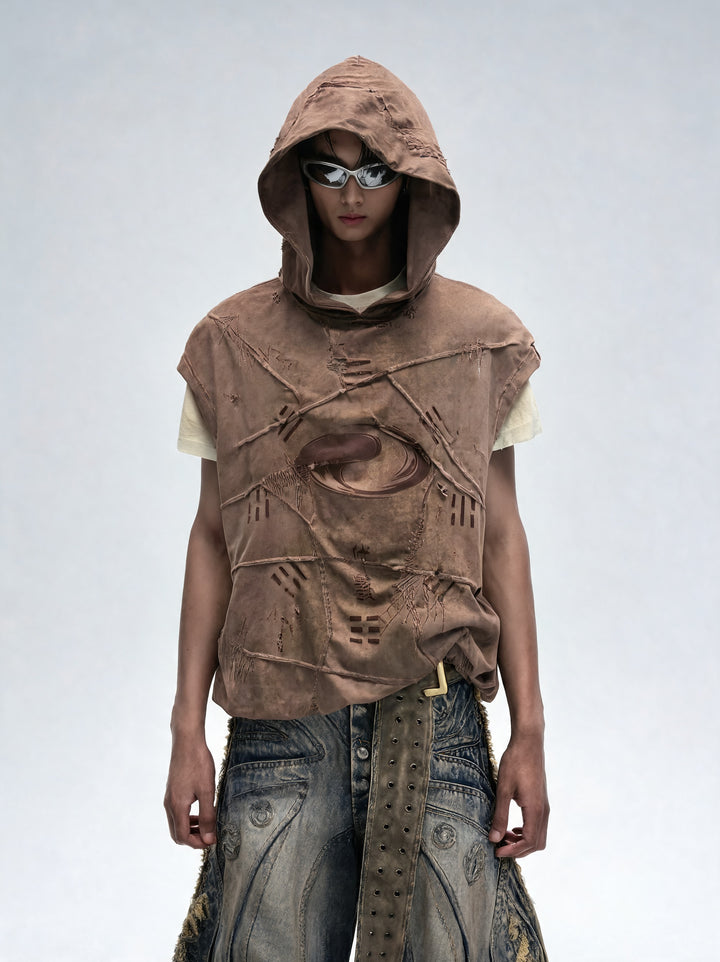
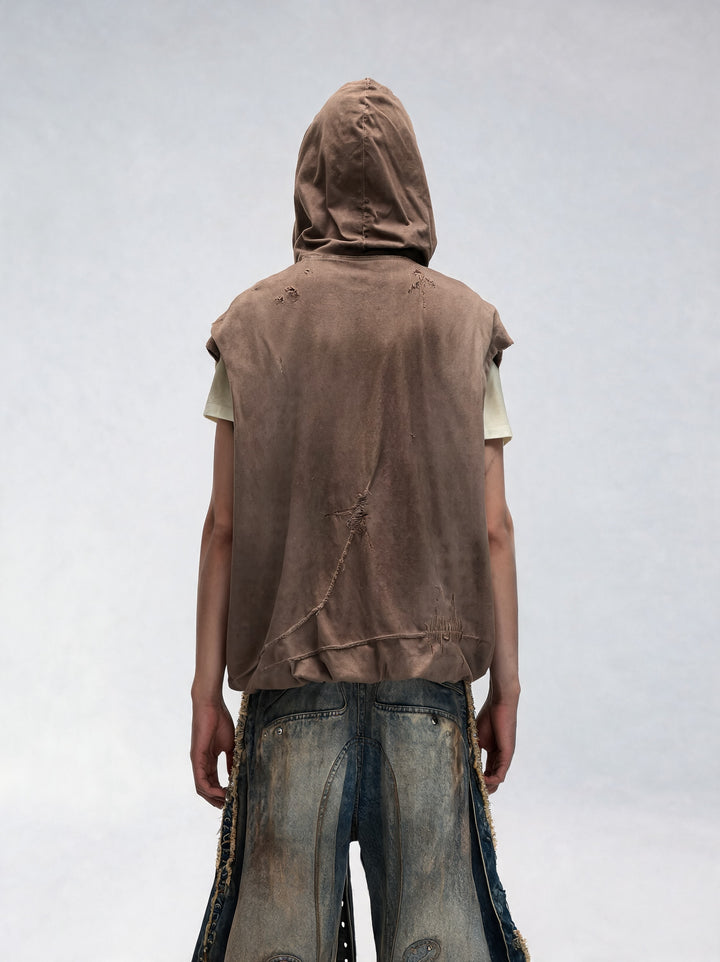
Warcore Distressed Hooded Vest


Gothic Yin Yang Washed Tee
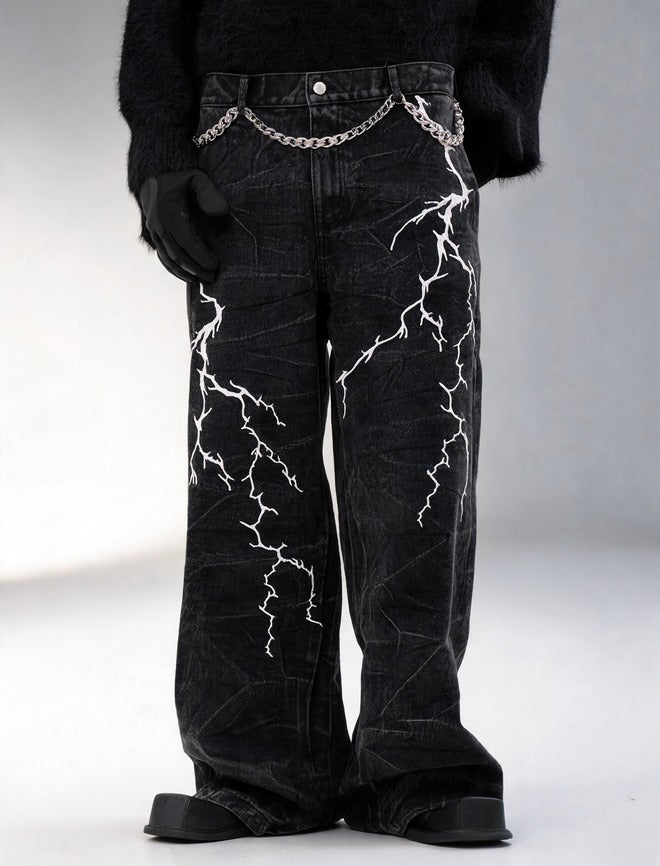
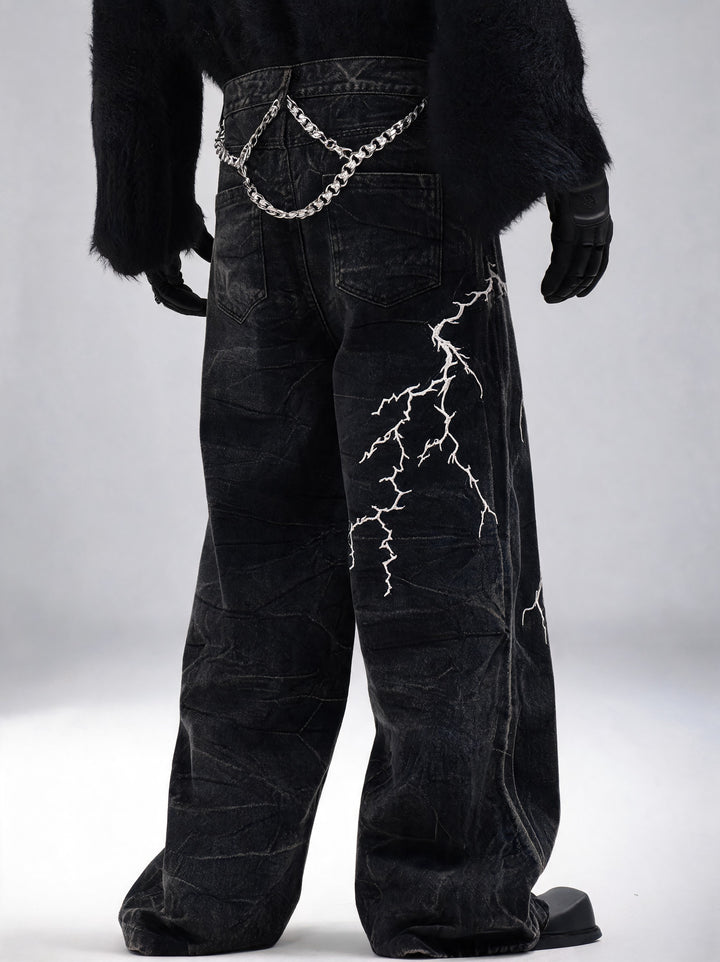
Y2K Lightning Embroidery Wide-Leg Jeans
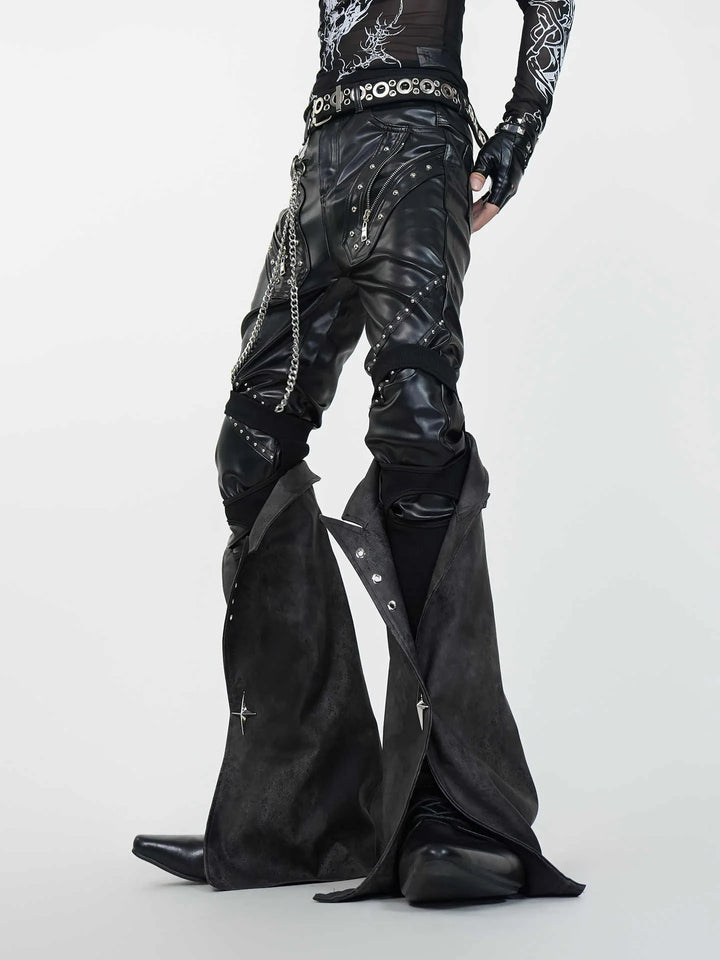
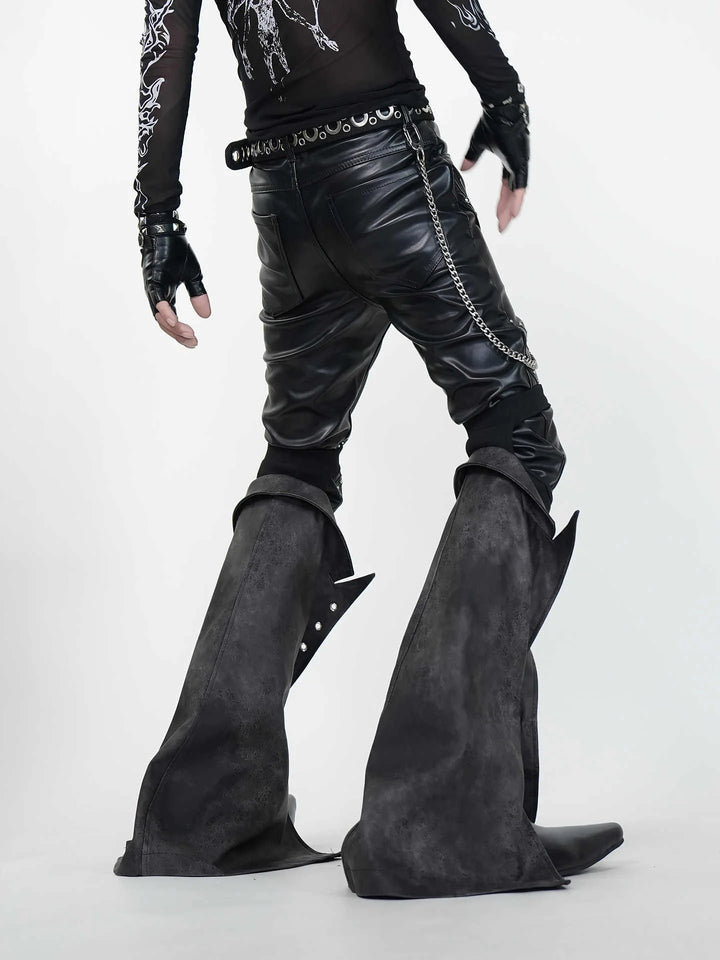
Opium Studded Leather Trumpet Flare Pants
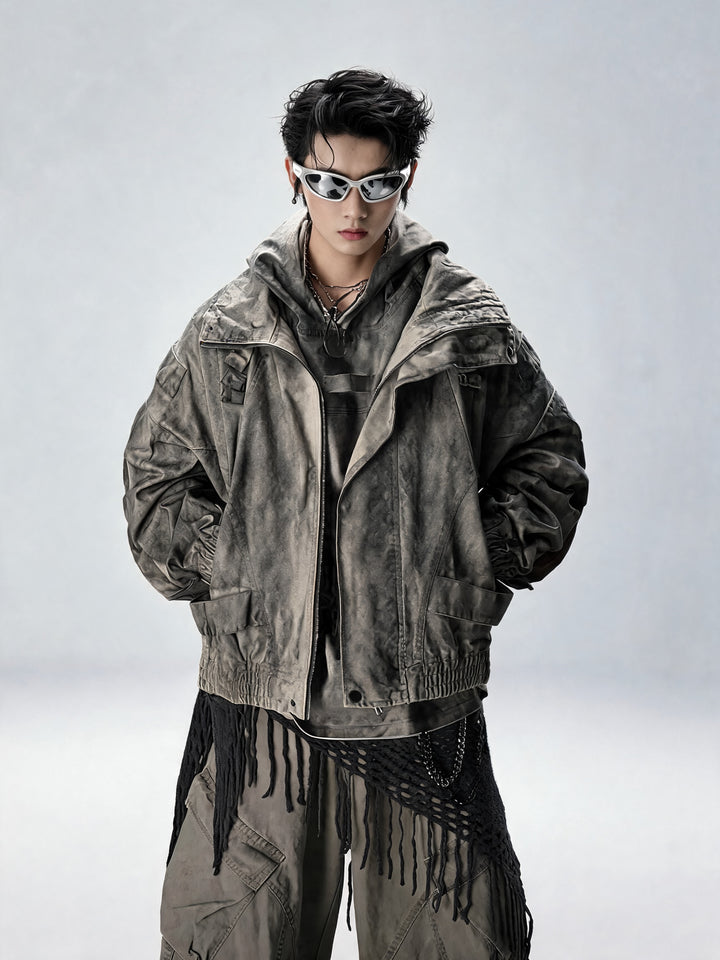
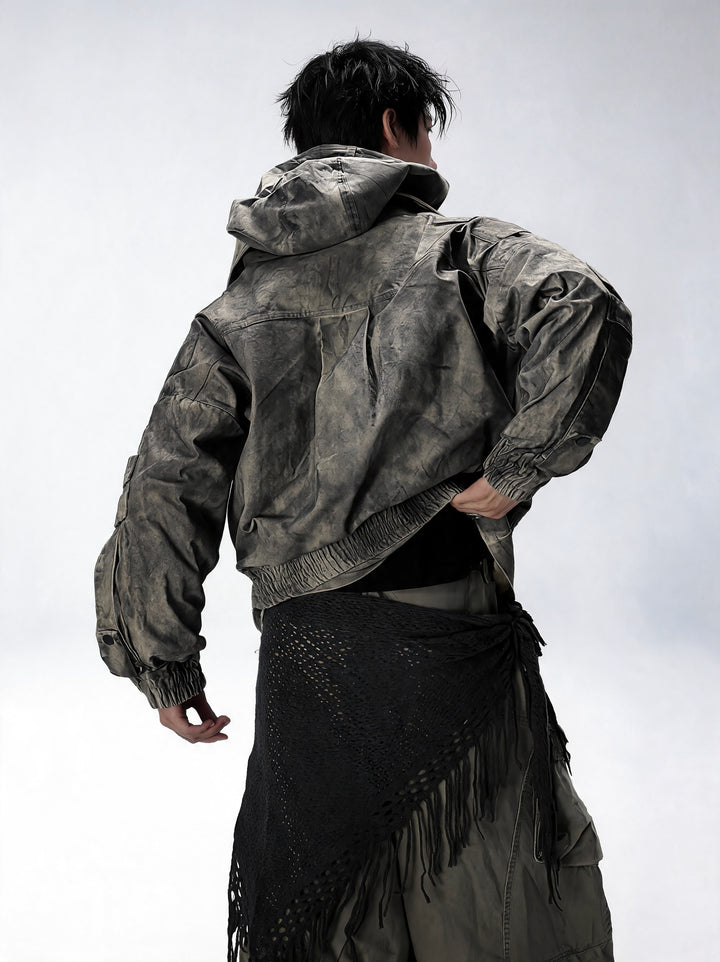
Opium Acid-Wash Cropped Denim Jacket
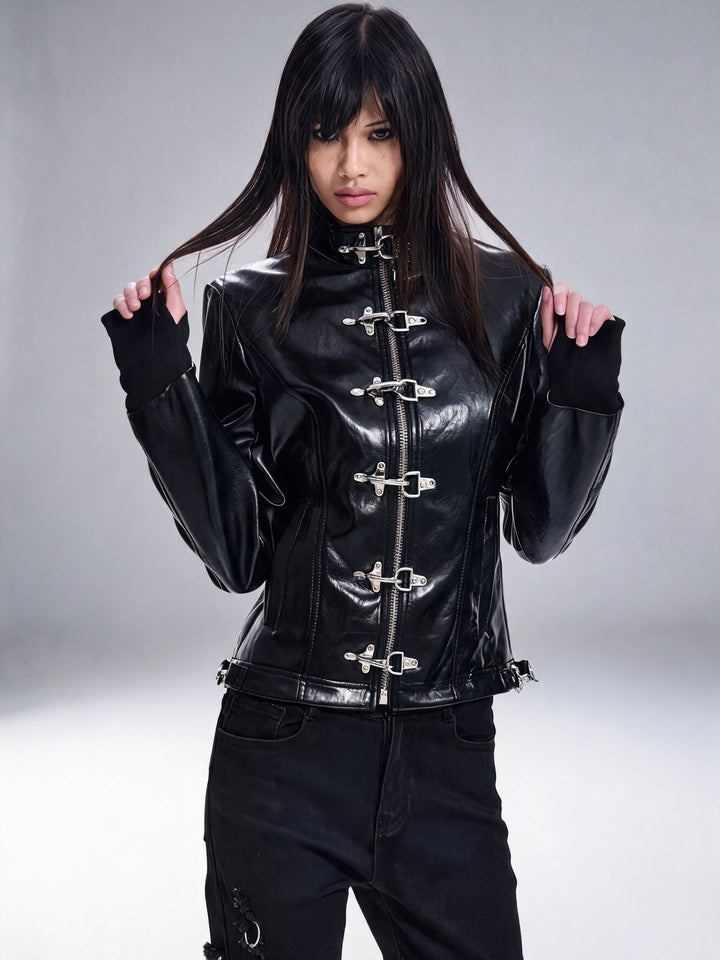

Opium Buckle Leather Jacket
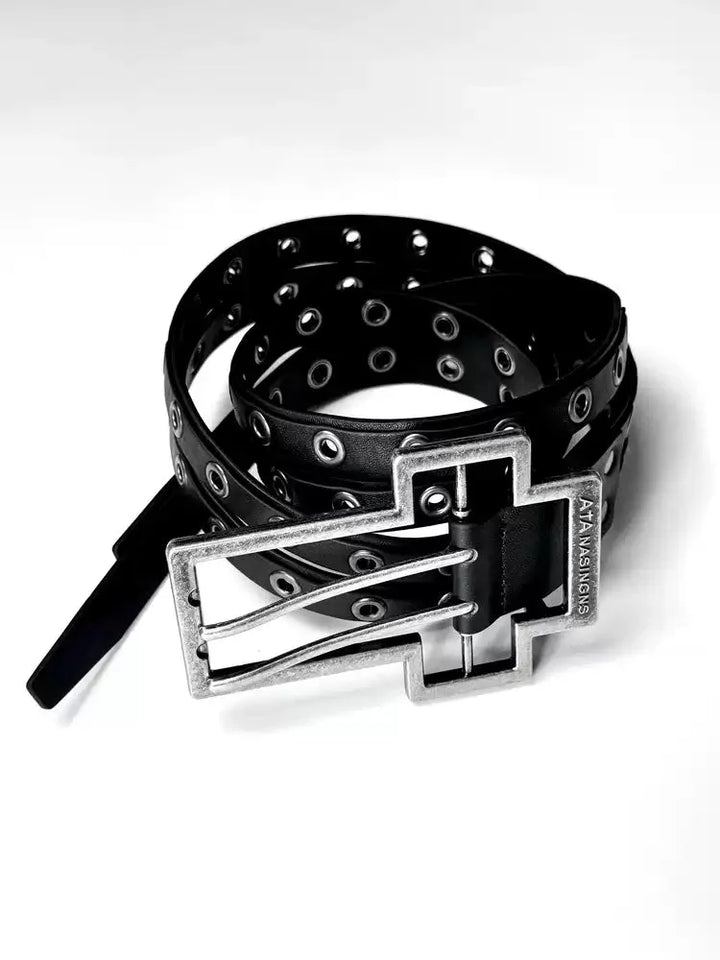
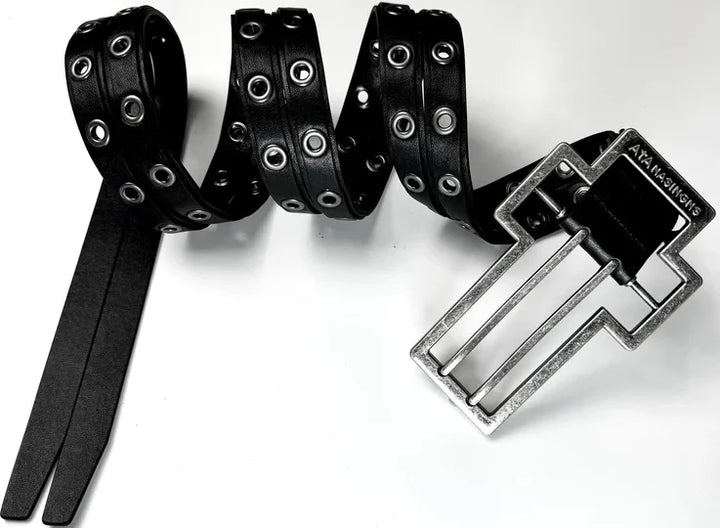
Gothic Cross Leather Belt
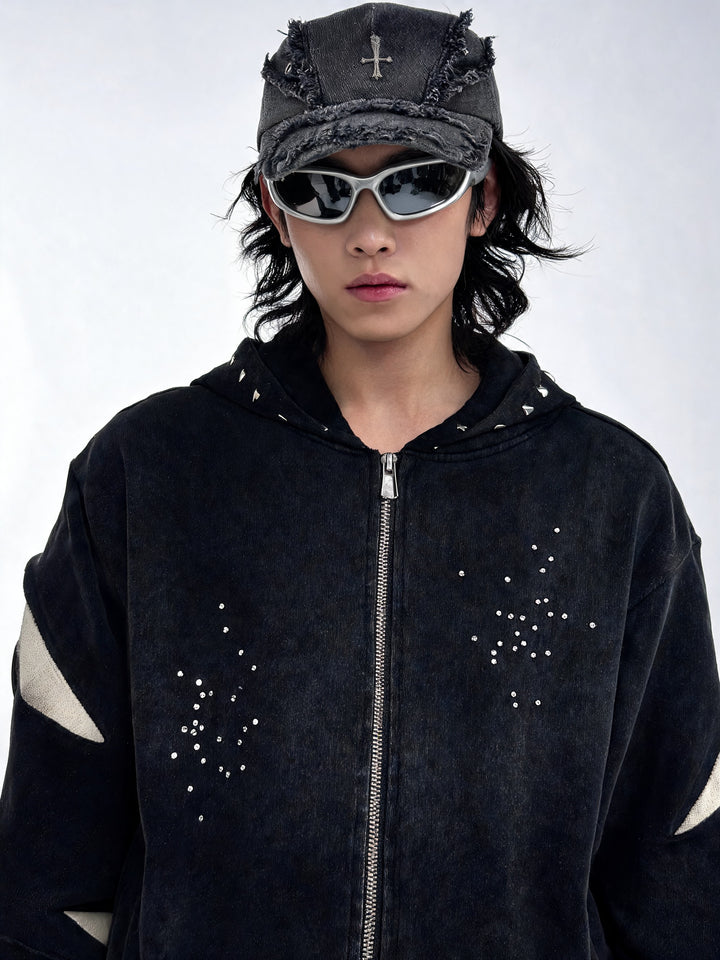
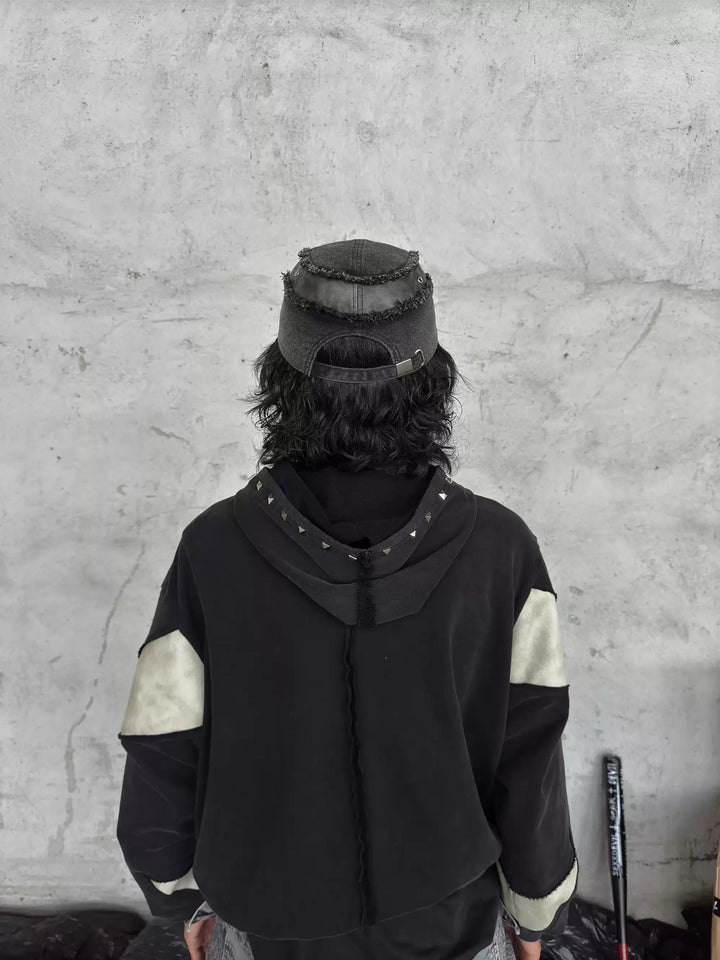
Gothic Distressed Cross Denim Cap

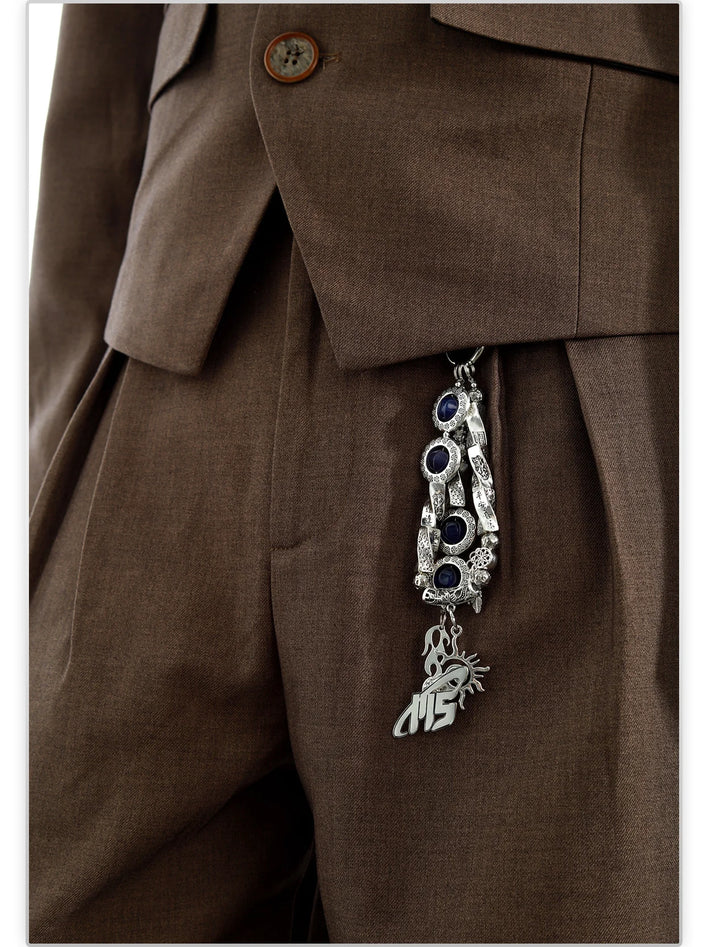
Opium Cat-Eye Pants Keychain
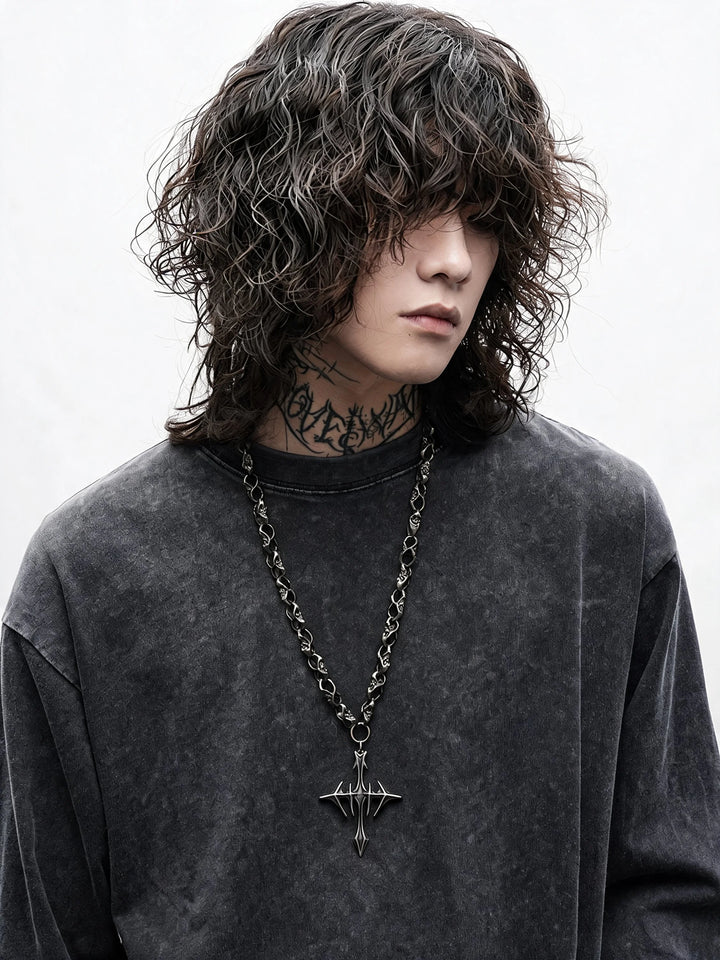
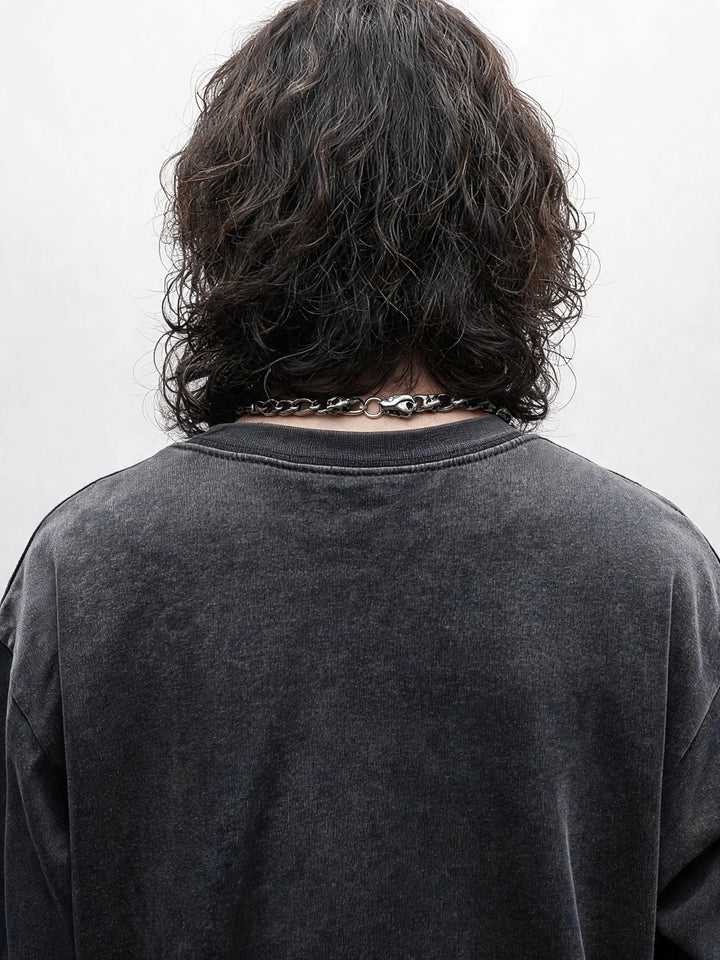 New
Gothic Barbed Cross Necklace
From the collective
Editorial on the niche. And back.
Select size
Goes straight to your Cart.