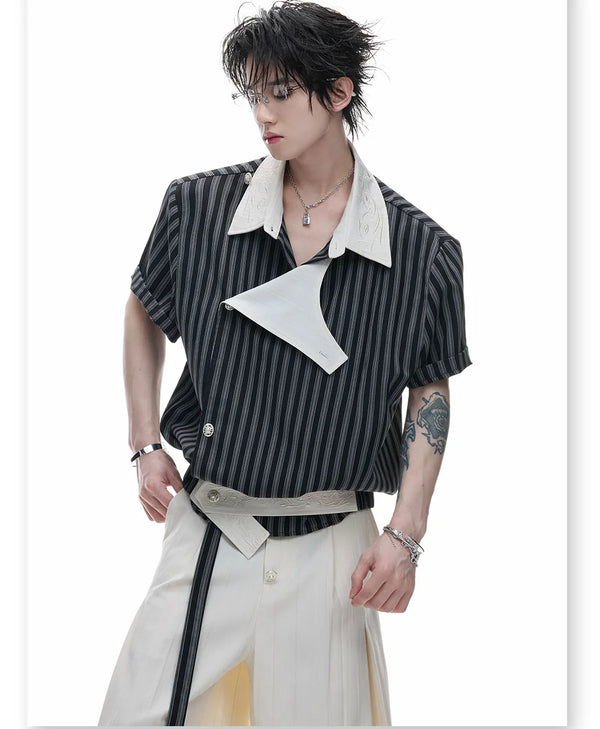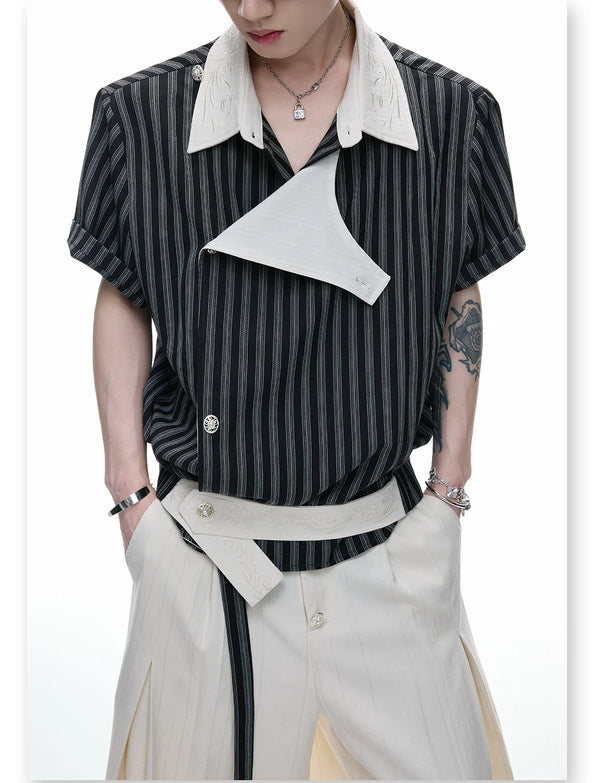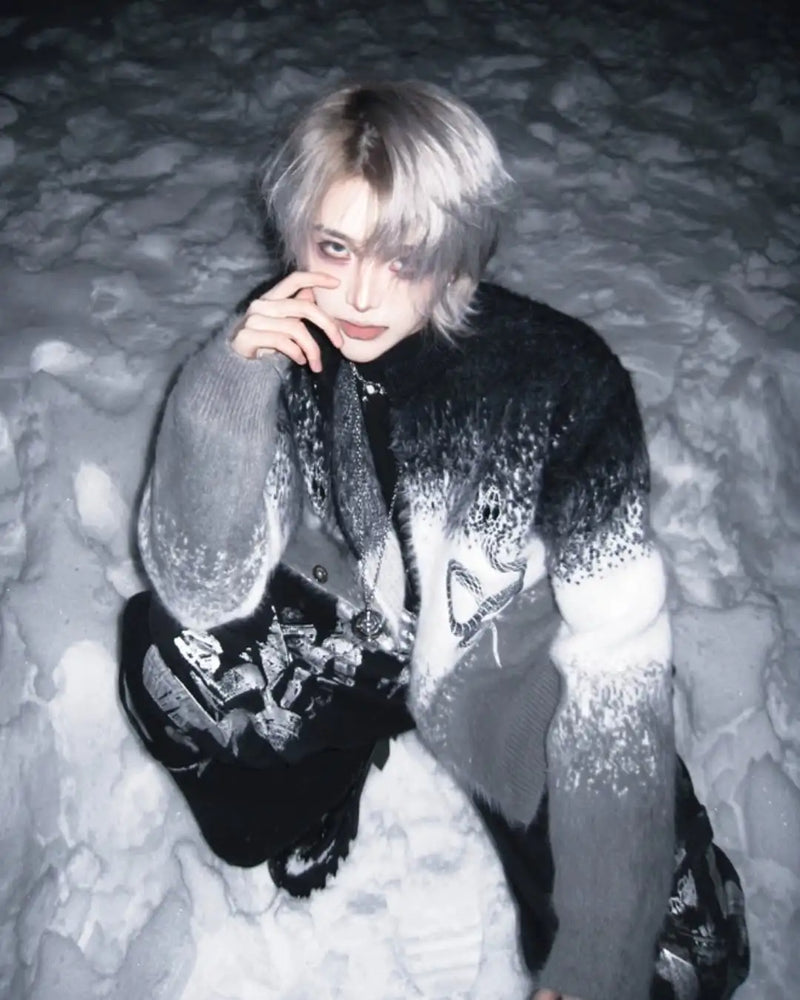

Las Vegas, October 2022. On the festival grounds, thirty-year-olds in band shirts stand next to sixteen-year-olds wearing the same shirts – just bought new. Both groups know every line of the setlist. In between: black eyeliner, chains, ripped denim. What looks like a class reunion is the most visible moment of a movement that has been growing in the feed for years and has long since arrived back on the street.
The Emo Revival is the return of the emo subculture and its fashion in the 2020s – carried by TikTok, band reunions and a new generation that takes on the look without nostalgia. Unlike the second wave of the 2000s, the comeback today runs on algorithms instead of MySpace. The basics of the look are in the Emo Fashion Guide – this article explains why emo is back right now and how the look works in 2026.
Definition
What the Emo Revival is – and why it is happening now
Emo Revival describes the return of emo as music, attitude and fashion since the early 2020s. The term itself is older than the TikTok hype: back in the 2010s the music press used it for the renewed focus on Midwest emo bands. What is happening today goes further – it is the first wave that brings back the complete look, not just the sound. The word emo comes from “emotional hardcore”, a hardcore-punk offshoot from Washington D.C. in the mid-80s. In German there is no translation – the term stayed as it was.
Why now? Three reasons come together. First the nostalgia cycle: fashion recycles in twenty-year loops, and 2026 minus twenty lands in the middle of the peak of the second emo wave. Second the platform: TikTok rewards looks with a clear signature, and few aesthetics are as instantly readable as emo. Third the music: reunions, festivals and a new generation of bands deliver the soundtrack, without which emo fashion would only ever be dressing up.
What matters is the separation of copy and continuation. The new generation does not wear emo as a 2000s theme party. It takes the codes – black, denim, band graphics, eyeliner – and puts them into today's silhouettes. That makes the revival more durable than a trend cycle.
2004
Peak of the second emo wave
2022
Premiere of When We Were Young, Las Vegas
5
waves counted in emo to this day
Timeline
From MySpace to TikTok: the timeline of the emo comeback
The second wave did not die suddenly, it faded out. From around 2009 youth culture moved to indie, then to streetwear, and emo became a word of mockery. The bands kept playing, but the look disappeared from the high streets. What remained was a generation that had grown up with My Chemical Romance, Fall Out Boy and Paramore – and their hard drives full of photos they showed nobody for years.
The comeback came in stages. In 2019 My Chemical Romance announced the reunion, the tickets were gone in minutes. In 2020 a new generation sat in lockdown and scrolled through archives. In 2021 the TikTok algorithm brought old music videos into new feeds. In 2022 the When We Were Young festival in Las Vegas made it official: a complete line-up from the 2000s era, sold out, extra dates. Since then the emo comeback has no longer been a secret but a date in the calendar.
Platform
TikTok Emo: how an algorithm revives a subculture
In 2006 MySpace was the home of the scene: profile songs, top-8 drama, photos at a 45-degree angle. TikTok works differently – and that is exactly why TikTok Emo grew bigger than any forum before it. The algorithm needs no scene membership. It shows a fifteen-year-old in Gelsenkirchen the same video as a thirty-year-old in Portland, and both stay with it because the look is instantly readable: black, eyeliner, fringe, attitude.
Then there is the format. Emo was always visual – hair, outfit, pose belonged to the music like the breakdown. Short videos reward exactly that density. An outfit change on the drop, a make-up tutorial over the ballad, a “getting ready for When We Were Young” clip: the look explains itself in seconds.
The difference from the MySpace era lies in reach without membership. You used to have to grow into the scene – through friends, local shows, forums. Today a feed is enough. That changes the fashion too: it has to work on the screen, not just in the youth club. That is why the looks of the revival have more contrast, the silhouettes are clearer, the accessories bigger than in 2006.
Terms
5th Wave Emo: what emos are called today
Anyone searching for emo today stumbles over wave counting. The short version: first wave in the 80s (Washington D.C., emotional hardcore), second wave around the turn of the millennium into the late 2000s (the mainstream peak), third and fourth wave in the 2010s (Midwestern Emo, DIY scene, quieter and more in love with guitars). What has been happening since the early 2020s is called 5th Wave Emo in the music press – the fifth wave.
And what do you call emos today? Often not that at all any more. The terms have become permeable: E-Girl and E-Boy describe the TikTok-shaped version, Alt covers everything from emo to goth as an umbrella term, and many from the fifth wave simply say emo again – without irony. That the word is no longer an insult is perhaps the clearest sign of the revival.
Musically the fifth wave draws its lines wider than any before it. Midwestern Emo runs next to Emo Pop, Emo Trap next to classic fourth-wave guitar sound. This openness is mirrored in the fashion: there is no longer one emo look but a spectrum – from clean band-shirt styling to the fully styled festival version.
Catalyst
MCR reunion & When We Were Young: festivals as a fashion catalyst
The MCR Reunion Tour from 2022 was more than a concert comeback – it was a runway. My Chemical Romance did not appear in the 2006 look but in broken, theatrical outfits that played with their own past instead of repeating it. The message to tens of thousands a night: you do not have to look like back then to belong. That permission is exactly what shaped the fashion of the revival.
The When We Were Young festival translates that into a mass event every year. Since the premiere in 2022 in Las Vegas it has been the place where the fashion of the Emo Revival calibrates itself: what gets worn there lands in the feeds in the weeks afterwards – and defines what counts as a contemporary emo look. Band shirts remain the base, but the trousers are wider, the boots heavier, the styling more grown-up than in any schoolyard version from 2006.
Look logic
The Emo Revival look in 2026: codes that work today
The look of the revival is no uniform programme. Look closer and recurring types appear – each with its own logic, its own budget and its own stage. The five most common:
More important than the type is the foundation. All five variants build on the same four components: a top with attitude, trousers with volume, a jacket with an edge, an accessory with metal. The following sections go through the components one by one.
Component 01
Tops & layering: band-shirt logic without the nostalgia costume
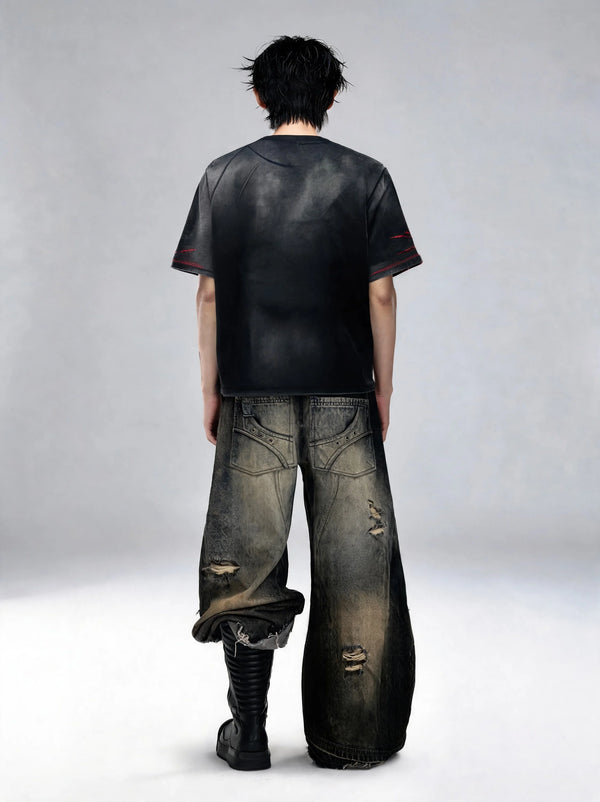
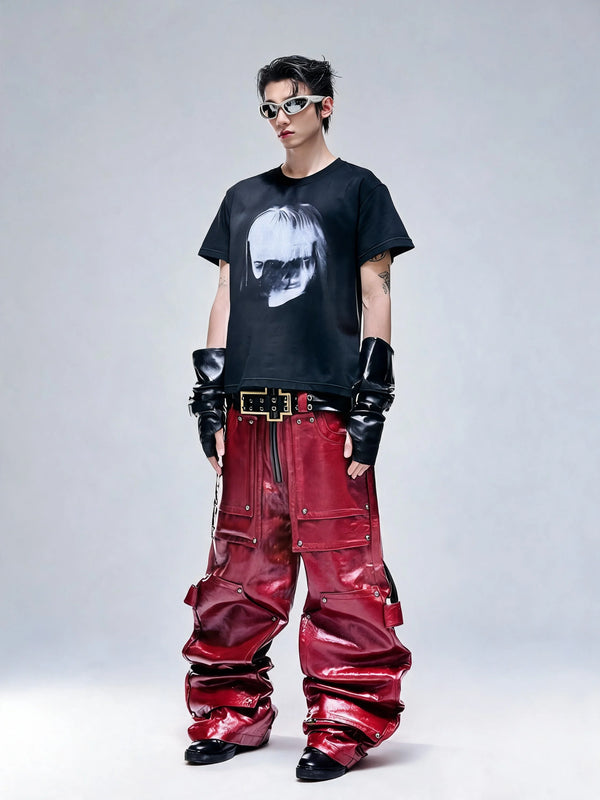
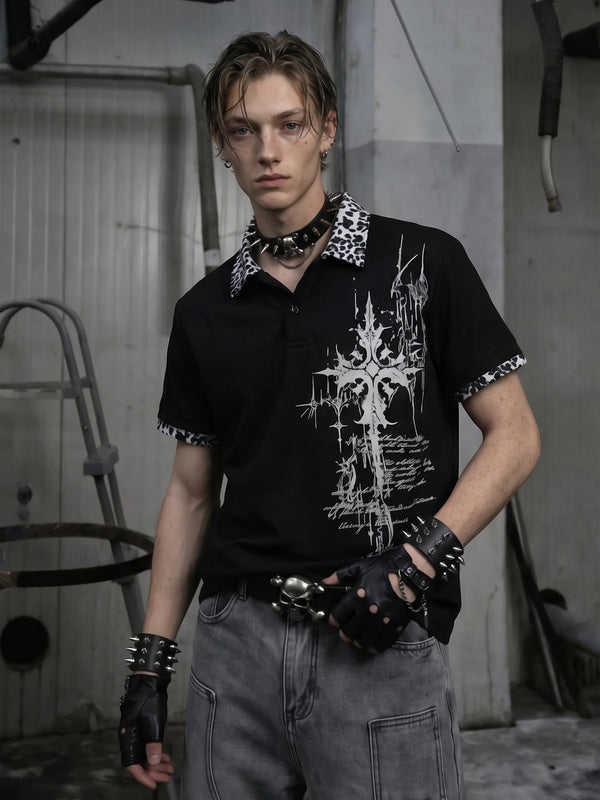
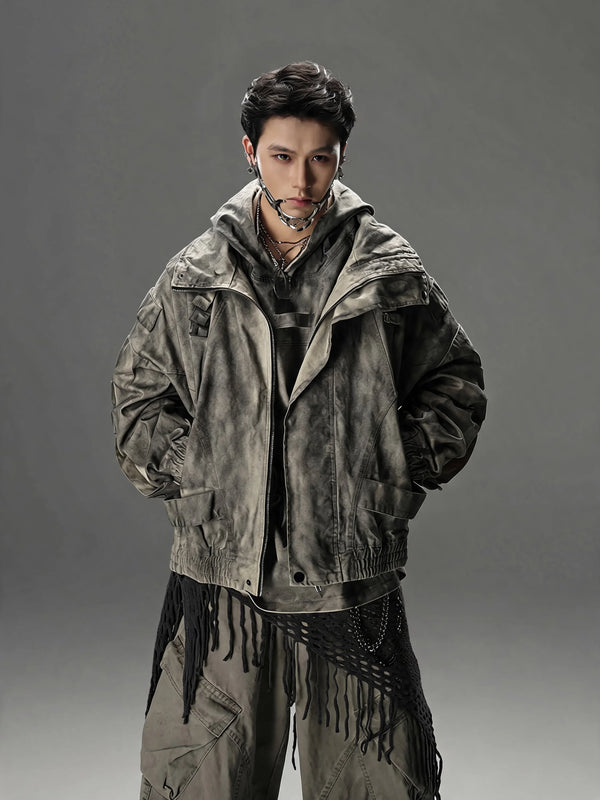
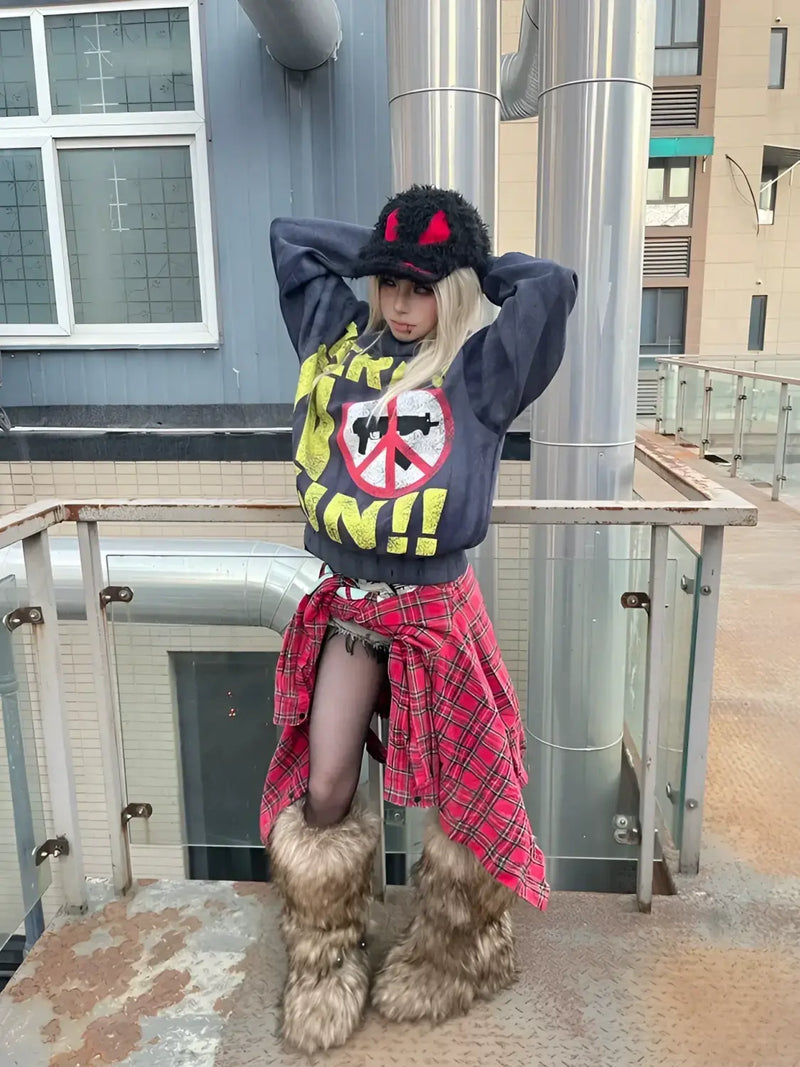
The band shirt remains the heart of it – but the rules have turned. In 2006 emos wore band shirts deliberately tight, often in kids' sizes. The revival does the opposite: shirts fall loose to oversize, and instead of the tight longsleeve underneath there is a wide layering piece today. Distressed edges, washed-out prints and broken-up structures replace the clean merch look.
Anyone who does not collect band shirts works with graphic tees and dark layering pieces. What counts is the break: one element that looks worn – frayed hems, acid wash, visible seams. A smooth black T-shirt is not emo yet; a destroyed one with graphics and a history comes closer.
Component 02
Trousers: from skinny to wide leg – the biggest difference from 2006
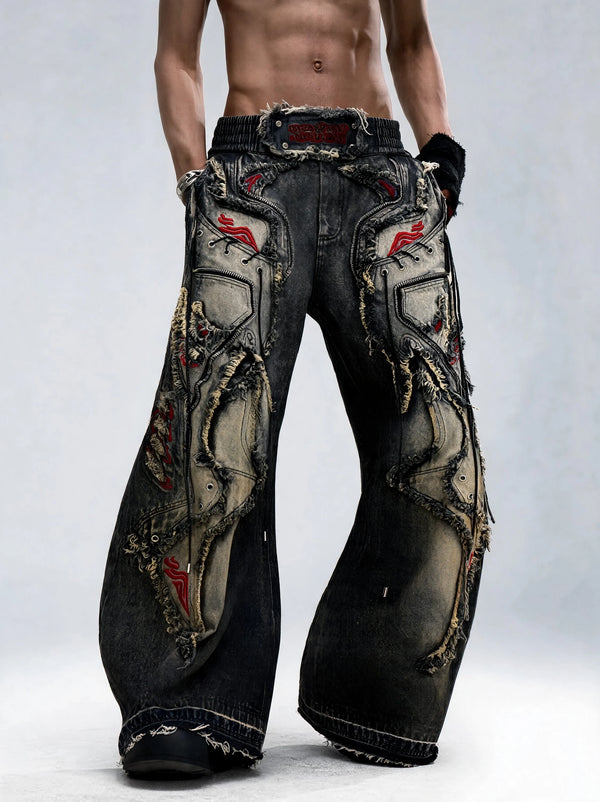
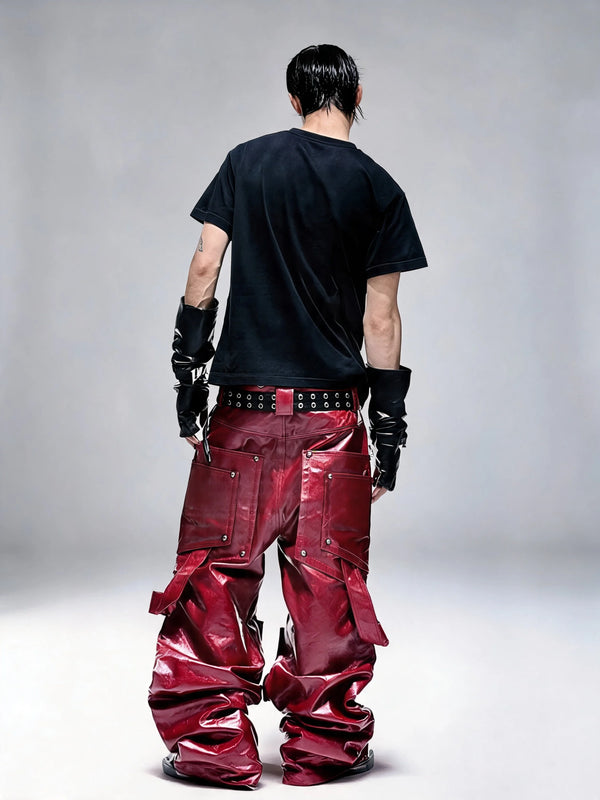
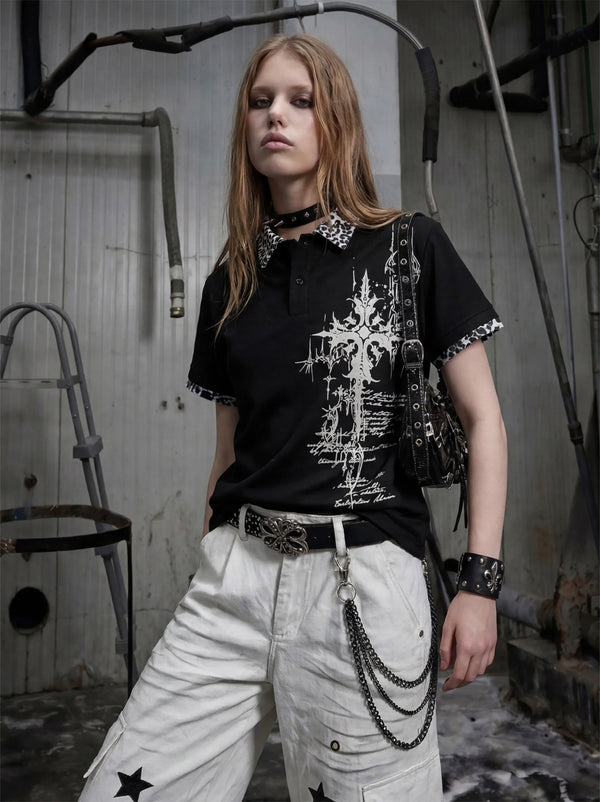
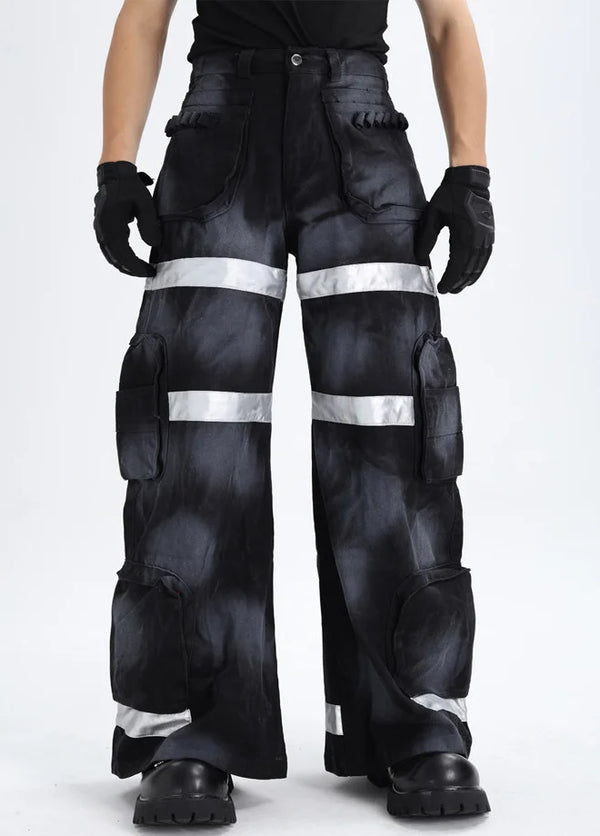
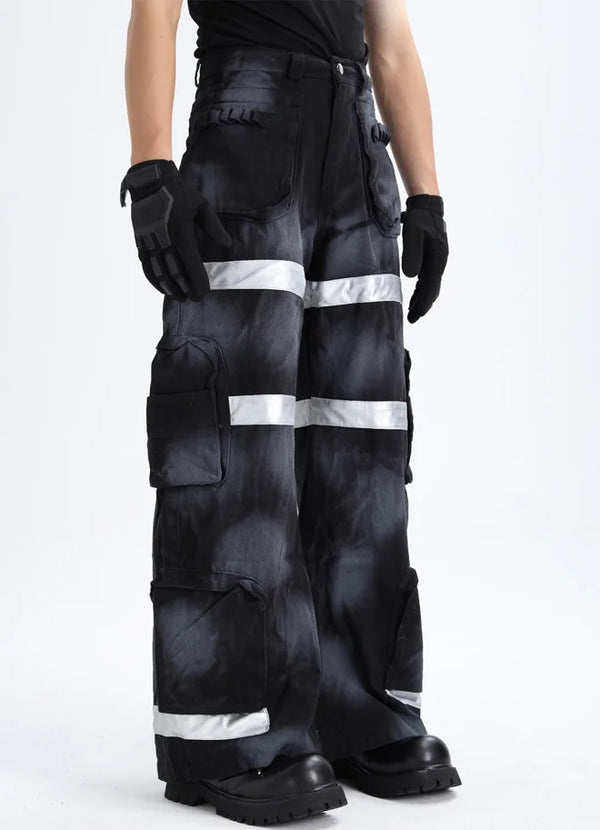
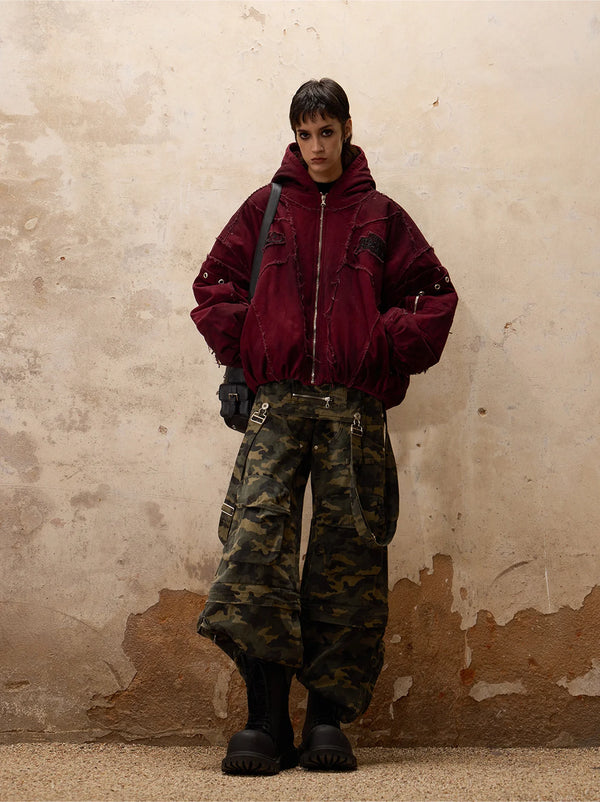
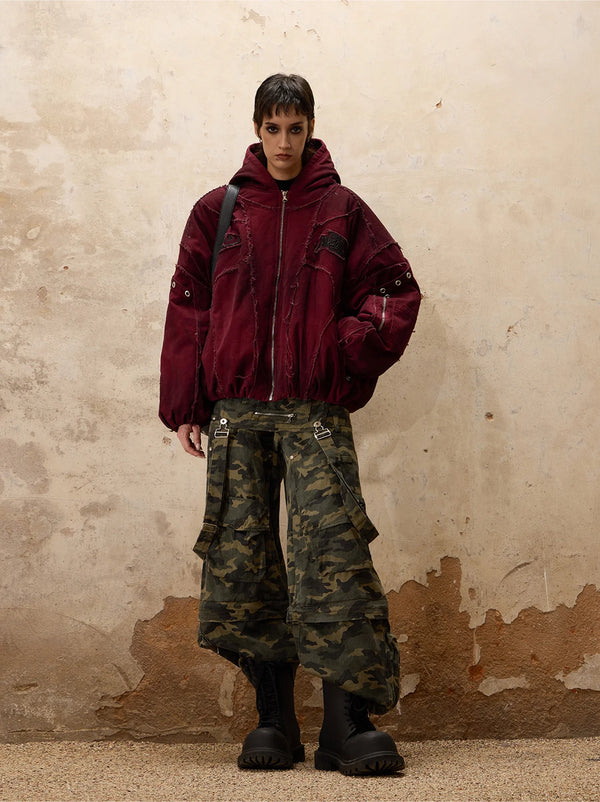
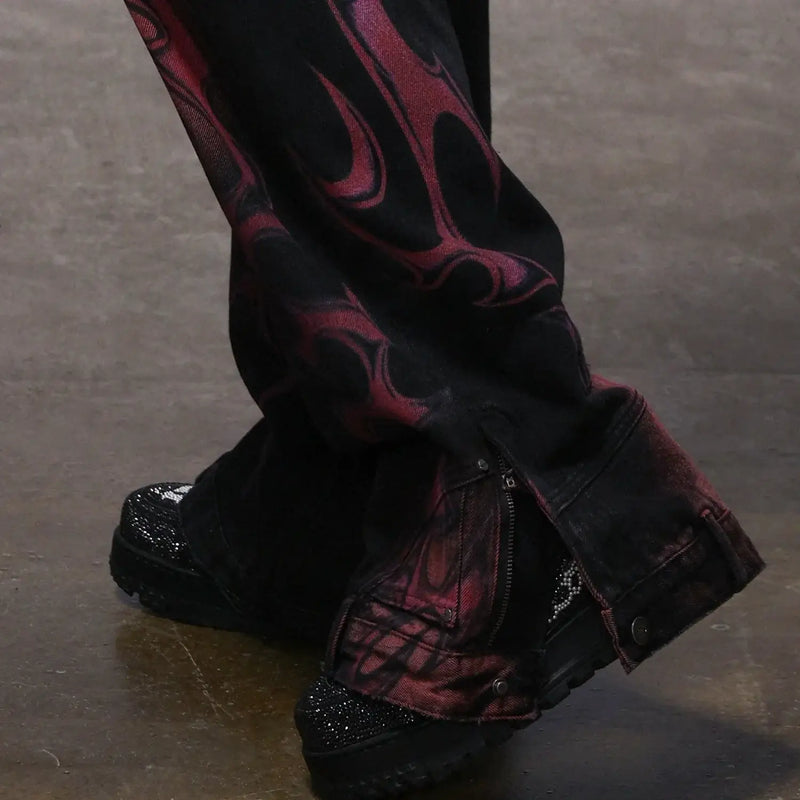
If there is one single rule that separates the Emo Revival from the 2000s era, it is this: skinny jeans are no longer compulsory. The second wave defined itself through tube-tight trousers – the tighter the more credible. The fifth wave wears volume: wide-leg denim, baggy cuts, cargos with drape. The reason is simple: the new generation comes from a Y2K and streetwear socialisation in which wide trousers are the standard.
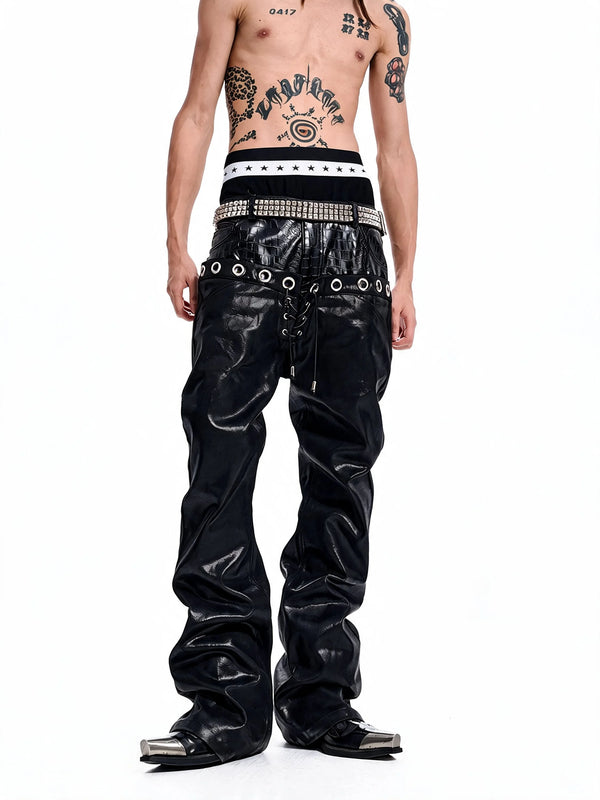
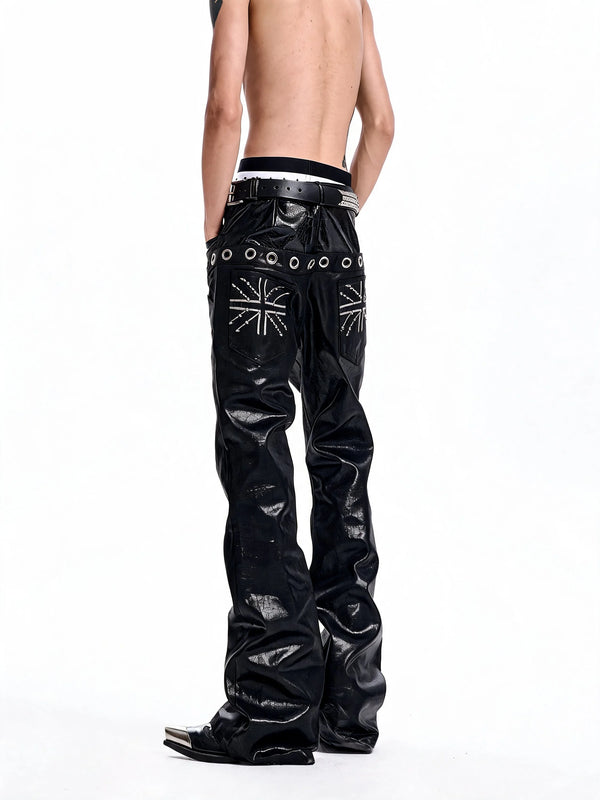
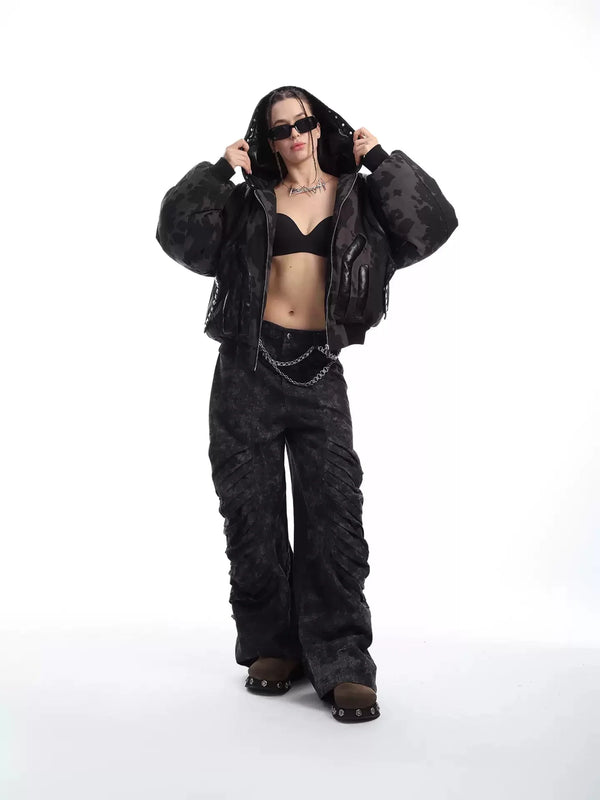
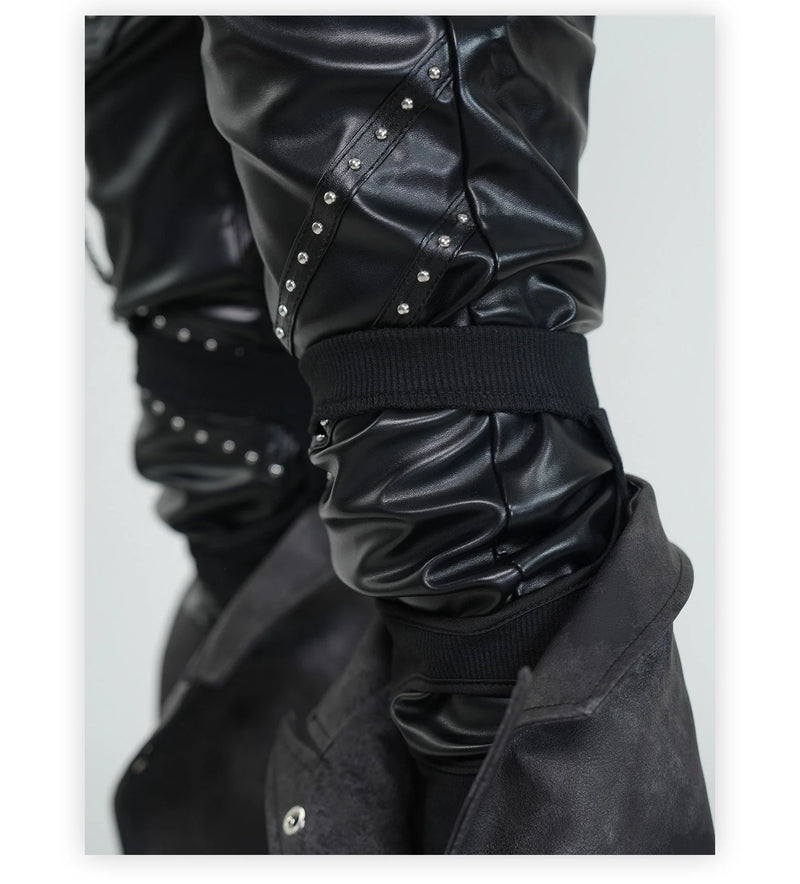
That does not mean tight is forbidden – anyone wearing skinny is deliberately quoting the 2000s. But the default of the revival is wide, dark and structured: studs, tribal prints, graffiti elements, destroyed washes. In the new emo look the trousers are the statement piece, no longer just the black base under the band shirt.
Music line
Emo Trap & the Lil Peep line: music changes the silhouette
Between the fourth and fifth wave there is a bridge that often gets overlooked: Emo Trap. From the mid-2010s artists like Lil Peep and Juice WRLD combined emo melodies and lyrics with trap production – and brought the emo attitude to a generation that grew up with hip-hop silhouettes. Lil Peep's death in 2017 made him an icon; his style legacy – oversize pieces, visible breaks, grunge elements over a dark base – runs through the feeds to this day.
For the fashion of the revival this line is central, because it explains why the new emo look falls so differently from the old one. The Emo Trap generation never knew the tight silhouette. Its reference is the wide, multi-layered look – and that is exactly what dominates now that this generation carries the revival. Anyone who wants to understand the difference between 2006 and 2026 should not look in the wardrobe but in the playlist.
Component 03
Jackets & sets: the outer layer of the Emo Revival
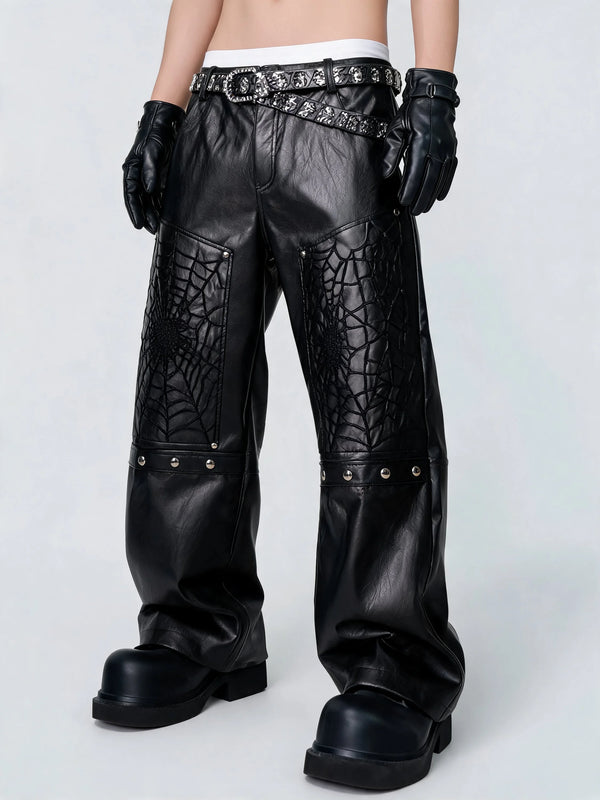
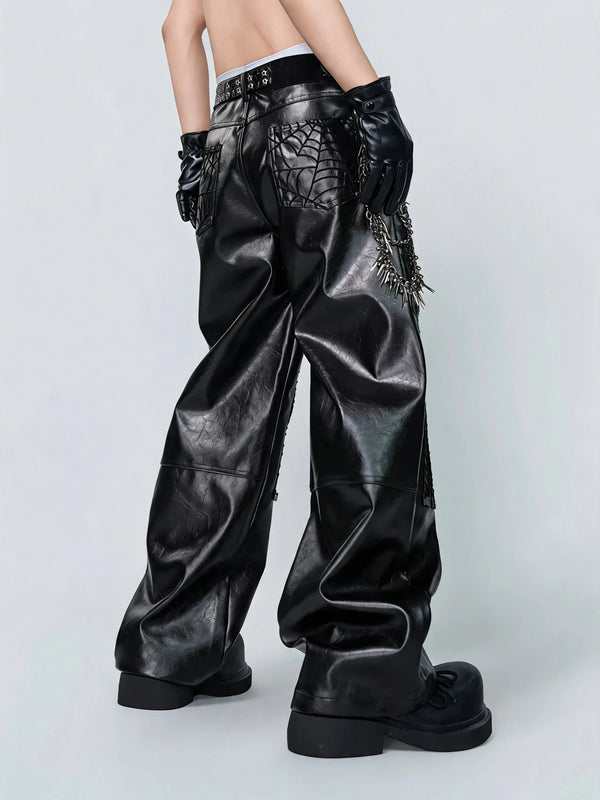
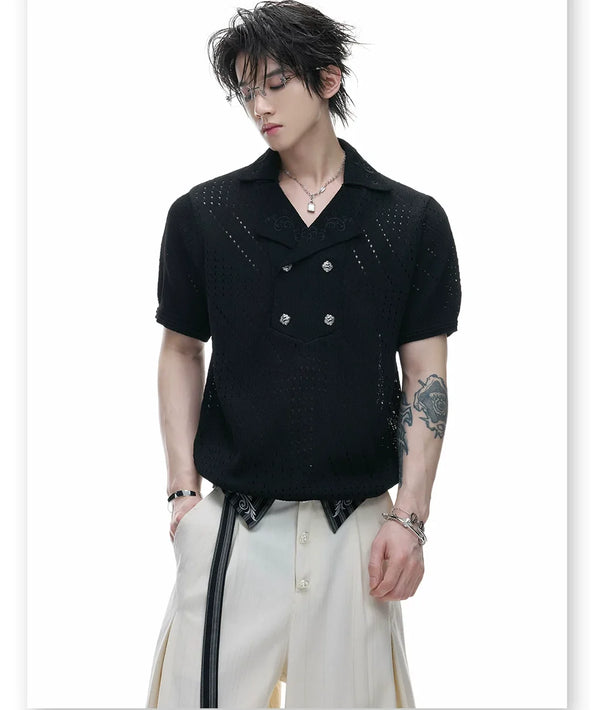
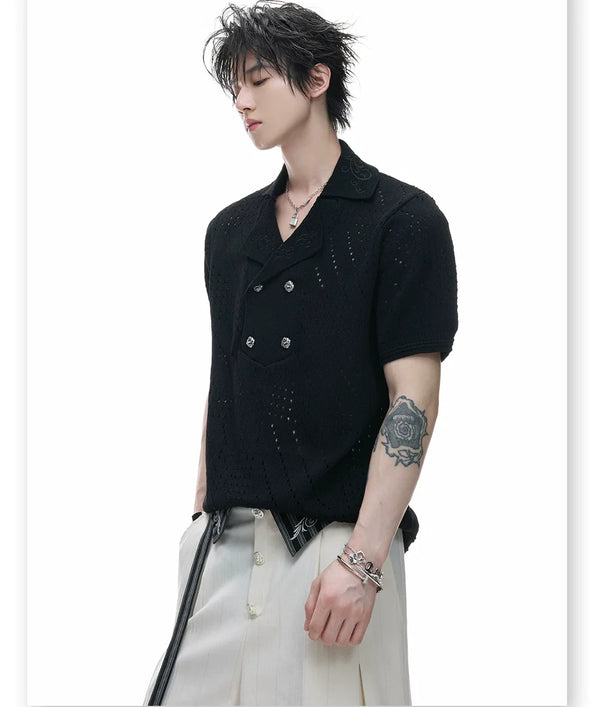
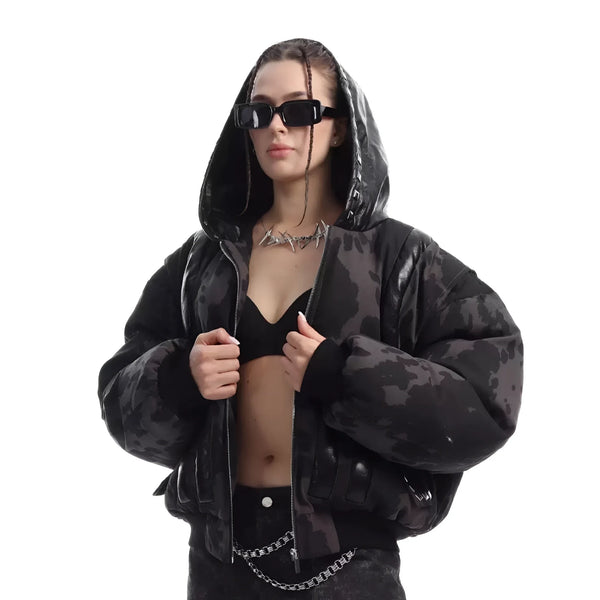
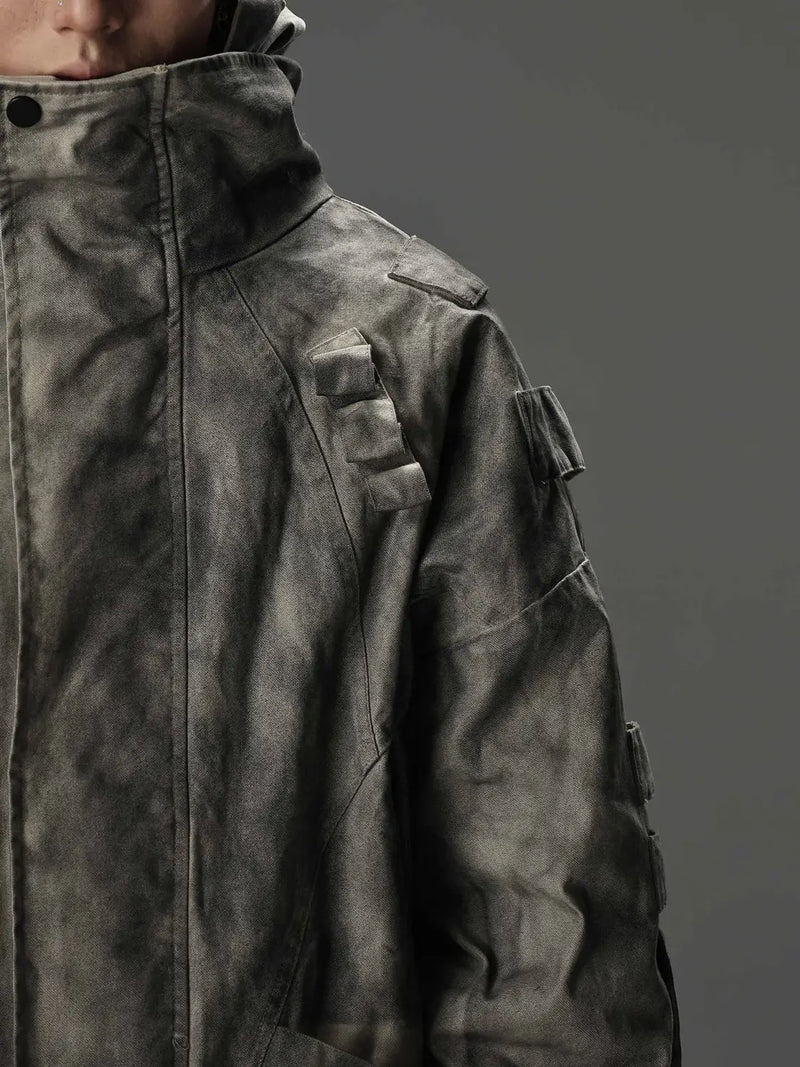
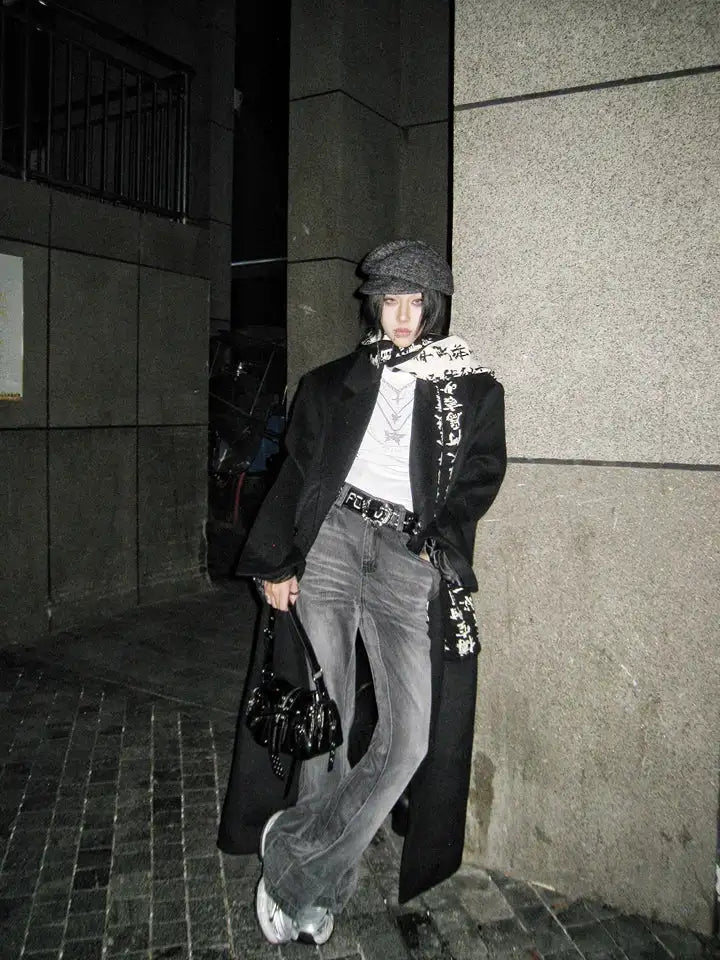
The second wave had the tight hoodie with thumb holes. The revival has the statement outer layer: tactical sets, destroyed leather look, jackets with hardware. Today the outer layer takes the role the hair used to have – it makes the look readable from ten metres away. Dark base, one dominant piece over it, done.
Sets are the shortcut of the revival: jacket and trousers from one mould take the combination work off your hands and deliver the silhouette with it. Anyone unsure starts with a set and swaps individual pieces later – that way an own look grows out of a safe base.
Between jacket and accessory lies the question of where to look in the first place. The revival's answer: not in a single department. The look draws from across the dark categories – from Gothic through Soft Grunge to Mall Goth.
Component 04
Accessories: chains, caps, belts – the details make the revival
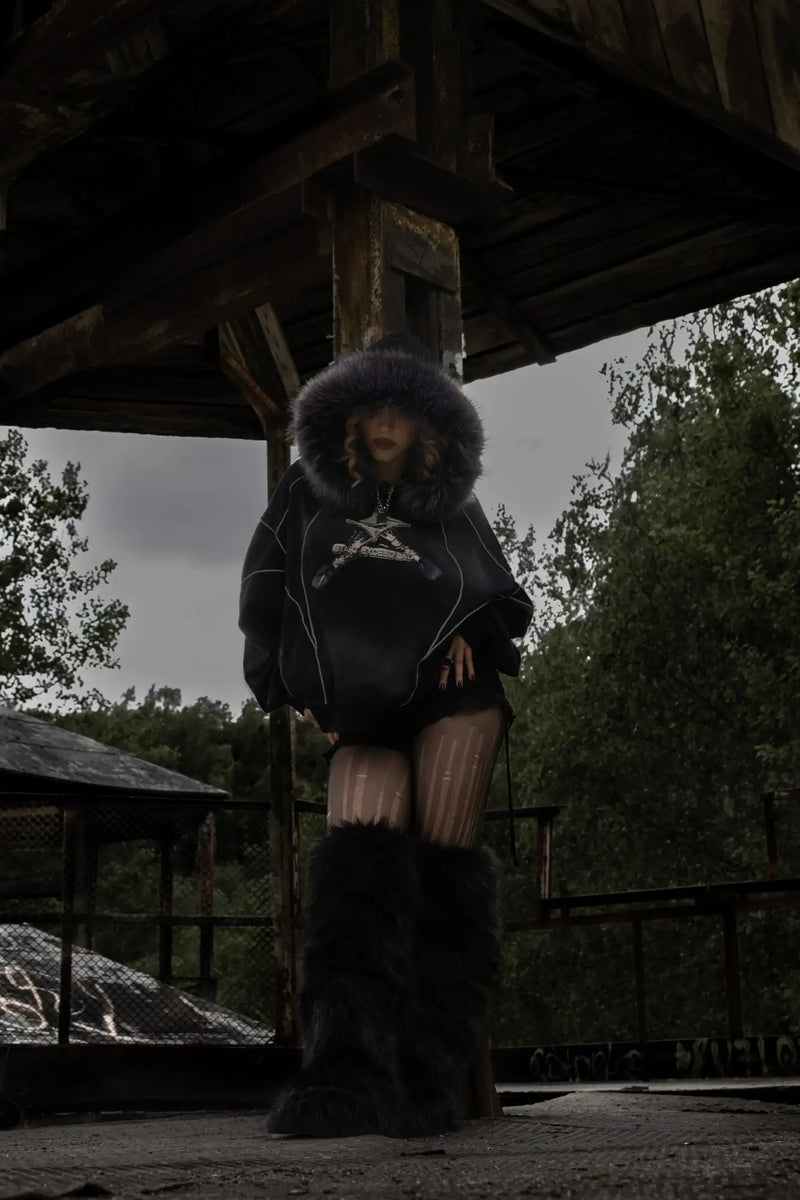
Accessories were always the part of emo that cost the least and said the most: buttons, wristbands up to the elbow, studded belts. The revival keeps this logic but swaps the objects. Instead of fabric wristbands: metal. Instead of buttons: cross pendants, heavy belts, wallet chains. The details are bigger and less playful than in 2006 – they quote Gothic hardware rather than a schoolyard collection.
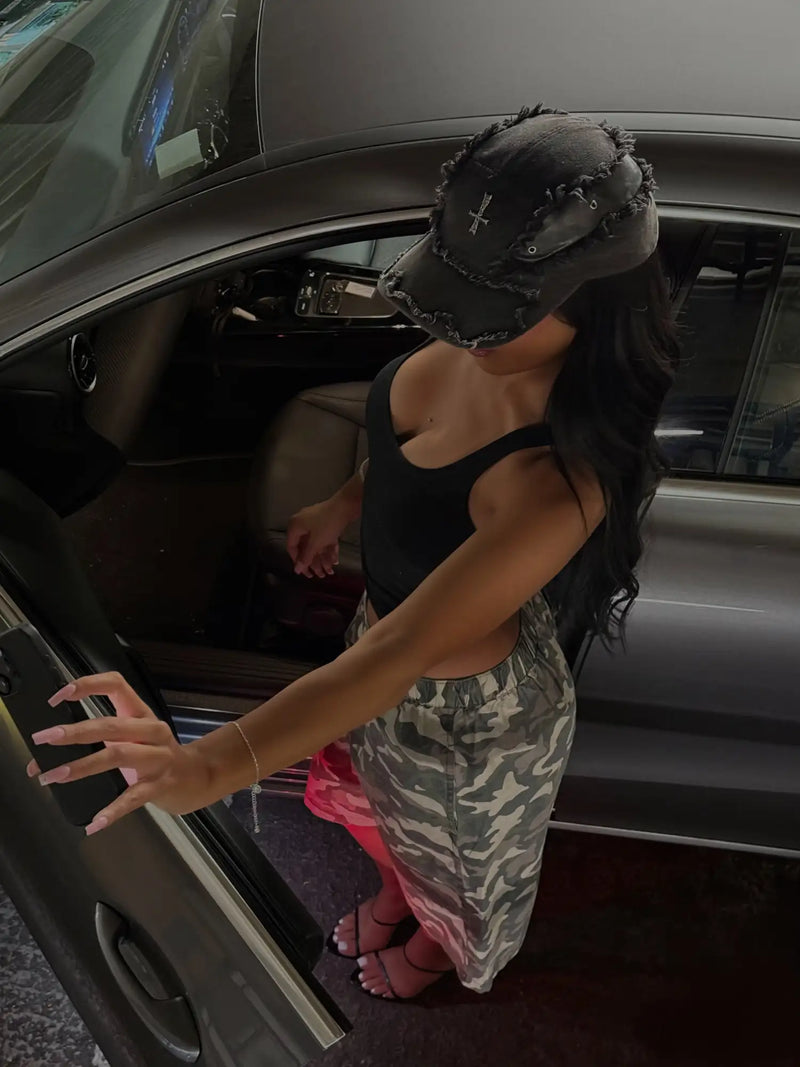
The practical advantage: accessories are the cheapest way into the revival. A belt with a cross buckle or a destroyed cap shifts a neutral dark look towards emo immediately – without a single garment being swapped. Anyone who wants to test whether the look fits starts here.
Comparison
Old vs new: what is different in 2026 compared with 2006
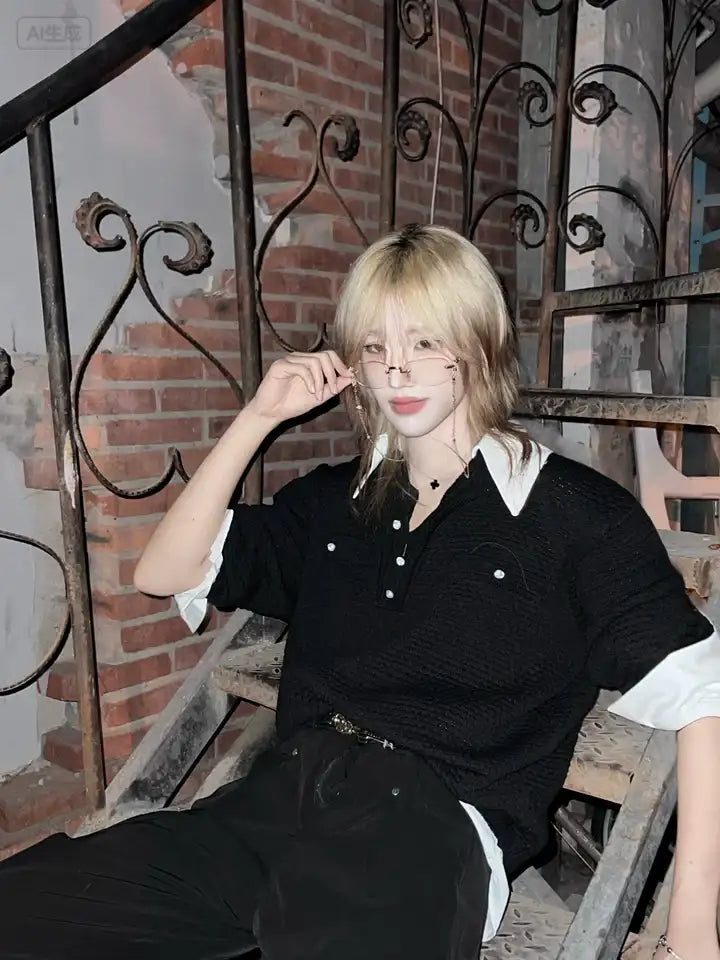
The differences between the second and fifth wave can be pinned to four points. First the silhouette: tight then, voluminous now. Second the hair: the deep-black side fringe with its straightener obligation has given way to a more open stance – dyed strands, shags, mullets, but natural hair works too. Third the make-up: eyeliner stays, but it is no longer compulsory, it is an option for all genders. Fourth the sourcing: instead of mall chains and merch stands, purchases run through online shops and secondhand platforms today.
What has stayed the same weighs more heavily: the function. Emo fashion was never decoration but a signal of belonging and a demarcation at the same time. Anyone wearing the look says something about themselves – back then in the schoolyard, today in the feed. That function survives every change of silhouette.
The comparison also shows why the revival should not be a short cycle: it corrects the uncomfortable parts of the old era – the skinny obligation, the hair dictate, the narrow gender codes – and keeps the core. A subculture that sorts out its own mistakes does not disappear after two summers.
Error check
The most common mistakes with the Emo Revival look
Most failed revival looks fail not on a lack of budget but on five recurring patterns – all avoidable:
The thread running through all five mistakes is the same: the revival rewards looks that seem grown and punishes everything that looks like a checklist. Anyone who understands the attitude does not need the rules – anyone who only copies the rules is missing the attitude.
FAQ
Emo Revival: frequent questions
The same questions keep coming up around the comeback – here are the short answers to the four most common.
What is the difference between punk and emo?
What makes someone an emo?
How do emos behave – do the old clichés still hold?
Do I need the old 2000s pieces for the Emo Revival?
That leaves the question of what remains of the Emo Revival when the algorithm moves on. The answer stands between the lines further up: a movement that adapts its codes to new silhouettes instead of holding on to old ones has already left the expiry date of a trend behind.
What do you think?
Tell us on @fuga_studios
About the author
Philipp Fuge — Founder · Berlin
Founder of Fūga Studios. Writes the journal himself. Berlin · Shanghai · Tokyo · Poznań — four cities, one logic.