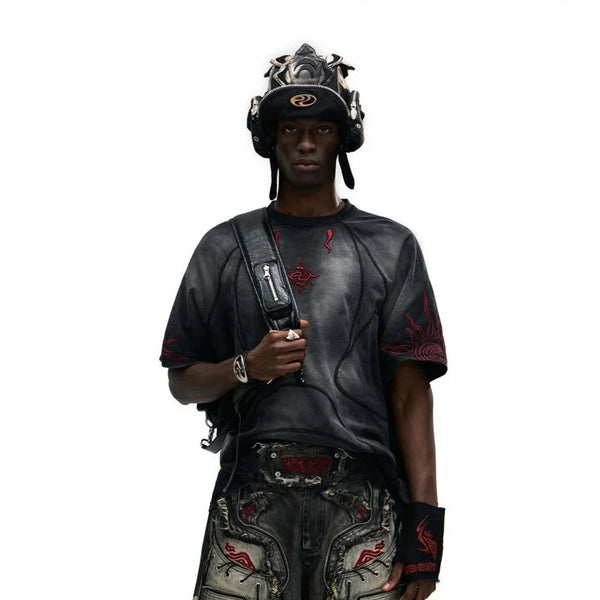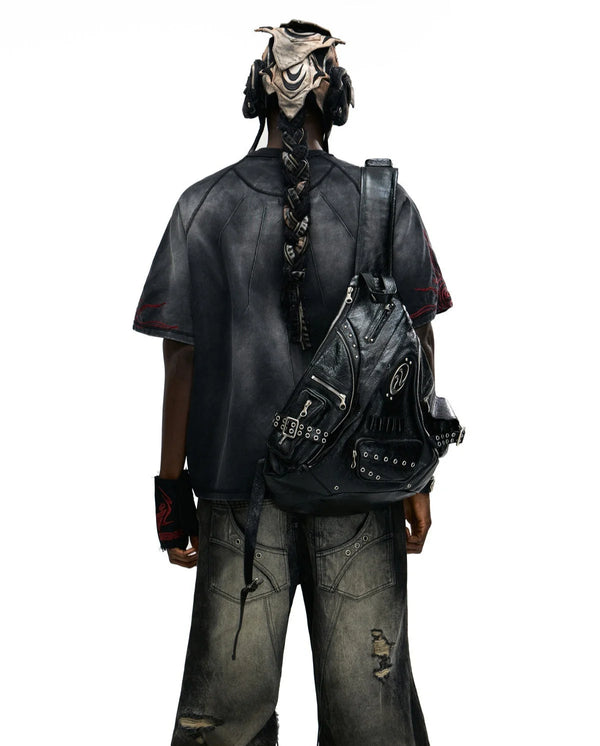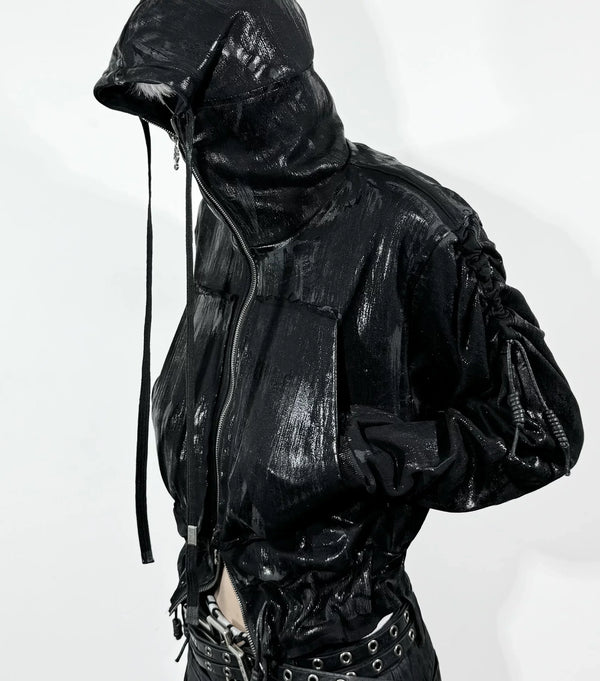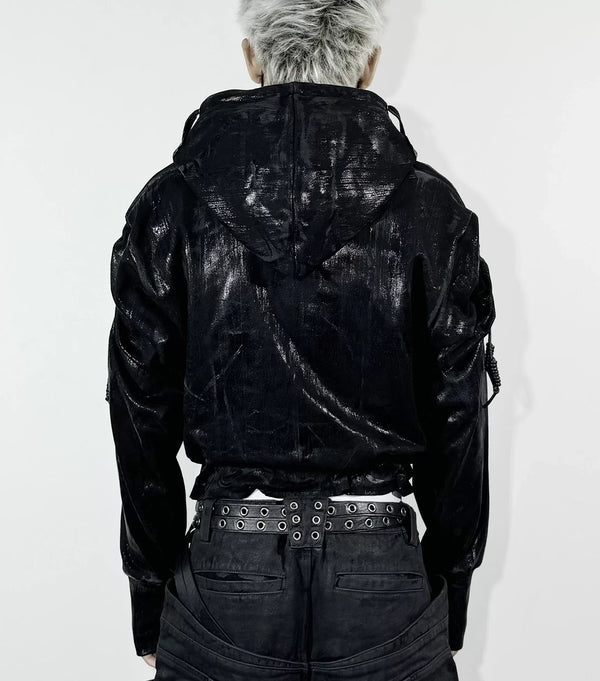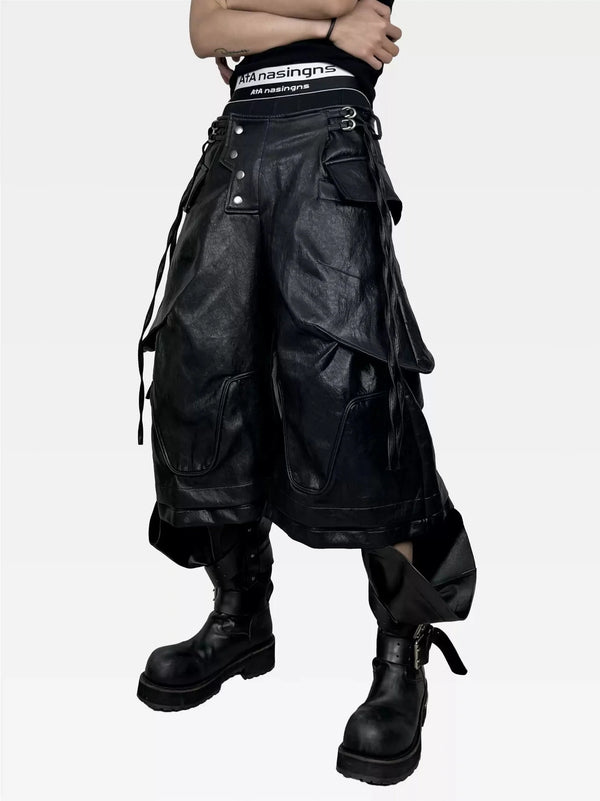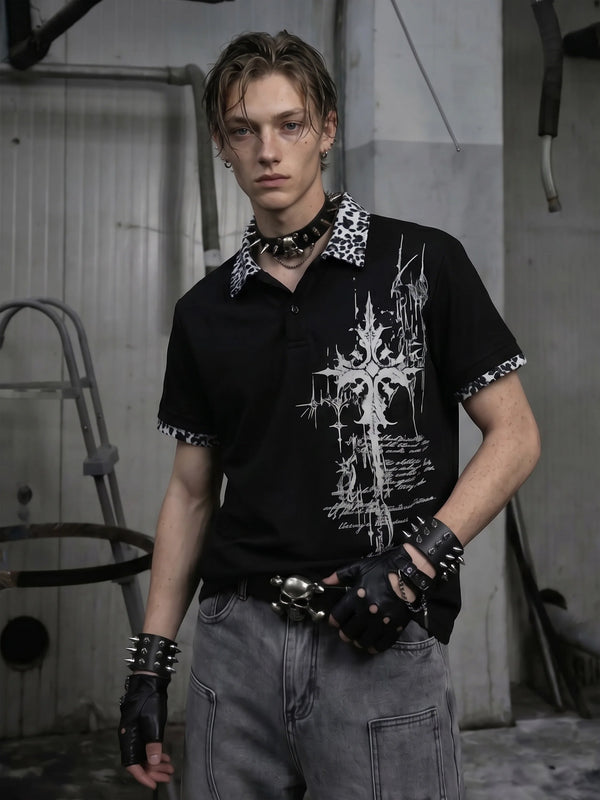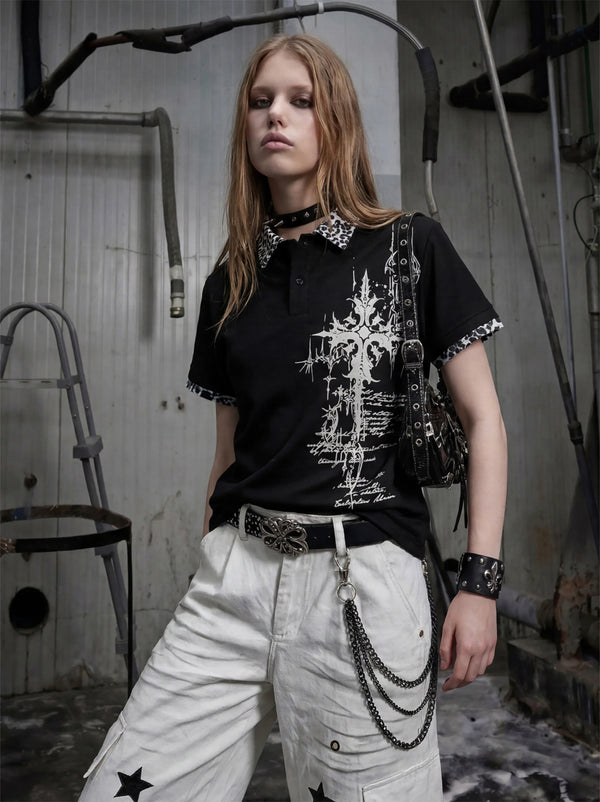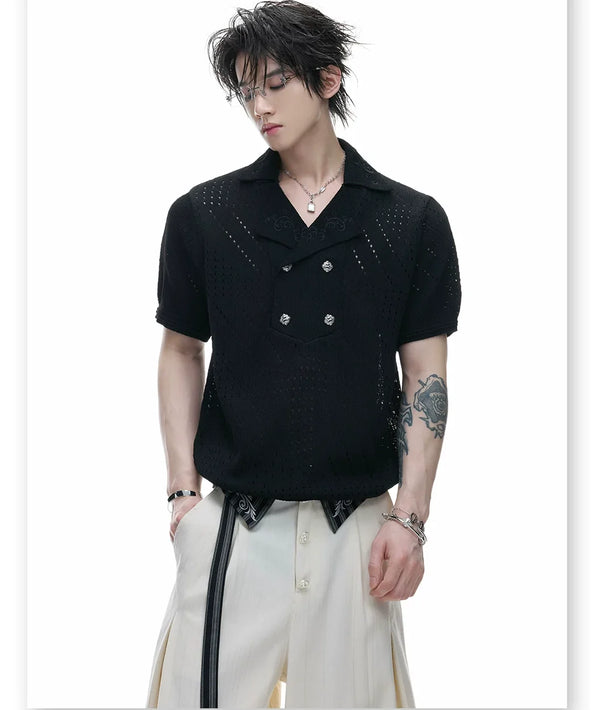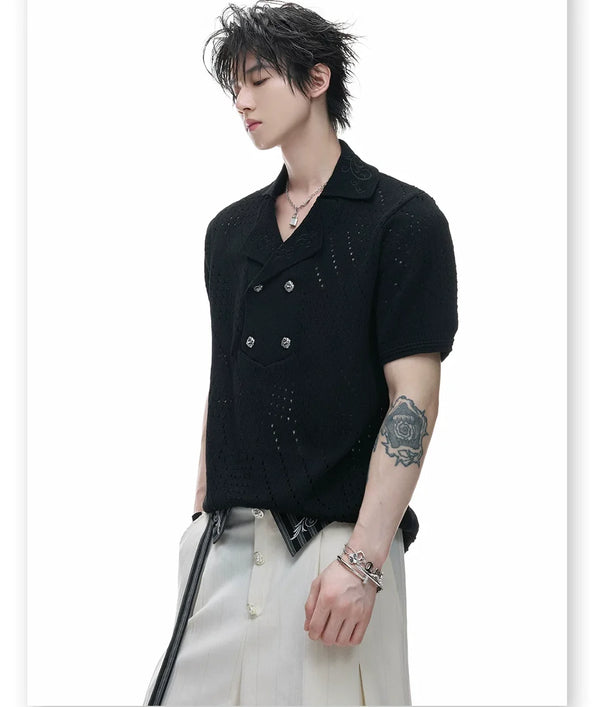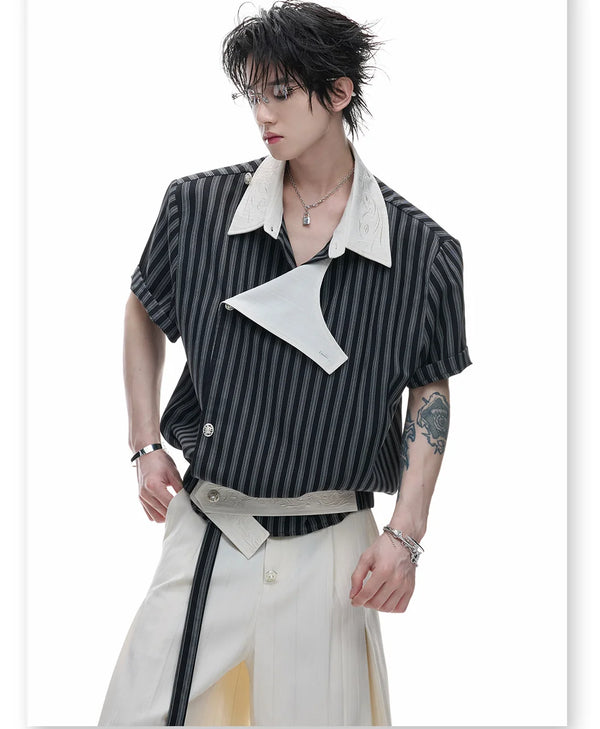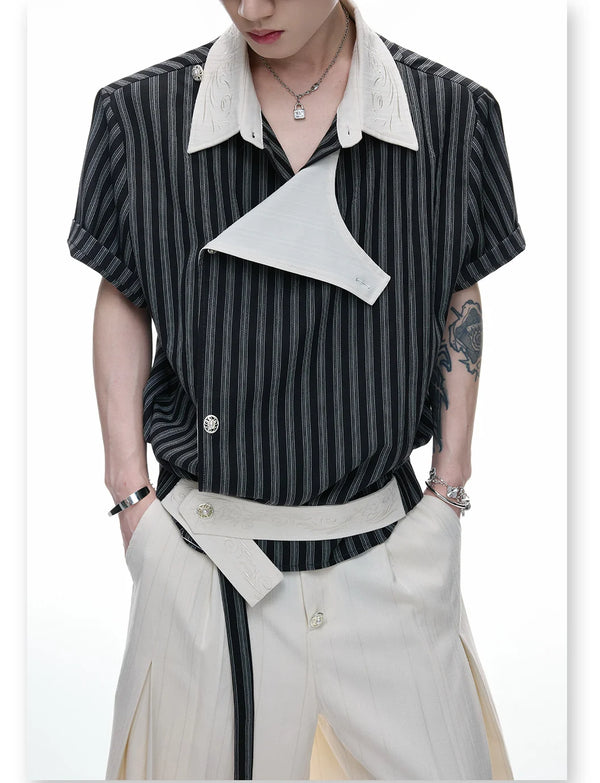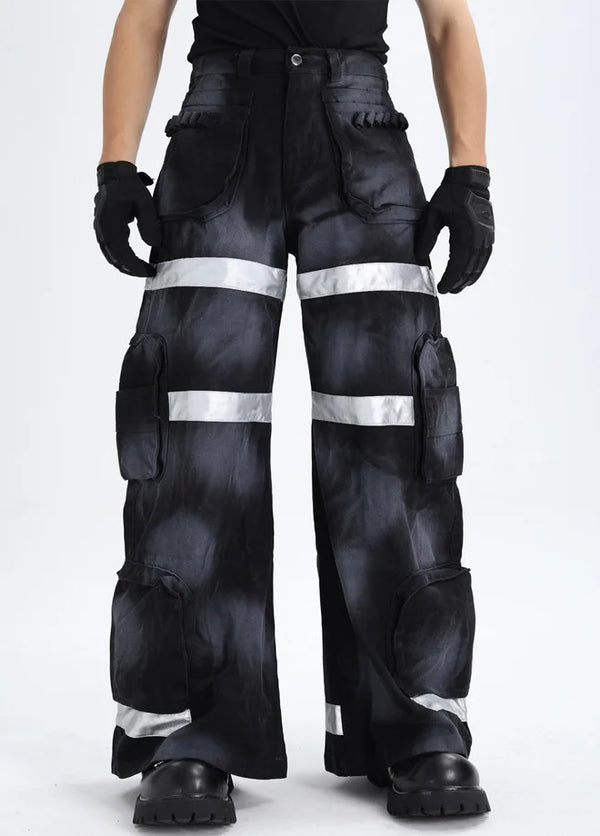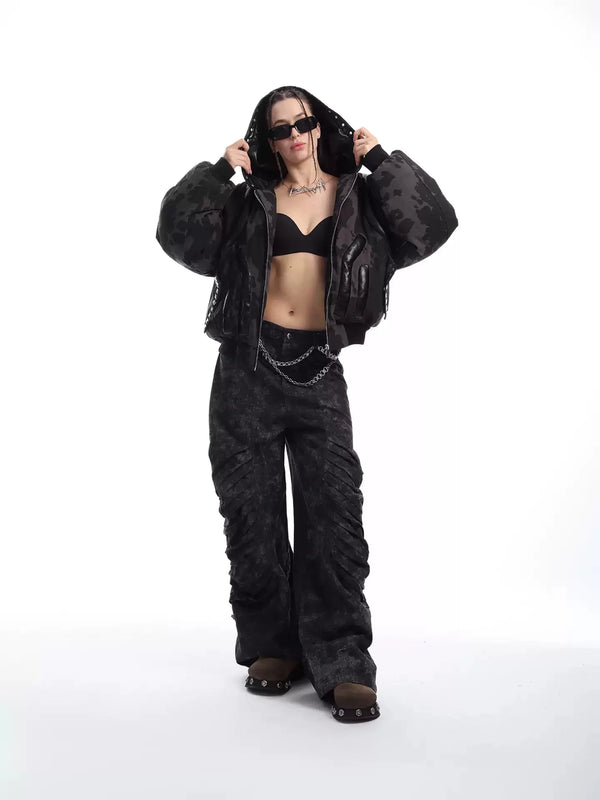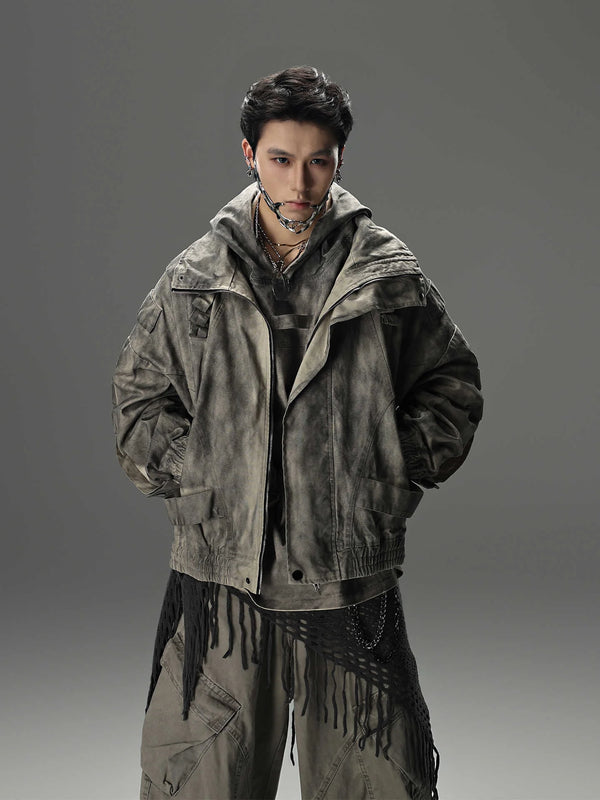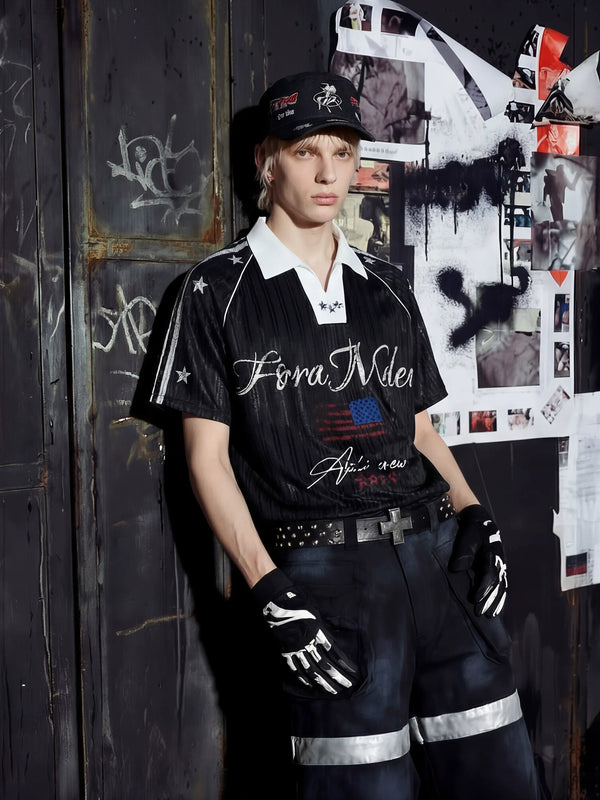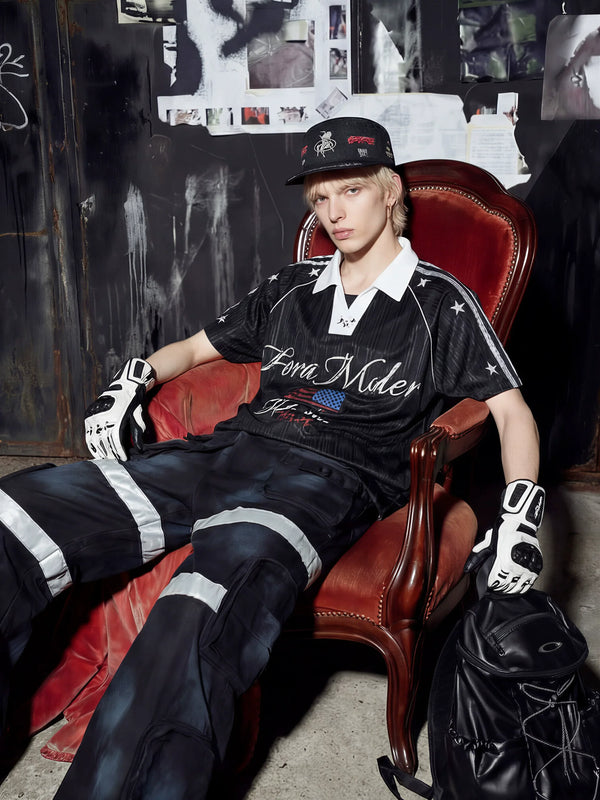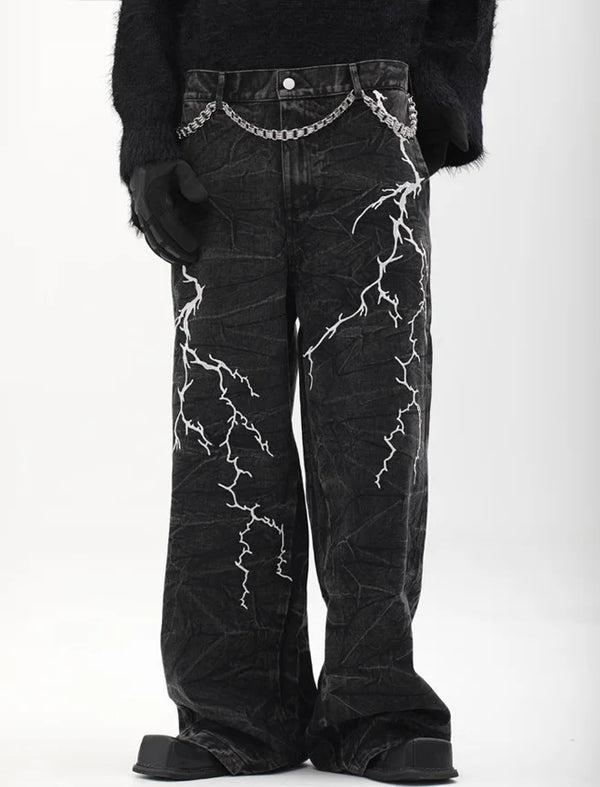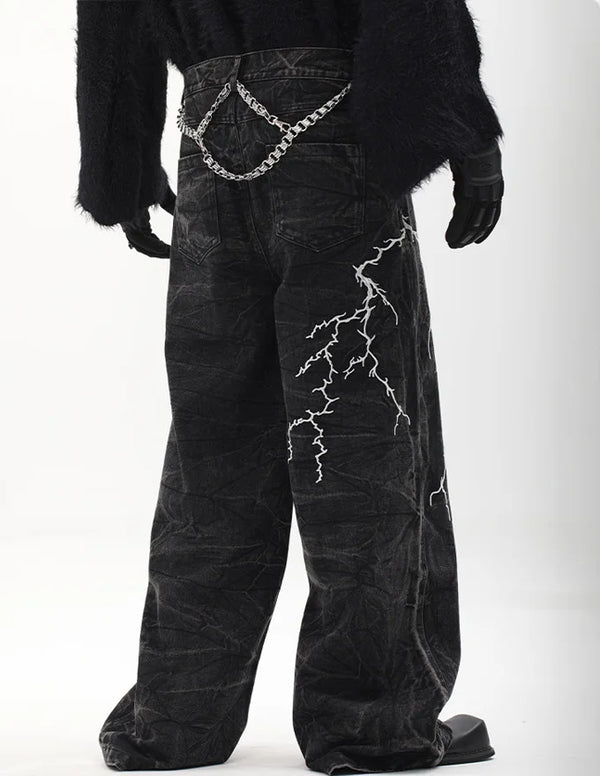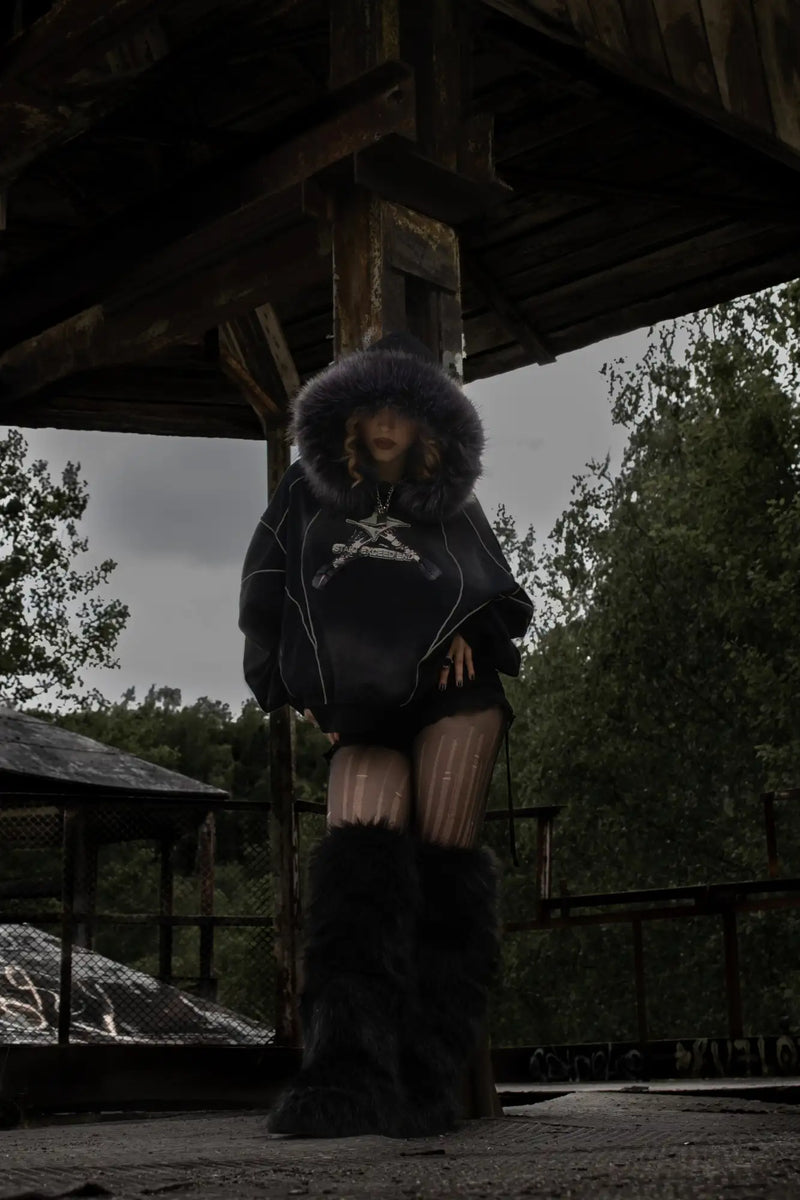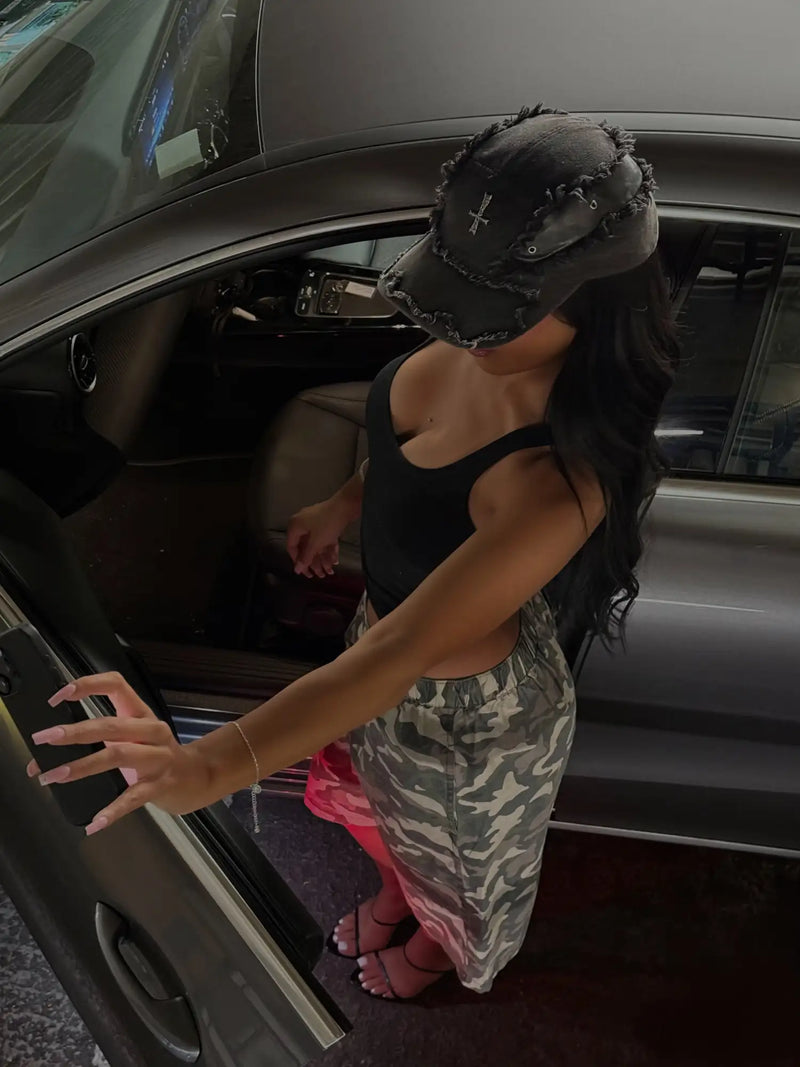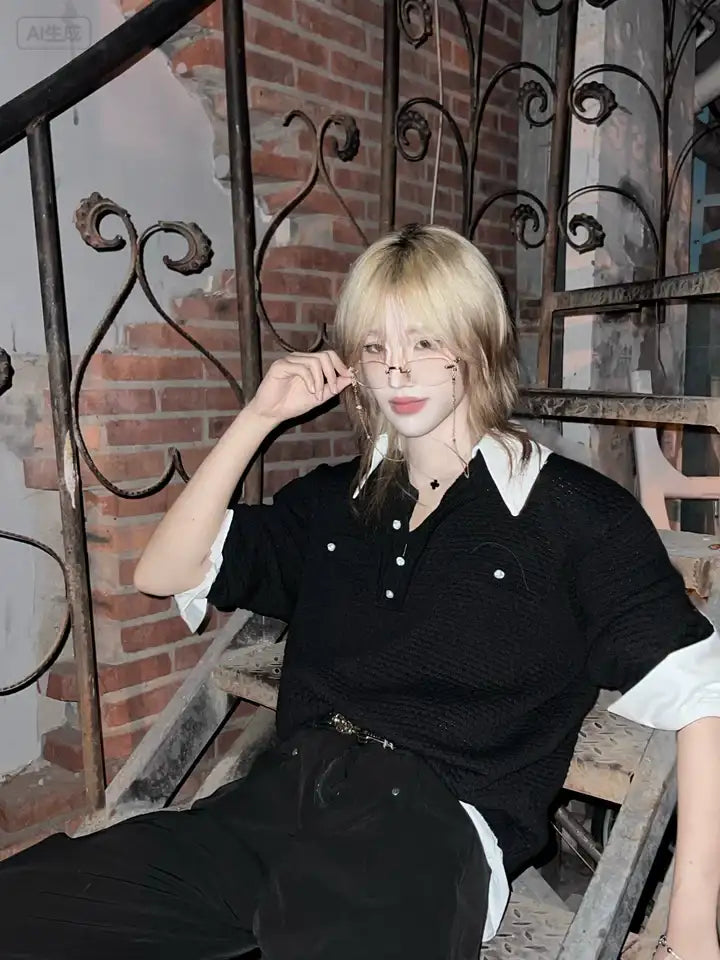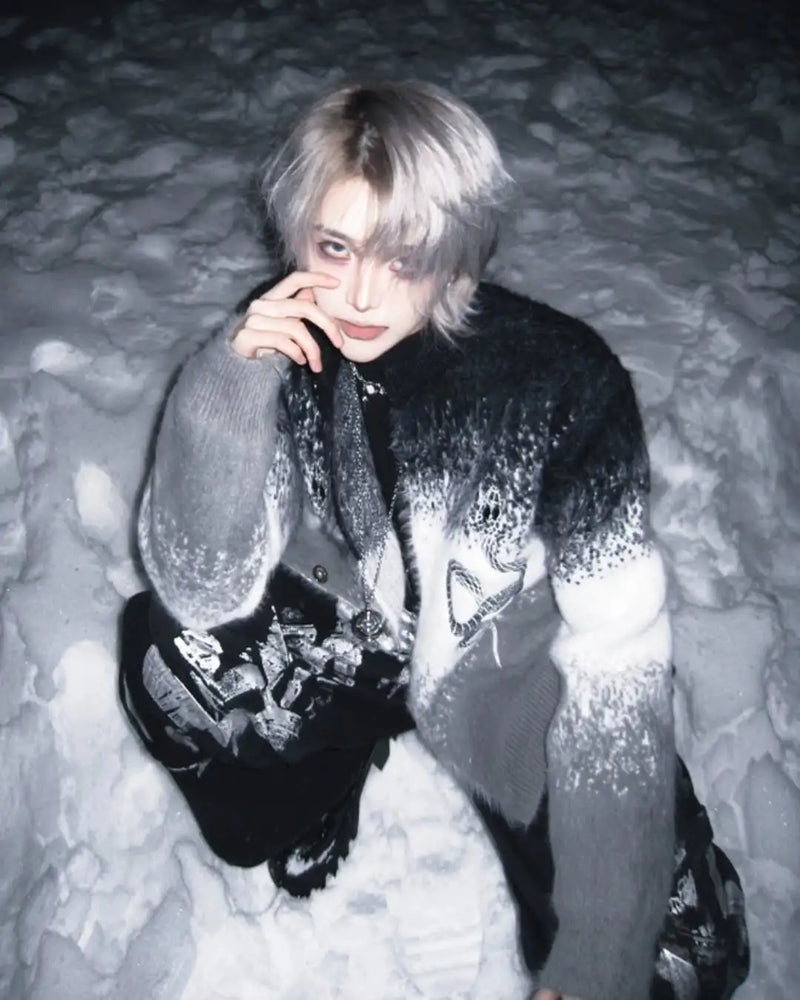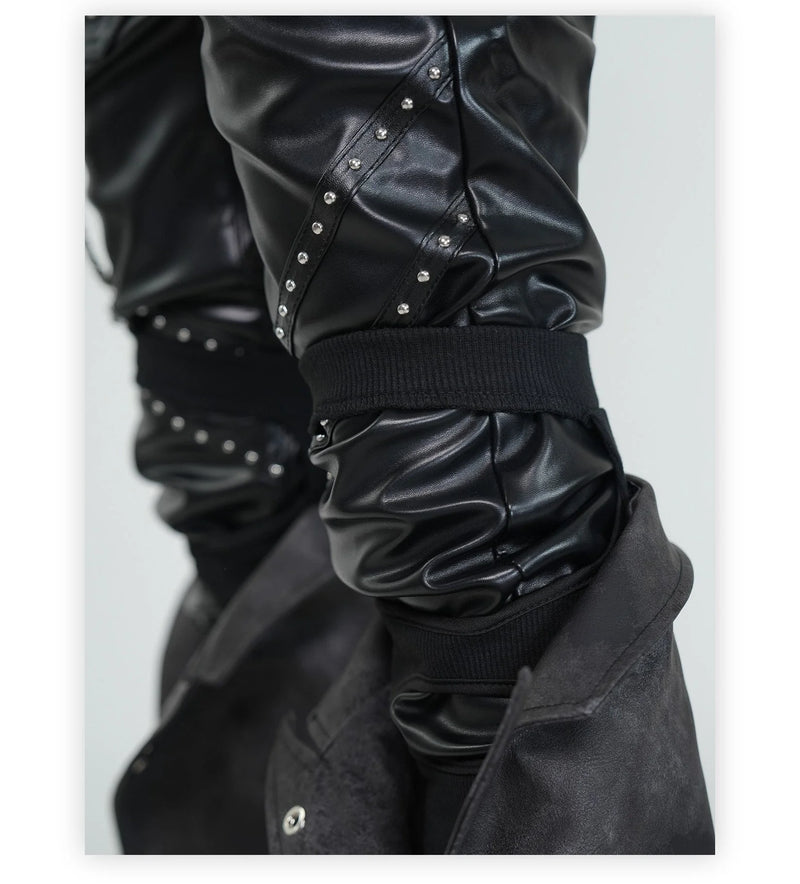
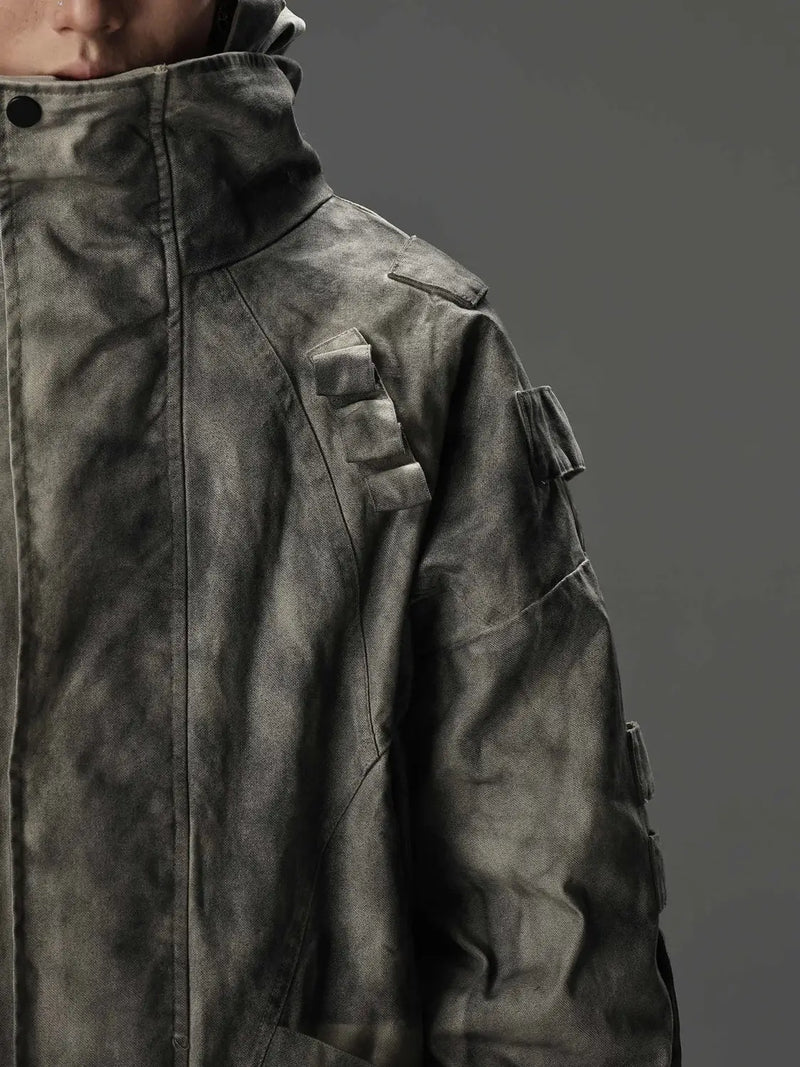
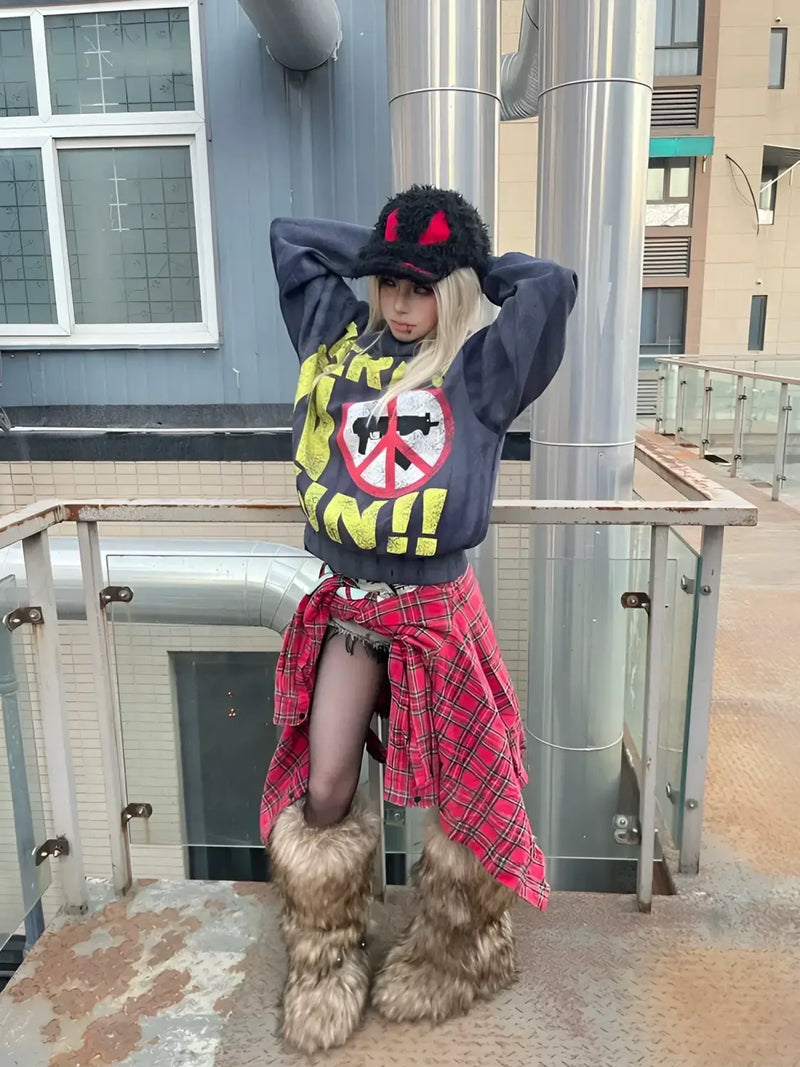
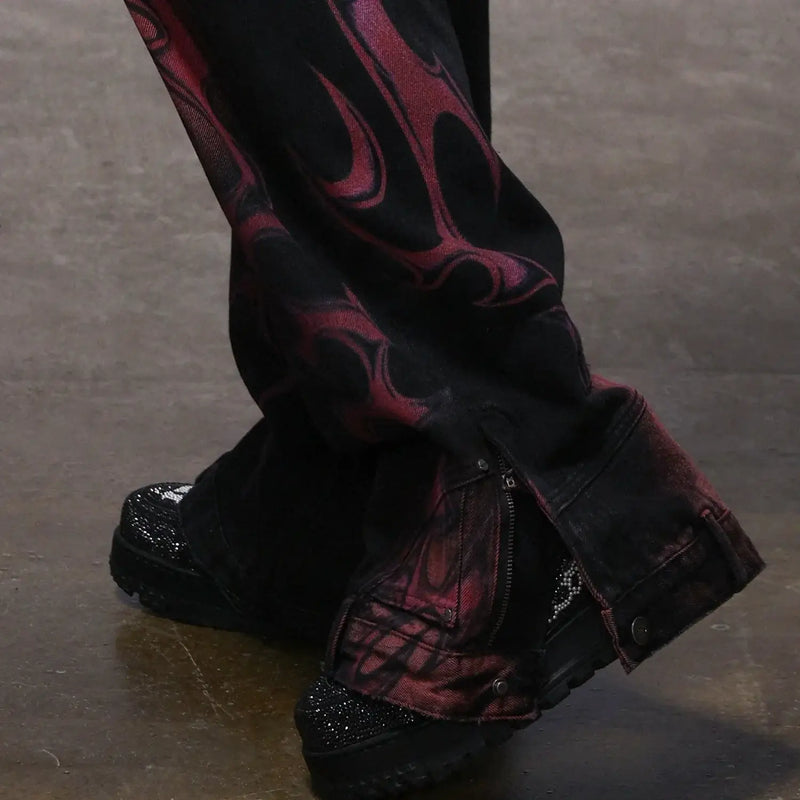
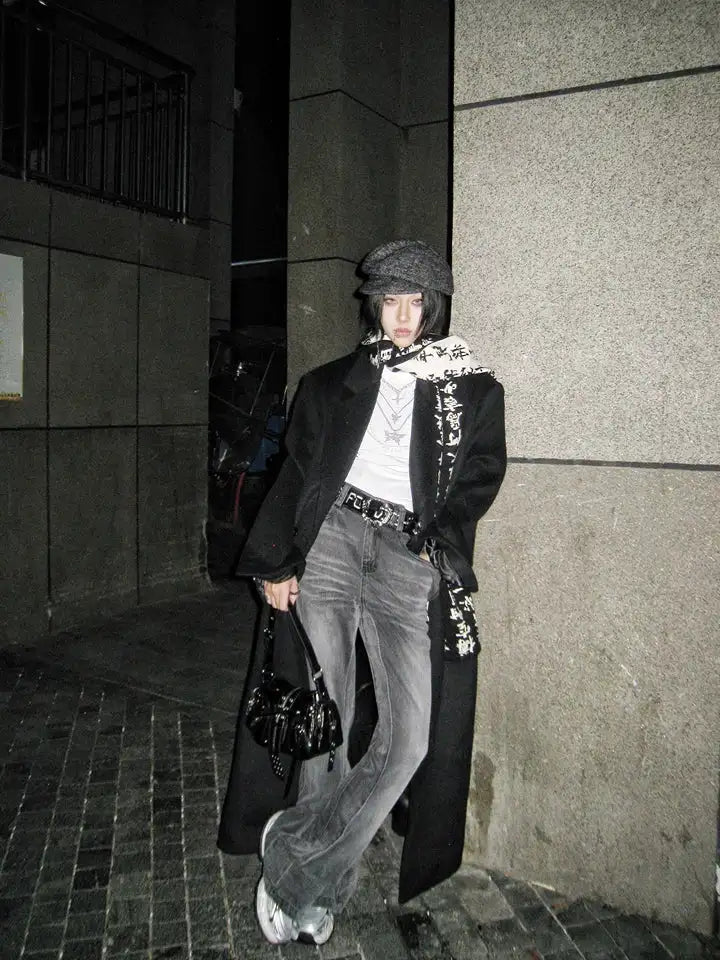

Anyone searching for "Korean outfits men" usually lands on two extremes: stage outfits from BTS or stock photos of men in Hanbok. Neither has much to do with what a 23-year-old in Hongdae throws on in the morning.
Korean menswear isn't a look — it's a mechanic built from three modes (Casual, Modern, Traditional), held together by hard layering discipline and a palette that stays roughly 80 percent neutral. Unlike the American streetwear reflex of "oversized plus logo", Seoul works through quiet: beige, black, charcoal, off-white, navy. Logos disappear into the cut, not onto the chest.
Anyone selling Korean style as the "K-pop idol look" has confused the stage code with everyday life. This guide lays out what actually gets worn: the five real types, the Hanbok roots, the ten brands that write the vocabulary, the layering physics, the 3-3-3 rule in a Seoul context, and the six mistakes that reliably tip an outfit over.
Here's how a clean Korean layered look reads in twelve seconds:
Definition
What do Korean men really wear?
Korean menswear is an outfit system made of four fixed building blocks. When all four are in place, the outfit reads as "Korean". When one is missing, it slips into something else — generic US streetwear, Japanese workwear, or worse: K-pop cosplay.
3
Layers in everyday wear
80 %
neutral palette
1
fitted point in the outfit
0
visible logos
These four numbers aren't decoration. They're the test. An outfit that breaks a ratio — a single-layer T-shirt look instead of three layers, or bright red sneakers, or a logo print on the chest — no longer reads as Korean. It reads as a European or American streetwear reflex using Korean pieces.
What counts specifically towards a Korean men's outfit:
- Three layers as default — tank or tee underneath, shirt or light knit in the middle, coach jacket or overshirt on the outside. In summer it stays at two.
- Neutral palette with one tone — beige plus off-white plus black. Charcoal instead of anthracite. Navy instead of royal blue. If an outfit needs three different colours, one is too many.
- Loose on top, looser on the bottom, one fitted point — usually the shoulder (a cleanly sitting shirt) or the calf (cropped pant over the shoe).
- Clean shoes, no statement — white sneaker, brown loafer, black derby. Chunky sneakers only work in the streetwear iteration.
- Accent through texture, not colour — waffle knit, cable knit, linen crinkle, brushed cotton. The visual richness comes from the fabric, not the print.
- Accessories small and reduced — a slim pair of glasses, a slim watch, a shoulder bag. No statement chains, no bucket-hat stack.
If you're missing three of these six points, it's no longer Korean style — it's inspiration. And there's one point that holds the other five together:
5 types
The 5 looks in Korean menswear
Korean style isn't one look — it's five that overlap at the edges. Spend a week in Seoul watching men between 20 and 35 in Hongdae, Itaewon and Gangnam, and you see these five types cleanly separated. Each with its own palette, its own layer count, its own shoe.
Which of the five suits you depends less on taste than on your daily routine. Whether you study, walk into a university in Seoul, or sit in an office — the code shifts. And that leads straight to the traditional root that all five still inherit from somehow.
Tradition
What is traditional Korean menswear called? Hanbok, jeogori and baji explained
Traditional Korean menswear is called Hanbok. Literally: "Korean clothing". For men, the full Hanbok consists of three parts: Jeogori (short upper jacket, hip-length, with ties instead of buttons), Baji (wide trousers, gathered at the ankle or knee), and optionally Durumagi (long overcoat, floor-length, for formal occasions).
Hanbok is worn today almost only on three occasions: Seollal (Korean New Year), Chuseok (harvest festival), and weddings or other big family events. In everyday life it has practically vanished — which doesn't mean its silhouette is gone. The long, falling jeogori line reappears in modern Korean brands as a coat. The baji width is the ancestor of today's wide-leg pant. Modern Hanbok fusion (from brands like Tchai Kim or Leesle) builds Hanbok cuts in denim, linen and leather — that's the one place where tradition and streetwear meet.
Anyone renting a Hanbok as a "costume" for an Insta post at Gyeongbokgung Palace isn't doing fashion — that's tourism. Anyone translating Hanbok lines into modern pieces is helping write part of today's Korean menswear.
Brands
Which brands do Koreans wear? The 10 labels that write the Seoul code
The list "which brands do Koreans wear" isn't the same as "which Korean brands do tourists googling Korean style wear". Korean men buy a lot at home, a lot on Olive Young, a lot from mid-size DTC labels — and their designer choice tends to be European (Lemaire, Acne Studios) and Japanese (Comme des Garçons, Visvim), not US streetwear.
The ten labels that actually write the vocabulary in men's everyday wear — sorted by visibility in Seoul:
- Ader Error — in Seoul since 2014. The default brand for oversized knits, coach jackets and ironic logo embroidery. Anyone living "Korean style" in Hongdae has at least one Ader piece in the closet.
- thisisneverthat — since 2010, a streetwear heavyweight. Logo drops as cap and tee — the one Korean label where a visible wordmark is part of the code.
- IISE — Hanbok fusion brand, founded by two Korean-American brothers. The bridge between tradition and streetwear.
- We11done — avant-garde out of Seoul, worn by idols and designer-minded customers. Coat silhouettes, asymmetry, black-focused.
- Beyond Closet — preppy crossover, striped-knit master. When a Korean outfit has academy vibes, it often comes from here.
- JUUN.J — designer heavyweight, a Paris Men's Week regular. Long coats, draped bottoms, military cut references.
- ANDERSSON BELL — knitwear-focused, cable-knit and cardigan specialist. The knit Korean men wear in autumn is often an Andersson Bell.
- Wooyoungmi — Paris-resident Korean menswear couture. When a Korean outfit feels "grown up", it's Wooyoungmi-adjacent.
- Studio Concrete — casual basics in off-white, beige, cream. The Korean basic that doesn't read muji-Japanese.
- Recto — women's brand with men's drops, oversized-clean, well-placed cuts. Often seen in Itaewon.
Anyone who wants to wear Korean without shopping in Seoul looks for these labels on the resale market (Musinsa resale, Grailed, Vestiaire) or at DTC brands that translate the vocabulary competently — coach jackets in beige, wide-leg pants in charcoal, knits in cable and waffle.
Category · Outerwear
Korean outfit jackets — bomber, coach, padded coat
The jacket carries the Korean outfit. It's the outermost layer, the largest surface, and the primary carrier of the palette. This is where it's decided whether three clean layers become an outfit or a piece of stacked material.
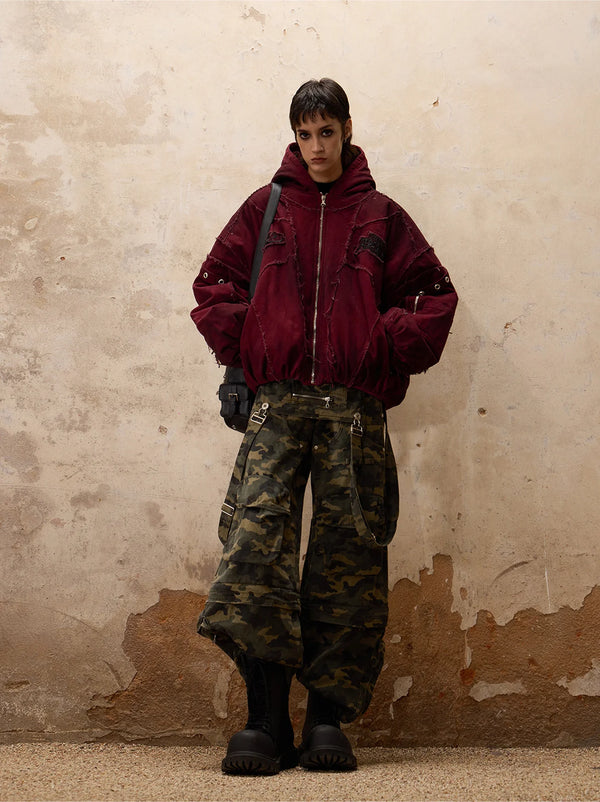
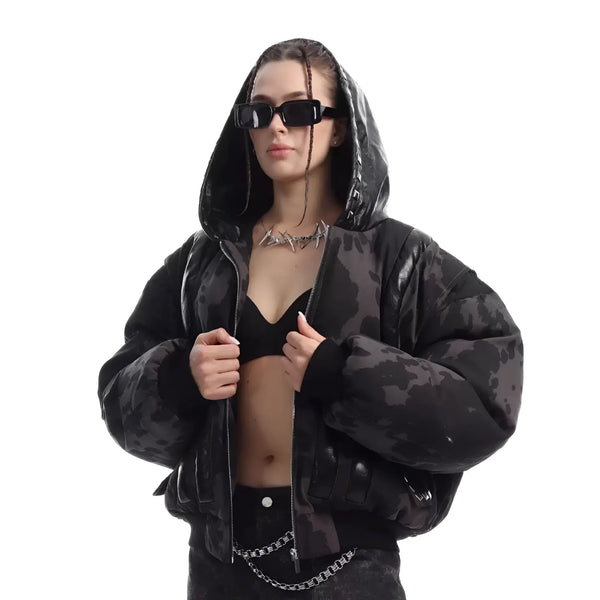
Four jacket types work in Korean style: coach jacket in beige, black or off-white (Seoul Minimalist default), oversized bomber with a quiet exterior (Streetwear Idol variant), padded coat at knee length for the Seoul winter, and long coat line with Hanbok heritage in wool or linen. What doesn't work: anything that recalls US varsity or a European field jacket — the silhouette is too close to the body.
If you don't have a coach jacket or long coat line in the closet yet, that's your first move. A quietly sitting outer layer carries the whole outfit.
Category · Bottoms
Korean outfit pants — wide-leg, loose tapered, pleated
Skinny has been out in Seoul since around 2019. What Korean men still wore in 2014 (tight slim pant plus white sneaker) is a TV-drama memory today — the new default pant has width, falls loose, and sits on the hip or slightly below. The fit rule: three layers on top, material and pleat below.
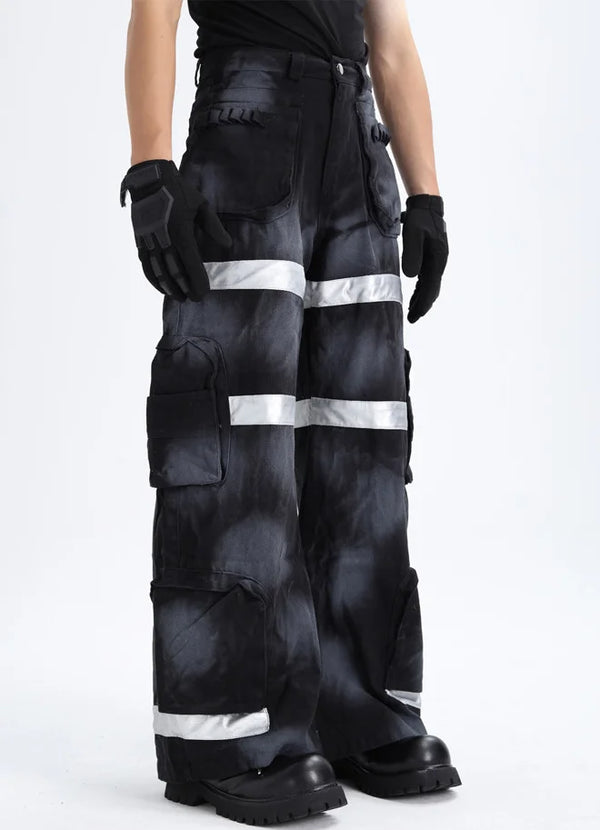
Korean bottoms that work are quiet in colour, loose in the leg, and end above the shoe — not in the sneaker tongue. Wide-leg in beige, off-white or charcoal. Loose tapered in black. Pleated wool pants for the Modern iteration. Cargo only in the streetwear variant, and then in off-white or olive — not in camouflage.
If you're looking for a pant that suits all five Korean types, take a wide-leg in beige or charcoal. That's the common denominator — Seoul Minimalist and Streetwear Idol can wear the same pant.
Category · Middle layer
Korean tops & knits — polo, cardigan, mock-neck
The middle layer is the most important place where Korean menswear differs from American. In the US you wear a printed tee under the jacket. In Seoul there's almost always a knit there — waffle, cable, mock-neck or zip cardigan. Tight at the collar, loose at the belly, always in one tone from the main palette.
The rule: single colour, sitting well at the neck, a fabric with visible texture. Printed shirts (graphic print, band logo, US college) tip the outfit straight into European streetwear. A plain beige waffle knit says more "Korean" than any printed tee, even if the print comes from Seoul.
Anyone wanting to test the layered look combines a mock-neck under an open-worn cardigan and a coach jacket over that. That's three layers in one colour family — the Korean default in its shortest form.
sub-genre split
Casual vs Modern vs Traditional — the three modes
Watch a Korean man for a week in Seoul and you see three different outfits in three different contexts. Casual on the weekend in Hongdae. Modern Monday to Friday at the office or university. Traditional at family occasions — Seollal, Chuseok, wedding. The vocabulary is the same, the distribution changes.
Casual means: coach jacket or oversized hoodie, wide-leg or baggy cargo, white sneaker or chunky trail sneaker. Accent through the cap or the bag. A tank or tee as the bottom layer, an overshirt in the middle, a jacket on the outside — if the weather plays along, that's already the three layers.
Modern means: wool pleated pant or a narrow-fitting wide-leg, knit polo or cable cardigan, long coat line. Shoe: loafer or clean derby. This is the look that shows up on the street in Seoul coffee shops in Gangnam and in co-working spaces in Seongsu-dong in the evening.
Traditional means: full Hanbok (jeogori plus baji plus durumagi) or modern Hanbok fusion (jeogori line as a coat over wide-leg in linen). Shoe: black loafer or traditional cotton slipper. This isn't everyday — it's family code.
All three modes share the same layering discipline and the same neutral palette. What shifts are the fabrics (cotton plus denim casual, wool plus knit modern, linen plus silk traditional) and the shoes.
Styling logic
How to really style Korean style — the layering logic
A Korean men's outfit works through exactly three steps: layer one sits on the body, layer two sits loose over it, layer three falls open on the outside. When all three are in one colour family and only one place is really fitted, it sits. Korean stylists don't spell the principle out, but every lookbook photo from Ader Error or Beyond Closet sticks to it.
"In Seoul, layer discipline isn't style — it's weather. Four seasons in one week, plus coffee-shop air conditioning. Anyone not wearing three layers can't survive the day."
In practice that means: tight mock-neck plus open cardigan plus coach jacket. Or tank plus linen shirt plus oversized coat. Never two oversized layers without an anchor — one place has to be fitted, otherwise the whole outfit becomes a fabric-filled wall. We took apart the full breakdown of Korean layering physics in a separate article:
But Korean style doesn't stand alone — it overlaps at several edges with other codes. Japanese workwear shares the quiet palette, techwear shares the functional layering thinking, Y2K streetwear shares the baggy-pant silhouette. Anyone who's got Korean down can read these neighbouring codes and mix deliberately, without slipping into tourist cosplay.
Here are the five most important neighbours — each with its own guide, in case you want to go deeper:
3-3-3
What does the 3-3-3 rule for clothing say — and does it hold in Korean fashion?
The 3-3-3 rule comes from the Western capsule-wardrobe discourse and says: a good outfit has three colours, three textures, three layers. Three colours holds the eye together. Three textures give richness without one layer getting loud. Three layers build depth without it looking like a chore. At its core, a one-rule discipline for people who mix too much.
In Korean menswear the rule holds — but with a shift. In practice the three colours are variations of one tone (beige plus off-white plus brown instead of beige plus blue plus grey). The three textures are almost always cotton plus knit plus wool or denim plus linen plus leather — set combinations, not experiments. The three layers are the default kit, not the exception.
Here's what a three-layer-three-texture look looks like in motion:
Seasonal
Summer vs winter — Seoul from -15 °C to 35 °C
Seoul has no gentle middle. Winter regularly drops to -15 °C, summer climbs to 35 °C with 80 percent humidity. Korean style is therefore climate-driven by nature — the padded long coat in winter isn't a fashion decision, it's a survival decision. In summer a whole layer falls away, and the outfit has to explain itself again.
In winter Korean simply works. Padded coat (knee-length or longer), cable knit underneath, mock-neck on the body, wide-leg wool below, black derby or padded boot. Four layers, all from the same palette. The challenge comes in summer, when the outer layer — the largest visual surface — falls away and the knit disappears.
Summer Korean works through what disappeared under two layers in winter. Linen overshirt becomes the main view, oversized tee in off-white the middle layer, loosely falling linen pant the bottom. A white sneaker or a cotton slipper closes the outfit. The palette stays — but the fabrics switch from wool and knit to linen and crinkle cotton.
The year-round solution is often found in Seoul as a modular coat — padded coats with removable sleeves, coach jackets with liners. Winter as a full layer, spring as a vest, transition as a pure coat line over a light tee. Korean brands like ANDERSSON BELL and Recto build exactly this versatility as standard.
What does not work
The 6 most common Korean-outfit mistakes — what you must NOT do
Korean style has six places where it reliably tips over — no matter how expensive the individual pieces are. If you avoid only one thing, make it mistake number one.
Action
How to start in Korean style — the first 4 pieces
You don't need 30 Korean pieces to wear Korean style. You need four that will be in 80 percent of your outfits. Everything else builds around them.
In order: a coach jacket in beige or black (your biggest investment — the outer layer carries the outfit). A wide-leg pant in charcoal or off-white (the default bottom). A waffle knit or mock-neck in cream (the texture middle layer). A clean white sneaker or brown loafer (the anchor on the ground). A slim shoulder bag as an optional fifth — but only once the four are in place.
Outfits for real
Korean outfits men for real — how it looks in Hongdae
Before you build your own, look at how others wear it. The five types from above look different in the feed than in lookbook photos: closer to real proportions, less studio-clean, often with an untidy detail (a tee peeking out of the jacket) — and that's exactly why they work.
This is the fastest way to check whether Korean style sits on your body at all — before you spend money.
To close
Korean style is a layering code, not a K-pop costume
If you remember one thing from this guide, make it this: Korean menswear works not through pieces but through three layers in one colour family with one fitted point. Get that down and you build a hundred outfits from twenty items. Buy only the pieces and you have a full closet without a single outfit that sits.
The whole logic of this guide reduces to one sentence:
The rules have been stable since the skinny wave from 2019 and will stay that way as long as Ader Error, thisisneverthat and ANDERSSON BELL set the tone. But you don't have to wait until you know them all by heart. Start with the one look that fits your everyday life best. What you don't know, you learn by wearing.
And that's the point: Korean style reads in theory like a list of rules, but in practice it doesn't feel that way. Once you've got the code down, every further outfit is a variation on the same three or four layers — not a new invention.
FAQ
Frequently asked questions about Korean outfits men
The questions we often get by DM and email — short, clear, no detours.
What do Korean men really wear in everyday life?
Which style do Korean men wear most often?
What is traditional Korean menswear called?
Which brands do Koreans really wear?
What does the 3-3-3 rule for clothing say — and does it also hold in Korean?
Does Korean style also work on European bodies?
Which shoes go with Korean outfits for men?
What do you think?
Tell us on @fuga_studios
About the author
Philipp Fuge — Founder · Berlin
Founder of Fūga Studios. Writes the journal himself. Berlin · Shanghai · Tokyo · Poznań — four cities, one logic.