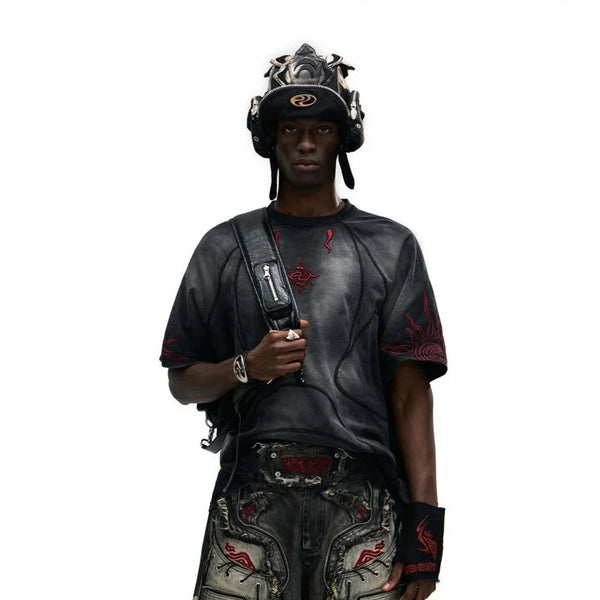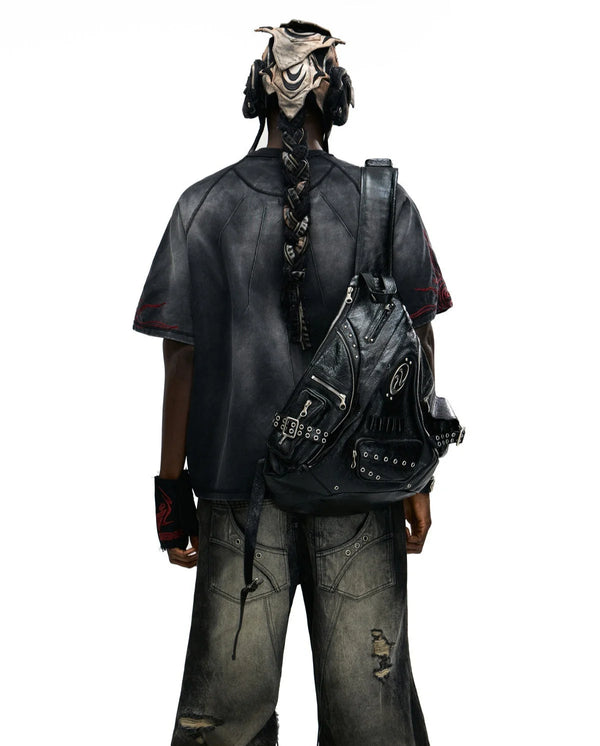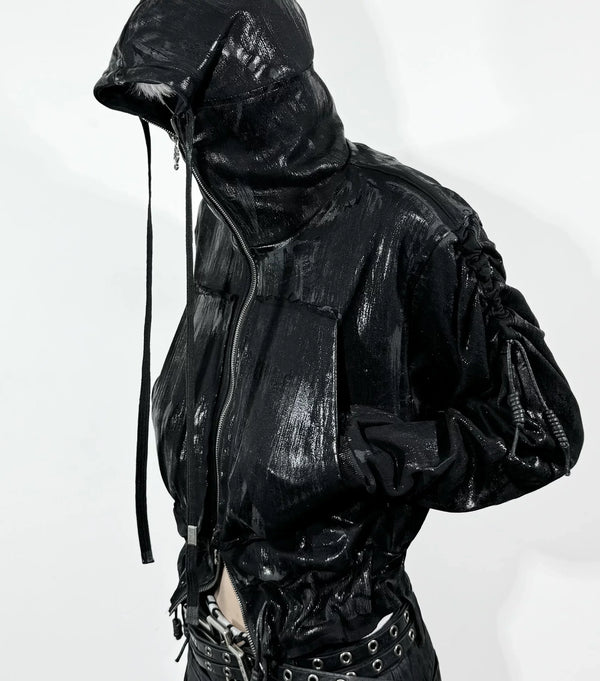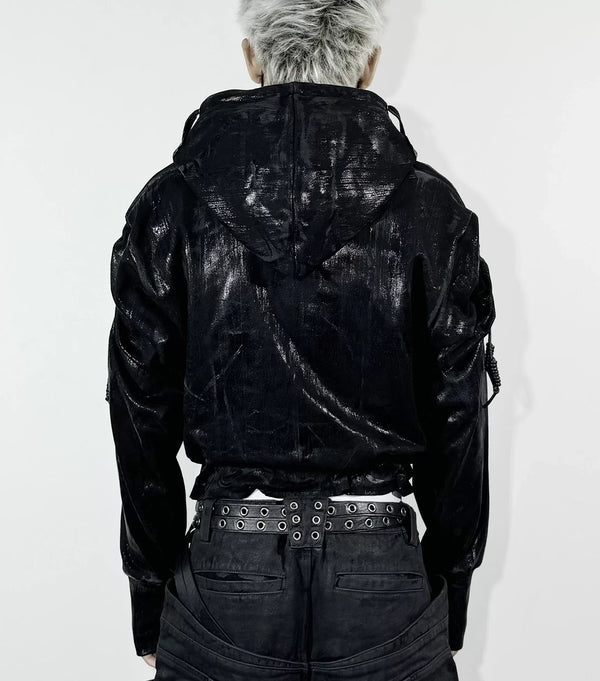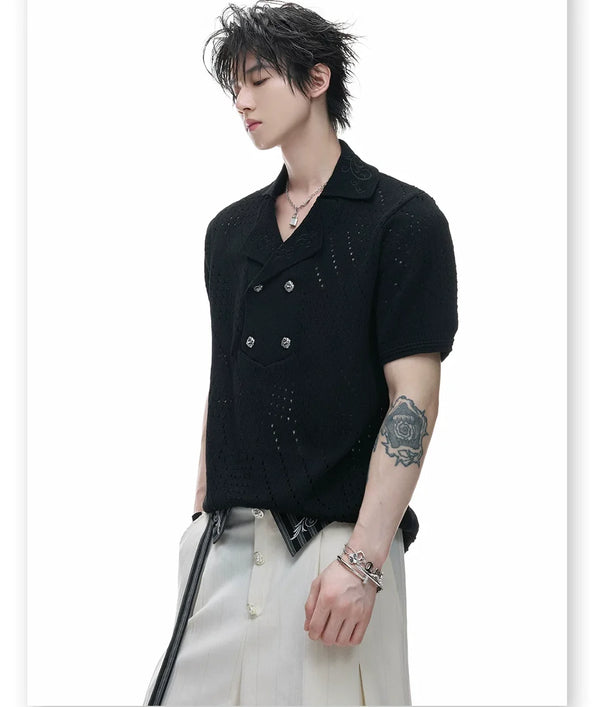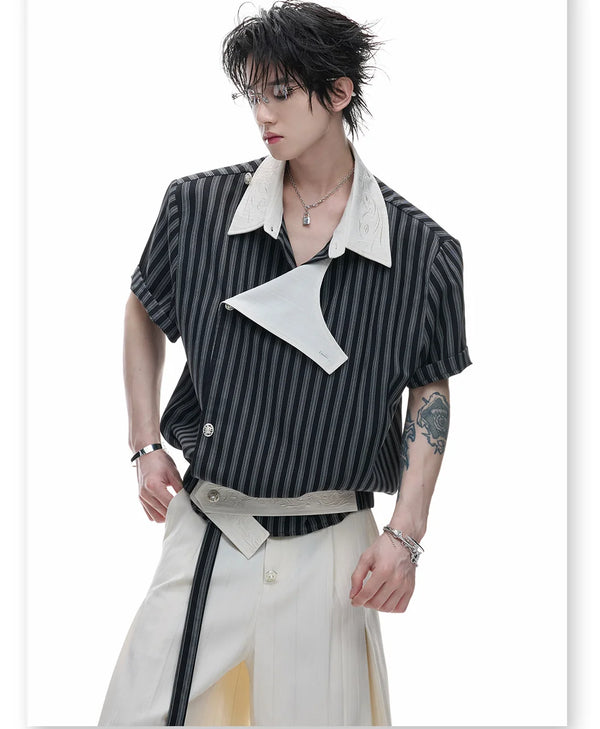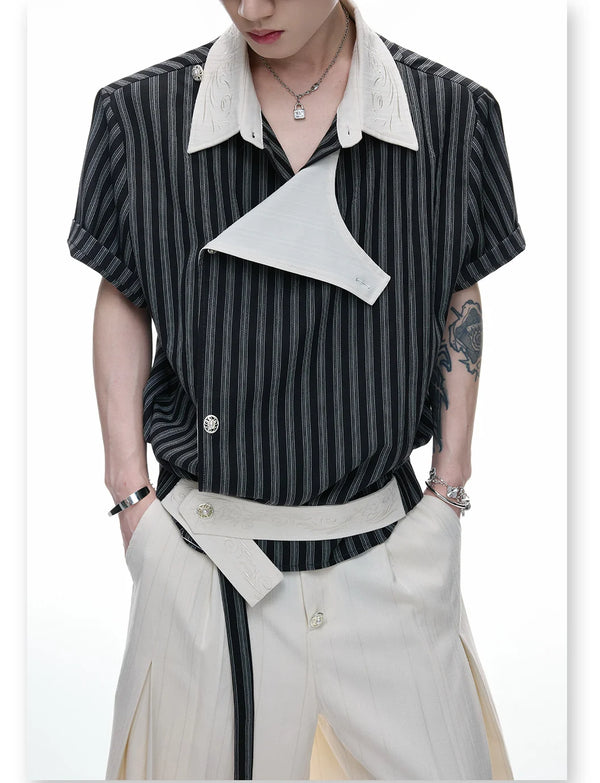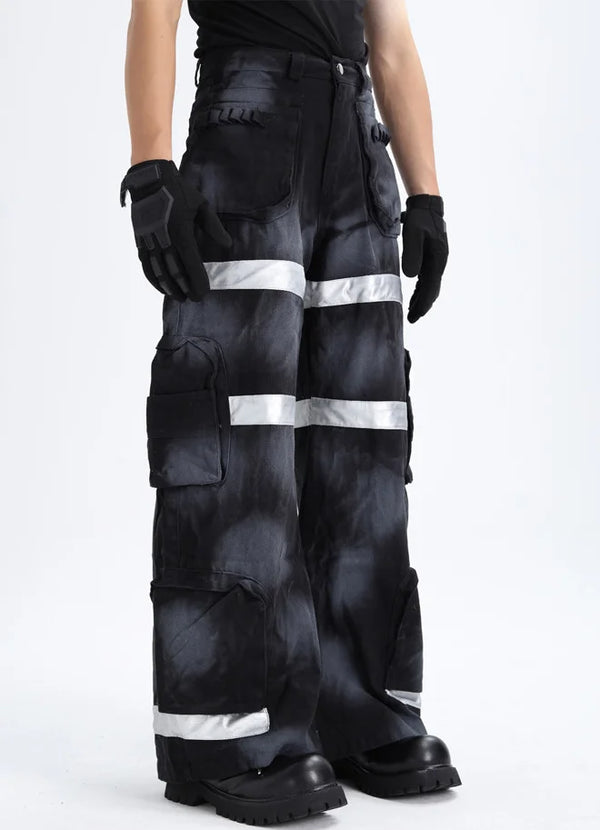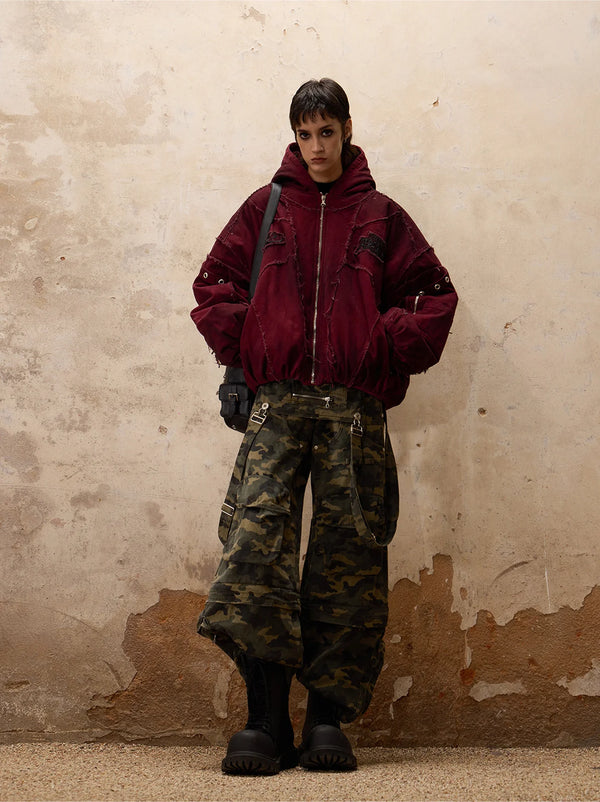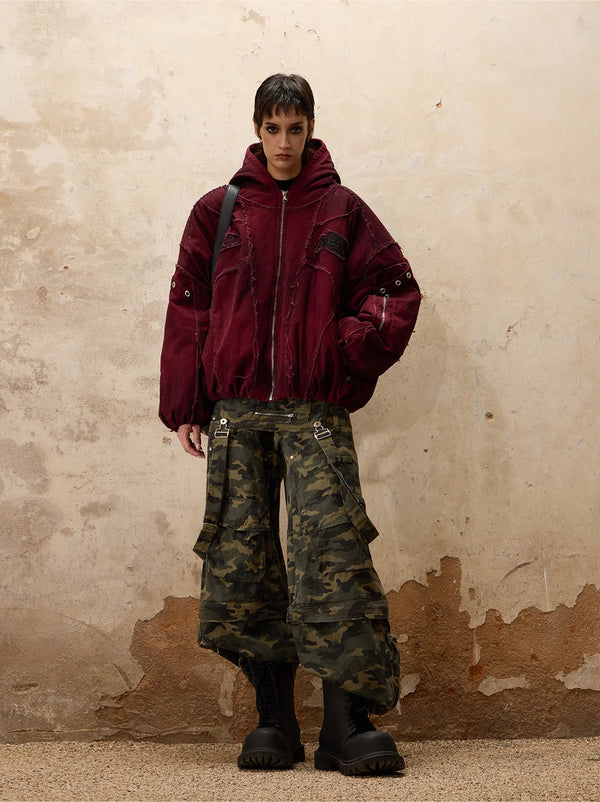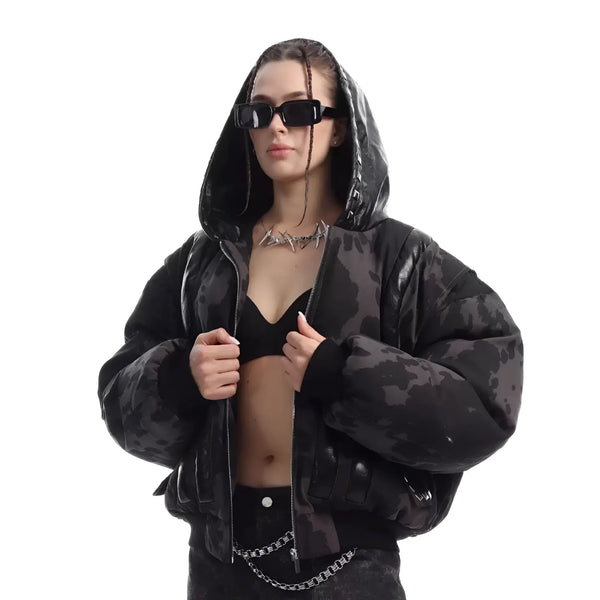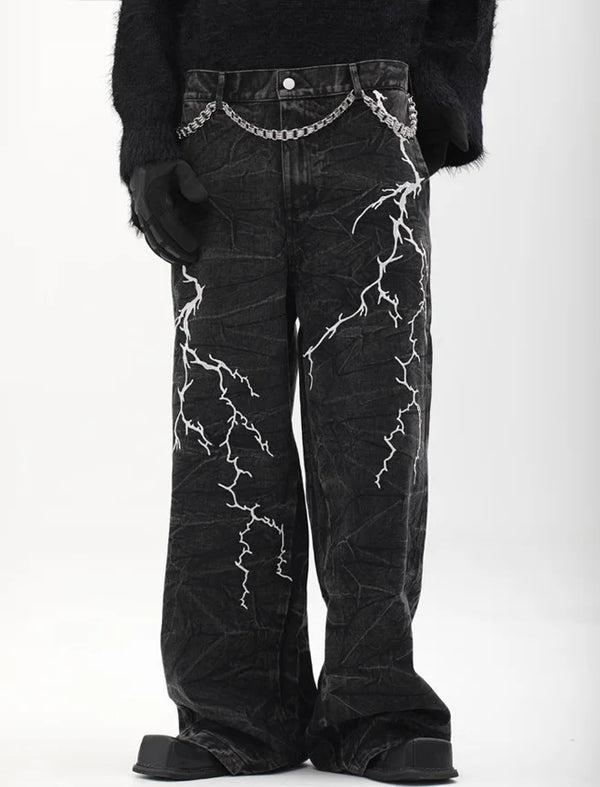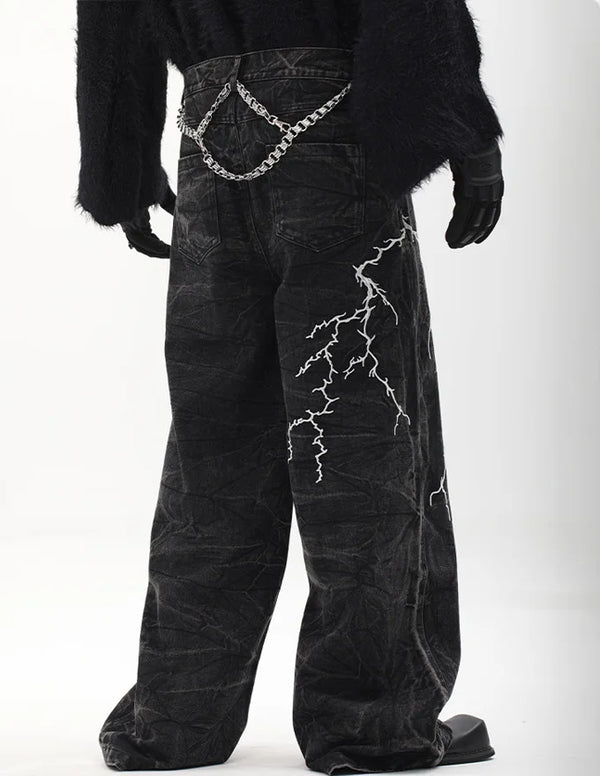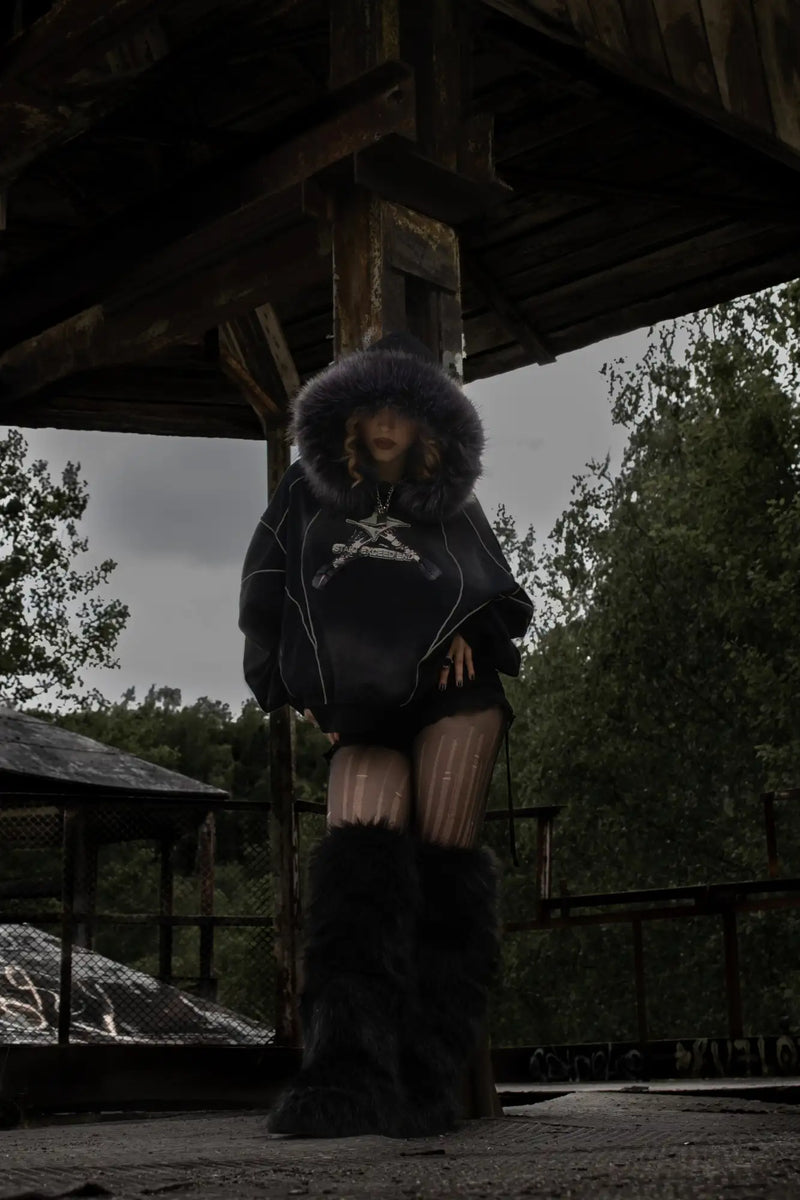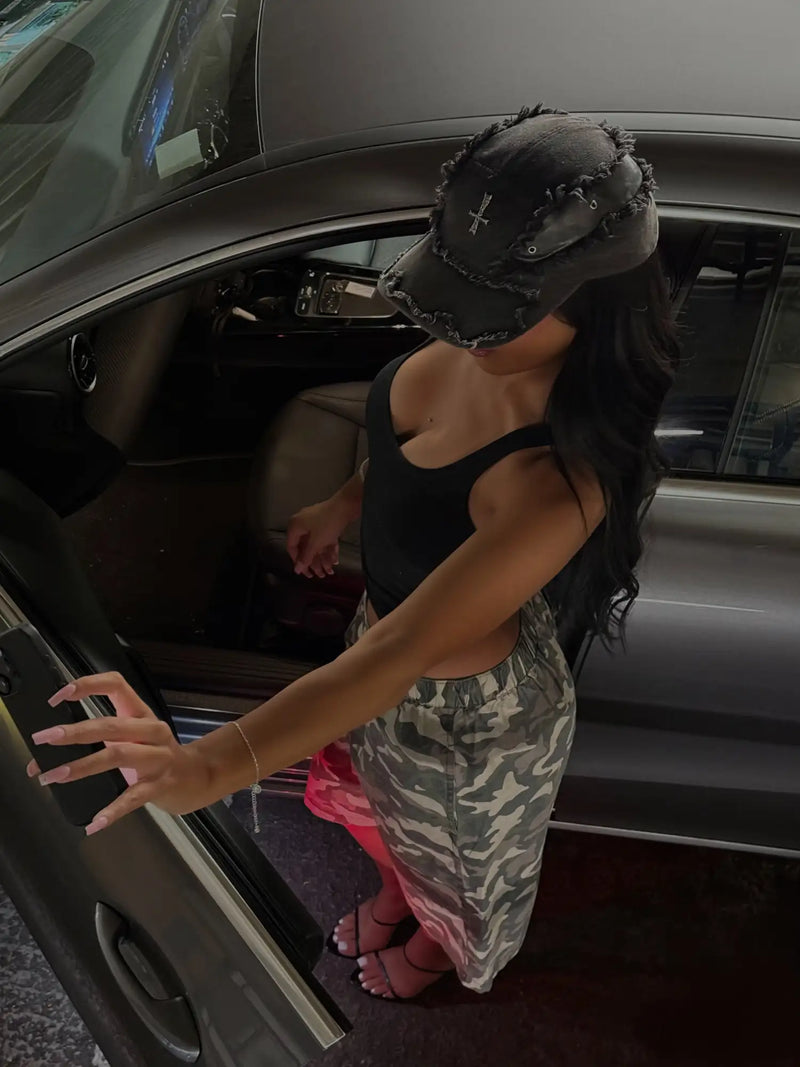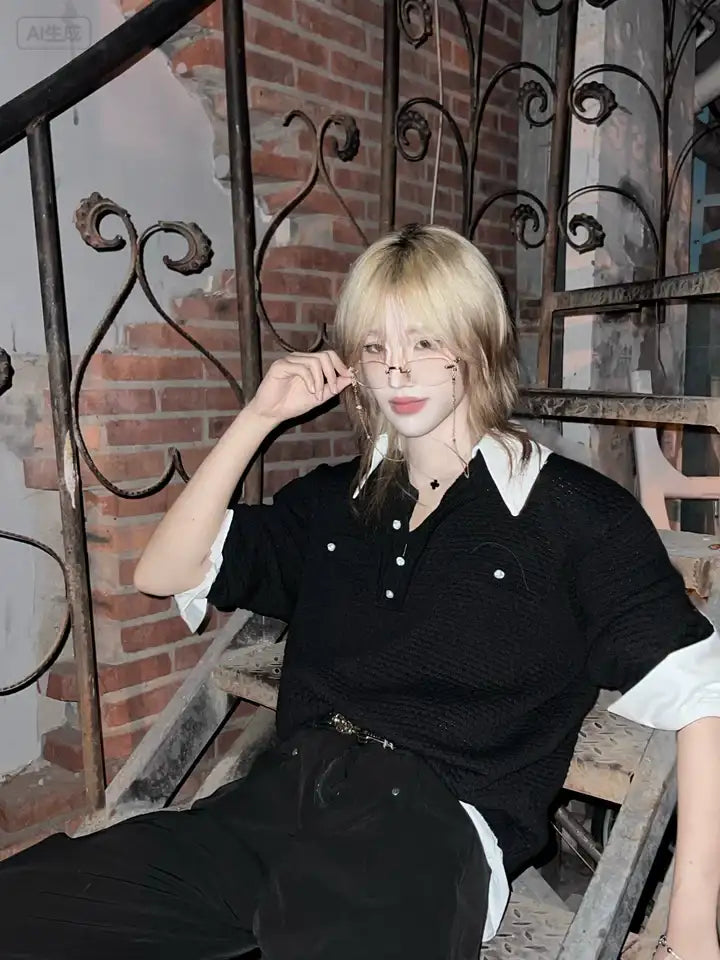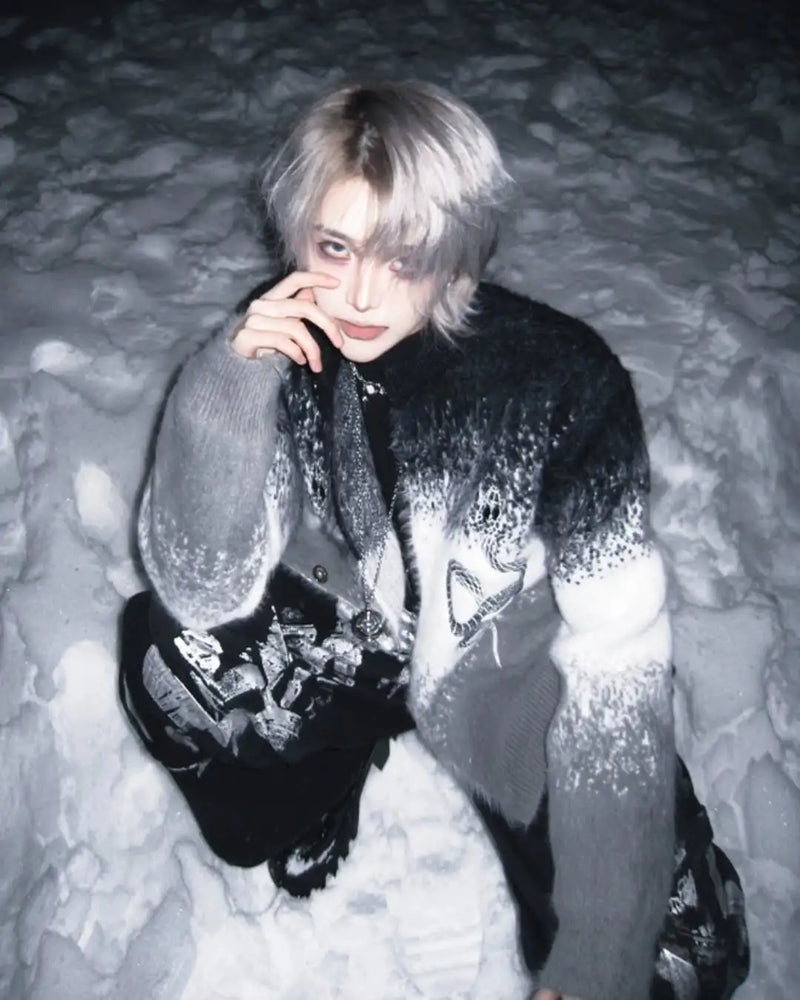
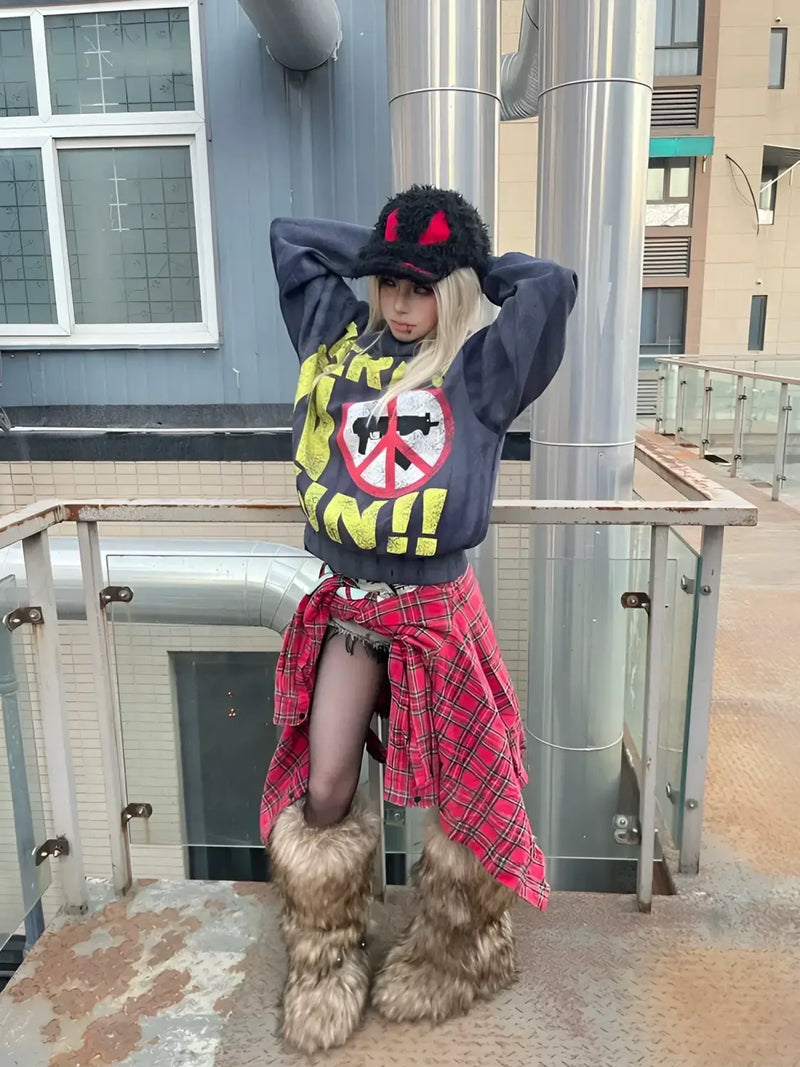
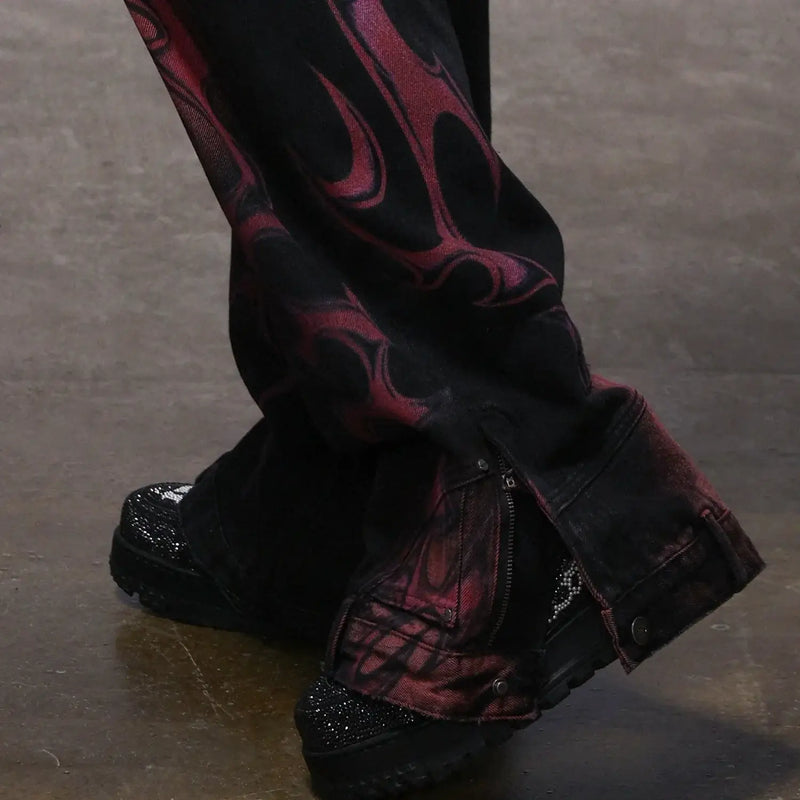
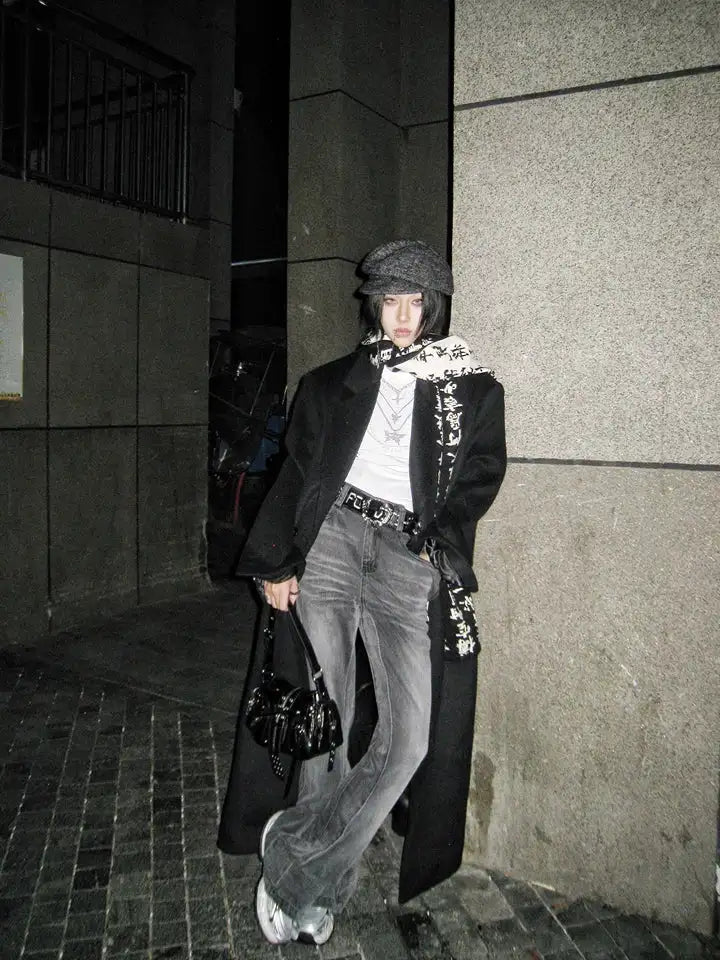

Everyone wants to look Korean Male Fashion Winter — and ends up in K-Drama cosplay. Lee Min-ho long coat, Hyun-Bin puffer jacket, beanie from the show. The outfit never sits like the reference, because the reference isn't the outfit. The reference is a system of silhouette, layers and colour logic that Seoul produced between December and February — and the individual pieces only show its surface symptoms.
Korean winter style works through proportions, not brands. Once you understand the proportions, you build the same look from resale-market pieces. Copy only the pieces and you end up with a wardrobe full of puffers and not a single outfit that holds the line.
How that looks in motion — Seoul winter, three layers, one colour statement:
Definition
What Korean men wear in winter — the short definition
The honest answer to the Pinterest question: in winter Korean men wear a layering system, not an outfit. The pieces change year to year — puffers get boxier or slimmer, long coats shorter or longer — but the rules underneath have been stable since roughly 2012. Read the code and you spot a Korean winter look in two seconds.
At its core sit four constants: a quiet colour palette without logo noise, a long-coat or puffer silhouette over several layers, a slim or lightly suggested tailoring line below, and always a visible ankle above the shoe. These four points carry 95 percent of the looks you see on Pinterest, in K-Dramas and on the street in Hong Dae.
3
Layers as the norm
90 %
muted tones
5
Archetypes
0
visible luxury logos
In the wardrobe that means — the typical combination you see on every second person in Seoul in December:
- Long coat or puffer — wool, sherpa, down or faux fur. Knee-length or longer, in black, camel, charcoal or cream. The largest surface in the outfit.
- Slim knit or turtleneck — merino, cashmere or lambswool. Close-fitting, single colour. Holds the outfit together.
- Wide-leg or tapered trouser — wool, twill or heavy cotton. The line below has to stay quiet, otherwise the look tips into streetwear.
- Chelsea boot, Derby or chunky sneaker — never white sneakers in mainstream mall style. Black, brown or dark grey.
- Beanie and scarf — wool or knit, one colour. Set an accent or leave it out, never both in bright colour.
Origin
Where the Korean winter code comes from — Seoul, Hallyu, Hong Dae
Korean Male Fashion Winter is not a designed aesthetic but a climate product. In December Seoul sits between -2 °C and 4 °C, in January regularly around -6 °C and, with wind chill, occasionally at -12 °C. Live there and you build a winter layering system whether you want to or not. The style part comes from what the culture made of it after 2010.
The two sources that define today's code: Hallyu (the K-Drama and K-Pop wave from 2010 on) and Hong Dae (the university district in Seoul that writes the street variant). Hallyu supplies the clean, fashion-luxe line — long coat, skinny trouser, Chelsea boot, the Lee Min-ho reference. Hong Dae supplies the layered-vintage counterpart — used knit sweaters, baggy denim, chunky New Balance. Both exist in parallel and mix in today's looks.
The third ingredient is Western imports — Wooyoungmi tailoring, Solid Homme drape, Juun.J avant-garde — which have walked the Seoul-to-Paris track since the 1990s and supplied the tailoring vocabulary. Korean winter style is therefore not ‘purely Korean’ but a translation of Western tailoring logic into Korean climate and Korean body proportions.
Archetypes
The 5 Korean winter archetypes — what's really trending in 2024 and 2026
Google ‘what is trending in Korean fashion for men’ and you get five trend lists that contradict each other. That's because there isn't one trend but five parallel archetypes — and each has its own Pinterest cluster, its own brands and its own celebrity anchor. Know the five and you can read the code without getting stuck on one season.
Sorted from quiet to loud, from fashion logic to streetwear logic. One archetype per outfit — mix only once you've got your own code down.
Gender split
Korean winter style men vs women — same rules, different line
The underlying rules apply to both genders — three layers, muted palette, visible ankles, one colour statement. What differs is the distribution of volume. On men the weight usually sits up top (big coat, slim trouser). On women it often moves down (short coat, full skirt or wide-leg wool) or spreads diagonally.
Men's version: structured up top, quiet below. The long coat dominates, the trouser falls in line beneath it. Slim knit underneath, boot with a short shaft or Chelsea. Accent via bag, beanie or scarf — never via jewellery on the face.
Women's version: mixed proportions more often. Cropped puffer jacket over wide-leg wool, or a voluminous sherpa coat over a slim mini skirt plus knee-high boot. The beanie often shifts to a hat statement, the scarf gets bigger and wraps around neck and collar. The same layer count, different geometry.
Both work with the same 90-percent quota of muted tones and the same discipline on the accent pieces. What varies is the line the outfit ‘hangs’ on — on men up at the coat, on women often at the hip or the scarf.
Climate logic
How you dress in Seoul in December — the temperature logic
Tourists regularly underestimate the Seoul winter. Travel blogs say ‘cold’, which sounds like Berlin or Milan — Seoul in January is on average colder than both. To read the code right, you start with the thermometer, not with Pinterest.
The three temperature tiers the layering aligns to: 0 to 5 °C, -5 to 0 °C, and below -5 °C. Each tier changes exactly one piece, not the whole outfit. That's the point of the system: you don't build a new outfit every time, you swap one layer.
In concrete terms: at plus temperatures a three-layer configuration with a thin knit is enough. Once the night temperature drops below 0 °C, the knit gets thicker (cable knit, double-knit cashmere) or a down vest goes under the coat. Below -5 °C the wool coat alone is no longer enough — then the puffer takes over (heavyweight down, often with a faux-fur hood), and the wool coat moves into the wardrobe until March.
What you don't need at any tier: a thick knit-and-scarf combo under coat plus hoodie plus tee. That's tourist layering — many layers of the same thickness instead of a skin/mid/outer system. Looks warm in the photo, feels tight and uncomfortable on the street.
Brands
Korean winter brands — which labels define the code
Unlike US streetwear, the Korean winter vocabulary has no single brand anchor. The five archetypes draw from different lists — Hallyu Modern from tailoring houses, Hong Dae Street from indie DTC labels, Quiet Luxe from old-money crossover. Know the key brands and you can decode each of the five archetypes backwards.
The labels writing today's Korean winter code — sorted by archetype affinity:
- Wooyoungmi — in Paris since 2002. The tailoring authority that writes the Quiet Luxe and Hallyu Modern lines. When a Korean coat looks ‘grown-up’, Wooyoungmi is the reference.
- Solid Homme — Woo Young Mi's home line, since 1988. Strict tailoring, quiet palette, heavy wool. Hallyu Modern in its purest form.
- Juun.J — since 2007. Avant-garde streetwear, long silhouettes, layering compositions. Supplies the vocabulary for Hallyu editorial.
- thisisneverthat — Seoul, since 2010. University streetwear, a vintage-leaning hoodie-and-cargo vocabulary. The Hong Dae default.
- IISE — a brothers' label, Korean-American. The bridge between tailoring and streetwear. Sherpa coats, wide-leg wool, quiet accents.
- Ader Error — since 2014. Tilt detail, colour block, streetwear with a fashion eye. Modern Korean editorial — a bit younger than IISE.
- 87mm — an indie workwear brand with down authority. If you want Korean puffers without the mall look, you start here.
- Andersson Bell — since 2014. A knit and outerwear specialist at mid-range prices. Cable knit, sherpa, wool coat — the brand choice Pinterest cites most often.
Building the Korean winter look without those prices means either hunting the brands above on resale platforms — or turning to DTC labels that translate the vocabulary instead of selling it.
Category · Outerwear
Coats & long coats — the silhouette base
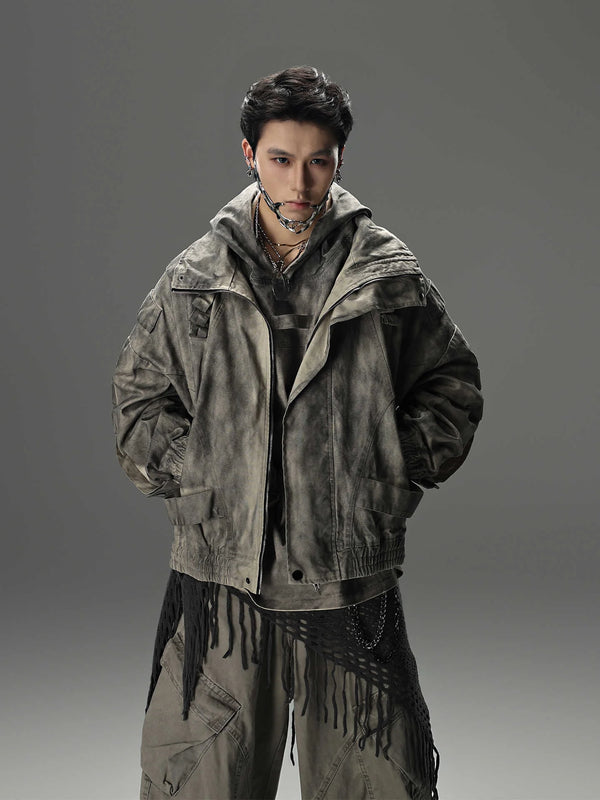
The coat carries the Korean winter outfit. It's the largest surface, the most dominant fabric, the primary bearer of the silhouette. This is where it's decided whether your layering system becomes Korean winter or an ordinary winter coat.
Four coat types work: the wool long coat (Hallyu default, knee-length, camel or black), the sherpa or teddy coat (Quiet Luxe iteration, cream or beige), the trench or matrix long coat (editorial variant, falling and slim) and the heavy wool overcoat with a shawl collar (date-outfit default). Bombers belong in the jacket category, not here.
Category · Heavyweight
Puffers & down jackets — the warmth layer for -5 °C and below
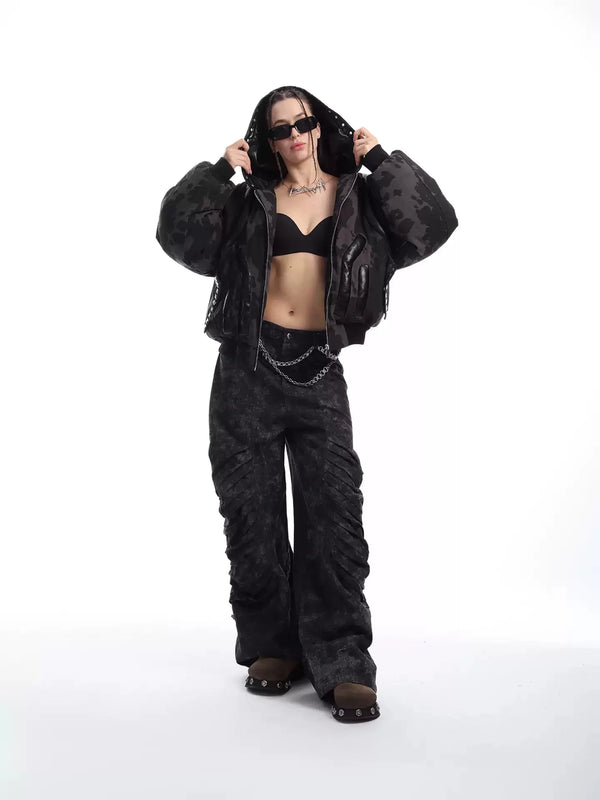
Below -5 °C the wool coat loses the game. Warmth then comes from down or faux fur, and the puffer takes the outer layer. The tricky part: mall puffer jackets (loud logo, shiny polyester, garish colour) wreck any Korean winter outfit. What works is matte or muted-sheen, no visible logo, with a clear silhouette.
Three puffer lines carry the code: the slim down puffer with a clear tailoring line (Hallyu-leaning), the mid-length puffer with a faux-fur hood or sherpa collar (Quiet Luxe and date outfit), and the voluminous mountain-style puffer (Hong Dae and Techwear-K). Skinny down like 2014 no longer works in 2026 — the line has got wider without tipping into marshmallow.
Category · Mid-layer
Knit & sweaters — the mid layer
The mid layer is the layer that holds the outfit together. If the coat sets the silhouette and the trouser holds the line, the knit is what stays visible under the coat and carries the colour statement. A wrongly chosen knit tips any Korean winter look into ‘uncle-in-the-park’.
Three knit types work: the slim merino turtleneck or mock neck (Hallyu Modern default), the cable-knit cardigan or zip-up (Quiet Luxe and Layered Vintage), and the oversized crewneck knit (Hong Dae default, vintage-leaning volume). Hoodies work too — but as a mid layer under a bomber or coat, not as the sole top layer.
Category · Bottoms
Trousers — wide-leg, tapered, wool
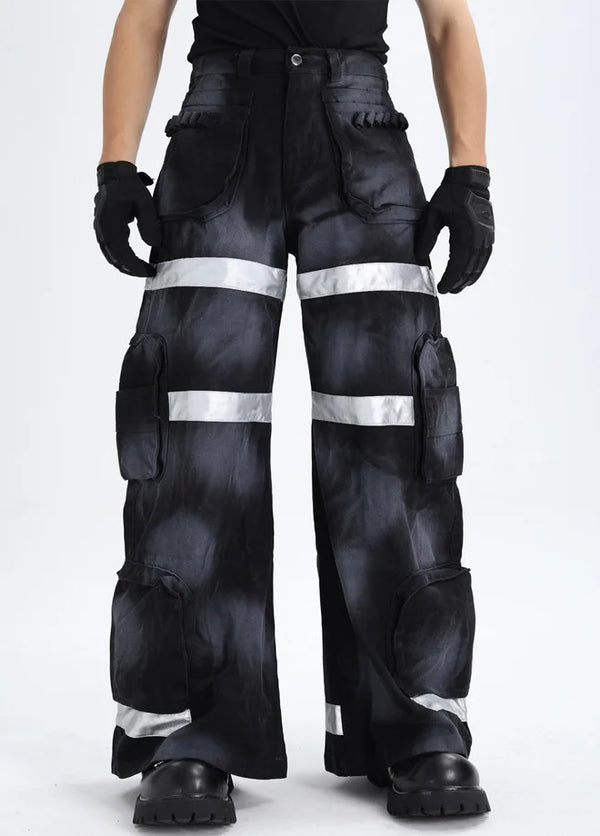
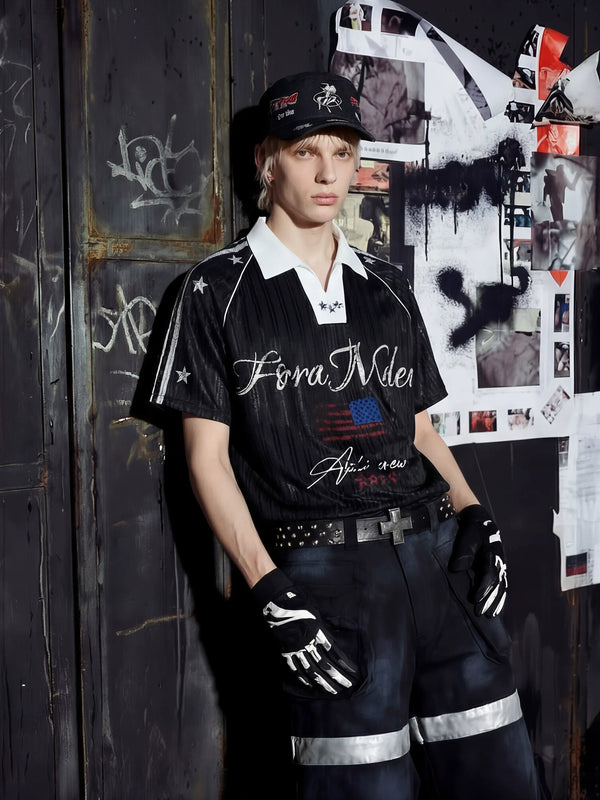
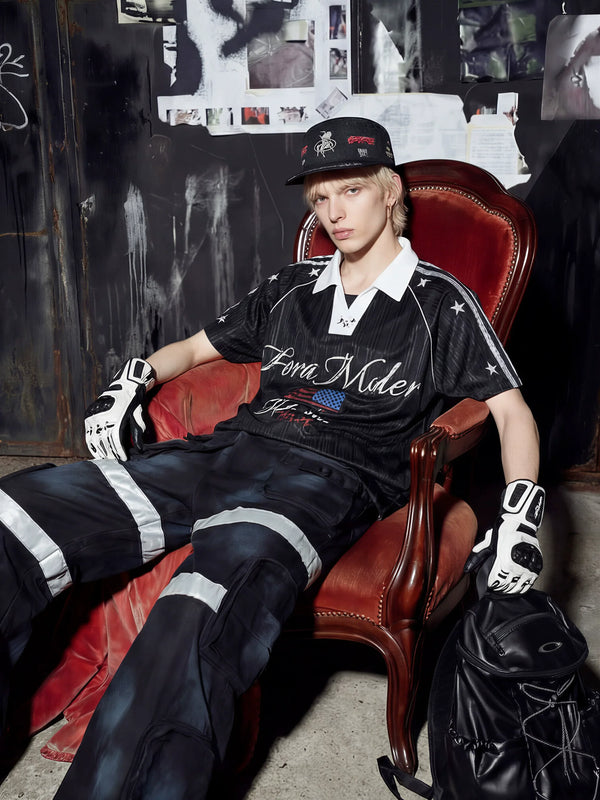
The trouser is the most unremarkable component — and precisely for that reason the one most Korean winter outfits tip on. Skinny has been out since 2018. Cargo only works in the Hong Dae and Techwear-K variant. What the other three archetypes wear is a quiet wide-leg or tapered wool, often with a light crop at the ankle.
Three trouser types carry the code: the wool tapered (Hallyu Modern, slim but not skinny, black or charcoal), the wide-leg wool or twill (Quiet Luxe and Layered Vintage, falling, camel or cream in summer, dark in winter), and the cargo wide-leg (Hong Dae default, often with a tapered cuff at the ankle). Pinstripes work in the Quiet Luxe variant, never in Hong Dae.
Styling
How to style the Korean winter look — the layering logic
A Korean winter outfit works via three dials: the number of layers, the order of the layers and the tension between top and bottom. Each of these three dials can be set wrong, and the Pinterest collections that don't work all turn the wrong one.
Layer count: three is the norm, four below -5 °C, never two. Order: skin layer always against the body (tee or long-sleeve), mid layer as the warmth carrier (knit or vest), outer layer as the silhouette (coat or puffer). Top/bottom tension: structured up top, quiet below. The coat may be voluminous, the trouser may not.
In practice that means: wool coat over a slim merino turtleneck, under it wide-leg wool with a light cuff that shows two to four centimetres of ankle, then a Chelsea boot. Never a long trouser that swallows the shoe — that swallows the line too and makes every outfit shorter than it is. We've put the full layering breakdown in a separate article:
Korean winter style doesn't stand alone — it overlaps at several edges with other quiet aesthetics. Modern Korean writes the fashion line, Korean colour trends write the palette, Korean outfits men writes the day-to-day iteration, Korean brand clothing writes the brand backgrounds. Get Korean winter down and you can read these neighbouring codes and mix on purpose.
Here are the most important neighbors — each with its own guide, if you want to go deeper:
Seasonal
Korean fashion winter vs summer — what stays, what tips
In winter the code is easy to read — three or four layers, one dominant coat, one quiet trouser. The challenge comes in summer, when the outer layer (= the largest visual surface) drops away. What stays is the tailoring element that carries the silhouette, plus the colour discipline.
Summer Korean works via what was under the coat. The merino turtleneck becomes a short-sleeve polo or a linen camp shirt. The wool wide-leg gets replaced by twill or a light linen wide-leg — wool at 30 °C tips any outfit. The Chelsea boot sometimes stays, but more often a loafer without a sock or a soft sneaker with a suede upper. The palette stays — black, cream, beige plus one accent — what changes is the material.
The year-round solution runs via the mid layer: pieces that change their function with the temperature. A light zip cardigan is warm under the coat in winter, cool over the camp shirt in summer. Sherpa gets replaced by a mesh vest — same silhouette, different breathability.
This is what the Korean winter look looks like in motion — on the street, between the station and the café:
What does not work
The 6 most common Korean winter mistakes — what you must NOT do
Korean winter has six spots where it reliably tips — regardless of how expensive the individual pieces are. If you avoid only one thing, make it mistake number one.
Action
How to start in Korean winter fashion — the first 4 pieces
You don't need twenty Korean Pieces to wear the look. You need four that will be in 80 percent of the outfits. Everything else builds around them.
In order: a knee-length wool or sherpa coat in black, camel or cream (your biggest investment — lasts seven to ten years if you don't buy cheap). A slim merino turtleneck (two of them in different tones, if budget allows). A wide-leg wool or tapered wool in black or charcoal. A Chelsea boot or Derby in black or dark brown. Once those four are in place, the puffer for below -5 °C joins them.
Outfits for real
Korean winter outfits for real — Pinterest, Hong Dae, Itaewon
Before you build your own outfit, look at how others wear it. The five archetypes look different in the feed than in lookbook photos: tighter, more worn, less perfect — and precisely for that reason they work. Pinterest's ‘Korean Winter Outfits Men’ cluster is by far the biggest visual pool, followed by Hong Dae street-style accounts and K-Drama stills.
This is the fastest way to check whether an archetype even sits on your body type — before you spend money.
To close
Korean winter fashion is a system — not K-Drama cosplay
If you take one thing from this guide, take this: Korean Male Fashion Winter works not through pieces but through rules. Get the rules down and you build sixty outfits from fifteen pieces. Buy only pieces and you have a full wardrobe without a single outfit that holds the line.
The whole logic of this guide reduces to one sentence:
The rules have been stable since roughly 2012 and will stay that way — as long as the Seoul winter is the Seoul winter. But you don't have to wait until you know them all by heart. Start with the one archetype that suits you best. What you don't know, you learn by wearing it.
And that's the point too: Korean winter reads in theory like a corset of rules — three layers, quiet palette, visible ankle, one colour statement. In practice it doesn't feel that way. Once you've got the code down, every further outfit is a variation on the same four or five building blocks — not a new invention.
FAQ
Frequently asked questions about Korean Male Fashion Winter
The questions we often get by DM and email about Korean winter style — short, clear, no detour.
What do Korean men really wear in winter?
What has really trended in Korean fashion for men in 2024 and 2026?
How do I dress in Seoul in December?
What counts as attractive in Korean men's fashion?
What is the 3-3-3 rule in Korean fashion?
What's the difference between Korean winter style and Japanese streetwear in winter?
Which shoes suit the Korean winter look besides Chelsea boots?
What do you think?
Tell us on @fuga_studios
About the author
Philipp Fuge — Founder · Berlin
Founder of Fūga Studios. Writes the journal himself. Berlin · Shanghai · Tokyo · Poznań — four cities, one logic.