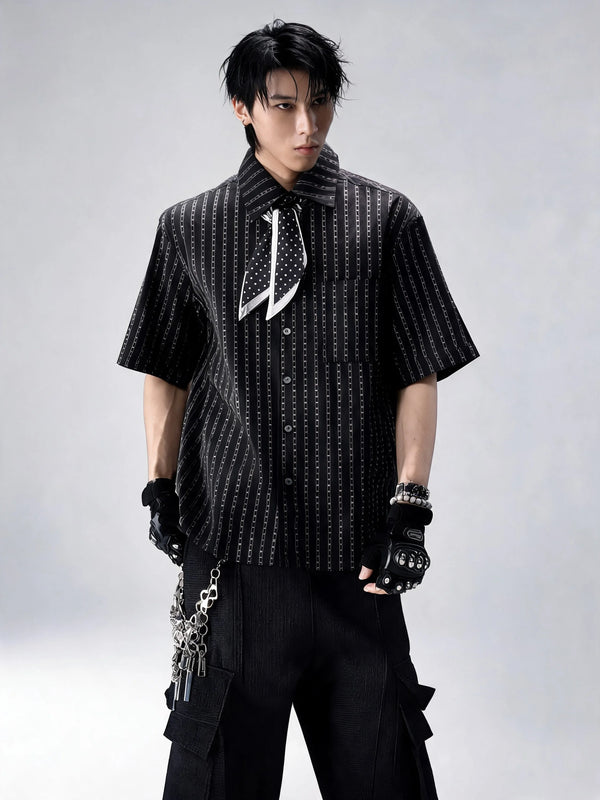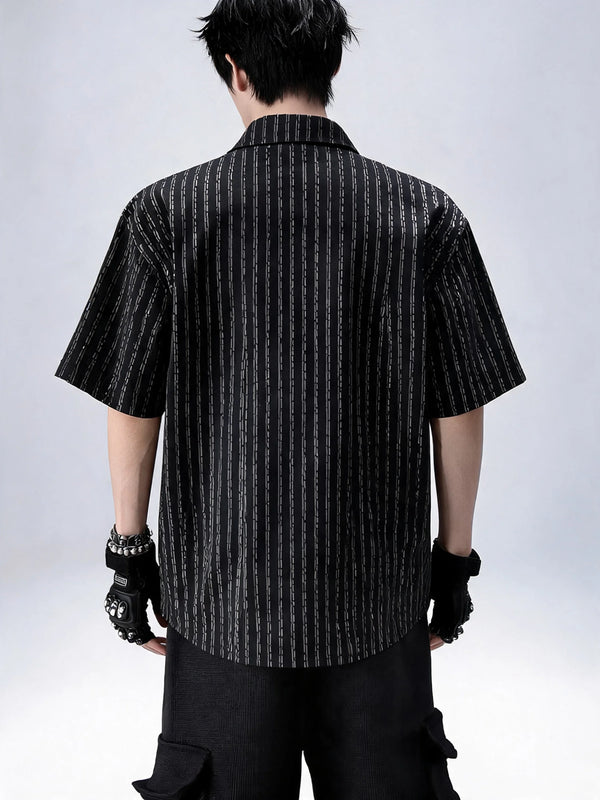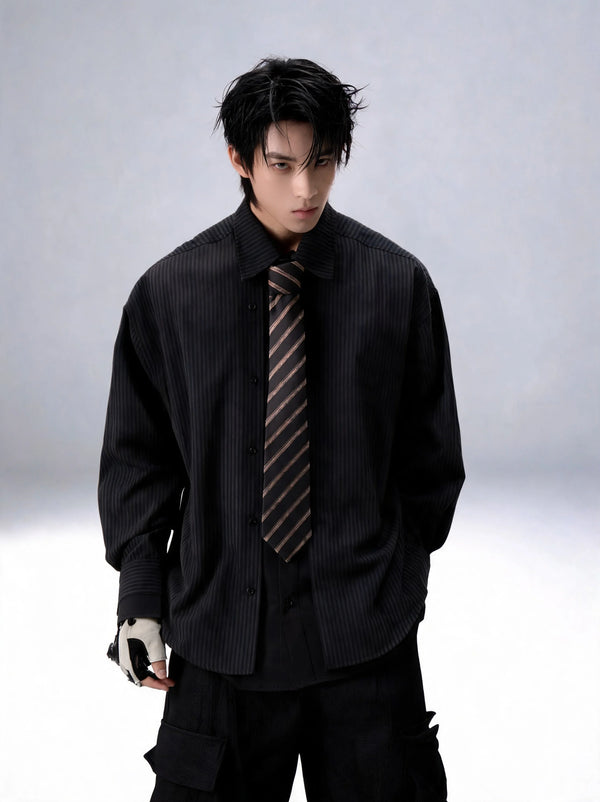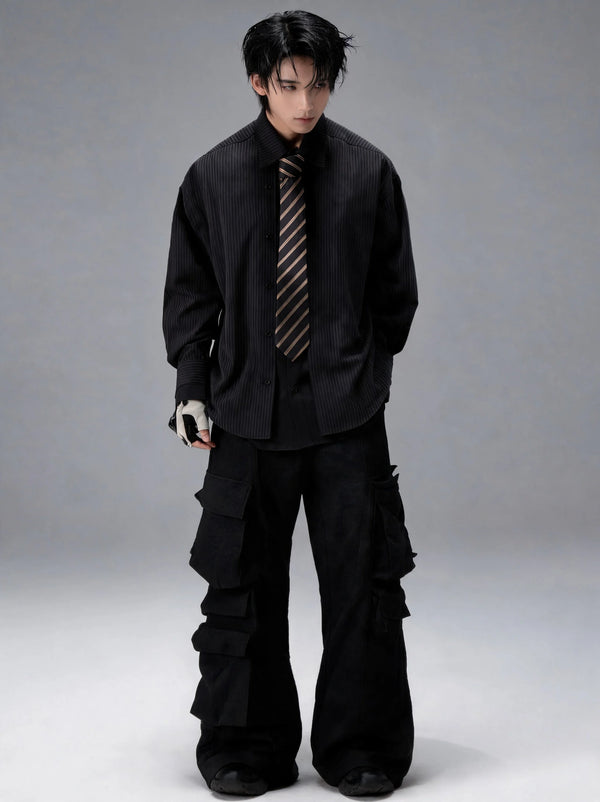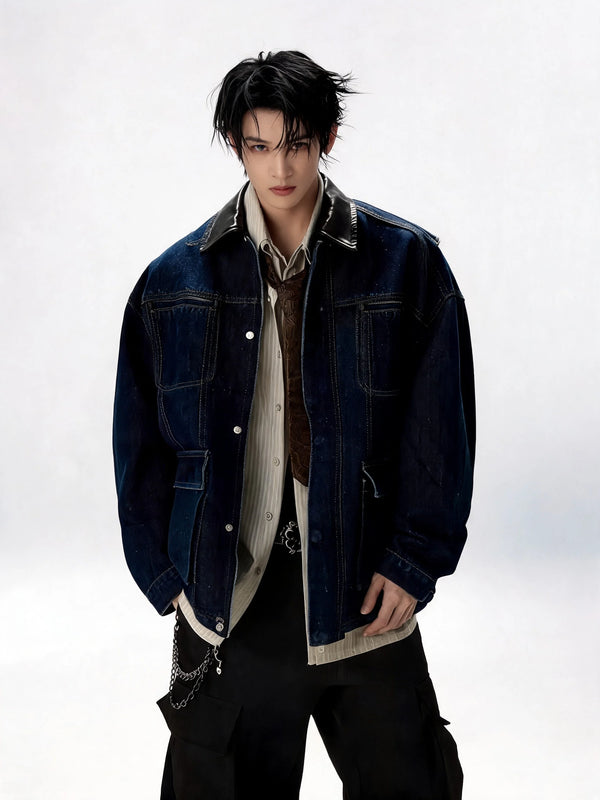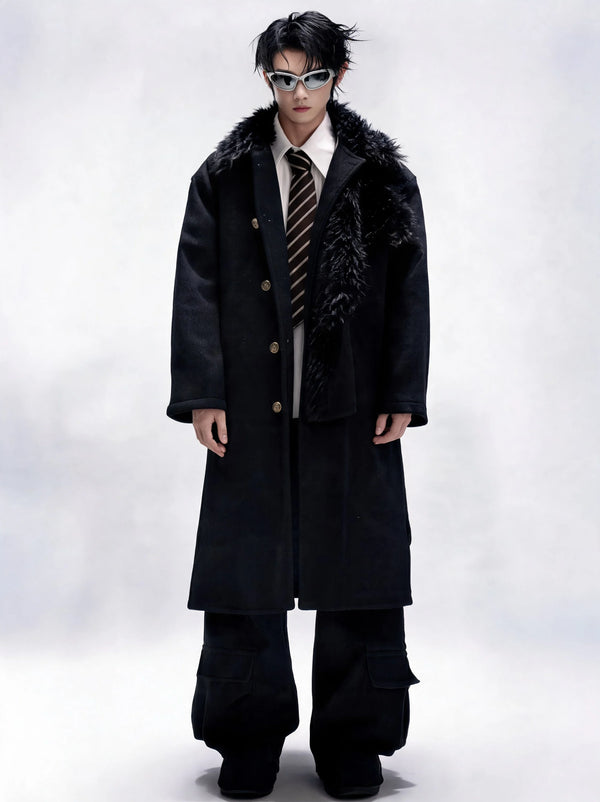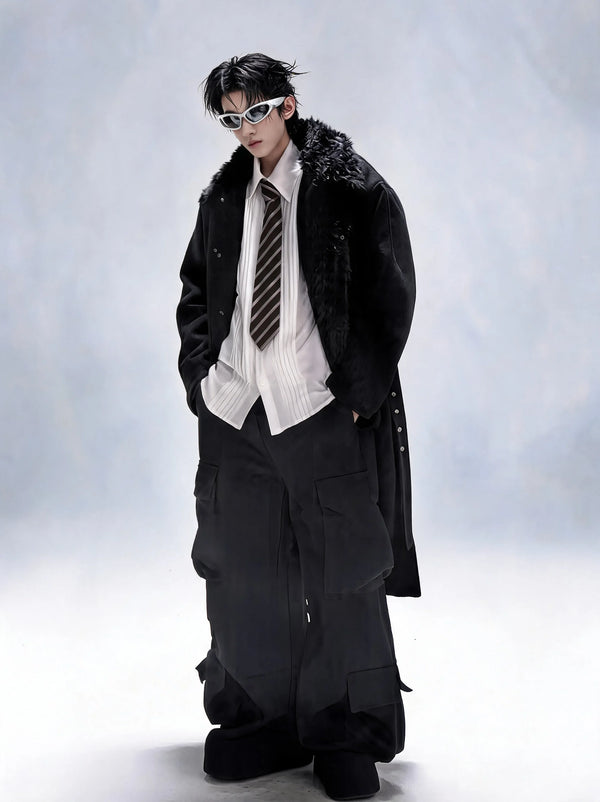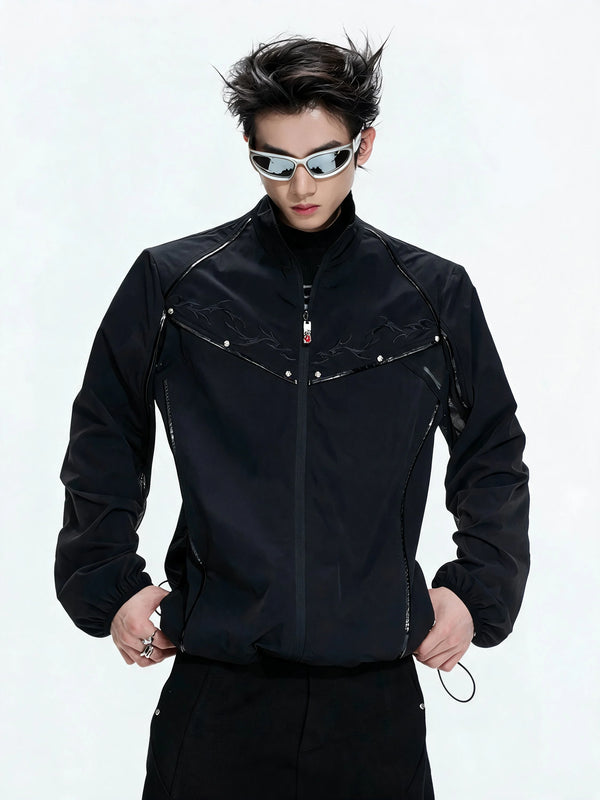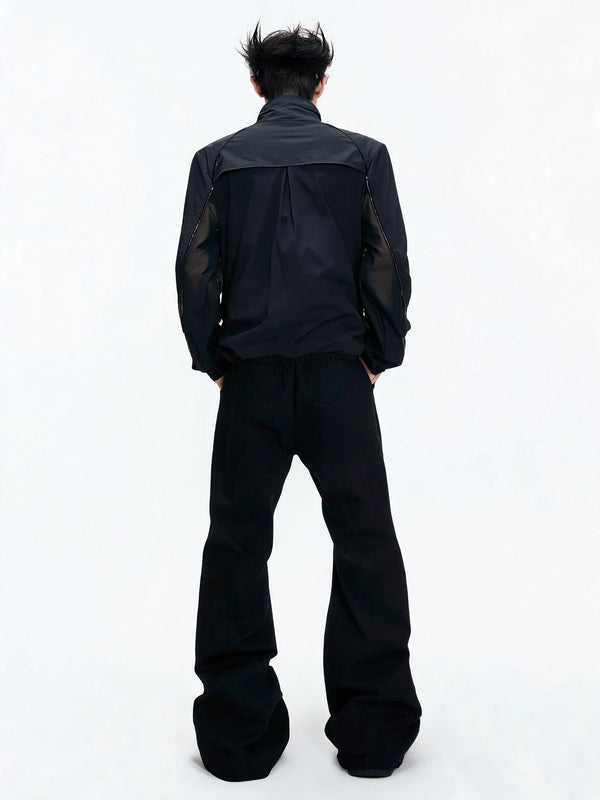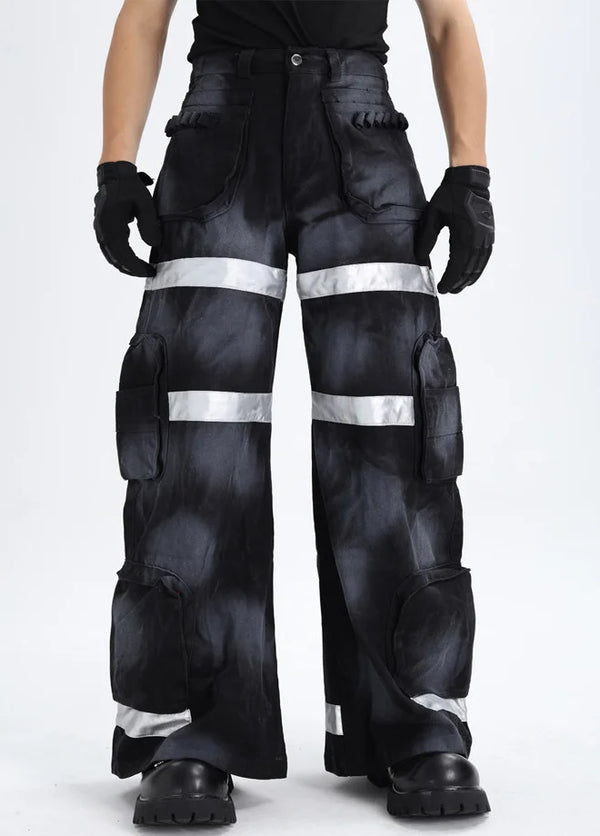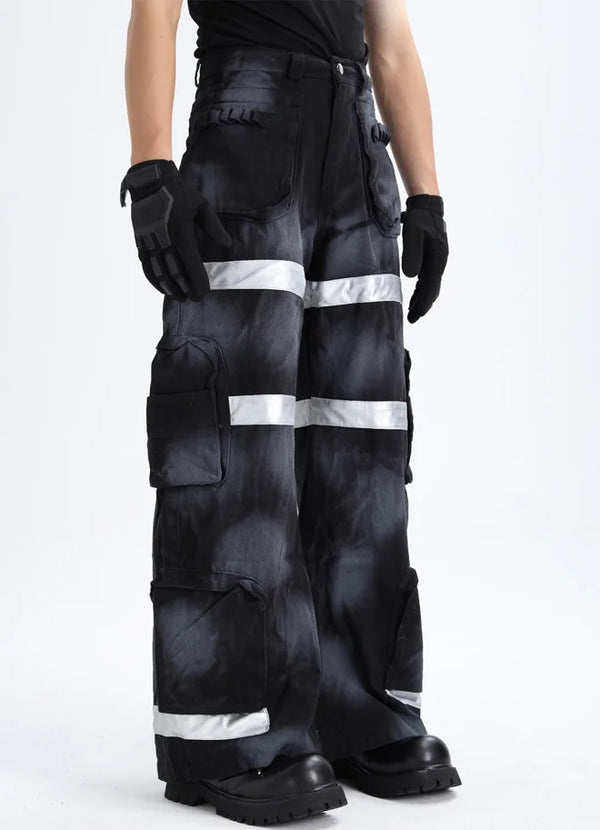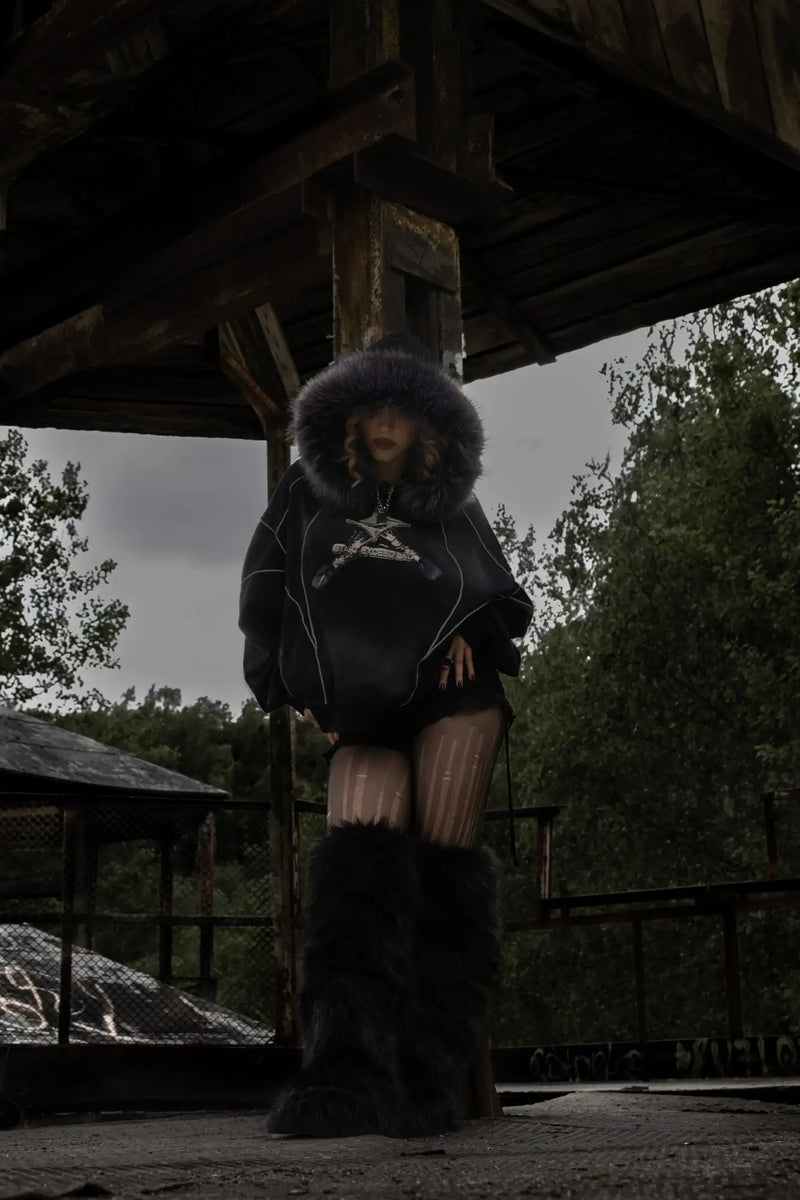
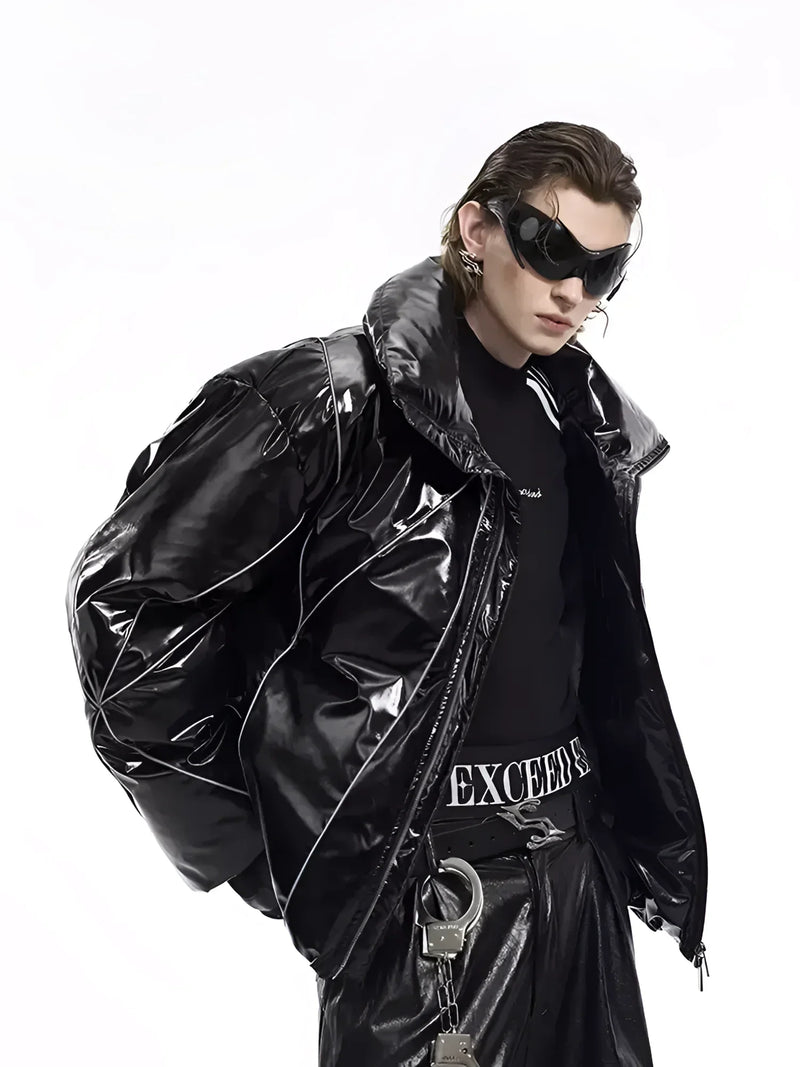
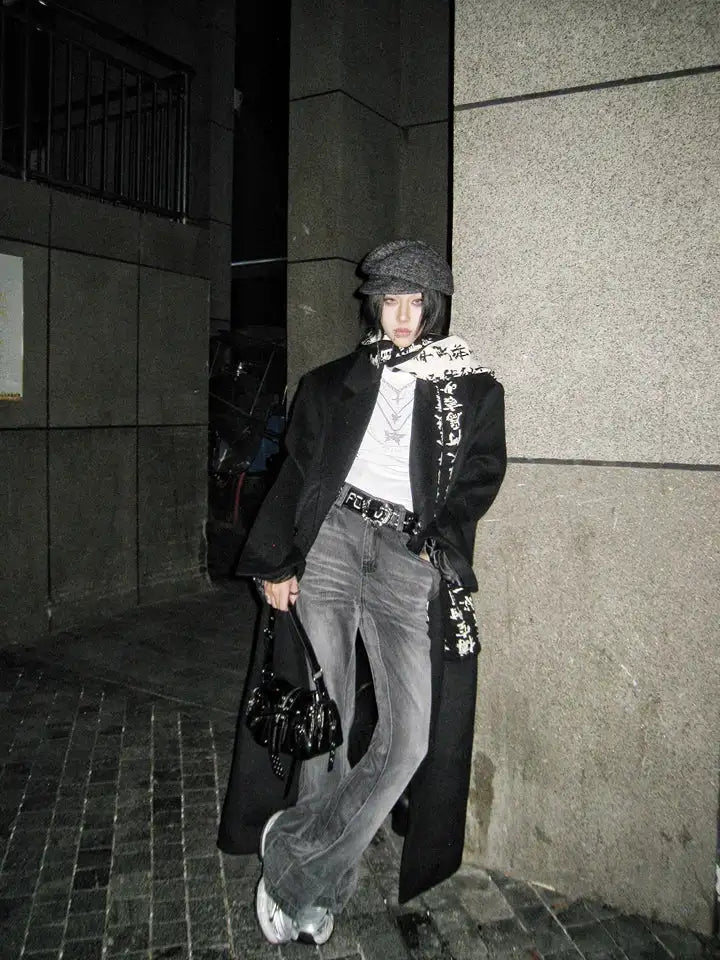

London, summer 1976. On the King's Road, teenagers walk around in shirts that look as if someone took a knife to them. That is exactly what happened. The rips are deliberate, the safety pins hold nothing together, and the adult world is appalled. Three years later this look has split fashion history into a before and an after. What started on that street still carries every runway rupture, every torn pair of jeans and every statement shirt.
Punk Fashion 1970s is the original punk look: torn shirts, leather jackets, tartan, safety pins and DIY customising, born from 1974 in New York and from 1976 in London around Vivienne Westwood's boutique SEX. The look was rejection worn as clothing, and its five building blocks still work today. The whole style family is mapped out in our Punk Fashion Guide, here it is about the original decade.
Origin
Punk Fashion 1970s: Why One Decade Tore Fashion Apart
The early 70s were fashionably sated. Flares, platform shoes, glitter, disco silk: everything was soft, expensive and built on glamour. Punk was the direct answer to that. Not as a new trend next to the others, but as an attack on the idea that fashion has to please. A torn shirt with safety pins was not a styling decision in 1976, it was a declaration of war on everyone who wore clothing as a status symbol.
That is why the look still works. Punk fashion from the 1970s was the first style in fashion history to make destruction a design tool. Before, a rip meant: broken, poor, embarrassing. After, it meant: intended, loud, your own decision. Every pair of distressed jeans hanging in a shop today pays into that decade.
1976
The year punk explodes in London
Nr. 430
King's Road: address of Westwood's boutique
3 Akkorde
were enough musically, the rest was attitude
The numbers mark a turning point, but they do not explain it on their own. To understand why this look of all looks hit so hard, it helps to settle what the word actually means.
Term
What does punk even mean?
The word is older than the movement. In American slang, punk long meant: good-for-nothing, petty criminal, someone without value. When the music press called bands like the Ramones that in the mid-70s, it was meant as an insult. The scene simply kept the insult and turned it into a name. That is the core of the whole style: take what is meant to hurt you and wear it where everyone can see it.
Translated into clothing, punk therefore does not mean chaos but revaluation. Cheap is worn with pride, broken becomes intended, school uniform gets painted over with slogans. Anyone wearing a bin liner as a dress in 1977 was not making a joke but a point: your value system does not apply here. This logic separates punk from every style direction before it, and it is the reason the look was never just surface.
London
London 1976: Vivienne Westwood, SEX and the King's Road
If punk fashion of the 1970s has an address, it is 430 King's Road in Chelsea. From 1974, Vivienne Westwood and Malcolm McLaren ran the boutique SEX there, later renamed Seditionaries. The shop sold what was available nowhere else: bondage trousers with straps between the legs, torn shirts with provocative prints, the notorious Anarchy shirt. McLaren managed the Sex Pistols, Westwood dressed them. Band and boutique were one single project.
Westwood's contribution is hard to overstate. She turned anger into a craft and gave punk a formal language that could be copied: tartan against the grain, straps without function, slogans on fabric. What began on the street as improvisation got cut and system from her. The most important codes out of the shop:
- Bondage trousers: black trousers with the legs strapped together, probably the best known Westwood piece of the era.
- Anarchy shirt: painted-over shirt with patches and slogans, every piece a one-off.
- Tartan reinterpretation: the pattern of the British upper class, cut up and reassembled with studs.
- Muslin shirts: thin, wide shirts with prints, often deliberately sewn crooked.
How deep these codes still reach is shown by the big overview of all punk eras and their connections:
Two Cities
New York vs. London: Two cities, two punk looks
The story is often told London-first, but chronologically New York came first. From 1974, the Ramones, Television and Patti Smith played CBGB on the Bowery. Their look was more casual than anything London built later: leather jacket, tight torn jeans, white shirt, Chucks. Richard Hell is credited with inventing the torn shirt held by safety pins. No concept, no designer, simply no money and no appetite for glamour. The Bowery was cheap, the clubs were small, and that tightness is exactly what shaped the look: what you wore had to survive an evening in a headlock.
London took the same ingredients and made theatre out of them. Where New York wore understatement, London wore escalation: louder colours, more hardware, political slogans, Westwood's considered cuts. The rule to remember: New York invented the pieces, London invented the staging. Both lines still exist side by side, from stripped-back everyday punk to the fully cranked statement look.
Building blocks
What clothing was typical for punks in the 1970s?
The original look breaks down into five building blocks, and each of them had a reason. The leather jacket came out of the biker world and was shield and canvas at once, studded and painted with band names. The trousers were tight and destroyed, the counter-programme to the flares of the disco era. The shirt was homemade: cut up, written on, pinned back together.
Then came heavy boots or creepers on the feet and hardware all over the body: safety pins, dog collars, chains, razor blades as pendants. The interplay is what matters. A single one of those pieces was also worn by a mod or a rocker in 1977, only the combination made punk readable.
Bands
70s punk bands and their uniforms
The bands were the shop windows of the look. The Ramones all wore the same thing: leather jacket, torn jeans, white shirt, mop-top. That was deliberate, a uniform like a logo. The Sex Pistols were the counter-model, each one a walking Westwood display, Johnny Rotten in the Anarchy shirt, Sid Vicious with a padlock chain around his neck. The Clash sat in between: military trousers, painted shirts, boots, more street than boutique.
Anyone wanting to rebuild a band's look does not need a vintage hunt but an understanding of the silhouette: narrow on top, narrow at the bottom, heavy on the feet. What a silhouette like that looks like in motion is in the clip.
The fastest way into this band silhouette is complete looks that already match top and trousers to each other. Two directions that carry the 70s spirit without the nostalgia effect:
Jackets
Jackets: leather as armour
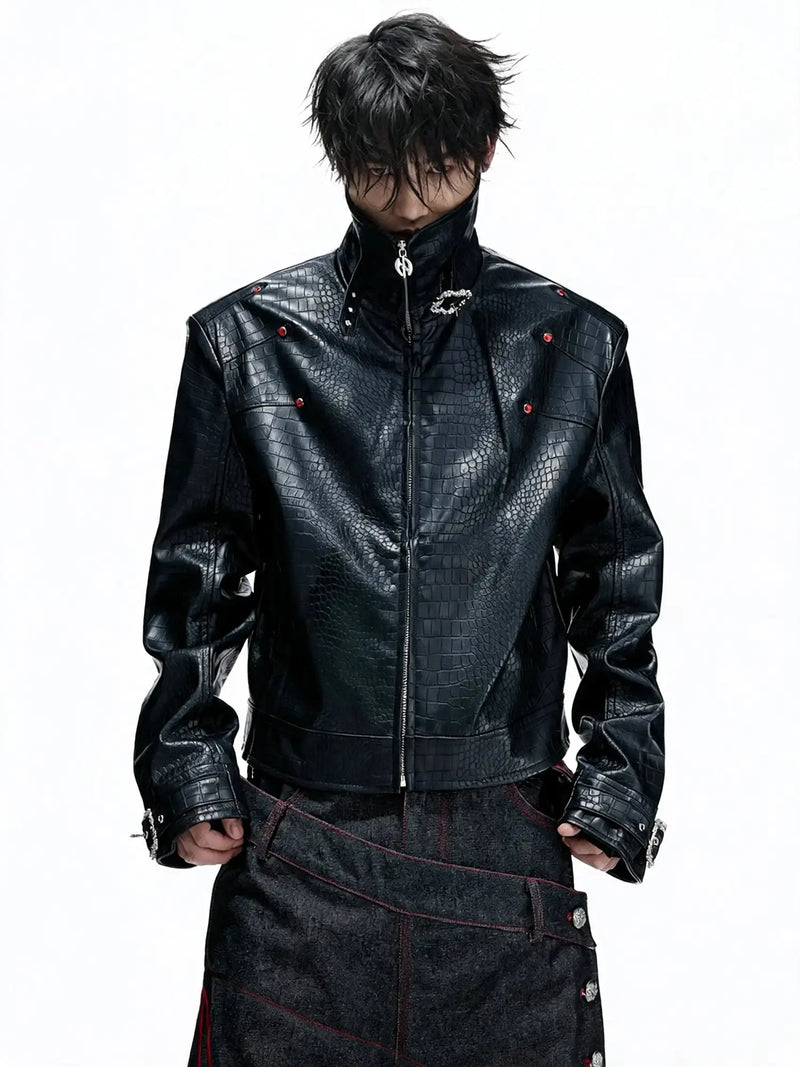
No question was as settled in 1976 as the jacket question. The leather jacket, usually a biker shape with a diagonal zip, was the most expensive and most important piece in the punk wardrobe. It was not spared but worked: studs in, band names on, patches over. A fresh leather jacket counted as suspicious, a scratched one as a CV. Some jackets changed owner over years and ended up carrying three layers of history on top of each other, band names under band names.
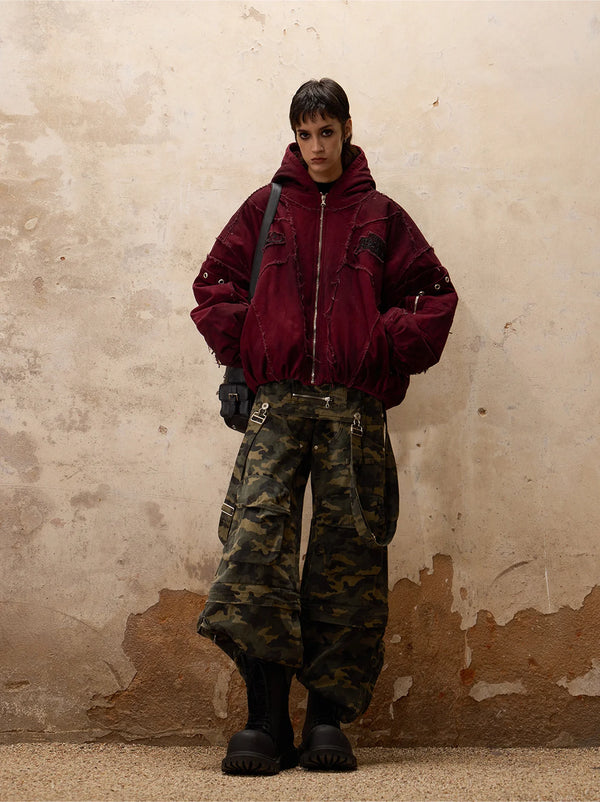
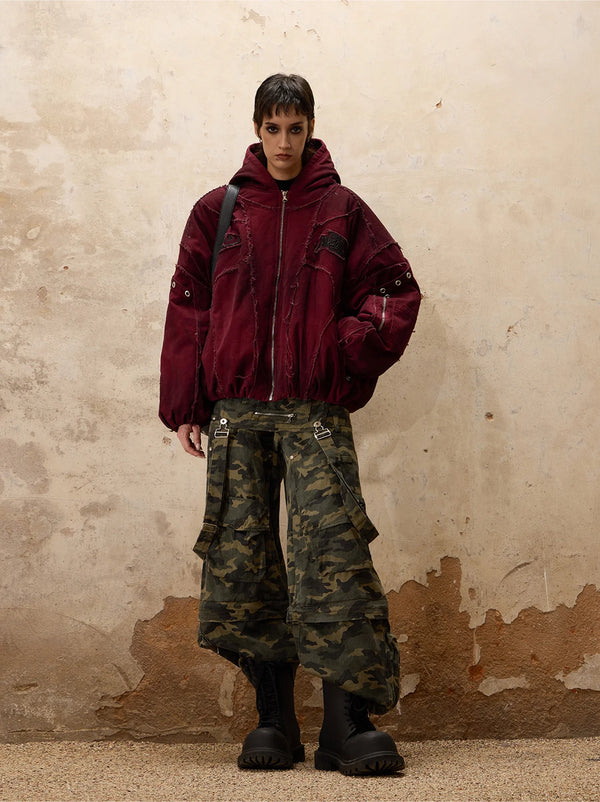
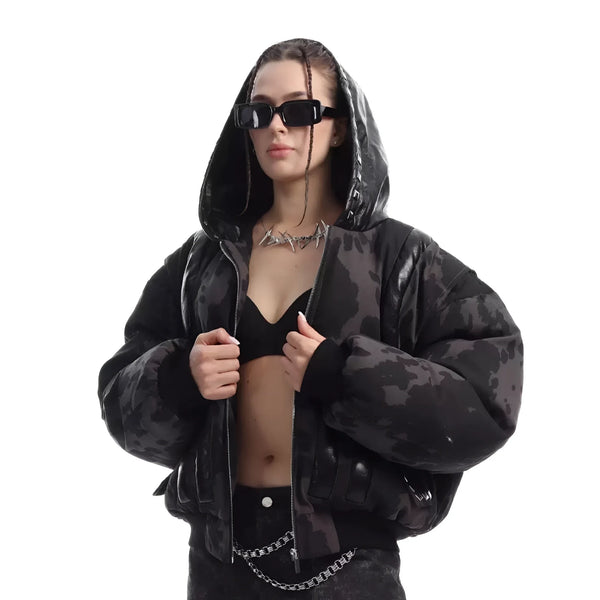
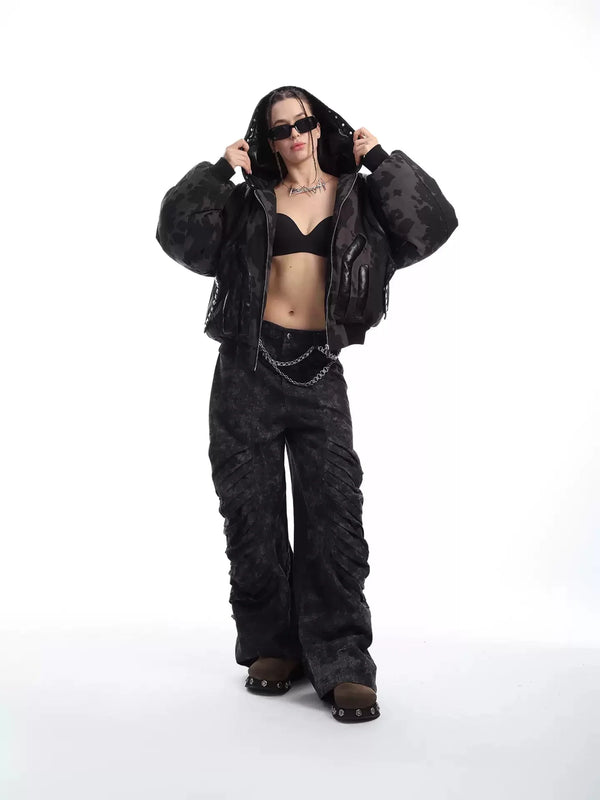
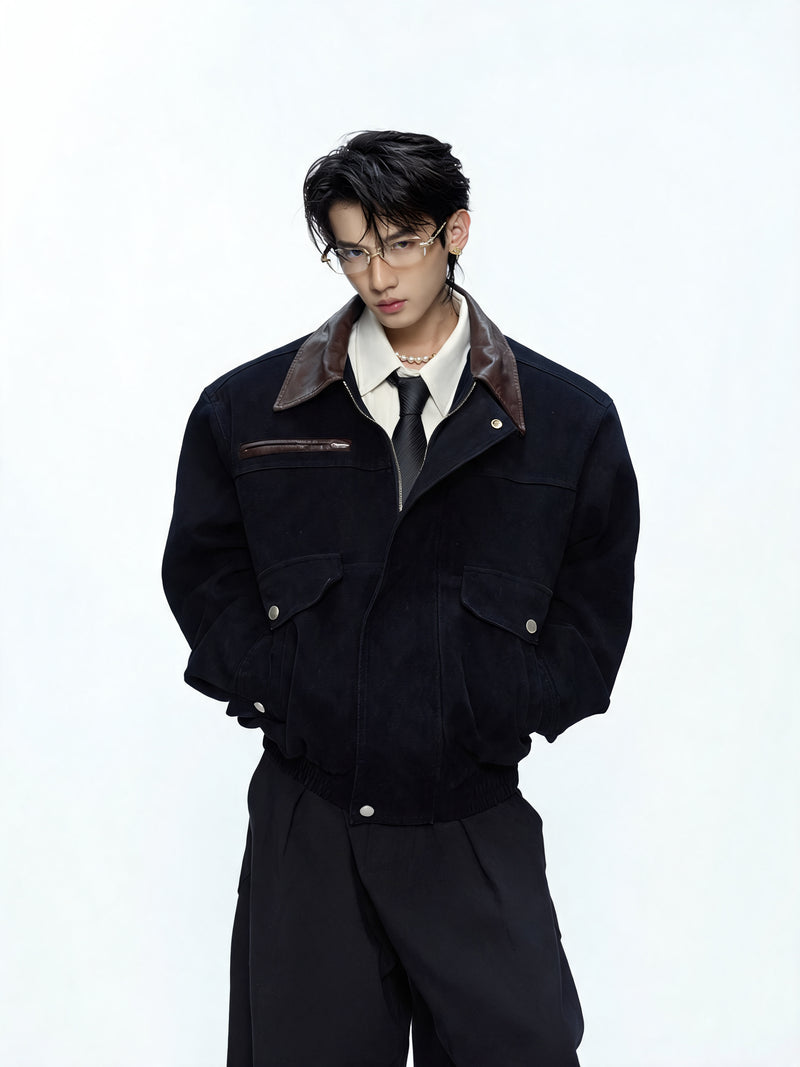
For today that means: the jacket carries the look, so it is allowed to have character. Structured leather, visible hardware, hard-edged cuts work better than clean minimal jackets. The rule: if the jacket looks like it has already survived two owners, it fits. Bomber shapes with print or tactical sets translate the same attitude into the present without copying it one to one.
Female
70s punk fashion female: Siouxsie, Jordan and the new hardness
Punk was the first youth style in which women did not wear the softer echo of the men but the harder version. Siouxsie Sioux combined fetish elements with geometric make-up and turned that into a stage identity that later prepared the whole goth look. Jordan, the legendary shop assistant at SEX, wore a beehive and Mondrian eyes to work and became a King's Road landmark herself.
The female 70s punk look deliberately broke every expectation: fishnets with heavy boots, men's shirts with slogans, skirts made of bin bags, plus aggressive eye make-up. None of it wanted to please, and that is exactly what made it style-defining. Anyone setting female punk references today works with the same contrasts: hard against soft, masculine against feminine, always with one element too many for good taste.
This statement logic works strongest in monochrome. How a completely black punk build is put together today is in its own article:
Trousers
Trousers: from torn jeans to tartan and studs
In 1976 the trousers were the clearest signal of separation, because mainstream fashion hung on the flare. Punk wore the exact opposite: tight, straight, destroyed. In New York that was the torn Levi's, in London the bondage trousers with straps and zips or tartan trousers whose pattern was brushed against its own history. Later came rows of studs along the side seams.
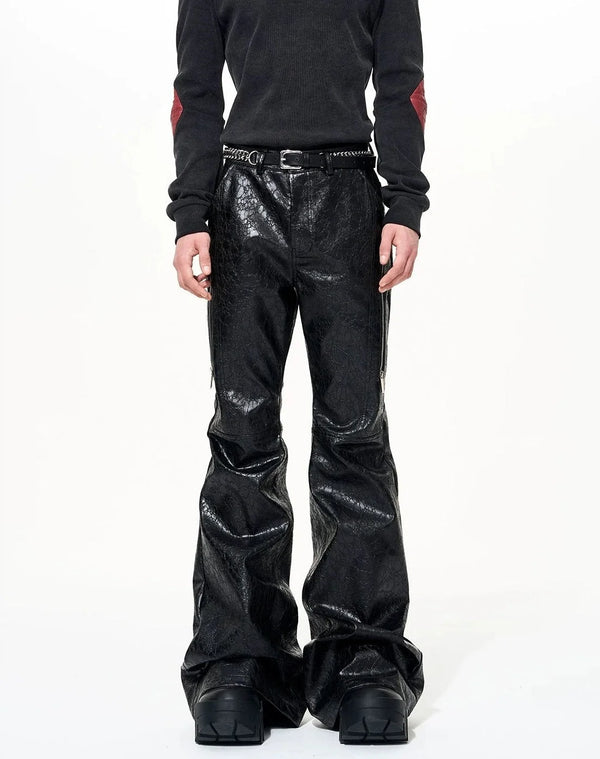
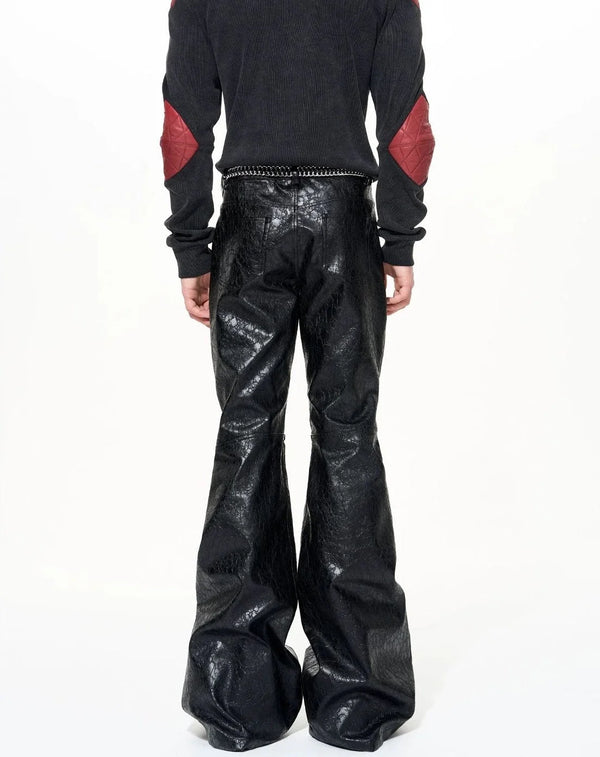
Today the choice is bigger, the logic the same. Studs, straps and visible hardware turn any black trousers into a punk quotation. Wide cuts work too, as long as the surface is doing work: studs, washes, destruction. The line does not run at the cut but at the smoothness. Flawless suit trousers stay Businesscore, no matter how black they are. The other way round, a single row of studs is enough to tip a quiet silhouette. If you are unsure, start hard at the bottom and keep the top simple.
Principle
The DIY principle: safety pins, patches, slogans
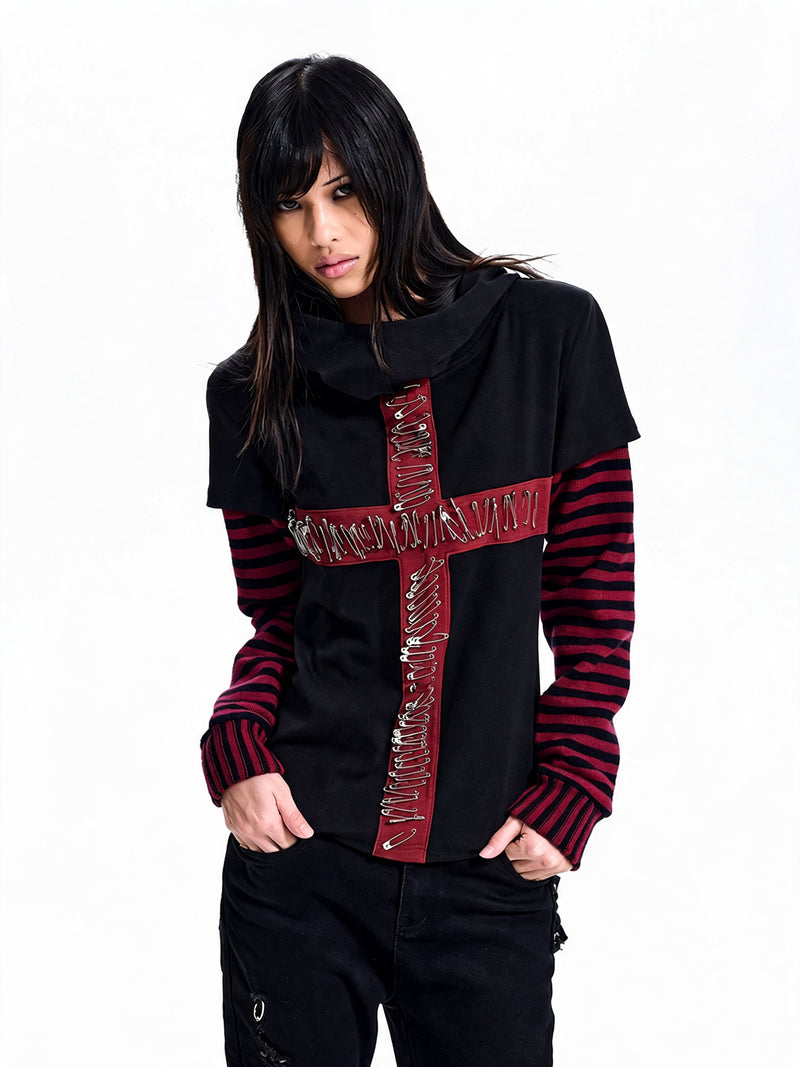
The most important element of 70s punk hung on no coat hanger. DIY was the actual invention of the decade: clothing was not bought but built. A school shirt was painted over with fabric paint, a pair of jeans worked on with a razor blade, a shirt cut up and reassembled with safety pins. The pin was tool and jewellery at once, the perfect punk object: cheap, functional, slightly threatening.
That principle still separates real punk influence from a quick copy. A bought piece only becomes a statement through your own intervention, even if the intervention is just the decision to combine it wrong. Anyone who wears their things until they have stories is closer to the original than any vintage collector.
If you would rather curate than cut things up yourself, start with categories where the hardware is already built in. Four entry points, sorted by outfit zone:
Tops
Tops and layering: the destroyed shirt as a system
The punk shirt of the 70s was a manifesto in cotton. Richard Hell's torn shirt reading Please Kill Me counts as the original form, Westwood's muslin shirts with print and crooked seam as the designed answer. Both follow the same idea: the top is the surface the attitude stands on. Over it came, if anything, only the leather jacket or a cut-up vest.
Translated into the present that means: washes, distressing and destroyed layers take over the work of the razor blade. A washed-out tee with broken edges under an open jacket delivers exactly the 70s texture without a single piece looking costumey. How that falls on the body, in twelve seconds:
Two tops from the range carry exactly this texture logic, once as a graphic statement and once as a destroyed layer piece:
Practice
Styling 70s punk today: the five most common mistakes
The line between reference and fancy dress is narrower with 70s punk than with any other retro look, because the template is so iconic. Quote all the codes at once and you are no longer wearing an outfit but a disguise. These five mistakes are the ones we see most often:
If the loud version is too much, the indie wing of punk offers a quieter translation of the same attitude:
Hardware
Accessories: the hardware of the look today
Accessories were never trimming in 70s punk, they were the alphabet. Dog collar, chain, pin, belt with a double row: every object came out of a different context and was reinterpreted on the body. That is why punk accessories still work as an entry point. A single hard metal piece shifts a neutral outfit noticeably towards 1976 without anything else having to be quoted.
The modern selection follows the old rule: metal before fabric, function before jewellery. A leather belt with cross hardware or a destroyed cap with patch character carries more 70s spirit than any nostalgia shirt. Two pieces that do exactly this work:
FAQ
FAQ: Punk Fashion 1970s
Some of it we have covered in detail above, a few questions still keep coming up in searches about 70s punk fashion. Here are the five most common ones, answered compactly and without detours, from the Westwood question to everyday styling.
Did Vivienne Westwood invent punk fashion?
Why did punks wear safety pins in the 1970s?
What is the difference between 70s punk and 80s punk?
Which fashion trends were there in the 1970s besides punk?
How do I style Punk Fashion 1970s today without looking dressed up?
What remains is the classification. Punk fashion of the 1970s was not one trend among many but the moment fashion learned to work against itself. Once you have understood that, you no longer need a shopping list, only a decision.
What do you think?
Tell us on @fuga_studios
About the author
Philipp Fuge — Founder · Berlin
Founder of Fūga Studios. Writes the journal himself. Berlin · Shanghai · Tokyo · Poznań — four cities, one logic.