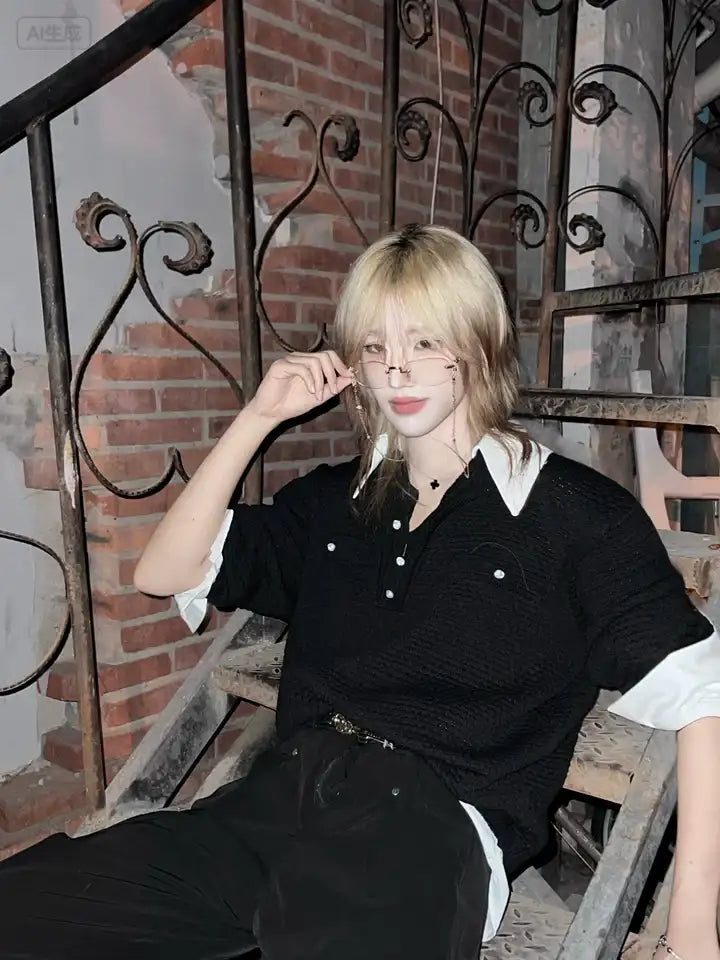

A woman stands in an abandoned factory building, white dreadlocks, a corset over frayed fabric, welding goggles pushed up on her forehead. The photo is almost twenty years old and still circulates on Pinterest, Tumblr and in every second moodboard with "Steampunk" in the title. Anyone who has seen the image once does not forget it. It defined an entire subculture visually, long before algorithms sorted trends.
Kato Steampunk stands for the look of Kate Lambert, a British model who became the best-known figure in Steampunk fashion under the name Kato. Her label Steampunk Couture combined Victorian cuts with end-time patina and defined what Steampunk looks like as fashion. The look still works today: as a dark, worn alternative to the smooth mainstream, closely related to the code we took apart in the Gothic Fashion Guide.
Before we take the look apart, the person is worth a look. Unlike most aesthetics, Steampunk fashion has a face, and that face set the rules people still style by today.
The person
Who is Kato? The face of Steampunk fashion
Kate Lambert, born in Wales and working as a model under the name Kato, founded the label Steampunk Couture in the mid-2000s. The idea was radically simple at the time: Steampunk existed as a literary genre and as a maker scene, but nobody had built a wearable wardrobe from it. Kato did exactly that. She designed, sewed, modelled and photographed her looks herself and put them online, years before social media turned niches into movements.
The effect was measurable. Her images became the visual reference for the entire scene, she spoke as a guest at Steampunk conventions like the Wild Wild West Con in Arizona and the Salt City Steamfest in Utah, and her designs later appeared as limited collections in collaboration with Dracula Clothing. On Instagram she runs under the handle @katopunk, today she lives in California.
What matters for us is not the biography but the method. Kato was the first to consistently lay two worlds on top of each other that had been separate before: the Victorian 19th century with its strict silhouettes and a fictional end time in which the same clothes have collected dust, tears and repairs. That tension is the core of everything that came after.
2
Worlds in the look: Victorian and end time
4
Building blocks: silhouette, material, patina, hardware
19. Jh.
Design source of every cut
That a single person could shape an aesthetic this much also comes down to the fact that she drew a clear line. On one side fashion you wear. On the other side a costume you put on to be noticed. That line is still the most important rule in Steampunk.
Distinction
What separates Kato Steampunk from a costume
The difference lies in the material and in the dose. A costume glues cogs onto a top hat and calls it Steampunk. The Kato look works the other way round: it starts with a wearable base in black, brown and sepia and then adds single elements that look like a workshop instead of a party shop. A harness in real leather. Goggles that actually have lenses. A belt whose brass buckle carries marks of use.
The second dividing line is the condition of the clothes. Steampunk in Kato's style looks worn, because the story of the look says exactly that: clothes from a world where nothing is new and everything gets repaired. Perfectly ironed costume sets say the opposite. That is why distressed pieces from the dark corner of the wardrobe often work better than anything sold as a "Steampunk costume".
Once the line is clear, the look can be built systematically. Kato never published a rulebook, but her outfits have followed a recognisable pattern for two decades. We took it apart into four building blocks that together make the complete system.
The system
The four building blocks of the Kato Steampunk look
Every outfit that reads as Kato Steampunk serves all four building blocks at the same time. That is why some looks work immediately and others run into nothing despite expensive single pieces. Anyone who knows the four layers can check every piece in their own wardrobe for whether it pays into the look or dilutes it.
The four building blocks are not theory but a checklist while getting dressed. We now go through them one by one, in the order an outfit comes together: first the shape, then the layer above it, then material and colour, last the details.
Building block 1
Victorian base: silhouette before decoration
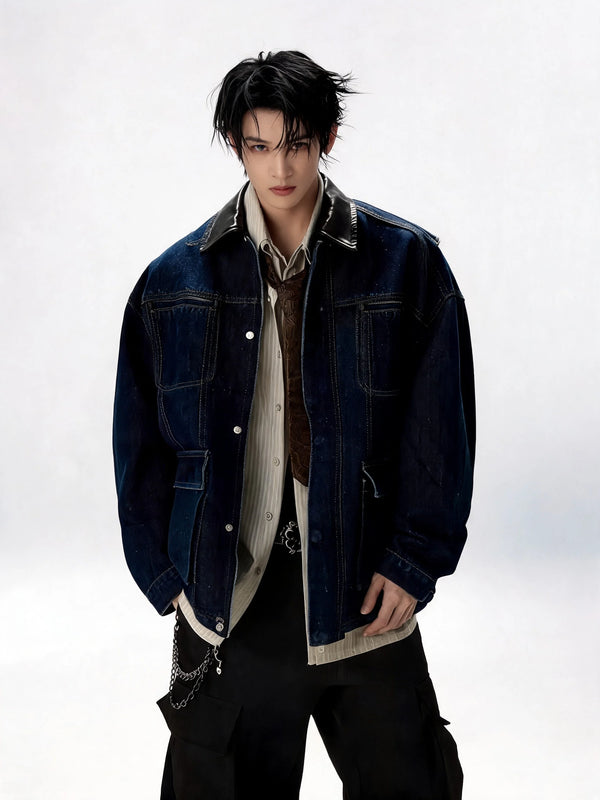
The silhouette is the foundation, and it is the part most people skip. Victorian means: the centre of the body is defined. With Kato the corset and high-cut skirts take care of that, in an everyday look a waistcoat over a shirt, a wide belt at waist height or trousers with a high rise are enough. Narrow at the top, volume or length at the bottom: that is the line that separates the look from the straight Streetwear cut.
The second part of the base is layering. Victorian clothing was always layered, shirt under waistcoat under coat, and Steampunk takes over exactly that layering. A sleeveless waistcoat over a longer shirt creates the silhouette even when not a single historical piece is involved. Distressed tops from the Gothic corner deliver the right dark base surface for it.
Once the silhouette stands, the layer comes that finally separates the look from clean vintage fashion. Kato perfected it like nobody else: the end-time layer, where every piece looks like it already has a life behind it.
Building block 2
The end-time layer: patina instead of polish
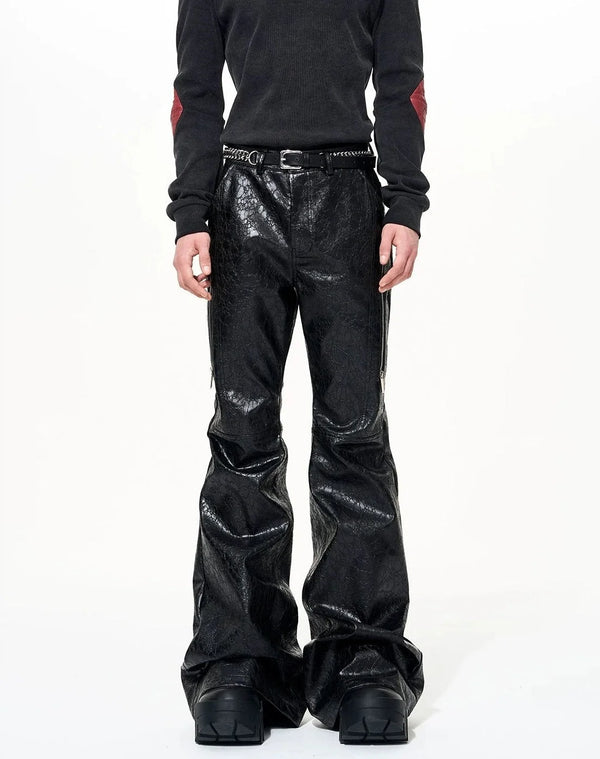
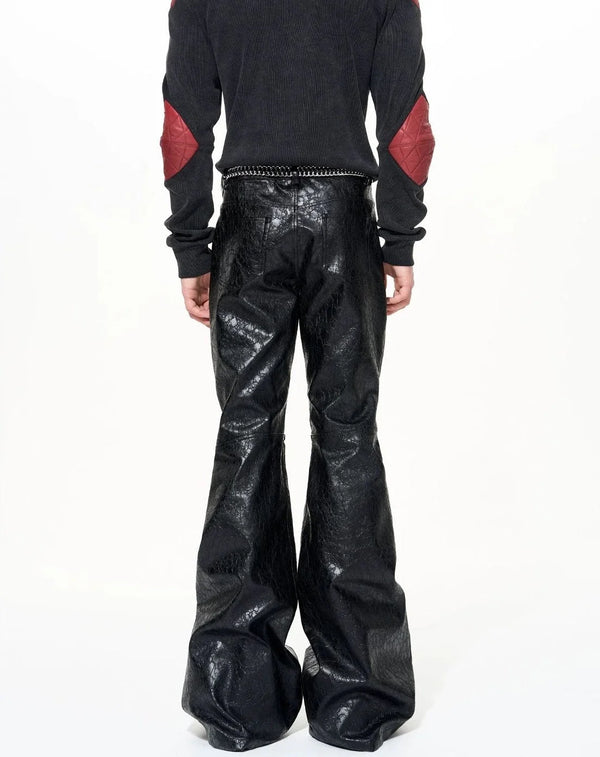
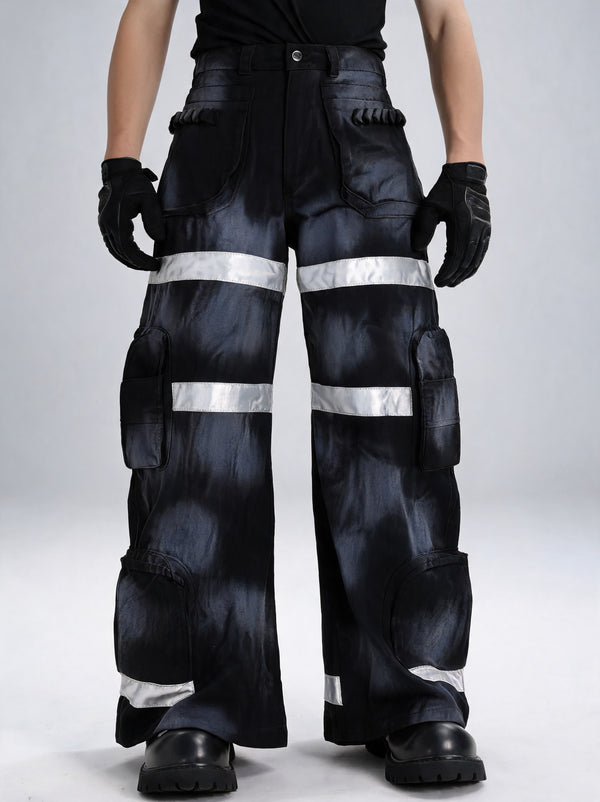
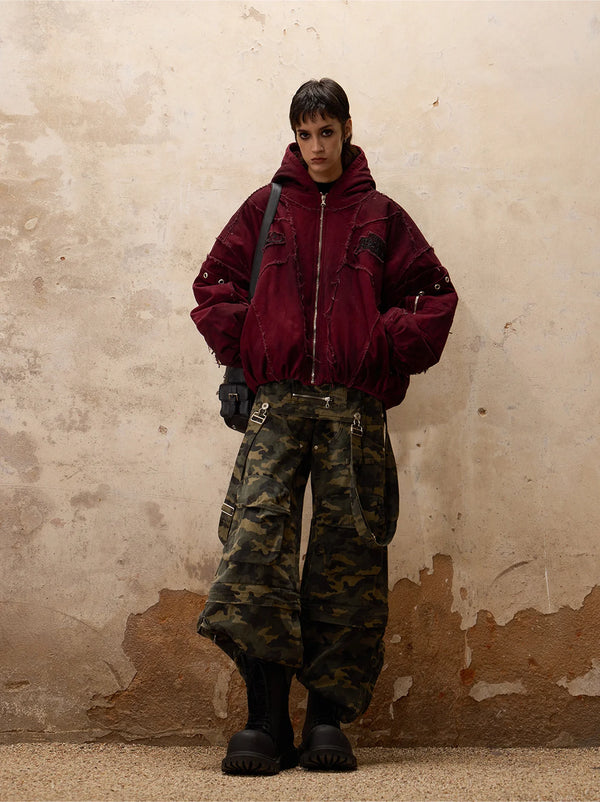
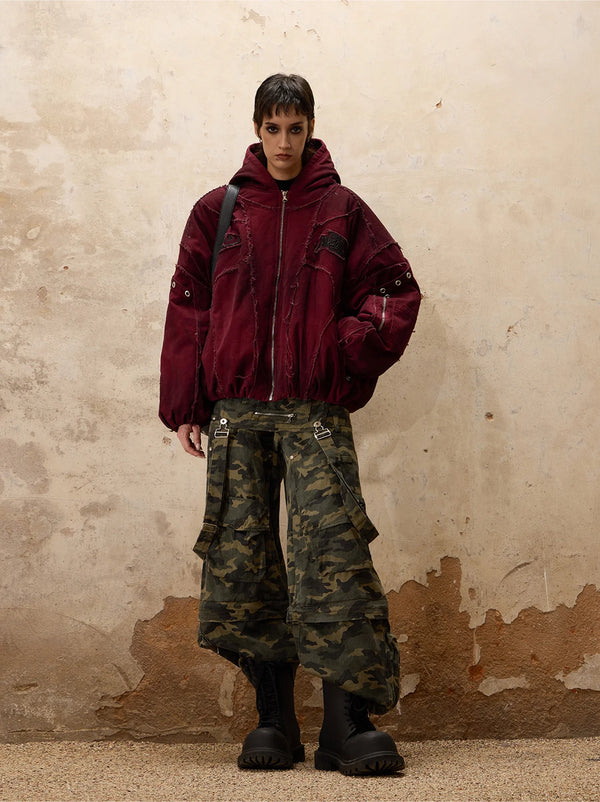
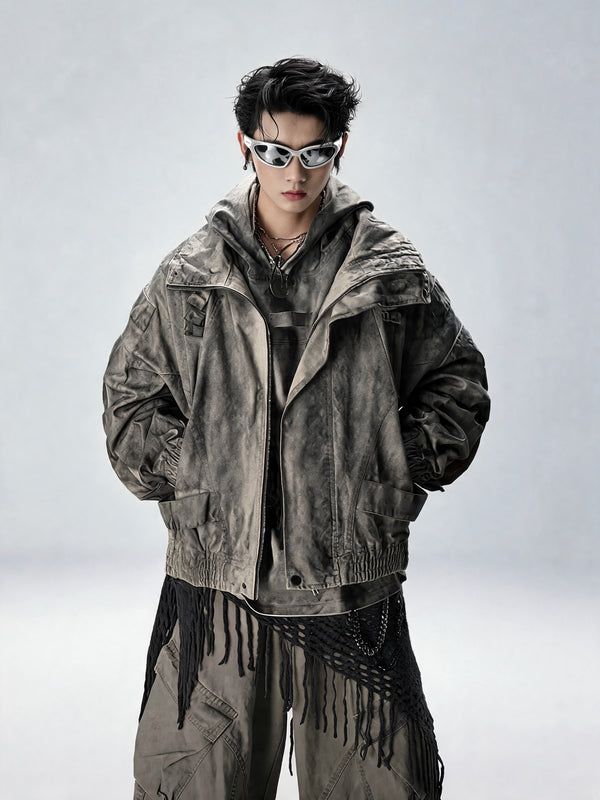
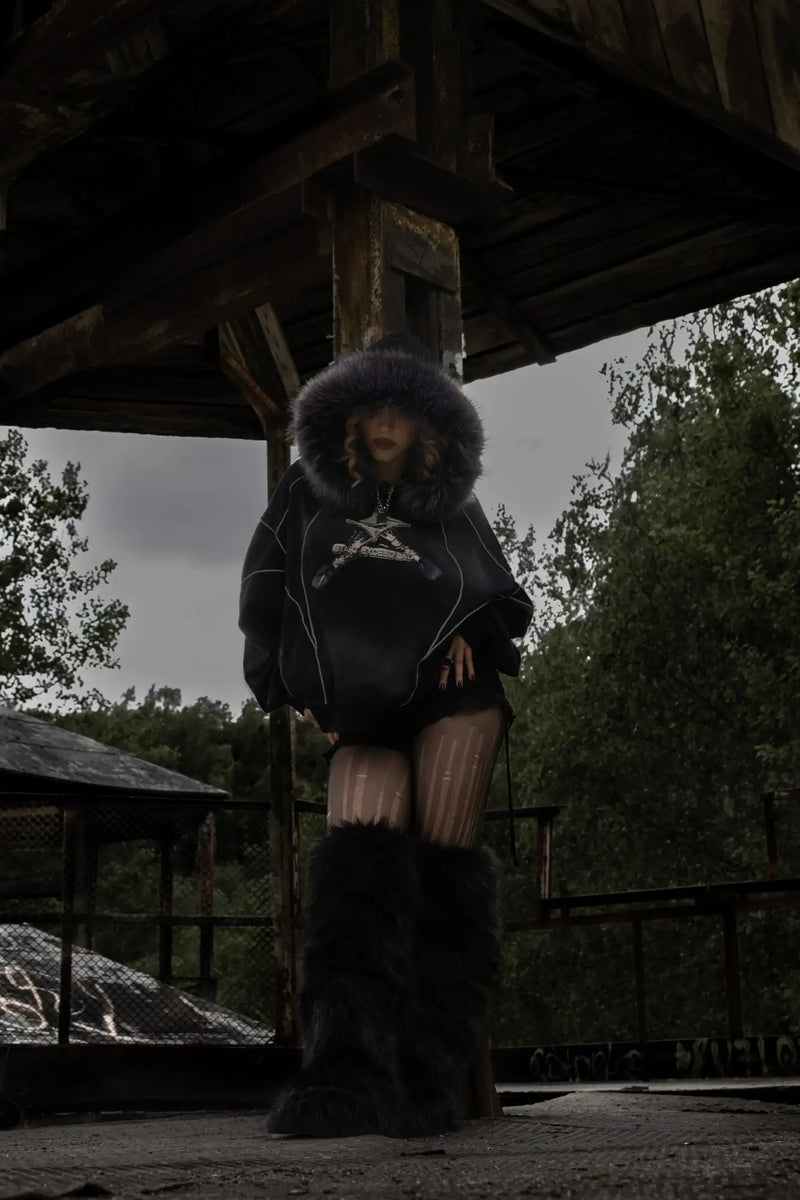
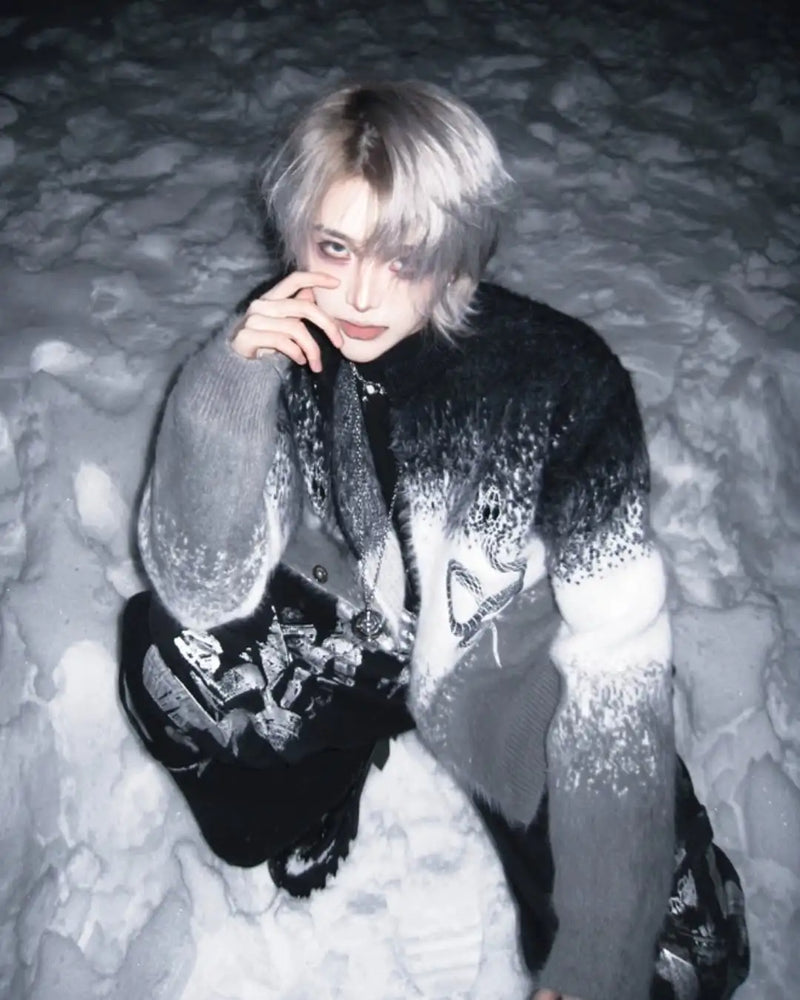
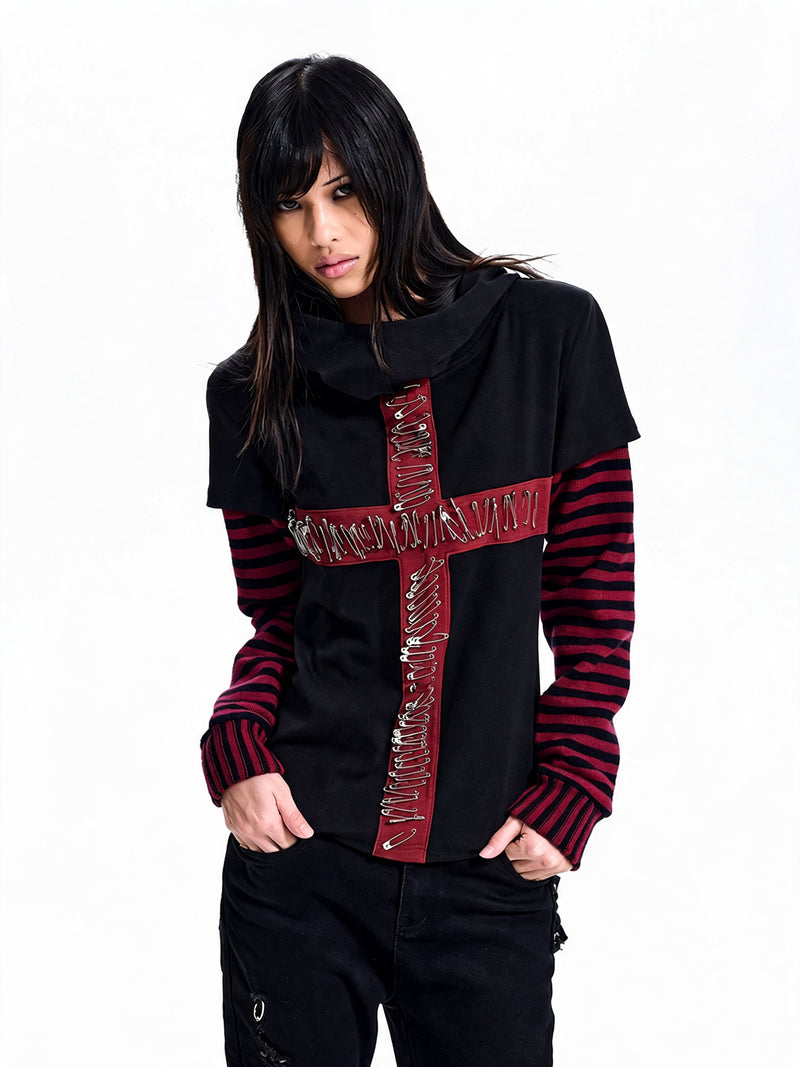
Kato's later work shifts the look away from the pure 19th century towards something the scene calls post-apocalypse: lengths of fabric instead of clean hems, tears, frayed edges, dust colours. This part of the look is the most accessible today, because modern Dark Fashion uses the same techniques. Distressed denim, destroyed knitwear and washed blacks have long been standard in the range, you only have to build them into the right silhouette.
Balance matters. One heavily destroyed piece per outfit is enough, the rest stays quiet. When trousers, top and jacket are torn at the same time, the look tips from "worn" to "falling apart". Kato almost always combines her destroyed layers with an intact, strictly cut counterpart, usually the corset or a clean waistcoat. The tension between intact and destroyed is the actual effect.
Building block 3
Materials and colour world: leather, brass, dust
Steampunk has one of the tightest colour palettes of all subcultures, and that is exactly what makes it so recognisable. The world the look tells of knows no neon and no pure white. Everything is muted, earthy, tarnished. Anyone going shopping can use the palette as a hard filter and saves themselves every wrong decision.
- Black as the foundation: it carries every combination and connects the look with the rest of the dark wardrobe.
- Brown and cognac for leather: belt, harness, boots. The more uneven the surface, the better.
- Sepia and sand as dust tones: they replace white and make light pieces end-time ready.
- Brass and antique silver for the hardware: shiny gold looks new, tarnished tones look found.
- Dark green and burgundy as accents: used sparingly, one piece per outfit at most.
With the materials the same logic applies as with the colours: everything has to look like it could survive a workshop. Leather and heavy cotton always work, studs translate the hardware layer onto trousers and shorts. Smooth technical fabrics belong in Techwear, not here.
That this look has worked for twenty years has a reason that lies deeper than any style rule. At its core Steampunk is a stance towards the present, and it can be summed up in one sentence that comes from the scene itself.
Love the machine, hate the factory: what is meant is the decision for things with character and against smooth mass production. That is exactly why the look does not age. And that is exactly why it works for everyone who wants to wear it, regardless of how Kato's women's looks dominate image search.
Two directions
Kato Steampunk for women and men
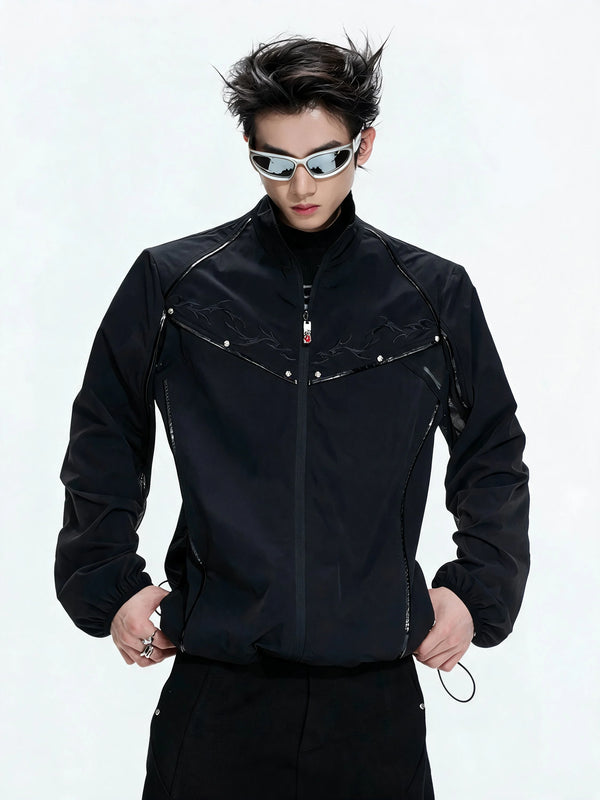
The women's look follows Kato's template most directly: corset or fitted waistcoat as the centre, plus skirt or high-waist trousers, layering from destroyed fabrics, white or pastel dreads as an optional statement. For something more everyday, replace the corset with a wide belt and keep only the proportions. The Steampunk selection for women starts exactly there.
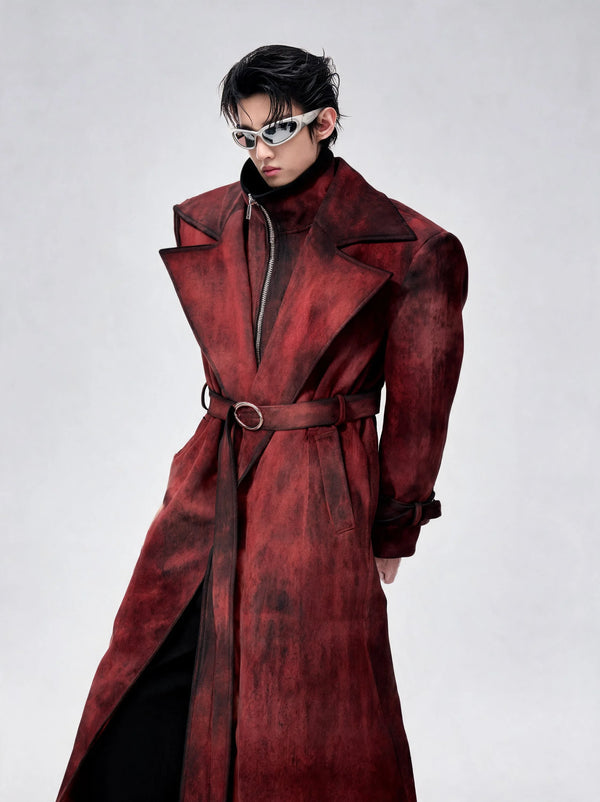
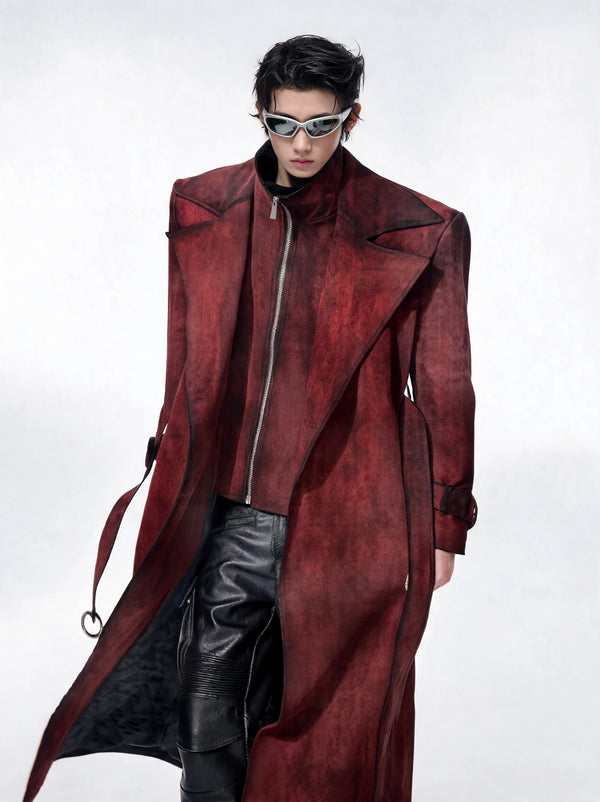
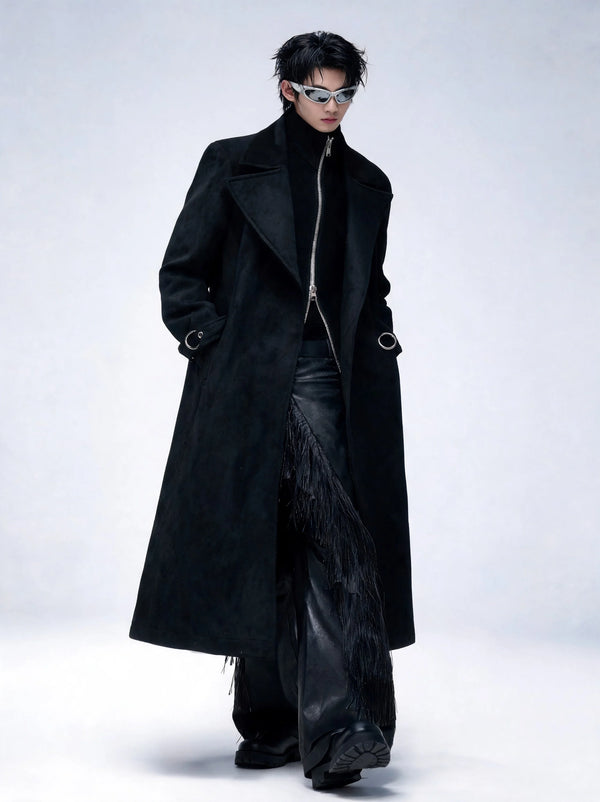
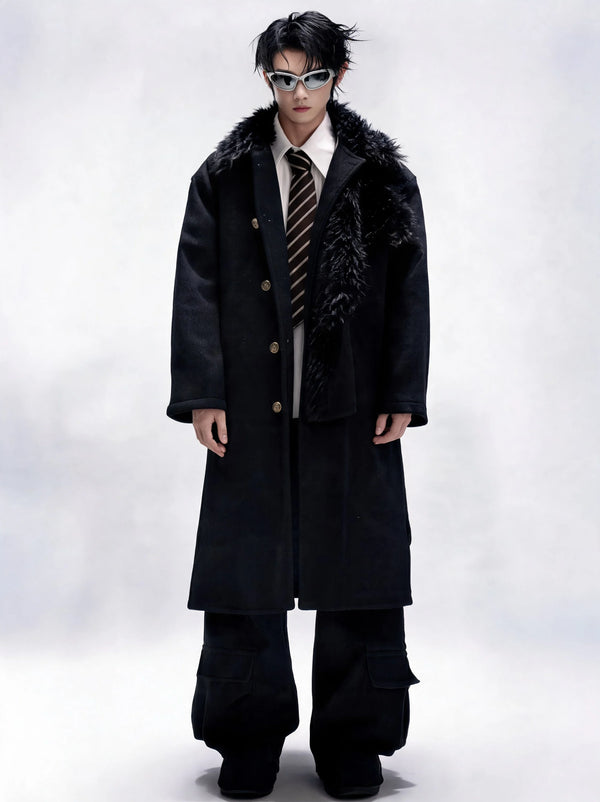
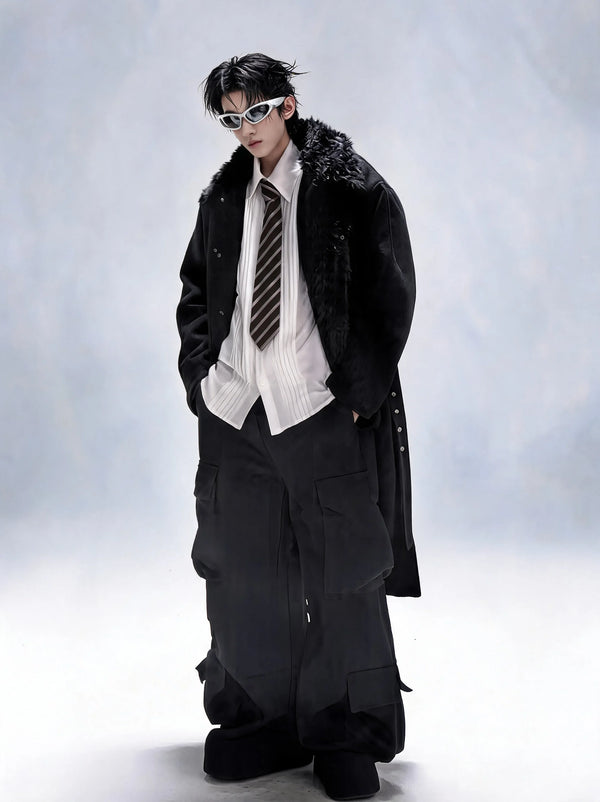
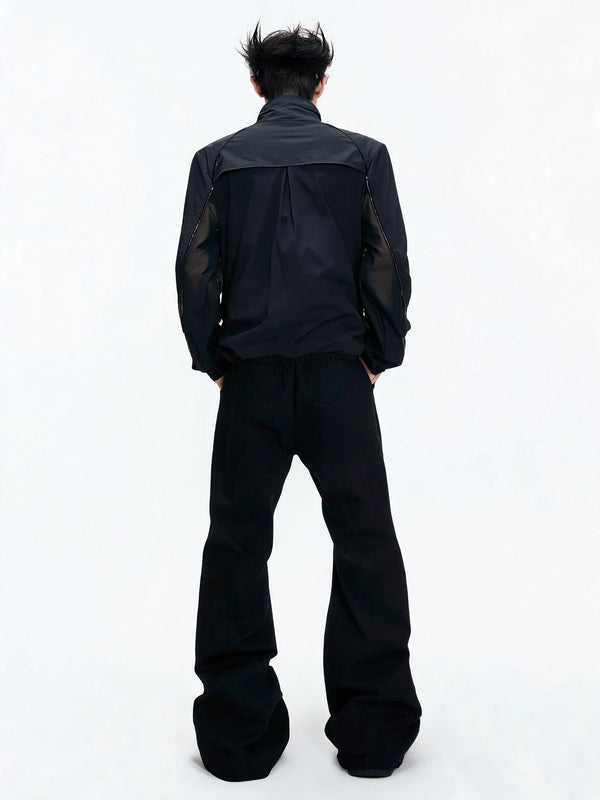
The men's look shifts the weight from the waist to the shoulders. Waistcoat over shirt, long coats, Military references, plus sturdy boots and visible hardware on the belt. The Victorian reference here is the engineer and the airship mechanic, not the salon. That makes the entry easier, because the border to workwear and Warcore is fluid.
Both directions meet at the details. In Steampunk, accessories are not an addition but the part that makes the look readable in the first place. Kato herself built whole outfits around a single piece, usually around the goggles or the harness.
Building block 4
Accessories: goggles, harness, hardware
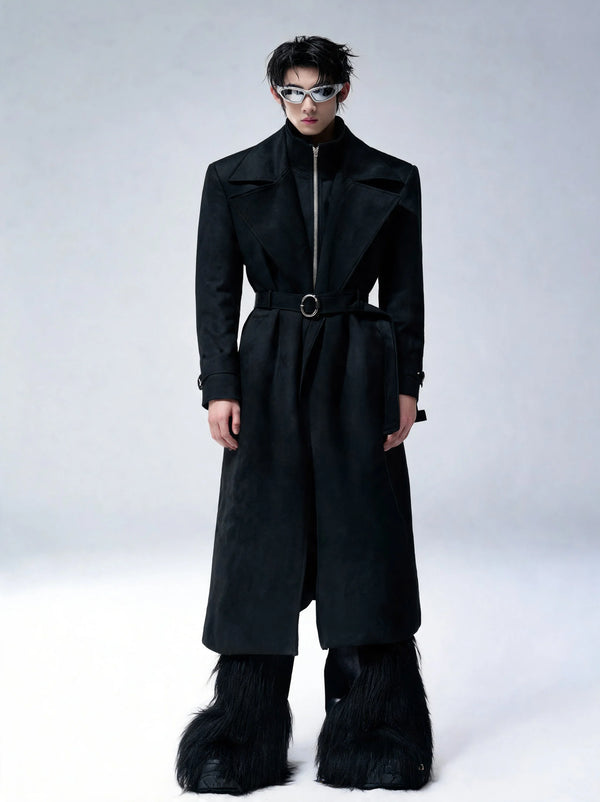
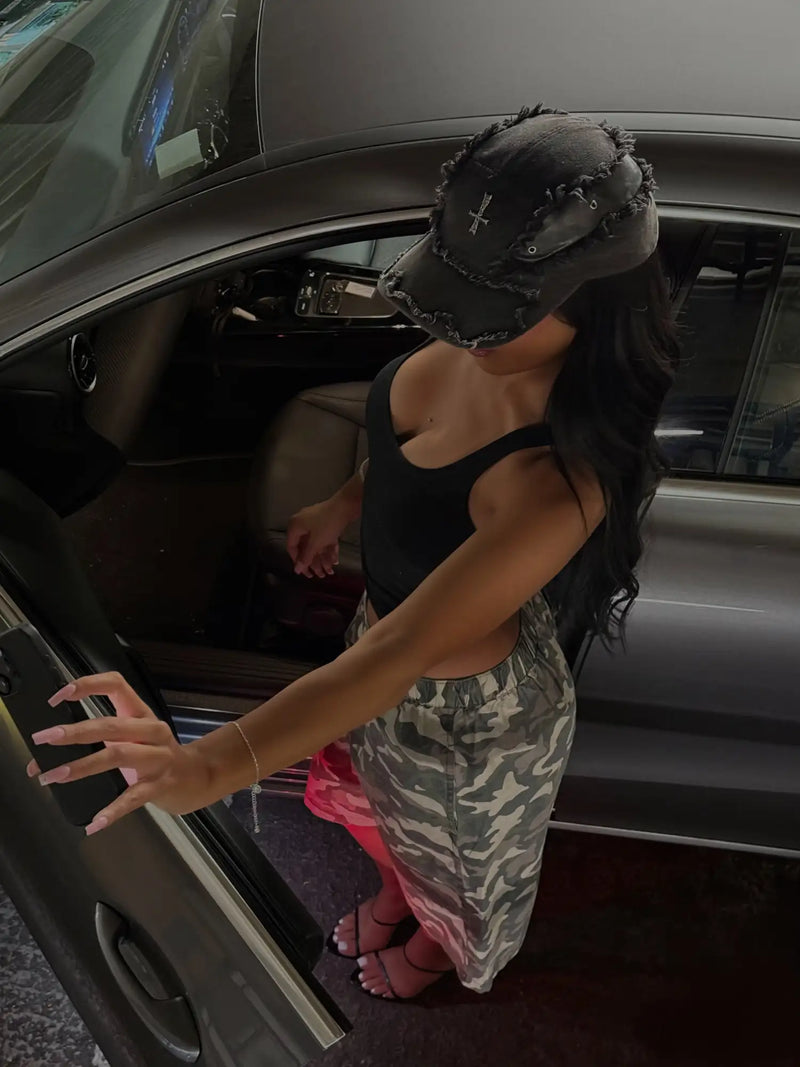
The welding goggles on the forehead are the best-known Steampunk symbol and at the same time the riskiest. In everyday life they almost never work, at conventions and festivals always. The wearable alternative is called hardware on the body: a leather harness over the top, a wide belt with a striking buckle, chains on the trousers, a structured cap instead of a top hat. These pieces deliver the same workshop character without anyone asking about the costume.
Anyone who wants to go deeper builds the collection by category. That way every new piece stays compatible with what is already there, and the look grows instead of fraying.
What remains is the question that hangs over every niche look: how much of it survives the way from the moodboard into a Tuesday? With Steampunk the answer is more generous than the convention photos suggest.
Practice
Wearing Kato Steampunk every day
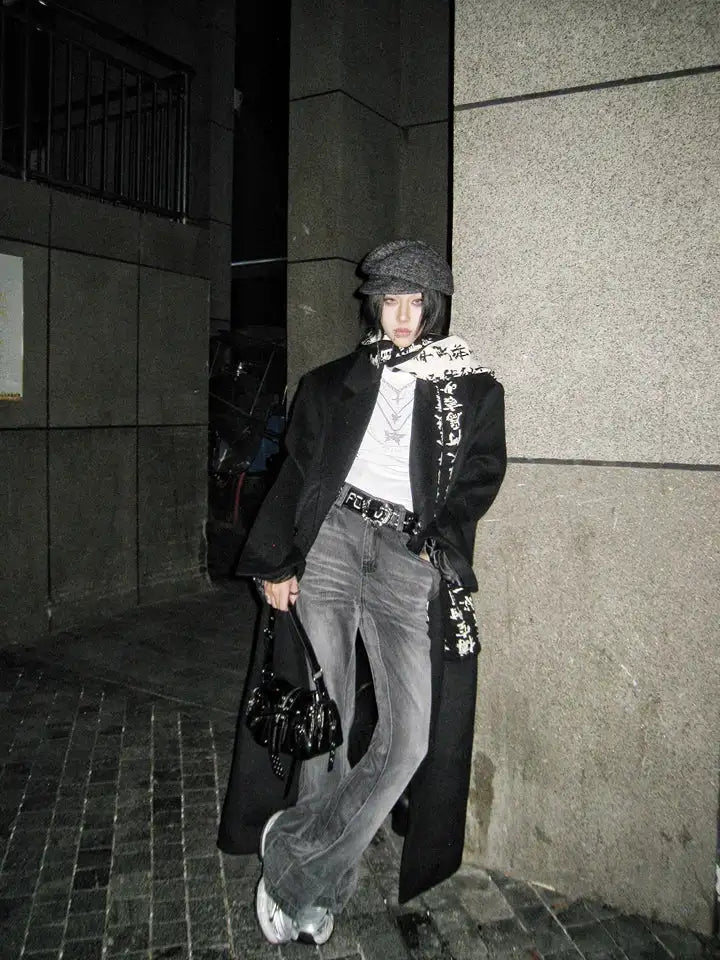
The everyday version reduces the look to silhouette plus one signature piece. High waist, dark palette, plus either the leather belt, the waistcoat or the striking jacket. Everything else stays neutral. The result is an outfit that reads as well dressed on the train and as Steampunk at the concert. The full build with goggles, harness and layering stays reserved for festivals, conventions and shoots.
The further you pull the look into everyday life, the closer it moves to related codes. That is not a loss but the reason it is still relevant in 2026: Steampunk passed its logic on to younger aesthetics.
Kinship
From Steampunk to Warcore: the modern relatives
Warcore takes over the end-time layer and the hardware but swaps the 19th century for Military references. Post-apocalyptic looks from the Opium corner work with the same destroyed surfaces and the same dust palette. And Cyberpunk is simply the future version of the same question: what do clothes look like when the world is not smooth? Anyone coming from Kato finds their way around all three codes immediately.
What is interesting is how the weights have shifted. Steampunk was the first aesthetic to understand patina as luxury. Today exactly that idea has become mainstream: washed blacks, distressing and visible repairs run better in the Dark Fashion segment than any clean finish.
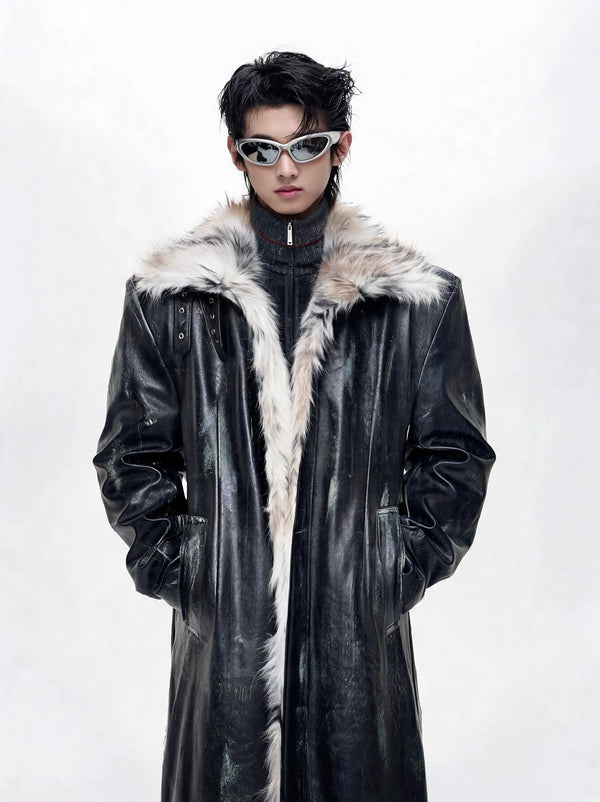
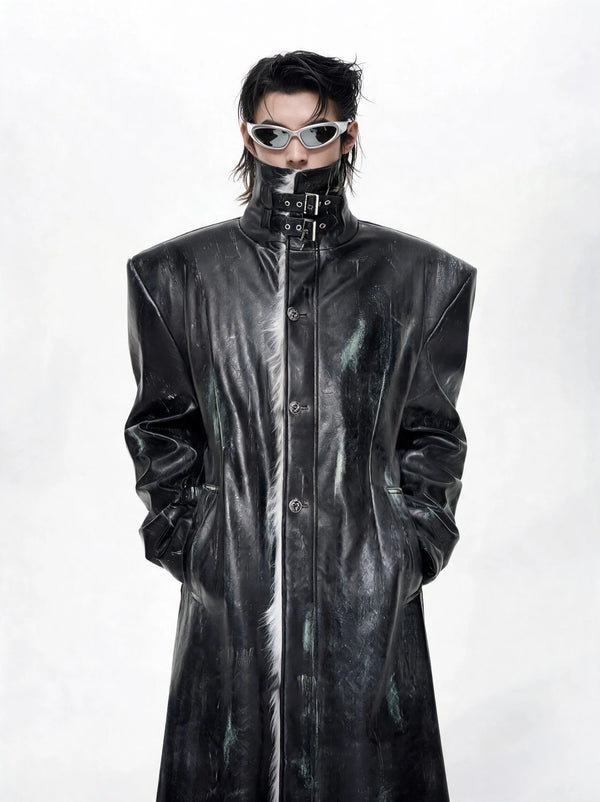
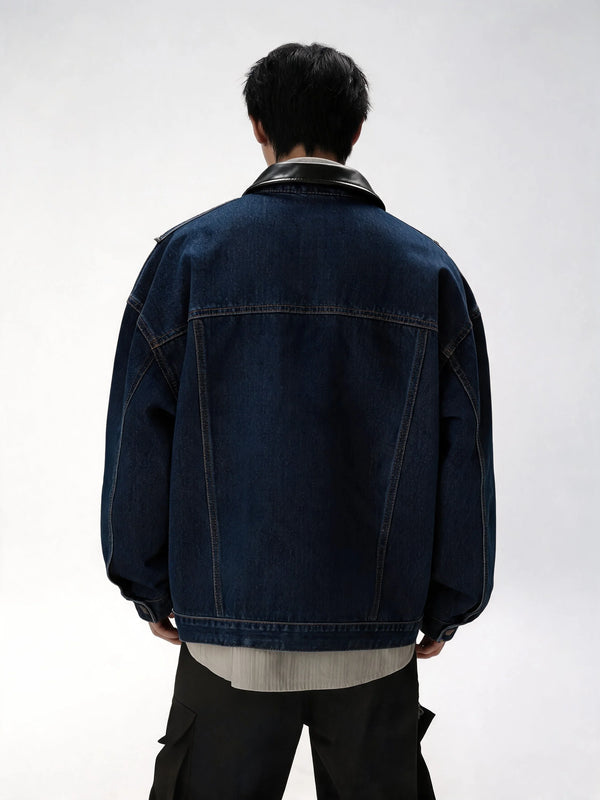
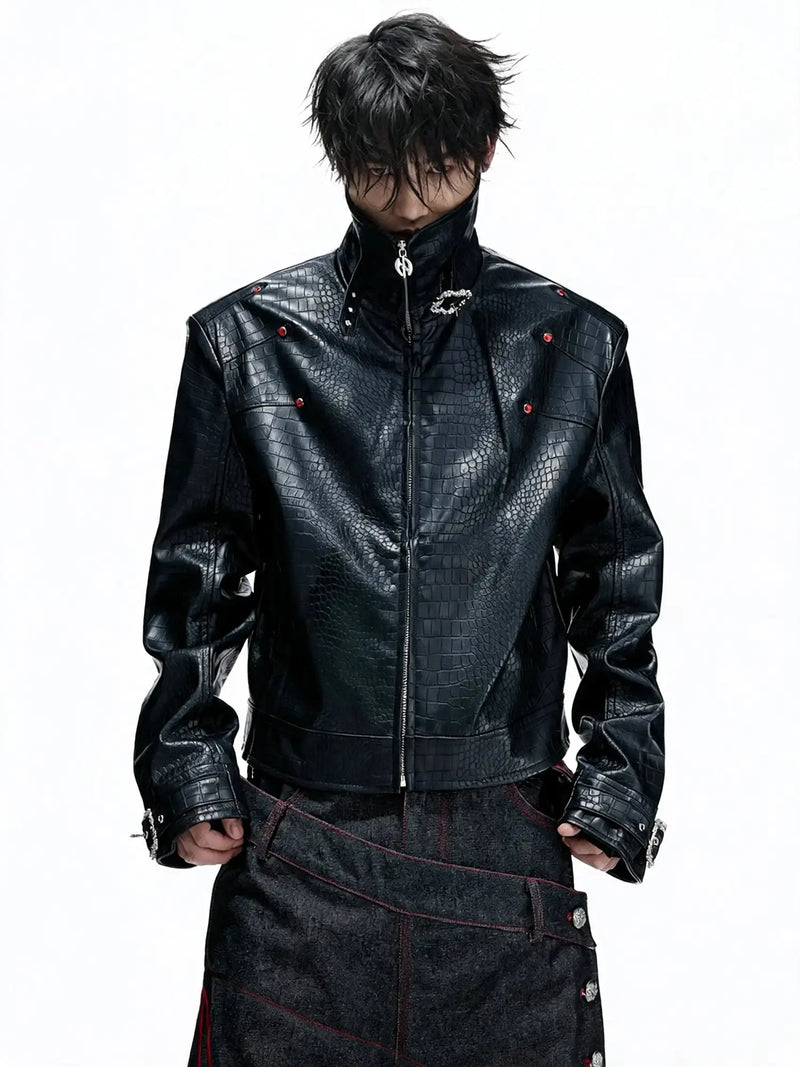
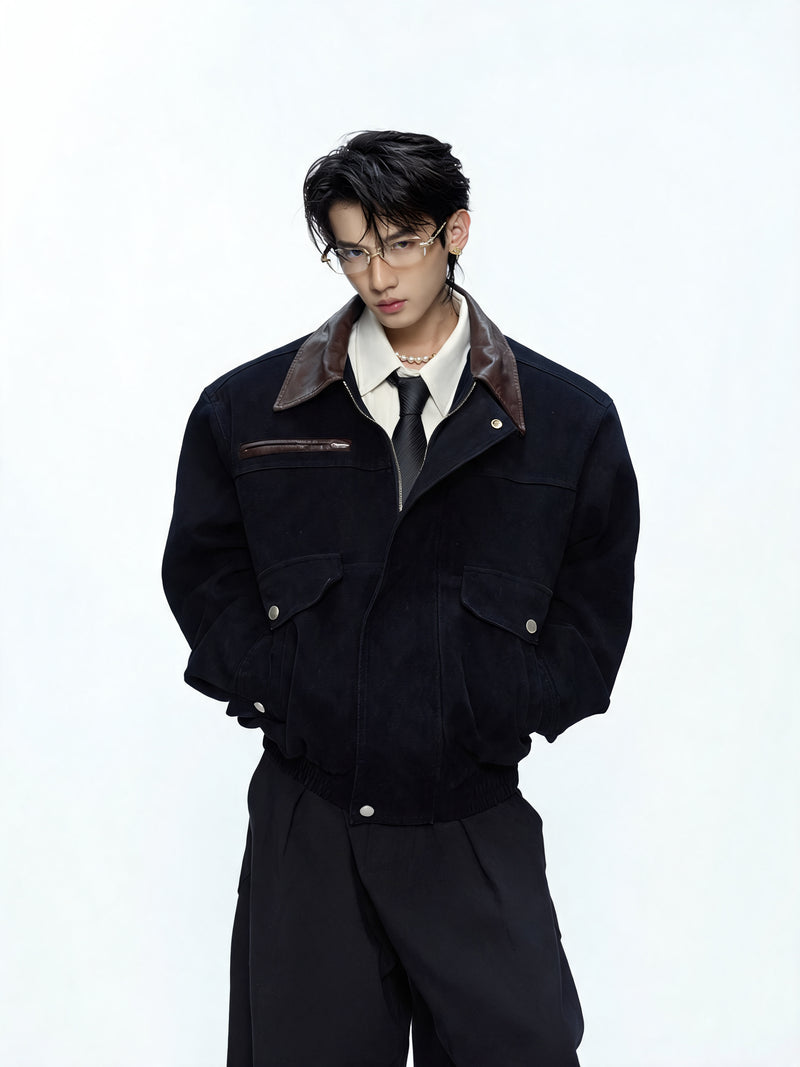
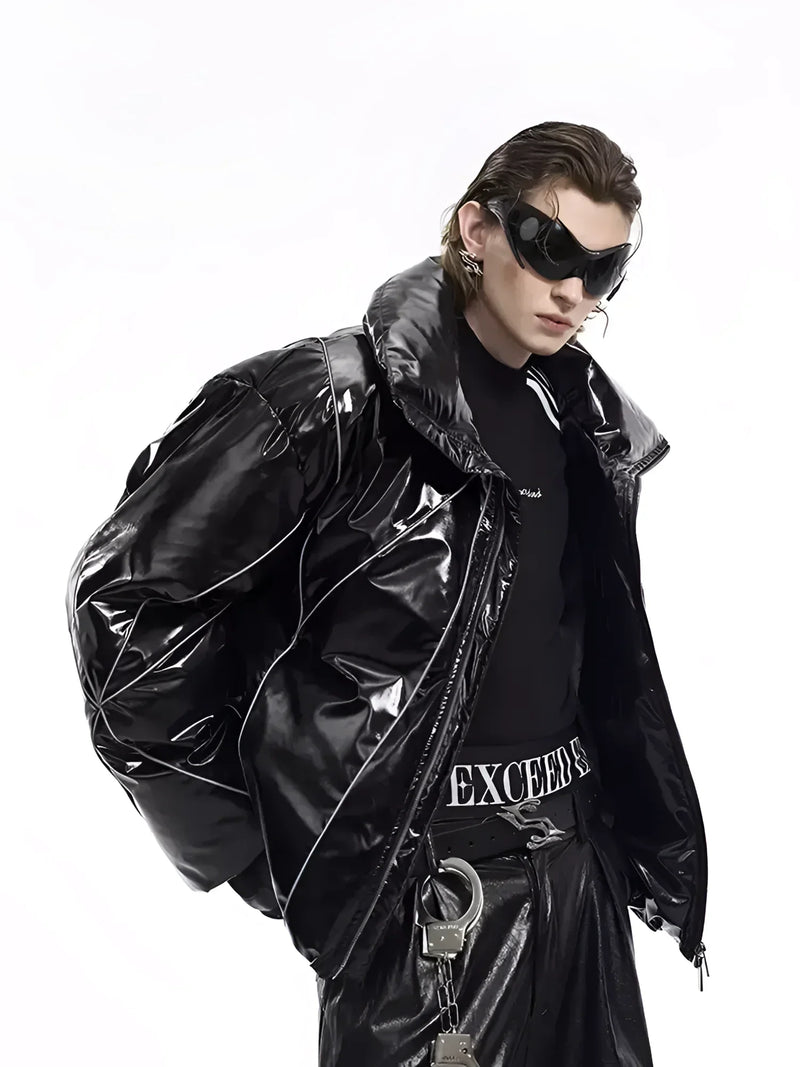
For the entry via the kinship, a jacket with character is enough. It carries the silhouette, the hardware and the patina in one piece and combines with everything already hanging in the wardrobe.
The jacket layer is at the same time the one with the biggest leverage. A strong top piece defines the complete outfit, and when in doubt the jacket is the one piece that fulfils the one-piece rule.
As clear as the system is, the mistakes are just as predictable. In image search and at festivals we see the same five every time, and all five can be avoided with the building blocks from this guide.
What goes wrong
Common mistakes with a Steampunk outfit
None of these mistakes is final, but each one costs the look its credibility. The good news: four out of five can be fixed by leaving something out instead of buying something extra.
Anyone with these five points in mind can barely go wrong when shopping. What remains is the question of order: where to start when the wardrobe does not contain a single Steampunk building block yet?
Shopping logic
Shopping guide: putting the Kato look together
The most efficient order runs from the inside out. First the dark base: a structured top and trousers with character, both in the dust palette. Then the waist piece that builds the Victorian silhouette, so waistcoat, belt or corset. After that the jacket as a statement, last the hardware. Anyone buying in this order has a complete outfit after four pieces instead of a box of unconnected single items.
Follow-ups
FAQ: Kato Steampunk
To finish, the questions that come up most often around Kato and the Steampunk look, answered compactly.
Who is Kato from the Steampunk scene?
What belongs to a Kato Steampunk outfit?
What is the difference between Steampunk and Punk?
Which colours go with Steampunk?
Does Steampunk Couture still exist?
What remains of twenty years of Kato Steampunk? A method that is bigger than the niche. First the silhouette, then the material, then the story a piece tells. Anyone thinking that way no longer needs a costume.
What do you think?
Tell us on @fuga_studios
About the author
Philipp Fuge — Founder · Berlin
Founder of Fūga Studios. Writes the journal himself. Berlin · Shanghai · Tokyo · Poznań — four cities, one logic.