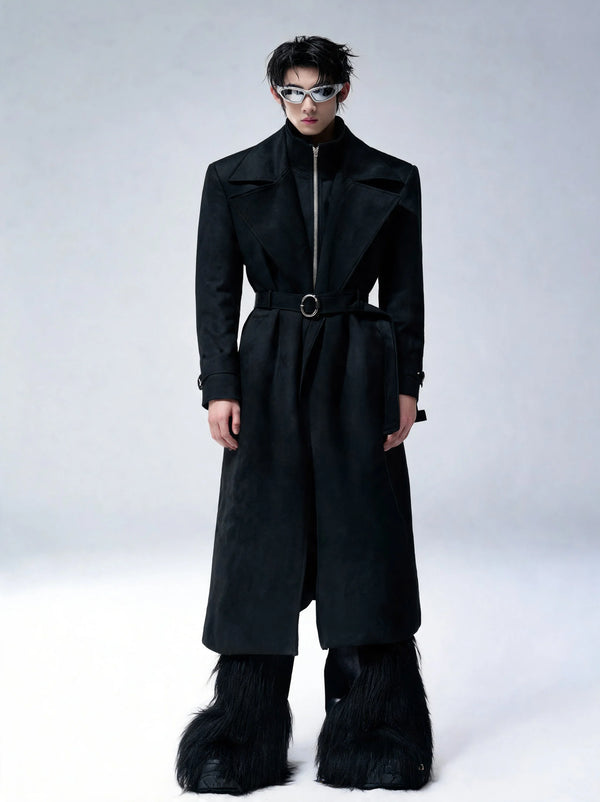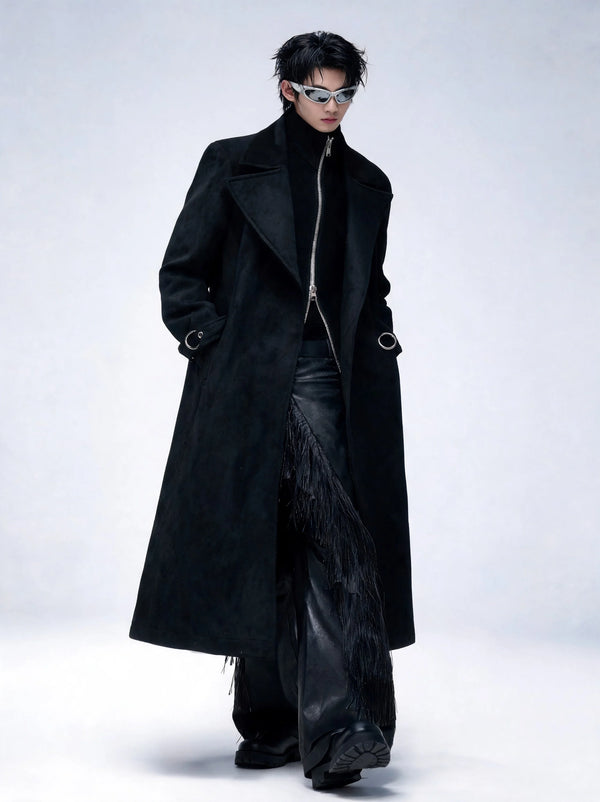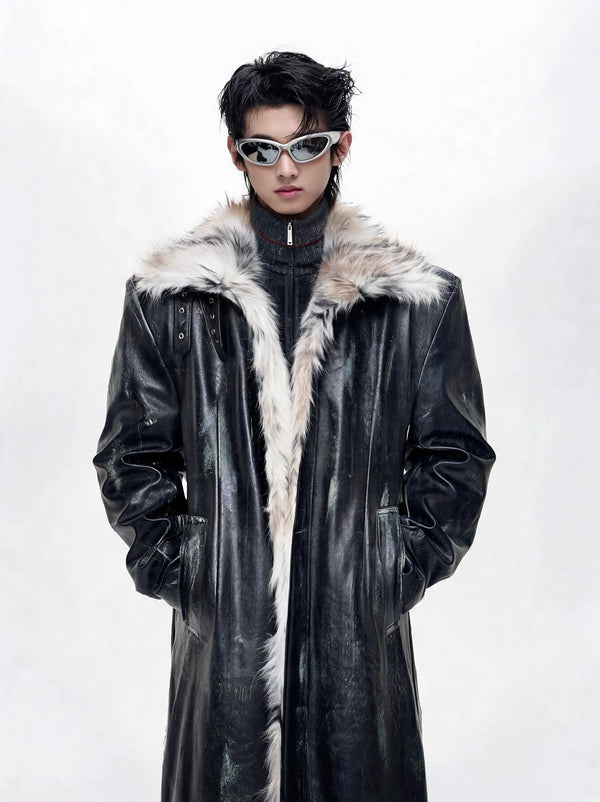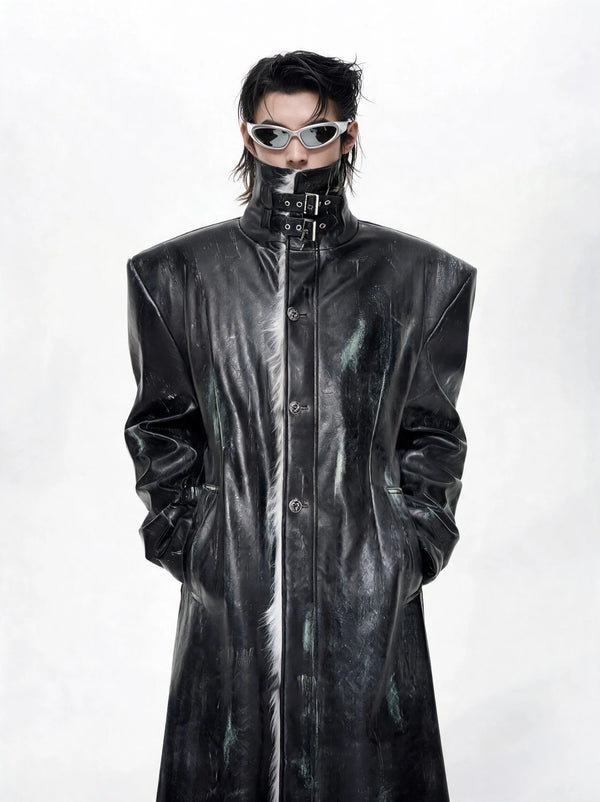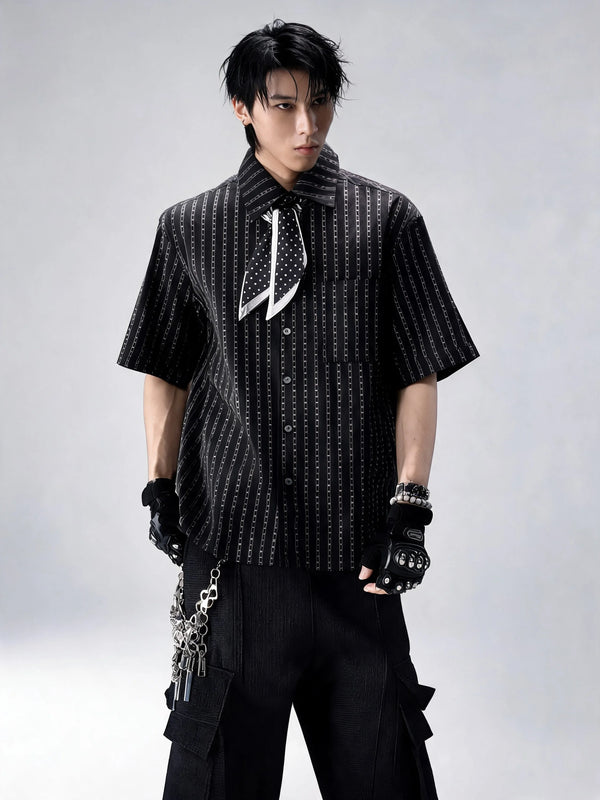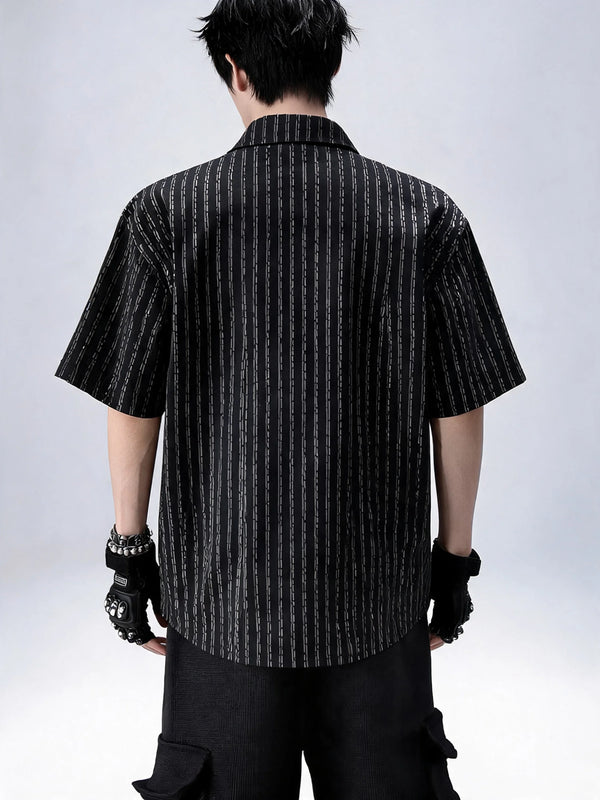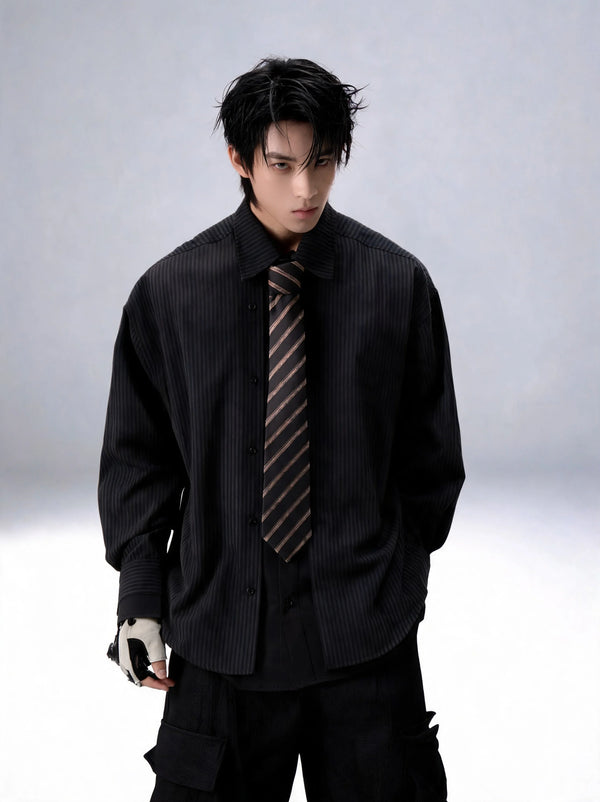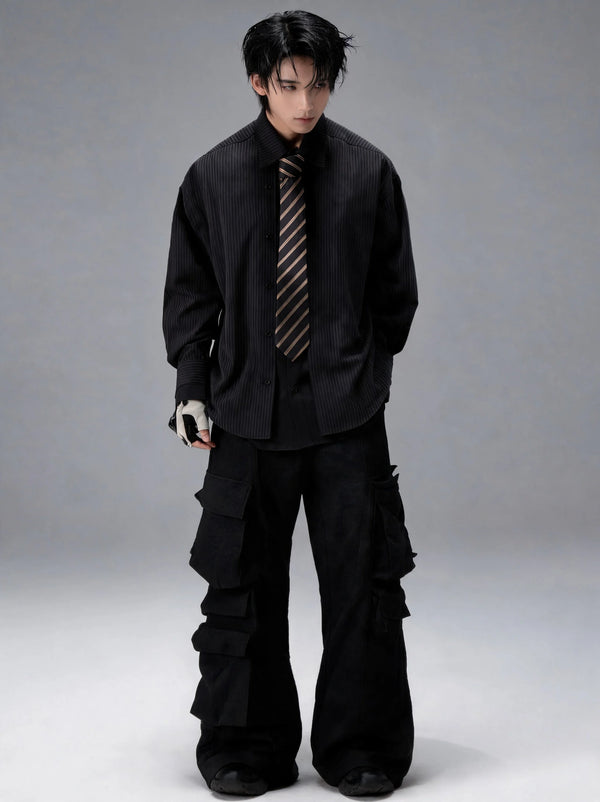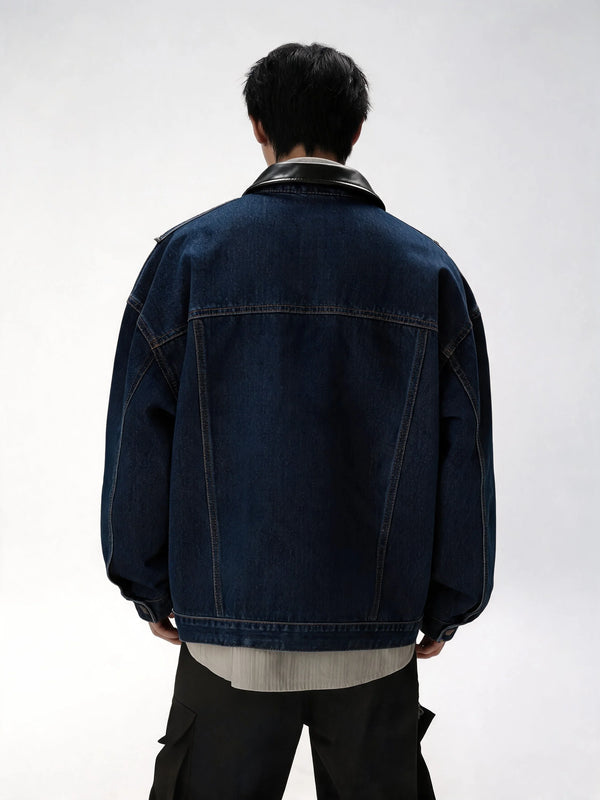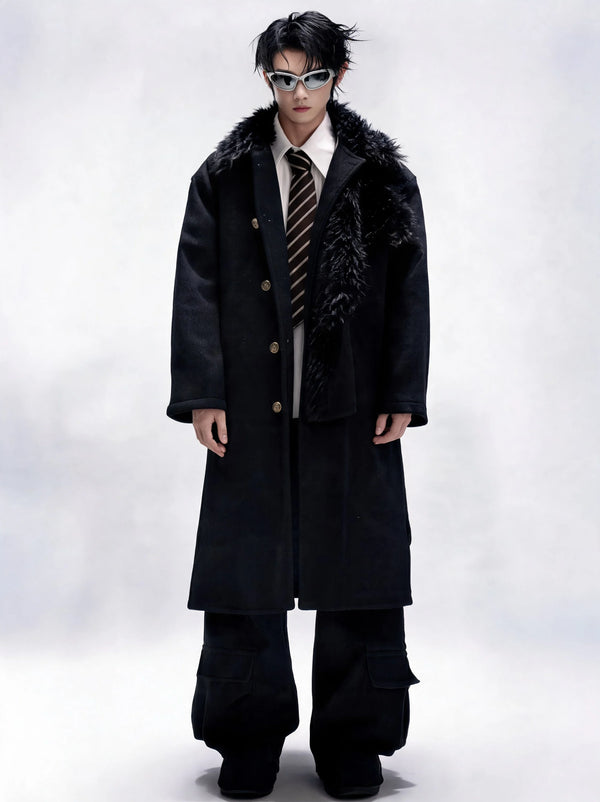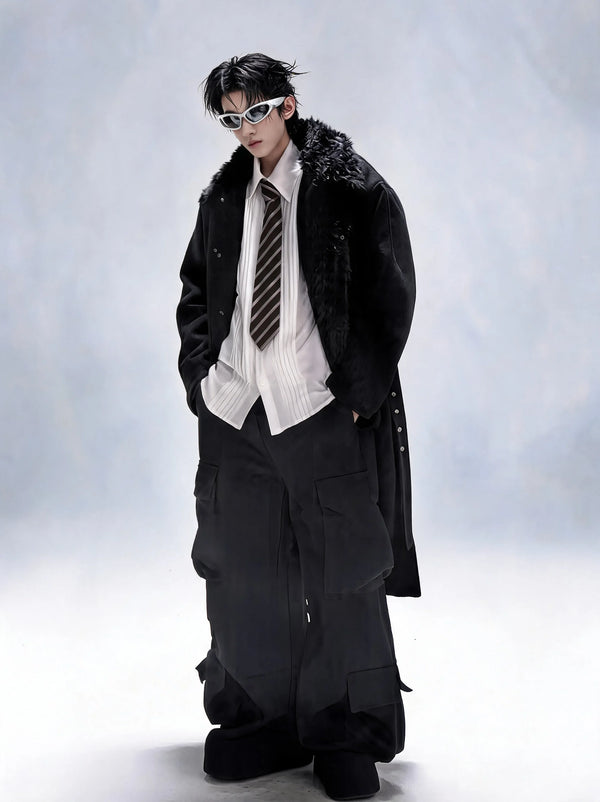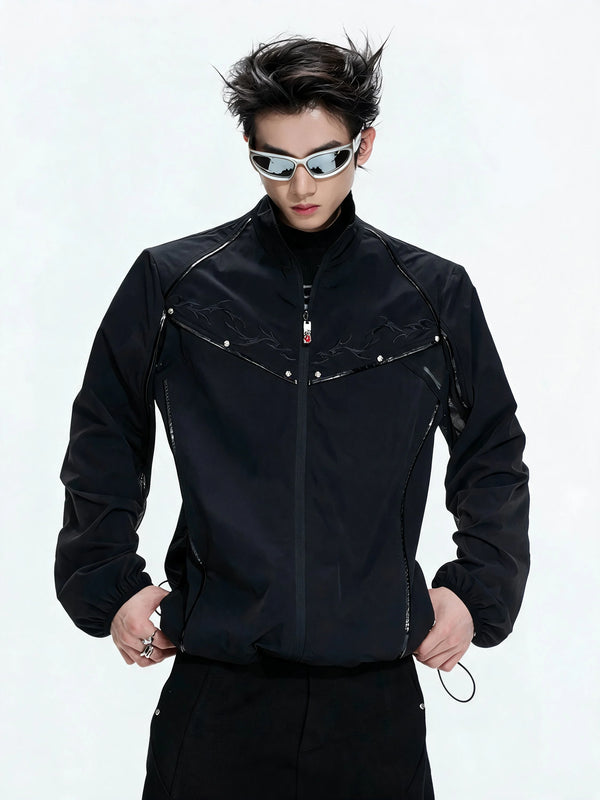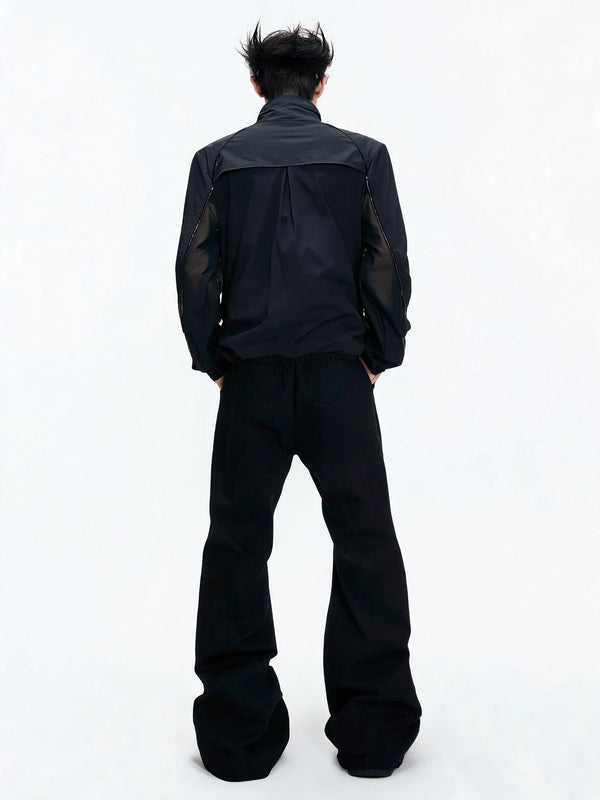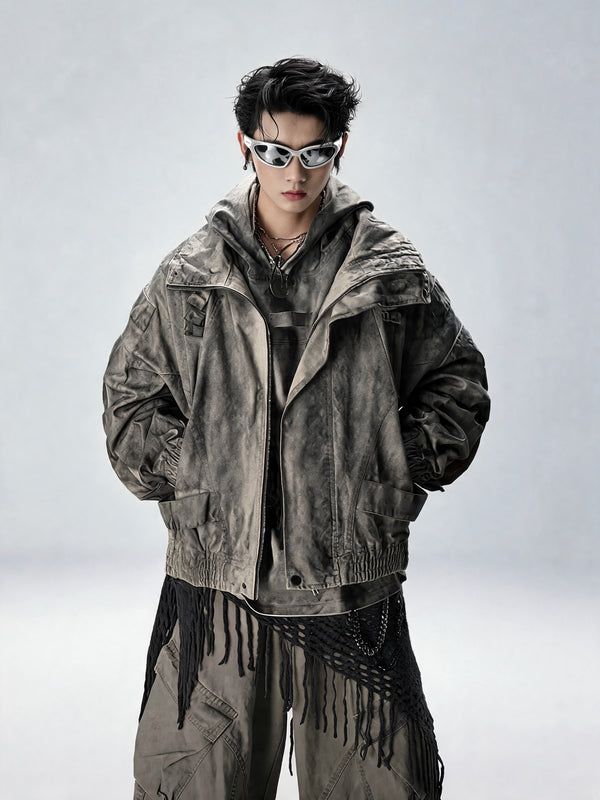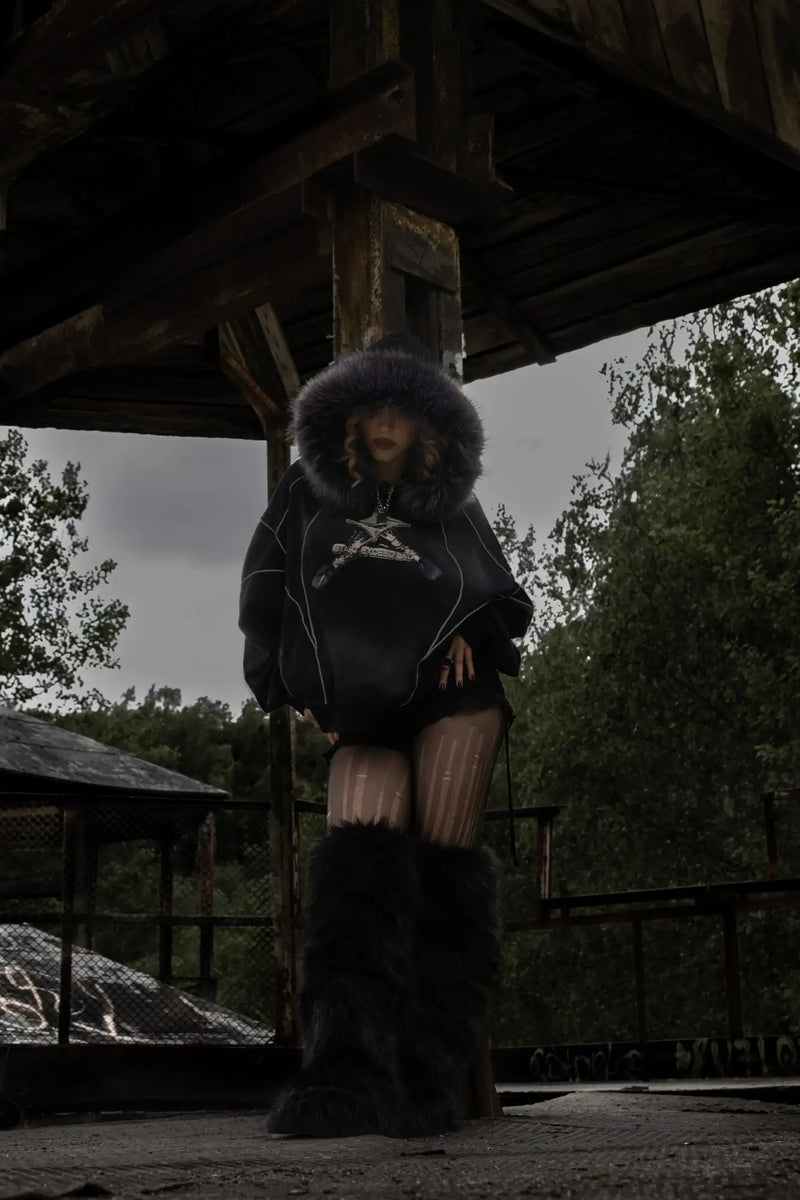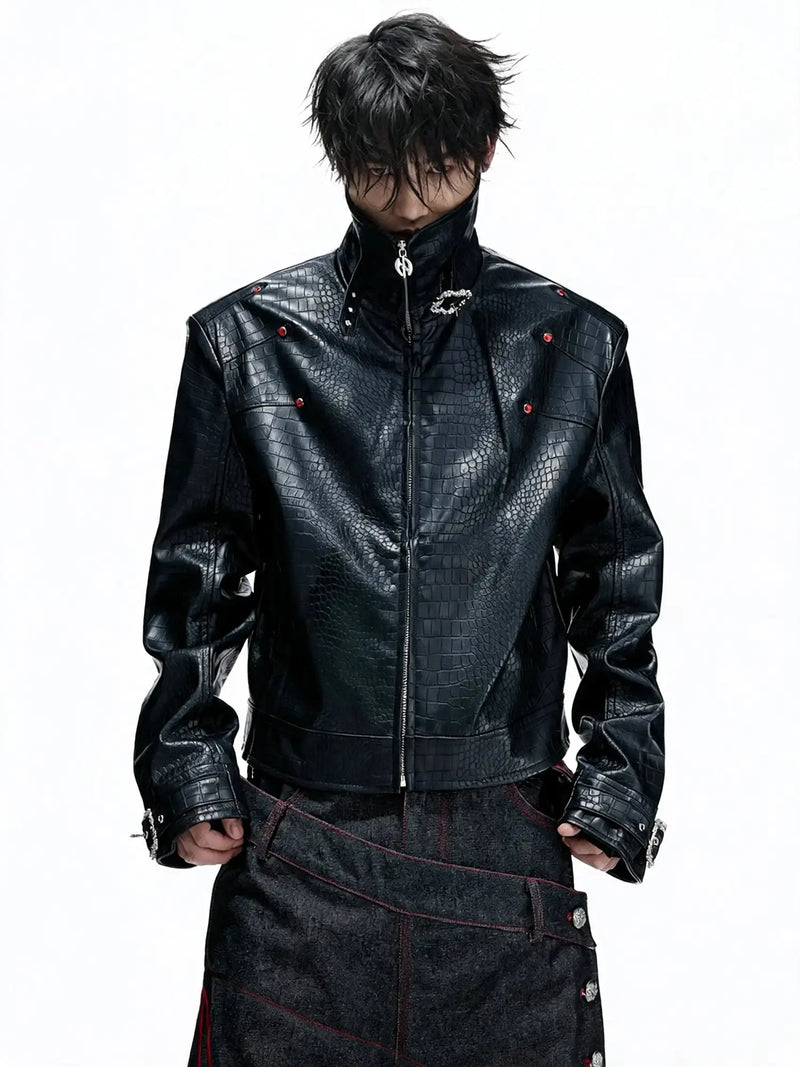

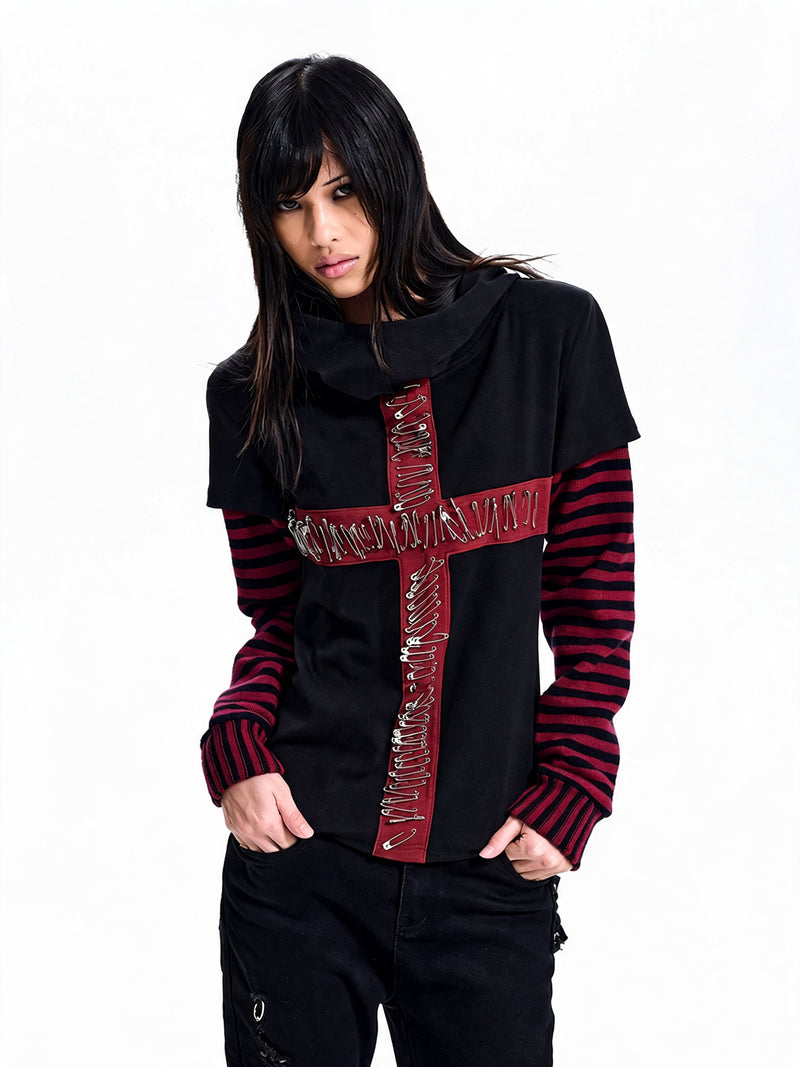
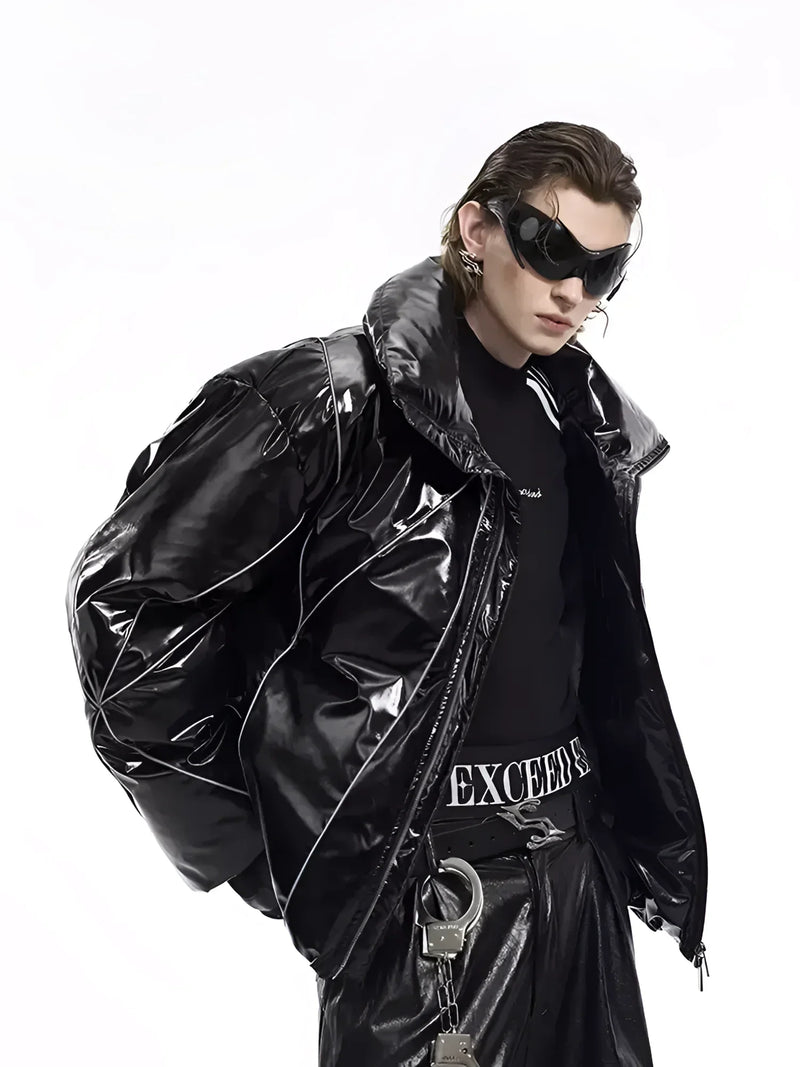
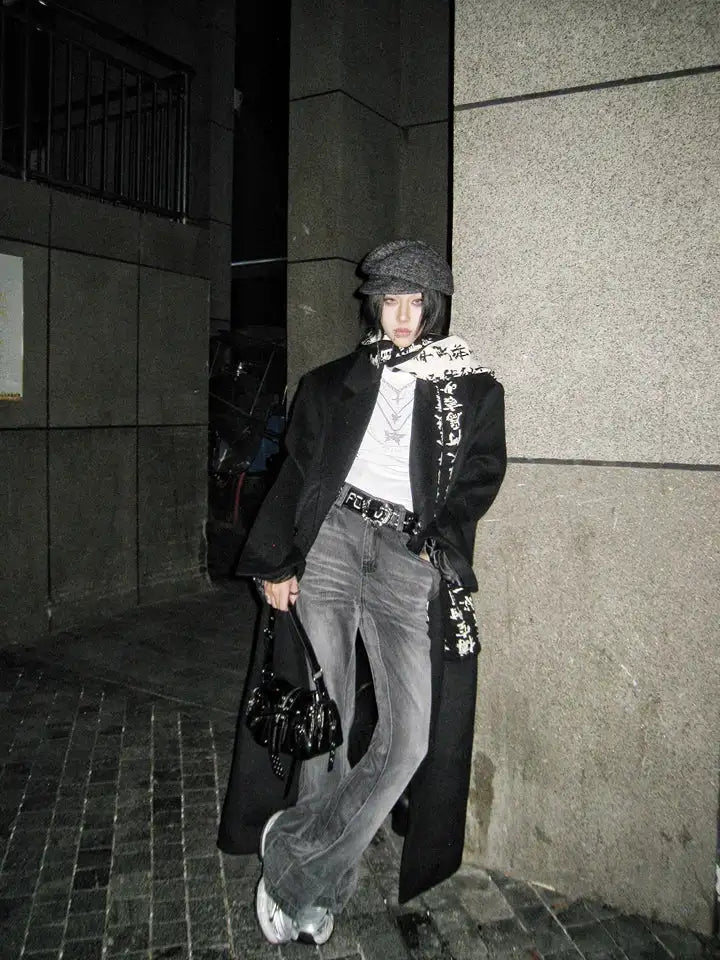

Friday, just after ten. Two pairs of synthetic falls, a welding goggle and a pot of UV paint are lying on the bathroom floor. A Futurepop mix is playing on the phone, the group chat is asking who brings the glowsticks. The eyeliner takes three attempts, the boots take five minutes to lace. At midnight you are standing in a queue outside an old factory hall. On Monday the same person is back in a seminar, in a black hoodie and cargo pants.
The Cyber Goth lifestyle is the life around the Cyber Goth scene: Industrial clubs and festivals, electronic music, a dance style of its own, make-up, synthetic hair and a wardrobe that turns quieter during the week. What the clothing looks like in detail is shown in our Cyber Goth Fashion Guide. This article is about everything around it: weekends, dance floor, mirror and Monday.
Term
Cyber Goth lifestyle: what does it actually mean?
Lifestyle sounds big. What is meant is something concrete. Cyber Goth emerges in the late nineties, in clubs where goths, Industrial fans and ravers party together. Anyone who feels part of the scene connects it not only with clothing but with a rhythm: music during the week, club night at the weekend, festivals in summer, building falls and outfits in between. The clothing is the visible part. The rest happens in headphones, group chats and on dance floors.
The difference from a pure Cyber Goth aesthetic is exactly that. An aesthetic can be collected on Pinterest or recreated in a photo. A lifestyle needs places, people and repetition. Anyone who wears a gas mask once a year for Halloween has a look. Anyone who goes to the same Industrial party every month and knows the DJs by name lives the scene. Both are fine, they are just not the same thing.
Ende 90er
Cyber Goth takes shape as a club scene
4
Pillars: music, dance, styling, places
1
Base colour for everything: black
These four pillars carry the whole article. Music sets the beat, dance translates it into movement, styling makes both visible, and the places hold it all together. How the scene grew historically is told in our own history of the scene. Here we stay in the present and look at the everyday life of the people who carry it.
Weekend
A Cyber Goth weekend: from the mirror to the after-hour
The weekend starts long before the club. A full Cyber Goth styling takes time: braiding hair or attaching falls, make-up with lines and UV paint, trying on the outfit, lacing the boots. Two hours are not unusual. Many do it together, in a flat, with music and a bottle of water within reach. Getting ready together is half the evening for many.
In the club itself it is about stamina. Industrial parties often run until morning, the music is fast and loud, the halls are warm. Experienced people therefore wear tops that breathe and leave heavy coats at the cloakroom. Net, mesh and thin stretch are popular because they look good under black light and do not cling while dancing. Between two sets you stand outside, talk, swap photos. After that it is back to the floor.
Sunday belongs to recovery. Falls are combed out, UV paint is removed with oil, boots are aired out. Anyone who takes care of their pieces can wear them for years. Good falls survive many parties, a solid pair of platform boots often a whole decade. Sustainability is not a buzzword in the scene but a consequence of the fact that much is self-built and used for a long time.
Sound
Cyber Goth music: the soundtrack of the lifestyle
Without music the scene would not exist. Cyber Goth grew out of clubs, and the soundtrack is still what brings people together. The main directions are Futurepop with melodic synthesizers and choruses to sing along to, Aggrotech with distorted vocals and hard beats, EBM with marching sequencers and classic Industrial. For some years Hard Techno has been mixing in, above all among younger people who come to the scene through Rave.
- Futurepop: VNV Nation, Covenant and Assemblage 23 stand for melody, pathos and big choruses.
- Aggrotech: Combichrist, Hocico and Suicide Commando deliver hardness, distortion and tempo.
- EBM: Front 242, DAF and Nitzer Ebb are the root almost everything is built on.
- German Industrial: :wumpscut:, Funker Vogt and Agonoize shape many parties in German-speaking countries.
- Hard Techno: fast, hard sets that bring younger people in from the Rave world.
In everyday life this music does not only play at the weekend. Many people from the scene build playlists for the commute, training or the night shift. Anyone who wants to understand the scene should therefore listen first and shop afterwards. The clothing makes more sense once you know the rhythm it is worn to.
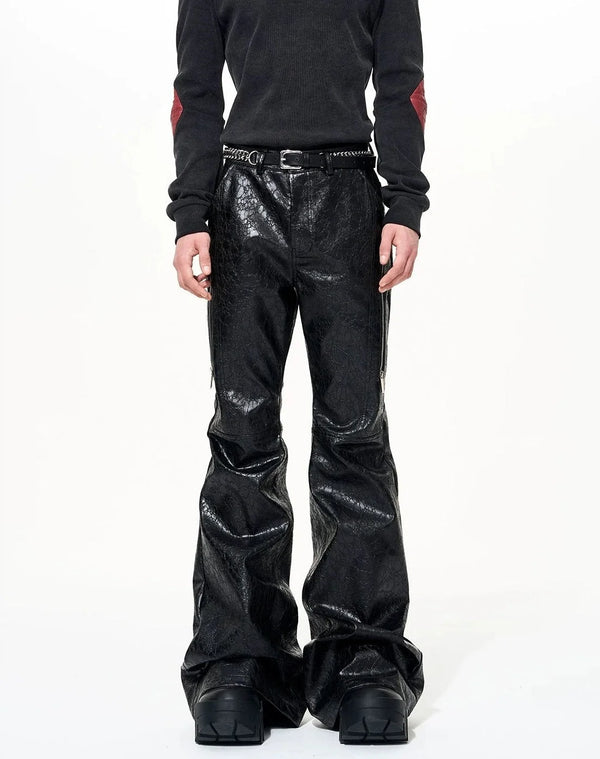
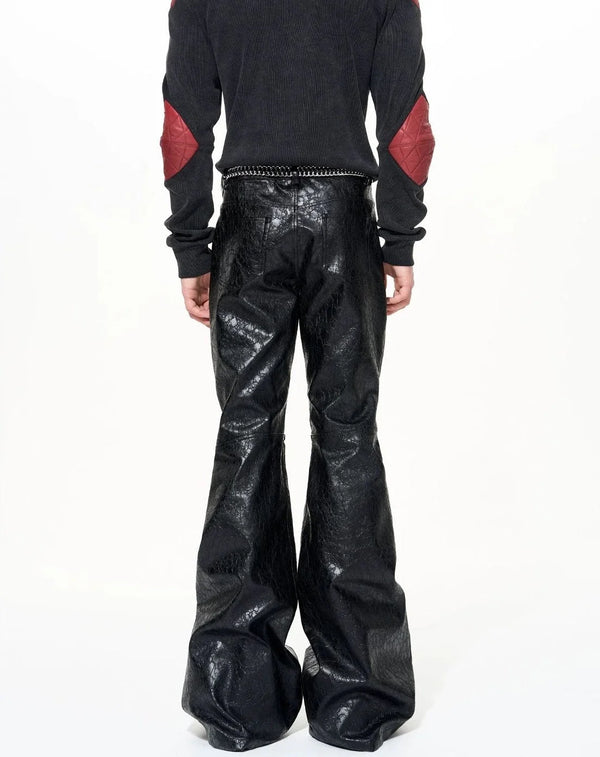
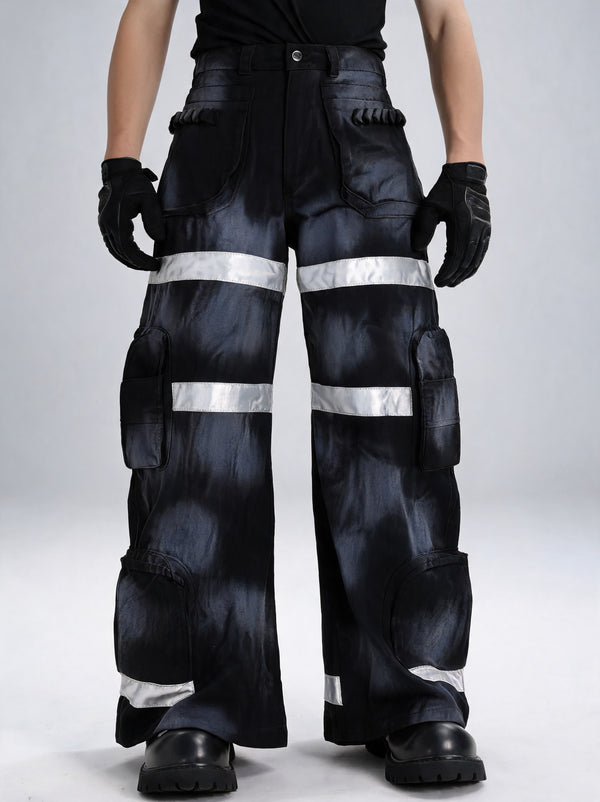
The choice of clothing follows the music as well. Shiny trousers, neon details and a bit of theatre go with Futurepop. Gas mask, straps and military hardness go with Aggrotech and Industrial. The reduced version goes with Hard Techno: black, mesh, sunglasses, hardly any accessories. The video below shows how a shiny pair of trousers works in motion, a piece that turns up in almost every Futurepop night.
@fugastudios Silver demons walk among us 👁️ Opium Metallic pants eating up the competition fr fr #metallicpants #fashiontiktok #alternativefashion #darkfashion #opiumcore ♬ Originalton - Fuga Studios
Metallic surfaces catch the light in the club and make every movement visible. That is exactly why they are so popular in the scene: they are made to be seen on a dark dance floor, not to shine in daylight. Which brings us to the most important part of the evening.
Dance floor
Cyber Goth Dance: how the scene dances
The Cyber Goth Dance looks wild from the outside but follows a clear logic. The feet stomp on the beat, often with the weight on the heels so the heavy platform soles play along. The arms make wide, angular movements: pushing forward, circling, cutting to the side. Many dance alone, but side by side, as if everyone were operating their own machine.
The origin is mixed. The stomping comes from EBM and Industrial, where people were already dancing to marching beats in the eighties. The arm movements come from Rave culture, from glowstick dances and light shows. Under black light, UV paint on hands, gloves and falls amplifies every movement. That is why glowing details are as much part of the dance as of the outfit for many.
For the outfit that means: everything has to survive movement. Trousers need room at the knee, tops must not ride up, accessories must not hit the face when the arms circle. Many therefore wear shiny stretch trousers or wide Rave pants with a firm waistband, with short chains instead of long ones. Anyone dancing for the first time should break the shoes in at home. One night in new platform boots is a hard lesson.
The dance is best learned on site. There are no fixed steps and no exam. If you feel unsure, stand at the edge, watch two or three songs and then start small: first the feet on the beat, then the arms. After a few nights everyone finds their own style. That is exactly what the Cyber Goth Dance is about.
Internet
Cyber Goth under Bridge: the video that made the scene known
Anyone searching online for the Cyber Goth lifestyle sooner or later ends up at a video. In the early 2010s a small group of Cyber Goths dances under a bridge in Great Britain, in full gear, with falls, gas masks and platform boots. The recording is meant seriously, as a dance video for their own scene. The internet takes it differently.
The video spreads, gets re-dubbed with children's songs, pop songs and television jingles and shared as a meme. Under the keyword Cyber Goths under Bridge it is still known today by millions of people who otherwise never had anything to do with the scene. For many outsiders this video is the only image they have of Cyber Goth. For the scene itself that was uncomfortable for a long time, because the mockery covered up the music and the community behind it.
Today many see it more calmly. The video kept the scene visible online for years, including at a time when Pastel Goth and Nu Goth got more attention. On TikTok the dance is now recreated, sometimes ironically, often with real respect. Some younger people came to the scene through exactly this video and discovered the music afterwards. So sometimes a meme becomes an entry point.
The lesson is simple. Anyone living Cyber Goth has to expect to be smiled at. Most people in the scene react to that calmly. They dance anyway, they wear synthetic hair anyway, and they know that the people laughing rarely stand at an Industrial party until six in the morning themselves.
Face
Cyber Goth make-up: lines, UV paint and contact lenses
Cyber Goth make-up is graphic. Instead of soft smokey eyes, clear lines dominate: long drawn eyeliner, geometric shapes around the eyes, strokes across cheekbones and temples. Black is the base, joined by neon colours that glow under black light. Many work with UV-reactive eyeliner or body paint that is almost invisible in daylight and suddenly shines in the club.
Details that go beyond make-up are typical too. Some cover their eyebrows or redraw them to make the face look stricter. Coloured or white contact lenses reinforce the machine look. Small gems, stick-on elements in circuit shapes or painted-on barcodes round it off. Add black or dark lipstick, often matte, so it survives the night.
In everyday life, usually only a trace of the make-up remains. A clean black eyeliner, maybe a dark lip, that is enough for work and university. Many people in the scene deliberately separate the weekend face from the everyday face. There are practical reasons, because a full make-up costs a lot of time, but also another one: the big styling stays something special, kept for the nights that deserve it.
Head
Cyber Goth Hair: falls, Cyberlox and the undercut in everyday life
Hair is the most striking feature of the scene and at the same time the most laborious. Hardly anyone wears Cyber Goth Hair made from their own hair. Instead, synthetic falls, Cyberlox made from foam tubes or synthetic dreads are attached to one's own hair, usually at a high ponytail. The hair underneath is often short, shaved or cut as an undercut, so that everything holds and looks normal again quickly during the week.
Falls are the most practical solution. They can be put on in ten minutes and taken off just as quickly. Many build them themselves, from synthetic hair, cable ties and hair bands, and match the colours to new outfits. Synthetic dreads last longer but demand care and an employer who has no problem with them. Anyone new almost always starts with falls and decides later whether more follows.
Goggles or welding glasses that sit on the forehead often belong to the hair. They hold the falls together and are a mark of recognition at the same time. In everyday life many swap them for narrow dark sunglasses that make the same technical impression without standing out. This translation from club to everyday life runs through the whole way of living.
Monday
Cyber Goth aesthetic in everyday life: how the scene looks during the week
Most Cyber Goths do not look like the photos from the club during the week. They study, work in offices, in IT, in care or in retail. The look is not taken off for that but turned down. Black stays the base colour. Technical details stay: buckles, zippers, straps, reflective stripes. What disappears is neon, synthetic hair and the gas mask.
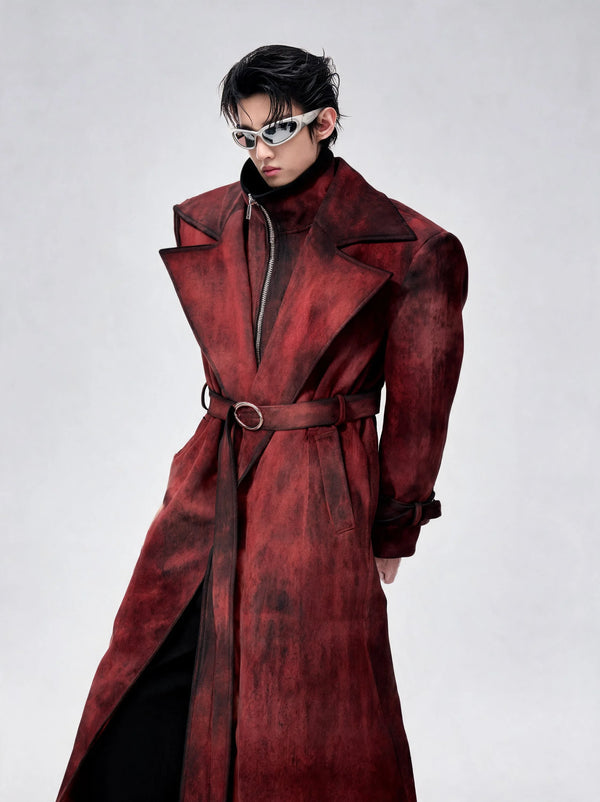
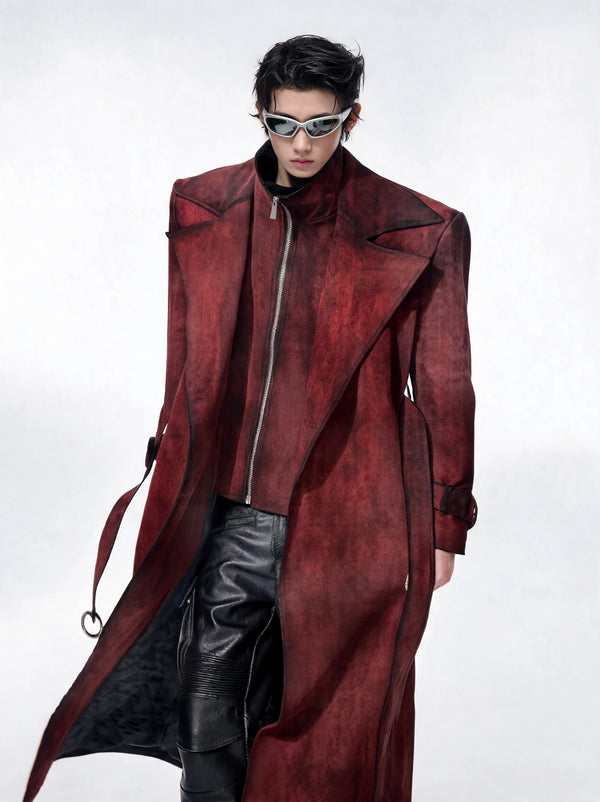
The most important rule for everyday life is a single signal. A top with a metal detail, a jacket with a technical cut, a chain with spikes. The rest stays calm. That way others from the scene recognise immediately who belongs, while colleagues only see a dark, tidy look. Jackets are especially suited to it, because they are the first thing you see on the way to work and the last thing you take off in the office.
Shoes follow this logic too. Instead of platform boots with twenty centimetres of sole, many wear black combat boots or chunky sneakers during the week. The trousers are a cargo or a plain pair of black fabric trousers instead of PVC. Anyone doing this consistently does not need a second wardrobe, just a few pieces that work between both worlds.
Places
Cyber Goth lifestyle in Germany: clubs, festivals and meet-ups
Germany is one of the most important places in the world for the scene. That is down to the strong EBM and Industrial tradition, but also to the big festivals. The Wave-Gotik-Treffen in Leipzig brings tens of thousands of people from the dark scene into the city every year at Whitsun, among them many Cyber Goths. The Amphi Festival in Cologne and the M'era Luna in Hildesheim are further fixed dates in summer.
During the year the scene happens in clubs. In Berlin, Hamburg, Cologne, Leipzig and the Ruhr area there are regular Industrial and Electro parties, often once a month, often in the same halls for many years. On top of that there are smaller party series in mid-sized towns that run through social media and word of mouth. Anyone new finds the dates most easily through festival pages, local groups and the Instagram profiles of the DJs.
Berlin plays a role of its own in this. The city's techno clubs have softened the border between Rave and Industrial, and many younger people move between both worlds today. There you rarely wear neon falls, but a lot of black, mesh and leather. For us this mixture is familiar. Fūga comes from a Berlin Plattenbau, and our four cities Berlin, Shanghai, Tokyo and Poznań stand for exactly this life between worlds.
Neighbours
Cyber Goth and Gothic: how the scenes live with each other
One of the most frequent questions, especially in forums like Reddit, is: is Cyber Goth goth at all? The honest answer depends on who you ask. For many traditional goths, Gothic is tied to post-punk, dark wave and a melancholic basic mood. Cyber Goth with neon, Rave beats and synthetic hair looks to them like a different scene that has only borrowed the black.
In real life the relationship is more relaxed than it sounds online. At big festivals both groups party side by side, often on the same fields, sometimes in the same halls. Many people move between the styles and listen to The Cure in the morning and Combichrist in the evening. Anyone who wants to get to know the roots of the classic scene will find them in our Gothic Fashion Guide. The rest works itself out on the dance floor.
Wardrobe
Clothing for the Cyber Goth lifestyle: what really belongs in the wardrobe
Anyone taking the way of living seriously does not need a huge wardrobe but the right pieces. The base consists of black tops that work in the club as well as in everyday life: a shirt with a good cut, a longsleeve with a detail, a hoodie with a technical element. Add two pairs of trousers, one for dancing and one for every day, a robust jacket and a pair of boots. Everything else comes later.
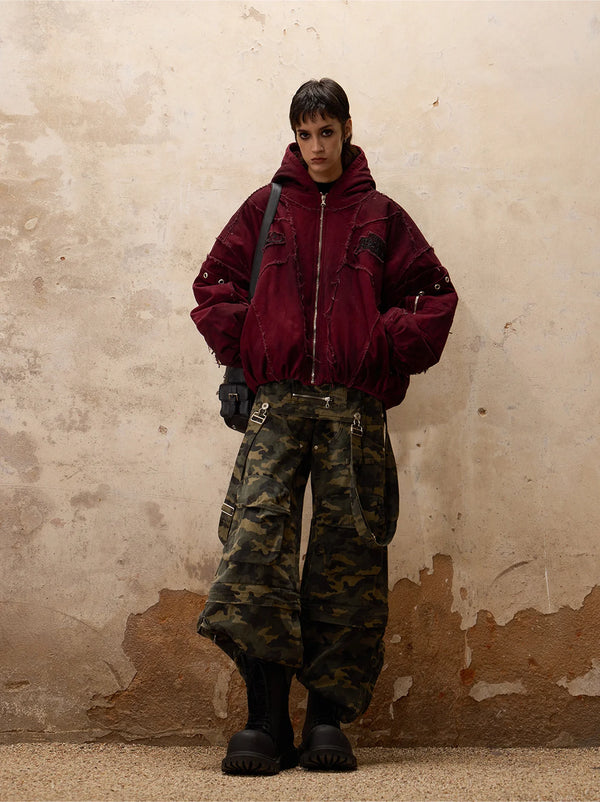
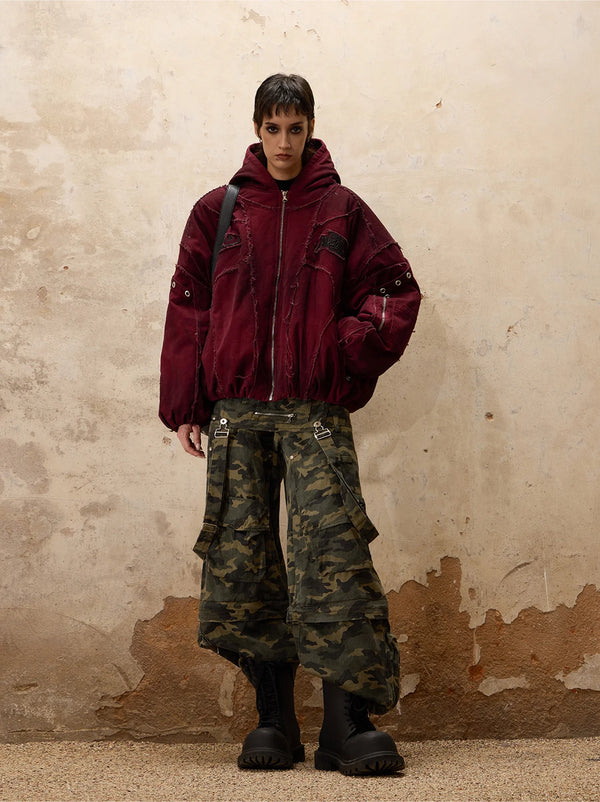
With tops it pays to look for details that serve both worlds. A shirt with a patch, rings or seams reads like a dark basic look in the office and like a statement in the club. Vintage washes and distressed effects go well with Industrial hardness. Anyone wanting to save invests in a few pieces with character instead of many plain ones. Over time that creates a wardrobe that fits your own rhythm.
Self-built pieces still have a firm place in the scene. Falls, arm warmers, glowstick holders and repainted goggles are often made at the kitchen table. The bought clothing forms the base, the own pieces make it personal. This mixture of ready-made and self-made separates the Cyber Goth lifestyle from a pure fashion phenomenon. For the men's version it is worth a look at our Cyber Goth clothing for men.
Facts
Cyber Goth Lifestyle Facts: five common misunderstandings
There is hardly another scene with as many skewed images as Cyber Goth. Most of them come from memes, costume photos and old documentaries. These five misunderstandings are the ones we hear most often when it comes to the way of living behind the clothing.
The shared core of these misconceptions: they confuse a photo with a life. An image from the club shows one night. The way of living also covers the week before it, the music on the way to work and the Sunday with combed-out falls. Anyone keeping that in mind understands the scene faster than through any image search.
Today
Cyber Goth lifestyle today: Reddit, TikTok and the club night
A large part of scene life happens online today. On Reddit people discuss bands, outfits and the eternal question of whether Cyber Goth is goth. On TikTok people show their styling routines, their dances and their everyday versions of the look. It is precisely there that a new, darker variant is emerging, wearing less neon and more black.
@fugastudios Witness pure darkness in motion. The Opium EXCEED Puffer, for those who command attention 🖤 Shop now at fuga-studios.com #fashiontiktok #darkstyle #blackfashion #FugaStudios #luxuryfashion #avantgarde #darkwear ♬ Originalton - Fuga Studios
This shift fits the times. Y2K, Techno and Techwear have brought black, shiny surfaces and technical cuts back into fashion. For many younger people Cyber Goth is therefore not a costume from another era but a style that connects seamlessly with their own wardrobe. They wear the look at techno parties, at festivals and in the city, often without calling it that.
The core stays analogue nonetheless. No video replaces the moment when the right song comes on at three in the morning and the whole hall stomps. Online you find the scene, offline you live it. So to close, the hardware you need on both paths: chains and spikes that make a black look read as Industrial immediately.
FAQ
FAQ: Cyber Goth Lifestyle
To close, the questions about life in the scene that reach us most often, answered briefly and directly.
How do you dance the Cyber Goth Dance?
What is the story with the Cyber Goths under the bridge?
Is Cyber Goth a way of living or just a clothing style?
Where do you meet Cyber Goths in Germany?
Can you have a normal job as a Cyber Goth?
In the end it all comes down to the same question with the Cyber Goth lifestyle: how much of the night do you take into the day? The answer is different for everyone, and that is exactly where the freedom of the scene lies.
What do you think?
Tell us on @fuga_studios
About the author
Philipp Fuge — Founder · Berlin
Founder of Fūga Studios. Writes the journal himself. Berlin · Shanghai · Tokyo · Poznań — four cities, one logic.