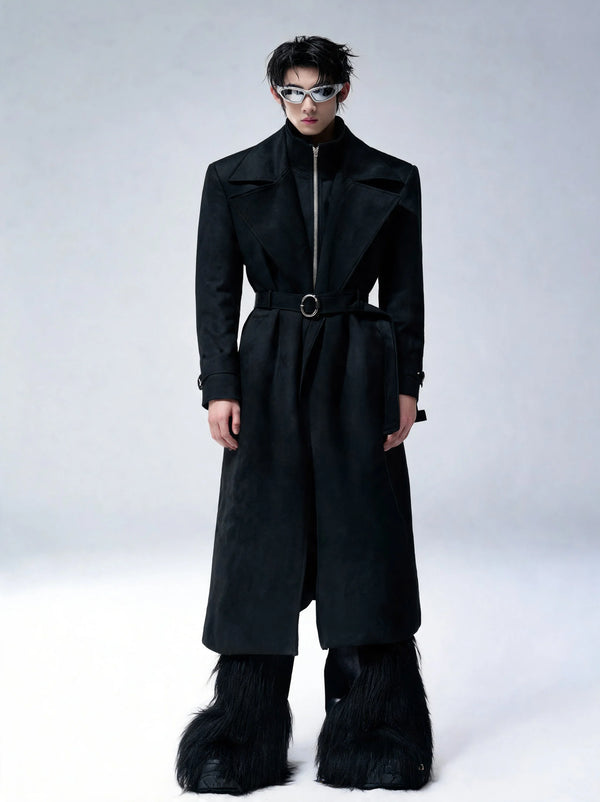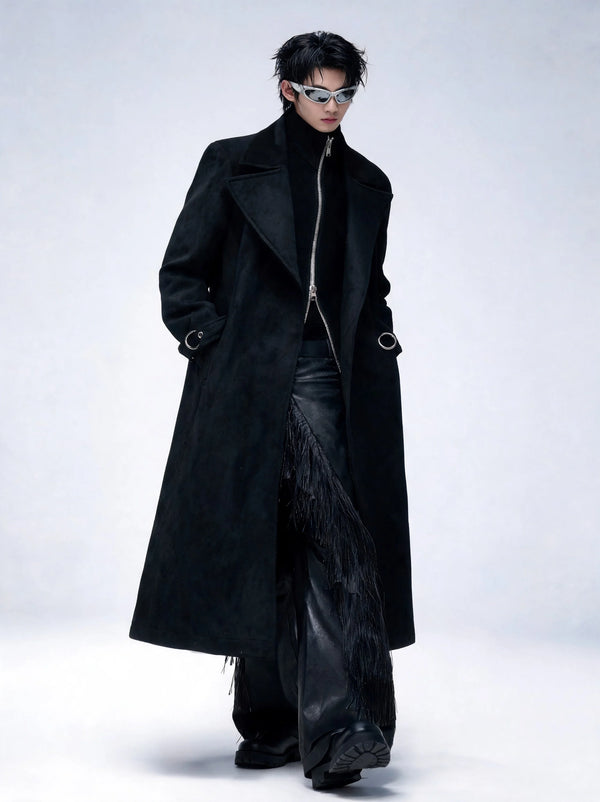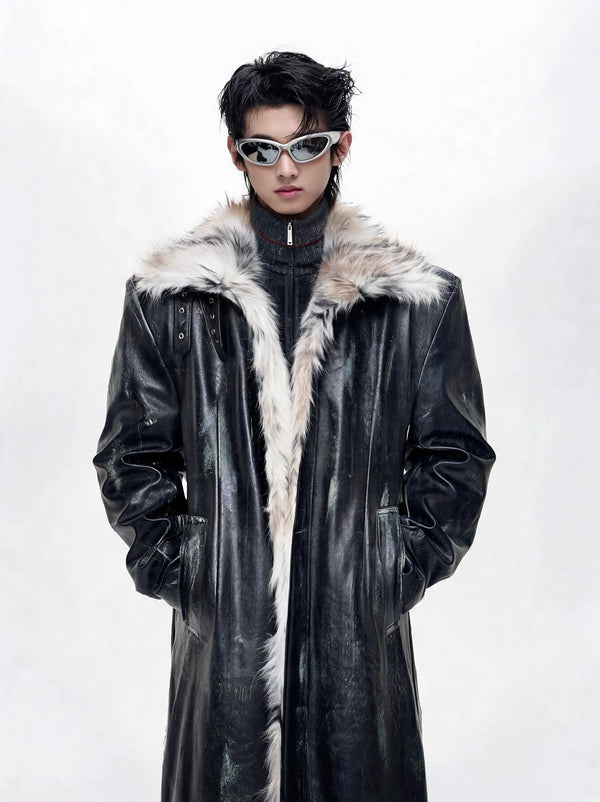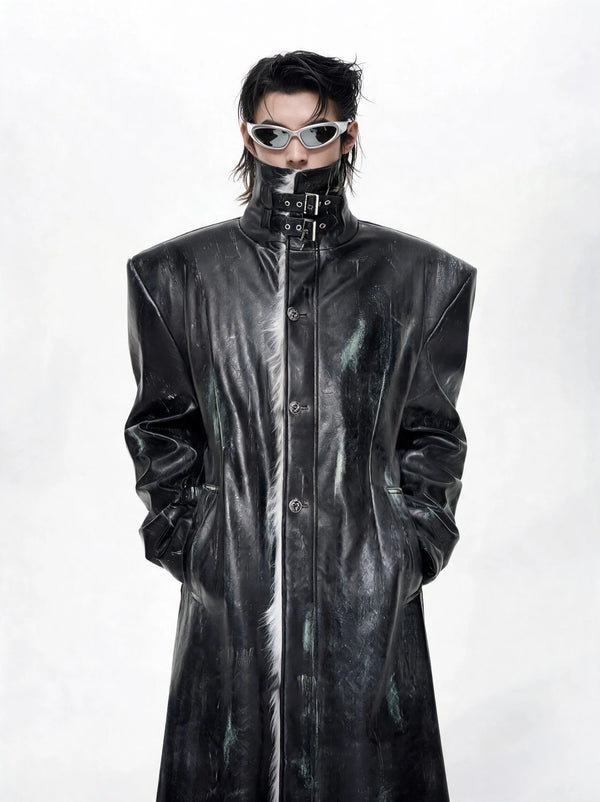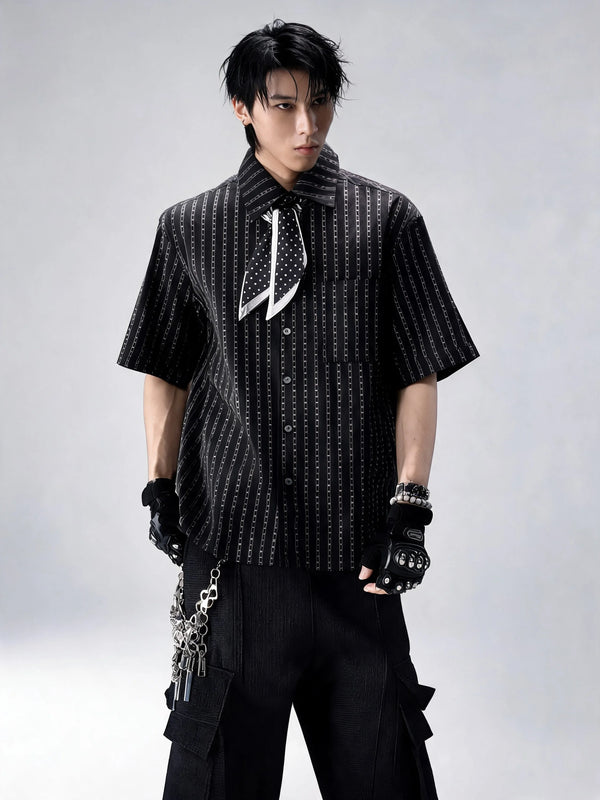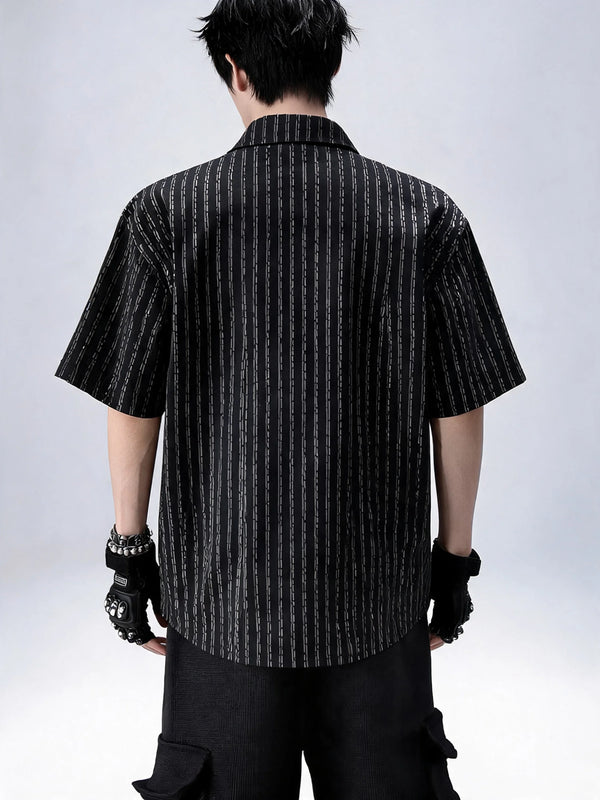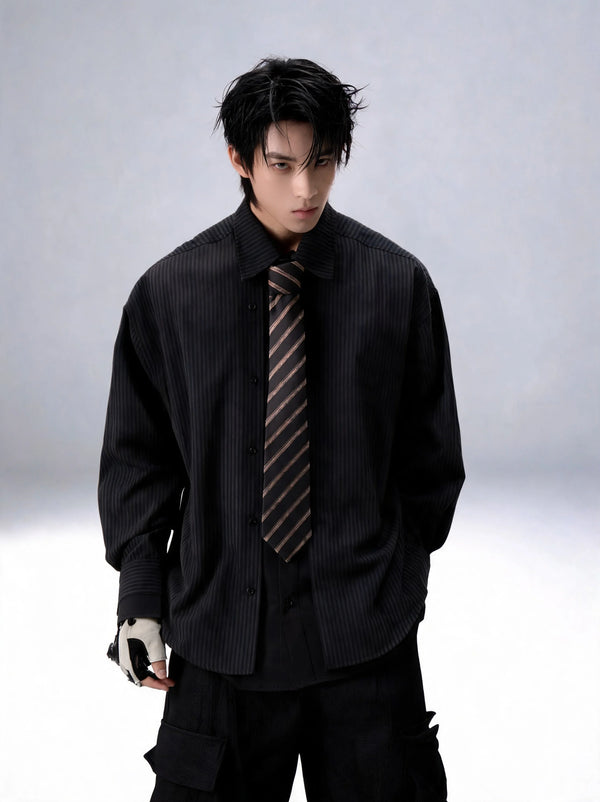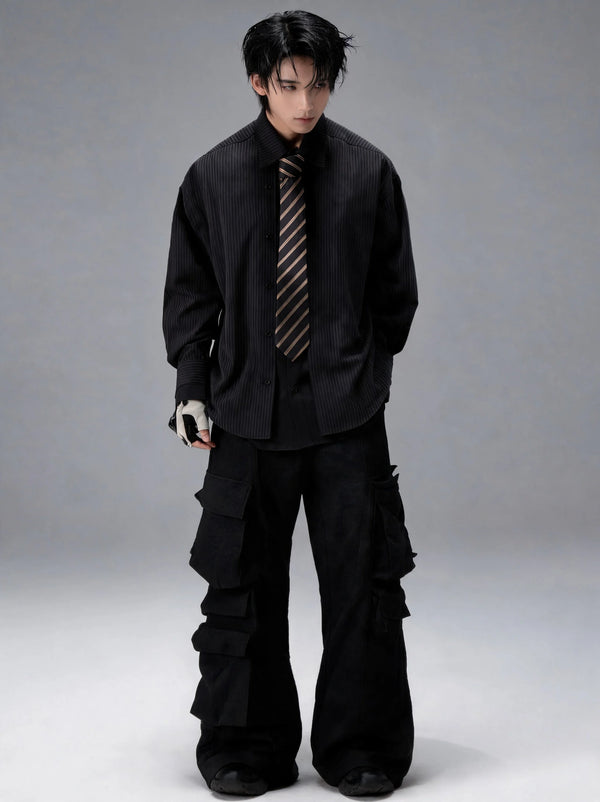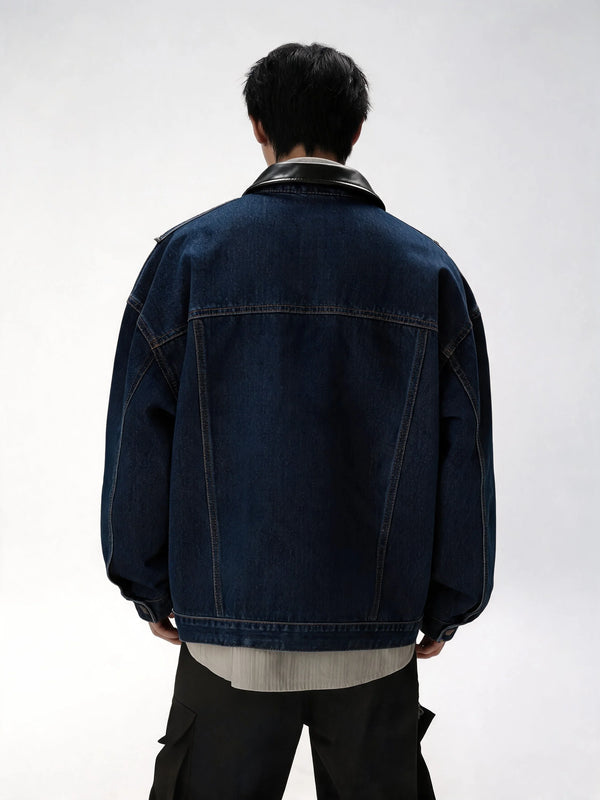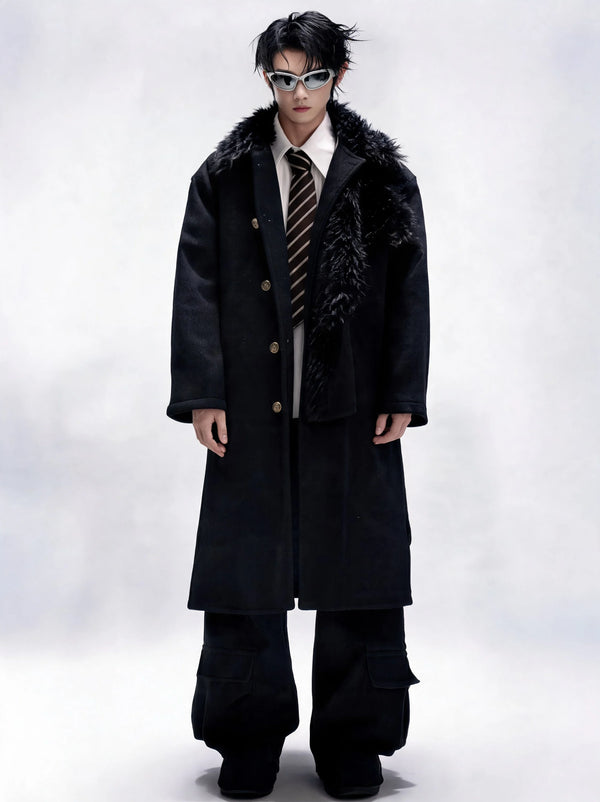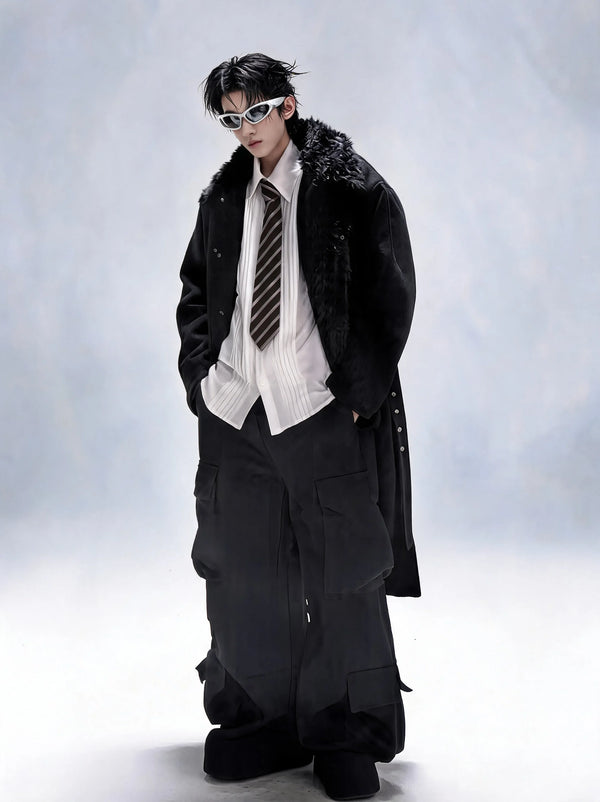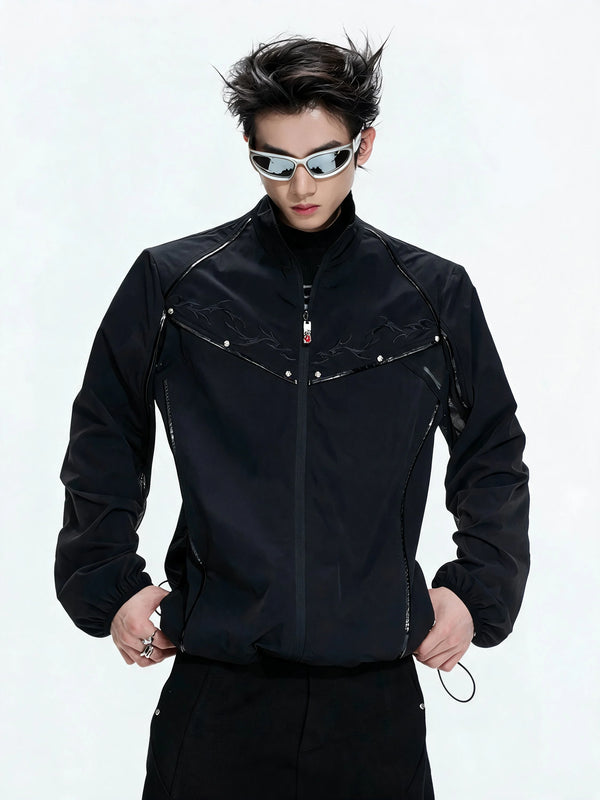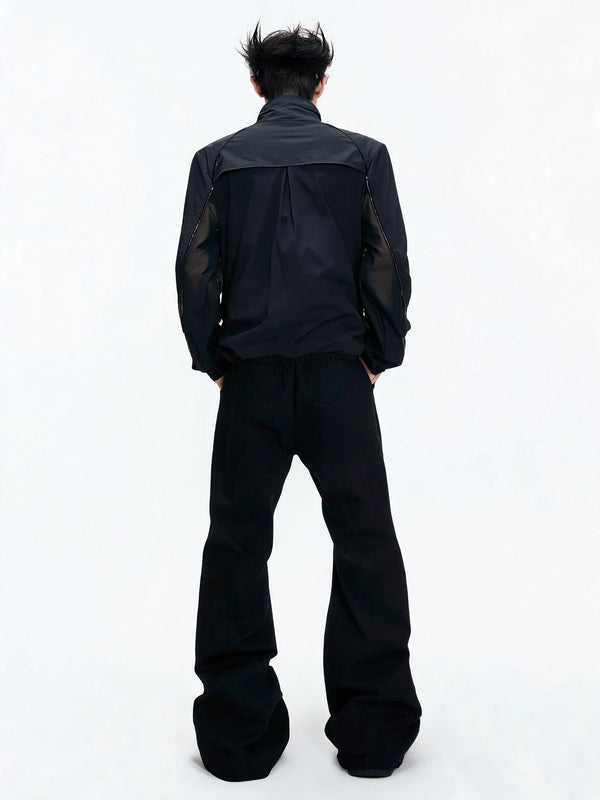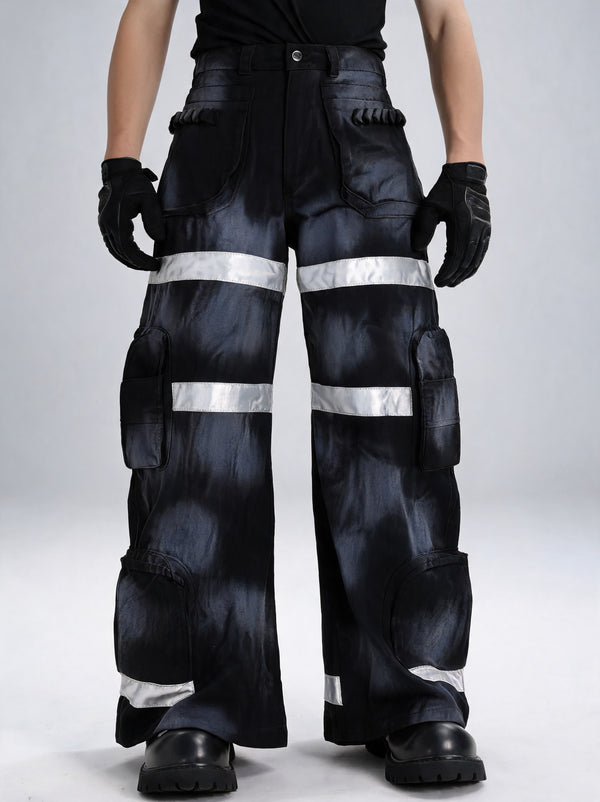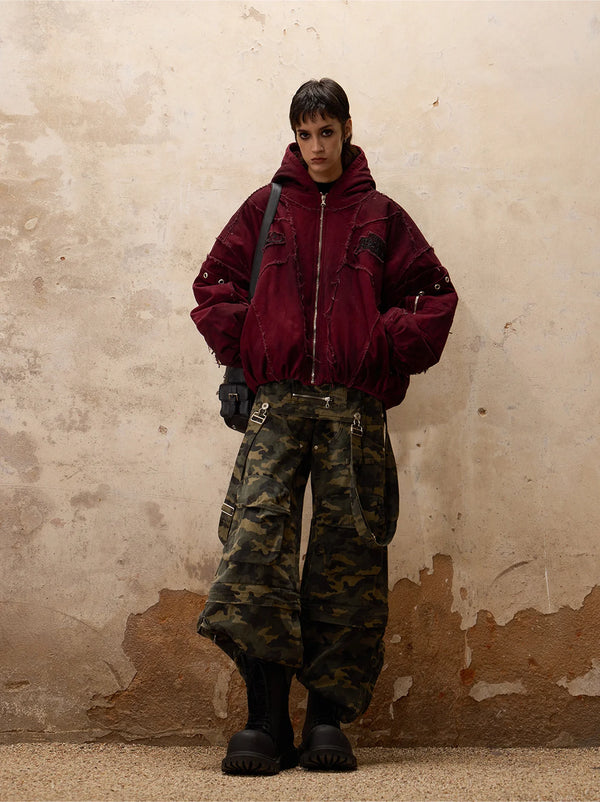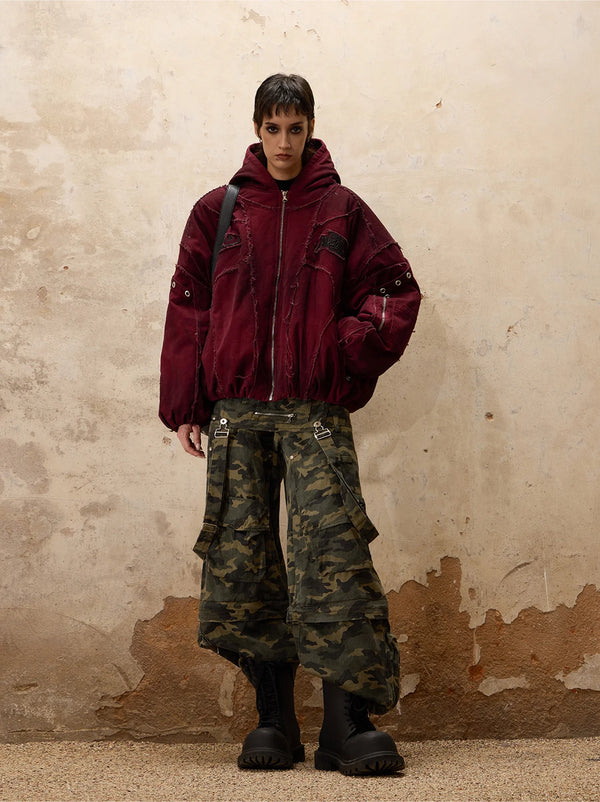

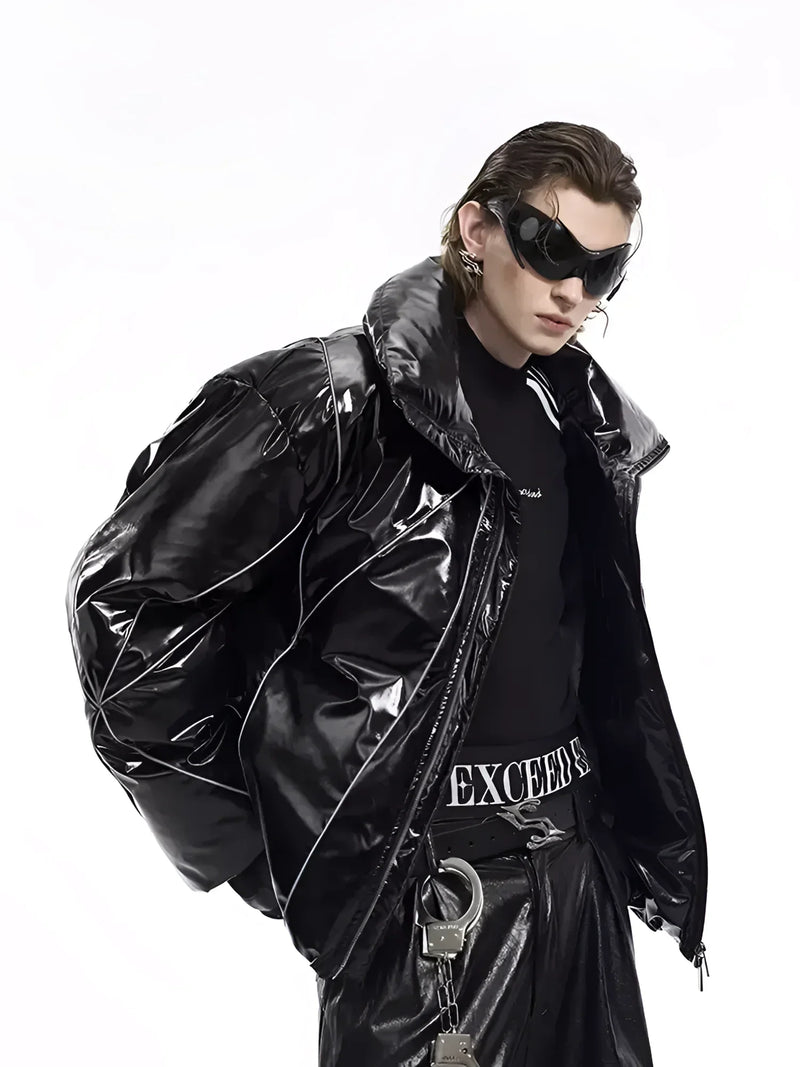
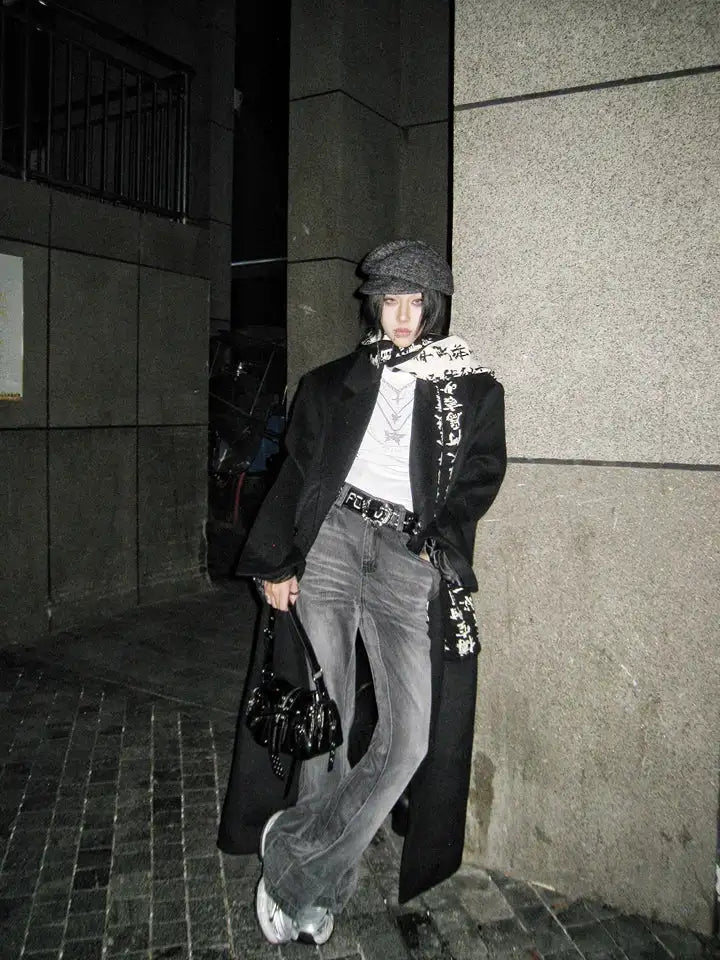

A basement club, somewhere in the late nineties. At the front, people in long black coats wait for the next Front 242 track. At the back, someone dances with toxic-green synthetic falls, welding goggles pushed up on the forehead and platform boots that almost glow under the blacklight. The coat faction looks sceptical. The rest of the room looks curious. That exact moment is where a new scene begins.
The Cyber Goth history starts with a word from a role-playing game of 1988 and becomes a scene at the end of the 90s, when goths, Industrial fans and ravers end up in the same clubs. What the result looks like today is in our Cyber Goth Fashion Guide. This piece is about the road there: music, clubs, hair and the internet.
Term
Cyber Goth History: Where does the term Cybergoth come from?
The word is older than the scene. In 1988 Games Workshop uses the term Cybergoth in Dark Future, a bleak version of the near future with highways, bounty hunters and wired bodies. There it describes a group that connects Gothic melancholy with technology. A real scene calling itself that does not exist at this point. The word waits ten years for its people.
The name itself explains the style fairly precisely. “Cyber” comes from cybernetics and has stood since the eighties for everything that connects human and machine: computers, networks, prosthetics, science fiction. “Goth” stands for the dark subculture out of post-punk. Together that makes a scene that wears black but looks forward instead of back into Victorian parlours.
1988
The word Cybergoth appears in Dark Future
Ende 90er
The scene takes shape in British clubs
3
Roots: Gothic, Industrial, Rave
Anyone who wants to understand the Cyber Goth history has to read three stories side by side. The Gothic story delivers black, melancholy and the love of staging. Industrial and EBM deliver the machine sound and the hardware. Rave delivers neon, platforms and the appetite for dancing until morning. Cyber Goth emerges exactly where these three lines cross.
Root one
The Gothic roots: post-punk, Batcave and the first generation
The first root reaches back into the early eighties. Out of punk and new wave comes a darker current with bands like Siouxsie and the Banshees, Bauhaus and The Cure. In 1982 the club Batcave opens in London, which many consider the birthplace of the Gothic scene. This is where the codes emerge that Cyber Goths later wear too: black as the base colour, teased hair, heavy make-up.
The Gothic scene of the eighties is backward-looking, though. It loves graveyards, romance, lace and velvet. Technology plays almost no visual role. That gap is exactly what Cyber Goths fill later. They take over the black base and the joy of the entrance, but replace crosses and ruffles with circuits, warning symbols and synthetic fabrics.
For the history that means: Cyber Goth is not a break with Gothic but a branch off it. Many of the first Cyber Goths were classic goths before, who listened to more electronic music in the nineties and rebuilt their wardrobe accordingly. The conflict between the two camps, which we come to further down, is therefore also a family argument among relatives.
Root two
Industrial Goth, EBM and Rivetheads: the sound of the machine
The second root sounds like a factory floor. In the mid-seventies Throbbing Gristle form in England, and their label Industrial Records gives the whole genre its name. The early eighties bring Electronic Body Music, EBM for short: hard sequencers, marching beats, barked vocals. Germany and Belgium play a central role in this, which surprises many people today.
The most important names of this phase shape the Cyber Goth sound to this day. Anyone who wants to listen their way through the history of the scene starts best with these projects:
- Throbbing Gristle (England): the pioneers who turned noise, tape and provocation into music.
- DAF (Düsseldorf): Deutsch Amerikanische Freundschaft, minimalist sequencers and physicality, a forerunner of EBM.
- Front 242 (Belgium): the band that made the term Electronic Body Music known.
- Nitzer Ebb (England): drill beats and uniform looks, formative for the club aesthetic.
- Skinny Puppy (Canada): darker, more distorted, closer to horror than to the dance floor.
Out of this music comes the subculture of the Rivetheads. They wear military trousers, combat boots, tank tops, short hair and studs. No ruffles, hardly any colour. Industrial Goth often means exactly this mix of Gothic black and Rivethead hardness. For Cyber Goths, Rivetheads are the most direct ancestor: gas mask, straps and workwear as fashion come from them.
The difference between Rivethead and Cyber Goth is still visible today. Rivetheads stay with black, olive green and metal. Cyber Goths take the same base and switch on the light: neon, UV colours, synthetic hair. Anyone wearing a reduced, dark Cyber Goth look today stands visually closer to the Rivetheads than to the colourful pictures from the 2000s.
Root three
90s rave meets goth: how Cyber Goth came about
The third root is the rave culture of the early nineties. In the UK, illegal parties, acid house and later hardcore and trance grow into a mass movement. The clothing is colourful, synthetic, often UV-reactive. Platform shoes, wide trousers, neon accessories. In Berlin the Tresor opens in 1991, and after the fall of the Wall Techno becomes the soundtrack of a whole city.
In the mid-nineties the scenes start to mix. Goths discover harder electronic music, ravers discover darker clubs. In 1994 the shop Cyberdog opens in London's Camden, selling futuristic clubwear with neon, reflectors and plastic, and becomes the first stop for many Cyber Goths. By the end of the nineties the mix has a name, and the word from Dark Future finally finds its people.
What is typical of this founding phase is the building. Ready-made Cyber Goth clothing barely exists. Falls are built from synthetic hair and cable ties, goggles from the hardware store are repainted, trousers are sewn with reflective strips. This do-it-yourself attitude comes from punk and shapes the scene to this day: the more individual the piece, the more respect on the dance floor.
The films of the time play a role too, though later than is often claimed. Blade Runner from 1982 delivers the image of a rain-soaked neon city, and The Matrix from 1999 turns long black coats, narrow sunglasses and patent leather into a mass phenomenon. The film does not explain how the scene came about, but it does mean millions of people suddenly understand what cyber and black mean together.
Timeline
The Cyber Goth timeline: five eras from 1988 to today
Before we go deeper into music, hair and clubs, the big picture is worth a look. The history of Cyber Goth can be split roughly into five phases, each with its own clothing, its own music and its own places.
What stands out about this timeline is that Cyber Goth never disappeared entirely. The scene shrinks, grows, moves into other clubs and resurfaces in a new form. That sets it apart from many short-lived internet aesthetics: behind the look there is a real music scene with bands, labels, festivals and people who have been there for decades.
Music
Cybergoth music: Futurepop, Aggrotech and the big names
No music, no Cyber Goth history. At the end of the nineties Futurepop emerges, a term credited to Ronan Harris of VNV Nation and Stephan Groth of Apoptygma Berzerk. Futurepop connects the hardness of EBM with trance pads and catchy melodies. Bands like Covenant from Sweden come along with it. Suddenly there is dark music you can dance to for hours.
In the 2000s the sound gets harder. Aggrotech, sometimes also called Hellektro, relies on distorted voices, aggressive beats and horror samples. Hocico from Mexico, Suicide Commando from Belgium and Combichrist are among the best-known names. The clothing fits this music perfectly: respirators, biohazard symbols, PVC and platform boots with weight behind every stomp.
@fugastudios This puffer jacket just broke the matrix 🤖✨ #luxury #fashion #futuristicThe future of technical wear is here. Watch till the end to see all angles of our viral Opium Puffer 🖤 Available now at fuga-studios.com #fashiontiktok #luxuryfashion #streetwear #FugaStudios #techwear #darkfashion #futuristic ♬ Originalton - Fuga Studios
The music also explains why Cyber Goths put so much value on movement. Their dances, often with sweeping arms and fast steps, are built for Futurepop and Aggrotech. Clothing that gets in the way flies out of the wardrobe. That is why narrow tops, wide or tight trousers without frills and accessories that sit firmly on the body dominate.
Today the boundaries blur further. Many Cyber Goths go to Techno parties, many Techno fans listen to EBM. Industrial Techno often sounds closer to Front 242 than to classic minimal. For the history of the scene that is a logical return: Cyber Goth was always the place where goth and electronic club music met.
Wardrobe
Cyber Goth clothing of the 2000s: PVC, gas masks and platforms
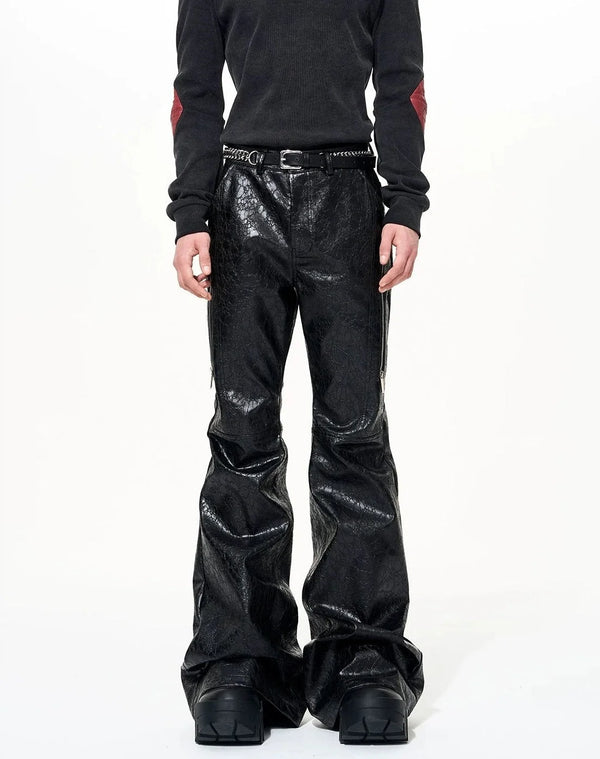
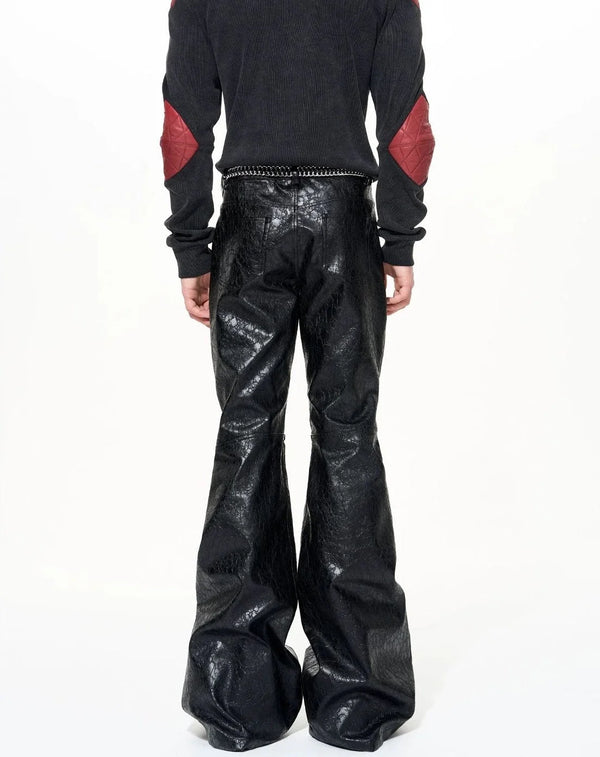
In the 2000s Cyber Goth gets a fixed image. The base stays black, with neon accents in toxic green, pink, cyan or orange on top. PVC and patent leather replace velvet and lace. Trousers are either very tight in shiny material or extremely wide, in the style of rave trousers. Plus platform boots with buckles that often have a sole of ten centimetres and more.
With the peak comes the industry. Specialised shops and online stores sell ready-made falls, glow sticks, cyber goggles and UV-reactive tops. What used to be built in basements now arrives by mail order. That makes the look more accessible, but it also feeds the criticism that the scene is turning into a uniform. That accusation follows Cyber Goth to this day.
Also typical of the time are symbols that still count as Cyber Goth markers today: the biohazard sign, the radioactive warning, barcodes, circuit patterns and warning stripes. They stand for a future that does not gleam but is dangerous. The Cyber Goths of the 2000s do not wear a utopia, they wear the uniform for the moment after the accident.
What is striking is how much from that time has migrated into today's fashion. Technical bags, straps on trousers, buckle boots and narrow chrome glasses arrived in Techwear and Streetwear long ago. Many people wear Cyber Goth elements without ever having heard the term. The scene has influenced fashion, even though it stayed in the niche itself.
Head
Cyber Goth hair and tattoos: falls, cyberlox and barcodes
No element shapes the Cyber Goth history as strongly as the hair. Falls are hairpieces made of synthetic material, fixed to a ponytail or an elastic and extending your own hair. Alongside them come cyberlox, tube-like plastic strands that look like cables, and synthetic dreads in neon colours. Many of them glow under blacklight, which is exactly the point in the club.
For Cyber Goths the head is the actual stage. Goggles sit on top of the falls, sometimes with spikes or lights. Underneath, respirators that recall a lab rather than a hospital. The make-up is graphic: geometric lines, black lips, neon eyeliner. Often a single accent colour ties hair, make-up and clothing into one closed picture.
Tattoos follow the same logic. Typical Cyber Goth tattoos show barcodes on the neck, circuits along the arms, biohazard signs or geometric lines that look like the seams of a machine. Unlike falls and goggles they stay when the club closes. For many older members of the scene they are the most visible sign today of a time when they were out with synthetic hair every weekend.
Places
Cyber Goth in Germany and Japan: Leipzig, Berlin, Tokyo
Germany matters more to the Cyber Goth history than many think. The EBM roots reach via DAF to Düsseldorf, and since 1992 the Wave-Gotik-Treffen has taken place in Leipzig every year at Whitsun, one of the biggest festivals of the dark scene worldwide. In the 2000s Cyber Goths are impossible to miss there: neon falls between velvet dresses and leather coats.
Berlin brings in a different ingredient. Techno culture after the fall of the Wall, dark clubs in old industrial buildings and a scene that makes black the standard colour create a space where Industrial, goth and Techno constantly touch. In Japan similar codes mix into Harajuku fashion, where platforms, synthetic hair and neon are at home anyway.
For us this connection is no coincidence. Fūga comes out of a Berlin prefab housing block and looks towards Asia, our four cities are Berlin, Shanghai, Tokyo and Poznań. The Cyber Goth history tells the same thing on a small scale: a scene that lives between worlds and builds its own order.
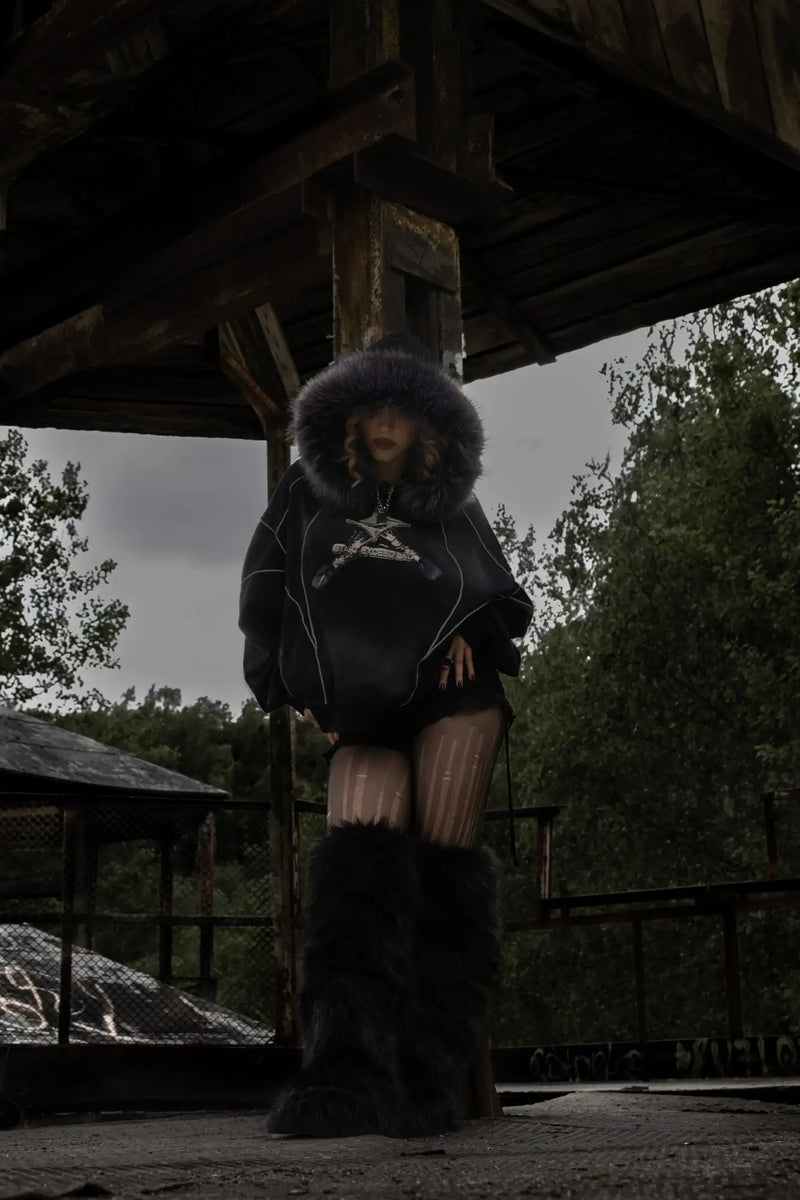
That is why we think of Cyber Goth today above all as a black wardrobe with a technical edge. A jacket that works in an industrial hall just as well as on the way home at six in the morning says more about this history than any neon hairpiece.
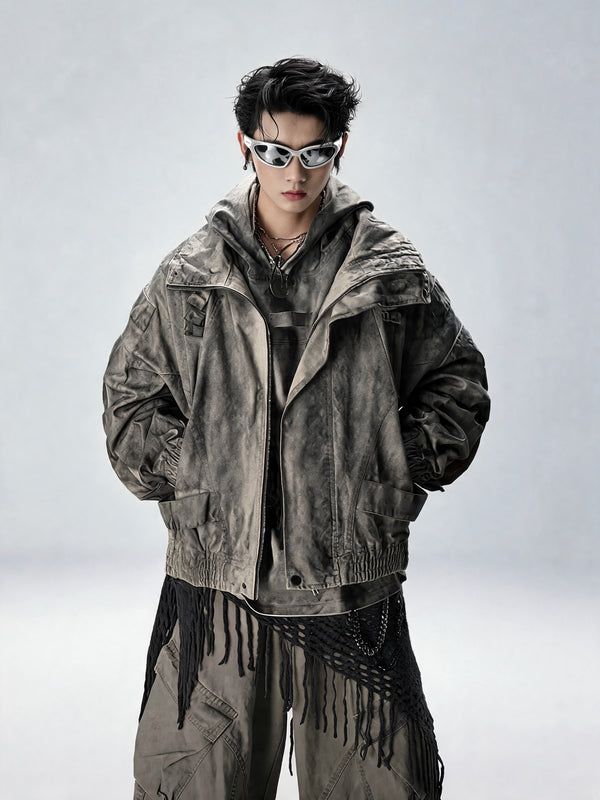
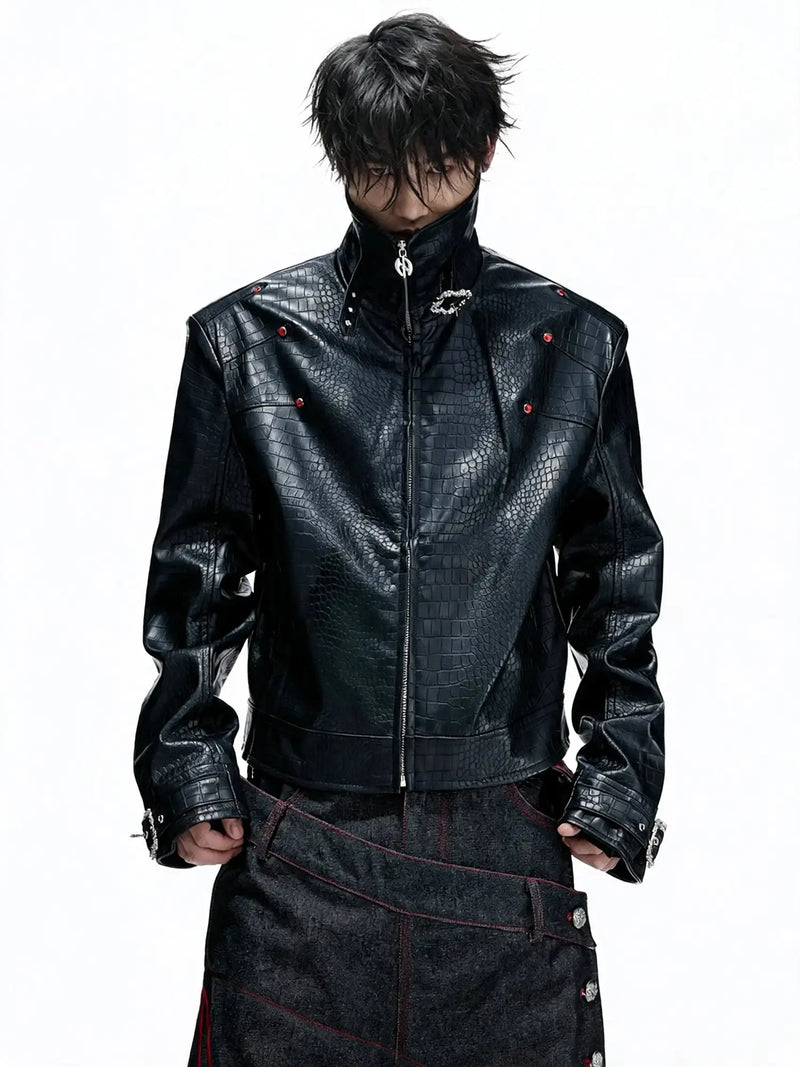
Both jackets pick up different chapters. The tactical windbreaker stands for the Rivethead and Techwear line, the buckle leather jacket for the Gothic origin with hardware. Together they cover pretty much exactly the two sides Cyber Goth came out of in the first place.
Internet
Cyber Goth dance, memes and why many goths reject Cyber Goths
At the start of the 2010s something happens that follows the scene to this day. A video in which Cyber Goths dance under a bridge becomes an internet meme. Millions of people see it, cut it together with other music and laugh at the sweeping arm movements. For many outside the scene that is still the only image they have of Cyber Goth.
The scene reacts in two minds. Some take the mockery with humour, others withdraw. At the same time the meme shows something important: Cyber Goth was always a style built for dancing, not for posing. The Cyber Goth dance has roots in the Industrial stomp and in rave moves and only looks strange outside the club.
@fugastudios Battle scars as a fashion statement 🔥 When your fit survived the apocalypse and kept it pushing #fugastudios #fashiontiktok #fypシ #alternativefashion #darkfashion #opiumcore ♬ Originalton - Fuga Studios
The mockery did not only come from outside, though. Many classic goths reject Cyber Goths, and have done since the nineties. The accusation: too colourful, too much rave, too little melancholy. For traditionalists, Gothic is tied to post-punk and dark wave, not to trance pads and neon. Cyber Goths were too loud for goths and too dark for ravers.
There is a generational question on top of that. Anyone who danced to Bauhaus in the eighties sees little kinship in glow sticks and synthetic hair. At the same time the Gothic scene has repeatedly seen new currents that were rejected first and integrated later. At the Wave-Gotik-Treffen, Cyber Goths today stand next to Victorian goths as a matter of course, even if the discussion continues online.
Successors
Pastel Goth, Nu Goth and Dark Cyber: what came after Cyber Goth
In the 2010s the attention moves to new currents. On Tumblr, Pastel Goth emerges, which combines Gothic symbols with pink, mint and lavender. Nu Goth connects black with hipster and occult elements. Both share with Cyber Goth the appetite for breaking with classic Gothic, but they come from the internet instead of from clubs. Anyone looking for more on the colours finds them under Pastel Goth.
In the 2020s Cyber Goth returns in a new form. TikTok, the Y2K trend and the growing Techno scene bring back a darker, reduced version. Instead of big falls, black technical clothing, harness, mesh and chrome glasses dominate. Even in the Roblox game Dress to Impress, Cyber Goth is a recurring theme, which makes a whole new generation familiar with the term.
This revival is less loud than the original. Many who wear Dark Cyber today combine a black base with a single technical signal, a pair of chrome glasses or straps on the trousers. The neon explosion of the 2000s stays reserved for parties and festivals. In everyday life the Cyber Goth history shows today more as an attitude than as a costume.
Today
Cyber Goth today: how you wear the history in 2026
Anyone wearing Cyber Goth today chooses deliberately which chapter of the history to quote. The Rivethead line means tactical tops, military trousers and boots. The 2000s line means shine, platforms and one accent colour. Today's Dark Cyber line means black from head to toe with chrome and hardware. All three are legitimate, but rarely all at once.
The easiest way in is the hardware. Chains, spikes and studs connect Gothic, Industrial and Cyber Goth like no other element. They work with a plain black shirt just as well as with a complete club outfit. We show more finished looks for the dance floor in our lookbook on Cyber Goth Rave Outfits.
With accessories it pays to look back: the scene has always valued real materials and smiled at cheap party gear. A solid chain and a studded bracelet say more about the Industrial origin than three plastic goggles. Anyone who wants more finds the pieces for the louder version at Goth Rave Wear.
Myths
Common myths about the Cyber Goth History
Hardly any subculture has as many half-truths circulating about it as Cyber Goth. Most of them come about because the internet knows the scene mainly through memes and costume photos. These five assumptions reach us most often, and none of them holds up to a look at the history.
Anyone who knows these myths sees Cyber Goth differently. It is not a costume from the party shop but the result of almost forty years of music, club culture and fashion influencing each other.
FAQ
FAQ: Cyber Goth History
Finally, the questions about the history of the scene that reach us most often, answered short and direct.
When did Cyber Goth emerge?
Why do many goths dislike Cyber Goths?
What is the difference between Cyber Goth and Rivethead?
What does Cyberdog have to do with the Cyber Goth scene?
Did Pastel Goth come out of Cyber Goth?
If after the history you now want to know what the look concretely looks like, you will find styles, trousers and hair in the Cyber Goth Fashion Guide and the technical sibling in the piece on the Cyberpunk Techwear Aesthetic. Here is the essential part in three paragraphs.
What do you think?
Tell us on @fuga_studios
About the author
Philipp Fuge — Founder · Berlin
Founder of Fūga Studios. Writes the journal himself. Berlin · Shanghai · Tokyo · Poznań — four cities, one logic.