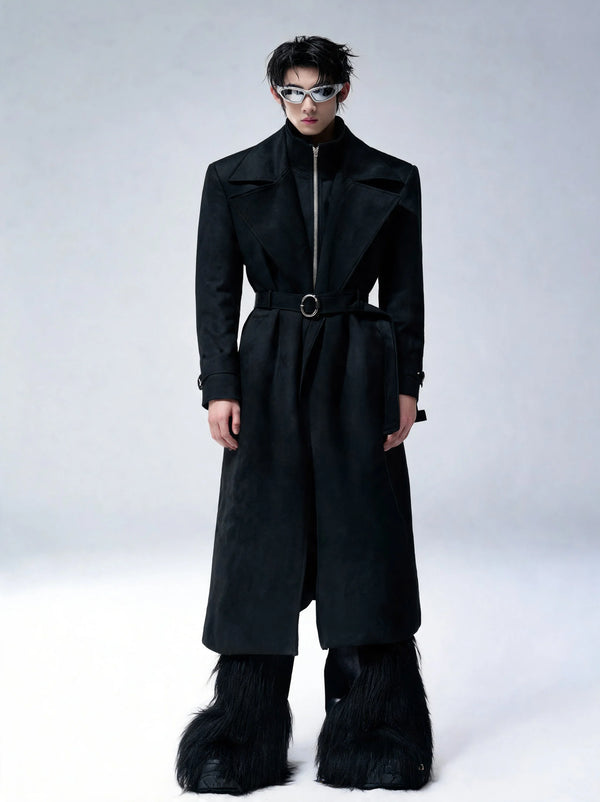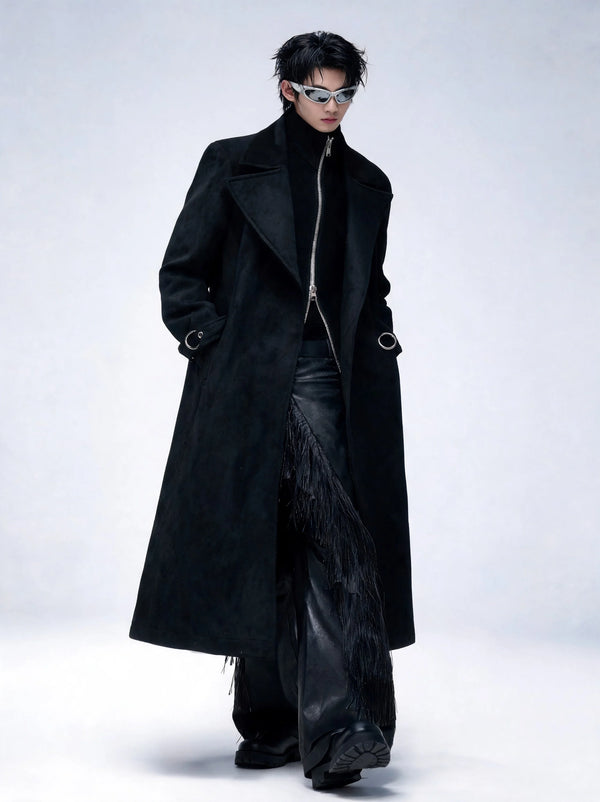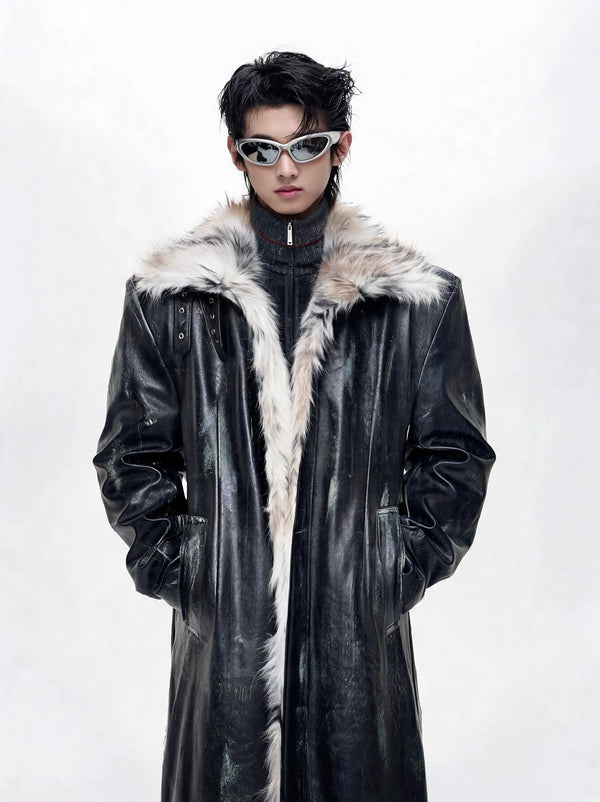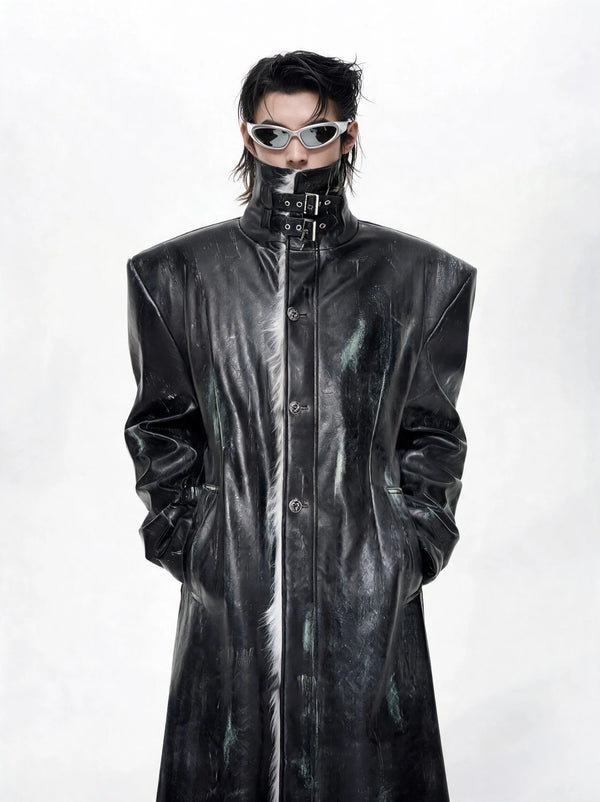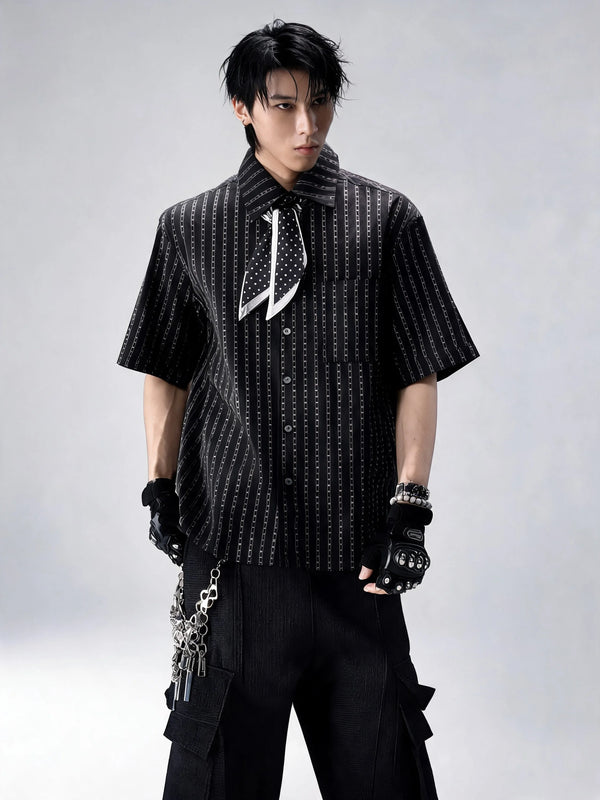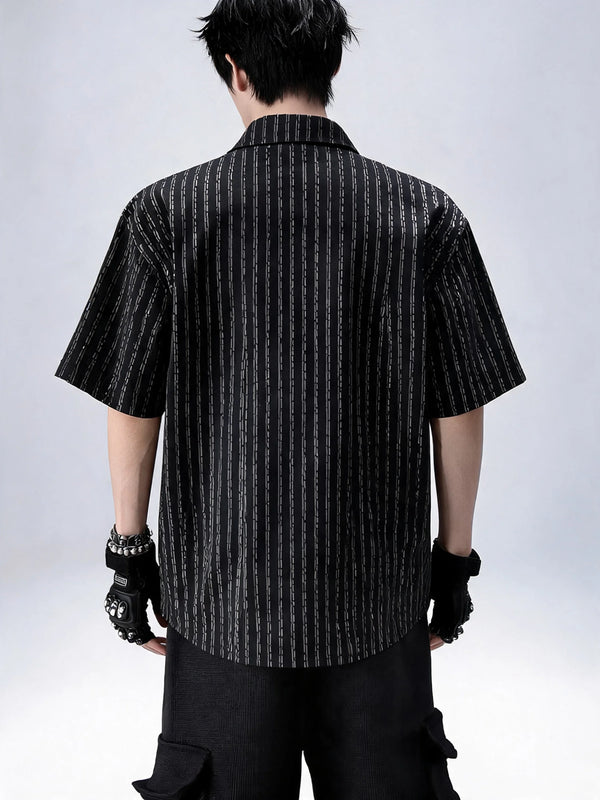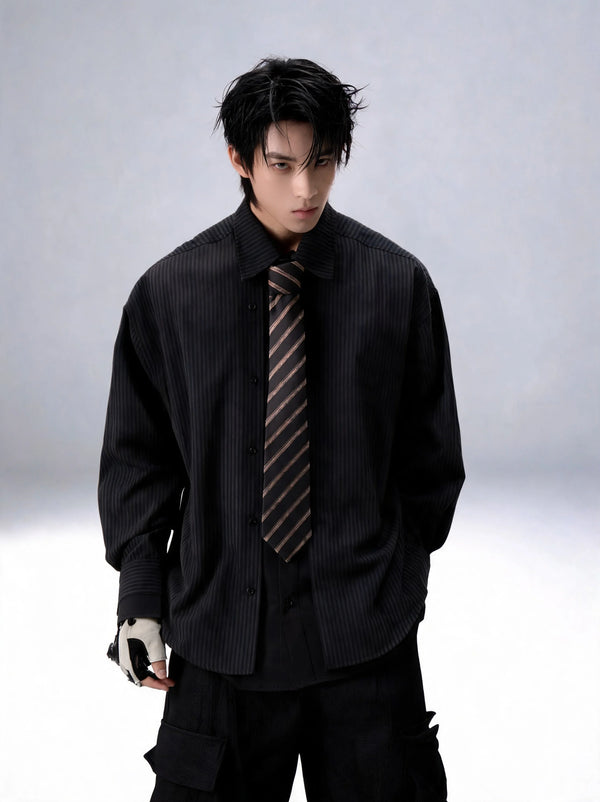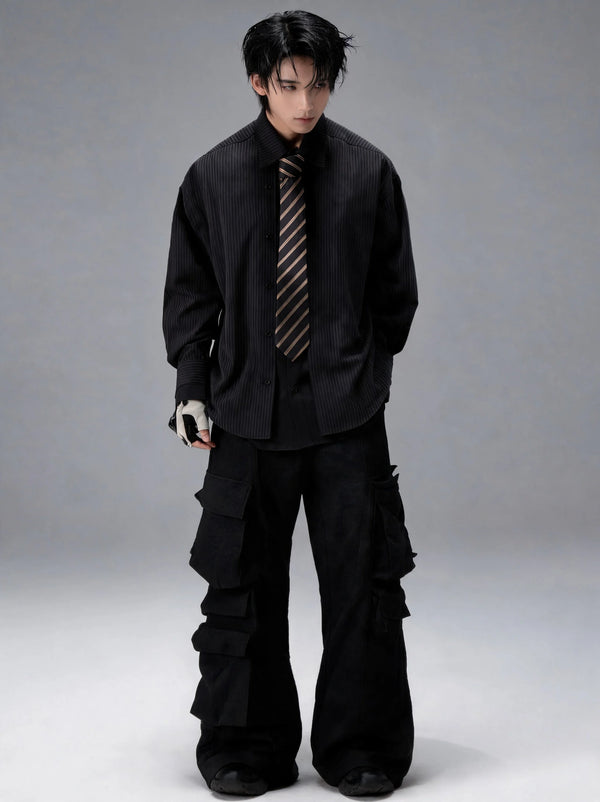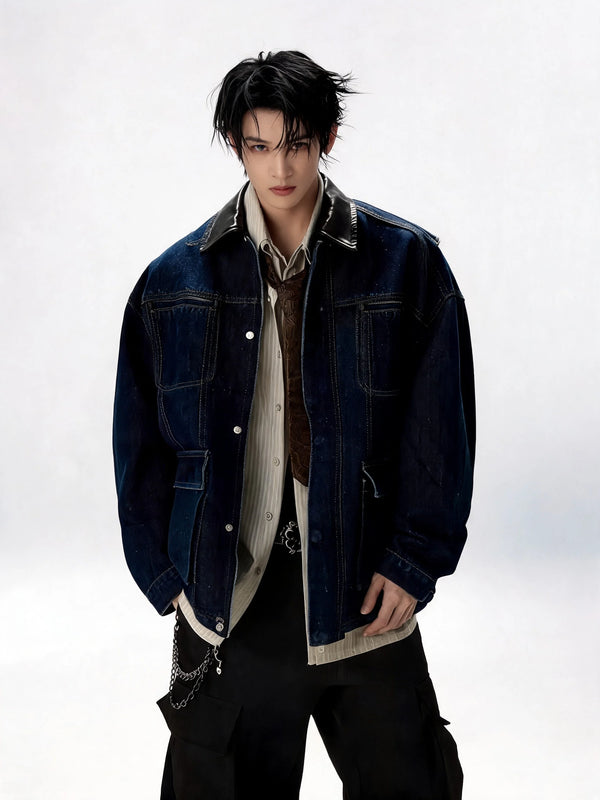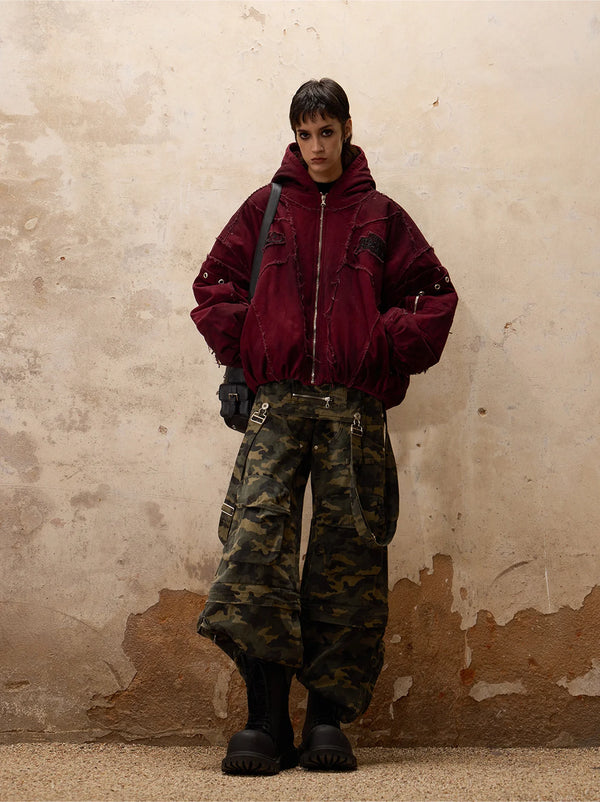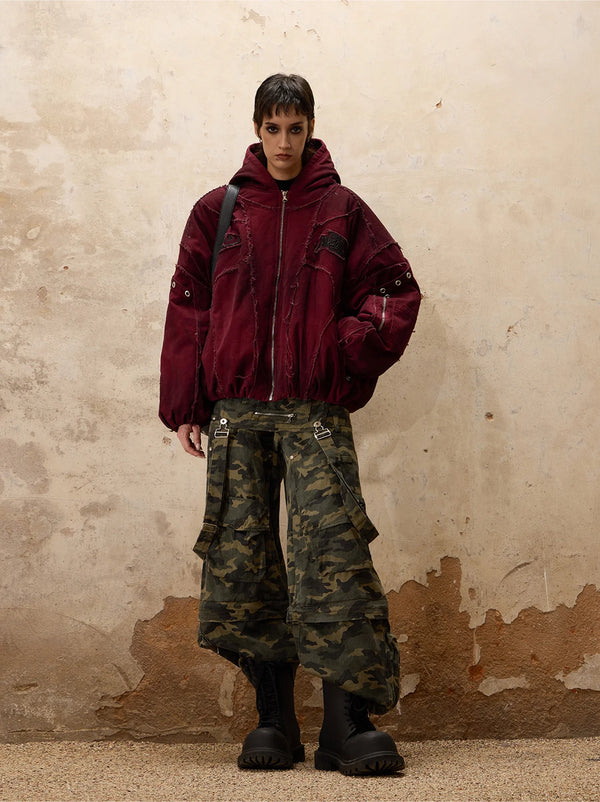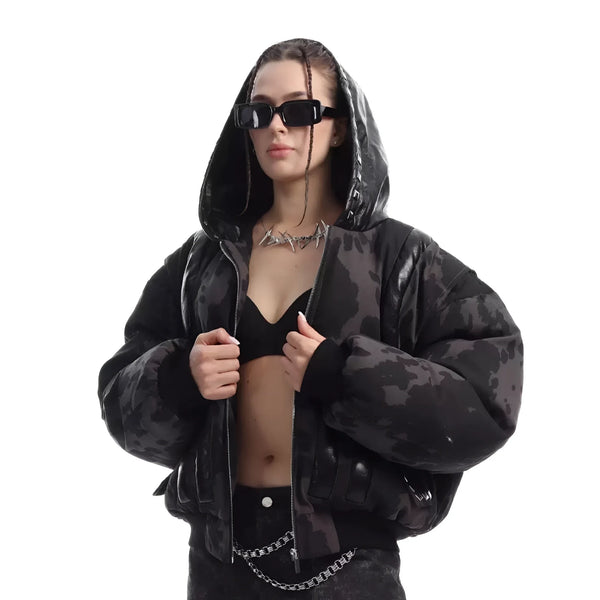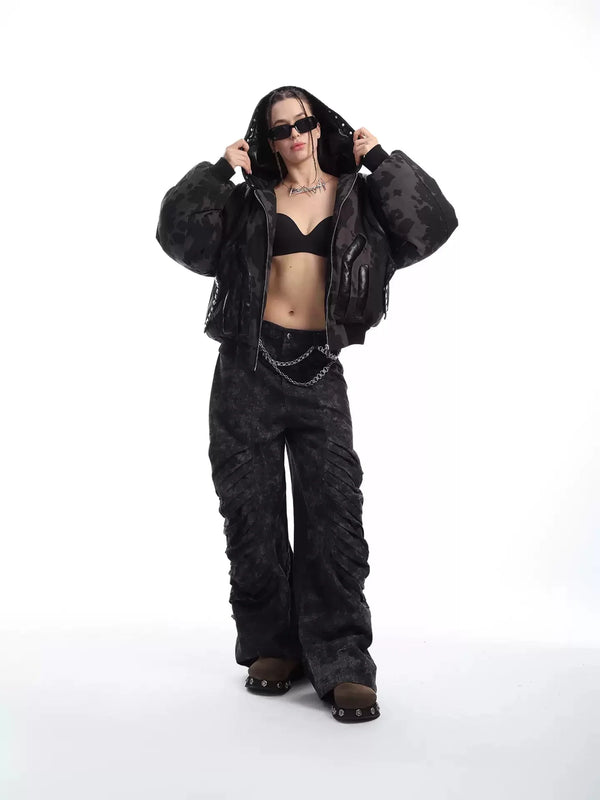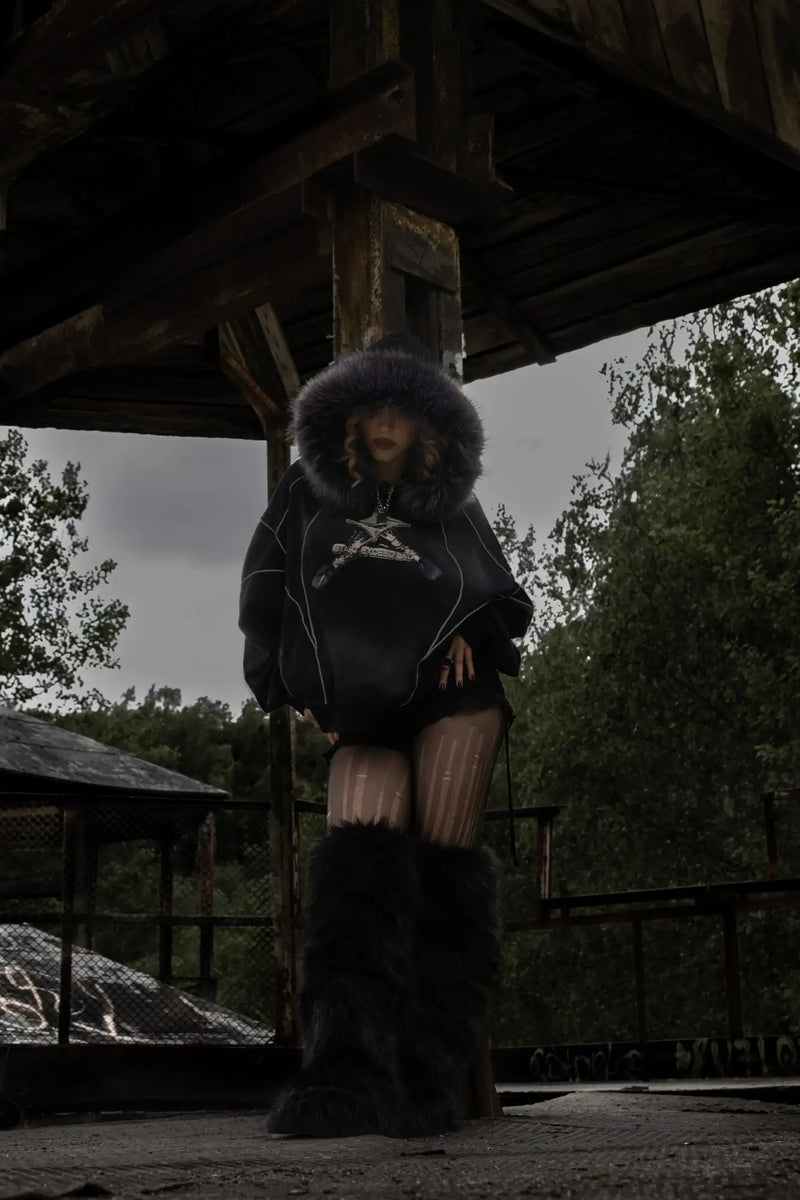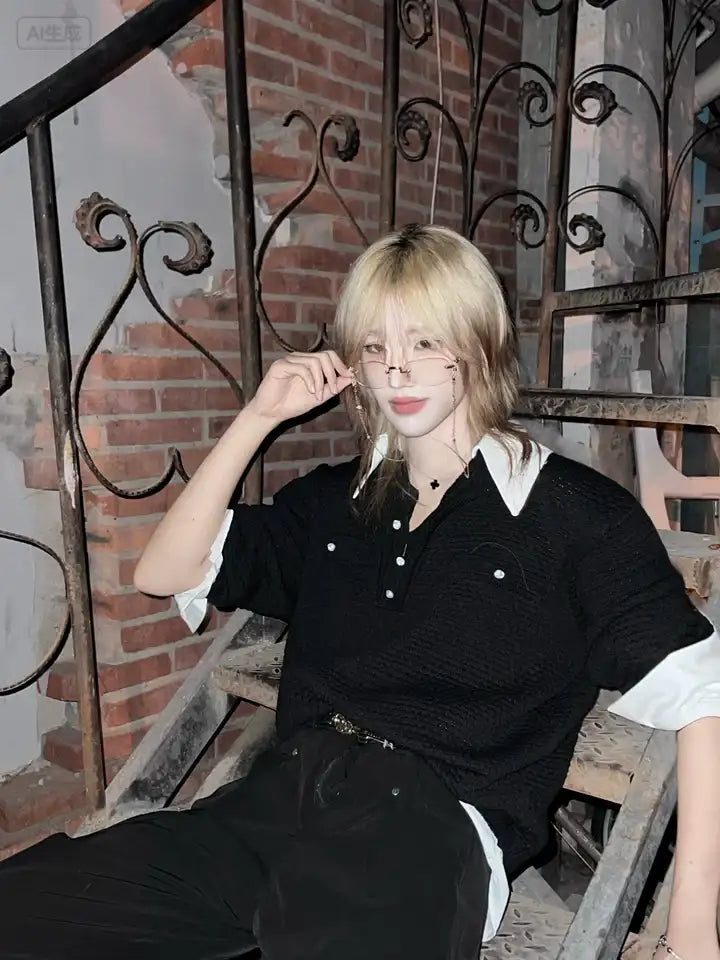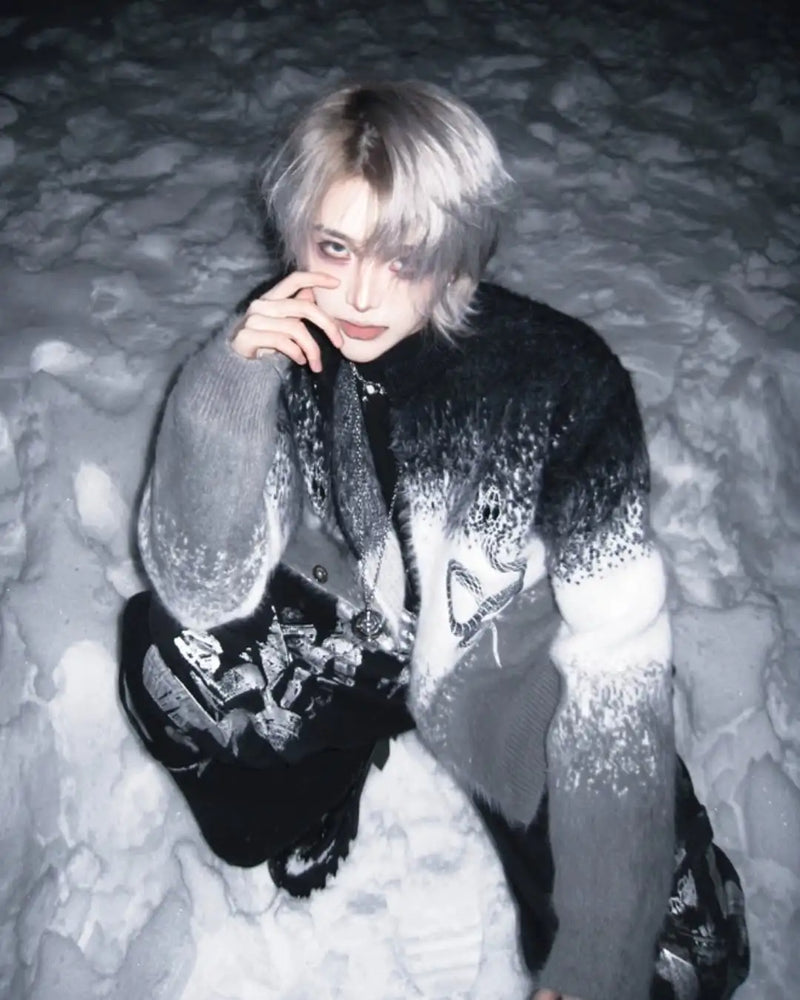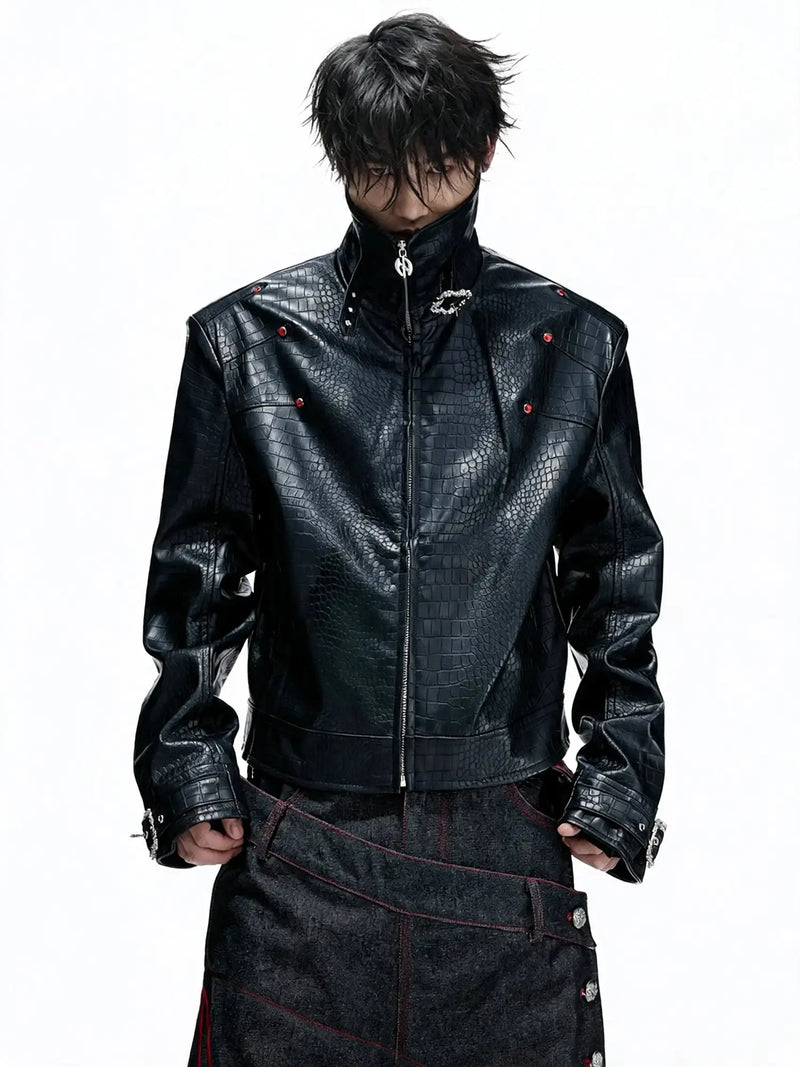
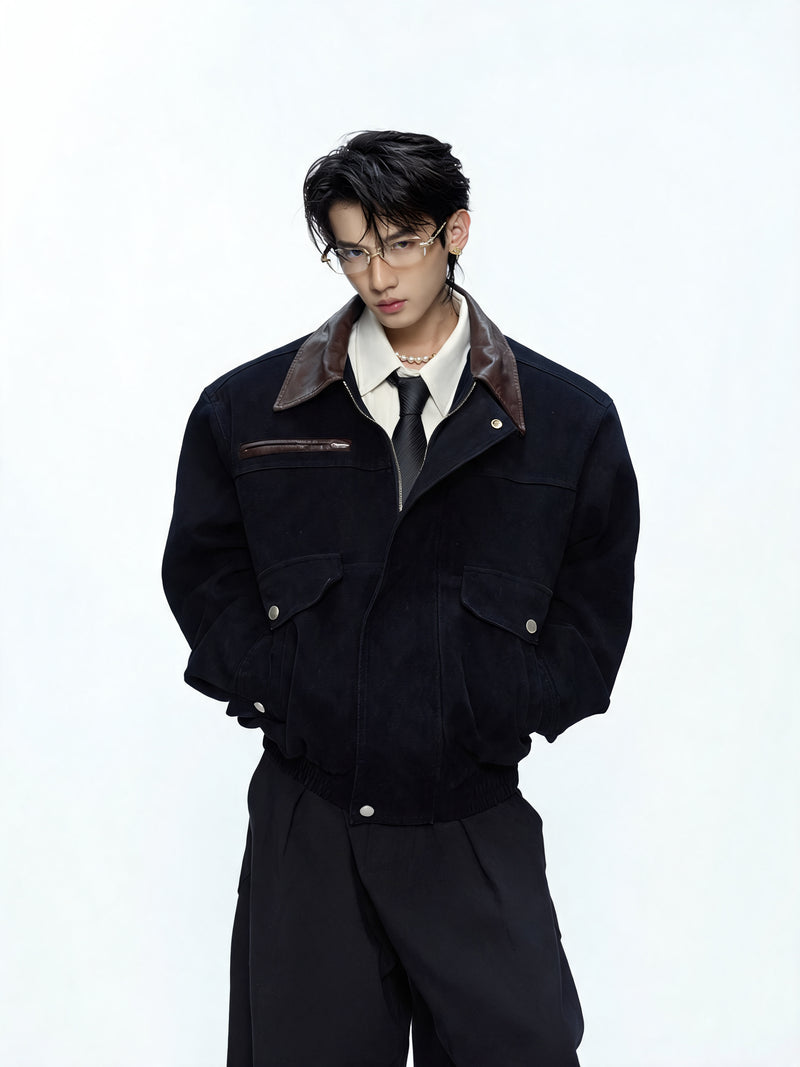
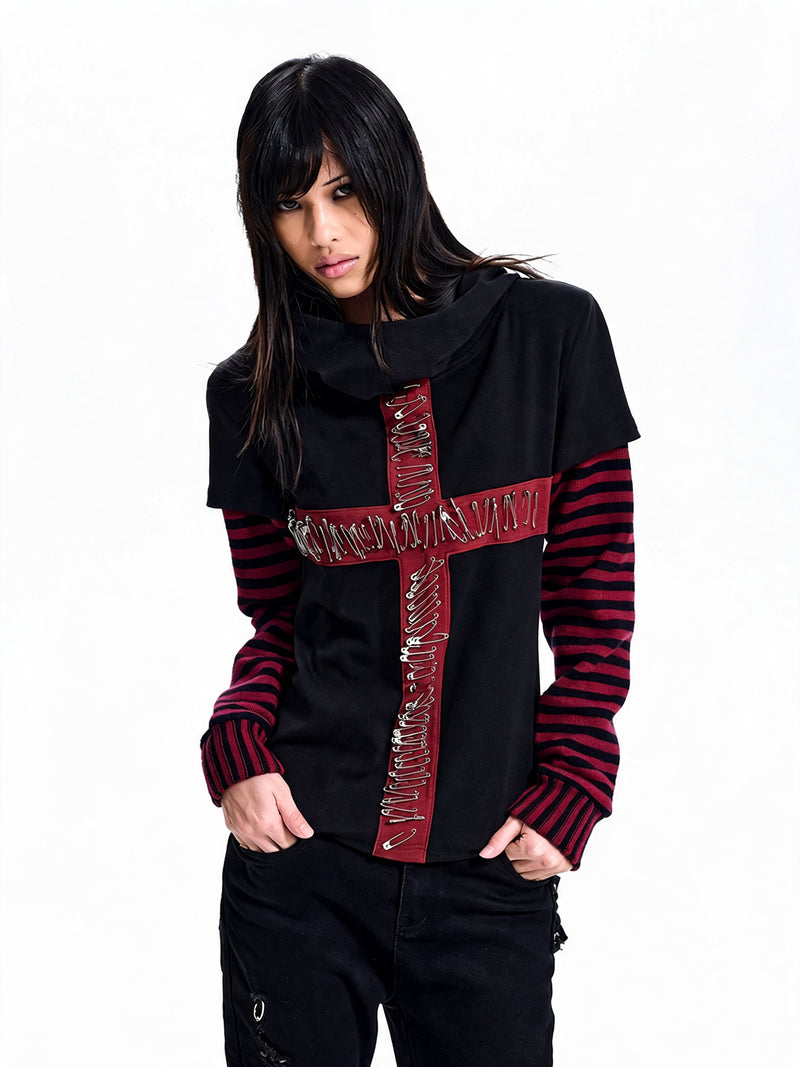
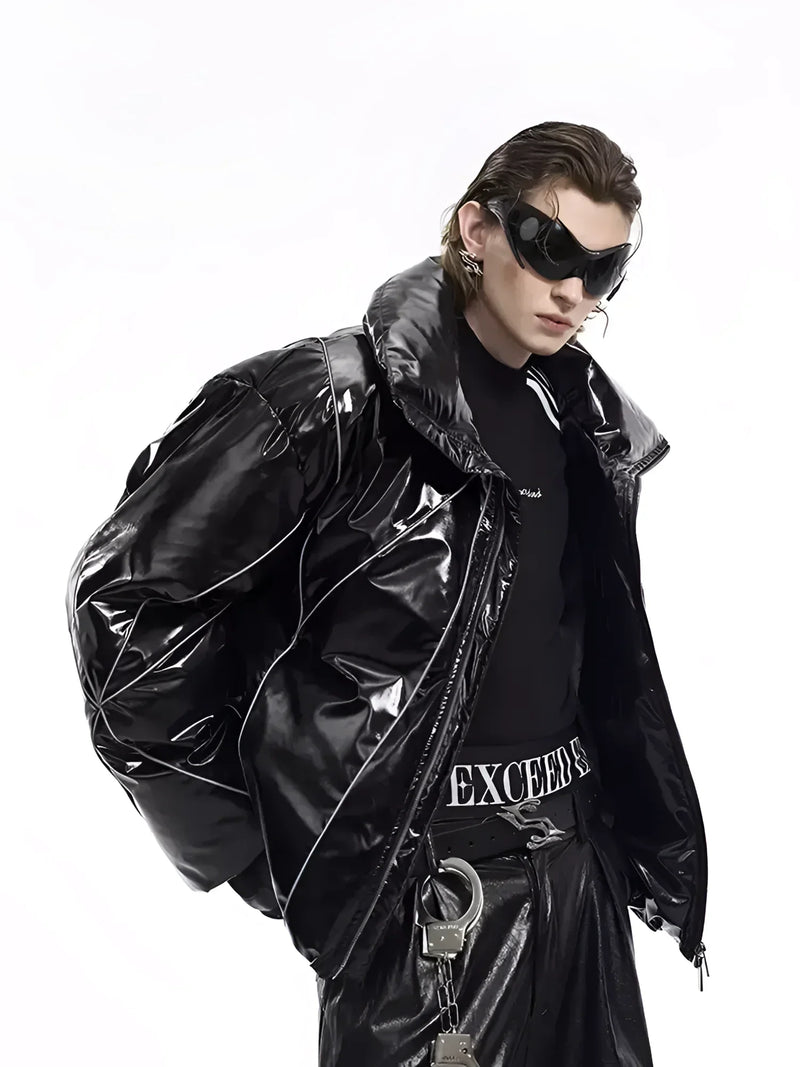
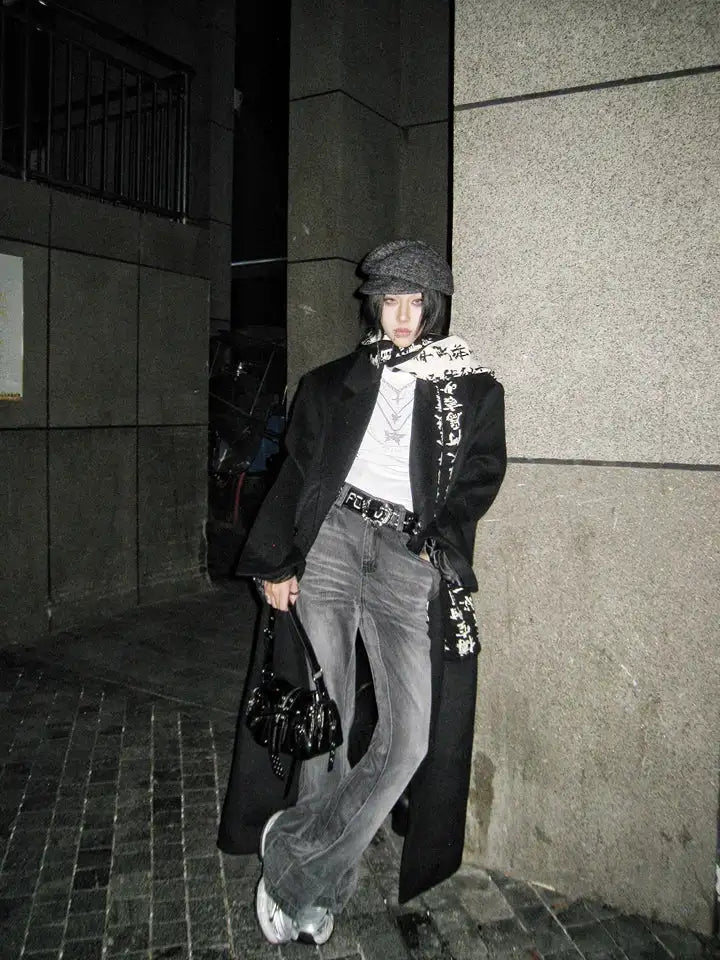

The rehearsal room smells of cold smoke and last night's beer. Nobody on stage is in uniform: a shredded denim jacket next to a secondhand blazer, tight black jeans next to corduroy, a self-printed shirt next to fine knitwear. It looks accidental. It isn't. Every piece was a decision, and none of them came off a mainstream rack.
Indie Punk fashion combines the DIY hardness of punk with the loose nonchalance of indie: slim silhouettes, secondhand pieces, band references and deliberate hard signals like studs, patches and boots. The look is part of the larger punk aesthetic we break down completely in the Punk Fashion Guide. This is about the indie variant: quieter, more personal, easier to wear every day.
Definition
What is Indie Punk fashion?
Indie Punk fashion is the overlap between two subcultures that never officially agreed on anything. From 1976 on, punk brought the refusal: torn pieces, safety pins, boots, pride in what you made yourself. From the early 2000s, indie delivered the counter-movement to glossy pop culture: guitars out of the garage, secondhand clothes, slim silhouettes, a look that reads like it came together on the way to a show.
The mix works because both scenes share the same ground rule: the outfit must not look bought. An Indie Punk look builds over time, over flea markets, over pieces that carry stories. Order the complete set new and wear it the same day and you miss the point, however correct the individual pieces are.
In practice that means you take the indie base of slim jeans, shirt and jacket and set punk accents on top. Or you take a punk frame of boots, studs and tartan and break it with soft indie pieces. Both directions lead to the same place, and both live on the balance.
1976
Punk year zero in London
2004
Peak of the indie revival
70/30
Ratio of base to hard signals
The three numbers mark the frame: punk supplied the vocabulary, the indie revival the silhouette, and the 70/30 rule of thumb describes how much hardness an everyday outfit carries before it turns into a stage costume. Almost everything is decided at that dosage.
The basics
Which clothing is typical for punks?
Before you build the indie variant, you need the classic vocabulary. Since the seventies, punk clothing has followed a recognisable core that runs through every decade and every variant. Know these pieces and you can quote them deliberately instead of copying them wholesale.
- Torn or tight jeans, often black, often patched or with tartan inserts.
- Band shirts and graphic tees with DIY prints, logos or political statements.
- Leather and denim jackets with studs, patches and pins as a personal archive.
- Boots or shredded sneakers, worn down to the last sole.
- Accessories with an edge: chains, belts with metal, bracelets, safety pins.
Indie Punk takes everything from this list, but never all of it at once. The jeans stay, the graphic tee stays, the jacket stays. What changes is the density: instead of twenty patches, the indie version wears two. Instead of a full leather hide, one striking belt. The pieces speak quieter but say the same thing.
Distinction
Indie Punk vs. classic punk vs. Indie Sleaze
Three terms that get confused constantly. Classic punk is maximum volume: mohawk, fully studded leather jacket, tartan trousers, a statement on every centimetre. Indie Sleaze is the blurred flash-photo aesthetic of the late 2000s: skinny jeans, American Apparel shine, cigarette in the corner of the mouth, more party than protest.
Indie Punk sits in between and borrows from both. From punk it takes the attitude and the hardware, from Indie Sleaze the slim silhouette and the offhandedness. The result doesn't read as a costume on the street, it reads as character. That legibility in everyday life is exactly what makes the look more wearable for most people than the original.
The types
The five Indie Punk archetypes
Indie Punk is not a single look but a spectrum with five recurring types. At shows, in record stores and at vintage markets they turn up again and again, each with its own weighting of indie to punk. Find the type closest to your wardrobe and build from there.
If the harder lane appeals to you, the brand side of the scene is worth a look: Punk Rave and similar labels serve exactly the gap between underground credibility and finished ready-to-wear. We took the brand apart separately.
Building block 1
Jackets: The backbone of the Indie Punk outfit
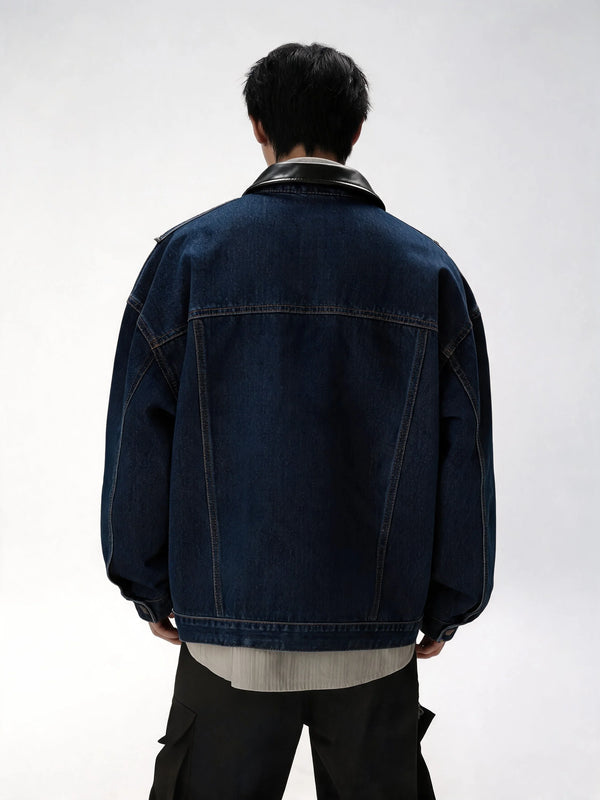
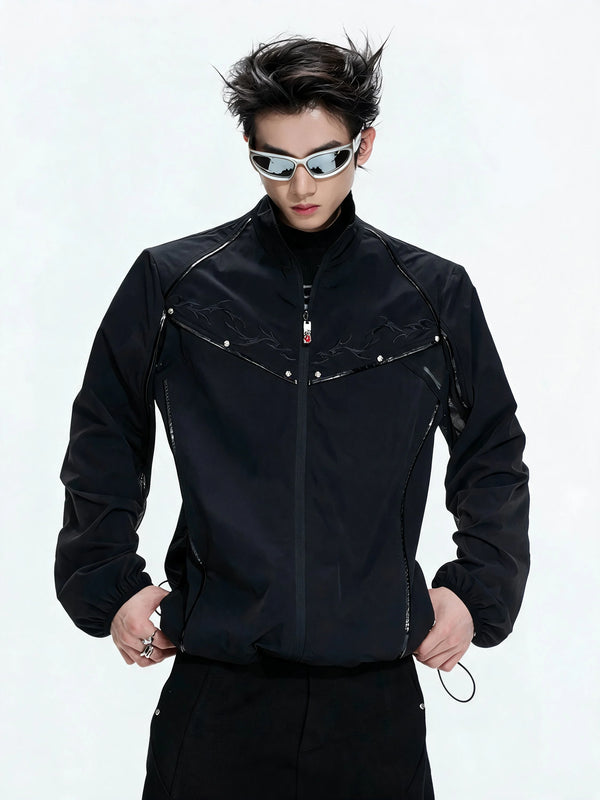
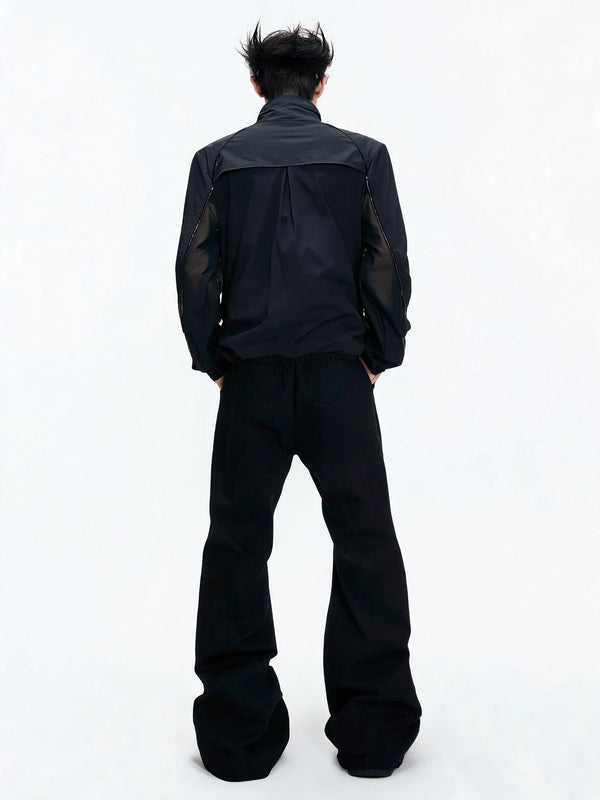
The jacket decides whether your outfit reads as Indie Punk or as arbitrary. It carries the signals: patches, pins, wash, cut. An acid-wash denim jacket over a plain shirt does more work than five accessories together. Cropped cuts shift the proportions towards the 80s, straight cuts towards the garage.
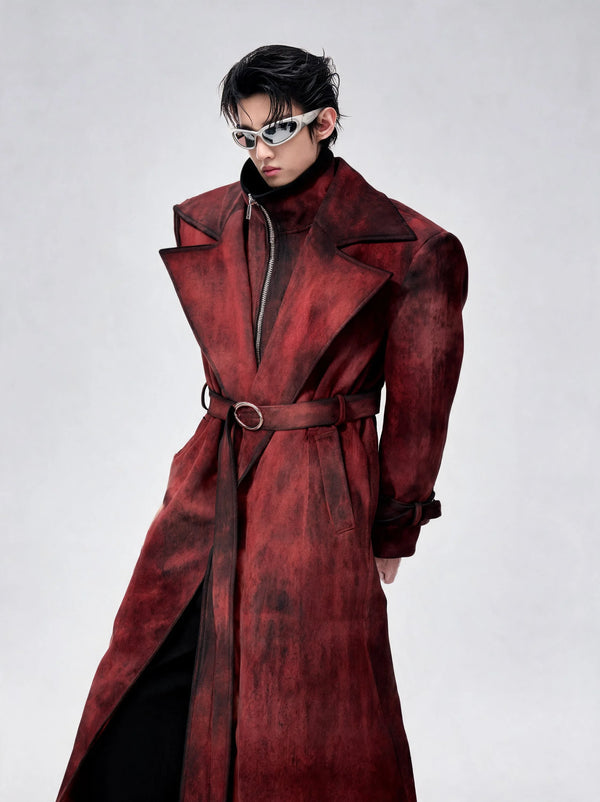
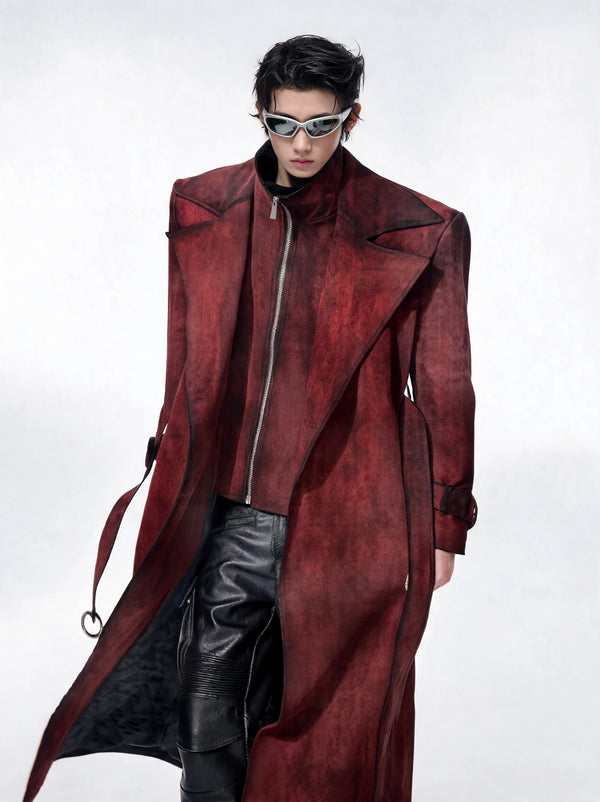
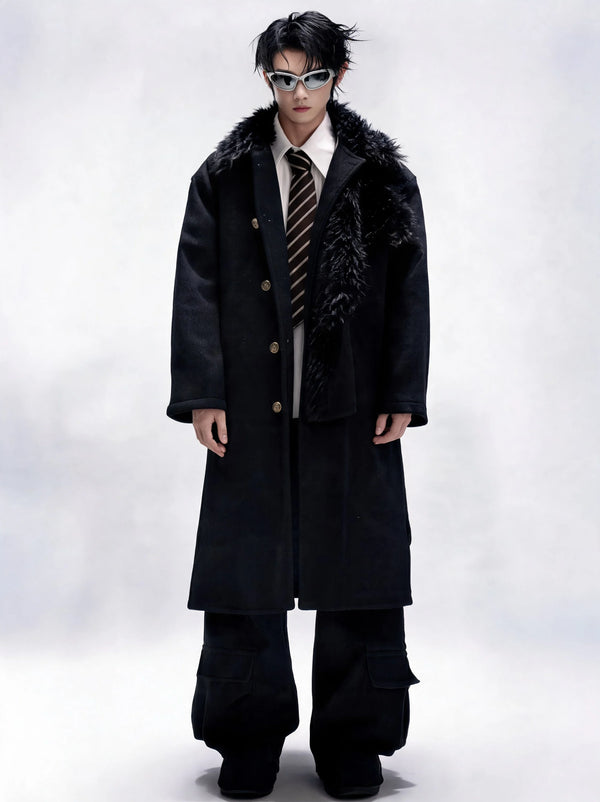
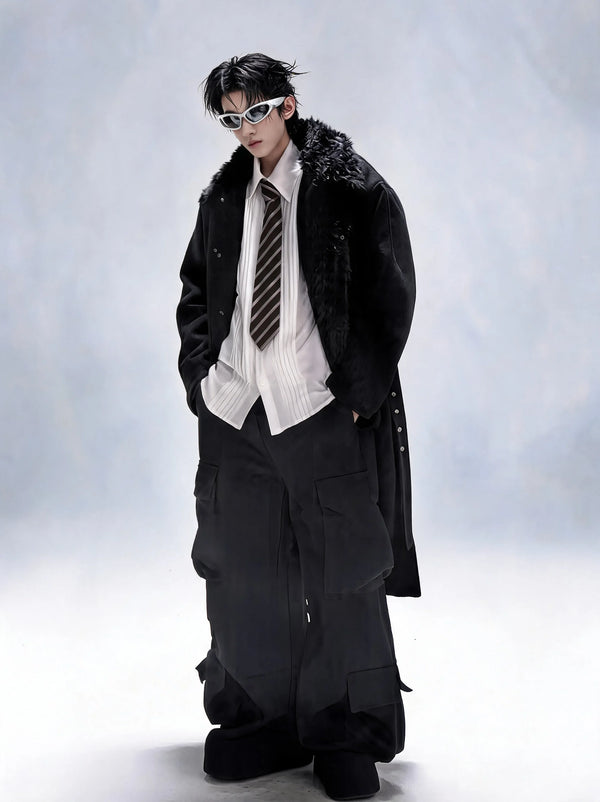
In winter every outer layer takes over that logic: a track jacket with side stripes over a band shirt reads as rehearsal room immediately, without a single stud in play. All that matters is that the jacket looks worn, or is allowed to look worn.
Both directions follow the same rule: the jacket is the loudest piece, so the rest of the outfit stays at least one level quieter. Two loud layers on top of each other tip towards the stage, and that is exactly where Indie Punk doesn't want to go.
Building block 2
Which trousers do punks wear?
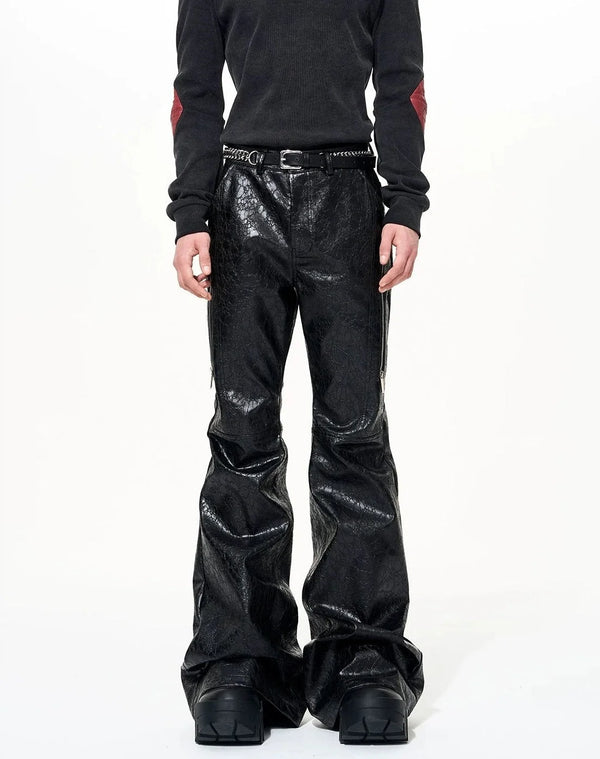
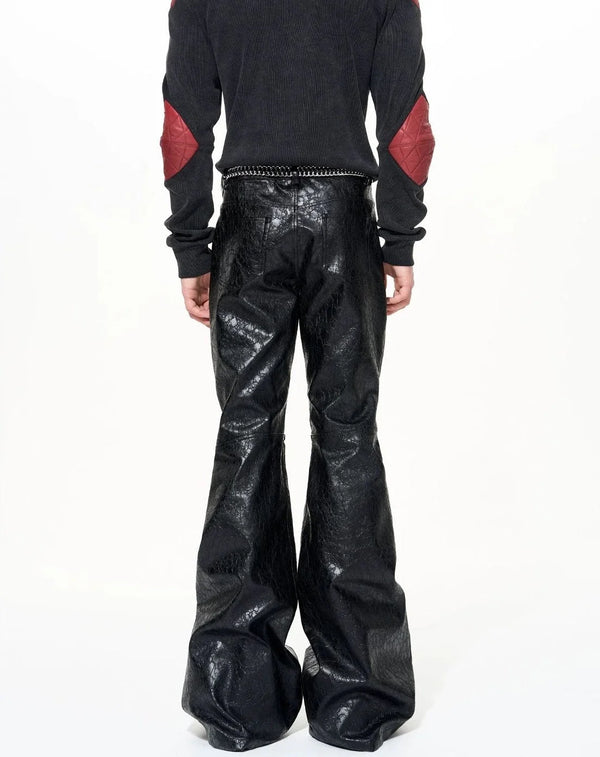
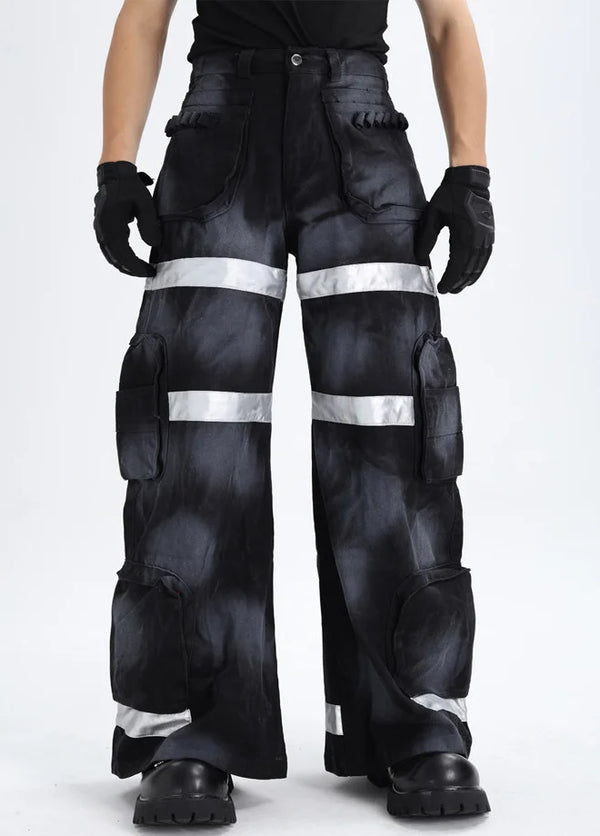
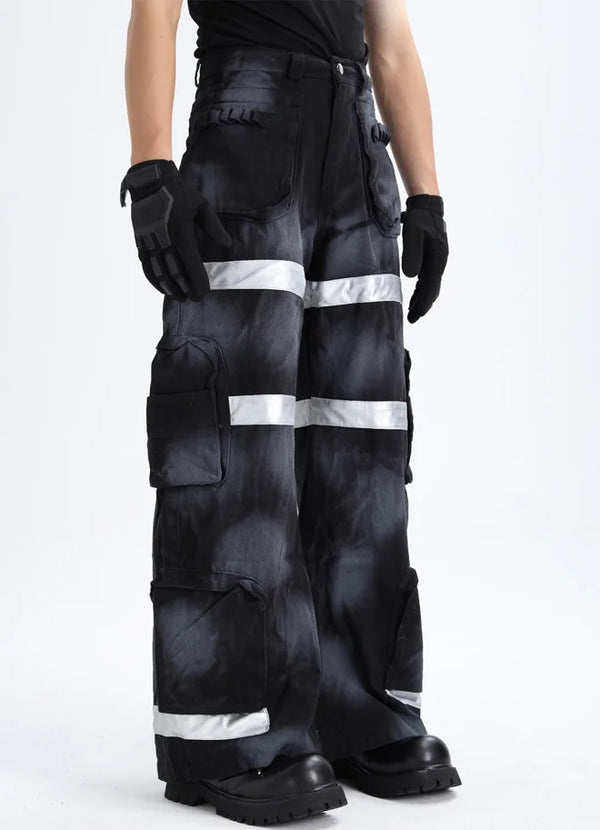
Classic punk wears tight black jeans, tartan trousers with straps or torn denim. Indie Punk translates that into wearable versions: skinny or slim jeans with real wear marks, wide jeans with embroidery or prints for the Y2K-influenced lane, and in summer jorts with stud details as the statement piece.
Trousers are the building block where secondhand works most easily. A pair of jeans with three previous owners brings the patina that new goods only develop after years. If you buy new, look for washes and details that don't look like a catalogue.
Tight or wide isn't a question of taste but a decade reference: slim quotes the 2000s garage, wide the Y2K skater lane. Both are legitimate as long as the rest of the outfit carries the line instead of working against it.
Style split
Punk style for women, punk outfits for men
The search queries split by gender, the scene itself barely does. There are still emphases. Punk style for women plays with contrasts more often: tartan skirt with chunky knit, choker with a soft shirt, playful accessories like caps with horns or plush details against hard boots. The Japanese Harajuku scene perfected this mix of cute and rebellious.
The punk outfit for men usually stays closer to the garage: jeans, shirt, jacket, boots, plus a chain or belt as the only metal. Both directions meet at the ground rule that hardness and softness have to alternate for the outfit to keep its tension.
What the mix looks like in motion shows in our own fits: gothic warrior energy in the denim set, somewhere between main character and Monday morning. That matter-of-factness is exactly the goal.
@fugastudios POV: You're the final boss and the outfit actually slaps 🔥 Gothic Warrior Denim Set got that main character energy fr#fugastudios #darkfashion #gothicstyle #OOTD #fyp ♬ Originalton - Fuga Studios
What works in fifteen seconds of video works in the mirror too: the outfit has to be able to move without falling apart. Pieces that only look good standing still are decoration, not clothing. Punk was always function first, form second.
Building block 3
Tops and layering: band shirt logic without a band shirt
The band shirt is the classic, but Indie Punk doesn't strictly need it. What counts is band shirt logic: a top with a graphic that claims something. A yin-yang print in a washed look, a star jersey with a jersey number, a polo with a contrast collar brushed against the grain. The main thing is that the piece looks like a decision, not like chance.
For layering the rehearsal room rule applies: three layers maximum, each wearable on its own. Shirt under an open overshirt, hoodie under a denim vest, longsleeve under short sleeves. Punk layering came about pragmatically, because clubs are cold and stages are hot. You're allowed to see that functionality in the outfit.
Colour rule up top: black, white, grey as the base, plus one accent at most. Red over tartan, toxic green over prints, washed-out blue over denim. More colours shift the look towards festival costume and away from the garage.
The quiet lane
Refined punk style: the tidy Indie Punk
Refined punk style sounds like a contradiction but is one of the most searched variants. It means the look that quotes punk codes in clean execution: black slim trousers instead of torn jeans, leather jacket without patches, a single silver accent, a precise silhouette. The attitude stays, the volume drops.
This lane works everywhere full hardness would be out of place: at work, at family occasions, in restaurants. It's also the best entry point for anyone coming from more classic wardrobes who doesn't want to rebuild overnight.
The sentence describes the refined variant perfectly too. Nobody checks at the door whether your studs are real enough. What matters is that the pieces tell a story together that you can stand behind, however quietly it's told.
You can test any existing outfit with this rule: count the pieces fighting for attention. At one you're in refined territory, at two in classic Indie Punk, from three on you're on stage. All three zones are fine, you just want to know which one you're standing in.
Time travel
80s punk outfits vs. Indie Punk today
The punk outfit of the 80s was total art: mohawk, painted leather jacket, tartan bondage trousers, twenty buttons, steel-toe Docs. It wanted to disturb public space and reliably managed it. Go out like that today and you're quoting a museum, which can look great, but it's a different project than Indie Punk.
Indie Punk today takes single words from the 80s and puts them into modern sentences: the studs on jorts instead of on the leather jacket, the tartan as a lining instead of as trousers, the DIY patches on the tote bag instead of on your back. The reference stays legible, but it no longer dominates.
@fugastudios These pants ate and left no crumbs 🖤 walking chaos in denim form #fugastudios #darkfashion #widelegpants #fyp #distresseddenim ♬ Originalton - Fuga Studios
The video shows the difference in motion: wide distressed denim, a lot of ease, zero costume. The 80s would have found that too quiet. Today that very offhandedness is the statement, because it shows the look isn't an effort but everyday life.
The real test
What do you wear to a punk show?
The show is the stress test for every Indie Punk outfit. It gets hot, tight, wet and loud. Everything you wear has to survive that, and the cloakroom is usually a corner behind the bar. That gives you clear priorities.
- Layers you can take off: shirt plus a jacket you can tie around your hips without ruining it.
- Closed, sturdy shoes: in the pit, boots or solid sneakers decide your evening.
- Nothing irreplaceable: the favourite piece with a history stays at home, beer and sweat show no mercy.
- Bags that close: cargo pockets with a zip or a small crossbody instead of open jacket pockets.
The rest is attitude: to a show you wear the most honest version of your look, not the most elaborate. If it's your first time, jeans, a graphic tee and a sturdy jacket are never wrong. Nobody is looking at the details, everybody is looking at the stage.
The brand question
Which brands do punks wear?
The honest answer: punks don't wear brands, punks wear pieces. The scene has always treated logos with suspicion, because visible branding contradicts the DIY idea. There are still names that keep coming up: Dr. Martens for shoes, Levi's for the denim base, plus scene labels like Punk Rave for the worked-out lane.
For Indie Punk the rule counts double. The brand may be a tool, never a message. A good piece gets bought because the cut and the material are right, and then worn and modified until it's yours. Secondhand platforms and flea markets stay the first address, because the patina is already built in there.
If you're interested in the neighbouring looks where the same logic runs with different vocabulary, these two directions are the natural neighbours:
Grunge shares Indie Punk's preference for the worn and the broken but shifts the focus from the garage into the club. The second neighbourhood sits on the emotional side of the spectrum:
Building block 4
Accessories: the details that tip the outfit
In Indie Punk, accessories are the needle on the scale. A belt with metal crosses turns jeans and a shirt into a statement. A distressed cap with embroidery brings the DIY note without you having to touch a sewing machine. The rule stays the same as everywhere: one or two signals, not five.
The classics of the category are belts, chains, caps, chokers and pins. All of them work on their own with any base. It only gets dangerous when you combine everything at once, because then the details compete and the outfit loses its focus.
Error check
Common mistakes with the Indie Punk outfit
Most failed Indie Punk outfits don't fail on budget but on five recurring thinking errors. Know them and you avoid them almost automatically.
The common denominator of all five mistakes: they happen when the look becomes more important than the attitude behind it. As soon as you wear pieces you can explain, most problems sort themselves out.
Follow-ups
FAQ: Indie Punk fashion
The questions that come up most often after the basics, answered short and honestly.
Is Indie Punk the same as pop punk?
What do you wear to a punk show as a woman?
Does Indie Punk fashion have to be expensive?
How does Indie Punk work in winter?
That leaves the question of what you do with all of this now. The short answer: one piece at a time. The long one is in the conclusion.
What do you think?
Tell us on @fuga_studios
About the author
Philipp Fuge — Founder · Berlin
Founder of Fūga Studios. Writes the journal himself. Berlin · Shanghai · Tokyo · Poznań — four cities, one logic.