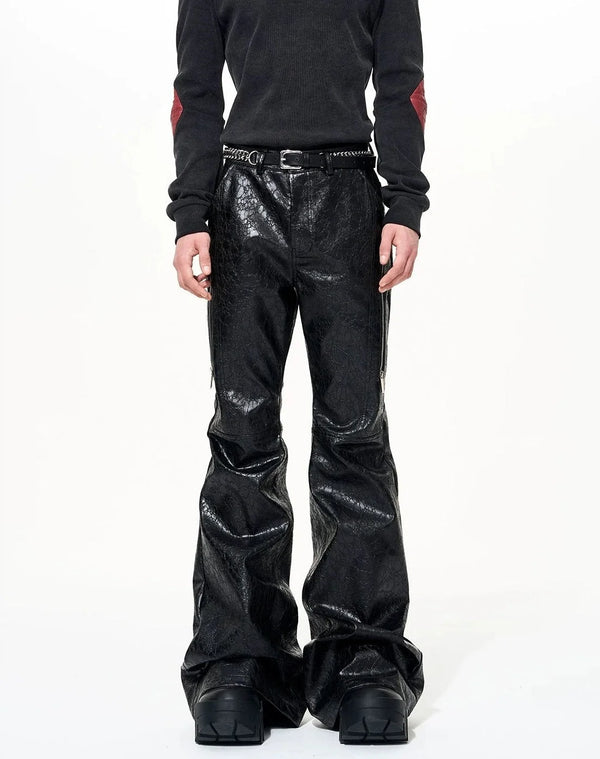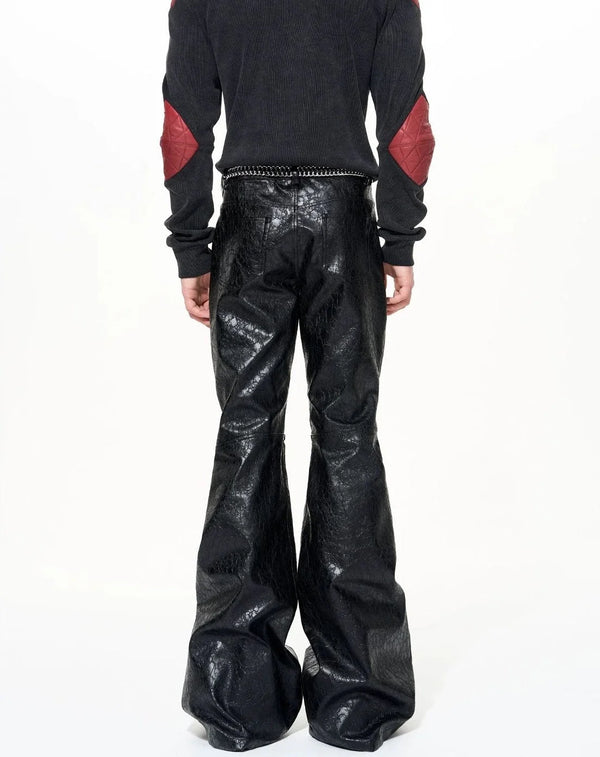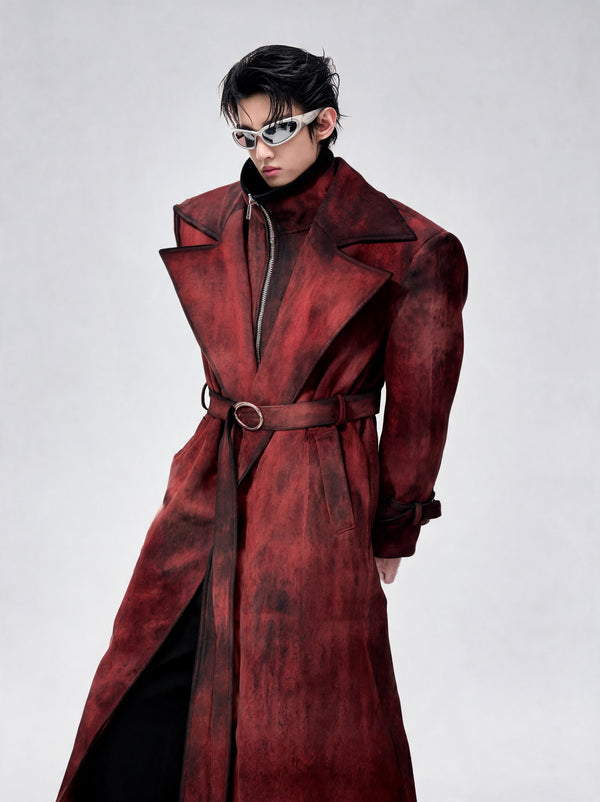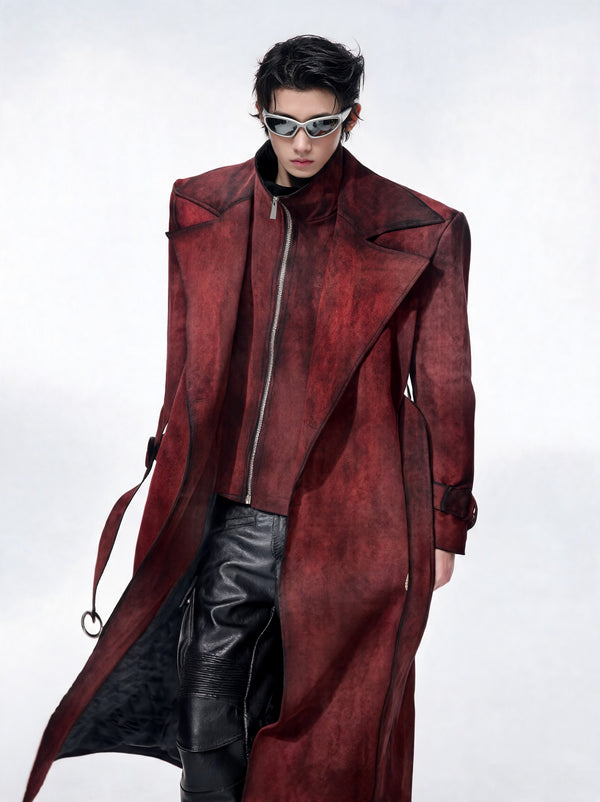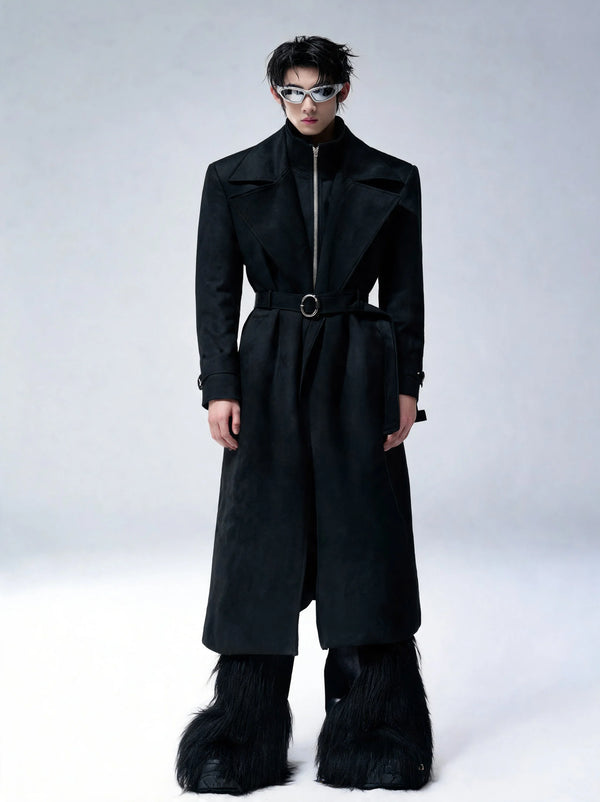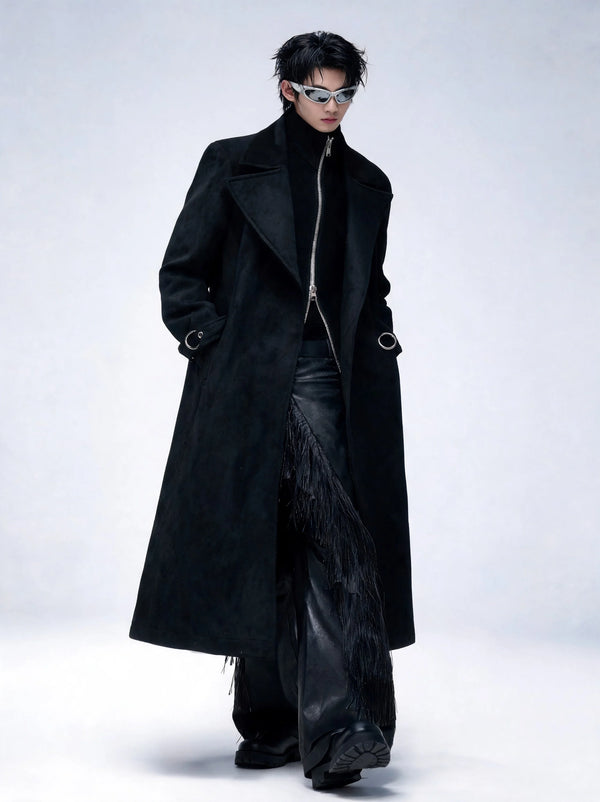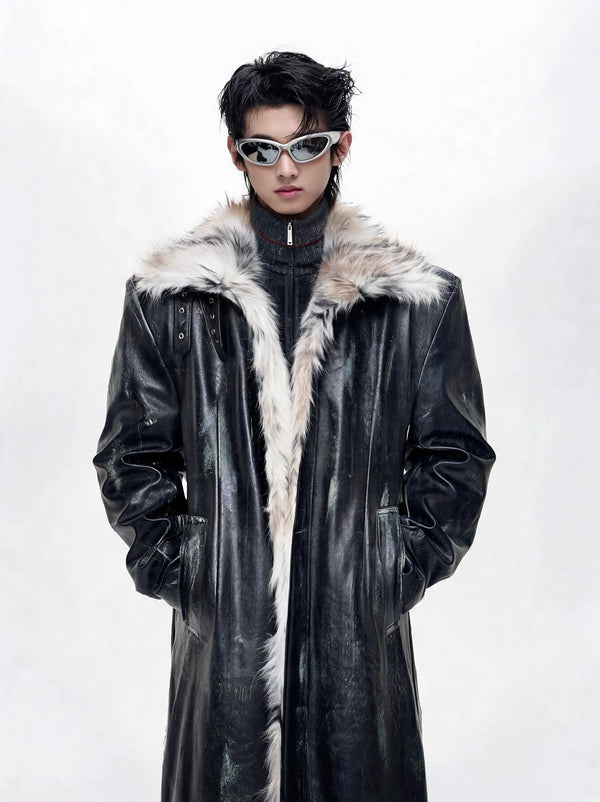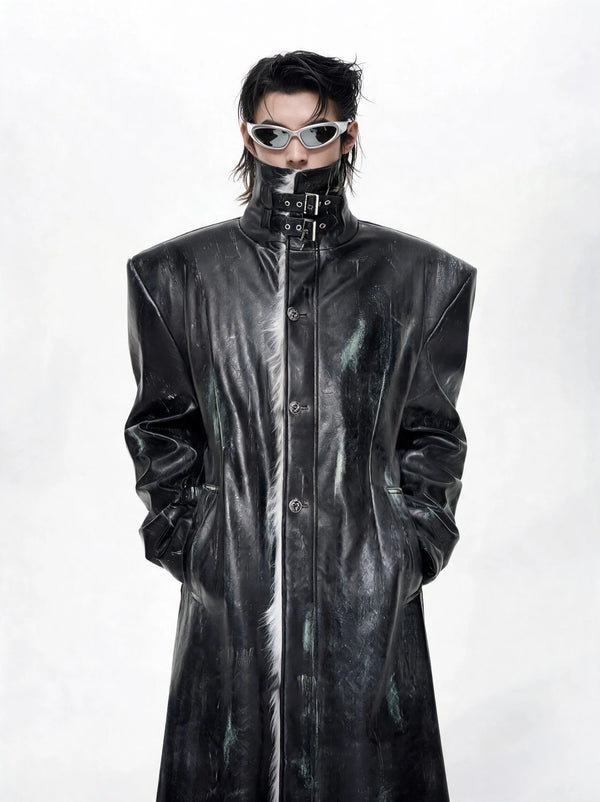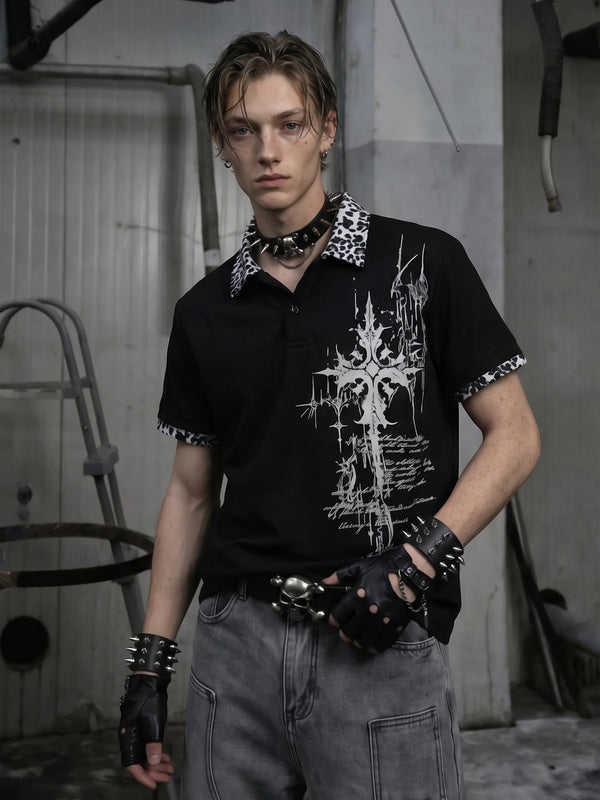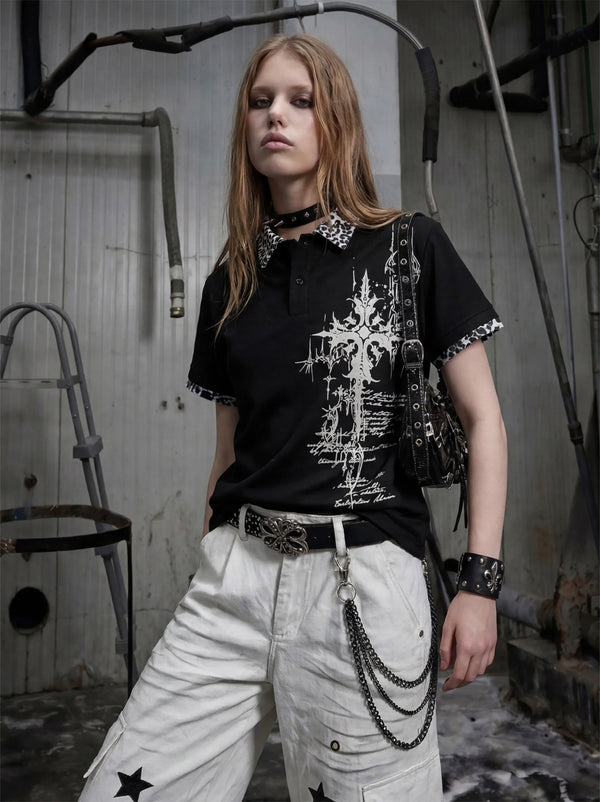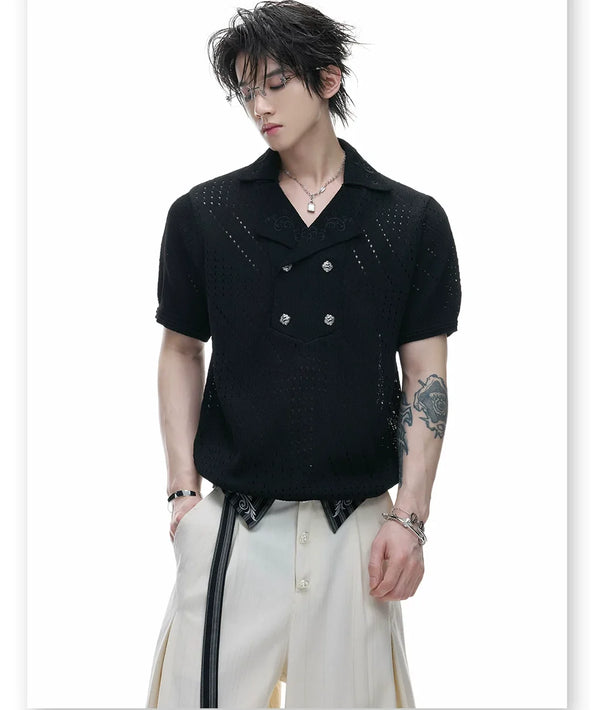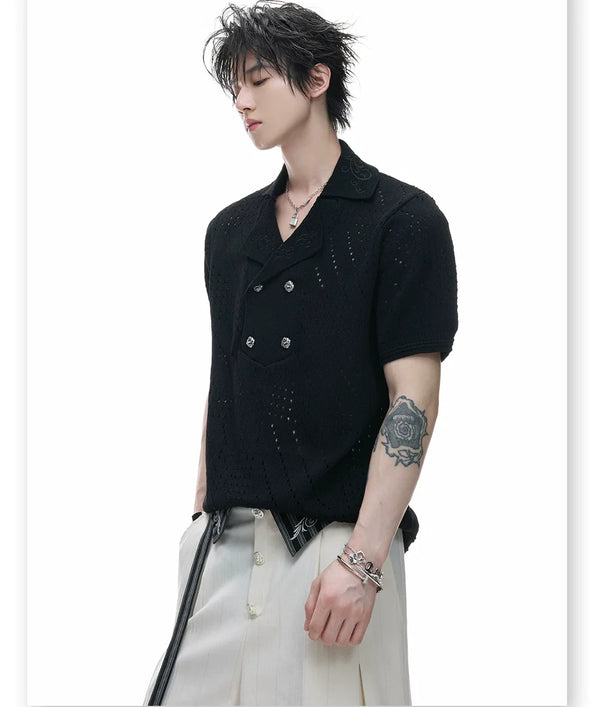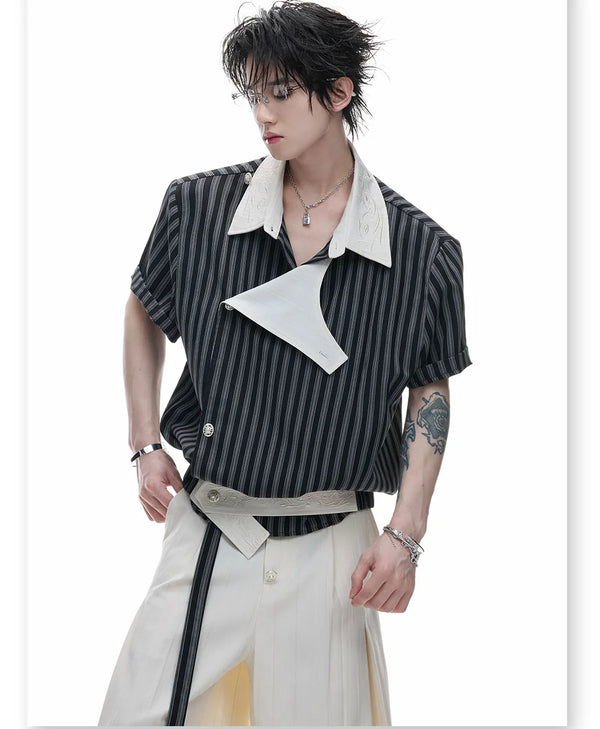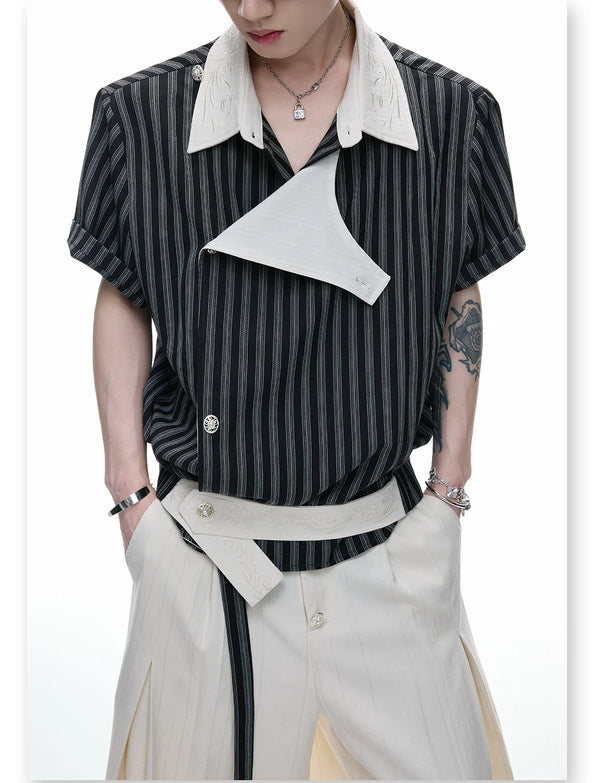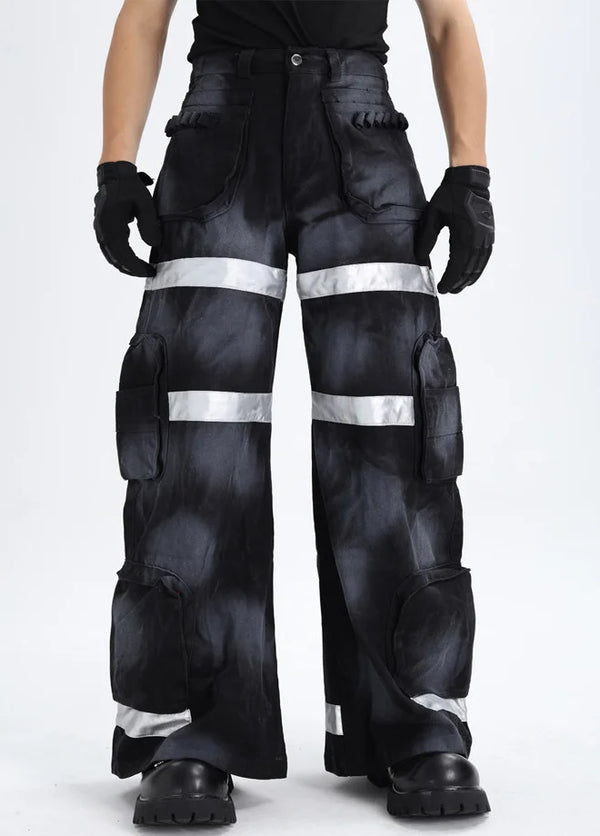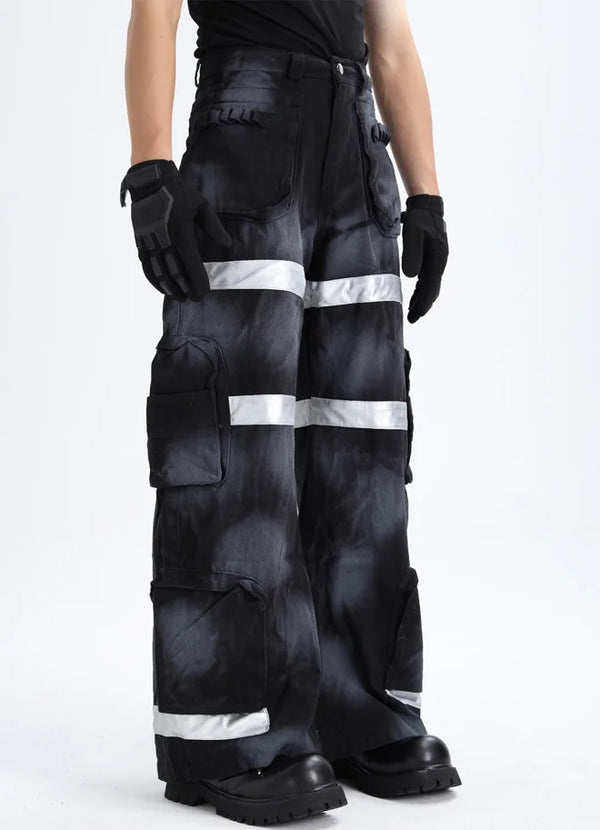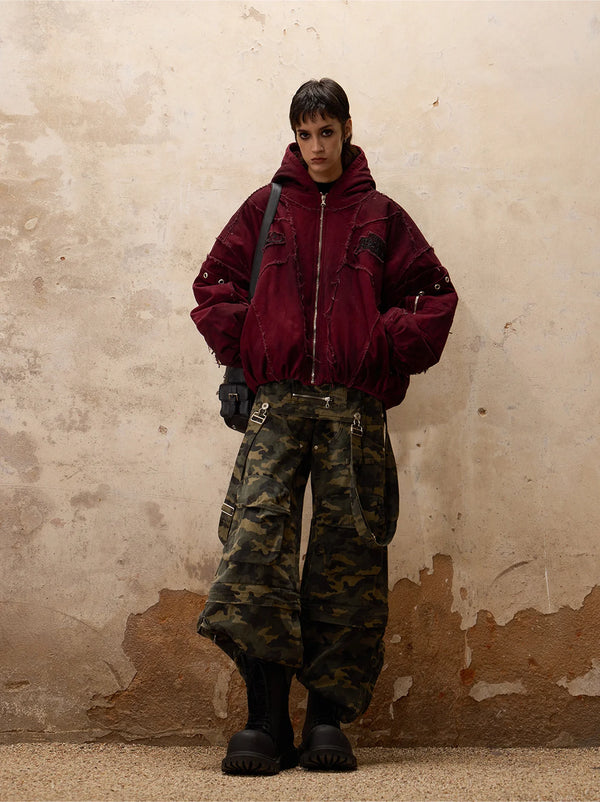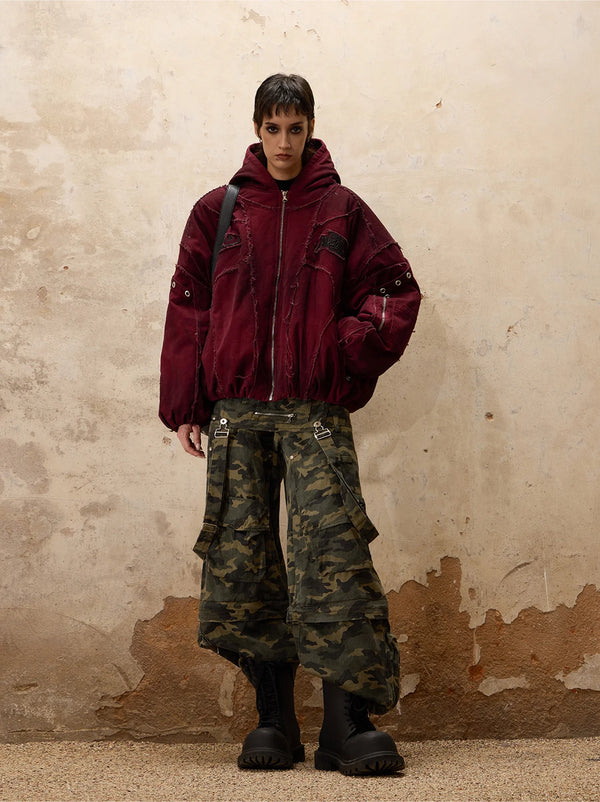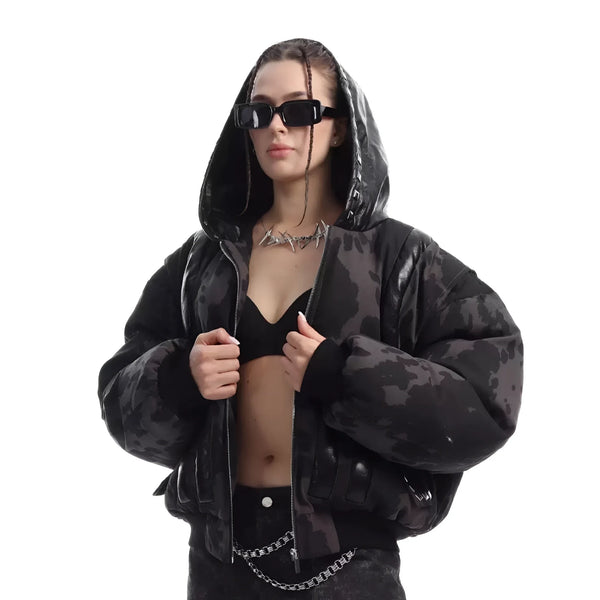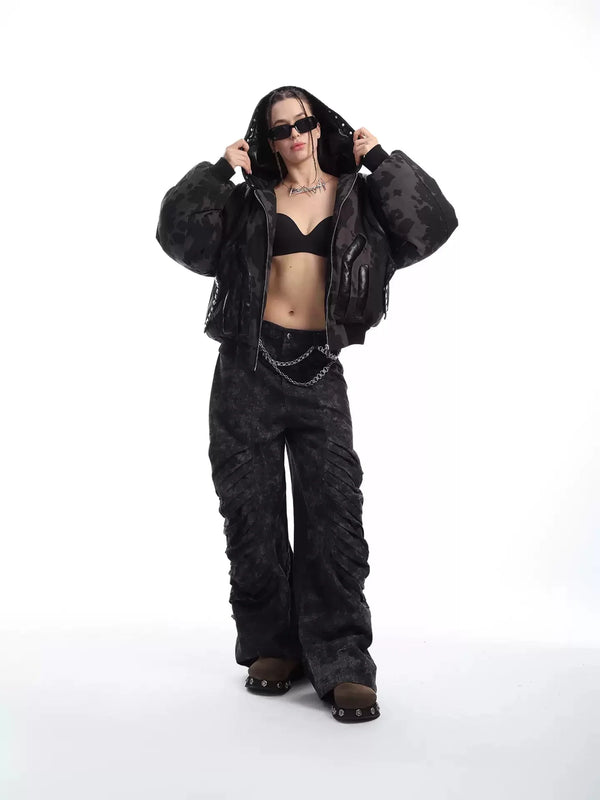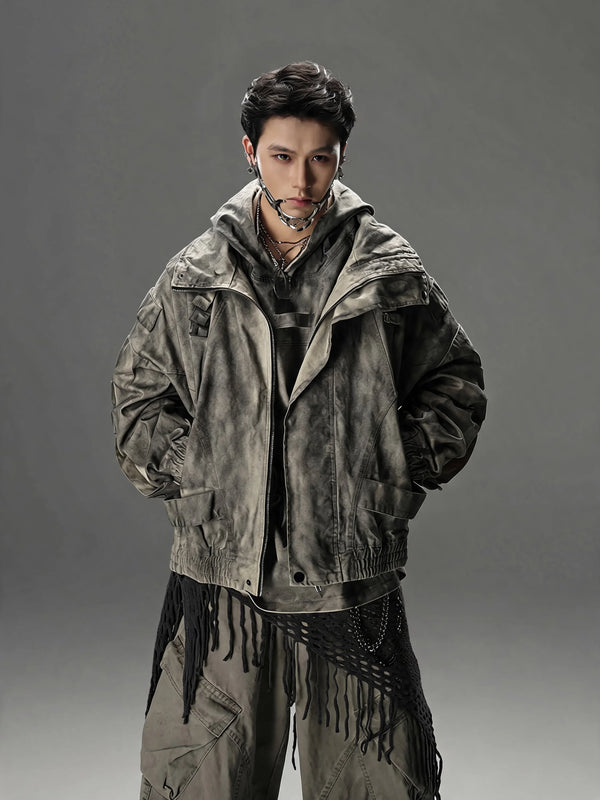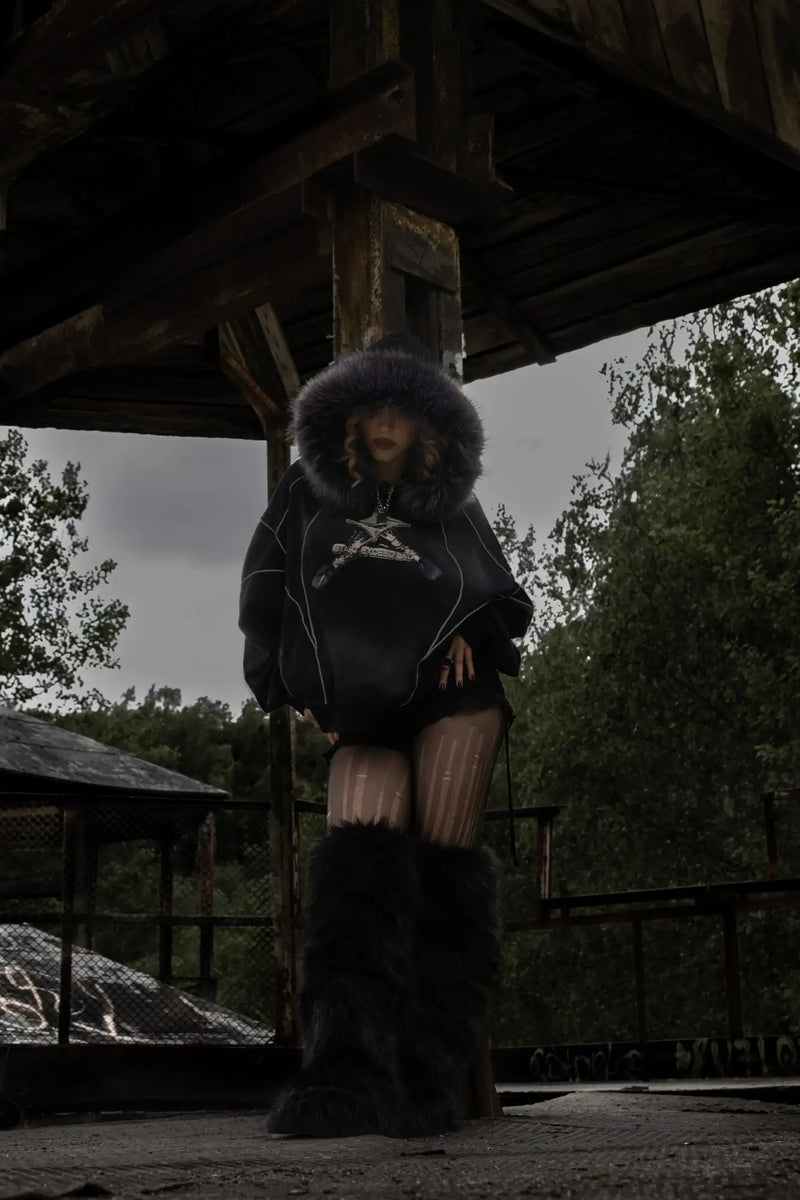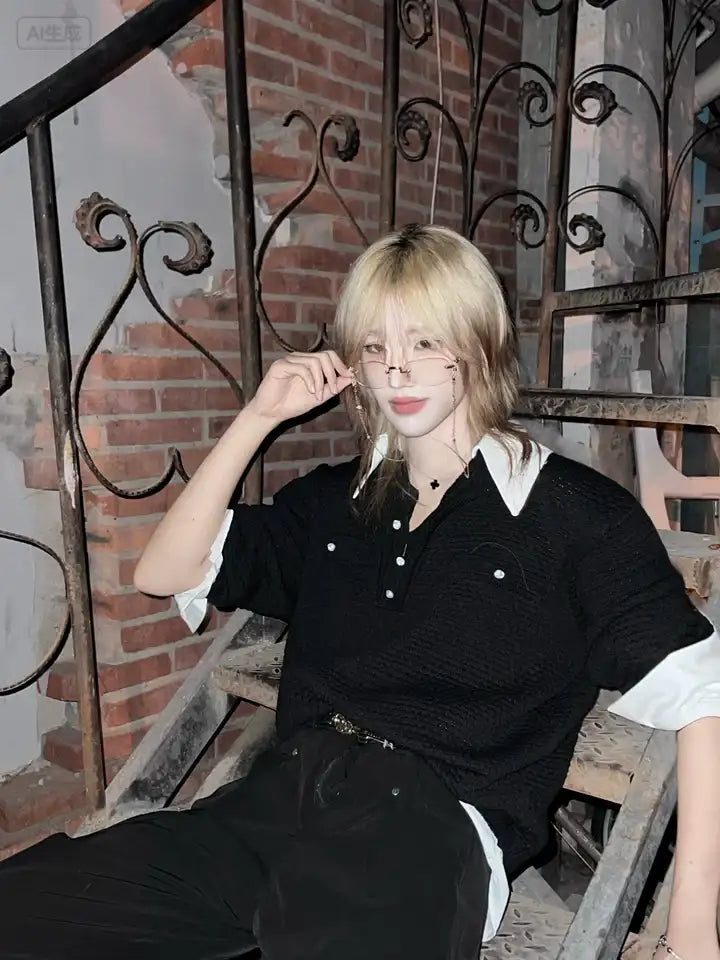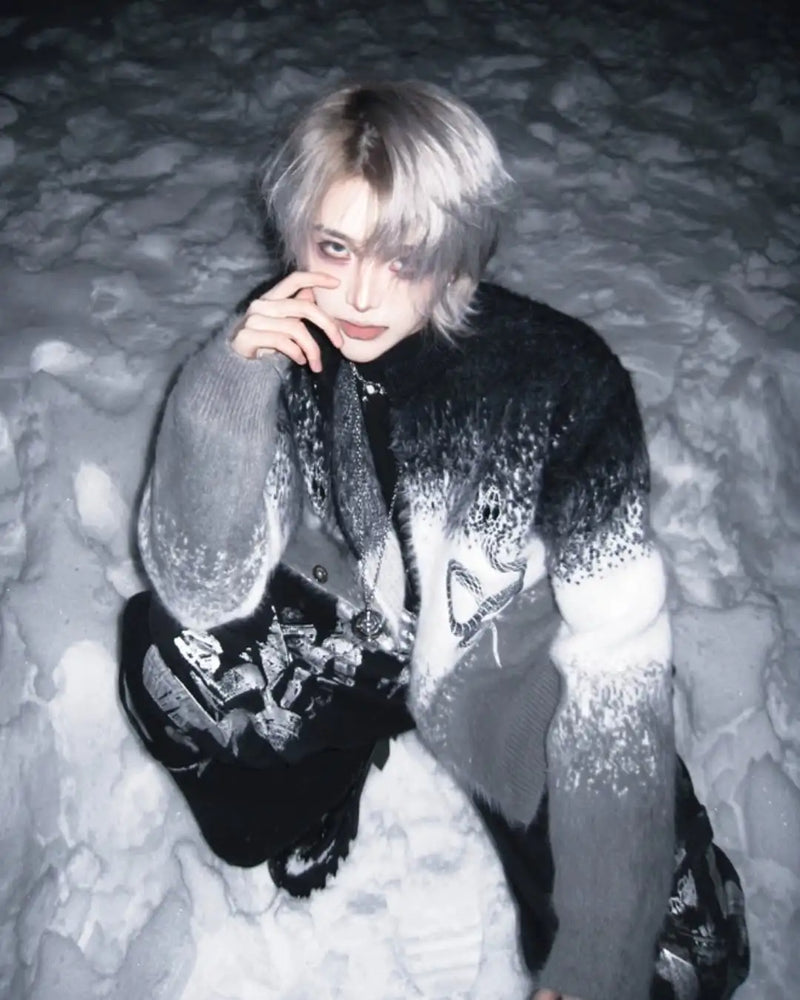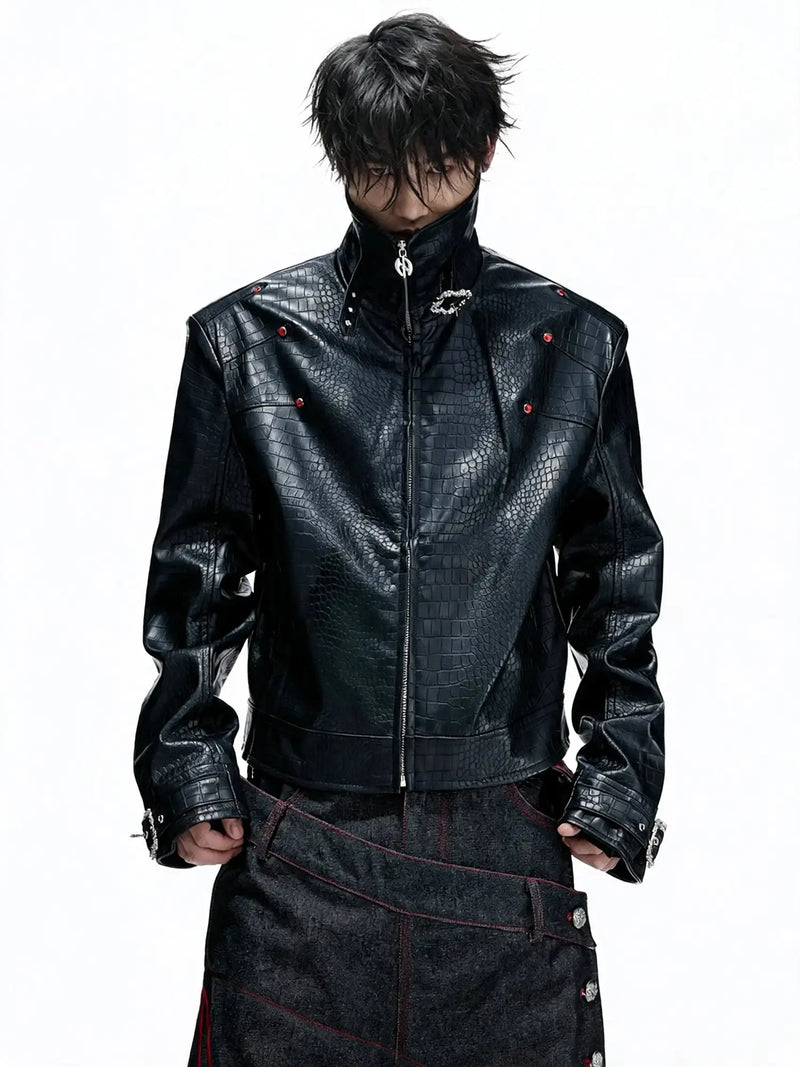
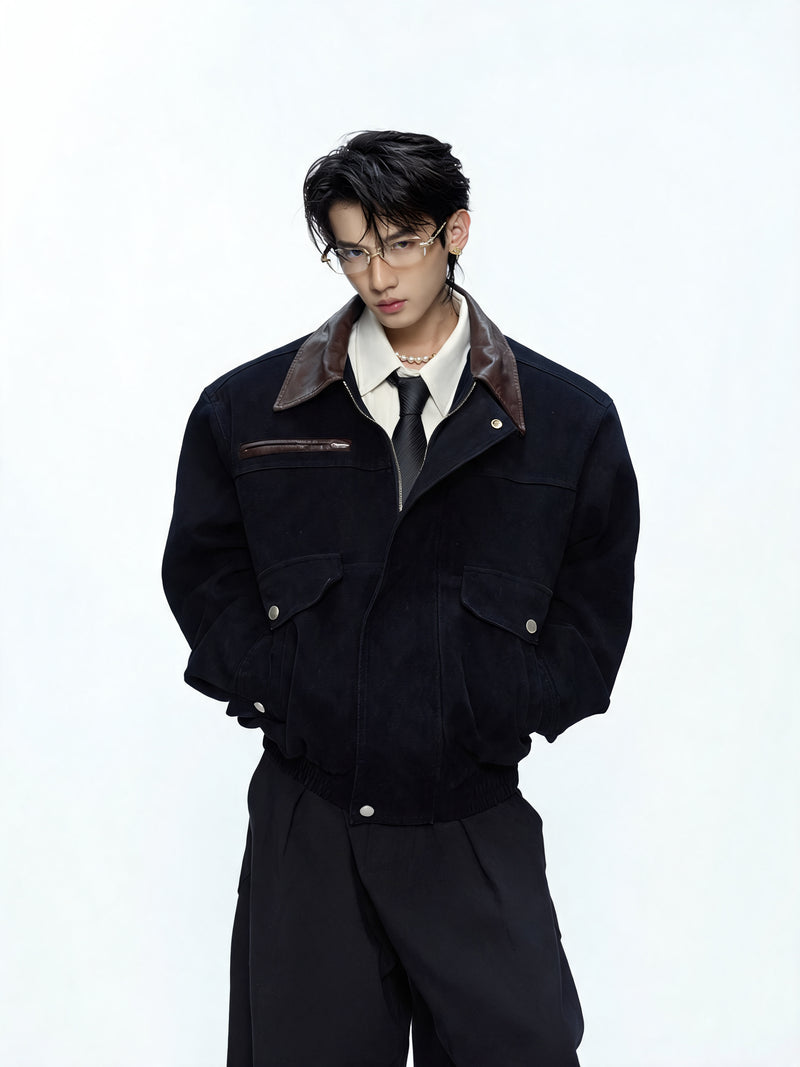
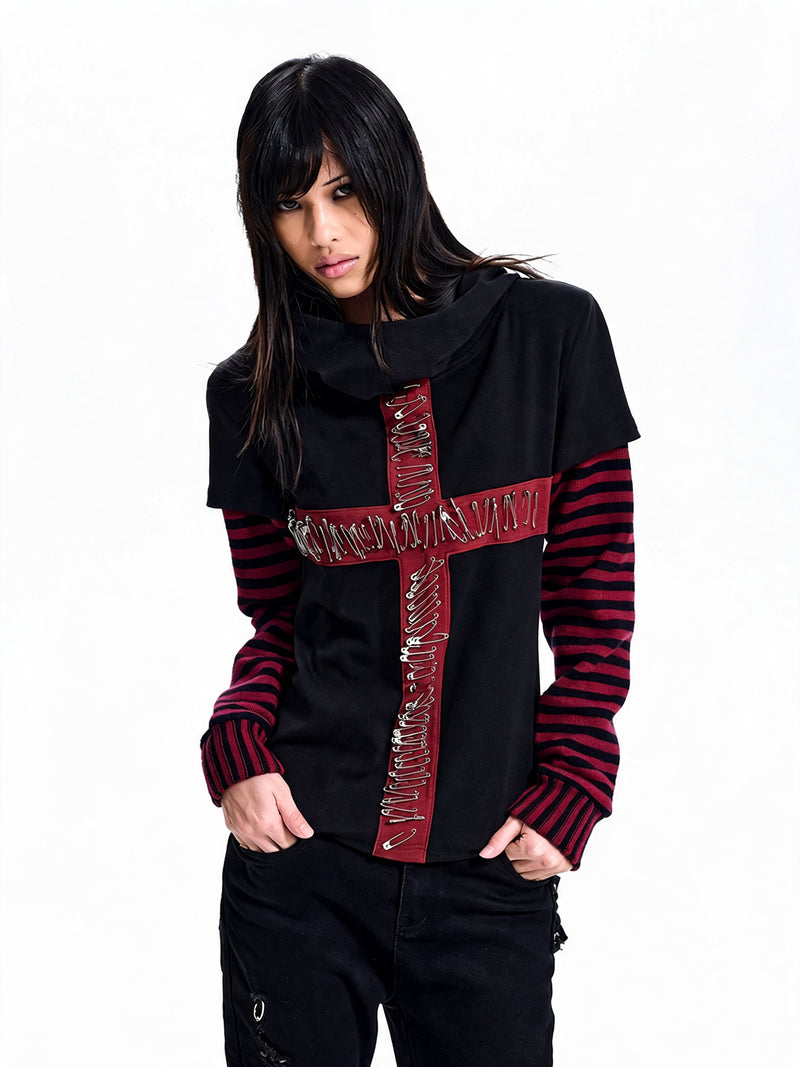
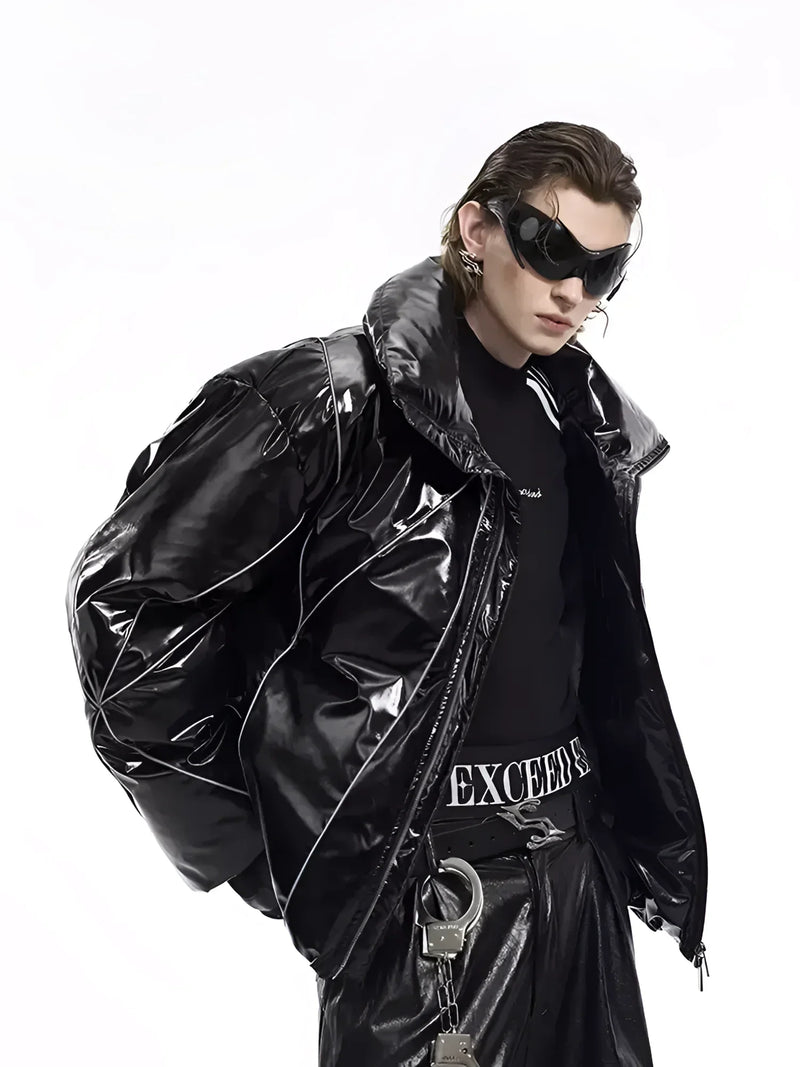
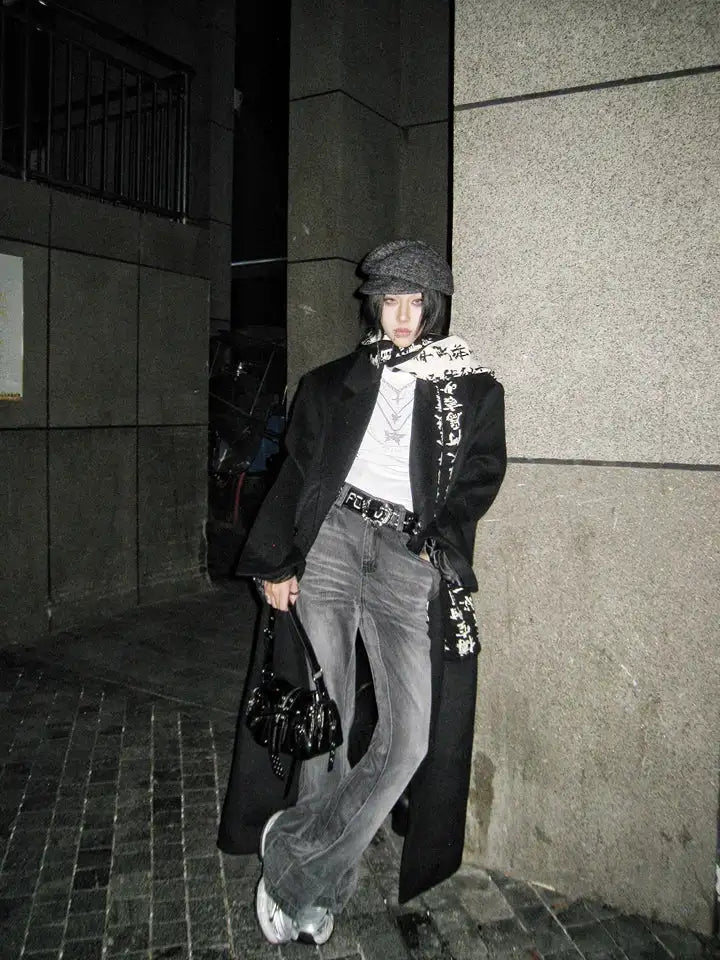

A basement somewhere between youth centre and rehearsal room. The PA is borrowed, the singer is already on his knees during the first song, and the audience is not standing in front of the stage, it is standing inside the band. Nobody here dressed up for this evening. That is exactly the point where this story starts: with music so loud and so honest that clothing did not matter at first, and mattered all the more later.
Screamo Fashion is the clothing style around Screamo and Post-Hardcore: band shirts as the foundation, black layering, tight or wide dark trousers, studs, patches and deliberately worn-in pieces. The look balances between the anti-fashion ethos of the 90s Skramz era and the fully styled Mall Screamo wave of the 2000s. If you are looking for the bigger map, you will find it in our Emo style guide, because Screamo is the loudest neighbour in the same house.
Definition
What is Screamo Fashion?
Screamo Fashion is not a catalogue style, it is a by-product. The music came first: Screamo emerged in the early 90s as a more extreme, more emotional form of hardcore punk, with screamed vocals, chaotic song structures and shows that were more group therapy than concert. The clothing of this first wave was deliberately unspectacular. Normal jeans, work jackets, the shirt of the band you were friends with. Anyone who wanted to stand out was in the wrong room.
The style everyone searches for under the term today only emerged in the second wave. When Screamo and Post-Hardcore exploded commercially in the early 2000s, the look merged with the Emo aesthetic of those years: black-dyed hair with a side part, tight jeans, studded belts, band merch in sizes that were too small. This tension between anti-fashion and uniform is what keeps the style interesting to this day. You can invoke both lines, and both are historically correct.
On top of that comes a third force that is often overlooked: the Pinterest and TikTok gaze of the present. Anyone searching for the style today finds, under terms like Skramz Style, mostly curated outfits that never existed in that form in the 90s. That is not a falsification, it is the normal course of every subculture: the aesthetic outlives the scene, gets reassembled and is worn by a generation that knows the basement shows only from documentaries. What matters is that you know which layer you are quoting.
Map
From Skramz to Mall Screamo: the three waves
Anyone talking about the look has to keep three terms apart. Skramz means the original 90s wave out of San Diego and Washington D.C., DIY to the core and deliberately invisible in fashion terms. Mall Screamo describes the 2000s, when bands like Underoath, Silverstein and Alexisonfire carried the sound into the shopping malls and the look became a recognisable uniform. And the revival of the 2020s mixes both anew: old band shirts, modern cuts, TikTok as the stage.
1991
Skramz year zero in San Diego and D.C.
2004
Mall Screamo peak: the look becomes a uniform
2020er
Revival through TikTok and vinyl reissues
For your outfit that means: decide which wave you are referring to. A Skramz-oriented look stays reduced and unstyled, almost normcore with patches. A 2000s reference may be tight, black and dramatic. The revival combines freely, as long as the base is right: dark colours, real traces of wear, a shirt with an attitude.
Origin
The roots: 90s Skramz and the DIY ethos
The first Screamo generation around labels like Gravity Records and bands like Heroin, Antioch Arrow or later Orchid, Saetia and pg.99 actively refused fashion. Shows took place in living rooms and basements, merch was screen-printed in tiny runs, and the most important garment was the one that survived the moshpit. This refusal has itself become a style: anyone wearing Skramz codes today quotes work jackets, washed-out shirts and broken sneakers as a deliberate decision.
Important in practice: Skramz references only work when they stay imperfect. A freshly bought, artificially ripped piece tells the wrong story. Better are pieces you actually wear, wash and repair, plus one or two targeted statement pieces that anchor the rest.
Distinction
Screamo vs. Emo vs. Metalcore: where the lines run
The three scenes share black as a base colour and the band shirt as the centre, but they set different accents. Punk supplies all three with the foundation of studs, patches and protest attitude, but turns the codes louder and more colourful. The differences in detail:
- Emo is softer and more melancholic: skinny jeans, striped longsleeves under the shirt, side part, more vulnerability than aggression.
- Screamo sharpens the Emo base: more black, more destroyed elements, more stage drama, less pastel and playfulness.
- Metalcore gets harder and more athletic: shorts, tank tops, tattoos as part of the look, merch with metal typography instead of screen-print aesthetics.
- Punk remains the shared ancestor: leather jacket, band patches, DIY attitude, but with a more open colour spectrum and a more political code.
In practice the transitions are fluid, and that is exactly what makes the style wearable every day. An outfit can pass as Emo in the morning and, with a different jacket, as Screamo in the evening. How the parent aesthetic developed over the decades is shown in our retrospective:
How the look works in motion shows best not on product images but on a body. Dark layering, shredded textures and the attitude in between: that is exactly the energy our studio material captures.
Take one thing above all from the moving image: the look lives off proportions, not off individual pieces. An overlong shirt over narrow trousers tells more Screamo than five accessories together.
Stage
Screamo Band Style: what happens on stage
Screamo Band Style is the condensed version of the everyday look. On stage what counts is what still sits after thirty minutes of full contact: shirts that are allowed to get wet, trousers with freedom of movement, nothing dangling that catches in the mic cable. Five types keep showing up, from purist to fully staged:
For your own wardrobe you take one simple rule away from this: choose the figure first, then shop. A clearly chosen archetype with three matching pieces beats any random collection of ten individual items.
Foundation
Band shirts: the foundation of every Screamo outfit
In the Screamo context the band shirt is not decoration, it is an ID. It shows which era you are referencing, how deep you are in the music and whether you can tell screen print from stock graphic. The 2000s wore it deliberately tight, the revival wears it boxy and a touch too large. Graphically everything works that looks like chaos, handwork and urgency: washed-out prints, contrast graphics, typography with edges and corners.
Styling principle: the shirt stays the loudest point in the outfit. Everything else subordinates itself, in colour as in graphics. Two competing prints in one look are the fastest way to halve the effect of both.
Evolution
Post Hardcore Fashion: the grown-up variant
Post Hardcore Fashion is what becomes of the Screamo look when it gains structure. Fewer patches, more material quality. Instead of the third ripped shirt comes a black shirt, precisely cut trousers, a jacket with a clear edge. The attitude stays, but the volume shifts from the graphic into the silhouette. This path suits everyone who wants to stay loyal to the scene without still being read as a mall kid at 28.
The transition works step by step: first replace the basics with better quality, but keep one or two loud heirlooms from the merch box. That way the origin stays visible while the overall impression matures.
Formula
The Screamo formula: black, layering, destroyed
If you want to reduce the style to three variables: black as the base, layering as the technique, destroyed as the texture. Black here does not mean pitch black from head to toe, but a dark palette with washed-out greys and tired anthracite. Layering means longsleeve under shirt, hoodie under jacket, and in summer simply shirt over shirt. Destroyed means real or believable traces of wear: open hems, frayed knees, washes with character.
With trousers the eras separate most clearly: the 2000s demanded skinny to the pain threshold, the revival wears wide, happily with studs, prints or zippers as a break. Both are correct, as long as the rest of the outfit quotes the same decade.
That sentence sums up the whole tension: the scene only recognised its style as a style in retrospect. So you are allowed to do both, take the quote seriously and still want to look good. Nobody checks your record collection at the door.
Silhouettes
Screamo outfits: men, women and everything in between
Screamo was always aesthetically more androgynous than the hardcore scene it came from. Tight cuts, long hair, eyeliner on the frontmen of the 2000s: the codes have always travelled freely between the genders. In practice that means almost every piece works in both directions. Women wear the band shirt oversized with wide trousers or tight with a skirt and fishnets, men combine narrow silhouettes with jewellery and make-up when it fits the appearance.
How loud this style can get in its closest relation is shown by the Scene aesthetic with neon and teased hair. It is the extroverted counterpart to the dark Screamo core and is worth the comparison:
For everyday wear the same mechanic applies in every variant: one statement piece per outfit is enough. Anyone wearing fishnets, studded belt, destroyed jeans and print shirt at the same time loses exactly the casualness the style lives off.
Practice
Concert checklist: jackets and layering
The concert is the stress test for every Screamo outfit. There is no cloakroom, the room heats up, and between the journey there and the encore lie temperature differences of twenty degrees. The solution is a layering system in which every layer also works on its own: shirt, longsleeve or hoodie, over it a jacket you can tie around your hips in the front row without the look collapsing.
The denim jacket with acid wash is the historically safest choice, it was present in every wave. Technical jackets with a hood are the revival answer for everyone who needs the look to work in winter.
Once the base is right, it is worth a look at the categories in the shop. We sort the dark silhouettes by pieces instead of by decades, so you find the right piece for every wave:
Before we get to the details, moving image once more: layering and accessories only work when the whole body joins in. The difference between dressed and worn is clearer on video than in any photo.
What happens on the side in the video is the real fine-tuning of the style: the details at the edge. Belts, caps and jewellery decide whether an outfit looks like scene or like coincidence.
Details
Accessories: studs, chains and caps
The studded belt is the only accessory with protected-monument status, it was so widespread in the 2000s that it quotes an entire era on its own. Add chains in silver, rings, black caps with distressed details and in winter the beanie. The dosage remains decisive: two metal points per outfit, belt plus chain for instance, are completely enough. From three on, the pieces compete with each other.
With footwear the scene stays astonishingly conservative: worn-down skate sneakers, black canvas classics or sturdy boots, depending on the wave. More important than the model is the condition, immaculate white soles give away the newcomer faster than any wrong band shirt. And anyone wearing jewellery stays with matte or tarnished silver; shiny gold belongs in other wardrobes and breaks the muted palette of the look.
Mistakes
Common mistakes with the Screamo look
Most failed attempts fail not from a lack of budget but from too much intention. The style grew out of refusal, and exactly this casualness is lost when every piece is new, coordinated and obviously bought. The five most common traps:
The common denominator of these mistakes: they treat the style as a costume instead of as a wardrobe. Anyone who really wears the pieces, in everyday life as at the concert, avoids them automatically. Why the whole aesthetic is living its second life right now, you can read here:
FAQ
Screamo Fashion: the most common questions
To close, the questions that come up most often around Screamo and the style that goes with it, answered compactly and without scene gatekeeping.
What is Screamo music?
Is Screamo the same as Emo?
What is Skramz?
What do you wear to a Screamo concert?
Is Screamo Fashion the same as Metalcore style?
What remains is the classification: Screamo Fashion is one of the few styles that can be uniform and refusal at the same time. That is exactly why it has worked for three decades while louder trends come and go.
What do you think?
Tell us on @fuga_studios
About the author
Philipp Fuge — Founder · Berlin
Founder of Fūga Studios. Writes the journal himself. Berlin · Shanghai · Tokyo · Poznań — four cities, one logic.